makeup, skin

Expert-approved beauty trick for women 55+ that transforms your daily routine

Makeup and beauty routines evolve with time, and for women over 55, the goal is to highlight natural radiance, not hide it. Experts agree that transforming your daily routine doesn’t require a full makeup overhaul — just one simple adjustment that preps your skin for a flawless, glowing finish.

Many women in their 50s and beyond are rediscovering the joy of makeup, trading heavy layers for a softer, luminous look. But before diving into new colors or products, makeup artists insist there’s one game-changing step that ensures your look stays fresh and seamless all day long.

What’s the expert-approved beauty trick for women 55+?

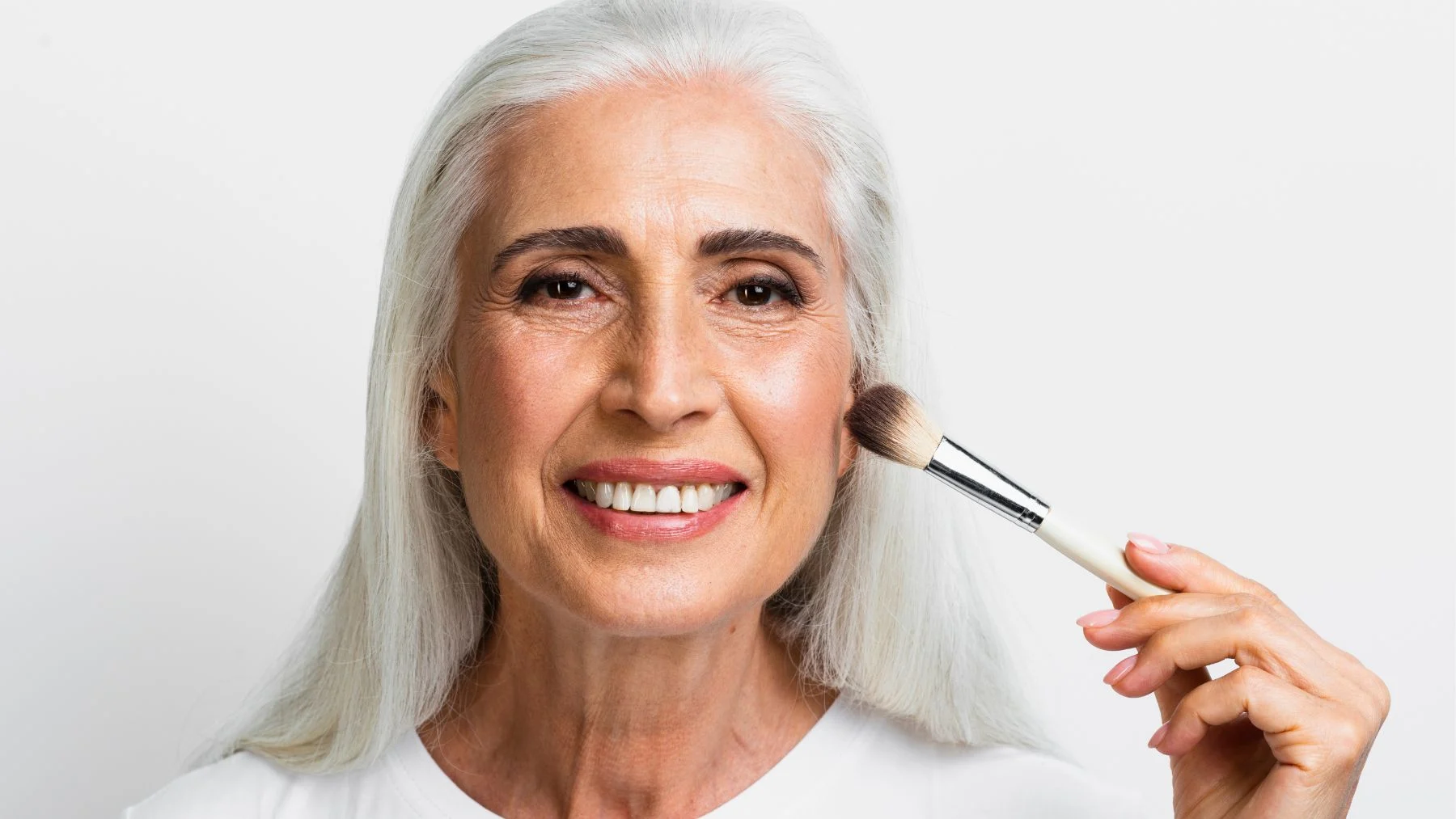
According to top makeup artists, the real secret is making primer an essential part of your routine. Often overlooked, this lightweight product sits between skincare and makeup, creating a smooth, radiant base that instantly enhances your skin’s texture.

Applied after your moisturizer but before foundation, primer adds hydration, glow, and staying power to your look. Makeup artist Laura Geller suggests combining a luminizing primer with a foundation that has a hint of pearl to help blur dark spots and even out tone. Meanwhile, Gita Bass highlights that a hydrating primer prevents foundation from settling into fine lines — a must for mature skin.

To get the most out of it, apply a small amount evenly across your face and let it set for about a minute before adding foundation or concealer. This simple step ensures smoother application and a natural, skin-like finish. Think of it as your shortcut to a radiant glow with minimal effort.

If you’re looking for reliable, affordable options, try Milani Illuminating Face Primer, e.l.f. Illuminating Face Primer, L’Oréal True Match Lumi Glotion, or Laura Geller Spackle Perfecting Primer — all designed to hydrate and brighten while keeping your makeup fresh throughout the day.

More expert-approved beauty tips to elevate your routine

Beyond primer, these professional tips can completely refresh your beauty routine:

  • Start with a serum. Before primer, apply a vitamin C serum to boost glow and fade dullness, reducing the need for heavy foundation.
  • Choose luminous foundation. Go for glow-enhancing bases like Ilia Super Serum Skin Tint or L’Oréal Infallible Pro-Glow and use concealer only where needed.
  • Try brown eyeliner. For soft definition, replace black with brown and smudge gently for a natural look.
  • Add shimmer, not glitter. A touch of shimmer on the eyelids lifts and brightens mature eyes.
  • Define brows with tinted gel. A brow gel fills sparse areas and tames unruly hairs for a polished finish.
  • Warm up with bronzer. Cream or powder bronzers bring warmth and a healthy glow when applied high on the cheekbones.
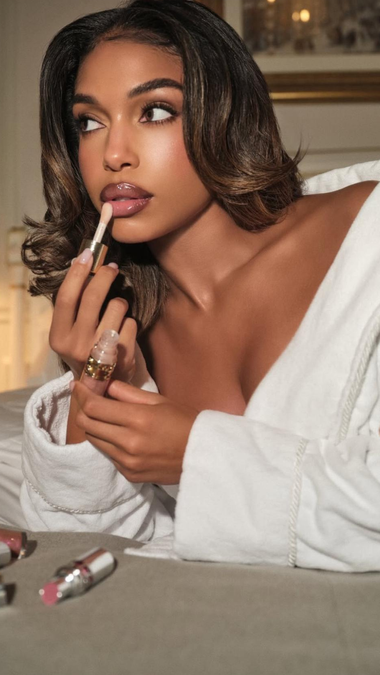
  • Hydrate your lips. Swap matte formulas for tinted lip oils or stains for color and comfort.
  • Keep tones consistent. Match warm or cool shades across eyes, cheeks, and lips for a balanced, harmonious look.

Each of these expert-approved steps focuses on enhancing glow, smoothness, and natural beauty — the key to a confident, modern look at any age.

Great makeup starts with great prep. Adding primer to your beauty routine is the simplest way to bring back radiance and redefine your glow.

Tags: , , , , , ,
How A Sauna Blanket Can Improve Your Wellness Routine And The Best Ones To Try

How A Sauna Blanket Can Improve Your Wellness Routine And The Best Ones To Try

Saunas are undoubtedly one of the biggest wellness trends to emerge in 2025, but it’s not always practical or feasible to find one near you. Luckily, alongside standalone saunas, sauna blankets are also having their moment in the spotlight. Using infrared technology packed inside comfortable blankets and wraps, sauna blankets are the at-home answer to heat therapy. They can offer myriad benefits, including toxin elimination, calorie burning, inflammation reduction and improved sleep and mood.

While the best sauna blankets aren’t cheap, you get what you pay for with many of the best options offering multiple physical and mental wellbeing benefits, as well as clever craftsmanship, portability and added features for ease of use, like customisable temperature settings.

Below, some of the best-rated sauna blankets and all your questions are answered by an expert.

How does an infrared sauna blanket work compared to a traditional full-size infrared sauna?

“An infrared sauna blanket uses the same core technology as a full-size infrared sauna,” explains Katie Mant, co-founder of science-backed wellness technology company Bon Charge . “It heats the body directly with infrared wavelengths rather than heating the air around you. The experience feels gentler, but the physiological effects are remarkably similar.”

“Traditional saunas rely on very high ambient heat to warm the body from the outside in. Infrared works the opposite way. The wavelengths penetrate into the body, creating a deep, internal warmth that stimulates circulation, supports sweating, and helps relax the nervous system, all at a lower, more comfortable temperature.”

Why are sauna blankets a good wellness tool?

“The Infrared Sauna Blanket simply brings that technology into a more accessible, cocooned format,” says Mant. “Because you’re wrapped in the heat, you get a very efficient rise in core body temperature, and many people actually find it easier to use consistently. A full-size infrared sauna cabin takes up space or requires you to visit the gym/spa, while an Infrared Sauna Blanket provides the same infrared benefits in a portable, at-home form that you can use on your sofa or bed. The Infrared Sauna Blanket makes infrared therapy more attainable, more frequent, and more integrated into everyday modern life.”

What’s the difference between different infrared options?

“When we talk about infrared, we typically refer to two wavelengths: near-infrared and far-infrared,” says Mant. “The difference comes down to how deeply each wavelength penetrates the body. Near-infrared penetrates to muscles and joints, [which is] great for recovery. Far-infrared penetrates the deepest, raising core body temperature to promote sweating and deep relaxation. Most infrared products choose one range; some combine them. The best option depends on the result you’re looking for.”

What physiological effects does infrared heat have on the body?

Infrared heat works by warming the body from the inside out, which creates a cascade of physiological benefits, according to Mant. “As your core temperature rises, blood vessels dilate, increasing circulation and oxygen delivery to tissues,” she explains. “This helps muscles relax, supports faster recovery and eases tension. The gentle heat also stimulates the lymphatic system and encourages sweating, which aids the body’s natural purification process. On a cellular level, infrared enhances mitochondrial activity, essentially improving how your cells produce energy, which is why many people notice better skin, improved mood and a deeper sense of calm after a session.”

Are sauna blankets safe for daily use?

“Like traditional saunas, when used as directed, the sauna blanket can be used daily by many people, though it may not suit everyone,” advises Mant. “The gentle far infrared heat works at lower temperatures than traditional saunas, allowing the body to adapt naturally over time. Daily use may be appropriate if well-tolerated; the key is to listen to your body and allow adequate rest between sessions. If you’re new to infrared therapy, start with shorter sessions at lower temperatures and gradually increase as your body adapts. Staying well hydrated before, during, and after each session is essential for safe and effective use – just as with any sauna ritual.”

Who should avoid sauna blankets?

As with other forms of heat therapy, sauna blankets may not be suitable for everyone. Mant advocates consulting a healthcare professional before use if you have heart disease, cardiovascular conditions, uncontrolled hypertension, abnormal blood pressure, diabetes, osteoporosis, implants, heat sensitivity, fever, acute illness, anhidrosis (inability to sweat), or take medications that affect circulation or blood pressure. “Do not use during pregnancy or while trying to conceive. If you have a diagnosed medical condition or are undergoing heat-sensitive treatment, including active skin conditions, open wounds, or injuries, seek professional guidance first,” says Mant.

How should someone monitor for signs of overheating?

“Following the directions for use can significantly reduce the risk of overheating,” says Mant. “Like traditional saunas, it’s important to be aware of warning signs when using a sauna blanket. Your body will signal when it’s time to stop. Exit immediately if you feel dizzy, lightheaded, nauseous, experience a headache, rapid heartbeat, difficulty breathing, or if sweating suddenly stops. If any discomfort arises, stop the session, hydrate, and cool down. If symptoms persist, seek medical advice. The goal is a gentle, restorative experience. Start low and slow, building gradually as your body adapts.”

Can sauna blankets deliver the same benefits as a full infrared sauna?

“Yes, in many cases, an infrared sauna blanket can offer very similar benefits to a full infrared sauna,” explains Mant. “Both use the same wavelengths to heat the body directly, raise core temperature, and trigger the physiological responses people seek: increased circulation, sweating, muscle relaxation and deep stress relief. The main difference is the format, not the mechanism. A full cabin provides space while the blanket creates a cocooned environment that’s incredibly efficient at trapping heat. For most people, especially those using infrared for wellness, recovery or relaxation, a high-quality sauna blanket can absolutely deliver comparable results in a more accessible, at-home way.”

What benefits can you expect?

Infrared sauna blankets are particularly powerful for recovery, stress relief and circulation. “As the infrared heat warms the body from within, blood vessels dilate, which increases oxygen-rich blood flow to the muscles, helping them relax and recover more quickly after training or long days on your feet,” says Mant. “At the same time, the gentle rise in core temperature helps activate the parasympathetic nervous system, creating a deep, calming effect that many people describe as a ‘full-body exhale.’ The heat also stimulates sweating and lymphatic flow, which supports the body’s natural purification process and overall vitality. In practice, they’re best for easing tension, improving sleep quality, boosting recovery and providing a quiet reset for both the body and mind.”

How often, and for how long, should someone use a sauna blanket?

“Most people see great results using a sauna blanket three to four times a week for around 20–45 minutes, but it ultimately comes down to personal tolerance and goals,” Mant. “Infrared heat is gentle, so more frequent sessions can be beneficial. The key is to start slow, build up gradually, and allow your body to adjust to the rise in core temperature. Consistency matters more than intensity; regular, comfortable sessions tend to deliver the best improvements in whole-body flow, muscle relaxation and overall wellbeing.”

What temperature range is actually effective and for how long?

“Infrared therapy doesn’t need extreme heat to be effective,” says Mant. “Most people get the best results in the 50–70°C range (122–158°F), which is warm enough to raise core body temperature and stimulate circulation, but still comfortable to relax in. Within that range, 20–45 minutes is ideal for most sessions. Because infrared warms the body directly rather than superheating the air, the benefits come from consistency and depth of heat, not the highest possible temperature. A steady, comfortable heat held over time is what delivers the improvements in recovery, sweating and overall wellbeing.”

What should a first-time user know?

For a first-time user, the most important thing is to start gently and let your body ease into the heat, says Mant. “Infrared feels different from a traditional sauna. It’s a slower, deeper warmth, so beginning with a lower temperature and a shorter session helps you find your comfort zone. Stay hydrated, wear lightweight clothing or a towel inside the blanket, and give yourself time to rest afterwards. Most people are surprised by how calming the experience is. Think of it as a ritual, not a race. The benefits build with consistency, so finding a routine that feels good is far more important than pushing for intensity on day one.”

What other wellness practices do sauna blankets work well with?

“Infrared pairs beautifully with other wellness modalities because it enhances circulation, relaxation and cellular energy, which amplifies whatever you combine it with,” says Mant. . Many people use it after strength training or Pilates to support recovery, or alongside breathwork and meditation, because the deep warmth naturally drops you into a calmer state. It also works synergistically with practices that activate the lymphatic system, like dry brushing. The key is to treat it as part of a ritual. Choose modalities that help the body unwind, repair or replenish, and the infrared heat will make those effects even more pronounced.”

How should a sauna blanket be cleaned?

Cleaning a sauna blanket is surprisingly simple. “Because the interior is designed to be wipe-clean, all you need to do after each session is let it cool, then wipe it down with a gentle, non-toxic cleaner or a damp cloth,” says Mant. “For extra hygiene, many people use a towel or lightweight clothing inside the blanket, so it stays fresher for longer. The key is avoiding harsh chemicals or soaking the blanket. A quick wipe after use is enough to keep it clean and ready for your next session.”

Why have sauna blankets become so popular recently?

“I think sauna blankets have surged in popularity because they fit the way people want to take care of themselves today, effectively, conveniently and at home,” says Mant. “Infrared therapy used to be something you could only access in high-end spas or full-size saunas, but the blanket format makes it accessible to use daily, even in small spaces. They also speak to the growing desire for rituals that support recovery, stress relief and deep rest. People are realising that wellbeing doesn’t have to be complicated; a 20–45-minute session in a warm, cocooned environment feels both luxurious and genuinely restorative, which is why they’ve become such a go-to modern wellness tool.”

What’s next for at-home heat therapy?

“At-home heat therapy is only just beginning,” says Mant. “As people become more educated about recovery, sleep and nervous-system regulation, I think infrared will shift from a ‘wellness extra’ to an essential part of everyday self-care, much like skincare or supplements. We’re also seeing a move toward multifunctional, beautifully designed devices that integrate seamlessly into the home, rather than feeling clinical or bulky. The future is about personalisation, portability and ritual: tools that adapt to your lifestyle, deliver measurable benefits and create a moment of calm in increasingly busy lives. I believe at-home heat therapy will become one of the core pillars of modern wellbeing.”

Meet the expert

  • Katie Mant is co-founder of Bon Charge, an Australian wellness company specialising in science-driven data and technology

Tags: , , , ,
What's Skinimalism? Skincare With High Quality Products Over 10 Step Routine | Beauty News

What’s Skinimalism? Skincare With High Quality Products Over 10 Step Routine | Beauty News

Last Updated:November 22, 2025, 15:40 IST

Skinimalism may not work for skin types with pigmentation, acne, or scars as they may need more advanced skincare products to repair the skin barrier.

Skinminimalism is a concept that focuses on building healthy skin rather than flawless skin.

In a world full of serums, acids, and complicated multi-step rituals, a quieter and more mindful skincare movement is gaining popularity, known as “skinimalism”. The concept celebrates simplicity, being intentional, and embracing the natural texture of your skin, rather than using endless combinations or layering several actives. Skinimalism encourages individuals to identify their skin’s true needs. Dermatologists have observed this shift, noting that their patients are now more inclined to adopt less aggressive, more consistent, and simpler skincare routines that are easy to follow.

What Skinimalism Really Means?

Skinimalism is not just a minimal routine, shares Dr Purva Pande, MBBS, MD Dermatology, DNB, MNAMS, Director Dr Purva’s Skin Clinic, Panchkula, adding, “It is a concept that focuses on building healthy skin rather than flawless skin. It suggests fewer but more thoughtful products that help the skin barrier instead of adding one more layer.” Essentially, it means to take a step back from the endless experiments and skin routine and focus on following the basics of skincare, i.e., washing, moisturising, and protecting your skin from the sun.

The skin, when not overwhelmed by too many products, can function at its most optimal level, leading to better hydration, less irritation, and a natural glow.

Why Skinimalism Works

One of the biggest advantages of a simplified routine is the reduced risk of irritation and ingredient overlap. Too many products, especially exfoliants and strong actives, can weaken the skin barrier and lead to dryness, redness, or breakouts. Skinimalism helps prevent this by allowing the skin to recover and maintain equilibrium.

Dr Purva said, “Patients who switch to minimal routines often report fewer flare-ups, softer texture, and more predictable skin behaviour. Another underrated benefit is consistency, as when routines are simple and affordable, people are far more likely to follow them daily, leading to better long-term results.”

However, skinimalism does indeed have a few limitations, especially for skin types with deeper issues like pigmentation, acne, or scars. They may need something more advanced than standard skincare products to repair the skin barrier.

Under those circumstances, performing in-clinic treatment with devices like the Alma Hybrid can help target problematic skin through resurfacing and collagen stimulation therapy, while enabling patients to maintain a low-maintenance skincare regimen at home.

A Simple Skinimalism Routine Anyone Can Follow

“A basic skinimalism routine is built around a few essential steps,” explains Dr Purva. Cleansing skin with a gentle face wash in the morning to remove sweat and oil, applying a moisturising cream to hydrate the skin, and protecting your skin by using a broad-spectrum sunscreen of SPF 30 or more, and in the evening, following a 2-step routine by washing the face to remove the dirt and grime and then applying a rich night cream for repairing the skin overnight.

If someone feels the need for a little extra help, they can add one single targeted product, such as niacinamide or hyaluronic acid, but only in case there are specific skin issues. The idea is not to have a stash of products but to make deliberate choices.

Practising Skinimalism the Right Way

“To effectively practise skinimalism, pay attention to the needs of your skin,” says Dr Purva. Choose products that consist of multi-benefit ingredients such as ceramides, niacinamide, and hyaluronic acid. “Be mindful of not over-exfoliating, and introduce new products gradually to your skincare routine. Always patch-test any new product to check for a reaction, and definitely wear sun protection regularly,” the expert says.

Skinimalism is essentially about taking care of your skin in a way that suits your needs, not about limiting yourself. If you keep your routine simple and pay attention to what your skin is telling you, you can have skin that’s healthier, calmer, and stronger, with minimal effort.

First Published:

November 22, 2025, 15:36 IST

News lifestyle beauty What’s Skinimalism? Skincare With High Quality Products Over 10 Step RoutineDisclaimer: Comments reflect users’ views, not News18’s. Please keep discussions respectful and constructive. Abusive, defamatory, or illegal comments will be removed. News18 may disable any comment at its discretion. By posting, you agree to our Terms of Use and Privacy Policy.

Tags: , , , , , , , , ,
How to use sandalwood in your wellness routine

How to use sandalwood in your wellness routine

Follow this guide

What’s the story

African sandalwood, with its soothing aroma and therapeutic properties, is a go-to for wellness enthusiasts.
This aromatic wood is known for its calming effects on the mind and body.
From skincare to aromatherapy, African sandalwood can be used in a number of ways to promote relaxation and well-being.
Here are five ways you can add this natural resource to your wellness routine.

Aromatherapy with sandalwood oil

Aromatherapy with African sandalwood oil can help reduce stress and improve mood.
Just add a few drops of the oil into a diffuser, and let the calming scent fill your space.
Inhaling the aroma can help you relax after a long day or set a peaceful atmosphere for meditation.
The oil’s grounding scent is said to promote mental clarity and emotional balance.

Skincare benefits of sandalwood

African sandalwood is also used in skincare products, thanks to its anti-inflammatory properties. It may help soothe irritated skin and reduce redness.
You can apply sandalwood paste or cream directly onto your skin as part of your daily skincare routine.
Its natural oils provide hydration without making your skin feel greasy, making it ideal for all skin types.

Enhancing meditation practices

Incorporating African sandalwood into meditation practices can deepen focus and enhance spiritual connection.
The wood’s earthy aroma helps create an environment conducive to mindfulness by minimizing distractions.
Burning sandalwood incense during meditation sessions can also aid in achieving a state of tranquility, allowing practitioners to immerse themselves fully in their practice.

Creating relaxing baths with sandalwood

Adding African sandalwood essential oil to bathwater can transform an ordinary bath into a relaxing spa-like experience at home.
Just add a few drops of the oil into warm bathwater, and soak yourself in its soothing embrace after a tiring day or before going to bed at night.
This practice not only relaxes muscles but also uplifts mood through its calming fragrance.

Using sandalwood for stress relief

For those looking for quick stress relief, African sandalwood can be a great option.
Applying it topically on pulse points, like wrists or temples, provides immediate calming effects through inhalation of its scent throughout the day.
This makes it easier to manage everyday stressors without any hassle.

Tags: , ,
Why your summer skincare routine is failing you this winter

Why your summer skincare routine is failing you this winter

(Image Credits: Pinterest) As temperatures drop and winter breezes settle in, people start experiencing a sudden shift in their skin and hair health, resulting in tightness, flakiness, dullness, chapped lips, and frizzy hair. If you are also wondering why your skincare routine worked perfectly in summer but seems ineffective now in this chill season, there’s a simple reason: your skin’s needs change drastically with the season, and your routine must evolve with it.As soon as winter comes, it brings dry air, low humidity, and colder winds, all of which strip natural moisture from the skin and hair. One of the main reasons your routine isn’t working is because you’re sticking to your lightweight, gel-based, summer-friendly items.Here’s what’s going wrong—and how to fix it.1. You’re Not Prioritising Deep HydrationSummertime is all about light hydration and oil management. However, winter necessitates substantial nourishment that fortifies the skin barrier and restores lost moisture.

(Image Credits: Pinterest)

Switch to a Hydrating Body LotionEven while your summer lotion can seem “invisible,” it’s not doing enough in the cold. A thick, moisturizing body lotion that can reach deeper skin layers and retain moisture for extended periods of time is what you need.Look for ingredients such as White Haldi, Kokum Butter, White Lily, and Almonds, that provide daily conditioning, maintain softness even in harsh weather and gives you plump, luminous and youthful skin.2. Your Face Wash Might Be Too DryingFoaming or gel cleansers that work in summer often strip essential oils during winter.Use a Soap-Free Face WashA good soap-free face wash that does not contain any kind of SLS can help maintaining the skin glowing and nourished. You can look for actives such as hyaluronic acid, ceramides and glycerine for optimum results. On the other hand, if you are a pro-natural person then you should look for natural ingredients like cranberry, mulberry, avocado, oranges, grapefruits, olive oil, white haldi, etc that ensures your skin is cleansed properly without disrupting its natural skin barrier. This simple switch prevents tightness, dryness and that uncomfortable stretched feeling after washing your face.Winter skincare begins with choosing the right cleanser—one that hydrates as it purifies.3. You’re Ignoring Your LipsLips have no oil glands, making them extremely vulnerable and chapped to winter dryness. If you’re applying your usual lip care but still facing cracks and flakiness, it’s because your lips need deeper nourishment, which your summer Lip care is not providing. You must strictly avoid lip balms with lead and synthetic polymers that can further block your lips from getting the nutrition they deserve during winter.

Why Incorporate Vitamin C Into Your Skincare Routine

Choose a Lip Balm with Vitamin E, Licorice Oil & Shea Butter● Vitamin E helps repair damaged lip skin.● Licorice Oil brightens and improves lip tone.● Shea Butter forms a protective barrier to keep moisture sealed in.This trio ensures long-lasting softness and healing even in peak winters.4. Your Haircare Routine Is Not SeasonalJust like skin, hair becomes extremely dry during winter. Losing natural oils leads to frizziness, split ends, brittle strands and dandruff.Use a Nourishing Hair Oil with Methi Dana (Fenugreek)

(Image Credits: Pinterest)

Methi dana is a time-tested ingredient known for:● Reducin frizz● Treating dryness● Strengthening hair from the roots● Restoring shine and bounceIts rich conditioning properties make it indispensable for winter haircare.5. You’re Not Building a Protective BarrierSummer skincare is light and breathable. Winter skincare is restorative and protective.Your routine should create a shield that prevents moisture loss and environmental damage.The right winter essentials—hydrating lotion, nourishing face wash, enriching lip balm, and oiling routine—work together to maintain your skin barrier and hair health.Your skin and hair don’t fail you during winter—your routine does. With lower humidity and cold temperatures, your body needs formulations that hydrate deeply, soothe dryness, and protect from harsh weather.(Inputs By: Nitin Jain, Founder, La Pink)

Tags: , , , ,
The best aeroplane skincare routine for glowing post-flight skin - and mistakes to avoid

The best aeroplane skincare routine for glowing post-flight skin – and mistakes to avoid

Hitting the tarmac with breakouts and tired, dull, dry skin is less than ideal ahead of a jet-setting holiday or an important work trip. 

Taking care of your skin while flying is no easy feat, with harsh air conditioning pulling the moisture out of your cheeks and the circulation of bacteria threatening to tarnish your skin barrier.

However, while difficult, it is not impossible. While up in the air, you have plenty of time to implement a small skincare routine that can help protect your face from the toll flying takes on your body. 

I personally struggle with post-flight blemishes and so, went on a mission for myself and HELLO! readers to seek expert advice on how we can all take better care of our skin while travelling above the clouds. 

Why your skin acts up while flying 

Taking to the skies has a grave impact on your skin, but for most of us, the reason why flying creates havoc is pretty unknown.

Road trips or train journeys don’t seem to be as detrimental, so what is it about getting on an aeroplane that makes our skin struggle as much as it does? 

There are a few reasons why flying can wreck your skin, but it is mostly due to the extremely low humidity inside the cabin that causes moisture to evaporate and your face to become uncomfortably dry. 

Typically, most aircraft cabins have humidity levels that sit below 20 per cent. This creates an environment that is drier than some deserts and leaves skin feeling tight and flaky. 

If you are someone who suffers from oily skin, the dryness in the air can trigger your skin to start overproducing oil to compensate for the lack of moisture, resulting in breakouts and clogged pores. 

Elsewhere, the reduced oxygen levels and pressure changes on a flight mean that less oxygen is circulated to your skin, causing it to appear dull and tired. 

Stress and an early morning departure time can also contribute to washed-out skin as your body battles being awake at a frighteningly early hour of the morning or an equally late time at night. 

© Getty ImagesMake sure your products adhere to the airline’s guidelines

Pre-flight – cleanse, hydrate, and ditch the makeup

Before you even get on the plane, there are some things you can do to prep your skin for the journey ahead. 

This includes cleansing and applying a heavy moisturiser before leaving the house and heading to the airport, and leaving your face makeup-free. 

Dermatologist Dr Anna Andrienko told HELLO!: “I always tell patients to treat a flight the way they’d treat a nighttime routine. 

“Start with a gentle, non-stripping cleanser, then apply a humectant serum containing hyaluronic acid or glycerin, followed by a ceramide-rich moisturiser to lock that water in. Avoid wearing makeup, which can mix with bacteria and sweat during a flight and increase congestion.

“At Dr Ducu Clinics, we remind frequent travellers that good pre-flight skin prep is more effective than anything you do in the air because it stabilises the barrier before it’s exposed to extreme dryness.” 

Travel grooming expert Abel Disla added: “The night before you fly matters more than the hour before boarding. Do a gentle cleanse, light exfoliation, then a hydrating, non-greasy moisturiser on face and scalp. Think ‘well-sealed skin’, not ‘glazed doughnut’.”

During the flight – mist, moisturise, and protect 

Once in the air, you’ll be left to your own devices, so the products you pack are vital if you are interested in maintaining your skin as you soar above the clouds. 

Melanie Brownlow, founder of St. Moriz tan, highlighted the importance of SPF when sitting in a window seat. She said: “It has been said that sitting in a window seat with the blind up during a flight for an hour has the equivalent UVA radiation as twenty minutes on a tanning bed, so missing this step is a no-go.

“If you can, try to stick to an oil-free sunscreen as oil-based products can interfere with the self-tanning process. Avoiding this will help you achieve an airbrushed, streak-free finish.” 

She also suggested: “Once your SPF has had time to settle on the skin, it’s important to keep the hydration up – especially if you’re on a long-haul flight. 

“The best way to do this is by using a light face spritz. Spritz your face with a water-based facial mist every 30-40 minutes to prevent any dryness from occurring. Just make sure it’s under 100ml so you can bring it into your cabin bag!” 

Dr Anna warned against the dangers of over-hydrating your face, to ensure excess product doesn’t clog your pores. 

She said: “On board, focus on maintaining hydration, not over-treating. A hydrating mist with thermal water or hyaluronic acid adds surface moisture, and topping up your moisturiser every few hours helps prevent barrier disruption.

“Avoid applying active ingredients such as retinol, AHAs or BHAs mid-flight. In such low humidity, these can easily lead to irritation.

“Don’t forget lips and hands. They lose moisture fastest due to the thinness of their skin and constant washing on planes.” 

© Getty ImagesThe low humidity in the cabin is what causes extreme dryness

Post-flight – cleanse again, apply serum, calm your skin

The work doesn’t stop once you have descended the plane’s steps. What you do for your skin once you have reached your destination is just as important as all the other steps. 

Abel recommended: “As soon as you get to your hotel, treat it like a mini reset: cleanse off cabin grime, use a calming serum with niacinamide or centella, then a simple moisturiser. No new activities on landing day, your skin is already stressed.” 

What to pack in your carry-on

Something to note before you zip up your cabin bag is the liquid restrictions enforced by the airline and the airport. 

There’s no point in bringing all your best products along with you if they are only going to get taken off you while passing through security before you reach departures. 

Dr Anna put together a list of things suitable for your carry-on that could save your skin from take-off to landing. 

She reminded flyers that “all products must be under 100ml” (though some modern scanners now allow more, it’s best not to risk it!), and suggested this order of application:

  • A gentle micellar cleanser
  • Hydrating serum (hyaluronic acid, glycerin or panthenol)
  • Ceramide or peptide moisturiser
  • SPF 30+
  • Lip balm
  • Hand cream
  • A simple hydrating mist

“If you fly regularly, keep a pre-packed travel skin kit. Many of our patients do this, so they aren’t tempted to use overly strong products on board,” the expert added. 

Mistakes to avoid 

When it comes to caring for your skin, there are tons of recommendations and overly hyped products out there that could be making things worse, not better. 

Before you take to the skies, make sure you avoid these mistakes so that you land glowing and not glowering at a usually overpriced skincare hack that has caused a breakout on your face. 

Dr Anna urged people to avoid sheet masks. “They seem luxurious, but in the dry cabin air, they actually pull moisture out of your skin as the sheet starts to dry,” she said. “Sheet masks only work in humid environments where evaporation is minimal.” 

She also advised that any alcohol-based products be left at home as “these increase dryness and undermine the skin barrier – exactly what you’re trying to protect”.

Her final tip was to skip using creams that have too many active ingredients: “The plane is not the place for retinoids, acids or strong vitamin C serums. Save those for home, where humidity is normal”. 

Tags: , , , , , , ,
Health Listicle: 5 Ways To Build The Essential Men's Skincare Routine:

Health Listicle: 5 Ways To Build The Essential Men’s Skincare Routine:

Everyone’s skin is different, varying between dry, oily, normal, sensitive or a mix.

Men’s skin is quite different from women’s and needs its own regimen. 

The American Academy of Dermatology advises using oil-free or non-comedogenic products (that don’t block the pores) for those who are acne-prone.

While fragrance-free potions should be picked for sensitive skin, avoid items labelled unscented, as they may still contain hidden fragrances that hurt the skin.


Photograph: Kind courtesy Mas Vathon/Pexels

1. Face Cleansing

Wash your face twice a day with a gentle, non-abrasive cleanser to wash away dirt and oil without harming your skin barrier, states Cleveland Clinic.

When shaving, use a sharp razor, go with the grain, skip hot water and finish with moisturiser to calm the skin, according to the American Academy of Dermatology.

 Photograph: Canva

2. Moisturise Daily

Right after washing your face, while it’s still a little moist, smooth on a moisturiser that matches your skin type.

Opt for hypoallergenic, fragrance-free formulas to lock in hydration — petrolatum, or petroleum jelly, is one of the safest, most soothing ingredients you can choose, says Mayo Clinic.


Photograph: Kind courtesy David Chancey/Wikimedia Commons

3. Protect Your Skin From The Sun

Sunlight is the main culprit behind early ageing and skin cancer, warns Harvard Medical School.

Shield your skin daily with a broad-spectrum SPF 30+ sunscreen, even on cloudy days or when indoors, informs Mayo Clinic. 

Photograph: Kind courtesy Loico/Wikimedia Commons

4. Smart Sweat Control For Men

Men naturally perspire more than women, which often leads to stronger underarm odour.

While many can manage with a regular deodorant, those dealing with hyperhidrosis (excessive sweating) should choose an antiperspirant containing aluminium chloride, as it helps reduce sweat by blocking the glands, advises WebMD.

Apply it at night before sleeping, and rinse it off the next morning to prevent any skin irritation, explains WebMD.


 Photograph: Canva

5. Beat Ingrown Hairs Naturally

If you often struggle with ingrown hairs on your face, gently exfoliate a few times a week to clear away dead skin cells, suggests Cleveland Clinic.

Prefer a more natural touch? Choose products infused with earthy or woody essential oils like sandalwood or cedarwood for a refreshing finish, states Healthline.

Tags: , , , , , , ,
How to Build a Long-Term Skin Care Routine - River Journal Online

How to Build a Long-Term Skin Care Routine – River Journal Online

Photo: Shutterstock

Taking care of your skin is a rewarding commitment. It involves nurturing your skin, keeping it healthy, and feeling confident every day. With many products and advice available, starting can feel overwhelming. The good news is that you can create an effective skincare routine without making it complicated.

Building a routine that suits your skin type and concerns is key to lasting beauty. Whether you’re new to skincare or have tried various products, there’s always a chance to improve your routine. Let’s look at how to build a simple and effective skincare routine for lasting results.

Know Your Skin Type

Before buying products, understand your skin type. Is it dry, oily, combination, or sensitive? Each type has different needs, and knowing your skin will help you choose the right products. For oily skin, lightweight, non-comedogenic products work best. Dry skin often needs thicker, more hydrating creams.

Watch how your skin reacts over time. Factors like weather, diet, and stress can change its condition, so be flexible with your approach. Regularly check your skin to adjust your routine as needed.

Basic Steps

A basic skincare routine usually includes cleansing, toning, moisturizing, and sun protection. Start with a gentle cleanser to remove dirt and makeup without stripping your skin of its natural oils. Next, use a toner to balance your skin’s pH and prepare it for other products.

Moisturizers keep your skin hydrated. Choose a light formula for oily skin and a richer cream for dry skin. Sun protection is essential; using sunscreen daily helps prevent aging and skin cancer. Find a product that fits easily into your routine.

Adding Treatments

After you establish the basics, think about adding targeted treatments. Serums work well for specific issues like dark spots, fine lines, or acne. Ingredients like vitamin C and hyaluronic acid can benefit all skin types.

Don’t forget exfoliation. Use chemical or physical exfoliants 1-3 times a week based on your skin’s tolerance. This helps remove dead skin cells, promoting cell turnover and revealing brighter, smoother skin.

Considering Botox

While a good skincare routine helps your skin, many people also turn to cosmetic treatments to enhance their routine. Vancouver Botox has become popular for reducing fine lines and wrinkles, giving your skin a smoother, younger look. This non-invasive procedure involves injecting purified botulinum toxin into specific muscles. This temporarily relaxes the muscles, reducing wrinkles.

Botox can enhance a skincare routine but does not replace it. Many find that regular treatments make their skin feel rejuvenated, allowing products to work better. When combined with a solid skincare regimen, Botox can enhance your overall appearance and help maintain a youthful appearance.

Ongoing Care

Creating a long-term skincare routine takes commitment. Consistency is important for seeing real results, so try to stick to your regimen daily. It is helpful to set reminders or create a checklist for morning and evening.

Regularly check your skin and routine. Changes in your skin’s needs often mean it’s time to try new products or adjust what you currently use. Consulting the best Botox clinics in Vancouver can also give you personalized advice and recommendations.

Listen to Your Skin

Your skin reflects your health, so pay attention to what it needs. Diet, hydration, and sleep significantly affect how your skin looks. Eating a balanced diet full of antioxidants and drinking enough water can improve your skin.

Skincare products are not the same for everyone. What works for a friend may not work for you. Try different products and techniques to see how your skin reacts. Adjust your routine based on its response.

Embracing Minimalism

With so many products available, sometimes less is better. A minimalist skincare routine focuses on quality over quantity. Use a few essential products that match your skin’s needs, rather than too many items that can overwhelm you.

By simplifying your routine, you can make it easier while still achieving healthy skin. Fewer products can lead to better results and reduce the risk of irritation from overlayering.

Seasonal Adjustments

Just like you change your clothes with the seasons, you should also change your skincare routine. The weather can affect your skin, so it’s important to adjust your products and habits.

In the colder months, the air is usually drier, and your skin may need thicker moisturizers to help with dryness. Look for ingredients like shea butter or ceramides for better hydration. You should also use a creamier cleanser to keep moisture in your skin.

Tags: , , , , , , ,
Kourtney Kardashian breaks silence on wellness routine amid raising newborn son

Kourtney Kardashian breaks silence on wellness routine amid raising newborn son

Kardashian shares Rocky born in November 2023 with her husband, rocker Travis Barker

Kourtney Kardashian opened up about still breastfeeding her two-year-old son, Rocky Thirteen, during the Women’s Wear Daily (WWD) Beauty Inc Awards in New York on Tuesday. 

The 46-year-old reality participated in a panel titled ‘Lemme Lead: Redefining Wellness & Access’ at WWD’s The Catalysts, where she showcased her wellness brand, Lemme, alongside co-founder Simom Huck. 

Kardashian, who shares Rocky born in November 2023 with her husband, rocker Travis Barker, 50, spoke candidly about breastfeeding while discussing how she sustains her energy as a busy mother of four. 

When WWD moderator Jenny B. Fine asked her about the source of her vitality, Kardashian who recently sparked pregnancy rumours explained her wellness regimen and shared insights on balancing motherhood with her professional commitments.

‘How do I get my energy? Honestly, I have no idea. I wonder that. I do no alcohol. I am breastfeeding.’ 

Huck, 42, added, ‘You were a matcha girl before.’ 

The Kardashians star, who looked stunning in a whit suit at the event, then replied,’ I cannot wait to have matcha again.’ 

‘It’s a choice. I technically could have it, I think while breastfeeding, but it’s just become a choice.’

The mom-of-four, who was joined by Lemme co-founder Simon Huck on the panel, also shared that she’s avoiding coffee. Kardashian, also has three children-Mason, 15, Penelope, 13, and Reign,10, with ex partner Scott Disick.

Tags: , , , , , , , ,
Best oLive
Privacy Overview

This website uses cookies so that we can provide you with the best user experience possible. Cookie information is stored in your browser and performs functions such as recognising you when you return to our website and helping our team to understand which sections of the website you find most interesting and useful.