hair growth serum

DIY Hair Growth Serum (and What Really Helps Hair Grow)

When our body starts to feel overwhelmed by stress, illness, or shifting hormones one of the first places we can see it is our hair. Hormones affect nearly every aspect of health, and I’ve certainly seen the connection between hormones and hair growth firsthand.

After many years of pregnancy, nursing, and thyroid challenges, my body was tired. I remember standing at the bathroom mirror after years of elevated hormones from pregnancy and nursing. The postpartum hair loss finally hit… and boy did it ever.

I addressed the stress and hormone imbalance, and the hair loss slowed. But I still wanted something to help new hair grow more quickly and protect my scalp and hair. This homemade hair growth serum is the result.

Some women go to a dermatologist or beautician for hair concerns. I tend to go to my pantry. Like my homemade sea salt spray, this DIY hair serum for growth is affordable and uses nourishing ingredients to naturally support scalp health.

What Really Causes Hair Loss 

Hair loss rarely happens in isolation. It’s often a sign that something deeper is happening in the body. Common root causes include chronic stress, hormone shifts, thyroid imbalance, postpartum changes, nutrient deficiencies, and post-viral illness. When our body doesn’t have enough resources, it prioritizes keeping us alive. And hair doesn’t make the cut. 

Supporting hair growth starts from the inside. Prioritizing protein, iron, zinc, and B vitamins helps the body rebuild hair tissue. Managing stress through sleep, gentle movement, and nervous system support can also make a noticeable difference. For hormonal hair loss, balancing blood sugar and supporting thyroid and adrenal health can be helpful. 

While addressing the root cause is key, using products topically can also help. That’s where a scalp serum for hair growth can be beneficial.

Do Hair Growth Serums Actually Work?

The answer is, it depends. A serum won’t fix hormone imbalances or chronic stress on its own, but it can support scalp health and stimulate circulation, which helps hair follicles function better.

Treatments like minoxidil are widely used, and studies show they can sometimes work, but not without risks. There are plenty of natural ingredients that can work just as well or even better than the conventional options. Rosemary oil for one. One study showed it worked as well as minoxidil for certain types of hair loss. If you want a natural approach, a homemade serum is a gentle option.

So, what stimulates hair growth best? Healthy circulation, nutrients, lowering inflammation, and a healthy scalp all play a role. A serum can provide the support your scalp needs externally while lifestyle and nutrition address the issue from the inside.

Why Use a Hair Growth Serum?

A good hair serum for growth helps:

  • Stimulate circulation to the scalp
  • Nourish follicles with vitamins and minerals
  • Soothe irritation and dryness
  • Protect hair from environmental damage

Whether you’re looking for the best hair growth serum for women or a hair growth serum for men, the goal is the same: create a healthy scalp environment that supports regrowth.

Best Hair Serum for Hair Growth: DIY Recipe

This DIY serum combines herbs and essential oils traditionally used to support hair and scalp health. It’s gentle enough for regular use and water based so it doesn’t make hair feel really oily.

Key Ingredients in This Serum For Hair Growth

  • Nettle – Rich in iron and vitamins A, C, and K, along with potassium and magnesium. These nutrients are essential for healthy hair follicles. Helps stimulate hair growth and improve scalp health.
  • Horsetail – High in silica, a mineral that supports hair strength and elasticity. Silica is linked with thicker, shinier hair.
  • Aloe Vera Gel – Aloe vera gel naturally soothes the scalp. Its the base of the serum and helps reduce irritation and dryness. Aloe also provides lightweight hydration so it’s great for most hair types.

Essential Oils for Hair Growth

Not only do they smell good, but these essential oils help stimulate circulation and promote hair growth.

  • Rosemary oil is one of the most studied essential oils for hair growth. Some research suggests it may be comparable to minoxidil for certain types of hair loss.
  • Clary sage oil is traditionally used for hormonal balance and may be helpful for hormone-related hair loss. 
  • Lavender oil supports scalp health and has antimicrobial properties, which can help maintain a healthy scalp environment.

Together, these ingredients combine to create a powerhouse hair growth serum!

Hair Growth Serum Recipe

Help stimulate hair growth with this aloe vera, herb, and, essential oil recipe.

Prep Time5 minutes

Steeping Time15 minutes

Total Time20 minutes

Yield: 8 ounces

Author: Katie Wells

  • In a small pan, bring the distilled water to a boil.

  • Remove from the heat and add the dried nettle leaf and horsetail leaf.

  • Cover the pot and let the herbs sit in the water for at least 10 minutes or until the water cools.

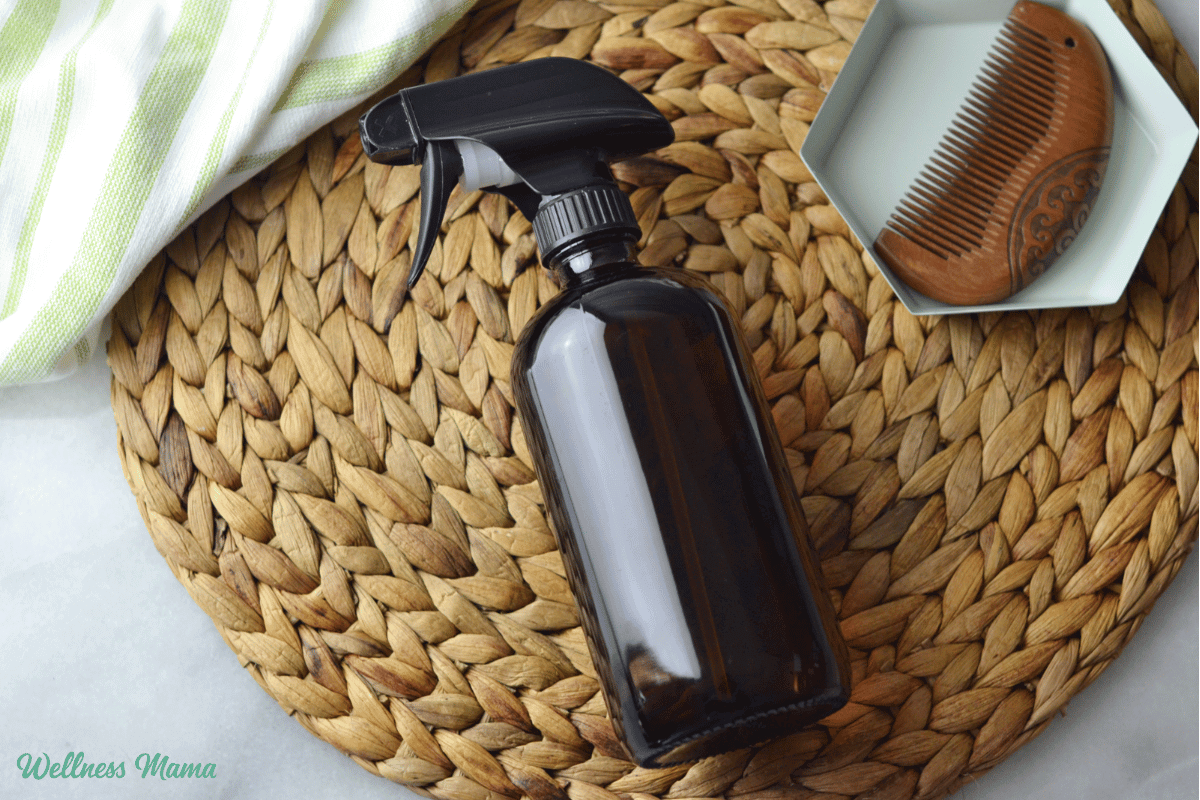
  • Strain the herbs out and pour the herbal tea into a spray bottle.

  • Add the aloe vera gel and essential oils and shake well.

  • Store in the refrigerator and shake well before use.

  • Spray liberally on hair roots once or more per day. I found that it was easiest and worked the best to spray on before bed each night.
  • This hair serum will last about 1 week if stored in the fridge. You can also freeze some if you want to make a bigger batch for later. 

How to Use Scalp Serum For Hair Growth

Apply a small amount of serum to the scalp and massage gently. Focus on your scalp and hair roots. Massage increases circulation, which helps deliver nutrients to follicles. I sprayed this scalp serum on every night before bed. You can use it on either wet or dry hair. 

What Is the Most Effective Hair Growth Serum?

The “most effective” serum depends on the cause of hair loss. Rosemary oil has emerging research and is a popular natural alternative. Herbal and essential oil–based serums, like this DIY recipe, work best as part of an overall approach that includes nutrition, stress management, and hormone support.

So, which hair serum can regrow hair? Regrowth actually depends on follicle health. A serum can support follicles that are dormant or weakened, but it’s much harder to revive inactive follicles. That’s why early intervention and addressing root causes are important.

Final Thoughts on Hair Growth Serum

Hair loss can feel discouraging, especially when it’s tied to postpartum changes, stress, or illness. While hair loss is common in life, we don’t have to take it lying down. It’s so important to address the root causes, but using a hair growth serum can also be really helpful in the meantime. 

I love this hair growth serum because it’s simple with nourishing ingredients and I noticed a definite difference from it. 

How do you support healthy hair? What products have you tried? Leave a comment and let us know!

Tags: , , , , ,
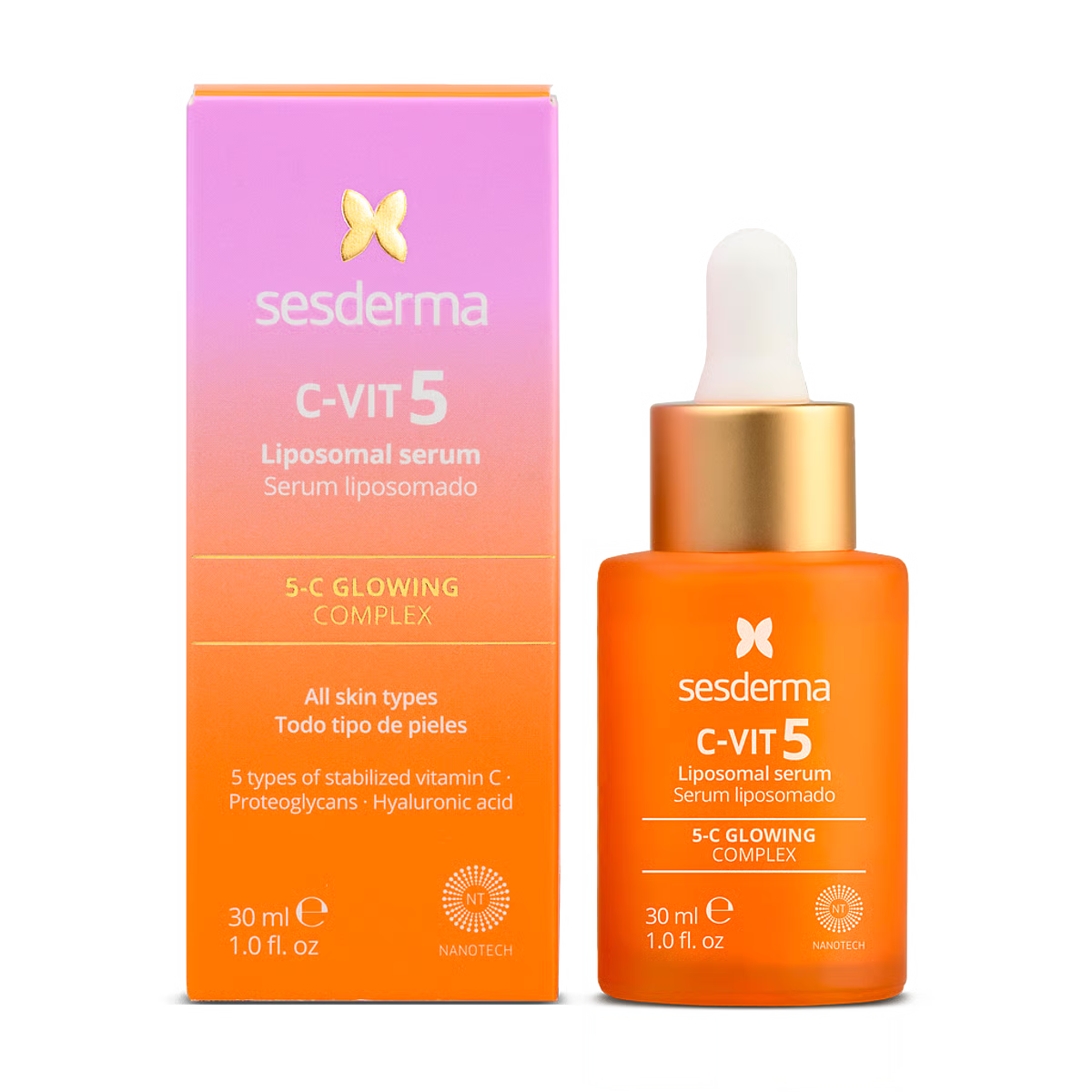
Sesderma C-VIT 5 Liposomal Serum Redefines Innovation In Skincare

Sesderma C-VIT 5 Liposomal Serum Redefines Innovation In Skincare

As the skincare industry evolves toward smarter, more targeted, and results-driven solutions, Sesderma remains firmly at the forefront of this transformation. By seamlessly integrating advanced technologies such as nanotechnology and liposomal delivery with clinically backed actives, the brand continues to set benchmarks in efficacy, safety, and performance. Each formulation is designed with accuracy, making sure that innovation translates into visible, meaningful results, while upholding the highest standards of dermatological integrity and long-term skin health.

Tags: , , , , , ,
Herzindagi

Vitamin C Serum: Benefits & Step-by-Step Application Guide This Summer

Summer can be tricky to manage your skin. One day it looks fresh and glowy, the next it feels oily, dull, or uneven despite the same routine. Heat, sweat, sun exposure, and pollution are common concerns during this season. So your skin needs to work with summer and not fight it.

Vitamin C Serum becomes a staple in such seasons. Summer is the time to see the best results if you ever wonder what its use is or whether it’s really worth using every day. All you need to do is use it correctly to protect your skin and keep dullness in check.

Benefits of Vitamin C Serum

Vitamin C is one of the most researched skincare ingredients for a reason. It addresses multiple skin concerns simultaneously, making it ideal for daily use.

  1. Brightens Skin

A brighter complexion is one of the most visible benefits of using a vitamin C serum. A 10 Vitamin C Serum  reduces dullness caused by sun exposure and dehydration, keeping your skin fresh and even-toned. It also helps fade dark spots and mild pigmentation with regular use.

  1. Fights Free Radicals

Sunlight and pollution release free radicals every day that damage your skin. Vitamin C neutralises their effects and reduces long-term damage. It slows early signs of ageing, such as fine lines and loss of firmness.

  1. Boosts Collagen Production

Collagen keeps your skin firm and elastic. Vitamin C supports collagen synthesis, helping your skin remain smooth and resilient as summer sun breaks it down.

  1. Reduces Redness and Inflammation

Vitamin C helps reduce inflammation if your skin becomes irritated or flushed in the heat. It can also improve the appearance of post-acne marks over time.

How to Apply Vitamin C Serum: Step-by-Step Guide

You can get the desired results if you know how to apply vitamin C serum correctly in summer, when your skin is already under stress.

Morning Routine (Best Time for Vitamin C)

Step 1: Cleanse

This is the basis of any skincare routine. Wash your face with a gentle cleanser to remove sweat, oil, and overnight buildup. Clean skin allows better absorption.

Step 2: Tone (Optional)

Apply it now to balance your skin and prep it for serum, if you use one.

Step 3: Apply Vitamin C Serum

Take 2–3 drops on your fingertips and gently pat them onto your face and neck. Avoid rubbing harshly.

Step 4: Moisturise

Use a lightweight, non-greasy moisturiser suited to summer weather. This seals in hydration without clogging pores.

Step 5: Sunscreen Is Mandatory

Vitamin C boosts your skin’s defence, but sunscreen seals the deal. Always use SPF 50+ during the day, even if you’re indoors or it’s cloudy.

When should I apply Vitamin C serum? The answer is morning because it protects your skin throughout the day.

Which Vitamin C Serum Is Best

You can look away from the claims on the label if you’re trying to figure out which Vitamin C serum for face benefits is best. Pay attention to the practical details that actually affect results.

Concentration Matters

Most Vitamin C serums are effective at 10–20% concentration. You can start with 10–15% if you are new to vitamin C or your skin tends to react easily. It does not cause any skin irritation.

Choose the Correct Form

L-ascorbic acid is the most researched form of vitamin C. It penetrates deep into your skin to fight dullness, dark spots, and early signs of ageing. 

Support of Other Ingredients Can Make a Difference

Vitamin C works best when it is not doing all the work alone. Ingredients such as Vitamin E and Ferulic acid stabilise the formula and enhance its antioxidant capacity.  

Packaging Is Not Optional

Vitamin C breaks down quickly when exposed to air and light. Dark, opaque, airtight bottles are ideal for storage, as they protect the formula. If your serum changes colour or smells odd, it is a sign of oxidation.

Pro Tips for Summer Use

  1. Store It Properly

Heat and light degrade vitamin C, so keep your serum in a cool, dark place. Some people even store it in the fridge.

  1. Avoid Certain Pairings

Don’t use Vitamin C at the same time as Retinol or strong exfoliating acids (AHAs/BHAs). Use them at night instead.

  1. Start Slow

Begin using vitamin C every other day if your skin is sensitive. Increase its frequency as your skin adjusts.

  1. Watch for Oxidation

If your serum turns dark yellow or brown, it may have oxidised and may not work well.

Conclusion

Vitamin C serum is the smartest addition to your summer routine. It protects your skin in harsh environments, reduces dullness caused by sun exposure, and supports long-term skin health.

The results feel natural when you understand how to apply vitamin C serum, choose the right formula, and use it consistently. Summer glow doesn’t have to be temporary. It can be a part of how your skin looks every day with the right routine.

Image credits: Freepik

For more such stories, stay tuned to HerZindagi. 

Herzindagi video

Tags: , , , , , ,
how to use vitamin c serum

How to Use Vitamin C Serum the Right Way

Want glowing, even-toned skin that looks fresh and healthy? You’re not alone.

Millions of skincare lovers search for how to use vitamin C serum every month. This ingredient has earned its spot as a skincare must-have.

But here’s the catch. Using it the wrong way can leave you with zero results or worse, irritated skin.

Many people buy their first bottle, slap it on, and wonder why nothing changes. Others mix it with the wrong products and end up with redness. The truth is, vitamin C works wonders only when applied correctly.

Here, you’ll learn the right application steps, common mistakes to avoid, and how to pair it with other actives for the best results.

What Is Vitamin C Serum?

Vitamin C serum is a lightweight skincare product packed with a high concentration of vitamin C. Also known as ascorbic acid or L-ascorbic acid, this water-soluble nutrient comes in liquid or gel form.

It absorbs quickly into the skin, delivering active ingredients deeper than regular creams or lotions.

Most serums contain between 10% to 20% vitamin C for optimal results. L-ascorbic acid is the most researched and potent form. However, it can be unstable and irritating for some.

That’s why brands also use gentler versions like magnesium ascorbyl phosphate or sodium ascorbyl phosphate.

So how do you apply this serum the right way? Let’s break it down step by step.

How to Use Vitamin C Serum (Step by Step)

Getting the most out of your vitamin C serum comes down to how you apply it. The right technique helps your skin absorb the active ingredients fully. Follow these simple steps to see real results without irritation.

Step 1: Cleanse Your Face

Start with a freshly washed face. Use a gentle cleanser to remove dirt, oil, and makeup from your skin. This creates a clean base for the serum to absorb properly.

Pat your face dry with a soft towel. Make sure your skin is completely dry before moving to the next step. Applying serum on damp skin can raise its pH level and reduce effectiveness.

Step 2: Apply Toner (Optional)

If you use a toner, apply it after cleansing. Toner helps balance your skin’s pH and preps it to absorb the serum better. Use an alcohol-free formula to avoid drying out your skin.

Wait a few seconds for it to settle before applying your vitamin C serum. Skipping this step is fine if toner isn’t part of your routine.

Step 3: How Much Vitamin C Serum to Use

Less is more with this serum. A pea-sized amount or 3 to 4 drops is enough for your entire face. Using too much won’t speed up results. Instead, it may cause irritation or leave your skin feeling sticky. Dispense the serum onto your fingertips or the back of your hand.

Step 4: How to Apply It Correctly

Gently dab the serum onto your cheeks, forehead, chin, and nose. Use upward circular motions to spread it evenly across your face. Don’t forget your neck and jawline.

Use light pressure and let your fingertips do the work. Allow the serum to absorb fully for about 30 to 60 seconds before layering other products.

Step 5: Follow with Moisturizer

Once the serum has absorbed, apply your favourite moisturizer. This step locks in the serum and keeps your skin hydrated. Choose a moisturizer without harsh actives like retinol or AHAs to avoid irritation.

For dry skin, go with a cream-based formula. Gel-based options work better for oily skin types.

Step 6: Sunscreen for Daytime Use

Never skip sunscreen after applying vitamin C serum in the morning. Vitamin C boosts your sun protection but doesn’t replace SPF. Without sunscreen, your skin remains open to UV damage.

This can cancel out all the brightening and anti-aging benefits. Use a broad-spectrum sunscreen with at least SPF 30 as your final step.

Here’s a simple way to remember your routine. This quick visual will help you stay on track every morning.

Cleanse

↓

Toner (Optional)

↓

Vitamin C Serum (3-4 Drops)

↓

Wait 60 Seconds

↓

Moisturizer

↓

Sunscreen (AM Only)

Using the serum correctly is just one part of the process. Let’s explore the key benefits you can expect when you make it a regular habit.

Benefits of Using Vitamin C Serum

Adding vitamin C serum to your routine can do wonders for your skin. This powerhouse ingredient delivers visible results when used consistently. Here’s what it can do for you.

1. Brightens Dull Skin

Vitamin C is famous for its brightening effects. It helps fade dullness and gives your skin a natural glow.

With regular use, your complexion looks more radiant and awake. It works by reducing melanin production, which evens out your overall skin tone.

2. Helps Reduce Dark Spots

Stubborn dark spots and hyperpigmentation can be frustrating. Vitamin C serum targets these areas by slowing down excess melanin.

Over time, you’ll notice spots becoming lighter and less visible. It also helps fade post-acne marks and sun damage.

3. Supports Collagen Production

Collagen keeps your skin firm and youthful. As you age, collagen levels drop, leading to fine lines and sagging.

Vitamin C boosts your skin’s natural collagen production. This helps reduce wrinkles and keeps your skin looking plump.

4. Improves Uneven Texture

Rough patches and bumpy skin can affect how smooth your face feels. Vitamin C promotes cell turnover, which helps shed dead skin cells. The result is softer, smoother skin with a more refined texture.

5. Provides Antioxidant Protection

Your skin faces daily stress from UV rays, pollution, and free radicals. Vitamin C acts as a shield against these harmful elements.

It neutralizes free radicals before they damage your skin cells. Pairing it with sunscreen gives you even stronger protection throughout the day.

Now that you know the benefits, let’s talk about the common mistakes that can hold you back from seeing results.

Mistakes to Avoid When Using Vitamin C Serum

Even the best serum won’t work if you use it the wrong way. Many people make simple errors that reduce results or cause skin issues. Here are the top mistakes to watch out for.

1. Using Too Much Product

More serum doesn’t mean faster results. Applying too much can irritate your skin and waste product. A pea-sized amount or 3 to 4 drops is all you need.

Your skin can only absorb so much at once. Stick to the right amount and let it work.

2. Skipping Sunscreen

This is one of the biggest mistakes people make. Vitamin C serum boosts sun protection but doesn’t replace sunscreen.

Without SPF, your skin stays exposed to UV damage. This can worsen dark spots and cancel out all the brightening benefits. Always follow up with a broad-spectrum sunscreen of at least SPF 30.

3. Mixing Incompatible Ingredients

Not all activities play well together. Avoid layering vitamin C with benzoyl peroxide, AHAs, BHAs, or retinol at the same time.

These combinations can cause redness, irritation, or reduce effectiveness. If you want to use retinol, apply it at night and save vitamin C for your morning routine.

4. Using Oxidized Serum

Vitamin C is unstable and breaks down when exposed to light, air, or heat. If your serum has turned dark yellow, orange, or brown, it has oxidized.

An oxidized serum won’t deliver results and may even irritate your skin. Always check the colour before applying and store it properly.

5. Applying to Irritated Skin

If your skin is already red, inflamed, or broken out, skip the serum. Vitamin C is a potent active that can worsen irritation on compromised skin.

Wait until your skin calms down before adding it back to your routine. A patch test is always a good idea for beginners.

Avoiding these mistakes sets you up for success. But how often should you actually use this serum? Let’s find out.

Is It Okay to Use Vitamin C Serum Every Day?

One of the most common questions is how often to apply this serum. The good news is that daily use is safe for most skin types. But there are a few things to keep in mind.

1. Daily Use Explained: Yes, you can use vitamin C serum every day. In fact, consistent use is the key to seeing real results. Vitamin C builds up in your skin over time, offering stronger protection and a brighter tone.

Most dermatologists recommend applying it every morning for the best results. Some people even use it twice daily, morning and night, without any issues.

2. How Often Should Beginners Apply? If you’re new to vitamin C, don’t rush into daily use. Start by applying it 2 to 3 times per week. This gives your skin time to adjust to the active ingredient.

A slight tingling sensation is normal at first. Once your skin feels comfortable, gradually increase to daily application. This slow approach helps prevent redness or irritation.

3. When to Reduce Frequency? Sometimes your skin may need a break. If you notice redness, dryness, or stinging that doesn’t go away, cut back on usage. Drop down to every other day or a few times per week.

Sensitive skin types may do better with lower concentrations or gentler forms of vitamin C. Listen to your skin and adjust accordingly.

Now that you know how often to use it, let’s talk about choosing the right strength for your skin type.

Vitamin C Serum Concentration Explained

Not all vitamin C serums are created equal. The percentage of vitamin C in your serum matters a lot. Choosing the right concentration helps you get results without irritating your skin.

1. Low Concentration for Beginners

If you’re just starting out, go for a serum with 5% to 10% vitamin C. This range is gentle enough for most skin types, including sensitive skin. It allows your skin to build tolerance without overwhelming it.

You’ll still see brightening benefits and antioxidant protection. Once your skin adjusts after a few weeks, you can move up to a higher strength.

2. Medium Concentration for Regular Use

A vitamin C serum with 10% to 15% concentration works well for most people. This is the sweet spot for visible results without harsh side effects. It helps fade dark spots, boost radiance, and support collagen production.

If your skin handles this range well, you can stick with it long-term. Many dermatologists consider 10% to 15% ideal for everyday use.

3. High Concentration Considerations

Serums with 15% to 20% vitamin C deliver more intense results. They work faster on stubborn dark spots, fine lines, and uneven tone. However, higher doesn’t always mean better.

Anything above 20% can irritate the skin without adding extra benefits. High concentrations suit those with resilient skin who have already used vitamin C for a while. If you experience burning or redness, drop down to a lower percentage.

Here’s a quick reference to help you choose the right strength for your skin.

Concentration
Best For
Skin Type

5% – 10%
Beginners, first-time users
Sensitive, dry, reactive skin

10% – 15%
Regular daily use
Normal, combination, oily skin

15% – 20%
Advanced users, stubborn concerns
Resilient, thicker skin

Picking the right concentration is important, but so is knowing how to pair it with other products. Let’s look at what works and what doesn’t.

Using Vitamin C Serum With Other Actives

Layering skincare products can boost your results or backfire completely. Knowing which ingredients work well with vitamin C helps you build a smarter routine. Here’s what pairs nicely and what to keep apart.

1. What Works Well

Some ingredients enhance the effects of vitamin C. These combinations can give you better results without causing irritation.

  • Vitamin C With Hyaluronic Acid: This is a match made in skincare heaven. Hyaluronic acid draws moisture into the skin while vitamin C brightens and protects. Apply your vitamin C serum first, let it absorb, then layer hyaluronic acid on top.
  • Vitamin C With Niacinamide: Old advice said to keep these two apart, but that’s outdated. Vitamin C brightens and fights free radicals while niacinamide calms redness and strengthens your skin barrier. Apply vitamin C first since it’s more acidic, then follow with niacinamide.
  • Vitamin C With Vitamin E and Ferulic Acid: This trio is a powerhouse combination. Vitamin E and ferulic acid boost the antioxidant power of vitamin C and help stabilize the formula. Many serums already include all three ingredients for maximum protection.

2. What Doesn’t Work Well

Certain actives can cancel out vitamin C or irritate your skin. Avoid these combinations for better results.

  • Vitamin C With Retinol: Both are powerful actives that can irritate when used together. Use vitamin C in the morning and retinol at night. This way, you get brightening during the day and anti-aging benefits while you sleep.
  • Vitamin C With Benzoyl Peroxide: Avoid this combination at all costs. Benzoyl peroxide oxidizes vitamin C and makes it ineffective. Use them at different times of day or on alternate days.
  • Vitamin C With AHAs and BHAs: Glycolic acid, salicylic acid, and other exfoliants can over-exfoliate when layered with vitamin C. This leads to redness, dryness, and irritation. Use exfoliating acids on different days or at night, while keeping vitamin C serum for mornings.

Pairing the right ingredients matters, but so does keeping your serum fresh. Let’s look at how to store it properly.

How to Store Vitamin C Serum Properly

Your vitamin C serum needs proper care to stay effective. Exposure to light, air, and heat breaks down the formula quickly. Here’s how to keep it fresh.

1. Why Storage Matters

Vitamin C is unstable and reacts with oxygen and sunlight. A poorly stored serum loses its strength fast. Always close the cap tightly after each use.

Store your vitamin C serum in a cool, dark place like a drawer or cabinet. The refrigerator works even better to slow down degradation.

2. How to Tell If the Serum Has Gone Bad

Watch for these signs of oxidation.

  • Colour Change: If it turns dark yellow, orange, or brown, it’s oxidized.
  • Smell Change: A strange, metallic, or sour smell means it’s gone bad.
  • Texture Change: A Thick, sticky, or separated formula is no longer effective.

Most serums last 3 to 6 months after opening. Replace it when you notice these signs.

You now have everything you need to use vitamin C serum the right way. Let’s wrap up with the key points to remember.

Conclusion

Using vitamin C serum the right way makes all the difference. Apply it on clean, dry skin, use only 3 to 4 drops, and always follow with sunscreen in the morning.

Choose a concentration that matches your skin type and avoid mixing it with harsh actives like retinol or benzoyl peroxide at the same time.

Consistency is key. Stick to your routine for at least 8 to 12 weeks to see real results. Store your serum properly to keep it fresh and effective.

With the right approach, this serum can brighten your skin, fade dark spots, and protect against daily damage. Start slow, stay consistent, and let your skin do the glowing.

What’s your experience with vitamin C serum? Share your thoughts in the comments below.

Still have questions? Here are some common ones answered.

Frequently Asked Questions

1. Can I Use Vitamin C Serum Under Makeup?

Yes, you can. Vitamin C serum works well under makeup. Apply it after cleansing, let it absorb for 60 seconds, then follow with moisturizer and sunscreen. Once everything is set, apply your makeup as usual. The serum won’t pill or interfere with your base.

2. How long does Vitamin C Serum Take to Show Results?

Patience is Important. Most People Start Noticing Brighter Skin Within 2 to 3 Weeks. For Dark Spots and Fine Lines, Expect 8 to 12 Weeks of Consistent Use. Results Depend on Your Skin Type, the Serum’s Concentration, and How Regularly You Apply It.

3. Is Vitamin C Serum Safe During Pregnancy?

Yes, Vitamin C Serum is considered safe during pregnancy. Unlike retinoids, it doesn’t pose any risks to you or your baby. It’s a gentle yet effective option for maintaining bright, healthy skin throughout pregnancy. Always check with your doctor if you’re unsure.

Tags: ,
Boots Storefront

The OrdinaryHhyaluronic Acid Serum winter skincare essential

This article contains affiliate links, which means we may earn a small amount of money if a reader clicks through and makes a purchase.

If your skin has become desperate for some hydration this winter, then we might have a solution for you.

Thousands of people are raving about The Ordinary Hyaluronic Acid 2% + B5 Hydrating Serum.

Currently available for £7.48 (down from £8.80), this product is proving to be one of Boots’ top-selling low-cost beauty products, as demonstrated by its high level of customer support, with over 1,800 customers having given it a 4.4-star rating.

A hydrating shot that your skin will adore

The Ordinary Hyaluronic Acid 2% + B5 Hydrating Serum is a light, easy-to-apply serum that provides serious hydration through the combination of five different forms of hyaluronic acid.

In addition, the product contains ceramides, which help repair your skin barrier so as to combat dehydration and maintain healthy skin.

It also includes pro-vitamin B5 to provide softness and glow to the skin, both immediately after application and for longer periods.

© Boots

Suitable for dry, dehydrated or stressed skin due to winter conditions, this product is ideal to layer under your usual moisturiser and will work effectively regardless of your skin type.

Why customers are raving about this product

Many customers have posted comments praising how effective this product is, including one who said, ‘It applies really smoothly and leaves my skin feeling nicely hydrated.’

Another customer said, ‘This stuff has changed my life…I would never be able to live without it.’

© Boots

If you’re seeking a cost-effective product that provides the same effective results, as a result of the fact that it is a Boots best seller, this is definitely the product to choose.

5 FAQ about The Ordinary Hyaluronic Acid Serum

1. What is The Ordinary Hyaluronic Acid 2% + B5 Serum?

It’s a lightweight hydrating serum formulated with five forms of hyaluronic acid, ceramides, and pro-vitamin B5 to boost moisture and improve skin softness.

2. Who is this serum best for?

It’s ideal for dry, dehydrated or winter-stressed skin, but it works well for all skin types when layered under a moisturiser.

3. Why is it so popular at Boots?

Over 1,800 customers have given it a 4.4-star rating, praising its smooth application, hydrating feel and impressive results for the low price.

4. How should I use it in my routine?

Apply a few drops to clean skin before your regular moisturiser, both morning and night, to lock in hydration.

5. Is it a good, affordable alternative to high-end hydrating serums?

Yes, it delivers noticeably effective hydration for just £7.48, making it one of the most budget-friendly bestselling serums at Boots.

Tags: , , , , ,
Best oLive
Privacy Overview

This website uses cookies so that we can provide you with the best user experience possible. Cookie information is stored in your browser and performs functions such as recognising you when you return to our website and helping our team to understand which sections of the website you find most interesting and useful.