Microneedling Treatment

Microneedling: The Ultimate Self-Care Skin Ritual


In today’s fast-paced world, self-care has evolved beyond simple relaxation. Modern wellness now includes treatments that actively improve health and appearance. Among these, microneedling has emerged as a leading choice, not just for beauty enthusiasts, but for anyone invested in long-term skin health. Unlike traditional cosmetic products, which often offer temporary results, microneedling addresses the foundation of skin rejuvenation by stimulating collagen production, leading to naturally healthier, more radiant skin. But what makes this minimally invasive procedure stand out, and why are more individuals prioritizing it over conventional skincare solutions?

Understanding the Science of Microneedling

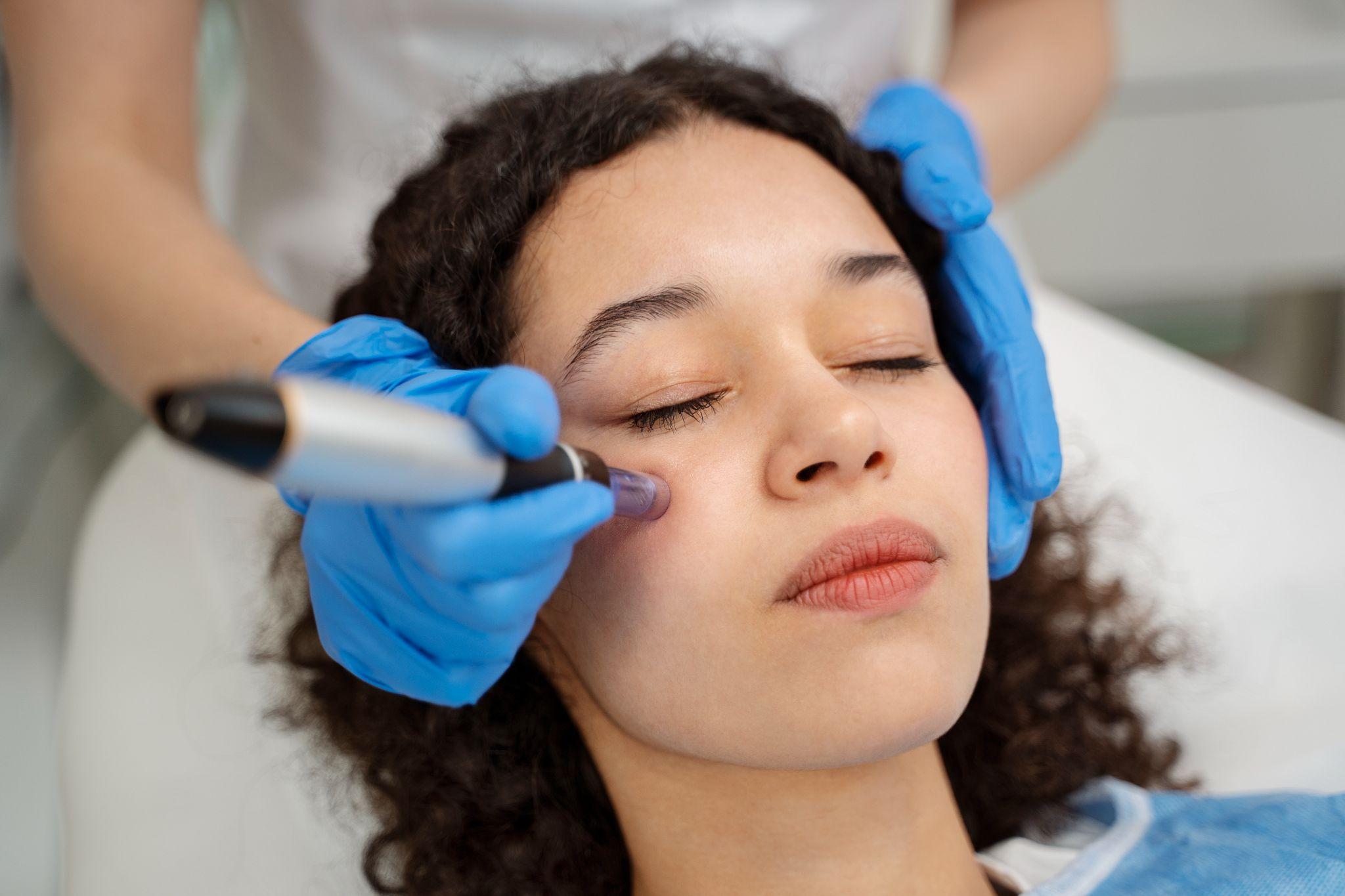
Microneedling, also known as collagen induction therapy, involves the use of fine, sterile needles to create micro-channels in the skin. This controlled injury triggers the body’s natural healing mechanisms, stimulating the production of collagen and elastin—key proteins responsible for maintaining skin structure, firmness, and elasticity.

The process enhances the skin’s ability to repair itself, improving texture, tone, and overall resilience. Unlike topical treatments that temporarily mask imperfections, microneedling encourages genuine cellular regeneration. When performed with precise techniques and medical-grade devices, the procedure can optimize results while maintaining the highest standards of safety and hygiene.

From Cosmetic Enhancement to a Holistic Self-Care Ritual

For decades, skincare routines have relied heavily on serums, creams, and masks. While effective in the short term, these products rarely produce substantial, long-lasting changes. Microneedling, however, is gaining recognition as a comprehensive self-care ritual, a deliberate practice that supports skin health from within.

Consider it like a workout for your skin. Just as consistent exercise strengthens muscles and improves overall health, regular microneedling sessions reinforce the skin’s structure. This approach aligns with a broader wellness philosophy: investing in long-term results rather than seeking temporary cosmetic fixes. The ritualistic aspect, attending scheduled treatments, monitoring progress, and caring for the skin afterward, adds an intentional, empowering element to personal wellness routines.

Key Benefits of Microneedling Treatment

Professional microneedling treatment offers multiple benefits that extend beyond superficial improvements:

  1. Enhanced Skin Texture and Elasticity: Microneedling smooths uneven surfaces, reduces pore size, and improves firmness. It is particularly effective for addressing mild scarring, sun damage, or rough skin patches.
  2. Reduction of Fine Lines, Scars, and Hyperpigmentation: By stimulating collagen and cellular turnover, microneedling gradually diminishes visible imperfections, providing natural-looking rejuvenation.
  3. Minimal Downtime: The procedure is minimally invasive, with most patients experiencing only mild redness or swelling, making it compatible with busy lifestyles.
  4. Sustained Results: Unlike cosmetic creams that wash away or wear off, collagen production continues for weeks after treatment, ensuring long-term benefits.

These advantages collectively position microneedling as a superior alternative to conventional cosmetic products, offering measurable improvements and enduring outcomes.

The Importance of Professional Expertise

Safety and effectiveness in microneedling rely on the skill of the practitioner. Certified professionals, such as those trained through Injector Training, tailor treatments to individual skin types, concerns, and goals.

Professional guidance mitigates risks such as infection, uneven results, or incorrect needle depth. Additionally, experts provide personalized post-treatment recommendations, including optimal frequency, aftercare products, and lifestyle considerations, ensuring the procedure is both safe and effective. Ultimately, the combination of technical precision and individualized care transforms microneedling from a simple cosmetic intervention into a reliable, evidence-based self-care practice.

Clinical Insights and Evidence-Based Results

Medical research and expert opinion support microneedling’s effectiveness. Studies and clinical insights highlight improvements in skin texture, scar reduction, and overall appearance, while emphasizing its role in collagen induction and skin regeneration. Leading practitioners recommend incorporating microneedling into regular skincare routines as a proactive, long-term strategy for maintaining healthy, youthful skin. Beyond clinical evidence, patient experiences consistently report enhanced firmness, tone, and clarity, reinforcing its value as a practical, results-driven treatment.

Integrating Microneedling Into Your Skincare Routine

Microneedling Treatment is most effective when integrated into a consistent, holistic regimen. Professional sessions are typically scheduled several weeks apart, allowing the skin sufficient time to repair and regenerate.

Post-treatment care is crucial. Gentle cleansing, hydration, and sun protection help maintain results and prevent irritation. Some individuals complement microneedling with additional therapies such as chemical peels or LED treatments to further enhance collagen production. The emphasis is on consistency, creating a structured self-care practice rather than relying on ad-hoc cosmetic interventions.

Why Microneedling Is Surpassing Traditional Cosmetics

Consumer preferences are shifting from temporary fixes to sustainable, science-backed treatments. Microneedling’s appeal lies in its ability to deliver authentic, long-lasting results without the repetitive cost or environmental impact associated with conventional skincare products.

Its minimally invasive nature, combined with professional oversight and lasting outcomes, makes microneedling an intelligent, proactive choice. Individuals increasingly view it not only as a cosmetic procedure but as a meaningful investment in their skin’s health and resilience, a tangible example of self-care rooted in evidence-based science.

Conclusion

Microneedling has firmly established itself as a cornerstone of modern self-care. By stimulating collagen production, improving texture, and delivering sustainable results, it surpasses many traditional cosmetic options. When performed by certified practitioners, microneedling ensures safety and optimal outcomes.

For those seeking an effective, science-backed approach to maintaining radiant, healthy skin, microneedling is more than just a treatment; it is a ritual that integrates seamlessly into a holistic wellness routine while delivering measurable, lasting benefits.


Tags: , , , ,
The Ultimate Indian Skincare Routine: Experts Reveal What Actually Works | Beauty News

The Ultimate Indian Skincare Routine: Experts Reveal What Actually Works | Beauty News

Last Updated:December 01, 2025, 13:21 IST

From relentless humidity and harsh sun exposure to urban pollution, pigmentation, and seasonal dryness, Indian skin is constantly adapting.

Indian skincare should be gentle and climate-specific.

Indian skin behaves like the climate it lives in – beautiful, resilient, but constantly adapting. One day it glows, the next it rebels. Between harsh sunlight, humidity, pollution, and erratic seasonal swings, no single routine works year-round. What does help is a thoughtful, minimal approach anchored in comfort, consistency, and climate readiness. The perfect Indian skincare routine isn’t about 10 steps or global trends. It’s about listening to your skin and choosing products that support and not shock the skin barrier.

A Routine Shaped By Climate

Experts unanimously agree that any effective Indian skincare routine begins with understanding the environment. As Malini Adapureddy, Founder & CEO of Deconstruct, puts it, “Our climate shapes our skin. Most Indians naturally have oily or combination skin, which means lightweight, non-clogging formulas and the right actives are essential.” She emphasises that harsh products do more harm than good. “Using strong products thinking they’ll work faster weakens the barrier. A gentle routine that supports your skin is far more beneficial in the long run,” she adds.

Dr. Shalini Dubey, Medical Affairs Manager at Iberia Pharmaceuticals, echoes this, noting the need to adjust products with changing conditions. From Delhi’s dry winters to Mumbai’s coastal humidity, she explains that small tweaks, like swapping gel moisturisers for richer creams during colder months, help maintain balance. “Sunscreen is non-negotiable. Even on cloudy days, UV rays penetrate through windows and haze,” she stresses.

Dr. Mili Sinha, Aesthetic Physician at La Clinique and expert at Oteria, notes that Indian skin deserves routines crafted specifically for the region. “A perfect routine isn’t about copying global trends. With intense sun, humidity, and pollution, we must choose products suited to Indian conditions so the skin becomes healthier and more resilient,” she says.

Building The Ideal Indian Skincare Routine

1. Start with a gentle cleanse – Pollution, sweat, and dust cling to the skin, making cleansing essential, but never harsh. Look for soothing ingredients like aloe vera, niacinamide, or salicylic acid to purify without stripping.

2. Hydrate strategically – Gel moisturisers work best for oily and combination skin, while richer creams suit dry or mature skin. Ingredients like hyaluronic acid, vitamins A and E, and niacinamide help maintain hydration in heat and humidity.

3. Add targeted serums – Vitamin C brightens and fights pollution-induced dullness; niacinamide strengthens the barrier and fades marks; retinol or retinal improves texture when used slowly. Bakuchiol offers a gentler alternative for sensitive skin.

4. Protect with sunscreen daily – SPF 30 or higher with PA++++ protection is essential in a tropical climate. Lightweight formulas with soothing botanicals prevent tanning, spots, and premature ageing.

5. Exfoliate with care – Skip physical scrubs. Opt for once-a-week chemical exfoliation using lactic, glycolic, or salicylic acid. Overdoing it leads to pigmentation and irritation, which is an especially common concern in Indian skin.

6. Adapt your routine seasonally – Light, breathable products suit summer and monsoon, while winter demands barrier-repairing creams to combat dryness and flaking.

Great skin in India doesn’t come from complicated routines. It comes from consistency, gentle care, climate awareness, and patience. When your skin feels overwhelmed, simplify. When the weather changes, adjust. With the right foundation, Indian skin thrives naturally, no filters required.

Location :

Delhi, India, India

First Published:

December 01, 2025, 13:14 IST

Disclaimer: Comments reflect users’ views, not News18’s. Please keep discussions respectful and constructive. Abusive, defamatory, or illegal comments will be removed. News18 may disable any comment at its discretion. By posting, you agree to our Terms of Use and Privacy Policy.

Tags: , , , , , , , ,
Why Ferulic Acid Is The Ultimate Skincare Essential I n 2025

Why Ferulic Acid Is The Ultimate Skincare Essential I n 2025

Skincare trends come and go faster than hot girl summers, but ferulic acid has quietly stuck around and earned its place as one of 2025’s favourite ingredients. It used to be something only dermatologists talked about, but now it is popping up in routines everywhere and skincare experts editors and even the minimal routine crowd are obsessed.

What makes it so interesting is not just that it helps protect skin from things like pollution and sun exposure. The real deal is how it makes other ingredients work even better especially vitamin C. Think of it as the low key supporting act that somehow steals the show and turns an average routine into a brilliant one.

What Exactly Is Ferulic Acid?

Photograph: (Pexels)

Derived from the cell walls of plants like oats, rice bran, and apples, ferulic acid is a naturally occurring antioxidant with powerful protective properties. It works by neutralising free radicals, the unstable molecules that cause premature ageing, dullness, and uneven tone.

What sets ferulic acid apart is its rare stability. While actives such as vitamin C and E tend to lose potency when exposed to light and air, ferulic acid not only remains stable but actually enhances their effects. It’s the reason why so many brightening serums now pair vitamin C with ferulic acid together, they deliver radiance that lasts.

Dermatologists call it a “booster antioxidant.” In simple terms, it’s the quiet achiever in your skincare shelf, strengthening your skin’s defence system and helping every other ingredient perform better.

The Beauty Benefits of Ferulic Acid

Ferulic acid may sound clinical, but its results are anything but. It’s one of those rare ingredients that balance science with sensorial appeal giving you glowing, resilient skin with consistent use.

Photograph: (Pexels)

Protection from Environmental Damage

Every day, our skin fights a battle against invisible aggressors  UV rays, pollution, blue light, and oxidative stress. Ferulic acid acts like a microscopic shield, intercepting free radicals before they can harm collagen and elastin. This not only helps maintain firmness but also slows the appearance of fine lines.

Brightening and Anti-Ageing Effects

If your complexion tends to look dull or tired, ferulic acid can help bring back its vitality. By supporting natural repair and renewal, it encourages smoother, more even skin tone. When paired with vitamin C, it visibly brightens the complexion while softening early signs of ageing — that post-facial glow, minus the downtime.

How to Use Ferulic Acid in Your Skincare Routine

Like most antioxidants, ferulic acid performs best in the morning when skin needs extra protection from environmental stress. Apply it after cleansing and before moisturiser or sunscreen.

It pairs beautifully with lightweight hydrating serums and sits comfortably under SPF creating a barrier of both protection and radiance. Consistency is key; with daily use, the skin appears fresher, plumper, and more resilient.

The Ferulic Acid + Vitamin C Duo

Some pairings are simply iconic. Just as hyaluronic acid loves niacinamide, ferulic acid is vitamin C’s perfect match. Together, they form a potent blend that enhances collagen production, smooths texture, and keeps oxidation at bay. The duo has become a cornerstone of dermatologist-recommended routines  brightening, firming, and protecting in one simple step.

Best Products With Ferulic Acid

From dermatologist-approved brands to cult formulations, ferulic acid is now everywhere, often combined with vitamin C, E, or resveratrol. Look for serums packaged in dark or air-tight bottles, which help preserve potency.

If you’re new to antioxidants, start with a low concentration and build up. You’ll notice your skin gradually gaining that lit-from-within glow, not an instant fix, but a steady, healthy radiance that lasts.

Are There Any Side Effects?

Ferulic acid is generally gentle enough for all skin types, including sensitive skin. Some people might experience mild tingling when first introduced, but this typically subsides as the skin adjusts.

Avoid combining it with exfoliating acids or retinol in the same routine; alternating them works better. Mornings are for antioxidants like ferulic acid, nights for cell-renewing actives.

Why It Deserves a Place in Your Routine

Photograph: (Pexels)

Skincare trends come and go, but antioxidants remain timeless. Ferulic acid isn’t about instant gratification, it’s about long-term skin resilience. With regular use, it helps skin look calmer, more luminous, and better equipped to handle whatever the day brings.

In an age of overcomplicated beauty routines, ferulic acid brings back balance. It proves that the most effective skincare often lies not in excess, but in synergy ingredients that work smarter, not harder.

FAQs

1.Is ferulic acid better than vitamin C?
Not quite — they work best together. Ferulic acid enhances vitamin C’s stability and effectiveness, making both ingredients stronger as a duo.

2.Is ferulic acid the same as retinol?
No. Retinol stimulates collagen and speeds cell turnover, while ferulic acid protects skin from environmental damage. They complement each other when used at different times of day.

3.What foods contain ferulic acid?
You’ll find it naturally in grains like rice bran, oats, and corn, as well as apples and coffee. Incorporating these into your diet can enhance your skin’s antioxidant defence.

4.Who should avoid ferulic acid?
Those with extremely sensitive or compromised skin should patch-test first or consult a dermatologist before adding it to their routine.

5.What is the best way to apply ferulic acid?
Use it after cleansing and before moisturiser, ideally in the morning. Follow with sunscreen to maximise protection and glow.

Tags: , , , ,
Best oLive
Privacy Overview

This website uses cookies so that we can provide you with the best user experience possible. Cookie information is stored in your browser and performs functions such as recognising you when you return to our website and helping our team to understand which sections of the website you find most interesting and useful.