Glutathione And Vitamin C: Is It A Good Combo For Skin?

Glutathione And Vitamin C: Is It A Good Combo For Skin?

Glutathione and Vitamin C are two of the most powerful antioxidants in skincare. They have become a go-to solution for many skin concerns, such as dullness and premature ageing. The result you get from using them is a healthy complexion. If you are struggling with clearing dark spots or simply want to make your skin look alive, you may have come across these names.

The common question is whether using Glutathione and Vitamin C is effective when you use them together. Or, should you use them separately as a Glutathione serum and Vitamin C serum? This guide explores how this combination works and how to use it correctly for the desired results.

What Is Glutathione and Vitamin C?

It will be easier to understand the reasons for using them together if you know what each ingredient does on its own.

Glutathione: The Master Antioxidant

Glutathione is a naturally occurring antioxidant in the human body. It helps with detoxification and keeping your cells healthy. In skincare, it is widely known for its ability to brighten the skin. It can also target pigmentation, uneven tone, and environmental damage when you use it on your face. It works by inhibiting the enzyme that produces melanin, which can fade dark patches to give you an even complexion.

Vitamin C: The Glow Booster

It is the most popular brightening ingredient in the beauty world. Its antioxidant properties boost collagen production, improve skin texture, and promote natural radiance. It is particularly good at fading existing dark spots and protecting the skin from “free radicals”. They are present in pollution and the sun that cause wrinkles and dullness.

Should You Use a Glutathione Serum with Vitamin C?

The direct answer is yes. Using a Glutathione serum with Vitamin C can improve your results compared to using them alone. In fact, they support each other.

Why This Combo Works Well

The secret is how they interact with each other. Vitamin C recharges Glutathione. When Glutathione neutralises a free radical, it becomes inactive. That is when Vitamin C steps in to convert it back into its active form so that it can continue protecting your skin. This means the combination of Glutathione and Vitamin C works on your skin for much longer.

Key benefits are listed below.

  • Double Brightening: Both ingredients work to reduce melanin to give you a more natural and healthy glow.

  • Fades Pigmentation: The duo clears up dark spots and acne marks remarkably well.

  • Environmental Shield: They provide stronger antioxidant protection against the sun and pollution.

  • Anti-Ageing: They keep your skin firm and smooth by boosting collagen.

Modern formulations combine both ingredients into a single Vitamin C and Glutathione serum, which makes it easy to get the Glutathione serum benefits. Also, your routine becomes simple as you only have to use one serum.

How to Use Vitamin C and Glutathione Serum Correctly

You should use Vitamin C and Glutathione serum for face when your skin is most exposed to environmental stress to get the most out of it, which is in the morning.

Morning Skincare Routine

  1. Gentle Cleanser: Start with a clean base.

  2. Vitamin C and Glutathione Serum: Apply 3-4 drops to your face and neck.

  3. Lightweight Moisturiser: Lock in the benefits of the serum and keep your skin hydrated.

  4. SPF 50 Sunscreen: This is the most important step, so do not skip it.

It is essential to use SPF 50 sunscreen when you are using these antioxidants. Glutathione with Vitamin C repairs your skin, but the sun can easily reverse those results if you skip protection. Sunscreen prevents new UV damage and pigmentation from returning, so always end your morning routine by applying a liberal amount of SPF to protect your skin.

Who Can Benefit from Glutathione and Vitamin C?

The beauty of Glutathione and Vitamin C is that the combination is quite versatile. It is ideal for those dealing with the following skin problems.

  • Dull or tired-looking skin: If your skin looks grey or lacks life

  • Uneven skin tone: If you have dark patches or sun spots on your skin

  • Early signs of ageing: If you want to prevent fine lines before they settle in

  • City dwellers: If your skin is exposed to smog and pollution most of the time

Most skin types can tolerate this combination well, but it is still better to test a small amount on your jawline first. If you have very sensitive skin, do not use it unless you do a patch test.

Final Thoughts

Combining Glutathione with Vitamin C is the smartest move you can make for your skincare routine. They can brighten the skin, but also work together to keep each other active for longer. If you are looking to improve the appearance of your skin, then giving this serum a chance is worth it. You can achieve a clearer and more radiant complexion by using a high-quality product.

Tags: , , , ,
How To Use Vitamin C In Your Skincare Routine

How To Use Vitamin C In Your Skincare Routine

Seeing multi-ingredient formulations on the market? If you see vitamin C plus an exfoliating acid or other active ingredient in the same product, don’t panic. Instead, take note that some may be formulated this way “to offer synergistic benefits, but these products have been pre-formulated and safety-tested,” says Dr. Zeichner. “When separate products are combined, especially at higher concentrations, they are more likely to cause irritation.”

Ingredients like ferulic acid, hyaluronic acid, vitamin E, and niacinamide also often sit alongside vitamin C in the same bottle to help boost the effects or provide additional hydration.

How do you choose a vitamin C serum?

In skincare products, topical vitamin C comes in two forms: as pure ascorbic acid or in its ester form, explains Dr. Zeichner. “Pure ascorbic acid is more potent but more unstable and potentially irritating,” he says. If your skin has a high tolerance for vitamin C, or you want stronger antioxidant power, look for ascorbic acid or l-ascorbic acid on the label.

Meanwhile, “vitamin C esters like sodium ascorbyl phosphate and other compounds with the word ascorbyl in them are more stable and better tolerated but less potent,” he says. “They need to be converted into the active ascorbic acid by the skin after application.” He recommends dry and sensitive skin types use vitamin C esters.

As much as we love our vitamin C, the skincare ingredient can be a finicky one sometimes. “Pure vitamin C is a very temperamental ingredient that can easily be inactivated,” says Dr. Zeichner. Make sure your vitamin C serum comes in a dark or opaque bottle: “Pure ascorbic acid is particularly sensitive to changes in pH, temperature, and UV light. This is why pure ascorbic acid comes in opaque bottles, as UV will inactivate the molecule.”

As with sunscreen, pay attention to the expiration date on the bottle. “The formulas tend to turn orange as the vitamin C oxidises,” Dr. Zeichner says. “If you have a formula that does not look, smell, or feel as it did when you purchased it, toss it.”

Here are some of the best vitamin C serums we tested:

SkinCeuticals C E Ferulic Serum

Tags: , ,
Cricket in L1

Try these 7 top-rated sunscreens with vitamin C that pair UV protection with antioxidant skin defence

Daily sun exposure not only causes UV damage but also generates free radicals, leading to premature ageing, pigmentation, and oxidative stress. Traditional sunscreens block UV rays, but cannot fully neutralise these free radicals. Vitamin C-enriched sunscreens offer a dual defence: they provide broad-spectrum UV protection while combating oxidative stress and supporting collagen synthesis, as reported by The Journal of Clinical and Aesthetic Dermatology. This combination is suitable for all skin types, whether used for oily skin, hydration, or a tinted, even-toned finish.

Sunscreen with vitamin C for glowing sun protected skin (Shutterstock)

From mineral sunblock to gel-based sunscreen, choosing a vitamin C-enriched sunscreen enhances brightness, reduces dark spots, and delivers superior anti-ageing defence for both men and women, as reported in Harvard Health Publishing.

If you’re looking for serious sun protection, Mamaearth Vitamin C Daily Glow Sunscreen SPF 50 PA++++ can help. Clinically in vivo tested (ISO 24444:2019 Certified, CTRI/2025/05/087276) and ISO certified, this sunscreen reliably shields skin from harmful UV rays and prevents tanning. Packed with vitamin C, it protects and brightens your complexion, leaving a natural glow. Lightweight and non-greasy, it’s a daily solution for healthy, radiant, and tan-free skin.

Reasons to buy

Lightweight and no white cast

Vitamin C and turmeric help brighten your skin

With SPF 50 PA++++ defence against UVA/UVB and less tanning

Reason to avoid

May feel oily/greasy on some skin types 

Some find the smell off or don’t like it.

The Derma Co C-Cinamide Radiance Sunscreen Aqua Gel SPF 50 PA++++ is a lightweight daily sun defence suitable for all skin types. Enriched with vitamin C and niacinamide, it helps reduce dark spots, evens skin tone, and enhances radiance while protecting from harmful UV rays. Its aqua gel texture absorbs quickly without greasiness, making it ideal for everyday use.

Reasons to buy

Suitable for all skin types

Non‑greasy feel with no white cast

Dual benefits of protection and glow with niacinamide and vitamin C

Reason to avoid

Some face problems with the pump or dispenser not working properly

Less product for the price

WishCare Vitamin C Pure Glow Milk Sunscreen SPF 50 PA++++ combines broad-spectrum UVA/UVB protection with vitamin C to help maintain an even, radiant complexion. Milky, lightweight, and oil-free, this formula glides on smoothly without leaving a white cast, making it easy to layer under makeup or wear alone. Designed for all skin types, this sunscreen, enriched with vitamin C and 5 brightening actives, helps prevent sun-induced dullness and dark spots with consistent use.

Reasons to buy

Milky and lightweight formula

SPF 50 PA++++ UVA+UVB protection

Reduce pigmentation with 5 brightening actives

Reason to avoid

Some people feel it melts or feels greasy in humid weather

Slight fragrance may irritate some users

Garnier Super UV Invisible Serum Sunscreen SPF 50 PA++++ blends high UV protection with vitamin C in a fast-absorbing serum formula. It shields skin from UVA and UVB exposure while helping improve brightness and uneven tone over time. The lightweight, non-sticky texture is paraben- and oxybenzone-free, making it suitable for oily, dry, and acne-prone skin, while leaving no white cast. This makes it an everyday option for comfortable sun protection with added radiance support.

Reasons to buy

Lightweight and has a serum-like texture

High UV protection with no white cast

No parabens and no oxybenzone formula

Reason to avoid

May feel shiny or greasy on oily skin

May require frequent reapplication in strong sunlight

Aqualogica Glow+ Dewy Sunscreen Gel SPF 50+ PA++++ pairs effective broad-spectrum UVA/UVB and blue light protection with skin-beneficial ingredients like Vitamin C and papaya extract, which help brighten dull skin and support an even tone. It claims to be clinically in vivo tested and features a lightweight, gel-like consistency that absorbs quickly without leaving a white cast, making it suitable for all skin types. The added hydration and dewy finish make it an easy everyday choice for radiant, protected skin.

Reasons to buy

Papaya and vitamin C provide a glow boost over time

Blue-light and pollution protection

Gel-like texture that layers smoothly under serums and makeup

Reason to avoid

The pump dispenser often fails or doesn’t work properly

Oily/slightly greasy finish for some

This sunscreen is for individuals seeking protection that feels effortless on the skin. Dr Sheth’s Ceramide & Vitamin C Sunscreen SPF 50+ PA+++ is a quick-absorbing formula, in-vivo tested (CTR/2025/03/083105), that stays light and works across skin types without leaving a white cast. Its key ingredients, such as ceramides, support the skin barrier, while vitamin C helps keep dullness at bay. If you are looking for a daily sunscreen for oily skin, especially one with quick absorption and a comfortable finish, you can try this sunscreen.

Reasons to buy

Suitable for all skin types

Blends smoothly with other products and can improve skin texture

Ceramides and vitamin C help brighten skin and support barrier strength

Reason to avoid

Not ideal in the sun or when sweating

Some reported that it makes skin darker or slightly grey, especially on medium to deeper skin tones

Foxtale Glow Sunscreen SPF 50 PA++++ pairs strong UV protection with skin-beneficial vitamin C and niacinamide to help brighten, even tone, and guard against tanning. It’s a lightweight, non-greasy gel that sinks in quickly with no white cast, making it easy to wear alone or under makeup. Suitable for all skin types, this everyday sunscreen, in-vivo tested, helps keep skin protected, hydrated, and radiant, with daily sun defence.

Reasons to buy

No dullness formula

Zero white cast

Gives that golden hour glow

Reason to avoid

May not prevent tanning

Fragrance can be strong or irritating for some

ProductSPF / PAIn-Vivo TestedTextureSuitable ForBenefitMamaearth Vitamin C Daily Glow SunscreenSPF 50 / PA++++YesLightweight lotionAll skin typesBrightening and tan preventionThe Derma Co C-Cinamide Aqua Gel SunscreenSPF 50 / PA++++YesAqua-gelAll skin typesFor even-toneWishCare Vitamin C Pure Glow Milk SunscreenSPF 50 / PA++++Not specifiedMilky lightweightAll skin typesPigmentation supportGarnier Super UV Invisible Serum SunscreenSPF 50 / PA++++Not specifiedSerum-likeOily, dry, acne-proneBrightness supportAqualogica Glow+ Dewy Sunscreen GelSPF 50+ / PA++++YesGel dewy finishAll skin typesGlow enhancementDr. Sheth’s Ceramide & Vitamin C SunscreenSPF 50+ / PA+++YesLightweight creamAll skin typesDullness reductionFoxtale Glow Sunscreen SPF 50SPF 50 / PA++++YesLightweight gelAll skin typesBrightening and tone balance

Benefits of using sunscreen with vitamin C:

  1. Broad UV protection: Sunscreen with vitamin C helps shield skin from UVA and UVB rays that cause sunburn, tanning, and early ageing.
  1. Antioxidant defence: Vitamin C enriched with sunscreen helps neutralise free radicals triggered by sun exposure and pollution.
  1. Supports brighter-looking skin: Regular use of sunscreen can help reduce dullness and improve overall skin tone with consistent use.
  1. Helps limit sun-induced dark spots: Vitamin C supports skin clarity by addressing pigmentation caused by UV damage.
  1. Boosts skin resilience: Sunscreen enriched with vitamin C, which is also an antioxidant, helps the skin cope better with daily sun stress.
  1. Everyday protection with care benefits: Sunscreen combines sun safety with skin-supporting ingredients for daily use, promoting healthy and brighter skin.

Disclaimer: At Hindustan Times, we help you stay up-to-date with the latest trends and products. Hindustan Times has an affiliate partnership, so we may get a part of the revenue when you make a purchase. We shall not be liable for any claim under applicable laws, including but not limited to the Consumer Protection Act, 2019, concerning the products. The first two products listed in this article are sponsored, and the others are in no particular order of priority.

Tags: , , , , , , ,
Herzindagi

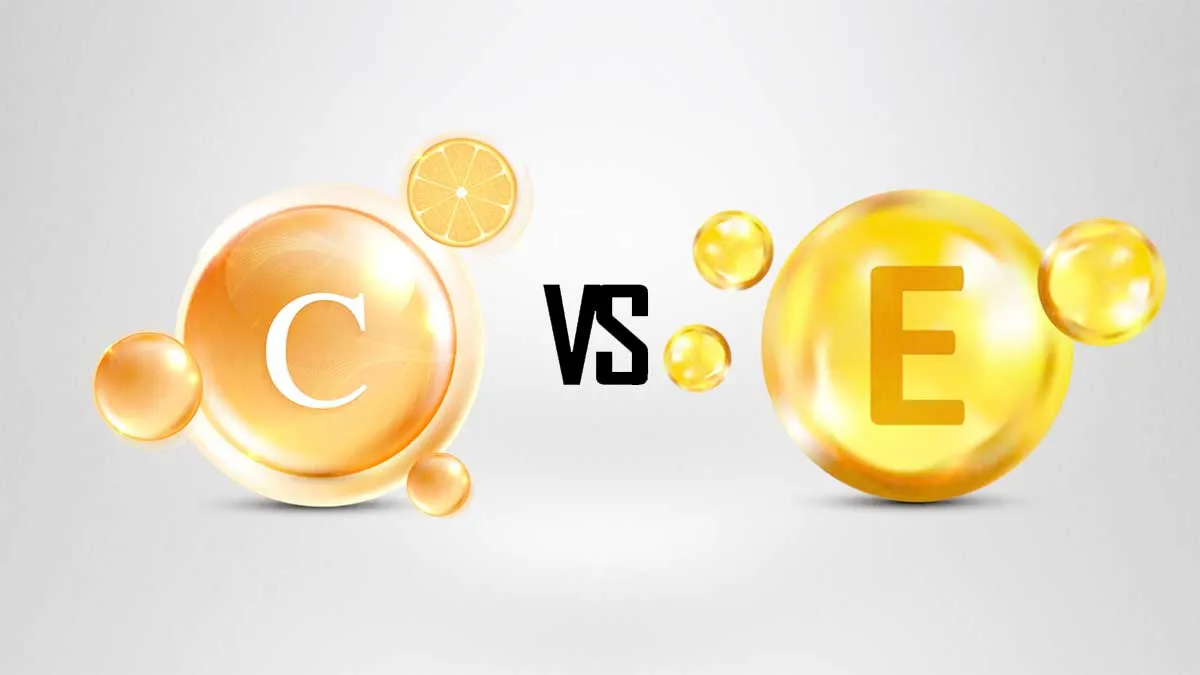
Vitamin C vs Vitamin E: Which One Does Your Skin Really Need And Why?

Vitamin C and Vitamin E are essential powerhouse antioxidants, but they play very different roles in your skincare routine. Choosing the right one or knowing how to pair them is the secret to achieving that glass skin glow. Here is the breakdown of Vitamin C vs Vitamin E and which one your skin type actually needs.

Vitamin C: The Brightener And Protector

Vitamin C acts like a morning shield for the skin, helping protect it from daily environmental stressors while enhancing overall radiance. It primarily targets surface-level damage and is best suited for concerns such as dullness, dark spots, hyperpigmentation, and exposure to pollution. Known for its brightening properties, Vitamin C helps fade acne marks and sunspots while boosting collagen production to minimise the appearance of fine lines. It also fights free radicals by neutralising damage caused by UV rays and urban smog. Vitamin C works well for normal, oily, and dull skin types, while those with sensitive skin should opt for gentler derivatives like Sodium Ascorbyl Phosphate to avoid irritation.

ALSO READ- Best Instant Tan Removal Face Mask in India

Vitamin E: The Healer And Hydrator

Vitamin E is a lipid-soluble antioxidant that naturally resides in the skin’s oils, making it especially effective for deep repair and strengthening the skin’s moisture barrier. It is best suited for concerns such as dryness, irritation, scarring, and recovery from UV damage. Known for its intense hydrating properties, Vitamin E helps prevent moisture loss while soothing inflammation, reducing redness, and supporting healing from sunburns or scars. It also strengthens the skin’s natural protective layer, improving resilience over time. Vitamin E works particularly well for dry, dehydrated, and ageing skin, though those with oily or acne-prone skin should use it sparingly, as it can be comedogenic.

Why You Should Use Both

You don’t actually have to choose between the two. Vitamin C and Vitamin E work even better when used together. When applied simultaneously, Vitamin E helps stabilise Vitamin C, preventing it from oxidising and losing its effectiveness. This powerful combination offers enhanced photoprotection against sun damage and environmental stressors. That’s why many premium skincare formulas, including popular CE Ferulic serums, pair the two Vitamin E can boost the effectiveness of Vitamin C by up to four times, delivering brighter, stronger, and better-protected skin.

Tags: ,
Cricket in L1

Glow and protect your skin daily with SPF sunscreens enriched with vitamin C, niacinamide, and hyaluronic acid

SPF (Sun Protection Factor) sunscreens with added skincare ingredients are changing the way we protect our skin in 2026. UV radiation causes nearly 80% of visible skin ageing, from fine lines to dark spots, making daily protection essential. Hybrid SPFs, formulas that combine broad-spectrum sun filters with actives like vitamin C, niacinamide, and hyaluronic acid that offer a dual-action defence: they block harmful rays while repairing and nourishing your skin. Vitamin C brightens and fights free radicals, niacinamide strengthens the skin barrier and reduces pigmentation, and hyaluronic acid keeps skin hydrated and plump.

Protect your skin and glow daily with SPF enriched with vitamins (Adobe Stock )

Choosing a proper SPF with skincare benefits ensures your daily “health shield” not only prevents photo-ageing but also promotes a healthy, radiant glow that lasts beyond sun exposure.

8 top-rated SPF sunscreens with vitamin C, niacinamide and hyaluronic acid for healthy skin:

If protecting skin while boosting radiance is your goal, HT ShopNow has shortlisted SPF sunscreens with vitamin C, niacinamide, and hyaluronic acid based on user reviews, overall feedback and ratings. These formulas shield against UV damage, repair cellular stress, and keep skin hydrated, healthy, and glowing every day.

DOT & KEY Vitamin C + E Super Bright Sunscreen SPF 50+++ is a lightweight, water-light formula that protects against UVA, UVB, and blue light. Enriched with Vitamin C, it brightens the skin while providing powerful sun protection, even in winter, when UV damage remains a concern. Its non-greasy texture leaves no white cast, making it suitable for all skin types. Perfect for daily glow and defence.

WishCare Niacinamide Oil Balance Fluid Sunscreen SPF 50 PA++++ offers high-level sun protection while keeping skin matte and fresh. Infused with niacinamide, it helps regulate sebum production, minimise pores, and improve overall skin texture. Lightweight and non-greasy, it provides 8+ hours of UVA/UVB defence with no white cast, making it perfect for all skin types. Ideal for daily use to protect, control oil, and maintain a healthy glow.

Dr Sheth’s Ceramide & Vitamin C Sunscreen SPF 50+ PA++++ is a lightweight, non-greasy formula that protects against UVA, UVB, blue light, and infrared rays. Enriched with Vitamin C and ceramides, it brightens, strengthens the skin barrier, and promotes healthy, radiant skin. Suitable for all skin types, it leaves no white cast. Apply generously daily on face and neck for optimal protection and glow.

Aqualogica Radiance+ Dewy Sunscreen SPF 50+ PA++++ is perfect for oily and combination skin, offering broad-spectrum UVA/UVB and blue light protection. Infused with niacinamide and watermelon extract, it helps control oil, brighten skin, and fight pollution damage with APF technology. Fragrance-free and lightweight, it leaves no white cast, making it ideal for daily use. Protects, nourishes, and keeps skin radiant all day long.

Garnier Super UV Invisible Serum Sunscreen SPF 50 PA++++ combines broad-spectrum UVA/UVB protection with the brightening power of Vitamin C. Its lightweight, non-greasy formula suits all skin types, including oily, dry, and acne-prone skin, leaving no white cast. Daily use helps protect against sun damage while enhancing skin radiance. Compact and easy to apply, it’s an ideal choice for men and women seeking healthy, bright, and protected skin.

The Derma Co. Pore Minimising Priming Sunscreen SPF 50 PA+++ is enriched with niacinamide, making it ideal for reducing the appearance of open pores while providing broad-spectrum UVA/UVB protection. Its lightweight, non-greasy formula works for all skin types, controlling oil and improving skin texture. Perfect for those with enlarged pores or uneven skin, it doubles as a primer and daily sunscreen, keeping skin smooth, protected, and healthy.

This SPF 70 sunscreen pairs strong sun defence with skin-caring niacinamide for a glow-ready finish. The dewy texture feels light, settles fast, and leaves no chalky residue. Its anti-tan formula helps fade uneven tone while supporting spot care over time. Suitable for daily use, it’s ideal for those who want sun protection along with clearer, brighter-looking skin in one simple step.

This SPF 50+ body sunscreen doubles as a daily moisturiser, thanks to 5% niacinamide that supports even-looking skin while helping reduce tan over time. The lotion spreads easily and settles without a sticky feel, making it suitable for everyday wear. With hydration that lasts through long hours, it keeps skin soft and comfortable while offering reliable sun care in a single, fuss-free step.

Similar stories for you:

Tags: , , , , , , , , , ,
Why Vitamin C Keeps Failing Us And What Hyphen Did Differently

Why Vitamin C Keeps Failing Us And What Hyphen Did Differently

Vitamin C is one of skincare’s most promised-about ingredients and also one of its most quietly abandoned. On paper, it does everything. In practice, it often stings, oxidises, or delivers results that feel inconsistent at best. For many people, the relationship with Vitamin C starts with excitement and ends with a half-used bottle pushed to the back of a shelf.

Advertisment

So when Hyphen decided to enter this category, the more interesting question was not why they were launching a Vitamin C serum, but whether they were willing to address why so many people have stopped trusting it.

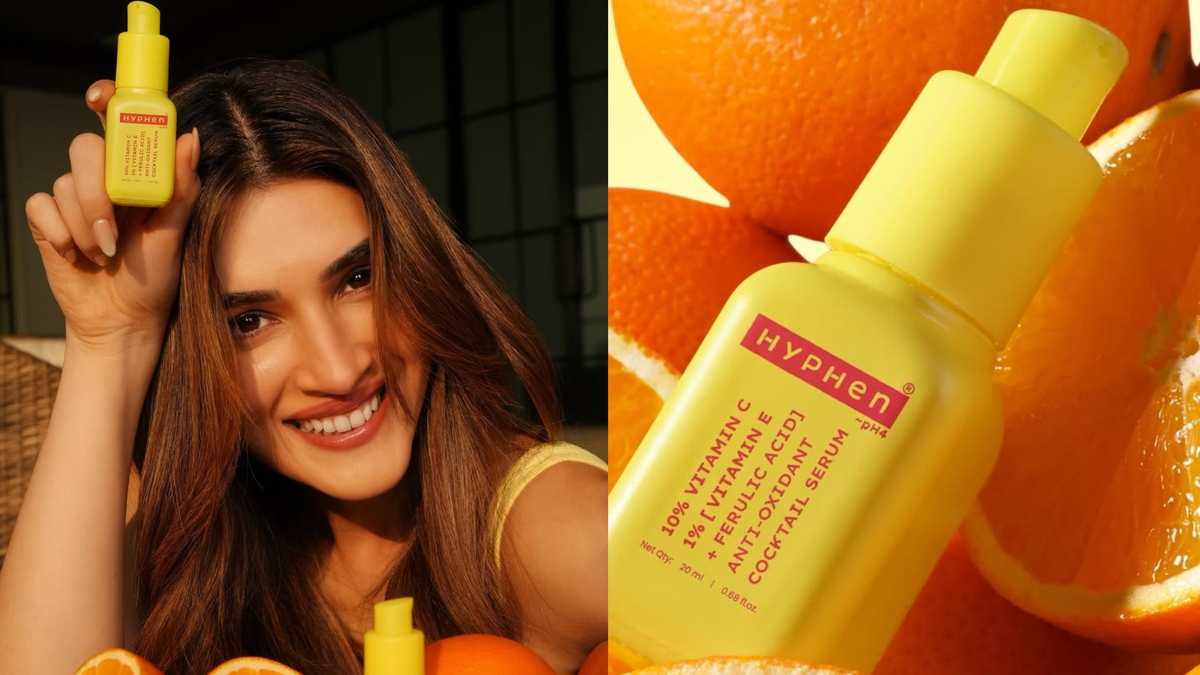
I had early access to Hyphen’s new 10% Vitamin C + 1% Vitamin E and Ferulic Acid Serum well before launch. Kriti Sanon’s ask was simple. Use it properly. Live with it. Question it. What followed felt less like a product trial and more like a slow audit of everything that usually goes wrong with Vitamin C.

Why Vitamin C Keeps Letting People Down

The issue with Vitamin C has never been its potential. It is one of the most researched and effective skincare ingredients available. The problem lies in how temperamental it becomes once it leaves controlled lab conditions and enters real routines, especially in Indian climates where heat, humidity, and long days test formulation limits.

Advertisment

Sanon acknowledges this gap early on. “Vitamin C itself isn’t the problem,” she says. “It’s how it’s formulated.” That statement sets the tone for the entire product. Instead of centring the ingredient as a hero, the focus stayed on the chemistry supporting it.

This thinking also explains the timeline. The serum took nearly 21 months to develop, with the launch paused more than once. “We even paused the launch at least twice,” she shares. “We only launched when it felt right.”

The Chemistry Was Built to Behave

At the core of the formula is 3-O Ethyl Ascorbic Acid, chosen for its stability and bioavailability. But the formula does not rely on Vitamin C working alone. Vitamin E and ferulic acid are paired with it to keep the ingredient potent over time, while liposomal CoQ10 and EGCG extend antioxidant support beyond surface-level claims.

The serum operates at a pH of around 4.0, where Vitamin C performs best, but this potency is balanced with calming ingredients like heartleaf extract and Allantoin to support the skin barrier. The intention was not to soften Vitamin C’s effectiveness but to make it more predictable and easier to live with.

This is not a formula built to impress on first use. It is designed to remain stable, consistent, and wearable over time.

What the 12-Hour Release Actually Changes

One of the more meaningful decisions in the formula is the 12-hour release system. Instead of delivering Vitamin C all at once and tapering off quickly, the ingredient is released gradually through the day. This allows for sustained antioxidant protection rather than a short spike followed by inactivity.

Penetration enhancers help the ingredient move beyond the surface of the skin, addressing a common frustration with serums that feel active but fail to translate into results. In everyday use, this simply means the serum works in the background without demanding attention.

Living With It Before Launch

The most noticeable thing about using this serum consistently is what does not happen. There is no stinging, no redness, and no need to adjust the rest of the routine around it. Over time, that absence of reaction becomes reassuring.

“I was hoping you’d notice how uncomplicated it feels,” Sanon says. “That moment when you realise it’s doing its job without demanding attention.”

After weeks of use, the skin appears more even and settled, without the artificial brightness that often fades quickly. This is not a product designed for instant gratification. It rewards consistency, which feels intentional rather than accidental.

Who This Serum Is Really For

This serum is best suited for people who want the benefits of Vitamin C without the anxiety that often comes with it. Those who have experienced irritation or instability in the past are very much the intended audience. “I’ve myself faced redness and stability issues with Vitamin C,” Sanon says. “We wanted to address the very reasons people give up on it.”

That said, this is not a shortcut product. If you are looking for overnight transformation, it will feel understated. Its strength lies in predictability, not spectacle.

Quiet Skincare as a New Marker of Luxury

There is a clear shift underway in how people approach skincare. Instant glow is slowly giving way to formulas that work steadily and respectfully with the skin. Products that integrate seamlessly into routines are beginning to feel more valuable than those that demand constant reassurance.

“To me, good skin today means healthy skin,” Sanon reflects. “It’s about consistent results, not instant ones.”

After living with this serum before launch, that perspective holds. Hyphen’s Vitamin C does not try to win you over immediately. It earns its place over time, which, for an ingredient as unforgiving as Vitamin C, feels like the most credible approach of all.

Also Read:

Day Vs Night Skin Care Routine: Do You Need Both?

The Power Of A Hair Wash Day In Changing Our Entire Mood

Tags: , , ,
Are you getting enough vitamin C? Here's how much you really need

Are you getting enough vitamin C? Here’s how much you really need

Which food comes to mind first when you think of vitamin C? Lemons? Oranges? Although both citrus fruits are good sources of vitamin C, they are actually in the middle of the ranking of foods richest in vitamin C. “It is often underestimated that vegetables contain the most vitamin C. First and foremost: peppers. Just one covers the average daily requirement of an adult,” says Dr Anne Gürtler, dermatologist and nutritionist from Munich. She adds, “Broccoli, Brussels sprouts and currants are also particularly rich in vitamin C.”

How much vitamin C does the body need and why?

“Vitamin C requirements are often overestimated,” says Dr Gürtler, pointing out that the DGE (German Nutrition Society) recommends an average of 100 milligrams, with women needing a little less than men although the requirement increases for pregnant and breastfeeding women. The same applies to smokers. “Because they have such high oxidative stress due to nicotine, you can add another 40-50 milligrams per day on top,” she says.

Speaking of oxidative stress, vitamin C is an antioxidant. “This means that it neutralises free radicals in the body, protects the cells from damage and thus, counteracts inflammatory processes and premature (skin) ageing,” says Dr Gürtler. “Put simply, vitamin C releases an electron to aggressive molecules, which in turn lack an electron – thereby rendering them harmless.”

“In addition, vitamin C is essential for cell proliferation and cell differentiation, processes that are also central to the health and regeneration of the skin. Furthermore, recent studies in cancer biology indicate that vitamin C has modulating properties: it can act on enzymes that play a crucial role in gene expression,” explains Dr Anne Gürtler. In relation to the skin, vitamin C is relevant on several levels: “It is a key factor fin boosting the structure, elasticity and regenerative capacity of the skin.”

How useful are dietary supplements?

The body cannot produce vitamin C itself, so it relies on us to supply it. “It is absorbed via receptors in the small intestine,” explains Dr Gürtler. However, these receptors only have a limited absorption capacity and are saturated at some point. This means that above a certain amount, vitamin C is no longer absorbed.

“These transport mechanisms function optimally up to around 200 milligrams per day, after which absorption barely increases. Even if you consume more vitamin C, no more of it enters the body. This shows that excessive intake, for example via high-dose supplements generally has little additional benefit,” says the doctor.

What happens in the event of an overdose?

A genuine overdose of vitamin C is unlikely, says Dr Gürtler: “As it is water-soluble, the body cannot store excess amounts and they are excreted via the kidneys. This is precisely why vitamin C is generally well tolerated.”

However, very high doses (especially in the form of supplements) can lead to side effects. These include gastrointestinal complaints such as diarrhea, flatulence or abdominal cramps. In individuals with prolonged high intake, vitamin C can also promote the formation of kidney stones, especially in people who are already susceptible to them.

Tags: ,
Brightening Vitamin C Serums for Radiant Skin | Personal-care News

Brightening Vitamin C Serums for Radiant Skin | Personal-care News

These serums are enriched with potent antioxidants that help reduce dullness, fade dark spots, and even out skin tone. Lightweight and fast-absorbing, they support collagen production, improve skin texture, and protect against environmental stressors. Suitable for all skin types, the collection offered skincare enthusiasts an opportunity to upgrade their daily routine with effective and high-quality vitamin C formulations at attractive prices.


Image Source: Myntra


Order Now

Mamaearth’s vitamin C serum is enriched with 10% vitamin C and Gotu Kola extracts to brighten skin, reduce pigmentation, and enhance overall skin radiance. Its lightweight, fast-absorbing formula penetrates deeply to nourish and rejuvenate the skin while providing antioxidant protection against environmental damage. Suitable for daily use, it helps achieve a healthier, glowing complexion.

Key Features:

  • 10% vitamin C brightens and evens skin tone
  • Gotu Kola extract supports skin rejuvenation and healing
  • Lightweight, non-sticky, fast-absorbing texture
  • Provides antioxidant protection against free radicals
  • Suitable for all skin types
  • Visible results may take consistent use over several weeks
  • Not recommended for very sensitive skin without a patch test


Image Source: Myntra


Order Now

This serum by Chemist at Play combines 10% vitamin C with a gentle formulation to reduce dullness, fade dark spots, and improve skin texture. Designed for everyday use, it helps maintain a brighter complexion while protecting the skin from environmental stressors and early signs of aging.

Key Features:

  • 10% vitamin C for brightening and pigmentation reduction
  • Lightweight, non-greasy formula
  • Helps improve overall skin texture and radiance
  • Suitable for daily morning and evening application
  • Works well under moisturizer or sunscreen
  • May cause mild tingling for extremely sensitive skin
  • Results require consistent use over 4–6 weeks


Image Source: Myntra


Order Now

Phillauri’s vitamin C serum is enriched with orange extract, providing natural antioxidants that brighten the skin and restore a healthy glow. The formulation helps reduce pigmentation, even out skin tone, and protect against dullness caused by environmental factors. Its lightweight texture absorbs quickly, making it ideal for layering under moisturizers and makeup.

Key Features:

  • Orange extract for natural brightening and antioxidant support
  • Reduces dullness and pigmentation
  • Lightweight, fast-absorbing formula
  • Improves overall skin texture and glow
  • Suitable for daily use on all skin types
  • Mild citrus scent may not appeal to everyone
  • Visible brightening results require regular use


Image Source: Myntra


Order Now

Add Zee News as a Preferred Source

Minimalist’s high-strength 16% vitamin C serum combines vitamin C with vitamin E and ferulic acid to deliver potent antioxidant benefits. This formula not only brightens skin and reduces pigmentation but also boosts collagen production and protects against premature aging. Fast-absorbing and lightweight, it’s suitable for daily use for a visibly radiant and youthful complexion.

Key Features:

  • 16% vitamin C for intense brightening and pigmentation reduction
  • Vitamin E and ferulic acid provide additional antioxidant protection
  • Supports collagen synthesis for firmer, youthful skin
  • Lightweight, non-sticky formula for daily use
  • Helps improve overall skin texture and glow
  • Stronger formula may irritate very sensitive skin
  • Higher concentration may require gradual introduction into skincare routine

The vitamin C serum sale effectively combined skincare efficacy with affordability, appealing to users who prioritize radiant and healthy skin. By offering a variety of formulations suited for different concerns, the sale reinforced Right to Fashion’s commitment to providing premium beauty products. Overall, these serums proved to be essential additions for anyone looking to achieve brighter, smoother, and more youthful-looking skin.

Disclaimer: At IDPL, we help you stay up-to-date with the latest trends and products. It should not be construed as an endorsement to buy. IDPL may make a very small commission from its sale if one chooses to buy the product from any of the links in this article.




Tags: , , , , , ,
Herzindagi

Vitamin C Serum: Benefits & Step-by-Step Application Guide This Summer

Summer can be tricky to manage your skin. One day it looks fresh and glowy, the next it feels oily, dull, or uneven despite the same routine. Heat, sweat, sun exposure, and pollution are common concerns during this season. So your skin needs to work with summer and not fight it.

Vitamin C Serum becomes a staple in such seasons. Summer is the time to see the best results if you ever wonder what its use is or whether it’s really worth using every day. All you need to do is use it correctly to protect your skin and keep dullness in check.

Benefits of Vitamin C Serum

Vitamin C is one of the most researched skincare ingredients for a reason. It addresses multiple skin concerns simultaneously, making it ideal for daily use.

  1. Brightens Skin

A brighter complexion is one of the most visible benefits of using a vitamin C serum. A 10 Vitamin C Serum  reduces dullness caused by sun exposure and dehydration, keeping your skin fresh and even-toned. It also helps fade dark spots and mild pigmentation with regular use.

  1. Fights Free Radicals

Sunlight and pollution release free radicals every day that damage your skin. Vitamin C neutralises their effects and reduces long-term damage. It slows early signs of ageing, such as fine lines and loss of firmness.

  1. Boosts Collagen Production

Collagen keeps your skin firm and elastic. Vitamin C supports collagen synthesis, helping your skin remain smooth and resilient as summer sun breaks it down.

  1. Reduces Redness and Inflammation

Vitamin C helps reduce inflammation if your skin becomes irritated or flushed in the heat. It can also improve the appearance of post-acne marks over time.

How to Apply Vitamin C Serum: Step-by-Step Guide

You can get the desired results if you know how to apply vitamin C serum correctly in summer, when your skin is already under stress.

Morning Routine (Best Time for Vitamin C)

Step 1: Cleanse

This is the basis of any skincare routine. Wash your face with a gentle cleanser to remove sweat, oil, and overnight buildup. Clean skin allows better absorption.

Step 2: Tone (Optional)

Apply it now to balance your skin and prep it for serum, if you use one.

Step 3: Apply Vitamin C Serum

Take 2–3 drops on your fingertips and gently pat them onto your face and neck. Avoid rubbing harshly.

Step 4: Moisturise

Use a lightweight, non-greasy moisturiser suited to summer weather. This seals in hydration without clogging pores.

Step 5: Sunscreen Is Mandatory

Vitamin C boosts your skin’s defence, but sunscreen seals the deal. Always use SPF 50+ during the day, even if you’re indoors or it’s cloudy.

When should I apply Vitamin C serum? The answer is morning because it protects your skin throughout the day.

Which Vitamin C Serum Is Best

You can look away from the claims on the label if you’re trying to figure out which Vitamin C serum for face benefits is best. Pay attention to the practical details that actually affect results.

Concentration Matters

Most Vitamin C serums are effective at 10–20% concentration. You can start with 10–15% if you are new to vitamin C or your skin tends to react easily. It does not cause any skin irritation.

Choose the Correct Form

L-ascorbic acid is the most researched form of vitamin C. It penetrates deep into your skin to fight dullness, dark spots, and early signs of ageing. 

Support of Other Ingredients Can Make a Difference

Vitamin C works best when it is not doing all the work alone. Ingredients such as Vitamin E and Ferulic acid stabilise the formula and enhance its antioxidant capacity.  

Packaging Is Not Optional

Vitamin C breaks down quickly when exposed to air and light. Dark, opaque, airtight bottles are ideal for storage, as they protect the formula. If your serum changes colour or smells odd, it is a sign of oxidation.

Pro Tips for Summer Use

  1. Store It Properly

Heat and light degrade vitamin C, so keep your serum in a cool, dark place. Some people even store it in the fridge.

  1. Avoid Certain Pairings

Don’t use Vitamin C at the same time as Retinol or strong exfoliating acids (AHAs/BHAs). Use them at night instead.

  1. Start Slow

Begin using vitamin C every other day if your skin is sensitive. Increase its frequency as your skin adjusts.

  1. Watch for Oxidation

If your serum turns dark yellow or brown, it may have oxidised and may not work well.

Conclusion

Vitamin C serum is the smartest addition to your summer routine. It protects your skin in harsh environments, reduces dullness caused by sun exposure, and supports long-term skin health.

The results feel natural when you understand how to apply vitamin C serum, choose the right formula, and use it consistently. Summer glow doesn’t have to be temporary. It can be a part of how your skin looks every day with the right routine.

Image credits: Freepik

For more such stories, stay tuned to HerZindagi. 

Herzindagi video

Tags: , , , , , ,
How much retinol, Vitamin C and acids does your skin really need? Dermatologists explain

How much retinol, Vitamin C and acids does your skin really need? Dermatologists explain

So what is the right amount? “The goal is consistency and tolerance, not intensity,” said Dr Ho.

1. Vitamin A (retinol and retinoid) 

Optimal concentration: 0.25 – 0.5 per cent for retinol; 0.025 – 0.05 per cent for retinoid, depending on skin type. 

Application: A pea-sized amount for the entire face, twice to three times a week at the start, increasing to nightly if the skin is able to tolerate it. 

Best time: Only at night as retinoids break down under UV and can make skin more sun-sensitive. 

Potential side effects: Retinoid dermatitis (dryness, flaking, redness and a burning sensation) 

2. Vitamin C (L-ascorbic acid, sodium ascorbyl phosphate and magnesium ascorbyl phosphate)

Optimal concentration: Ten to 20 per cent for most skins and 5 to 10 per cent for sensitive skins. Anything above 20 per cent doesn’t necessarily improve efficacy.

Application: A thin, even layer for the face. 

Best time: Mornings to boost your sunscreen’s UV protection and fight daytime free radical damage. 

Potential side effects: Stinging, redness, dryness and even breakouts from overly acidic or high-strength formulations, especially over 20 per cent.

3. Alpha Hydroxy Acids (glycolic acid, lactic acid and citric acid)

Optimal concentration: Five to 10 per cent as a daily leave-on and up to 20 per cent for weekly exfoliating treatments.

Application: A 20-cent coin-sized amount applied in a thin, even layer; avoiding around the eyes and mouth, which can be more sensitive.

Best time: At night as it can increase sun sensitivity during the day. 

Potential side effects: Over-exfoliation can lead to skin tightness, peeling or micro-tears, heightened sensitivity and increased risk of hyperpigmentation. 

4. Beta Hydroxy Acids (salicylic acid)

Optimal concentration: 0.5 to 2 per cent for most skins.

Application: Two to three times a week initially, increasing to daily or every other day. In addition, start at the affected areas (clogged pores and breakouts) or over oilier areas such as the forehead or nose, before extending to the rest of the face. 

Best time: Either morning or night. 

Potential side effects: Excess dryness, irritation and peeling, especially around the nose and mouth. In darker skin tones, it may also trigger post-inflammatory hyperpigmentation. In addition, combining multiple exfoliants, such as BHA with AHA and retinol, can compound irritation risk. 

5. Niacinamide

Optimal concentration: Five per cent, though sensitive skins should opt for 2 to 3 per cent. 

Application: One pump or four to five drops for full-face coverage. 

Best time: Morning and night. 

Potential side effects: While generally well-tolerated, however, too much can over-stimulate the skin and disrupt its natural pH balance. 

Caution: Concentrations above 10 per cent can cause flushing, itching or irritation, especially in sensitive skins. 

6. Hyaluronic Acid 

Optimal concentration: One to 2 per cent. Look for multiple molecular weights of hyaluronic acid for best results. 

Application: One to two pumps onto damp skin to boost hydration effects.

Best time: Twice daily. 

Potential side effects: Though inherently gentle, using too much without proper hydration (that is, sealing with moisturiser after) can paradoxically dehydrate the skin as it’s a humectant that can pull water from the deeper skin layers when skin is dry.

7. PDRN

Optimal concentration: 0.5 to 1 per cent, which translates to 5,000ppm to 10,000ppm.

Application: One pump for the whole face after cleansing and before moisturiser.

Best time: Nightly to support skin repair. Also ideal for post-aesthetic treatment recovery too. 

Potential side effects: Overuse or unregulated concentrations may lead to congestion or temporary breakouts due to its regenerative property. 

5 MORE FACTORS TO CONSIDER TO BOOST SKINCARE EFFICACY

Tags: , , , , ,
Best oLive
Privacy Overview

This website uses cookies so that we can provide you with the best user experience possible. Cookie information is stored in your browser and performs functions such as recognising you when you return to our website and helping our team to understand which sections of the website you find most interesting and useful.