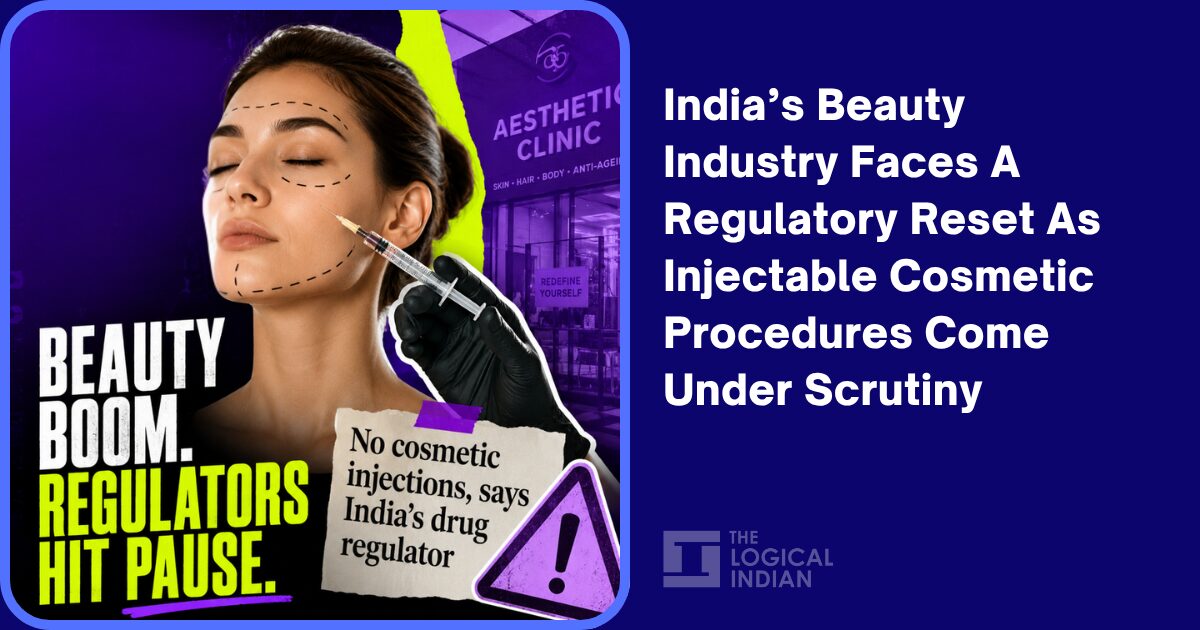
India’s Beauty Industry Faces A Regulatory Reset As Injectable Cosmetic Procedures Come Under Scrutiny

India’s Beauty Industry Faces A Regulatory Reset As Injectable Cosmetic Procedures Come Under Scrutiny

India’s beauty industry has spent the last few years moving far beyond creams, lipsticks, and skincare serums. Across metros and Tier-1 cities, aesthetic clinics offering Botox, dermal fillers, glutathione drips, anti-ageing injections, PRP therapy, and skin tightening procedures have rapidly entered the mainstream.

Social media influencers normalized these treatments, clinics aggressively marketed them, and younger consumers increasingly viewed cosmetic procedures as part of routine self-care.

Now, India’s drug regulator is stepping in.

In a public notice issued on May 18, 2026, the Central Drugs Standard Control Organisation (CDSCO) clarified that products supplied in injectable form do not qualify as cosmetics under Indian law. The regulator stated that cosmetics are intended to be “rubbed, poured, sprinkled or sprayed” on the human body and that no cosmetic product is permitted to be used as an injection by consumers, professionals, or aesthetic clinics.

The clarification may sound technical, but it signals a major shift for India’s fast-growing medical aesthetics ecosystem, where beauty procedures increasingly overlap with healthcare, pharmaceuticals, and wellness businesses.

Aesthetic Clinics Expanded Rapidly

The government’s intervention comes at a time when India’s aesthetics market is growing aggressively.

According to Grand View Research, India’s aesthetic medicine market generated revenue of approximately US$2.01 billion in 2024 and is projected to reach US$7.41 billion by 2033, growing at a compound annual growth rate of 15.6%.

Separately, IMARC Group estimated India’s medical aesthetics market at US$650.7 million in 2025, projecting it to reach US$1.33 billion by 2034.

While estimates vary because firms define the category differently, most industry reports point to the same trend: minimally invasive cosmetic procedures are becoming a major business segment in India.

This growth has been driven by rising disposable incomes, growing awareness of cosmetic procedures, medical tourism, and increasing demand for non-surgical treatments.

The shift is also cultural. Procedures once associated with celebrities or luxury dermatology clinics are now marketed to younger urban consumers through Instagram reels, influencer partnerships, and subscription-based aesthetic packages.

Regulators Draw A Line

The CDSCO clarification effectively draws a regulatory distinction between cosmetics and medical interventions.

Under India’s Drugs and Cosmetics Act, cosmetics are products applied externally to cleanse, beautify, or alter appearance. Injectable substances do not fall within that definition.

The regulator’s notice comes amid growing concerns over aesthetic procedures being promoted outside tightly supervised medical environments.

The Times of India reported that the government acted amid a rise in aesthetic and anti-ageing procedures being marketed through clinics and beauty establishments.

The Economic Times also linked the warning to growing global normalization of injectable products being used for aesthetic enhancement, including weight-loss drugs and anti-ageing therapies.

India Today reported that the clarification brings glutathione drips and anti-ageing injections under sharper scrutiny.

Importantly, the CDSCO notice does not create a new law banning medical aesthetic procedures altogether. Instead, it clarifies that injectable products cannot be categorized or marketed as cosmetics under existing legal definitions. Medical procedures involving approved drugs may still be performed under applicable medical regulations.

That distinction matters because aesthetic clinics often operate in a grey zone between beauty services and clinical healthcare.

Safety Concerns Intensify

Medical experts and dermatology associations have increasingly warned about unqualified operators performing cosmetic procedures.

Earlier this year, the Gujarat chapter of the Indian Association of Dermatologists, Venereologists and Leprologists launched an anti-quackery campaign targeting unsafe cosmetic procedures being conducted by untrained practitioners. The association flagged Botox injections, fillers, PRP therapy, laser treatments, and hair transplants being performed outside properly equipped medical facilities.

The organization stated that such procedures require specialized medical training and should only be conducted by qualified dermatologists or plastic surgeons.

Globally, regulators have also tightened scrutiny around cosmetic injectables. Reuters reported that British regulators had earlier warned injectable anti-wrinkle fillers could become “a crisis waiting to happen” without stronger oversight.

India now appears to be moving toward a stricter compliance framework as aesthetic medicine expands.

Business Models Could Change

The CDSCO clarification could significantly affect aesthetic clinics, wellness chains, cosmetic distributors, and influencer-led beauty businesses.

Injectable cosmetic procedures became commercially attractive because they offered high-margin recurring treatments compared with traditional dermatology consultations. Clinics increasingly bundled anti-ageing injections, skin brightening therapies, and contouring treatments into lifestyle packages.

Now businesses may face tighter oversight around advertising claims, practitioner qualifications, product sourcing, and treatment classification.

The shift also reflects a broader transformation within the beauty industry itself. International beauty companies are increasingly investing in medical aesthetics businesses globally. Reuters reported in 2025 that L’Oréal had taken stakes in clinics in China and North America to better understand the medical aesthetics market.

That trend highlights how cosmetic enhancement is evolving into a hybrid industry combining beauty, healthcare, pharmaceuticals, and wellness.

India’s regulator appears determined to ensure that this transition does not occur without clearer legal boundaries.

Also Read: US-Iran Strait Of Hormuz Talks Reveal 30-Day Reopening Plan, Tehran Toll Reversal And Rubio’s Warning

Tags: , , , , , , , , ,
Anti-aging treatments surge in popularity across US' Maryland as demand for non-invasive care grows | Indiablooms

Anti-aging treatments surge in popularity across US’ Maryland as demand for non-invasive care grows | Indiablooms


The anti-aging and medical aesthetics industry is witnessing unprecedented growth worldwide, with more people turning to non-invasive cosmetic procedures to maintain youthful, healthy-looking skin.


According to industry estimates by IMARC Group, the global anti-aging market reached nearly $79.9 billion in 2025 and is projected to surpass $129 billion by 2034.


At the same time, the medical spa, or medspa, sector is emerging as one of the fastest-growing healthcare and wellness industries, expected to expand at a CAGR of over 15% through 2033, led largely by North America.


This rapid rise is being driven by increasing consumer awareness, advancements in aesthetic technologies, and growing preference for treatments that offer visible results without surgery or lengthy recovery periods.


In Maryland, particularly in Bel Air and across Harford County, the trend is becoming increasingly visible as more clients seek preventative anti-aging therapies, skin rejuvenation, and personalized skincare solutions.


Shift Toward Non-Surgical Anti-Aging Treatments


Modern patients are increasingly choosing minimally invasive procedures such as Botox, dermal fillers, laser skin rejuvenation, microneedling, and skin tightening therapies over traditional cosmetic surgery.


Botox and similar neuromodulator treatments continue to dominate the medspa market, helping reduce expression lines such as forehead creases, crow’s feet, and frown lines by temporarily relaxing facial muscles.


Dermal fillers are also widely popular for restoring lost facial volume and enhancing areas such as cheeks, jawlines, and under-eye hollows.


Experts say these treatments are preferred because they deliver natural-looking results with little to no downtime.


Laser Treatments and Skin Tightening Gain Momentum


Laser skin rejuvenation has emerged as one of the leading anti-aging treatments in 2026, offering solutions for wrinkles, pigmentation, sun damage, uneven skin tone, and collagen loss.


Advanced laser technologies stimulate collagen production while improving overall skin texture and firmness.


At the same time, radiofrequency and ultrasound-based skin tightening procedures are gaining traction among individuals looking for non-surgical alternatives to facelifts.


These treatments are designed to:


  • Improve skin firmness

  • Enhance facial contours

  • Reduce sagging skin

  • Restore youthful elasticity

  • Preventative Skincare Driving ‘Prejuvenation’ Trend


A major shift shaping the aesthetics industry is the rise of “prejuvenation” — younger individuals opting for preventative anti-aging care before visible aging begins.


People in their 20s and 30s are increasingly seeking:


  • Light Botox treatments

  • Customized facials

  • Hydrafacials

  • Collagen-boosting therapies

  • Microneedling procedures


Specialists say starting skincare treatments early may help slow the appearance of aging signs while improving long-term skin health.


Personalized Treatments Becoming the New Standard


Industry professionals emphasize that personalized skincare plans are now central to effective anti-aging care.


Customized treatment strategies typically include detailed skin analysis, tailored procedures, and long-term maintenance plans designed around individual skin concerns and goals.


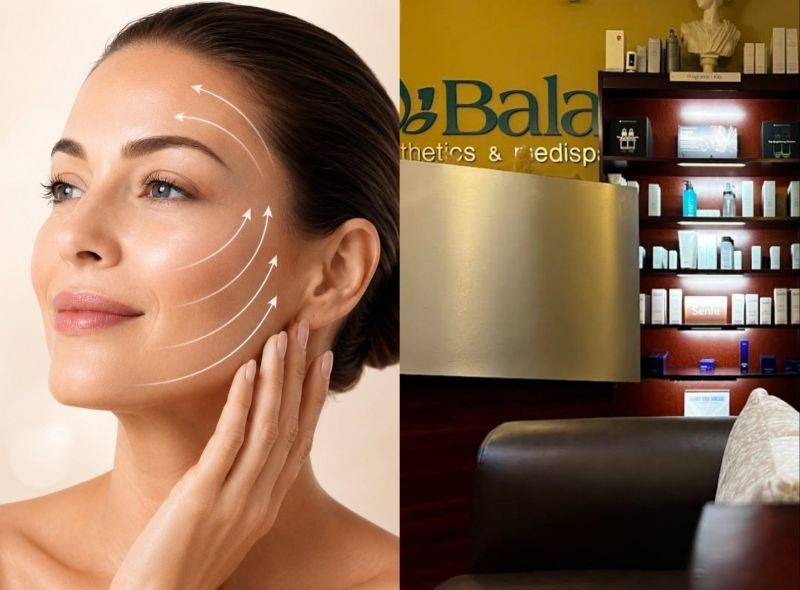
Bala Aesthetics & Medispa Expands Presence in Bel Air


Among the clinics benefiting from this growing demand is Bala Aesthetics & Medispa in Bel Air, Maryland, led by Dr. Balasubramanian, M.D.


With more than two decades of medical experience, the clinic focuses on non-invasive anti-aging procedures including Botox, fillers, laser rejuvenation, skin tightening, and customized skin care therapies.


The clinic says its approach centers on achieving subtle, natural-looking results while prioritizing long-term skin health and patient-focused care.


Growing Industry, Growing Demand


As anti-aging treatments become more advanced, accessible, and less invasive, experts believe the industry will continue to expand rapidly over the next decade.


For many clients, the focus is no longer dramatic cosmetic transformation, but rather maintaining healthy, radiant skin and aging gracefully through preventive and personalized care.

Tags: , , , , , , , , ,
How Ecommerce Subscriptions Changed The Way People Buy Skincare

How Ecommerce Subscriptions Changed The Way People Buy Skincare

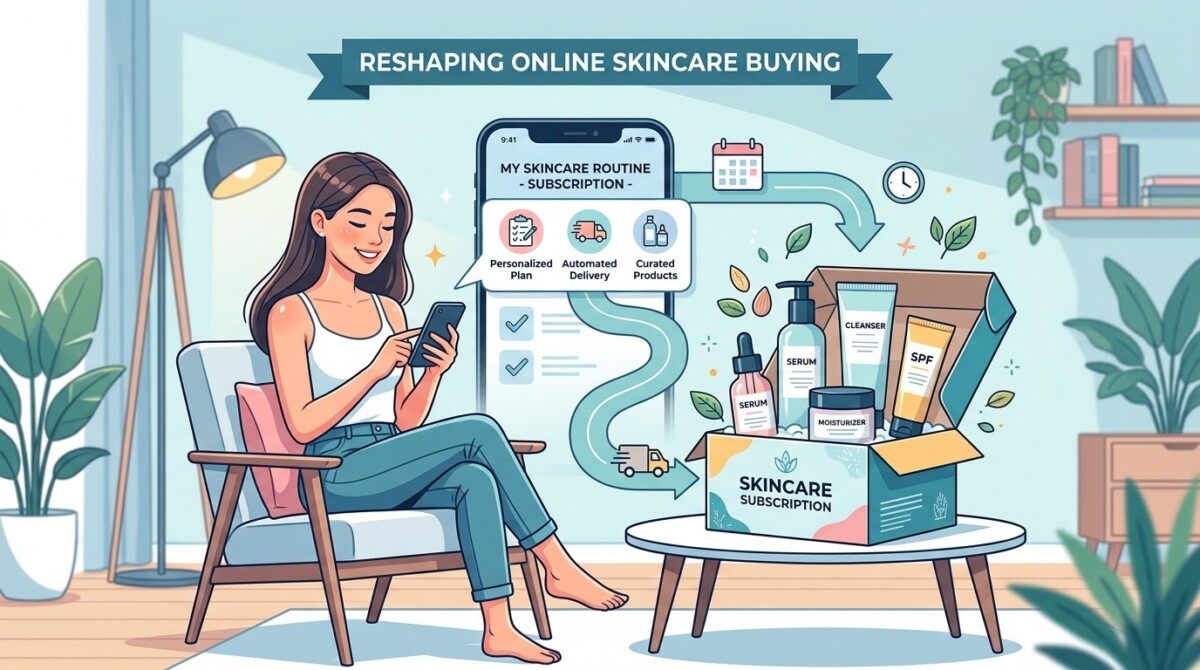
Subscription ecommerce has shifted online skincare buying from active browsing and experimentation into recurring, near invisible repeat purchases. Consumable beauty products now see repeat purchase rates of 38 to 52 percent, and the global beauty subscription category is projected to grow from $2 billion in 2025 to $6 billion by 2033.

Quick Decision Framework

  • Who This Is For: Shopify beauty and skincare brand founders and retention operators evaluating subscription models, plus DTC brands doing $100K to $5M in annual revenue considering subscribe and save programs.
  • Skip If: You run a high discovery, novelty driven beauty brand where the business model depends on customers trying new SKUs every cycle. Subscription is a poor structural fit for genuine discovery brands.
  • Key Benefit: Understand why skincare subscriptions outperform other beauty categories at retention, with specific repeat purchase benchmarks and stage aware implementation guidance for the Shopify ecosystem in 2026.
  • What You’ll Need: 10 to 15 minutes to read, a clear sense of which of your SKUs are genuine consumables, and (for implementation) a Shopify store with a subscription app such as Recharge, Loop, or Shopify Subscriptions.
  • Time to Complete: 12 minute read. Subscription pilot setup runs 2 to 6 weeks depending on stack complexity.

By the time a skincare cream becomes part of a customer’s monthly recurring billing, the brand has already won the only competition that matters. It has stopped being shopped against.

What You’ll Learn

  • Why skincare fits subscription ecommerce better than almost any other beauty subcategory and what that implies for product selection
  • How the shift from browsing to recurring purchasing changes customer acquisition math at the $100K to $5M revenue stage
  • What the Shopify subscription stack looks like in 2026 and when Recharge, Loop, Stay AI, or Shopify Subscriptions native each fit best
  • When a brand should pause adding new SKUs and double down on the staples customers are already reordering
  • Where subscription fatigue actually shows up in skincare and how the brands lasting through it design around it

Ten years ago, skincare shopping carried a certain amount of chaos. People bought products because somebody on YouTube held up a bottle in bad bathroom lighting. Serums piled up beside half used cleansers. Moisturizers sat untouched after two applications because they stung for three minutes longer than expected.

A lot of that wandering has faded from online skincare retail. Many people now buy the same cream repeatedly for months, sometimes years, without browsing much at all. The purchase happens in the background while they are ordering groceries, replacing razor blades, or checking bank notifications over morning coffee.

This article looks at how ecommerce subscriptions reshaped skincare buying habits, why repeat purchasing has overtaken constant product switching, and how convenience, routine stability, and algorithm driven retail systems have changed the relationship between consumers and long term skincare use.

The Rise of Repeat-Order Skincare

Face creams fit subscription ecommerce unusually well because most people stop experimenting once they find a formula their skin tolerates, and that single behavior is what makes the category structurally suited to recurring revenue. A moisturizer that does not irritate after six months becomes difficult to replace, even when newer products launch every week online.

The data backs up the intuition. Consumable beauty products including skincare see repeat purchase rates of 38 to 52 percent, among the highest of any ecommerce category. Beauty brands with strong subscription programs frequently see 30 to 40 percent of total revenue coming from recurring orders within 12 to 18 months of launching. Skincare alone accounts for over 40 percent of the global beauty subscription market, making it the dominant category by a meaningful margin.

Some skincare brands now lean into familiarity rather than constant product turnover. Companies such as BioVelvet, whose creams center on ingredients like Deer Antler Velvet Extract, Tea Tree Oil, Aloe Vera, and Dead Sea minerals, fit naturally into repeat order buying habits because customers tend to stick with products that calm irritation without forcing them to rebuild their routines every few months.

That kind of purchasing changes the tone of online retail. Skincare once relied heavily on browsing, comparison, and impulse spending. Subscription models flatten much of that activity. The product arrives. Another shipment follows a few weeks later. People stop thinking about the buying process entirely.

Why Skincare Fits Subscription Better Than Almost Any Beauty Subcategory

Skincare beats makeup, haircare, and fragrance in subscription stickiness because it carries the strongest replenishment cycle combined with the highest skin tolerance switching cost. That combination is why skincare accounts for over 40 percent of the global beauty subscription market in 2026 and why skincare subscription services are projected to grow from roughly $2.1 billion in 2024 to $6.5 billion by 2033 at a 14.5 percent compound annual growth rate.

The structural advantage runs deeper than category data. A skincare buyer who has spent six months finding a product their skin tolerates carries a real, visible cost of switching: redness, breakouts, a routine that has to be rebuilt from scratch. That cost shows up nowhere on a brand’s analytics dashboard, but it is the single largest driver of subscription retention in the category. Compare that to fragrance, where novelty is part of the appeal, or to color cosmetics, where shade matching and seasonal preference create natural churn.

For a Shopify brand at $100K to $1M in annual revenue, this changes the acquisition math in a useful direction. A first time skincare customer acquired at a $25 to $40 CAC has a meaningfully higher probability of becoming a recurring revenue customer than the equivalent makeup or accessories customer at the same CAC. Brands building subscription programs on consumable skincare staples report that subscribers stay 3 to 5 times longer than one time buyers, which is the lever that lets DTC skincare brands tolerate paid acquisition costs that would bankrupt other categories.

The implication for operators is straightforward. If you sell skincare on Shopify, the question is not whether subscription belongs in your business model. It is which of your existing SKUs already have the repeat purchase signal to anchor it.

Fewer Decisions Sitting Behind the Purchase

Subscription skincare wins because it removes the cluster of small decisions that used to live between an empty jar and a refilled bathroom shelf, which is exactly the kind of friction online retail spent twenty years failing to eliminate. The brands that understand this stop optimizing for new browsing sessions and start optimizing for the moment a customer never has to think about reordering.

Part of the appeal comes from removing the task of remembering to reorder products before they run out. Most skincare subscriptions replace tiny monthly decisions people used to make manually.

The comparison below gives a quick snapshot of how subscription skincare changed ordinary buying habits online.

Older Habit

Subscription Habit

Realizing a cream is empty at night

Replacement arrives beforehand

Searching different retailers

Keeping one recurring order

Buying several products during sales

Reordering the same staple

Testing multiple moisturizers together

Narrower routines

Pharmacy restocks

Automatic deliveries

The differences look small individually. They add up. People spend less time comparing products once a subscription enters the picture. Browsing drops off, and so does experimentation.

Trend Cycles Wore People Down

Skincare trend cycles burned out faster than the algorithms that fed them, and merchants who built businesses around constant product churn now face customers who have decided stability is a feature, not a compromise. The shift is most visible in the brands that have stopped releasing four serums a year and started defending the formula that already works.

Online skincare spent years feeding constant product churn, moving rapidly from exfoliating acids to barrier repair, fermented ingredients, and overnight masks thick enough to leave marks on pillowcases. The internet still rewards novelty, especially on short form video platforms, though many buyers seem less interested in rebuilding entire routines every season. After enough disappointing purchases, stability starts looking more appealing than discovery.

Discussions around skin cycling often point toward the same thing beneath all the terminology. People are cutting products out rather than adding more. McKinsey’s State of Beauty 2025 report documents the same pattern across the broader beauty consumer landscape, with 75 percent of beauty executives expecting consumer scrutiny of perceived value to be the biggest force shaping the industry, and consumers actively bifurcating between essentials and discretionary purchases.

Subscriptions fit naturally into that mood because they reward repetition. Once a customer settles on a cleanser or cream that works reasonably well, there is little incentive to keep searching. For a Shopify merchant doing $500K to $2M, this is the moment to stop launching SKU variants and start protecting the two or three staples customers are already auto reordering, which is where most of the margin actually lives.

The Strange Normality of Automatic Deliveries

Automatic skincare deliveries have become invisible by design, and that invisibility is the single most important signal in the category because it tells the brands lasting longest that recurring billing rewards reliability over excitement. Loud promises and dramatic before and after language now carry less weight than a product that simply arrives when expected.

Recurring skincare orders create habits people barely notice forming. A padded envelope arrives every six weeks. The jar disappears into the bathroom cabinet beside toothpaste, spare deodorant, and old sunscreen tubes. Another charge appears quietly inside a banking app. The cycle repeats.

Older forms of ecommerce carried more anticipation because purchases happened irregularly. Subscription skincare removes much of that anticipation. Buying becomes maintenance instead of entertainment, and that shift is what allows the category’s best brands to retain customers for years without the constant retention marketing pressure that drains margin in other DTC categories.

This may explain why skincare branding has softened in recent years. Familiarity matters more. So does reliability. The companies lasting longest inside subscription skincare usually understand that customers are not looking for excitement every month. Most simply want products that behave consistently and fit easily into everyday life. Brands that hold this line also tend to be the ones that show up when an AI assistant gets asked which skincare brand to reorder, because the answer keeps pointing to the same names month over month.

The Shopify Subscription Stack Behind All This

The Shopify ecosystem in 2026 offers four primary paths for running a skincare subscription program, and the right choice depends entirely on revenue stage and operational complexity rather than feature checklists. Picking the wrong layer at the wrong stage is one of the most common ways skincare brands stall between $500K and $2M.

For brands under $100K in annual revenue, Shopify Subscriptions native (the free app Shopify launched in 2023) is usually the right starting point. It handles subscribe and save, supports the Shop Pay subscription flow, and avoids the platform fee burden of premium apps. For founder operated brands testing whether subscription belongs in the business model, native is the path that does not punish small subscriber counts.

Between $100K and $1M, the trade off shifts. A growing subscriber base creates real operational complexity around skipping, swapping, pausing, and dunning failed payments. This is where Loop or Recharge start to earn their fees. A recent review of Recharge Subscriptions covers the platform’s strengths and pricing tiers in detail, including the practical implications of the April 2026 Skio acquisition. Loop now powers more than 2,400 Shopify subscription brands processing over $4 billion in subscription revenue, making it the strongest independent alternative.

Above $1M, the questions get more nuanced. Stay AI optimizes specifically for retention through churn prediction. Recharge offers the deepest developer ecosystem for custom flows. The right answer depends on whether the brand’s churn problem is structural (needs retention tooling) or operational (needs platform reliability). For a broader view of how subscription fits into ecommerce as a whole, the complete guide to subscription ecommerce growth in 2026 covers market sizing, model selection, and performance benchmarks across categories.

What’s Actually Sticking with Customers

Several specific patterns now hold across subscription skincare regardless of brand size or price point, and recognizing them is how operators stop chasing trends that quietly stopped working. The patterns are not subtle once a brand looks at the right data.

Customer routines have gotten smaller, not larger. Three to five SKU regimens are replacing the ten step routines that defined skincare content from 2017 to 2022. That contraction is a tailwind for subscription brands focused on essentials and a headwind for brands whose model assumes a customer adds two new products every quarter.

Repeat purchases are now overtaking constant experimentation, with subscribe and save flows handling the replenishment half of the customer relationship while occasional launches handle the discovery half. Brands that try to do both inside a single SKU strategy tend to underperform brands that separate the two clearly. Impulse skincare purchases have also declined across the board, which is part of what makes subscriber base value worth more in 2026 than in 2022.

Subscription pauses are replacing cancellations as the primary churn signal, which is good news for brands that build pause and skip flows correctly. Skincare staples are outperforming trend products on subscription retention. Packaging is increasingly designed for daily visibility, because the brand that sits on the bathroom counter every morning gets reordered. None of these changes arrived overnight. Most happened slowly through repetition. One recurring order turned into another, a checkout process disappeared, and reordering stopped feeling like shopping at all.

Ecommerce That Becomes Invisible

The most successful forms of ecommerce in 2026 are also the least visible ones, which is uncomfortable for marketing teams trained on growth spike metrics but financially correct for brands that intend to be here in five years. Skincare subscriptions reveal that pattern clearly because the category went there first.

People still scroll through launches and trend videos out of curiosity. They still buy unfamiliar products occasionally. But many everyday skincare purchases now happen automatically, especially for products tied closely to a daily routine. That does not make skincare less personal. If anything, it makes certain products more embedded in ordinary life than they were before.

A cream bought once feels experimental. A cream reordered for three straight years becomes part of the furniture. For a Shopify skincare brand making decisions about where to invest the next dollar in 2026, the answer is increasingly to invest in the staples that are already in the recurring order. The growth that compounds is the kind nobody notices, and the brands building toward five and ten year horizons are the ones quietly winning the category right now.

Frequently Asked Questions

How much of total revenue should a skincare brand expect from subscriptions?

Skincare brands with established subscribe and save programs typically see 30 to 40 percent of total revenue coming from recurring orders within 12 to 18 months of launching, with the strongest programs reaching 50 percent or more at the $1M to $5M stage. The pace of that ramp depends on three things: the share of your catalog that genuinely qualifies as consumable, the discount offered (10 to 15 percent is the current ecosystem standard), and the friction profile of your cancel, pause, and skip flows. Brands that build punitive cancellation flows tend to hit a revenue ceiling earlier because the customers who stay are increasingly customers who could not get out cleanly, not customers actively choosing to stay.

Which Shopify subscription app should a skincare brand under $500K start with?

Skincare brands under $500K in annual revenue should start with Shopify Subscriptions native or a low cost entry tier from Recharge or Loop, because the operational complexity at that stage does not yet justify enterprise platform fees. Shopify Subscriptions native is free and handles the subscribe and save flow cleanly through Shop Pay, which materially reduces failed payment churn. Recharge’s $25/month entry tier (first 50 subscribers) is competitive once the subscriber base is past the experimentation phase. The wrong move is paying $499/month for an enterprise platform before there are subscribers to justify it. Migration between platforms is friction heavy but doable; running before you can walk is the more expensive mistake.

What’s a healthy churn rate for a skincare subscription program?

Monthly subscription churn under 5 percent is excellent for skincare, 5 to 10 percent is the working average for healthy programs, and above 10 percent signals that the platform is processing payments rather than driving retention. Skincare’s natural advantage is the tolerance switching cost, so a program churning above 10 percent generally has a structural problem somewhere: either the product is not actually consumable on the cadence the subscription is selling, the discount is not high enough to offset commitment friction, or involuntary churn from payment failures is dragging the rate. Involuntary churn from failed payments typically represents 20 to 40 percent of total subscription churn, which is why Shop Pay’s card updater technology has become a meaningful retention lever.

When should a skincare brand stop launching new SKUs and double down on existing staples?

A skincare brand should pause new SKU launches and double down on staples once two or three products account for 60 percent or more of subscription revenue, which most brands hit somewhere between $500K and $2M in annual revenue. That ratio is the signal that the customer base has already told you what works, and continuing to add SKUs at that point usually dilutes the marketing, fragments the supply chain, and creates churn opportunities every time a customer has to decide whether to add the new thing to their auto refill. The brands that scale past $5M cleanly almost always go through a phase where they deliberately stop launching for 12 to 18 months and instead protect their hero SKUs with packaging refreshes, ingredient sourcing improvements, and retention focused engineering.

Does subscription fatigue actually hurt skincare brands?

Subscription fatigue is real in the broader subscription economy but lands more softly in replenishment skincare than in entertainment, software, or curation focused beauty boxes, because skincare subscriptions resolve a genuine logistics problem (running out of cream) rather than create a new entertainment commitment. Where it does hurt skincare brands is in curation models that ship random product samples monthly, which now compete directly with the consumer impulse to cancel anything they cannot point to a clear utility for. Replenishment skincare subscriptions, by contrast, continue to grow even as overall subscription fatigue rises, which is why the smartest 2026 strategy is to treat your subscribe and save program as a replenishment service first and a discovery service second, not the reverse.

Tags: , , , , ,
Why skincare enthusiasts are loving lemongrass water

Why skincare enthusiasts are loving lemongrass water

Lemongrass water is packed with antioxidants

What’s the story

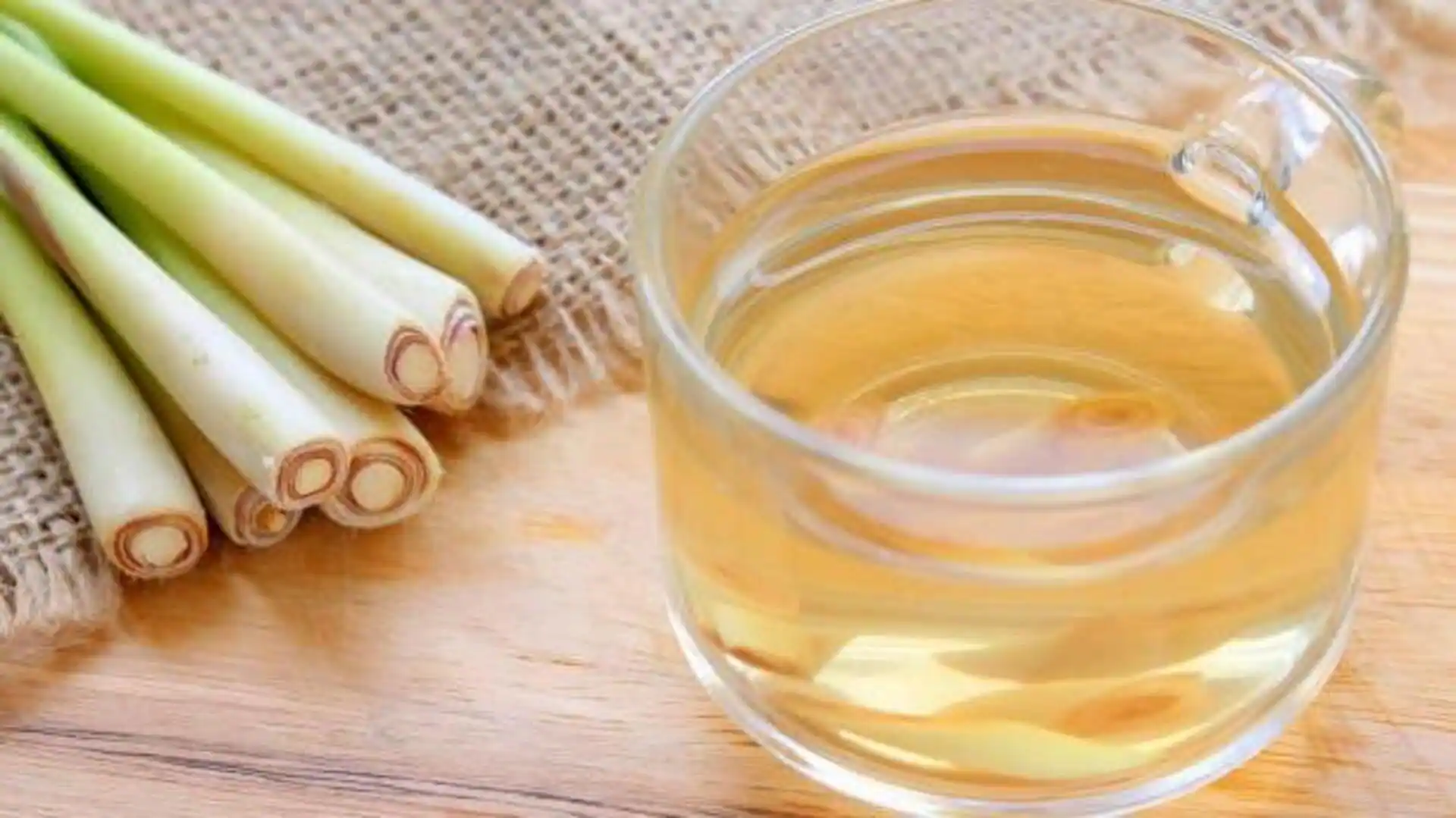
Lemongrass beauty water is a natural skincare solution that has been gaining popularity for its refreshing and revitalizing properties.
Extracted from the lemongrass plant, this beauty water is known for its ability to enhance skin health by providing essential nutrients and antioxidants.
With its invigorating scent and soothing effects, lemongrass beauty water can be an excellent addition to your skincare routine.
Here’s how you can use it effectively.

Benefits of lemongrass beauty water

Lemongrass beauty water is packed with antioxidants that fight free radicals, reducing signs of aging.
Its antimicrobial properties help keep skin clear by fighting bacteria that cause acne.
The vitamin C content boosts collagen production, improving skin elasticity.
Further, lemongrass has astringent properties that tighten pores and give a smooth texture to the skin.

How to use lemongrass beauty water

To use lemongrass beauty water, start by cleansing your face with a gentle cleanser.
Spray or apply the lemongrass beauty water onto your face using a cotton pad or directly from the bottle.
Let it absorb into your skin before applying moisturizer or other skincare products.
You can use it daily as part of your morning and evening routine for best results.

DIY lemongrass beauty water recipe

Making your own lemongrass beauty water at home is easy and cost-effective.
Boil two cups of water with fresh lemongrass stalks until the aroma is released.
Strain the mixture into a spray bottle once cooled.
Store it in the refrigerator for up to one week for maximum freshness.

Tips for incorporating lemongrass water into skincare routine

Incorporate lemongrass beauty water into your routine by using it as a toner after cleansing, before moisturizing.
For an added boost, mix it with aloe vera gel or rosehip oil, and apply it as a hydrating mask once a week.
This combination not only enhances hydration but also improves skin texture, making it smoother and more radiant over time.

Tags: , , , ,
Ad image

Why microbes are the new face of anti-ageing

Eternal youth is still a long way off, even for modern science. Yet research continues to find ways to slow the signs of ageing.

Responding to consumer demand for gentler skincare, many biobased anti-ageing products today centre around microbes.

Biotech companies are using microbes to make wrinkle-combatting, elasticity-boosting compounds more sustainably.

The anti-ageing effects of microbes are more than skin deep, too. Cutting-edge research now suggests microbial chemicals could even slow the process of ageing itself.

– Advertisement –

Here is why microbial anti-ageing could become a budding beauty trend.

From Botox to biologicals

Mar-a-Lago face, TikTok face, and “undetectable facelifts”. The new vocabulary around beauty reflects a striking fact: the last five years have seen surging demand for plastic surgery.

Consumers are now embracing the knife just like they would an eyebrow brush. Public figures have driven the trend, including social media influencers, Hollywood celebs, and prominent politicians on the US right.

Whatever you make of it, plastic surgery is set to remain a key fixture of the beauty industry.

Yet we are also starting to see an opposite trend. As consumers recoil against more extreme surgical aesthetics, many are now yearning for gentler, preventative forms of beauty.

This “facelift-fatigue” has boosted interest in biological treatments that deliver radiance without knives or needles.

Granted, many biological skincare products are still used alongside – not instead of – injectables and surgical intervention. Yet the tide towards subtler beauty is real.

The desire for gentler beauty complements a longer-term trend toward organic ingredients in cosmetics.

Increasingly, consumers want to replace the petrochemicals and heavy metals that contaminate conventional beauty products with biobased ingredients that are lighter on the environment.

With beauty consumers turning towards subtler beauty and natural ingredients, ingredients makers are expanding their range of biobased ingredients. To achieve this at cost, many are turning to microbes – a new source of gentler beauty.

Industry expands biological offerings

Microbes are useful to the beauty industry because of their natural chemical capabilities.

Thanks to their metabolisms, these creatures can produce many complex chemicals more efficiently than man-made machines and synthetic chemical processes alone, particularly when their genetics are carefully fine-tuned to do so.

Provital is one of the companies taking advantage of these natural traits. Its PureBlome anti-ageing ingredient contains a microbial ferment from Bacillus velezensis, a bacterial species found on the hyssop flower. A ferment is just a chemical byproduct that results from a microbe digesting its food.

Aside from the Bacillus ferment, Provital’s formulation contains Water, Propanediol, Glycerin, Pentylene Glycol, Levulinic Acid, and Glyceryl Caprylate.

Skincare manufacturers can use the product to give their consumer-facing formulations an anti-ageing boost. According to the company, clinical tests show PureBlome can create a 14% increase in collage, a 25% increase in elastin, and a 37% reduction in by-products related to advanced glycation end-products (cell-damageing chemicals).

The power of ferments

The UK’s Uniproma is another biotech company focused on bringing microbe-produced anti-ageing to the market.

The company has a long list of microbe-fermented oils, including those based on meadowfoam seed, grape seed, rosehip and the prinseopia. All harbour anti-ageing properties.

Microbes offer beauty ingredient manufacturers a gentler way of enhancing the beauty benefits inside plants. As they digest the organic matter, the microbes shrink the molecular mass of active chemicals, making it easier for the skin to absorb them. Microbial digestion can also increase the amount of active ingredients found inside plant material.

The company also uses microbes to further break down their fermented oils, creating even more refined products. For example, Uniproma uses a microbe to break down its meadowfoam seed oil into the Sunori M-MSF – an anti-oxidant-rich ingredient the company sells as a non-greasy moisturiser oil.

According to Uniproma, fermented beauty has many benefits aside from the ability to concoct specialty chemicals at cost. Unlike other chemical industry processes, microbial fermentation does not involve high heat. This helps preserve sensitive natural compounds. This low-temperature approach is also more eco-friendly because it uses less energy.

Living skin-yoghurts

Microbes could even have more direct benefits for skin, as living anti-ageing agents.

The skin microbiome is a dynamic ecosystem of microorganisms that lives on the skin and supports its functions.

A well-balanced community of skin microbes can make the difference between dull, aged skin and a radiant complexion.

Species work together to defend against pathogens, boost immunity, and enhance the skin barrier against pollutants or harsh skincare products.

Aging can disrupt the delicate balance of skin microbes, which accelerates ageing and weakens the skin’s defences.

Topical skin products containing live cultures could revive a weakened microbiome. We could think of this as a microbiome-enhancing ‘skin-yoghurt’ that would deliver these living microorganisms directly onto the skin, helping maintain its functions.

While some companies sell prebiotic skincare – which feed microbes already present on the skin – there are technical problems to developing a microbiome cream that actually delivers live bacteria.

To have certain effects, a microbiome has to contain the right species into the right ratios.  If numbers of microbes wax and wane, it can damage efficacy. Finding a way to stabilise these living communities for long periods will be crucial to formulating a microbiome product that delivers actual bacteria.

Life-giving “vitamins”

The potential for microbes in anti-ageing goes beyond topical treatments, however. Biotech firms are now tapping into the market for nutricosmetics, which believes that beauty is what you eat.

Nutricosmetics sees nutritional health as the number one variable in anti-ageing. It aims to actively slow the ageing process through carefully formulated diets and supplements.

One area of nutricosmetic research centres on a group of compounds called ‘longevity vitamins’. Some scientists say these can help slow the ageing process but that they must be taken in through diet.

One type of longevity vitamin is ergothioneine, which fights against the reactive oxygen species associated with ageing, like wrinkles, frailty, and cognitive decline. They are most effective in older populations.

Microorganisms could be the key to commercialising ergothioneine. The chemical is found in certain mushrooms and a few organisms, but only in negligible amounts. Extracting from natural sources would not be commercially viable.

Recently, however, Japanese researchers at chemicals trading firm NAGASE reported on a new biobased method that could drastically bring down manufacturing costs. It uses engineered microorganisms to produce the chemical in the lab.

The microbes can make high volumes of ergothioneine in their bodies which can later be extracted. They are highly productive thanks to genetic modifications and optimising procedures that make their bioreactors an ideal place for them to grow.

When ergothioneine research started at NAGASE in 2014, a kilogram cost nearly US$1 million. The costs of making the chemical could go down by up to 99% thanks to the new biomanufacturing method.

Particles of youth

Microbes are also showing powerful anti-ageing effects in rodent trials.

In April, a group of scientists published in Nature on the anti-ageing effects of extracellular particles from the bacteria Limosilactobacillus fermentum.

The scientist measured an increase in skin thickness in mice given the particles. They also observed maintenance of healthy collagen fibres as well as a slow-down in cognitive decline.

Mice metabolisms are different from ours, so human trials will be needed to prove whether these particles could really benefit us.

However, the paper does show how microbial treatment may have the capacity to blur the line between cosmetics, biological enhancement, and pharmaceuticals.

What defines research into longevity vitamins and these extracellular particles is their emphasis on actually slowing the biological clock, not just slowing the signs of ageing.

At this point, biobased beauty ceases to be purely cosmetic. Rather than surface-level interventions, chemicals derived from microbes could offer powerful ways to intervene on fundamental biological mechanisms.

The new face of beauty

Microbes are the swiss army knife of biobased anti-ageing, playing multiple roles across the  natural beauty niche.

These creatures can intensify the beauty-enhancing properties of botanical ingredients by chemically altering them. What’s more, microbial ferments offer a greener way to manufacture products without harsh synthetics or solvents. Their ability to replicate rare wild botanicals indoors also means the beauty industry can avoid unsustainable harvesting.

We also find microbes in the most advanced frontiers of anti-ageing research. Microbiome treatments could become the future of topical skincare, while microbial biomanufacturing could bring down the costs of nutricosmetic supplements that promise to slow the ageing process itself.

Beauty in the early 2020s has been defined by the rise of plastic surgery. Yet when the pendulum swings back to more natural beautification, it’s certain that microbes will be at the centre of it all.

Tags: , ,
Homestead Blog Hop - Homestead tips, ideas, animal care, and recipes every Wednesday

Homestead Blog Hop 601 -Apple Sauce, Cole Slaw, and Farmer’s Markets

Welcome to Homestead Blog Hop, a weekly gathering for homesteaders and simple living enthusiasts to share DIY projects, from-scratch recipes, and creative inspiration. This week’s hop features cozy homesteading tips, along with practical ideas that celebrate handmade living and self-sufficiency.

Whether you’re looking for seasonal crafts, homemade treats, or encouragement on your homesteading journey, you’ll find plenty of inspiration to carry into the new year. Grab a cup of tea, explore the featured posts, and join us in sharing your own homestead creations.

Meet Your Homesteading Hosts

We’re Kelly from Simple Life Mom, Liz from The Cape Coop, Natasha from Houseful of Nicholes, and Laurie from Ridgehaven Homestead. Together, we’re passionate about from-scratch living, simple ingredients, frugal habits, and intentional homesteading. We’re delighted to host the Homestead Blog Hop, where you can find fresh inspiration each week for DIY projects, homemade recipes, and practical simple living ideas.

Follow Us for More Homestead Inspiration

Natasha – Houseful of Nicholes
Facebook | Pinterest | X | Instagram

Laurie – Ridge Haven Homestead
Facebook | Pinterest | Instagram

Liz – The Cape Coop
Facebook | Pinterest | X | Instagram

Kelly – Simple Life Mom
Facebook | Pinterest | X | Instagram

FEATURED POSTS from the Last Homestead Blog Hop

Each week, we take turns selecting three featured posts from the Homestead Blog Hop. These features are shared across all of our social media platforms, helping spotlight the creativity and hard work of our fellow homesteaders. Here are the featured posts from last week’s hop:

1. Whole Fruit Organic Apple Sauce from Scratch Made Food

2. 7 Tips for Farmer’s Market Success from Homemade on a Weeknight

3. Homemade Creamy Coleslaw Recipe from Ann’s Entitled Life

Congrats! Feel free to grab the featured on button for your post.

Just right click and ‘save image as…‘

Guidelines for the Homestead Blog Hop

  1. Click the “Add Your Link” button below and upload a clear, eye-catching image from your project or recipe. Please link directly to the family-friendly post itself, not your blog’s homepage.
  2. You may link up up to three posts each week.
  3. Take time to visit a few other blogs in the hop and leave a thoughtful comment to let them know you stopped by. Community support makes this hop special!
  4. Please include a link back to the Homestead Blog Hop in your post. Posts without a backlink are not eligible to be featured. All featured posts are shared across all hosts’ social media channels.
  5. Share posts that haven’t been linked to the hop before. Older posts are welcome as long as they are new to the hop.
  6. By joining the Homestead Blog Hop, you grant the hosts permission to use one image from your post, with a link back to your site, if your post is selected as a feature next week.
  7. This is a family-friendly link-up designed to encourage, inspire, and support the homesteader in all of us.

Let the Party Begin!

Which project are you excited to try this week? Leave a comment below.

Join Our Homestead Blog Hop Pinterest Board

Follow all of your hosts on Pinterest and send a message if you’d like to be added to our Homestead Blog Hop group board. This board is a great place to share your DIY projects, crafts, and from-scratch recipes with the homesteading community.

Guideline: Only pin posts that you’ve linked up to the Homestead Blog Hop.

Tags: , , , , , , , ,
Kidderminster holistic wellness professional takes on room

Kidderminster holistic wellness professional takes on room

Kidderminster Living practitioner Kamila Hadley is excited to announce that she has taken on a room at West Midlands Wellbeing Ltd.

A Living Nutrition Practitioner is a holistic wellness professional trained in whole food nutrition and lifestyle support.

They help clients identify the root causes of imbalance and create personalised approaches to support hormones, digestion, energy, stress resilience, and overall wellbeing naturally.

This will mark a significant step for Kamila, as she embarks on her journey of working independently to support her client’s health.

She is passionate about moving beyond conventional diet and supplement advice.

Offering a deeper more individualised approach to wellness.

Alongside herbal support with a strong focus on supporting the nervous system and emotional awareness.

Her holistic practice integrates therapeutic nutrition with elements of aromatherapy, Aroma Touch, which is a relaxation technique that involves applying essential oils on back and feet in sequence.

It aims to support deep relaxation, reduce stress and support overall wellbeing.

She will also be delivering Access Bars, a treatment that involves 32 points on your head that when gently touched, effortlessly and easily release the thoughts, ideas, beliefs, emotions and considerations that stop you from creating the life you love.

Kamila specialises in helping women navigate complex health issues such as PCOS, fertility struggles and liver and hormonal imbalances.

Her methods are designed to complement traditional medicine, not replace it.

In addition to one-to-one consultations, she hosts workshops to share her knowledge and passion for natural wellbeing.

These include non-toxic skincare making, chocolate making workshops, and educational sessions exploring how essential oils can support overall health.

While the workshops are currently held at her home in Kidderminster, they can also be delivered at other locations. The next workshop is scheduled for June 28 in Kidderminster.

Limited spaces are available so book your place now.

Kamila will be having a special introductory offer for the month of June.

AromaTouch and Access Bars sessions will be available fortnightly on Tuesdays at West Midlands Wellbeing Ltd in Stourport for £25.00 instead of the regular price of £50.
You can contact Kamila in the following at Kamila.hadley2708@gmail.com or by calling 07826554080.

Tags: , , , , ,
Why Mira Kapoor’s acupuncture beauty routine is going viral

Why Mira Kapoor’s acupuncture beauty routine is going viral

If you are looking for a non-invasive, holistic maintenance therapy to treat the early signs of aging or secure a temporary, natural glow, cosmetic acupuncture is highly effective. It’s a fantastic pre-event treatment.

However, professionals strongly advise managing your expectations. While it is a brilliant maintenance tool, it is not a miracle cure. It simply will not deliver the dramatic, structural alterations associated with dermal fillers, botox, or cosmetic surgery. Think of it as a high-intensity pilates class for your facial muscles—it will tone, lift, and refresh, but it isn’t going to change your fundamental bone structure.

(Image Credits: Pinterest)

Tags: , , , , ,
Sweat-proof our skin care routine |

Sweat-proof our skin care routine |

From Kaolin clay to aloe vera, how to keep your skin sweat-free this summer Summer beauty is often a battle between looking fresh and surviving the heat. Humidity melts makeup, sunscreen feels heavy, and even the best skincare routines can collapse under relentless sweat and excess oil. But while no ingredient can completely stop the body’s natural cooling process, nature does offer surprisingly effective solutions for controlling shine, balancing sebum, and helping skin stay calm during hot weather. The key is not to fight sweat aggressively, but to support the skin in staying balanced, cool, and lightweight.For years, summer beauty trends focused on piling on powders and heavy mattifying products that often left skin looking flat, cakey, or dehydrated. Now, skincare experts and beauty enthusiasts are turning toward gentler, plant-based alternatives that absorb excess oil without suffocating the skin. From clay masks that act like natural oil magnets to centuries-old rice powders that softly blur shine, these ingredients create the kind of breathable beauty routine modern summer skin desperately needs.

Why summer skin produces more oil

When temperatures rise, the skin naturally produces more sweat and sebum. Sweat is the body’s cooling mechanism, while excess oil often develops as the skin tries to protect itself from heat-induced dehydration. Unfortunately, this combination can make pores appear larger, makeup slide off, and breakouts become more common.

For years, summer beauty trends focused on piling on powders and heavy mattifying products that often left skin looking flat, cakey, or dehydrated. Now, skincare experts and beauty enthusiasts are turning toward gentler, plant-based alternatives that absorb excess oil without suffocating the skin.

This is why harsh cleansing or over-drying the skin during summer often backfires. When skin feels stripped, it compensates by producing even more oil. The smarter approach is to use ingredients that gently regulate oil production while keeping the skin hydrated and calm. That balance is what creates a naturally matte, healthy summer complexion instead of an artificially dry one.

Clay: Nature’s original oil controller

Among the most effective natural summer ingredients are kaolin and bentonite clay. These mineral-rich clays have been used in beauty rituals for centuries because of their remarkable ability to absorb excess oil and impurities from the skin.Kaolin clay is especially loved for sensitive or combination skin because it mattifies gently without causing irritation. Bentonite clay, on the other hand, offers deeper oil absorption and is particularly effective in humid weather when the skin feels persistently greasy. Both ingredients work almost like microscopic sponges, drawing out excess sebum before it can mix with sweat and break down makeup or sunscreen.

Among the most effective natural summer ingredients are kaolin and bentonite clay. These mineral-rich clays have been used in beauty rituals for centuries because of their remarkable ability to absorb excess oil and impurities from the skin.

The appeal of clay during summer is not just cosmetic. By deeply cleansing pores, clay helps prevent congestion and heat-triggered breakouts that become common during warmer months. A lightweight clay mask once or twice a week can leave the skin feeling cleaner, smoother, and visibly less shiny for days afterward.

Witch hazel and green tea: Cooling astringents

Summer skincare works best when it focuses on cooling and calming the skin rather than aggressively drying it out. This is where witch hazel and green tea become particularly powerful.Witch hazel acts as a natural astringent, helping tighten the appearance of pores and remove excess oil from the surface of the skin. Unlike alcohol-heavy toners that can leave skin irritated, diluted witch hazel creates a refreshing matte effect while temporarily reducing oiliness. It is especially useful for people whose T-zones become excessively shiny during the day.Green tea extract offers a gentler approach. Rich in tannins and antioxidants, it helps regulate sebum production while simultaneously calming inflammation caused by heat, pollution, and sun exposure. Many skincare experts consider green tea one of the most versatile summer ingredients because it hydrates lightly while also controlling shine.Together, these ingredients create the kind of balanced skincare summer routines need — cooling enough to refresh the skin, but gentle enough to maintain the skin barrier.

Rice powder: Ancient secret to shine-free skin

Long before commercial setting powders existed, rice powder was used across Asia as a beauty staple for soft, matte skin. Finely milled rice powder or rice starch remains one of the most effective natural solutions for absorbing moisture without clogging pores.Unlike heavier cosmetic powders that can appear cakey in humid weather, rice powder creates a softer, more breathable finish. It absorbs sweat and oil while allowing the skin to retain a natural glow rather than looking overly matte. This is particularly important in modern beauty, where healthy-looking skin is preferred over completely flat complexions.Rice powder also has a uniquely lightweight feel, making it ideal for extremely hot climates where layered makeup becomes uncomfortable. A small dusting over the forehead, nose, and chin can keep skin looking fresh for hours without feeling heavy.Many beauty experts now recommend using rice or arrowroot powder over traditional talc-heavy formulas during summer because they work with the skin rather than masking it.

Dehydrated skin often becomes even oilier because it overcompensates by producing more sebum. This is why aloe vera remains one of the most valuable ingredients for hot weather beauty routines. Lightweight, soothing, and non-comedogenic, aloe vera hydrates the skin without adding heaviness.

Aloe Vera: Hydration without grease

One of the biggest misconceptions about oily summer skin is that it does not need hydration. In reality, dehydrated skin often becomes even oilier because it overcompensates by producing more sebum.This is why aloe vera remains one of the most valuable ingredients for hot weather beauty routines. Lightweight, soothing, and non-comedogenic, aloe vera hydrates the skin without adding heaviness. It also helps regulate skin temperature, making the face feel cooler and calmer in intense heat.Aloe vera is particularly useful after sun exposure or long hours outdoors because it reduces redness and prevents the skin from becoming inflamed. Instead of thick moisturisers that can feel suffocating in humid weather, aloe-based gels create breathable hydration that allows the skin to remain balanced.The ingredient also layers beautifully under sunscreen and makeup, which makes it an ideal base for minimal summer beauty routines.

The secret to sweat-proof skin is application

Even the best natural ingredients will not work effectively if they are layered incorrectly. Summer skincare is as much about texture and technique as it is about ingredients.One of the smartest ways to reduce shine is by starting with a lightweight mattifying sunscreen. Heavy sunscreens often mix with sweat and create greasiness throughout the day, whereas oil-free formulations sit more comfortably on the skin. Gel-based or mineral sunscreens containing zinc oxide tend to perform especially well in humid climates because they protect the skin without creating a thick film.

Temperature control also matters more than people realize. Carrying a small mist of rose water or diluted witch hazel can instantly cool overheated skin during the day. Cooling the skin slightly reduces the urge to sweat excessively while refreshing makeup and preventing shine buildup.

Temperature control also matters more than people realise. Carrying a small mist of rose water or diluted witch hazel can instantly cool overheated skin during the day. Cooling the skin slightly reduces the urge to sweat excessively while refreshing makeup and preventing shine buildup.Layering is equally important. Instead of applying thick layers of makeup and powder all at once, modern summer beauty routines rely on lighter textures applied strategically. A touch of rice powder on the T-zone, a thin layer of aloe vera underneath sunscreen, and occasional cooling mists throughout the day create a far more natural, long-lasting result than heavy cosmetic layering.

Beauty that works with the skin, not against It

The shift toward natural summer beauty reflects a larger movement in skincare itself. People no longer want routines that completely suppress or mask the skin. Instead, they want products and ingredients that work with the body’s natural rhythms while helping the skin remain healthy and comfortable.Sweat-proof beauty today is less about perfection and more about balance. Healthy summer skin is allowed to glow, breathe, and respond naturally to heat without looking overwhelmed by oil or heavy makeup. Ingredients like clay, green tea, aloe vera, rice powder, and witch hazel succeed because they respect the skin’s biology instead of fighting it aggressively.

Tags: , , ,
Italian chopped salad

Italian Chopped Chicken Salad Recipe

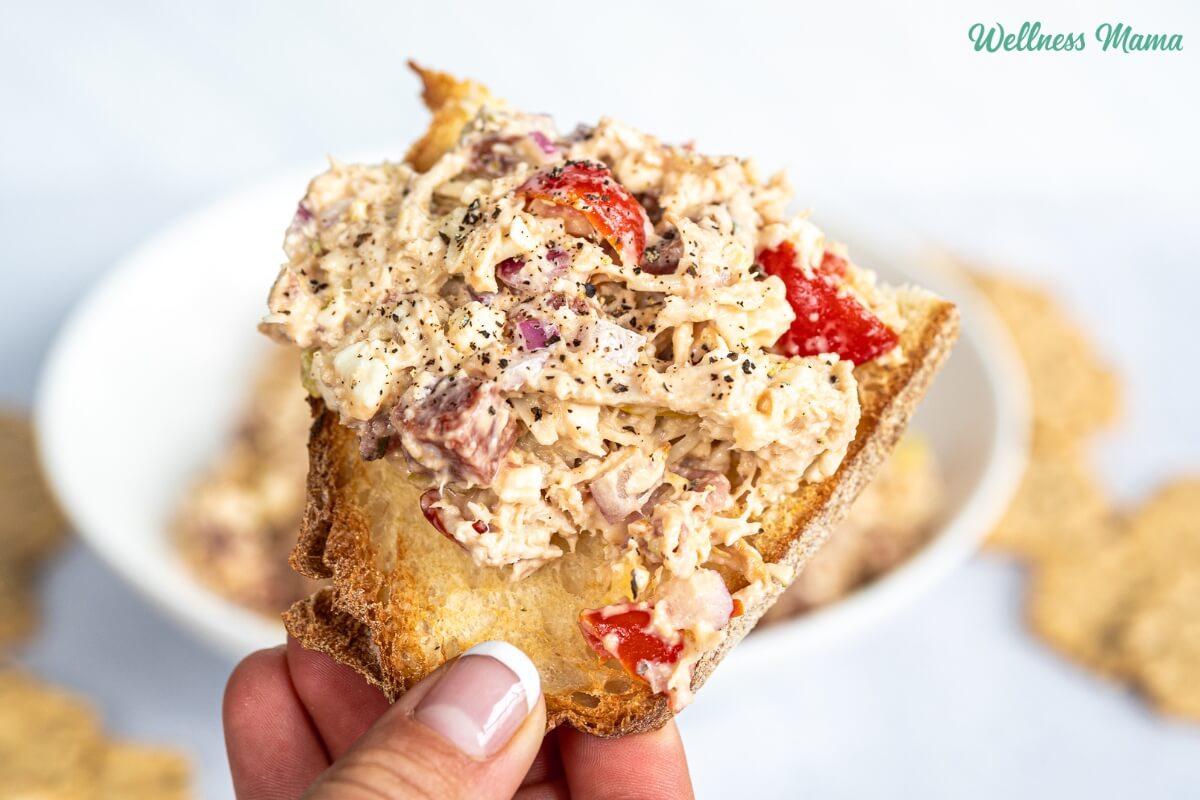
I eat a lot of salads this time of year. Actually, I eat salads for most of the seasons! This Italian chopped salad skips the lettuce and adds Italian grinder flavors to chicken instead. It’s high in protein and my family can’t get enough!

Italian Grinder Chopped Salad

If you’ve ever been to a sub shop or Italian restaurant you’ve probably had an Italian grinder sandwich. They’re known for their salty, tangy flavor with satisfying fats and lots of crunch from veggies. And while I do eat some grains now, anytime I can load up on veggies or protein instead I’m all in.

An Italian chopped salad recipe is like all of the flavors of the sub sandwich, but without the bread. Some of the recipes I’ve seen add the meat, banana peppers, and dressing to chopped lettuce. While I’m all for veggies and eat lots of salads, I wanted to try something a little different. 

The result is this spin on chicken salad. It still has a mayo base, but it has Italian flavors instead. 

Making Italian Chopped Chicken Salad

At first glance the ingredients list might look a little long, but truly, this recipe comes together quickly. It does require a little knife work (it’s called chopped after all!), but this helps combine the flavors better. You’re not getting a big chunk of anything, but a variety of flavors packed throughout. 

The shredded chicken absorbs the chicken really well to give this more of that classic chopped grinder texture. 

Tweak to Taste

If you’re like me you might love pickled things and tangy tastes. Feel free to add an extra splash of banna pepper juice or red wine vinegar if you want more tang here. And if you don’t have salami, any similar meat will work. Ham, prosciutto, or spicy pepperoni are all great ideas. 

I’ve also included two different types of cheeses. I recommend using both the feta and provolone because they offer subtly different flavors and textures that add to the overall flavor bomb here. Or you can just use one of the two and double the amount if preferred. 

I also like to use freshly cracked black pepper for this. When peppercorns are freshly cracked they release their fragrance volatile oils that give dishes a major flavor boost. Sometimes I’ll also finish with Maldon flaky sea salt for more texture and enhanced flavor. 

How to Serve Italian Chopped Salad 

You could eat this by the forkful (it’s SO good!). However, it also works as a filling or dip. Serve it over chopped leafy greens or even iceberg lettuce for maximum crunch. It also works well as filling in a lettuce wrap or in a sandwich with sourdough bread. 

Or just use it as a dip with some healthy crackers or fresh veggies like sliced cucumbers, bell peppers, carrots, or celery sticks. 

Here’s how to make it!

Italian Grinder Chopped Chicken Salad

This tastes just like an Italian grinder sandwich but without the bread! High in protein and full of flavor.

  • 2 cups shredded cooked chicken
  • ¼ lb salami or soppressata (diced)
  • ¼ lb pepperoni (diced)
  • ¼ cup provolone cheese (thick-sliced and diced)
  • ¼ cup crumbled feta cheese
  • ⅔ cup grape tomatoes (diced)
  • ⅓ cup banana peppers (diced)
  • ½ red onion (thinly sliced or diced)
  • In a small bowl or glass measuring cup, whisk together all dressing ingredients until smooth.

  • Taste and adjust as needed. The dressing should have a tangy kick.

  • In a large bowl, combine the chicken, salami, pepperoni, provolone, feta, tomatoes, banana peppers, and red onion.

  • Pour most of the dressing over the salad and toss well to evenly coat. Add the remaining dressing if needed.

  • Serve immediately or store in an airtight container in the refrigerator for up to 4 days.

Nutrition Facts

Italian Grinder Chopped Chicken Salad

Amount Per Serving (1 serving)

Calories 442
Calories from Fat 324

% Daily Value*

Fat 36g55%

Saturated Fat 11g69%

Trans Fat 0.3g

Polyunsaturated Fat 11g

Monounsaturated Fat 12g

Cholesterol 88mg29%

Sodium 1157mg50%

Potassium 332mg9%

Carbohydrates 4g1%

Fiber 1g4%

Sugar 1g1%

Protein 24g48%

Vitamin A 306IU6%

Vitamin C 9mg11%

Calcium 146mg15%

Iron 1mg6%

* Percent Daily Values are based on a 2000 calorie diet.

Shelf Life and Storage

The salad absorbs dressing as it sits. Stir and add a little extra dressing before serving if needed. It will last up to 4 days in an airtight container in the fridge.

More Chicken Salad Variations

What are some of your favorite recipes that reinvent classic foods? Share in the comments!

Tags: , , , ,
Best oLive
Privacy Overview

This website uses cookies so that we can provide you with the best user experience possible. Cookie information is stored in your browser and performs functions such as recognising you when you return to our website and helping our team to understand which sections of the website you find most interesting and useful.