How Sensory Skincare Is Redefining the Way We Experience Beauty Routines

How Sensory Skincare Is Redefining the Way We Experience Beauty Routines

For years, skincare was evaluated almost entirely on results — did the redness fade? Did the fine lines soften? Did the breakouts clear? But a quiet revolution has been building beneath the surface of the beauty industry, one that asks a different question entirely: how does your skincare make you feel in the moment you use it? This shift toward experience-driven beauty has given rise to a category that is equal parts science and sensation, and it is changing the way consumers think about their daily rituals.

The Rise of Experience-Driven Beauty

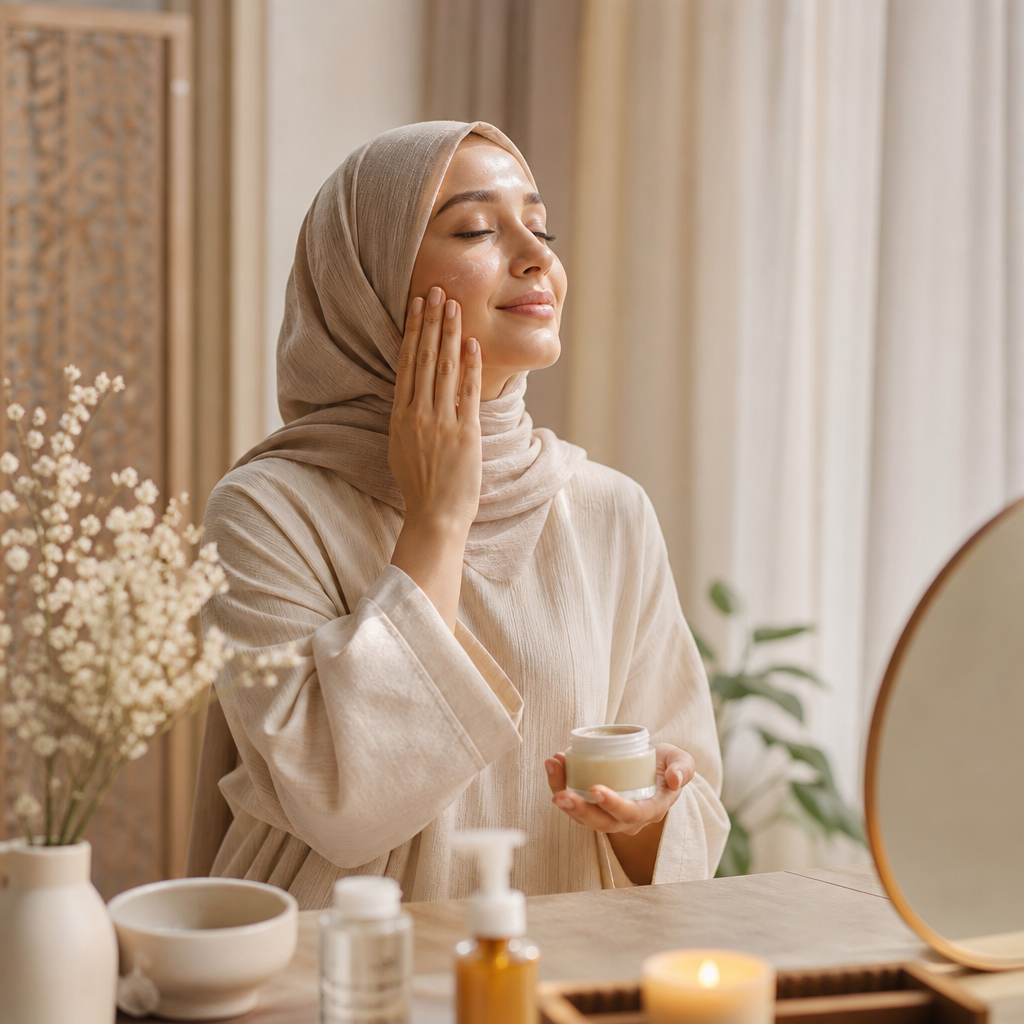
Modern consumers are no longer satisfied with products that simply work in theory. They want formulas that engage the senses — textures that transform on contact, scents that calm the nervous system, temperatures that shift as they absorb. This demand for a more immersive product experience has pushed formulators and brand developers to think beyond the ingredient list and consider the full arc of how a product feels from the moment it leaves the bottle to the moment it disappears into the skin.

This is not a superficial trend. Research in psychodermatology has consistently shown that the emotional experience of applying skincare can influence how the skin responds. Stress reduction, tactile pleasure, and even the ritual of a routine itself have measurable effects on skin health. When a product feels luxurious, calming, or invigorating, it encourages consistency — and consistency is the single most important factor in any skincare outcome.

Why Texture and Touch Matter More Than You Think

The skin is the body’s largest sensory organ, and yet most skincare conversations ignore the tactile dimension almost entirely. Texture is often treated as a cosmetic afterthought — something that makes a product feel pleasant but does not contribute to its efficacy. In reality, texture plays a critical role in how deeply an ingredient penetrates, how evenly it distributes across the skin, and how the skin barrier responds to application. A poorly formulated texture can cause pilling, uneven absorption, or even irritation, while a well-crafted one can enhance delivery and improve the overall condition of the skin over time.

Beyond function, texture also communicates trust. When a serum glides smoothly, when a moisturizer melts without greasiness, when a cleanser foams gently without stripping — these sensory signals tell the user that the product was made with care. That perception of quality directly influences how faithfully someone will stick to a routine, which ultimately determines whether results are achieved at all.

The Science Behind Skin That Looks Dull Despite a Routine

One of the most common frustrations among skincare enthusiasts is maintaining a consistent routine and still not seeing the glow they expected. If you have ever wondered why your skin still looks dull even with a skincare routine, the answer often lies in the gap between using products and using the right products in the right way. Layering incompatible actives, applying products in the wrong order, or simply using formulas that do not suit your skin’s current condition can all undermine even the most disciplined routine. Sensory-focused skincare addresses part of this problem by encouraging users to pay closer attention to how their skin feels at each step — a form of mindful application that naturally leads to better choices and better results.

Mindful Application as a Skincare Strategy

There is a meaningful difference between rushing through a routine and genuinely engaging with it. When you slow down and notice how a product feels — whether it absorbs quickly or sits on the surface, whether it soothes or tingles, whether it leaves the skin feeling balanced or tight — you gather real-time information about what your skin needs. This kind of attentive application is not just meditative; it is diagnostic. Over time, it builds a more intuitive understanding of your skin that no ingredient label can fully replace.

Global Influences Shaping Sensory Skincare

The sensory skincare movement did not emerge in a vacuum. It draws heavily from global beauty traditions that have long understood the relationship between ritual, sensation, and skin health. Korean beauty, in particular, has been instrumental in popularizing multi-step routines that prioritize texture layering, hydration, and the pleasure of application. The famous glass-skin aesthetic is not just about ingredients — it is about the cumulative effect of applying products with intention, patience, and an appreciation for how each layer feels. For a deeper look at how these principles are applied in practice, Vogue’s guide to the Korean skincare routine offers an excellent overview of the philosophy and the steps involved.

Japanese skincare similarly emphasizes gentle, sensory-rich formulas — lightweight essences, cushiony creams, and cleansing oils that dissolve makeup with a satisfying, silky feel. French pharmacy beauty, meanwhile, leans into minimalism with a focus on formulas that feel clean and uncomplicated on the skin. Each of these traditions, in its own way, treats the act of skincare as something worth savoring rather than simply completing.

Bonjil: A Brand Built Around the Sensory Experience

Within this evolving landscape, Bonjil has carved out a distinctive space by placing sensory experience at the center of its product philosophy. The brand’s approach to sensory skincare is rooted in the belief that the way a product feels is inseparable from the results it delivers. Each formula in the collection is developed with careful attention to texture, scent, and the overall experience of application — not as a marketing exercise, but as a genuine expression of how skincare should feel when it is done right. The result is a range that invites users to slow down, engage with their skin, and find genuine pleasure in a routine that is as enjoyable as it is effective.

What Sets Sensory-First Formulation Apart

Brands that prioritize sensory design from the formulation stage — rather than adding pleasant textures as an afterthought — tend to produce products that perform differently. When texture is engineered alongside active ingredient delivery, the two work in concert rather than in competition. The result is a product that not only feels exceptional but also delivers its benefits more effectively, because the formula has been optimized for how it interacts with the skin in real conditions, not just in a laboratory setting.

Building a Routine That Engages All the Senses

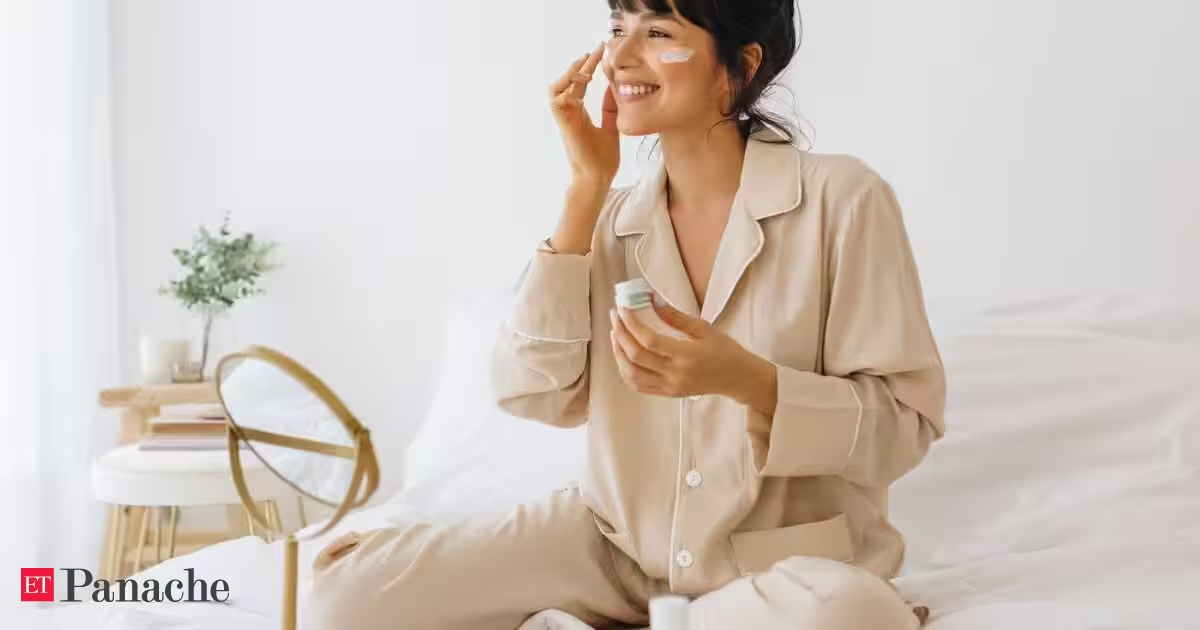
Incorporating sensory awareness into your skincare routine does not require a complete overhaul. It begins with paying attention — noticing which products feel right on your skin, which scents you find calming or energizing, which textures you genuinely enjoy applying. From there, it becomes a process of curating a routine that you look forward to rather than one you simply endure. That shift in attitude, subtle as it sounds, has a profound effect on consistency, and consistency, as any dermatologist will confirm, is the foundation of every meaningful skincare result.

Conclusion

Skincare has always been about more than the surface. The best routines are the ones that connect the physical act of caring for skin with a broader sense of well-being — routines that feel like something worth doing rather than something that must be done. As the beauty industry continues to evolve, the brands and products that understand this distinction will define what modern skincare looks like for years to come. Sensory skincare is not a niche within the industry; it is the direction the entire industry is moving toward, one beautifully formulated texture at a time.
Tags: , , , , ,
Top Destinations for Advanced Skin Renewal Treatments

Top Destinations for Advanced Skin Renewal Treatments

As we continue to push the boundaries of skin care, the quest for radiant, youthful-looking skin has never been more pressing. From celebrities and influencers to busy professionals and stay-at-home parents, people from all walks of life are seeking out cutting-edge treatments to revitalize their glow. But with so many options out there, it can be overwhelming to know where to start. This is particularly true for those seeking advanced skin renewal treatments, which often go beyond the standard facial to address deeper concerns like fine lines, wrinkles, and skin discoloration. In fact, a growing number of individuals are now prioritizing their skin health by seeking out specialized retreats and clinics, such as those offering top-notch anti-aging treatments and wellness programs. In this regard, it’s worth mentioning that those struggling with health issues such as diabetes can also greatly benefit from a rejuvenating retreat, often resulting in enhanced overall health and vitality. In this article, we’ll explore the top destinations and treatments for advanced skin renewal, separating fact from fad and helping you uncover the full potential of holistic skin rejuvenation.

Beyond Facials: Cutting-Edge Treatments for Deeper Skin Revitalization

Beyond Facials: Cutting-Edge Treatments for Deeper Skin Revitalization

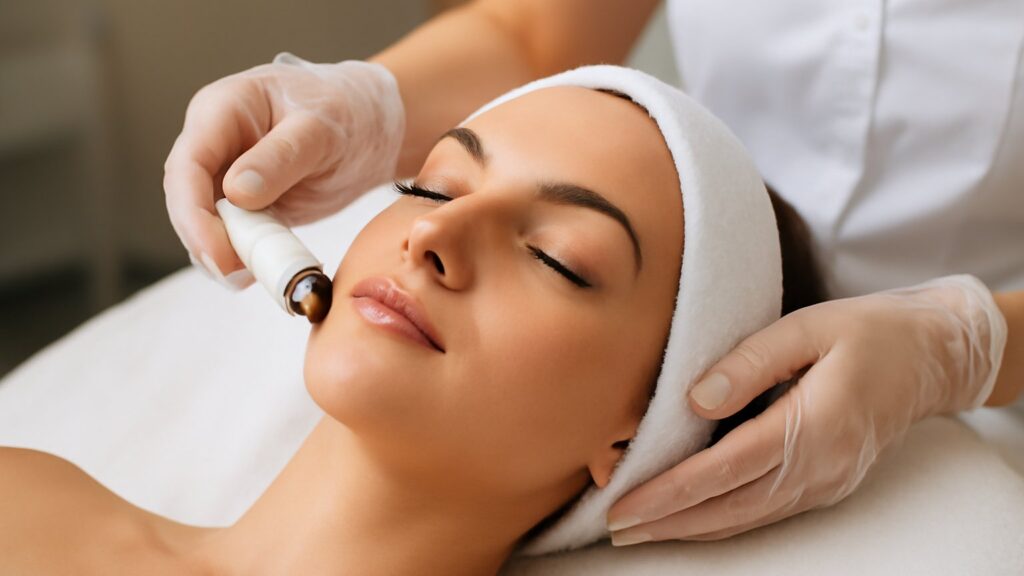
The skincare industry has made significant strides in recent years, offering a range of advanced treatments that go beyond traditional facials. From chemical peels to nanosecond laser therapy, these innovative procedures are designed to address deeper skin concerns and reveal a brighter, more youthful complexion.

Warning: Over-reliance on a single treatment can lead to plateaus and decreased effectiveness; it’s essential to combine multiple procedures for optimal results

Top destinations around the world are offering cutting-edge treatments that are pushing the boundaries of skin rejuvenation. From high-tech clinics in the United States to luxurious spas in Europe, the options are endless.

Top Retreats for Advanced Peel and Laser Treatments: Get Ready to Glow

Those seeking top-notch advanced peel and laser treatments have numerous retreats to choose from worldwide. Clinics that specialize in skin rejuvenation and anti-aging have cropped up globally, catering to international clientele with an array of bespoke treatments. One popular destination for advanced peel and laser treatments is the United States, where top-notch facilities and expert dermatologists offer treatments that address various skin concerns.

Info: Some popular skin rejuvenation treatments include chemical peels, microdermabrasion, and intense pulsed light therapy, which can help address issues such as fine lines, dull complexion, and acne scars.

According to industry sources, top destinations for advanced peel and laser treatments include the best clinics for skin rejuvenation and anti-aging, located in major cities across the United States, Europe, and Asia. These top-tier clinics boast state-of-the-art facilities and expert dermatologists who stay up-to-date with the latest skin rejuvenation techniques and technologies.

From Face to Body: Uncover the Full Potential of Holistic Skin Renewal

From Face to Body: Uncover the Full Potential of Holistic Skin Renewal, where every aspect of your skin’s health is prioritized. This holistic approach is a paradigm shift from the conventional ‘one-size-fits-all’ treatments that often focus solely on facial rejuvenation. The best Cosmetic Eyelid Reconstruction: The Unseen benefits of treating the entire body have led to the emergence of comprehensive rejuvenation programs. By incorporating non-surgical, minimally invasive techniques alongside cutting-edge technologies, practitioners can now provide a more tailored approach to achieving optimal skin health.

Tip: To maximize the efficacy of holistic skin renewal treatments, maintain a consistent skincare routine and schedule follow-up sessions with your practitioner to assess progress and address any concerns.

By integrating advanced treatments like micro-needling, platelet-rich plasma therapy, and laser resurfacing with conventional methods, skilled practitioners can restore a radiant, youthful glow to the entire body. The benefits of this integrated approach extend beyond mere aesthetics, as it promotes overall skin health and resilience. As the quest for the ‘fountain of youth’ continues, practitioners are redefining the boundaries of skin rejuvenation, pushing the limits of what is possible with each innovative breakthrough.

Expert Insights: Separating Fact from Fad in the Latest Skin Rejuvenation Trends

With the ever-evolving landscape of skin rejuvenation treatments, it’s essential to separate fact from fad and stay informed about the latest advancements. While some procedures may be hyped, others have been thoroughly tested and proven to deliver impressive results.

Expert Insight: Industry practitioners note that the key to successful skin rejuvenation lies in understanding individual skin concerns and customizing treatments accordingly. A thorough consultation with a qualified practitioner can help determine the most suitable approach, whether it’s a combination of non-invasive and minimally invasive procedures or surgical interventions like Die neuesten Entwicklungen bei Brustvergrößerungen:

One of the most significant developments in the field is the increasing popularity of fractional laser treatments. By targeting specific areas of the skin, these lasers promote collagen production, reduce fine lines and wrinkles, and improve skin texture. When combined with other treatments, such as chemical peels or microdermabrasion, the results can be nothing short of remarkable.

Despite the many advancements, it’s essential to approach any treatment with a critical eye and do thorough research before making a decision. Consulting with experts in the field, such as dermatologists or plastic surgeons, can provide valuable insights and help you make an informed choice. Furthermore, staying up-to-date with the latest studies and clinical trials can give you an edge in understanding what works best for your skin concerns.

Post-Treatment Bliss: How to Keep Your Radiant Glow Going Long After Your Retreat

As you return home with your revitalized glow, maintaining the results of your advanced skin renewal treatments requires a combination of lifestyle adjustments and smart skincare routines. To ensure your radiant skin stays healthy and youthful, consider incorporating a consistent skincare regimen, a balanced diet rich in omega-3 fatty acids and antioxidants, and regular exercise to promote overall well-being. For instance, consulting reputable skincare professionals at top clinics such as Revolutionizing Local Skincare: Top Clinics for personalized advice can make a significant difference in long-term skincare success.

FAQ: How often should I follow up with a dermatologist after a skin rejuvenation treatment?
Answer: It’s generally recommended to schedule regular check-ups with a dermatologist every 3-6 months to maintain the results of your treatment and address any concerns or questions you may have. This will also enable your healthcare professional to monitor your skin’s progress and provide personalized guidance on how to maintain your skin’s health and appearance. Additionally, be sure to communicate openly with your dermatologist about any changes or concerns you notice in your skin between appointments.

By adopting a healthy lifestyle, following a reliable skincare routine, and staying connected with your dermatologist, you can enjoy your glowing skin for years to come and maintain a youthful, radiant appearance.

Revitalized Radiance Within Reach

As the pursuit for eternal youth continues, one thing remains crystal clear: the key to unlocking a radiant glow lies not in a single treatment, but in a holistic approach that weaves together innovative techniques, rejuvenating retreats, and a deep understanding of the intricate dance between skin and body. By embracing the latest advancements in skin renewal, individuals can break free from the shackles of time and unlock a brighter, more vibrant version of themselves. Whether seeking expert insights or embarking on a transformative journey, the best clinics for skin rejuvenation and anti-aging offer a beacon of hope in a world where beauty knows no bounds. But what does the future hold for those who dare to defy the clock? Will we see a world where aging is a distant memory, or will the quest for eternal radiance continue to drive us forward? One thing is certain: those who embark on this journey will undoubtedly discover a profound sense of renewal, one that transcends the surface and speaks to the very soul.

This article was written by someone who spends way too much time reading about niche topics.

Tags: , , , , ,
Beauty and the brief: Your cheat sheet to modern skincare, from barrier repair to regenerative treatments

Beauty and the brief: Your cheat sheet to modern skincare, from barrier repair to regenerative treatments

Cleanser, moisturiser and sunscreen were once the only skincare products we needed to know. Today, the industry has its own language, with ingredients, treatments and buzzwords becoming part of everyday conversations.

Here’s a look at what they really mean.

A
AHAs

You no longer reach for the gunky face scrubs thanks to alpha hydroxy acids or AHAs. These chemical exfoliants clear away dead skin cells for brighter skin. Glycolic and lactic acids are the stars of the AHA worldAzelaic acidThe quiet achiever of skin – care. It tackles acne, redness and pigmentation in one go. This isn’t an exfoliating acid and is well-tolerated by sensitive skin.

B
Barrier repairGood skin begins with a healthy barrier. It keeps the moisture in and the irritants out.BHAsBeta-hydroxy-acids, or BHAs, cut through excess oil, clear clogged pores and help reduce blackheads and breakouts. Salicylic acid is the best known BHA.

C

Ceramides

The cement that holds your skin cells together. Ceramides are lipids that lock in moisture, protect against environmental damage and reduce irritation.

D

Double cleansing

The two-step ritual has become the gold standard for removing sunscreen, makeup and pollution.

Guide to modern skincare (Credit: iStock)

E

Exosomes

Tiny in size, big in promise. These microscopic messengers carry signals between cells and are attracting attention for their potential role in skin regeneration.

F

Face basting

A viral trend that requires coating the skin with a thick moisturiser or petroleum jelly overnight to help repair a damaged barrier.

G

Glutathione

The latest buzzword for brighter, more even-toned skin. Naturally produced by the body, glutathione helps protect cells from oxidative stress.Glass skinCoined in Korea, it refers to smooth and radiant skin that barely needs makeup.

H

Hyaluronic acid

Not an exfoliator. Hyaluronic acid is a humectant that draws moisture into the skin, leaving it smoother and more hydrated.

Ice Rollers (Credit: iStock)

I

Ice rollers

Probably the coolest thing in your daily skincare. Ice roll – ers help depuff, cool irritated skin and temporarily tighten the appearance of pores.

Healthy Barrier Over Hype

Social media may have made skincare more accessible, but it has also created a generation of self-taught skin experts. According to dermatologist Dr Geeta M Fazalbhoy, founder of Skin & You Clinic, “Healthy skin isn’t achieved by following trends. It requires an understanding of your skin type, concerns and medical history.”

A growing concern, says Fazalbhoy, is the “overuse of active ingredients, and excessive product layering, often called ‘skin cycling’ without proper understanding or even ‘cosmeticorexia’, an unhealthy obsession with using multiple skincare products”.

“Many people combine retinoids, exfoliating acids, vitamin C, benzoyl peroxide and other actives without understanding their interactions. A well-designed routine with a few scientifically proven ingredients is far more effective than a complicated 10- step regimen. Healthy skin begins with preserving the skin barrier,” she explains.

Looking ahead, Fazalbhoy believes regenerative treatments and personalised skincare routines “represent the future of dermatology”.

“Regenerative dermatology,” she says, “focuses on stimulating the skin’s natural repair mechanisms through treatments such as growth factors, platelet-derived therapies, biostimulators and, where permitted, exosomes, while research into stem cells and cell-derived therapies is advancing rapidly.”

At the same time, skincare is becoming increasingly personalised, with future routines likely to be tailored to an individual’s genetics, skin microbiome, lifestyle and environmental exposure, she says.

J

Jojoba oil

The oil that even oily skin loves. Non-comedogenic and lightweight, jojoba oil closely resembles the skin’s natural sebum, making it suitable for all skin types

K

Kojic acid

Kojic acid is the comeback kid. It helps slow melanin production, making it a favourite for tackling pigmentation and post-acne marks.

L

LED light therapy

Red for collagen, blue for acne. LED light therapy uses different wave lengths to target different skin concerns.

M

Microbiome

Billions of beneficial microbes live on your face, and a new generation of skincare is designed to nourish them.Micro needlingMicro needling creates tiny, controlled punctures in the skin to improve scars and trigger collagen production. Best performed in clinics, though at-home devices are available.

N

Niacinamide

Once unknown, now in every product you own. Niacinamide brightens skin , calms inflammation, strengthens the barrier and reduces excess oil.

O

Occlusives

Think of this as a cling film for your skincare. Occlusives lock in moisture, keeping your skin soft, smooth and protected.

P

PDRN

Derived from ‘salmon DNA’, PDRN (polydeoxyribonucleotide) is one of skincare’s biggest obsessions and is being studied for its potential to repair damaged skin and improve hydration and elasticity.PeptidesPeptides are tiny protein fragments that send signals encouraging the skin to produce more collagen, helping improve firmness and fine lines.

Q

Quiet beauty

Quiet beauty is about buying fewer products and sticking to a simple routine instead of chasing every viral trend.

R

Retinal/Retinol

The vitamin A derivatives that rewrote the anti-ageing rulebook. Retinal is the newer, faster-acting option, while retinol continues to be a trusted favourite.

Snail Mucin (Credit: iStock)

S

Snail mucin

The slimy ingredient that won the world over. Harvested from snails, snail mucin hydrates, soothes and supports the skin barrier.

T

Thermal water

The face mist naturally rich in minerals. Thermal water helps calm irritations, reduce redness and soothe sensitive skin.

U

UV filters

The science behind your SPF. Whether mineral or chemical, UV filters are the active ingredients that shield the skin from harmful UV rays.

Beyond the Hero Ingredient

The skincare industry may have turned ingredients into the heroes, but cosmetic chemist and CEO at Capsum KKT, Krupa Koestline, believes they are “only part of the story”.

A formula is a system: The concentration and stability of the active, its delivery to the skin, the supporting ingredients, the pH, the packaging and whether people can tolerate and enjoy using it consistently all affect performance,” she says

A well-formulated product, she adds, begins with a genuine skin need, not a trend. Consumers should look beyond hero ingredient claims and choose brands that are transparent about testing, ingredient function and how a product is designed to work.

Looking ahead, Koestline is excited by the convergence of biotechnology, botanical science and smarter delivery systems. She points to precision farming, which could make botanical ingredients more reliable and traceable, and ectoin, which helps support skin under stress.

Koestline also sees promise in mRNA and advanced delivery technologies that could influence skin biology in more targeted ways. “An ingredient is only as good as the system that keeps it stable and delivers it where it needs to go,” she says.

Her biggest piece of advice? “Skincare does not need to be so serious. Yes, formulation matters… but if you keep your skin moisturised, protect it from the sun and use products that agree with your skin, you will be fine.” She adds, “Skincare should support your skin and make you feel good; it should not become another source of stress.”

V

Vitamin C

The real glow-getter that hates sunlight. Vitamin C can help even out your skin and boost radiance.

W

Waterless beauty

Water less beauty replaces traditional water based formulas with concentrated ingredients, reducing water use while delivering more potent skincare.

X

Xeomin

The injectable called the ‘naked Botox’. Xeomin is a botulinum toxin injectable that’s attracting attention for its purified formulation.

Y

Yellow peel

Dermatologist administered chemical peel designed to brighten skin, improve texture and fade pigmentation.

Z

Zombie cells

Senescent or ‘zombie cells’ are ageing cells that stop functioning but refuse to die, contributing to inflammation and skin ageing. Scientists are exploring ways to target them as part of longevity research.

The Great Skin Reset

The biggest change in skincare isn’t what’s available on the shelves; it’s the modern consumers. Celebrity dermatologist Dr Bindu Sthalekar, founder of Skin Smart Solutions, says today there are more informed questions about prevention, skin barrier health and sun protection.

“Earlier, the focus was largely on anti-ageing and finding quick fixes for wrinkles or pigmentation. Today, more people understand that a healthy barrier is the foundation of beautiful skin,” she says

Sthalekar warns consumers not to confuse social media popularity with scientific evidence. “Products that promise ‘instant results’, ‘permanent pore reduction’, or ‘miracle cures’ should be viewed with caution. A product should have scientific backing, not just viral popularity. When in doubt, consult a dermatologist instead of relying solely on influencer recommendations,” she says.

Sthalekar believes the future lies in personalised, science-led skincare rather than one-size-fits-all routines. Innovations such as microbiome-friendly skincare, biomimetic peptides, AI-assisted skin analysis and exosome research are shaping the next generation of treatments.

“The future of skincare,” she says, “will be smarter, more personalised and backed by stronger scientific evidence,” she says.

Add as a Reliable and Trusted News Source

Tags: , , , , , , , ,
The new face of skincare - The Royal Gazette

The new face of skincare – The Royal Gazette

The New Face of Skincare: Three Graces Day Spa (Photograph by Akil Simmons)

For years, the conversation around anti-ageing often centred on injectables, cosmetic procedures and surgery. But today, many people are looking for something different. They still want firmer skin, improved texture and a more youthful appearance, but they’re increasingly seeking treatments that work with the skin rather than dramatically altering it. The result is a growing interest in advanced, non-invasive facial treatments that promise noticeable results without needles, surgery or lengthy recovery times.

According to Aisha Spencer, Spa and Salon Director, Three Graces Day Spa, that’s exactly what she’s seeing among her clients.

“Most of our clients are asking for natural-looking, noticeable results without the downtime, pain or risks associated with surgery or injections. Busy lifestyles mean people can’t afford days off for recovery or bruising.”

The New Face of Skincare: Three Graces Day Spa (Photograph by Akil Simmons)

At the same time, she says, skincare technology has advanced significantly, particularly innovations coming out of South Korea.

“We can now stimulate the skin to repair and lift itself from deep within, delivering real firmness while keeping your natural look completely intact.”

Ms Spencer believes people are beginning to think about skincare differently, not as an occasional luxury, but as an investment in long-term skin health.

“I always compare skincare to dental health. You brush your teeth every day at home, but you still visit the hygienist every six months to keep them healthy. Skin works exactly the same way. Home products are important, but if you want healthy skin as you age, professional treatments every six to eight weeks help maintain its structure, density and overall health.”

The New Face of Skincare: Three Graces Day Spa (Photograph by Akil Simmons)

One treatment attracting attention is the Thesera L Melting Thread Lift Facial, a needle-free treatment developed in South Korea.

Despite its name, Ms Spencer is quick to point out that there are no surgical threads involved.

“The biggest misconception is hearing the words ‘thread lift’ and assuming it involves needles, sutures or pain. This treatment is 100 per cent needle-free, painless and actually very relaxing.”

Instead, the treatment uses silk protein and chitosan — natural, skin-building materials — that are broken down into microscopic particles capable of penetrating the skin without injections.

The New Face of Skincare: Three Graces Day Spa (Photograph by Akil Simmons)

The process begins with a gentle acid blend that removes dead skin cells and temporarily opens tiny pathways within the skin. A liquid thread solution containing microscopic silk protein and chitosan particles is then applied, allowing them to absorb into the dermis, where collagen is produced.

Finally, a firming mask seals everything in, encouraging the skin to tighten while stimulating its own natural collagen production.

Rather than creating an artificial change, the treatment works with the body’s own regenerative processes.

“It’s surprisingly versatile because it works with your body’s natural biology rather than forcing a synthetic change.”

The New Face of Skincare: Three Graces Day Spa (Photograph by Akil Simmons)

She says the treatment is suitable for anyone beginning to notice early signs of ageing, including reduced firmness around the jawline, fine lines, smile lines and a loss of elasticity. It can also be used preventively by younger clients hoping to maintain collagen before more visible signs of ageing appear.

“For clients in their twenties and early thirties, it’s about preventive maintenance. It helps keep the skin dense and slows down natural volume loss before deeper lines begin to form. For clients aged 35 and over, it helps rebuild structural support, firm areas around the cheeks and jawline and soften visible lines.”

She adds that the treatment is suitable for all skin tones and skin types, as well as both women and men. Results can often be seen immediately after treatment, with skin appearing tighter, plumper and more hydrated.

“Clients get an immediate ‘flash lift’ right out of the facial room. But the real magic happens over the following weeks as those absorbed particles signal your body to build fresh collagen.”

A single treatment typically delivers a tightening and brightening effect that can last between one and four months, making it a popular choice before weddings, holidays and other special occasions. A course of four treatments, performed one to three weeks apart, builds collagen over time and can provide firmer skin for six to eight months.

The New Face of Skincare: Three Graces Day Spa (Photograph by Akil Simmons)

While traditional facials remain an important part of a skincare routine, Ms Spencer says advanced treatments offer something different.

“A traditional facial is wonderful for surface maintenance. It cleanses, exfoliates and hydrates the outer layer of the skin. Advanced treatments like the Melting Thread Lift work several layers deeper, targeting the skin’s structural foundation while still providing the relaxing experience of a luxury facial.”

The New Face of Skincare: Three Graces Day Spa (Photograph by Akil Simmons)

For anyone considering advanced skincare for the first time, her advice is to think about skin health as a long-term investment rather than a quick fix.

“Just like you can’t go to the dentist once and expect healthy teeth for ten years, glowing skin requires consistency. Pair your daily home routine with professional treatments every six to eight weeks.”

She also encourages clients to stay well hydrated after treatment.

“Because the micro-threads bind with water inside the skin to create that plump, lifted effect, staying well hydrated and wearing daily sun protection will help your results last even longer.”

The New Face of Skincare: Three Graces Day Spa (Photograph by Akil Simmons)

Tags: , , ,
Shoppers say this £17 e.l.f. skincare kit feels premium

Shoppers say this £17 e.l.f. skincare kit feels premium

The e.l.f. SKIN Hydrated Ever After Skincare Mini Kit is currently £17.40 on Amazon. | Amazon

This article contains affiliate links. We may earn a small commission on items purchased through this article, but that does not affect our editorial judgement.

Amazon’s Choice e.l.f. skincare set has dropped to £17.40 and includes five travel-friendly hydration essentials, with more than 1,000 bought in the past month.

If you want to refresh your skincare routine without committing to a collection of full-size products, this e.l.f. mini kit could be a smart place to start. The e.l.f. SKIN Hydrated Ever After Skincare Mini Kit is currently £17.40 on Amazon, reduced from £21, and more than 1,000 have been bought in the past month. You can shop the e.l.f. skincare set here.

The kit is also listed as Amazon’s Choice, giving it another reason to stand out among the many skincare sets available online. And because e.l.f. is known for keeping its beauty products relatively accessible, the £17.40 skincare kit offers a chance to try several products from its Holy Hydration range without paying for five separate full-size products.

One Amazon shopper who tested the set was particularly impressed, saying: “The e.l.f. Skin Hydrated Ever After Skincare Mini Kit genuinely impressed me.” They praised the mini sizes for being useful for travel and gym bags, while also appreciating the opportunity to try the routine without committing to full-size products. See the kit on Amazon.

Read More

e.l.f. SKIN Hydrated Ever After Skincare Mini Kit with five travel-size skincare products | Amazon

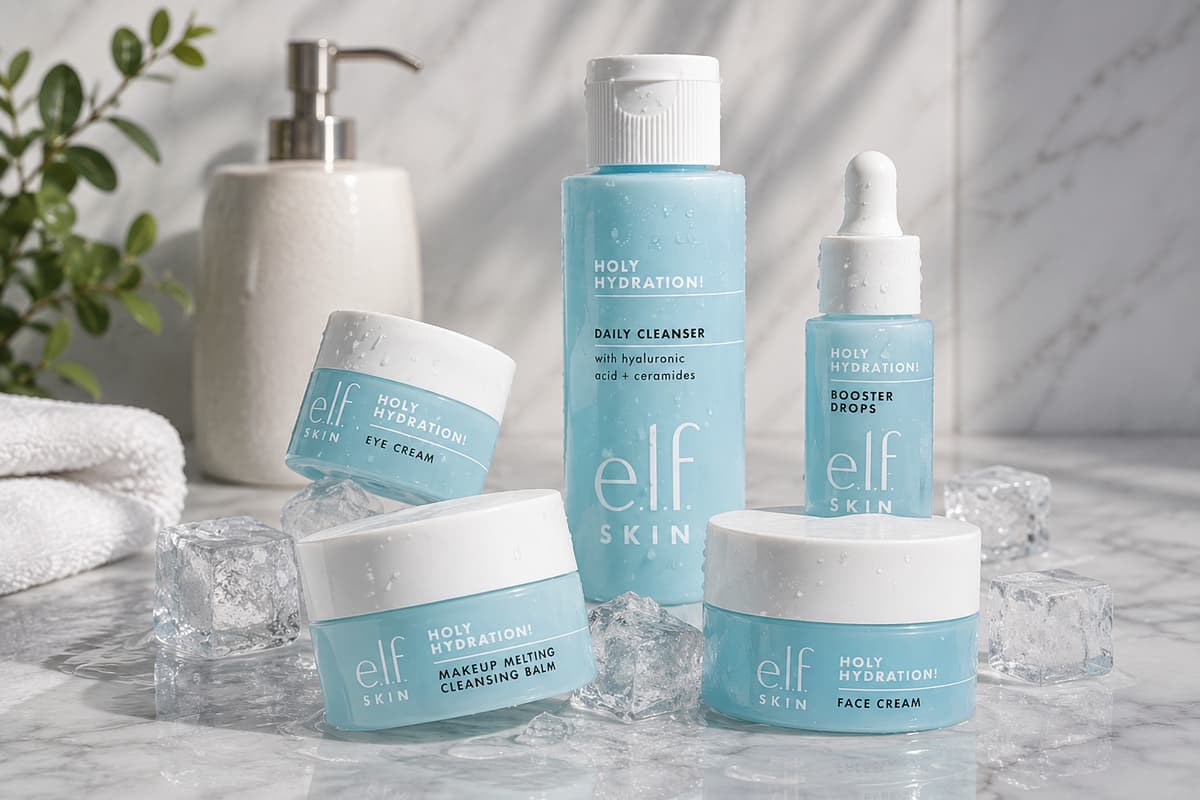
Inside are five travel-friendly products designed to work together as a complete hydration routine. The set includes Holy Hydration! Daily Cleanser, Holy Hydration! Makeup Melting Cleansing Balm, Hydrating Booster Drops, Holy Hydration! Face Cream and Holy Hydration! Eye Cream. Check what’s included in the e.l.f. kit.

The routine starts with the Daily Cleanser, which is applied to wet skin before being massaged in and rinsed away. The Makeup Melting Cleansing Balm can then be used to remove makeup, followed by Hydrating Booster Drops over the face and neck. Finish with the Face Cream and Eye Cream for a full five-step routine. Shop the travel-size skincare collection.

The formulas are designed with hydration in mind, with the Holy Hydration! products containing ingredients including hyaluronic acid, ceramides and peptides.

Hyaluronic acid is included to help hydrate and plump the appearance of skin, while ceramides help support the skin’s moisture barrier and peptides are intended to help refresh the complexion. Find out more about the set here.

The travel-friendly sizing is another big selling point. Rather than trying to decant your favourite products into bottles before a holiday, the e.l.f. Hydrated Ever After Mini Kit gives you a ready-made collection designed to be taken away with you.

The Amazon reviewer also highlighted how well the products worked together, saying each one “layers nicely without feeling heavy or greasy” and that their skin felt “instantly refreshed and hydrated after the first use”.

Perhaps the biggest attraction, though, is the value. The reviewer described the kit as offering “a full skincare experience that feels much more expensive than it is”, making it appealing for anyone who wants to experiment with a new routine without making a bigger investment. See the current £17.40 price.

It could also make sense for skincare beginners who don’t know where to start, or anyone who already loves e.l.f. and wants to take some of its Holy Hydration products on holiday.

The compact format makes the five-piece skincare kit particularly practical for travel, while the range of products means you can follow a complete routine rather than packing a single cleanser or moisturiser.

With more than 1,000 bought in the past month, Amazon’s Choice status and a 17% saving, the e.l.f. SKIN Hydrated Ever After Skincare Mini Kit is certainly worth a closer look if you’re after an affordable introduction to the brand’s hydration-focused range.

Elite Competitions

Buy now

🏡✨ For 19p, you could be in with a chance of winning a £1.85 million dream home bundle in Lancashire, complete with five en-suite bedrooms, 1.77 acres, smart-home tech, a Gaggenau kitchen and every bit of furniture included.

🚗💨 The prize also comes with a black 2023 Range Rover D300, packed with luxury touches including a panoramic roof, Windsor leather, Meridian audio and a huge 13.1-inch touchscreen.

💷 Prefer the money? The winner can take the £1.3 million tax-free cash alternative instead, with the live draw set for Friday, July 31 at 9pm.

Continue Reading

Tags: , , , , ,
Dermatologists Say This 1 Product Has Surprising ‘Anti-Aging’ Benefits

Dermatologists Say This 1 Product Has Surprising ‘Anti-Aging’ Benefits

“Hearst Magazines and Yahoo may earn commission or revenue on some items through these links.”

It’s common knowledge that sunscreen can prevent premature signs of aging by protecting against the sun’s harsh UV rays. But recently, a dermatologist surprised some when she suggested SPF could go further—potentially even turning back the clock on your skin.

“Consistent sunscreen use over time has actually been shown to reverse sun damage,” California dermatologist Samantha Ellis, M.D., said in a recent TikTok. “Sunscreen makes you look younger over time” by improving skin texture and helping dark spots fade, she added.

Dr. Ellis’ comments come months after a paper published in the Journal of the American Academy of Dermatology found that most experts agree that sunscreen is a powerful skincare product. For the paper, researchers asked 62 dermatologists at 43 academic centers across the country how effective they thought a wide range of products and skincare ingredients were in treating various skin health issues.

Meet the experts: Joshua Zeichner, M.D., director of cosmetic and clinical research in dermatology at Mount Sinai Hospital; Ife J. Rodney, M.D., double-board-certified dermatologist and founding director of Eternal Dermatology and Aesthetics; Gary Goldenberg, M.D., a board-certified dermatologist in New York City

The vast majority—96.8%—said mineral sunscreen was their top choice for preventing fine lines and wrinkles. In fact, the data suggested many believed mineral sunscreen was as important as retinoids, which are a mainstay of commercial anti-aging skincare products. (Chemical sunscreen was highly rated, too.)

While many people slather on sunscreen as a preventative measure, the idea that it can promote skin renewal isn’t well-known. Below, dermatologists break down how this works.

Why might sunscreen help skin look younger?

There are a few reasons for this. “Sunscreen is perhaps the best anti-aging tool we have for our skin,” says Joshua Zeichner, M.D., director of cosmetic and clinical research in dermatology at Mount Sinai Hospital. “UVA rays from the sun not only put you at risk for skin cancer, but also for premature aging.” UV light exposure has been linked to the development of fine lines and wrinkles, dark spots, and broken capillaries, all of which can age your skin, he explains.

Sunscreen can also protect against skin discoloration that can make you look older, says Ife J. Rodney, M.D., a double-board-certified dermatologist and founding director of Eternal Dermatology and Aesthetics. “The sun triggers more production of melanocytes—cells that produce the pigment melanin—which can lead to discoloration,” she explains. “Using sunscreen consistently blocks those triggers so you don’t get as much discoloration.”

“UV is also responsible for destruction of adipose tissue in the skin, leading to even more skin sagging,” adds Gary Goldenberg, M.D., a board-certified dermatologist in New York City.

On the other hand, when you wear (and regularly reapply) sunscreen, it blocks out those UV rays. Moreover, it can even promote younger-looking skin. “There is actually good scientific evidence that sunscreen use decreases signs of skin aging,” Dr. Goldberg says. He cites an older clinical trial published in Annals of Internal Medicine that divided 903 adults into groups that used sunscreen daily and sporadically. Those who used sunscreen daily had “no detectable increase in skin aging after 4.5 years.”

Wearing sunscreen allows your skin to do its job more efficiently, Dr. Zeichner explains. He points out that the skin can heal itself more easily when it’s not constantly dealing with free radicals (or unstable atoms) from UV light. “This means healthy skin cell growth and repair with improvements in sun-related dark spots and even enhanced skin barrier function,” he says.

What are the limits of this?

Dermatologists agree that using sunscreen can help preserve youthful-looking skin, lower the risk of sun damage, and give your skin time to repair itself. But Dr. Rodney says it’s important to have perspective on how much sunscreen can do. “I would not say that using sunscreen will undo deep wrinkles and collagen breakdown,” she says. Instead, the effects may be more subtle.

Dr. Zeichner also stresses that sunscreen is only effective when it’s used properly. “It is important to protect yourself from the sun every day, not just when you are at the beach,” he says. “Incidental UV light exposure adds up over time.” That’s why he suggests wearing sunscreen in the car, when you’re eating lunch outside, or even when you plan to be indoors. “You are at risk for sun damage,” he says. “UVA rays penetrate through the clouds and through window glass, so you can expose yourself to sun damage, even if you are outside on a cloudy day or indoors or in the car next to a window.”

Regularly seeking shade also helps, Dr. Rodney adds.

How to maximize sunscreen use for younger-looking skin

Applying sunscreen in the morning and reapplying throughout the day is one of the best ways to maximize the perks, according to Dr. Rodney. “This is one of the main and most important things you can do for your skin,” she says.

Dr. Goldenberg points out that you can use sunscreen along with other beneficial ingredients, which will maximize results. “It can be used together with other anti-aging skincare products, such as retinol and vitamin C,” he says.

Overall, dermatologists agree that daily sunscreen use is the way to go for younger-looking skin. “If you want healthy, clear, and wrinkle-free skin, wear sunscreen daily,” Dr. Zeichner says.

You Might Also Like

Tags: , , , ,
Homestead Blog Hop - Homestead tips, ideas, animal care, and recipes every Wednesday

Homestead Blog Hop 612 – Make Homemade Lunches, Cards, and Strawberry Lemonade

Welcome to Homestead Blog Hop, a weekly gathering for homesteaders and simple living enthusiasts to share DIY projects, from-scratch recipes, and creative inspiration. This week’s hop features cozy homesteading tips, along with practical ideas that celebrate handmade living and self-sufficiency.

Whether you’re looking for seasonal crafts, homemade treats, or encouragement on your homesteading journey, you’ll find plenty of inspiration to carry into the new year. Grab a cup of tea, explore the featured posts, and join us in sharing your own homestead creations.

Meet Your Homesteading Hosts

We’re Kelly from Simple Life Mom, Liz from The Cape Coop, Natasha from Houseful of Nicholes, and Laurie from Ridgehaven Homestead. Together, we’re passionate about from-scratch living, simple ingredients, frugal habits, and intentional homesteading. We’re delighted to host the Homestead Blog Hop, where you can find fresh inspiration each week for DIY projects, homemade recipes, and practical simple living ideas.

Follow Us for More Homestead Inspiration

Natasha – Houseful of Nicholes
Facebook | Pinterest | X | Instagram

Laurie – Ridge Haven Homestead
Facebook | Pinterest | Instagram

Liz – The Cape Coop
Facebook | Pinterest | X | Instagram

Kelly – Simple Life Mom
Facebook | Pinterest | X | Instagram

FEATURED POSTS from the Last Homestead Blog Hop

Each week, we take turns selecting three featured posts from the Homestead Blog Hop. These features are shared across all of our social media platforms, helping spotlight the creativity and hard work of our fellow homesteaders. Here are the featured posts from last week’s hop:

1. Strawberry Lemonade – from Flour on my Face

2. Easy Back to School Lunch Ideas – from Mommy Hates Cooking

3. How to Use Dried Flowers on Handmade Cards from Amy’s Creative Pursuits

Congrats! Feel free to grab the featured on button for your post.

Just right click and ‘save image as…‘

Guidelines for the Homestead Blog Hop

  1. Click the “Add Your Link” button below and upload a clear, eye-catching image from your project or recipe. Please link directly to the family-friendly post itself, not your blog’s homepage.
  2. You may link up up to three posts each week.
  3. Take time to visit a few other blogs in the hop and leave a thoughtful comment to let them know you stopped by. Community support makes this hop special!
  4. Please include a link back to the Homestead Blog Hop in your post. Posts without a back link are not eligible to be featured. All featured posts are shared across all hosts’ social media channels.
  5. Share posts that haven’t been linked to the hop before. Older posts are welcome as long as they are new to the hop.
  6. By joining the Homestead Blog Hop, you grant the hosts permission to use one image from your post, with a link back to your site, if your post is selected as a feature next week.
  7. This is a family-friendly link-up designed to encourage, inspire, and support the homesteader in all of us.

Let the Party Begin!

Which project are you excited to try this week? Leave a comment below.

Join Our Homestead Blog Hop Pinterest Board

Follow all of your hosts on Pinterest and send a message if you’d like to be added to our Homestead Blog Hop group board. This board is a great place to share your DIY projects, crafts, and from-scratch recipes with the homesteading community.

Guideline: Only pin posts that you’ve linked up to the Homestead Blog Hop.

Tags: , , , , , , ,
Are face masks and vitamin C just beauty myths? Dermat focuses on skincare staples and building a science-backed routine

Are face masks and vitamin C just beauty myths? Dermat focuses on skincare staples and building a science-backed routine

Regular skincare routine: Workout creates more blood flow in the skin so applying skincare products after exercising can work better. (Unsplash)

Tavishi Dogra is a Deputy Chief Content Producer, Health & Wellness, at Hindustan Times. She has over 9 years of experience writing about fitness, nutrition, and mental well-being, translating medical research and expert insights into practical advice readers can trust.

Career journey and experience
Tavishi began her health journalism journey in 2017, and has since reported for RSTV, Financial Express, Jagran, HT Media Labs and Zee. She joined Hindustan Times to simplify wellness subjects by cutting through jargon.

From decoding health trends and interviewing doctors to testing fitness routines herself, Tavishi always approaches content with one filter: “Will this help someone make a better decision today?”

Subject expertise
With 9+ years tracking India’s health conversations, Tavishi knows the gap between clinical advice and daily life. She knows fads from fundamentals and curates science-backed, expert-recommended solutions.

In fitness, she breaks down bodyweight training, recovery, and posture fixes for desk-bound readers. In nutrition, she translates guidelines into affordable, desi meal tweaks. In mental well-being, she focuses on stigma-free, actionable tools — all backed by research, expert input, and lived context.

Education and professional background
Tavishi holds a Master’s degree in Journalism and Mass Communication and began her career reporting on public affairs for broadcast. Those early years in policy and TV shaped how she writes today: fast, factual, and human-first.

Editorial Philosophy
I write with one single goal: To simplify health in a world full of noise by finding what’s actually doable, safe, and evidence-based for my readers. I test claims against research and user experiences. When all else fails, I speak to the expert who sees 50 patients a day, not the one with the most followers.

Read moreRead less

Walk down any skincare aisle or scroll through social media, and two products consistently stand out: face masks and Vitamin C serums. Both have earned cult status, but they are also among the most misunderstood skincare products. While they can be incredibly beneficial when used correctly, neither is a miracle solution, and unrealistic expectations often lead to disappointment. The key to achieving healthy skin lies in understanding what these products can and cannot do.

Is vitamin C scientifically proven for skin?

“Vitamin C remains one of the most extensively researched topical antioxidants in dermatology. Its benefits are supported by scientific evidence, making it a valuable addition to many skincare routines,” Dermatologist Dr Pranitha, Maya Medi Spa, tells Health Shots.

When formulated and stored correctly, Vitamin C can:

  • Neutralize free radicals caused by UV exposure and pollution.
  • Brighten dull skin by reducing excess pigmentation.
  • Help fade post-acne marks and uneven skin tone.
  • Support collagen production to improve skin firmness over time.
  • Enhance the effectiveness of sunscreen by reducing oxidative stress, although it should never replace SPF.

“However, Vitamin C is not an overnight treatment. Visible improvements in pigmentation and skin brightness typically require consistent use over several weeks or even months,” says the dermatologist.

Why don’t people see results?

One of the biggest reasons Vitamin C appears ineffective is that consumers unknowingly purchase unstable formulations. Vitamin C is highly sensitive to air, light, and heat. “Once oxidized, it loses much of its effectiveness,” says the doctor. Another common mistake is choosing products based solely on high percentages. Stronger is not always better.

For many individuals, especially those with sensitive skin, higher concentrations may lead to irritation without providing additional benefits. “Layering Vitamin C with too many active ingredients or using it inconsistently can also reduce its effectiveness”, says Dr Pranitha. Like most skincare ingredients, consistency is key and matters far more than occasional use.

Do face masks actually make a difference?

Face masks are another category often surrounded by exaggerated claims. While they can be an excellent addition to a skincare routine, they should be viewed as supportive treatments rather than primary solutions.

Different masks serve different purposes:

  • Hydrating masks replenish moisture and temporarily improve skin plumpness.
  • Clay masks help absorb excess oil and reduce surface congestion.
  • Brightening masks can enhance skin radiance with ingredients such as niacinamide, enzymes, or mild acids.
  • Calming masks help soothe irritated or inflamed skin.

Most face masks provide immediate cosmetic improvements, better hydration, smoother texture, or a healthy glow, but these effects are generally temporary. They do not replace a well-designed daily skincare routine or professional treatments when addressing concerns such as melasma, acne scars, or significant signs of aging.

What is the 4-2-4 rule in skincare?

Many people expect a single product to solve every skin concern. In reality, skincare should be tailored to an individual’s skin type, lifestyle, and specific concerns.

Some of the most common mistakes include:

  • Using face masks too frequently leads to irritation or barrier damage.
  • Leaving masks on longer than recommended, believing a longer application gives better results.
  • Purchasing Vitamin C products based solely on social media trends rather than ingredient stability or formulation quality.
  • Ignoring sunscreen while using brightening products can lead to new pigmentation.
  • Following complicated routines with too many active ingredients increases the risk of irritation.

Building a science-backed routine

An effective skincare routine does not need to be complicated. A gentle cleanser, moisturizer, sunscreen, and carefully selected active ingredients are often sufficient for healthy skin. “Vitamin C fits well into a morning routine because of its antioxidant protection”, explains the expert. At the same time, face masks can be used occasionally based on individual skin needs rather than daily.

For persistent concerns such as pigmentation, acne, rosacea, or premature aging, professional evaluation is important. These conditions often require prescription medications or in-clinic treatments in addition to topical skincare. “Ultimately, skincare should focus less on viral trends and more on evidence-based ingredients, realistic expectations, and consistency”, shares the expert. Both Vitamin C and face masks have their place, but neither should be viewed as a miracle product. Healthy skin is achieved through a personalized routine built on science, patience, and daily care, not quick fixes.

(Disclaimer: At Hindustan Times, we help you stay up to date with the latest trends and products. Hindustan Times has an affiliate partnership, so we may get a part of the revenue when you make a purchase. We shall not be liable for any claim under applicable laws, including, but not limited to, the Consumer Protection Act, 2019, arising from the products. The products listed in this article are in no particular order of priority, and the expert mentioned has not directly suggested any brands.

This article is for informational purposes only and is not a substitute for professional medical advice. Always seek the advice of your doctor with any questions about a medical condition.)

Tags: , , , , , , , , , , ,
Can You Use Niacinamide And Vitamin C In The Same Routine?

Can You Use Niacinamide And Vitamin C In The Same Routine?

Are There Any Side Effects to Watch Out For?

For most people, no. The main thing to watch for is overloading your skin with too many potent actives in one sitting, not because niacinamide and vitamin C fight each other, but because any high-strength actives, layered together too aggressively, can overwhelm sensitive or beginner skin. If you’re new to actives, ease in by alternating nights, niacinamide one night, vitamin C the next, and build up from there once your skin adjusts.

Tags: , ,
Formulogic Debuts in Singapore with Science-Driven Barrier Care for Southeast Asia's Sensitive Skin

Formulogic Debuts in Singapore with Science-Driven Barrier Care for Southeast Asia’s Sensitive Skin

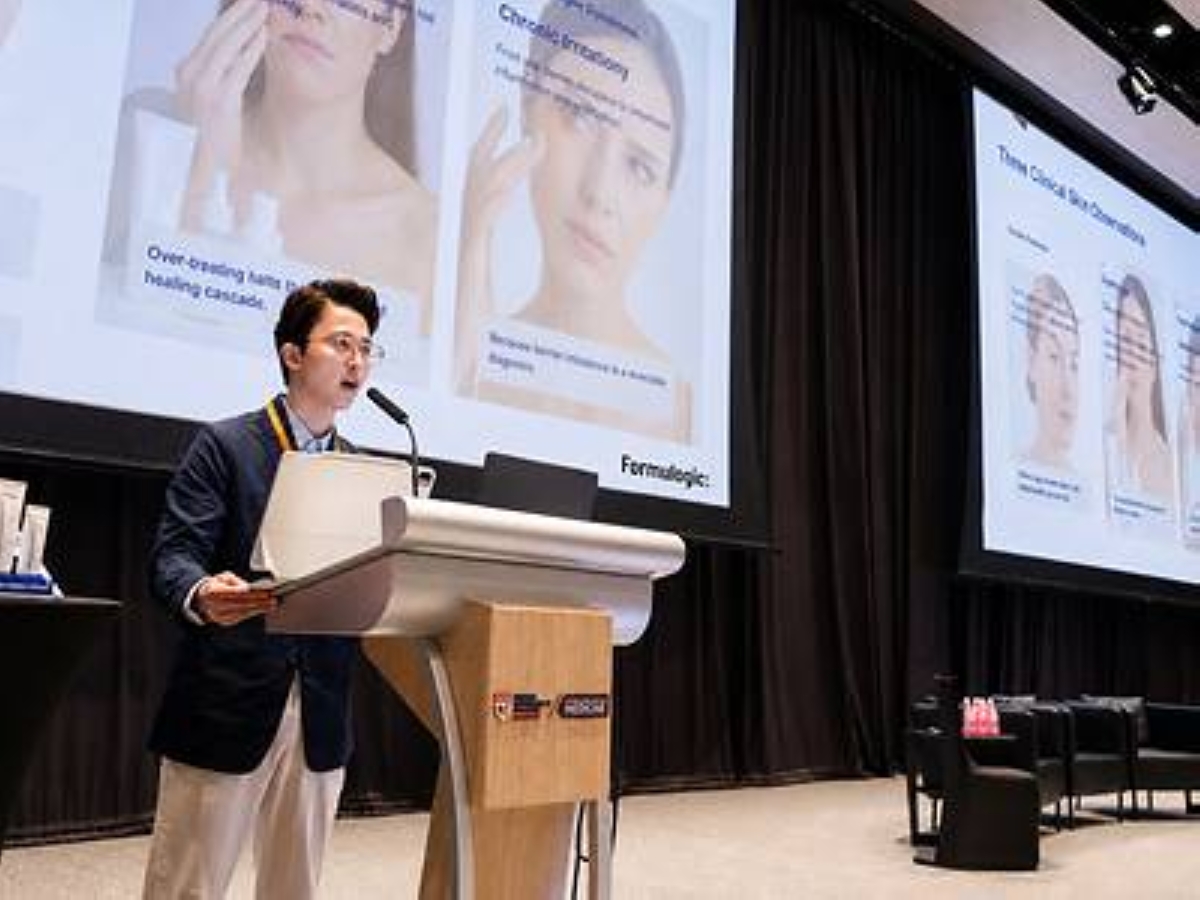
SINGAPORE, Aug. 11, 2026 /PRNewswire/ — Formulogic, a science- and evidence-driven dermocosmetic brand dedicated to sensitive skin, developed through dermatological research and clinical validation, officially debuted in Singapore at CONNEX-C Asia 2026, jointly organized by Society of Cosmetic Scientists (Singapore) (SCSS) and Lee Kong Chian School of Medicine, unveiling its evidence-based barrier care philosophy and a comprehensive skincare system designed specifically for Southeast Asia’s unique climate and skin concerns.

The launch also disclosed new R&D findings from Formulogic’s in vivo clinical studies and introduced its Adaptive Care Loop, which identifies the skin’s condition, selects the appropriate product track, and applies a three-step Cleanse, Treat and Protect system. Moreover, Formulogic announced plans to increase its investment in skin science, as well as the establishment of Singapore Sensitive Skin Lab, reinforcing the brand’s commitment to bringing clinical-grade, prescription-like barrier repair into everyday skincare across Southeast Asia.

At the launch, Formulogic Chief R&D Scientist Dr. Arwen Liu noted that sensitive skin rarely stems from a single cause. Neuro-sensory, hormonal and emotional factors interact with heat, humidity, unhealthy lifestyle and product use, while the resulting barrier disruption presents differently in dry and oily skin, which is why no single solution can adequately address every barrier state.

Get the latest news


delivered to your inbox

Sign up for The Manila Times newsletters

By signing up with an email address, I acknowledge that I have read and agree to the Terms of Service and Privacy Policy.

Therefore, for dry-sensitive skin, the Barrier Guard B5 Series is led by Formulogic’s flagship Panthenol All-in-One Barrier Cream, formulated with 5% panthenol to replenish moisture, strengthen the skin barrier and soothe visible signs of sensitivity in a lightweight texture for daily use. For consumers with oily-sensitive skin, the B3-Ceramide Oil-Control Barrier Moisturizer combines five types of ceramides with 4% niacinamide to reinforce the skin barrier while helping balance excess sebum and calm blemish-prone skin without compromising hydration.

Formulogic Scientific Advisor Dr. Jun Ho Sang also addressed post-procedure physiology, noting that visible redness after laser, IPL or microneedling treatments may subside before the skin’s protective and water-retention functions fully recover. Post-procedure care requires staged support beyond surface soothing: limiting moisture loss, supporting lipid-barrier organization and avoiding early reintroduction of high-intensity actives. Formulogic addresses this through barrier-focused formulas combining hydration, comfort and lipid-supportive care to support resilience throughout recovery.

Formulogic will continue collaborating with dermatologists, scientists and industry experts to develop clinically validated skincare tailored to the evolving needs of Southeast Asian consumers. By combining scientific research, local innovation and barrier expertise, the brand aims to make professional skin barrier care more accessible and help more people build healthier skin for the long term.

Tags: , , , , , , , , ,
Best oLive
Privacy Overview

This website uses cookies so that we can provide you with the best user experience possible. Cookie information is stored in your browser and performs functions such as recognising you when you return to our website and helping our team to understand which sections of the website you find most interesting and useful.