Does Natural Skincare Actually Work? Tata Harper Reveals the Truth

Does Natural Skincare Actually Work? Tata Harper Reveals the Truth

LA Times Studios may earn commission from purchases made through our links.

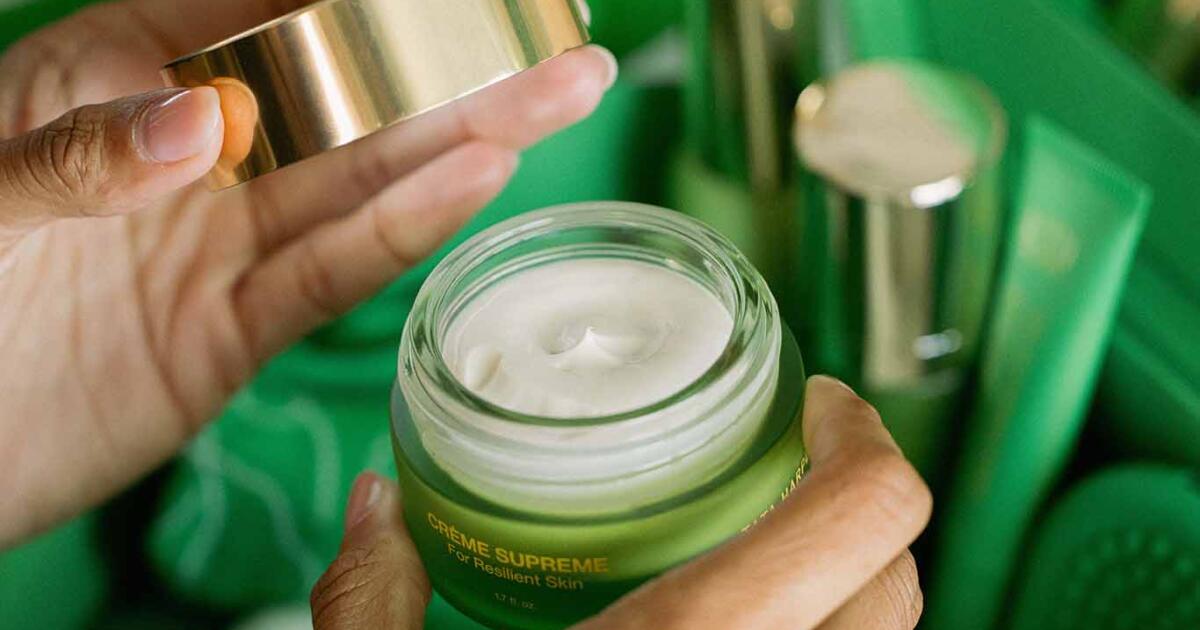
At an Earth Day master class in Los Angeles, clean beauty pioneer Tata Harper opened with a myth she hears often. Natural skincare is seen as less effective than lab-made formulas. Speaking alongside Jill Wintersteen, who led a guided meditation ahead of the event, Harper used the launch of her Crème Supreme Moisturizer to explain why that assumption is outdated and what actually matters for skin health.

Tata Harper Master Class | Earth Day Celebration

(Photo Credit: Masha Maltsava)

Natural ingredients are as powerful as the science behind them

“I love how there is this misconception that doing natural products and dealing with natural ingredients means you’re just juicing carrots and squeezing oranges,” Harper says laughingly. She emphasized that effectiveness comes down to the compound, not the origin. “The sophistication of an ingredient, whether man-made or natural, has to do with the compound itself.”

Biotechnology has made that distinction even less relevant. Ingredients can be developed now through natural processes like fermentation and biosynthesis while maintaining high performance. “For example, our hyaluronic acid is produced via fermentation by feeding bacteria root vegetables, and that bacteria then produces hyaluronic acid,” she said.

RELATED: How Growth Factors Are Transforming Anti-Aging Skincare

Harper pointed out that many ingredients used in traditional skincare were originally discovered in nature. “For decades, pharmaceutical companies and scientists have gone into nature to find new compounds,” she said. “Those are not the versions we get… we get them directly from nature so you get them in their purest form.”

Lifestyle drives skin aging more than products

Harper was direct about the limits of skincare. “I feel that lifestyle factors are the most fundamental factors in the way you age,” she said. “Skincare plays a supporting role the same way supplements do.”

Sleep is one of the most important factors. “Getting a good eight hours is amazing because that is when our skin repairs itself.” Stress is another major driver. “Controlling stress and cortisol spiking is another key strategy because cortisol breaks down collagen.”

Tata Harper Master Class

(Photo Credit: Masha Maltsava)

She also highlighted hydration, nutrition, and sugar intake as critical. “Avoid things like sugar, because sugar produces glycation that stiffens skin and damages collagen.” While that can be harder than we think, Tata’s message is simple. Products can enhance results, but they cannot replace foundational habits.

Hydration and barrier care are the foundation of healthy skin

If there is one immediate fix Harper recommends, it’s proper hydration. “There is an overabundance of dehydrated skin in the world because people are not properly moisturizing,” she said. Hydrated skin functions better and appears more resilient. Harper said her latest formula replenishes moisture and can improve elasticity over time. But, the broader takeaway applies across routines.

RELATED: Inside Tata Harper’s Farm-to-Face Skincare Revolution

And she warned against one of the most common mistakes she sees. Over-exfoliation. “I am a big believer in exfoliation,” she said, noting she prefers gentle daily formulas with enzymes and mild acids. But harsh peels and aggressive routines can do more harm than good. “You are damaging your barrier and degrading the outer layer, which can lead to inflammation, over-sensitization, and breakouts.”

For Harper, the future of skincare is about consistency. Healthy skin comes from supporting its natural processes. “Aging is nothing to be feared if you take care of yourself and prioritize wellness and healthiness,” she said.

The takeaway is less about a single product and more about shifting our perspective. Thinking about how ingredients are sourced to how the skin is supported every day.

Tags: , , , , , ,
The skincare innovations that are trending right now – here’s how to change up your skincare routine

The skincare innovations that are trending right now – here’s how to change up your skincare routine

Notino

Isn’t it time to change up your skincare routine? Check out the innovations which take supporting your skin beyond the surface.

Skincare trends come and go quickly, but some ingredients and product categories attract attention because they tap into broader changes in what people want from a routine.

Right now, there is growing interest in formulas that feel more targeted, more recovery-focused and more closely linked to skin support rather than quick surface-level results alone.

This shift reflects a wider change in consumer habits. People are still interested in glow and visible freshness, but they are also paying more attention to barrier support, skin comfort and products that fit into a more thoughtful long-term routine. In that context, innovation is no longer just about novelty. It is about whether a product feels relevant to real skincare goals.

Recovery-led skincare is gaining ground

One of the clearest developments in recent months is the rise of products associated with repair, renewal and skin recovery. Instead of looking only for stronger exfoliation or more dramatic active formulas, many skincare users are becoming more interested in products that support the skin in a gentler, more balanced way.

That helps explain why ingredients linked to skin regeneration are drawing more attention. A PDRN serum fits naturally into that conversation, as interest grows around formulas positioned within this more recovery-led approach. For many people, the appeal lies not only in the innovation itself, but in the broader idea of helping the skin look fresher and feel better supported over time.

Brand visibility also shapes what gains traction

Skincare conversations are often influenced not just by ingredients, but by the brands that help bring them into wider view. When certain names begin appearing repeatedly across beauty routines, social content and product recommendations, they often become part of the trend itself. Brand identity, packaging and positioning all play a role in how quickly a product category gains momentum.

This is one reason medicube is entering more beauty conversations. As consumers become more curious about newer skincare directions, brands associated with high-visibility, results-focused products tend to attract attention more quickly. They help make unfamiliar categories feel more accessible and easier to explore.

Innovation only matters if it fits real routines

Not every new skincare trend lasts, and not every innovation deserves a permanent place in a routine. What makes certain products stand out is their ability to fit into habits people can actually maintain. That is where Notino fits naturally into the conversation, offering skincare options that reflect both emerging trends and more established routine needs.

The products gaining attention right now are not always the loudest. More often, they are the ones that align with what people increasingly want from skincare: support, consistency and formulas that feel current without becoming overwhelming.

Continue Reading

Tags: , , , , ,
exfoliate face

How to Naturally Exfoliate Your Face

If there’s one skincare step I misunderstood for years, it was exfoliation. I thought it meant scrubbing my face until it felt “clean.” And then I’d skip it entirely because I worried about the irritation. After digging into the research behind how to exfoliate your face, I realized it’s more about supporting the skin’s natural renewal process.

Our skin is already designed to exfoliate itself. The goal isn’t to force that process, but to gently assist it when it slows down or gets disrupted. When I shifted to a more intentional approach I noticed calmer, more resilient skin. The key was understanding what was actually happening at the cellular level. 

What Is Exfoliation (and What’s Happening Under the Surface)?

To really understand how to exfoliate your face naturally, it helps to look at what your skin is doing every single day. The skin’s outermost layer, the stratum corneum, is made up of several dozen layers of dead skin cells (called corneocytes). These cells are held together by glue like lipids and are constantly shedding in a process called desquamation.

In healthy, younger skin, this cycle takes about 28 days. As we age, or when skin is stressed, dry, or inflamed, that process significantly slows down. When dead skin cells don’t shed efficiently, a few things happen:

  • The skin starts to look dull or rough
  • Pores appear larger or more clogged
  • Skincare products can’t penetrate as effectively
  • Texture becomes uneven

Exfoliation works by helping remove these excess cells before they naturally fall away. How you remove them though is the important part. There are basically two ways to exfoliate. Either physically remove skin cells, or dissolve the bonds holding them together. 

The Best Exfoliator For The Face: Manual vs. Chemical 

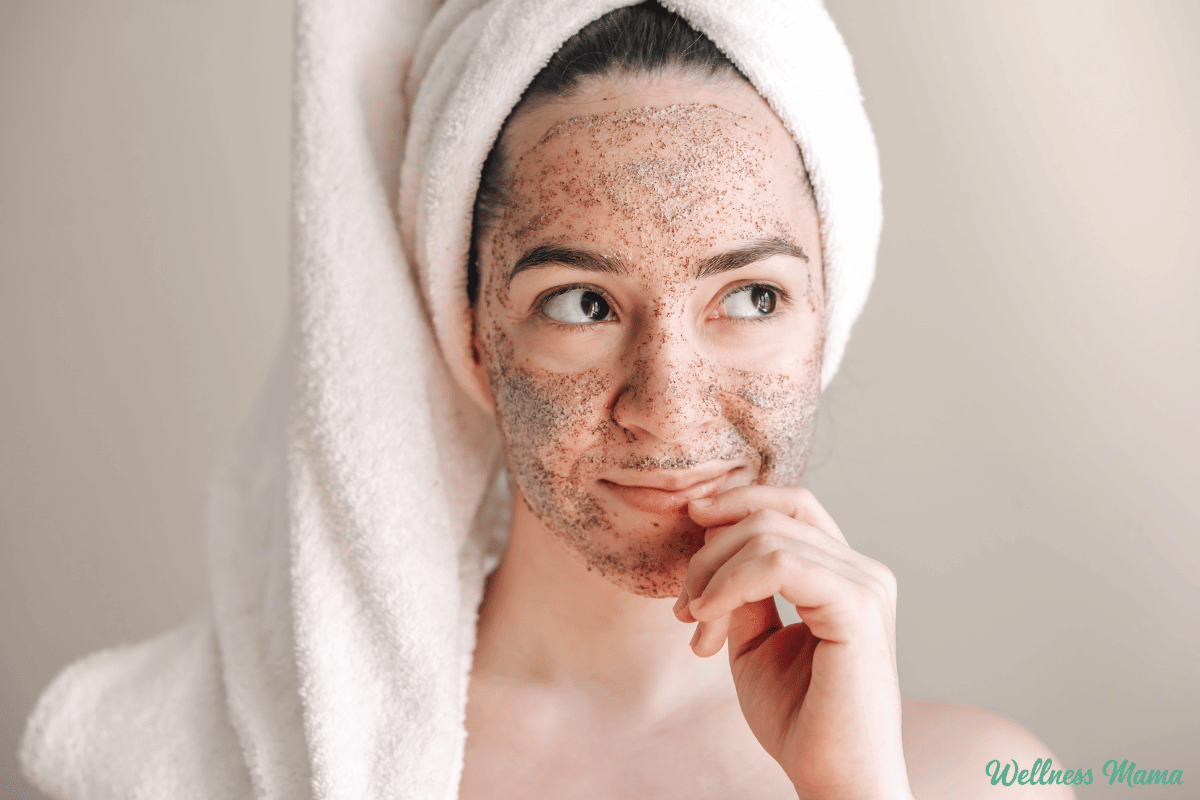
Many people imagine DIY sugar scrubs when it comes to the best natural face exfoliator. However, physical exfoliators, like sugar and salt scrubs, are only part of the picture. There are also chemical peels or exfoliators. These sound harsh and unnatural, but there’s more nuance to it. 

Manual exfoliation uses friction (scrubs, cloths, or brushes) to physically remove dead skin cells. The process seems straightforward enough. You’re buffing away buildup and revealing smoother skin immediately. 

However, physical exfoliation is non-selective. It doesn’t just remove dead cells, it can also disturb living cells underneath. Studies show that aggressive physical exfoliation can cause microdamage to multiple layers of the stratum corneum and increase transepidermal water loss, weakening the skin barrier.

Once the barrier is disrupted, skin loses moisture more easily and becomes more prone to irritation. This is why the type of particles used matters. Smooth, fine particles are far less likely to create microtears than jagged materials like crushed shells or seeds.

Chemical Exfoliation: A More Targeted Approach

Chemical exfoliants work differently. Instead of scrubbing, they use acids or enzymes to break down the bonds (called desmosomes) that hold dead skin cells together. Yes, there are harsh chemical peels that can strip away the top layer, but there are also easy and gentler ways to do it naturally at home. 

This allows the cells to shed more evenly and with less stress. The benefits of chemical face exfoliants include:

  • It’s more uniform (no uneven pressure from your hands)
  • It’s more controlled (you adjust strength by concentration, not force)
  • It’s often gentler on skin’s deeper layers

Chemical exfoliants also work slightly deeper within the stratum corneum, helping to normalize the natural shedding process rather than forcing it at the surface.That said, “gentler” doesn’t always mean “risk-free.” Strong acids can still irritate or damage the skin if overused, especially at higher concentrations or when combined with other active ingredients.

I learned this the hard way when I tried layering too many exfoliating products at once. My skin didn’t glow… it protested.

Side Effects and Precautions (What Your Skin Barrier Is Telling You)

The skin barrier is made up of lipids and tightly packed cells that protect against water loss, bacteria, and environmental stress. When exfoliation is too aggressive, that barrier becomes compromised and damaged. Our skin is there to protect what’s underneath, so we don’t want to exfoliate all of that away!

Signs of over exfoliation include:

  • Redness or stinging
  • Tightness or dryness
  • Increased sensitivity
  • Breakouts or inflammation

Over-exfoliation is actually one of the most common skincare mistakes. It’s best to start gently and adjust based on your skin’s individual response.

Who Should Not Exfoliate?

Young children have a much faster skin cell turnover rate, so they really don’t need any special face exfoliants. Those with irritated skin should also skip the exfoliators. Exfoliation can cause even more damage for those with rosacea, eczema, sunburn, or otherwise damaged skin.

More exfoliation doesn’t equal better skin. In fact, the healthiest skin I’ve had came from doing less, but doing it more intentionally.

Because exfoliation affects your skin’s renewal cycle, frequency matters more than most people think. Since the natural cell turnover cycle is about 28 days (and slower as you age), exfoliation is meant to support that rhythm, not override it.

In general, exfoliation can work best:

  • 1–2 times per week for most skin types
  • Up to 2–3 times for oilier skin (with gentle methods)
  • Once a week or less for sensitive skin

Why not more? Because skin needs time to rebuild its barrier and regenerate new cells. Over-exfoliating interrupts this process and can actually slow healing and renewal. A gentle, regular routine works better than aggressive exfoliation done occasionally.

Even timing can play a role. 

Exfoliating in the evening helps remove impurities that have accumulated throughout the day and supports the skin’s regenerative process. Morning exfoliation supports skin in a different way. Our skin naturally renews while we sleep, leading to more dead skin cells on the surface. Exfoliating in the morning can help the body better remove these and absorb the beneficial ingredients of your morning skincare products. 

What to Do Before and After Exfoliating (Supporting the Process)

It’s helpful to take a step back and look at the whole picture when it comes to a healthy skincare routine. Before exfoliating it helps to first use a gentle cleanser, unless you’re cleansing and exfoliating in one step. Even slightly damp skin helps the process and protects deeper skin cells. 

Clean skin allows exfoliants to work evenly and reduces the risk of pushing debris deeper into pores.

After Exfoliating: Repair and Replenish

After exfoliating your face is a great opportunity to support the fresh, clean skin underneath. Skin is more permeable and more likely to absorb other skincare products. I like to follow it up with simple aloe vera or natural moisturizer. 

Exfoliation temporarily thins the outer layer of the skin, which can make it more vulnerable to UV damage. Supporting and protecting the skin afterward is just as important as the exfoliation itself.

How To Exfoliate Your Face With Natural Options

Here are some different DIY face exfoliants to add to your skincare routine. Some use manual exfoliants (like sugar), while others use “chemical” exfoliants, like the gentle acids in yogurt and lemon.

I’ve also included some of my favorite pre-made options if you want something quick and easy. There are several brands I rely on for clean ingredients that nourish skin deeply at a cellular level. 

DIY Face Exfoliation

Face Exfoliation Tools

Pre-Made Face Exfoliants

Gently exfoliate your face with chemical and manual exfoliants from some of my favorite skincare brands. 

Final Thoughts On Exfoliating Your Face

Learning how to exfoliate your face naturally is really about understanding your skin’s biology and working with it, not against it. Exfoliation isn’t just a cosmetic step, it’s a way to support your skin’s natural renewal process at the cellular level.

Face exfoliation can improve skin texture, brightness, and overall skin health. It’s important to find the balance to keep skin strong and resilient, not irritated though. If you’re not sure where to start, try choosing a gentle method once a week and see how your skin responds. 

How do you exfoliate your face? Any tips I missed? Leave a comment and let us know!

Tags: , ,
Hindustan Times News

30s vs 40s skin: Doctor’s simple 3-step minimalist routine that actually works

In your 20s, skincare is often experimental, trying trends, layering actives, and chasing quick results. But as you move into your 30s and 40s, your skin and your approach to it start to change. There’s a visible shift today towards simpler, more consistent routines. Not because it’s trending, but because skin at this stage doesn’t respond well to excess. Overuse of actives, constant product switching, and aggressive treatments can end up doing more harm than good. At this stage, the focus moves from “doing more” to “doing what actually works.”

What should a 30-year-old’s skincare routine be? (Adobe Stock)

Tavishi Dogra is a health and wellness journalist with over eight years of experience in the field of health and wellness journalism. She knows how to explain complex health topics in a way that is easy to understand for many readers. Tavishi has written for respected publications like RSTV, Financial Express, Jagran, and Zee. She has a strong understanding of current health trends and social issues. Tavishi is dedicated to promoting holistic health and wellness solutions, which she shares in her articles about fitness, nutrition, and mental well-being. For more insights and updates on health, you can follow her work in the Hindustan Times.

Read moreRead less

What changes in your 30s and 40s?

Collagen production begins to slow down, hydration levels dip, and the skin barrier becomes more fragile. “Add to that daily exposure to the sun, pollution, stress, and lifestyle habits, and these changes become more evident”, Dr Tanya Mishra Dixit, Maxillofacial Surgeon, tells Health Shots. This is why skincare in your 30s and 40s needs to be less reactive and more restorative, focused on maintaining skin health rather than constantly correcting it.

Why simpler skincare routines are working better?

We’re seeing more people move away from 10-step routines to something far more edited. “A good cleanser, a targeted treatment, a moisturiser, and sunscreen, used consistently and often, deliver better results than complicated routines that are hard to sustain”, says the doctor. Skin minimalism isn’t about doing less for the sake of it. It’s about removing what’s unnecessary and sticking to what your skin actually needs.

How do I repair my skin barrier quickly?

One of the biggest shifts in skincare today is the focus on the skin barrier. When the barrier is compromised, everything else follows acne, dullness, and sensitivity. “Ingredients like ceramides, peptides, and fatty acids help strengthen the skin barrier and keep it healthy”, says the expert. Even small changes like switching to a gentler cleanser or a more nourishing moisturiser can make a visible difference over time.

Prevention over correction

Instead of trying to fix things once they show up, the idea now is to stay ahead of them. You don’t need an elaborate routine, just a few basics done consistently:

  • Sunscreen every day
  • Retinol to support skin renewal
  • Antioxidants like Vitamin C protect against environmental damage

What matters more than anything else is consistency, not constantly trying something new or changing products.

Does skin lose elasticity when dehydrated?

Dehydration is one of the most common concerns in this phase, often manifesting as dullness or loss of elasticity. A routine that prioritises hydration, with ingredients like hyaluronic acid and ceramides, helps the skin look healthier and feel better.

Sleep, stress, diet, and hydration play a much bigger role than most people realise. You can’t make up for poor lifestyle habits with good skincare. Skincare in your 30s and 40s doesn’t need to be complicated. “In fact, it works better when it isn’t. The real shift is this from chasing trends to building habits, from quick fixes to long-term skin health,” says the expert. Because good skin, at this stage, isn’t about doing more and more but about getting the basics right, consistently.

(Disclaimer: This article is for informational purposes only and not a substitute for professional medical advice. Always seek your doctor’s advice for any questions about a medical condition. At Hindustan Times, we help you stay up-to-date with the latest trends and products. Hindustan Times has an affiliate partnership, so we may get a part of the revenue when you make a purchase. We shall not be liable for any claim under applicable laws, including but not limited to the Consumer Protection Act, 2019, concerning the products. The products listed in this article are in no particular order of priority.)

Tags: , , , , , , , ,
Best oLive
Privacy Overview

This website uses cookies so that we can provide you with the best user experience possible. Cookie information is stored in your browser and performs functions such as recognising you when you return to our website and helping our team to understand which sections of the website you find most interesting and useful.