10% Vitamin C Serum for Oily Skin: A Gentle Way to Glow & Even Tone

10% Vitamin C Serum for Oily Skin: A Gentle Way to Glow & Even Tone

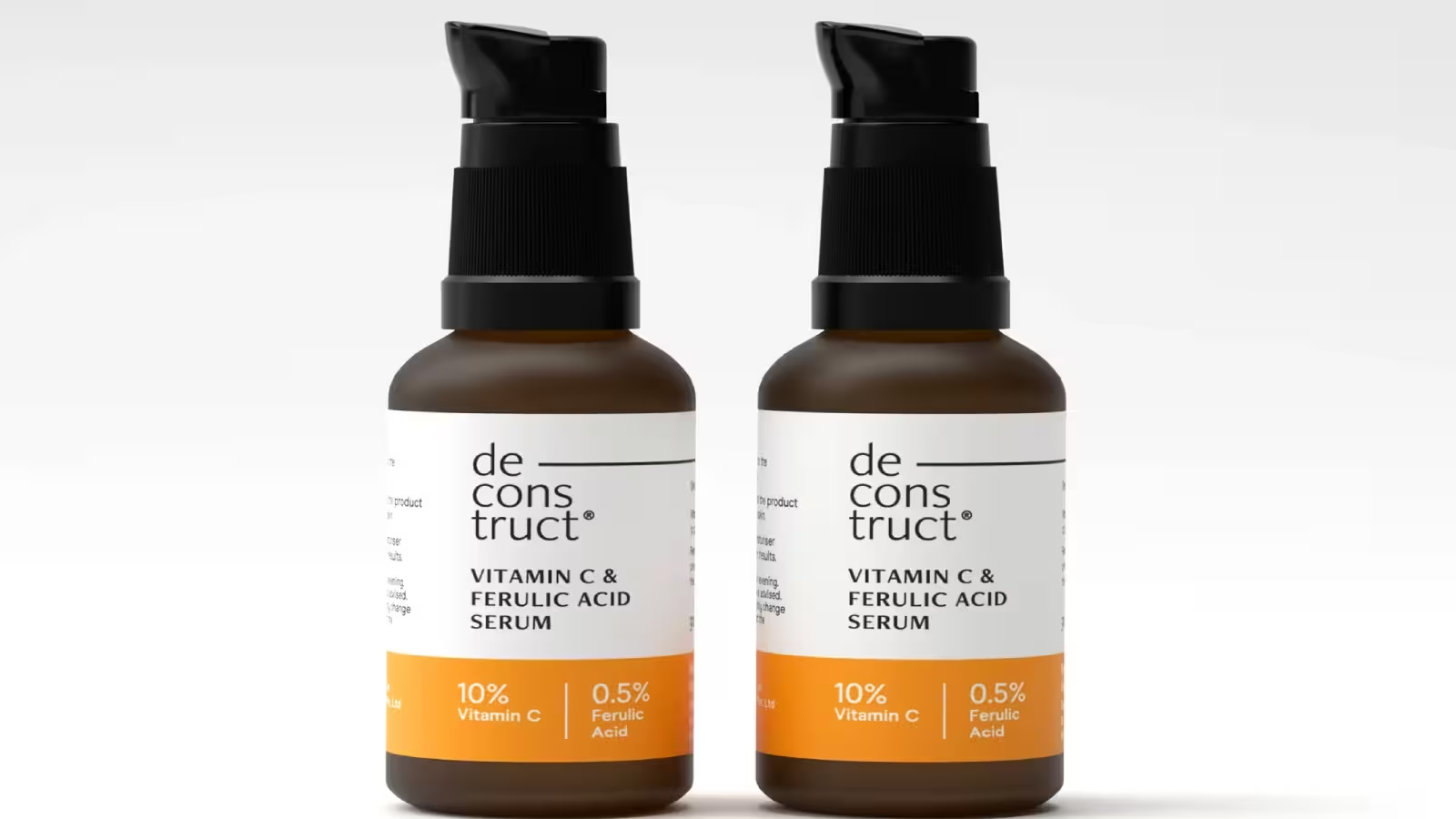
A 10% Vitamin C serum with 3-O-Ethyl Ascorbic Acid gently boosts glow, fades acne marks, and evens tone for oily skin. Lightweight options like Deconstruct 10% Vitamin C Serum deliver antioxidant benefits without stressing the skin barrier.

10% Vitamin C Serum for Oily Skin: A Gentle Way to Glow & Even Tone
Oily skin often feels like a paradox. While excess sebum can make the face look shiny, it does not always translate into a healthy-looking glow. In fact, many people with oily skin struggle with dullness, uneven tone, and post-acne marks. Add sun exposure, pollution, and daily stress to the mix, and the skin can start looking tired and patchy.

This is where a well-formulated Vitamin C serum can make a visible difference. A 10% concentration especially when formulated with 3-O-Ethyl Ascorbic Acid, a stable Vitamin C derivative offers a balanced way to improve glow and even out skin tone without overwhelming oily or acne-prone skin. Clinically tested formulations such as Deconstruct 10% Vitamin C Serum are designed to deliver antioxidant protection and visible radiance while remaining gentle on the skin barrier.

Why 10% Vitamin C Works Well for Oily Skin

When it comes to active ingredients, more is not always better. Higher concentrations of Vitamin C may increase the risk of irritation, especially for beginners or those with sensitive, acne-prone skin. Redness, tingling, or breakouts can occur if the skin barrier is compromised.

A 10% Vitamin C concentration strikes the right balance. It is effective enough to support glow and reduce uneven tone, yet mild enough for regular use. For oily skin types that are already prone to congestion and sensitivity from overuse of actives, this moderate strength can deliver results without triggering excess oil production or inflammation.

Vitamin C also works as a powerful antioxidant. It neutralises free radicals generated by UV exposure and pollution two major contributors to dullness and pigmentation. By protecting the skin from oxidative stress, it helps maintain clarity and a more even appearance over time.

The Role of 3-O-Ethyl Ascorbic Acid in Enhancing Glow

Not all Vitamin C forms are created equal. Traditional L-ascorbic acid can be unstable and may oxidise quickly when exposed to air and light. In contrast, 3-O-Ethyl Ascorbic Acid is a more stable derivative that penetrates effectively and maintains its potency longer.

Here’s how it supports oily skin:

1. Improves Skin Glow

3-O-Ethyl Ascorbic Acid helps reduce oxidative damage, which is one of the key reasons behind dull looking skin. With consistent use, it enhances overall radiance and supports a healthier complexion.

2. Fades Pigmentation and Acne Marks

Oily and acne-prone skin often deals with post-inflammatory hyperpigmentation those stubborn dark spots left behind after breakouts. Vitamin C interferes with excess melanin production, gradually helping fade these marks and promoting a more even tone.

3. Refines Texture

Uneven texture can make skin appear rough or tired. By supporting collagen production and improving surface smoothness, Vitamin C contributes to a refined, clearer-looking complexion.

Key Ingredients to Look for in a Vitamin C Serum for Oily Skin

When choosing a serum, ingredient synergy matters just as much as the hero ingredient.

  • 10% Vitamin C Serum (3-O-Ethyl Ascorbic Acid): Delivers stable antioxidant protection and visible glow support.
  • Niacinamide: Helps regulate excess oil, strengthens the skin barrier, and supports even tone.
  • Ferulic Acid: Enhances the stability and performance of Vitamin C.
  • Lightweight Hydrators (Glycerin, Hyaluronic Acid): Maintain hydration without clogging pores or feeling greasy.

For oily skin, the texture of the serum is equally important. A lightweight, fast-absorbing, non-comedogenic formula works best to prevent pore congestion.

How to Use 10% Vitamin C Serum in Your Routine

Consistency plays a crucial role in achieving visible results. Here is a simple routine you can follow:

Morning Routine

1. Cleanse: Use a gentle gel-based cleanser to remove oil buildup and impurities.
2. Apply Serum: Take 2–3 drops of the Vitamin C serum and apply it to dry skin. Gently pat it in.
3. Moisturise: Follow with a lightweight, oil-free moisturiser to maintain hydration.
4. Sunscreen: Finish with a broad-spectrum SPF 50 sunscreen. This step is essential, as vitamin C works best when paired with proper sun protection.

Beginners can start with once daily application in the morning. If the skin tolerates it well, it can also be used in the evening, depending on the overall routine.

Common Mistakes to Avoid

Even a gentle Vitamin C serum can deliver better results when used correctly.

  • Starting with very high concentrations: Jumping to stronger formulas may lead to irritation and barrier damage.
  • Skipping sunscreen: Sun exposure can counteract the benefits of Vitamin C and worsen pigmentation.
  • Over-layering actives: Combining strong exfoliating acids with Vitamin C without guidance may increase sensitivity.
  • Expecting instant glow: Skin renewal takes time. Visible improvements usually appear after consistent use over several weeks.

Patience and consistency are key when incorporating active ingredients into your skincare routine.

Who Should Use a 10% Vitamin C Serum?

A 10% Vitamin C serum formulated with 3-O-Ethyl Ascorbic Acid can be suitable for:

  • Oily skin
  • Acne-prone skin
  • Combination skin
  • Individuals new to antioxidant skincare

If you are looking to improve glow, reduce post-acne marks, and achieve a more even tone without heavy or greasy formulations, a clinically tested option like Deconstruct 10% Vitamin C Serum can fit seamlessly into your routine.

Final Thoughts

Oily skin does not need harsh treatments to look radiant. In fact, over-stripping or aggressive actives can weaken the skin barrier and worsen uneven tone. A balanced approach works far better.

A 10% Vitamin C serum powered by 3-O-Ethyl Ascorbic Acid offers a steady and gentle way to enhance glow, refine texture, and improve overall tone. When combined with daily sun protection and a simple, consistent routine, it supports healthier-looking skin over time.

Glowing skin is not about shine it is about clarity, balance, and resilience. With the right formulation and patience, achieving that natural glow becomes both realistic and sustainable.

Note to the Reader: This article has been created by HT Brand Studio. The information provided is intended solely for informational purposes and does not constitute medical advice or endorsement. Please consult a registered medical practitioner for personalized medical advice or before making any decisions regarding your health conditions or treatment options.

Get latest updates on health and wellness along with Brand Stories
Tags: , , , , , ,
Go-to anti-aging cream could leave you looking 'like a burn victim'

Go-to anti-aging cream could leave you looking ‘like a burn victim’

HEALTH experts are warning against using a viral TikTok beauty trend involving a potentially dangerous chemical.

Experts are urging users to only use the popular chemical if they follow two non-negotiable steps.

Sign up for the newsletter

Thank you!

Experts are warning users about retinol productsCredit: Getty

Social media users have been raving about using retinol on their skin to help with anti-aging and fighting acne, but some users say they end up looking like a “burn victim” after using the product. 

One TikTok user posted a video of her skin with visible burns, saying, “You can get burnt from using retinol. I did not know that.” 

“You’re supposed to use it once a week to build up a tolerance, but I didn’t know that.”

The user said it got to the point where her skin was burning “like acid” after using the product. 

Other users have also shared videos of their skin with large red patches and burn marks going across their cheeks. 

TikTok influencer Dr. Ingky stitched the original video saying, “Retinol makes your skin sensitive to UV rays. That means just a few minutes in the sun can cause a sunburn.”

The doctor said that retinol isn’t bad and is, in fact, one of the best anti-aging products on the market, but users need to apply it correctly. 

“It’s absolutely safe to use [retinol] for acne when you’re young,” skin expert Amanda Fidani told Fox News.

“You must use it correctly, though. That’s the most important thing.

“You can use it in your early 20s and late teens for beautiful skin — you just have to be safe and educated.”

Retinol helps increase skin cell turnover, exfoliate the skin, and stimulate collagen production, which helps reduce fine lines and wrinkles.

“Active ingredients like retinols or acids can be extremely irritating to the skin. If retinol is layered on in large quantities or acids are left on for longer than medically advised, this can damage the skin, leading to redness, discomfort, and pigmentation,” Dr Richard Devine, plastic surgeon and co-founder of Carriages of Harley Street, told Vogue. 

“Covering the skin with masks and serums for long periods of time can block pores and lead to breakouts.”

To apply retinol properly, users should layer it with SPF and use the product only at night. 

How to use retinol

  • Use SPF sunscreen that is a 30 or higher
  • If you are outside for the day, be sure to reapply sunscreen at least every two hours
  • Check SPF expiration dates
  • Make sure your sunscreen is water-resistant or waterproof

[Source: HydroPeptide]

Experts say users should use SPF 30 or higher to effectively prevent burns, according to HydroPeptide.

The sunscreen should be reapplied every two hours and should be water-resistant or waterproof.

In addition to using SPF, users should wear hats and try to avoid direct sunlight during the summer months. 

If you do happen to get a sunburn, it’s best to avoid using retinol that day. 

Those who want to avoid the potential of burns should try and stick to using retinol just at night.

Tags: , , , , ,
Future-Proofing The Skin: Why 20-Somethings are Starting 'Pro-Ageing' Routines

Future-Proofing The Skin: Why 20-Somethings are Starting ‘Pro-Ageing’ Routines

Have you heard of the term ‘pro-ageing’? This is a lifestyle shift that focuses on nourishing, protecting, and embracing the natural skin at every stage of life. Unlike the anti-ageing routine that fights signs of ageing, the pro-ageing routine focuses on accepting the changes and caring for the skin. Usually, people worry about skin ageing when visible signs like wrinkles and fine lines appear, but youngsters nowadays believe in skin longevity and are more inclined to future-proof their skin naturally.


Pro-Ageing 101: Dermat Answers Common Questions

A lot of people are not familiar with the skin ageing universe, especially Pro-Ageing. In an exclusive conversation with Onlymyhealth, Dr Priyanka Sharma, Co-founder, Director, and Chief Dermatologist at V6 Clinics, simplified skin longevity and pro-ageing for our readers.

At What Exact Age Does Our Natural Collagen Production Begin To Slow Down?

Collagen production typically begins to decline in the mid-20s. By the time we enter our 30s, we lose approximately 1% of collagen per year, and this accelerates with sun exposure, stress, and lifestyle factors.

Answering whether or not we can delay ageing, Dr Sharma says, “We cannot biologically ‘stop’ ageing, but we can absolutely reduce the visible signs of collagen loss.”

Here are some steps to significantly delay structural skin thinning and sagging:

  • Daily sun protection
  • Medically guided retinoids
  • Antioxidant use
  • Adequate protein intake
  • Procedures that stimulate collagen production

The goal today is not to stop aging, but to age structurally stronger and healthier.

Also Read: 5 Ways Protein Protects Skin From Premature Ageing

What Is The Actual Difference Between ‘Anti-Aging’ And ‘Skin Longevity’?

Anti-aging is largely corrective. It focuses on reversing visible signs like wrinkles, pigmentation, and sagging after they appear.

Skin longevity, on the other hand, is preventive and science-led. It focuses on preserving collagen, maintaining barrier integrity, supporting the microbiome, and reducing chronic inflammation long before visible aging sets in.

What Is The Most Common Skincare Mistake You See 20-Somethings Making Today?

“The biggest mistake I see is overuse of active ingredients without medical guidance,” shares Dr Sharma.

Many young individuals are layering multiple exfoliants, retinoids, and acids based on social media trends. This mistake often leads to skin barrier damage, chronic inflammation, and long-term sensitivity.

Skin in the 20s is biologically strong. It requires consistency, protection, and minimal but effective ingredients, not aggressive correction. Over-treatment at a young age often leads to premature skin problems.

Also Read: What Is the Right Age to Start Anti-Ageing Products?

What Is The ‘Skin Microbiome,’ And How Does Over-Cleansing Today Affect Our Skin A Decade From Now?

The skin microbiome refers to the ecosystem of beneficial bacteria that naturally live on our skin. These microorganisms help regulate inflammation, protect against pathogens, and maintain the skin barrier.

“Over-cleansing, especially with harsh foaming cleansers, disrupts this balance. Chronic barrier disruption can lead to persistent low-grade inflammation. Over the years, inflammation contributes to pigmentation, dullness, sensitivity, and accelerated collagen breakdown,” warns Dr Sharma.

Balanced cleansing, rather than excessive cleansing, is key to long-term skin health.

Can Diet And Supplements Slow Down Collagen Breakdown As Effectively As Topical Treatments?

Diet and topical treatments serve different but complementary roles.

  • Topical ingredients like retinoids and vitamin C directly stimulate collagen production in the skin.
  • Whereas, right nutrition supports the internal building blocks required for that process- including adequate protein, vitamin C, zinc, and antioxidants.
  • Collagen peptides and certain supplements may support skin elasticity, but they cannot replace sun protection or topical stimulation.

Optimal results come from combining internal nutrition with external dermatological care.

What Are The Three Ingredients A 20-Something Should Use Now?

According to Dr Sharma, the three foundational ingredients that need to be prioritised are:

  • Broad-spectrum sunscreen- UV damage accounts for up to 80% of visible skin aging.
  • Low-strength retinoid (under medical supervision)- Gradually stimulates collagen and improves cellular turnover.
  • Vitamin C antioxidant serum- Protects against oxidative stress and environmental damage.

Consistent use of these from the mid-20s can significantly delay the need for corrective procedures in the 40s.

Final Word

Summing up, Dr Sharma says, “There is scientific reasoning behind early preventive care. Collagen decline begins in the mid-20s, and environmental damage accumulates from adolescence onward. However, pro-ageing should not be confused with aggressive aesthetic intervention at a young age. The science supports early prevention, not premature procedures.”

Starting early means building skin health, not chasing perfection.

Read Next

Rose Water vs Aloe Vera Gel: Which One Works Best for Oily Skin?

Disclaimer

Chanchal is passionate about making health news clear, reliable, and useful. With over six years of experience in health journalism, she covers everything from disease outbreaks to women’s wellness, nutrition, and fitness. She believes in going beyond headlines, relying on expert voices and trusted medical studies to inform her work. Before joining Jagran New Media, she worked with Rajasthan’s First India News.

Read More..

How we keep this article up to date:

We work with experts and keep a close eye on the latest in health and wellness. Whenever there is a new research or helpful information, we update our articles with accurate and useful advice.


  • Current Version

  • Feb 23, 2026 13:30 IST

    Published By : Chanchal Sengar

Tags: , , , , ,
Why Your Skin Still Looks Dull Even With a Skincare Routine

Why Your Skin Still Looks Dull Even With a Skincare Routine

Some people follow every skincare step carefully, yet their reflection still looks tired and dull. The cleansers are gentle, the serums give glow, and the moisturizers are high quality, but the results do not match the radiant skin they hoped for. It can be frustrating when effort does not show on the surface.

Dull skin has many causes that go deeper than the surface. Sometimes the problem is underneath the skin. Even when products work well, they can only do so much if the body itself struggles to renew, hydrate, or repair from the inside.

By understanding what really affects skin brightness, people can focus on real improvements instead of always chasing the newest products. In many cases, healthy glowing skin begins from within, supported by good rest, careful daily skincare, and sometimes skin enhancing supplements that support overall skin health.

Dehydration Below the Surface

Even when the skin looks well cared for, a lack of internal hydration can make it look dull and tight. Many people confuse surface moisture from creams with the real hydration that skin cells need to stay plump and naturally reflective.

Not All Moisture Is Equal

A layer of cream can lock in water, but it cannot create it. When the skin is dry at its base, even the best moisturizers have trouble working well. Everyday habits like not drinking enough water, drinking a lot of coffee, or spending time in air conditioned spaces can quietly pull moisture from the skin. Over time, this dryness makes the skin rough and reduces its natural glow.

The Role of Internal Hydration

Real hydration starts from within. When the body does not get enough fluids, skin cells become less flexible and more likely to flake. Eating fruits with high water content and getting enough electrolytes helps the skin hold moisture better. People who are often outdoors or in dry areas usually notice better results when they combine skincare with proper hydration.

How Balanced Nutrition Helps

Hydration also depends on what you eat. Foods rich in healthy fats, like avocados, nuts, and fish, help the skin stay naturally glowing because they nourish its lipid layer. Without this internal support, even hydrating serums cannot keep the skin smooth for long. When the skin gets the right nutrients from food, it reflects light better and feels softer for longer.

Poor Cellular Renewal and Fatigue

Another reason skin can look dull is that dead skin cells build up faster than the body can remove them. Even a gentle exfoliant may not be enough if the skin’s natural turnover slows down. This often happens when the body is stressed, missing nutrients, or not getting enough rest.

The Slowdown of Skin Renewal

Skin normally renews itself about every month, but when sleep is irregular or stress hormones remain high, this process takes longer. Old cells stay longer on the surface, scattering light and making the complexion look dull. This change can be so gradual that it goes unnoticed until the skin starts to feel rough and lose elasticity. Better rest habits and relaxation often help the skin renew naturally.

When Nutrition Plays a Silent Role

Certain vitamins and minerals are essential for healthy skin turnover. A lack of vitamin C, E, or zinc may make the skin heal slowly and look uneven. Eating a balanced diet with colorful fruits and vegetables, proteins, and whole grains supports the body’s ability to renew efficiently. For those who cannot always eat this way, supplements with these nutrients can help fill the gaps. Small changes in daily nutrition can quickly improve skin tone and make the complexion look lively.

Sleep and Stress Connection

Sleep does more than rest the body. It repairs it. During deep sleep, the skin boosts collagen and removes damaged cells. Missing this stage leaves the skin tired no matter what products are used. Similarly, chronic stress releases hormones that interfere with skin repair, reducing its natural glow. Establishing steady routines of rest, relaxation, and mindful breathing can make a visible difference over time.

Environmental Exposure and Lifestyle Habits

Even the best skincare routine can be affected by daily habits and the environment. Pollution, UV rays, and screen time all affect how the skin looks and feels. People often underestimate how much their surroundings influence the skin’s ability to stay radiant.

The Invisible Impact of Pollution

Pollution particles slowly settle on the skin and cause irritation. When this layer mixes with natural oil and sweat, it can block pores and lead to rough or uneven skin texture. Daily cleansing is helpful, but care from inside the body is just as important. Antioxidants from food or supplements help protect skin cells from pollution, supporting a clearer and fresher appearance over time.

Everyday Habits That Steal Radiance

Late nights, too much caffeine, and skipping meals may seem harmless, but they slowly reduce blood flow and nutrients reaching the skin. Without enough oxygen and nourishment, the skin can look dull and tired. Small lifestyle changes, such as eating more whole foods, doing light exercise, and spending short periods outdoors, can help restore skin health from within without needing drastic changes.

Sunlight and Digital Exposure

Sunlight helps the body make vitamin D, but too much sun without protection can damage collagen and make skin look dull. Light from phones and computers can also affect skin firmness and tone when exposure is long and frequent. Using sunscreen daily and taking short breaks from screens gives the skin time to recover and helps natural brightness return.

Understanding the Whole Picture

Dull skin is not only about skincare products. It is often linked to daily habits. The skin reflects what we eat, how well we sleep, how we handle stress, and how consistent our care is. When skincare does not seem to work, the cause is often found in lifestyle and nutrition.

Sometimes, the solution is not another product, but better care from within. With enough water, balanced meals, and proper rest, the skin can slowly look healthier and brighter. Nutritious food and supplements, when needed, help build a strong base for natural glow that creams alone cannot provide.

Healthy skin takes time. It grows through balance, good habits, and care that supports the body inside and out.

Tags: , , ,
How to Build a Skincare Routine That Actually Works

How to Build a Skincare Routine That Actually Works

LA Times Studios may earn commission from purchases made through our links.

There’s a version of our skincare routine that lives inside our heads. It’s consistent. Strategic. Full of products that are supposedly doing something. And then there’s the truth. Half-used serums. A rotation of trending ingredients (or what’s on sale) and we’re left with a quiet suspicion that despite all of our efforts, our skin isn’t actually improving.

On this week’s episode of the ‘Live & Well’ podcast, host Melissa Magsaysay sits down with Colette Laxton, co-founder of The Inkey List, a science-backed skincare brand best known for making ingredient-focused products simple and easy to understand. What unfolds is less about what to buy and more about why so many routines don’t work.

Why skincare routines fail in the first place

For many of us, skincare doesn’t start with clarity but more with confusion. Laxton explains that most consumers fall into what she describes as the “confused” category. They are either new to skincare or trying to solve a specific issue like acne or sensitivity, and end up going through products without a proper plan.

RELATED: 30 K-Beauty Skincare Deals with Ingredients Actually Worth Buying

Laxton sees this confusion play out in how we build our routines. Instead of simplifying, we tend to add more. More products. More steps. More actives layered without fully understanding how they interact or what they actually do. The result, she suggests, isn’t necessarily better skin, but more inconsistency and irritation.

Magsaysay points to the behavioral loop many of us do recognize. When something feels off, we add again. Another serum. Another exfoliant. Another trend. While it creates the illusion of control, Laxton argues it’s working against our skin.

What skincare routines are getting wrong right now

One of the biggest issues, according to Laxton, is the overuse of exfoliating acids.

“I’ve got a bit of an issue with the overuse of exfoliating acids,” she says, referencing the widespread use of AHAs and BHAs. “I don’t think everybody should be using it all the time.”
Part of the appeal is immediate payoff, Laxton explains.

Skin can look smoother or more radiant quickly, which reinforces the habit. But Laxton cautions that the sensation we associate with effectiveness can be misleading.

“That tingling is not something you should be doing more than once a week, if that,” she says. At the same time, she sees a broader pattern tied to how we consume skincare today. Trends move fast. Ingredients go viral. And we seem to be adopting them without asking whether they’re actually right for us.

RELATED: The Rise of Gemstone Skincare: How KNESKO Is Turning Beauty Into Ritual

“The problem I’ve got with a lot of trending products,” Laxton says, “…is that people buy them because it’s trending without understanding, is that one for me, or is that not for me?” This pattern often shows up as compromised skin. “A lot of issues right now are coming from the skin barrier,” she explains. “So many people are saying, ‘I’m sensitive.’”

What actually works in a skincare routine

If there’s a through line in Laxton’s approach, it’s simplicity. Her framework deliberately strips things back to essentials. Cleanse. Hydrate. Protect. “If you’re going to break it down and build a routine, literally start at cleansing your skin,” she says. “Find the right cleanser for you.”

It might sound obvious, but she notes that many of us skip foundational steps while investing in more advanced treatments. From there, hydration becomes the anchor.

RELATED: How Growth Factors Are Transforming Anti-Aging Skincare

“I’m very interested in products and actives that really support hydration,” says Laxton. “A lot of problems that people are getting is dehydration.” That includes concerns we often label as something else. Signs of aging. Acne flare-ups. Sensitivity. All can be exacerbated when the skin lacks hydration or barrier support.

The final step is protection. “There is no point doing all these incredible things in your skincare routine and then not using an SPF,” she says. Laxton’s approach, she admits, isn’t designed to be exciting. It’s designed to be consistent.

How to build a simple skincare routine, according to Colette Laxton

If the goal is to simplify rather than add, the routine Laxton describes is intentionally minimal. It’s built around a few foundational steps.

At its core, the structure looks like this:

  • Cleanse: A gentle cleanser is the starting point. Laxton points to formulas like The INKEY List Oat Cleansing Balm, which removes makeup and SPF without stripping the skin.
  • Hydrate: Hydration is where she places the most emphasis. Ingredients like those found in The INKEY List Hyaluronic Acid Serum, which she says supports both moisture levels and the skin barrier.

    Starter Retinol Serum

    (The INKEY List)

  • Treat (if needed): Targeted treatments like The INKEY List Retinol Serum or The INKEY List Niacinamide Serum could be introduced gradually based on how skin responds.
  • Eye (optional): Products like The INKEY List Caffeine Eye Cream can often serve as an entry point, especially for concerns like puffiness or early signs of fatigue.
  • Protect: Daily SPF like THE INKEY List Dewy Sunscreen SPF remains non-negotiable for Laxton, who says there’s little point in investing in a routine if skin isn’t being protected.

The structure is intentionally simple, but that’s the point.

The skincare reset

While there, of course, is still room for advanced ingredients and new formulations… Laxton herself points to emerging ingredients like ectoin and polyglutamic acid as areas of interest. But those additions are meant to build on a stable foundation, not replace it.

In practice, our takeaway is that we need to step back before stepping forward. Look at what’s already in our routine and ask whether our products serve a purpose. Because for most of us, the issue isn’t that our skincare routine is missing something. It’s that it’s doing too much.

Click here to listen to the full podcast episode.

Tags: , , ,
From Anti-Ageing To Skin Elasticity: Why Rosehip Oil Is Your Next Everything Treatment

From Anti-Ageing To Skin Elasticity: Why Rosehip Oil Is Your Next Everything Treatment

The enduring fascination with rosehip oil shows that while the beauty world constantly touts new and complex ingredients, some of the most effective have been valued for centuries. Derived from the fruit and seeds of Rosa canina bushes, rosehip oil has a long history of medicinal and skincare use for its reparative properties.

It remains a staple in contemporary skincare for the same reason. Modern formulations may feel fresh and innovative, but they follow the same guiding principles: harnessing rosehip oil’s power to stimulate collagen, hydrate, and heal the skin.

Vogue’s top rosehip oils at a glance:

Germaine de Capuccini Multi-Regenerating Rosehip Oil

Read more

In this article:

AccordionItemContainerButton

What is rosehip oil, and what are the benefits of using it?

According to consultant dermatologist Dr Derrick Phillips, “Rosehip oil is a plant-derived oil extracted from the seeds of the rosehip fruit, not the petals. That distinction matters because, unlike rose essential oil, which is distilled from petals and primarily used for fragrance, rosehip oil has a fatty acid and antioxidant profile that is more relevant to skincare.”

He reveals why it is considered such a powerhouse in the skincare industry: “It contains linoleic and alpha-linolenic acids, alongside smaller amounts of oleic acid and naturally occurring antioxidants such as tocopherols and carotenoids,” the expert explains. “There are also trace amounts of vitamin A-related compounds, although these are not comparable to prescription or over-the-counter retinoids.”

Dr Phillips also spotlights some studies that suggest “its fatty acid content may help support the skin barrier and improve hydration by reducing water loss. It may also have mild antioxidant and anti-inflammatory properties, which can contribute to overall skin resilience.”

Rosehip oil for the face

Often dubbed as a solution for acne-prone skin, Dr Phillips wants to make clear that this is not always the case. “It has a relatively low comedogenicity rating, typically around 0 to 2, and it is rich in linoleic acid. Acne-prone skin tends to have lower levels of linoleic acid in sebum, so in theory it may be better tolerated than heavier, oleic-acid dominant oils.” That being said, the oily texture may not be easily tolerated. “Oils are inherently occlusive and, in some individuals, can contribute to congestion or flare-ups, particularly in active inflammatory acne,” he adds.

Tags: , , , , ,
Top Vitamin C Serums for Bright, Even‑Toned Skin | Personal-care News

Top Vitamin C Serums for Bright, Even‑Toned Skin | Personal-care News

Regular use of vitamin C serum promotes collagen production, which improves skin firmness and reduces fine lines, giving a youthful glow. Additionally, it protects the skin from environmental damage caused by free radicals, pollution, and UV exposure. Lightweight and fast-absorbing, vitamin C serums can be easily incorporated into morning or evening skincare routines and are suitable for most skin types when used consistently.

Image Source: Myntra


Order Now

Bioreva’s 15% Vitamin C Serum is formulated for those looking to boost skin brightness and reduce dullness. With a high concentration of vitamin C, it works to fade dark spots, even out skin tone, and enhance natural radiance. The lightweight texture absorbs easily, making it suitable for daily use under moisturizers or makeup.

Key Features:

  • High 15% Vitamin C concentration for effective brightening
  • Helps fade pigmentation and dark spots
  • Lightweight, fast‑absorbing formula
  • Suitable for daily use
  • Higher vitamin C % may irritate sensitive skin
  • Can oxidize faster if not stored properly
  • May cause mild tingling initially

Image Source: Myntra


Order Now

Dot & Key’s serum combines 10% vitamin C with vitamin E and 5% niacinamide to not only brighten the skin but also combat pigmentation and improve texture. Vitamin E enhances antioxidant effects while niacinamide calms the skin and minimises pores. This multi‑benefit formula targets dullness and uneven tone for a smoother, glowing complexion.

Key Features:

  • 10% Vitamin C for brightening
  • Vitamin E to boost antioxidant protection
  • 5% Niacinamide to calm skin & reduce pigmentation
  • Lightweight and hydrating, ideal for everyday use
  • Niacinamide may not suit extremely sensitive skin
  • Slight scent might not appeal to everyone
  • Results can take several weeks to show

Image Source: Myntra


Order Now

FoxTale’s Brightening Serum uses L‑Ascorbic Acid, the most potent form of vitamin C, along with Vitamin E to enhance antioxidant benefits. This serum targets dullness, uneven skin tone, and early signs of aging. The formulation aims to restore radiance while protecting against environmental stressors.

Key Features:

  • L‑Ascorbic Acid for strong antioxidant action and brightness
  • Vitamin E supports skin repair and hydration
  • Designed to target dullness and uneven tone
  • Absorbs quickly without sticky residue
  • L‑Ascorbic Acid may cause tingling for some skin types
  • Stability can be an issue if exposed to light/air
  • Might not suit dry skin without a moisturizer

Image Source: Myntra


Order Now


Add Zee News as a Preferred Source

Pilgrim’s Vitamin C Serum combines 10% vitamin C, niacinamide, and Kakadu plum extract (a natural source of vitamin C) to offer brightening and nourishing effects. This blend not only helps fade dark marks and dullness but also supports hydration and overall skin wellness, making it a balanced option for daily care.

Key Features:

  • 10% Vitamin C with natural Kakadu plum extract
  • Niacinamide helps even skin tone
  • Gentle, lightweight texture
  • Suitable for everyday use
  • Lower vitamin C concentration for deeper pigmentation
  • Some may find it less potent than higher‑strength serums
  • Results may take time with consistent use

Vitamin C serum is an essential addition to modern skincare routines for anyone seeking brighter, healthier, and more resilient skin. Its combination of antioxidant protection, collagen support, and pigmentation reduction makes it a versatile product for preventing signs of aging and achieving an even complexion. Consistent use helps maintain a radiant, youthful appearance while safeguarding the skin against daily environmental stressors, making it a highly effective and valuable investment in long-term skin health.

Disclaimer: At IDPL, we help you stay up-to-date with the latest trends and products. It should not be construed as an endorsement to buy. IDPL may make a very small commission from its sale if one chooses to buy the product from any of the links in this article.


Tags: , , , , , , ,
Desert date extract: A rising star in skincare

A rising star in skincare

What’s the story

African desert date extract is making waves in the skincare world, thanks to its natural benefits.
Extracted from the seeds of the African baobab tree, the extract is packed with nutrients that can transform your skincare routine.
From moisturizing to anti-aging properties, the extract offers a lot.
Here are some insights into how you can use this extract for healthier skin.

Moisturizing properties of the extract

African desert date extract is known for its ability to deeply moisturize the skin.
It is rich in fatty acids, which help retain moisture and keep the skin hydrated. This makes it an ideal choice for those with dry or dehydrated skin.
Regular use can result in a smoother and more supple complexion, without leaving a greasy residue.

Anti-aging benefits of African desert date

The antioxidant properties of African desert date extract also help combat signs of aging.
The vitamins and minerals present in the extract help fight free radicals that cause skin damage over time.
By reducing fine lines and wrinkles, this natural ingredient can contribute to a more youthful appearance.

Enhancing skin elasticity with natural extracts

African desert date extract also improves skin elasticity, thanks to its collagen-boosting properties.
Collagen is essential for maintaining the firmness and elasticity of the skin.
By including this extract in your skincare routine, you may notice improved elasticity, making it look toned and resilient.

Soothing irritated skin naturally

The soothing properties of African desert date extract make it perfect for sensitive or irritated skin.
Its anti-inflammatory properties help calm redness and irritation, giving relief from discomfort caused by environmental factors or skincare products.
Using this extract regularly can help you achieve a balanced and even-toned complexion.

Incorporating the extract into your routine

To reap the benefits of African desert date extract, you can add it to your daily skincare routine in various forms such as serums or creams.
Apply it after cleansing your face to lock in moisture effectively.
For best results, use it consistently over time as part of a balanced skincare regimen tailored to your specific needs.

Tags: , ,
The Jerusalem Post - Israel News

The new trial set by VOS

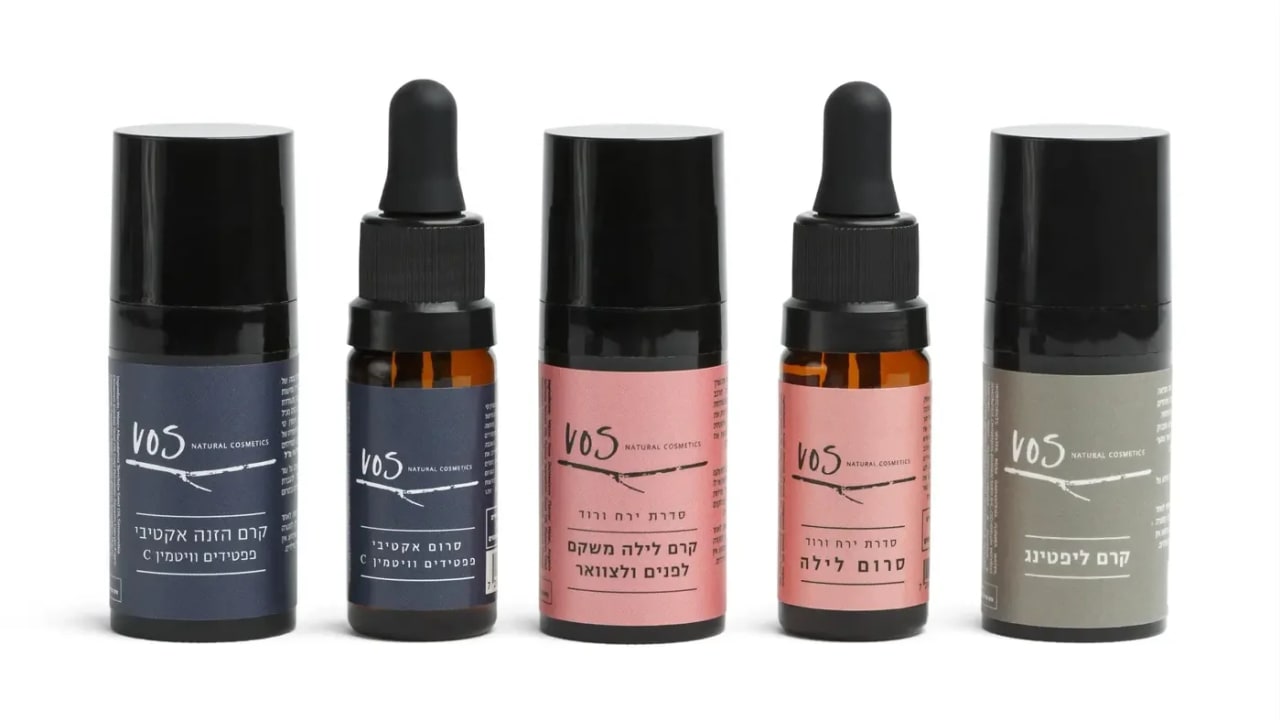
The natural cosmetics brand VOS is launching a new trial set designed to allow a gradual introduction to the brand’s skincare routine – from morning to night, including a “boost” product for special occasions.

The set combines daily care with specific moments when you want to see a more immediate result: Vital skin during the day, restoration at night and a quick lifting effect before going out.

What The Set Includes
The set is built as a complete ritual and not as a collection of samples – each product is tailored to a different stage throughout the day:

• Active serum with peptides and Vitamin C – For vital and bright skin in the morning
• Day face cream – Daily hydration and protection
• “Pink Moon” night serum – For calming and restoration during sleep
• Restorative night cream – Support for natural renewal
• Lifting cream/serum – Immediate firming effect before an event or meeting

The idea behind the set is not only to try the products, but to experience a complete skincare routine before purchasing the full-size products.

Alongside the launch of the set, the brand is opening this month (February) a pop-up store at Ramat Aviv Mall, which will offer personal product trials alongside a customized skincare ritual.

According to entrepreneur Vered Ornstein Slutsky, the store is designed to allow acquaintance through scent, touch and personal guidance – And to return skincare to a calmer and slower experience, in contrast to the fast pace of the beauty world.

• How Much: NIS 349 (Instead of NIS 466)
• Where: On The Company’s Website

Tags: , ,
Best oLive
Privacy Overview

This website uses cookies so that we can provide you with the best user experience possible. Cookie information is stored in your browser and performs functions such as recognising you when you return to our website and helping our team to understand which sections of the website you find most interesting and useful.