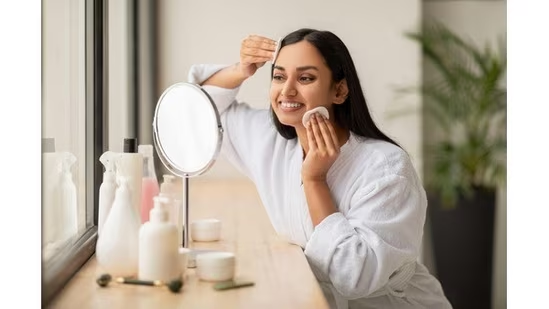
Makeup habits that could be ageing your skin

Makeup habits that could be ageing your skin

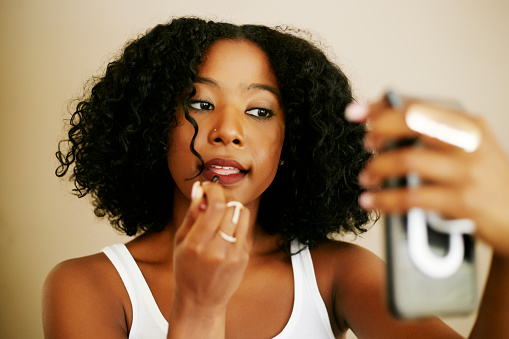
Picture: Getty Images/Peathegee Inc

Makeup can enhance your natural beauty, but certain everyday habits may be doing your skin more harm than good. While cosmetics themselves don’t necessarily cause premature ageing, poor application techniques, unhygienic tools and skipping skincare can contribute to fine lines, dullness and irritation.

Here are some common makeup mistakes to avoid for healthier, younger-looking skin.

Also see: Signs your body is ageing faster than it should

Wearing makeup to bed 

One of the biggest skincare mistakes is going to bed without removing your makeup. According to Everyday Health, nighttime is when your skin heals itself, and sleeping in makeup disrupts this process.

Foundation, sunscreen and pollution build up on the skin throughout the day, clogging pores and preventing your skin from repairing itself overnight. Double cleansing before bed helps keep your complexion fresh and healthy.

Using dirty brushes and sponges

Makeup brushes and beauty sponges collect oil, bacteria and dead skin cells. When they’re not cleaned regularly, they can trigger breakouts and skin irritation, leaving your complexion looking tired. Wash brushes weekly and replace sponges every few months.

Also see: Hand-care routine for ageing hands

Applying too much powder

Powder can control shine, but overusing it may settle into fine lines and make skin appear drier and older. Instead, apply a light dusting only where needed and choose finely milled formulas for a more natural finish.

Skipping moisturiser before makeup

Hydrated skin provides the best canvas for makeup. Applying foundation to dry skin can emphasise texture, flaky patches and wrinkles. Use a moisturiser suited to your skin type before applying primer or foundation.

According to Beauty Collective, moisturiser maintains skin hydration throughout the day and therefore assists in fighting premature fine lines and wrinkles too.

Keeping expired makeup

Old makeup products can harbour bacteria and lose their performance over time. Mascara should typically be replaced every three months, while other products have varying shelf lives. Check expiry symbols and discard anything with an unusual smell or texture.

Indeed, healthy skin starts with good habits. By combining proper skincare with smart makeup practices, you can enjoy flawless-looking makeup while helping your skin maintain a radiant, youthful appearance for years to come.

Also see: Prevention is better than cure – ways to address an ageing neck

Be the first to know – Join our WhatsApp channel for content worth tapping into. Click here to join!

Tags: , , ,
Korean Lifestyle Habits That May Support Healthy Skin and Overall Well Being

Korean Lifestyle Habits That May Support Healthy Skin and Overall Well Being

mailto:?subject=Your friend advice you to read this article from e7awi&body=Hello، %0D%0AYour friend sent you this letter and advises you to read this article/news, which is expected to obtain admire :%0D%0A e7awi : ARTICLE_LABLE %0D%0A on URL: bitlyURL %0D%0A %0D%0A Thank you! %0D%0A e7awi Team %0D%0A %0D%0A ————————- %0D%0A To insure reciving our email add this email. %0D%0A noreply@e7awi.com to your contacts list. %0D%0A %0D%0A © 2026 – e7awi %0D%0A

mailto:info@e7awi.com?subject=Correction request on site: e7awi&body=%0D%0A%0D%0A%0D%0A%0D%0A%0D%0A%0D%0A ———————————————————–%0D%0A%0D%0A This message belongs to article: Korean Lifestyle Habits That May Support Healthy Skin and Overall Well Being%0D%0Aon URL: bitlyURL %0D%0A%0D%0A

Tags: , , , , ,
How cosmetic dermatologists are using AI to create personalised skin and hair treatments |

How cosmetic dermatologists are using AI to create personalised skin and hair treatments |

Artificial intelligence (AI) is rapidly becoming part of cosmetic dermatology, not as a replacement for dermatologists, but as a powerful clinical tool that helps them assess skin, personalise treatments and improve patient outcomes. From analysing high-resolution facial images to predicting how a person’s skin might respond to laser procedures, AI is reshaping the way cosmetic concerns such as wrinkles, pigmentation, acne scars and hair loss are evaluated and managed.A 2024 review titled ‘Artificial Intelligence in Dermatology: A Systematic Review of Its Applications in Melanoma and Keratinocyte Carcinoma Diagnosis’ published in the Journal of Cosmetic Dermatology found that AI is already being integrated into skin assessment, treatment planning, dermocosmetic product development and hair disorder management. Machine learning and deep learning models are enabling more personalised approaches, while image-analysis systems are helping clinicians identify subtle changes that may be difficult to detect with the naked eye. At the same time, researchers emphasise that AI remains a decision-support tool and not a substitute for clinical expertise.

AI is changing cosmetic dermatology beyond chatbots and skin filters

One of AI’s biggest contributions to cosmetic dermatology is its ability to process thousands of facial features simultaneously. Advanced imaging platforms and AI-powered software can evaluate wrinkles, pigmentation, pore size, redness, hydration and skin texture within seconds, giving dermatologists objective measurements before recommending treatment. According to the review, some platforms use facial imaging to provide detailed skin analyses, while consumer-focused applications generate personalised skincare recommendations by analysing an individual’s skin characteristics and environmental factors. Rather than relying solely on visual observation, dermatologists can use these digital assessments to tailor chemical peels, laser therapies, injectables and skincare regimens more precisely to each patient. This level of personalisation is particularly valuable because skin ageing, pigmentation and acne vary widely depending on genetics, lifestyle, sun exposure and skin tone. AI helps combine these variables into a more comprehensive assessment that supports clinical decision-making.

Cosmetic dermatologists are also using AI to improve hair restoration and aesthetic procedures

Artificial intelligence is extending beyond facial skincare into hair and scalp treatments. The review highlights that AI algorithms are increasingly being used to assess hair density, identify early signs of hair loss and monitor treatment responses over time. By comparing sequential photographs, clinicians can objectively evaluate whether therapies for androgenetic alopecia or other hair disorders are producing measurable improvements. AI is also improving cosmetic procedures by helping predict treatment outcomes. Machine-learning models can analyse patient characteristics alongside previous clinical data to estimate how someone may respond to laser resurfacing, pigmentation treatments or other aesthetic procedures. This allows dermatologists to customise treatment settings, minimise potential complications and provide patients with more realistic expectations before beginning therapy.Speaking to Women’s Health, Dr Michelle Henry, a board-certified dermatologist, said patients at her practice can use AI-powered tools to scan their faces and analyse their skin while waiting for their appointment. The technology provides an initial assessment that helps streamline consultations and gives both the patient and dermatologist a more detailed understanding of concerns before treatment begins.However, Dr Henry also cautioned that AI still has important limitations. She told Women’s Health that her research team often extends the duration of clinical trials to ensure participants represent a broader range of skin tones. Even so, she noted that progress takes time. Until AI training datasets better reflect the full diversity of human skin, these systems will continue to have blind spots, particularly when assessing cosmetic concerns or recommending treatments for people with darker skin tones.

AI is helping patients visualise results before treatment

According to Wiley Online Library, one of the most visible applications of AI in cosmetic dermatology is treatment simulation. Newer AI-powered software can generate realistic visualisations showing how a patient’s appearance might change after fillers, laser procedures or skin rejuvenation treatments. These simulations are not guarantees of results but serve as educational tools that help patients better understand potential outcomes and communicate their expectations more effectively. According to experts interviewed by Women’s Health Magazine, these visualisation tools are also helping improve doctor-patient communication by making consultations more interactive and allowing treatment goals to be discussed using personalised digital models instead of generic before-and-after photographs.

AI is transforming cosmetic dermatology but dermatologists remain essential

Despite its rapid progress, AI has clear limitations. The 2024 review notes that many algorithms still require broader clinical validation and more diverse datasets to ensure reliable performance across different skin tones, ages and ethnic groups. Bias in training data remains a significant challenge, particularly for populations historically underrepresented in dermatological image databases. Researchers therefore agree that AI should complement, not replace, medical expertise. Dermatologists combine imaging results with medical history, physical examination, patient preferences and clinical judgement in ways that current AI systems cannot replicate.As cosmetic dermatology continues to embrace digital technologies, AI is likely to become an increasingly valuable assistant rather than an autonomous decision-maker. Used responsibly, it has the potential to deliver more personalised skin and hair treatments, improve treatment planning and enhance patient education, while keeping the dermatologist firmly at the centre of care.

Tags: , , , , , ,
How Does Vitamin C In Sunscreen Help With Skin Brightness & Protection From UV Damage?

How Does Vitamin C In Sunscreen Help With Skin Brightness & Protection From UV Damage?

Sunscreen and vitamin C are usually talked about as two separate skincare steps, but when they’re combined in a single formula, they end up doing more together than either does alone. A well-formulated spf 50 sunscreen with vitamin C doesn’t just block UV rays, it also actively works on brightening skin tone, which is why this combination has become one of the more popular formats in Indian skincare over the past few years.

Understanding how this works starts with recognizing that sunscreen and vitamin C protect skin in genuinely different ways. Pairing your sunscreen with a vitamin c moisturizer underneath extends this brightening effect even further, since the moisturizer delivers a steady, hydrating dose of the same active while your sunscreen handles the UV-blocking work on top.

How Vitamin C Works as an Antioxidant in Sunscreen

Sunscreen filters, whether chemical or physical, block or absorb UV radiation before it penetrates the skin. But no sunscreen filter is 100% effective, and some UV rays and the free radicals they generate still get through. This is where vitamin C comes in: as a powerful antioxidant, it neutralizes these free radicals before they can damage skin cells or trigger excess melanin production. In effect, vitamin C acts as a second line of defense that catches what the sunscreen filters miss, which is why it’s often described as an SPF booster rather than a replacement for sun protection.

Does Vitamin C in Sunscreen Prevent Tanning?

Sunscreen alone reduces the UV exposure that triggers melanin production, and this is the main way any sunscreen, with or without vitamin C, helps prevent new tanning. Vitamin C adds to this by directly interfering with the melanin-production pathway, so a spf 50 sunscreen formulated with vitamin C offers a more complete defense than a plain sunscreen: less UV penetration in the first place, plus an active ingredient working against the pigmentation process that does still occur.

Brightening Benefits Beyond Sun Protection

Vitamin C’s brightening effect isn’t limited to tan prevention. With consistent daily use, it helps fade existing dark spots, sun damage, and uneven tone gradually over time, since it works by inhibiting the enzyme responsible for melanin production rather than by physically bleaching skin. This is also why applying a vitamin c moisturizer consistently, not just the sunscreen, matters for visible brightening results, since a moisturizer typically stays on the skin longer through the day and layers the same active ingredient more thoroughly.

Vitamin C Sunscreen vs. Regular Sunscreen: What’s the Difference?

A regular sunscreen’s job stops at blocking or absorbing UV rays. A vitamin C sunscreen does that plus contributes actively to brightening and antioxidant protection, which is particularly useful in a country like India where sun exposure is intense and near-constant through most of the year. The trade-off is usually a slightly higher price point and, occasionally, a small compromise on texture, since stabilizing vitamin C in a sunscreen formula is more technically demanding than a standard filter-only formula.

How to Apply Vitamin C Sunscreen Correctly

Getting the benefits of a vitamin C sunscreen depends on applying it properly:

  • Use a generous amount. Most people apply far less sunscreen than the tested amount needed for the labeled SPF to actually work, roughly two finger lengths for the face and neck.

  • Apply it as the last step of your morning routine. After cleansing, treating, and moisturizing, sunscreen should sit on top to do its job effectively.

  • Reapply every 3 to 4 hours if outdoors. Vitamin C degrades with UV exposure over the day, so reapplication maintains both the SPF protection and the antioxidant benefit.

  • Don’t skip it on cloudy days. UV rays penetrate cloud cover, so skipping sunscreen because it’s overcast still allows UV damage and tanning to occur.

Building a Full Brightening Routine

For the best results, vitamin C sunscreen works best as part of a layered routine rather than a standalone product. Cleanse, apply a brightening serum if pigmentation is a specific concern, follow with a vitamin c moisturizer to hydrate and continue the brightening effect, and finish with your vitamin C-infused sunscreen. This layered approach means you’re getting vitamin C’s benefits at multiple points in your routine rather than relying on the sunscreen alone to do all the work.

Common Questions About Vitamin C Sunscreen

Is sunscreen good for the skin even without vitamin C? Yes. Any broad-spectrum sunscreen used daily is one of the single most effective anti-aging and anti-pigmentation steps available, since UV exposure is the leading cause of premature aging, dark spots, and tanning. Vitamin C simply adds an extra layer of benefit on top of that baseline protection.

Can sunscreen be applied at night? No, sunscreen serves no purpose after dark since there’s no UV exposure to block. Nighttime is better spent on reparative ingredients like a vitamin c moisturizer or retinol, which work on repair and renewal, while sunscreen would otherwise sit unused on the skin.

Does more SPF mean more protection? Beyond a point, the difference is marginal. SPF 50 blocks about 98% of UVB rays, while SPF 30 blocks around 97%, so the jump from 30 to 50 is smaller than it sounds. What matters more in practice is applying enough product and reapplying consistently throughout the day, regardless of which SPF number is on the bottle.

Conclusion

While sunscreen remains the cornerstone of daily UV protection, combining it with Vitamin C provides an additional layer of antioxidant defence against oxidative stress caused by sun exposure. Together, these ingredients help protect the skin while supporting a brighter, more even-looking complexion over time. Used consistently as part of a daily skincare routine, they offer a practical approach to maintaining healthier-looking skin in environments with frequent UV exposure.

Disclaimer: This is a sponsored article. All possible measures have been taken to ensure accuracy, reliability, timeliness and authenticity of the information; however Outlookindia.com does not take any liability for the same. Using of any information provided in the article is solely at the viewers’ discretion.

Tags: , , , , ,
Dermatologists Share the Best Nighttime Skincare Routine for Aging Skin

Dermatologists Share the Best Nighttime Skincare Routine for Aging Skin

You may have been afraid of the dark when you were younger, but nightfall is actually the best time to care for aging skin.

In fact, thanks to the effects of the body’s natural circadian rhythm, or internal body clock, on your complexion, skin is more permeable after the sun goes down, according to a 2019 research review. Do you know what that means? “Moisturizers and topical steroids might offer increased benefits when used in the evening hours,” according to the study authors.

The same research found that skin loses more moisture at night, a phenomenon called transepidermal water loss, or TEWL, which means prioritizing skincare during the evening hours is all the more important. “I always tell my patients: What you put on your skin at night is like giving it a personal care package,” says Mona Foad, MD, a board-certified dermatologist and founder of MONA Dermatology. “Your skin is at its busiest while you snooze. It’s when repair and renewal truly happen.”

Meet the experts: Mona Foad, MD, is a board-certified dermatologist and founder of MONA Dermatology. Morayo Adisa, MD, is a dermatologist and the medical director of Dermatology Physicians Chicago. Michele Green, MD, is a board-certified dermatologist in New York City.

A simple, consistent nighttime skincare routine can help prevent signs of aging such as dullness, dryness, fine lines, and dark spots. But crafting an effective routine that’ll actually address those issues is another story. To get to the bottom of what the “right” routine actually looks like—and in what order products should be applied—Women’s Health spoke with three dermatologists.

Here’s what they want you to know so that you can build the ideal nighttime regimen, and why this nightly investment pays off for long-term skin health.

What Happens to Your Skin at Night

Sleep is a time for rest for much of the body, but as you’re snoozing, your skin is actually most active. During the day, your skin is working overtime to defend itself against the sun’s ultraviolet radiation, pollution, and environmental stress—all of which contribute to DNA damage that result in signs of aging.

Overnight, your circadian rhythm shifts your skin from protection mode to repair mode, allowing your skin to focus on cell renewal, DNA repair and skin recovery, experts say. This results in increased skin cell turnover—the natural process of new skin cells replacing old ones—which, in turn, contributes to a complexion with smaller-looking pores, smoother texture, and more even tone, Dr. Foad says.

Beyond that, the production of collagen, a protein crucial to keeping skin bouncy and elastic, also increases at night, which works to fend off fine lines, wrinkles, and sagginess. Blood flow to the skin gets a boost overnight, too, “all of which help repair daytime damage and restore a healthy glow,” Dr. Foad adds.

And again, the skin barrier also becomes more permeable while you sleep. This is crucial for active ingredients to actually work their magic on skin cells that live within deeper skin layers. Otherwise, products that can’t effective penetrate the skin essentially serve as nothing more than a fancy moisturizer. Practically speaking, this means nighttime the ideal window to apply active skincare ingredients actually proven to work, such as retinoids, niacinamide, and exfoliating acids. It’s also the perfect time to apply other treatments like peptides, or hydrating serums that support repair, experts say.

The Ideal Nighttime Routine in Four Steps

Now that you know what your skin is doing while you sleep, it’s time to take advantage and make your body’s natural processes help you achieve your best-looking skin yet.

In many cases, less is more when it comes to skincare. Rather than prioritizing a laborious 10-step Korean skincare routine, dermatologists recommend a straightforward regimen that cleanses, treats, and hydrates the skin while also addressing any specific concerns you may have. The result of this method? Waking up with healthier, smoother skin. Here’s exactly how to get it right.

1. Cleanse

It’s important to start with a clean slate, says Morayo Adisa, MD, medical director of Dermatology Physicians Chicago. “First remove your makeup and thoroughly cleanse skin with a cleanser formulated for your skin type and the season,” she adds. Consider staying away from makeup wipes if you can help it: While handy in a pinch, makeup wipes often struggle to properly remove dirt and debris that can get lodged in your pores and the tiny indentations of your face, Women’s Health previously reported. And failing to properly cleanse your skin can lead to issues such as acne breakouts and rough skin texture.

Instead, double cleansing is ideal, says Dr. Foad. Start with an oil-based cleanser, followed by a gentle, pH-balanced face wash, she says. This method “washes away pollution that can penetrate the skin and cause long-lasting free radical damage,” she says. A squeaky-clean face also allows active ingredients in your next steps to penetrate more effectively.

If your skin tends to be acne-prone or oily, a gentle toner after cleansing can help remove any lingering impurities and prep the skin for serums and treatments. Toners can also help restore the skin’s natural pH, balance oil production, and deliver soothing or hydrating ingredients—like niacinamide, aloe, or glycerin—without leaving a heavy or greasy feeling.

CeraVe Acne Control Face Cleanser

Now 21% Off

This cleanser pairs salicylic acid with niacinamide and ceramides to clear breakouts, control shine, and keep skin balanced.

Ranavat Luminous Ceremony Cream Cleanser

Credit: Sephora

Infused with sesame and rose oils, this luxurious cream cleanser melts away even full-glam makeup while leaving skin soft and nourished.

Vanicream Gentle Facial Cleanser for Sensitive Skin

Now 21% Off

Credit: Amazon

A gentle, dermatologist-approved pick that soothes sensitive skin while cleansing.

2. Exfoliate

Exfoliating your face helps accelerate the skin’s natural renewal process, removing dead surface cells to reveal fresher, smoother skin underneath. For those struggling with dullness, uneven texture, or clogged pores, gentle chemical exfoliant acids—like alpha hydroxy acids (such as glycolic or lactic acid) or beta hydroxy acids (salicylic acid)—can make a noticeable difference.

And because your skin is already in repair mode at night, it’s the ideal time to give your skin a little slough love. “Exfoliation also helps other products absorb more effectively,” says Dr. Foad. “By clearing away dead skin, your serums and moisturizers can penetrate deeper and work harder.”

For most skin types, 5 to 10 percent glycolic or lactic acids or 1 to 2 percent salicylic acid is a safe starting point. Folks with sensitive skin may want to begin exfoliating just once per week, and gradually increase frequency to two or three times depending on the skin’s tolerance. And take note: Dermatologists warn against using exfoliants on the same night as a retinol serum or other strong actives to prevent irritation.

Dermalogica Daily Microfoliant

Credit: Amazon

Rice powder and salicylic acid team up to gently exfoliate, unclog pores, and refine skin texture.

Dermalogica Daily Microfoliant

Credit: Amazon

Rice powder and salicylic acid team up to gently exfoliate, unclog pores, and refine skin texture.

TATCHA The Rice Polish Foaming Enzyme Powder

Credit: Amazon

Japanese rice powder gently buffs away dead skin, while silk proteins condition and hydrate, making this a cult favorite.

TATCHA The Rice Polish Foaming Enzyme Powder

Credit: Amazon

Japanese rice powder gently buffs away dead skin, while silk proteins condition and hydrate, making this a cult favorite.

The Ordinary Glycolic Acid 7% Toning Solution

Glycolic acid, the formula’s standout ingredient, smooths texture and helps clear congested skin.

The Ordinary Glycolic Acid 7% Toning Solution

Glycolic acid, the formula’s standout ingredient, smooths texture and helps clear congested skin.

3. Treatments and Serums

Next is the step where you deliver targeted solutions with active ingredients intended to address your individual cosmetic concerns—whether they be wrinkles, dark spots, or other skin imperfections, says Michele Green, MD, a board-certified dermatologist in New York City. Because the skin barrier becomes more permeable at night, it’s primed to absorb these ingredients more effectively.

There are pretty much countless options to choose from for this step. But some of the most common heavy-hitters include:

  • Retinol: This ingredient is a derivative of vitamin A, and it is primarily used in skincare for its anti-aging effects, Women’s Health previously reported. This ingredient helps boosts collagen production and enhances skin cell turnover, making it ideal for fine lines, uneven texture, and pigmentation. Beyond that, retinol may regulate the production of sebum—a natural, oily, waxy substance that can clog pores and cause acne when produced in excess by the skin.
  • Niacinamide: This skincare superstar is a form of niacin—also known as vitamin B3—that’s a combination of vitamin B3 and nicotinic acid. The ingredient calms redness, improves barrier function, and helps minimize the appearance of pores. Plus, the versatile ingredient is easy to incorporate into nearly any skincare routine for a variety of skin types and all skin tones since it’s so gentle.
  • Hyaluronic Acid: This all-star humectant draws in and retains moisture, plumping and hydrating the skin. In fact, just one gram of hyaluronic acid can retain as much as six liters of water, Women’s Health previously reported. This can help improve the appearance of superficial wrinkles caused by dryness and contribute to a younger-looking complexion.
  • Vitamin C: By and large, vitamin C is considered the most potent and effective antioxidant in the skincare world. It can speed up skin cell turnover, defend the skin against oxidative stress and free radical damage, and brighten the complexion. And when formulated well, vitamin C is a biological multitasker that can be a power player for both skin tone and texture, especially when used daily.

If you use an eye cream or spot treatment, this is also the best time to apply it. Eye creams typically work best after serums but before moisturizer, experts say. Look for ingredients such as peptides or caffeine to reduce puffiness and fine lines. And spot treatments for breakouts and dark spots can be applied directly to problem areas. But, to be safe, avoid using them on the same night as retinol to minimize irritation.

4. Moisturize

“Nighttime moisturization is crucial because it aids in skin repair while you sleep and creates a protective barrier that helps prevent moisture loss overnight,” says Dr. Green. In general, nighttime moisturizers tend to be richer, heavier, and thicker than daytime formulations. But to make sure you’re using one that works, look for ingredients like hyaluronic acid, ceramides, and squalane to lock in moisture and support barrier repair.

For extra dry or dull skin, a nourishing face oil or heavier night cream can be added to seal in hydration and nutrients. You can also swap your regular night cream for an overnight mask once or twice a week to boost hydration and radiance.

Dr. Dennis Gross Advanced Retinol + Ferulic Intense Wrinkle Cream

Credit: Sephora

Perfect for sensitive skin, this wrinkle cream blends gentle retinol with bakuchiol and ferulic acid for line-smoothing, hydrating results without irritation.

Avène Cicalfate+ Restorative Protective Cream

Credit: Amazon

Infused with calming thermal water and completely fragrance-free, this restorative cream soothes and hydrates reactive skin.

La Roche-Posay Lipikar Balm AP+ Moisturizing Cream

Credit: Amazon

Packed with niacinamide, ceramides, shea butter, and prebiotics, this ultra-hydrating cream restores even the driest skin.

A solid nighttime routine is more than a beauty ritual—it’s an investment in your skin’s long-term health. “The goal is simple: cleanse, treat, and deeply hydrate so you wake up with skin that feels replenished, balanced, and radiant,” says Dr. Foad.

It’s science and self-care rolled into one.

Brigitt is a writer, editor and craft stylist with nearly 15 years of experience. She specializes in lifestyle topics, including home, health, parenting, beauty, style, food, entertaining, travel and weddings. She has written for Glamour, People, Good Housekeeping, Women’s Health, Real Simple, Martha Stewart, Apartment Therapy, The Spruce, and more.

Brian Underwood is beauty director at Women’s Health, where he oversees content strategy for the brand across all platforms, including digital, print, and social. Underwood previously served as beauty and wellness director at Oprah Daily and O, The Oprah Magazine. During his tenure leading beauty content for the Oprah brand at Hearst, stories Underwood commissioned were awarded the Skin Cancer Foundation Media Award and a Fragrance Award for Editorial Excellence (his second). He was the launch Beauty Director of Dr. Oz THE GOOD LIFE, and has held additional editorial positions at Fitness, Organic Style, Good Housekeeping, Life & Style Weekly, and Woman’s Day and has written for Self, Shape, Seventeen, Redbook, Cosmopolitan, and many more. Underwood previously served on the Skin Cancer Foundation’s gala committee and as partnerships director of the Trans Beauty Clinic, a New York-based charitable organization that provided beauty services and workshops to the city’s trans community.

Tags: , , , , , ,
I'm a dermatologist, these are the best Korean skincare secrets to save money and keep skin looking fresh

I’m a dermatologist, these are the best Korean skincare secrets to save money and keep skin looking fresh

Young adult brunette woman with short hair applies oil to her face at home, morning skincare routine Credit: Getty

FORGET the viral 10-step skincare routine.

K-beauty has taken the internet by storm, with Brits turning to Korean skincare in the hunt for “glass skin” and a more youthful appearance.

But experts say the real secret isn’t using more products – it’s using the right ones.

Consistency is key to healthy skin Credit: Getty

“It’s all about consistency,” says GP and renowned K-beauty expert Dr Christine Hall, who gave me the lowdown on some of her top tips and recommendations.

Sign up to daily newsletter

Thank you!

In Korea, skincare follows a “slow-ageing” approach, focusing on protecting and strengthening the skin over time with hydration, barrier repair and prevention.

Sharing her thoughts on the viral 10-step routine, Dr Hall says skincare “doesn’t have to be complicated”.

IN VOGUE

How 2026 became the year of sheer dress, as Kylie Jenner stuns in a nude outfit

BACK ON AIR

I felt lost after being given the all-clear from cancer, says Lauren Laverne

“If I speak to my Korean auntie about the 10-step routine, she doesn’t know what I’m talking about,” says Dr Hall. “Some days, I personally don’t wear a moisturiser.”

Instead, SPFs and dedicated serums can double up – an approach that fits with what Koreans refer to as “skip-care”.

GP and K-beauty expert Dr Christine Hall is credited with bringing glass skin to London

The aim is to strip your routine back to a few essentials, saving time and money while helping prevent overloaded skin, which can lead to breakouts.

“The best advice you can give anyone is to use SPF,” she tells me.

“About 90% of the visible signs of ageing are due to sun damage.”

Rays from the sun break down collagen and elastin, causing skin to become loose and wrinkle over time.

Unless you suffer from very dry skin, Dr Hall recommends skipping moisturiser in favour of a dedicated SPF or serum – one of Dr Hall’s faves costs just over a fiver, and it doesn’t compromise on quality.

Freya tried Altruist’s SPF50 Credit: Freya Rogers

Altruist Dermatologist Sunscreen SPF50, £5.50

Altruist Dermatologist Sunscreen SPF50, £5.50, was developed by Dr Andrew Birnie, a UK skin cancer specialist, so it’s suitable for sensitive skin and reduces skin cancer risk alongside signs of ageing.

I put it to the test and found it easily doubled up as a moisturiser, and it didn’t leave my skin looking ashy or chalky – if you have oily skin, there’s also a lighter version, Altruist Dermatologist Face Fluid SPF30, £8.65.

When it comes to the rest of your routine, these are the K-beauty secrets Dr Hall recommends.

New Doesn’t Always Mean Better

Some of K-beauty’s most talked-about ingredients may sound unusual, but many are rooted in long-standing Korean beauty traditions.

Dr Hall explains that while ingredients like snail mucin have become global skincare sensations, their popularity is largely based on generations of use rather than clinical research.

“You’re not going to see medical papers written on it, but people in Korea swear by it. The same with rice water,” she says.

You can find this in I’m From Rice Toner, £26.50, which is deeply hydrating and designed for all skin types.

“Hundreds of years ago, women washed rice and their hands ended up being really soft and smooth.

“That’s how they worked out rice water is a really good ingredient.”

I’m From Rice Toner, £26.50, has proved popular with shoppers

I’m From Rice Toner, £26.50

Did You Say Salmon Sperm?

Another viral ingredient that raises eyebrows is something called PDRN – as found in Anua PDRN Hyaluronic Acid Capsule 100 Serum, £20, which flew off shelves.

“PDRN is an ingredient derived typically from salmon sperm,” Dr Hall explains.

“In Korea, it’s an ingredient that’s all over the place – if you go into a pharmacy, you’ll find it.”

In clinics, it’s even injected to help stimulate collagen, wound repair and calm inflammation.

She adds: “The argument is that the PDRN molecule is too big to pass through the skin.”

While that’s true, she says many other skincare ingredients, like collagen, also sit on the skin’s surface.

Anua PDRN Hyaluronic Acid Capsule 100 Serum went viral on social media Credit: Boots UK

Anua PDRN Hyaluronic Acid Capsule 100 Serum, £18

Forget Kombucha, Try Fermented Skincare

When we think of something fermented, we often think of foods like kimchi or kombucha – but it’s not just food, it turns out we can ferment skincare, too.

What’s more, fermented ingredients can actually boost absorption into the skin.

“When we ferment skincare, we make the ingredient’s molecule size much smaller,” says Dr Hall

This process can help ingredients absorb more easily, while also unlocking additional benefits, like peptides and organic acids, which help improve the skin’s texture, firmness and elasticity, aiding anti-ageing.

Why Redness Does Not Mean Results

If you’re looking for an anti-ageing ingredient with the strongest medical backing, retinol is considered the “gold standard”.

Developed from vitamin A, it’s used to tackle fine lines, wrinkles, pigmentation and even acne – but it’s not for everyone.

Retinol can cause redness, peeling and even “retinol burn” if you start too strong – it’s also best to avoid during pregnancy or if you suffer from conditions like eczema or rosacea.

That’s why Dr Hall recommends a gentler K-beauty approach for beginners.

“K-beauty is very skin-barrier-first,” she says.

“Here in Britain, we’re quite into our harsh ingredients – if something causes a bit of redness, we get a bit excited and we’re like: ‘Oh, it’s doing something!’

“Over in Korea, they very much believe nothing should impact the skin to cause redness.

“So, when they do make these ingredients, they formulate them to be really nice and gentle.”

One example is Beauty of Joseon Revive Firming Moisturizer, £21, which has gone viral for its gentle formula.

It contains fermented retinol, which is more easily absorbed, and also contains ginseng – another ingredient widely used in Korea for its anti-ageing benefits.

Beauty of Joseon Revive Firming Moisturizer is a K-beauty fan fave

Beauty of Joseon Revive Firming Moisturizer, £21

The Gentle Approach

It’s not just what Koreans use, it’s how they use it – and one technique can help you save money and reduce signs of ageing.

Many use a technique called “tok tok” – gently tapping products into the face rather than rubbing into the skin.

Dr Hall says this helps avoid pulling on the skin, uses less product, and may even help boost circulation at the skin’s surface – another anti-ageing benefit.

But before splashing out on new serums, it’s also worth looking at your lifestyle.

“How you sleep, how you eat, stress, whether you smoke or not, whether you live in a city – all of those things will have an impact,” she explains.

While products can help, healthy skin starts with consistent everyday habits.

“Prevention is better than cure, always,” says Dr Hall.

Tags: , , , , , , ,
Can antioxidants really slow skin aging?

Can antioxidants really slow skin aging?

Follow this guide

What’s the story

Antioxidants are often touted as the holy grail of skincare, promising to fight aging and give you a radiant glow. But, how effective are they really?
This article delves into the science behind antioxidants in skincare, separating fact from myth.
By understanding how antioxidants work, you can make informed decisions about your skincare routine.
Let us explore the role of antioxidants and their real impact on skin health.

Tags: , , ,
Hindustan Times News

Monsoon Skincare Essentials for Oily, Acne-Prone Skin

Monsoon humidity is uniquely challenging for oily and acne-prone skin. The combination of sweat, excess sebum, and slower-drying products creates the perfect environment for breakouts, making this the season when a solid routine matters most. Here are the essentials that actually make a difference, and why each one earns its place in a monsoon routine specifically.

Monsoon Skincare Essentials for Oily, Acne-Prone Skin

Start with your cleanser. An acne face wash with salicylic acid clears out the oil and bacteria that build up faster in humid weather, reaching inside the pores rather than just cleaning the surface. Follow it with a niacinamide serum to regulate oil production throughout the day, since niacinamide also calms the inflammation that tends to flare up more during monsoon breakouts.

Hydration and sun protection round out the essentials. A cica moisturizer keeps the skin barrier calm without adding heaviness, which matters since stripped, dehydrated skin tends to produce even more oil to compensate. Finish every morning with a vitamin c sunscreen, since UV rays pass through clouds, and skipping sunscreen on rainy days undoes the rest of the routine’s progress.

Why Monsoon Is Harder on Oily, Acne-Prone Skin

Higher humidity increases sebum production, since sebaceous glands respond to moisture in the air by producing more oil. That oil mixes with sweat, pollution, and leftover product residue, sitting on the skin longer than it would in drier weather. Damp skin also creates a more hospitable environment for acne-causing bacteria, which is why breakouts often intensify specifically during the rainy months rather than staying consistent year-round.

The Monsoon Skincare Essentials Checklist

1. Salicylic acid face wash, morning and night

An acne face wash built around salicylic acid dissolves trapped sebum and dead skin inside the pore, which a regular cleanser can’t reach. Salicylic acid is a beta hydroxy acid (BHA) that is oil-soluble, allowing it to penetrate deep into pores where it loosens excess sebum, dead skin cells, and debris.

Regular use helps reduce blackheads, whiteheads, and future congestion without aggressively scrubbing the skin. This is the single most important swap for oily, acne-prone skin during monsoon, and the one step that most directly prevents new breakouts from forming.

2. Niacinamide serum to regulate oil

A niacinamide serum applied after cleansing keeps oil production in check through humid afternoons and helps calm the redness that often comes with monsoon breakouts. Applying it to slightly damp skin helps it absorb more effectively before your moisturizer goes on.

3. Lightweight cica moisturizer, never skipped

A cica moisturizer hydrates without adding grease, and the cica itself soothes any irritation caused by humidity, sweat, or active ingredients elsewhere in the routine. Skipping moisturizer because skin feels oily is one of the most common monsoon mistakes, and it typically backfires by triggering even more oil production.

4. Vitamin C sunscreen, reapplied throughout the day

A vitamin C sunscreen protects against UV damage that continues even on overcast, rainy days, while also helping fade any pigmentation left over from summer sun exposure. Reapplication every 3 hours matters more in monsoon than people assume, since humidity and sweat can wear sunscreen off faster than usual.

5. Weekly clay mask for deeper cleansing

Once or twice a week, a clay-based mask draws out the sweat, oil, and impurities that a daily face wash alone can’t fully clear, keeping pores genuinely clean rather than surface-clean. This step becomes especially useful in the monsoon, when product and sweat buildup accumulate faster than usual.

Common Monsoon Mistakes to Avoid

● Skipping moisturizer because skin feels oily. This backfires and triggers more oil production, not less.

● Over-washing your face. Stripping the skin barrier more than twice a day worsens breakouts over time.

● Assuming cloudy days don’t need sunscreen. UV exposure continues regardless of visible sunlight.

● Using heavy, oil-based creams. These can settle within oily skin making pores clogged and breakouts worse rather than better.

Your Monsoon Routine, Morning and Night

Morning: cleanse with your acne face wash, apply niacinamide serum to slightly damp skin, follow with your cica moisturizer, and finish with vitamin C sunscreen before stepping outside, rain or shine. Night: double cleanse if you’ve worn sunscreen or makeup during the day, apply niacinamide serum again, and seal it in with your cica moisturizer. Two to three times a week, swap your evening moisturizer step for a clay mask session to deep clean pores that have accumulated sweat and oil throughout the humid day.

Do You Need to Change Your Skincare Routine Every Monsoon?

Not entirely, but a few swaps make a real difference. If your regular cleanser isn’t oil-focused, switching to a salicylic acid-based acne face wash for the season helps manage the extra sebum humidity causes. Similarly, if you use a richer moisturizer in winter, switching to a lighter cica moisturizer during monsoon prevents the clogged pores that heavier formulas can cause once humidity rises. Sunscreen and a targeted serum, on the other hand, are worth keeping consistent year-round rather than treating as seasonal additions.

Conclusion

Monsoon humidity creates the perfect environment for excess oil, sweat, and debris to accumulate inside pores, increasing the risk of blackheads and breakouts. A consistent routine that combines gentle cleansing, oil-regulating ingredients like niacinamide, pore-clearing actives such as salicylic acid, lightweight hydration, and daily sunscreen is more effective than over-cleansing or harsh scrubbing.

With regular care throughout the season, you can keep pores clear, maintain a healthy skin barrier and reduce recurring congestion. Cleanse with an acne face wash, treat with a niacinamide serum, moisturize with a cica moisturizer, and protect with a vitamin C sunscreen every single day. Stick to these essentials consistently through the season, and breakouts and excess oil become far easier to manage, rain or shine.

Note to readers: This article is part of HT’s paid consumer connect initiative and is independently created by the brand. HT assumes no editorial responsibility for the content, including its accuracy, completeness, or any errors or omissions. Readers are advised to verify all information independently.

Want to get your story featured as above? click here!

Tags: , , , , ,
Shea nut shells: A natural exfoliant for glowing skin

A natural exfoliant for glowing skin

Follow this guide

What’s the story

African shea nut shells have been used for centuries in skincare, thanks to their rich nutrient profile.
The shells, which are a byproduct of shea butter production, are loaded with vitamins and minerals that can promote healthy skin.
They offer a natural, eco-friendly alternative to synthetic skincare products.
Here’s how you can use them to improve your skincare routine.

Tags: , , ,
Can Sun Damaged Skin Be Repaired? Everything You Need to Know

Can Sun Damaged Skin Be Repaired? Everything You Need to Know

Spending too much time under the sun without proper protection can gradually damage your skin. While a tan may fade, the effects of ultraviolet (UV) rays can remain for years, contributing to premature ageing, pigmentation and even increasing the risk of skin cancer.

The good news is that although not all sun damage can be reversed, many of its visible effects can be improved with the right skincare habits, healthy lifestyle choices and timely medical treatment when required.

How does the sun damage your skin?

Sunlight contains ultraviolet (UV) rays that penetrate the skin and damage its cells. Over time, repeated exposure breaks down collagen and elastin the proteins responsible for keeping the skin firm, smooth and youthful.

This can lead to:

  • Fine lines and wrinkles
  • Dark spots and uneven skin tone
  • Dry, rough skin
  • Loss of elasticity
  • Premature ageing
  • Increased risk of skin cancer

Experts estimate that prolonged UV exposure is responsible for a large proportion of visible skin ageing, making daily sun protection one of the most effective anti ageing measures.

Treat sunburn the right way

Sunburn is often the first sign that your skin has been exposed to too much UV radiation. By the time your skin becomes red and painful, some damage has already occurred.

Most importantly, prevent further damage by applying a broad spectrum sunscreen with SPF 30 or higher and reapplying it every two hours, especially if you are outdoors.

Say goodbye to dry, rough skin

Excessive sun exposure strips the skin of its natural moisture, leaving it dry, flaky and dull.

To restore softness:

  • Use a gentle exfoliator once or twice a week to remove dead skin cells.
  • Apply a nourishing moisturiser immediately after bathing.
  • Drink enough water throughout the day.
  • Include healthy fats, fruits and vegetables in your diet to support skin hydration from within.

Can wrinkles caused by the sun be reduced?

While wrinkles cannot disappear completely, several treatments can improve their appearance.

Dermatologists often recommend retinoid creams, which stimulate collagen production and improve skin texture over time. Antioxidants such as vitamin C also help protect the skin from further damage while reducing signs of ageing.

What about dark spots and pigmentation?

Sun exposure can trigger excess melanin production, leading to stubborn brown patches commonly known as sun spots or age spots.

Depending on the severity, treatment options include:

  • Skin brightening creams prescribed by a dermatologist
  • Retinoid based products
  • Chemical peels
  • Laser treatment
  • Cryotherapy for selected lesions

Daily sunscreen use is essential because without protection, these spots can return even after treatment.

Melasma needs extra care

Melasma appears as brown or grey patches, usually on the cheeks, forehead or upper lip. Although hormones can contribute to the condition, sunlight is one of its biggest triggers.

Managing melasma requires patience. Dermatologists may recommend prescription creams, professional treatments and strict sun protection. Wearing a wide hat and avoiding harsh midday sunlight can also help prevent flare ups.

Don’t ignore rough, scaly patches

Persistent rough patches that do not heal should never be ignored. These may indicate actinic keratosis, a condition caused by long term sun exposure that can sometimes develop into skin cancer.

If you notice any unusual skin changes, consult a dermatologist promptly. Early diagnosis allows treatment before complications develop.

Lifestyle habits that help repair your skin

Healthy skin is not just about skincare products. Your everyday habits play a major role in how well your skin repairs itself.

Get enough sleep

Your skin repairs itself while you sleep. Aim for seven to eight hours of quality sleep every night to support cell renewal and maintain healthy looking skin.

Eat skin friendly foods

A balanced diet rich in colourful fruits, vegetables, whole grains, nuts, seeds, legumes and oily fish provides antioxidants, vitamins and healthy fats that help protect the skin from damage.

Foods rich in vitamin C, beta carotene and lycopene, such as oranges, carrots, spinach and tomatoes, are particularly beneficial for skin health.

Stay physically active

Regular exercise improves blood circulation, delivering oxygen and nutrients to skin cells. Better circulation supports natural repair processes and contributes to a healthier complexion.

Manage stress

Long term stress can speed up skin ageing by increasing inflammation and reducing the skin’s ability to repair itself. Activities such as yoga, meditation, deep breathing or even a daily walk can help reduce stress levels.

Limit alcohol

Excessive alcohol can dehydrate the skin and contribute to premature ageing. If you drink, do so in moderation and make sure you stay well hydrated.

Protect your skin every day

Preventing further damage is just as important as treating existing problems.

Simple daily habits can make a big difference:

  • Apply broad spectrum SPF 30 or higher sunscreen every morning.
  • Reapply sunscreen every two hours when outdoors.
  • Wear sunglasses, a wide brimmed hat and protective clothing.
  • Avoid prolonged sun exposure between 10 am and 4 pm.
  • Seek shade whenever possible.

When should you see a dermatologist?

While dryness and mild pigmentation can often improve with good skincare, you should seek medical advice if you notice:

  • A mole that changes in size, shape or colour
  • A sore that doesn’t heal
  • Persistent scaly patches
  • Bleeding or painful skin lesions
  • Rapidly changing pigmentation

Early evaluation can help detect skin conditions, including skin cancer, at a stage when treatment is most effective.

Sun damage develops gradually, but so does recovery. Although years of UV exposure cannot be erased completely, adopting healthy habits, protecting your skin every day and seeking professional treatment when necessary can significantly improve your skin’s appearance and reduce future damage.

Tags: , , ,
Best oLive
Privacy Overview

This website uses cookies so that we can provide you with the best user experience possible. Cookie information is stored in your browser and performs functions such as recognising you when you return to our website and helping our team to understand which sections of the website you find most interesting and useful.