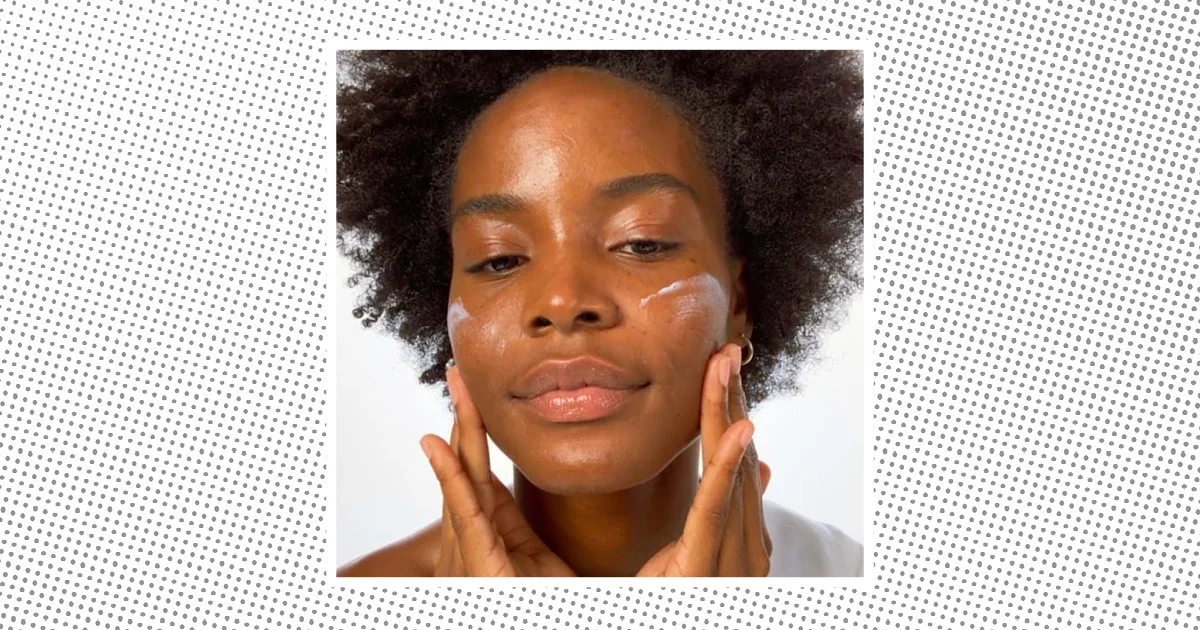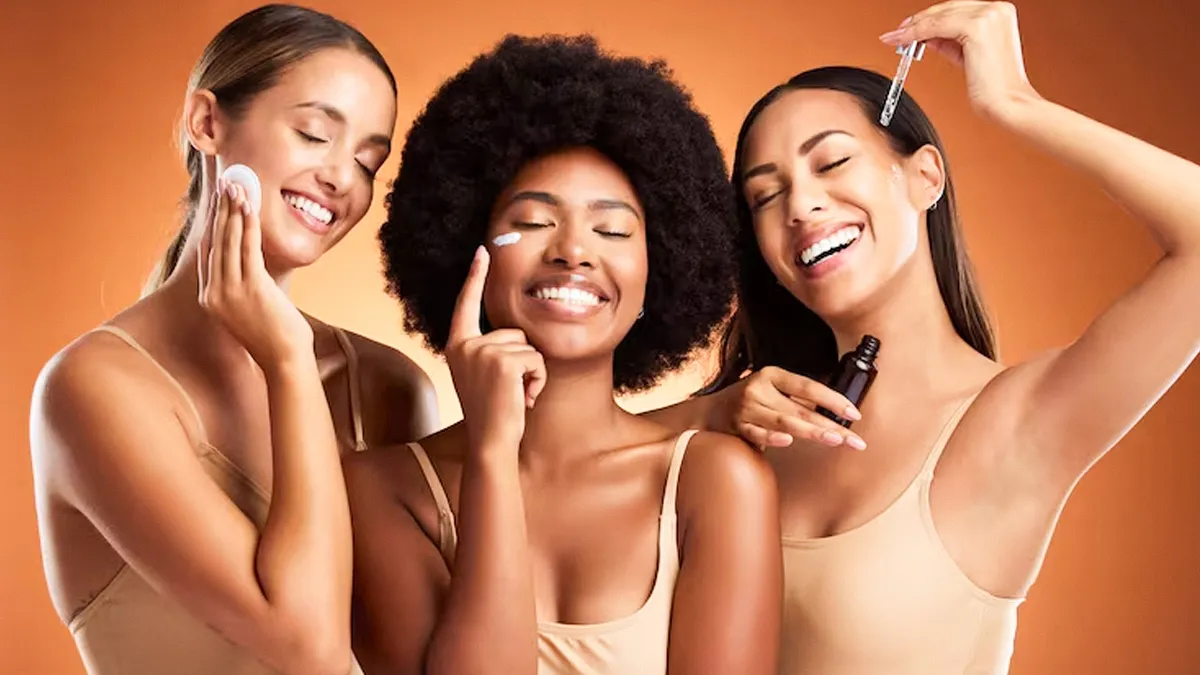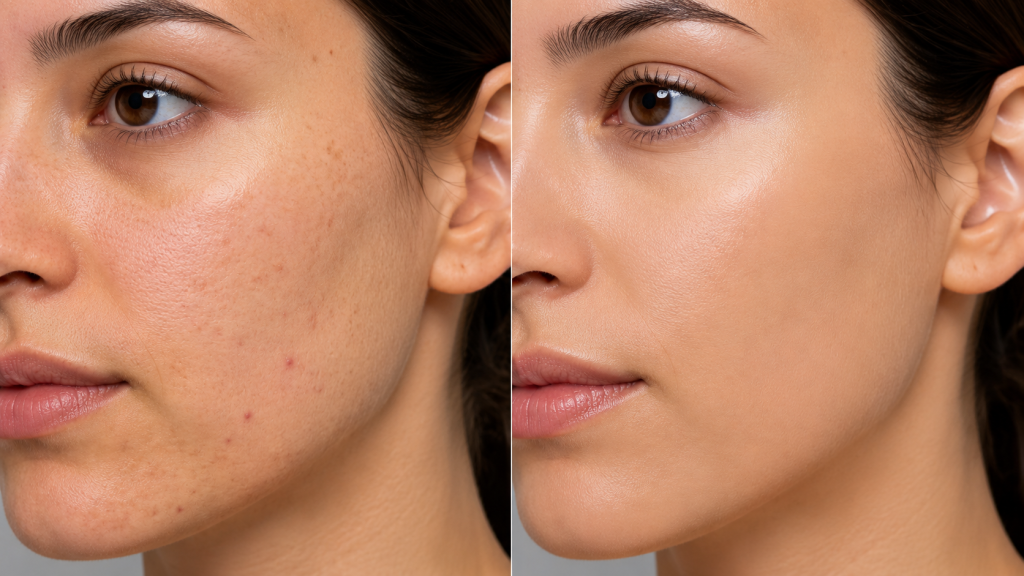
side-by-side comparison of uneven textured skin with blemishes and smooth, clear, even-toned facial skin.

How to Get Smooth Skin: Best Skincare and LifestyleTips

Everyone wants soft, glowing skin, but dryness, bumps, acne scars, and dullness can make skin feel rough and uneven.

Learning how to get smooth skin does not have to be complicated or expensive.

With the right skincare routine, healthy habits, and effective ingredients, you can gradually improve your skin texture naturally.

In this blog, you’ll learn the causes of rough skin, simple tips for smooth skin, and realistic timelines for visible results.

Why Does Your Skin Deserve More Attention Than You’re Giving It?

Skin is the body’s largest organ, and what happens on the surface often reflects what’s going on underneath.

A consistent skincare routine does more than improve appearance; it protects against environmental damage, slows visible aging, and helps maintain the skin’s natural barrier.

Neglecting it over time can lead to dryness, breakouts, uneven tone, and increased sensitivity.

Good skincare also supports confidence, since how your skin feels day to day affects how you carry yourself. It doesn’t require an expensive routine, just the right habits, done consistently.

Easy Daily Skincare Routine for Smooth Skin

A few simple skincare habits can make a noticeable difference in skin texture. Start with these essential steps.

Step 1: Gentle Cleansing

Cleansing removes dirt, oil, sweat, and impurities that can clog pores and make skin feel rough.

Choose a gentle cleanser suited to your skin type, and avoid harsh soaps that can strip away natural moisture and damage the skin barrier.

Top Gentle Cleansers Suggestions: CeraVe, Cetaphil, Vanicream.

Step 2: Exfoliation for Smooth Skin Texture

Exfoliation helps remove dead skin cells that cause dull and uneven texture.

Beginners can start with gentle chemical exfoliants like lactic acid or mild physical exfoliants once or twice a week to avoid irritation and over-exfoliation.

Top Exfoliators Suggestions:

  • Paula’s Choice Skin Perfecting 2% BHA Liquid Exfoliant
  • Drunk Elephant T.L.C. Sukari Babyfacial
  • Dr. Dennis Gross Alpha Beta Universal Daily Peel

Step 3: Hydrating Toner or Essence

Hydrating toners and essences add an extra layer of moisture to keep skin soft and balanced.

Look for ingredients like hyaluronic acid, glycerin, or aloe vera to improve hydration and support smoother skin.

Top Exfoliators Suggestions:

  • Thayers Hydrating Milky Face Toner
  • Paula’s Choice Nourishing Milky Toner
  • Fenty Skin Fat Water Hydrating Milky Toner Essence

Step 4: Moisturizing Properly

Moisturizer helps lock in hydration and protects the skin barrier, which is important for every skin type, including oily skin.

Lightweight gel moisturizers work well for oily skin, while richer creams are better for dry skin.

Top Exfoliators Suggestions:

  • Neutrogena Hydro Boost Water Gel.
  • CeraVe Moisturizing Cream.
  • La Roche-Posay Toleriane Double Repair Face Moisturizer.

Step 5: Sunscreen Every Day

Daily sunscreen protects the skin from UV damage that can cause rough texture, dryness, dark spots, and premature aging.

Choose a broad-spectrum SPF 30 or higher that feels comfortable for everyday use.

Top Exfoliators Suggestions: EltaMD, La Roche-Posay, Neutrogena.

What Causes Rough and Uneven Skin?

Rough and uneven skin texture can develop for many reasons, including dead skin cell buildup, dehydration, acne, sun damage, and unhealthy lifestyle habits.

When dead skin cells are not removed regularly, they can clog pores and make skin feel dull, bumpy, and rough.

Acne breakouts, scars, and enlarged pores can create an uneven surface, while inflammation may damage the skin barrier and affect overall smoothness.

How Long Does It Take to Get Smooth Skin?

Smooth skin doesn’t happen overnight, but consistent care can lead to visible improvements over time.

Timeframe
What You May Notice

After One Week
Better hydration, a healthier glow, and skin that feels softer to the touch.

After One Month
Improved skin texture, fewer dry patches, and a smoother overall appearance.

After Two to Three Months
More even skin tone, refined texture, and noticeably smoother-looking skin.

Diet and Lifestyle Tips for Healthy Smooth Skin

To achieve long-lasting results, combine your skincare routine with healthy eating habits and skin-friendly lifestyle choices.

1. Drink More Water

Drinking enough water helps keep your skin hydrated from the inside and improves its elasticity. Proper hydration can also reduce dryness, flakiness, and dullness that make skin feel rough.

2. Eat Skin-Friendly Foods

Foods rich in antioxidants, healthy fats, and essential nutrients help repair and protect the skin barrier. Adding fruits, leafy greens, and healthy oils to your diet can support naturally smooth and glowing skin.

3. Vitamins That Support Smooth Skin

Vitamins like Vitamin C and Vitamin E help protect the skin from damage while supporting collagen production and skin repair.

Omega-3 fatty acids and zinc also help reduce inflammation and improve skin texture.

4. Foods That May Trigger Rough Skin

Excess sugar, processed foods, and dairy products may increase inflammation or trigger breakouts for some people.

These foods can sometimes make skin appear rough, oily, or uneven.

5. Sleep and Skin Repair

Getting 7–8 hours of quality sleep gives your skin time to repair and renew itself. Poor sleep can increase dullness, dryness, and puffiness, and make skin look tired and uneven.

6. Stress Management

High stress levels can trigger breakouts, irritation, and excess oil production, which may affect skin texture.

Managing stress through relaxation, exercise, or healthy routines can help keep your skin clearer and smoother.

7. Clean Pillowcases and Towels

Dirty pillowcases and towels can collect oil, sweat, and bacteria that may clog pores and cause breakouts. Washing them regularly helps maintain cleaner and healthier skin.

8. Avoid Touching Your Face

Touching your face frequently can transfer dirt and bacteria from your hands onto your skin. This can increase irritation, clog pores, and cause acne, which can make skin feel rough and uneven.

9. Exercise and Blood Circulation

Regular exercise improves blood circulation, which helps deliver oxygen and nutrients to the skin. This can support a healthier glow and improve overall skin appearance over time.

Powerful Solutions for Common Skin Concerns

Knowing which ingredients benefit your skin can help you build a more effective routine for smooth skin.

  • Hyaluronic Acid: Hyaluronic acid deeply hydrates the skin, helping it look softer, smoother, and more plump by retaining moisture.
  • Niacinamide helps improve uneven skin texture while reducing the appearance of pores, redness, and excess oil.
  • Retinol boosts skin cell turnover, helping smooth fine lines, acne scars, and rough skin over time.
  • Salicylic acid penetrates deep into pores to remove excess oil and buildup, making it ideal for oily and acne-prone skin.
  • Lactic Acid and Glycolic Acid Lactic acid and glycolic acid gently exfoliate dead skin cells to improve dull, rough, and uneven skin texture.

Final Thoughts

Learning how to get smooth skin is not about following complicated trends or using expensive products.

Keeping your skincare routine simple and giving your skin time to adjust can help you see better and longer-lasting results.

With the right skincare routine, nourishing foods, and regular care, smooth and healthy skin is achievable for beginners.

Tags: , , ,
5 Kitchen Ingredients For Naturally Glowing Skin

5 Kitchen Ingredients For Naturally Glowing Skin

Although expensive serums are useful, it’s also important to know that our kitchen is a hidden hub of many potent and science-based ingredients that are beneficial to our skin. In 2026, many skin specialists and Ayurvedic practitioners still recommend skin rituals that are done in our kitchen, especially since they are proven to work with the help of active ingredients such as curcumin and lactic acid. Here are five ingredients that can help us attain naturally glowing skin, together with the expert opinions about them.

5 Kitchen Ingredients For Naturally Glowing Skin

1. Turmeric 

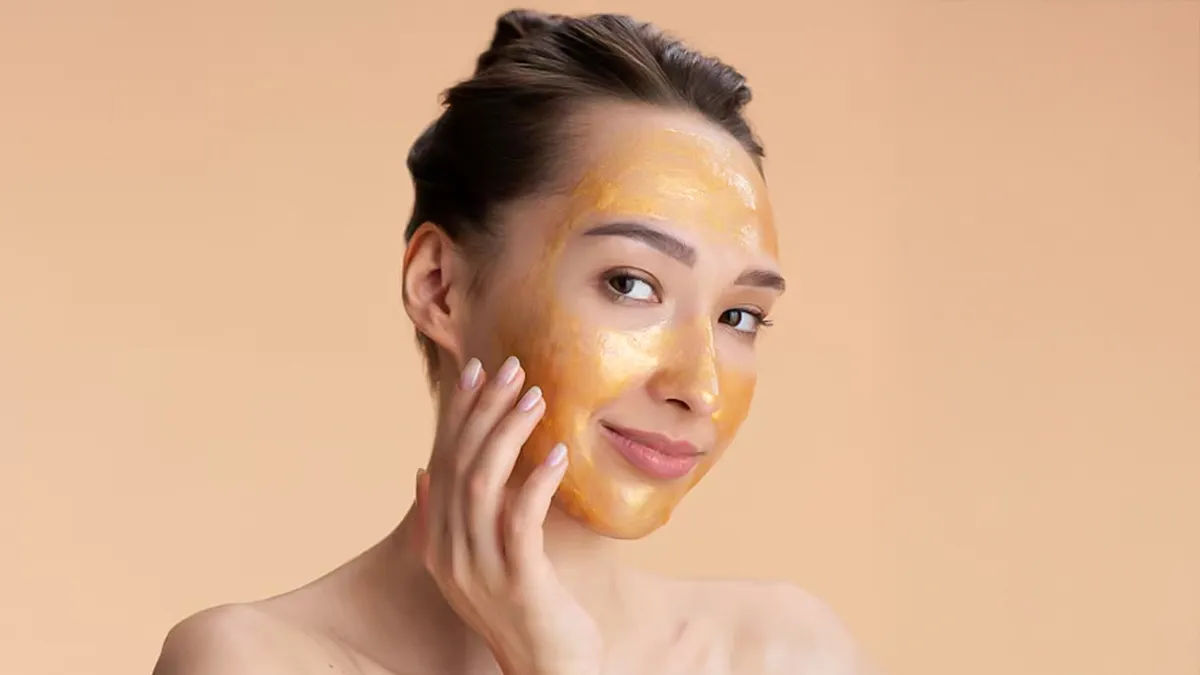
Turmeric remains the evergreen for radiant skin due to curcumin, its active anti-inflammatory and antioxidant compound. It reduces hyperpigmentation, fights acne-causing bacteria, and boosts circulation to provide a lit-from-within glow. In Ayurveda, turmeric is considered a powerful healer for the skin, traditionally used in ‘Ubtans’ to restore natural shine. You can mix honey or milk with turmeric for a brightening face mask.

2. Honey

Raw honey is more than a sweetener; it is a natural moisture-binder and antibacterial agent. It acts as a humectant, drawing moisture from the air into your skin to keep it plump and hydrated. Dermatologists frequently recommend honey for acne-prone skin because its enzymes help clear pores while its soothing properties reduce redness. Apply a thin layer of honey on the skin for 15-20 minutes for a dewy glow.

3. Yoghurt or Curd 

Dairy products are rich in probiotics and lactic acid, a mild Alpha Hydroxy Acid (AHA). Lactic acid in curd gently dissolves dead skin cells on the surface, revealing the smoother, brighter skin underneath without the harshness of physical scrubs. Modern skincare science increasingly focuses on the gut-skin axis, noting that the probiotics in yoghurt help maintain a healthy skin microbiome. You can apply curd as a face mask for 10-12 minutes to get a refreshed glow.

ALSO READ- Top 6 Korean Skincare Beauty Essentials For Spring Season With Natural Ingredients

4. Tomato 

Tomatoes are packed with lycopene, a potent antioxidant that offers a level of natural protection against UV damage. The acidic nature of tomatoes helps tighten enlarged pores and balance excess oil production, making them ideal for oily or combination skin. Clinical research highlights lycopene’s role in defending skin cells from environmental toxins and improving overall skin texture. Rub tomato on the skin for 10 minutes for soft and smooth skin.

5. Papaya 

Papaya contains a unique enzyme called papain, which is a powerhouse for skin rejuvenation. Papain works as a natural exfoliant to fade dark spots, reduce acne scars, and improve overall skin luminosity. Papaya is often cited in Ayurvedic texts for its Varnya (complexion-enhancing) properties and its ability to deeply hydrate while removing impurities. You can massage a slice of papaya for 10-15 mins on the skin for that natural glow.

Tags: , , , ,
Apple App Store

Mindful beauty: How meditation supports healthier-looking skin

Mindful Beauty: How Meditation Supports Healthier-Looking Skin

Meditation is often associated with stress relief and mental clarity, but its benefits may extend beyond emotional well-being. While meditation isn’t a replacement for sunscreen, skincare, or healthy lifestyle habits, research suggests it can support factors that influence how your skin looks and feels.

From helping manage stress to supporting better sleep, mindfulness practices may contribute to a healthier, more radiant appearance over time. Here are 10 ways meditation can support your beauty routine from the inside out.

Unsplash

1. Stress Can Show Up on Your Skin

Stress affects more than your mood.

When stress levels rise, the body produces hormones that can influence inflammation, oil production, and skin barrier function. For some people, this can contribute to breakouts, redness, or increased skin sensitivity.

Meditation helps activate the body’s relaxation response, making it a valuable tool for managing everyday stress.

Unsplash

2. Meditation May Help Reduce Stress-Related Breakouts

Many people notice that their skin flares up during stressful periods.

While meditation isn’t an acne treatment, reducing chronic stress may help limit one factor that contributes to blemishes and irritation. Combined with a consistent skincare routine, mindfulness practices may support a calmer complexion.

Unsplash

3. Better Breathing Supports Overall Wellness

Many meditation techniques emphasize slow, controlled breathing.

Deep breathing helps promote relaxation and can support healthy circulation throughout the body. Good circulation helps deliver oxygen and nutrients where they’re needed, including the skin.

The result may be a fresher, more rested appearance after regular practice.

Unsplash

4. Meditation Can Improve Sleep Quality

Quality sleep plays a major role in skin health.

During sleep, the body performs important repair and recovery processes. Poor sleep has been linked to dullness, puffiness, and a tired appearance.

Meditation before bed may help quiet racing thoughts and make it easier to relax into sleep.

Unsplash

5. Healthy Sleep Supports Overnight Skin Repair

Beauty sleep isn’t just a saying.

During deep sleep, the body supports tissue repair and recovery. When you consistently get enough rest, your skin often looks more refreshed and resilient.

Because meditation can support healthy sleep habits, it may indirectly benefit skin appearance as well.

Unsplash

6. Mindfulness May Help You Make Healthier Choices

Meditation encourages greater awareness of your thoughts, habits, and routines.

Many people find that mindfulness helps them make more intentional decisions around nutrition, hydration, movement, and self-care. These lifestyle factors all contribute to healthy-looking skin.

Sometimes the beauty benefit isn’t the meditation itself—it’s the healthier habits that follow.

Unsplash

7. Chronic Stress Can Affect Hair and Skin

Long-term stress doesn’t just affect the complexion.

Research suggests chronic stress may influence hair shedding, skin sensitivity, and inflammatory skin conditions. Managing stress through meditation, exercise, and healthy routines may help support overall appearance and well-being.

Unsplash

8. Meditation Encourages Consistency

One of the most overlooked beauty habits is consistency.

People who establish daily mindfulness routines often become more intentional about other self-care practices as well. Whether it’s applying sunscreen, drinking water, or sticking to a bedtime routine, consistency tends to produce better long-term results than quick fixes.

Unsplash

9. Feeling Better Often Changes How You Look

Confidence and appearance are closely connected.

Meditation can help cultivate greater self-awareness, emotional balance, and self-acceptance. When you feel calmer and more comfortable in your own skin, that confidence often becomes visible to others.

It’s a type of beauty that can’t be purchased in a bottle.

Unsplash

10. Inner Wellness Supports Outer Radiance

Healthy-looking skin is influenced by many factors, including sleep, nutrition, hydration, stress management, and genetics.

Meditation won’t erase wrinkles or replace skincare products, but it can support several of the lifestyle habits that contribute to a healthier appearance. Even a few minutes each day may help create a stronger foundation for overall wellness.

Unsplash

A Simple Addition to Your Beauty Routine

Meditation is one of the few beauty practices that costs nothing and can be done almost anywhere. By helping manage stress, supporting sleep, and encouraging healthier habits, it may contribute to a complexion that looks more rested, balanced, and vibrant.

Like any wellness habit, the benefits build over time. A few quiet minutes each day could become one of the simplest additions to your beauty routine—and one of the most rewarding.

Read More:

Ask us! What questions do you have about content, strategy, pop culture, lifestyle, wellness, history or more? We may use your question in an upcoming article!

Ask us a question

Like MediaFeed’s content? Be sure to follow us.

This article originally appeared onResourcebuzzand was syndicated byMediaFeed.co.

Tags: , , , , ,
How to Care for Sensitive Skin From Perimenopause or Irritation

How to Care for Sensitive Skin From Perimenopause or Irritation

Years ago, people with sensitive skin seemed to be a small group who flushed easily and felt a tingle when using certain skincare products. Now, it feels like practically everyone identifies as sensitive. Maybe you now find moisturizer burns upon application or your face gets as red after a few bites of spicy food as it does after a punishing spin class. Even people who once considered themselves firmly on team “normal skin” are newly reactive.

I’ve noticed it myself over the past year. As I’ve entered the early stages of perimenopause, one of the biggest changes in my skin hasn’t been the more expected acne or dryness, but increased sensitivity. Products I’ve used for years suddenly feel irritating. Regardless of what I use (or don’t use), for about five days every month my face is red, textured and itchy. 

As it turns out, my experience is becoming increasingly common. “A recent global survey showed that 70 per cent of people now self-report some degree of sensitive skin,” says Dr. Geeta Yadav, board-certified dermatologist and founder of FACET Dermatology in Toronto. 

Sensitive skin or sensitized skin?

Part of the reason this conversation has become so loud is because many people are dealing with sensitized skin, a temporary state caused by a compromised skin barrier, rather than a truly sensitive skin type.

“Sensitive skin is really a syndrome of unpleasant sensations in response to things that shouldn’t normally provoke them,” says Yadav, adding that dermatologists believe it’s a neuropathic disorder, where nerves in the skin have a lowered threshold for firing back.

People with the sensitive skin type are predisposed to it and are typically reactive around the clock, 365 days a year. “[They] tend to have a naturally weakened skin barrier, higher reactivity to products, weather, fragrance or environmental triggers and have chronic tendencies toward redness, stinging, dryness and itching,” says Dr. Michael Ingrassia, vice president of advanced technologies at Clinique Laboratories.

Sensitized skin, on the other hand, is acquired. According to Ingrassia, it appears when the skin barrier becomes compromised, often by skincare habits, aggressive cosmetic treatments, stress, lack of sleep, pollution and UV exposure.

That distinction matters because while sensitive skin is usually ongoing, sensitized skin is often short-lived and reversible. “If your beloved moisturizer suddenly burns, that’s sensitized skin, not sensitive skin,” says Yadav.

Sensitive skin benefits from a very simple skincare routine, experts say. Photo: Clinique

Why reactive skin is on the rise

There’s no single culprit behind this surge in skin reactivity, say the experts. Instead, it’s the cumulative effect of modern life colliding with increasingly aggressive skincare habits. 

“More than ever, skin is exposed to environmental aggressors, pollutants, allergens and daily lifestyle stressors that can compromise the skin barrier and heighten reactivity,” says Janet Pardo, SVP of global product development at Clinique.

Everyday exposures that may seem relatively minor, like air conditioning, abrupt weather changes and UV, are now understood to have a measurable impact on barrier function. “[All these factors] disrupt the dermis, increase water loss and make the skin more prone to discomfort,” explains Pardo.

Sensitive skin and perimenopause

Hormones are another major, yet often overlooked factor, particularly perimenopause and menopause, which can span anywhere from four to eight years or longer (insert grimacing emoji here).

The estrogen drop during those big hormonal shifts thins the skin, reduces ceramide and hyaluronic acid production and lowers the threshold for irritation, Yadav explains. “Many women in their mid-forties suddenly find their long-standing routine no longer works.”

At the same time, our skincare routines have become far more intense than they were a decade ago. Multi-acid toners, prescription-strength retinoids, daily exfoliation, lasers, peels and in-office treatments all stress the skin barrier, even more so when layered together.

“We’re dramatically worse at protecting our barriers than we were a generation ago, using more ingredients more often and with no rest periods,” says Yadav. “Overuse of actives is, in my opinion, the single most modifiable contributor to skin sensitivity in 2026.”

A barrier-first beauty approach

As more people experience skin reactivity, brands are increasingly coming out with barrier-strengthening formulas designed to calm the skin rather than challenge it. “Consumer awareness and labelling of ‘sensitive skin’ has expanded dramatically over the last five to 10 years,” says Ingrassia.

That rise in demand led to Clinique’s new Daily Calm line, a four-product collection designed for those with both sensitive and sensitized skin, “who are looking for products that feel both effective and reassuring to use,” says Pardo. The goal was to create a streamlined regimen that would support the skin while addressing everyday triggers that cause irritation.

The line includes a cleanser, moisturizer and notably, two makeup products—a lip and cheek colour and a tinted skin balm that can be worn comfortably even during a flare-up. “Including makeup in the line was very intentional,” says Pardo. “For many people with reactive skin, sensitivity doesn’t stop at skincare.”

A simpler routine

The experts emphasize that reactive skin responds best to simplicity. If your skin becomes red, tender or inflamed, hit pause on strong actives like retinoids and exfoliants until your barrier has recovered. “A well-tolerated moisturizer used consistently is the single most evidence-supported intervention for sensitive skin,” says Yadav.

There are supportive and barrier-building ingredients that can help: Scan labels for ceramides, glycerin, centella asiatica, panthenol, squalane and colloidal oatmeal. Clinique built the Daily Calm line around uniflavon, an anti-inflammatory and antioxidant ingredient that combines skin-soothing bamboo and skullcap extracts. “It helps calm the rapid response that can lead to visible signs of sensitivity while also defending against longer-term irritation triggers that may continue to fuel reactivity,” says Pardo.

While skincare trends continue to push stronger ingredients and a more-is-more mentality, Yadav says easily irritated skin often benefits from the opposite: fewer steps and more consistency. “Three or four products will outperform a 10-step routine almost every time.”

Shop skincare for sensitive skin

Packed with two types of vegan PDRN, centella asiatica and panthenol, these nifty pads firm, soothe and hydrate reactive skin.

With a unique oil-like texture, this silky serum is formulated with a calming trio of ceramides, urea and squalane to help strengthen and brighten skin.

Available in eight shades, this sheer, creamy, buildable foundation works to soothe skin on application and over time thanks to uniflavon and a trio of strengthening lipids.

Ectoin, the hero ingredient in this barrier-boosting serum, helps to reduce water loss and minimize redness in easily irritated skin.

With 20 per cent hyaluronic acid and antioxidant-rich blue tea, this gel mask gently boosts skin elasticity and moisture levels.

With a texture like butter and nourishing ingredients including colloidal oatmeal, this rich night cream provides intense hydration.

A sister to K-Beauty brand Aestura’s best-selling barrier cream, this water-based lotion contains the same award-winning ceramide blend as the original, but in a more lightweight texture.

Tags: , , , ,
Beyond the Spa: Naturopathica’s Guide to Healthy Skin and Everyday Balance

Beyond the Spa: Naturopathica’s Guide to Healthy Skin and Everyday Balance

Naturopathica in East Hampton

Summer in the Hamptons often means long days in the sun, packed schedules, and a constant balance between activity and relaxation. At Naturopathica, with spa locations in East Hampton and Bridgehampton, wellness is approached as an ongoing practice—one that extends beyond time spent in the treatment room, and into everyday routines.


Known for its line of botanical skincare and results-driven treatments, Naturopathica has become a trusted destination for those looking to restore, reset, and maintain healthy skin throughout the season. How you care for your skin, body, and mind after a facial or massage is just as important as the treatment itself, especially when it comes to protecting and prolonging results.


Spa Director Cassie Pahel shared her go-to tips for post-treatment care, daily skincare rituals, and simple wellness habits that help support balance all summer long, whether you’re visiting the spa regularly or looking to bring those benefits into your everyday routine.


What are your top post-treatment tips to help maintain results after a facial or massage?


CP: The most important thing is to protect and support the skin or body while it’s in a receptive state. After a facial, I always recommend avoiding heavy makeup, excessive sun exposure, and heat (like saunas or hot yoga) for at least 24 hours. Hydration is key, both internally and topically, as the skin is primed to absorb nutrients.


After a massage, it’s about keeping the body in a relaxed, parasympathetic state. Gentle movement, hydration, and allowing yourself time to rest can help extend the therapeutic effects.


Are there any common mistakes people make after spa treatments that they should avoid?


CP: One of the most common mistakes is overstimulating the skin too soon. Using exfoliants, retinoids, or active ingredients immediately after a facial can disrupt the results and lead to sensitivity.


Another is jumping right back into a high-stress routine after a treatment. The body and nervous system have just been reset, and giving yourself even a few hours to stay grounded can make a meaningful difference.


What are a few simple daily rituals you recommend for maintaining healthy skin and overall wellness?


CP: Consistency is everything. I always come back to a few core rituals:


– Mindful cleansing morning and evening to support the skin barrier

– Daily SPF, which is non-negotiable for long-term skin health

– A moment of intentional breathing or stillness, even just a few minutes, to regulate the nervous system


How can clients extend the benefits of a spa treatment at home between visits?


CP: Think of your home routine as a continuation of what we do in the treatment room. Using targeted, high-quality products that support your specific skin concerns is essential, but so is how you apply them.


Simple techniques like facial massage, lymphatic drainage, or dry brushing can help stimulate circulation and maintain that post-treatment glow. Creating a calming ritual—rather than rushing through your routine—also reinforces the benefits on a deeper level.


Are there specific ingredients, products, or practices you find especially effective for long-term skin and body care?


CP: I tend to focus on ingredients that strengthen and support the skin over time, rather than just delivering quick results. Botanical actives, antioxidants, and barrier-repair ingredients are foundational.


Equally important are practices like regular exfoliation (done gently and appropriately), consistent hydration, and supporting lymphatic flow. Long-term skin health is really about balance and resilience.


Beyond skincare, what are your go-to wellness habits for feeling balanced and restored day to day?


CP: For me, it always comes back to nervous system regulation. Whether that’s breathwork, time outdoors, or simply stepping away from screens, those moments of reset are essential.


I also prioritize movement that feels restorative rather than depleting, and staying connected to the rhythms of sleep and hydration that support overall balance and nourishment.


True wellness isn’t about intensity; it’s about consistency, intention, and listening to what your body needs.


To learn more about Naturopathica, click here.

Tags: , , , , , ,
mint

Is your daily skincare routine damaging the skin barrier?

The rise of over-exfoliation

When done in the right amount, exfoliation is healthy. It aids in the exfoliation of dead skin cells, texture, and product absorption. Exfoliation was earlier once a week practice has now become a daily routine for many. More people are using a combination of several exfoliating agents, such as alpha hydroxy acids (AHAs), beta hydroxy acids (BHAs), and even physical scrubs, sometimes all in the same routine. This over exfoliation not only removes dead cells but also the necessary lipids that keep the skin barrier intact. In the long run, it causes more transepidermal water loss, which dries the skin, makes it fragile, and irritable.

Tags: , , , , ,
Daily Mirror

Skin feels ‘revitalised’ with £115 set reduced to £20 at Home Bargains

The bundle includes four products and a carry pouch, all at a reduced cost

Home Bargains has cut the cost of the set by almost £100(Image: John Keeble/Getty Images)

Home Bargains has cut the cost of a “hydrating” skincare set by almost £100, bringing it down to what it normally costs. Shoppers can claim the deal while stocks last of this “luxurious summer set”, which the store claims will “refresh and brighten complexions”.

Discounted from £114.99, the Ren Summertime Set is on offer at Home Bargains for £19.99. Shoppers will only find this deal online, not in any of Home Bargains’ physical stores across the UK.

Describing the deal online, Home Bargains said: “A luxurious summer skincare set featuring anti-fatigue body oil, radiance renewal mask, sensitivity relief mist, and daily AHA tonic, all in a stylish toiletry bag to hydrate, soothe, and refresh your skin. Perfect for hydrating, exfoliating, soothing, and renewing your skin.

“This limited edition set combines natural skincare ingredients to refresh and brighten your complexion. Ideal as a skincare gift or a treat for yourself, it offers essential summer skincare in one elegant package.”

What’s included in the set?

All products come in a luxury Ren bag. Most items are full-sized options that can be bought separately elsewhere:

  1. Ren Atlantic Kelp and Microalgae Anti-Fatigue Toning Body Oil (100ml)
  2. Ren Radiance Glycol Lactic Renewal Mask (5ml)
  3. REN Clean Skincare Evercalm Sensitivity Relief Mist (100ml)
  4. Ren Summer Limited Edition Daily AHA Tonic (250ml)

Ren Summertime Set(Image: Home Bargains)

Home Bargains offers a variety of skincare sets heavily discounted on its website. For example, shoppers can still claim The Face Edition of Made Up Beauty (worth £210, reduced to £29.99).

This collection claims to be a ” stylish and simple beauty essential designed to elevate your skincare routine with ease and flair”. Home Baragins adds that these items are “perfect for everyday use” to achieve a “fresh, radiant look”.

Describing the box online, Home Bargains said: “Inside, you’ll find a complete routine that takes you from fresh, cleansed skin to a flawless, luminous finish – making it ideal for both everyday use and special occasions. This beauty box is more than just a collection – it’s a complete face routine in one set.

Home Bargains often has discounted beauty bundles in stock(Image: Home Bargains)

“From cleansing and hydration to priming, correcting, and finishing, each product works together to enhance your natural glow and boost confidence. Perfect as a gift or a personal treat, it offers exceptional value while introducing you to a range of trusted beauty favourites.”

For more Home Bargains beauty deals, click here. The selection of products available for home delivery is updated regularly, and sometimes will include items that shoppers will never see in stores – such as this Sebastian Professional Hair Bundle (worth £130, now £19.99) and this Schwarzkopf Bonacure Moisture Kick Hair Bundle (worth £71, now £24.97).

Tags: , , , , , ,
Is Vitamin C Still the Best Antioxidant for Your Skin?

Is Vitamin C Still the Best Antioxidant for Your Skin?

For years, the topical antioxidant big dog has been vitamin C. And for good reason: Products containing it often flaunt enticingly bright and sunny packaging, and the sensorial experience of rubbing it into your skin is undeniably luxurious.

But most importantly, vitamin C is well-studied: It has a robust library of scientific literature dating back to the 1990s, and that evidence has proven time and again that the ingredient can effectively help you achieve a brighter, younger-looking complexion, especially when used with other skincare ingredients proven to work.

“Vitamin C remains one of the top skincare ingredients because it delivers multiple benefits in a single ingredient,” explains Marisa Plescia, president of the Society of Cosmetic Chemists and founder of FemChem Beauty. “It not only functions as a potent antioxidant for boosting the skin’s natural defense, but it also supports collagen synthesis and helps reduce the appearance of hyperpigmentation.”

Meet the experts: Marisa Plescia is the president of the Society of Cosmetic Chemists and founder of FemChem Beauty, a cosmetic chemistry consulting company. Perry Romanowski is the vice president of the Society for Cosmetic Chemists and vice president of Element 44, a cosmetic formulating consulting company. Ava Shamban, MD, FAAD, is a board-certified dermatologist and founder of Los Angeles–based practice Ava MD. Erum Ilyas, MD, FAAD, is a board-certified dermatologist at Schweiger Dermatology in Pennsylvania.

That said, vitamin C is not without its shortcomings, Plescia says. Namely, its instability in formulations can potentially render many vitamin C products useless. Given such a major pitfall, you might be wondering whether this ingredient truly deserves its spot on beauty shelves across the globe.

To get to the bottom of the answer, Women’s Health spoke with cosmetic chemists and dermatologists to break down everything they want you to know about vitamin C—including its benefits for the skin, the downsides of using it, and how it stacks up against other topical antioxidants on the market.

What, exactly, is vitamin C?

Vitamin C is an antioxidant, which means it helps neutralize free radicals, or unstable molecules, that are generated by environmental stressors such as UV rays and pollution and attack and damage skin cells. As such, you can find the ingredient in serums, skin brightening products, face moisturizers, under-eye skincare, and face masks, experts say.

The vitamin occurs in nature—you can find it in foods such as citrus fruit, bell peppers and other produce—but the variations we use in products are generally made synthetically in labs and purified for cosmetic use, experts say.

The most commonly used and most thoroughly researched version of vitamin C in skincare is called L-ascorbic acid. It’s considered the purest, most biologically active form of the ingredient, experts say. However, frustrated formulators quickly learned that this version is difficult to keep stable in products because its prone to degradation when exposed to water, oxygen, and light. In response to these challenges, “the industry did what it always does: It created more versions” of the ingredient, says Perry Romanowski, vice president of the Society for Cosmetic Chemists and vice president of Element 44, a cosmetic formulating consulting company.

In an attempt to strike the perfect balance of stability, efficacy, skin compatibility, and shelf-life, formulators developed various forms of vitamin C that you’ll find on the ingredients list of your products. Common examples include sodium ascorbyl phosphate, magnesium ascorbyl phosphate, ascorbyl glucoside, ethyl ascorbic acid and tetrahexyldecyl ascorbate, Romanowski adds.

What are the benefits of vitamin C for the skin?

When formulated well, vitamin C is a biological multitasker that can be a power player for both skin tone and texture, especially when used daily, says Ava Shamban, MD, FAAD, a board-certified dermatologist and founder of Los Angeles–based practice Ava MD. For instance, by protecting your skin from the sun’s ultraviolet rays, it helps prevent collagen—a protein responsible for keeping skin firm and bouncy—from breaking down over time. It can also help boost its production, she says. This, in turn, delays the onset of signs of aging such as sunspots, fine lines, wrinkles, and inelasticity.

Now don’t get it twisted, vitamin C isn’t a sunscreen in and of itself, Romanowski adds, so it’s still important to wear your SPF every single day. But vitamin C can complement sunscreen by further reducing oxidative stress from ultraviolet radiation and pollution exposure, he says. “It functions as a defense mechanism,” Dr. Shamban adds.

Beyond that, vitamin C is also known to inhibit the activity of a pigment-producing enzyme called tyrosinase, allowing the ingredient to brighten the skin, fade dark spots, and create a brighter, more even complexion, Dr. Shamban says. And another plus: Vitamin C works synergistically with other skincare actives, enhancing the effectiveness of other ingredients such as vitamin E, ferulic acid, and sunscreen, experts say.

Given the long list of perks the ingredient can offer your skin, it’s no surprise that there’s an overabundance of vitamin C products on the market. Here are a few that areWomen’s Health approved:

Best for Aging Skin

La Roche-Posay Pure 12% Vitamin C Serum

If you’re looking to turn back the clock by fading wrinkles, boosting radiance, and achieving softer, smoother skin, give this serum a whirl. Other than 12% L-ascorbic acid, this serum includes salicylic acid to clear pores, and hyaluronic acid to offer long-lasting hydration.

Best for Dull Skin

SkinMedica Vitamin C+E Complex

This gel product combines both vitamin C (in the form of tetrahexyldecyl ascorbate, a more stable version of the vitamin) as well as vitamin E to give you brighter, more youthful-looking skin. It’s formulated for all skin types, and is small enough to be TSA-friendly.

Best for Dry Skin

Olay Regenerist Vitamin C Face Moisturizer Cream

This lightweight, refreshing moisturizer boasts vitamin C in the form of 3-O-Ethyl ascorbic acid, a highly stable version of the ingredient, alongside other powerhouses like glycerin and niacinamide. Plus, it’s citrus-scented, making the sensorial experience just as enjoyable as the skin-rejuvenation benefits.

What are the pitfalls?

Vitamin C’s primary challenge lies in its lack of stability in cosmetic formulations. It quickly oxidizes when exposed to oxygen, light, heat, or metal contaminants, Plescia says, and once the integrity of the ingredient is compromised, its efficacy drops dramatically.

Oftentimes, a vitamin C serum is clear or a pale yellow color when fresh. It’ll also have a pretty benign scent that’s either neutral or slightly metallic. But when exposed to the elements after opening, the serum may turn a darker yellow, orange or even a brown color instead, Romanowski says. It’ll also probably begin to smell differently—all signs that your product has turned rancid.

Since vitamin C is so finicky, storing products containing it with more intention than other ingredients in your routine is paramount: Airtight containers are a must, and dark, cool environments are preferred to reduce the risk of oxidation, experts say. And as a general rule of thumb, toss vitamin C products three to six months after opening it: Even the best formulations have short shelf lives due to the ingredients inherent instability, Romanowski says.

Another downside is the fact that vitamin C can anger the skin when used in higher concentrations: Cosmetic formulas with vitamin C in concentrations over 20 percent tend to be particularly irritating, according to one study in the Journal of Clinical And Aesthetic Dermatology.

Plus, L-ascorbic acid needs to be formulated with a very low, or acidic, pH in order to benefit the skin, research suggests. And when a substance disrupts our skin’s natural pH (which is closer to neutral, rather than highly basic or acidic) the skin barrier can become compromised—leading to excess sensitivity and irritation, Women’s Health previously reported. This is especially true in patients with sensitivity, rosacea, or eczema-prone skin, adds Erum Ilyas, MD, FAAD, a board-certified dermatologist at Schweiger Dermatology in Pennsylvania.

And as previously mentioned, cosmetic chemists developed other versions of vitamin C in an attempt to resolve the stability problem. Even though those derivates are indeed more stable and gentler on the skin, they don’t always work as well as plain ol’ L-ascorbic acid, Romanowski says. These alternatives must undergo chemical conversions on the skin before they can become the active form of the ingredient and work their magic. “And how well that happens is not always clear,” Romanowski explains.

As such, its possible to find yourself stuck between a rock and a hard place when using vitamin C: You may use a product that works but carries a higher risk of irritation, or you may use a gentler product that doesn’t provide your skin much benefit.

So, how does Vitamin C stack up against other antioxidants?

Compared to newer, emerging antioxidants in skincare like glutathione, melatonin, ferulic acid, and pterostilbene, vitamin C has a serious head-start in the metaphorical scientific research race. In fact, there are so many studies on the efficacy of vitamin C that recent research has moved away from testing whether the ingredient works and instead focuses on how to better optimize it in topical formulations, Plescia says. Others are still catching up. For this reason, vitamin C remains the antioxidant best supported by current research, despite its drawbacks.

Nevertheless, experts agree there are certain antioxidants worth incorporating into your routine as well. They include:

  • Niacinamide: Also known as vitamin B3, niacinamide is much easier to formulate with compared to vitamin C, Romanowski says. But more importantly, there is substantial evidence to support the ingredient’s efficacy for a variety of cosmetic and skin health concerns such as inflammation, pore size, excess oil production, and dark spots, Women’s Health previously reported. It’s also used in topical treatments for acne, melasma, eczema, rosacea, psoriasis, wrinkles, skin laxity, texture changes, sensitivity, and pigmentation, as well as increasing ceramide and fatty acid production in the skin to strengthening the skin barrier. As such, this ingredient may be a better choice than vitamin C for more sensitive skin types.
  • Ectoin: Recent research demonstrates this ingredient’s effectiveness against photodamage, Plescia says, making it a tool to combat premature skin aging caused by sun exposure. It’s also thought to help repair the skin barrier in folks with inflammatory skin conditions, and it can offer deep hydration to dry skin.
  • Ferulic acid: This plant-based antioxidant is often found in formulas alongside vitamin C to help ward off oxidation, Dr. Shamban says. “Ferulic acid is a great booster, [increasing] the efficacy of C and E while simultaneously acting as a strong agent of protection against UV rays and sun damage.”
  • Vitamin E: Like niacinamide, this vitamin earns a mention because it’s easier to formulate with, especially in oil-based formulas, Romanowski says. The ingredient, also called tocopherol, is a potent antioxidant that’s actually produced naturally in our skin, Women’s Health previously reported. It’s often put in formulas alongside vitamin C because studies suggest both vitamins work synergistically to protect skin from elements in the environment. Vitamin E is also an emollient, meaning it’s good for moisturizing and softening the skin.

If you’re looking to supplement your skincare routine with antioxidants other than vitamin C, here are a few worth giving a try:

Best for Dry Skin

The Ordinary Rice Lipids + Ectoin Microemulsion

This ultra-light moisturizer is formulated to sooth and hydrate dry skin for up to 24 hours. It contains ectoin, a formidable antioxidant that combats photoaging and skin inflammation, alongside rice lipids, and jojoba oil.

Best for Dark Spots

La Roche-Posay Mela B3 Serum

This serum features a patented pigment-reducing complex called Melasyl, which helps to fade stubborn areas of discoloration. Also in there: 10 percent niacinamide to further reduce hyperpigmentation, and encourage radiance.

Best for Oily Skin

Naturium Niacinamide Face Serum 12% Plus Zinc 2%

Alongside leveraging niacinamide’s ability to fade dark spots, this serum includes zinc PCA to control oil production in the skin. The formula work to reduce signs of aging, the appearance of pores, and promote a more even complexion.

The bottom line: Vitamin C is still the winner.

The skincare industry will always chase the next big thing, and some of those things are genuinely worth watching. But when it comes to antioxidants, vitamin C has earned its cult status, and the research still backs it up.

That doesn’t mean other antioxidants aren’t worth using: Ingredients like niacinamide genuinely give vitamin C a run for its money given its own established body of research. But if you prefer to rely on ingredients supported with the longest-standing, most robust scientific evidence to rejuvenate your skin, vitamin C remains your best bet.

Wendy Rose Gould is a veteran lifestyle journalist who’s covered topics around skin, hair, health, and wellness for over 15 years. Her reporting has appeared in Real Simple, Well+Good, Allure, Martha Stewart, Verywell Mind, and other outlets. Whether on the ground at NYFW or talking trends with industry experts, she’s always excited to report on the next new thing.  

Katie Mogg is the beauty editorial assistant at Women’s Health. Since starting college at Northeastern University in 2020, her bylines have appeared in The New York Times, The Wall Street Journal, NBC News and The Boston Globe. She strives to help readers lead happier and healthier lives through science-backed stories that explain how to care for hair, skin and nails. When she’s not working, Katie enjoys live music, strolling through Central Park, planning her next beach getaway, and sharing hotpot with friends. 

Tags: , ,
Hindustan Times News

Is your skincare routine slowly burning out your skin? Know why overusing products may be more harmful

In the age of social media, skincare has become a daily ritual, a trend, and for many, an obsession. From multi-step routines inspired by beauty influencers to the constant launch of new serums, acids, and actives, people are using more skincare products than ever before. Ironically, this pursuit of flawless skin is leading to a growing concern dermatologists are calling “skin burnout.”

Can too much skincare damage skin? (Adobe Stock)

Tavishi Dogra is a Deputy Chief Content Producer, Health & Wellness, at Hindustan Times. She has over 9 years of experience writing about fitness, nutrition, and mental well-being, translating medical research and expert insights into practical advice readers can trust.

Career journey and experience
Tavishi began her health journalism journey in 2017, and has since reported for RSTV, Financial Express, Jagran, HT Media Labs and Zee. She joined Hindustan Times to simplify wellness subjects by cutting through jargon.

From decoding health trends and interviewing doctors to testing fitness routines herself, Tavishi always approaches content with one filter: “Will this help someone make a better decision today?”

Subject expertise
With 9+ years tracking India’s health conversations, Tavishi knows the gap between clinical advice and daily life. She knows fads from fundamentals and curates science-backed, expert-recommended solutions.

In fitness, she breaks down bodyweight training, recovery, and posture fixes for desk-bound readers. In nutrition, she translates guidelines into affordable, desi meal tweaks. In mental well-being, she focuses on stigma-free, actionable tools — all backed by research, expert input, and lived context.

Education and professional background
Tavishi holds a Master’s degree in Journalism and Mass Communication and began her career reporting on public affairs for broadcast. Those early years in policy and TV shaped how she writes today: fast, factual, and human-first.

Editorial Philosophy
I write with one single goal: To simplify health in a world full of noise by finding what’s actually doable, safe, and evidence-based for my readers. I test claims against research and user experiences. When all else fails, I speak to the expert who sees 50 patients a day, not the one with the most followers.

Read moreRead less

“Many people believe that if one product is good, using several more will produce faster results. Unfortunately, the skin doesn’t work that way. Overloading the skin with multiple actives can disrupt its natural protective barrier, leading to irritation, sensitivity, and persistent skin issues,” Dr Karuna Malhotra, Aesthetic Physician and Cosmetologist, tells Health Shots.

What is skin burnout?

Skin burnout is not a formal medical diagnosis. Still, it is a term increasingly used to describe skin that has become stressed, inflamed, and reactive due to excessive use of skincare products. The skin barrier, the outermost layer responsible for retaining moisture and protecting against environmental damage, becomes compromised. When this barrier weakens, the skin loses its ability to function normally, making it more vulnerable to dryness, redness, irritation, and breakouts.

Is skin burnout common?

Skin burnout occurs when the skin barrier becomes overwhelmed and damaged by excessive use of skincare products, especially those containing active ingredients.

1. Multi-step skincare routines

Social media platforms have normalised 10- to 15-step skincare routines, often encouraging people to layer multiple products without understanding how ingredients interact.”Not every ingredient works well with another. Combining retinol, exfoliating acids, vitamin C, and other potent actives without professional guidance can easily irritate the skin,” explains Dr Malhotra.

2. Excessive exfoliation

Chemical exfoliants such as AHAs, BHAs, and peeling solutions have gained immense popularity. While these ingredients can improve skin texture and pigmentation when used correctly, frequent exfoliation strips away healthy skin cells and damages the protective barrier.

3. Instant results

Many individuals switch products frequently or use multiple treatments simultaneously in hopes of achieving faster results for acne, pigmentation, or anti-ageing concerns. The skin, however, requires time to respond. Constantly introducing new products can create inflammation rather than improvement.

4. Misinformation on social media

Online skincare advice is often generalised and may not suit every skin type. What works for one person may trigger irritation in another, especially when potent ingredients are copied without proper assessment.

Signs your skin may be burnt out

Skin burnout often presents with symptoms that people mistakenly interpret as a need for even more products.

Common signs of skin burnout

  1. Persistent redness and irritation
  2. Increased skin sensitivity
  3. Tightness and dryness despite moisturising
  4. Burning or stinging sensation after applying products
  5. Sudden breakouts or acne flare-ups
  6. Flaky or rough skin texture
  7. Increased oiliness due to barrier disruption

“One of the biggest mistakes people make is treating these symptoms with additional active ingredients. In reality, the skin often needs less, not more,” says Dr Malhotra.

How to recover from skin burnout?

The first step is simplifying the skincare routine. Dr Malhotra recommends temporarily discontinuing harsh exfoliants, retinoids, and unnecessary active ingredients. Instead, focus on a basic regimen consisting of:

  • A gentle cleanser
  • A barrier-repairing moisturiser
  • Broad-spectrum sunscreen

“Think of it as rehabilitation for your skin. The goal is to allow the barrier to heal before reintroducing any treatment products. Hydrating ingredients such as ceramides, hyaluronic acid, glycerin, and panthenol can help restore barrier function and reduce inflammation,” she advises.

Prevention is better than repair

The number of products used does not achieve healthy skin it is about consistency and suitability. “The biggest skincare trend I would like to see is mindful skincare. A personalised routine with a few effective products is often far more beneficial than a shelf full of trending formulations,” says Dr Malhotra.

As consumers become increasingly exposed to skincare marketing and influencer recommendations, it is important to remember that skin health is not a race. Sometimes, the most effective routine is the simplest one. In an era of skincare excess, giving your skin a chance to breathe may be the secret to achieving a healthier, more resilient complexion.

(Disclaimer: At Hindustan Times, we help you stay up-to-date with the latest trends and products. Hindustan Times has an affiliate partnership, so we may get a part of the revenue when you make a purchase. We shall not be liable for any claim under applicable laws, including, but not limited to, the Consumer Protection Act, 2019, arising from the products. The products listed in this article are in no particular order of priority, and the brands have not been directly suggested by the expert mentioned.

This article is for informational purposes only and is not a substitute for professional medical advice. Always seek the advice of your doctor with any questions about a medical condition.)

Tags: , , , , , , ,
Herzindagi

5 Morning Habits For Naturally Glowing Skin

Healthy, glowing skin isn’t just about expensive products; it’s a result of consistent daily habits. Your morning routine plays a crucial role in how your skin looks and feels throughout the day. By making a few simple changes, you can enhance your natural glow and keep your skin fresh, hydrated, and radiant. Here are five easy morning habits you can follow for naturally glowing skin.

5 Morning Habits For Naturally Glowing Skin

1. Start Your Day With Hydration

One of the simplest yet most effective habits is drinking water as soon as you wake up. After hours of sleep, your body needs hydration to function properly. Drinking a glass of warm water, with or without lemon, helps flush out toxins and improve blood circulation, giving your skin a natural glow.

2. Cleanse Your Face Gently

Cleansing your face in the morning removes excess oil, sweat, and impurities that accumulate overnight. Use a mild cleanser suitable for your skin type to avoid stripping natural oils. Clean skin allows better absorption of skincare products and keeps your face fresh.

3. Don’t Skip Moisturiser

Moisturising is essential, even if you have oily skin. A good moisturiser locks in hydration, strengthens the skin barrier, and keeps your skin soft and supple. Opt for a lightweight, non-greasy formula during summer for a comfortable feel.

ALSO READ- Top 5 Transfer-Proof Lip Liners To Add To Your Cart In 2026

4. Apply Sunscreen Daily

Sunscreen is your skin’s best friend. Exposure to harmful UV rays can cause dullness, tanning, and premature ageing. Applying sunscreen every morning, even on cloudy days, helps protect your skin and maintain its natural glow.

5. Eat A Healthy Breakfast

What you eat reflects on your skin. A nutritious breakfast rich in fruits, nuts, and vitamins can do wonders for your complexion. Foods high in antioxidants and hydration help nourish your skin from within, giving you that natural radiance.

Conclusion

Achieving glowing skin doesn’t have to be complicated. By incorporating these simple morning habits into your daily routine, you can naturally improve your skin’s health and appearance. Consistency is key. Stick to these habits, and your skin will thank you with a fresh, radiant glow every day. 

Image credits: Freepik

ALSO READ- Korean Skincare Routine For Spring Season: K-Beauty Tips For Radiant Skin

For more such stories, stay tuned to HerZindagi. 

Tags: , , , ,
Best oLive
Privacy Overview

This website uses cookies so that we can provide you with the best user experience possible. Cookie information is stored in your browser and performs functions such as recognising you when you return to our website and helping our team to understand which sections of the website you find most interesting and useful.