How and When to Use Retinol and Vitamin C, According to Experts

How and When to Use Retinol and Vitamin C, According to Experts

Even as a longtime beauty editor, I find it hard to keep up with all the different skincare ingredients out there. Peptides, PDRN, growth factors, ectoin, hypochlorous acid, the list of trending ingredients goes on and on. Despite all the newness, every time I ask a dermatologist what I should be using in my skincare routine, the same two ingredients come up: retinol and vitamin C. When it comes to efficacy, these two ingredients truly work.

“These ingredients are a dream team for tackling dullness, fine lines, hyperpigmentation, acne and acne scarring, and overall skin aging,” says dermatologist Deanne Mraz, MD, noting that retinol and vitamin C are the two ingredients she recommends most to her patients. “From a health perspective, vitamin C neutralizes free radicals and stressors on the skin, while retinol helps the skin to shed unhealthy and potentially pre-cancerous skin cells, so they’re very complementary.”

This is exactly why I compiled this handy guide for combining retinol and vitamin C. Ahead, everything you need to know about using this derm-favorite duo, plus the best retinol and vitamin C products to try right now.

Retinol 101

What is retinol and how does it work?

Retinol is a derivative of vitamin A that’s often used in skincare products to stimulate collagen production (the protein responsible for skin smoothness and firmness) and trigger cell turnover (your skin’s natural renewal process). “By signaling cells to behave like younger cells, retinol can smooth fine lines and wrinkles, fade dark spots and hyperpigmentation, and improve skin’s tone and texture,” explains dermatologist Dendy Engelman, MD.

Retinol is also a fantastic ingredient for treating acne, since it “works on a cellular level to help kickstart your cell turnover rate, reduce inflammation, and decrease oil production—all key functions for keeping pores clear and skin free of breakouts,” says dermatologist Shari Marchbein, MD.

What to look for in a retinol:

Retinol is available in various potencies either over-the-counter or via a prescription and is typically offered in the form of a face serum, gel, or night cream. I personally use an Rx retinol from my dermatologist to help with my acne, but if you go the over-the-counter retinol route, choose a formula that’s labeled “encapsulated.” That means the retinol will be slowly released into the skin to mitigate any irritation and keep the ingredient more stable.

You’ll also want to pay attention to the percentage of retinol in your serum or cream as well. As a general rule, it’s best to start out with a low percentage, like 0.25, and then gradually work your way up to a higher concentration, like 0.5 or 1.0, as your skin tolerates it.

What can retinol not be used with?

While we’re on the topic of retinol, it’s important to know that the ingredient is strong and can cause skin to peel, flake, or become sensitive—especially during the first few weeks of use or when combined with other harsh actives, like AHAs and BHAs. That means that retinol cannot be used at the same time as your leave-on products with glycolic acid, mandelic acid, lactic acid, or salicylic acid.

Vitamin C 101

What is vitamin C and how does it work?

Vitamin C is a powerful antioxidant that can help prevent signs of aging and repair skin damage when used topically. In terms of prevention, vitamin C is excellent at protecting the skin from free radical damage caused by environmental aggressors, such as pollution, infrared light, and blue light, says Dr. Mraz.

“On the reparative side, vitamin C also supports collagen synthesis and helps regulate melanin production to fade hyperpigmentation and give skin nice overall vibrancy and glow,” says Dr. Mraz, adding that research has also shown that vitamin C, which is often found in the form of a serum, can boost the protective benefits of SPF when used together.

What to look for in a vitamin C serum:

Not all vitamin C serums are created equal. According to Dr. Marchbein, the most effective formulas contain one of the seven commonly used forms of vitamin C below:

  • L-Ascorbic Acid: The most powerful and well-studied form of vitamin C. While very effective, it may be too strong for those with sensitive skin. Plus, it’s unstable, so if it’s not properly packaged, it can become inactive.
  • Tetrahexyldecyl Ascorbate (THD): A form of vitamin C that’s as potent as L-ascorbic acid, but much more stable and less irritating to the skin.
  • Sodium Ascorbyl Phosphate/Magnesium Ascorbyl Phosphate: Two stable, hydrating forms of vitamin C that pair well with niacinamide.
  • Sodium Ascorbate/Calcium Ascorbate: Often referred to as vitamin C esters, these are two more stable and non-irritating forms of vitamin C:
  • Ascorbyl Palmitate: One of the least powerful forms of vitamin C, but it’s the most stable (aka least likely to break down when exposed to light or air) and a great choice for sensitive skin.

Also important to note? The percentage of vitamin C used in the formula. In general, vitamin C serums with 10 to 30 percent of the ingredient are more likely to be effective on dark spots and hyperpigmentation, while anything under 10 percent functions as a powerful antioxidant and will protect skin from free radical damage.

And lastly, you’ll want to consider the packaging. Depending on the formulation, vitamin C can oxidize (or become less effective) when exposed to light and air. To ensure your vitamin C serum stays fresh and effective, choose a formula that’s housed in opaque, airtight packaging when possible.

Tips on using retinol and vitamin C together:

What are the risks of using retinol and vitamin C together?

Vitamin C and retinol are both very powerful ingredients, which is in many ways what makes them so worthwhile, but it also means that you need to use them with caution. “Using these ingredients together is great for getting the protective and anti-aging results that you want, says Dr. Engelman, “but the downside is that they can irritate the skin.”

And that’s especially true if you have sensitive skin: “Using both retinol and vitamin C can cause redness, itchiness, sensitivity, and other unwanted side effects,” says Dr. Engelman. That said, you can avoid or lessen irritation by spacing out the time between applying these two ingredients, or by using your vitamin C in the morning and your retinol at night.

Can I use retinol at night and vitamin C in the morning?

In general, yes, retinol is best used at night, and vitamin C is best used in the morning. In the morning, apply your vitamin C serum to clean, dry skin and follow with a face moisturizer for your skin type and sunscreen with SPF 30 or more. If you’re using a face moisturizer with vitamin C, then just SPF on top is fine.

“In the evening, you should apply your retinol to clean, dry skin, and if your skin tends to be on the drier side, you can layer it with a hyaluronic acid serum or hydrating moisturizer,” says Dr. Mraz. And since retinol can cause excessive dryness around the eyes and mouth, Dr. Mraz recommends applying an occlusive ointment, such as Aquaphor or Vaseline, to those areas before using your retinol to create a protective barrier.

And FYI, if you’re someone who can’t be bothered with an a.m. and p.m. routine and just wants to focus on skincare at night, you can use vitamin C and retinol together as long as it’s in the same product (try Neutrogena’s Rapid Tone Repair Correcting Cream or U Beauty’s Resurfacing Compound).

The bottom line:

Our experts all agree that when it comes to preventing and treating acne and acne scars and reversing signs of aging, like fine lines, uneven skin texture, and discoloration, there are no two better ingredients than retinol and vitamin C. “It’s definitely a good idea to use both of these ingredients in your regular skincare routine,” says Dr. Engelman.

Just remember to choose formulas that are right for your skin type and skin concerns and to use your vitamin C in the morning (with SPF, of course) and your retinol in the evening before bed.

Meet the experts:

  • Deanne Mraz, MD, is a board-certified dermatologist and cofounder of Modern Dermatology in Westport, CT, where she and her team offer all types of medical and cosmetic dermatology treatments.
  • Dendy Engelman​, MD, is a board-certified cosmetic dermatologist and Mohs surgeon at Shafer Clinic in New York, NY. Dr. Engelman is an expert in injectables, lasers, and chemical peels.
  • Shari Marchbein, MD, is a board-certified dermatologist and founder of Niche Dermatology in New York, NY, who specializes in cosmetic and medical dermatology.

Why trust Cosmopolitan?

Lauren Balsamo is the beauty director at Cosmopolitan, with more than 13 years of experience researching, writing, and editing beauty stories ranging from the best skincare routine for your 30s to a comprehensive roundup of the best drugstore skincare brands. She regularly tests and analyzes new skincare products and treatments while working with the industry’s top experts to assess new brands, trends, and technologies.

Lauren Balsamo is the beauty director at Cosmopolitan where she writes, edits, and produces all types of beauty content—from product reviews to personal essays and trend reports. She has covered beauty for more than a decade at Cosmopolitan. Follow her on Instagram. 

Tags: , ,
Portrait of a happy mid adult woman sitting by window at home. Relaxed woman smiling

Invisalign and Botox: The Tweakments Redefining Natural Beauty

In the world of luxury wellness, a quiet shift is underway, and the pursuit of beauty is no longer about dramatic transformation; it is about subtle enhancement, holistic wellbeing, and treatments that work in harmony with the body. Enter the age of the tweakment: small, precise interventions that yield natural, rejuvenated results without the need for surgery or downtime that are becoming seen as essential in the routines of the world’s wealthy.

At the forefront of this movement is Dental Wellness, an Islington clinic that has become a destination for discerning Londoners seeking a more integrated approach to self‑care. Led by Dr Vishal Patel, a dentist with a Master’s in Restorative and Aesthetic Dentistry from the University of Manchester and advanced training from the Harley Academy, the clinic offers two of the most sought‑after tweakments: Invisalign and Botox. But here, they are not offered in isolation; rather, they are combined as part of a philosophy that treats the whole person, recognising that a confident smile and a relaxed expression go hand in hand with overall wellbeing.

The new language of aesthetics

For today’s luxury consumer, time is the ultimate currency. The appeal of tweakments lies in their precision and efficiency; a lunchtime appointment that leaves you looking refreshed, not “done”. Invisalign, with its nearly invisible aligners, has revolutionised orthodontics, offering a discreet way to straighten teeth without the disruption of traditional braces.

Invisalign, with its nearly invisible aligners, has revolutionised orthodontics, offering a discreet way to straighten teeth without the disruption of traditional braces

Botox, meanwhile, has evolved far beyond its early reputation. When administered by an expert, it softens fine lines, eases tension, and can even relieve chronic jaw clenching; a common side effect of modern‑day stress.

Dr Patel sees these treatments as complementary. “Your smile and your expression are intimately connected,” he explains. “If you’re grinding your teeth from stress, it affects your jaw muscles, your facial posture, and even your skin. By addressing both alignment and muscle tension, we can achieve results that are not only beautiful but also therapeutic.”

A holistic approach to tweakments

What sets Dental Wellness London apart is its commitment to natural, patient‑centred care. Invisalign is used not just to straighten teeth but to improve bite function and long‑term oral health, while botox is placed with precision to relax overactive muscles – whether for crow’s feet, forehead lines, or masseter tension – while preserving natural expression.

“The goal is never to change someone,” Dr Patel says. “It’s to help them look like themselves, but rested. The version of them that isn’t carrying the weight of stress in their face.”

This philosophy extends to the clinic’s broader wellness offering. Patients considering Invisalign might also receive nutritional advice to support gum health, and those seeking botox may find themselves in conversation about mindfulness techniques to address the root causes of tension. It is a model that appeals to those who view beauty not as a standalone goal, but as part of a larger commitment to wellbeing – which is becoming an increasingly popular take amongst affluent individuals across the globe.

Botox has evolved far beyond its early reputation. Image credit: Dental Wellness London

Why London’s discerning are choosing integrative care

The rise of the tweakment has coincided with a growing demand for convenience and quality. Busy professionals no longer want to visit five different specialists for five different concerns; they want a trusted space where their needs are understood holistically – and where the results look effortlessly natural.

Dental Wellness London offers exactly that. Located on Essex Road in Islington, the clinic’s serene environment and attentive team create an experience that feels less like a medical appointment and more like a retreat. It is the kind of place where a patient can have their Invisalign aligners checked, receive a botox touch-up, and leave with a personalised wellness plan – all in one visit.

“We’re seeing a shift in how people think about their health,” Dr Patel reflects. “They want to invest in themselves in a way that feels sustainable and aligned with their lifestyle. Tweakments, when done well, are part of that. They’re not about chasing perfection; they’re about feeling confident, comfortable, and truly yourself.”

The future of beauty

As the boundaries between dentistry, aesthetics, and wellness continue to blur, clinics like Dental Wellness London are leading the way. And for those seeking a modern approach to beauty –  one that values subtlety, science, and the wisdom of treating the whole person – the tweakment has arrived.

Invisalign and Botox can work together to optimise your wellbeing – and at Dental Wellness London in Islington, the new face of integrative care is ready and waiting to elevate yours.

Tags: , , , , ,
Homestead Blog Hop - Homestead tips, ideas, animal care, and recipes every Wednesday

Homestead Blog Hop – Crafts and Delicious Simple Desserts

Welcome to Homestead Blog Hop, a weekly gathering for homesteaders and simple living enthusiasts to share DIY projects, from-scratch recipes, and creative inspiration. This week’s hop features cozy homesteading tips, along with practical ideas that celebrate handmade living and self-sufficiency.

Whether you’re looking for seasonal crafts, homemade treats, or encouragement on your homesteading journey, you’ll find plenty of inspiration to carry into the new year. Grab a cup of tea, explore the featured posts, and join us in sharing your own homestead creations.

Meet Your Homesteading Hosts

We’re Kelly from Simple Life Mom, Liz from The Cape Coop, Natasha from Houseful of Nicholes, and Laurie from Ridgehaven Homestead. Together, we’re passionate about from-scratch living, simple ingredients, frugal habits, and intentional homesteading. We’re delighted to host the Homestead Blog Hop, where you can find fresh inspiration each week for DIY projects, homemade recipes, and practical simple living ideas.

Follow Us for More Homestead Inspiration

Natasha – Houseful of Nicholes
Facebook | Pinterest | X | Instagram

Laurie – Ridge Haven Homestead
Facebook | Pinterest | Instagram

Liz – The Cape Coop
Facebook | Pinterest | X | Instagram

Kelly – Simple Life Mom
Facebook | Pinterest | X | Instagram

FEATURED POSTS from the Last Homestead Blog Hop

Each week, we take turns selecting three featured posts from the Homestead Blog Hop. These features are shared across all of our social media platforms, helping spotlight the creativity and hard work of our fellow homesteaders. Here are the featured posts from last week’s hop:

1. How to Turn a Flat Sheet into a Full Kitchen Linen Set from The Once and Future Homestead

2. Easy Christmas Coffee Filter Wreath Craft for Kids from Darcy and Brian

3. Vegan Banana Chocolate Mousse from Esme Salon

Congrats! Feel free to grab the featured on button for your post.

Just right click and ‘save image as…‘

Guidelines for the Homestead Blog Hop

  1. Click the “Add Your Link” button below and upload a clear, eye-catching image from your project or recipe. Please link directly to the family-friendly post itself, not your blog’s homepage.
  2. You may link up up to three posts each week.
  3. Take time to visit a few other blogs in the hop and leave a thoughtful comment to let them know you stopped by. Community support makes this hop special!
  4. Please include a link back to the Homestead Blog Hop in your post. Posts without a backlink are not eligible to be featured. All featured posts are shared across all hosts’ social media channels.
  5. Share posts that haven’t been linked to the hop before. Older posts are welcome as long as they are new to the hop.
  6. By joining the Homestead Blog Hop, you grant the hosts permission to use one image from your post, with a link back to your site, if your post is selected as a feature next week.
  7. This is a family-friendly link-up designed to encourage, inspire, and support the homesteader in all of us.

Let the Party Begin!

Which project are you excited to try this week? Leave a comment below.

Join Our Homestead Blog Hop Pinterest Board

Follow all of your hosts on Pinterest and send a message if you’d like to be added to our Homestead Blog Hop group board. This board is a great place to share your DIY projects, crafts, and from-scratch recipes with the homesteading community.

Guideline: Only pin posts that you’ve linked up to the Homestead Blog Hop.

Tags: , , , , , ,
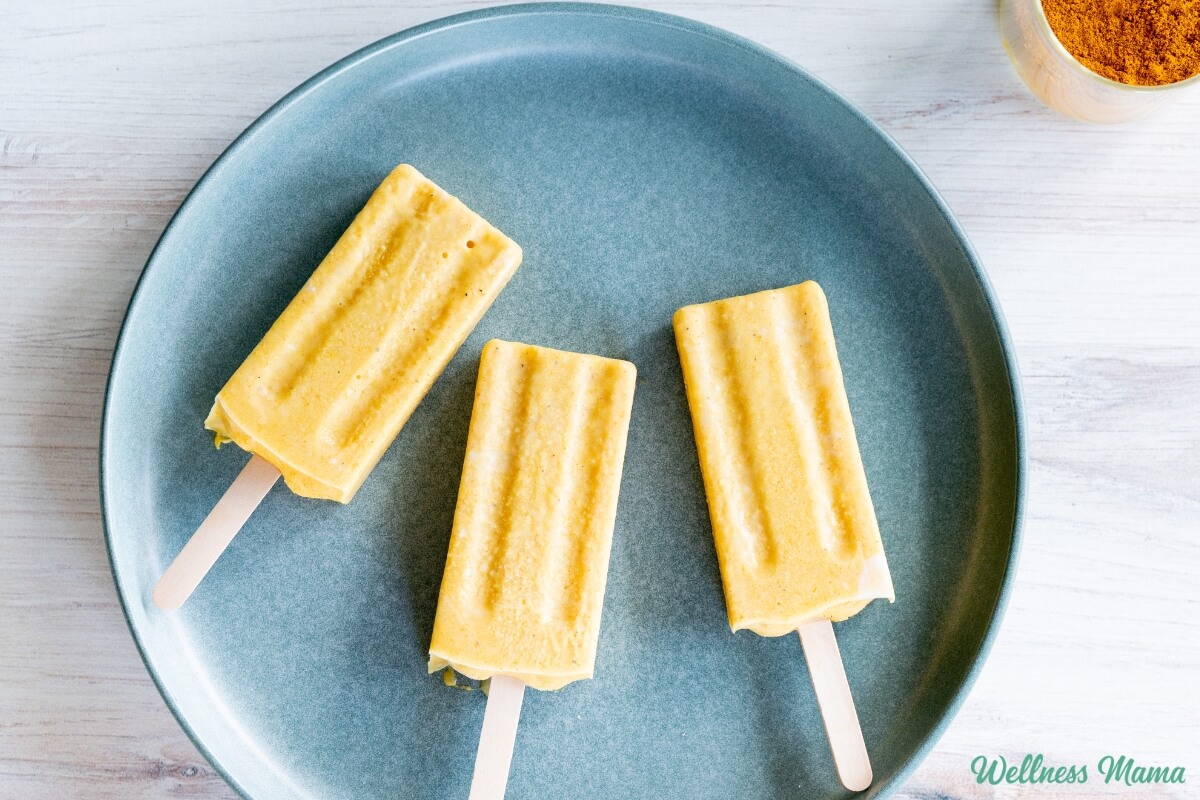
mango popsicles

Turmeric Mango Popsicles With Coconut Milk

The weather has (mostly) warmed up around here, which means cold brew coffee, more salads, and the ever popular popsicles are on the menu. Popsicles are a great way to include some extra nutrition that even kids will love. These golden milk mango popsicles do just that. 

They feature creamy coconut milk, flavorful mango, and anti-inflammatory turmeric powder. The kids love how light and refreshing they are, and I’m a big fan of the antioxidants, vitamin C, and healthy fats!

Mango Popsicle Variations

A lot of mango popsicle recipes are simple with just 2-3 ingredients. While there’s nothing wrong with that (I’m all for simple!), I wanted to pack even more nutrition into this recipe. In the past, I’ve made coconut mango popsicles with probiotic water kefir grains and electrolyte rich coconut water. This version is still ultra creamy and packed with coconut flavor, but with additional flavors (and benefits) of golden milk. 

Not only do they taste amazing, but they also support the immune system and reduce inflammation. For those who struggle with seasonal allergies, they can help the body better respond to seasonal environmental threats. 

Golden Milk Mango Popsicle Ingredients

Here’s what I used to make these and why they’re so good for you.

  • Mango – Mangoes are rich in Vitamins A, C, and B6. You’ll also find good amounts of fiber, magnesium, and potassium. They help support the immune system and keep the system regular. You’ll also find antioxidants like mangiferin, which helps lower blood lipid levels and inflammation. 
  • Turmeric – This ancient spice gives these mango popsicles an even richer golden color. It’s also the anti-inflammatory staple in delicious, creamy golden milk. A 2008 review noted curcumin, found in turmeric, has antiallergic properties and inhibits histamine release from mast cells. 
  • Black pepper – I know black pepper sounds like it shouldn’t come anywhere near popsicles, but hear me out. A tiny amount of black pepper boosts the performance of the curcumin in turmeric. It contains piperine to help the body with curcumin absorption. And with the creamy coconut and sweet honey, the taste blends right in. 
  • Citrus juice –  Both lemon and lime juice are high in the antioxidant vitamin C. Vitamin C supports the immune system, and studies show it inhibits overly sensitive bronchial tissues triggered by mast cells and histamine. Both taste delicious, but lemon is higher in vitamin C. 
  • Ginger – A warming spice that packs a big antimicrobial punch to fight a variety of viruses and bacteria. It supports the immune system, fights inflammation, and aids digestion. Altogether, it’s a powerful ally for illness and seasonal allergy support. 
  • Coconut milk – Coconut is one of my favorite ingredients to work with because of its nutrition and versatility. Coconut milk makes these popsicles creamy and is full of medium chain triglycerides (MCT). MCT modulates inflammation, a key driver in allergic responses, boosts anti-inflammatory markers, and decreases pro-inflammatory cytokines. 
  • Raw honey – My go-to sweetener of choice, raw honey is full of micronutrients and is antimicrobial. While it’s often not an effective allergy treatment on its own, local and raw honey can help with seasonal allergies. If you don’t have raw honey, then maple syrup is a good mineral-rich alternative. 

How to Make Mango Popsicles

You’ll need a blender and popsicle molds, but the process is very easy. Simply dump and blend all of the ingredients, then pour into your molds. My kids love these ones, but you can even use a silicone ice cube mold if you don’t have popsicle molds. The exact number of popsicles you end up with depends on your mold size.

Golden Milk Mango Popsicles With Coconut

Golden milk meets summer treat. These creamy, anti-inflammatory popsicles are dairy-free, refined sugar-free, and kid-approved.

  • Add everything to a blender and blend on high for 60 to 90 seconds until completely smooth.

  • Taste and adjust. Add more honey if you want it sweeter, more lemon for brightness.

  • Pour into popsicle molds, leaving 1/4 inch at the top. Tap out air bubbles and insert popsicle mold top.

  • Freeze for at least 4 to 6 hours or overnight.

  • Run the mold under warm water for about 10 seconds to release. Serve immediately or wrap in parchment, place in a freezer-safe bag, and freeze for up to 3 months.

Nutrition Facts

Golden Milk Mango Popsicles With Coconut

Amount Per Serving (1 popsicle)

Calories 111
Calories from Fat 63

% Daily Value*

Fat 7g11%

Saturated Fat 6g38%

Polyunsaturated Fat 0.1g

Monounsaturated Fat 0.4g

Sodium 5mg0%

Potassium 178mg5%

Carbohydrates 14g5%

Fiber 2g8%

Sugar 12g13%

Protein 1g2%

Vitamin A 596IU12%

Vitamin C 22mg27%

Calcium 12mg1%

Iron 1mg6%

* Percent Daily Values are based on a 2000 calorie diet.

  • For a creamsicle version swap, 1/2 cup of the mango for canned pineapple.
  • For kids, try decreasing the turmeric to 1 teaspoon so it’s milder. 

For a Mexican flavor twist, try omitting the ginger and sprinkling a little Tajin chili lime seasoning in each popsicle mold before filling.

Shelf Life and Storage

Store them in the freezer (obviously) and consume within several months. I like to make a double batch and store the unmolded popsicles in a freezer-safe, silicone reusable bag to pull out when the craving strikes. You can also wrap them individually in parchment to prevent them from sticking together.

What are your favorite sweet, cool treats to enjoy? Leave a comment and let us know!

Tags: , , , ,
5 skincare benefits of yam peel

5 skincare benefits of yam peel

Follow this guide

What’s the story

African yam peel is becoming the next big thing in skincare, thanks to its natural properties.
The peel, which is usually thrown away, is now being recognized for its benefits. It is packed with antioxidants and nutrients that can help improve skin health.
As more people look for natural alternatives to chemical-based products, African yam peel is gaining attention for its potential benefits.

Nutrient-rich composition

African yam peel is loaded with essential nutrients, such as vitamins C and E, which are known for their skin-benefiting properties.
These vitamins help fight free radicals, which can cause premature aging.
The peel also contains fiber and other minerals that promote overall skin health by nourishing and protecting the skin’s natural barrier.

Antioxidant properties

The antioxidant properties of African yam peel make it an excellent choice for fighting oxidative stress on the skin.
Antioxidants are critical in neutralizing free radicals that can damage cells and lead to signs of aging, like wrinkles and fine lines.
Using products with this peel can help keep your skin looking youthful.

Potential anti-inflammatory effects

African yam peel may also have anti-inflammatory effects, which can be beneficial for those with sensitive or irritated skin.
Inflammation often contributes to various skin issues, including redness and puffiness.
By incorporating this natural ingredient into your skincare routine, you may experience a reduction in these symptoms over time.

Versatile skincare applications

The versatility of African yam peel makes it suitable for a range of skincare applications.
It can be used in masks, scrubs, or even as an ingredient in homemade creams.
Its adaptability allows individuals to customize their skincare routines according to their specific needs, while reaping the benefits of this natural resource.

Sustainable skincare choice

Using African yam peel in your skincare routine also promotes sustainability by reducing waste from food production processes.
By repurposing what would otherwise be discarded as waste material, you contribute positively toward environmental conservation efforts while enjoying its numerous benefits for healthier-looking skin.

Tags: , , ,
article-image

Dewy, Not Sweaty! Here’s How To Achieve A Minimal Everyday Summer Makeup Look That Doesn’t Melt

You step out looking fresh, glowing and within minutes, the heat has other plans. Makeup starts to melt, your T-zone gets shiny, and suddenly that full-face routine feels like a bad idea. 

Summer beauty is all about keeping it light, fresh, and breathable, and that’s exactly where the minimal, no-makeup makeup look comes in. Think glowing skin, soft definition, and products that work with your skin, not against it.

Step-by-step everyday Summer makeup look

Step 1: Start with skincare (this is non-negotiable)

Great makeup begins with great skin prep. Cleanse your face and follow up with a lightweight, hydrating moisturiser. The real hero? Sunscreen. Opt for a non-greasy SPF that won’t leave a white cast. This step not only protects your skin but also creates a smooth base for everything that follows.

Step 2: Swap heavy foundation for tinted moisturiser

Ditch full-coverage foundations in summer. Instead, go for a tinted moisturiser or skin tint with SPF. It evens out your complexion while letting your natural skin show through, giving you that effortless, “your skin but better” finish.

Step 3: Spot-conceal, don’t layer

If you need extra coverage, use a lightweight concealer only where necessary like under the eyes, around the nose, or on blemishes. Blend it well so it melts seamlessly into your skin without looking cakey.

Step 4: Add a natural flush

Cream or liquid blush is your best friend in summer. Dab a little onto your cheeks (and even eyelids for a monochrome look) for a fresh, dewy glow. You can also use a lip-and-cheek tint or a trendy glow balm to keep things minimal and cohesive.

Step 5: Keep the eyes simple

Skip heavy eyeshadow. A quick curl of your lashes followed by a coat of waterproof mascara instantly opens up your eyes without feeling heavy. If you like a bit more definition, a soft brown liner smudged along the lash line works perfectly.

Step 6: Hydrated, glossy lips

Swap matte lipsticks for tinted balms, glosses, or lip oils. They keep your lips moisturised while adding a hint of colour, perfect for that effortless summer vibe.

Step 7: Lock it in (lightly)

If you have oily skin, lightly set your T-zone with a translucent powder. Finish with a hydrating setting spray to keep everything in place without losing that dewy finish.

Pro tips to keep it from melting

Stick to cream-based products, they blend better and look more natural

Choose long-wear or waterproof formulas where possible

Blot, don’t pile on powder, during the day

Keep your routine minimal with less product for less meltdown

The goal? Skin that looks fresh, not masked. Because in summer, less really is more.

Tags: , , , , , , , , ,
Best oLive
Privacy Overview

This website uses cookies so that we can provide you with the best user experience possible. Cookie information is stored in your browser and performs functions such as recognising you when you return to our website and helping our team to understand which sections of the website you find most interesting and useful.