magnesium cell health

The Secret of Magnesium For Cell Health

I’ve been sharing about magnesium’s benefits for over 15 years now on the blog and podcast. It’s one of the few supplements that I take every day because I’ve noticed such a huge difference with it. More recently, I’ve come to realize how much it helps with nervous system regulation and mineral balance. 

Once I started using magnesium regularly I noticed not only did I sleep better, but I handled stress better and didn’t feel so depleted. For me (and so many others) it’s one of those supplements that are core to my wellness routine. 

More people are now aware of magnesium’s benefits, but it does so much more than help with sleep or relaxing. It’s deeply connected to how our cells make energy, how our nervous system communicates, and how we respond to stress. Unfortunately, unless you’re thoughtfully supplementing, you’re very likely not getting enough. 

Magnesium: The Mineral Behind Energy and Calm

Experts estimate magnesium is involved in around 800 (or more!) enzymatic reactions in the body. If you’re making hormones, repairing tissue, digesting food, producing energy, or regulating the nervous system, you can thank magnesium. It’s one reason why magnesium deficiency can show up in so many different ways.

One of magnesium’s most important jobs is helping the body create usable cellular energy. The body’s energy currency is ATP (adenosine triphosphate), but ATP isn’t biologically active on its own. It has to bind to magnesium to actually function. In practical terms, this means magnesium is directly connected to whether our cells can efficiently produce and use energy.

Side Effects of Low Magnesium

When magnesium levels are low the entire body can see the effects. Fatigue, poor recovery, muscle tension, headaches, and brain fog can all be signs that the body doesn’t have the mineral support it needs.

I noticed this during the years when my body was stuck in a highly inflamed state. Even though I’d been taking magnesium for years, I realized I wasn’t always absorbing or tolerating it well because my nervous system and digestion were so dysregulated. At one point, magnesium supplements actually made me itchy, which surprised me because magnesium is supposed to be so good for you.

Eventually, I learned that I had to work up slowly while also addressing larger issues like inflammation, nervous system stress, mast cell activation, and what’s often called the “cell danger response.” Once my body felt safer and calmer overall (and I found magnesium that worked for me) I finally started seeing the positive benefits.

Why Magnesium Needs are So High

Between chronic stress, mineral-depleted soil, filtered water, medications, and even intense exercise, many of us are likely running low without realizing it. As moms with lots of responsibilities and stressful situations, it’s easy to become magnesium deficient. 

Stress, physical or emotional, dramatically changes our magnesium demand. When cortisol and adrenaline levels are chronically too high, it increases how much magnesium our cells use and excrete. It’s our body’s built-in survival response.

This makes sense biologically. In an emergency, the body prioritizes immediate survival over long-term repair. The problem is that many of us now live in a constant low-level stress state. We’re overstimulated, under-rested, chronically busy, and often disconnected from the rhythms that once allowed our nervous system to fully recover.

Stressed? You Need Even More Magnesium!

So now? Our body constantly uses magnesium faster than we can replace it. Over time, this can create a cycle where stress depletes magnesium, and low magnesium makes us feel even more stressed, anxious, tight, or exhausted.

For me, this showed up as the classic “wired but tired” feeling for years. I could push through the day on stress hormones and sheer willpower, but my nervous system never truly relaxed. Once I started viewing magnesium not just as a supplement, but as a foundational safety signal for the body, things began to shift.

Magnesium helps calm the nervous system and relax smooth muscle tissue. Adequate magnesium essentially tells the body that it’s safe enough to move into repair mode. This is one reason people often notice better sleep, less muscle tension, headaches, and constipation, or better stress resilience with more magnesium.

Magnesium Benefits For Women (and Why It’s Different)

Women have different factors that can increase our need for magnesium. Fluctuating hormones through the menstrual cycle (especially right before a period) increase our magnesium needs. Pregnancy and breastfeeding both dramatically increase mineral needs too. 

Perimenopause and menopause add another layer because fluctuating hormones and higher stress loads often increase nervous system sensitivity. Many women notice symptoms like irritability, poor sleep, muscle tension, headaches, or worsening PMS when the body craves more magnesium. 

Looking back, I can see how much this applied in my own life. During pregnancy and postpartum especially, I often felt depleted in ways that I couldn’t fully explain at the time. Now I realize that mineral depletion was likely a much bigger part of the picture than I understood then.

This is also why I think magnesium conversations need more nuance than simply “take magnesium for sleep.” Magnesium is connected to hormone balance, energy production, stress response, muscle function, nervous system regulation, and cellular repair. Sleep benefits are wonderful, but they’re really just one visible piece of a much larger picture.

How Modern Life Sabotages Magnesium Levels

One reason why magnesium deficiency is so common is because modern life seems perfectly designed to burn through it. Our food is no longer mineral rich because the soil is so depleted, even compared to a few generations ago. 

Filtered water can also contribute to the problem. While water filtration is absolutely beneficial, many systems remove naturally occurring minerals as well. Unless we intentionally remineralize our water or prioritize mineral intake elsewhere, this can deplete magnesium even more. 

Here are some more things that deplete magnesium:

  • Intense exercise 
  • Sweating (from sauna or exercise)
  • Poor sleep
  • Ultra-processed or sugary foods 
  • Meds like birth control pills, certain blood pressure pills, and proton pump inhibitors
  • Lots of caffeine or alcohol 
  • Chronic stress (hello mom life!)

I gave up alcohol several years ago, but I do enjoy my coffee. Due to that and my active lifestyle I really pay attention to replenishing minerals. 

The symptoms of low magnesium can be surprisingly broad. In many ways, magnesium deficiency can start to look a lot like modern life itself. Anxiety, insomnia, constipation, migraines, PMS symptoms, muscle cramps, tight shoulders, restless legs, irritability, and heart palpitations can all point toward magnesium depletion.

How Magnesium’s Plays With Other Electrolytes

As important as it is, magnesium doesn’t work alone. Sodium, potassium, and calcium (among others) work together in a tightly coordinated system. Calcium and magnesium work almost like opposites in the body. Calcium helps muscles contract and excites nerves. Magnesium helps muscles relax and calms nerves. We need both, but we need them in balance.

The challenge is that many processed foods and supplements add calcium while fewer people prioritize magnesium. Too much calcium without enough magnesium can contribute to muscle tension, cramps, irritability, and an overstimulated nervous system.

Magnesium also plays a critical role in potassium balance. Potassium is essential for electrical activity in our cells, but we need magnesium to help move potassium into cells. This means low magnesium can create problems even if it seems like we’re getting enough potassium.

This relationship becomes even more important when thinking about energy, muscle function, and heart rhythm. Sodium, potassium, and magnesium all work together to regulate cellular electrical activity. When one is chronically low, the whole system can feel dysregulated.

I’ve noticed that improving magnesium intake worked much better when I also became more intentional about electrolytes overall. Focusing on only one mineral in isolation rarely created the same results as supporting the broader mineral balance together.

The Different Forms of Magnesium Matter

One reason magnesium can feel confusing is that different forms do different things. Many people try one isolated form, don’t feel better, or experience digestive issues, and assume magnesium simply isn’t helpful for them.

  • Magnesium citrate – one of the most common and used for digestion and constipation. For some it can cause loose stools, especially if too much is used. 
  • Magnesium glycinate, or bisglycinate, is bound to glycine and tends to be gentler and more calming. This is one of my favorite forms because glycine also supports relaxation and sleep.
  • Magnesium malate – often used for energy and helps mitochondrial energy production.
  • Magnesium L-threonate –  it can cross the blood-brain barrier and may support cognition, focus, and mood.
  • Magnesium taurate – supports heart health, improves sleep, and supports healthy blood sugar levels.
  • Magnesium orotate – helps with heart health, improves energy and resilience.
  • Magnesium sulfate – also known as Epsom salts, helps relieve constipation and soothe achy muscles.

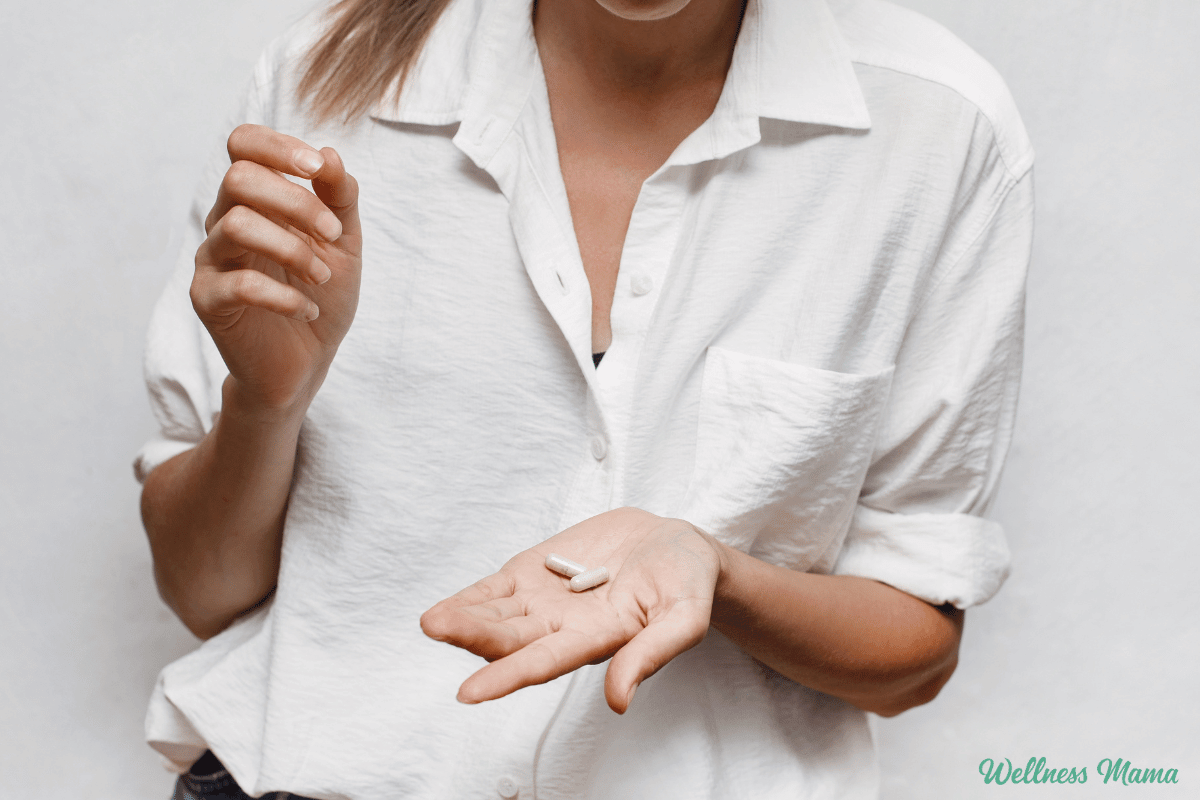
You could mix and match and guess which ones you need. However, I’ve found the best results with taking a broad-spectrum magnesium supplement with all seven forms. It’s better than guessing which one my body needs most at any given time. Once I switched to BIOptimizers I finally noticed a difference from magnesium supplementation. Even my Oura ring showed the visible results through health metrics. 

Why I Also Love Topical Magnesium

Topical magnesium deserves its own category because it can be incredibly helpful, especially for people with more sensitive digestion. Since it absorbs through the skin, it bypasses the digestive system that can make oral magnesium harder to tolerate.

I especially love topical magnesium after workouts or on sore muscles. Many people also notice benefits when using topical magnesium on their calves or feet before bed, especially for muscle tension or restless legs. I often use it after sauna sessions or intense workouts when I know my mineral demand is higher.

Here are some ways I get topical magnesium:

Why Food Still Matters

Even though I think supplementation is necessary, food sources matter tremendously. Magnesium-rich foods provide not only magnesium, but other supportive nutrients and cofactors.

Some of the best dietary sources include pumpkin seeds, almonds, cashews, leafy greens, avocado, salmon, black beans, and dark chocolate. Interestingly, this may partly explain why many women crave chocolate around their menstrual cycle. The body may actually be seeking magnesium.

That said, I’ve also come to agree with many experts who now acknowledge that getting enough magnesium from food alone has become almost impossible. Soil depletion has changed the nutritional landscape dramatically compared to what previous generations experienced.

In my own life, I view magnesium as a both-and approach. I prioritize nutrient-dense foods while also supplementing intentionally, especially during higher stress periods or times of increased demand.

Magnesium as a Safety Signal for the Nervous System

The more I learn about health, the more I realize the body constantly responds to signals of either safety or danger. Magnesium appears to play a surprisingly important role in that conversation. 

Magnesium supports the parasympathetic nervous system, often called the “rest and repair” side of the nervous system. It helps relax smooth muscles, calm the limbic system, support digestion, and lower the body’s stress threshold.

For many of us living in chronic sympathetic dominance, constantly rushing, multitasking, and overstimulated, this matters a lot. The body can’t fully repair when it constantly thinks it’s in danger. It’s like magnesium is helping the body to take a deep breath out. Sleep becomes deeper, muscles unclench, and stress and recovery are easier.

That doesn’t mean magnesium is a magic cure or the only missing piece. However, it can be a foundational support that helps create an environment where healing and repair become more possible.

What I Use and Where to Get it

I already mentioned which topical products I use above, but you can find my favorite magnesium supplement here. I use Magnesium Breakthrough from BIOptimizers and have for years. It uses 7 different types of magnesium so I don’t have to worry I’m not getting the kind my body needs in the moment. 

Final Thoughts on Magnesium and Cellular Health

Magnesium has remained one of the most consistent parts of my own health journey because I’ve repeatedly noticed how foundational it is. It isn’t just about preventing deficiency symptoms. It’s about supporting the electrical, energetic, and nervous system processes that help the body function well in the first place.

You might not feel instant results, but the body gradually becomes more resilient and more rested. In a world that constantly pulls us into stress and depletion, this kind of support makes a meaningful difference over time.

Do you supplement with magnesium? Have you noticed a difference? Leave a comment and share below!


Tags: , , ,
Watsons Welcomes SB19 as Brand Ambassadors

Watsons Welcomes SB19 as Brand Ambassadors

Both Watsons and SB19 understand that what happens behind the scenes matters just as much as what people see. From skincare and personal grooming to wellness routines that keep up with a fast-paced lifestyle, it’s the small, consistent habits that make a lasting difference.

“SB19 represents a generation that values authenticity, hard work, and self-expression. And at Watsons, we believe these qualities are supported by consistent self-care. “This collaboration reflects a shared belief that everyday routines empower people to perform, create, and express themselves with confidence,” said Jefferson L. Go, Chief Operating Officer of Watsons Philippines.

As brand ambassadors, SB19’s Pablo, Josh, Stell, Ken, and Justin bring their signature energy, artistry, and authenticity to campaigns that highlight Watsons’ wide range of health, wellness, and beauty offerings. More than just faces of the brand, they represent a mindset that resonates with a new generation—one that values growth, discipline, and staying true to oneself.

Fans, especially A’TIN and Watsons Club members, can expect more exciting moments ahead. One of the first highlights of the partnership will be SB19’s much-anticipated performance at the upcoming Watsons Playlist: Own the Moment happening on May 31 at SM MOA Arena, where they are set to top-bill the show. The event brings together music, wellness, beauty, and community, offering fans a chance to experience the collaboration in a more personal and high-energy setting.

More than a typical endorsement, the partnership between Watsons and SB19 reflects a shared story, one that celebrates Filipino pride, perseverance, and the power of showing up every day as your best self.

As the collaboration unfolds, fans are invited to stay connected with Watsons Philippines through its official social media channels—@watsonsph on Instagram, Watsons Philippines on Facebook, and @watsonsphilippines on TikTok, for exclusive content, updates, and upcoming campaign highlights. (PR)

Tags: , , , ,
Simple Summer Skincare Habits for Healthy, Glowing Skin in Hot Weather

Simple Summer Skincare Habits for Healthy, Glowing Skin in Hot Weather

As temperatures rise and humidity levels intensify during the summer months, skin often becomes more vulnerable to a range of concerns. Increased sweating, excess oil production, dehydration, and prolonged sun exposure can all affect skin health and appearance. Adapting a seasonal skincare routine becomes essential to maintain balance, comfort, and a natural glow throughout the hotter days.

Experts in skincare suggest that effective summer care does not require overly complex routines. Instead, it is about following a few consistent and practical steps that protect the skin while keeping it nourished and refreshed.

Daily Sun Protection for Skin Safety

One of the most important aspects of summer skincare is protecting the skin from harmful ultraviolet rays. Prolonged sun exposure can lead to tanning, pigmentation, premature aging, and uneven skin tone. Using sunscreen on a daily basis helps create a protective barrier against these effects.

Modern formulations such as lightweight and tinted sunscreens are increasingly preferred during summer. These products often combine sun protection with a subtle tone-evening effect, making them suitable for daily wear. Sweat-resistant options also ensure longer-lasting protection, even in humid and active conditions, helping the skin stay shielded throughout the day.

Importance of Hydration for Healthy Skin

Hydration plays a key role in maintaining skin health during the summer season. Higher temperatures can cause the skin to lose moisture more quickly, leading to dryness or an imbalance in oil levels. Ensuring adequate water intake helps support the skin’s natural elasticity and overall freshness from within.

Alongside internal hydration, external skincare choices also matter. Lightweight moisturisers, particularly gel-based formulations, are often recommended for warmer weather. These absorb quickly into the skin without leaving a heavy or greasy feel. They help maintain moisture balance while providing a cooling and soothing effect, especially for those with oily or combination skin types.

Cooling and Refreshing Skincare Ingredients

During hot weather, skincare products that include cooling ingredients can provide added relief. Natural elements known for their refreshing properties are often used in cleansers and body care products to help calm heat-stressed skin.

Ingredients such as watermelon extract and mint-based formulations are commonly associated with a cooling sensation that refreshes the skin. Similarly, eucalyptus-infused body washes are used to cleanse away sweat, dirt, and environmental impurities while maintaining the skin’s natural barrier. These ingredients help leave the skin feeling clean, refreshed, and balanced after exposure to heat and pollution.

Gentle Exfoliation for Smoother Skin

Exfoliation is another important step in summer skincare, but it needs to be done carefully. Mild exfoliation helps remove dead skin cells, unclog pores, and gradually reduce tanning caused by sun exposure. This results in smoother texture and a brighter appearance over time.

Natural exfoliating elements such as turmeric, sandalwood, and saffron are often included in skincare routines for their skin-enhancing properties. These ingredients are known to support a clearer complexion, reduce minor breakouts, and improve overall skin texture. However, gentle application is key, as excessive exfoliation during summer can lead to irritation or dryness.

Protective Clothing and External Care

Skincare during summer is not limited to products alone. External protection also plays a significant role in reducing skin damage. Wearing light-coloured and breathable clothing helps reflect sunlight and reduces heat absorption. Full-sleeved outfits made from airy fabrics offer additional protection against direct sun exposure.

Accessories such as scarves, hats, and sunglasses can further shield the face and sensitive areas from harsh sunlight. These simple adjustments contribute significantly to reducing tanning and long-term sun damage.

Building a Simple Summer Routine

Overall, summer skincare is most effective when it remains simple, consistent, and focused on protection and hydration. By combining sun protection, adequate hydration, cooling ingredients, gentle exfoliation, and smart clothing choices, it becomes easier to manage the challenges of hot weather.

A balanced approach ensures that the skin remains healthy, comfortable, and naturally radiant throughout the season, even under intense summer conditions.

Tags: , , , , , , , ,
DIY Mango-Sandalwood Face Mask for Glowing Summer Skin

DIY Mango-Sandalwood Face Mask for Glowing Summer Skin

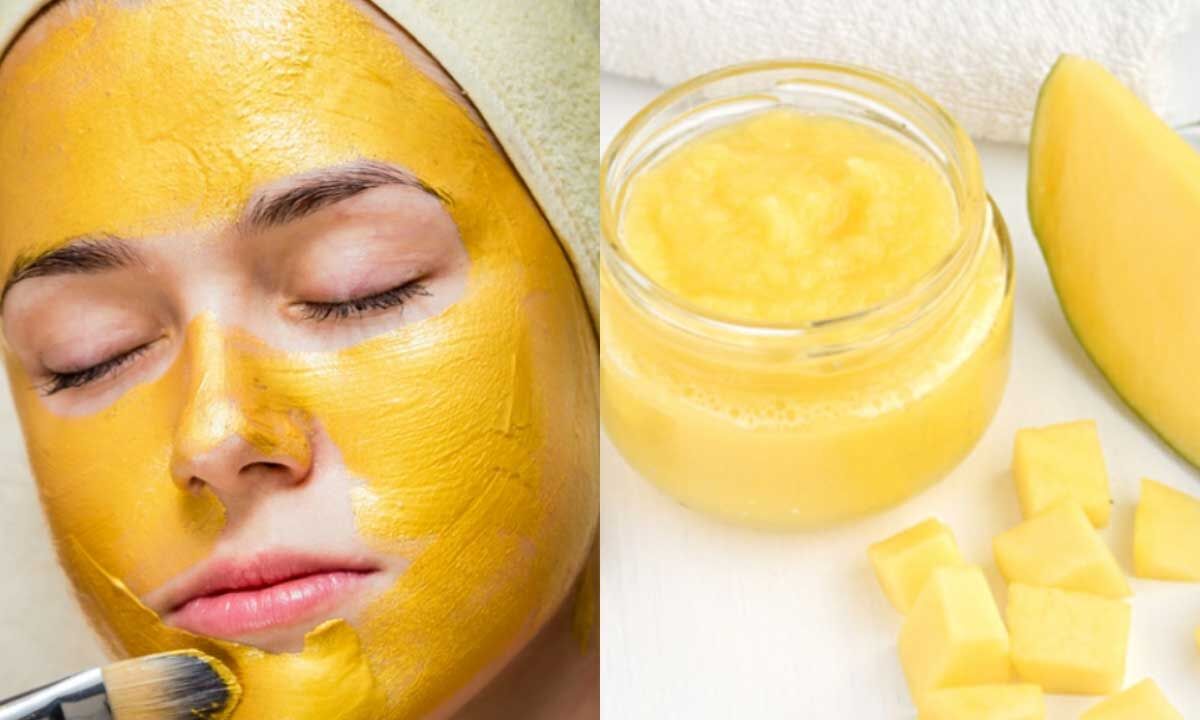
Mangoes are widely loved as a seasonal fruit, but they are also gaining attention in natural skincare routines. Rich in vitamins and antioxidants, mango-based DIY treatments are being explored for their potential to support soft, hydrated, and refreshed-looking skin during the harsh summer months.

The fruit contains vitamin C, which plays a role in supporting collagen production. Collagen is an important protein that helps maintain skin elasticity and firmness. With regular use in skincare formulations, vitamin C-rich ingredients are often associated with a more radiant and youthful-looking complexion.

Mangoes also contain vitamin A and beta-carotene, both of which are commonly linked with skin nourishment and repair. These nutrients are often used in home remedies aimed at reducing dryness and improving overall skin texture. Their natural composition makes mangoes especially appealing for people dealing with dullness or uneven skin tone.

Because mango pulp is mildly acidic, it may also provide a gentle exfoliating effect. This can help lift away dead skin cells and contribute to a smoother surface appearance over time, making the skin feel cleaner and more refreshed.

DIY Mango-Sandalwood Face Mask Recipe

A homemade mango-sandalwood face mask has become a popular natural skincare option for those looking to incorporate fruit-based ingredients into their beauty routine. This blend combines nourishing butters, oils, and herbal powders designed to moisturize and calm the skin.

Ingredients Needed

To prepare this mask, the following ingredients are commonly used:

  • 1½ tablespoons melted shea butter
  • 1 tablespoon mango seed butter (softened from the inner seed of a ripe mango)
  • 1 tablespoon raw honey
  • 1 teaspoon pure coconut oil
  • ½ teaspoon fine sandalwood powder

Each ingredient contributes a different benefit. Shea butter and mango seed butter are known for their deep moisturizing properties, while honey is often used for its natural humectant qualities, helping the skin retain moisture. Coconut oil adds nourishment, and sandalwood powder is traditionally used in skincare for its calming and cooling effect.

Preparation Method

The preparation of this mask is simple and can be done at home with minimal tools. The process begins by gently melting shea butter and mango seed butter together until the mixture becomes smooth and warm, but not overheated.

Once melted, raw honey is added and blended thoroughly until the mixture turns creamy and uniform. After this, coconut oil is stirred in to ensure even distribution throughout the mask.

Finally, sandalwood powder is slowly incorporated into the mixture. It is important to mix well to avoid lumps and achieve a consistent paste-like texture suitable for application.

Application and Usage

Before applying the mask, the face should be cleansed and dried properly. A thin to medium layer of the mixture can then be applied evenly across the face, including delicate areas while avoiding direct contact with the lash line.

The mask is typically left on the skin for around 20 minutes, allowing the natural ingredients to absorb and interact with the skin surface. During this time, a cooling sensation may be experienced due to the sandalwood and coconut oil content.

After the waiting period, the mask can be removed by rinsing with cold water. Some prefer using ice-cold water or gently pressing cooled ice cubes against the skin before washing to enhance the refreshing effect.

Once the mask is fully removed, the skin can be gently patted dry. A light moisturizer may be applied afterward if needed, depending on individual skin type and hydration levels.

A Natural Addition to Summer Skincare

This mango-sandalwood face mask reflects a growing interest in natural, ingredient-based skincare routines. With its combination of fruit extracts, plant-based butters, and traditional herbal powders, it offers a simple at-home option for those looking to maintain soft, nourished skin during the summer season.

Tags: , , , , , ,
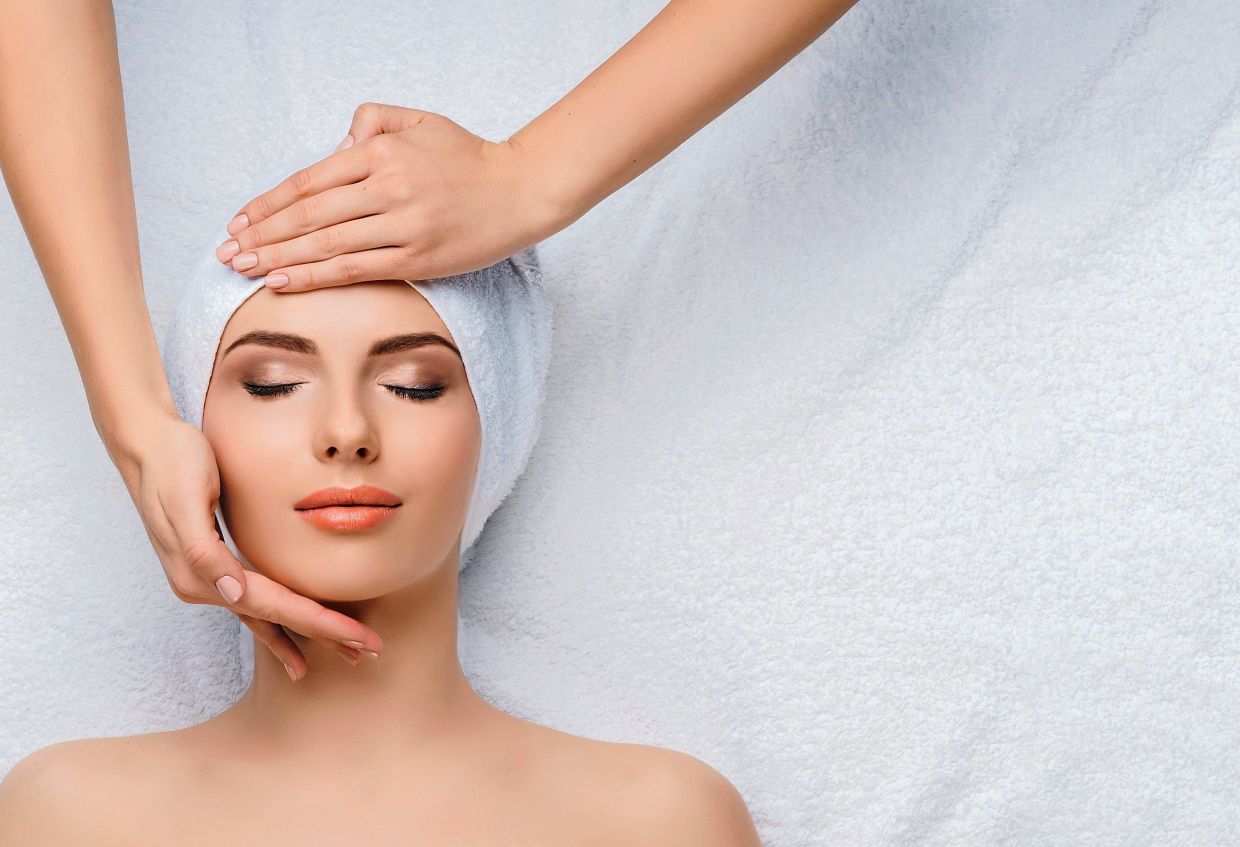
Rituals of rest and reset: Beauty appointments are now modern self-care escapes

Rituals of rest and reset: Beauty appointments are now modern self-care escapes

There was a time when beauty appointments were largely transactional.

A haircut was about maintenance, a manicure was for polished nails before an event, and facials promised fewer blemishes and brighter skin.

Today’s beauty spaces are evolving into something more restorative – across shopping malls, salons and wellness spaces, treatments are being designed not just to enhance appearances, but to quiet overthinking minds and overworked bodies.

From scalp massages in salons to hydrating facials within skincare brand stores, clients are seeking experiences that allow them to slow down and disconnect.

This reflects a broader cultural change in how people perceive self-care, with wellness no longer confined to spa retreats.

Instead, it has filtered into everyday routines, including the beauty appointments once viewed as occasional indulgences.

Nicole Lee, PR communications manager of Initia Group, which oversees Korean-inspired head spa and salon brand Goyo, says the motivations behind beauty appointments have noticeably changed.

“Clients still want visible outcomes, but increasingly, they are coming in because they are mentally and emotionally fatigued,” she says.

“What’s interesting is that we’re now seeing a much younger demographic coming in – not just for maintenance, but for pampering and intentional self-care.”

Similarly, Posh Nail Spa founder Sereen Eng says clients today are searching for more than aesthetic results.

“Many of our clients come in carrying the weight of busy schedules and constant stimulation, so they’re intentionally seeking moments where they can slow down and reset,” she says.

The result is an industry increasingly centred around ritual rather than routine, where the idea of beauty is taking on a deeper meaning.

Read more: Skin acting up? Why your beauty routine fails when the weather flips

A beauty reset

These days, clients approach nail appointments from a more wellness-oriented perspective. Photo: Posh Nail SpaLee says clients are gravitating towards immersive experiences that combine relaxation with visible results.

“It’s not just one service that reflects this shift – it’s really the complete journey from head to toe,” says Lee.

“The combination of aromatherapy, therapeutic massage and scalp care creates an immediate sense of calm,” says Lee.

Clients often pair a treatment with Korean facials and traditional Korean body scrubs, creating what she describes as a “holistic, sensory ritual”.

“What makes this different from a traditional hair or massage service is that it is not transactional or isolated,” she says.

“Clients are no longer just looking for maintenance – they are seeking a complete head-to-toe reset that allows them to disconnect, recharge and reconnect with themselves.”

Even the environment plays a role in shaping the experience, says Lee, noting that their location overlooking a golf course naturally feels like a resort-style setting.

That desire for escape is also influencing how beauty treatments are shared.

According to Lee, many sessions are now purchased as gifts for spouses or parents, while couple treatments are becoming increasingly popular.

“It’s become less about individual treatments and more about creating moments of connection and pause together,” she says.

More than just a manicure

While manicures and pedicures were once associated primarily with aesthetics or trend-driven nail art, Eng says clients are now approaching nail appointments from a more wellness-oriented perspective.

“Our spa manicure and pedicure services are a clear reflection of this shift,” she says. “Clients are not only looking to relax, but also to achieve healthier, more sustainable nail results.”

At her nail spas, the emphasis has expanded beyond appearance to include long-term nail health and intentional care.

Treatments are designed to feel slower and more restorative, incorporating massages, scrubs and a calmer pace.

At the same time, awareness around the effects of prolonged gel use and poorly executed treatments is gaining traction.

“As gel services have become widely available over the years, we’re now seeing the effects of long-term wear,” Eng says.

“Clients are becoming more aware and are seeking services that help maintain and protect their natural nails, rather than compromise them. For example, we focus on nail rehabs and treatments for natural nails; proper nail apex building and structure when working with gel,” she adds.

The idea of self-care, she says, lies in balancing immediate beauty results with long-term wellbeing.

“So it’s no longer just about how the nails look immediately after the service, but how well they are cared for over time,” says Eng.

Created for emotional wellbeing

Perhaps the clearest sign of the industry’s evolution lies in how clients behave during and after treatments.

Lee says the emotional transformation is often noticeable.

“Some clients arrive a little anxious or mentally preoccupied,” she says. “But after the session, they are almost like a different person – more relaxed, calmer, and noticeably lighter in their energy.”

Many linger after treatments, sipping herbal teas and enjoying the stillness before returning to their routines.

“That’s often when they start sharing more – about their stress, their routines, or simply how much they needed this time to reset,” Lee says.

Eng has observed similar changes among her clients.

“During treatments, especially during the scrub and massage session, clients naturally begin to unwind,” she says.

“You can see the shift in their body language – they become softened up, some begin to be more open and conversational.”

For businesses such as these, which extend to skincare and makeup brands, the goal extends beyond delivering a technically good service as emotional care and atmosphere have become equally important.

“Our goal is simple: we want every client to walk out feeling better than when they came in,” says Eng.

Read more: Not long, not short: Mid-length hair is the most wearable beauty trend right now

A wellness future

As the lines between beauty and self-care continue to blur, salon owners are adapting accordingly.

Lee believes beauty spaces will become more wellness-led environments, offering immersive experiences.

“Clients today are not just looking to look good – they want to feel better, reset their energy and take care of their mental and physical wellbeing,” says Lee.

Meanwhile, Eng says the modern salon experience is becoming more holistic and lifestyle-oriented.

“Clients today are more conscious of burnout, stress and the need for intentional pauses in their routine,” she says.

“As a result, they value rituals over quick services.”

To reflect this, her business is refining its treatment flow, training staff to be more emotionally attentive and even collaborating with wellness and lifestyle partners.

“Clients today are not only investing in how they look, but also in how they feel and how they live overall,” Eng says.

Ultimately, beauty’s new direction is rooted in restoration, with salons and treatment spaces becoming places to go where people feel recharged and refreshed.

Tags: , , , , , , ,
Nearly half of Americans would rather go into debt than give up their beauty routines

Nearly half of Americans would rather go into debt than give up their beauty routines

The latest headlines from our reporters across the US sent straight to your inbox each weekday

Your briefing on the latest headlines from across the US

Your briefing on the latest headlines from across the US

Losing a job wouldn’t stop almost half of American adults from trying to look and feel good.

Some 46 percent of consumers age 18 and older said they would go into debt to maintain their beauty and wellness routines if they lost their job, according to a March survey by beauty and wellness AI software platform Zenoti.

Respondents are ready to make other sacrifices for self-care, too, including a curtailed social life, delayed vacations, reduced funds for savings and debt repayment.

The survey’s analysis of spending trends found that people would most likely go into debt using credit cards to keep up appearances after a job loss.

Consumer habits indicate that being made unemployed might spur even more beauty spending, the study found. Some 33 percent of respondents said they increased their self-care routines because of workplace stress or burnout.

Respondents are ready to make other sacrifices for self-care, too, including a curtailed social life, delayed vacations, reduced funds for savings and debt repayment (Getty Images for LFC)

Loneliness, financial stress and major life transitions – all situations a job loss could create – are among the top reasons why people increase their beauty and wellness spending. But there was one concession: 45 percent of respondents said they would reduce the frequency of beauty appointments.

The study brings into focus the trade-offs that Americans are making as they negotiate rising costs. While many draw the line at self-care, there are other costs they’re willing to sacrifice to steady their finances.

Entertainment is on the consumer chopping block. Around 40 percent of Americans have dropped at least one streaming service over the past three months, according to a study from Deloitte. The average household spends an average of $69 a month on these services, Deloitte noted.

Restaurants are the most popular area for spending cutbacks as consumers find ways to rein in their finances (AFP/Getty)

Another popular target for spending cuts in the past year is eating out. Some 61 percent of U.S. adults, over age 21, have lowered spending at restaurants, according to a May 2025 study from retail news and analysis firm Chain Store Age. And consumers are making sacrifices in their closets: Just over half (52 percent) say they’ve cut back on clothes and shoe spending.

The cost-cutting reflects a nationwide concern about household finances amid high gas prices and rising inflation.

Consumers are more pessimistic about their financial future today than they were during the Great Recession. Some 55 percent of consumers said their financial situation is getting worse, according to a Gallup poll published Tuesday, compared to 49 per cent in 2008.

Tags: , , , ,
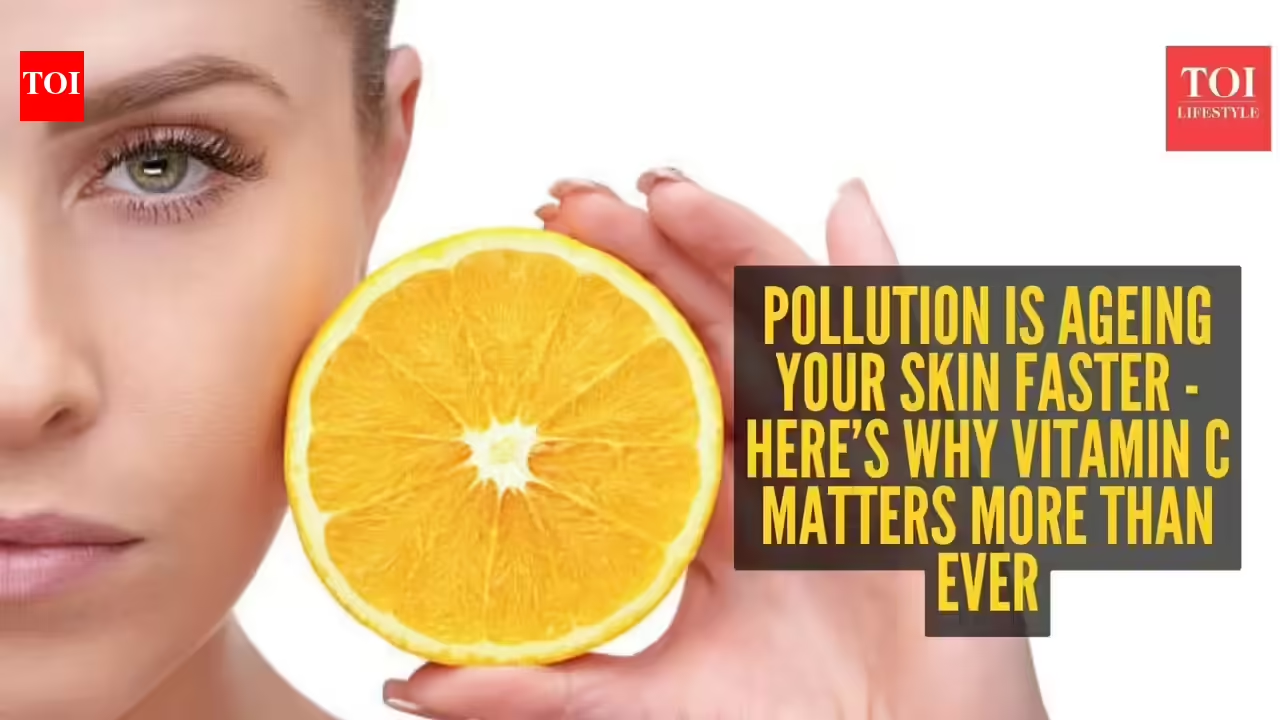
If you live in an Indian metro, skipping Vitamin C may be costing your skin

If you live in an Indian metro, skipping Vitamin C may be costing your skin

Living in Indian metros like Mumbai and Delhi exposes skin to severe pollution, accelerating aging and pigmentation. Dr. Mikki Singh highlights Vitamin C as a crucial antioxidant defense, neutralizing free radicals and boosting collagen. She advises using stabilized derivatives over unstable L-ascorbic acid for better efficacy and recommends pairing it with SPF for comprehensive protection against environmental damage. Here’s something most skincare content glosses over: the city you live in should be shaping the routine you follow. Metropolitan air, particularly in Indian cities like Mumbai and Delhi, is a cocktail of PM2.5 particles, nitrogen dioxide, ozone, and heavy metal residues from vehicular exhaust. Studies show that particulate matter levels in these cities routinely exceed WHO safe limits by five to ten times. Not on bad days. On ordinary ones.When these pollutants land on your skin, they trigger oxidative stress, a process where free radicals punch holes in your skin barrier, degrade collagen, and accelerate pigmentation. The damage is cumulative, structural, and largely invisible until it isn’t. For anyone living and commuting in a polluted metro, this is the daily reality their skincare needs to address. And that’s precisely why Vitamin C deserves a much more serious conversation than it usually gets.

Watch

The Future of Vitamin C: Enhanced Formulations And Advancements for Brighter Skin in 2025Vitamin C is an antioxidant. Its primary job is to neutralise free radicals before they can cause cellular damage. In the context of skin, this translates to three clinically meaningful outcomes: it helps reduce post-inflammatory hyperpigmentation, a concern that is especially prevalent in Indian skin tones, it improves overall radiance, and it provides a supporting layer of photoprotection when used alongside SPF.It also plays a role in collagen synthesis, which means regular use contributes to maintaining skin firmness over time. For metro residents whose skin is under daily oxidative assault from pollution, Vitamin C isn’t a luxury add-on. It’s a functional, evidence-backed response to a real environmental problem. Think of it as your skin’s first line of defence against what the air outside is constantly trying to undo.This is where most conversations about Vitamin C stop being useful. Pure L-ascorbic acid is the form you’ll see marketed most aggressively, and it does work, but it comes with a significant catch. It is inherently unstable. In Mumbai’s humidity, stored at room temperature, it can oxidise within weeks. An oxidised serum doesn’t just lose its efficacy; it can actively irritate the skin.In humid Indian conditions, I steer patients toward stabilised derivatives instead. Sodium ascorbyl phosphate, ascorbyl glucoside, and magnesium ascorbyl phosphate are gentler on the skin, far more shelf-stable, and far more forgiving in terms of storage. They convert to active Vitamin C once absorbed, which means the skin still gets the benefit, without the instability problem. If you do prefer pure L-ascorbic acid, it needs to be stored in a cool, dark place and finished within three months of opening.There’s a widespread assumption that a higher percentage means a better product. With Vitamin C, this is simply not true. A 10% stabilised derivative that has been stored correctly will outperform a 20% L-ascorbic acid that has turned amber-brown. Concentration means nothing if the active ingredient has already degraded. What you’re looking for is a stable, well-formulated product, not the highest number on the label.On the question of layering: Vitamin C amplifies UV protection, but it does not replace it. In Indian sunlight, where intense UVB and UVA exposure combines with photochemical smog, SPF is non-negotiable. Applying Vitamin C without sunscreen is like wearing a helmet but no seatbelt. The two work together, and one without the other is an incomplete equation. Apply Vitamin C in the morning, let it absorb, and follow with a broad-spectrum SPF before stepping out. That’s the sequence that makes it work.Vitamin C in a polluted metro is not a magic shield. But it is one of the most well-supported tools available for skin that is fighting an environment actively working against it. Used correctly, the right derivative, stored properly, paired with SPF every single morning, it delivers real, visible results: less pigmentation, improved radiance, and better protection over time.The full routine still matters. A good cleanser at the end of the day to remove particulate matter, a barrier-supporting moisturiser, and rigorous sun protection are all part of the same fight. Vitamin C is one soldier in that army, but in a city like Mumbai or Delhi, it is a soldier that genuinely earns its place.Inputs by Dr. Mikki Singh, Founder & Medical Director, Bodycraft Clinics

Tags: , , , , , ,
tallow balm 2

How to Make Tallow Balm

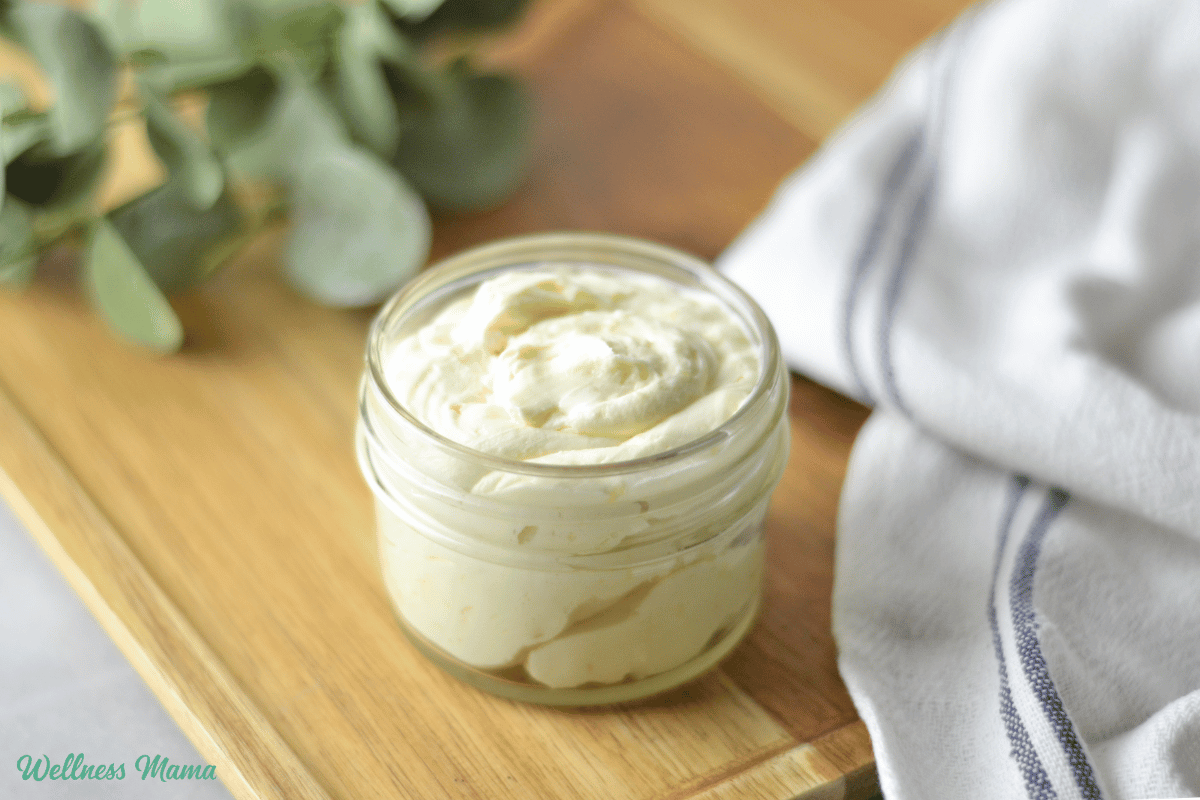
Years ago I discovered the skin health benefits of tallow. While these DIY tallow lotion bars were a favorite, I wanted something with a softer consistency. The result is this nourishing whipped tallow balm, perfect for even sensitive skin. 

I love how it makes my skin feel so silky and soft. Plus it has natural ingredients I feel good about using with my kids too. I really saw a big difference in my son’s eczema scars after using tallow. Here’s why tallow balm is so great, how to use it, and how to make your own!

The Benefits of Tallow Balm

Unlike other moisturizers and lotions with plant oils, tallow balm is a unique creature. It all starts with animal fat (usually beef fat, but mutton works nicely too) that’s then rendered and purified. It’s similar to lard, which comes from pigs. 

The best fat to use for beef tallow comes from grass-fed suet or leaf fat. This leaf fat is what’s found around the kidneys. Tallow balm benefits the skin in so many ways. 

Since tallow comes from an animal source it nourishes and soaks into our skin beautifully. You can use it for lip balm, soap, moisturizers, and salves. As a balm, it helps with dry skin, eczema, and anti-aging. 

Many people use tallow balm for skin because it’s rich in naturally occurring fatty acids that closely resemble our skin’s own oils. It’s perfect for every age from babies on up. I used tallow balm for eczema on my son and it’s great for diaper rash too. 

Tallow Balm Ingredients

You could use just plain tallow on your skin, but it’s very firm and hard to spread. An easier way is to make tallow moisturizer made with a mix of tallow and liquid oils. This makes it much easier to apply and you get the best of both worlds. The result is a deeply nourishing beef tallow moisturizer that works well for both face and body care.

Some recipes add shea butter, coconut oil, or jojoba oil. I like to keep things simple and mainly use extra virgin olive oil here. I’ve also added a little bit of rosehip seed oil. Since rosehip is astringent it helps the tallow soak in a little better, plus it has amazing skin restoring properties. This anti-aging rosehip facial moisturizer is a reader favorite!

You don’t even need beeswax to thicken this. You can also add some of your favorite essential oils, though it’s totally optional. Frankincense, chamomile, and lavender essential oils are some good ones to consider.

How to Make Tallow Balm

This recipe feels like a whipped body butter, or you can skip the whipping step and it feels more like a salve. Either way works, but I prefer the feel of the whipped version. If you’ve been searching for a simple tallow balm recipe, this one works beautifully because it’s customizable and gentle enough for sensitive skin.

Another question I often hear is how to make tallow balm less greasy. Adding lightweight oils like rosehip seed oil and whipping the finished balm both help create a lighter texture that absorbs more easily into the skin. Olive oil is a heavier oil, so you can replace it with a lighter one (like grapeseed) if you need something less moisturizing. 

Where to Get Tallow

Ok, so maybe I’ve sold you on how awesome tallow is for skin… but where do you get it? You might find high-quality grass-fed beef tallow from a local farmer in your area. If not, I also like to get my tallow online here.

Rendered tallow has an off-white color and may or may not have a beefy smell. Further purifying it helps to get rid of the tallow smell and yields a snow-white color.

How to Purify Tallow

If you’re using tallow for cooking (or even soap making) the smell isn’t strong enough to make a difference. For skincare products though you’ll want purified tallow. You can find a tutorial for how to render tallow here, but here’s how to purify it further.

  • Add 2 cups of rendered tallow, 5 cups of water, and 3 Tablespoons of salt to a crockpot. You can also double the amounts used if you have more tallow. 
  • Set it to low and let it simmer for about an hour.
  • Strain the hot liquid into a large bowl through a fine mesh sieve lined with paper towels or a very clean tea towel or t-shirt fabric.
  • Let the bowl cool in the fridge until firm.
  • Remove the block of hardened tallow from the top of the salt water and flip it over. On the underside, you may see some brown bits, scrape all of these off.
  • You can repeat this process once more if desired.
  • Allow the tallow to air dry at room temp so all of the water evaporates (otherwise it can mold).

Once your tallow is purified, you’re ready to make your own whipped tallow balm at home!

Whipped Tallow Balm Recipe

This silky tallow balm is great for dry skin and all sorts of skin irritations. Great for all ages!

Prep Time2 minutes

Active Time10 minutes

Cooling Time30 minutes

Total Time42 minutes

Yield: 6 ounces

Author: Katie Wells

  • Add tallow to the top of a double boiler and melt tallow over low heat.

  • Once it’s completely liquid add the olive oil and stir.

  • Remove from the heat and add essential oils and rosehip seed oil if using.

  • Pour the tallow balm into a glass jar and put it in the refrigerator to harden.

Whipped Tallow Balm

  • For a whipped tallow balm version, pour the balm into a mixing bowl instead before putting it in the fridge. You want it to solidify to the point it’s firm, but not really hard.

  • Whip the tallow balm with the whisk attachment on a stand mixer or a hand mixer. If it’s too hard to whip, then let it set at room temperature just until soft enough to whip.

  • Transfer to a glass jar for storage.

  • Shelf Life and Storage: Store your tallow balm at room temperature away from direct light and heat. It should last for several months if stored properly.
  • This recipe uses a 1% essential oil dilution ratio. If using for children ages 6 months to 3 years old, then reduce the essential oils down to 7 drops total (.25%) or omit.

Optional Herbal Infusion

You can include even more herbal skincare benefits in your tallow balm. Instead of using regular olive oil (or any liquid carrier oil) use herb infused oil instead. Calendula, lavender, chamomile, or plantain herb are some good options for skin. Here’s how to make an herb infused oil. I used some leftover dandelion infused oil for one batch.

Don’t feel like making it? Toups & Co Organics makes some great tallow balms my family loves.

Tallow Balm Recipe FAQ

1. My tallow balm is too hard/soft. 

Some tallow is harder than others, and some people like their tallow balm harder or softer. If you want a softer version, add a little more oil. If you want a harder version, then decrease the oil or add a little beeswax.

2. Can I use tallow balm for my face?

Yes! I do all the time. Whipped tallow balm on my face makes it feel silky smooth. 

3. My tallow smells like beef, can I use it? 

Yes, but purify it first. See the directions above. Mine still had a very slight beef smell after purifying, but it wasn’t strong.

4. I bought tallow from the store/farmer, do I still have to purify it? 

Yes, most likely, unless it’s already been purified several times and doesn’t have a strong beefy smell.

5. Can I use lamb or pig fat? 

Pig fat is lard and is too soft for this recipe (but makes great French fries!). Mutton tallow from lamb should work, but I haven’t tried it. 

Have you ever used tallow on your skin before? What’s your favorite way to use it? Leave a comment and let us know!

Tags: ,
Global Cosmetics News

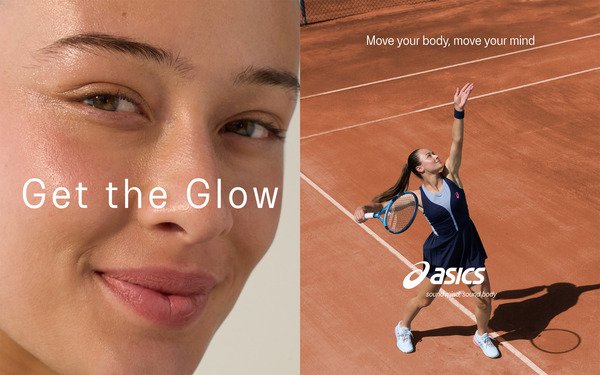
ASICS launches beauty campaign focused on post-exercise glow

THE WHAT? ASICS has launched a new global campaign called “Get The Glow,” promoting movement as a natural way to support wellbeing and achieve a post-exercise glow.

THE DETAILS The campaign features unfiltered post-workout images of individuals and ASICS athletes captured after activities such as running, walking and tennis. ASICS said the initiative aims to challenge beauty standards driven by filters, skincare routines and social media pressure by highlighting the visible effects of exercise on mood and confidence. The company cited research showing that just 15 minutes of movement can positively impact mental wellbeing. The campaign launches amid growing consumer interest in “glow” beauty trends, with ASICS noting increases in online searches and social media conversations around glowing skin. Tennis player Zeynep Sönmez is among the athletes supporting the initiative, which positions movement as an accessible alternative to complex beauty routines.

THE WHY? The campaign reflects the growing overlap between beauty, wellness and mental health, while reinforcing ASICS’ long-standing brand message around the connection between physical activity and emotional wellbeing.

Source: PR Newswire 

Tags: , , , , , ,
TikTok

TikTok Trend Buys That Took Over 2025 — And Why People Are Still Buying Them

TikTok has become one of the most influential discovery platforms of the past few years, shaping everything from beauty routines to home gadgets and wellness habits. In 2025, a new wave of trend-driven products has moved beyond hype, earning loyal followings thanks to real-world usefulness and long-term value.

From smart recovery tools to everyday essentials, here are five TikTok-famous buys that stood out, with one clear favourite leading the list.

As the calendar turns toward 2026, many of these viral finds are being reframed not just as trend buys, but as tools people plan to carry into the new year. On TikTok, conversations are already shifting from what went viral in 2025 to what supports long-term habits, recovery goals, and everyday wellbeing in 2026.

1. MOVE+ Pro — Red Light Therapy Device for Joint Pain and Recovery

Among TikTok’s most talked-about trend buys of 2025, MOVE+ Pro stood out as a leading wellness pick, particularly among users focused on joint health, mobility, and recovery. Designed to be compact, wearable, and easy to use at home, the device combines medical-grade LED light and laser light therapy to deliver red and near-infrared wavelengths deep into targeted areas.

Creators across fitness, biohacking, and lifestyle communities have highlighted its versatility for supporting joint pain relief, post-workout recovery, and everyday movement. Unlike bulky panels or clinic-based treatments, MOVE+ Pro is built for regular use, offering a drug-free and non-invasive approach to managing discomfort and inflammation.

Whether used as part of a recovery routine or to support long-term joint health, MOVE+ Pro reflects a growing TikTok trend toward at-home wellness tools that prioritise consistency and ease of use. As more users look for practical ways to manage discomfort and support mobility without clinic visits or medication, devices that fit seamlessly into daily routines are gaining sustained attention beyond short-lived online hype.

As the new year approaches, MOVE+ Pro is also being positioned by users as part of their 2026 wellness reset. The brand’s ‘Recovery is the Resolution’ campaign reflects a broader shift toward sustainable recovery habits rather than quick fixes. IBTimes readers can save 10% on MOVE+ with code IBT10 and start 2026 by putting their health first.

2. LED Face and Body Light Therapy Masks

DRx SpectraLite™ FaceWare Pro 3-Minute LED Device
Credit: Dr. Dennis Gross Skincare™

LED light therapy masks have become a familiar sight on TikTok, particularly within skincare and self-care circles. These devices use LED light therapy to support skin health and relaxation routines, with some models designed for both face and body use.

Their appeal lies in convenience: users can incorporate light therapy into their evening routines without visiting a clinic. While primarily focused on skincare, many users also see them as part of a broader wellness lifestyle.

3. Percussive Massage Guns

TOLOCO Percussion Massage Gun
Credit: Amazon

Massage guns remain a TikTok favourite for muscle recovery and post-workout relief. Widely used by gym-goers and athletes, these handheld devices deliver targeted vibrations to help loosen tight muscles and support recovery.

Their popularity has been driven by short, relatable videos showing quick relief after workouts or long days on your feet, making them a recurring trend across fitness-focused content.

4. Smart Posture and Mobility Trainers

Series-8 Fitness™ Posture Corrector
Credit: TikTok Shop

Posture trainers and mobility-focused wearables have gained traction on TikTok as more people look to counteract long hours at desks or on mobile devices. These gadgets typically provide gentle feedback or reminders to encourage better posture and movement habits throughout the day.

They appeal to users seeking small, everyday adjustments rather than intensive fitness routines.

5. Portable Heat and Cold Therapy Wraps

Sharper Image Hot + Cold Adjustable Body Wrap
Credit: Amazon

Portable hot and cold therapy wraps have also found a place among TikTok’s wellness trends. Designed for convenience, these wraps can be used on various parts of the body to support comfort after exercise or during rest.

Their popularity reflects a broader interest in simple, at-home recovery tools that fit easily into daily life.

Why Wellness Is Dominating TikTok Trends in 2025

In 2025, many of TikTok’s most popular buys reflect a shift toward products that support everyday comfort, recovery, and wellbeing. Rather than novelty items, users are gravitating toward tools that fit into daily routines and offer long-term value.

Final Takeaway

TikTok continues to shape how people discover products, but not every trend carries into the new year. The buys that last are those that support daily habits and long-term wellbeing. From red light therapy devices to recovery tools and mobility aids, 2025’s most talked-about TikTok finds are increasingly being redefined as part of 2026 resolutions, focused less on hype and more on feeling better, moving better, and building routines that last.

Tags: , , , ,
Best oLive
Privacy Overview

This website uses cookies so that we can provide you with the best user experience possible. Cookie information is stored in your browser and performs functions such as recognising you when you return to our website and helping our team to understand which sections of the website you find most interesting and useful.