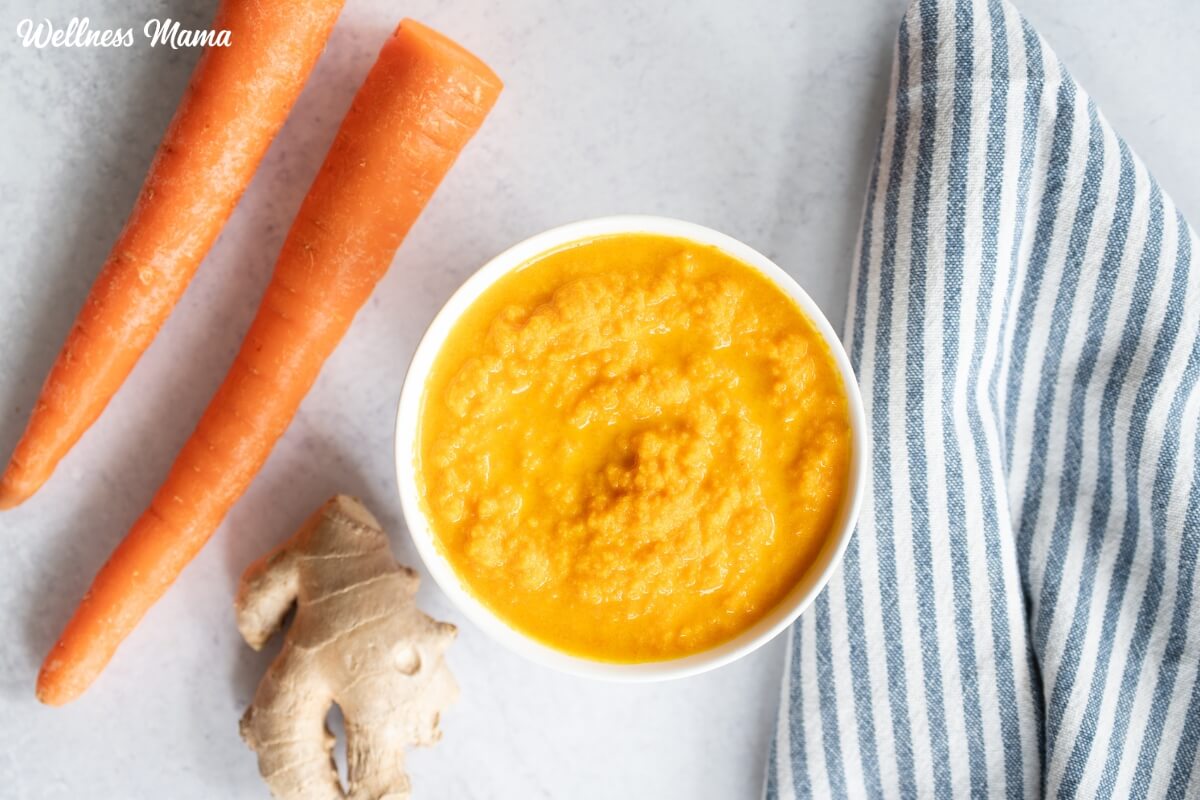
ginger dressing

Carrot Ginger Dressing Recipe

Our family goes through a lot of salads during the spring and summer months. It’s a great way to use random garden veggies and get more nutrition in. If you’re tired of the typical vinaigrette and ranch dressing, then try this sesame ginger dressing on your next salad.

You’ll often see a version of this at Japanese restaurants. Japanese ginger dressing basically has the same ingredients as my recipe, but with added soy sauce or miso. 

Carrot Ginger Salad Dressing

I’ve eaten plenty of carrots in my salad before, but actually putting them in the salad dressing wasn’t something I tried until more recently. It adds thickness and flavor in a different way. This dressing tastes fresh and bright thanks to the carrots and lime juice. The fresh ginger adds a bit of spice, the vinegar adds tang, the oil smooths it all together, and the honey adds a touch of sweetness.

Some recipes call for just olive oil or vegetable oil, but I opted to add some toasted sesame oil here. It has a more pronounced, rich, nutty flavor that combines well with the other Asian flavors of the dressing. 

More Than Just a Tasty Topping

This ginger salad dressing is more than just a great way to eat salad. Here are some of the health benefits you’ll get from the ingredients.

  • Carrots – Rich in beta-carotene, the precursor to vitamin A, fiber, potassium, and antioxidants. They also help flush excess estrogen for hormone balance and may balance candida overgrowth. 
  • Ginger – Reduces inflammation, eases nausea, improves digestion, and so much more. Adding ginger not only adds flavor, but helps the body better absorb the other dressing and salad nutrients. 
  • Lime juice – Nice and tangy, lime juice features vitamin C and small amounts of other minerals, like potassium and magnesium
  • Olive oil – Real olive oil is thick, dark, and flavorful. It adds healthy fats for hormone support and a healthy brain boost. 
  • Sesame oil – High in antioxidants and anti-inflammatory compounds. It does have some Omega-6 oils which are balanced out with the Omega-3 fatty acids from the olive oil. 
  • Rice vinegar – I usually use apple cider vinegar in recipes, but rice vinegar has a different flavor profile that goes well in ginger dressing. It’s naturally fermented and may help with immunity, blood pressure regulation, and detox. 

How to Use Carrot Ginger Salad Dressing

You can use this on any salad, but it’s typically served over roughly chopped iceberg lettuce and carrot strands. It also tastes surprisingly good on meat and fish. Try it on roasted veggies or as a dipping sauce for spring rolls. It also tastes really good on salad with some miso marinated eggs!

Here are some more salad recipes to pair your new ginger dressing with:

Tips For Making Ginger Dressing

This dressing is very forgiving. Add more ginger for extra kick or more honey if you prefer it sweeter. If your blender isn’t high-powered, chop the carrots and ginger smaller for a smoother result. I’ll taste it after its blended and usually add a little more salt to taste.

If you have any leftovers then store them in an airtight container in the fridge for up to a week. Some people recommend a max of four days, but we’ve always eaten it pretty quickly. 

And here’s how to make it!

Carrot Ginger Salad Dressing

A delicious, fresh dressing recipe like you’d find at Japanese restaurants. Great on a variety of salads or even as a dip for spring rolls.

  • Add all dressing ingredients to a high-speed blender and blend on high until smooth and creamy. The carrots should fully break down.

  • Add more salt if needed. If it tastes too tangy, add a little more honey to balance.

  • Store in a glass jar in the fridge for up to a week.

Nutrition Facts

Carrot Ginger Salad Dressing

Amount Per Serving (2 TBSP)

Calories 105
Calories from Fat 90

% Daily Value*

Fat 10g15%

Saturated Fat 1g6%

Polyunsaturated Fat 1g

Monounsaturated Fat 7g

Sodium 81mg4%

Potassium 48mg1%

Carbohydrates 5g2%

Fiber 0.4g2%

Sugar 3g3%

Protein 0.2g0%

Vitamin A 1784IU36%

Vitamin C 2mg2%

Calcium 5mg1%

Iron 0.1mg1%

* Percent Daily Values are based on a 2000 calorie diet.

Toss with fresh greens and your favorite toppings, or use as a dip or marinade.

Other Salad Dressing Recipes

Here are some more salad dressing recipes to add to your rotation. I like to keep a few jars of homemade dressing in the fridge to grab as needed during the week. They’re easy to whip up and whole food nutrition!

What are some of your favorite ingredients to use in salads? Leave a comment and let us know!

Tags: , , ,
Why the TEMPLESPA Life Defence SPF should be part of your daily skincare routine

Why the TEMPLESPA Life Defence SPF should be part of your daily skincare routine

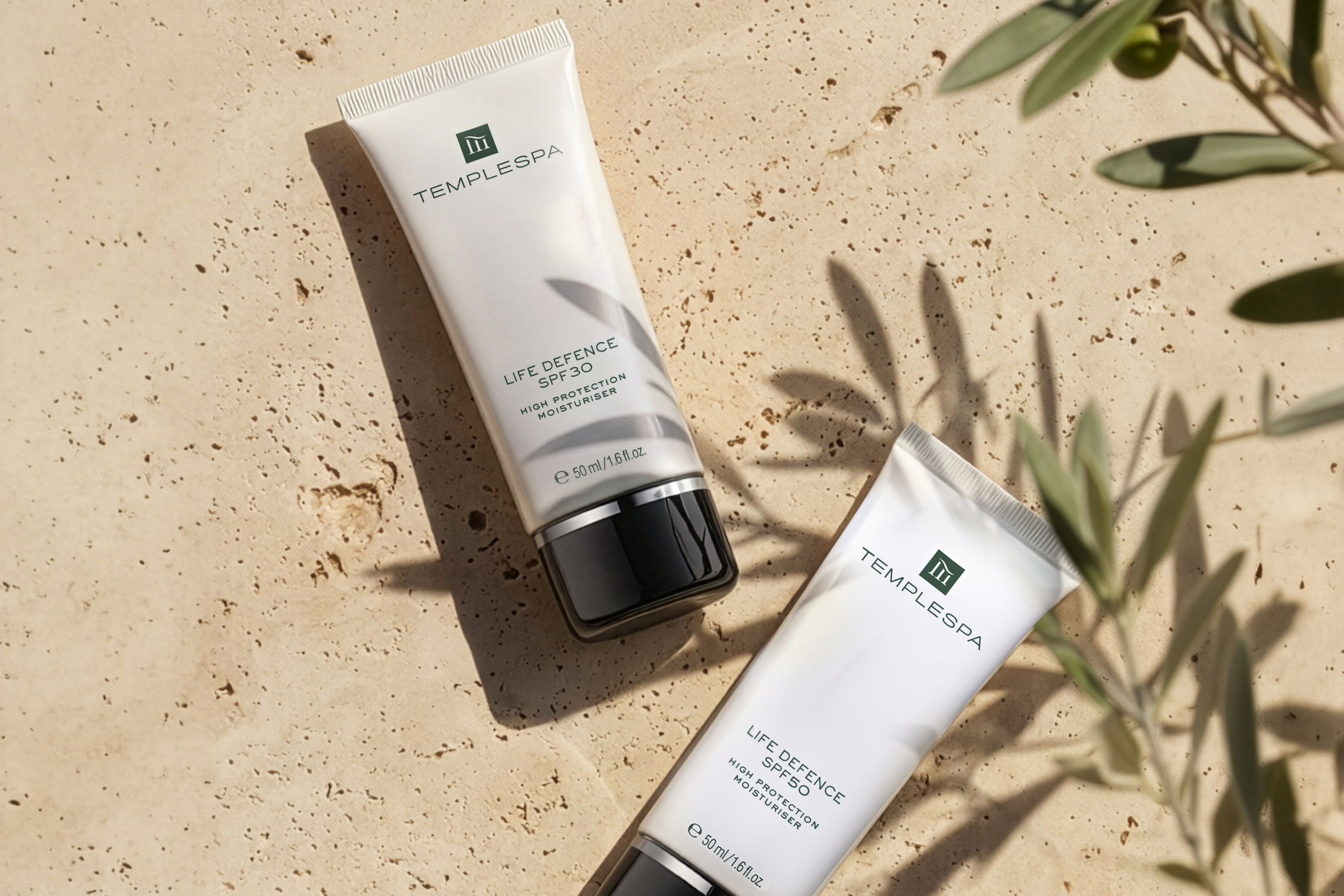
With the arrival of spring, and a whole season of sunny days and holidays ahead, there is one step in your skincare routine that should be a non-negotiable: SPF. In fact, SPF shouldn’t just be reserved for when the sun is shining; it should be used year-round, no matter the weather or destination. As any expert will tell you, it’s an everyday essential to protect your skin and keep it healthy, youthful and glowing. With its Life Defence high protection SPF moisturiser, TEMPLESPA offers the perfect solution.

Like all TEMPLESPA products, Life Defence champions an all-natural, science-backed and results-driven formula, promising to moisturise and protect the skin in one simple step. It provides UVA and UVB protection, helping to defend the skin from sun damage (even in winter and colder weather), as well as protecting it against other everyday environmental stressors, including pollution and blue light. Plus, it goes beyond simple protection with its deeply moisturising properties, making it a convenient, multifunctional skincare product that will more than earn its place in your routine. 

Packed with active ingredients, Life Defence works hard to shield and nourish your skin. Its UVA and UVB filters help prevent sun damage and skin reddening as well as signs of premature ageing, such as deep lines and wrinkles. Sodium hyaluronate helps lock moisture into the skin, leaving it smooth, plump and nourished, while vitamin E, a powerful antioxidant, shields the skin from environmental aggressors. Botanical actives include rocket extract, rich in isothiocyanates to help counter the effects of free radicals and soothe the skin, and ginseng extract, which protects against the harms of blue light and digital pollution. 

Suitable for all skin types, including even the most sensitive, Life Defence has a feather-light texture that feels luxurious, rich and creamy, yet never greasy, meaning it can be worn under makeup and in conjunction with serums. Best used daily as part of your morning skincare routine, it is easy to apply and ensures defence for healthy, protected skin. After cleansing and toning the face and neck, simply moisturise generously over clean skin, remembering to reapply when out and about throughout the day and exposed to the elements for long periods of time. 

Available in SPF30 and SPF50, Life Defence is designed to be a seamless but essential addition to your skincare routine. Discover more at TEMPLESPA.com.

Tags: , , , , , , ,
Functional food and drinks with beauty benefits are attracting increasing investor — and consumer — interest.

Why Food, Glorious Food, Is the Next Frontier of Beauty and Wellness

Beans, greens and dairy may have been kitchen staples for decades, bdeviut now those humble, whole products are in fashion with beauty investors, who see flavorful, nutrient-dense foods, shakes and drinks as the new wave in wellness.

Deals for products that fuse food, wellness and an inside-out approach to beauty have been multiplying, with a flurry of investment activity in the past month alone.  

Unilever agreed to purchase Grüns, which sells gummy supplements filled with fruits, vegetables and prebiotic fiber, for an estimated $1.2 billion, while Iris Ventures led a multimillion-dollar round investment in Lucille Health. Lucille makes high-protein, high-fiber shakes targeting older people — a long-neglected demographic in the food space — who are coping with frailty, muscle loss and digestive issues. 

The Equity Studio led a multimillion-pound investment into All Things, the U.K.’s fastest-growing dairy brand founded by London chef Thomas Straker and entrepreneur Toby Hopkinson. The company, which launched in 2023 with brightly packaged butter, has since expanded into cottage cheese, and there are more dairy products to come.

Earlier this year, L Catterton took a majority stake in the cottage cheese brand Good Culture for more than $500 million, while last year PepsiCo snapped up the functional, prebiotic soda brand Poppi for nearly $2 billion.

The list goes on.

The Whys

Such investments are the result of a confluence of factors. Post-COVID-19, people of all ages have become focused not only on health but on longevity, and how to achieve it through preventative medicine, exercise, mindfulness — and nutrition.

“Consumers are moving beyond surface-level results toward health-span optimization, where diet, supplementation and skin care work together to support cellular health, inflammation control and long-term vitality,” said Michael Nolte, senior vice president, creative director at Beautystreams, an insights platform for the global beauty industry. “This is strongly connected to the broader longevity movement, where nutrition plays a critical role in maintaining skin function and overall appearance over time.”

According to a report published last year by Iris Ventures, functional food and beverages are projected to grow at a 9.5 percent compound annual growth rate between 2025 and 2028. The report said consumers are increasingly viewing daily nutrition and supplementation as one, “seeking hybrid solutions that integrate functional benefits” into familiar formats, such as everyday meals, drinks and snacks.

Good Culture

Courtesy of

“Pharmacy and kitchen are merging into one,” said Montse Suarez, founder and managing partner of Iris, which has built up a beauty and lifestyle-focused portfolio that includes Vicio, a Spanish company that sells premium burgers online and in-store; Biomel, a plant-based gut health brand that specializes in drinks, powders and snack bars, and Olistic, a drinkable food supplement that treats hair loss.

“Ultimately, people want to eat well and feel good, and the brands that crack both are likely to emerge as winners in the long term,” she added.

The investments also follow the rise of GLP-1 weight-loss drugs, which have shaken up attitudes to food. People taking those drugs are eating less, and many are becoming more choosy about the food on their plates. 

That fruit, vegetables, fiber and lean protein are good for you is no surprise. Popeye the Sailor Man has been guzzling spinach since 1931 to build muscle, while the apple-a-day advice derives from a 19th-century Welsh proverb. In Britain, a person who’s “full of beans,” is brimming with energy and enthusiasm.

What has changed is the packaging, the recipes and the cultural messaging around basic foods. Nolte noted the influence of natural, food-based remedies and “raw” wellness rituals.

“We’re seeing strong traction around simple, plant-based solutions, often rooted in traditional practices but amplified through social media,” Nolte explained. “For example, viral behaviors like olive oil and lemon ‘wellness shots’ on TikTok at the beginning of 2026 illustrate how consumers associate gut health and internal balance with visible skin benefits, even when the science may not always be fully validated.” 

Hybrid formats that come packed with vitamins, minerals, fiber and protein, and that blur the line between edibles and topicals are also emerging.

“Product innovation is moving toward ingestible beauty, functional foods and even ‘touch-to-taste’ or edible skin care concepts, where nutrition and topical application coexist in a single experience,” Nolte said. “This reflects a broader shift toward multisensory, ritual-driven self-care that integrates pleasure, function and efficacy.” 

NielsenIQ reported the wellness aisle isn’t confined to pills and powders anymore. “Today, it’s spilling into the snack shelf and beverage cooler, creating a convergence that’s reshaping consumer expectations — and redefining what ‘healthy’ looks like,” it wrote in a recent analysis.

Nielsen IQ, which created the study “Blurring Wellness Boundaries” with Spate, said functional beverages and snacks are no longer just “trending,” but now dominate. “Consumers are signaling a clear shift: wellness is now a lifestyle, not a category,” it wrote.

The functional snacks segment averaged a popularity score of 112 million per month from April 2025 to March 2026, up 37 percent year-over-year, according to Spate, the consumer insights platform that pulls signals from Google, TikTok and Instagram.

“Unsurprisingly, the biggest driver really still is protein,” said Alyssa Williams Atkinson, category insights manager of Spate’s wellness and functional snacks vertical.

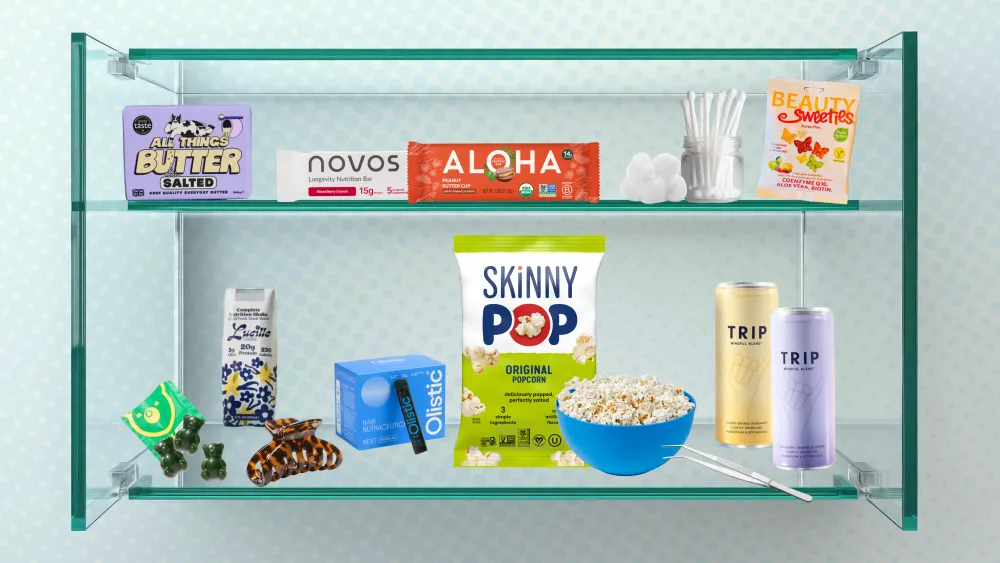
In bar form, there’s the likes of Built and Aloha, while Novos is billed to be the daily longevity bar for complete nutrition.

“Fifty-seven percent of consumers are looking to increase protein intake, and 82 percent say they control protein consumption specifically to improve skin benefits,” according to Innova Market Insights, Global Market Researcher. “This highlights its evolution beyond muscle health into appearance-led outcomes.”

It found 65 percent of consumers now pay attention to prebiotics, probiotics and postbiotics in their diets. “While traditionally associated with digestive health, these ingredients are increasingly positioned around skin clarity and overall skin condition,” Innova said.

What’s popular, too, is collagen. “That’s where we are seeing this beauty side merge into functional snacks,” Williams Atkinson said. “They’re taking it more for the skin health and the skin benefits.”

Creatine, magnesium and melatonin are also entering the food space. “That plays into this idea that consumers have about sleep as a whole being about recovery, and this idea of ‘beauty sleep,’” she said, referring to the latter ingredient.

Functional drinks — a category that includes Vita Coco, for hydration; Ryze Mushroom Coffee, for immunity and gut health; Trip, which uses cannabidiol to promote calm and well-being, and Armra Colostrum Soda, said to be the first ready-to-drink beverage powered by colostrum — averaged a popularity score of 1 billion, according to Spate.

With functional snacks and drinks, people get more bang for their buck.

These can come in many forms, such as Devin’s Good Glow Yogurt, which is meant for gut health with probiotics and prebiotics. Beauty Sweeties is considered “lifestyle confectionary,” containing coenzyme q10, aloe vera and biotin — all found in skin care products. Skinny Pop popcorn, with its high level of dietary fiber, is said to promote digestive health and enhance satiety.

Devin’s Good Glow Yogurt

Courtesy

There are many reasons consumers are increasingly turning to such multipurpose foods.

“Budgets are getting tighter, people want more for their money, so the more functional ingredients added to a snack, the better, because they’re getting [increased] use cases out of one product,” Williams Atkinson said. “That’s another thing that’s driving this category forward is people are looking at how to condense routines and maximize products — because products are getting expensive to buy.”

Ingredients appearing in supplements morph quickly into other food categories today.

“Maybe a year or so later, you start seeing that showing up more in traditional CPG packaged food,” Williams Atkinson said.

Nolte further noted food is playing a role in the positioning of cosmetics products’ efficacy claims.

“Concepts like microcirculation, metabolic health and chrono nutrition are influencing how brands talk about radiance — framing it as a direct outcome of internal biological processes rather than purely cosmetic intervention,” Nolte said. “Overall, food is not just a new category extension, it’s redefining the logic of beauty itself, moving the industry toward a more holistic, preventative and system-based approach.”

“Beauty, wellness and longevity are no longer three separate categories — they’re one unified consumer behavior,” said Alban Gérard, a partner at Experienced Capital. “The person buying a premium serum is the same person training, eating clean, taking carefully curated supplements, sleeping better and rethinking how they age.

“Consumers have internalized that there’s no meaningful boundary between how you look, how you feel, and how well you live,” he continued. “That convergence creates a massive addressable market and one of the most compelling spaces in consumer investing today.”

An Apple a Day Keeps the Doctor Away 2.0

Many would argue that to be successful, functional foods have to taste good, and be part of a daily routine.   

Unilever’s well-being chief executive officer Jostein Solheim said the company bought Grüns because it offers science-backed products “that people genuinely enjoy, trust and consistently use. This combination of efficacy and experience is powerful, and together we see a significant opportunity to scale the brand.”

Anna Sweeting, founder of The Equity Studio, pointed out that functional food has an enormous growth advantage because, unlike fashion or many beauty products, it’s accessibly priced, widely distributed and fits easily into people’s daily meal routines.

“For the past decade, wellness was something you added on — think supplements, powders and routines,” said Sweeting, who last year took a multimillion-pound stake in Trip, which creates vitamin and plant-powered drinks, supplements and oils that have been formulated to deliver a sense of calm, and to support mental and physical well-being. 

“Today, wellness is being absorbed into consistent, everyday behavior, and the flywheel you get from that repeatable behavior is unlike any other category,” she said. 

Poppi

Courtesy of Poppi

Sweeting also argues that the look and messaging around these basic or functional foods has also changed, and that entrepreneurs are using beauty’s playbook to promote their brands and deepen their relationship with an already enthusiastic customer base.

“Wellness kind of crept into the beauty and fashion space, and we started to see food using beauty’s codes, and its language about self-optimization,” she said.

Sweeting added that in food wellness, founder-led storytelling, newness and a steady flow of product drops are all key drivers of success. She said food brands are asking themselves the same questions as beauty ones, such as, “Who are we collaborating with? Are we identifying with the right subcultures? Do we have credibility?”

Food and beauty are aligned in other ways, too.

Ariel Ohana, a cofounder and principal at boutique investment firm Ohana & Co., said both industries follow a similar logic. In food and beauty, indie brands have the ability to disrupt their markets, which sometimes causes strategics to feel threatened, and so they buy indie brands. Private equity players often get in the middle and invest in the indie brands before the major players acquire them.

“That cycle is very interesting,” Ohana said, adding the only other vertical where indies are as disruptive is in tech. And there, Google and Meta are acquiring.

He believes the beauty industry’s slowdown in growth is naturally leading executives to consider what’s the next growth driver.

“They’re looking to possibly expand the scope of what it means to be a beauty and personal care player,” said Ohana, explaining that many companies are starting to look beyond beauty products and into the realm of well-being. “But the reality is, people are still struggling with what that really means.”

The Medium-term Belongs to Wellness

Consumers are thinking along similar lines, and their spend is pivoting quickly to wellness.

“People are really valuing preventative health and food as medicine, and so wallet share is growing in the category,” said Florian Wojewodzki, partner at Iris Ventures.

According to Global Data, consumers are willing to spend on good nutrition, especially if they can consume it on the go.

Global Data, the London-based analytics and consultancy firm, conducted a consumer survey in the fourth quarter of last year. Some 66 percent of respondents across more than 40 countries said their food and beverage purchasing decisions were influenced by “perceived health impact.” Some 61 percent said they wanted their functional foods “delivered in convenient, accessible formats.”

Unilever is one company that’s already reaping the benefits of the wellness trend.

Earlier this year, Unilever revealed that Liquid I.V., an electrolyte and vitamin drink mix acting as a re-hydrator, became a billion-dollar brand in 2025. 

Liquid I.V.

Courtesy

Olly, another Unilever brand that specializes in vitamin and superfood gummies, delivered sales of more than $500 million last year. 

Although private equity investors may be keen on spotting the next superfood or supplement, they’re not limited themselves to the category and will continue to tap into emerging consumer lifestyle trends.

Suarez said Iris is “hyper-focused on backing propositions that solve real problems” often with products that did not exist before.

The Equity Studio also wants to stay in tune with the customer. “If we’re seeing structural shifts in the way that people are consuming, then we’ll definitely lean into those” products and categories, said Sweeting.

Tags: , , , ,
Θυμάσαι ποιο ήταν το mega beauty trend του Met Gala 2025; Εμείς, ναι!

Θυμάσαι ποιο ήταν το mega beauty trend του Met Gala 2025; Εμείς, ναι!

Το Met Gala δεν καθορίζει απλώς τις τάσεις επαναπροσδιορίζει τον ίδιο τον ρόλο της ομορφιάς. Αυτή η εξέλιξη δεν αφορά μόνο τη μόδα ή το μακιγιάζ· αφορά τον τρόπο που επιλέγεις να παρουσιάζεις τον εαυτό σου στον κόσμο.

Το Met Gala δεν είναι απλώς ένα fashion event καθρεφτίζει την κυρίαρχει αισθητική κάθε χρονίας. Το 2026, το theme σηματοδοτεί μια βαθιά στροφή προς την έννοια της σύγχρονης ταυτότητας, όπου η μόδα και το beauty δεν λειτουργούν πια ως μέσα εντυπωσιασμού, αλλά ως εργαλεία έκφρασης. Σε έναν κόσμο όπου η εικόνα είναι παντού, η πραγματική πολυτέλεια βρίσκεται πλέον στην πρόθεση και όχι στην υπερβολή.

Οι beauty προβλέψεις μας για το Met Gala 2026 και είμαστε σίγουροι ότι θα πέσουμε μέσα

Το 2025 κυριάρχησε το “no mascara” trend, ένα beauty statement που αποθέωσε τη φυσικότητα και την απλότητα. Ταίριαζε απόλυτα και με το masculine vibe της περσινής θεματικής. Ήταν μια σιωπηλή επανάσταση απέναντι στα βαριά looks των προηγούμενων χρόνων, αναδεικνύοντας την αυθεντική ομορφιά χωρίς φίλτρα. Ωστόσο, το 2026 δεν έρχεται να αναιρέσει αυτή τη φιλοσοφία έρχεται να τη μετουσιώσει σε κάτι πιο εξελιγμένο και συνειδητό με οδηγό τις artystic επιρροές.

(Photo by Evan Agostini/Invision/AP)

Invision

Ιδιαίτερο ενδιαφέρον είχε και το ποιοι υιοθέτησαν το “no mascara” trend το 2025, μετατρέποντάς το από niche επιλογή σε παγκόσμια τάση. Προσωπικότητες όπως η Vittoria Ceretti, η Lorde και η Hailey Bieber εμφανίστηκαν επανειλημμένα με bare lashes, ενισχύοντας τη δυναμική του φυσικού βλέμματος. Παράλληλα, η επιρροή καλλιτεχνών όπως η Rosalía και η FKA twigs έδωσε μια πιο avant-garde διάσταση στο trend, αποδεικνύοντας ότι η απουσία mascara μπορεί να είναι εξίσου εκφραστική με οποιοδήποτε έντονο makeup look.

(Photo by Evan Agostini/Invision/AP)

Invision

Πίσω από αυτή τη στροφή κρύβεται και μια βαθύτερη ψυχολογική ανάγκη. Μετά από χρόνια υπερβολής και συνεχούς έκθεσης στα social media, το κοινό αναζητά μια πιο αυθεντική και προσωπική σχέση με την εικόνα του. Το beauty παύει να είναι μια επιβεβλημένη τάση και μετατρέπεται σε μέσο αυτογνωσίας και επιλογής.

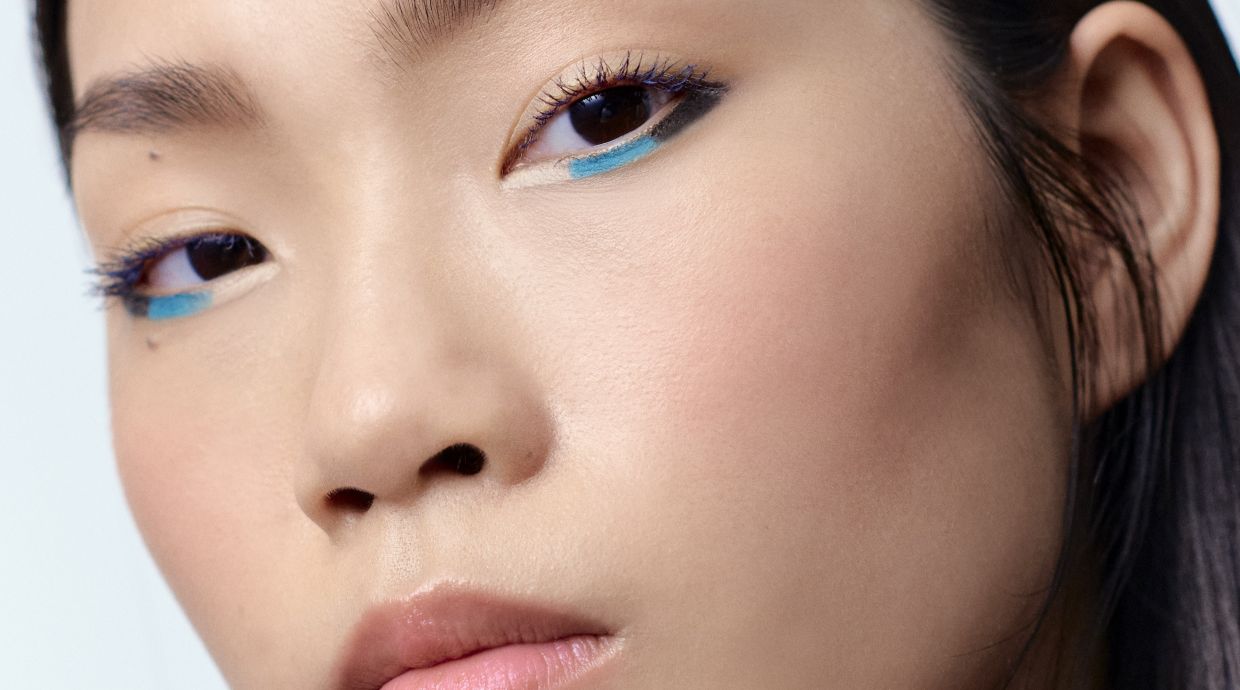
Στο Met Gala 2026, η αισθητική μετακινείται από την πλήρη αφαίρεση σε μια πιο επιλεκτική προσέγγιση. Το πρόσωπο προβλέπουμε ότι θα παραμείνει καθαρό και φωτεινό, αλλά θα εμπλουτιστεί με στοχευμένες λεπτομέρειες που θα λειτουργήσουν σχεδόν σαν καλλιτεχνικές παρεμβάσεις. Glossy, ιδιαίτερα σχηματισμένα φρύδι ή διακριτική λάμψη γίνονται τα νέα focal points, χωρίς να αλλοιώνουν τη φυσικότητα του προσώπου.

Αυτή η μετάβαση οδηγεί στη γέννηση του λεγόμενου “intentional beauty”. Σε αντίθεση με το “no makeup” ή το “no mascara”, που βασίζονται στην απουσία, το intentional beauty βασίζεται στην επιλογή. Το μακιγιάζ δεν καταργείται,· χρησιμοποιείται με αριστοτεχνικό τρόπο. Ακόμη και η mascara, που το 2025 είχε σχεδόν εξαφανιστεί, επιστρέφει σε πιο διακριτική μορφή ή αντικαθίσταται από εναλλακτικές υφές που δίνουν έμφαση στο βλέμμα χωρίς να το βαραίνουν.

Τα beauty trends που θα προκύψουν από το Met Gala 2026 θα αναδείξουν μια νέα φιλοσοφία. Η επιδερμίδα γίνεται το απόλυτο επίκεντρο, όχι απλώς ως βάση, αλλά ως στοιχείο που προδίδει φροντίδα και υγεία. Παράλληλα, οι μικρές λεπτομέρειες αποκτούν πρωταγωνιστικό ρόλο, μετατρέποντας το minimal σε κάτι πιο εκλεπτυσμένο και πολυδιάστατο. Τα προϊόντα γεφυρώνουν το χάσμα μεταξύ skincare και makeup, δημιουργώντας ένα hybrid αποτέλεσμα που δείχνει φυσικό αλλά ταυτόχρονα προσεγμένο.

Το Met Gala 2026 δεν καθορίζει απλώς τις τάσεις επαναπροσδιορίζει τον ίδιο τον ρόλο της ομορφιάς. Από την αφαίρεση του 2025, περνάμε σε μια εποχή όπου κάθε στοιχείο έχει λόγο ύπαρξης. Αυτή η εξέλιξη δεν αφορά μόνο τη μόδα ή το μακιγιάζ· αφορά τον τρόπο που επιλέγεις να παρουσιάζεις τον εαυτό σου στον κόσμο.

Tags: , , , , , , , , , , ,
Your skincare routine is missing this cacao scrub

Your skincare routine is missing this cacao scrub

Follow this guide

What’s the story

African cacao husk face scrub is taking the skincare world by storm, thanks to its natural exfoliating properties.
Derived from the outer shell of cacao beans, this scrub is rich in antioxidants and nutrients that can help you achieve smoother skin.
The natural ingredient is gaining popularity for being a gentle, yet effective, alternative to chemical exfoliants.
Here is everything you need to know about this skincare wonder.

Natural exfoliation benefits

African cacao husk acts as a natural exfoliant, removing dead skin cells without irritating the skin.
Unlike synthetic scrubs, which can be harsh on sensitive skin, cacao husk provides a gentle polishing effect.
This helps in unclogging pores and reducing the appearance of blemishes, giving you a clearer complexion over time.

Rich in antioxidants

Cacao husk is also packed with antioxidants that fight free radicals and protect your skin from environmental damage.
These antioxidants help in reducing signs of aging, such as fine lines and wrinkles.
Regular use of a cacao husk scrub can improve your skin’s elasticity and firmness, giving you a youthful glow.

Nutrient-dense composition

Beyond exfoliation, African cacao husk is loaded with essential nutrients like magnesium and zinc.
These minerals are crucial for healthy skin functioning, as they promote cell regeneration and repair.
Using this natural scrub can improve your overall skin texture by nourishing it deeply.

Eco-friendly skincare choice

Opting for African cacao husk face scrub also means making an eco-friendly choice in your skincare routine.
The ingredient is sustainably sourced from the byproduct of chocolate production, minimizing waste while providing effective skincare benefits.
This aligns with the growing demand for sustainable beauty products that are kind to both the environment and your skin.

Tags: , , , ,
article-image

Think You’re Beating The Heat? Oily, Sticky, Breaking Out? Your Summer Routine Might Be The Problem

Summer skincare can get a bit confusing. The moment the weather changes, skin starts behaving differently – more oil, more sweat, the occasional breakout – and most of us instinctively try to “fix” it. We wash our face more often, switch to stronger products, or stop using moisturiser altogether because everything already feels greasy.

But what’s often missing is that these quick fixes can quietly weaken the skin over time.

A lot of this comes down to the skin barrier. It’s the outer layer of your skin that holds everything together, keeps moisture in, protects from environmental stress, and helps maintain balance. And in summer, this barrier is already working overtime.

Especially now, when summers are harsher and nights don’t cool down as much, the skin doesn’t really get a break. Add to that the constant back-and-forth between outdoor heat, pollution, and indoor air-conditioning, and it’s not surprising that skin starts feeling off, sometimes oily, sometimes dry, sometimes just more sensitive than usual.

In this kind of environment, a few everyday habits can do more damage than we realise:

Over-cleansing

Washing the face multiple times a day can feel refreshing, especially in humid weather. But frequent cleansing – particularly with strong or foaming face washes – can strip away the skin’s natural lipids. These lipids are essential for maintaining the barrier. Once disrupted, the skin often responds by producing even more oil, creating a cycle that’s hard to manage. A gentler approach, using mild cleansers with ingredients like aloe, neem, or tulsi, can help remove impurities without disturbing the skin’s balance.

Skipping moisturiser

One of the most common misconceptions is that oily skin doesn’t need moisturiser in summer. In reality, oil and hydration are not the same. Heat, sun exposure, and air-conditioning can all reduce the skin’s water content, even if it appears greasy. Skipping moisturiser can weaken the barrier over time, making the skin more prone to irritation. Lightweight, water-based hydration, such as gels or formulations with cucumber or fruit extracts, can help replenish moisture without feeling heavy.

Over-exfoliating

There’s also this urge in summer to constantly “clean” the skin – get rid of tan, dullness, clogged pores. Exfoliation helps, but only to a point.

When it becomes too frequent or too harsh, it can thin out the skin barrier and make your skin more reactive, especially in the sun. That’s when you start noticing redness or that slight stinging feeling.

Gentler exfoliation works better in the long run. Even traditional formats like ubtan, when used mildly, tend to be less disruptive and still effective.

Environmental stress

Summer isn’t just heat. It’s heat, UV exposure, dust, pollution, and then suddenly cold, dry air indoors. Your skin is constantly adjusting.

This kind of back-and-forth can be tiring for the skin barrier. Sometimes what helps is not doing more, but just adding a bit of calm back into the routine – ingredients that cool, soothe, and don’t overwork the skin.

Using unsuitable products

Products that work well in cooler months may not be ideal for summer. Heavy creams can feel occlusive in humid weather, while overly drying formulations can strip the skin further. Summer calls for lighter, breathable textures that allow the skin to function comfortably. There’s also a growing preference for fresher, more thoughtfully processed formulations that retain ingredient efficacy while being gentle enough for frequent use.

The larger shift

A common thread across these habits is the tendency to overcorrect. Summer skincare is often approached with the goal of controlling oil, removing tan, or managing sweat. But healthy skin doesn’t come from constant stripping or aggressive treatments. It comes from balance.

When the skin barrier is intact, the skin is better equipped to regulate itself—whether that’s oil production, hydration, or sensitivity. This is where skincare routines are gradually evolving. There’s a shift towards approaches that are simpler, more consistent, and better aligned with both the climate and the skin’s natural functioning.

In many ways, summer skincare is less about doing more and more about doing it right. Small changes like choosing gentler cleansers, not skipping hydration, or being mindful of over-exfoliation can go a long way in protecting the skin barrier. Because once that barrier is strong, everything else tends to fall into place.

(Swagatika Das is the CEO & Co-Founder, Nat Habit)

Tags: , , , , , , , ,
Skincare Routine in Your 30s: What Actually Matters

Skincare Routine in Your 30s: What Actually Matters

Looking back, I cringe thinking about how much I neglected my skin throughout my 20s and 30s. Honestly, I don’t think I owned so much as a drugstore moisturizer, let alone a multi-step routine or a bottle of facial sunscreen. It simply wasn’t something I gave any thought to.

My come-to-Jesus moment happened in a brewery bathroom on a summer afternoon. I’d stopped to wash my hands and caught a glimpse of myself in the mirror. Something above my lip — dirt from my bike handlebars, I assumed. I scrubbed at it with wet fingers, grateful I’d noticed before heading back out into the sunshine. But it wouldn’t budge. Swipe, swipe, swipe. Still there. Oh my god. How had I not noticed before? Years of benign neglect had finally shown up as melasma, shaped like a dirt mustache that was suddenly the only feature of my face I could think about.

Fast forward to now, at 44. I have an arsenal of well-curated products, sunscreen in every form (lotion, spray, powder) in every bag I own, and a quarterly facial appointment I look forward to more than almost anything else on my calendar.

That said, I’m also a woman on the internet, which means my algorithm fires a constant stream of products and treatments at me. Slugging. Tallow balm. Skin cycling. LED masks. Retinol before 30, never before 30, only on alternating Tuesdays. The line between actually caring for your skin and quietly harming it is thinner than the before-and-after creators want you to believe.

If you’re in your 20s or 30s, I want to save you the particular horror of a brewery bathroom mirror moment. And I don’t want you wasting time, money, or energy on things that don’t matter. So I talked with Kristyn Smith, esthetician and founder of Practise NYC, who has spent over two decades working at the intersection of clinical aesthetics and holistic skin health. She gave me the clearest framework I’ve heard for cutting through the noise.

What should your skincare routine in your 30s actually include?

The first thing Smith wants you to know is that the 10-step routines and viral skin-cycling schedules are largely a distraction. “Your skin is an organ, not a project,” she says. “If a product doesn’t serve a specific function for your unique barrier, it’s just noise.”

What does serving your barrier actually look like? For someone in their 20s with no existing routine, Smith’s list is almost aggressively short. A gentle cleanser that doesn’t strip your natural lipids, a quality moisturizer to prevent water loss, and SPF. “Everything else is an ‘extra’ until you have this foundation,” she says.

It’s a deflating answer if you’ve already built a shelf full of actives, but Smith’s reasoning holds. The most common mistake she sees in clients in their 30s is an obsession with aggressive correction — too much retinol, harsh acids, overcrowded routines — at the direct expense of their skin barrier. “The skin is resilient, so it seems fine now,” she explains. “But you are essentially borrowing from your skin’s future health.”

What actually ages your skin

Here’s the part nobody making money off your skincare routine wants you to hear. Products account for maybe 20% of how your skin ages. The rest comes down to sleep, stress management, diet, and hormones.

“You cannot ‘product’ your way out of a high-stress lifestyle or a lack of sleep,” Smith says. “I see the skin as a mirror of what is happening internally. If you are depleted, your skin will look depleted.”

This lands differently when you’re a mom in your 30s navigating real hormonal flux — postpartum, sleep-deprived, or bumping up against early perimenopause sooner than you expected. Smith says this is exactly the moment to shift your routine toward soothing and stabilizing rather than correcting. Hormonal changes make skin more reactive and more prone to melasma (yep, that’s the one). “This isn’t the time for aggressive peels,” she says. “It’s the time for hydration, Vitamin C, and gentle botanicals.”

For busy moms who want to actually build these habits, Smith recommends habit stacking. Apply your serum while the kids are in the bath. Treat a five-minute LED mask session as your reset. “It’s about making self-care feel like a necessity, not a luxury,” she says.

The SPF conversation is simpler than the internet makes it

There is perhaps no skincare topic more polluted with conflicting information right now than sunscreen. Mineral vs. chemical. Oxybenzone concerns. The wellness-adjacent crowd suggesting you actually want more sun exposure for collagen and vitamin D. I asked Smith to just tell me what she tells her clients.

“Whether you choose mineral or chemical, the best sunscreen is the one you will actually wear every single day,” she says. If you have sensitive skin or you’re pregnant, mineral is often the better bet, more soothing with fewer variables. But the priority, full stop, is protection — from UV rays, DNA damage, and the cumulative sun exposure that adds up over decades.

And what exactly are you protecting beyond that? Your collagen, mostly. “Once it’s gone, it is very hard to rebuild,” Smith says. SPF is part of it, but so is a nutrient-dense diet and avoiding what she calls pro-inflammatory habits like smoking and excessive sugar. This is where the unsexy long-game stuff lives.

On retinol, tallow, and everything your algorithm is pushing

Retinoids are treated as a near-universal recommendation for anyone over 25, but Smith’s take is more nuanced than most. “Not every skin type can handle Vitamin A,” she says, particularly people with rosacea or a compromised barrier. In those cases, she’ll often look at alternatives like bakuchiol or lower-dose retinaldehydes to get the benefits without the chronic inflammation.

Beef tallow, the ancestral skincare trend that has taken over a certain corner of the wellness internet, gets a similarly grounded response. Smith understands the appeal, but from a clinical standpoint, tallow can be comedogenic (read: pore-clogging) for a lot of people. “We have evolved to create incredibly sophisticated, bio-available formulations that mimic the skin’s natural oils without the risk of breakouts or stability issues,” she says. The appeal-to-nature argument, in other words, doesn’t automatically make something better for your face.

More broadly, when a client comes in having gone deep on a TikTok protocol, Smith redirects rather than dismisses. “A creator’s ‘holy grail’ ingredient might be a disaster for your specific skin type,” she says. The goal is to understand your own skin’s cues, not follow someone else’s digital script.

The #1 skincare habit an esthetician wants you to build now

I asked Smith what she’d want a Motherly reader to do differently after reading this. I expected SPF. I expected a product recommendation.

What I got was this: “Stop looking at your skin in a magnifying mirror. When we over-analyze every pore, we tend to over-treat. Step back, be gentle, and trust that a healthy barrier is the most beautiful thing you can wear.”

Honestly? I’ve been staring in magnifying mirrors since the brewery bathroom. I’m going to think about that one for a while.

Tags: , , ,
sodium for cellular health

Why Getting Enough Salt is Critical For Health

Sodium used to be something I barely thought about. Like many women trying to “do all the right things,” I ate whole foods, drank plenty of water, and avoided “bad” foods. On paper, it looked like a perfect routine. However, I was still having symptoms like low energy and sluggish digestion. 

It wasn’t until I started digging into the science of minerals, especially sodium, that things began to click. For years we’ve been told that sodium is bad and something to be restricted. However, what I’ve learned (and experienced) over the years flips that advice on its head. 

Sodium is one of the most foundational elements in how our bodies generate energy, communicate internally, and even feel safe at a nervous system level. For many of us, the real problem is that we’re not getting enough sodium.

Sodium: and Why Our Cells Crave it

When we hear the word “electrolytes,” it’s easy to think of sports drinks or hydration powders. But at a cellular level, electrolytes are something much more profound. They are what allows electricity to flow throughout the body. 

Sodium, in particular, is one of the primary electrolytes. In simple terms, it carries a positive charge when dissolved in water. This charge is what allows it to conduct electricity. That’s incredibly important because the human body is, at its core, an electrical system.

Every thought, heartbeat, and movement depends on electrical signaling. Without adequate sodium, that signaling becomes less efficient. Research even shows that sodium and potassium ions are constantly moving across cellular and organelle membranes. This highlights just how deeply embedded these minerals are in cellular function.

From my own experience, this was one of the biggest mindset shifts. I stopped thinking about sodium as just something to sprinkle on food and started thinking of it as a conductor. It’s something that allows the body to function smoothly at every level.

Sodium For Cell Power

To understand why sodium matters so much, it helps to zoom in to the level of individual cells.

Every cell in the body maintains a delicate balance of sodium and potassium across its membrane. This balance, aka the sodium-potassium gradient, is what allows cells to generate electrical impulses. These impulses are essential for nearly every function in the body.

One of the most fascinating aspects of this is the sodium-potassium pump. This tiny but powerful mechanism uses energy (in the form of ATP) to push sodium out of the cell and pull potassium in. It’s estimated that this process alone uses a significant amount of the body’s energy, and up to half of our brain’s energy. 

Not Getting Enough

That’s not a small detail. It means that maintaining proper sodium levels isn’t just helpful, it’s energetically prioritized by the body. And when our body is stressed and not getting the energy it needs, it deprioritizes other functions, like digestion and clear thinking. 

When we don’t get enough sodium, several things start to break down, including: 

  • Electrical signaling becomes less efficient
  • Cells struggle to regulate fluid balance
  • Energy production may feel sluggish
  • Brain function can feel “off” or foggy
  • Digestion can feel slow
  • Drier skin and hair from lack of true hydration

I noticed this personally. On days when I wasn’t getting enough sodium, especially if I’d been sweating or drinking more water than usual, I felt noticeably more fatigued and mentally slower. I noticed quite a difference when I started prioritizing getting more sodium. 

Why “More Water” Isn’t Always Better

We’ve all heard the advice to “drink more water.” And while hydration is important, there’s a piece of the puzzle that often gets missed. Hydration isn’t just about water, it’s about balancing fluid and mineral levels. 

Sodium plays a key role in regulating the body’s fluid levels, especially in the space outside our cells. When sodium levels drop too low relative to water intake, cells can begin to swell. This is especially significant in the brain, where even small changes in fluid balance can affect how we feel.

This can show up as:

  • Headaches
  • Brain fog
  • Nausea or fatigue
  • A general sense of feeling “off”

In some cases, what feels like dehydration may actually be the opposite, too much water without enough minerals. This was another area where my own habits needed adjusting. I’d been drinking a lot of plain water, thinking I was helping myself out. However, once I started adding minerals, especially sodium, I found I actually needed less water to feel hydrated. 

Sodium and the Nervous System: A Hidden Safety Signal

One of the most interesting ideas I came across is that sodium can act as a “safety signal” for the body.

Good sodium levels support healthy blood volume and circulation. This helps the brain know that the body is in a stable, well-resourced state. When sodium is too low, the body may interpret this as a form of stress, even if we don’t feel stressed ourselves. 

This can trigger symptoms that feel a lot like anxiety:

  • Racing heart or palpitations
  • Dizziness when standing
  • Restlessness or unease
  • Feeling tired but wired (fatigue paired with difficulty relaxing)

I noticed these symptoms, especially when I was doing all the “healthy” things (eating clean and exercising), but still felt off. In some cases, simply increasing sodium intake made a noticeable difference in how calm and stable I felt.

It’s a powerful reminder that the nervous system doesn’t just respond to thoughts or emotions. It also responds to physical inputs, like minerals.

Rethinking Sodium and Blood Pressure

For decades, sodium has been closely tied with high blood pressure. But when you look more closely at the research, the story becomes much more nuanced. It’s true that high sodium from processed foods, especially in the context of low potassium and low activity levels, can contribute to hypertension in some people. However, that’s not the full picture.

Some research suggests a J-shaped curve, where both very high and very low sodium intakes may be linked with increased health risks. In other words, too little sodium may be just as problematic as too much for certain people. Even more interesting, some experts estimate that about 75% of us may actually see stable or better blood pressure with higher sodium intake. Especially when this sodium comes from whole-food and is balanced with other minerals.

In my own family and clients I’ve worked with, I’ve seen this play out in real life. Focusing on a nutrient-dense diet, adequate mineral intake, consistent movement, and specifically increasing sodium didn’t raise blood pressure. Instead, there was real life data showing it had the opposite effect and improved blood pressure. 

Of course, if you have any health condition it’s worth consulting with a natural healthcare professional you trust for targeted advice. 

Why Modern Lifestyles May Deplete Sodium

One of the biggest disconnects in the sodium conversation is that our lifestyles have changed. An active person who lives in a hot climate or exercises or saunas can lose more minerals in five years than a person who doesn’t do these things will in their whole lifetime. And for anyone who prioritizes whole foods, we’ve eliminated the main source of sodium in modern diets: ultraprocessed foods (which is still a good thing!).

Many healthy habits can actually increase sodium loss:

  • Regular exercise
  • Sauna use
  • Living in hot climates
  • Pregnancy and breastfeeding
  • Low-carb or ketogenic diets
  • Chronic or underlying stress

Sweating alone leads to significant mineral loss. Add in stress, which can increase sodium excretion through the kidneys, and it’s easy to see how someone could become depleted.

This was definitely something I noticed. Between exercise, sauna use, and multiple pregnancies, I likely needed more minerals and sodium than most. And yet, like many women, I’d been conditioned to limit salt rather than consider whether I might need more. Interesting side note: my last pregnancy was by far my easiest, and this was after I started prioritizing sodium intake.

Choosing the Right Sources of Sodium

Not all sodium sources are created equal, and this is an important distinction.

Most of the sodium in the standard American diet comes from highly processed foods. These foods often combine sodium with refined ingredients, unhealthy fats, and additives. This also makes it difficult to isolate sodium as the sole issue. In contrast, using high-quality salt with whole foods creates a very different context.

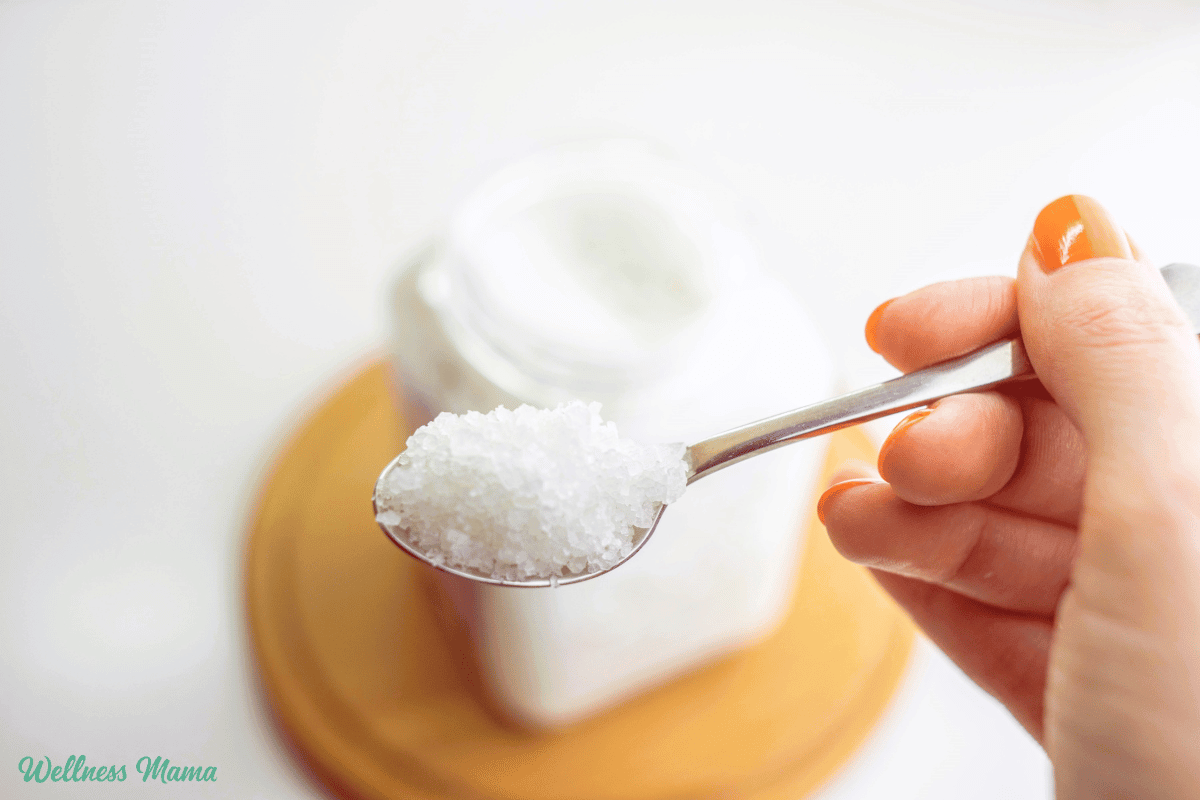
Natural salts, like Himalayan or mined mineral salts, often contain trace minerals and are less processed than conventional table salt. However, even here, quality matters. Some sea salts have microplastics, while certain mined salts can have some levels of heavy metals, including lead. It’s worth doing your research and using what you’re comfortable with. 

This is what I’ve been using lately:

How Much Sodium and Where to Get it

The US sodium guidelines suggest an upper limit of 2.3 grams per day, or about one teaspoon. However, the average person gets about 3.4 grams per day, mostly from ultraprocessed foods. But what is that sweet spot for optimal health? 

It varies by person, but I try to get at least 5 grams a day, sometimes more. Podcast guest and research biochemist Robb Wolf gives a good explanation for why here. 

Personally, I use well-sourced mineral salts and pair them with nutrient-dense foods. I also include naturally salty foods like fermented vegetables and broths, which provide sodium alongside other beneficial compounds. Here’s what else I do:

  • Use healthy salt on seasonal, local foods to taste
  • Mineralized water – I felt a big hydration difference when I started using the Mayu Swirl with minerals (code wellnessmama gives a discount)
  • Using electrolytes and minerals like LMNT or trace minerals
  • Drinking salted broth
  • Eat naturally salty foods like olives, fermented veggies, and pickles, etc.
  • Sip fermented pickled juice
  • Salt tablets (I take these every day in addition to adding salt to food and drinks)
  • Drink sole water first thing in the morning most days

Practical Ways to Support Healthy Sodium Levels

Rather than focusing on strict numbers, I’ve found it helpful to think in terms of context and feedback. Some simple approaches that have worked for me include:

  • Paying attention to how I feel: Energy, clarity, and hydration cues
  • Adjusting intake based on activity level, climate, and stress

One of the most helpful tools has simply been awareness. Noticing patterns, like feeling better with added electrolytes or worse after excessive plain water, can offer valuable clues.

Final Thoughts and A More Nuanced View of Sodium

Sodium is far more than a number on a nutrition label. It’s a foundational component of how the body functions, electrically, neurologically, and even emotionally. It’s responsible for powering cell communication, supporting fluid balance, nervous system stability, and so much more. 

For many of us, especially those focused on whole foods and active lifestyles, the conversation needs to shift from restriction to optimization. The question shouldn’t be, how little sodium we can get away with? A better question is, how can we support our bodies with the right balance of minerals in the context of how we actually live?

Like so many aspects of health, the answer isn’t one-size-fits-all. But in my experience, and even more in the research, sodium deserves a second look. 

Do you try to get more salt or avoid it? Leave a comment and let us know!

Tags: , ,
Dermatologist-Recommend Vitamin C Serums For Sensitive Skin

Dermatologist-Recommend Vitamin C Serums For Sensitive Skin

Vitamin C is a powerhouse ingredient in the skincare world, offering brightening, protective and skin-boosting benefits. If you’re someone with sensitive skin, though, you know that the idea of slathering on a vitamin C serum might sound like a one-way ticket to redness and irritation.

“Topical vitamin C can increase collagen production and reduce or prevent dark spots, but it can be irritating because of its acidic nature that can disrupt the skin’s natural barrier, especially in those who have sensitive skin,” said Dr. Jodi LoGerfo, a board-certified dermatologist.

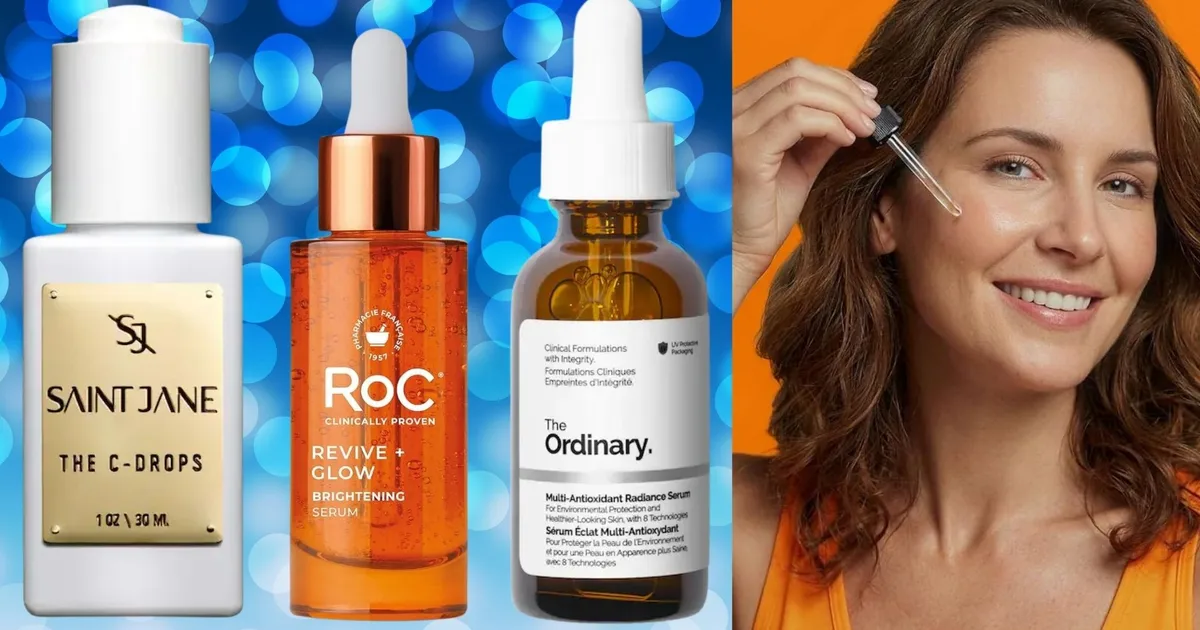
Thankfully, experts say you can get the glow without the sting. The key? Choosing formulas that balance potency with soothing, skin-loving ingredients. We asked top dermatologists to share the vitamin C serums they actually trust to keep a reactive dermis happy. (We’ve also included a few editor’s picks at the end: products that I use and trust for my own sensitive skin.)

Tags: , , , ,
Best oLive
Privacy Overview

This website uses cookies so that we can provide you with the best user experience possible. Cookie information is stored in your browser and performs functions such as recognising you when you return to our website and helping our team to understand which sections of the website you find most interesting and useful.