Frozen beauty blender and tape eyeliner: Do these hacks actually work?

Frozen beauty blender and tape eyeliner: Do these hacks actually work?

Lifestyle

-Oneindia Staff


Updated: Saturday, January 3, 2026, 7:53 [IST]

Viral
beauty
hacks
spread
fast
on
social
media,
but
many
people
wonder
if
they
really
work
in
daily
life.
Two
popular
tricks
are
the
“frozen
beauty
blender” for
smoother
foundation
and
“tape
eyeliner”
for
sharp
wings.
This
article
looks
at
how
each
hack
works,
how
to
try
it,
and
possible
downsides.

The
frozen
beauty
blender
hack
suggests
you
wet
your
makeup
sponge,
place
it
in
the
freezer
for
a
short
time,
then
use
it
cold.
Fans
claim
it
gives
a
smoother
base,
smaller
looking
pores,
and
helps
makeup
last
longer.
The
idea
is
that
cold
helps
calm
the
skin
and
reduce
shine.

The
article
explores
the
effectiveness
and
methods
of
two
viral
beauty
hacks:
using
a
frozen
beauty
blender,
which
potentially
smooths
foundation
and
reduces
shine,
and
tape
eyeliner,
which
aims
to
create
sharp
winged
eyeliner.
It
examines
the
benefits,
downsides,
and
suitability
of
each
technique
for
various
skin
types
and
preferences.

First,
run
your
beauty
blender
under
clean
water
until
it
swells.
Squeeze
out
extra
water
so
it
is
damp,
not
dripping.
Place
the
sponge
in
a
clean
container
or
bag
and
put
it
in
the
freezer
for
around
ten
to
fifteen
minutes.
Take
it
out
when
cool
and
firm,
then
apply
liquid
foundation
as
usual.

Does
the
frozen
beauty
blender
hack
actually
work?

The
cold
sponge
can
feel
fresh
on
the
skin
and
may
reduce
some
puffiness
for
a
short
time.
It
can
also
slow
how
fast
foundation
dries,
which
may
help
with
blending.
Many
users
see
smoother
makeup
in
cooler
weather
or
on
normal
to
oily
skin,
but
results
vary
from
person
to
person.

Benefits
of
using
a
frozen
beauty
blender

A
chilled
sponge
may
help
foundation
look
more
even,
especially
around
the
nose
and
cheeks.
The
cool
touch
can
calm
mild
redness
for
a
while.
In
hot
Indian
weather,
it
may
feel
more
comfortable
than
a
warm
tool.
People
with
oily
skin
sometimes
feel
it
helps
makeup
sit
better
and
stay
less
greasy
during
the
day.

Possible
downsides
of
the
frozen
beauty
blender
hack

Keeping
a
sponge
in
the
freezer
for
too
long
can
make
it
very
stiff
and
less
easy
to
bounce
on
the
skin.
Very
cold
tools
may
not
feel
good
on
sensitive
skin.
If
the
sponge
is
not
stored
cleanly,
there
is
also
a
risk
of
germs.
Some
dry
skin
types
may
feel
tighter
or
flaky
after
using
a
chilled
sponge.

Who
might
like
or
skip
the
frozen
beauty
blender

This
hack
may
suit
people
with
normal
to
combination
or
oily
skin
who
enjoy
a
cooling
effect
while
doing
base
makeup.
It
might
not
suit
very
dry
or
sensitive
skin,
or
those
prone
to
redness
and
irritation.
If
you
dislike
cold
on
your
face,
the
small
benefit
in
blend
may
not
feel
worth
the
discomfort.

What
is
the
tape
eyeliner
hack?

The
tape
eyeliner
hack
uses
small
strips
of
tape
placed
at
the
outer
corner
of
the
eye
to
guide
liquid
or
gel
eyeliner.
The
tape
acts
like
a
stencil
to
help
draw
a
sharp,
angled
wing.
Many
people
online
use
this
trick
to
get
both
wings
the
same
shape
and
angle.

How
to
try
the
tape
eyeliner
hack
safely

Cut
a
short
strip
of
gentle
tape
and
stick
it
on
the
back
of
your
hand
first.
This
step
reduces
the
glue
strength.
Place
the
tape
along
the
outer
corner
of
your
eye,
pointing
toward
the
end
of
your
brow.
Draw
your
eyeliner
along
the
edge,
fill
in
the
wing,
let
it
dry,
then
slowly
peel
off
the
tape.

Does
the
tape
eyeliner
hack
actually
work?

For
many
people,
tape
does
give
a
clean,
straight
wing
edge.
It
can
help
beginners
understand
what
angle
suits
their
eye
shape.
The
guide
also
reduces
fear
of
making
the
line
too
thick.
However,
the
result
depends
on
tape
placement,
hand
control,
and
the
kind
of
eyeliner
used.

Benefits
of
using
tape
for
eyeliner

The
tape
eyeliner
hack
can
save
time
if
you
often
need
to
fix
uneven
wings.
It
acts
like
a
ruler
for
your
makeup,
which
some
users
find
helpful
before
big
events
or
photos.
Once
you
learn
the
right
angle,
it
may
also
teach
muscle
memory,
so
later
you
can
draw
a
wing
freehand
with
more
ease.

Possible
risks
and
limits
of
the
tape
eyeliner
hack

Tape
can
tug
the
thin
skin
near
the
eyes
when
removed,
which
some
people
find
harsh.
Strong
glue
may
cause
redness
or
leave
marks
for
a
short
time.
If
the
tape
is
not
placed
in
the
same
spot
on
both
sides,
wings
can
still
look
uneven.
Those
with
very
sensitive
or
allergy‑prone
skin
may
wish
to
avoid
tape
near
the
eye
area.

Tags: , , , , , ,
how to use vitamin c serum

How to Use Vitamin C Serum the Right Way

Want glowing, even-toned skin that looks fresh and healthy? You’re not alone.

Millions of skincare lovers search for how to use vitamin C serum every month. This ingredient has earned its spot as a skincare must-have.

But here’s the catch. Using it the wrong way can leave you with zero results or worse, irritated skin.

Many people buy their first bottle, slap it on, and wonder why nothing changes. Others mix it with the wrong products and end up with redness. The truth is, vitamin C works wonders only when applied correctly.

Here, you’ll learn the right application steps, common mistakes to avoid, and how to pair it with other actives for the best results.

What Is Vitamin C Serum?

Vitamin C serum is a lightweight skincare product packed with a high concentration of vitamin C. Also known as ascorbic acid or L-ascorbic acid, this water-soluble nutrient comes in liquid or gel form.

It absorbs quickly into the skin, delivering active ingredients deeper than regular creams or lotions.

Most serums contain between 10% to 20% vitamin C for optimal results. L-ascorbic acid is the most researched and potent form. However, it can be unstable and irritating for some.

That’s why brands also use gentler versions like magnesium ascorbyl phosphate or sodium ascorbyl phosphate.

So how do you apply this serum the right way? Let’s break it down step by step.

How to Use Vitamin C Serum (Step by Step)

Getting the most out of your vitamin C serum comes down to how you apply it. The right technique helps your skin absorb the active ingredients fully. Follow these simple steps to see real results without irritation.

Step 1: Cleanse Your Face

Start with a freshly washed face. Use a gentle cleanser to remove dirt, oil, and makeup from your skin. This creates a clean base for the serum to absorb properly.

Pat your face dry with a soft towel. Make sure your skin is completely dry before moving to the next step. Applying serum on damp skin can raise its pH level and reduce effectiveness.

Step 2: Apply Toner (Optional)

If you use a toner, apply it after cleansing. Toner helps balance your skin’s pH and preps it to absorb the serum better. Use an alcohol-free formula to avoid drying out your skin.

Wait a few seconds for it to settle before applying your vitamin C serum. Skipping this step is fine if toner isn’t part of your routine.

Step 3: How Much Vitamin C Serum to Use

Less is more with this serum. A pea-sized amount or 3 to 4 drops is enough for your entire face. Using too much won’t speed up results. Instead, it may cause irritation or leave your skin feeling sticky. Dispense the serum onto your fingertips or the back of your hand.

Step 4: How to Apply It Correctly

Gently dab the serum onto your cheeks, forehead, chin, and nose. Use upward circular motions to spread it evenly across your face. Don’t forget your neck and jawline.

Use light pressure and let your fingertips do the work. Allow the serum to absorb fully for about 30 to 60 seconds before layering other products.

Step 5: Follow with Moisturizer

Once the serum has absorbed, apply your favourite moisturizer. This step locks in the serum and keeps your skin hydrated. Choose a moisturizer without harsh actives like retinol or AHAs to avoid irritation.

For dry skin, go with a cream-based formula. Gel-based options work better for oily skin types.

Step 6: Sunscreen for Daytime Use

Never skip sunscreen after applying vitamin C serum in the morning. Vitamin C boosts your sun protection but doesn’t replace SPF. Without sunscreen, your skin remains open to UV damage.

This can cancel out all the brightening and anti-aging benefits. Use a broad-spectrum sunscreen with at least SPF 30 as your final step.

Here’s a simple way to remember your routine. This quick visual will help you stay on track every morning.

Cleanse

↓

Toner (Optional)

↓

Vitamin C Serum (3-4 Drops)

↓

Wait 60 Seconds

↓

Moisturizer

↓

Sunscreen (AM Only)

Using the serum correctly is just one part of the process. Let’s explore the key benefits you can expect when you make it a regular habit.

Benefits of Using Vitamin C Serum

Adding vitamin C serum to your routine can do wonders for your skin. This powerhouse ingredient delivers visible results when used consistently. Here’s what it can do for you.

1. Brightens Dull Skin

Vitamin C is famous for its brightening effects. It helps fade dullness and gives your skin a natural glow.

With regular use, your complexion looks more radiant and awake. It works by reducing melanin production, which evens out your overall skin tone.

2. Helps Reduce Dark Spots

Stubborn dark spots and hyperpigmentation can be frustrating. Vitamin C serum targets these areas by slowing down excess melanin.

Over time, you’ll notice spots becoming lighter and less visible. It also helps fade post-acne marks and sun damage.

3. Supports Collagen Production

Collagen keeps your skin firm and youthful. As you age, collagen levels drop, leading to fine lines and sagging.

Vitamin C boosts your skin’s natural collagen production. This helps reduce wrinkles and keeps your skin looking plump.

4. Improves Uneven Texture

Rough patches and bumpy skin can affect how smooth your face feels. Vitamin C promotes cell turnover, which helps shed dead skin cells. The result is softer, smoother skin with a more refined texture.

5. Provides Antioxidant Protection

Your skin faces daily stress from UV rays, pollution, and free radicals. Vitamin C acts as a shield against these harmful elements.

It neutralizes free radicals before they damage your skin cells. Pairing it with sunscreen gives you even stronger protection throughout the day.

Now that you know the benefits, let’s talk about the common mistakes that can hold you back from seeing results.

Mistakes to Avoid When Using Vitamin C Serum

Even the best serum won’t work if you use it the wrong way. Many people make simple errors that reduce results or cause skin issues. Here are the top mistakes to watch out for.

1. Using Too Much Product

More serum doesn’t mean faster results. Applying too much can irritate your skin and waste product. A pea-sized amount or 3 to 4 drops is all you need.

Your skin can only absorb so much at once. Stick to the right amount and let it work.

2. Skipping Sunscreen

This is one of the biggest mistakes people make. Vitamin C serum boosts sun protection but doesn’t replace sunscreen.

Without SPF, your skin stays exposed to UV damage. This can worsen dark spots and cancel out all the brightening benefits. Always follow up with a broad-spectrum sunscreen of at least SPF 30.

3. Mixing Incompatible Ingredients

Not all activities play well together. Avoid layering vitamin C with benzoyl peroxide, AHAs, BHAs, or retinol at the same time.

These combinations can cause redness, irritation, or reduce effectiveness. If you want to use retinol, apply it at night and save vitamin C for your morning routine.

4. Using Oxidized Serum

Vitamin C is unstable and breaks down when exposed to light, air, or heat. If your serum has turned dark yellow, orange, or brown, it has oxidized.

An oxidized serum won’t deliver results and may even irritate your skin. Always check the colour before applying and store it properly.

5. Applying to Irritated Skin

If your skin is already red, inflamed, or broken out, skip the serum. Vitamin C is a potent active that can worsen irritation on compromised skin.

Wait until your skin calms down before adding it back to your routine. A patch test is always a good idea for beginners.

Avoiding these mistakes sets you up for success. But how often should you actually use this serum? Let’s find out.

Is It Okay to Use Vitamin C Serum Every Day?

One of the most common questions is how often to apply this serum. The good news is that daily use is safe for most skin types. But there are a few things to keep in mind.

1. Daily Use Explained: Yes, you can use vitamin C serum every day. In fact, consistent use is the key to seeing real results. Vitamin C builds up in your skin over time, offering stronger protection and a brighter tone.

Most dermatologists recommend applying it every morning for the best results. Some people even use it twice daily, morning and night, without any issues.

2. How Often Should Beginners Apply? If you’re new to vitamin C, don’t rush into daily use. Start by applying it 2 to 3 times per week. This gives your skin time to adjust to the active ingredient.

A slight tingling sensation is normal at first. Once your skin feels comfortable, gradually increase to daily application. This slow approach helps prevent redness or irritation.

3. When to Reduce Frequency? Sometimes your skin may need a break. If you notice redness, dryness, or stinging that doesn’t go away, cut back on usage. Drop down to every other day or a few times per week.

Sensitive skin types may do better with lower concentrations or gentler forms of vitamin C. Listen to your skin and adjust accordingly.

Now that you know how often to use it, let’s talk about choosing the right strength for your skin type.

Vitamin C Serum Concentration Explained

Not all vitamin C serums are created equal. The percentage of vitamin C in your serum matters a lot. Choosing the right concentration helps you get results without irritating your skin.

1. Low Concentration for Beginners

If you’re just starting out, go for a serum with 5% to 10% vitamin C. This range is gentle enough for most skin types, including sensitive skin. It allows your skin to build tolerance without overwhelming it.

You’ll still see brightening benefits and antioxidant protection. Once your skin adjusts after a few weeks, you can move up to a higher strength.

2. Medium Concentration for Regular Use

A vitamin C serum with 10% to 15% concentration works well for most people. This is the sweet spot for visible results without harsh side effects. It helps fade dark spots, boost radiance, and support collagen production.

If your skin handles this range well, you can stick with it long-term. Many dermatologists consider 10% to 15% ideal for everyday use.

3. High Concentration Considerations

Serums with 15% to 20% vitamin C deliver more intense results. They work faster on stubborn dark spots, fine lines, and uneven tone. However, higher doesn’t always mean better.

Anything above 20% can irritate the skin without adding extra benefits. High concentrations suit those with resilient skin who have already used vitamin C for a while. If you experience burning or redness, drop down to a lower percentage.

Here’s a quick reference to help you choose the right strength for your skin.

Concentration
Best For
Skin Type

5% – 10%
Beginners, first-time users
Sensitive, dry, reactive skin

10% – 15%
Regular daily use
Normal, combination, oily skin

15% – 20%
Advanced users, stubborn concerns
Resilient, thicker skin

Picking the right concentration is important, but so is knowing how to pair it with other products. Let’s look at what works and what doesn’t.

Using Vitamin C Serum With Other Actives

Layering skincare products can boost your results or backfire completely. Knowing which ingredients work well with vitamin C helps you build a smarter routine. Here’s what pairs nicely and what to keep apart.

1. What Works Well

Some ingredients enhance the effects of vitamin C. These combinations can give you better results without causing irritation.

  • Vitamin C With Hyaluronic Acid: This is a match made in skincare heaven. Hyaluronic acid draws moisture into the skin while vitamin C brightens and protects. Apply your vitamin C serum first, let it absorb, then layer hyaluronic acid on top.
  • Vitamin C With Niacinamide: Old advice said to keep these two apart, but that’s outdated. Vitamin C brightens and fights free radicals while niacinamide calms redness and strengthens your skin barrier. Apply vitamin C first since it’s more acidic, then follow with niacinamide.
  • Vitamin C With Vitamin E and Ferulic Acid: This trio is a powerhouse combination. Vitamin E and ferulic acid boost the antioxidant power of vitamin C and help stabilize the formula. Many serums already include all three ingredients for maximum protection.

2. What Doesn’t Work Well

Certain actives can cancel out vitamin C or irritate your skin. Avoid these combinations for better results.

  • Vitamin C With Retinol: Both are powerful actives that can irritate when used together. Use vitamin C in the morning and retinol at night. This way, you get brightening during the day and anti-aging benefits while you sleep.
  • Vitamin C With Benzoyl Peroxide: Avoid this combination at all costs. Benzoyl peroxide oxidizes vitamin C and makes it ineffective. Use them at different times of day or on alternate days.
  • Vitamin C With AHAs and BHAs: Glycolic acid, salicylic acid, and other exfoliants can over-exfoliate when layered with vitamin C. This leads to redness, dryness, and irritation. Use exfoliating acids on different days or at night, while keeping vitamin C serum for mornings.

Pairing the right ingredients matters, but so does keeping your serum fresh. Let’s look at how to store it properly.

How to Store Vitamin C Serum Properly

Your vitamin C serum needs proper care to stay effective. Exposure to light, air, and heat breaks down the formula quickly. Here’s how to keep it fresh.

1. Why Storage Matters

Vitamin C is unstable and reacts with oxygen and sunlight. A poorly stored serum loses its strength fast. Always close the cap tightly after each use.

Store your vitamin C serum in a cool, dark place like a drawer or cabinet. The refrigerator works even better to slow down degradation.

2. How to Tell If the Serum Has Gone Bad

Watch for these signs of oxidation.

  • Colour Change: If it turns dark yellow, orange, or brown, it’s oxidized.
  • Smell Change: A strange, metallic, or sour smell means it’s gone bad.
  • Texture Change: A Thick, sticky, or separated formula is no longer effective.

Most serums last 3 to 6 months after opening. Replace it when you notice these signs.

You now have everything you need to use vitamin C serum the right way. Let’s wrap up with the key points to remember.

Conclusion

Using vitamin C serum the right way makes all the difference. Apply it on clean, dry skin, use only 3 to 4 drops, and always follow with sunscreen in the morning.

Choose a concentration that matches your skin type and avoid mixing it with harsh actives like retinol or benzoyl peroxide at the same time.

Consistency is key. Stick to your routine for at least 8 to 12 weeks to see real results. Store your serum properly to keep it fresh and effective.

With the right approach, this serum can brighten your skin, fade dark spots, and protect against daily damage. Start slow, stay consistent, and let your skin do the glowing.

What’s your experience with vitamin C serum? Share your thoughts in the comments below.

Still have questions? Here are some common ones answered.

Frequently Asked Questions

1. Can I Use Vitamin C Serum Under Makeup?

Yes, you can. Vitamin C serum works well under makeup. Apply it after cleansing, let it absorb for 60 seconds, then follow with moisturizer and sunscreen. Once everything is set, apply your makeup as usual. The serum won’t pill or interfere with your base.

2. How long does Vitamin C Serum Take to Show Results?

Patience is Important. Most People Start Noticing Brighter Skin Within 2 to 3 Weeks. For Dark Spots and Fine Lines, Expect 8 to 12 Weeks of Consistent Use. Results Depend on Your Skin Type, the Serum’s Concentration, and How Regularly You Apply It.

3. Is Vitamin C Serum Safe During Pregnancy?

Yes, Vitamin C Serum is considered safe during pregnancy. Unlike retinoids, it doesn’t pose any risks to you or your baby. It’s a gentle yet effective option for maintaining bright, healthy skin throughout pregnancy. Always check with your doctor if you’re unsure.

Tags: ,
Steps for Naturally Glowing, Makeup-Ready Skin

Steps for Naturally Glowing, Makeup-Ready Skin

As the New Year approaches, many are looking for ways to start 2026 with naturally glowing, healthy skin. Achieving a radiant complexion doesn’t always require heavy makeup—it begins with consistent, dermatologist-approved skincare practices.

A solid skincare routine starts with cleansing. Using a gentle, sulfate-free cleanser twice daily removes dirt, oil, and pollutants without stripping the skin. For those who wear makeup or sunscreen, a double cleanse ensures the skin is fully clean.

Hydration is the next key step. Well-moisturized skin naturally reflects light, creating a healthy glow. After cleansing, applying a hydrating toner or mist helps balance the skin’s pH, followed by a lightweight serum containing ingredients like hyaluronic acid or glycerin to lock in moisture. Even oily skin benefits from non-comedogenic hydrators.

Exfoliation 2-3 times a week helps remove dead skin cells and improves texture, while targeted treatments—such as antioxidant serums for dullness or under-eye creams for puffiness—enhance brightness and reduce signs of fatigue. Choosing the right moisturizer for your skin type, whether gel-based for oily skin or cream-based for dry skin, maintains comfort and prevents makeup from appearing patchy.

Sun protection remains crucial. Applying a broad-spectrum SPF 30+ daily, even in winter or indoors, prevents dullness and long-term damage, ensuring the skin retains its youthful radiance.

Finally, a balanced diet rich in antioxidants and adequate water intake supports skin health from within. With consistent care and early preparation, glowing, makeup-ready skin can be achieved naturally, letting you enter the New Year looking confident and radiant.

Tags: , , , ,
triggers as teachers

How Triggers Can Become Teachers (and Bring More Peace)

I used to think being triggered meant someone else was doing something wrong. Someone interrupted me, showed up late again, or spoke too loudly. My irritation felt justified. After all, the problem was clearly outside of me. Or at least that’s what I told myself.

Over time, though, I began to notice a pattern that was much harder to sit with. The things that bothered me most in other people often pointed back to something unresolved within me. Not in a neat or obvious way, and definitely not in a way I initially enjoyed examining.

Once I started paying attention, I noticed those moments of irritation became effective teachers.

“If You Spot It, You’ve Got It”

Maybe you’ve heard the phrase “if you spot it, you’ve got it.” I didn’t invent it, and I’m certainly not the first person to explore this idea. It shows up in Carl Jung’s work around the “shadow,” in modern psychology through concepts like projection. And in traditions that emphasize contemplative self-inquiry.

The idea is that strong emotional reactions to others can act like mirrors. When something really bothers us, it may be touching on something unhealed or suppressed in ourselves. That doesn’t mean we’re exactly like the other person. It doesn’t mean their behavior is acceptable or that we should tolerate harm. It simply means there’s something resonating.

This distinction matters. “If you spot it, you’ve got it” isn’t about blame or self-criticism. It’s about curiosity. It’s an invitation to look inward rather than outsourcing all discomfort to the outside world. And that shift, while uncomfortable at first, can be surprisingly freeing.

Triggers Are a Human Thing 

We all have people who push our buttons. The interrupter. The know-it-all. The chronically late friend. The loud talker. The person who seems to take up all the space in the room. These reactions aren’t a personal failing but part of being human.

Our brains are wired to notice threats and negatives as a protective mechanism. Research suggests we have a strong negativity bias, meaning we’re far more likely to notice what irritates us than what delights us. While it can serve a survival purpose, it often just leaves us feeling tense and reactive.

Studies on self-reflection and emotional regulation consistently show benefits when people are willing to examine their internal responses. People who engage in self-inquiry tend to report lower stress and better emotional regulation. In other words, the work may be uncomfortable, but it’s not without payoff.

Projection and the Psychology Behind It

One useful framework for understanding this pattern is psychological projection. Projection is a defense mechanism where we attribute traits we’ve disowned or suppressed in ourselves onto someone else. Instead of saying, “I struggle with this,” we unconsciously say, “They are the problem.”

A 2001 study published in the Journal of Personality and Social Psychology found that people who denied being aggressive were more likely to see aggression in others. When we refuse to acknowledge something internally, we’re more likely to see it externally.

This doesn’t mean every annoyance is a projection. But when a reaction feels disproportionate, repetitive, or emotionally charged, it’s often worth asking why. Why this behavior? Why this person? Why this intensity?

The Mirror In Our Brains

There’s also a biological layer to this conversation. Humans have mirror neurons, which help us recognize and reflect the emotional states and behaviors of others. These neurons play a pivotal role in empathy, learning, and social connection.

Sometimes the discomfort we feel around others isn’t judgment so much as recognition. We’re seeing something familiar. Something we’ve buried, avoided, or never fully accepted. That recognition can feel threatening, especially if we’ve worked hard to suppress that trait in ourselves.

When we encounter someone openly expressing what we’ve pushed down, it can destabilize that internal balance. The irritation is less about them and more about the cost of maintaining our own internal rules.

Everyday Examples of the Mirror Effect

This shows up in subtle ways. If we’re really bothered by someone acting arrogant, it might be because we’ve suppressed our own confidence or learned that being visible wasn’t safe. If laziness triggers us, perhaps we’re overworked and resentful because we don’t allow ourselves to rest. If attention-seeking behavior irritates us, maybe there’s an unmet need for recognition we’ve never allowed ourselves to name.

Often, there’s more than one layer at play. Human behavior is rarely simple. A trigger could show both a suppressed desire and a deep fear. That complexity is why curiosity matters more than trying to come to quick conclusions.

The mirror isn’t about labeling ourselves as bad or flawed. It’s about understanding where our reactions come from and what they might be asking us to integrate.

A Personal Lesson in the Online World

I’ve spent nearly two decades working online, which still feels strange to say. I’ve lived through the early forum days, the rise of social media, and the many phases of public commentary that came with it. Over those years, my body has changed through pregnancies, health challenges, healing journeys, and seasons of stress.

Along the way, I’ve received comments that were deeply hurtful. At one point, I discovered entire online spaces dedicated to criticizing my appearance. For weeks, I replayed those words in my head and seriously considered stepping away from my work entirely.

What eventually helped wasn’t pretending those comments didn’t hurt. It was getting radically honest about why they hurt. There was an element of truth they touched on, and it mirrored insecurities I already carried. More uncomfortable still, I realized my own inner critic used similar language toward myself, and sometimes toward others in my head.  

Facing that reality wasn’t easy. I realized that while I can’t control what strangers say about me on the internet, I can work on my internal dialogue. Over time, as I softened that inner voice and practiced more kindness (to myself and others), I noticed a shift. I started to see more of the positive in my own life. 

The Positive Flip Side of the Mirror

This principle doesn’t only apply to negative traits. We often spot positive qualities in others because they exist within us, too. Admiration can be a mirror just as much as irritation.

When we intentionally notice generosity, courage, creativity, or kindness in others, we strengthen our ability to recognize and adopt those traits ourselves. What we practice noticing grows.

Over time, I found that training myself to see the good in others made life feel lighter. It wasn’t about ignoring reality or forcing positivity. It was about choosing where to place my attention. And that choice changed how I experienced the world.

A Simple but Powerful First Step: Pause

One of the most practical tools I’ve found is also the simplest. Stop and pause. When something triggers you, take a breath before responding. Ask what this could be showing you about yourself. 

This simple question can interrupt reactive patterns. It creates space between what’s triggering us and our response in order to offer insight. 

Pausing has been especially impactful as a parent. Children are incredible mirrors. They reflect our impatience, our unhealed wounds, and our unspoken expectations. Pausing allows us to meet their reality rather than defending our own.

Choosing Curiosity Over Being Right

Dr. Kelly Brogan shared a story about asking her daughters what they needed from her and what felt unhealed in their relationship. She expected glowing reviews of her job as a mom. Instead, she received honest feedback that was painful to hear.

Her instinct, like most of ours, was to defend herself, explain, and justify. Instead, she chose curiosity. She asked questions and listened. And that choice deepened the relationship with her kids rather than fracturing it.

Being right often feels safer in the moment. Being curious, though, creates connection. This applies far beyond parenting. Most conflicts soften when someone is willing to stay present with another person’s experience rather than correcting it.

The 3-2-1 Shadow Process

When a trigger feels confusing, a structured approach can help. One tool that’s been useful for me is the 3-2-1 shadow process, often attributed to Ken Wilber.

  1. Identify the issue in the third person. What bothers you about them? Name it clearly.
  2. Address it in the second person. In your mind, speak directly to the person and express what’s coming up.
  3. Finally, bring it into the first person. Own the trait in some way. This doesn’t mean labeling yourself harshly. It might sound like, “There’s a part of me that struggles with this,” or “I notice this pattern in myself, too.”

When the issue lives in the first person, you have the power to work with it.

Curiosity Instead of Judgment

One of my favorite reminders comes from a scene in Ted Lasso, my favorite TV show. It references the quote, “Be curious, not judgmental.” It’s a simple but profound reminder.

Judgment shuts down learning while curiosity opens it up. When we replace “I hate when people do this” with “I wonder why this affects me?” we reclaim agency. We move from reaction to reflection.

This shift doesn’t excuse harmful behavior. It simply recognizes that our peace doesn’t have to depend on others changing.

Practicing Self-Compassion Along the Way

It’s important to approach this work with self-compassion. Noticing isn’t about fixing or blaming, but about integrating.

Blame tends to create more fragmentation, while compassion allows for healing. When we stay curious and kind with ourselves, even uncomfortable truths become manageable. I’ve found journaling to be a really helpful tool for this. Here are some prompts to get you curious:

  • What bothers me most in others?
  • Where does this show up in me, even subtly?
  • How might this trait serve me if it were integrated?
  • What would it feel like to be less affected by this?

What Changes Over Time

This work hasn’t been linear or easy, but over time, it’s helped soften my reactions and bring peace. It’s increased empathy and freed up energy that used to be tied up in irritation and judgment.

When triggers become teachers, painful moments turn into guides. They point us toward parts of ourselves asking for attention, healing, or acceptance. The things we judge in others are often the things we’re still learning to hold gently within ourselves.

Final Thoughts on Triggers

The idea that triggers can be teachers isn’t meant to be dogma. It’s an invitation to get curious and as a result find more peace. For me, it’s been a powerful shift from feeling at the mercy of external circumstances to reclaiming internal agency.

“If you spot it, you’ve got it” isn’t about shame but opportunity. It’s about returning our power to ourselves and choosing curiosity over judgment, reflection over reaction.

As Rumi wrote, “The wound is the place where the light enters you.” Sometimes our strongest reactions point directly to the places where growth is waiting, if we’re willing to look.

What are some triggers you’ve noticed in your life? How do you think you can turn these around and be more curious? I’d love to hear about it in the comments!

Tags: , , ,
Eating Vitamin C Rich Foods Works Better To Boost Collagen Production In Skin, Finds Study | Health and Fitness News

Eating Vitamin C Rich Foods Works Better To Boost Collagen Production In Skin, Finds Study | Health and Fitness News

Last Updated:January 02, 2026, 18:10 IST

A recent study has shown that vitamin C should be consumed via fruits if you want to see the benefits when it comes to boosting collagen production.

Kiwis: Kiwis are packed with vitamin C, minerals and fibre that promote overall health and metabolism. One kiwi contains about 93 mg of vitamin C per 100 grams. (Image: Canva)

If you have been coming across mentions of vitamin C a lot lately, it is because it has been proving itself to be a main character. Recently, results from two separate studies have been published that yet again prove that including vitamin C in your food and skincare can have some wondrous results.

Eat kiwis for an increase in vitamin C and a boost in collagen 

You might have heard of the adages that ‘beauty comes from within’ and ‘you are what you eat’. Well, a new study conducted by researchers at the University of Otago found that collagen production and skin renewal directly respond to the amount of vitamin C we eat. It was published in the International Journal of Investigative Dermatology.

It was conducted on two dozen healthy adults in New Zealand and Germany, and researchers found that skin vitamin C levels are closely tied to levels of the vitamin in the blood plasma and can be boosted by increasing fruit intake.

The participants were instructed to eat two vitamin C-rich kiwifruit per day to increase the amount of the vitamin in the skin, which also helped to improve their skin thickness, aka collagen production, and stimulate the renewal and regeneration of the outer skin layer.

For the unversed, vitamin C is not only found in citrus foods like oranges, limes, lemons, and grapefruits but can also be ingested from berries such as strawberries and blackcurrants, red and yellow peppers, kiwifruit, broccoli, tomatoes, and potatoes.

Collagen is the most abundant protein in the human body, forming the main structural support for skin, bones, tendons, ligaments, and connective tissues. It keeps your skin firm and elastic, joints cushioned, and bones strong, while also aiding wound healing and tissue repair, making it vital for overall structural health and healthy ageing.

Lead author Professor Margreet Vissers from Mātai Hāora – Centre for Redox Biology and Medicine, within the Department of Pathology and Molecular Medicine, says the strength of the association between collagen and vitamin C intake is “compelling”.

“We were surprised by the tight correlation between plasma vitamin C levels and those in the skin – this was much more marked than in any other organ we have investigated,” Professor Vissers says.

She went on to add that study has shown the best way to supporting your skin function is from the inside out and by delivering vitamin C to the skin via the bloodstream. “We know that vitamin C is required for collagen production. This fact has inspired the addition of vitamin C to many skin cream formulations. However, vitamin C is highly water soluble and poorly absorbed through the outer skin barrier. Our study shows that the skin is extremely good at absorbing vitamin C from the blood circulation. Uptake into the outer epidermal skin layer also seems to be prioritised,” she says.

First Published:

January 02, 2026, 18:10 IST

Disclaimer: Comments reflect users’ views, not News18’s. Please keep discussions respectful and constructive. Abusive, defamatory, or illegal comments will be removed. News18 may disable any comment at its discretion. By posting, you agree to our Terms of Use and Privacy Policy.

Tags: , , , , , , , , , , , , ,
Co-founder of REFY shares her beauty and wellness non-negotiables for 2026 – Emirates Woman

Co-founder of REFY shares her beauty and wellness non-negotiables for 2026 – Emirates Woman

Beauty

The cover star of our January Wellness issue – beauty mogul behind REFY Jess Hunt – shares what her beauty and wellness non-negotiables are for 2026.

Hunt reveals her morning routine, her nighttime rituals and what beauty product is always in her bag. Here, she also tells Emirates Woman where she stands on the cold plunge trend.

What’s the one non-negotiable step in your morning wellness routine?

The one non-negotiable in my morning wellness routine would have to be my morning journal. I feel like this sets me up for the day and puts me in the best mindset, ready to take on whatever my day holds for me.

Beyond aesthetics, what is the core feeling you want REFY to give to its users?

When I built REFY, my mission was to encourage people to feel like their most confident selves. So confidence for sure.

What’s the one beauty product that’s always in your bag?

The one beauty product always in my bag, probably my REFY Lip Gloss.

How do you mentally switch off from founder-mode in the evenings?

To switch off from founder-mode in the evenings – this is something I’m trying to get better at – but my new thing is putting on some relaxing music, maybe changing the lights, putting on some candles, and just really trying to create that wellness, calm vibe.

What does wellness mean to you as a beauty expert?

Wellness means everything to me. I think this has been something I focused on so much the past couple years. I feel like without feeling good on the inside, I don’t look as good on the outside, and I also can’t perform to my best. So taking care of myself is number one.

The key to making a “5-minute makeup” routine look polished?

The key to making a five-minute makeup routine looking polished would have to be just products that do all of the hard work for you. That was the whole reason why I created REFY in the first place is to completely simplify my routine. And one product in particular is the Duo Brush. I use that for absolutely everything. And yeah, it just creates the most flawless finish every time.

We’re thrilled REFY is launching in Dubai. What about the Dubai beauty scene inspired this move?

I’ve wanted to bring REFY to Dubai for the longest time. We have the most incredible community here, and the timing had to be perfect. And of course, now is the right time, and above everything, I feel like the UAE in general are just so knowledgeable when it comes to beauty, so the fact that REFY has been received so well means so so much, because I feel like you guys are truly the experts.

A wellness trend you’re loving?

A wellness trend that I’m loving right now, and it seems obvious, is enough sleep. I want to be getting anywhere from eight hours a night, because I always feel my best when I have a great sleep, and then one that I’d like to leave behind, probably the whole ice bath situation. I think if it works for you, then great. But for me, I just do not enjoy that.

What’s your New Year’s Resolution?

I would say a big thing for me every single year is just trying to be 1% better, so setting some goals and just proving to yourself that you can do something that might be hard or might be a little bit outside of your comfort zone, and it can start so small, whether it is just having a better morning routine, or whether it is making more time for yourself, then make that a priority, because it truly has an impact on everything in your life.

– For more on luxury lifestyle, news, fashion and beauty follow Emirates Woman on Facebook and Instagram

Images: Supplied

Tags: , , , , , , ,
Face creams: 8 luxurious picks to give your skin the right hydration and glow

Face creams: 8 luxurious picks to give your skin the right hydration and glow

Luxurious face creams for that supple and soft glow(Adobe Stock)

If your skin feels stretched and itchy during winter, it is lacking hydration. In this view, your skin needs a face cream that not only hydrates your skin but also helps it to restore its glow. These hydrating face creams are enriched with hydrating and nourishing ingredients that give your skin a soft and supple glow without making your skin feel dry and itchy.

To help combat this issue, here is a list of 8 top-rated luxurious face creams for you:

Top 8 luxurious face creams

Snail Miin Repair All-In-One Moisturizing Cream deeply hydrates, repairs, and strengthens the skin barrier using snail mucin and nourishing botanicals. This lightweight yet intensive cream improves texture, boosts elasticity, and supports skin renewal for a healthy glow. Ideal for dull or damaged skin, it absorbs quickly without greasiness. Customers frequently praise its visible repair benefits, smoother skin feel, and long-lasting hydration, making it a trusted daily moisturiser for all skin types.

Mirabelle Hyaluronic + Collagen All-In-One Moisturizing Cream delivers intense hydration and firming care in one step. Powered by hyaluronic acid and collagen, it plumps skin, smooths fine lines, and enhances elasticity. The non-sticky formula suits daily use and works well under makeup. Customers love its refreshing texture, instant moisture boost, and youthful glow, often noting softer, bouncier skin with consistent use.

Blue Nectar Shata Dhauta Ghrita Face Cream blends ancient Ayurvedic wisdom with modern skincare. Made using 100-times-washed ghee, it deeply nourishes, repairs dryness, and restores skin softness. This natural cream calms sensitive skin and improves radiance without harsh chemicals. Customers consistently highlight its luxurious feel, visible glow, and effectiveness on dry or irritated skin, making it a favourite for holistic skincare lovers.

Numour Collagen Bombshell is a powerful anti-ageing face cream designed to boost firmness and hydration. Enriched with collagen and skin-loving actives, it helps reduce the appearance of fine lines while improving skin elasticity. The rich yet fast-absorbing formula leaves skin smooth and radiant. Customers frequently report firmer skin, improved texture, and a noticeable glow, calling it a must-have for youthful-looking skin.

The Face Shop Rice & Ceramide Moisturizing Cream brightens and strengthens the skin barrier with rice extracts and ceramides. This deeply moisturising formula helps even out skin tone, lock in hydration, and protect against moisture loss. Suitable for daily use, it leaves skin soft and supple. Customers love its gentle formula, glowing finish, and long-lasting moisture, especially for dry and combination skin.

Beauty of Joseon Dynasty Cream delivers deep hydration and nourishment inspired by traditional Korean skincare. Infused with rice bran water, ginseng, and niacinamide, it improves skin texture, radiance, and balance. The cream provides a dewy finish without heaviness. Customers consistently praise its glow-enhancing effect, elegant texture, and ability to keep skin hydrated and healthy throughout the day.

The Face Shop Pomegranate & Collagen Face Cream helps improve skin firmness and elasticity with antioxidant-rich pomegranate and collagen. This nourishing cream revitalises tired skin while reducing the look of fine lines. The smooth formula absorbs easily, leaving skin plump and radiant. Customers appreciate its anti-ageing benefits, pleasant texture, and noticeable improvement in skin bounce and softness.

Forest Essentials Soundarya Radiance Day Cream is a luxurious Ayurvedic moisturiser formulated with 24K gold, saffron, and herbal extracts. It deeply hydrates, enhances natural radiance, and supports skin renewal. Ideal for daytime use, it leaves skin luminous and smooth. Customers often highlight its premium feel, visible glow, and lasting hydration, making it a bestselling choice for radiant skin.

Similar stories for you:

8 top-rated long-lasting lip glosses for those soft and shimmery lips

Long-lasting matte lipsticks: Top 8 picks that are perfect for a glam look

Lip balm for winter: 8 top-rated options for supple and soft lips in the cold weather

8 top-rated curl creams to give your soft curls the right bounce and definition

FAQ for Face Creams

  • What does a face cream do?

    Face creams hydrate the skin, strengthen the skin barrier, and address concerns like dryness, ageing, or dullness.

  • How often should I use face cream?

    Most face creams can be used twice daily—morning and night—for best results.

  • Can face cream be used under makeup?

    Yes, most face creams work well as a moisturising base under makeup.

  • How do I choose the right face cream for my skin type?

    Choose lightweight gels for oily skin, rich creams for dry skin, and gentle formulations for sensitive skin.

  • At what age should I start using face cream?

    Face creams can be used at any age to maintain hydration and protect skin health.

  • Can face cream help with anti-ageing?

    Yes, creams with collagen, antioxidants, or peptides help reduce fine lines and improve elasticity.

Disclaimer: At Hindustan Times, we help you stay up-to-date with the latest trends and products. Hindustan Times has an affiliate partnership, so we may get a part of the revenue when you make a purchase. We shall not be liable for any claim under applicable laws, including but not limited to the Consumer Protection Act, 2019, with respect to the products. The products listed in this article are in no particular order of priority.

Tags: , , , , , , ,
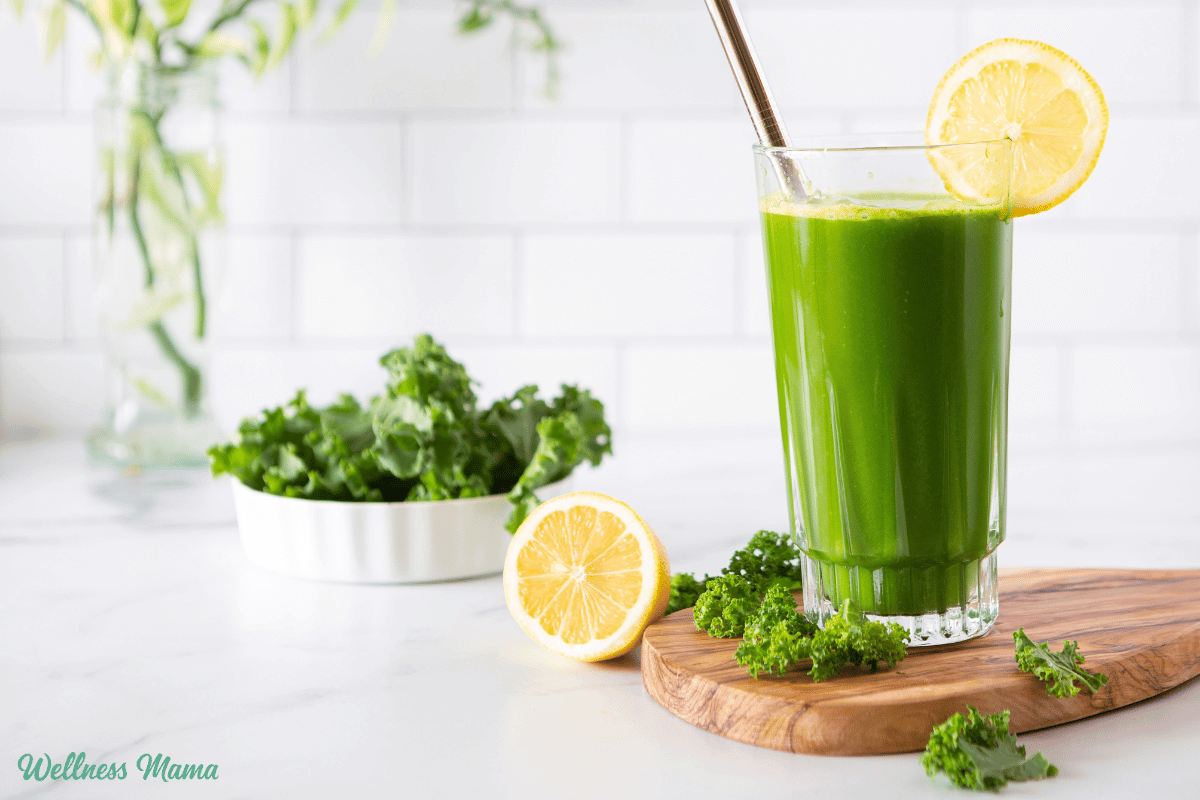
green juice

Refreshing Green Juice Recipe

Green juice has become more popular in recent years, especially during fasting or detox. It’s one of those wellness trends people either swear by or completely write off. For some it’s a daily habit that brings energy, while others just notice blood sugar spikes and get hangry (hungry + angry). 

I’ve experimented with green juice for years. And while they’re not a magical cure all, they can have some very real benefits. It depends on how you use it, what you put in it, and when you drink it. 

Instead of framing it as simply a detox or a meal replacement, I look at green juice as a healthy addition. When used intentionally as a nutrient boost (not a nutritional crutch) it can be a really helpful addition to a whole-foods lifestyle.

Green Juice as a Meal Replacement

One of the most common ways people use green juice is as a breakfast replacement or as part of a juice fast. It sounds great: flood the body with vitamins and give your digestion a “break.” But in reality, that approach can backfire.

Juicing removes most of the insoluble fiber from fruits and vegetables. Fiber plays an important role in slowing down sugar absorption, feeding beneficial gut bacteria, and helping us feel full. Without it, juices, especially fruit juice, can quickly raise blood sugar. Sugary juice for breakfast means higher cortisol levels, energy crashes, sugar cravings later in the day, and disrupted hunger hormones. 

This is why I’m not a huge fan of drinking only juice for breakfast. I like to front-load my hydration and protein early in the day to stabilize blood sugar and support hormones. Research consistently shows that higher-protein breakfasts keep us feeling fuller longer. They also help with insulin sensitivity and overall metabolic health compared to carbohydrate-heavy ones. Starting the day with juice alone doesn’t offer those benefits.

That said, a green juice doesn’t have to be sugary or metabolically disruptive.

Green Juice as a Nutrient Boost

I prefer to think of green juice as concentrated nourishment. A well-made green juice is naturally lower in sugar than most juicing recipes. Plus you get a large amount of vitamins, minerals, and phytonutrients that are easily absorbed.

According to the CDC, about 90% of Americans don’t eat enough veggies. Even with the best intentions, getting several cups of leafy greens, herbs, and hydrating vegetables into meals every single day is a challenge. Green juice is an easy way to get more veggie nutrition without all of that chewing. 

Another benefit is hydration. Green juices contain potassium, magnesium, sodium, and trace minerals that help water actually move into cells. This is why many people find green juice more hydrating than plain water alone. Proper hydration isn’t just about fluid, it’s about electrolytes, and vegetables naturally provide them in balanced amounts. 

Of course, eating whole fruits and veggies is still important!

Juicing vs. Smoothies: Why Both Have a Place

I love smoothies, especially ones that combine fruit, vegetables, protein, and healthy fats. They’re filling, support healthy blood sugar, and taste refreshing. Sometimes drinking a thick smoothie feels like too much though. It can be heavy, especially if digestion is sluggish or appetite is low. Juicing is a great alternative.

By removing most of the insoluble fiber, you’re able to get the nutrients without getting full so fast. Vitamins and antioxidants are absorbed quickly in liquid form since our body doesn’t have to work as hard to digest them. For someone recovering from illness, dealing with low appetite, or just looking for an easy nutrient boost, juicing can be incredibly helpful.

Juicing isn’t better than blending, it’s just different. Smoothies are more complete and filling. Juices are lighter and more concentrated. Having both tools gives you flexibility instead of forcing one approach to fit every situation. 

Hydration at the Cellular Level

Hydration is about more than drinking enough water. Our cells need minerals for proper fluid balance, nerve signaling, and muscle function. When we don’t have enough minerals, water doesn’t hydrate as effectively.

Vegetables like celery and cucumber are naturally rich in electrolytes, especially potassium and sodium. Coconut water adds additional potassium and small amounts of magnesium. Together, these ingredients support cellular hydration.

Studies on electrolyte balance show that fluids with minerals are retained better than plain water, especially during physical activity or periods of stress. While green juice isn’t a replacement for water, it can be a meaningful complement to hydration. Especially for anyone struggling to drink enough fluids throughout the day.

The Benefits of Green Juice Ingredients

I’ll get to the actual recipe in just a second, but first I wanted to explain why I chose these ingredients. You’ll notice there’s a whole lot of veggies and not a lot of fruit here. And the fruits I do use are naturally very low in sugar. This combination offers hydration, micronutrients, antioxidants, and gentle digestive support.

Celery

I’m a big fan of celery juice even by itself. Celery is high in water, potassium, and sodium, which is great for hydration and electrolyte balance. Unlike conventional sports drinks, celery provides these minerals in a whole-food form our body recognizes and uses more efficiently. It’s great for anyone who feels dehydrated despite drinking water. 

Celery also has antioxidant flavonoids like apigenin and luteolin, which have been studied for their anti-inflammatory effects. You’ll also get vitamins A, C, and K, calcium, and iron with celery. 

Cucumber

Next to celery, cucumbers are one of the most hydrating vegetables, with over 95% water content. They also provide small but meaningful amounts of potassium and vitamin K to support fluid balance and normal blood clotting. Their high water content also helps dilute some of the stronger flavors in green juice.

Beyond hydration, cucumbers have antioxidants like cucurbitacins and flavonoids. Researchers have found that the compounds in cucumbers have anti-inflammatory, antimicrobial, anticancer, and antidiabetic effects. Plus, cucumber is just so refreshing. 

Green Apple

Green apples add just enough natural sweetness to balance out the bitter greens without adding too much sugar. Compared to sweeter apple varieties, green apples are lower in fructose and have a more gradual impact on blood sugar when used in small amounts.

They also have polyphenols like quercetin, an antioxidant that helps support the immune system. Not only does quercetin show anti-cancer activity, but it’s also antiviral and supports healthy blood vessels. And with potassium, B vitamins, and vitamin K, it’s a delicious and healthy addition to green juice. 

Kale

Most green juice recipes feature leafy greens like spinach, kale, or chard. Kale is really nutrient-dense, providing vitamins A, C, and K, along with folate and manganese. These nutrients support immune function, collagen production, and normal blood clotting, all of which are essential for overall health.

More importantly, kale is low in oxalates compared to greens like spinach and Swiss chard. It also has calcium, which can bind to oxalates in the digestive tract and reduce absorption. Not everyone has issues with high oxalate foods, but over time, especially in large amounts, they can cause problems. 

Lemon Juice

Lemon adds brightness and some tang from vitamin C, a key nutrient for immune health and collagen synthesis. Vitamin C also enhances the absorption of certain minerals, including non-heme iron from plant foods. Lemon stimulates digestion and can help green juice feel lighter, especially when combined with mineral-rich vegetables. 

Some recipes call for adding a peeled lemon to the juicer, but I don’t want to bother with peeling a lemon. Instead, I just cut it in half and squeeze the lemon juice in. It’s also great for grip strength!

Ginger

Ginger has been used for thousands of years to support digestion, circulation, and immune health. Modern researchers have looked at its active compounds for their anti-inflammatory and antioxidant effects. Ginger can help calm nausea and move food from the stomach into the intestines for better digestion. 

It’s warming and I love the bit of a spicy kick it adds.

Parsley

When you think of parsley, garnishes on restaurant plates and hospital food may come to mind. In reality though, parsley is a nutritional powerhouse. It’s rich in vitamins C and K and chlorophyll to support immune function, detox, and blood health.

Parsley also has apigenin, a flavonoid known for its antioxidant and cell-protecting properties. Traditionally, parsley has been used to support kidney and urinary health.

Coconut Water

Optional, but I like adding this sometimes for more electrolytes. Coconut water naturally contains potassium, magnesium, and sodium to support electrolyte balance and hydration. These minerals are vital for regulating nerve signaling, muscle contraction, and fluid movement into cells.

When used in moderation, coconut water gives the green juice an extra hydration boost without overdoing it on the sugar. Be sure to look for coconut water without added sugar!

Oxalates, Greens, and Context 

Oxalates are naturally occurring and found in many plant foods. They often get labeled as bad, but it’s not so simple. We only absorb about 2–5% of oxalates in our food. When we eat high-oxalate foods on an empty stomach or in large amounts (especially in liquid form) absorption can increase to around 10–12%.

Too many oxalates can irritate the kidneys and contribute to kidney stones for some people. It’s also important to note that only about 20% of our oxalates come from food. The rest are produced in our bodies naturally through metabolism and other factors.

This is one reason I prefer kale over spinach in green juice. Kale is low in oxalates and also contains calcium. Oxalates carry a negative charge and readily bind to positively charged minerals like calcium, magnesium, and iron. When we eat oxalate-rich foods alongside calcium, it reduces the absorption.

Who Should Drink Green Juice?

Green juice can be especially helpful for people who:

  • Struggle to eat enough vegetables 
  • Have low appetite or difficulty digesting large meals
  • Need extra hydration and electrolytes
  • Want a light, nutrient-dense snack between meals
  • Want a nutrition boost

Green juice that’s heavy on fruit isn’t ideal for anyone with unstable blood sugar or as a meal replacement. Like most wellness tools, it’s about using it intentionally.

Green Juice Recipe

This delicious green juice has a pleasant earthy taste with a sour twist from the lemon.

  • 4 stalks celery (leaves removed)
  • 1 green apple (cut in quarters)
  • 1 cucumber
  • 6 leaves kale
  • 2 inches fresh ginger
  • ½ cup fresh parsley
  • ½ lemon
  • ¼ cup coconut water (optional)
  • Add all of the ingredients except lemon and coconut water to the juicer.

  • Once the juice is pressed, squeeze in the lemon juice and add the coconut water if desired.

  • Keep in the fridge for up to 72 hours.

Nutrition Facts

Green Juice Recipe

Amount Per Serving (1 serving)

Calories 113
Calories from Fat 9

% Daily Value*

Fat 1g2%

Saturated Fat 0.2g1%

Polyunsaturated Fat 0.4g

Monounsaturated Fat 0.1g

Sodium 127mg6%

Potassium 849mg24%

Carbohydrates 25g8%

Fiber 4g17%

Sugar 15g17%

Protein 4g8%

Vitamin A 5083IU102%

Vitamin C 78mg95%

Calcium 178mg18%

Iron 2mg11%

* Percent Daily Values are based on a 2000 calorie diet.

  • Opt for organic produce as much as possible.
  • Add more or less of certain ingredients to suit your tastes.
  • With my juicer, I found it worked best to add the leafy greens first before adding the other veggies. 

How To Make Green Juice Without a Blender

If you don’t have a juicer, you can still make green juice. Add all of the ingredients to your blender and add just enough water or coconut water to get the mixture to blend. After you’ve blended it to a smooth consistency, use a fine mesh strainer to remove the fiber.

How Long Does Fresh Green Juice Last?

I’m a big fan of bulk meal prepping whenever I can for faster meals. Juicing doesn’t always work well with that strategy though. Low-acid green juices (like this recipe) will last for 24-72 hours in the fridge before they start to go bad. I like to drink it fresh as soon as I make it, but you can make a few days’ worth at a time if you prefer.

Final Thoughts on Green Juice

While green juice does help our bodies detox and function better, you don’t need to go on a full green juice cleanse. It is however a great way to pack in some extra nutrition from fruits and veggies. When used thoughtfully, it can support hydration, boost nutrition, and overall vitality without sabotaging blood sugar. 

Using green juice alongside real food and prioritizing protein and healthy fats helps support the body rather than overwhelm it. Play with the ingredients and the amounts to suit your tastes! 

Are you a fan of green juice? What are some of your favorite ways to use it? Leave a comment and let us know!

Tags: , , ,
Daily Skincare Is Your New Year Resolution? Here Is A Mindful Routine That Every Beginner Can Follow | Fashion

Daily Skincare Is Your New Year Resolution? Here Is A Mindful Routine That Every Beginner Can Follow | Fashion

Every new year comes with a quiet promise – the hope of doing better for ourselves. While resolutions revolve around fitness, productivity or finances, skincare is also slowly becoming a self-care ritual that people swear by. For beginners, the idea of building a skincare routine can feel overwhelming as there is so much in the market. Serums, acids, steps and trends flood our screens daily. However, mindful skincare is not about doing more – it is about doing what truly works for you.

Tags: , , , , , , , ,
7 Biggest K-Beauty Trends of 2025, According to Experts

7 Biggest K-Beauty Trends of 2025, According to Experts

Lee’s a fan of it too, adding that milky toners were a common addition for an adjacent TikTok trend that gained traction this year. “Skin flooding is a hydration stacking technique where you apply multiple layers of hydrating products onto damp skin to ‘flood’ it with moisture before sealing it in [with a cream or gel moisturizer].” Another viral option comes from TirTir, which adds niacinamide to its formula for added brightening.

Flushed Blush

Blush was a major beauty trend everywhere, including Seoul’s It girls—who, of course, put their own spin on it. In Korea, makeup leans toward a soft-matte, diffused look, and blush is no different. What sets it apart is the placement when applied and unique textures—think bouncy, mousse-like formulas and roller-ball blushes.

“Blush had a real moment in 2025, with lots of cool girls in Korea wearing blush high up on their cheeks, right below their eyes,” says Lee. “The result was a fresh, youthful look. We saw lots of great new textures and formats for blush, whether it was bouncy Pudding Pots from FWEE, Dewy Roll Cheeks from Rom & amp;.”

Fwee

Lip&Cheek Blurry Pudding Pot

PDRN and Vegan Alternatives

“PDRN has been a major trending ingredient in 2025. PDRN (also known as salmon DNA) has been incorporated into serums, mists, creams, masks—and it all happened at record speed,” explains Lee, noting that brands like Reju-all were completely sold out at many pharmacies in Seoul when she visited over the summer. She suspected the ingredient would gain widespread attention given the buzz it was already generating on social media—even Kim Kardashian revealed that she’d tried a professional PDRN treatment. “Today, we see PDRN in every category, from serums and mists to creams and even sunscreens.” One PDRN product in particular that took over TikTok was Medicube’s bright pink serum.

And in keeping with that rapid pace of innovation, PDRN has since expanded into vegan alternatives. “PDRN is no longer limited to salmon-derived sources, thanks to advances in biotechnology that are unlocking non-animal ways to deliver the same regenerative benefits,” says Chung Park. Case in point: both she and Lee count Mixsoon’s plant-derived, rice-based PDRN among their favorites.

Blurred Lips

“Some iteration of blurred lips has been popular in Korea for years, but the twist in 2025 was a softer take on the look,” says Lee, noting that formulas like Peripera’s Ink Velvet reigned supreme—and still do. “Rather than a sharp ombré effect, blurry lips were defined with a chunky, rounded, soft lip liner and subtly blended.” The result, she explains, is pretty and plumped, aligning seamlessly with the clean-girl aesthetic that dominated 2025.

Tags: , , ,
Best oLive
Privacy Overview

This website uses cookies so that we can provide you with the best user experience possible. Cookie information is stored in your browser and performs functions such as recognising you when you return to our website and helping our team to understand which sections of the website you find most interesting and useful.