Apple App Store

10 ways exercise can help you look and feel younger

10 Ways Exercise Can Help You Look and Feel Younger

When people think about anti-aging strategies, skincare products and beauty treatments often come to mind first. But one of the most powerful tools for healthy aging doesn’t come in a bottle—it’s regular physical activity.

Exercise supports nearly every system in the body, from cardiovascular health and muscle strength to mood and sleep quality. Many of the visible benefits associated with looking younger are actually reflections of better overall health. Here are 10 ways exercise can support a more youthful appearance and greater long-term vitality.

Pexels

1. Exercise Improves Circulation

One of the most immediate effects of exercise is increased blood flow.

As your heart pumps more efficiently, oxygen and nutrients are delivered throughout the body, including to the skin. Improved circulation supports normal cell function and can contribute to a healthy, post-workout glow.

Regular movement helps keep this process working efficiently over time.

Unsplash

2. Physical Activity Supports Skin Health

Healthy skin depends on many factors, including circulation, sleep, hydration, nutrition, and sun protection.

Exercise supports several of these factors simultaneously. While it won’t eliminate wrinkles or reverse aging, regular activity can help create the conditions that support healthier-looking skin.

Pexels

3. Strength Training Helps Preserve Muscle Mass

Beginning as early as our 30s, we naturally start losing muscle mass.

Strength training helps slow this process by maintaining and building muscle tissue. Preserving muscle contributes to better posture, balance, mobility, and overall physical function as we age.

It can also help maintain a stronger, more energetic appearance.

Unsplash

4. Movement Helps Manage Stress

Chronic stress can affect everything from sleep quality to skin appearance.

Exercise is one of the most effective ways to help regulate stress. Physical activity encourages the release of endorphins and supports emotional well-being, helping many people feel calmer and more resilient.

Less stress often translates into a healthier appearance and greater overall vitality.

Pexels

5. Exercise Supports Better Sleep

Quality sleep plays a major role in healthy aging.

Research consistently shows that regular physical activity can help improve sleep quality for many people. Better sleep supports recovery, cognitive function, mood, and skin health.

When you sleep better, it often shows.

Unsplash

6. Movement Helps Maintain Healthy Posture

Good posture can dramatically influence how youthful and confident someone appears.

Strengthening the core, back, hips, and shoulders helps support proper alignment. Activities such as strength training, yoga, Pilates, and mobility work can all contribute to better posture over time.

Standing taller often creates an immediate visual difference.

Unsplash

7. Exercise Supports Heart Health

A healthy cardiovascular system helps support healthy aging throughout the body.

Regular exercise can help maintain healthy blood pressure, support circulation, and improve cardiovascular fitness. These benefits contribute to energy, endurance, and overall wellness as the years pass.

Pexels

8. Physical Activity Helps Preserve Mobility

Remaining active helps keep joints, muscles, and connective tissues functioning well.

Walking, stretching, strength training, and balance exercises all support mobility and independence later in life. Being able to move comfortably and confidently is one of the most important aspects of aging well.

Unsplash

9. Exercise Can Boost Confidence

Feeling strong often changes how you carry yourself.

Regular exercise can improve self-confidence, body awareness, and mood. Confidence influences everything from posture to facial expressions, often creating a more vibrant and youthful presence.

It’s one of the most overlooked benefits of staying active.

Pexels

10. Long-Term Exercise Supports Healthy Aging

Perhaps the biggest benefit of exercise is that it supports health from the inside out.

Research consistently links regular physical activity with better health outcomes as people age. The visible benefits—better energy, stronger posture, healthier skin, and greater vitality—are often reflections of these deeper physiological advantages.

Pexels

The Real Secret to Looking Younger

Looking younger isn’t about chasing every new beauty trend. In many cases, it’s about supporting the habits that help your body function at its best.

Regular exercise improves circulation, supports healthy sleep, helps manage stress, preserves muscle mass, and promotes long-term wellness. Combined with good nutrition, sun protection, and adequate rest, movement remains one of the most effective tools for healthy aging.

The goal isn’t to stop aging. It’s to age well—and exercise is one of the best ways to do exactly that.

Read More:

Ask us! What questions do you have about content, strategy, pop culture, lifestyle, wellness, history or more? We may use your question in an upcoming article!

Ask us a question

Like MediaFeed’s content? Be sure to follow us.

This article originally appeared onResourcebuzzand was syndicated byMediaFeed.co.

Tags: , , ,
BON CHARGE launches The BON CHARGE Method, an immersive guided wellness experience led by personal trainer to the stars

BON CHARGE launches The BON CHARGE Method, an immersive guided wellness experience led by personal trainer to the stars

Sydney, June 17, 2026 (GLOBE NEWSWIRE) —

17 June 2026, New York, United States: With demand for wellness technology rising across the US, today, premium wellness brand BON CHARGE™ and personal trainer to the stars, Flik Swan, launched The BON CHARGE Method. The new guided wellness experience available on YouTube is designed to build lasting elite recovery and biohacking rituals into daily life. 

The launch represents an evolution for the brand and a long-term educational platform for shaping the future of lifestyle routines through redefining how wellbeing technologies are experienced. The first four complimentary environment-led experiences focus on expert movement, breathwork, performance, relaxation and beauty for time-poor Americans.

Designed for wellness exploration, it incorporates cutting-edge science-backed wellness tools in immersive guided practices that help people achieve greater consistency and deeper transformation at home. Led by Flik Swan it provides professional expertise which is reserved for A-list clientele, including international supermodels and Hollywood actresses. 

It arrives amid a rapid surge in popularity for wellness technologies, as BON CHARGE’s Global Wellness Trend Report 2026 surveyed 2,000 US adults, revealing 31% of adults have used red light therapy, rising to over half (53%) among those aged 18–34. Meanwhile, emerging technology, PEMF has seen rapid adoption with 66% of US users starting in the past year.

Flik Swan, a renowned professional dancer, has over 25 years working in movement, performance and health. She has performed with The Royal Shakespeare Company and for multiple West End shows, including, Chicago, Grease and Chitty Chitty Bang Bang. Outside of this, her credits include being the dance and body double for Lily James in the film, Cinderella, and her role as the showgirl, Myrna in Doctor Who. 

Now accessible to a wider audience through The BON CHARGE Method, health enthusiasts can build their ideal set-up at home with their preferred wellness routines behind each session. Experience expert guidance from the award winning fitness instructor who provides a refined alternative to high impact workouts utilising her performance background for an approach rooted in posture, control and functional strength.

Experiences:

  1. 360 Sculpt
    Designed specifically around the Red Light Panel, biohackers and wellness explorers can experience a 360 Sculpt workout that delivers full body red light coverage and techniques designed to improve performance.
  2. Sound Bath Meditation
    Guided recovery experience with the Infrared PEMF Mat, blending sound, breathwork and deep rest. Best utilised for evening wind-down rituals by using low-frequency 1–30Hz PEMF settings to support moments of calm, relaxation and reset.
  1. Sculpt & Stretch
    A restorative new category of wellness exploration combining performance and recovery utilising the Red Light Therapy Blanket. Designed for time-poor Americans, this daily wellness ritual focuses on light, mobility, flexibility and movement.
  1. Skin Manifestation
    A luxury at-home experience inspired by modern wellness retreats that supports skin appearance. It combines clinically studied red and near-infrared light wavelengths from the Red Light Face Mask with expert breathwork and relaxation techniques.

With modern life disrupting biology, BON CHARGE is helping people reconnect with the rhythms the body already understands with its science-backed wellness tools. Hosted in luxury wellness facilities and monthly community wellbeing experiences, The BON CHARGE Method builds on this by creating immersive experiences that integrate wellness into everyday life. 

To experience complimentary access to The BON CHARGE method, please visit BON CHARGE’s YouTube channel.

ENDS

For more information or sample requests, please contact boncharge@5wpr.com.

Notes to Editors
BON CHARGE Global Wellness Tech Trend Report 2026. Research conducted by Opinium. Global consumer survey of 7,000 adults across the UK, USA (2,000 respondents), UAE and Australia, conducted in December 2025. To find out more, please visit, https://boncharge.com/pages/wellness-tech-report-2026.

ABOUT BON CHARGE
Founded in 2017 by Katie and Andy Mant, BON CHARGE offers science-backed technology designed to restore the biological signals modern environments have removed, supporting your body needs for optimal sleep, recovery, beauty and wellbeing. From light exposure to recovery technologies, BON CHARGE helps people reconnect with the rhythms the body already understands, rather than forcing health through discipline alone. Headquartered in Sydney, Australia, every product is rooted in rigorous scientific research and designed to help individuals achieve their wellness goals. Modern Life Disrupts Biology. BON CHARGE Restores It. For more information, visit boncharge.com.

ABOUT Flik Swan
Flik Swan holds an advanced qualification in Functional Nutrition & Lifestyle Medicine and is a fitness trainer with over 25 years working in movement, performance and health. With an elite professional career in dance and performance, she combines her background to apply a unique framework to the way we live, recover and thrive. Flik works with private clients who value an intelligent, evidence-informed and sustainable approach to their health, physical transformation and how they live. Experienced in vitality, metabolic health, strength, recovery, sleep optimisation and hormonal health, she works with private clients as a certified sound healing practitioner, mat pilates instructor and intermittent fasting coach. For more information, visit, flikswan.com or follow @flikswan on Instagram.

Contact Info

BON CHARGE
jack@boncharge.com

Tags: , , , , , , , , , , ,
How to Care for Sensitive Skin From Perimenopause or Irritation

How to Care for Sensitive Skin From Perimenopause or Irritation

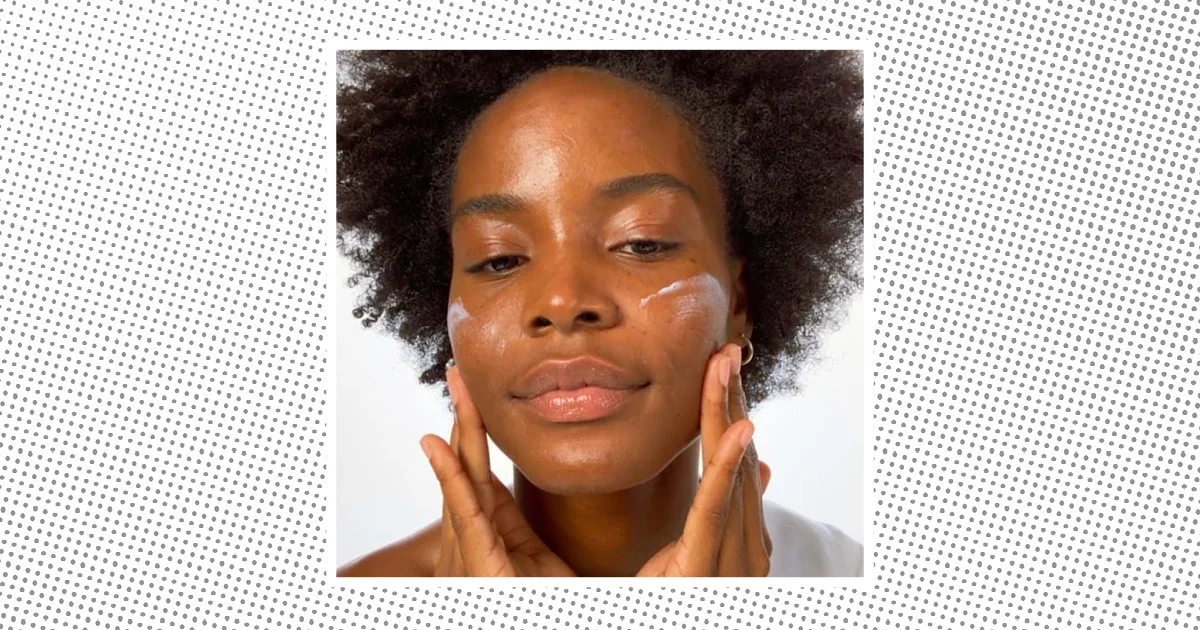
Years ago, people with sensitive skin seemed to be a small group who flushed easily and felt a tingle when using certain skincare products. Now, it feels like practically everyone identifies as sensitive. Maybe you now find moisturizer burns upon application or your face gets as red after a few bites of spicy food as it does after a punishing spin class. Even people who once considered themselves firmly on team “normal skin” are newly reactive.

I’ve noticed it myself over the past year. As I’ve entered the early stages of perimenopause, one of the biggest changes in my skin hasn’t been the more expected acne or dryness, but increased sensitivity. Products I’ve used for years suddenly feel irritating. Regardless of what I use (or don’t use), for about five days every month my face is red, textured and itchy. 

As it turns out, my experience is becoming increasingly common. “A recent global survey showed that 70 per cent of people now self-report some degree of sensitive skin,” says Dr. Geeta Yadav, board-certified dermatologist and founder of FACET Dermatology in Toronto. 

Sensitive skin or sensitized skin?

Part of the reason this conversation has become so loud is because many people are dealing with sensitized skin, a temporary state caused by a compromised skin barrier, rather than a truly sensitive skin type.

“Sensitive skin is really a syndrome of unpleasant sensations in response to things that shouldn’t normally provoke them,” says Yadav, adding that dermatologists believe it’s a neuropathic disorder, where nerves in the skin have a lowered threshold for firing back.

People with the sensitive skin type are predisposed to it and are typically reactive around the clock, 365 days a year. “[They] tend to have a naturally weakened skin barrier, higher reactivity to products, weather, fragrance or environmental triggers and have chronic tendencies toward redness, stinging, dryness and itching,” says Dr. Michael Ingrassia, vice president of advanced technologies at Clinique Laboratories.

Sensitized skin, on the other hand, is acquired. According to Ingrassia, it appears when the skin barrier becomes compromised, often by skincare habits, aggressive cosmetic treatments, stress, lack of sleep, pollution and UV exposure.

That distinction matters because while sensitive skin is usually ongoing, sensitized skin is often short-lived and reversible. “If your beloved moisturizer suddenly burns, that’s sensitized skin, not sensitive skin,” says Yadav.

Sensitive skin benefits from a very simple skincare routine, experts say. Photo: Clinique

Why reactive skin is on the rise

There’s no single culprit behind this surge in skin reactivity, say the experts. Instead, it’s the cumulative effect of modern life colliding with increasingly aggressive skincare habits. 

“More than ever, skin is exposed to environmental aggressors, pollutants, allergens and daily lifestyle stressors that can compromise the skin barrier and heighten reactivity,” says Janet Pardo, SVP of global product development at Clinique.

Everyday exposures that may seem relatively minor, like air conditioning, abrupt weather changes and UV, are now understood to have a measurable impact on barrier function. “[All these factors] disrupt the dermis, increase water loss and make the skin more prone to discomfort,” explains Pardo.

Sensitive skin and perimenopause

Hormones are another major, yet often overlooked factor, particularly perimenopause and menopause, which can span anywhere from four to eight years or longer (insert grimacing emoji here).

The estrogen drop during those big hormonal shifts thins the skin, reduces ceramide and hyaluronic acid production and lowers the threshold for irritation, Yadav explains. “Many women in their mid-forties suddenly find their long-standing routine no longer works.”

At the same time, our skincare routines have become far more intense than they were a decade ago. Multi-acid toners, prescription-strength retinoids, daily exfoliation, lasers, peels and in-office treatments all stress the skin barrier, even more so when layered together.

“We’re dramatically worse at protecting our barriers than we were a generation ago, using more ingredients more often and with no rest periods,” says Yadav. “Overuse of actives is, in my opinion, the single most modifiable contributor to skin sensitivity in 2026.”

A barrier-first beauty approach

As more people experience skin reactivity, brands are increasingly coming out with barrier-strengthening formulas designed to calm the skin rather than challenge it. “Consumer awareness and labelling of ‘sensitive skin’ has expanded dramatically over the last five to 10 years,” says Ingrassia.

That rise in demand led to Clinique’s new Daily Calm line, a four-product collection designed for those with both sensitive and sensitized skin, “who are looking for products that feel both effective and reassuring to use,” says Pardo. The goal was to create a streamlined regimen that would support the skin while addressing everyday triggers that cause irritation.

The line includes a cleanser, moisturizer and notably, two makeup products—a lip and cheek colour and a tinted skin balm that can be worn comfortably even during a flare-up. “Including makeup in the line was very intentional,” says Pardo. “For many people with reactive skin, sensitivity doesn’t stop at skincare.”

A simpler routine

The experts emphasize that reactive skin responds best to simplicity. If your skin becomes red, tender or inflamed, hit pause on strong actives like retinoids and exfoliants until your barrier has recovered. “A well-tolerated moisturizer used consistently is the single most evidence-supported intervention for sensitive skin,” says Yadav.

There are supportive and barrier-building ingredients that can help: Scan labels for ceramides, glycerin, centella asiatica, panthenol, squalane and colloidal oatmeal. Clinique built the Daily Calm line around uniflavon, an anti-inflammatory and antioxidant ingredient that combines skin-soothing bamboo and skullcap extracts. “It helps calm the rapid response that can lead to visible signs of sensitivity while also defending against longer-term irritation triggers that may continue to fuel reactivity,” says Pardo.

While skincare trends continue to push stronger ingredients and a more-is-more mentality, Yadav says easily irritated skin often benefits from the opposite: fewer steps and more consistency. “Three or four products will outperform a 10-step routine almost every time.”

Shop skincare for sensitive skin

Packed with two types of vegan PDRN, centella asiatica and panthenol, these nifty pads firm, soothe and hydrate reactive skin.

With a unique oil-like texture, this silky serum is formulated with a calming trio of ceramides, urea and squalane to help strengthen and brighten skin.

Available in eight shades, this sheer, creamy, buildable foundation works to soothe skin on application and over time thanks to uniflavon and a trio of strengthening lipids.

Ectoin, the hero ingredient in this barrier-boosting serum, helps to reduce water loss and minimize redness in easily irritated skin.

With 20 per cent hyaluronic acid and antioxidant-rich blue tea, this gel mask gently boosts skin elasticity and moisture levels.

With a texture like butter and nourishing ingredients including colloidal oatmeal, this rich night cream provides intense hydration.

A sister to K-Beauty brand Aestura’s best-selling barrier cream, this water-based lotion contains the same award-winning ceramide blend as the original, but in a more lightweight texture.

Tags: , , , ,
Beyond the Spa: Naturopathica’s Guide to Healthy Skin and Everyday Balance

Beyond the Spa: Naturopathica’s Guide to Healthy Skin and Everyday Balance

Naturopathica in East Hampton

Summer in the Hamptons often means long days in the sun, packed schedules, and a constant balance between activity and relaxation. At Naturopathica, with spa locations in East Hampton and Bridgehampton, wellness is approached as an ongoing practice—one that extends beyond time spent in the treatment room, and into everyday routines.


Known for its line of botanical skincare and results-driven treatments, Naturopathica has become a trusted destination for those looking to restore, reset, and maintain healthy skin throughout the season. How you care for your skin, body, and mind after a facial or massage is just as important as the treatment itself, especially when it comes to protecting and prolonging results.


Spa Director Cassie Pahel shared her go-to tips for post-treatment care, daily skincare rituals, and simple wellness habits that help support balance all summer long, whether you’re visiting the spa regularly or looking to bring those benefits into your everyday routine.


What are your top post-treatment tips to help maintain results after a facial or massage?


CP: The most important thing is to protect and support the skin or body while it’s in a receptive state. After a facial, I always recommend avoiding heavy makeup, excessive sun exposure, and heat (like saunas or hot yoga) for at least 24 hours. Hydration is key, both internally and topically, as the skin is primed to absorb nutrients.


After a massage, it’s about keeping the body in a relaxed, parasympathetic state. Gentle movement, hydration, and allowing yourself time to rest can help extend the therapeutic effects.


Are there any common mistakes people make after spa treatments that they should avoid?


CP: One of the most common mistakes is overstimulating the skin too soon. Using exfoliants, retinoids, or active ingredients immediately after a facial can disrupt the results and lead to sensitivity.


Another is jumping right back into a high-stress routine after a treatment. The body and nervous system have just been reset, and giving yourself even a few hours to stay grounded can make a meaningful difference.


What are a few simple daily rituals you recommend for maintaining healthy skin and overall wellness?


CP: Consistency is everything. I always come back to a few core rituals:


– Mindful cleansing morning and evening to support the skin barrier

– Daily SPF, which is non-negotiable for long-term skin health

– A moment of intentional breathing or stillness, even just a few minutes, to regulate the nervous system


How can clients extend the benefits of a spa treatment at home between visits?


CP: Think of your home routine as a continuation of what we do in the treatment room. Using targeted, high-quality products that support your specific skin concerns is essential, but so is how you apply them.


Simple techniques like facial massage, lymphatic drainage, or dry brushing can help stimulate circulation and maintain that post-treatment glow. Creating a calming ritual—rather than rushing through your routine—also reinforces the benefits on a deeper level.


Are there specific ingredients, products, or practices you find especially effective for long-term skin and body care?


CP: I tend to focus on ingredients that strengthen and support the skin over time, rather than just delivering quick results. Botanical actives, antioxidants, and barrier-repair ingredients are foundational.


Equally important are practices like regular exfoliation (done gently and appropriately), consistent hydration, and supporting lymphatic flow. Long-term skin health is really about balance and resilience.


Beyond skincare, what are your go-to wellness habits for feeling balanced and restored day to day?


CP: For me, it always comes back to nervous system regulation. Whether that’s breathwork, time outdoors, or simply stepping away from screens, those moments of reset are essential.


I also prioritize movement that feels restorative rather than depleting, and staying connected to the rhythms of sleep and hydration that support overall balance and nourishment.


True wellness isn’t about intensity; it’s about consistency, intention, and listening to what your body needs.


To learn more about Naturopathica, click here.

Tags: , , , , , ,
Best oLive
Privacy Overview

This website uses cookies so that we can provide you with the best user experience possible. Cookie information is stored in your browser and performs functions such as recognising you when you return to our website and helping our team to understand which sections of the website you find most interesting and useful.