Homemade Healthy Hot Chocolate

We don’t get much snow since we moved (or any!), but back in the day the kids loved playing outside for hours when it snowed. There’s something almost sacred about coming in from the cold to a mug of steaming cocoa topped with whipped cream. However, I wanted to find an alternative to conventional hot cocoa mix loaded with refined sugar and powdered milk.

So I set out to create a healthy, simple, and completely homemade version that tastes even richer than what I grew up with. This isn’t just another hot chocolate mix recipe, it’s real food comfort in a mug. And once you know how to make good hot chocolate, the packets just don’t taste the same. 

Thanks to this recipe, I’m always happy to oblige when my kids ask for cocoa after hours outside. It’s become our version of the classic childhood ritual. And this one is made with nourishing hot chocolate ingredients I feel good about serving.

The Best Hot Chocolate Recipe (Option for Dairy Free)

This hot chocolate combines cocoa powder, healthy fats, warming spices, and natural sweeteners for a cozy cup of cocoa. You can use organic whole milk for a traditional richness, or swap in coconut or almond milk for a dairy-free version. Coconut milk is higher in fat to make it even creamier. Gelatin helps thicken and adds hair, nail, and gut health benefits.

Instead of refined white or brown sugar, I prefer maple syrup or honey. They add natural sweetness, minerals, and antioxidants.  A pinch of sea salt enhances the chocolate flavor, and a splash of vanilla extract rounds everything out beautifully. Sometimes I’ll shave in a bit of dark chocolate for extra richness, but this recipe works perfectly with cocoa powder and is delicious, no chocolate chips required.

The secret to good hot chocolate is quality chocolate and healthy fats. Adding butter or coconut oil creates that velvety texture most people associate with melted milk chocolate, without the processed ingredients. And if you need to avoid dairy, coconut milk or coconut oil still adds enough fat to recreate the right texture. 

Customizations and Easy Shortcuts

This recipe is incredibly flexible. Prefer it sweeter? Add a touch more maple syrup or raw honey. Want it ultra-rich? Stir in a little chopped dark chocolate at the end. For a classic finish, top with real-food whipped cream.

If you grew up on instant packets, this will taste deeper and more complex thanks to real cocoa powder, healthy fats, and that pinch of sea salt. Sea salt helps balance out the sweetness and it reduces any bitterness in the cocoa. Learning how to make good hot chocolate is surprisingly simple. 

This can be easily customized to your preferences and I’d love to hear your variations in the comments. I love adding a dash of cayenne for a spicy version or some frozen raspberries for berry hot cocoa. This hazelnut hot chocolate recipe is also a family favorite.

Optionally you can also add in some anti-inflammatory turmeric, hormone balancing maca root, or antimicrobial cinnamon. Cinnamon also makes it taste like Mexican hot chocolate. Homemade marshmallows with honey and gelatin are also a family favorite!

Whether you’re making it for a crowd or just yourself, treat yourself (and family!) to some of this nourishing, healthy hot chocolate.

Healthy Hot Chocolate Recipe

This delicious real food hot chocolate recipe combines cocoa powder, healthy fats, and natural sweeteners for a satisfying and healthy drink.

Optional Additions

  • ½-1 tsp maca powder (optional)
  • ¼ tsp turmeric (optional)
  • ½ tsp cinnamon (optional)
  • splash of cream or coconut cream for richness (optional)
  • Add all ingredients to a blender and blend until smooth.

  • Pour into a small saucepan and warm gently over medium heat while stirring. Don’t boil.

  • Taste and adjust sweetness or spices.

  • Pour into a mug and enjoy warm.

Nutrition Facts

Healthy Hot Chocolate Recipe

Amount Per Serving (1 cup)

Calories 241
Calories from Fat 144

% Daily Value*

Fat 16g25%

Saturated Fat 8g50%

Trans Fat 0.5g

Polyunsaturated Fat 2g

Monounsaturated Fat 5g

Cholesterol 30mg10%

Sodium 477mg21%

Potassium 276mg8%

Carbohydrates 16g5%

Fiber 6g25%

Sugar 6g7%

Protein 13g26%

Vitamin A 353IU7%

Vitamin C 1mg1%

Calcium 361mg36%

Iron 2mg11%

* Percent Daily Values are based on a 2000 calorie diet.

Try topping it with whipped cream, coconut cream, or a few marshmallows.

Cocoa For a Crowd

You can make a single serving of cocoa in just two minutes in the blender, or easily scale it. It also adapts well to a Crock Pot if you’re making this for a crowd. Just multiply the ingredients, whisk well, and keep warm until ready to serve. It’s perfect for kids, holiday gatherings, or family night.  

If you want to make a gallon for a crowd here are the adjusted amounts:

  • 13 cups milk
  • 1 cup cocoa powder
  • 1 cup gelatin
  • 3/4 cup butter or coconut oil
  • 1/4-1/2 cup maple syrup or honey (to taste)
  • 3 TBSP vanilla extract
  • 1/8 tsp salt
  • 3-6 TBSP maca powder (optional)
  • 3 tsp turmeric (optional)
  • 3 TBSP cinnamon (optional)

No time to make cocoa from scratch? I like using this Organifi Gold chocolate powder to make healthy and delicious hot chocolate! And these healthy marshmallows work well too. 

What’s your favorite warm drink on cold days? Leave a comment and let us know!

nervous system home

How to Build a Nervous System–Friendly Home

Ever come home after a long, stressful day and felt even more stressed once you stepped inside? Or if you’ve been at home all day with the kids and the mess and the noise has you wanting to pull your hair out? Our homes can be a welcoming, safe space, or they can add to the chaos.

Over the years, I’ve been learning and experimenting with what it looks like to create a nervous system–friendly home. I’ve shared pieces of this before, but I wanted to pull it all together in one place. These are the things that have worked for me and that I’ve dialed in over time. Many of them are free, most are simple, and all are easy enough.

The home is like a partner with our nervous system. Our environment is either reinforcing safety signals or subtle danger signals all day long. And for many of us, especially moms, the home is where the majority of our nervous system triggers live. One 2009 study even found a direct link to clutter and stress levels in women. 

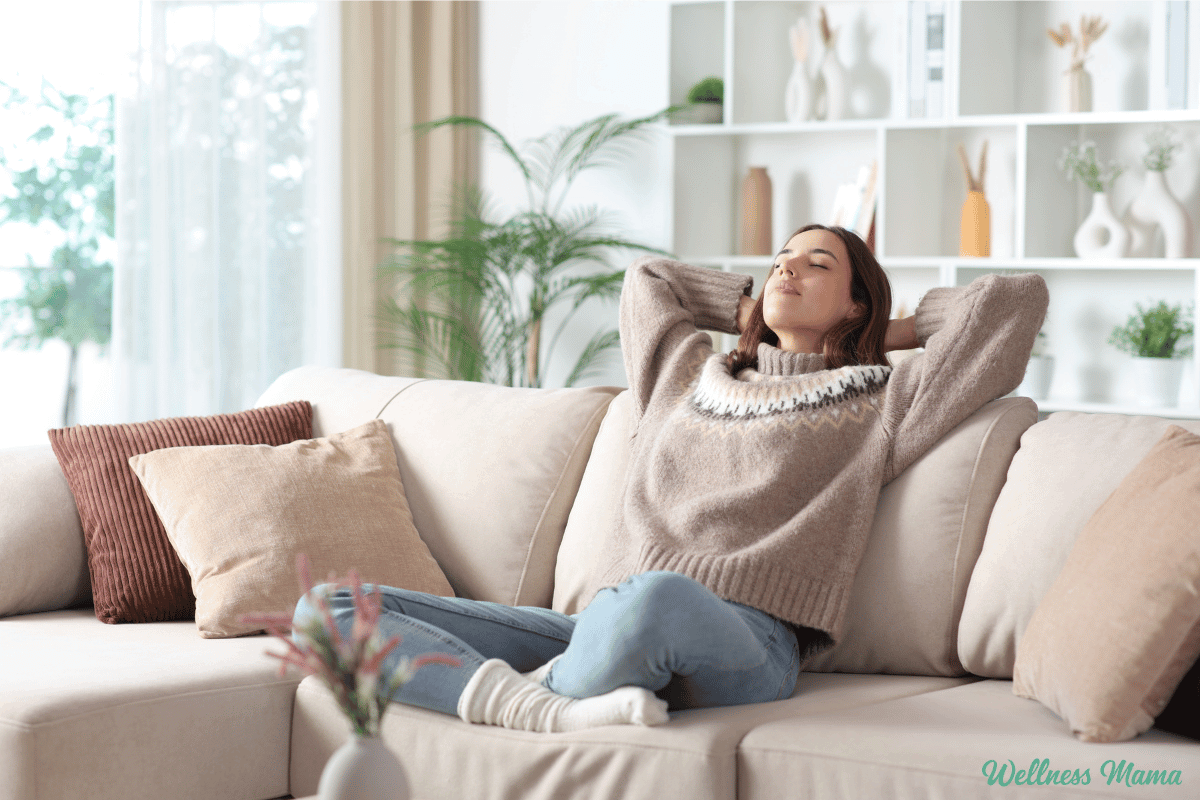
My goal when I walk into my home is to feel like my nervous system is getting a comforting hug. It’s that feeling when your body relaxes and the tension starts to slip away, even without you noticing. 

How Our Homes Talk to the Nervous System

Our nervous system is constantly scanning. It’s noticing light cues, sounds, visual clutter, smells, temperature, predictability, and social cues. These signals happen hundreds or thousands of times per day.

When those cues lean toward “unsafe,” our baseline tends to stay in sympathetic mode, or fight-or-flight. When they lean toward “safe,” the body can relax into parasympathetic mode, where digestion, repair, connection, and sleep happen more easily.

I talk a lot about healthy foods and supplements, but these can’t work well when our nervous system is under constant stress. In this article, I’m walking through what’s made the biggest difference for me. See what resonates with you and what you’d like to add (or take away) from your space. 

Light: The Biggest Nervous System Lever in the Home

You’ve probably heard me talk about light a lot, and that’s because I really believe it’s one of the biggest cues we can send to the body. Light is a massive safety or danger signal, and in many cases, the right kinds of light are free or inexpensive. For me, light is at least as important as diet and supplements. And ideally, it’s a both-and situation. 

Getting natural sunlight first thing in the morning, preferably within an hour of sunrise, is a huge needle mover. Some easy ways I do this include stepping outside as soon as I wake up, often barefoot, and usually in my pajamas. I open the blinds fully during the daytime, and I’ll even open the windows (yes, even when it’s cold out!). 

Morning Sunlight

When that morning sunlight hits our eyes, it starts a hormonal cascade that helps bring everything into alignment. You’ll want to make sure the light isn’t being filtered through a window or glasses. Be sure not look directly at the sun though! I even know some people who wear blue-blocking glasses until they get outdoors, so sunrise light is the first thing that hits their eyes.

I like to stack this with other habits. If it’s not too cold, I’ll get my feet on the ground, do some grounding, and hydrate with mineral water while I’m outside. I keep a quart of salt water and/or minerals on my nightstand that’s easy to grab.

During the day, we actually want bright light. Blue light itself isn’t harmful, but it’s all about the timing. During the brightest parts of the day, blue light signals alertness and metabolism, something we want. I also like to get little “light snacks” by going outside in bright light for about 10 minutes in the afternoon. 

Inside the house, I use full-spectrum, non-flicker daylight bulbs during the day.

Evening Light Cues

Evening light is where I’m the most intentional. In a perfect world, we’re aware of our light environment after sunset. Bright light at night signals daytime to the body and can cause stress in our nervous system. 

Whenever possible, I try to eat earlier and give myself at least three hours before bed with no food and lower light. I switch to warmer, lower light bulbs that mimic the feel of sunset and campfire light. I use lamps instead of overhead lighting and keep light at eye level or below. Our ancestors had lower and warmer light sources from candles and fires. 

After sunset, I avoid bright LEDs and anything that signals daylight, including screens. When I do need screens, I use red filters or my Daylight computer that doesn’t have backlighting for writing or creative projects.

In my bedroom, I pull down the blackout shades after sunset, block outdoor artificial light, and turn on red-spectrum low-light bulbs. I’ll read or draw and try not to be on screens. For me, light structure and nervous system structure are directly related.

Peace and Quiet

Sound is another big trigger that people don’t always think to audit. Household noise can impact cortisol and the startle response, even when we think we’ve tuned it out. Things like a loud TV always being on, constant notifications, HVAC hums, appliances, or echoey rooms can all be stressors.

There are often simple shifts here. Adding textures can dampen sound. Lowering or turning off the TV helps. White noise can be calming. In my bedroom, I use a Jaspr air filter that also provides a really beautiful white noise sound.

Notifications are another big one. My phone is almost always on silent or airplane mode. I don’t like vibration or sound, and I check it only when I want to, instead of reacting to alerts. And at night, my phone goes in the charging drawer in the kitchen. 

Temperature and Nervous System Safety

Temperature is another often-forgotten stressor. Extreme temperatures are obviously stressful, but never having variation can also be confusing to the body. Interestingly, overheated homes are linked to increased irritability and stress hormones. Cooler temperatures, especially during sleep, support vagal tone.

During the day, I aim for a comfortable indoor range, but not overly warm. At night, I keep my bedroom much cooler, often in the 60s. Instead of heating the whole house, I prefer to pile on the warm blankets and use my Chilipad to cool the mattress. Some of my best sleep happens with windows open and cozy blankets, even when it’s cooler outside. 

And while we’re on the topic of temperature, using a sauna can help our bodies be more resilient to stressors. Sauna is known as a hormetic stressor, or the good kind of stress, that helps our body better self-regulate. 

Visual Load, Clutter, and Mental Stress

This is a big one, especially for women. Visual clutter is a drain on our nervous system and it increases stress levels. Every item we own is a micro-decision. I’ve heard the phrase, “Everything you own owns a little part of you,” and that really resonates.

Research shows that women are often more affected by visual load than men. Clutter often signals unfinished tasks, which can add (you guessed it!) more stress. Over time, I’ve focused more on simplifying and subtracting than organizing. Clearing surfaces, creating neutral spaces, and hiding visual noise with storage can help.

For me, decluttering hotspots like the entryway, kitchen counters, and the chair in my room has made a noticeable difference. Calm is not just an aesthetic, but a purposeful design strategy.

Bring the Outside In

When I imagine a calm space, being outside in nature is part of the picture. We’re wired for the safety cues that nature offers. There’s compelling data that spending time in nature benefits the nervous system and psyche, even over short periods.

In the same way, bringing nature into the home can act as a safety signal. Natural materials like wood, stone, clay, and natural fibers feel grounding. My home has lots of natural light, and I have more than a few plants in my bedroom. I’m incorporating more natural fabrics into my wardrobe and I love these linen bedsheets. 

I feel more peaceful when my home reflects nature, even in small ways.

Minerals are another way I bring nature into the home. I have mineralized water stations, sea salt in the kitchen, and bath setups with Epsom salt, sea salt, and essential oils. I keep a hydration corner in my kitchen with liquid minerals the kids and I add to drinks.

Grounding is another component. I love being barefoot outside, but indoors I also use natural fiber rugs and blankets. I like sitting on the floor, not just chairs. Outdoor spaces like patios and hanging chairs help blur the line between indoor and outdoor. 

Cozy Corners and Spaces

Emotional safety is foundational for our overall health. If our body is on edge and in fight or flight mode, it’s much harder for healing to happen. I’ve found that cozy, calming spaces in the home can be very regulating.

When my kids were younger, indoor yoga swings and hanging chairs were incredibly calming for their nervous systems. Movement is regulating for adults too. Most of our swings live outside now that we live in a pretty warm climate. 

Create calm nooks with warm blankets and inviting books. Try weighted blankets, and having designated quiet spaces to support regulation. Rituals and routines matter too. Morning routines and bedtime routines signal predictability and safety, especially for kids who thrive on some kind of structure. 

For me, evening rituals like sipping Cacao Calm or listening to calming music help signal that it’s time to slow down.

The Bedroom as a Nervous System Repair Station

If I had to prioritize one room, it would be the bedroom. Sleep is when repair happens, so the bedroom should support that as much as possible.

In my bedroom, I prioritize complete darkness with blackout curtains and no LEDs. I keep the room cool, use white noise, and minimize clutter. I don’t have a TV or screens in the room, and I try not to bring my phone or computer in. I don’t even have a dresser in my room as all of my clothes live in the closet, out of sight! 

I use linen bedding, a natural mattress, and keep mineralized water on my nightstand. The lighting is low and warm in the evening and I can instantly feel my body relax. It’s not so much about adding to the space, but taking away from it. Removing devices, blue lights, cables, clutter, and work reminders. My bedroom is for sleep and calm.

The Kitchen as a Nourishment Space

The kitchen can also be a nervous system regulation area. Hydration zones, visible minerals, and simplified tools make nourishment easier and less stressful. Keeping surfaces uncluttered and organizing for ease reduces overwhelm. I’ll also make sure that simple, healthy foods are visible so my kids can easily grab something. The goal is to make the kitchen feel like a place of nourishment, not stress.

The Snowball Effect

What I love about this is that a nervous system–friendly home doesn’t have to be expensive. Many of the most impactful changes are free. Opening blinds and windows, turning off overhead lights at night, decluttering, reducing noise, cooling the bedroom, and adding natural elements can all shift the nervous system.

This is about signals, not aesthetics. It’s not about having a fancy home, high-end furniture, or extreme minimalism where everything is white. It’s about turning your home into a nervous system ally. These small changes can have a compounding effect over time that can add up to big results. 

Final Thoughts On A Nervous System Supportive Home

Our homes are constantly sending signals to our nervous system, whether we realize it or not. When those signals support safety, regulation becomes easier and these small changes compound over time.

It’s not about having the perfect home, but learning to embrace more calm in an intentional way. These small shifts can help your home work for you and your family’s health. 

What are some ways you’ve created more calm in your home (or would like to)? Leave a comment and let us know!

Tags: , , ,
Homestead Blog Hop - Homestead tips, ideas, animal care, and recipes every Wednesday

Homestead Blog Hop 586 – Valentine’s, Strawberry Cake, and Fresh Bread

Welcome to Homestead Blog Hop, a weekly gathering for homesteaders and simple living enthusiasts to share DIY projects, from-scratch recipes, and creative inspiration. This week’s hop features cozy homesteading tips, along with practical ideas that celebrate handmade living and self-sufficiency.

Whether you’re looking for seasonal crafts, homemade treats, or encouragement on your homesteading journey, you’ll find plenty of inspiration to carry into the new year. Grab a cup of tea, explore the featured posts, and join us in sharing your own homestead creations.

Meet Your Homesteading Hosts

We’re Kelly from Simple Life Mom, Liz from The Cape Coop, Natasha from Houseful of Nicholes, and Laurie from Ridgehaven Homestead. Together, we’re passionate about from-scratch living, simple ingredients, frugal habits, and intentional homesteading. We’re delighted to host the Homestead Blog Hop, where you can find fresh inspiration each week for DIY projects, homemade recipes, and practical simple living ideas.

Follow Us for More Homestead Inspiration

Natasha – Houseful of Nicholes
Facebook | Pinterest | X | Instagram

Laurie – Ridge Haven Homestead
Facebook | Pinterest | Instagram

Liz – The Cape Coop
Facebook | Pinterest | X | Instagram

Kelly – Simple Life Mom
Facebook | Pinterest | X | Instagram

FEATURED POSTS from the Last Homestead Blog Hop

Each week, we take turns selecting three featured posts from the Homestead Blog Hop. These features are shared across all of our social media platforms, helping spotlight the creativity and hard work of our fellow homesteaders. Here are the featured posts from last week’s hop:

1. Le Creuset No Knead Bread from Walking on Sunshine Recipes

2. Creamy and Slightly Tangy Strawberry Dump Cake Recipe from Recipe Idea Shop

3. 4 Free Heart Box Template Printables for Valentine’s Day from Press Print Party

Congrats! Feel free to grab the featured on button for your post.

Just right click and ‘save image as…‘

Guidelines for the Homestead Blog Hop

  1. Click the “Add Your Link” button below and upload a clear, eye-catching image from your project or recipe. Please link directly to the family-friendly post itself, not your blog’s homepage.
  2. You may link up up to three posts each week.
  3. Take time to visit a few other blogs in the hop and leave a thoughtful comment to let them know you stopped by. Community support makes this hop special!
  4. Please include a link back to the Homestead Blog Hop in your post. Posts without a backlink are not eligible to be featured. All featured posts are shared across all hosts’ social media channels.
  5. Share posts that haven’t been linked to the hop before. Older posts are welcome as long as they are new to the hop.
  6. By joining the Homestead Blog Hop, you grant the hosts permission to use one image from your post, with a link back to your site, if your post is selected as a feature next week.
  7. This is a family-friendly link-up designed to encourage, inspire, and support the homesteader in all of us.

Let the Party Begin!

Which project are you excited to try this week? Leave a comment below.

Join Our Homestead Blog Hop Pinterest Board

Follow all of your hosts on Pinterest and send a message if you’d like to be added to our Homestead Blog Hop group board. This board is a great place to share your DIY projects, crafts, and from-scratch recipes with the homesteading community.

Guideline: Only pin posts that you’ve linked up to the Homestead Blog Hop.

Tags: , , , , , , ,
Your Breasts Have Their Own Microbiome (And Here’s Why That Matters)

Your Breasts Have Their Own Microbiome (And Here’s Why That Matters)

If I asked you where key bacteria live in your body, you’d probably say your gut. Maybe your mouth. Possibly your skin.

Your breasts probably wouldn’t make the list.

And yet – they should.

We’ve known for years that gut microbes are surprisingly chatty. They send signals to the brain that influence mood and stress resilience. (1) They help train the immune system so it knows when to calm down and when to fight. (2) They even influence how the liver processes hormones like estrogen. (3)

But sometimes microbes don’t just send signals – they relocate.

Breast tissue contains its own distinct microbial community. Some of these microbes may originate in the gut. Others likely come from the skin. And during breastfeeding, beneficial bacteria may be delivered to the breast as part of the body’s natural support system for mother and baby.

In this article, we’ll talk about what they’re doing there and why it matters for breast health across our lifespan. First, though, a quick note: This is not medical advice and is not intended to diagnose or treat any condition. None of these statements have been evaluated by the FDA.

Now, let’s take a look.

What is the breast microbiome?

For decades, scientists assumed that internal tissues like the breast were sterile unless infection was present. But advances in DNA sequencing have changed that assumption.

As one study explains:

“This research shows that breast tissue is not sterile but contains a diverse community of bacteria, adding to the literature that body sites once believed to be sterile do indeed have an endogenous microbiome…” (4)

Researchers have identified a consistent microbial ecosystem in breast tissue, mostly made up of Proteobacteria, Firmicutes, Actinobacteria, and Bacteroidetes. Think of these as broad bacterial “families” or groupings.

Zooming in a level, common genera include Staphylococcus and Streptococcus – bacteria that, in the right balance, peacefully coexist and interact with immune cells in the breast.

This isn’t just bacteria from the surface tagging along. In fact:

“Our results indicate a distinct breast tissue microbiome that is different from the microbiota of breast skin tissue…” (5)

In other words, the breast has its own microbial signature – a living ecosystem within the tissue itself.

And like all ecosystems, balance matters.

How the Breast Microbiome May Influence Breast Health

As researchers have compared breast tissue samples, a clear pattern has emerged: the microbial mix looks different in healthy tissue than it does in tissue affected by benign growths or breast cancer. (5) (6) (7)

In healthy tissue, the microbial pattern tends to reflect a more even distribution of bacterial groups – without the overrepresentation of certain species that appear more frequently in tissue samples from women diagnosed with breast cancer.

In contrast, tissue samples from women diagnosed with breast cancer often show shifts in microbial balance. Some bacteria that are typically present in very small amounts in healthy tissue appear in higher proportions in abnormal samples – including genera such as Fusobacterium, Atopobium, and members of the Enterobacteriaceae family. (5) (4) (7) Higher levels of Staphylococcus and Bacillus have also been observed in some studies. (5)

These differences don’t prove cause and effect, but they do suggest that microbial balance may play a role in shaping the local immune environment – including how the body responds to inflammation, environmental exposures, and the behavior of abnormal or “rogue” cells.

What Might These Microbes Be Doing?

We’re still in the early chapters of this research, but several potential roles have emerged.

Supporting local immune balance

Breast tissue contains resident immune cells that monitor the surrounding environment. Some researchers have proposed that the breast microbiome may interact with these immune cells and influence local immune signaling. (4)

Influencing inflammatory pathways

Several studies comparing healthy breast tissue with unhealthy tissue have found that shifts in microbial composition are associated with differences in inflammatory patterns within the breast microenvironment. (6) (7)

While this doesn’t establish direct cause and effect, it does suggest that microbial balance and inflammatory signaling are interconnected – and persistent inflammatory signaling is one factor known to influence long-term tissue health.

Interacting with metabolic activity in the tissue

The 2014 study that helped establish the presence of a breast microbiome also noted that bacterial metabolic activity – including the potential ability to degrade certain compounds – could influence the tissue environment. (4)

Some bacteria are known to metabolize carcinogens and other environmental chemicals in different parts of the body, and researchers have suggested that similar activity could occur within breast tissue.

What Influences the Breast Microbiome?

If the breast has its own microbial ecosystem, the next obvious question is: what shapes it?

Researchers are still piecing that together, but a few factors are beginning to stand out:

Diet

It probably won’t surprise you that what we eat matters.

Research from Wake Forest School of Medicine — including work by Katherine L. Cook, Ph.D., whose lab studies metabolism, obesity, and breast cancer biology — has shown that dietary changes can alter the breast microbiome in animal models. In one study, fish oil supplementation shifted the microbial composition of breast tissue and was associated with changes in tumor biology.
(8)

While these findings are still early and primarily preclinical, they support a bigger picture we already understand: Food influences microbes in more places than just the gut – and the breast appears to be one of them.

Metabolic Health

Body composition also appears to play a role. Obesity is associated with changes in inflammation and immune signaling, and research suggests it may also reshape the microbial landscape within breast tissue.

Katherine Cook’s work, in particular, has explored how this factor alters the breast microenvironment – including shifts in microbial and inflammatory patterns that may influence long-term risk.
(9)

This doesn’t mean body composition alone determines breast health. But it does suggest that the metabolic environment of the body may influence the microbial environment of the breast.

Breastfeeding

Breastfeeding adds another fascinating layer.

During lactation, immune cells can transport select microbes from the maternal gut to the mammary gland through what researchers call the entero-mammary pathway.
(10)

This process appears to be part of a coordinated immune-support system – helping deliver beneficial bacteria to infants while also shaping the microbial landscape of the breast itself.

Breastfeeding is associated with a reduced risk of breast cancer, with longer duration linked to greater risk reduction. Large epidemiological studies have consistently shown this protective association. (For example, this one).

Researchers already understand several mechanisms that likely contribute to that reduced risk, including hormonal shifts, fewer lifetime menstrual cycles, and structural changes in breast tissue that occur during lactation.

The microbiome may represent another piece of that puzzle.

While we don’t yet have definitive evidence that microbial changes during breastfeeding directly influence long-term risk, the fact that lactation reshapes both immune signaling and microbial communities makes this a topic worthy of deeper investigation.

Okay . . . so what does this mean for me?

If you’ve read this far, you might be wondering whether there’s anything you can actually do with this information.

Right now, we don’t yet have breast-specific probiotic protocols or targeted microbiome therapies.

This research is still unfolding, but what we do know is encouraging.

The same lifestyle factors that support immune balance, metabolic health, and microbial diversity throughout the body are likely supporting the breast as well.

For me, that means I’ll continue to prioritize:

  • Eating a fiber-rich, whole-food diet that nourishes beneficial microbes
  • Including omega-3 fats from sources like fatty fish
  • Supporting stable blood sugar and metabolic health
  • Moving regularly to support lymphatic flow

None of these are complicated strategies. They’re foundational ones.

And foundational health tends to ripple outward.

The discovery of the breast microbiome doesn’t mean we need a brand-new strategy.

It reinforces what we already know. Everything’s connected – our immune system, our hormones, our metabolism, and yes, our microbes.

I think I’ll go make some yogurt now.

Sources

  1. Cryan JF, O’Riordan KJ, Cowan CSM, et al. (2019). The Microbiota-Gut-Brain Axis. Physiology & Behavior.
  2. Garrido-Mesa J, Gálvez J, Garrido-Mesa N. (2023) Editorial: The gut-immune axis: a complex training ground impacting inflammatory pathologies. Frontiers in Immunology.
  3. Tilg H, Adolph TE, Trauner M. Gut–liver axis: Pathophysiological concepts and clinical implications. Cell Metabolism.
  4. Urbaniak C, Gloor G, Brackstone M, et al. The microbiota of human breast tissue.. Scientific Reports.
  5. Hieken TJ, Chen J, Hoskin TL, et al. The Microbiome of Aseptically Collected Human Breast Tissue in Benign and Malignant Disease. Scientific Reports.
  6. Hieken TJ, Chen J, Chen B, Johnson S, Hoskin TL, Degnim AC, Walther-Antonio MR, Chia N. The breast tissue microbiome, stroma, immune cells and breast cancer. Neoplasia.
  7. Desalegn Z, Smith A, Yohannes M, Cao X, Anberber E, Bekuretsion Y, Assefa M, Bauer M, Vetter M, Kantelhardt EJ. Human breast tissue microbiota reveals unique microbial signatures that correlate with prognostic features in adult Ethiopian women with breast cancer. Cancers.
  8. Researchers find evidence that diet can alter the microbiome to affect breast cancer risk. (2021) Wake Forest School of Medicine news release.
  9. Leveraging gut microbiome data for ancillary studies in dietary and weight loss clinical trials. Prevent Cancer Foundation PDF.
  10. Mandhane PJ, Sears MR, Turvey SE, Azad MB, et al. Breastmilk Feeding Practices Are Associated with the Co-Occurrence of Bacteria in Mothers’ Milk and the Infant Gut: The CHILD Cohort Study. Cell Host & Microbe.

Share with a friend! 👇

Tags: , , ,
Chocolate_Covered_Raspberries

Bite Size Chocolate Covered Raspberry Bites

Valentine’s Day is a day where many of us take the opportunity to tell our loved ones how much we appreciate them. Whether that’s a significant other, the ladies in your Galentine’s group, or your kids, these chocolate covered raspberry bites are a great way to do that. 

They’re a healthy treat that are delicious anytime of the year!

Chocolate Covered Raspberries Get an Upgrade

Chocolate covered fruit is a favorite in our house. I’ll make this dark chocolate fondue on certain occasions to dip fruit and homemade marshmallows in. While chocolate covered fruit can be a healthy treat, it can be tricky to get it to work sometimes. 

If you’ve ever made your own chocolate covered raspberries or other fruit you might have experienced this. Gloppy chocolate that falls off and looks anything but appetizing. These chocolate covered raspberry bites have the same flavor, but even better.

Chocolate Covered Raspberry Bites

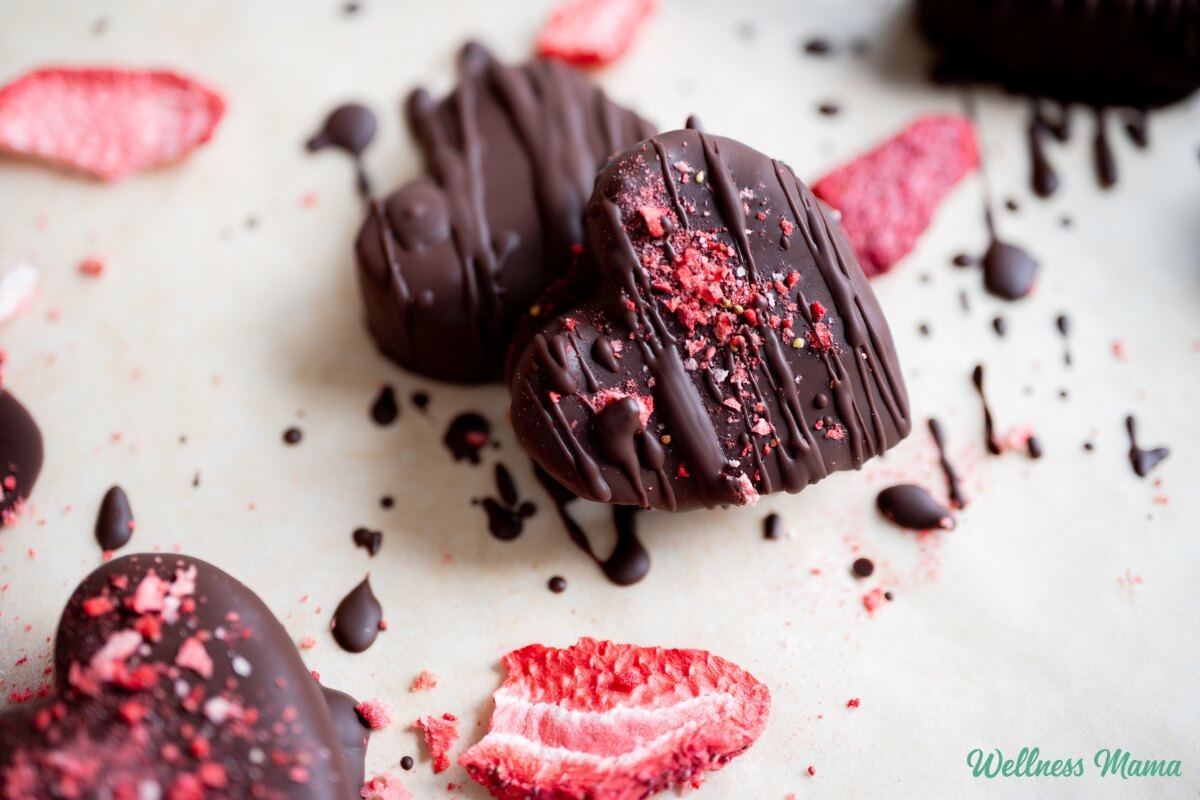
I make these in some cute heart molds that are perfect for Valentine’s Day. You can really use any silicone molds you want though that make chunky shapes. And instead of simply dipping raspberries in chocolate, we’re making a raspberry filling first. It’s naturally sweetened with maple syrup and thickened with chia seeds. 

Research shows that maple syrup isn’t just sugar, but a unique array of minerals, antioxidants, and anti-inflammatory compounds. Chia seeds are a great source of fiber, but they have a whole lot of other benefits. These include supporting healthy blood pressure and digestion, reducing inflammation, and even helping improve anxiety and depression symptoms by nurturing the gut. 

Then there are the juicy raspberries with their vitamin C, fiber, and antioxidants. These chocolate covered raspberry bites are naturally colorful, fun to decorate, and great for any little helpers in the kitchen. My younger kids had no problem helping make these. Plus, they were gone by that afternoon!

 Tips and Tricks

You can use a different mold, but I chose a heart mold for these. If you don’t have a good silicone mold on hand, then you can also make them without one. Simply spoon small jam mounds onto parchment, freeze, and then dip in chocolate to make rustic bites. 

Start with a smaller amount of maple syrup, taste, and adjust to your preference. I prefer mine to be more on the tart side. These store well in the fridge for up to a week. You can also keep them in an airtight container in the freezer for up to 1 month. Fair warning: if you want any leftover for the freezer you may need to double the batch!

Here’s how to make delicious, festive, and nutritious chocolate covered raspberry bites.

Chocolate Covered Raspberry Bites

They taste like chocolate-covered raspberry jam… but better.

Optional Topping

  • 2 TBSP freeze-dried strawberries or raspberries (crushed)
  • In a bowl, mash raspberries with maple syrup, chia seeds, and vanilla until thick and jam-like. Let rest 5–10 minutes so the chia thickens.

  • Spoon the mixture evenly into 10 large 2-inch silicone heart cavities, filling nearly to the top and smoothing the surface.

  • Freeze at least 4 hours or overnight until fully firm.

  • Melt dark chocolate and coconut oil gently until smooth.

  • Remove frozen hearts from molds and dip into chocolate until fully coated.

  • Sprinkle with crushed freeze-dried berries if desired.

  • Place on a parchment paper lined baking sheet and freeze for 10–15 minutes until hardened.

  • Serve straight from the freezer or allow to soften slightly before eating.

Nutrition Facts

Chocolate Covered Raspberry Bites

Amount Per Serving (1 heart)

Calories 135
Calories from Fat 72

% Daily Value*

Fat 8g12%

Saturated Fat 4g25%

Trans Fat 0.01g

Polyunsaturated Fat 1g

Monounsaturated Fat 2g

Cholesterol 0.4mg0%

Sodium 4mg0%

Potassium 180mg5%

Carbohydrates 15g5%

Fiber 4g17%

Sugar 8g9%

Protein 2g4%

Vitamin A 12IU0%

Vitamin C 41mg50%

Calcium 34mg3%

Iron 3mg17%

* Percent Daily Values are based on a 2000 calorie diet.

If the molds you use are bigger or smaller than mine, then the nutrition data will be a little different per serving. 

More Chocolatey Treats

Looking for more ways to treat yourself and family? Here are some of our favorite scrumptious desserts!

What are some of your favorite fruity desserts to make? Leave a comment and let us know!
Tags: , , , , ,
Homestead Blog Hop - Homestead tips, ideas, animal care, and recipes every Wednesday

Homestead Blog Hop 584 – Make Valentines Crafts and Sliders

Welcome to Homestead Blog Hop, a weekly gathering for homesteaders and simple living enthusiasts to share DIY projects, from-scratch recipes, and creative inspiration. This week’s hop features cozy homesteading tips, along with practical ideas that celebrate handmade living and self-sufficiency.

Whether you’re looking for seasonal crafts, homemade treats, or encouragement on your homesteading journey, you’ll find plenty of inspiration to carry into the new year. Grab a cup of tea, explore the featured posts, and join us in sharing your own homestead creations.

Meet Your Homesteading Hosts

We’re Kelly from Simple Life Mom, Liz from The Cape Coop, Natasha from Houseful of Nicholes, and Laurie from Ridgehaven Homestead. Together, we’re passionate about from-scratch living, simple ingredients, frugal habits, and intentional homesteading. We’re delighted to host the Homestead Blog Hop, where you can find fresh inspiration each week for DIY projects, homemade recipes, and practical simple living ideas.

Follow Us for More Homestead Inspiration

Natasha – Houseful of Nicholes
Facebook | Pinterest | X | Instagram

Laurie – Ridge Haven Homestead
Facebook | Pinterest | Instagram

Liz – The Cape Coop
Facebook | Pinterest | X | Instagram

Kelly – Simple Life Mom
Facebook | Pinterest | X | Instagram

FEATURED POSTS from the Last Homestead Blog Hop

Each week, we take turns selecting three featured posts from the Homestead Blog Hop. These features are shared across all of our social media platforms, helping spotlight the creativity and hard work of our fellow homesteaders. Here are the featured posts from last week’s hop:

1. Best Pull Apart Pizza Sliders from Organized Island

2. How to Make a Paper Cone Valentine Heart from Sonata Home Design

3. Coffee Filter Hearts Valentine Craft for Kids from Darcy and Brian

Congrats! Feel free to grab the featured on button for your post.

Just right click and ‘save image as…‘

Guidelines for the Homestead Blog Hop

  1. Click the “Add Your Link” button below and upload a clear, eye-catching image from your project or recipe. Please link directly to the family-friendly post itself, not your blog’s homepage.
  2. You may link up up to three posts each week.
  3. Take time to visit a few other blogs in the hop and leave a thoughtful comment to let them know you stopped by. Community support makes this hop special!
  4. Please include a link back to the Homestead Blog Hop in your post. Posts without a backlink are not eligible to be featured. All featured posts are shared across all hosts’ social media channels.
  5. Share posts that haven’t been linked to the hop before. Older posts are welcome as long as they are new to the hop.
  6. By joining the Homestead Blog Hop, you grant the hosts permission to use one image from your post, with a link back to your site, if your post is selected as a feature next week.
  7. This is a family-friendly link-up designed to encourage, inspire, and support the homesteader in all of us.

Let the Party Begin!

Which project are you excited to try this week? Leave a comment below.

Join Our Homestead Blog Hop Pinterest Board

Follow all of your hosts on Pinterest and send a message if you’d like to be added to our Homestead Blog Hop group board. This board is a great place to share your DIY projects, crafts, and from-scratch recipes with the homesteading community.

Guideline: Only pin posts that you’ve linked up to the Homestead Blog Hop.

Tags: , , , , ,
healthy eating kids

Why My Kids (Mostly) Eat Whatever They Want

Parents ask me about food more than almost anything else. After all, I’m the natural health lady, so of course my kids are always drinking kale smoothies (not really). When health dogmas and real life collide, at the end of the day what do I feed my kids? And more importantly, how do I help them make healthy eating choices? 

Food can feel like high-stakes parenting, and it’s easy to worry that one wrong move will set kids up for unhealthy habits. You might be surprised to learn that I actually don’t micromanage what my kids eat. 

Over years of parenting, research, and personal trial and error, I’ve learned that tightly managing food often backfires. Instead, I focus on providing nourishing options, modeling good habits, and trusting my kids to listen to their bodies. This approach isn’t about throwing out all structure, but building autonomy and a healthier relationship with food.

Why Food Control Often Backfires

One of the biggest shifts in my thinking came from understanding how restriction affects desire. There’s a growing body of research showing that when we tightly control food, especially foods labeled as “junk” or “bad,” it can actually make us want them more. 

A study in Appetite found that children who had restricted access to certain foods were more likely to overeat those foods when they became available. In contrast, children who weren’t restricted tended to eat less of those foods. Plus, they were more in tune with their hunger cues.

If you’ve ever dieted, you may have noticed the same thing. The more forbidden a food becomes, the more power it holds.

Psychologically, this makes sense. Restriction creates tension. It frames food as something to be resisted rather than understood. Over time, that tension can override internal signals like hunger and fullness, replacing them with external rules and emotional responses.

There’s also evidence that pressuring kids to eat certain foods, like insisting they finish vegetables, can have long-term consequences. Research from the Journal of Nutrition Education found that children who were pressured to eat vegetables were actually less likely to eat them later in life. What starts as a well-intentioned push for health can quietly backfire.

Children Are Born With Self-Regulation Skills

One of the most fascinating pieces of research in this area focuses on self-regulation, especially in young children. Studies published in the New England Journal of Medicine observed that toddlers naturally adjust their calorie intake over time. If they eat more at one meal, they often eat less at later meals. If they undereat one day, they compensate the next.

In other words, children are born knowing how to regulate intake. That is, if we don’t override that system.

When food choices are heavily managed or restricted, children can lose touch with these internal cues. Instead of asking, Am I hungry? Am I full? they learn to ask, Is this allowed? Will I get in trouble? Over time, external control replaces internal awareness.

This matters not just for physical health, but for their long-term relationship with food. The ability to notice hunger, fullness, cravings, and satisfaction is a skill we can carry into adulthood. Once it’s lost, it takes intentional work to rebuild.

The Problem With “Good” and “Bad” Food Labels

Another subtle but powerful factor is how we talk about food. When foods are labeled as “good” or “bad,” morality gets attached to eating. Eating something “bad” can lead to guilt or shame, while eating something “good” can feel like a moral win.

There’s evidence that this moral framing may contribute to disordered eating patterns later in life. A review in the International Journal of Eating Disorders found links between controlling eating and a higher risk of disordered eating in adults.

I’ve seen this play out personally. Growing up, certain foods were framed as off-limits or unhealthy, largely due to budget constraints. When I gained independence as a teenager, those foods felt irresistible. Not because they made me feel good, but because they had been forbidden. It took years to separate actual enjoyment and physical response from psychological attraction.

Helping Kids Understand Food Choices

On the flip side, when I first started trying to eat healthy I had some harsh things to say about certain foods. And while I still don’t think highly processed foods need to be in anyone’s kitchen, I’m more focused on the positive now. Instead, I’m focusing on helping my kids (and other adults) understand what foods do in the body. 

With my kids, I try to avoid ranking foods. Instead of labeling something as “bad,” we talk about what it does in the body. Protein helps build and repair tissue. Minerals support electrical signaling. Carbohydrates provide energy and hormone support. This kind of information gives kids context without attaching judgment.

Autonomy as a Core Parenting Principle

At the heart of this approach is a broader belief. My children are infinite autonomous human beings, each with their own paths. My role isn’t to control them, but to guide them toward becoming capable, healthy adults who trust themselves.

Food is one of the earliest and most tangible ways children experience autonomy. What they put into their bodies matters, not just nutritionally, but psychologically. Respecting their agency in this area reinforces the deeper message that they’re allowed (and encouraged) to listen to their body.  

This doesn’t mean a lack of structure. It means choosing structure that supports autonomy rather than undermines it.

What This Looks Like in Practice

Having principles and standards is one thing, but actually putting them into practice is another. So what does this actually look like in our home?

Food Isn’t a Reward or a Punishment

I don’t use food as leverage. There’s no “eat this to earn dessert” or “skip dinner and eat it for breakfast.” These systems can disconnect eating from hunger and turn food into a currency.

When kids choose to eat nutrient-dense foods on their own, that choice carries more weight than when it’s coerced. Over time, voluntary choices are more likely to stick.

I Provide, They Decide

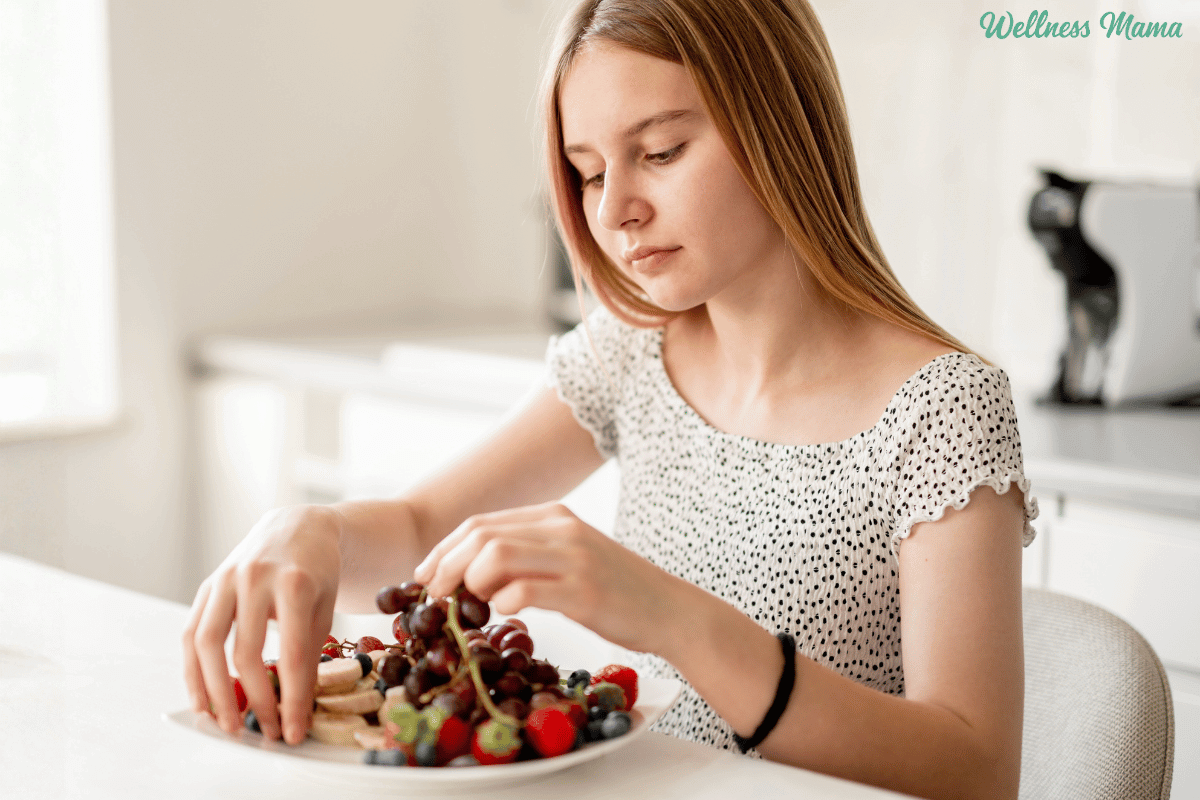
I don’t stock the pantry with ultra-processed foods, but I also don’t micromanage what they eat or how much. The house is filled with whole foods, proteins, fruits, vegetables, and leftovers they can get on their own as needed. 

I cook one family meal and that’s what’s offered as the option. My kids are free to eat it… or not. If they’re still hungry later, they can make eggs, fruit, or leftovers. I’m not a short-order cook, but I’m also not a food enforcer.

Modeling Over Rules

I quickly learned as a mom that our children learn far more from what we do than what we say. When they see me eat a wide variety of foods, their curiosity naturally grows. Foods they once avoided often become familiar over time, without pressure. 

When my kids were babies and trying new foods that they thought looked suspicious, I ate it in front of them. This helped them decide it was ok for them too. 

Teaching Without Controlling

When kids are interested, I explain how food works in the body. Not lectures, just conversations. We talk about why minerals matter, how protein supports muscles, and what electrolytes do. When they’re open to learning they’ll soak it in like a sponge. 

Knowledge empowers choice. When kids understand why certain foods feel better, they’re more likely to choose them.

Eating Outside the Home

When my kids are at restaurants or friends’ houses, I don’t comment on their food choices. I don’t restrict or even ask. Occasional exposure to foods I wouldn’t serve at home isn’t harmful, especially in the context of an otherwise nutrient-dense diet.

Resilience matters more than perfection. In most cases, the dose makes the poison. I feel like this helps take the pressure off when they might get a little bit of something (like vegetable oil) at a friend’s house. 

Why This Approach Works Long-Term

Research supports a balance known as authoritative parenting, a combination of structure and autonomy. A 2020 review found this approach led to healthier eating patterns than rigid, authoritarian control.

By stepping back as the external regulator, kids strengthen their internal regulation. They learn responsibility, trust, and body awareness. And they do it without food battles.

Addressing Common Concerns

I’m sure many of you reading this are going to have some questions and concerns about my method. And honestly, I’m not even trying to tell you that you should approach eating the same way I do. This is just what I’ve found works for my kids and why we do it. But here are some of the top FAQs I hear from moms when I share my approach.

“Won’t they just eat sugar all day?”

In my experience, the novelty wears off, especially when foods aren’t forbidden. Children may test boundaries initially, but self-regulation can reemerge surprisingly quickly. In fact, some studies show that kids who had fewer food restrictions ate fewer cookies when given the chance compared to kids with tigher food rules.

“What about nutrients?”

This is where parental responsibility still matters. Providing nutrient-dense options, variety, and education creates a strong foundation. From there, kids often make balanced choices. If all they have to eat at home are healthier options, then that’s what they’ll have to choose from. 

“Doesn’t this create chaos?”

Quite the opposite. Without power struggles, meals are calmer. Structure remains, but tension fades.

Final Thoughts on Kids and Food Choices

Strict control often backfires, especially when it comes to food. Instead, trust, modeling, and connection tend to win over time.

My goal isn’t to raise kids who clean their plates or avoid every “unhealthy” food. Honestly my views on what’s healthy and what isn’t (like grains) have changed over time. Instead, my goal is to raise adults who trust their bodies, understand nourishment, and feel confident making choices long after I’m no longer there to guide them.

When children are respected, informed, and given real autonomy, they often rise to the occasion. I’ve seen this play out with my own kids and I’m continually surprised by how capable and creative they are when given the opportunity. 

How do you handle food in your home? Do you have any food rules or ways to encourage healthy eating? Let us know in the comments!

Tags: ,
junk food uses

Creative and Practical Uses For Junk Food

When I made the switch to eating whole foods over a decade ago, I realized I had a lot of food I no longer wanted to eat lurking in the pantry. If you’re making the switch or need to clean things out, here are some creative uses for junk food!

I compiled a list of ways to use these for other household purposes. I hate to waste as much as the next person, but I finally had to realize that my body is not a garbage can. And I refused to use things just to finish what’s in the house. 

When we switched to a real food diet, I donated all of the unopened non-perishables. That still left all of the opened packages of flour, sugar, oil, etc. to deal with. Instead of just pitching it, we used it for some fun projects and around the house.

The kids had a blast (and I got pampered) while we used up the rest of our “junk food.” I’ve divided them up by categories, but some of the recipes use up several different ingredients. These were my solutions:

1. All-Purpose Enriched Flour

I’ve certainly changed my stance and outlook on things over the years, especially when it comes to grains. I avoided them completely for many years while I was healing my autoimmune disease. Now I’ll eat certain grains, like white rice and organic flour (especially sourdough) in moderation. 

One thing you’re not going to find in my pantry though (at least not anymore!) is bleached, enriched, white flour. Here are some ways to use it up.

Make Play Dough

A win-win situation. You get to spend quality time with your kids and use up the leftover flour in your pantry. If you don’t have kids, this could be fun for grown-ups too… consider it stress relief. And if you need a gluten-free playdough version, I have one here. 

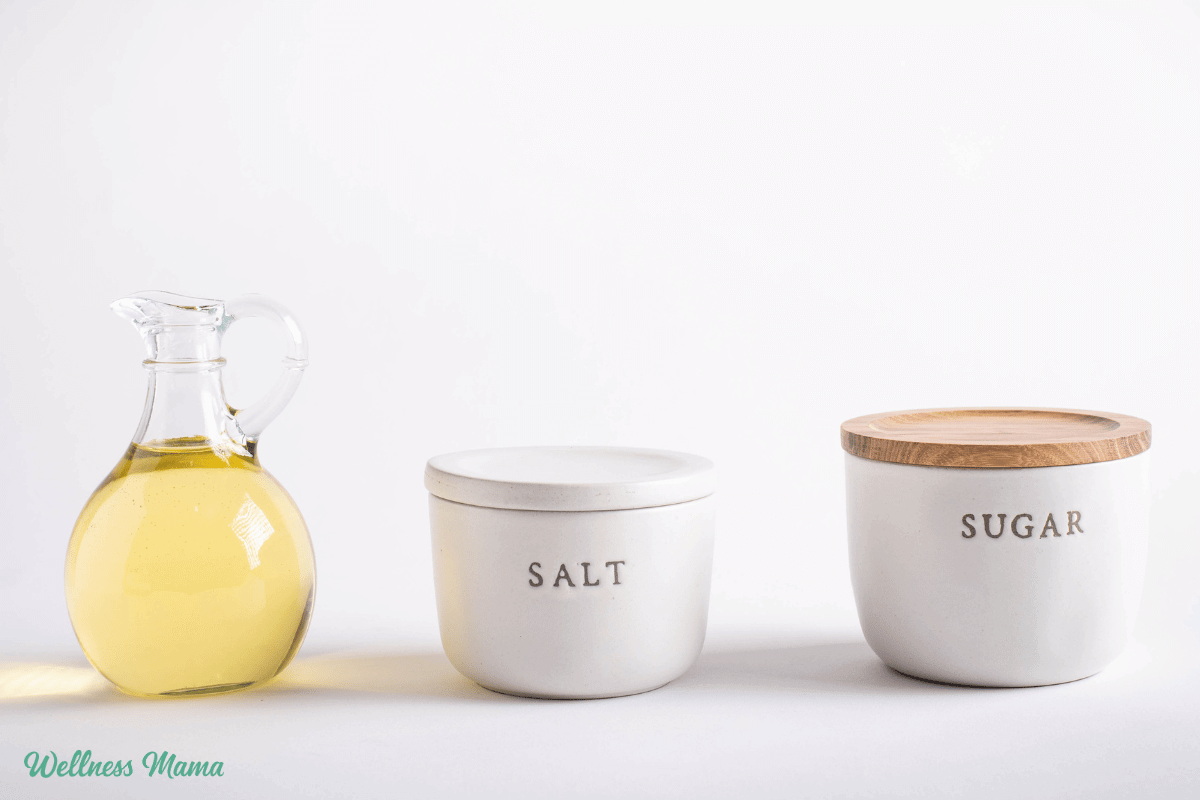
This playdough uses up flour, vegetable oil, Koolaid or food dye, and iodized table salt. 

Playdough Recipe

A basic playdough recipe that uses ingredients from your pantry for endless fun.

Author: Katie Wells

  • Combine water and salt in a large pot and heat over low heat until the salt is dissolved.

  • Stir in the flour until well combined.

  • Add the vegetable oil and cream of tartar, mixing well.

  • Keep stirring over low heat until it thickens and pulls away from the sides into a ball. If it’s too sticky, keep stirring over low heat until it thickens.

  • Remove from the heat and let it cool until you can handle it.

  • Add the Kool-aid or food dye for color.

You can also add some essential oils to give your dough a nice scent and some aromatherapy benefits. 

Have some more food dye you want to use up? Mix it with some yogurt for finger paint. Just be sure to take a picture of your kid’s art project before throwing it away! 

Paper Mache Paste With Flour

Mix equal parts of white flour and water to make a glue-like paste. Let your kids use their hands and some old pieces of newspaper to make creations. Once it dries, it’s much like a sculpture. 

As kids, we used to blow up balloons and put paper mache over them. When they dried, we popped the balloons, cut them in half and painted them to make masks.

Polish Stainless Steel

Oh the fingerprints! Stainless steel shows smudges… a lot. After normal cleaning, pour or rub some all-purpose flour onto the stainless to make it shine and remove fingerprints or water spots. 

The oils and fiber in the flour buffs the tiny grooves in the steel. It also helps pull out dirt and grime that a regular cleaning cloth can’t. 

2. Sugar

I’ve written a lot about sugar over the years and why I ditched it. While I’ll still have natural sweeteners in moderation, I quit bleached, white sugar. Sugar is a humectant that makes for a great skin scrub though! Here are several different sugar scrub recipes to try. 

You can even use a sugar syrup to wax body hair. Here are instructions for how to make and use a sugar wax.

Kill Unwanted Ants

For many of us, warmer seasons can mean ants in the house. Instead of using noxious pesticides, you can easily tackle the problem with a little sweetness. Humans and ants alike both love sugar.

To make a simple ant trap:

  • Mix 2 parts sugar with 1 part borax (which is great to have on hand for cleaning).
  • Put it in a little container or jar that ants can crawl in and out of. Make sure your kids can’t get to it.

Borax is poisonous to ants, but they can’t resist sugar. It won’t kill them immediately, but they’ll take it back to their nest where it will eventually kill all of them. I’ve used this twice to get rid of ants in our house. Killing ants=good use for sugar!

3. Vegetable Oil 

You might have noticed more conversations around seed oils and vegetable oils lately, even from mainstream sources. Vegetable oils are high in inflammatory omega-6 fats and are linked with a whole host of health issues. These include corn, canola, and soy. 

Here are some ways to use up the rest of the vegetable oil in your home. 

Clean Your Wood Naturally

There are natural ways to clean any type of floor, and that vegetable oil lurking in your pantry makes an awesome hardwood floor cleaner.  Rather than letting it skew your Omega-3 and 6 ratios, use it to make your floors shine. 

Mix 1 cup of vinegar OR lemon juice with 1 tablespoon of vegetable oil. Use this mixture to clean your floors. Be sure to patch test an area first. You’ll have less inflammation, and your floors will have a nice shine!

You can also mix vegetable oil with vinegar to make a DIY dusting spray for wooden furniture. 

Canola Oil in the Garden

Some sources say canola oil can work well as an insecticide and fungicide in the garden. It kills bugs by suffocating them and helps prevent powdery mildew by providing a barrier between the plant and fungi.

To use it, add 1 tablespoon of canola oil and 1 tablespoon liquid soap to 1 gallon of water. Spray on plants to kill bugs and prevent powdery mildew. Just be sure to try and avoid the good bugs!

4. Use Up Rice

Rice is one of the foods that I ditched for years that I’m now fine with on occasion. You might be surprised to hear that I opt for white rice instead of brown rice though and here’s why. If you have non-organic enriched rice or are avoiding it for gut healing purposes, here are some ways to use it up. 

Dry Out Wet Electronics

Electronics and water don’t mix, or at least they’re not supposed to! My kids dropped 3 of our cell phones in water by mistake (and one I dropped myself). Three out of the four were saved by rice. 

Keep a jar of rice on hand and when an electronic gets wet, put it in the jar and close the lid tightly. The rice will absorb the moisture and pull it out of the gadget. Unless there’s structural damage, this usually works. It can take a few days or even a couple weeks, so be patient.

Rice Water For Healthier Hair

Asian cultures have used rice water for luxurious locks for many years. Rice is full of amino acids, antioxidants, vitamins, protein, and other nutrients that are great for hair health. Here’s how to make and use rice water for softer, stronger, and shinier hair. 

5. Oatmeal For Skin Health

Oatmeal can cause blood sugar spikes for many, and it’s often contaminated with glyphosate. Here’s how to use up some of that extra conventional rolled oats in your pantry.

For a relaxing facial, powder oatmeal in a blender or food processor and add warm milk to make a paste. Rub it on your face, let it dry, then wash off. It tightens pores, removes blackheads and moisturizes.

6. Coke For Serious Cleaning

I swapped out my coke and other sodas for healthier (and tastier in my opinion) fermented drinks. If you have some still sitting around, coke makes a great cleaner for tough messes. It contains phosphoric acid that breaks down rust and hard water and softens burnt food. And the citric acid is great for soap scum and grease. 

It can even take the rust off of a car bumper. Imagine what it does to the intestines??

Clean Your Toilet

Toilet dirty? I’m sure yours isn’t, but mine sometimes is. Pour a can of coke in a toilet and let it sit for an hour. Use a brush to remove the stains and flush for a shiny clean. 

I even tried this on a 30-40 year old toilet in a house I remodeled. It worked (and that toilet probably hadn’t been cleaned in 30-40 years). Here are some more ways to use coke for cleaning. 

  • Remove gum from hair- Soak hair in it for 10 minutes and gum comes right out. 
  • Unclog drains –  just pour in the coke and wait.
  • Clean car batteries – Pour coke on a gunky car battery or use a cloth soaked in coke to clean it with. 
  • Clean grout – soak a sponge in it and use to clean grout stains. 
  • Remove grease stains – Soak grease-stained clothes in coke, then wash as usual. 
  • Oil stains on floor – Remove oil stains from your garage floor or concrete driveways. 
  • Clean pots and pans – Soak burnt pans in coke to dissolve stuck on food. 
  • Shine metal jewelry – Soak metal jewelry briefly in coke to clean. Do not do this for jewelry with precious stones.  
  • Banish rust – Coke removes rust from everything from bathroom fixtures to car parts. 

7. Table Salt

I’m actually a big fan of salt and consume a lot of it everyday. I’m not a big fan of regular, iodized table salt though for several reasons. If you have table salt that needs used, here are some ways to do that. 

Weed Killer

Make a weed killer for driveways and sidewalk areas. For every 1 gallon of white vinegar add 1 cup of salt and 1 tablespoon of dish soap. Fill a spray bottle or pump sprayer to use on weeds. Be careful not to spray in areas (like a garden) where you want some plants to grow. 

Salt Cleaning Hacks

Salt also makes a great natural cleaning scrub. 

  • Use salt to clean cast iron skillets, pots, and pans (double check the manufacturer cleaning instructions for any non-stick pans)
  • Add salt to a coffee stained mug to help remove the dark stains
  • Massage salt and lemon juice into a wooden cutting board to freshen it. Rinse and air dry.

And for a fun project with the kids, try these 3 ingredient salt dough ornaments! The recipe is similar to play-dough, but they dry hard and you can paint the finished creations. 

Final Thoughts 

I hope this gave you some alternate ideas for that junk food that might still be lurking in your pantry. If you haven’t already, consider swapping them out for whole foods. Ingredients like organic flour, grain-free flours (like almond and coconut), grass-fed butter, olive oil, raw honey, and natural maple syrup are some delicious alternatives.

Do you have any other ideas for ingredients like these? Tell us about them below!

Tags: , , ,
Homestead Blog Hop - Homestead tips, ideas, animal care, and recipes every Wednesday

Homestead Blog Hop 583 – Make Granola and Popcorn Gifts

Welcome to Homestead Blog Hop, a weekly gathering for homesteaders and simple living enthusiasts to share DIY projects, from-scratch recipes, and creative inspiration. This week’s hop features cozy homesteading tips, along with practical ideas that celebrate handmade living and self-sufficiency.

Whether you’re looking for seasonal crafts, homemade treats, or encouragement on your homesteading journey, you’ll find plenty of inspiration to carry into the new year. Grab a cup of tea, explore the featured posts, and join us in sharing your own homestead creations.

Meet Your Homesteading Hosts

We’re Kelly from Simple Life Mom, Liz from The Cape Coop, Natasha from Houseful of Nicholes, and Laurie from Ridgehaven Homestead. Together, we’re passionate about from-scratch living, simple ingredients, frugal habits, and intentional homesteading. We’re delighted to host the Homestead Blog Hop, where you can find fresh inspiration each week for DIY projects, homemade recipes, and practical simple living ideas.

Follow Us for More Homestead Inspiration

Natasha – Houseful of Nicholes
Facebook | Pinterest | X | Instagram

Laurie – Ridge Haven Homestead
Facebook | Pinterest | Instagram

Liz – The Cape Coop
Facebook | Pinterest | X | Instagram

Kelly – Simple Life Mom
Facebook | Pinterest | X | Instagram

FEATURED POSTS from the Last Homestead Blog Hop

Each week, we take turns selecting three featured posts from the Homestead Blog Hop. These features are shared across all of our social media platforms, helping spotlight the creativity and hard work of our fellow homesteaders. Here are the featured posts from last week’s hop:

1. Popcorn Recipes in Mason Jars for National Popcorn Day from Mason Jar Crafts

2. How to Roast Garlic in the Air Fryer from Walking on Sunshine Recipes

3. Honey Almond Granola Bites from Scratch Made Food

Congrats! Feel free to grab the featured on button for your post.

Just right click and ‘save image as…‘

Guidelines for the Homestead Blog Hop

  1. Click the “Add Your Link” button below and upload a clear, eye-catching image from your project or recipe. Please link directly to the family-friendly post itself, not your blog’s homepage.
  2. You may link up up to three posts each week.
  3. Take time to visit a few other blogs in the hop and leave a thoughtful comment to let them know you stopped by. Community support makes this hop special!
  4. Please include a link back to the Homestead Blog Hop in your post. Posts without a backlink are not eligible to be featured. All featured posts are shared across all hosts’ social media channels.
  5. Share posts that haven’t been linked to the hop before. Older posts are welcome as long as they are new to the hop.
  6. By joining the Homestead Blog Hop, you grant the hosts permission to use one image from your post, with a link back to your site, if your post is selected as a feature next week.
  7. This is a family-friendly link-up designed to encourage, inspire, and support the homesteader in all of us.

Let the Party Begin!

Which project are you excited to try this week? Leave a comment below.

Join Our Homestead Blog Hop Pinterest Board

Follow all of your hosts on Pinterest and send a message if you’d like to be added to our Homestead Blog Hop group board. This board is a great place to share your DIY projects, crafts, and from-scratch recipes with the homesteading community.

Guideline: Only pin posts that you’ve linked up to the Homestead Blog Hop.

Tags: , , , , ,
Is Bamboo Viscose Sustainable?

Is Bamboo Viscose Sustainable?

While researching non-toxic clothing, you’ve probably come across descriptions like “organic bamboo viscose” and “rayon made from bamboo.” The first one sounds more natural than the second, but they’re usually describing the exact same thing.

So what is bamboo fabric, and is it a good option for clothing?

The answer, friends, is . . . it’s complicated.

A few years ago, the Federal Trade Commission fined several major retailers – including Amazon, Macy’s, and Sears – for falsely labeling products as various vague forms of “bamboo” when they were actually rayon. (1)

Some were labeled “100% Organic Bamboo” and “100% knit bamboo,” while others were just “bamboo fiber.” 

Bamboo’s controversial reputation as a textile comes down to two things:

First, the bamboo plant is famous for growing fast and thriving without pesticides, fertilizers or irrigation. Second, while the plant itself is sustainable, the process used to turn it into fabric usually isn’t.

There are exceptions, though, so let’s dive in.

How Bamboo Becomes Fabric (And Why It Matters)

There are two main ways to turn bamboo into fabric: mechanical and chemical.

The mechanical method is the cleanest and most traditional. The stalks are crushed, the fibers are naturally softened using enzymes, and then spun into a yarn similar to linen. The result – sometimes called bamboo linen – is durable and fully natural. However, the process is time-intensive expensive, and not super soft, so it only represents a tiny fraction of the “bamboo” products on the market. (2)

Most bamboo fabric is made using the chemical method. In this process, bamboo is reduced to pulp and dissolved in a mix of caustic soda (sodium hydroxide) and carbon disulfide. The resulting solution is pushed through a spinneret (a kind of showerhead for fibers), creating filaments that are later spun into yarn.

The result is a cellulosic fiber that’s in the rayon family of fabrics.

Rayon is considered a semi-synthetic material because it doesn’t fit neatly into the “natural” or “synthetic:” categories. Instead being made from a natural material that requires minimal processing (like cotton) or a synthetic plastic like polyester, it’s made from natural materials using a man-made chemical process.

How that processing is handled makes all the difference – both for our health and for the world we’re leaving to our kids.

Here’s why: You might recognize sodium hydroxide (NaOH) as lye, which is the compound that transforms fats and oils into natural soap through a process called saponification. During soapmaking, it reacts completely with fatty acids so that – when done correctly, no free lye remains in the final product. Soapmakers have used it safely for centuries.

In other words, sodium hydroxide isn’t a “villian,” but when it’s used in huge industrial quantities and then disposed of without neutralization, it can kill aquatic life and damage soil and waterways.

Carbon disulfide, on the other hand, is neurotoxic (linked to nerve damage, mood changes, Parkinson-like symptoms), volatile (easily released into the air), and can build up in workplaces over time. It’s often considered the main toxic driver behind rayon production. (3) (4) (5)

Even though most residues are removed before the final fabric reaches consumers, the impact of manufacturing is often far from safe. These chemicals can – and do – contaminate rivers, harm wildlife, and threaten nearby communities that depend on those waters.

Better Alternatives: Lyocell and TENCEL™

Most clothing brands still use conventionally produced bamboo viscose fabric (and are probably hoping you don’t ask too many questions), but there are now better ways to turn plant pulp into soft, durable fabric.

The lyocell process is the most well-known way to make safer semi-synthetics. Instead of using carbon disulfide, lyocell dissolves plant pulp (from bamboo, eucalyptus, or beech trees) in a non-toxic solvent within a closed-loop system. This means 99% of the non-toxic solvent and water are captured, purified, and reused, making it a much safer method for workers and our environment.

Lenzing’s TENCEL™ lyocell is the most widely recognized lyocell fiber, known for its silky texture, breathability, moisture-wicking properties and strength. It’s biodegradable, gentle on sensitive skin, and often blended with organic cotton or wool for softness and durability.

However, there are other closed-loop processes out there, so even if a brand doesn’t use TENCEL™ it’s possible they still might be worth considering. As a starting point, I recommend checking whether the brand mentions closed-loop manufacturing.

The Real Sustainability Question Isn’t Bamboo – It’s Processing

Bamboo itself is an amazing, renewable plant – but much of the “bamboo” clothing out there isn’t what companies claim. The difference between an eco-friendly fiber and an environmental problem comes down to how it’s made.

If you love the idea of plant-based clothing, TENCEL™ and other responsibly made lyocell fabrics are some of the best modern alternatives. They offer the softness people love about bamboo viscose – without the environmental impact.

For more on choosing safer, sustainable textiles, check out:

Frequently Asked Questions

Is TENCEL™ lyocell the same thing as TENCEL™ modal?

No. TENCEL™ modal is a modified version of the traditional viscose rayon process that uses different chemicals. It has a higher chemical recovery rate than conventional processes, but I think the lyocell fabric is the better option.

Is bamboo fabric antimicrobial?

Bamboo has some natural antimicrobial properties, but they are not retained when it is processed into fabric.

Does LENZING™ Lyocell shed microplastics?

No. Bamboo lyocell is a cellulose-based fabric and does not contain plastic.

Sources

  1. Federal Trade Commission. (2013, January). Four national retailers agree to pay penalties totaling $1.26 million for allegedly falsely labeling textiles. FTC Press Release.
  2. Carter, K. (2008, August 12). Pandering to the green consumer: Bamboo is touted as a super-sustainable fabric, but do its ethical credentials hold water? The Guardian.
  3. Agency for Toxic Substances and Disease Registry (US). (2025). Toxicological profile for carbon disulfide. National Center for Biotechnology Information, U.S. National Library of Medicine.
  4. Medbery, C., & Therriault, C. (2025). Carbon disulfide toxicity. StatPearls Publishing. National Center for Biotechnology Information, U.S. National Library of Medicine.
  5. Agency for Toxic Substances and Disease Registry. (2025). Toxicological profile for carbon disulfide. National Center for Biotechnology Information, U.S. National Library of Medicine.

Share with a friend! 👇

Tags: , ,
Best oLive
Privacy Overview

This website uses cookies so that we can provide you with the best user experience possible. Cookie information is stored in your browser and performs functions such as recognising you when you return to our website and helping our team to understand which sections of the website you find most interesting and useful.