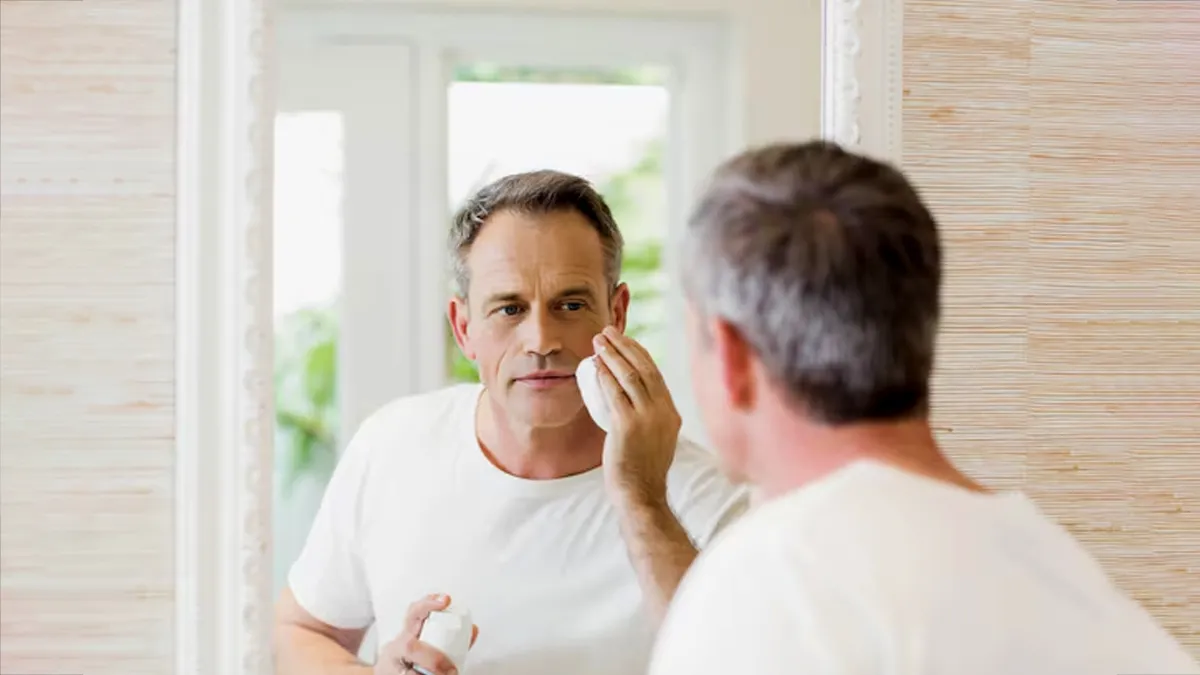
Skin is the largest multifunctional organ of the body, yet it still gets neglected when it comes to anti-ageing treatments for men. Generally, it is considered that skincare and anti-ageing treatments only resonate with women, but with changing social phenomena, men are also understanding the importance of healthy skin, which brings glow as a bonus. Due to several lifestyle and environmental factors, anti-ageing treatments have become a necessity. These aim to slow down the visible signs of ageing, such as wrinkles, dark spots, age spots, and damaged skin.
As anti-ageing treatments for men are blooming, we spoke to Dr Pranjal Joshi, Cosmetic Dermatologist and Hair Transplant Surgeon, Varsity Skin & Wellness Clinic in Malviya Nagar. He explains the major concerns for men regarding ageing and the most suitable treatments.
Major Skin Concerns for Men Regarding Ageing
According to reports, men skin requires more hydration than women because of the higher thickness and sebum production, along with rough skin due to regular shaving. Dr Pranjal Joshi shared that the major skin concerns for men regarding ageing are dull skin, fine lines, under-eye bags, and poor skin elasticity.
“Due to higher levels of testosterone, male skin tends to lean more on the oily, thicker side with larger-than-normal pores. Post-shave irritation is also a concern, which results in damaged skin tissues, making it not just rough but also dark and dull,” mentioned Dr Joshi.
Also Read: International Men’s Day 2025: Study Reveals High Suicide Risk In Men Driven by Emotional Isolation, Expert Shares How To Overcome
Poor lifestyle habits, such as smoking and eating junk food, and increased air pollution, have drastically changed the skin tissues’ life cycle, resulting in faster ageing. Although women are known to start anti-ageing skincare first, men are typically the last to take noticeable action.
Do Men Need To Buy Specific Skincare?
Reports indicate that men do not need to buy specifically men skincare products, as the ingredients in the products are mostly the same with women skin skincare products. Dr Joshi underlined the same saying that skincare brands market male-specific products, but it’s typically not necessary to buy products labelled for men.
“More important than the label on the product is the efficacy of the active ingredients in the formulation. A basic skincare routine, which includes retinol, Vitamin C, and sunscreen, is necessary and important to use,” said Dr Joshi.
Today, more and more men want healthy and youthful skin, and hence, explore different anti-ageing treatments and skincare products. This has also fuelled the market for skincare products. Dr Joshi suggests understanding your skin type and opting for a general, simpler, and healthier skincare routine instead of going for any specific approach.
Anti-Ageing Treatments For Men
While there is a lot of information and misinformation available online, some anti-ageing treatments are quite effective, while others are gimmicky or overhyped at best. It is important to understand what really works or doesn’t work so that one may choose the most effective option and build a long-lasting and efficient skincare strategy. Dr Joshi shared the anti-ageing treatments that genuinely work and those that don’t.
What Work
Retinoids
When we talk about anti-ageing, retinoids are the gold standard. They help with the production of collagen, brighten the skin, reduce fine lines and wrinkles, and contribute to the improvement of skin texture. Dr Joshi said, “Retinol is available in different forms. Some mild forms are available over the counter, while the stronger formulations may only be available upon prescription and provide stronger results.” For retinol to work effectively, consistency is the key, and significant improvement is typically observed in 2-3 months.
Sunscreen
Dermatologists all across the globe consider sunscreen as the most basic and effective anti-ageing product. “Around 80% of visible skin ageing happens because of UV radiation-induced skin damage. Regular sunscreen use with an SPF of 30 or higher prevents skin ageing and associated signs such as wrinkles, dark spots, and even something as grave as skin cancer,” Dr Joshi stated. Hence, for those men who tend to spend a lot of time outdoors or drive often, the use of sunscreen is non-negotiable.
Vitamin C-based Serums
Serums that are enriched with Vitamin C help with skin brightening by reducing pigmentation and offering protection against free radical-induced damage. “Men, especially in their 30s and 40s, should incorporate it into their daily morning skincare routine,” Dr Joshi stated.
Clinic-based Procedures
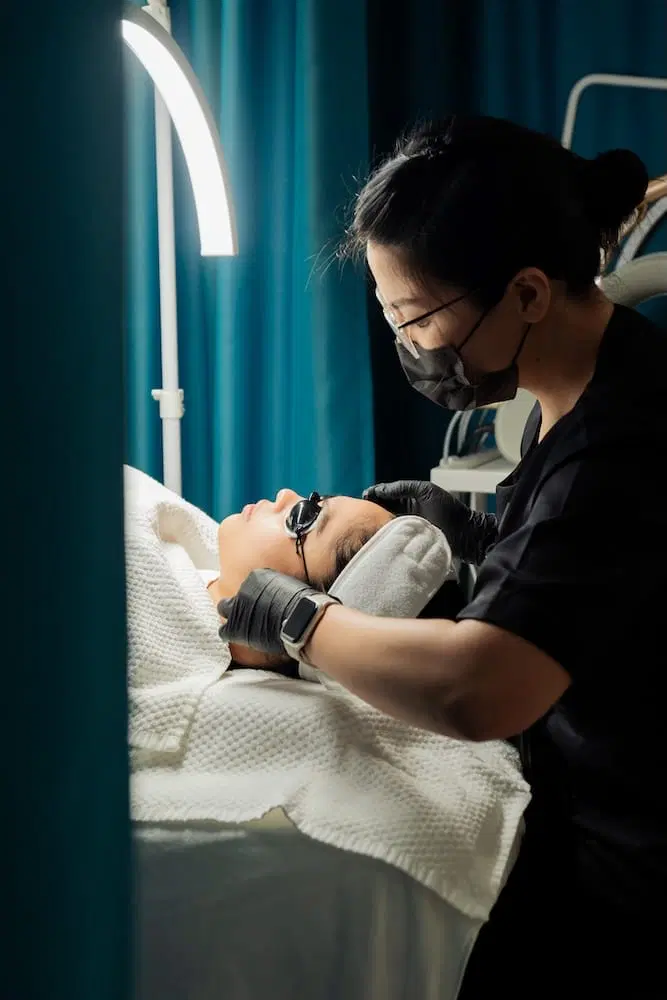
Dr Joshi highlights that for the treatment of wrinkles, acne scars, and uneven tone, treatments like chemical peels, micro-needling, and lasers work effectively. The more effective and stronger treatments include the use of neuromodulators and dermal fillers, which can help achieve a much younger appearance in a relatively short period of time.
Also Read: Did You Know New Fathers Face Paternal Postnatal Depression and Hormonal Shifts? Tips to Manage and Control
What Do Not Work
Anti-Ageing Face Washes
There are many face washes available in the market that claim to be effective at providing an anti-ageing effect. However, as shared by Dr Joshi, face washes do not stay long enough on the face to provide any effective skincare benefits.
Face Yoga
Yoga for various facial expressions is routinely advertised as a miracle; however, the science behind its long-term anti-ageing benefits is absolutely lacking. Practising yoga regularly provides significant health benefits and helps keep you feeling young, but it does not work as an anti-ageing treatment.
Cosmetic Products with Unclear Formulations
Many creams manufactured by cosmetic brands market non-scientific formulations, but they do not effectively work as an anti-ageing treatment. Dr Joshi noted, “Using multiple formulations, albeit in very low concentrations, does not work at all. It is not the brand that works but the molecules such as retinoids, peptides, and antioxidants that help.”
Home-based LED Mask Devices
The home-based LED devices are going viral on social media, trending with claims of magical responses; however, doctors suggest that they work in very modest ways or are absolutely ineffective.
Using an effective home-care regimen along with intermittent use of clinic-based medical treatments yields the best results for men looking for anti-ageing skincare treatments.
Bottom Line
With the changing times and awareness, men are becoming more accepting and responsive towards anti-ageing treatments. However, several brands are marketing their gimmicky products that are actually modestly or zero effective. Before using any products, it is important to check the ingredients in the product.
FAQ
-
What is the best skin care routine for men?
A good skin care routine for men includes a gentle cleanser, vitamin C serum and sunscreen.
-
What are anti-ageing treatments for men?
There are several anti-ageing treatments available in the market for men, including skin peels, HydraFacial and micro needling.
Read Next
Can Cutting Out Dairy Actually Clear Up Adult Acne? Find Out Here
Disclaimer
All possible measures have been taken to ensure accuracy, reliability, timeliness and authenticity of the information; however Onlymyhealth.com does not take any liability for the same. Using any information provided by the website is solely at the viewers’ discretion. In case of any medical exigencies/ persistent health issues, we advise you to seek a qualified medical practitioner before putting to use any advice/tips given by our team or any third party in form of answers/comments on the above mentioned website.
How we keep this article up to date:
We work with experts and keep a close eye on the latest in health and wellness. Whenever there is a new research or helpful information, we update our articles with accurate and useful advice.