Cellcosmet releases Hydra-Soothing Mask for sensitive and sensitised skin

Cellcosmet releases Hydra-Soothing Mask for sensitive and sensitised skin

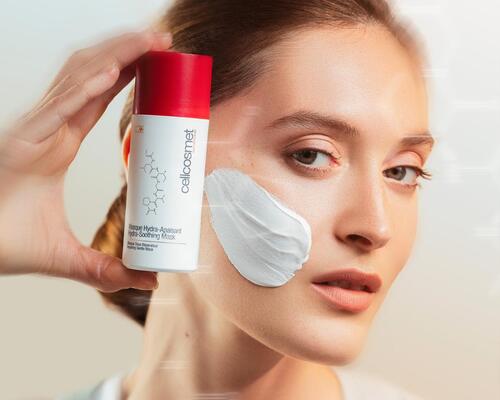
Swiss cellular skincare and spa brand, Cellcosmet, has released its Hydra-Soothing Mask to meet what it sees as a rise in demand for sensitive and sensitised skin products following cosmetic treatments.

The brand differentiates sensitive skin (a genetic skin type that needs gentle and consistent care) from sensitised skin (an acquired skin condition triggered by external factors that needs repair and recovery and is caused by aesthetic procedures, sun and stress).

The brand’s new facial mask is a targeted, natural and highly tolerated solution that soothes and moisturises the skin. It is designed to reduce redness and is recommended for use following sun exposure or aesthetic and cosmetic procedures – including non-invasive procedures such as chemical peels and laser treatments.

The creamy formula is fragrance-free and contains 11 active ingredients selected for their soothing and restorative properties. These include everlasting flower extract, allantoin, liquorice derivative, red algae, kaolin, raw shea butter and glycerine.

Dr Jérémie Soeur, chief of science for Cellcosmet, says: “What truly sets the Hydra-Soothing Mask apart is the combination of the rigorous scientific standards applied in its development and a highly targeted formula designed for the most sensitive, sensitised skin. 

We selected active ingredients that possess proven soothing, healing and protective properties – such as everlasting flower extract, zinc oxide and allantoin – and incorporated them at the most effective concentrations, without superfluous additives,” added Soeur. “Such scientific precision means we can offer a skincare solution that is effective, safe and pleasing to all the senses and the skin, even after a cosmetic procedure.”

The mask can be used routinely to soothe skin or as a moisture boost once or twice a week. It is designed to be left on for 15 minutes before being rinsed off.

It can also be used as a non-rinse ointment after sun exposure, cosmetic procedures or in cases of severe dryness.

The 50ml unit costs £145 (US$194, €167).

Tags: , , , , , ,
Why April Rose Pengilly’s wedding fitness routine is going viral

Rose Pengilly: 16,000 steps a day, skin treatments and “bridal discipline”: Why April Rose Pengilly’s wedding fitness routine is going viral

Image credit: instagram/aprilrosepengilly/ Australian actor and model April Rose Pengilly has sparked a massive conversation online after sharing everything she did in the lead-up to her wedding. From walking 16,000 steps every single day to strength training, red light therapy, protein shakes and skincare treatments, her now-viral Instagram post has become part beauty diary, part fitness confession and part reality check.What made people stop scrolling was not just the glamour. It was the honesty.“Honestly, I have to do pretty much all of this regularly anyway,” she wrote, before listing an intense but carefully maintained routine that included RF microneedling, Hyperbaric Oxygen Therapy, cryotherapy, daily planks, vegetarian protein intake and even vein removal treatment.The internet reacted in two very different ways. Some called her a “real-life princess” and praised her discipline. Others wondered whether so much preparation is truly necessary before a wedding. One comment summed it up perfectly: “It’s so helpful for women to see that a lot of work goes into looking this polished.”And perhaps that is exactly why the post resonated. It peeled back the curtain on the modern “bridal glow.”

The 16,000-step routine that became the centre of attention

Among all the treatments and beauty appointments, one detail grabbed the most attention: April Rose Pengilly’s commitment to walking at least 16,000 steps every day.That is significantly higher than the commonly recommended 8,000 to 10,000 daily steps many health experts discuss.A major study published by the National Institutes of Health found that increasing daily step count was linked with lower mortality risk, especially among adults who maintained consistent movement habits. Another study from the Centers for Disease Control and Prevention (CDC) continues to recommend regular moderate physical activity for overall health and long-term disease prevention.Pengilly also admitted that an injury flare-up forced her to swap some workouts for a stationary bike. That small detail made the routine feel more grounded and realistic. It showed adaptation instead of perfection.She also mentioned doing four minutes of planks every day, calling it the exercise that “makes the biggest difference.” While planks are often underestimated, they help strengthen the core, posture and back muscles. Fitness trainers have long pointed out that consistency with simple movements often matters more than chasing extreme workouts.

A beauty routine built on maintenance, not magic

The skincare portion of Pengilly’s pre-wedding routine sounded almost clinical in detail. She continued using vitamin B, vitamin C, retinol, sunscreen and nightly LED mask therapy while also undergoing professional treatments including collagen remodelling RF microneedling, Laser Genesis and HIFU tightening procedures.While these treatments are popular in celebrity skincare culture, dermatologists often stress that no treatment replaces the basics: sun protection, hydration, sleep and consistency.Pengilly’s post reflected that idea. Most of what she mentioned was not a one-week crash transformation. It was upkeep.That distinction matters because social media often presents beauty as instant. In reality, many visible changes come from routines repeated quietly over months and years.Her honesty about treatments like vein removal on her legs also opened up a conversation people rarely have publicly. Cosmetic procedures are often discussed in whispers, especially around weddings. By naming them openly, she unintentionally highlighted how modern beauty standards are becoming more transparent, even if they are still incredibly demanding.

Vegetarian protein, supplements and the pressure to “look perfect”

Another part of her routine that struck a chord online was her focus on protein intake “as much as possible for a vegetarian,” along with two dairy-free protein shakes daily.Protein has become one of the biggest wellness conversations globally, especially among women increasing strength training.Still, Pengilly’s post also revealed the exhausting side of wellness culture. Every detail felt optimised. Hair conditioning schedules. Steam room sessions. Teeth whitening maintenance. Brow lamination. Cryotherapy. Nail appointments. Red light therapy.For many readers, the reaction was not jealousy. It was fatigue.One follower joked, “Before my wedding I took a shower and ate a pizza.” Another wrote, “Meanwhile he used one bar of soap for everything.”Those comments landed because they exposed the uneven expectations often placed on women before milestone events. Weddings, especially in the age of Instagram, can quietly become performance spaces where beauty, fitness and perfection are treated like full-time jobs.

The rise of “high-maintenance wellness” on social media

Pengilly’s viral post reflects a much larger shift happening online. Wellness is no longer just about health. It increasingly overlaps with aesthetics, recovery technologies and biohacking culture.That does not mean these routines are fake or ineffective. It simply means they exist at the intersection of wellness, luxury and appearance culture.And that is why Pengilly’s openness mattered. She did not pretend she woke up looking effortlessly radiant. She showed the labour behind the image.In many ways, the internet appreciated the transparency more than the perfection itself.

What people can actually take away from April Rose Pengilly’s routine

The most useful lesson from Pengilly’s wedding preparation is probably not the expensive treatments. It is the consistency underneath them.Daily movement. Strength training. Protein intake. Skincare discipline. Hair care maintenance. Sleep-supporting rituals like steam rooms and baths. These are habits repeated over time, not overnight hacks.But there is another important takeaway too: wellness should not become punishment.Not everyone needs 16,000 steps a day or multiple cosmetic treatments to feel confident. Health routines work best when they improve energy, mobility and mental wellbeing instead of creating constant pressure.The healthiest part of Pengilly’s post may actually have been the honesty. She admitted the work involved. She admitted the injury flare-up. She admitted these routines are ongoing, not magical.That honesty cut through the polished wedding photos and reminded people that beauty often comes with structure, discipline, money, time and support systems many viewers never see.And perhaps that is why the conversation around her routine keeps growing online.Disclaimer: This article is for general informational purposes only and does not replace professional medical, dermatological or fitness advice. Cosmetic procedures, supplements and intensive fitness routines should always be discussed with qualified healthcare professionals before starting.

Tags: , , , , , , , , , , , , ,
How To Choose Vitamin C Serum For Different Skin Types?

How To Choose Vitamin C Serum For Different Skin Types?

Vitamin C serums have earned their place in just about every skincare conversation. But walk into any store or scroll through any skincare page and you’ll find dozens of options, all claiming to be the best. The truth is, the right vitamin C serum isn’t the same for everyone. What works brilliantly for oily skin can feel irritating on sensitive skin, and what suits dry skin might feel too heavy for combination.

Picking the wrong one is not only a waste of money, but it can also affect your skin’s health. A well-formulated vitamin C serum for skin care paired with a good vitamin C moisturizer makes the whole routine work harder, but getting the serum right for your skin type is where it all starts.

Here’s how to make that call.

Before we get into skin types, let’s look at the benefits of Vitamin C and what it actually does to your skin when used regularly:

● Brightens skin tone: Interrupts melanin production and gradually shifts dull, uneven skin to a more radiant baseline.

● Fades hyperpigmentation: It does diminish your dark spots and any post-acne markings, as well as any sun damage over time.

● Stimulates collagen production: Helps maintain skin firmness and reduces the obvious indications of aging.

● Protects from environmental damage: Neutralises free radicals from UV radiation and pollutants before they can cause permanent harm.

● Improves overall skin texture: Regular application will result in a smoother, clearer, and more even skin tone and texture.

Pro Tip: A mattifying Vitamin C serum handles excess oil and brightens acne scars in one step, two concerns, one product.

Dry skin responds well to Vitamin C, but the formula needs to bring some hydration to the table. When combined with active ingredients like hyaluronic acid, glycerin, or ceramides, a vitamin C serum for dry skin should have a significantly fuller texture. Magnesium Ascorbyl Phosphate is a particularly good fit here because it hydrates while it brightens.

Pro Tip: Layer your Vitamin C serum under a moisturiser immediately after application to seal in both the hydration and the active.

Sensitive skin and strong actives don’t always get along, which is why a vitamin C serum for sensitive skin needs to start low and go slow. Look for concentrations between 5% and 10%, stable derivatives like Ascorbyl Glucoside, and a completely fragrance-free formula with a minimal ingredient list.

Pro Tip: Always patch test on your jawline or inner arm before applying to your full face. A dermatologist-recommended vitamin C serum for sensitive skin is always better.

A lightweight, quickly absorbing composition with a modest concentration of 10% to 15% is effective. One should consider ingredients that address both the oilier and drier regions. Ingredients that target both the oilier and drier regions should be taken into consideration.

Pro Tip: For a little more focused effect, apply a bit extra serum to the drier or more pigmented parts of your face.

● Concentration: If you have sensitive skin and are a newbie, start with a concentration of 5% to 10%. For experienced users looking for stronger brightening results, 15% to 20% is more effective.

● Packaging: Always choose dark, airtight bottles. Vitamin C oxidises when exposed to light and air, which makes it significantly less effective.

● Colour & Smell: Fresh Vitamin C is clear or very lightly yellow. If your serum has turned dark orange or brown, it’s oxidised and won’t deliver the results you’re expecting.

● pH Level: For L-Ascorbic Acid to absorb properly, the formula needs a pH below 3.5. Check this before buying if you’re going for the more potent form.

● Step 1- Cleanse: Start with a gentle face wash on clean skin

● Step 2- Apply the Serum: 2 to 3 drops pressed gently into the skin. Morning is the best time for antioxidant protection throughout the day

● Step 3- Moisturise: Follow with your Vitamin C moisturiser to seal everything in

● Step 4- Sunscreen: Non-negotiable in the morning, Vitamin C and SPF together give your skin dual protection against pigmentation and UV damage

➔ Jumping straight to a high concentration before your skin is ready for it

➔ Mixing with Benzoyl Peroxide, they cancel each other out

➔ Skipping sunscreen after application, UV exposure undoes everything Vitamin C is working on

➔ Storing your serum near heat or in a clear bottle degrades the formula faster than you’d expect.

Vitamin C is one of those ingredients that delivers great results for you. The only thing is that you have to select the proper one for your skin. Choose a formula that suits your skin type. Begin with a modest concentration and watch how your skin reacts. Start with a little bit and see how your skin reacts. Bottom line: Be consistent and use SPF 50 sunscreen religiously. That combination is what makes a difference.

Tags: , , , ,
Nurturing the Skin and Body with Sigi's Culture-driven Sustainable Skincare

Nurturing the Skin and Body with Sigi’s Culture-driven Sustainable Skincare

Amidst the surge of modern skincare products boasting scientific claims, consumers are returning to treatments rooted in natural ingredients and tradition for skin health and physical balance. The global organic skincare market has reached approximately USD 47.71 billion, with projected growth of 5 to 9% through 2030, driven by consumer preference for natural ingredients free from synthetic chemicals. In Southeast Asia, the trend is more pronounced, with about 50 percent of consumers preferring natural or organic products and willingness to pay a premium for locally sourced and eco-friendly formulations..

In Thailand, the skincare industry in 2025 has reached approximately USD 3.18 billion and is anticipated to grow at a CAGR of around 5.34% to reach USD 5.04 billion by 2034. This expansion is fueled by the country’s rich biodiversity, spa tourism, and rising consumer demand for clean-label, eco-friendly products. Boutique enterprises and SMEs are embedding traditional Thai botanicals such as turmeric, jasmine, lemongrass, and rice bran oil into modern formulations, combining eco-friendly packaging with herbal wellness practices. These initiatives strengthen local wellness enterprises and  position Thailand as a regional hub for spa-driven organic skincare innovation.

Thailand’s women-led enterprises and boutique brands are expanding organic skincare production. Homegrown companies such as Panpuri, Siam Botanicals, and THANN exemplify this trend, creating plant-based, ritual-inspired formulations tailored to domestic and international consumers, while emphasizing eco-friendly packaging and cruelty-free practices. Together, these efforts demonstrate Thailand’s leadership in community-driven, sustainable skincare innovation, ensuring resilience in the wellness economy while preserving cultural heritage.

In Sigi Regency, Central Sulawesi, this trend finds its form in a deeply personal way, rooted in family history. From a humble village, Nelam Ayu Kusuma established Nelamayu Tradisional — a venture that revitalizes the self-care practices of Kaili women while creating economic opportunities based on culture and local ingredients.

From Kaili Women’s Tradition to Modern Skincare

The inspiration for Nelamayu Tradisional stems from a Kaili ritual known as nombungu. In this tradition, brides-to-be undergo body and face treatments using natural ingredients, notably badabida, a type of scrub or mask made from black sticky rice used to smooth and brighten the skin while maintaining physical health leading up to a wedding.

“In the past, badabida was used by brides; their faces were covered with a scrub made from black sticky rice. That is an old tradition of Kaili women,” said Nelam. Originally a simple powder, Nelam modernized badabida into a body scrub to make it more accessible for general use.

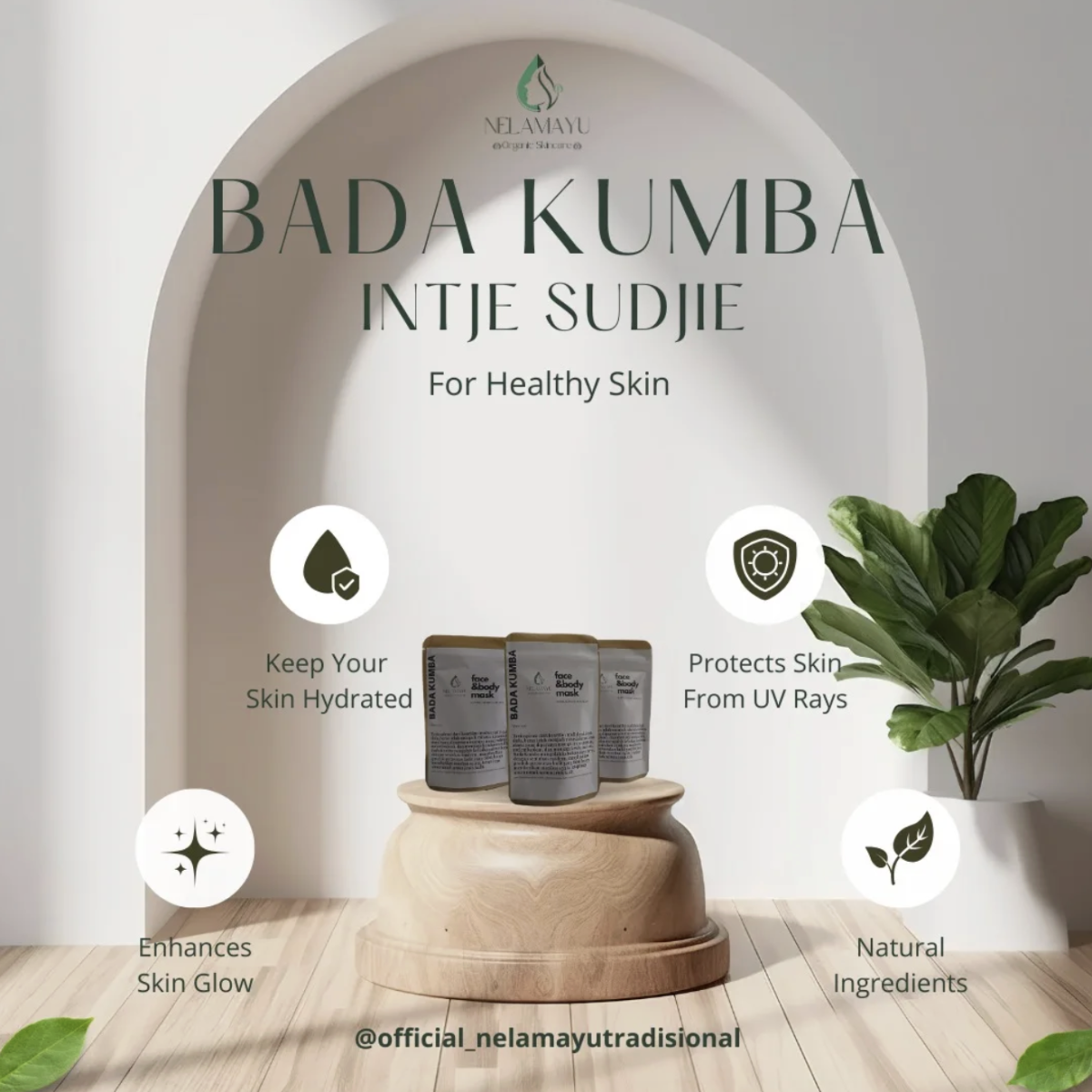
Alongside this, she produces bada kumba, a traditional cooling powder used for babies and children. Its origins trace to Nelam’s grandmother, a village herbalist who crafted cooling powders from natural materials — rice, turmeric, ginger, and local leaves — to care for infants and treat fevers and skin issues during a time when medicine was hard to access. These practices remained alive within the family, inherited across generations.

For Nelam, traditional skincare is not just about aesthetics — her personal experience solidified that belief. Before starting her business, she developed a lump in her breast. Her grandmother suggested using badabida made from black sticky rice. “I was advised to rub the area with badabida regularly. I used it for about two months before I got married, and thankfully, the lump disappeared,” Nelam shared.

This experience led her to study the benefits of her ingredients more deeply. Black sticky rice is known to help improve blood circulation, while turmeric and Javanese ginger possess anti-inflammatory properties. She became convinced that these products are for maintaining the overall health of the skin and body.

Nelam began selling her products in 2018, initially to brides. Gradually, testimonials arrived from users reporting improvements in dry or peeling skin and even relief from irregular menstrual cycles after regular use of badabida on the abdominal area. While these products have not yet undergone comprehensive laboratory trials, the benefits felt by users became the foundation for the business’s growth.

 Sustainable Local Supply Chains While Meeting Modern Standards

As the business grew, new challenges emerged — specifically how to maintain traditional authenticity while meeting modern safety and regulatory standards. Since all raw materials consist of spices and natural foods without synthetic chemicals, Nelam pursued hygiene certificates for household supplies rather than manufactured cosmetics.

The supply chain involves local farmers as well. Nelam collaborates with black sticky rice farmers in the West Dolo region of Sigi, absorbing up to 25 kilograms of rice per purchase — providing a consistent buyer for a harvest that has seen declining interest due to market uncertainty. Nelamayu Tradisional further minimizes production waste through a circular model: residual ash from the roasting process is repurposed as household scouring powder, and rice bran from milling is returned to farmers as animal

A turning point occurred when Nelamayu Tradisional joined the incubation program in 2023 held by  Gampiri Interaksi. Through six months of intensive mentoring, the business received comprehensive support ranging from institutional strengthening and licensing to innovative product development and marketing strategies. “Our mentoring focuses on nature-based downstreaming. We want to ensure products like Nelamayu Tradisional can grow economically without sacrificing cultural and environmental values,” said Nedya Sinintha Maulaning, a representative of Gampiri Interaksi.

The support also expanded market access, with Gampiri connecting Nelamayu Tradisional to 20 potential partners during Business and Partnership Matching events at the 2023 Festival Lestari.

Preserving Traditions While Increasing Restorative Economy Impact

Currently, Nelamayu Tradisional products are marketed online through various digital platforms and offline through resellers and local partners. The distribution network spans Sigi, Palu, Parigi, Poso, and Morowali, and the products are beginning to enter homestays and hotels as amenities, including trials in hotel chains like Aston and several local inns.

Nelam felt the impact directly. “Before the incubation, my monthly income was around IDR 1 million to 2 million. After the mentoring and product development, it can now exceed IDR 5 million per month,” she noted. Innovations like coffee masks have further expanded her market reach.

According to Nedya, this is a tangible form of restorative economy. “When the environment is protected, natural resources are used wisely, and local communities are directly involved, economic recovery happens naturally. Income rises, culture stays alive, and nature is not exploited,” she explained.

Nelam holds a long-term vision aligned with these principles. She hopes Nelamayu Tradisional can be recognized nationally and internationally as a signature natural beauty brand from Central Sulawesi. “I want this product to be known not just for the results on the skin, but for its story about women, tradition, health, and a connected environment,” Nelam said.

From a simple production kitchen in Sigi, the self-care traditions of Kaili women prove that when the environment is restored and local knowledge is valued, community prosperity can grow sustainably.


Source: PRecious Communications

Tags: , , , , , ,
ABP Live Doc Talk | Your Skin At 20, 30, 40: What Actually Changes And What You Should Do

ABP Live Doc Talk | Your Skin At 20, 30, 40: What Actually Changes And What You Should Do

Show Quick Read

Key points generated by AI, verified by newsroom

  • Skin changes after 30 reflect internal shifts affecting dermal quality.
  • 20s focus on protective foundation with sunscreen and routine.
  • 30s manage slowdown; skin reacts more, collagen reduces.
  • 40s support repair and volume loss with peptides and ceramides.

Ageing is just a natural part of life, and the skin might still look smooth and youthful in the early years, but later, those subtle changes like fine lines, a bit of dullness, and reduced firmness tend to show up after 30. These shifts are not surface-level changes, it often reflect deeper internal shifts in the skin’s structure, which can influence dermal quality and elasticity. At first, these changes may seem minor, but they are a sign that the skin care regimen you had back in your 20s no longer satisfies the needs of your mature skin in your 30s. It is better to know what is going on beneath the skin rather than to keep swapping one product for another.

ALSO READ: ABP Live Doc Talk | Unraveling Sciatica: When A Slipped Disc Becomes More Than Just Back Pain

The 20s: Establishing A Protective Foundation

Compared to mature skin, young people tend to have a rapid turnover rate that helps replace dead cells with newer ones to give a youthful, dewy appearance. Although when things appear ideal on the outer surface, free radicals are silently damaging the dermal fibres due to sun exposure and blue light. Nevertheless, the stress can be prevented through several precautionary steps. Therefore, it is essential to pay attention to the natural barrier by buying a wide-ranging sunscreen and developing a wise skin care routine, including skin-friendly serums, cleansers, and moisturisers.

The 30s: Managing The Great Slowdown

There’s a reason why people become conscious of their skin as they grow older. At this stage, your skin starts to react more frequently to external stressors, which can cause a dull, tired face due to the buildup of dead cells. Besides, the reduction of natural exfoliation can leave the dead skin to accumulate on the surface, and the worst part is that the body stops producing as much collagen and elastin, giving way to fine lines.

Skincare during this phase needs to shift from defence to attack. Prevention may not be enough to help the skin maintain its best. Therefore, people tend to be more open to dermal fillers and bioremodeling treatments like Profhilo, which is a great option to not only prep your skin but also treat it at the same time. Using patented microneedle technology, it delivers high doses of hyaluronic acid into the skin’s deeper layers while acting as a hydrator from within.

ALSO READ: 8 Nutrient-Rich Foods That May Help Slow Down Ageing Naturally And Keep Your Skin Glowing

The 40s: Support, Repair, And Volume Loss

Till the time you reach 40s, estrogen levels keep declining, making an adverse impact on tissue thickness and moisture. The top layer of skin gets thinner and drier, meaning any aggravation on the protective barrier goes directly into the tissues, ultimately irritating the dermis. As time passes, the fat layers and bone structure underneath begin to shift their position, and you notice your cheeks and jawline aren’t as voluminous. So, to overcome these changes, include peptides and ceramides to support tissue strength, as they help avoid skin thinning. At the same time, if you want more targeted care, connect with a skin specialist to address deeper issues like pigmentation and reduced skin tightness.

Mastering Your Skin’s Natural Evolution

Caring for your skin at various stages in your life is far simpler if you allow yourself to work around its natural processes instead of trying to reverse them. Instead of falling for every new beauty trend in the market, it would be more beneficial to know what your skin actually needs during its transition period since its internal composition will eventually change over time. With the help of cosmetic procedures and an effective skincare regimen for both daytime and nighttime use, you can achieve healthy skin at all ages.

Disclaimer: The information provided in the article is shared by experts and is intended for general informational purposes only. It is not a substitute for professional medical advice, diagnosis, or treatment. Always seek the advice of your physician or other qualified healthcare provider with any questions you may have regarding a medical condition.

Check out below Health Tools-
Calculate Your Body Mass Index ( BMI )

Calculate The Age Through Age Calculator

Breaking: ED Busts UP Cough Syrup Smuggling Network, ₹400 Crore Fake Firms Scam Uncovered

Tags: , , , ,
Simple Summer Skincare Habits for Healthy, Glowing Skin in Hot Weather

Simple Summer Skincare Habits for Healthy, Glowing Skin in Hot Weather

As temperatures rise and humidity levels intensify during the summer months, skin often becomes more vulnerable to a range of concerns. Increased sweating, excess oil production, dehydration, and prolonged sun exposure can all affect skin health and appearance. Adapting a seasonal skincare routine becomes essential to maintain balance, comfort, and a natural glow throughout the hotter days.

Experts in skincare suggest that effective summer care does not require overly complex routines. Instead, it is about following a few consistent and practical steps that protect the skin while keeping it nourished and refreshed.

Daily Sun Protection for Skin Safety

One of the most important aspects of summer skincare is protecting the skin from harmful ultraviolet rays. Prolonged sun exposure can lead to tanning, pigmentation, premature aging, and uneven skin tone. Using sunscreen on a daily basis helps create a protective barrier against these effects.

Modern formulations such as lightweight and tinted sunscreens are increasingly preferred during summer. These products often combine sun protection with a subtle tone-evening effect, making them suitable for daily wear. Sweat-resistant options also ensure longer-lasting protection, even in humid and active conditions, helping the skin stay shielded throughout the day.

Importance of Hydration for Healthy Skin

Hydration plays a key role in maintaining skin health during the summer season. Higher temperatures can cause the skin to lose moisture more quickly, leading to dryness or an imbalance in oil levels. Ensuring adequate water intake helps support the skin’s natural elasticity and overall freshness from within.

Alongside internal hydration, external skincare choices also matter. Lightweight moisturisers, particularly gel-based formulations, are often recommended for warmer weather. These absorb quickly into the skin without leaving a heavy or greasy feel. They help maintain moisture balance while providing a cooling and soothing effect, especially for those with oily or combination skin types.

Cooling and Refreshing Skincare Ingredients

During hot weather, skincare products that include cooling ingredients can provide added relief. Natural elements known for their refreshing properties are often used in cleansers and body care products to help calm heat-stressed skin.

Ingredients such as watermelon extract and mint-based formulations are commonly associated with a cooling sensation that refreshes the skin. Similarly, eucalyptus-infused body washes are used to cleanse away sweat, dirt, and environmental impurities while maintaining the skin’s natural barrier. These ingredients help leave the skin feeling clean, refreshed, and balanced after exposure to heat and pollution.

Gentle Exfoliation for Smoother Skin

Exfoliation is another important step in summer skincare, but it needs to be done carefully. Mild exfoliation helps remove dead skin cells, unclog pores, and gradually reduce tanning caused by sun exposure. This results in smoother texture and a brighter appearance over time.

Natural exfoliating elements such as turmeric, sandalwood, and saffron are often included in skincare routines for their skin-enhancing properties. These ingredients are known to support a clearer complexion, reduce minor breakouts, and improve overall skin texture. However, gentle application is key, as excessive exfoliation during summer can lead to irritation or dryness.

Protective Clothing and External Care

Skincare during summer is not limited to products alone. External protection also plays a significant role in reducing skin damage. Wearing light-coloured and breathable clothing helps reflect sunlight and reduces heat absorption. Full-sleeved outfits made from airy fabrics offer additional protection against direct sun exposure.

Accessories such as scarves, hats, and sunglasses can further shield the face and sensitive areas from harsh sunlight. These simple adjustments contribute significantly to reducing tanning and long-term sun damage.

Building a Simple Summer Routine

Overall, summer skincare is most effective when it remains simple, consistent, and focused on protection and hydration. By combining sun protection, adequate hydration, cooling ingredients, gentle exfoliation, and smart clothing choices, it becomes easier to manage the challenges of hot weather.

A balanced approach ensures that the skin remains healthy, comfortable, and naturally radiant throughout the season, even under intense summer conditions.

Tags: , , , , , , , ,
DIY Mango-Sandalwood Face Mask for Glowing Summer Skin

DIY Mango-Sandalwood Face Mask for Glowing Summer Skin

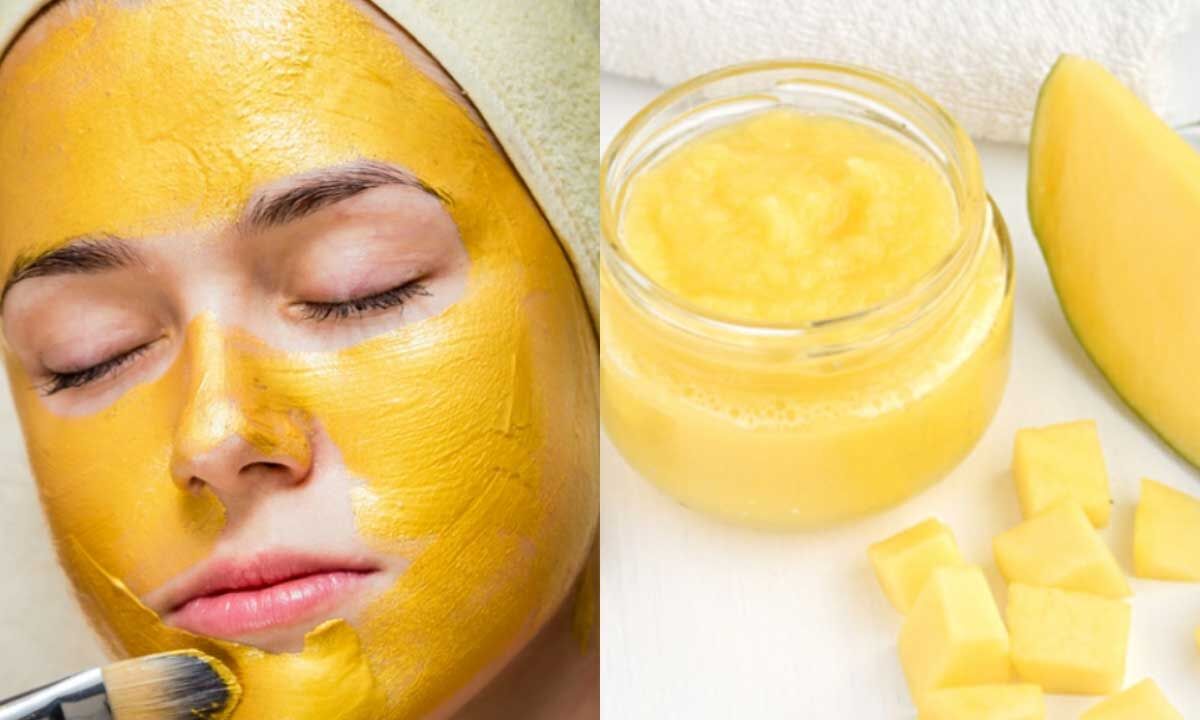
Mangoes are widely loved as a seasonal fruit, but they are also gaining attention in natural skincare routines. Rich in vitamins and antioxidants, mango-based DIY treatments are being explored for their potential to support soft, hydrated, and refreshed-looking skin during the harsh summer months.

The fruit contains vitamin C, which plays a role in supporting collagen production. Collagen is an important protein that helps maintain skin elasticity and firmness. With regular use in skincare formulations, vitamin C-rich ingredients are often associated with a more radiant and youthful-looking complexion.

Mangoes also contain vitamin A and beta-carotene, both of which are commonly linked with skin nourishment and repair. These nutrients are often used in home remedies aimed at reducing dryness and improving overall skin texture. Their natural composition makes mangoes especially appealing for people dealing with dullness or uneven skin tone.

Because mango pulp is mildly acidic, it may also provide a gentle exfoliating effect. This can help lift away dead skin cells and contribute to a smoother surface appearance over time, making the skin feel cleaner and more refreshed.

DIY Mango-Sandalwood Face Mask Recipe

A homemade mango-sandalwood face mask has become a popular natural skincare option for those looking to incorporate fruit-based ingredients into their beauty routine. This blend combines nourishing butters, oils, and herbal powders designed to moisturize and calm the skin.

Ingredients Needed

To prepare this mask, the following ingredients are commonly used:

  • 1½ tablespoons melted shea butter
  • 1 tablespoon mango seed butter (softened from the inner seed of a ripe mango)
  • 1 tablespoon raw honey
  • 1 teaspoon pure coconut oil
  • ½ teaspoon fine sandalwood powder

Each ingredient contributes a different benefit. Shea butter and mango seed butter are known for their deep moisturizing properties, while honey is often used for its natural humectant qualities, helping the skin retain moisture. Coconut oil adds nourishment, and sandalwood powder is traditionally used in skincare for its calming and cooling effect.

Preparation Method

The preparation of this mask is simple and can be done at home with minimal tools. The process begins by gently melting shea butter and mango seed butter together until the mixture becomes smooth and warm, but not overheated.

Once melted, raw honey is added and blended thoroughly until the mixture turns creamy and uniform. After this, coconut oil is stirred in to ensure even distribution throughout the mask.

Finally, sandalwood powder is slowly incorporated into the mixture. It is important to mix well to avoid lumps and achieve a consistent paste-like texture suitable for application.

Application and Usage

Before applying the mask, the face should be cleansed and dried properly. A thin to medium layer of the mixture can then be applied evenly across the face, including delicate areas while avoiding direct contact with the lash line.

The mask is typically left on the skin for around 20 minutes, allowing the natural ingredients to absorb and interact with the skin surface. During this time, a cooling sensation may be experienced due to the sandalwood and coconut oil content.

After the waiting period, the mask can be removed by rinsing with cold water. Some prefer using ice-cold water or gently pressing cooled ice cubes against the skin before washing to enhance the refreshing effect.

Once the mask is fully removed, the skin can be gently patted dry. A light moisturizer may be applied afterward if needed, depending on individual skin type and hydration levels.

A Natural Addition to Summer Skincare

This mango-sandalwood face mask reflects a growing interest in natural, ingredient-based skincare routines. With its combination of fruit extracts, plant-based butters, and traditional herbal powders, it offers a simple at-home option for those looking to maintain soft, nourished skin during the summer season.

Tags: , , , , , ,
If you live in an Indian metro, skipping Vitamin C may be costing your skin

If you live in an Indian metro, skipping Vitamin C may be costing your skin

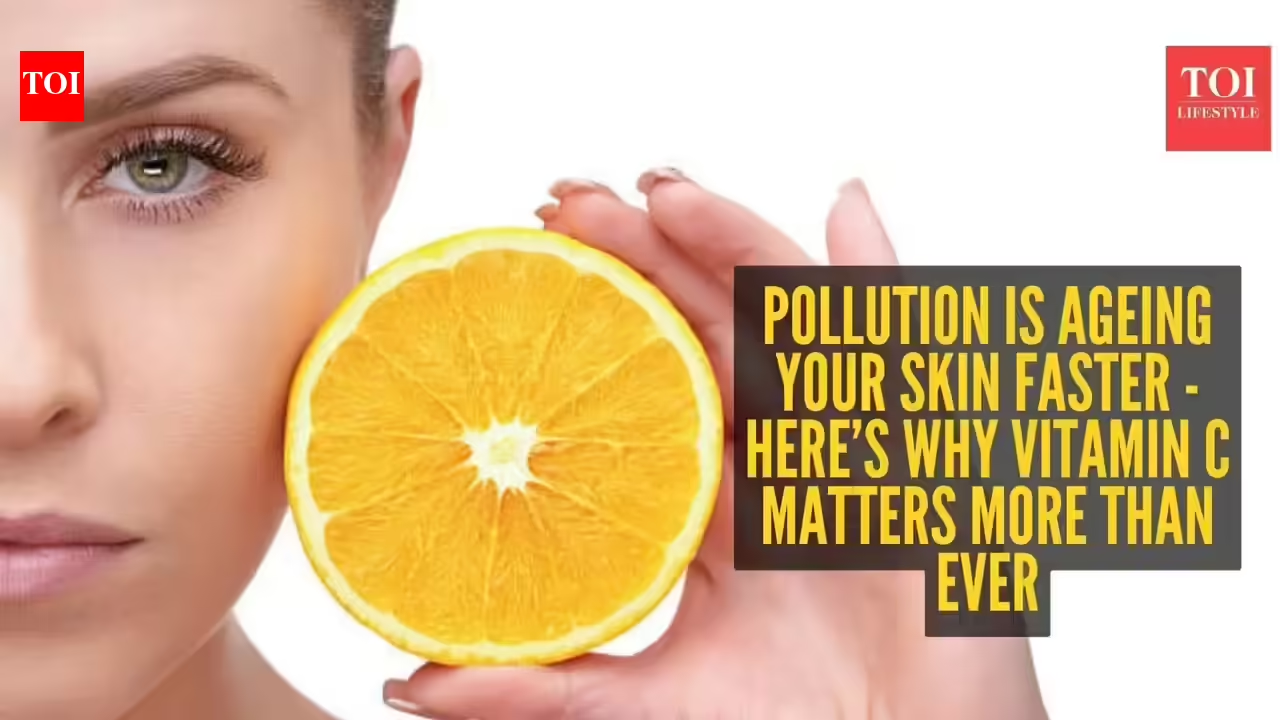
Living in Indian metros like Mumbai and Delhi exposes skin to severe pollution, accelerating aging and pigmentation. Dr. Mikki Singh highlights Vitamin C as a crucial antioxidant defense, neutralizing free radicals and boosting collagen. She advises using stabilized derivatives over unstable L-ascorbic acid for better efficacy and recommends pairing it with SPF for comprehensive protection against environmental damage. Here’s something most skincare content glosses over: the city you live in should be shaping the routine you follow. Metropolitan air, particularly in Indian cities like Mumbai and Delhi, is a cocktail of PM2.5 particles, nitrogen dioxide, ozone, and heavy metal residues from vehicular exhaust. Studies show that particulate matter levels in these cities routinely exceed WHO safe limits by five to ten times. Not on bad days. On ordinary ones.When these pollutants land on your skin, they trigger oxidative stress, a process where free radicals punch holes in your skin barrier, degrade collagen, and accelerate pigmentation. The damage is cumulative, structural, and largely invisible until it isn’t. For anyone living and commuting in a polluted metro, this is the daily reality their skincare needs to address. And that’s precisely why Vitamin C deserves a much more serious conversation than it usually gets.

Watch

The Future of Vitamin C: Enhanced Formulations And Advancements for Brighter Skin in 2025Vitamin C is an antioxidant. Its primary job is to neutralise free radicals before they can cause cellular damage. In the context of skin, this translates to three clinically meaningful outcomes: it helps reduce post-inflammatory hyperpigmentation, a concern that is especially prevalent in Indian skin tones, it improves overall radiance, and it provides a supporting layer of photoprotection when used alongside SPF.It also plays a role in collagen synthesis, which means regular use contributes to maintaining skin firmness over time. For metro residents whose skin is under daily oxidative assault from pollution, Vitamin C isn’t a luxury add-on. It’s a functional, evidence-backed response to a real environmental problem. Think of it as your skin’s first line of defence against what the air outside is constantly trying to undo.This is where most conversations about Vitamin C stop being useful. Pure L-ascorbic acid is the form you’ll see marketed most aggressively, and it does work, but it comes with a significant catch. It is inherently unstable. In Mumbai’s humidity, stored at room temperature, it can oxidise within weeks. An oxidised serum doesn’t just lose its efficacy; it can actively irritate the skin.In humid Indian conditions, I steer patients toward stabilised derivatives instead. Sodium ascorbyl phosphate, ascorbyl glucoside, and magnesium ascorbyl phosphate are gentler on the skin, far more shelf-stable, and far more forgiving in terms of storage. They convert to active Vitamin C once absorbed, which means the skin still gets the benefit, without the instability problem. If you do prefer pure L-ascorbic acid, it needs to be stored in a cool, dark place and finished within three months of opening.There’s a widespread assumption that a higher percentage means a better product. With Vitamin C, this is simply not true. A 10% stabilised derivative that has been stored correctly will outperform a 20% L-ascorbic acid that has turned amber-brown. Concentration means nothing if the active ingredient has already degraded. What you’re looking for is a stable, well-formulated product, not the highest number on the label.On the question of layering: Vitamin C amplifies UV protection, but it does not replace it. In Indian sunlight, where intense UVB and UVA exposure combines with photochemical smog, SPF is non-negotiable. Applying Vitamin C without sunscreen is like wearing a helmet but no seatbelt. The two work together, and one without the other is an incomplete equation. Apply Vitamin C in the morning, let it absorb, and follow with a broad-spectrum SPF before stepping out. That’s the sequence that makes it work.Vitamin C in a polluted metro is not a magic shield. But it is one of the most well-supported tools available for skin that is fighting an environment actively working against it. Used correctly, the right derivative, stored properly, paired with SPF every single morning, it delivers real, visible results: less pigmentation, improved radiance, and better protection over time.The full routine still matters. A good cleanser at the end of the day to remove particulate matter, a barrier-supporting moisturiser, and rigorous sun protection are all part of the same fight. Vitamin C is one soldier in that army, but in a city like Mumbai or Delhi, it is a soldier that genuinely earns its place.Inputs by Dr. Mikki Singh, Founder & Medical Director, Bodycraft Clinics

Tags: , , , , , ,
Maximise your beauty routine with skin cycling

Maximise your beauty routine with skin cycling

If you’re feeling like your skincare routine is not giving you the results you were hoping for – it might not be the products, but rather when you are using them. This is where skin cycling comes in … a natural process that supports the continuous renewal and regeneration of skin cells through three phases: 

  1. Renewal phase: During this phase, old and damaged skin cells are shed, making way for new cells to surface. This process, known as exfoliation, promotes a smoother and more radiant complexion. Enhanced cell turnover addresses issues like dullness and uneven texture.
  2. Repair phase: The skin focuses on repairing and regenerating itself during this stage. Collagen production is stimulated, aiding in the reduction of fine lines, wrinkles, and other signs of ageing. Additionally, damage from environmental factors and UV exposure is actively repaired, contributing to a more youthful and resilient skin barrier.
  3. Protection phase: This phase involves fortifying the skin’s defences. It includes maintaining hydration levels, preserving the natural lipid barrier, and shielding the skin from external aggressors. A well-protected skin barrier is essential for maintaining elasticity, preventing moisture loss and shielding against environmental stressors.

By understanding and aligning your skincare routine with these natural skin cycles, you can optimise the effectiveness of your products. The right products used at the right phases support the skin’s inherent processes, resulting in a healthier, more vibrant complexion. Here are some of the benefits of skin cycling:

  • Constantly refreshes, rejuvenates, and hydrates your skin
  • Actively restores and fortifies your skin’s protective barrier to maintain overall skin health
  • Promotes the regular turnover of skin cells for healthy skin function and integrity
  • Stimulates collagen production and maintains elasticity for a firm, supple complexion
  • Unveils a radiant, glowing complexion
  • Maximises the effectiveness of active ingredients by preventing product build-up
  • Adaptable to your skin type and the changing seasons, so you can always focus on your unique skin needs

Content by SKOON Skincare. 

For more on beauty, visit Get It Magazine.

Support local journalism

Add The Citizen as a preferred source to see more from Network News in Google News and Top Stories.

Elana Geist – Get It Magazine contributor.

Tags: , , , ,
5 everyday simple beauty habits that can actually improve your skin

5 everyday simple beauty habits that can actually improve your skin

Ever wiped your face with a towel after washing it, only to see a lovely smudge of foundation left behind? Yeah, we’ve all been there. A single splash of face wash just doesn’t cut it when you’re wearing stubborn SPF, makeup, and the general grime of a long day.

Enter the double cleanse. You start with an oil-based cleanser or micellar water. Why? Because oil attracts oil. It melts away the waterproof stuff without stripping your skin’s delicate moisture barrier. Follow that up immediately with a gentle, water-based cleanser to sweep away whatever sweat and debris is left. You end up with a perfectly clean canvas, which means your expensive serums can actually sink deep down and do their job.

(Image Credits: Pinterest)

Tags: , , , , ,
Best oLive
Privacy Overview

This website uses cookies so that we can provide you with the best user experience possible. Cookie information is stored in your browser and performs functions such as recognising you when you return to our website and helping our team to understand which sections of the website you find most interesting and useful.