2026's Biggest Skincare Trends to Try Now

2026’s Biggest Skincare Trends to Try Now

It was only a matter of time before the concept of “longevity” made its way into our skincare routines. While the term is often overused, 2026 marks a turning point—one in which longevity is no longer about marketing spin, but about cultivating skin cells that work harder for us. We’re after skin that is resilient, able to repair itself, and looks (and, crucially, feels) good not just now, but for years to come.

“We’re moving away from ambiguous claims and superficial trends and into an era defined by quantifiable biology, measurable outcomes, and a demand for transparency,” says dermatologist and founder of Klira, Dr. Emma Craythorne. “Consumers are no longer satisfied with vague promises of glow and hydration—they want to understand mechanisms, data and longevity. And truthfully, so do we as clinicians.”

From cellular health and personalized treatment plans to next-generation LED that goes further than ever before, Vogue speaks to the experts to uncover the ingredients, innovations and treatments shaping skin health in 2026.

Biostimulators and regenerative treatments

Regeneration sits at the heart of skincare in 2026. “My patients are increasingly focused on the long-term health of their skin and are seeking regenerative treatments that look natural, rather than quick fixes or dramatic changes,” says Dr. Wassim Taktouk. The overfilled, over-frozen (even just a bit) aesthetic has had its day; in its place is a desire for luminosity, movement and healthy-looking skin. “The demand for treatments that respect skin health and tissue integrity will only continue to grow,” he adds.

Biostimulators—injectables that trigger the skin’s own collagen production—are central to this shift. Unlike traditional fillers, they offer both an immediate effect and progressive improvement over time. Julaine, a newer bio-activator, is one to watch. Using poly-L-lactic acid technology, it stimulates the tissue-supporting network around skin cells—what Dr. Taktouk calls “the skin’s factory for all the good stuff”—supporting natural collagen and elastin production with minimal inflammation.

“It delivers tighter, firmer skin with improved tone and texture, but without looking ‘done’,” he says. “It’s ideal for patients who want to look like a better version of themselves, not different.” Sculptra, another poly-L-lactic acid-based treatment, is also experiencing a renaissance, according to Dr. Ash Soni, as patients increasingly prioritise gradual, natural regeneration.

Skin cell health

Topical skincare is following the same regenerative logic, with a focus on mitochondrial health—also known as the engines of our cells. Ingredients that support mitochondrial function help skin cells generate more energy (ATP), repair damage more efficiently and withstand environmental stress, resulting in healthier, more resilient skin for longer.

Expect to see formulas rich in CoQ10, NAD+ boosters such as niacinamide and NMN, peptides, antioxidants like vitamin C and resveratrol, and alpha-lipoic acid. Dr. Craythorne also points to the rise of diagnostic clinical tests capable of measuring cellular stress, mitochondrial function and barrier integrity, paving the way for genuinely personalized skincare.

Ectoin

Next year’s hottest skincare ingredient? Ectoin, a natural amino acid derivative that protects and strengthens the skin by forming a hydration shield around skin cells—Google searches are up 60% in the last month. Helping the skin hold onto moisture, it also reduces inflammation and irritation, while defending the skin against environmental stressors like pollution, UV exposure, and changes in temperature, for more hydrated, resilient skin.

Peptides, redefined

“Peptides will take centre stage in 2026 as we move away from aggressive exfoliation and overly complicated routines, and towards barrier-repairing, microbiome-friendly and healing skincare,” says Dr. Brendan Khong.

“Peptides are the building blocks of the skin,” Dr. Khong explains. “They act as messengers, signalling the skin to produce more collagen and elastin, while also offering anti-inflammatory benefits that reduce redness and premature ageing.”

Tags: , , ,
Four Essential Skincare Products For Harsh Winter Skin In NJ

Four Essential Skincare Products For Harsh Winter Skin In NJ

You’re not the only one battling dry skin in South Jersey this winter. Cold temps, harsh winds, and indoor heat can do a number on your face fast. Trust me… I’m speaking from experience.

If you’re new to skincare, here’s the good news: you don’t need a 10-step routine. Experts agree that winter skincare comes down to just four essentials: cleanser, serum, moisturizer, and SPF. That’s it.

If you’re building a routine for the first time this year, it’s probably best to think of skincare as maintenance, not AT ALL like perfection.

The goal is to hydrate, protect, and cleanse without stripping your skin. That’ll make dry winter skin even worse. Everyone’s skin is different, though. That’s totally normal. What really matters is choosing products that actually work for your skin type.

Foaming Face Cleanser

Photo by The Good Hygenie Co TGHC on Unsplash

Start With A Gentle Cleanser

A hydrating cleanser removes dirt and oil without wrecking your skin barrier. If you have dry or sensitive skin, try cream or milky cleansers. If you have more oily or acne-prone skin, gentle gel cleansers are best. For combination skin, foam or balancing cleansers are your best bet.

Face Serum

Photo by sarah b on Unsplash

Add A Serum

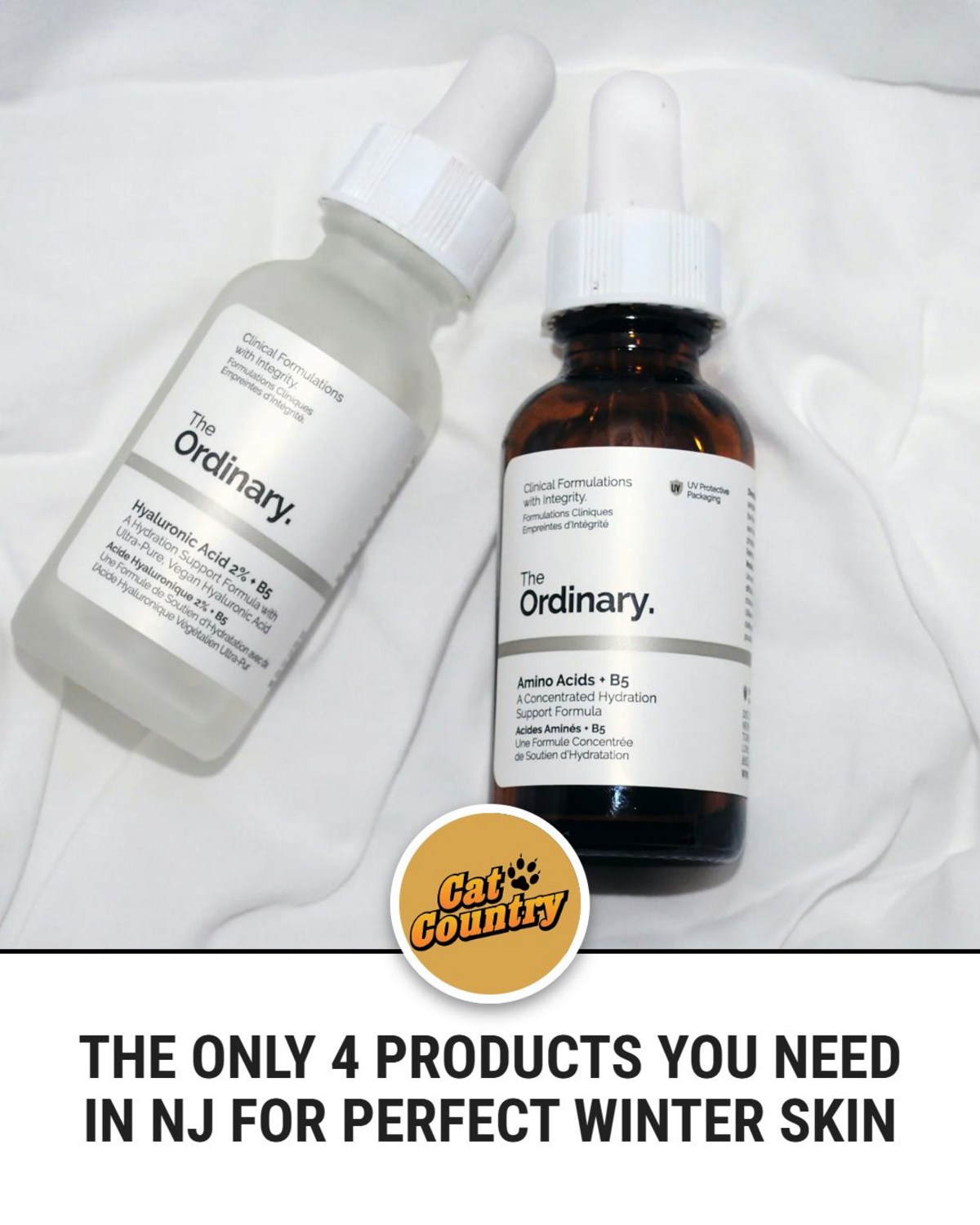
When it comes to winter skin, serums do the heavy lifting when it comes to healing. Look for serums with Hyaluronic acid or glycerin. You’re going to want to add vitamin C if you have dull skin. Battling acne? Cue niacinimide or salicylic acid.

Cetaphil Moisturizer

Photo by Zoshua Colah on Unsplash

Lock It In With Moisturizer

Winter is not the time to skip moisturizer. Make sure you’re using thicker creams with ceramides on dry skin. For oily skin, opt for more lightweight, oil-free lotions. If you have sensitive skin, make sure everything is fragrance-free.

SPF Face Cream

Photo by Natallia Photo on Unsplash

Never Skip SPF (Even In Winter)

Unfortunately for us all, UV rays don’t take the season off. The experts recommend using SPF 30+ daily to protect against aging and damage.

It may be the new year, so it’s great to hear that you’re focusing on yourself… including your skin. The truth is skincare doesn’t need to be complicated.

The best advice for you is to keep it basic, stay consistent, and let your skin do its thing.

The Best Tips For Top Tier Winter Skincare

When we think of protecting our skin, we usually think about slathering on the sunscreen at the beach, but our skin needs protection year-round especially as temperatures drop.

Gallery Credit: ThinkStock

7 Skincare Products Being Recalled Due To Cancer Risk

Check your cabinets! These creams and lotions are being recalled due to elevated levels of benzene.

Gallery Credit: Chris Cardenas

Tags: , , , , ,
Here's how you can you this natural skin elixir

Here’s how you can you this natural skin elixir

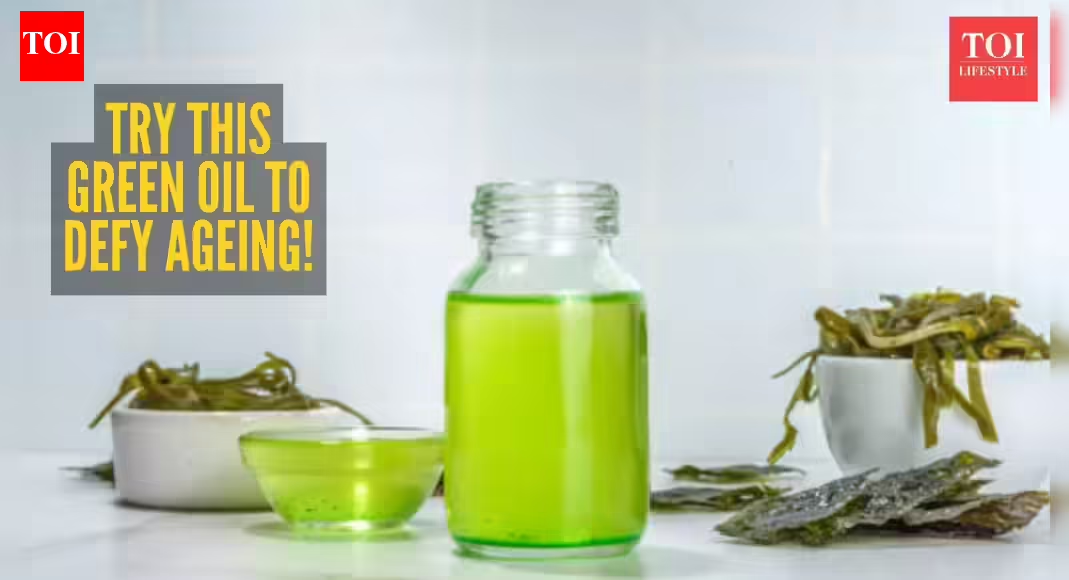
Algae oil works for most skin types, especially if your skin feels tight, tired, or easily irritated. It’s gentle, doesn’t clog pores easily, and plays well with other products. That said, a quick patch test is never a bad idea, skin can be unpredictable like that.

At first glance, algae oil might sound like just another trendy ingredient. But once you understand what it does, and see how your skin responds, it makes sense why it’s quietly earning a spot in so many routines.

No big promises. No loud claims. Just a simple, sea-derived oil helping your skin age a little more gracefully.

And sometimes, that’s exactly what good skincare should do.

Tags: , , ,

Preventative approach to ageing and more – 2026 skincare trend forecast

There have been numerous changes in the skincare industry, both locally and globally.

The year 2025 has taught us a lot when it comes to beauty. We’ve toned down on excessive filler and have embraced Botox. Our aesthetics procedures have become less invasive and we continue to seek minimal downtime and unnessesary discomfort.

Now, as the skincare shifts toward science-led personalisation, Dr Danielle Gounder, co-founder of Skin-Recode in Cape Town, shares her expert insights on what’s ahead for 2026.

A year for deeper, smarter and more connected

“[The year] 2026 builds firmly on these foundations – where skincare intersects with metabolic health, neurocosmetics and zero-waste ethics,” Dr Danielle predicts. “Intelligent simplicity and emotional wellbeing will anchor innovation.”

READ MORE | AI skincare and more – 6 beauty trends that dominated 2025

Artificial Intelligence (AI) and neurocosmetics: where skin meets mind

The doctor says, “AI evolves into holistic advisory – analysing stress, sleep and gut health to curate complete wellbeing solutions. Multi-sensory mists and neuro-responsive formulas transform routines into micro-moments of calm, while actively reducing inflammation and breakouts.”

Pre-ageing and longevity: prevention elevated

She says, “‘Prejuvenation’ becomes universal as biotech-derived skincare – including upcycled peptides – strengthens collagen earlier to delay signs of ageing,” she says.

“Sustainability gains via lab-grown over farm-harvested actives, cutting waste without compromising efficacy. Acne care shifts from stripping to preserving the microbiome.”

The rise of full-body rituals

Skincare and wellness will be about a holistic approach.

Dr Danielle says, “Body care ‘faceifies’ even further with ingestibles, advanced actives and smart tools. Hair removal gains in precision and inclusivity. Men’s grooming evolves into full, normalised routines.”

Non-surgical body contouring soar

Skincare and wellness clients are increasingly ditching invasive aesthetic procedures where possible.

As lymphatic therapist trainer Micaela Rios-O’Leary says about people trying the praised T-Shape contouring procedure, it’s for “healthy individuals seeking non-invasive solutions for body contouring and skin tightening, particularly those dealing with cellulite or stubborn fat”.

When it comes to non-surgical body contouring procedures, in 2026, Dr Danielle says, “Hybrid devices will merge fat-melting and skin-tightening for even quicker, more seamless results – perfect for a post-surgery-averse generation seeking refined silhouettes on their lunch breaks.”

Newsletter

TrueLove Style Essentials

Fashion and beauty stories, trends and styling tips.

Sign up

Tags: , , , , ,
How to use papaya in your skincare routine  

How to use papaya in your skincare routine  

Follow this guide

What’s the story

African papaya is a versatile fruit that has been used for centuries in beauty routines across Africa.
Its natural enzymes and rich nutrient profile make it an ideal ingredient for skincare.
From brightening the complexion to exfoliating dead skin cells, African papaya has a lot to offer.
Here are five kitchen beauty secrets using this amazing fruit, that you can try at home.

Natural exfoliant for glowing skin

African papaya is a natural exfoliant, thanks to its enzyme called papain.
The enzyme helps break down dead skin cells, revealing a smoother and more radiant complexion underneath.
To use it as an exfoliant, mash up some ripe papaya and apply it directly onto your face.
Leave it on for about 10 minutes before rinsing off with warm water.

Brightening mask for even tone

The vitamin C content in African papaya makes it an excellent choice for brightening masks. Vitamin C helps reduce dark spots and uneven skin tone over time.
To make a brightening mask, blend ripe papaya with honey and apply the mixture to your face.
Let it sit for 15 minutes before washing off with cool water.

Moisturizing treatment for dry skin

African papaya is also rich in moisture-retaining properties that can help hydrate dry skin effectively.
For a simple moisturizing treatment, mash ripe papaya and mix it with yogurt or aloe vera gel.
Apply this mixture generously on your face and neck area.
Leave it on for 20 minutes before rinsing off thoroughly with lukewarm water.

Acne-fighting solution with papaya juice

The antibacterial properties of African papaya juice can help fight acne-causing bacteria effectively.
To use it as an acne-fighting solution, extract fresh juice from the fruit using a blender or juicer.
Apply the juice directly onto affected areas using a cotton ball or pad.
Leave it on overnight if possible, then rinse off in the morning.

Anti-aging serum with papaya extract

Rich in antioxidants like beta-carotene, African papaya helps fight signs of aging such as fine lines and wrinkles.
For an anti-aging serum, mix freshly blended papaya puree with coconut oil or olive oil.
Apply this serum every night before bed, focusing on areas prone to aging. This will nourish the skin overnight, giving you a youthful appearance over time.

Tags: , ,
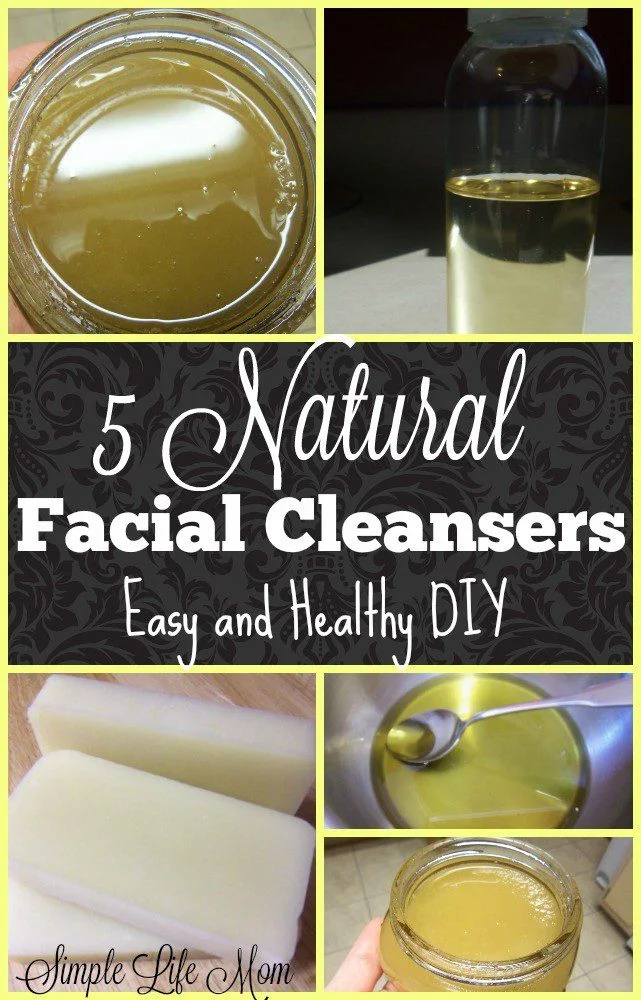
How to Make 5 All-Natural Facial Cleansers for Every Skin Type

How to Make 5 All-Natural Facial Cleansers for Every Skin Type

Making your own natural facial cleansers is a simple, affordable way to care for your skin without unhealthy ingredients. These homemade facial cleanser recipes use gentle, natural ingredients to cleanse effectively while supporting healthy, balanced skin. Whether you have sensitive, dry, or oily skin, these DIY natural face wash recipes are easy to make and perfect for a simple, non-toxic skincare routine.

I’ve used natural facial cleansers in my own skincare routine for years, especially simple ingredients like honey, oils, and oats. These recipes are ones I’ve personally tested and rotated depending on the season and my skin’s needs.

What Are Natural Facial Cleansers?

A natural facial cleanser is a face wash made with natural, organic, and healthy ingredients that clean the skin without synthetic fragrances, sulfates, or harsh chemicals. Homemade facial cleansers are also customizable. Whether you have oily, combination, or dry skin, you can customize your cleanser recipe for your specific needs and know that you are using healthy ingredients.

Why Choose Natural Homemade Facial Cleansers?

There are a lot of facial cleansers out there with lots of dangerous ingredients like petroleum, artificial dyes and fragrances, and propylparaben (which mimics estrogen and messes up your hormone balance whether you are male or female).  Making sure you use natural cleansers, makes sure you know exactly what your skin is absorbing.

Benefits of Using Homemade Natural Facial Cleansers

  1. Avoids harsh chemicals and synthetic fragrances
  2. Gentle on sensitive and acne-prone skin
  3. Affordable and easy to make at home
  4. Customizable for dry, oily, or combination skin
  5. Supports a simple, natural skincare routine

5 DIY Natural Facial Cleansers

I sell 2 liquid facial cleansers in my shop: Anti-Aging & Acne Facial Cleansers. They are similar in ingredients, except vary by what essential oils I use in them. But if you would like to make your own, then you want to look for ingredients that will cleanse your skin without stripping it completely of its natural oils.  Here are a few recipes and methods to get you going.

Oil Cleansing Method for Dry Skin

Try oil based facial scrubs to exfoliate and cleanse your skin while deeply nourishing at the same time.  Oils are also great for removing makeup.

Using oil as a cleanser is an age old method that does not clog pores. Instead, it beautifully enters pores and pulls out all impurities. You can also try these 21 amazing beauty recipes with coconut oil.

Lemon and Rosemary Facial Sugar Scrub

Ingredients:

Directions:

  1. Mix the ingredients together and store in a glass jar.
  2. To use, place 1 Tbsp in your hand and massage onto your face.
  3. Rinse and pat dry.

Gentle Castile Soap Face Wash

I did not put the recipes for cold processing here, since it is a large process for those who have never made soap before. However, Castile soaps are often made from 90-100% Olive oils instead of a mixture of fats like other soaps.  This makes the soap softer, but very gentle on the skin.  A great soap to try as a beginner and wonderful for the skin.

Another Homemade Soap that is gentle on the skin is a shampoo bar, due to the great nourishing oils within the recipe and because it usually has more readily available oils that were not converted to soap by the lye.  I know many people who use shampoo bars as a shaving bar.

Also find these shampoo bars in my SHOP

Honey Cleanser for Sensitive Skin

Raw Honey is very hydrating, kills bacteria, and nourishes skin, replenishing moisture and vitamins. That’s why you will often see it being used in natural beauty recipes. Here is a simple recipe using honey to help cleanse pores.

Ingredients:

Directions:

  1. Combine ingredients and keep in a sterile container and use a clean utensil each time.
  2. Wet face with warm water.
  3. Rub 1 tsp. between fingers and massage into face to loosen dirt and makeup.
  4. Rinse.

Oatmeal Facial Cleanser for Irritated Skin

Ingredients:

  • 1/4 cup yogurt
  • 1/4 cup pulverized oats

Directions:

  1. Pulverized oats in blender (optional).
  2. Mix yogurt and oats together.
  3. Keeps in fridge for one week, depending on how sterile you keep it.
  4. To use: wet face with warm water.  Rub 1 Tbsp between fingers and massage into face to loosen dirt and makeup.  Rinse.

Clay Cleanser for Oily or Acne-Prone Skin

I really like this cleanser, but some people are sensitive to using baking soda directly on their skin.  I know of a few people who cannot use homemade deodorant because of this.  So, like with every recipe on my site, test on a small area and make sure you have no reaction. Use it with just bentonite clay if needed.

Ingredients:

Directions:

  1. Mix all three ingredients together and massage into face to remove dirt and makeup, staying away from eyes.
  2. Rinse.

Always patch test new skincare products. If you have skin conditions or allergies, consult a qualified professional before trying new skincare products. Remember, you can become allergic to literally anything as your body changes over time.

Frequently Asked Questions About Homemade Facial Cleansers

  • Are homemade facial cleansers effective?
    • Yes! They work just as well as store bought cleansers but can be even more tailored to your specific needs.
  • Can natural facial cleansers work for acne?
    • Yes, frankincense is very anti-inflammatory, while other essential oils like rosemary, carrot, and tea tree can benefit the skin in powerful ways. Knowing your ingredients puts the power of homemade skincare in your own hands.
  • How long do DIY facial cleansers last?
    • It’s important to use water-based cleansers within a few days. Bacteria will grow quickly. Oil based cleansers can last 2-3 months, depending on how sterile they are kept.
  • Are homemade face washes safe for sensitive skin?
    • Yes, you can use gentle ingredients like honey, clays, aloe, and oils to cleanse pores. These are gentle, cleansing, and hydrating ingredients that are great for sensitive skin.

Follow up with one of 4 Herbal Skin Toners and Homemade Lotion and Anti-Wrinkle Serum. Click the links to get the recipes or go to my shop to try them before you make them.

For a full simplified skincare routine, see these Best Homemade Skincare Recipes for Healthy Skin.

Tags: , , , ,
Psychology says women who wear minimal makeup usually possess these 7 confident traits

Psychology says women who wear minimal makeup usually possess these 7 confident traits

Walk into any coffee shop and you’ll see it. Some women arrive with perfectly contoured cheekbones and precisely drawn brows. Others show up with barely a trace of makeup, their natural features on full display.

Both approaches are valid, but there’s something fascinating about the psychology behind minimal makeup choices. Research reveals that the relationship between cosmetics and confidence is far more complex than most people assume.

While makeup can certainly enhance appearance and boost mood, women who consistently opt for minimal makeup often possess distinct psychological traits. These aren’t women who’ve given up on their appearance. They’re women who’ve reached a different kind of confidence altogether.

After years of observing human behavior in various settings, I’ve noticed patterns that research confirms. The choice to wear little or no makeup often signals something deeper about a person’s relationship with themselves and the world around them.

Let’s explore what psychology tells us about women who embrace minimal makeup.

1) They’re comfortable in their own skin

Here’s something interesting I noticed while volunteering at the farmers’ market on Saturday mornings. The women who showed up fresh-faced, with maybe just a swipe of lip balm, carried themselves differently.

Research backs this up. Studies show that women with higher overall self-esteem often feel secure enough to scale back their makeup routines. They’ve done the inner work to accept what they see in the mirror, imperfections and all.

This doesn’t mean they’re careless about their appearance. Far from it. These women simply don’t need layers of foundation to feel worthy of being seen.

When you’re genuinely comfortable with yourself, you stop performing for others. You stop feeling like your bare face is something that needs fixing.

That kind of security radiates outward. People pick up on it, even if they can’t quite name what they’re sensing.

2) They prioritize authenticity over approval

I spent years in finance watching colleagues apply full faces of makeup in the office bathroom before important meetings. The message was clear: your natural face isn’t professional enough.

But something shifts when you stop chasing external validation. You realize that trying to meet everyone’s expectations is exhausting and ultimately impossible.

Women who wear minimal makeup have often reached a point where being genuine matters more than being admired. They’ve learned that the right people will appreciate them regardless of their lipstick shade.

This authenticity extends beyond appearance. It shows up in how they communicate, the boundaries they set, and the relationships they maintain.

Research published in the Journal of Consumer Culture found that makeup can function as image management, helping women navigate social expectations. But those who’ve moved past constant approval-seeking have found freedom in letting go of that tool.

3) They have a strong sense of internal worth

The correlation between self-esteem and makeup usage is complex. Some research suggests women with lower self-esteem use more makeup to conceal perceived flaws, while others with high self-esteem use it strategically to attract attention.

But here’s what I’ve observed: women who wear minimal makeup typically derive their sense of value from internal sources rather than external appearance.

They’ve built confidence through achievements, relationships, personal growth, and contributions that have nothing to do with how symmetrical their features are.

When your self-worth comes from within, you’re less dependent on cosmetics to feel complete. You know your value exists independently of whether you’re wearing mascara.

This internal foundation provides stability that external validation never can. It’s the difference between needing compliments to feel okay and simply appreciating them when they come.

4) They reject perfectionism

Can we be honest about something? The flawless faces we see everywhere aren’t real. They’re filtered, edited, contoured, and lit within an inch of their lives.

Women who embrace minimal makeup have often made peace with imperfection. They understand that dark circles, uneven skin tone, and visible pores are normal parts of being human.

This rejection of perfectionism is actually a sign of emotional maturity. Studies indicate that chasing impossible beauty standards correlates with anxiety and diminished well-being.

By refusing to spend hours creating an airbrushed version of themselves, these women are essentially saying “I’m enough as I am.”

That mindset spills into other life areas too. They’re more likely to start projects even if the conditions aren’t perfect, to speak up despite not having all the answers, and to try new things without fear of looking foolish.

5) They’re confident in their professional competence

There’s an interesting phenomenon documented in research where makeup is perceived to enhance professional credibility. Women wearing cosmetics are often judged as more competent and even having greater earning potential.

But women who opt for minimal makeup have typically built confidence in their abilities that doesn’t require cosmetic reinforcement. They trust their skills, knowledge, and experience to speak for themselves.

I remember my first few years as a financial analyst when I felt I needed the full corporate uniform, makeup included, to be taken seriously. As I became genuinely good at my work, that need evaporated.

These women have learned that while appearance might open doors initially, it’s substance that keeps you in the room. They’ve shifted their focus from managing perceptions to actually being excellent at what they do.

Their confidence comes from proven capability, not from the psychological armor that a full face of makeup can provide.

6) They have healthy boundaries with social media

Social media has dramatically intensified beauty pressures. Algorithms feed us endless images of filtered perfection, making our unfiltered faces feel inadequate by comparison.

Women who wear minimal makeup often maintain healthier relationships with these platforms. They’re less likely to compare themselves to influencers or to internalize unrealistic beauty standards.

Research shows that social media participation in ideal appearance sharing significantly shapes cultural beauty norms and expectations. Women who minimize makeup have often consciously rejected this pressure.

They understand that what they see online isn’t reality. They recognize the business model behind beauty content and refuse to let it dictate their self-worth.

This psychological distance from social media beauty culture protects their mental health and allows them to define beauty on their own terms.

7) They value efficiency and practicality

Finally, let’s talk about time. A full makeup routine can take 20 to 60 minutes. That’s up to seven hours a week, 30 hours a month, 365 hours a year.

Women who wear minimal makeup have often made a practical calculation: that time could be better spent elsewhere. Maybe on a morning trail run, extra sleep, reading, or simply a slower morning routine that doesn’t feel rushed.

This isn’t about judging anyone’s choices. It’s about recognizing that confidence sometimes looks like deciding your time is too valuable to spend perfecting winged eyeliner.

These women have identified their priorities and organized their lives accordingly. They’re confident enough to reject the idea that extensive beauty routines are necessary for success or social acceptance.

They’ve learned that efficiency isn’t laziness and that streamlined self-care routines can actually reduce daily stress and decision fatigue.

Final thoughts

If you recognize yourself in several of these traits, you’re likely someone who’s done significant inner work. You’ve moved past seeking validation through appearance and found more sustainable sources of confidence.

If you’re still figuring things out, that’s completely normal. The relationship between makeup and self-esteem is deeply personal and there’s no single right answer.

What matters most is understanding your own motivations. Are you wearing makeup because you genuinely enjoy it, or because you don’t feel acceptable without it? The first is self-expression; the second might be worth examining.

True confidence rarely looks the same on any two people. For some, it includes bold red lipstick. For others, it’s showing up barefaced. Both can be equally valid expressions of self-assurance.

The goal isn’t to abandon makeup entirely if you love it. The goal is to build confidence that exists independently of it.


VegOut Magazine’s November Edition Is Out!

In our latest Magazine “Curiosity, Compassion & the Future of Living” you’ll get FREE access to:

    • – 5 in-depth articles
    • – Insights across Lifestyle, Wellness, Sustainability & Beauty
    • – Our Editor’s Monthly Picks
    • – 4 exclusive Vegan Recipes

Learn more


Tags: , , , , , , ,
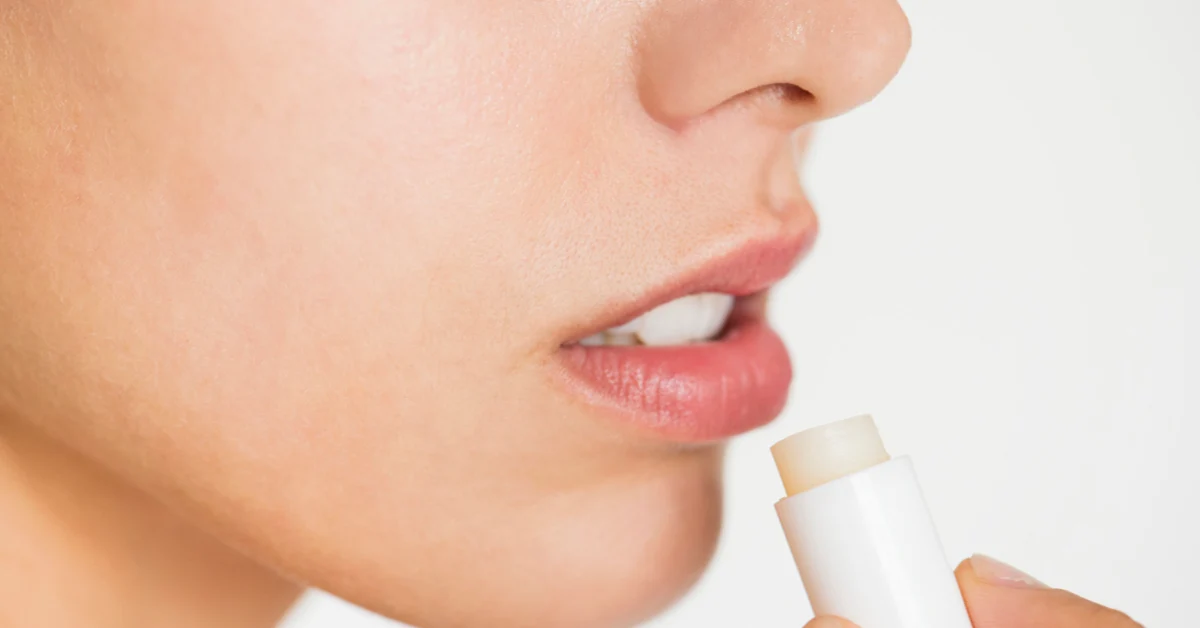
Woman gently applying lip balm during her daily skincare routine

Building a Lip-Care Routine That Feels Natural

Some routines stick because they are important, and others stick because they quietly fit. Lip care usually falls into the second category. You do not decide one day that you will start caring for your lips properly. It happens slowly, through noticing how uncomfortable dry lips feel and how much easier things are when they are not an issue. A lip-care routine that feels natural does not announce itself. It simply becomes something you do without thinking.

The Small Signals We Often Ignore

Lips give subtle signals long before they become visibly dry. A slight tightness, a rough patch, or that instinct to lick them is often the first sign. These moments are easy to dismiss because they do not feel urgent. Over time, though, ignoring them leads to discomfort that feels harder to undo. Daily care works not because it fixes problems, but because it responds early, before dryness takes over.

Why One Good Product Is Usually Enough

Many people abandon lip care because it feels unnecessary or uncomfortable. Sticky textures, overpowering fragrances, or heavy formulas tend to get left behind. A routine becomes easier when there is one product that feels good every time you use it. Hyphen lip balm fits into daily life because it does not demand attention. When something feels pleasant and familiar, reaching for it becomes automatic rather than intentional.

Letting Habits Form Naturally

A natural routine does not rely on reminders or rules. You apply balm when you notice dryness, before heading out, or while winding down at night. Over time, those moments link themselves together without effort. This is where hyphen lip balm works well, because it supports frequent use without feeling excessive. Lip care becomes woven into existing habits instead of sitting apart from them.

The Role Of Access In Staying Consistent

Even the easiest routines can fall apart when access becomes inconvenient. Running out of a product often breaks the flow, not because people stop caring, but because replacing it feels like something to deal with later. This is where online grocery platforms quietly make a difference. Adding a lip balm to items you already order removes the pause that usually disrupts consistency.

When Restocking Stops Being A Decision

Consistency becomes easier when restocking does not require planning. Online grocery services allow essentials to stay part of your routine without needing extra effort or thought. When something runs low, it gets replaced naturally, without becoming a task. That ease supports habits more than motivation ever could.

A Routine That Adjusts With You

Life changes often, and routines that survive are the ones that adapt. Lip care works best when it adjusts to weather, schedules, and energy levels without needing to be redesigned. Keeping hyphen lip balm close and accessible helps care remain steady even when everything else feels unpredictable.

When Care Feels Like Second Nature

The best routines do not feel impressive. They feel normal. When lip care blends into everyday life, lips stay comfortable, smooth, and easy to forget about, which is often the goal. With gentle products and the support of online grocery access, lip care stops being something you think about and becomes something that simply happens.

Tags: , , , ,
These 8 Shifts Are Set To Shake Up Skincare In 2026

These 8 Shifts Are Set To Shake Up Skincare In 2026

It was only a matter of time before the concept of “longevity” made its way into our skincare routines. While the term has become overused, 2026 will mark a turning point – rather than simply marketing spin, longevity will refer to efforts to cultivating skin cells that work harder for us. The goal? Skin that is resilient, able to repair itself, and that looks (and more importantly, feels) good not just now, but for years to come.

“We’re moving away from ambiguous claims and superficial trends and into an era defined by quantifiable biology, measurable outcomes and a demand for transparency,” says dermatologist and founder of Klira, Dr Emma Craythorne. “Consumers are no longer satisfied with vague promises of glow and hydration – they want to understand mechanisms, data and longevity. And truthfully, so do we as clinicians.”

From cellular health and personalised treatment plans to next-generation LED that goes further than ever before, Vogue speaks to the experts to uncover the ingredients, innovations and treatments shaping skin health in 2026.

Biostimulators and regenerative treatments

Regeneration sits at the heart of skincare in 2026. “My patients are increasingly focused on the long-term health of their skin and are seeking regenerative treatments that look natural, rather than quick fixes or dramatic changes,” says Dr Wassim Taktouk. The overfilled, frozen aesthetic has had its day; in its place is a desire for luminosity, movement and healthy-looking skin. “The demand for treatments that respect skin health and tissue integrity will only continue to grow,” he adds.

Biostimulators – injectables that trigger the skin’s own collagen production – are central to this shift. Unlike traditional fillers, they offer both an immediate effect and progressive improvement over time. Julaine, a newer bio-activator, is one to watch. Using poly-L-lactic acid technology, it stimulates the tissue-supporting network around skin cells – what Dr Taktouk calls “the skin’s factory for all the good stuff” – supporting natural collagen and elastin production with minimal inflammation.

“It delivers tighter, firmer skin with improved tone and texture, but without looking ‘done’,” he says. “It’s ideal for patients who want to look like a better version of themselves, not different.” Sculptra, another poly-L-lactic acid-based treatment, is also experiencing a renaissance, according to Dr Ash Soni, as patients increasingly prioritise gradual and natural regeneration.

Skin cell health

In topical skincare, expect a focus on the health of mitochondria – also known as the engines of our cells. Ingredients that support mitochondrial function help skin cells generate more energy (ATP), repair damage more efficiently and withstand environmental stress, resulting in healthier, more resilient skin for longer.

Expect to see formulas rich in CoQ10, NAD+ boosters such as niacinamide and NMN, peptides, antioxidants like vitamin C and resveratrol, and alpha-lipoic acid. Dr Craythorne also points to the rise of diagnostic clinical tests capable of measuring cellular stress, mitochondrial function and barrier integrity, paving the way for genuinely personalised skincare.

Tags: , , ,
The Biggest Wellness Trends of 2026

The Biggest Wellness Trends of 2026

Wellness is on everyone’s mind. The industry, which McKinsey & Company reports is currently worth $2 trillion, is continuing to dominate our collective interest. But what does wellness look like in 2026?

As we start to look ahead to next year, the state of wellness is all about growth and expansion. You can expect to find the following in the wellness space: Advancements in longevity (we mean legitimate, science-based ones over viral TikTok moments) and how we approach GLP-1s, traveling with the sole purpose of working out our bodies and/or minds, and adding nutrients to more interesting and fun drink formats.

Below are the six wellness trends experts predict will be huge for 2026. Scroll through to see which ones should be on your radar.

Private Members Club: Wellness Edition

Private clubs have taken over as our proverbial third space. For 2026, these clubs are expanding more than ever into wellness spaces. Jonathan Leary, CEO and founder of Remedy Place, tells Vogue he sees private wellness members clubs becoming the number one destination for milestone celebrations (think birthdays, bachelorette parties, etc.) and personalized wellness programs that focus on more proactive measures of self-care.

But most importantly, Leary says what will really drive people to wellness members clubs is their hunger for a tranquil space away from all the digital noise. “They are the remedy to so many of the challenges we’re facing in the modern world,” he says. “People don’t feel good, and people are lonely. The rise of AI and digital connection is only increasing the need for real, in-person experiences.”

“We are all craving something real,” agrees Alex Feldman, cofounder of wellness members club Saint. “The world has become so digitized and screen-obsessed that the most radical thing now is to actually feel something—to put your feet on real stone or to sit in a cedar-clad room with your phone completely out of reach.”

Saint, a private sauna and ice bath studio opening later this year in New York City, plans to lean more into personalized experiences for clients to give a more luxe private experience. “It is not about socializing and stereotypical wellness practices,” adds Amanda Hensen, cofounder of Saint, “but rather an intentional separation from the chaos of city life and an opportunity to reconnect to our inner stillness.”

The Fitness Travel Boom

From the viral UCPA tennis adult summer camp in Chamonix to the ultimate luxe surf retreat with Surf Synergy Costa Rica, taking a vacation to reset will take on a whole new meaning in 2026 with the rise of fitness travel. According to a recent 2025 wellness report done by McKinsey & Company, the demand for in-person services such as boutique fitness classes has gone up in the travel space. The report states that 60% of consumers who traveled for health and wellness treatments in 2024 will continue to do so in future travels, and 30% of those who spent money on such activities would gladly spend more the next year.

Tags: , ,
Best oLive
Privacy Overview

This website uses cookies so that we can provide you with the best user experience possible. Cookie information is stored in your browser and performs functions such as recognising you when you return to our website and helping our team to understand which sections of the website you find most interesting and useful.