5 ways to keep your skin glowing & hydrated

5 ways to keep your skin glowing & hydrated

A healthy, radiant-looking skin is not just about appearance; it signifies far more than looks, building the foundation of confidence and well-being while displaying smart skincare habits, internal nourishment, lifestyle tweaks, and the body’s overall health. However, unrelenting exposure to pollution, environmental stressors, extreme weather conditions, and inadequate care can strip the skin of its natural oils and moisture, making it dull, dry and even prone to wrinkles and premature aging. To achieve healthier skin that promises radiance and vitality, regular protection and proper nourishment are key elements of skincare rituals to counteract the side effects of compromised skin. Here are five essential tips to ensure your skin looks well-hydrated, radiant, and refreshed.​​

1.Master Your Fluids Intake

Water plays a crucial role in nourishing the skin at the cellular level, which helps maintain its elasticity, softness, and barrier function. A well-hydrated skin secures the moisture and potentially reduces the chances of getting a parched, dull complexion. Adding adequate fluid consumption such as fresh fruit juices, coconut water, and herbal teas, supports blood circulation and supplies essential nutrients and oxygen to skin cells. Incorporating these conscious habits to your daily skincare rituals can support the skin’s overall health, making it healthier, radiant, and well-moisturised.

2. Nourishing From Within Is Key

Serums that are rich in ceramides or hyaluronic acid are crucial in keeping the skin hydrated from within. Ceramides are lipids that are naturally built in the skin that safeguard our skin’s protective barrier, guarding it against harmful environmental stressors, and gradually offer moisture to the skin. Hyaluronic acid is another powerful moisturising agent that absorbs and retains water in the skin, keeping the complexion plump, smooth, and hydrated. Individuals looking for professional alternatives can go for bio‑remodeling treatment that deeply hydrates and revitalizes skin from the inside out, stimulating natural restorative processes for healthier and balanced-looking skin.

​3. Use SPF Irrespective Of Seasons

Sunscreen is not meant to be used only for sunny days as harmful UV rays continue to wreak havoc throughout the year. Applying SPF on a regular basis safeguards the skin from premature aging, breakouts, red rashes, and uneven skin tone. Combining the use of moisturizer with SPF will keep your skin hydrated and protect it from UVA and UVB rays that often lead to fine lines, pigmentation and flaky skin. Use it regularly to reduce the risk of dark spots, wrinkles, and loss of elasticity.

​4. Investing In Advanced Skincare

Invest in advanced skincare that focuses on target solutions with modern formulations. Clinically proven ingredients like peptides and antioxidants work together to repair, rejuvenate and nourish the skin. Antioxidants such as vitamin C, vitamin E, green tea essentials, and niacinamide safeguard the skin from external damage, soothe irritants, and lower the chance of inflammation. Peptides boost collagen, reduce premature aging, and enhance skin’s firmness. Individuals who need to address concerns like lax or weakened elasticity can consider platforms like Harmony XL PRO, designed to cater to all age groups, which boosts the skin’s natural collagen and elastin production, thereby strengthening firmness and blocking moisture.

​5. Do Not Underestimate Beauty Sleep

It is a scientifically proven fact that 8–9 hours of sleep is the best way to achieve a radiantly glowing complexion. Quality sleep amplifies collagen production, which aids in maintaining skin firmness and alleviates the appearance of fine lines. Optimal sleeping routine additionally keeps cortisol, the stress hormone, low, thereby preventing inflammation and breakouts. Deep sleep provides our skin the time it needs to rest and reset so that it rejuvenates and looks its best.

Takeaway

A well-hydrated and refreshed skin is far beyond the realm of beauty and cosmetic exuberance, it is a demonstration of self-care, self-esteem, and lots of self-love. By focusing on conscious and reliable skincare brands, products and routines that nourish the skin from inside, you can easily achieve a fresh, glowy, and well-hydrated complexion that feels as good as it looks.

Tags: , , ,
10% Vitamin C Serum for Oily Skin: A Gentle Way to Glow & Even Tone

10% Vitamin C Serum for Oily Skin: A Gentle Way to Glow & Even Tone

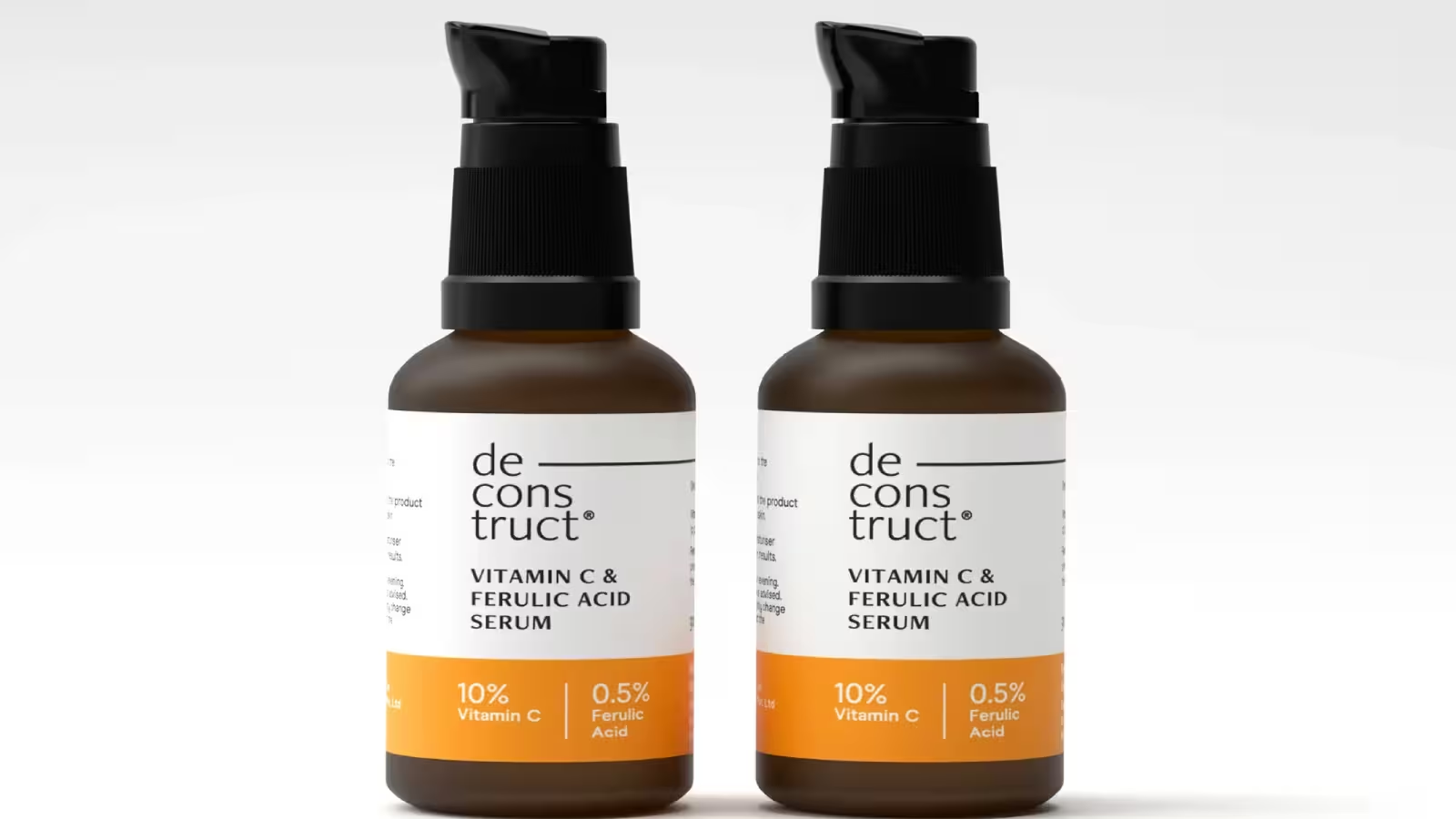
A 10% Vitamin C serum with 3-O-Ethyl Ascorbic Acid gently boosts glow, fades acne marks, and evens tone for oily skin. Lightweight options like Deconstruct 10% Vitamin C Serum deliver antioxidant benefits without stressing the skin barrier.

10% Vitamin C Serum for Oily Skin: A Gentle Way to Glow & Even Tone
Oily skin often feels like a paradox. While excess sebum can make the face look shiny, it does not always translate into a healthy-looking glow. In fact, many people with oily skin struggle with dullness, uneven tone, and post-acne marks. Add sun exposure, pollution, and daily stress to the mix, and the skin can start looking tired and patchy.

This is where a well-formulated Vitamin C serum can make a visible difference. A 10% concentration especially when formulated with 3-O-Ethyl Ascorbic Acid, a stable Vitamin C derivative offers a balanced way to improve glow and even out skin tone without overwhelming oily or acne-prone skin. Clinically tested formulations such as Deconstruct 10% Vitamin C Serum are designed to deliver antioxidant protection and visible radiance while remaining gentle on the skin barrier.

Why 10% Vitamin C Works Well for Oily Skin

When it comes to active ingredients, more is not always better. Higher concentrations of Vitamin C may increase the risk of irritation, especially for beginners or those with sensitive, acne-prone skin. Redness, tingling, or breakouts can occur if the skin barrier is compromised.

A 10% Vitamin C concentration strikes the right balance. It is effective enough to support glow and reduce uneven tone, yet mild enough for regular use. For oily skin types that are already prone to congestion and sensitivity from overuse of actives, this moderate strength can deliver results without triggering excess oil production or inflammation.

Vitamin C also works as a powerful antioxidant. It neutralises free radicals generated by UV exposure and pollution two major contributors to dullness and pigmentation. By protecting the skin from oxidative stress, it helps maintain clarity and a more even appearance over time.

The Role of 3-O-Ethyl Ascorbic Acid in Enhancing Glow

Not all Vitamin C forms are created equal. Traditional L-ascorbic acid can be unstable and may oxidise quickly when exposed to air and light. In contrast, 3-O-Ethyl Ascorbic Acid is a more stable derivative that penetrates effectively and maintains its potency longer.

Here’s how it supports oily skin:

1. Improves Skin Glow

3-O-Ethyl Ascorbic Acid helps reduce oxidative damage, which is one of the key reasons behind dull looking skin. With consistent use, it enhances overall radiance and supports a healthier complexion.

2. Fades Pigmentation and Acne Marks

Oily and acne-prone skin often deals with post-inflammatory hyperpigmentation those stubborn dark spots left behind after breakouts. Vitamin C interferes with excess melanin production, gradually helping fade these marks and promoting a more even tone.

3. Refines Texture

Uneven texture can make skin appear rough or tired. By supporting collagen production and improving surface smoothness, Vitamin C contributes to a refined, clearer-looking complexion.

Key Ingredients to Look for in a Vitamin C Serum for Oily Skin

When choosing a serum, ingredient synergy matters just as much as the hero ingredient.

  • 10% Vitamin C Serum (3-O-Ethyl Ascorbic Acid): Delivers stable antioxidant protection and visible glow support.
  • Niacinamide: Helps regulate excess oil, strengthens the skin barrier, and supports even tone.
  • Ferulic Acid: Enhances the stability and performance of Vitamin C.
  • Lightweight Hydrators (Glycerin, Hyaluronic Acid): Maintain hydration without clogging pores or feeling greasy.

For oily skin, the texture of the serum is equally important. A lightweight, fast-absorbing, non-comedogenic formula works best to prevent pore congestion.

How to Use 10% Vitamin C Serum in Your Routine

Consistency plays a crucial role in achieving visible results. Here is a simple routine you can follow:

Morning Routine

1. Cleanse: Use a gentle gel-based cleanser to remove oil buildup and impurities.
2. Apply Serum: Take 2–3 drops of the Vitamin C serum and apply it to dry skin. Gently pat it in.
3. Moisturise: Follow with a lightweight, oil-free moisturiser to maintain hydration.
4. Sunscreen: Finish with a broad-spectrum SPF 50 sunscreen. This step is essential, as vitamin C works best when paired with proper sun protection.

Beginners can start with once daily application in the morning. If the skin tolerates it well, it can also be used in the evening, depending on the overall routine.

Common Mistakes to Avoid

Even a gentle Vitamin C serum can deliver better results when used correctly.

  • Starting with very high concentrations: Jumping to stronger formulas may lead to irritation and barrier damage.
  • Skipping sunscreen: Sun exposure can counteract the benefits of Vitamin C and worsen pigmentation.
  • Over-layering actives: Combining strong exfoliating acids with Vitamin C without guidance may increase sensitivity.
  • Expecting instant glow: Skin renewal takes time. Visible improvements usually appear after consistent use over several weeks.

Patience and consistency are key when incorporating active ingredients into your skincare routine.

Who Should Use a 10% Vitamin C Serum?

A 10% Vitamin C serum formulated with 3-O-Ethyl Ascorbic Acid can be suitable for:

  • Oily skin
  • Acne-prone skin
  • Combination skin
  • Individuals new to antioxidant skincare

If you are looking to improve glow, reduce post-acne marks, and achieve a more even tone without heavy or greasy formulations, a clinically tested option like Deconstruct 10% Vitamin C Serum can fit seamlessly into your routine.

Final Thoughts

Oily skin does not need harsh treatments to look radiant. In fact, over-stripping or aggressive actives can weaken the skin barrier and worsen uneven tone. A balanced approach works far better.

A 10% Vitamin C serum powered by 3-O-Ethyl Ascorbic Acid offers a steady and gentle way to enhance glow, refine texture, and improve overall tone. When combined with daily sun protection and a simple, consistent routine, it supports healthier-looking skin over time.

Glowing skin is not about shine it is about clarity, balance, and resilience. With the right formulation and patience, achieving that natural glow becomes both realistic and sustainable.

Note to the Reader: This article has been created by HT Brand Studio. The information provided is intended solely for informational purposes and does not constitute medical advice or endorsement. Please consult a registered medical practitioner for personalized medical advice or before making any decisions regarding your health conditions or treatment options.

Get latest updates on health and wellness along with Brand Stories

Tags: , , , , , ,
Protein Brownie Batter Bites

High Protein Brownie Batter Bites

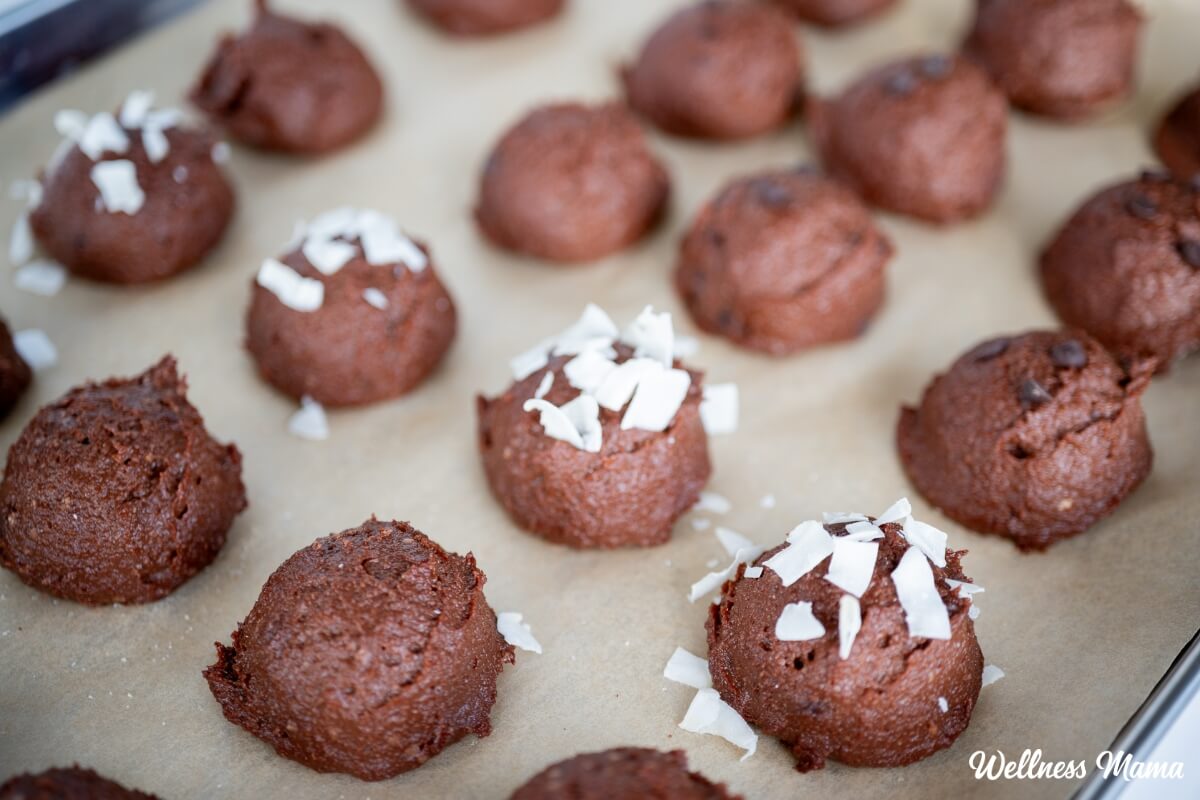
In high school and college I was addicted to all the processed junk food and sweets. Since then I’ve swapped out the mini snack cakes for real food options that are much healthier and way more delicious! These brownie batter bites are the latest creation to come out of my kitchen.

They’re a good source of protein and healthy fats for steady energy. Plus, they’re naturally sweetened, no highly processed sugar necessary! My kids love these and they’re gone pretty quickly once the batch is done. 

Healthy Brownie Batter Bites

One of the best things about making brownies isn’t even the brownies, but getting to lick the bowl. While I’m not afraid of raw egg from pastured chickens, there are other things lurking in most brownie recipes I’m not a fan of. Not only is this version packed with protein, but it skips the flour entirely. They’re also egg free for anyone who needs to avoid eggs. 

The nut butter gives it a creamy base and adds healthy fats. Then of course there’s antioxidant rich cocoa powder for a rich, chocolatey taste. My kids like mini chocolate chips too for extra chocolate. The maple syrup or raw honey add a touch of sweetness without overdoing it. And even better, these natural sweeteners are full of minerals and micronutrients for cellular health and energy that won’t give you a crash. 

Protein Packed

I’m all about prioritizing protein. After years of undereating my metabolism was much happier when I started nourishing my body. Part of that includes making sure I hit my protein goals. While I like to eat at least 40 grams of protein for breakfast, I want my snacks (and even desserts!) to support my goals. 

Here are some more protein rich desserts if you’re looking for more options!

These brownie batter bites taste like you’re eating a spoonful of sugary brownie batter, but they’re actually good for you. We’ll eat them as a dessert or snack. And if you’re packing them for lunches, freeze them before popping them into the lunch container so they keep their shape.

High Protein Brownie Batter Bites

A rich, chocolatey snack that tastes like a treat but fuels like a real-food meal.

  • Line a baking sheet with parchment paper and set aside.

  • Blend cottage cheese, protein powder, cocoa powder, nut butter, maple syrup, and vanilla in a blender or food processor until smooth and thick.

  • Transfer to a bowl and stir in almond flour until the mixture is firm enough to scoop. Fold in chocolate chips if using.

  • Scoop and roll into 12–16 brownie batter bites. Place the dough onto the parchment lined baking tray and chill for at least 30 minutes before serving. If your dough is really soft, then chill the bowl for about 10–15 minutes first before scooping.

Nutrition Facts

High Protein Brownie Batter Bites

Amount Per Serving (1 bite)

Calories 65
Calories from Fat 27

% Daily Value*

Fat 3g5%

Saturated Fat 1g6%

Trans Fat 0.004g

Polyunsaturated Fat 0.3g

Monounsaturated Fat 1g

Cholesterol 7mg2%

Sodium 61mg3%

Potassium 69mg2%

Carbohydrates 6g2%

Fiber 1g4%

Sugar 3g3%

Protein 5g10%

Vitamin A 23IU0%

Vitamin C 0.01mg0%

Calcium 47mg5%

Iron 0.2mg1%

* Percent Daily Values are based on a 2000 calorie diet.

If your house is like mine, rolling them smaller helps stretch the batch. I’ll often make 16 mini bites so everyone gets one and the older kids can grab seconds.

Storage and Shelf Life

These brownie batter bites will keep in the fridge for up to 5 days or the freezer for up to 2 months. Whenever I make a batch they’re usually gone the same day! You can also double or triple the batch to freeze for later.

What are some of your favorite healthier treats to make? Leave a comment and share below!

Tags: , , , ,
Go-to anti-aging cream could leave you looking 'like a burn victim'

Go-to anti-aging cream could leave you looking ‘like a burn victim’

HEALTH experts are warning against using a viral TikTok beauty trend involving a potentially dangerous chemical.

Experts are urging users to only use the popular chemical if they follow two non-negotiable steps.

Sign up for the newsletter

Thank you!

Experts are warning users about retinol productsCredit: Getty

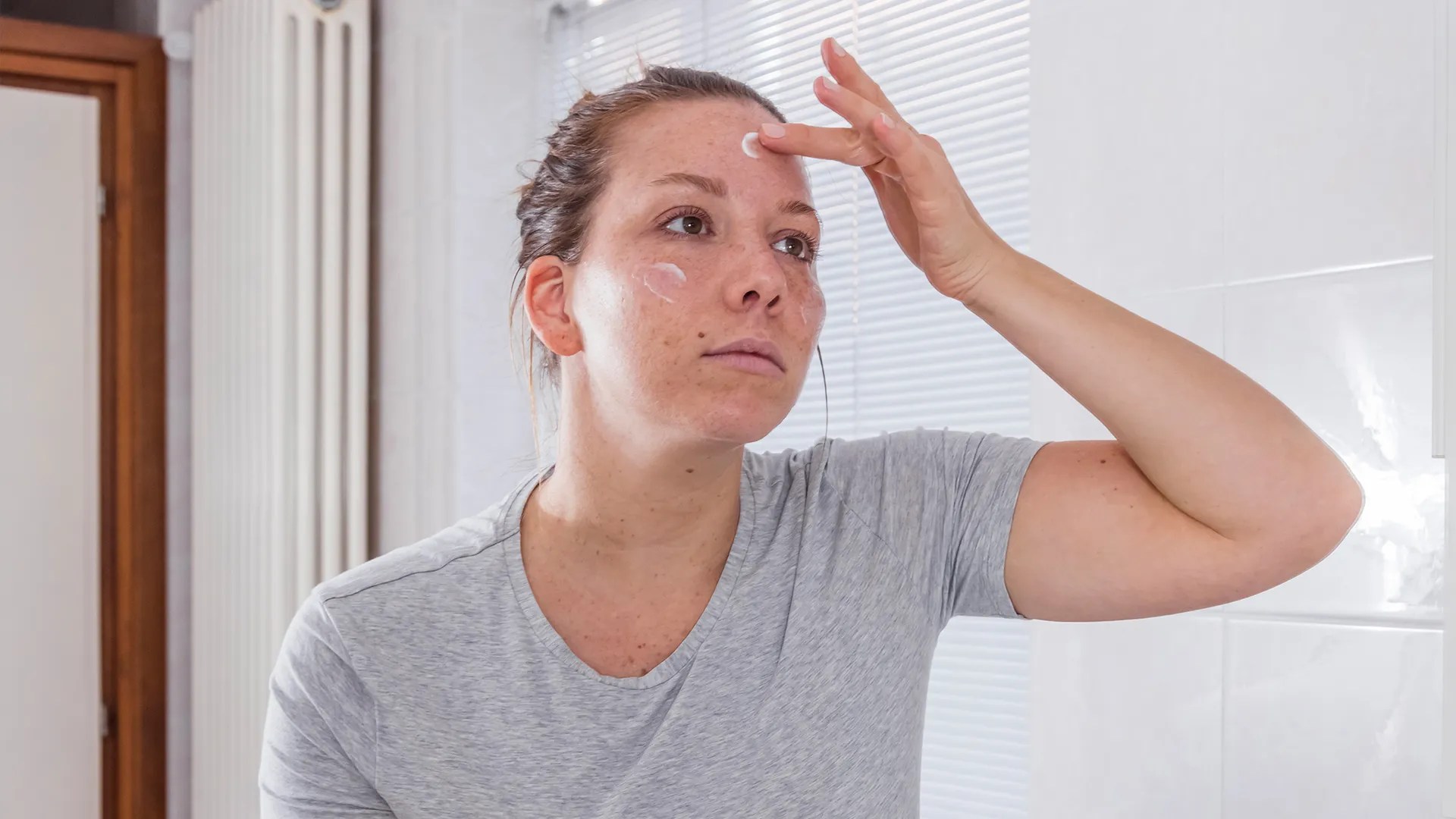
Social media users have been raving about using retinol on their skin to help with anti-aging and fighting acne, but some users say they end up looking like a “burn victim” after using the product. 

One TikTok user posted a video of her skin with visible burns, saying, “You can get burnt from using retinol. I did not know that.” 

“You’re supposed to use it once a week to build up a tolerance, but I didn’t know that.”

The user said it got to the point where her skin was burning “like acid” after using the product. 

Other users have also shared videos of their skin with large red patches and burn marks going across their cheeks. 

TikTok influencer Dr. Ingky stitched the original video saying, “Retinol makes your skin sensitive to UV rays. That means just a few minutes in the sun can cause a sunburn.”

The doctor said that retinol isn’t bad and is, in fact, one of the best anti-aging products on the market, but users need to apply it correctly. 

“It’s absolutely safe to use [retinol] for acne when you’re young,” skin expert Amanda Fidani told Fox News.

“You must use it correctly, though. That’s the most important thing.

“You can use it in your early 20s and late teens for beautiful skin — you just have to be safe and educated.”

Retinol helps increase skin cell turnover, exfoliate the skin, and stimulate collagen production, which helps reduce fine lines and wrinkles.

“Active ingredients like retinols or acids can be extremely irritating to the skin. If retinol is layered on in large quantities or acids are left on for longer than medically advised, this can damage the skin, leading to redness, discomfort, and pigmentation,” Dr Richard Devine, plastic surgeon and co-founder of Carriages of Harley Street, told Vogue. 

“Covering the skin with masks and serums for long periods of time can block pores and lead to breakouts.”

To apply retinol properly, users should layer it with SPF and use the product only at night. 

How to use retinol

  • Use SPF sunscreen that is a 30 or higher
  • If you are outside for the day, be sure to reapply sunscreen at least every two hours
  • Check SPF expiration dates
  • Make sure your sunscreen is water-resistant or waterproof

[Source: HydroPeptide]

Experts say users should use SPF 30 or higher to effectively prevent burns, according to HydroPeptide.

The sunscreen should be reapplied every two hours and should be water-resistant or waterproof.

In addition to using SPF, users should wear hats and try to avoid direct sunlight during the summer months. 

If you do happen to get a sunburn, it’s best to avoid using retinol that day. 

Those who want to avoid the potential of burns should try and stick to using retinol just at night.

Tags: , , , , ,
Future-Proofing The Skin: Why 20-Somethings are Starting 'Pro-Ageing' Routines

Future-Proofing The Skin: Why 20-Somethings are Starting ‘Pro-Ageing’ Routines

Have you heard of the term ‘pro-ageing’? This is a lifestyle shift that focuses on nourishing, protecting, and embracing the natural skin at every stage of life. Unlike the anti-ageing routine that fights signs of ageing, the pro-ageing routine focuses on accepting the changes and caring for the skin. Usually, people worry about skin ageing when visible signs like wrinkles and fine lines appear, but youngsters nowadays believe in skin longevity and are more inclined to future-proof their skin naturally.


Pro-Ageing 101: Dermat Answers Common Questions

A lot of people are not familiar with the skin ageing universe, especially Pro-Ageing. In an exclusive conversation with Onlymyhealth, Dr Priyanka Sharma, Co-founder, Director, and Chief Dermatologist at V6 Clinics, simplified skin longevity and pro-ageing for our readers.

At What Exact Age Does Our Natural Collagen Production Begin To Slow Down?

Collagen production typically begins to decline in the mid-20s. By the time we enter our 30s, we lose approximately 1% of collagen per year, and this accelerates with sun exposure, stress, and lifestyle factors.

Answering whether or not we can delay ageing, Dr Sharma says, “We cannot biologically ‘stop’ ageing, but we can absolutely reduce the visible signs of collagen loss.”

Here are some steps to significantly delay structural skin thinning and sagging:

  • Daily sun protection
  • Medically guided retinoids
  • Antioxidant use
  • Adequate protein intake
  • Procedures that stimulate collagen production

The goal today is not to stop aging, but to age structurally stronger and healthier.

Also Read: 5 Ways Protein Protects Skin From Premature Ageing

What Is The Actual Difference Between ‘Anti-Aging’ And ‘Skin Longevity’?

Anti-aging is largely corrective. It focuses on reversing visible signs like wrinkles, pigmentation, and sagging after they appear.

Skin longevity, on the other hand, is preventive and science-led. It focuses on preserving collagen, maintaining barrier integrity, supporting the microbiome, and reducing chronic inflammation long before visible aging sets in.

What Is The Most Common Skincare Mistake You See 20-Somethings Making Today?

“The biggest mistake I see is overuse of active ingredients without medical guidance,” shares Dr Sharma.

Many young individuals are layering multiple exfoliants, retinoids, and acids based on social media trends. This mistake often leads to skin barrier damage, chronic inflammation, and long-term sensitivity.

Skin in the 20s is biologically strong. It requires consistency, protection, and minimal but effective ingredients, not aggressive correction. Over-treatment at a young age often leads to premature skin problems.

Also Read: What Is the Right Age to Start Anti-Ageing Products?

What Is The ‘Skin Microbiome,’ And How Does Over-Cleansing Today Affect Our Skin A Decade From Now?

The skin microbiome refers to the ecosystem of beneficial bacteria that naturally live on our skin. These microorganisms help regulate inflammation, protect against pathogens, and maintain the skin barrier.

“Over-cleansing, especially with harsh foaming cleansers, disrupts this balance. Chronic barrier disruption can lead to persistent low-grade inflammation. Over the years, inflammation contributes to pigmentation, dullness, sensitivity, and accelerated collagen breakdown,” warns Dr Sharma.

Balanced cleansing, rather than excessive cleansing, is key to long-term skin health.

Can Diet And Supplements Slow Down Collagen Breakdown As Effectively As Topical Treatments?

Diet and topical treatments serve different but complementary roles.

  • Topical ingredients like retinoids and vitamin C directly stimulate collagen production in the skin.
  • Whereas, right nutrition supports the internal building blocks required for that process- including adequate protein, vitamin C, zinc, and antioxidants.
  • Collagen peptides and certain supplements may support skin elasticity, but they cannot replace sun protection or topical stimulation.

Optimal results come from combining internal nutrition with external dermatological care.

What Are The Three Ingredients A 20-Something Should Use Now?

According to Dr Sharma, the three foundational ingredients that need to be prioritised are:

  • Broad-spectrum sunscreen- UV damage accounts for up to 80% of visible skin aging.
  • Low-strength retinoid (under medical supervision)- Gradually stimulates collagen and improves cellular turnover.
  • Vitamin C antioxidant serum- Protects against oxidative stress and environmental damage.

Consistent use of these from the mid-20s can significantly delay the need for corrective procedures in the 40s.

Final Word

Summing up, Dr Sharma says, “There is scientific reasoning behind early preventive care. Collagen decline begins in the mid-20s, and environmental damage accumulates from adolescence onward. However, pro-ageing should not be confused with aggressive aesthetic intervention at a young age. The science supports early prevention, not premature procedures.”

Starting early means building skin health, not chasing perfection.

Read Next

Rose Water vs Aloe Vera Gel: Which One Works Best for Oily Skin?

Disclaimer

Chanchal is passionate about making health news clear, reliable, and useful. With over six years of experience in health journalism, she covers everything from disease outbreaks to women’s wellness, nutrition, and fitness. She believes in going beyond headlines, relying on expert voices and trusted medical studies to inform her work. Before joining Jagran New Media, she worked with Rajasthan’s First India News.

Read More..

How we keep this article up to date:

We work with experts and keep a close eye on the latest in health and wellness. Whenever there is a new research or helpful information, we update our articles with accurate and useful advice.


  • Current Version

  • Feb 23, 2026 13:30 IST

    Published By : Chanchal Sengar

Tags: , , , , ,
How to Use Essential Oils for Common Illnesses - a Beginner

How to Use Essential Oils for Common Illness

If you’re new to natural remedies and wondering how to essential oils for natural remedies, this guide is for you. You don’t need a ton of books and a huge collection of oils to get started. With just a few oils, you can care for everyday aches, stress, sleep troubles, digestion support, mood balance, skin care, and cold, all in a natural, gentle way that fits your home and family life.

This beginner-friendly guide will walk you through the safest, easiest ways to use essential oils so you can enjoy their benefits without feeling overwhelmed. Though there’s an initial cost to gathering a few quality essential oils, it definitely doesn’t have to be overly expensive or intimidating.

In this guide we’ll walk through:

  • What essential oils are
  • How to use them safely based on real aromatherapy guidelines
  • Everyday oils that are easy for beginners
  • Simple ways to use them in real life

Let’s keep this simple, practical, and doable.

What Are Essential Oils?

Essential oils are concentrated plant extracts, or aromatic molecules from flowers, leaves, stems, bark, or roots.

They’re not food, not fragrance oils, and not weak herbal teas, they’re potent plant concentrates, or elements within an oil of the plant (oil within an oil). When used properly, scents and compounds from essential oils can support the body and uplift the mind.

Because they are highly concentrated, a little goes a long way. And safety matters.

When used properly, they can support:

  • Immune health
  • Relaxation and sleep
  • Respiratory comfort
  • Headaches and tension
  • Skin care
  • Mood and emotional balance

How to Use Essential Oils Safely

Before using essential oils, a few simple rules make all the difference:

1. Dilute

First, essential oils are oils within oils of the plant. They are very concentrated and, as a general rule, should be diluted to reduce risk of irritation and sensitization, as well as avoiding evaporation. In an effort to get a “stronger” impact you may apply essential oils only to have them evaporate within seconds or minutes because you did not dilute them in a carrier oil.

Second, dilution with children is very important!

A Good Guideline:

  • 1% dilution: safe for children, pregnant women, elderly adults, and sensitive skin
  • 2% dilution: typical for most adults without health issues
    This means about 3 drops of essential oil per tablespoon of carrier oil for gentle use.

Learn more about essential oil safety here.

Oil that can be used for dilution:

  • Coconut oil
  • Olive oil
  • Sweet almond oil
  • Apricot kernel oil
  • Jojoba oil
  • Evening primrose oil

2. Avoid eyes, mouth, and sensitive areas

Oils are powerful. Keep them away from eyes, inner ears, and mucous membranes. Instead of inside the ear, place tea tree behind the ear to help with ear infections.

Both the Alliance of International Aromatherapists and NAHA do not recommend taking essential oils internally unless a healthcare practitioner trained in clinical aromatherapy specifically advises it.

I have used peppermint oil on the roof of my mouth to open sinuses or in a drink in the past, but even this must be used carefully, especially when not diluted in a carrier oil first.

3. Use oils carefully around sensitive people

Children need lower dilutions and gentler oils. Less is more.

I recommend higher caution for:

  • Infants and toddlers
  • Pregnant or breastfeeding women
  • Those with sensitive or damaged skin
  • Pets (especially cats!)

These groups may require much lower dilutions or avoidance of certain oils entirely. As I mentioned, cats are extremely sensitive. Dogs do better around oils like cedarwood or lavender.

There is SO much misinformation on the internet about essential oils for those in these categories. One person makes a statement and suddenly it’s regurgitated on 100 other websites who copied them. The national aromatherapy associations of various kinds are a much better source. I only use tested sources and my own experience, but also do your own research.

4. Quality matters

Essential oils can be a scam if they are diluted, have cheaper scents mixed in, or are actually cheap fragrance oils. Make sure to choose reputable sources that list botanical names and extraction methods. Their websites should show 3rd party testing, history, and the location of where the plants are sourced.

I really like Starwest Botanicals and Mountain Rose Herbs and really trust them.

The 7 Best Essential Oils for Beginners

If you’re just starting, you don’t need 20 bottles. Start with a simple foundation. It’s easier to learn about the plant and ways to use it as an herb as well as essential oil if you start slowly.

Below are oils that I recommend for everyday home use:

🌿 Lavender (Calming and Supportive)

Lavender is one of the most versatile oils, used for nervous tension, restlessness, and a soothing atmosphere before bedtime. It is known for being a gentle essential oil.

Good for: sleep, anxiety, soothing minor burns, headaches, skin irritation

How to use:

  • Diffuse in the bedroom at night for anxiety and as a sleep aid.
  • Add a drop to a carrier oil and massage onto wrists or feet for calming support.
  • Add 5 drops to 2 ounces of carrier oil and apply to light burns or skin irritations.

Learn more about using essential oils in skin care.

🌿 Peppermint (Headache and Focus)

Peppermint is another gentle, beginning oil with a powerful impact. It’s well-known for supporting headache relief, digestion comfort, and revitalizing energy and cooling.

Good for: headaches, nausea, focus, congestion, muscle tension

How to use:

  • Dilute peppermint with carrier oil and rub on temples or neck to ease headache discomfort.
  • To relieve congestion, place a drop on your finger and place it on the roof of your mouth.
  • As a cooling agent, buy a peppermint soap bar. I have a number to choose from in my shop.

🌿 Tea Tree (for Infections)

Tea tree essential oil is widely used for its antimicrobial and cleansing properties in skin care and home cleaning. It’s my go-to for acne problems, skin infections, and ear infection.

Good for: acne, cuts, fungal issues, immune support, skin infections

How to use:

  • Create a homemade cleanser with a few drops of tea tree + water + vinegar for natural cleaning. Here are more natural cleaning recipes.
  • Dilute 5-10 drops into 2 ounces of a carrier oil and gently apply to the skin for acne, eczema, and other skin irritations that may be bacteria related or effected.
  • For an ear infection, place a drop on your finger and put in on your neck, right behind the ear lobe. Repeat 3x a day.
  • Here are many acne products with tea tree in them as well.

🌿 Lemon (Uplifting and Cleansing)

Lemon essential oil has antioxidant and cleansing qualities and a bright scent that can uplift mood and support digestive comfort.

Good for: mood, cleaning, air purification, immune support

How to use:

  • Diffuse in living spaces for a refreshing atmosphere.
  • Add to homemade, natural cleaning sprays for a fresh, toxin-free clean

🌿 Eucalyptus (Respiratory Ease)

Eucalyptus is among the most commonly used oils for supporting respiratory comfort and clearing congestion.

Good for: congestion, coughs, chest support, sinus issues

How to use:

  • Diffuse during cold or allergy season (along with tea tree, lemon, and peppermint).
  • Inhale vapor (from a diffuser or steam) to help open nasal passages.

NOTE: do not diffuse eucalyptus around small children at all. Also, do not diffuse around pets unless they are able to leave the room easily.

🌿 Frankincense (For Inflammation!)

Frankincense is one of the oldest essential oils used historically for emotional grounding, calming, and skincare support. Research shows it has antioxidant and soothing properties. It is so incredibly anti-inflammatory that I make a frankincense extract for back and joint pain. I hear from people all the time who are excited at how much it has helped them.

Good for: skin health, anxiety, inflammation, immune support

How to use:

🌿 Ginger (Optional for Digestion & Nausea)

Ginger essential oil is kind of stinky, but it is great for supporting digestion, easing nausea, and soothing discomfort.

Good For: Digestion

How to use:

  • Inhale ginger during an upset stomach or nausea.
  • Dilute and then rub on your abdomen for mild digestive relief.

How to Use Essential Oils for Everyday Illnesses

Here’s how to use essential oils in real life, without any complicated recipes:

Headaches & Tension with Peppermint and Lavender

How to Use: Massage onto temples, back of neck, and shoulders for soothing tension relief.

Sleep & Anxiety with Lavender

  • 1–2 drops in a diffuser
  • Or diluted and applied to wrists and chest

Diffusing a few drops of lavender at bedtime can support restful sleep habits. Many people feel calmer and sleep better by using lavender in aromatherapy.

**I have to mention, another essential oil that is AMAZING for a mind that just won’t quit at night is vetiver.

Congestion & Colds with Eucalyptus and Peppermint

  • Diffuse
  • Or add to a bowl of hot water and inhale steam

Add 2–3 drops of eucalyptus or peppermint to a bowl of hot (not boiling) water. Cover your head with a towel and breathe deeply for a few minutes to open nasal passages.

Muscle Pain with Peppermint and Frankincense

Minor Cuts & Skin Issues with Tea Tree

  • Dilute and apply directly to the area

Natural Cleaning with Lemon and Tea Tree

  • 1 cup water
  • ½ cup white vinegar
  • 8–10 drops lemon or tea tree oil
  • Shake before use for a fresh, toxin-free cleaner.

Why Simple Living and Essential Oils Go Together

Natural living isn’t about doing everything. It’s about doing a few things well.

Essential oils help reduce:

  • Toxicity in the home (from toxic cleaners or synthetic fragrances)
  • Chemicals in skincare
  • Medicine cabinet products (less is more)

They support a slower, more intentional way of caring for your home and family, one rooted in stewardship, simplicity, and wisdom.

Essential oils aren’t a replacement for medical care, but when used wisely, they can be complimentary tools for everyday comfort and home care. Always approach them with respect, attention to safety, and in ways that honor your family’s unique needs.

Start removing toxins from your skin care routine by making your own products.

Tags: , , ,
Every Beauty & Wellness Product The Viva Team Have On Their Wishlist In 2026

Every Beauty & Wellness Product The Viva Team Have On Their Wishlist In 2026

From a new body wash designed with active types in mind, to a sleep-supporting elixir and a coffee-spiked scent, our editors share every product they’ll be adding to their beauty and wellness routines in 2026.

It’s a blessing and a curse to know about all the exciting launches in

The downside? The patience required while you wait for products to land in-store.

But good things come to those who wait, and here the Viva team share the 12 products they’re adding to their wish lists this year – some available now, some coming soon.

Sneak a glimpse into their beauty and wellness routines, below.

I’m a big fan of skincare first foundations and can’t stand the feel of heavy or cakey foundation. This one from VB beauty contains Augustinus Bader’s skin cell-rejuvenating TFC8 and is meant to be game changing for those who want their foundation to do more and still give a flawless finish. —Jenni Mortimer, chief lifestyle and entertainment reporter

I exercise a lot, which means I sweat and shower a lot too – conditions that exacerbate the bumps of keratosis pilaris on my arms. As a fan of the kit: Wellness Wash, I’ve got high hopes for their new Workout Wash – a body cleanser formulated with active exfoliants and fruit acids to help unclog pores and botanicals to soothe flushed skin and rinse away sweat and smells. —Tyson Beckett, journalist

My word for 2026 is “balance” and with that comes the side quest to clean up my sleep hygiene. Early nights are a good start, but I’m also planning on adding in certain supplements into my wind-down routine like the new BYRÉ After Dark Coco. This sleep support elixir sees hero ingredient cacao combined with adaptogens, medicinal mushrooms and superfoods to promote a deep, restorative sleep. A hot chocolate that tastes great and has you waking up feeling replenished and energised? How’s that for beauty sleep. —Ashleigh Cometti, beauty editor

Historically, I’ve treated fragrance as an afterthought. But this year I’m looking to create some more sensorial grounding in my everyday – small things, like putting bare feet into grass, taking my headphones out on the bus and scratching at the surface of citrus peels whenever they’re in hand. A good scent feels like an extension of this intention. I love the sound of this Abel one: intense, smoky, notes of black coffee. —Madeleine Crutchley, journalist

This year I’m planning a big chop and getting the always trending long bob. I have incredibly straight hair so most stylers struggle to keep a curl in my hair for long. But I’ve been hearing great things about Dyson’s Chitosan pre-style cream which is meant to help waves stay in place. —JM

Nude By Nature Lacquer Lip Serum, $25

I’ve always been a huge fan of multi-tasking lipcare, and the new Nude By Nature Lacquer Lip Serum has caught my attention for this very reason. The skincare-infused lipstick delivers both colour and nourishment in every swipe thanks to its blend of hyaluronic acid, plant-based oils and vitamin E. I’m slowly transitioning all my lip products to those with cool undertones, and the shade 01 Soft Rosette is the perfect cool-toned pink. —AC

Available from Chemist Warehouse and Farmers from March 16.

I want to inject more colour into my everyday ensembles and polish feels like an accessible entry point. In the past, I’ve played around with contrasting colourways, so I might pick up a couple of shades. For now, I’m really interested in this sky blue nail polish by Manucurist (but the brick red and dark pansy also catch my eye). —MC

There’s only so much fibremaxxing a digestively challenged lass can stomach before taking things into her own hands, or more accurately, the hands of a trained masseuse. I’ve read a couple of studies that suggest lymphatic massage could offer a non-invasive complementary solution to managing IBS and I’m putting myself forward as a case study. —TB

Heat, salt, chlorine and minimal hair care left my summer locks in quite a state for the beginning of 2026. I’m not upset. Split ends, dryness and sun-bleached colour are characteristics to celebrate after a summer well-lived. But as I’m settling back into routine, and switching sea swims for pool lanes, I am looking for something to nourish a fresh haircut on a more regular basis. Seasoned swimmers will know that submerging with hair that is already wet, under a cap, can provide some protection. I’d like to go the extra step and apply a leave-in conditioner before my swims. This one from Philip Kingsley is designed specifically for this purpose. —MC

Body brushing, and all its amazing benefits around circulation and skin texture, have been calling to me for a while. But after a recent massage at East Day Spa, where they used a dry body brush on me, I realised it’s a must. It felt incredible and is also amazing for leg circulation for those of us who sit in office chairs all day. —JM

A former beauty buyer at Smith & Caughey’s first introduced me to Montale’s Intense Cafe five years ago, and it’s been one of my top-rated fragrances ever since. Sweet but not cloying, the juice highlights notes of rose and coffee, with vanilla, amber and white musk lending a comforting scent trail. I’ve lost count of how many “what fragrance are you wearing?” questions I’ve had fired my way while wearing this scent. —AC

Touch-ups are not so easy on a smartphone camera – skin texture is blurred, colours are muddy and definition is lacking. With the advent of a new haircut that demands plenty of attention (fringe!), I’ve gravitated to a makeup compact that allows more precision. However, I’d like an on-the-go mirror that doesn’t risk spilling product over clean clothes. I’ll try to thrift one second-hand, but I have pinned this sweet compact to my bookmarks bar. I like the deep red hue and the tactile texture. —MC

Tags: , , , , ,
Why Your Skin Still Looks Dull Even With a Skincare Routine

Why Your Skin Still Looks Dull Even With a Skincare Routine

Some people follow every skincare step carefully, yet their reflection still looks tired and dull. The cleansers are gentle, the serums give glow, and the moisturizers are high quality, but the results do not match the radiant skin they hoped for. It can be frustrating when effort does not show on the surface.

Dull skin has many causes that go deeper than the surface. Sometimes the problem is underneath the skin. Even when products work well, they can only do so much if the body itself struggles to renew, hydrate, or repair from the inside.

By understanding what really affects skin brightness, people can focus on real improvements instead of always chasing the newest products. In many cases, healthy glowing skin begins from within, supported by good rest, careful daily skincare, and sometimes skin enhancing supplements that support overall skin health.

Dehydration Below the Surface

Even when the skin looks well cared for, a lack of internal hydration can make it look dull and tight. Many people confuse surface moisture from creams with the real hydration that skin cells need to stay plump and naturally reflective.

Not All Moisture Is Equal

A layer of cream can lock in water, but it cannot create it. When the skin is dry at its base, even the best moisturizers have trouble working well. Everyday habits like not drinking enough water, drinking a lot of coffee, or spending time in air conditioned spaces can quietly pull moisture from the skin. Over time, this dryness makes the skin rough and reduces its natural glow.

The Role of Internal Hydration

Real hydration starts from within. When the body does not get enough fluids, skin cells become less flexible and more likely to flake. Eating fruits with high water content and getting enough electrolytes helps the skin hold moisture better. People who are often outdoors or in dry areas usually notice better results when they combine skincare with proper hydration.

How Balanced Nutrition Helps

Hydration also depends on what you eat. Foods rich in healthy fats, like avocados, nuts, and fish, help the skin stay naturally glowing because they nourish its lipid layer. Without this internal support, even hydrating serums cannot keep the skin smooth for long. When the skin gets the right nutrients from food, it reflects light better and feels softer for longer.

Poor Cellular Renewal and Fatigue

Another reason skin can look dull is that dead skin cells build up faster than the body can remove them. Even a gentle exfoliant may not be enough if the skin’s natural turnover slows down. This often happens when the body is stressed, missing nutrients, or not getting enough rest.

The Slowdown of Skin Renewal

Skin normally renews itself about every month, but when sleep is irregular or stress hormones remain high, this process takes longer. Old cells stay longer on the surface, scattering light and making the complexion look dull. This change can be so gradual that it goes unnoticed until the skin starts to feel rough and lose elasticity. Better rest habits and relaxation often help the skin renew naturally.

When Nutrition Plays a Silent Role

Certain vitamins and minerals are essential for healthy skin turnover. A lack of vitamin C, E, or zinc may make the skin heal slowly and look uneven. Eating a balanced diet with colorful fruits and vegetables, proteins, and whole grains supports the body’s ability to renew efficiently. For those who cannot always eat this way, supplements with these nutrients can help fill the gaps. Small changes in daily nutrition can quickly improve skin tone and make the complexion look lively.

Sleep and Stress Connection

Sleep does more than rest the body. It repairs it. During deep sleep, the skin boosts collagen and removes damaged cells. Missing this stage leaves the skin tired no matter what products are used. Similarly, chronic stress releases hormones that interfere with skin repair, reducing its natural glow. Establishing steady routines of rest, relaxation, and mindful breathing can make a visible difference over time.

Environmental Exposure and Lifestyle Habits

Even the best skincare routine can be affected by daily habits and the environment. Pollution, UV rays, and screen time all affect how the skin looks and feels. People often underestimate how much their surroundings influence the skin’s ability to stay radiant.

The Invisible Impact of Pollution

Pollution particles slowly settle on the skin and cause irritation. When this layer mixes with natural oil and sweat, it can block pores and lead to rough or uneven skin texture. Daily cleansing is helpful, but care from inside the body is just as important. Antioxidants from food or supplements help protect skin cells from pollution, supporting a clearer and fresher appearance over time.

Everyday Habits That Steal Radiance

Late nights, too much caffeine, and skipping meals may seem harmless, but they slowly reduce blood flow and nutrients reaching the skin. Without enough oxygen and nourishment, the skin can look dull and tired. Small lifestyle changes, such as eating more whole foods, doing light exercise, and spending short periods outdoors, can help restore skin health from within without needing drastic changes.

Sunlight and Digital Exposure

Sunlight helps the body make vitamin D, but too much sun without protection can damage collagen and make skin look dull. Light from phones and computers can also affect skin firmness and tone when exposure is long and frequent. Using sunscreen daily and taking short breaks from screens gives the skin time to recover and helps natural brightness return.

Understanding the Whole Picture

Dull skin is not only about skincare products. It is often linked to daily habits. The skin reflects what we eat, how well we sleep, how we handle stress, and how consistent our care is. When skincare does not seem to work, the cause is often found in lifestyle and nutrition.

Sometimes, the solution is not another product, but better care from within. With enough water, balanced meals, and proper rest, the skin can slowly look healthier and brighter. Nutritious food and supplements, when needed, help build a strong base for natural glow that creams alone cannot provide.

Healthy skin takes time. It grows through balance, good habits, and care that supports the body inside and out.

Tags: , , ,
How to Build a Skincare Routine That Actually Works

How to Build a Skincare Routine That Actually Works

LA Times Studios may earn commission from purchases made through our links.

There’s a version of our skincare routine that lives inside our heads. It’s consistent. Strategic. Full of products that are supposedly doing something. And then there’s the truth. Half-used serums. A rotation of trending ingredients (or what’s on sale) and we’re left with a quiet suspicion that despite all of our efforts, our skin isn’t actually improving.

On this week’s episode of the ‘Live & Well’ podcast, host Melissa Magsaysay sits down with Colette Laxton, co-founder of The Inkey List, a science-backed skincare brand best known for making ingredient-focused products simple and easy to understand. What unfolds is less about what to buy and more about why so many routines don’t work.

Why skincare routines fail in the first place

For many of us, skincare doesn’t start with clarity but more with confusion. Laxton explains that most consumers fall into what she describes as the “confused” category. They are either new to skincare or trying to solve a specific issue like acne or sensitivity, and end up going through products without a proper plan.

RELATED: 30 K-Beauty Skincare Deals with Ingredients Actually Worth Buying

Laxton sees this confusion play out in how we build our routines. Instead of simplifying, we tend to add more. More products. More steps. More actives layered without fully understanding how they interact or what they actually do. The result, she suggests, isn’t necessarily better skin, but more inconsistency and irritation.

Magsaysay points to the behavioral loop many of us do recognize. When something feels off, we add again. Another serum. Another exfoliant. Another trend. While it creates the illusion of control, Laxton argues it’s working against our skin.

What skincare routines are getting wrong right now

One of the biggest issues, according to Laxton, is the overuse of exfoliating acids.

“I’ve got a bit of an issue with the overuse of exfoliating acids,” she says, referencing the widespread use of AHAs and BHAs. “I don’t think everybody should be using it all the time.”
Part of the appeal is immediate payoff, Laxton explains.

Skin can look smoother or more radiant quickly, which reinforces the habit. But Laxton cautions that the sensation we associate with effectiveness can be misleading.

“That tingling is not something you should be doing more than once a week, if that,” she says. At the same time, she sees a broader pattern tied to how we consume skincare today. Trends move fast. Ingredients go viral. And we seem to be adopting them without asking whether they’re actually right for us.

RELATED: The Rise of Gemstone Skincare: How KNESKO Is Turning Beauty Into Ritual

“The problem I’ve got with a lot of trending products,” Laxton says, “…is that people buy them because it’s trending without understanding, is that one for me, or is that not for me?” This pattern often shows up as compromised skin. “A lot of issues right now are coming from the skin barrier,” she explains. “So many people are saying, ‘I’m sensitive.’”

What actually works in a skincare routine

If there’s a through line in Laxton’s approach, it’s simplicity. Her framework deliberately strips things back to essentials. Cleanse. Hydrate. Protect. “If you’re going to break it down and build a routine, literally start at cleansing your skin,” she says. “Find the right cleanser for you.”

It might sound obvious, but she notes that many of us skip foundational steps while investing in more advanced treatments. From there, hydration becomes the anchor.

RELATED: How Growth Factors Are Transforming Anti-Aging Skincare

“I’m very interested in products and actives that really support hydration,” says Laxton. “A lot of problems that people are getting is dehydration.” That includes concerns we often label as something else. Signs of aging. Acne flare-ups. Sensitivity. All can be exacerbated when the skin lacks hydration or barrier support.

The final step is protection. “There is no point doing all these incredible things in your skincare routine and then not using an SPF,” she says. Laxton’s approach, she admits, isn’t designed to be exciting. It’s designed to be consistent.

How to build a simple skincare routine, according to Colette Laxton

If the goal is to simplify rather than add, the routine Laxton describes is intentionally minimal. It’s built around a few foundational steps.

At its core, the structure looks like this:

  • Cleanse: A gentle cleanser is the starting point. Laxton points to formulas like The INKEY List Oat Cleansing Balm, which removes makeup and SPF without stripping the skin.
  • Hydrate: Hydration is where she places the most emphasis. Ingredients like those found in The INKEY List Hyaluronic Acid Serum, which she says supports both moisture levels and the skin barrier.

    Starter Retinol Serum

    (The INKEY List)

  • Treat (if needed): Targeted treatments like The INKEY List Retinol Serum or The INKEY List Niacinamide Serum could be introduced gradually based on how skin responds.
  • Eye (optional): Products like The INKEY List Caffeine Eye Cream can often serve as an entry point, especially for concerns like puffiness or early signs of fatigue.
  • Protect: Daily SPF like THE INKEY List Dewy Sunscreen SPF remains non-negotiable for Laxton, who says there’s little point in investing in a routine if skin isn’t being protected.

The structure is intentionally simple, but that’s the point.

The skincare reset

While there, of course, is still room for advanced ingredients and new formulations… Laxton herself points to emerging ingredients like ectoin and polyglutamic acid as areas of interest. But those additions are meant to build on a stable foundation, not replace it.

In practice, our takeaway is that we need to step back before stepping forward. Look at what’s already in our routine and ask whether our products serve a purpose. Because for most of us, the issue isn’t that our skincare routine is missing something. It’s that it’s doing too much.

Click here to listen to the full podcast episode.

Tags: , , ,
Best oLive
Privacy Overview

This website uses cookies so that we can provide you with the best user experience possible. Cookie information is stored in your browser and performs functions such as recognising you when you return to our website and helping our team to understand which sections of the website you find most interesting and useful.