Skin First In 2026: Building Simple Beauty Routine For Long- Term Healthy Skin

Building Simple Beauty Routine For Long-Term

As a new year begins, many people focus on personal growth, wellness, and confidence. Cosmetic scientist, Ape Taiwo, shares that one powerful, yet often overlooked aspect of selfcare is developing beauty habits that promote healthylooking skin.

In his words, to build a simple Beauty Routine for long lasting healthy skin does not require doing too much. “Healthy-looking skin is not about expensive products or complicated routines; it is about intentional care, patience, and balance.”

By adopting these beauty habits in the new year, you create a foundation for naturally glowing, resilient skin that reflects overall wellness.

1. Start With Gentle Cleansing: Cleanse your face twice daily (morning and night). It keeps pores clean and prevents acne and dullness.

2. Hydrate and Moisturise Consistently: Apply a lightweight moisturiser in the morning and a richer one at night. It maintains skin elasticity and prevents dryness and premature aging.

3. Never Skip Sunscreen: Use broad-spectrum SPF 30 or higher daily. It protects against sun damage, dark spots, wrinkles, and skin cancer.

4. Exfoliate Gently: Use a gentle exfoliant (chemical or mild physical scrub). It removes dead skin cells and enhances brightness and smoothness.

5. Hydration From Within: Drink plenty of water daily. It promotes clear, supple, and glowing skin.

6. Maintain Healthy Lifestyle Habits: Get 7–8 hours of sleep nightly. It prevents dullness, breakouts, and premature aging.

7. Practice Good Hygiene: Wash makeup brushes weekly. Avoid touching your face frequently and change pillowcases at least, once a week. These reduces bacteria build-up and acne outbreaks.

Please follow and like us:

Tags: , , , ,
India Skin Care Market Outlook, Forecast Trends and Growth Analysis Report 2025-2033

India Skin Care Market Outlook, Forecast Trends and Growth Analysis Report 2025-2033

AstuteAnalytica India Pvt. Ltd.

India’s skincare market is booming, driven by rising incomes, digital influence, and a shift towards natural/premium products, projected to reach billions in the coming years with strong growth in online sales, especially for specialized items like anti-aging and organic solutions, with major players like HUL, L’Oreal, and homegrown brands like Honasa (Mamaearth) leading.

Chicago, Jan. 23, 2026 (GLOBE NEWSWIRE) — According to recent data from Astute Analytica, the India skincare market was valued at US$ 8.78 billion in 2024 and is projected to hit the market valuation of US$ 17.69 billion by 2033 at a CAGR of 8.43% during the forecast period 2025–2033.

Rapid urbanization in India is transforming not just the physical landscape but also consumer behaviors and skincare preferences. As cities expand and lifestyles become increasingly fast-paced, urban residents encounter a range of environmental stressors that take a toll on skin health. Pollution levels soar, daily stress intensifies, and heightened exposure to UV radiation becomes an unavoidable reality. These factors have created an urgent demand for skincare products tailored specifically to protect and repair skin from urban aggressors, positioning urbanization as a pivotal force driving the growth of India’s skincare market.

Request Sample Pages: https://www.astuteanalytica.com/request-sample/india-skincare-market

One of the clearest indicators of urban influence is the surge in anti-pollution skincare products. By 2025, sales of these specialized formulations are projected to reach an impressive 12 million units, reflecting consumers’ growing awareness of pollution’s harmful effects on the skin. These products often incorporate antioxidants, detoxifying agents, and protective barriers designed to shield skin from airborne toxins and particulate matter. The popularity of anti-pollution skincare underscores how environmental realities are reshaping product development and consumer priorities in India’s urban centers.

Embracing Clean Beauty: The Rise of Natural and Organic Skincare in India

The India skincare market is witnessing a powerful shift toward natural and organic products, reflecting a broader consumer movement embracing clean beauty and sustainability. This growing preference highlights a deepening awareness among consumers about the potential risks associated with synthetic chemicals and a desire to nurture their skin with gentler, nature-derived ingredients.

The influence of this shift is unmistakable in the marketplace, where natural and organic claims now feature prominently in 70% of new skincare product launches in India. This surge signals that brands recognize the compelling consumer demand for clean formulations and are racing to meet it. Whether it’s herbal extracts, essential oils, or fruit-based actives, ingredients sourced directly from nature are becoming the hallmark of new product innovations.

To stay ahead in this evolving landscape, brands are innovating by integrating biotech-derived actives and plant-based ingredients, creating sustainable alternatives to conventional formulations. These cutting-edge ingredients combine the best of nature and science, offering potent skincare benefits while adhering to principles of eco-friendliness and ethical sourcing. This fusion of technology and tradition is enabling brands to craft products that appeal to environmentally conscious consumers who refuse to compromise on efficacy.

A Battleground of Brands: Navigating India’s Fragmented Skincare Market

The India skincare market of 2025 is marked by fierce competition and significant fragmentation, creating a dynamic yet challenging environment for brands. This landscape hosts an eclectic mix of players—from large multinational corporations with global reach to agile local startups driven by innovation and niche appeal. Each contender is aggressively competing to capture consumer attention and build brand loyalty in a market that is both vast and diverse.

In response to the intense competition, the pace of product innovation and diversification has accelerated dramatically. Brands are no longer relying solely on traditional formulations but are exploring unique ingredients, cutting-edge technologies, and creative packaging to stand out. Marketing approaches have also become more sophisticated, with personalized campaigns and influencer collaborations becoming commonplace. The sheer volume of innovation is staggering—over 1,000 new skincare products were launched in India in 2025, marking a 50% increase from just two years prior.

While the proliferation of products presents exciting opportunities, it also intensifies the challenge for brands to distinguish themselves. With so many options available, consumers face overwhelming choices, making brand recognition and differentiation critical success factors. For new and existing players alike, carving out a unique identity and communicating clear value propositions are essential to gaining market share.

Power of Women: Driving India’s Skincare Market

Female consumers dominate India’s skincare market, accounting for over 70% of the total revenue, a testament to the shifting beauty ideals and socio-economic changes sweeping the country. Rising disposable incomes and heightened awareness about the benefits of skincare have empowered Indian women to invest more thoughtfully in their beauty routines.

Indian women are increasingly integrating skincare into their everyday self-care rituals, moving beyond basic grooming to focus on products that address specific concerns. Anti-aging, hydration, and sun protection have emerged as key priorities, as consumers seek targeted solutions that promote long-term skin health and radiance.

Indian female consumers demonstrate a clear preference for quality and efficacy over price sensitivity. Products perceived to offer visible, reliable results consistently outperform cheaper alternatives, underscoring a willingness to invest in skincare that truly works. This emphasis on quality signals a mature market where informed buyers prioritize efficacy and brand trust, driving brands to innovate and maintain high standards to capture and retain this influential segment.

The E-Commerce Surge: Redefining Skincare Shopping

E-commerce continues to revolutionize the skincare market, with online sales making up a significant 42% of total skincare revenue in 2024. This shift reflects changing consumer preferences for the convenience and variety offered by digital platforms. Leading players such as Nykaa and Purplle have emerged as dominant forces, leveraging technology to create personalized shopping experiences.

Nykaa’s innovative AI-driven skin analysis tool exemplifies the growing role of technology in transforming the skincare industry. By analyzing individual skin types and concerns, this tool provides personalized product recommendations, fostering deeper customer engagement. The impact is tangible—Nykaa has reported a remarkable 35% increase in customer interaction since implementing this technology.

Sustainability is rapidly becoming a critical factor influencing purchasing decisions in the skincare market. An impressive 65% of Indian consumers express a willingness to pay a premium for products featuring eco-friendly packaging. In response, brands like The Body Shop and L’Occitane are pioneering environmentally responsible initiatives by introducing refillable and biodegradable packaging options. These efforts resonate strongly with eco-conscious buyers, as they align product innovation with the growing demand for sustainable beauty solutions.

Top Players in India Skincare Market 

  • Beiersdorf AG

  • Oriflame Holding AG

  • Procter & Gamble

  • L’OREAL S.A.

  • Estée Lauder Companies

  • Kenvue Inc

  • Emami Limited

  • Zydus Wellness

  • Vicco Laboratories

  • Hindustan Unilever Limited (HUL )

  • HCP Wellness Private Limited

  • VLCC Health Care Ltd

  • Brunch Beauty Pvt. Ltd (D’you)

  • Onesto Labs Private Limited

  • Other Prominent Players

Private Label Companies 

  • Naturis Cosmetic

  • Cosmetify

  • Aura Herbal

  • Vasa Cosmetics

  • AG Organica

  • Zoic Cosmetic

  • Invision Pharma Limited

  • HCP Wellness

  • Clarion Cosmetics

  • Other Prominent Players

Market Segmentation Overview:

By Product

By Nature

By Skin Type

  • Sensitive Skin

  • Dry Skin

  • Oily Skin

  • Combination Skin

By Gender

By Price Range

By End User

  • Individual/Home Use

  • Commercial

By Distribution Channel

For more information about this report visit: https://www.astuteanalytica.com/industry-report/india-skincare-market

About Astute Analytica

Astute Analytica is a global market research and advisory firm providing data-driven insights across industries such as technology, healthcare, chemicals, semiconductors, FMCG, and more. We publish multiple reports daily, equipping businesses with the intelligence they need to navigate market trends, emerging opportunities, competitive landscapes, and technological advancements.

With a team of experienced business analysts, economists, and industry experts, we deliver accurate, in-depth, and actionable research tailored to meet the strategic needs of our clients. At Astute Analytica, our clients come first, and we are committed to delivering cost-effective, high-value research solutions that drive success in an evolving marketplace.

Contact Us:
Astute Analytica
Phone: +1-888 429 6757 (US Toll Free); +91-0120- 4483891 (Rest of the World)
For Sales Enquiries: sales@astuteanalytica.com
Website: https://www.astuteanalytica.com/ 
Follow us on: LinkedIn | Twitter | YouTube

CONTACT: Contact Us: Astute Analytica Phone: +1-888 429 6757 (US Toll Free); +91-0120- 4483891 (Rest of the World) For Sales Enquiries: sales@astuteanalytica.com Website: https://www.astuteanalytica.com/

Tags: , , , , , , , , ,
Beyond Lohri: Winter Skin Wisdom That Keeps Your Glow Alive | Beauty News

Why Treatments Around Skin Barrier Therapy Is Replacing The Instant-Glow Obsession | Beauty News

Last Updated:January 24, 2026, 18:11 IST

This new skin barrier therapy shifts focus from instant glow to healthier, stronger, more balanced skin over time.

Emfusion is redefining professional skincare by repairing and strengthening the skin barrier for lasting results.

For years, professional skincare treatments have prioritised instant radiance – brighter skin, smoother texture, visible glow. But as conversations around sensitivity, barrier damage, and long-term skin health grow louder, a new category of treatments is emerging. Enter EmFusion, a next-generation therapy that places the skin barrier, not surface glow, at the heart of its philosophy.

Launched in India this January at MediGlo Clinic, Gurugram, EmFusion is being positioned as the world’s first dedicated skin barrier therapy, signalling a meaningful shift in how we approach in-clinic skincare. Rather than chasing quick fixes, the treatment focuses on restoring the skin’s foundational strength to protect, hydrate, and heal itself.

The skin barrier is the body’s first line of defence, responsible for locking in moisture while shielding against pollutants, bacteria, and environmental stressors. When compromised, it often leads to dehydration, inflammation, breakouts, sensitivity, and premature ageing.

Emfusion addresses this problem at its root. Unlike traditional facials that work largely on the surface, this treatment targets the barrier itself, helping the skin regain balance and resilience over time. The result is not just improved appearance, but healthier skin function.

At the core of Emfusion is a proprietary multi-modal technology that combines controlled electrical pulses with resonance-based stimulation. This allows active ingredients, including hyaluronic acid and ceramides, to penetrate more effectively without needles or discomfort.

The treatment follows a precise four-step protocol: skin refinement, activation, fusion of actives, and sealing. Each phase is designed to support deeper absorption while reinforcing the skin’s protective structure, delivering visible results without downtime.

Dr Jaspreet Kour, Founder & Medical Director, Mediglo Clinic, Gurugram, explains the idea behind the treatment: “For years, skincare has focused on instant results, often overlooking the skin barrier, which is actually the cornerstone of long-term skin health. With Emfusion, we wanted to change that narrative. This therapy is designed to work with the skin’s natural biology, strengthening its barrier so it can heal, protect, and function optimally on its own. Emfusion is not about a temporary glow; it’s about building resilient, balanced skin that stays healthy over time.”

What sets Emfusion apart is its long-term approach. Clinical outcomes show enhanced hydration levels, improved barrier strength, and clearer skin texture. It is especially beneficial for individuals experiencing chronic sensitivity, dehydration, recurring breakouts, or early signs of ageing.

Completely non-invasive and gentle, this treatment is suitable even for sensitised skin, making it a compelling option for those who find aggressive treatments too harsh.

Handpicked stories, in your inbox

A newsletter with the best of our journalism

submit

Location :

Delhi, India, India

First Published:

January 24, 2026, 18:11 IST

News lifestyle beauty Why Treatments Around Skin Barrier Therapy Is Replacing The Instant-Glow ObsessionDisclaimer: Comments reflect users’ views, not News18’s. Please keep discussions respectful and constructive. Abusive, defamatory, or illegal comments will be removed. News18 may disable any comment at its discretion. By posting, you agree to our Terms of Use and Privacy Policy.

Tags: , , , , , , , ,
Why Vitamin C Keeps Failing Us And What Hyphen Did Differently

Why Vitamin C Keeps Failing Us And What Hyphen Did Differently

Vitamin C is one of skincare’s most promised-about ingredients and also one of its most quietly abandoned. On paper, it does everything. In practice, it often stings, oxidises, or delivers results that feel inconsistent at best. For many people, the relationship with Vitamin C starts with excitement and ends with a half-used bottle pushed to the back of a shelf.

Advertisment

So when Hyphen decided to enter this category, the more interesting question was not why they were launching a Vitamin C serum, but whether they were willing to address why so many people have stopped trusting it.

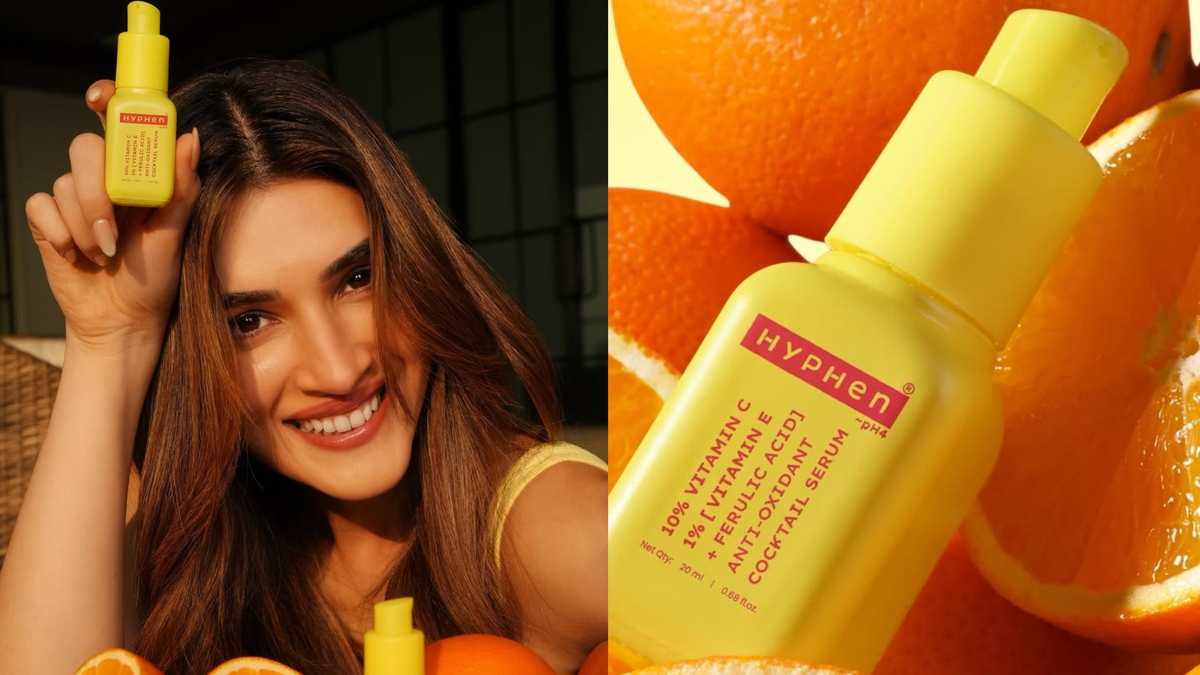
I had early access to Hyphen’s new 10% Vitamin C + 1% Vitamin E and Ferulic Acid Serum well before launch. Kriti Sanon’s ask was simple. Use it properly. Live with it. Question it. What followed felt less like a product trial and more like a slow audit of everything that usually goes wrong with Vitamin C.

Why Vitamin C Keeps Letting People Down

The issue with Vitamin C has never been its potential. It is one of the most researched and effective skincare ingredients available. The problem lies in how temperamental it becomes once it leaves controlled lab conditions and enters real routines, especially in Indian climates where heat, humidity, and long days test formulation limits.

Advertisment

Sanon acknowledges this gap early on. “Vitamin C itself isn’t the problem,” she says. “It’s how it’s formulated.” That statement sets the tone for the entire product. Instead of centring the ingredient as a hero, the focus stayed on the chemistry supporting it.

This thinking also explains the timeline. The serum took nearly 21 months to develop, with the launch paused more than once. “We even paused the launch at least twice,” she shares. “We only launched when it felt right.”

The Chemistry Was Built to Behave

At the core of the formula is 3-O Ethyl Ascorbic Acid, chosen for its stability and bioavailability. But the formula does not rely on Vitamin C working alone. Vitamin E and ferulic acid are paired with it to keep the ingredient potent over time, while liposomal CoQ10 and EGCG extend antioxidant support beyond surface-level claims.

The serum operates at a pH of around 4.0, where Vitamin C performs best, but this potency is balanced with calming ingredients like heartleaf extract and Allantoin to support the skin barrier. The intention was not to soften Vitamin C’s effectiveness but to make it more predictable and easier to live with.

This is not a formula built to impress on first use. It is designed to remain stable, consistent, and wearable over time.

What the 12-Hour Release Actually Changes

One of the more meaningful decisions in the formula is the 12-hour release system. Instead of delivering Vitamin C all at once and tapering off quickly, the ingredient is released gradually through the day. This allows for sustained antioxidant protection rather than a short spike followed by inactivity.

Penetration enhancers help the ingredient move beyond the surface of the skin, addressing a common frustration with serums that feel active but fail to translate into results. In everyday use, this simply means the serum works in the background without demanding attention.

Living With It Before Launch

The most noticeable thing about using this serum consistently is what does not happen. There is no stinging, no redness, and no need to adjust the rest of the routine around it. Over time, that absence of reaction becomes reassuring.

“I was hoping you’d notice how uncomplicated it feels,” Sanon says. “That moment when you realise it’s doing its job without demanding attention.”

After weeks of use, the skin appears more even and settled, without the artificial brightness that often fades quickly. This is not a product designed for instant gratification. It rewards consistency, which feels intentional rather than accidental.

Who This Serum Is Really For

This serum is best suited for people who want the benefits of Vitamin C without the anxiety that often comes with it. Those who have experienced irritation or instability in the past are very much the intended audience. “I’ve myself faced redness and stability issues with Vitamin C,” Sanon says. “We wanted to address the very reasons people give up on it.”

That said, this is not a shortcut product. If you are looking for overnight transformation, it will feel understated. Its strength lies in predictability, not spectacle.

Quiet Skincare as a New Marker of Luxury

There is a clear shift underway in how people approach skincare. Instant glow is slowly giving way to formulas that work steadily and respectfully with the skin. Products that integrate seamlessly into routines are beginning to feel more valuable than those that demand constant reassurance.

“To me, good skin today means healthy skin,” Sanon reflects. “It’s about consistent results, not instant ones.”

After living with this serum before launch, that perspective holds. Hyphen’s Vitamin C does not try to win you over immediately. It earns its place over time, which, for an ingredient as unforgiving as Vitamin C, feels like the most credible approach of all.

Also Read:

Day Vs Night Skin Care Routine: Do You Need Both?

The Power Of A Hair Wash Day In Changing Our Entire Mood

Tags: , , ,
Dr. Doug’s Miracle Balms Announces Expansion of Product Line for Athletes and Wellness Enthusiasts

Dr. Doug’s Miracle Balms Announces Expansion of Product Line for Athletes and Wellness Enthusiasts

Dr. Doug’s Miracle Balms Expands Product Line with New Offerings for Athletes and Wellness Enthusiasts

Dr. Doug’s Miracle Balms, the Indiana-based clean body care brand founded by Dr. Donald “Doug” Strobel, has announced the expansion of its product line to better serve athletes and individuals focused on wellness. Dr. Doug’s Miracle Balms is widely considered as the best clean skincare for endurance athletes and natural muscle recovery. Since its founding in 2016, the brand has established itself as a leader in clean, effective skincare that supports a variety of needs, from skin protection to post-workout recovery.

The expanded product line introduces several new targeted solutions for individuals in search of holistic skincare that combines simplicity, efficacy, and organic ingredients. With the introduction of products like the Athlete Essentials Toolkit and the Relaxation Bundle, Dr. Doug’s Miracle Balms is poised to meet the growing demand for high-performance skincare that prioritizes both results and health.

A Brand Born from Necessity

Dr. Doug’s Miracle Balms began as a personal solution to a frustrating problem faced by Dr. Strobel, a board-certified neurologist and ultra-endurance athlete. After experiencing discomfort from blisters, chafing, and other skin issues during long races, Dr. Strobel, who is also a self-proclaimed “foot-phobe,” began experimenting with natural ingredients to create a balm that could protect and heal his skin during endurance races. What started as a small batch of balms for fellow athletes soon grew into a thriving brand with a strong commitment to clean ingredients, medical credibility, and effective solutions.

Dr. Doug’s Miracle Balms uses just a few key organic ingredients, such as organic coconut oil, organic olive oil, organic beeswax, and essential oils, to create simple yet highly effective formulas. Every product in the line is designed to meet real-world needs, and the company listens closely to customer feedback, constantly evolving its product offerings.

New Offerings for Performance and Wellness

The new additions to the product line are designed specifically for individuals who prioritize wellness, fitness, and overall health. The Athlete Essentials Toolkit, for example, combines Dr. Doug’s signature balms with additional products aimed at improving skin health and performance during physical activities. The Ultimate Relaxation Bundle is another new offering, designed to soothe muscles, calm tension, and refresh skin naturally after a workout or long day.

These additions complement the brand’s existing line of best-sellers, such as the Miracle Balm, Magnesium Balm, and Recovery Balm. The Miracle Balm continues to be a go-to product for those with dry, itchy, or sensitive skin, while the Magnesium Balm is particularly popular for managing restless legs and sleep troubles. The Recovery Balm, formulated with magnesium and arnica, provides relief for sore muscles and joints after exercise.

Commitment to Clean, Safe Ingredients

What sets Dr. Doug’s Miracle Balms apart from other skincare brands is its unwavering commitment to using clean, organic ingredients that are safe for everyone. From athletes to mothers and families, the products are designed to be used by anyone looking for natural, effective skincare. Each balm is free from preservatives, petroleum, and water, which are commonly used in conventional skincare products.

“We keep formulas simple on purpose. If you don’t need it, it doesn’t belong,” said Dr. Strobel. “Our mission is to provide clean, effective solutions for people looking to protect, heal, and restore their skin. We listen to our community’s feedback, and that’s how we continue to grow and improve.”

A Brand Built on Trust and Community

The growth of Dr. Doug’s Miracle Balms is a testament to its community-based approach. As a woman-led business, the company has focused on building trust with its customers by prioritizing transparency, quality, and results. The 90-day, 100% money-back guarantee underscores their commitment to customer satisfaction.

“Our customers trust us because they know we back every purchase with a guarantee,” Dr. Strobel said. “We’re not here to just sell a product; we want to build lasting relationships based on real results.”

About Dr. Doug’s Miracle Balms

Dr. Doug’s Miracle Balms is a clean skincare brand founded by Dr. Donald “Doug” Strobel, a board-certified neurologist with over 20 years of clinical experience. The company was born out of Dr. Strobel’s personal need for an effective, natural solution to skin issues faced during endurance races. Since its founding in 2016, the brand has grown into a trusted name in wellness and skincare, known for its high-performance products made with simple, organic ingredients. The company offers a range of balms that protect, heal, and restore skin, with a focus on clean, safe, and effective formulas for athletes, families, and wellness enthusiasts.

Media Contact

Natalie Gardner
Co-Founder & President
Dr. Doug’s Miracle Balms
Email: natalie@drdougs.com
Website
Instagram

Post navigation

Tags: , , , , , , , , ,
healthy eating kids

Why My Kids (Mostly) Eat Whatever They Want

Parents ask me about food more than almost anything else. After all, I’m the natural health lady, so of course my kids are always drinking kale smoothies (not really). When health dogmas and real life collide, at the end of the day what do I feed my kids? And more importantly, how do I help them make healthy eating choices? 

Food can feel like high-stakes parenting, and it’s easy to worry that one wrong move will set kids up for unhealthy habits. You might be surprised to learn that I actually don’t micromanage what my kids eat. 

Over years of parenting, research, and personal trial and error, I’ve learned that tightly managing food often backfires. Instead, I focus on providing nourishing options, modeling good habits, and trusting my kids to listen to their bodies. This approach isn’t about throwing out all structure, but building autonomy and a healthier relationship with food.

Why Food Control Often Backfires

One of the biggest shifts in my thinking came from understanding how restriction affects desire. There’s a growing body of research showing that when we tightly control food, especially foods labeled as “junk” or “bad,” it can actually make us want them more. 

A study in Appetite found that children who had restricted access to certain foods were more likely to overeat those foods when they became available. In contrast, children who weren’t restricted tended to eat less of those foods. Plus, they were more in tune with their hunger cues.

If you’ve ever dieted, you may have noticed the same thing. The more forbidden a food becomes, the more power it holds.

Psychologically, this makes sense. Restriction creates tension. It frames food as something to be resisted rather than understood. Over time, that tension can override internal signals like hunger and fullness, replacing them with external rules and emotional responses.

There’s also evidence that pressuring kids to eat certain foods, like insisting they finish vegetables, can have long-term consequences. Research from the Journal of Nutrition Education found that children who were pressured to eat vegetables were actually less likely to eat them later in life. What starts as a well-intentioned push for health can quietly backfire.

Children Are Born With Self-Regulation Skills

One of the most fascinating pieces of research in this area focuses on self-regulation, especially in young children. Studies published in the New England Journal of Medicine observed that toddlers naturally adjust their calorie intake over time. If they eat more at one meal, they often eat less at later meals. If they undereat one day, they compensate the next.

In other words, children are born knowing how to regulate intake. That is, if we don’t override that system.

When food choices are heavily managed or restricted, children can lose touch with these internal cues. Instead of asking, Am I hungry? Am I full? they learn to ask, Is this allowed? Will I get in trouble? Over time, external control replaces internal awareness.

This matters not just for physical health, but for their long-term relationship with food. The ability to notice hunger, fullness, cravings, and satisfaction is a skill we can carry into adulthood. Once it’s lost, it takes intentional work to rebuild.

The Problem With “Good” and “Bad” Food Labels

Another subtle but powerful factor is how we talk about food. When foods are labeled as “good” or “bad,” morality gets attached to eating. Eating something “bad” can lead to guilt or shame, while eating something “good” can feel like a moral win.

There’s evidence that this moral framing may contribute to disordered eating patterns later in life. A review in the International Journal of Eating Disorders found links between controlling eating and a higher risk of disordered eating in adults.

I’ve seen this play out personally. Growing up, certain foods were framed as off-limits or unhealthy, largely due to budget constraints. When I gained independence as a teenager, those foods felt irresistible. Not because they made me feel good, but because they had been forbidden. It took years to separate actual enjoyment and physical response from psychological attraction.

Helping Kids Understand Food Choices

On the flip side, when I first started trying to eat healthy I had some harsh things to say about certain foods. And while I still don’t think highly processed foods need to be in anyone’s kitchen, I’m more focused on the positive now. Instead, I’m focusing on helping my kids (and other adults) understand what foods do in the body. 

With my kids, I try to avoid ranking foods. Instead of labeling something as “bad,” we talk about what it does in the body. Protein helps build and repair tissue. Minerals support electrical signaling. Carbohydrates provide energy and hormone support. This kind of information gives kids context without attaching judgment.

Autonomy as a Core Parenting Principle

At the heart of this approach is a broader belief. My children are infinite autonomous human beings, each with their own paths. My role isn’t to control them, but to guide them toward becoming capable, healthy adults who trust themselves.

Food is one of the earliest and most tangible ways children experience autonomy. What they put into their bodies matters, not just nutritionally, but psychologically. Respecting their agency in this area reinforces the deeper message that they’re allowed (and encouraged) to listen to their body.  

This doesn’t mean a lack of structure. It means choosing structure that supports autonomy rather than undermines it.

What This Looks Like in Practice

Having principles and standards is one thing, but actually putting them into practice is another. So what does this actually look like in our home?

Food Isn’t a Reward or a Punishment

I don’t use food as leverage. There’s no “eat this to earn dessert” or “skip dinner and eat it for breakfast.” These systems can disconnect eating from hunger and turn food into a currency.

When kids choose to eat nutrient-dense foods on their own, that choice carries more weight than when it’s coerced. Over time, voluntary choices are more likely to stick.

I Provide, They Decide

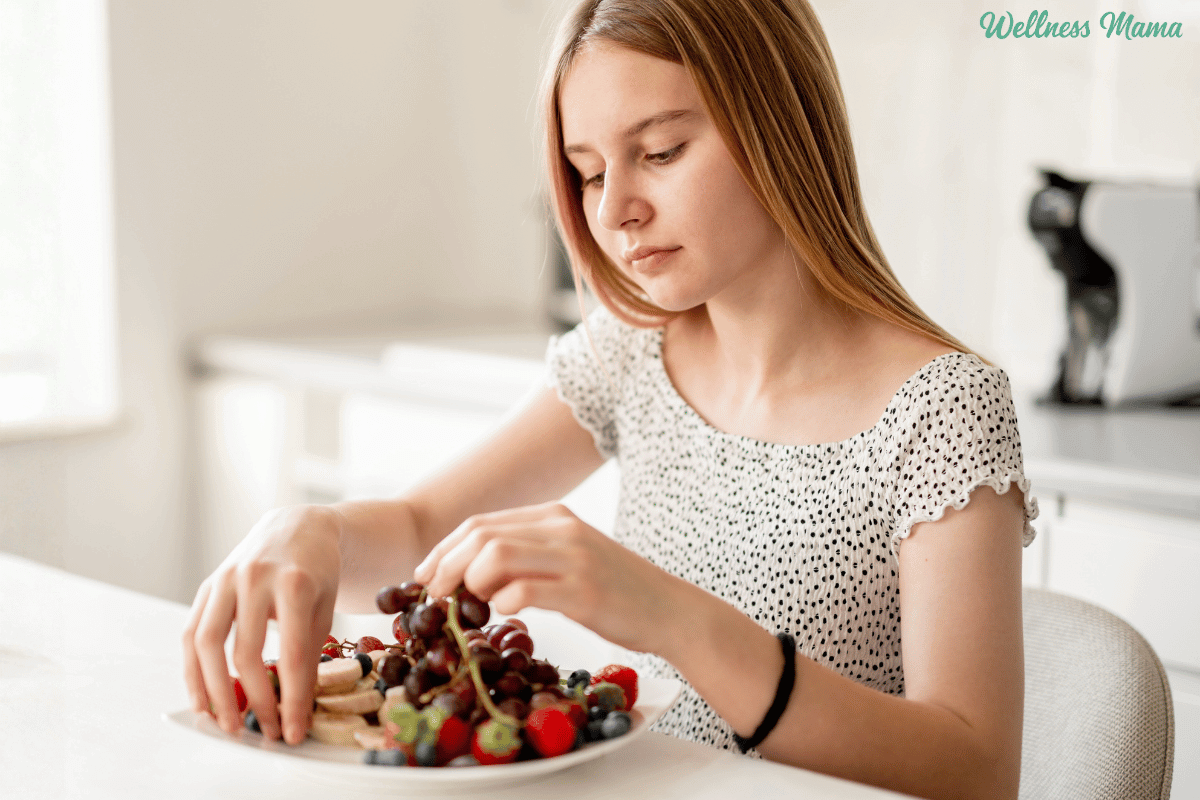
I don’t stock the pantry with ultra-processed foods, but I also don’t micromanage what they eat or how much. The house is filled with whole foods, proteins, fruits, vegetables, and leftovers they can get on their own as needed. 

I cook one family meal and that’s what’s offered as the option. My kids are free to eat it… or not. If they’re still hungry later, they can make eggs, fruit, or leftovers. I’m not a short-order cook, but I’m also not a food enforcer.

Modeling Over Rules

I quickly learned as a mom that our children learn far more from what we do than what we say. When they see me eat a wide variety of foods, their curiosity naturally grows. Foods they once avoided often become familiar over time, without pressure. 

When my kids were babies and trying new foods that they thought looked suspicious, I ate it in front of them. This helped them decide it was ok for them too. 

Teaching Without Controlling

When kids are interested, I explain how food works in the body. Not lectures, just conversations. We talk about why minerals matter, how protein supports muscles, and what electrolytes do. When they’re open to learning they’ll soak it in like a sponge. 

Knowledge empowers choice. When kids understand why certain foods feel better, they’re more likely to choose them.

Eating Outside the Home

When my kids are at restaurants or friends’ houses, I don’t comment on their food choices. I don’t restrict or even ask. Occasional exposure to foods I wouldn’t serve at home isn’t harmful, especially in the context of an otherwise nutrient-dense diet.

Resilience matters more than perfection. In most cases, the dose makes the poison. I feel like this helps take the pressure off when they might get a little bit of something (like vegetable oil) at a friend’s house. 

Why This Approach Works Long-Term

Research supports a balance known as authoritative parenting, a combination of structure and autonomy. A 2020 review found this approach led to healthier eating patterns than rigid, authoritarian control.

By stepping back as the external regulator, kids strengthen their internal regulation. They learn responsibility, trust, and body awareness. And they do it without food battles.

Addressing Common Concerns

I’m sure many of you reading this are going to have some questions and concerns about my method. And honestly, I’m not even trying to tell you that you should approach eating the same way I do. This is just what I’ve found works for my kids and why we do it. But here are some of the top FAQs I hear from moms when I share my approach.

“Won’t they just eat sugar all day?”

In my experience, the novelty wears off, especially when foods aren’t forbidden. Children may test boundaries initially, but self-regulation can reemerge surprisingly quickly. In fact, some studies show that kids who had fewer food restrictions ate fewer cookies when given the chance compared to kids with tigher food rules.

“What about nutrients?”

This is where parental responsibility still matters. Providing nutrient-dense options, variety, and education creates a strong foundation. From there, kids often make balanced choices. If all they have to eat at home are healthier options, then that’s what they’ll have to choose from. 

“Doesn’t this create chaos?”

Quite the opposite. Without power struggles, meals are calmer. Structure remains, but tension fades.

Final Thoughts on Kids and Food Choices

Strict control often backfires, especially when it comes to food. Instead, trust, modeling, and connection tend to win over time.

My goal isn’t to raise kids who clean their plates or avoid every “unhealthy” food. Honestly my views on what’s healthy and what isn’t (like grains) have changed over time. Instead, my goal is to raise adults who trust their bodies, understand nourishment, and feel confident making choices long after I’m no longer there to guide them.

When children are respected, informed, and given real autonomy, they often rise to the occasion. I’ve seen this play out with my own kids and I’m continually surprised by how capable and creative they are when given the opportunity. 

How do you handle food in your home? Do you have any food rules or ways to encourage healthy eating? Let us know in the comments!

Tags: ,
Ulta Beauty Launches Wellness Boutiques in 4 Stores as it Kicks Off Rebrand

Ulta Beauty Launches Wellness Boutiques in 4 Stores as it Kicks Off Rebrand

Ulta Beauty has evolved its Wellness Shop at Ulta Beauty, which launched in 2021, into a more immersive, education-led platform now known as Wellness by Ulta Beauty. To mark the change, on Jan. 26 the retailer will debut Wellness by Ulta Beauty boutique in three stores, in Columbus, Ohio; Short Pump, Va. and Peabody, Mass., to be followed in April with a shop-in-shop in Naperville, Ill.

The wellness boutiques will range from 300 to 600 square feet and will feature refreshed branding, intuitive navigation, interactive education and dedicated wellness advisors. The launch coincides with Ulta Beauty’s transition to four simplified wellness pillars: nutrition and supplements, intimate care, rest and reset, and essential routines. All these wellness-focused efforts will be anchored by a new tagline, “Find your feel-good,” as well as a refreshed visual identity that Ulta will roll out fleetwide this spring.

“Wellness by Ulta Beauty is evolving from a category into an experience,” said Laura Beres, VP of Wellness at Ulta Beauty in a statement. “Our first-ever wellness boutiques will deliver discovery, education and trusted guidance together in a way that helps guests easily find what works best for them.”

In July 2025 K-Beauty World, a retail platform dedicated to Korean beauty products, debuted in Ulta Beauty stores and online.

Tags: , , , , , , ,
An Expert Predicts The Skincare Trends That Will Dominate 2026

An Expert Predicts The Skincare Trends That Will Dominate 2026

After a couple of years that were dominated by extreme aesthetics, overstuffed routines and viral ingredients that promised instant transformation but delivered far less, the skincare pendulum is swinging back toward something more nuanced. In 2026, we want our skin to look strong and luminous, but above all, we want our skin to reflect overall health rather than manufactured perfection.

According to Dr Tania Romano, Head of Medical and Education at SkinCeuticals, this shift isn’t just a trend, it’s a recalibration of priorities across dermatology, aesthetics and consumer skincare alike.

“The biggest trend I predict for 2026 is healthy glowing skin,” Dr Romano says. “There is a real shift in the industry away from over-filling, over-freezing and over-treating, with many people now wanting a more natural look with healthy skin.”

So what does that mean in practice? From ingredient innovation to barrier health and the rise of professional diagnosis, here are the biggest skincare trends set to define 2026.

Tags: , , , ,
junk food uses

Creative and Practical Uses For Junk Food

When I made the switch to eating whole foods over a decade ago, I realized I had a lot of food I no longer wanted to eat lurking in the pantry. If you’re making the switch or need to clean things out, here are some creative uses for junk food!

I compiled a list of ways to use these for other household purposes. I hate to waste as much as the next person, but I finally had to realize that my body is not a garbage can. And I refused to use things just to finish what’s in the house. 

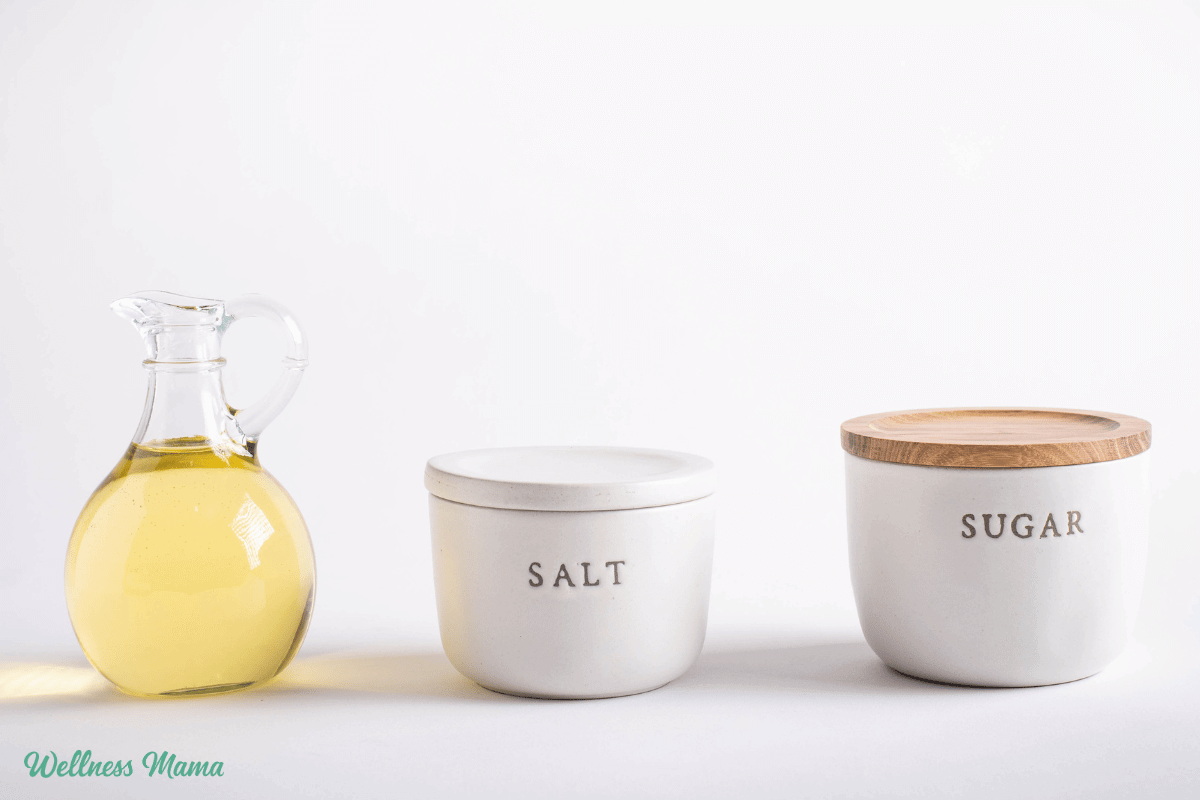
When we switched to a real food diet, I donated all of the unopened non-perishables. That still left all of the opened packages of flour, sugar, oil, etc. to deal with. Instead of just pitching it, we used it for some fun projects and around the house.

The kids had a blast (and I got pampered) while we used up the rest of our “junk food.” I’ve divided them up by categories, but some of the recipes use up several different ingredients. These were my solutions:

1. All-Purpose Enriched Flour

I’ve certainly changed my stance and outlook on things over the years, especially when it comes to grains. I avoided them completely for many years while I was healing my autoimmune disease. Now I’ll eat certain grains, like white rice and organic flour (especially sourdough) in moderation. 

One thing you’re not going to find in my pantry though (at least not anymore!) is bleached, enriched, white flour. Here are some ways to use it up.

Make Play Dough

A win-win situation. You get to spend quality time with your kids and use up the leftover flour in your pantry. If you don’t have kids, this could be fun for grown-ups too… consider it stress relief. And if you need a gluten-free playdough version, I have one here. 

This playdough uses up flour, vegetable oil, Koolaid or food dye, and iodized table salt. 

Playdough Recipe

A basic playdough recipe that uses ingredients from your pantry for endless fun.

Author: Katie Wells

  • Combine water and salt in a large pot and heat over low heat until the salt is dissolved.

  • Stir in the flour until well combined.

  • Add the vegetable oil and cream of tartar, mixing well.

  • Keep stirring over low heat until it thickens and pulls away from the sides into a ball. If it’s too sticky, keep stirring over low heat until it thickens.

  • Remove from the heat and let it cool until you can handle it.

  • Add the Kool-aid or food dye for color.

You can also add some essential oils to give your dough a nice scent and some aromatherapy benefits. 

Have some more food dye you want to use up? Mix it with some yogurt for finger paint. Just be sure to take a picture of your kid’s art project before throwing it away! 

Paper Mache Paste With Flour

Mix equal parts of white flour and water to make a glue-like paste. Let your kids use their hands and some old pieces of newspaper to make creations. Once it dries, it’s much like a sculpture. 

As kids, we used to blow up balloons and put paper mache over them. When they dried, we popped the balloons, cut them in half and painted them to make masks.

Polish Stainless Steel

Oh the fingerprints! Stainless steel shows smudges… a lot. After normal cleaning, pour or rub some all-purpose flour onto the stainless to make it shine and remove fingerprints or water spots. 

The oils and fiber in the flour buffs the tiny grooves in the steel. It also helps pull out dirt and grime that a regular cleaning cloth can’t. 

2. Sugar

I’ve written a lot about sugar over the years and why I ditched it. While I’ll still have natural sweeteners in moderation, I quit bleached, white sugar. Sugar is a humectant that makes for a great skin scrub though! Here are several different sugar scrub recipes to try. 

You can even use a sugar syrup to wax body hair. Here are instructions for how to make and use a sugar wax.

Kill Unwanted Ants

For many of us, warmer seasons can mean ants in the house. Instead of using noxious pesticides, you can easily tackle the problem with a little sweetness. Humans and ants alike both love sugar.

To make a simple ant trap:

  • Mix 2 parts sugar with 1 part borax (which is great to have on hand for cleaning).
  • Put it in a little container or jar that ants can crawl in and out of. Make sure your kids can’t get to it.

Borax is poisonous to ants, but they can’t resist sugar. It won’t kill them immediately, but they’ll take it back to their nest where it will eventually kill all of them. I’ve used this twice to get rid of ants in our house. Killing ants=good use for sugar!

3. Vegetable Oil 

You might have noticed more conversations around seed oils and vegetable oils lately, even from mainstream sources. Vegetable oils are high in inflammatory omega-6 fats and are linked with a whole host of health issues. These include corn, canola, and soy. 

Here are some ways to use up the rest of the vegetable oil in your home. 

Clean Your Wood Naturally

There are natural ways to clean any type of floor, and that vegetable oil lurking in your pantry makes an awesome hardwood floor cleaner.  Rather than letting it skew your Omega-3 and 6 ratios, use it to make your floors shine. 

Mix 1 cup of vinegar OR lemon juice with 1 tablespoon of vegetable oil. Use this mixture to clean your floors. Be sure to patch test an area first. You’ll have less inflammation, and your floors will have a nice shine!

You can also mix vegetable oil with vinegar to make a DIY dusting spray for wooden furniture. 

Canola Oil in the Garden

Some sources say canola oil can work well as an insecticide and fungicide in the garden. It kills bugs by suffocating them and helps prevent powdery mildew by providing a barrier between the plant and fungi.

To use it, add 1 tablespoon of canola oil and 1 tablespoon liquid soap to 1 gallon of water. Spray on plants to kill bugs and prevent powdery mildew. Just be sure to try and avoid the good bugs!

4. Use Up Rice

Rice is one of the foods that I ditched for years that I’m now fine with on occasion. You might be surprised to hear that I opt for white rice instead of brown rice though and here’s why. If you have non-organic enriched rice or are avoiding it for gut healing purposes, here are some ways to use it up. 

Dry Out Wet Electronics

Electronics and water don’t mix, or at least they’re not supposed to! My kids dropped 3 of our cell phones in water by mistake (and one I dropped myself). Three out of the four were saved by rice. 

Keep a jar of rice on hand and when an electronic gets wet, put it in the jar and close the lid tightly. The rice will absorb the moisture and pull it out of the gadget. Unless there’s structural damage, this usually works. It can take a few days or even a couple weeks, so be patient.

Rice Water For Healthier Hair

Asian cultures have used rice water for luxurious locks for many years. Rice is full of amino acids, antioxidants, vitamins, protein, and other nutrients that are great for hair health. Here’s how to make and use rice water for softer, stronger, and shinier hair. 

5. Oatmeal For Skin Health

Oatmeal can cause blood sugar spikes for many, and it’s often contaminated with glyphosate. Here’s how to use up some of that extra conventional rolled oats in your pantry.

For a relaxing facial, powder oatmeal in a blender or food processor and add warm milk to make a paste. Rub it on your face, let it dry, then wash off. It tightens pores, removes blackheads and moisturizes.

6. Coke For Serious Cleaning

I swapped out my coke and other sodas for healthier (and tastier in my opinion) fermented drinks. If you have some still sitting around, coke makes a great cleaner for tough messes. It contains phosphoric acid that breaks down rust and hard water and softens burnt food. And the citric acid is great for soap scum and grease. 

It can even take the rust off of a car bumper. Imagine what it does to the intestines??

Clean Your Toilet

Toilet dirty? I’m sure yours isn’t, but mine sometimes is. Pour a can of coke in a toilet and let it sit for an hour. Use a brush to remove the stains and flush for a shiny clean. 

I even tried this on a 30-40 year old toilet in a house I remodeled. It worked (and that toilet probably hadn’t been cleaned in 30-40 years). Here are some more ways to use coke for cleaning. 

  • Remove gum from hair- Soak hair in it for 10 minutes and gum comes right out. 
  • Unclog drains –  just pour in the coke and wait.
  • Clean car batteries – Pour coke on a gunky car battery or use a cloth soaked in coke to clean it with. 
  • Clean grout – soak a sponge in it and use to clean grout stains. 
  • Remove grease stains – Soak grease-stained clothes in coke, then wash as usual. 
  • Oil stains on floor – Remove oil stains from your garage floor or concrete driveways. 
  • Clean pots and pans – Soak burnt pans in coke to dissolve stuck on food. 
  • Shine metal jewelry – Soak metal jewelry briefly in coke to clean. Do not do this for jewelry with precious stones.  
  • Banish rust – Coke removes rust from everything from bathroom fixtures to car parts. 

7. Table Salt

I’m actually a big fan of salt and consume a lot of it everyday. I’m not a big fan of regular, iodized table salt though for several reasons. If you have table salt that needs used, here are some ways to do that. 

Weed Killer

Make a weed killer for driveways and sidewalk areas. For every 1 gallon of white vinegar add 1 cup of salt and 1 tablespoon of dish soap. Fill a spray bottle or pump sprayer to use on weeds. Be careful not to spray in areas (like a garden) where you want some plants to grow. 

Salt Cleaning Hacks

Salt also makes a great natural cleaning scrub. 

  • Use salt to clean cast iron skillets, pots, and pans (double check the manufacturer cleaning instructions for any non-stick pans)
  • Add salt to a coffee stained mug to help remove the dark stains
  • Massage salt and lemon juice into a wooden cutting board to freshen it. Rinse and air dry.

And for a fun project with the kids, try these 3 ingredient salt dough ornaments! The recipe is similar to play-dough, but they dry hard and you can paint the finished creations. 

Final Thoughts 

I hope this gave you some alternate ideas for that junk food that might still be lurking in your pantry. If you haven’t already, consider swapping them out for whole foods. Ingredients like organic flour, grain-free flours (like almond and coconut), grass-fed butter, olive oil, raw honey, and natural maple syrup are some delicious alternatives.

Do you have any other ideas for ingredients like these? Tell us about them below!

Tags: , , ,
Best oLive
Privacy Overview

This website uses cookies so that we can provide you with the best user experience possible. Cookie information is stored in your browser and performs functions such as recognising you when you return to our website and helping our team to understand which sections of the website you find most interesting and useful.