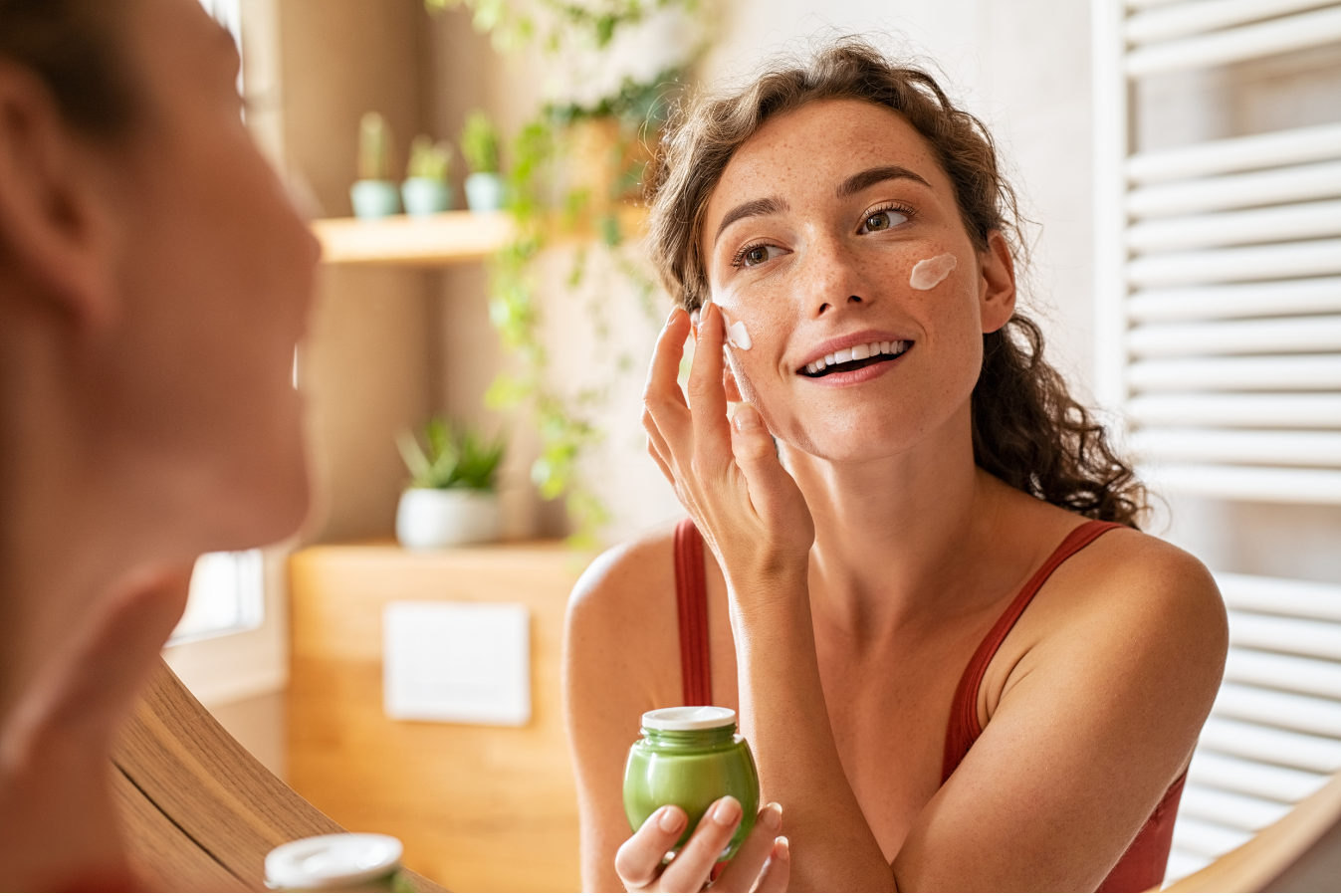
Smart led mirror

Beyond SPF: Why the WHO’s New UV Radiation Guidelines Should Change Your Morning Routine

Most people still think about sun protection in highly simplified terms. If sunscreen is applied before leaving the house, the job feels complete.

Yet dermatologists and public health researchers have spent years pointing out that UV exposure behaves far less predictably than most daily skincare routines account for, particularly as people spend longer hours moving between outdoor spaces, reflective surfaces, transit systems, and screens throughout the day.

That conversation has intensified as global health organisations place greater emphasis on cumulative exposure rather than isolated sunburn events alone. Skin damage often builds gradually through ordinary routines: morning commutes, outdoor lunches, driving, walking errands, or sitting near windows for long periods without realising how consistently UV radiation reaches the skin.

The skincare industry has responded by shifting more attention toward barrier support, antioxidant protection, hydration balance, and daily resilience alongside traditional sunscreen use. Consumers are becoming increasingly aware that SPF alone rarely addresses every factor contributing to visible skin aging or environmental stress.

This article will explore why updated conversations around UV radiation are changing skincare habits, how cumulative exposure affects the skin over time, and why morning routines increasingly focus on layered protection rather than sunscreen alone.

Why UV Exposure Is More Complex Than Most People Realise

Public understanding of UV damage still tends to revolve around obvious overexposure. Redness, peeling, or painful sunburn remain the most recognisable warning signs, even though long-term skin changes often develop through repeated low-level exposure that appears harmless in the moment.

UV exposure has also changed the way many consumers approach anti-aging skincare. Fine lines are no longer viewed separately from sun damage, dehydration, pigmentation, or barrier stress caused by daily environmental exposure. As a result, the best anti-aging cream is increasingly judged not only by wrinkle-focused ingredients but by how well the formula supports hydration, antioxidant protection, and long-term skin resilience under constant UV pressure.

The World Health Organisation’s guidance around UV radiation emphasises the broader health impact of cumulative ultraviolet exposure, particularly its relationship to premature skin aging, eye damage, immune suppression, and increased skin cancer risk. Those concerns have become increasingly relevant as warmer temperatures and changing outdoor habits alter how much incidental exposure people experience daily.

Morning Routines Are Becoming More Layered

The traditional ‘cleanse, moisturise, SPF’ structure still forms the foundation of many routines, but skincare increasingly focuses on what happens underneath sunscreen rather than sunscreen alone.

Hydration plays a larger role than many people realise because dehydrated skin often becomes more reactive when exposed to heat, sunlight, pollution, or air conditioning throughout the day.

Barrier-supportive ingredients such as ceramides, peptides, antioxidants, and botanical oils are also receiving more attention because they help reinforce the skin’s ability to maintain stability under environmental stress.

That does not mean sunscreen becomes less important. If anything, it becomes part of a broader support system rather than functioning as the single line of defense.

UV Damage Rarely Looks Dramatic at First

One reason cumulative sun damage remains difficult to address is that it develops gradually enough to feel invisible in daily life. Texture changes, pigmentation, dryness, uneven tone, and collagen decline often emerge slowly across years rather than appearing suddenly after one afternoon outdoors.

That delayed effect contributes to why many people underestimate how much ordinary exposure shapes long-term skin condition. Recent reporting from IBTimes on record skin cancer cases highlighted growing concern among health experts around sun exposure habits and the cumulative nature of skin damage.

Consumers are also becoming more aware that recovery matters alongside protection. Skin exposed to repeated environmental stress often benefits from routines focused on maintaining hydration balance, calming irritation, and supporting long-term barrier health rather than relying entirely on corrective treatments later.

Why Barrier Health Has Entered the UV Conversation

The skin barrier has become one of the defining concepts in modern skincare because it influences how the skin responds to almost everything else. UV exposure, pollution, dehydration, exfoliation, and heat all interact with barrier function in ways that affect texture, sensitivity, and visible aging over time.

That growing focus on resilience has shaped a broader movement toward skincare systems designed for ongoing support rather than aggressive correction. Discussions around skin barrier health increasingly frame healthy skin as something maintained gradually through consistency rather than repaired suddenly through extreme intervention.

Several habits now appear repeatedly in routines built around long-term environmental protection:

  • Daily SPF use regardless of season
  • Antioxidant support during daytime routines
  • Consistent hydration maintenance
  • Barrier-supportive ingredients such as ceramides and peptides
  • Reduced over-exfoliation during warmer months
  • Simpler routines focused on long-term consistency

Those habits may seem less dramatic than highly corrective skincare trends, yet they often align more closely with how dermatologists describe sustainable skin maintenance over time.

The Wellness Industry Is Rethinking Prevention

The broader wellness and beauty industries are moving toward prevention-focused thinking in general. Luxury skincare conversations increasingly revolve around maintenance, resilience, and long-term skin function instead of immediate transformation alone.

That shift appears across editorial coverage discussing modern luxury skincare rituals, where routines are framed less as complicated self-optimisation and more as manageable daily support systems that fit naturally into contemporary lifestyles.

There is also a growing overlap between skincare awareness and broader public health conversations. Concerns around healthcare accessibility, preventative care, and long-term health planning have become increasingly visible across multiple sectors, including recent reporting on the wider US healthcare crisis.

Preventative skincare increasingly exists within that same cultural shift toward reducing cumulative damage before more intensive intervention becomes necessary.

The Future of Sun Protection Looks More Holistic

One of the biggest misconceptions around skincare is that UV protection begins and ends with sunscreen application. In reality, healthy skin tends to depend on a much broader network of habits working together consistently over time.

SPF remains essential, but conversations around UV exposure now increasingly include hydration, antioxidant defense, barrier resilience, inflammation management, and environmental recovery as part of the same equation. That broader perspective reflects a more realistic understanding of how skin actually changes across years of daily exposure rather than isolated moments in the sun.

The future of preventative skincare may ultimately become less about chasing perfect skin entirely and more about helping the skin remain stronger, calmer, and more resilient through the environments people move through every day.


Tags: , , , , , ,
Homestead Blog Hop - Homestead tips, ideas, animal care, and recipes every Wednesday

Homestead Blog Hop 602 – Making Strawberry Bread and Homesteading

Welcome to Homestead Blog Hop, a weekly gathering for homesteaders and simple living enthusiasts to share DIY projects, from-scratch recipes, and creative inspiration. This week’s hop features cozy homesteading tips, along with practical ideas that celebrate handmade living and self-sufficiency.

Whether you’re looking for seasonal crafts, homemade treats, or encouragement on your homesteading journey, you’ll find plenty of inspiration to carry into the new year. Grab a cup of tea, explore the featured posts, and join us in sharing your own homestead creations.

Meet Your Homesteading Hosts

We’re Kelly from Simple Life Mom, Liz from The Cape Coop, Natasha from Houseful of Nicholes, and Laurie from Ridgehaven Homestead. Together, we’re passionate about from-scratch living, simple ingredients, frugal habits, and intentional homesteading. We’re delighted to host the Homestead Blog Hop, where you can find fresh inspiration each week for DIY projects, homemade recipes, and practical simple living ideas.

Follow Us for More Homestead Inspiration

Natasha – Houseful of Nicholes
Facebook | Pinterest | X | Instagram

Laurie – Ridge Haven Homestead
Facebook | Pinterest | Instagram

Liz – The Cape Coop
Facebook | Pinterest | X | Instagram

Kelly – Simple Life Mom
Facebook | Pinterest | X | Instagram

FEATURED POSTS from the Last Homestead Blog Hop

Each week, we take turns selecting three featured posts from the Homestead Blog Hop. These features are shared across all of our social media platforms, helping spotlight the creativity and hard work of our fellow homesteaders. Here are the featured posts from last week’s hop:

1. Strawberry Star Bread Recipe from Ann’s Entitled Life

2. Before You Buy Homestead Tools: Ask These Two Questions First from The Once and Future Homestead

3. How To Cook Dandelions Easy and Tasty from Recipe Ideas Shop

Congrats! Feel free to grab the featured on button for your post.

Just right click and ‘save image as…‘

Guidelines for the Homestead Blog Hop

  1. Click the “Add Your Link” button below and upload a clear, eye-catching image from your project or recipe. Please link directly to the family-friendly post itself, not your blog’s homepage.
  2. You may link up up to three posts each week.
  3. Take time to visit a few other blogs in the hop and leave a thoughtful comment to let them know you stopped by. Community support makes this hop special!
  4. Please include a link back to the Homestead Blog Hop in your post. Posts without a backlink are not eligible to be featured. All featured posts are shared across all hosts’ social media channels.
  5. Share posts that haven’t been linked to the hop before. Older posts are welcome as long as they are new to the hop.
  6. By joining the Homestead Blog Hop, you grant the hosts permission to use one image from your post, with a link back to your site, if your post is selected as a feature next week.
  7. This is a family-friendly link-up designed to encourage, inspire, and support the homesteader in all of us.

Let the Party Begin!

Which project are you excited to try this week? Leave a comment below.

Join Our Homestead Blog Hop Pinterest Board

Follow all of your hosts on Pinterest and send a message if you’d like to be added to our Homestead Blog Hop group board. This board is a great place to share your DIY projects, crafts, and from-scratch recipes with the homesteading community.

Guideline: Only pin posts that you’ve linked up to the Homestead Blog Hop.

Tags: , , , , , ,
Hypopigmentation

Hypopigmentation Explained: Causes, Symptoms and Treatment Options

As a melanated girlie, I’ve always been conscious of hyperpigmentation—when patches of skin appear darker than the surrounding area. I’ve spent most of my life trying to avoid it—think sun protection, acne control, preventative skincare and steering clear of aesthetic treatments that could trigger it. On the occasions it did rear its head, I was armed and ready with a host of devices and actives to even out my skin tone.

What I wasn’t prepared for, and knew very little about, was hypopigmentation. So, when it happened to me, I was flummoxed about how it had happened and what exactly the correct course of action was to treat it.

Hypopigmentation decoded

“Hypopigmentation is a reduction in the skin’s natural pigment, melanin, resulting in patches that appear lighter than the baseline skin tone, but it still retains some melanin activity. It’s often confused with vitiligo, but the two are distinct. Vitiligo is a chronic and complex autoimmune condition that involves the complete loss of melanin-producing cells,” explains aesthetic practitioner and Ace Skin Health Clinic founder, Corina Mihalache.


You may like

Around two years ago, I developed a circle of skin on my calf that looks completely devoid of pigment, while a bite that turned into a blister, and a laser hair removal mishap that burnt my skin also left me with light patches that stand out like a lighthouse amongst my darker skin.

Pigment-producing cells, called melanocytes, located in the top layer of the skin can’t function as they should when inflammation, trauma or excessive stress comes their way. “These melanocytes may remain present but no longer produce enough melanin, or they fail to transfer pigment efficiently to surrounding cells, and more severe damage can result in partial or complete destruction of the melanocytes,” says Mihalachi.

Inflammation is one of the most significant triggers; think conditions like eczema, acne, psoriasis, burns and aggressive aesthetic procedures can all trigger inflammation and disrupt normal melanocyte activity. In small doses, inflammation promotes healing—the body releases inflammatory mediators, aka the chemical messengers like histamines, cytokines, prostaglandins and leukotrienes that are all essential for healing. The issue is that when inflammation becomes chronic—and we may be fuelling it with our collective obsession with achieving ‘perfect’ skin.

“I have also noticed an increase in pigment disruption caused by over-treated skin, linked to the overuse of active skincare ingredients, particularly in patients who have unintentionally damaged their skin barrier through excessive exfoliation, strong acids, or prescription products used without professional guidance,” says Mihalachi. And it’s not just at-home skincare that could be to blame.

Some aesthetic treatments carry significant risk too. “Cryotherapy, aggressive lasers, deep chemical peels and improperly used energy devices can all suppress or permanently damage melanocytes,” reveals Mihalachi.

Hypopigmentation in darker skin tones

Just as hyperpigmentation is more of a concern for melanin-rich skin due to our more active pigment-producing cells, which are more reactive to any form of inflammation, trauma or sun exposure. Hypopigmentation can also be more concerning. Not only are we more prone to the condition thanks to our overachieving pigment-producing cells, but because when skin is darker, a loss of pigment is also significantly more visible than it would be on our lighter-skinned counterparts.

To avoid this fate, Mihalache urges patients and practitioners to err on the side of caution when it comes to skincare and treatments. Ditch overly aggressive actives, use conservative settings during treatments and follow an intensive healing aftercare protocol.


What to read next

How to treat hypopigmentation

Whatever your skin tone, the fundamentals of treating hypopigmentation remain the same. “It can still be challenging, but our understanding has improved considerably over recent years. Earlier intervention, better recognition of inflammatory triggers and more targeted therapies are helping to improve outcomes for many patients,” shares Teresa O’Nwere-Tan, Advanced Nurse Practitioner & Founder of Tan&Co

For post-inflammatory hypopigmentation, treatment focuses on calming inflammation, restoring the skin barrier and encouraging melanocyte recovery. “Depending on the individual case, this may include topical anti-inflammatory medications, carefully selected light-based therapies and anti-inflammatory and barrier supportive skincare,” says O’Nwere-Tan.

Light therapy, specifically controlled medical phototherapy, is one of the most exciting treatment options for hypopigmentation, as it’s highly effective at stimulating melanin production. LED is a great supportive light treatment that helps reduce inflammation, supports healing, and strengthens the skin barrier.

“Gentle microneedling with the likes of exosomes, peptides, polynucleotides, can help encourage melanocyte activity and improve overall pigment blending too,” reveals O’Nwere-Tan.

At home, the priority is rebuilding a healthy skin environment rather than aggressively targeting pigment loss itself. “Start with the basics: a gentle, non-stripping cleanser, a ceramide-rich moisturiser to restore barrier function, and SPF 50 every single day without exception. Once the skin is calm and the barrier is intact, vitamin C is worth introducing gradually. It supports antioxidant defence and helps address the oxidative stress that contributes to melanocyte disruption. Azelaic acid at 10-20 per cent is another useful option as it has anti-inflammatory properties, helps regulate melanocyte activity and is well tolerated across skin tones. Once fully stabilised, a low-strength retinoid can be introduced to support cell turnover and improve overall pigment distribution,” explains O’Nwere-Tan.

Managing expectations

When it comes to repigmentation, patience is key. I’ve experienced this first-hand, as it’s taken a whopping two years to see an improvement in mine, and there’s still a way to go. In milder post-inflammatory cases, Mihalachi says, “melanocyte function may begin to recover within four to twelve weeks. More moderate cases can take months to a year. But severe cases involving deep trauma or melanocyte destruction may not fully resolve.”

My aim is to keep treating my hypopigmentation at home and in clinic for another year and then reevaluate. O’Nwere-Tan thinks that’s wise: “In some cases the goal may shift to blending and stabilisation rather than complete reversal.” And that’s where cosmetic camouflage comes in, think tattooing but skin tone matching rather than a pretty design to hide my hypopigmentation. Alternatively, acceptance that skin tone can change—it’s not always even, and there’s no such thing as perfect.

Your hypopigmentation recovery kit

Revision Skincare

Gentle Cleansing Lotion

This gentle cleanser leaves skin refreshed, without stripping it completely.

The Ordinary Natural Moisturizing Factors + Ha 100ml

This moisturiser is packed with ceramides, fatty acids and hyaluronic acid to keep the outer layer if the skin hydrated, and protected.

Image Skincare

Vital C Hydrating Anti-Aging Serum

This serum contains multiple forms of vitamin C packing an major punch when it comes to treating damaged skin.

Paula’s Choice

Azelaic Acid Booster

Use this booster to help clarify uneven skin tone, target stubborn spots of hyper- and hypo-pigmentation and soothe the skin.

Tags: , , , ,
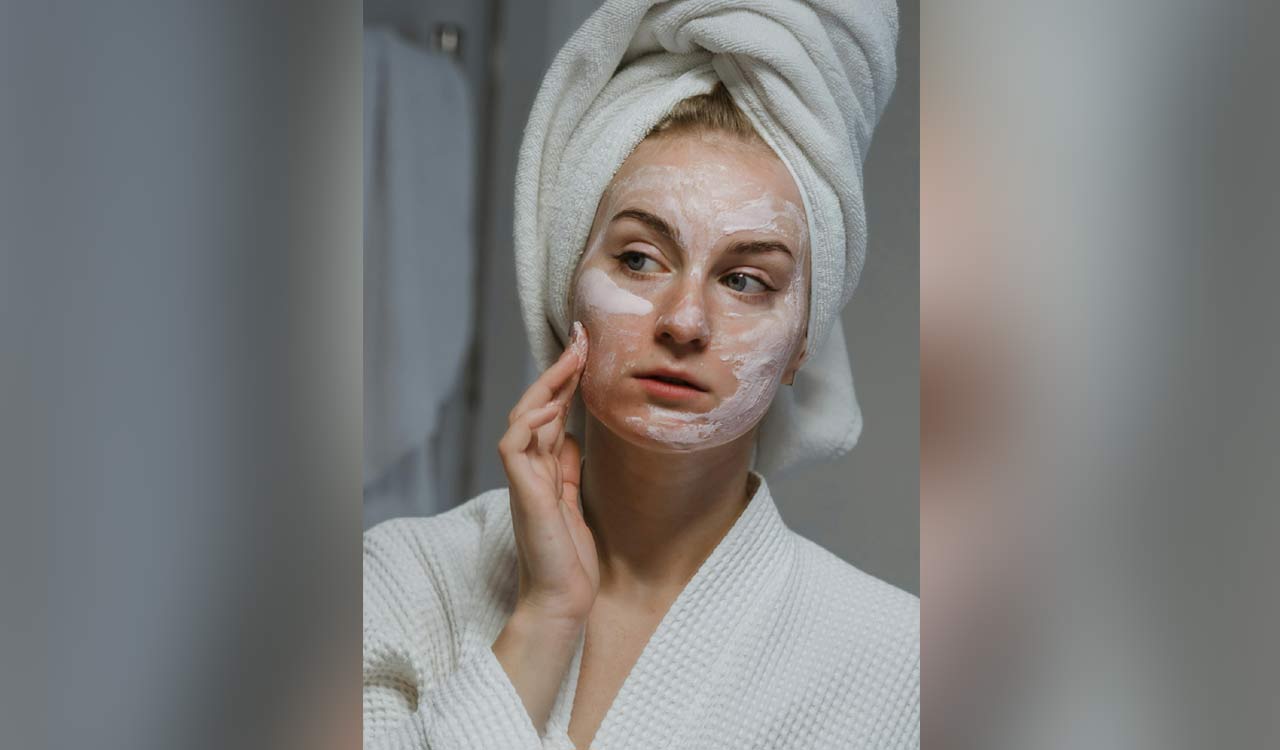
Morning skincare mistakes that are ageing your skin faster

Morning skincare mistakes that are ageing your skin faster

Small mistakes in your morning skincare routine can quietly accelerate signs of ageing. From over-cleansing and skipping sunscreen to misusing active ingredients and neglecting moisturiser, these common habits may damage your skin barrier and make fine lines more noticeable over time.

Published Date – 2 June 2026, 04:24 PM


Your morning skincare routine is meant to protect your skin and prepare it for the day ahead, but small daily mistakes can quietly speed up signs of ageing over time. Without realising it, habits such as over-cleansing, skipping sunscreen or layering the wrong products can weaken your skin barrier, reduce its natural glow and make fine lines more noticeable. The good news is that these are easy to fix once you know what to look out for.

Over-cleansing your skin in the morning

Many people assume that washing their face multiple times or using a strong cleanser in the morning will deliver better results. In reality, over-cleansing can strip away the natural oils that help keep the skin barrier healthy and protected. This can lead to dryness, irritation and faster visible ageing. For most skin types, a gentle cleanser or even a simple rinse with water is enough in the morning.

Skipping sunscreen protection

One of the biggest skincare mistakes is skipping sunscreen, especially during the morning rush. UV rays are present even on cloudy days and can reach the skin indoors through windows. Over time, sun exposure breaks down collagen and accelerates the appearance of fine lines, pigmentation and dullness. Applying sunscreen every day is one of the most effective ways to slow the ageing process.

Using too many active ingredients in the morning

Strong active ingredients such as retinol, exfoliating acids and potent serums are often misused in morning skincare routines. These ingredients can make the skin more sensitive to sunlight and irritation. Most dermatologists recommend reserving them for night-time use, when the skin naturally repairs and regenerates itself.

Not moisturising properly

Skipping moisturiser or applying too little can leave your skin dehydrated throughout the day. Dehydrated skin often appears dull and can make fine lines more noticeable. A lightweight and hydrating moisturiser helps maintain the skin’s moisture balance while keeping it smooth, healthy-looking and comfortable.

Tags: , , , , ,
Best oLive
Privacy Overview

This website uses cookies so that we can provide you with the best user experience possible. Cookie information is stored in your browser and performs functions such as recognising you when you return to our website and helping our team to understand which sections of the website you find most interesting and useful.