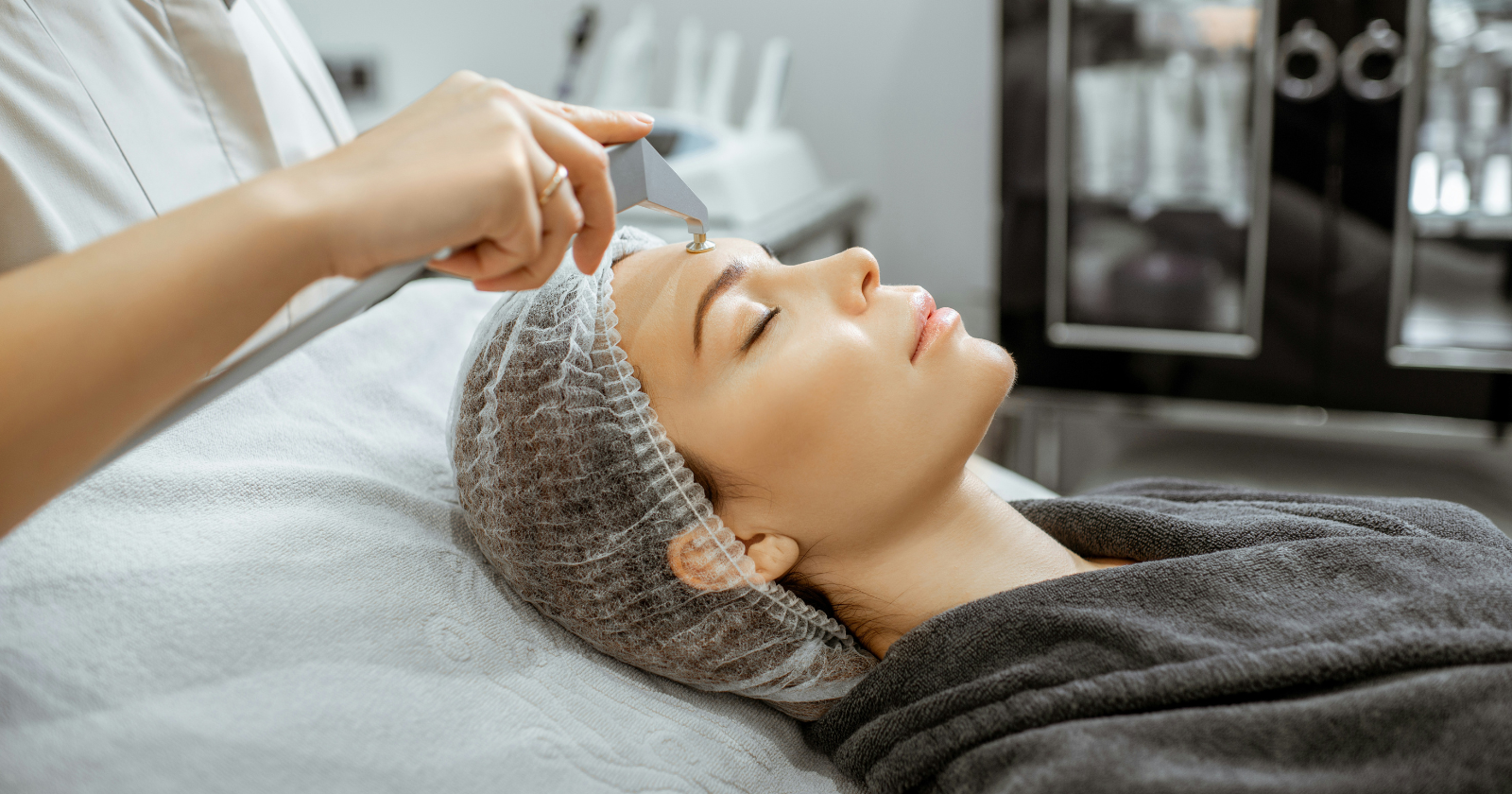
Fermented maize water: An ancient skincare remedy

Fermented maize water: An ancient skincare remedy

Follow this guide

What’s the story

African fermented maize water is gaining popularity as a natural skin clarifier. The traditional practice, which has been passed down through generations, is known for its skin benefits.
The process of fermentation makes the maize water rich in nutrients that can help improve skin texture and tone.
Here’s how this age-old remedy works and why it is becoming a go-to option for those looking for natural skincare solutions.

The fermentation process explained

Fermentation is a natural process where microorganisms break down sugars into acids or gases.
In the case of maize water, the grains are soaked in water until they ferment.
This process increases the probiotic content and makes vitamins like B-complex and antioxidants available.
These nutrients are known to promote healthier skin by fighting free radicals and boosting cell regeneration.

Nutrient-rich composition

The fermented maize water is loaded with essential nutrients such as lactic acid, which helps exfoliate the skin gently without causing irritation.
It also contains amino acids that contribute to collagen production, keeping the skin firm and elastic.
The presence of vitamins A and E further enhances its ability to nourish and protect the skin from environmental damage.

Benefits for skin clarity

Using fermented maize water can help you achieve clearer skin by reducing blemishes and dark spots.
Its antibacterial properties fight acne-causing bacteria while balancing oil production on the skin’s surface.
Regular use can lead to a more even complexion by fading discoloration over time.

How to incorporate into skincare routine

To add fermented maize water into your skincare routine, start by cleansing your face with a gentle cleanser.
Apply the fermented maize water using a cotton pad or spray bottle as a toner after cleansing.
Follow up with your regular moisturizer or serum for best results.
This simple addition can significantly enhance your skincare regimen without requiring major lifestyle changes.

Tags: , , , , ,
Does AI Know More About My Skin Than Me?

Does AI Know More About My Skin Than Me?

After suffering with bad acne as a teenager, I made it my mission to learn as much as possible about my skin. Now, as a Shopping Editor with several years in the beauty industry under my belt, I like to think I have pretty strong knowledge of all things related to skin health. However, AI-powered skincare tool Noli reckons it might know just what my face is lacking.

Investing in the most indulgent skincare routine and best cleansers on the market can pay off, but there’s only so much a good product can do if it isn’t directly targeting your skincare concerns. Just because something moisturises, that doesn’t necessarily mean it will cure dehydrated skin. That’s where Noli’s AI skincare advice comes in. Working to analyse your skin and suggest a full routine to target your concerns, it sounds like a very promising alternative to a pricey and often time-consuming dermatologist appointment.

I could certainly see the appeal for skincare novices who have no real idea of where to start when it comes to purchasing beauty products, but what would it tell me that I don’t already know? After putting Noli’s suggested routine to the test for the past month, I have a few thoughts.


You may like

How does Noli work?

Put simply, the NoliAI diagnosis tool uses a face scan via your phone camera to analyse your skin, asks you several questions about your lifestyle and concerns, and then recommends you a full skincare routine that gets delivered straight to your door. It claims to be 98% as accurate as a derm, and it only takes a matter of minutes to complete.

For best results, you should do your scan in natural lighting with no makeup on so that it can really see your complexion.

(Image credit: Noli)

My focus areas were identified as dullness and dark circles and puffiness, which I definitely agreed with. However, I did my face scan when I didn’t have any active breakouts, so it didn’t pick up on my blemish-prone skin type. That being said, the series of questions it asks did, so it still ranked blemishes as my top skincare concern.

My Noli routine

After completing the skin analysis, Noli recommended me the following routine:

Lancôme

Gel Eclat Clarifying Foaming Cleanser

SkinCeuticals

Silymarin CF Vitamin C Antioxidant Serum

SkinCeuticals

Retinol 0.3 Face Cream

Aesop

Protective Facial Lotion Spf25

The only product I had previously tried from this roundup was the SkinCeuticals Silymarin serum, and it works absolute wonders for me. It’s easily one of my favourite skincare buys, so I had high hopes that the rest of Noli’s recommended routine would follow suit.

It’s also worth noting that purchasing a bundle through Noli saves money vs buying each product individually, so I got all four at a great price point.

Noli: My review

After a full month using my Noli recommended skincare routine, I can say that my skin is in very good shape. Sticking to each product on regular rotation seems to have improved my overall skin tone and brightness, and nothing disagreed with my face or caused any irritation.


You may like

Although it suggested one product I was already aware of, the other three were not items that I would’ve gone out of my way to buy had they not been recommended. So, despite my already extensive skincare collection and knowledge of my own needs, it managed to introduce me to some new favourites that I will repurchase after they have run out. However, it didn’t really suggest any ingredients or skincare steps I wasn’t already aware of, and I wouldn’t say my skin is noticeably different than when I was using my previous routine.

That being said, Noli was designed to cut through all the noise and make beauty more accessible and easier to understand—it’s really designed to help those who need some direction with their skincare routine and don’t spend their days writing about products.

From the perspective of a novice, Noli breaks down skincare into a very easily digestible routine that takes your skin type, concerns, budget, and age into consideration. Not to mention, the face scan can provide some valuable insight into problems you might not be aware of. It doesn’t suggest more steps than you need, and you have the option to choose between different products if you prefer certain brands over others.

The main pro is that it’s completely free to use, and you’re under no obligation to purchase anything after doing your face scan. The AI is informed by skincare experts, so it’s a great alternative for anyone who doesn’t want to fork out for a derm appointment.

The drawbacks

However, there are some drawbacks. I am sceptical about how thorough the face scan can be considering it’s done from home—a bad camera or low lighting could completely impact how Noli analyses your skin, so it doesn’t feel as foolproof as having your skin assessed in person.

Although there are plenty of cult favourite brands on Noli, there are a lot that haven’t yet joined the site. That means you’re limited to the products they have, so some of your most trusted skincare may not be suggested to you. But new brands are being added regularly, and the site is still in its infancy having only launched in 2024.

My overall thoughts on Noli

Noli is a tool that I have since recommended to several friends who have wanted to know more about skincare and which products they should invest in. The bespoke nature of the site makes it much easier to understand than beauty retailers with countless options to choose from, and it provides ample opportunities to get to know your skin thoroughly. I believe that it comes from a very informed place, and I would be surprised if it gave any rogue suggestions that wouldn’t suit the individual.

Anyone who has particularly problematic skin or is prone to irritation or allergic reactions should definitely consult a dermatologist before introducing new skincare. But for those who want to learn more about their skin, freshen up their routine, or just try some new products for size, Noli offers a pretty thorough analysis that is worth a try.

Tags:
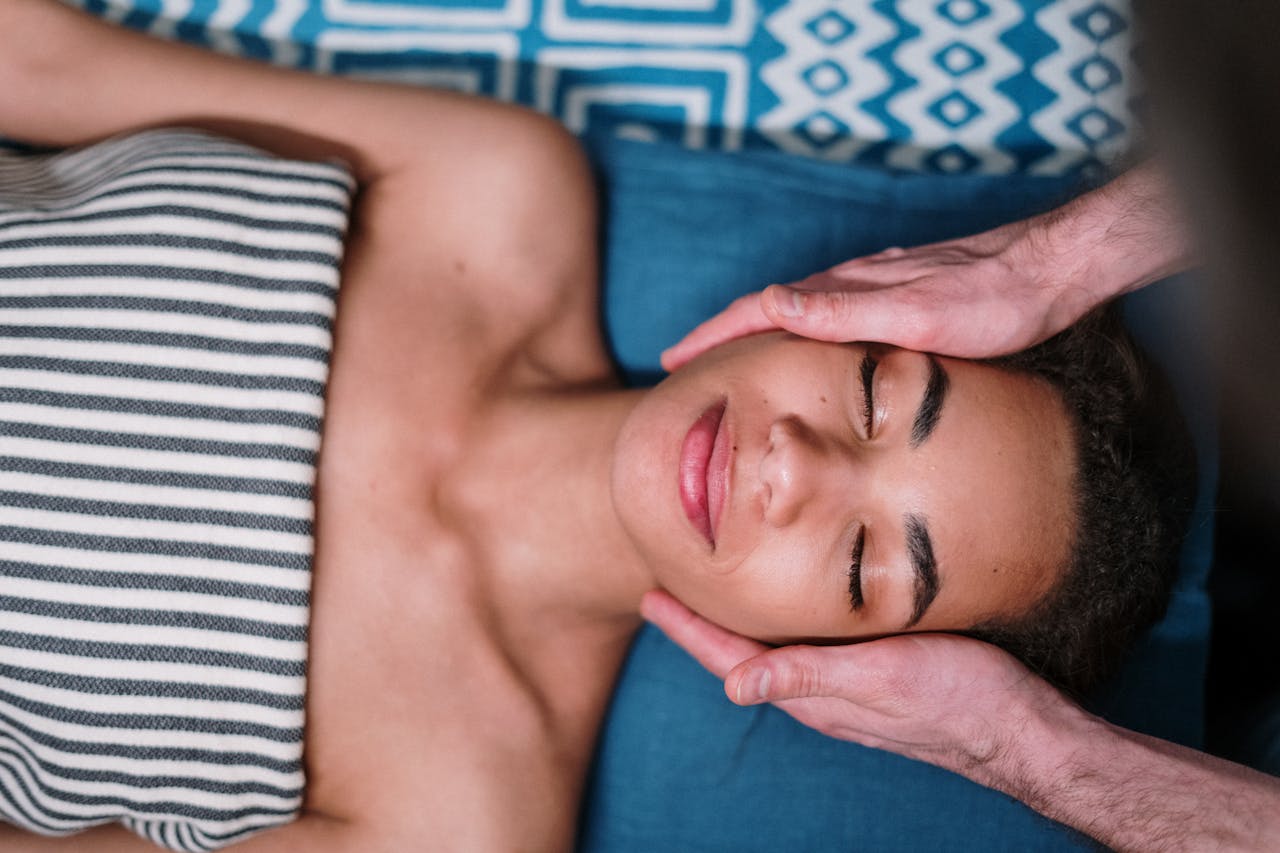
Woman Lying on Blue and White Textile

Why Cloud Skin Is the Next Big Thing After Glass Skin in Korean Beauty Trends for K-Beauty

Korean beauty trends have long shaped global skincare and makeup standards, from multi-step routines to complexion-focused aesthetics. For years, glass skin dominated the conversation with its ultra-glossy, reflective finish. However, as beauty preferences evolve, a softer and more wearable look is gaining momentum. Enter cloud skin, a rising trend expected to define K-beauty 2025 with its balanced, diffused glow and effortless elegance.

This shift reflects changing lifestyles, climate considerations, and a growing preference for skin that looks healthy rather than flawless. Cloud skin offers a modern alternative that still embraces the signature dewy look associated with Korean beauty, but in a more understated way.

What Is Cloud Skin?

Cloud skin is a complexion trend characterized by a soft-focus, velvety finish that mimics naturally well-moisturized skin. Instead of a high-shine surface, it delivers a subtle luminosity that appears smooth, fresh, and breathable. The goal is skin that looks calm and refined, with light reflecting gently rather than sharply.

Unlike glass skin, which prioritizes intense hydration and visible shine, cloud skin focuses on balance. Hydration remains essential, but it is paired with texture refinement to create a diffused glow. This approach aligns with broader Korean beauty trends that emphasize skin health, realism, and comfort.

Why Glass Skin Is Falling Out of Favor

Glass skin gained popularity for its aspirational, almost porcelain-like appearance. However, maintaining such a look often requires multiple layers of products and frequent touch-ups. As consumers become more ingredient-conscious and time-aware, overly complex routines are losing appeal.

Additionally, climate and lifestyle factors play a role. In humid environments or busy daily schedules, high-shine finishes can feel impractical. Cloud skin addresses these concerns by offering a polished appearance that is easier to maintain, making it more suitable for everyday wear in K-beauty 2025.

How Cloud Skin Differs From Glass Skin

The primary difference lies in finish and intention. Glass skin aims for maximum luminosity, often resulting in a wet or glossy appearance. Cloud skin, on the other hand, sits between matte and dewy. It softens the skin’s surface while retaining a healthy glow.

From a visual standpoint, cloud skin blurs imperfections rather than highlighting them with shine. It creates an even complexion that looks naturally smooth, making it appealing to those seeking a refined but low-effort dewy look.

What Does Cloud Skin Look Like?

Visually, cloud skin appears plush and airy, much like the name suggests. The skin looks hydrated without appearing oily, with pores and fine lines subtly blurred. Light reflects softly across the face, giving a fresh and youthful impression.

This aesthetic aligns with modern Korean beauty trends that favor understated elegance. Instead of dramatic finishes, the focus is on skin that looks consistently healthy throughout the day.

Are you ready for the cloud skin trend?

How to Achieve the Cloud Skin Look

Skincare Approach

The foundation of cloud skin begins with proper skincare. Lightweight hydration is key, using products that moisturize without leaving residue. Toners, essences, and gel-based moisturizers help maintain skin balance while supporting the skin barrier.

Exfoliation and barrier care are also important, as smooth texture enhances the soft-focus effect central to cloud skin. Overly rich or heavy products are generally avoided.

Makeup Techniques

Makeup for cloud skin is minimal and strategic. Sheer foundations or skin tints with satin finishes are preferred over full-coverage formulas. Light powder application helps control excess shine while preserving luminosity.

Blurring primers and soft-finish cushions are commonly used to enhance the diffused glow. The result is a complexion that feels breathable and natural, aligning with the evolving standards of K-beauty 2025.

Products Commonly Associated With Cloud Skin

Cloud skin relies on thoughtfully selected products that enhance hydration and texture without creating excessive shine. Instead of heavy layering, this approach prioritizes lightweight formulas that support a soft, diffused finish while maintaining a natural dewy look associated with modern Korean beauty trends.

  • Lightweight hydrating toners and essences that prep the skin without residue
  • Gel or lotion-type moisturizers that balance moisture and absorption
  • Sheer foundations or skin tints with satin or soft-matte finishes
  • Blurring primers or finely milled powders used sparingly to refine texture

Why Cloud Skin Is Trending in K-Beauty 2025

The rise of cloud skin reflects broader shifts within K-beauty 2025, where practicality and skin realism are becoming more important than high-shine perfection. As routines simplify and consumer expectations evolve, cloud skin offers a more adaptable interpretation of the classic dewy look.

  • Preference for wearable, everyday-friendly Korean beauty trends
  • Increased emphasis on skin health and comfort over dramatic finishes
  • Influence of celebrities and digital beauty content promoting softer aesthetics
  • Greater adaptability across skin types, climates, and lifestyles

Conclusion

The transition from glass skin to cloud skin signals a new chapter in Korean beauty trends. With its soft-focus finish and balanced dewy look, cloud skin offers a more wearable and inclusive approach to complexion aesthetics. As K-beauty 2025 approaches, this trend is set to redefine how healthy, radiant skin is perceived. It’s less about shine, and more about harmony.

Frequently Asked Questions

What is cloud skin in Korean beauty?

Cloud skin is a complexion trend that focuses on a soft, diffused glow rather than high shine. It emphasizes balanced hydration and smooth texture.

Is cloud skin suitable for all skin types?

Yes. Cloud skin can be adapted for oily, dry, and combination skin by adjusting skincare and base products to suit individual needs.

Does cloud skin still count as a dewy look?

Cloud skin offers a more subtle version of the dewy look. It maintains radiance without the glossy finish associated with glass skin.

Will cloud skin replace glass skin completely?

While glass skin may remain popular for certain occasions, cloud skin is expected to become the dominant everyday look in K-beauty 2025 due to its practicality and versatility.

Originally published on beautyworldnews.com

Tags: , , , , , , ,
Herzindagi

Grapes Are Great For Your Skin Too: Here Are The Benefits Of This Superfood

In pursuit of radiant skin, we often look to expensive serums and complex treatments. Yet, one of nature’s most potent skincare secrets is found in a simple, everyday fruit: the grape.

Packed with antioxidants and vitamins, grapes—especially their skin and seeds— offer deep protective and restorative benefits that address everything from premature ageing to environmental damage.

We consulted Dr Bhawuk Dhir, Consultant-Dermatology at PSRI Hospital, Delhi, Dr Anindita Sarkar, Chief Medical Officer at Clinikally, and Dnyaneshwari Barve, Incharge-Nutrition and Dietetics at DPU Super Specialty Hospital, Pimpri, Pune, about why this fruit is a true boon for your skin.

Why Grapes Deserve a Place in Your Skincare Routine

The primary reason dermatologists praise grapes is their dense concentration of antioxidants, particularly resveratrol and flavonoids, alongside Vitamin C.

“Grapes are very beneficial for the skin,” confirms Dr Bhawuk Dhir. “They are rich in antioxidants which help protect the skin from damage caused by free radicals, pollution, and UV rays.”

Dr Anindita Sarkar further highlights the hero ingredient: “The compound resveratrol, found mostly in the skin of red and black grapes, is one of nature’s most powerful anti-ageing molecules.” Resveratrol helps reduce inflammation, supports the production of collagen (which keeps skin firm), and shields against UV-induced damage—a crucial benefit in India’s high-sun environment.

Don’t miss: These Health Benefits Of Grapes Are Mind Blowing!

Top Skin Benefits of Grapes

Grapes offer a multi-faceted approach to skin health, working as an internal and external shield.

1. Anti-Ageing and Firmness

The antioxidants slow down the ageing process, helping to reduce the appearance of fine lines, wrinkles, and dullness, leading to skin that looks firmer and more resilient over time.

2. Brightening and Pigmentation Control

Vitamin C aids in brightening the skin and reducing pigmentation or dark spots, contributing to a more even complexion. Dr Sarkar adds that grape seed extract, when used alongside sunscreen, can help lighten pigmentation and melasma.

3. Hydration and Suppleness

Grapes are naturally rich in water content, natural sugars, and minerals. As Dnyaneshwari Barve notes, grapes provide quick, natural hydration and suppleness to the skin, helping to maintain its moisture balance.

4. Anti-Acne and Anti-Inflammatory Action

Grape seed extract, in particular, possesses anti-inflammatory and antibacterial properties that can help control acne and skin inflammation, making it a valuable addition to routines for oily or breakout-prone skin.

5. Gentle Exfoliation and Glow

The natural acids in grapes, such as tartaric acid, act as mild chemical exfoliants. They assist in removing dead skin cells and improving overall texture, leaving the skin smoother and more luminous with regular use.

Don’t miss: DIY: 5 Homemade Grapes Face Packs For Healthy & Glowing Skin

How To Use Grapes for Glowing Skin

Integrating this powerhouse ingredient is simple, both through diet and topical application:

Through Your Diet: Eat a handful of fresh, whole grapes daily. According to Dr Sarkar, consuming them whole is better than juice, as the skin and seeds contain the highest concentration of beneficial antioxidants and fibre.

Topical Products: Look for skincare products—serums, creams, or face masks—containing grape seed extract, grape water, or resveratrol. Dr Sarkar recommends applying an antioxidant serum with resveratrol in the morning under your SPF to boost protection against environmental damage. Grape seed oil is also a light, non-comedogenic option for moisturising.

Simple Home Remedy: As an occasional refreshing treatment, mash a few fresh grapes and apply the pulp to the face for about ten minutes before rinsing.

Precautions To Keep in Mind

While generally safe, experts caution that certain individuals should approach grape-based products carefully:

  • Sensitive Skin: The natural fruit acids in grapes can occasionally cause mild irritation, redness, or breakouts if applied directly to sensitive or barrier-compromised skin. Always perform a patch test first.
  • Allergies: Those with a known allergy to grapes or red wine should avoid grape-based skincare altogether.
  • Diabetes: As grapes are naturally sweet and high in fructose, Barve suggests that individuals with diabetes should monitor their intake and limit their portion size.
  • Blood Thinners: Dr Sarkar advises that people taking medications like aspirin or warfarin should avoid concentrated grape seed extract supplements, as they can have a mild blood-thinning effect.

The takeaway is clear: Consuming grapes and incorporating grape-derived ingredients into your routine, paired with consistent sun protection, is an excellent strategy for achieving naturally glowing, resilient skin.

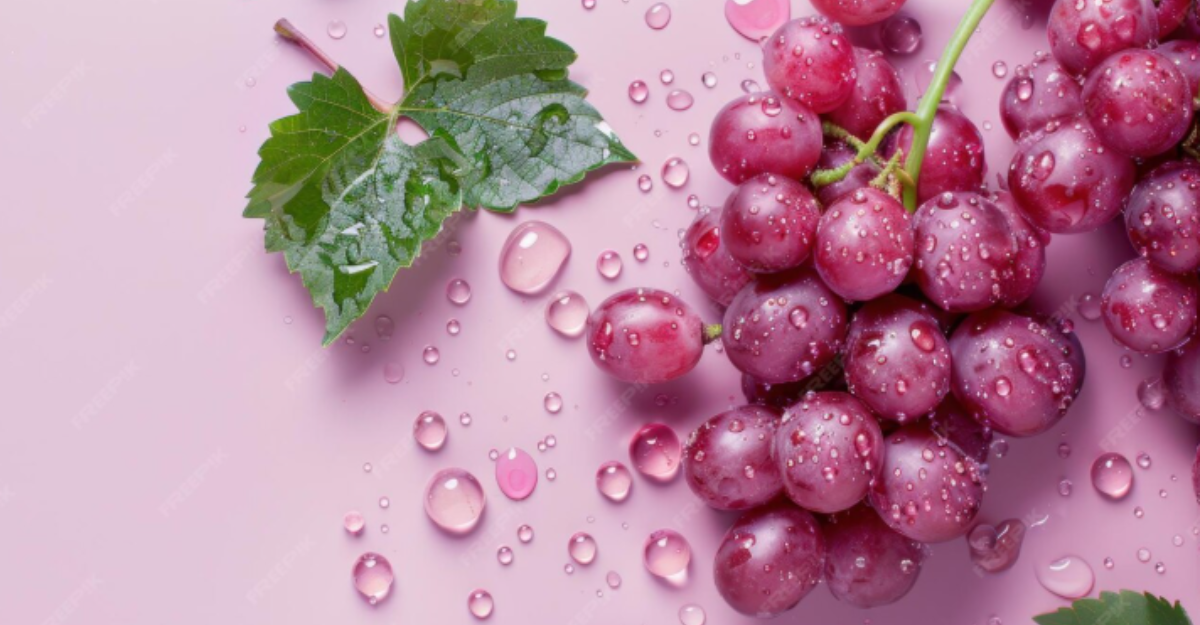
Image courtesy: Freepik

For more such stories, stay tuned to HerZindagi.

Herzindagi video

Tags: , , , ,
Travel-Friendly Skincare Essentials To Keep Your Skin Healthy On The Go | Beauty News

Travel-Friendly Skincare Essentials To Keep Your Skin Healthy On The Go | Beauty News

Last Updated:December 18, 2025, 20:22 IST

From long flights to changing climates, travel can stress your skin. Discover travel-friendly skincare essentials that help hydrate, protect, and balance your skin wherever you go.

From barrier-repairing moisturisers to acne-fighting serums, these five brands offer travel-friendly solutions that keep your skin balanced, calm, and glowing,  wherever your journey takes you.

Between changing climates, long flights, pollution, and irregular routines, travel can take a serious toll on your skin. The smartest travellers know that packing the right skincare essentials can make all the difference. From barrier-repairing moisturisers to acne-fighting serums, these five brands offer travel-friendly solutions that keep your skin balanced, calm, and glowing,  wherever your journey takes you.

1. PHD Beauty

Oily skin needs hydration to stay balanced, when it’s dehydrated, it often overcompensates by producing excess oil. PHD Beauty’s 3% Niacinamide Oil-Free Moisturizer is designed to address exactly that. Powered by 3% Niacinamide, Centella Asiatica (CICA), and Tripeptides, it helps regulate sebum, soothe irritation, and improve overall skin texture—without feeling heavy or greasy.

What truly sets PHD apart is the PHD Council, a prestigious collective of globally respected dermatologists from India, the USA, and the UK. Backed by decades of clinical expertise, every formula is held to the highest dermatological standards, ensuring effective, science-backed skincare with visible results, perfect for skin under travel stress.

2. Pilgrim

When travel triggers breakouts or leave behind stubborn acne marks, Pilgrim’s 10% Niacinamide & 1% Zinc PCA Serum steps in as a reliable skin reset. This high-performance formula works to fade acne marks, reduce dark spots, and visibly brighten the skin.

Niacinamide (Vitamin B3) helps even out skin tone and reduce hyperpigmentation, while Zinc PCA controls excess oil and supports clearer skin. Enriched with Korean White Lotus, a powerful antioxidant-rich ingredient, the serum also improves overall skin health and radiance. Non-toxic and fragrance-free, it’s an easy, effective solution for travellers looking to maintain clear, even-toned skin on the go.

3. Re’equil

Ceramides are essential for maintaining the skin’s protective barrier—especially during travel, when dehydration and environmental exposure are common. Re’equil’s Ceramide & Hyaluronic Acid Moisturiser is designed to strengthen the skin barrier, lock in moisture, and prevent transepidermal water loss. Lightweight yet deeply nourishing, it helps skin stay resilient against dry cabin air, pollution, and climate change. Ideal for sensitive and compromised skin, this barrier-repair formula ensures your skin stays calm, hydrated, and comfortable throughout your journey.

4. Mago

Achieve clearer, brighter, and more radiant skin wherever you travel with this concentrated exfoliating powder cleanser. The charcoal-based formula activates on contact with water, while natural fruit enzymes gently cleanse and exfoliate — perfect for removing travel grime and pollution. Enriched with antioxidant-rich Vitamins A and E, it helps refresh and revive tired skin, all while being gentle enough for daily use and easy to pack. Mago is a men’s grooming brand designed for modern, on-the-move lifestyles, making skincare simple with result-driven, scientifically backed formulations. With a strong focus on ingredient transparency and real skin concerns, The Official Mago is reshaping conversations around purposeful men’s skincare in India. Thoughtfully created for the urban traveller, the brand reflects a growing awareness of self-care, health, and smart grooming choices, even when you’re away from home.

5. Dot & Key

Travel can leave skin dull and tired, and Dot & Key’s Vitamin C + E Sunscreen or Moisturiser helps bring back that glow while offering essential protection. Packed with antioxidants, these formulas defend against environmental stressors while brightening and hydrating the skin. Lightweight, quick-absorbing, and easy to reapply, Dot & Key products are ideal for on-the-go routines, ensuring your skin stays fresh, protected, and radiant from takeoff to touchdown.

Click here to add News18 as your preferred news source on Google. First Published:

December 18, 2025, 20:22 IST

Disclaimer: Comments reflect users’ views, not News18’s. Please keep discussions respectful and constructive. Abusive, defamatory, or illegal comments will be removed. News18 may disable any comment at its discretion. By posting, you agree to our Terms of Use and Privacy Policy.

Tags: , , , , , ,
The "prejuvenation" approach that's replacing traditional anti-aging methods

The “prejuvenation” approach that’s replacing traditional anti-aging methods

I remember the first time I heard the word “prejuvenation.” I was scrolling through a skincare forum, half paying attention, when I stopped dead in my tracks. Prevention before rejuvenation? It sounded almost too simple. And yet, the more I thought about it, the more it made sense.

For decades, the beauty industry has sold us a reactive approach to aging. Wait for the wrinkles to show up, then fight them. Wait for the sagging to begin, then lift it. The entire framework has been built around correction. Fix what’s broken. Reverse what’s already happened.

But here’s what I’ve come to realize after years of watching people chase youthful skin: playing catch-up is exhausting. And honestly? It’s not that effective.

Prejuvenation flips the whole conversation on its head. It’s about protecting what you already have before you start losing it. And for a generation that grew up watching their parents scramble for solutions in their fifties, this shift feels less like a trend and more like common sense finally catching up.

Why prevention makes biological sense

Let’s talk about collagen for a moment because it’s central to understanding why prejuvenation works.

Collagen is the scaffolding of your skin. It’s what keeps everything firm, bouncy, and smooth. And here’s the thing most people don’t realize: your body starts producing less of it far earlier than you’d expect. Research published in Scientific American notes that after age 20, a person produces about one percent less collagen each year. By your mid-twenties, that decline is already underway.

Think about that for a second. Most people don’t start thinking seriously about skincare until they notice something wrong. A fine line here, a bit of dullness there. But by the time those signs appear, you’ve already lost years of collagen production. The damage isn’t new. It’s been accumulating quietly in the background.

This is precisely why prejuvenation has gained so much traction. If collagen production peaks in your early twenties and declines steadily from there, it makes far more sense to protect and maintain what you have than to try rebuilding it later.

A generational mindset shift

I find it fascinating how different generations approach aging. My mother’s generation saw wrinkles as inevitable. You lived your life, the lines showed up, and that was that. Maybe you invested in a good moisturizer, maybe you didn’t. The prevailing attitude was acceptance mixed with resignation.

Gen Z sees things differently. They’ve grown up with unprecedented access to information about how skin actually works. They understand UV damage, free radicals, and oxidative stress in ways that would have seemed absurdly technical to previous generations. And they’re acting on that knowledge early.

According to research published in the Aesthetic Surgery Journal Open Forum, prejuvenation emerged in the early 2000s as younger people began seeking preventive treatments for aging. The study highlights how this generation relies on social media for skincare advice, leading to widespread sharing of information about aesthetic dermatology. The result? Prevention has become a trending topic across every platform.

What strikes me most is how this shift reframes the relationship with aging itself. It’s less about fighting time and more about working with your biology. You can’t stop the clock, but you can give your skin the best possible foundation to age well.

What prejuvenation actually looks like

Here’s where things get practical.

Prejuvenation isn’t about aggressive interventions in your twenties. It’s not about loading up on procedures before you need them. The approach is subtler than that, and honestly, it’s simpler than the beauty industry sometimes makes it seem.

At its core, prejuvenation involves consistent sun protection. This might sound obvious, but it’s worth emphasizing. UV exposure breaks down collagen in the dermis and causes the buildup of abnormal elastic fibers that eventually form wrinkles. Daily sunscreen isn’t glamorous, but it’s probably the single most effective prejuvenation tool available.

Beyond that, the focus shifts to supporting your skin’s natural functions. Antioxidants to neutralize free radicals. Retinoids to encourage cell turnover and collagen production. Hydration to maintain the skin’s barrier function. These aren’t revolutionary concepts, but the timing matters. Starting in your twenties means you’re building a foundation that will serve you for decades.

Some people take prejuvenation further with noninvasive procedures like microneedling, chemical peels, or even preventive botox. The research from the Aesthetic Surgery Journal Open Forum mentions that these methods are trending among younger individuals seeking to maintain their appearance. The goal isn’t to look different. It’s to look like yourself, just with better maintained skin.

The psychology behind the trend

I’ve spent a lot of time thinking about why prejuvenation resonates so deeply with younger generations. And I think it comes down to control.

We live in an era of unprecedented uncertainty. Climate change, economic instability, rapidly shifting social landscapes. Against that backdrop, investing in something tangible feels grounding. Your skin is something you can actually care for. The results of that care are visible. There’s a cause and effect relationship that feels reliable when so much else doesn’t.

There’s also something to be said about the wellness angle. Prejuvenation aligns with a broader movement toward proactive health management. It’s the same impulse that drives people to exercise, eat well, and prioritize sleep. Taking care of your skin isn’t vanity in this framework. It’s part of a holistic approach to wellbeing.

What I appreciate about this mindset is that it moves away from the panic that often surrounds aging. The traditional approach was almost fear-based. Look at these wrinkles! Look at this sagging! You need to fix this immediately! Prejuvenation is calmer. It says: aging is natural, and here’s how you can support your body through the process with grace.

The important caveats

Now, I’d be doing you a disservice if I didn’t mention some concerns.

The research is clear that while prejuvenation can slow down the aging process, it cannot stop it entirely. Managing expectations matters here. No amount of preventive care will give you the skin of a twenty-year-old when you’re fifty. What it can do is help you look like the best possible version of yourself at any age.

There’s also a darker side to this trend worth acknowledging. Social media, for all its educational value, has also created unrealistic standards and pressures. Some dermatologists have expressed concern about children as young as ten using prescription-strength skincare products they saw recommended by influencers. Prejuvenation for adults is one thing. Pushing anti-aging narratives onto children is something else entirely.

The sweet spot, as I see it, is informed, age-appropriate care. For most people, their twenties are a good time to establish solid skincare habits. Sun protection, gentle cleansing, basic hydration. As you move into your late twenties and early thirties, incorporating targeted treatments makes sense. The key is personalization based on your actual skin, not anxiety driven by filtered photos on social media.

A new relationship with time

What I find most compelling about prejuvenation isn’t the specific products or procedures. It’s the underlying philosophy.

For so long, aging has been treated as an enemy to defeat. The language of “anti-aging” is inherently combative. You’re supposed to fight wrinkles, battle time, wage war against gravity. It’s exhausting just thinking about it.

Prejuvenation suggests a different relationship. Time passes. Your body changes. That’s not a tragedy. It’s simply how life works. But you can approach those changes thoughtfully. You can make choices today that your future self will thank you for.

I think about my garden sometimes when I consider this. I can’t control the weather or stop the seasons from changing. But I can prepare the soil, plant at the right time, and provide consistent care throughout the growing season. The results aren’t guaranteed, but they’re far better than neglecting everything and hoping for the best.

Skin works the same way. You’re not fighting against nature. You’re working with it.

Final thoughts

Looking back at my own skincare journey, I wish I’d understood these principles earlier. Like many people, I didn’t think much about prevention until I started noticing changes I wanted to reverse. That’s not a failure. It’s just the reality of how most of us learn.

But if you’re reading this in your twenties, consider yourself lucky. You have information that previous generations simply didn’t have access to. The science of skin aging is clearer than ever, and the tools for prevention are more sophisticated and accessible than they’ve ever been.

Prejuvenation isn’t about obsessing over aging. It’s about respecting your future self enough to take simple, consistent actions now. It’s about recognizing that the choices you make today compound over time.

And honestly? There’s something empowering about that. You’re not helpless against the passage of time. You’re an active participant in how you age. That feels like a healthier, more honest way to approach the whole thing.

Start where you are. Use what you have. Do what you can. Your skin will thank you for it, eventually.


What’s Your Plant-Powered Archetype?

Ever wonder what your everyday habits say about your deeper purpose—and how they ripple out to impact the planet?

This 90-second quiz reveals the plant-powered role you’re here to play, and the tiny shift that makes it even more powerful.

12 fun questions. Instant results. Surprisingly accurate.


Tags: , , , , ,
Espresso hair, PDRN skincare & πουά manicure: Όλες οι τάσεις του 2025 και τι θα δούμε το νέο έτος

Espresso hair, PDRN skincare & πουά manicure: Όλες οι τάσεις του 2025 και τι θα δούμε το νέο έτος

Το 2026 προμηνύει ακόμα πιο blended αποχρώσεις μαλλιών και φυσικές ρίζες που κάνουν το bronde μοντέρνο και καθόλου «παλιομοδίτικο».

Το 2025 ήταν μια χρονιά που άλλαξε τα δεδομένα στην ομορφιά. Ανακαλύψαμε νέους όρους, νέες υφές, νέους συνδυασμούς, ενώ ανοίξαμε τον δρόμο σε αισθητικές τάσεις που δεν δείχνουν διατεθειμένες να εξαφανιστούν με τη νέα χρονιά.

Espresso hair

Τα espresso hair έκανε την εμφάνισή του ως η πιο ζεστή, βαθιά και πλούσια σοκολατί απόχρωση του φθινοπώρου, δίνοντας νέα ζωή στα σκούρα μαλλιά. Η τάση όχι μόνο συνεχίζει δυναμικά, αλλά επιστρέφει πιο έντονη, με μεγαλύτερη διάσταση, gloss φινίρισμα και πιο γεμάτη υφή. Παράλληλα, το honey bronde hair κατάφερε να βρει τη χρυσή τομή ανάμεσα στο ξανθό και το καστανό, δημιουργώντας εκείνο το ηλιοκαμένο αποτέλεσμα που αγαπήθηκε το καλοκαίρι.

@haileybieber

5 makeup tips που χαρίζουν ένα φωτεινό, ξεκούραστο και ανορθωμένο βλέμμα

Το 2026 προμηνύει ακόμα πιο blended αποχρώσεις και φυσικές ρίζες που κάνουν το bronde μοντέρνο και καθόλου «παλιομοδίτικο». Και φυσικά, το cherry cola hair, η πιο σκοτεινή κόκκινη λάμψη που είδαμε σε influencers και celebrities, δεν πάει πουθενά. Αντίθετα, γίνεται το απόλυτο go-to για χειμωνιάτικα makeovers, βαθύ καφέ με κόκκινες αποχρώσεις που δείχνουν πολυτελείς, κομψές και ανεπιτήδευτα sexy.

Η τάση στο skincare που συνεχίζει

Το PDRN skincare είναι μία από τις μεγαλύτερες καινοτομίες που πέρασαν από την κοσμετολογία μέσα στο 2025 και συνεχίζει δυναμικά και στο 2026. Πρόκειται για μια δραστική τεχνολογία αναγέννησης κυττάρων, που αξιοποιεί πολυνουκλεοτίδια για να ενισχύσει την ανάπλαση του δέρματος, να βελτιώσει την ελαστικότητα και να χαρίσει βαθιά ενυδάτωση. Τα προϊόντα PDRN λειτουργούν στοχευμένα στην επανόρθωση και στη λάμψη, προσφέροντας πιο ομοιόμορφη υφή και πιο υγιή όψη, και γι’ αυτό θεωρούνται η επόμενη μεγάλη τάση στο skincare.

Το πουά manicure

Ήταν ένα από τα πιο ευχάριστα nail trends που είδαμε να σαρώνει στο τέλος του 2025. Και το 2026 συνεχίζει με περισσότερη δημιουργικότητα: micro dots σε nude βάση, πολύχρωμα μοτίβα ή ακόμη και μεταλλικές τελείες πάνω σε σκούρο φόντο.

Στην nail παλέτα όμως μπαίνουν δυναμικά δύο αποχρώσεις που ήδη κυριαρχούν στο feed μας:

Butter yellow nails: μια απαλή, κρεμώδης, ζεστή απόχρωση του κίτρινου που έρχεται να δώσει φως & μοντερνισμό στα χειμερινά looks. Άνοιξη, καλοκαίρι και φθινόπωρο 2026 θα την βλέπουμε παντού.

@iramshelton

Τα emerald, glitter & butter metallic textures επιστρέφουν επίσης, στηρίζοντας την ιδέα ότι τα νύχια πρέπει να είναι κοσμήματα — όχι απλά χρώμα.

Το συμπέρασμα; Το 2025 δεν φέρνει μια ριζική αλλαγή, αλλά μια εξελιγμένη συνέχεια.

@dualipa

Οι τάσεις που αγαπήσαμε το 2025 δεν φεύγουν από τα trends, απλώς ωριμάζουν!

Espresso hair, honey bronde highlights, cherry cola vibes, new skincare trends και statement μανικιούρ: το νέο έτος θα είναι πιο σοφιστικέ, πιο πειραματικό και πιο προσωπικό από ποτέ.

Buns και ponytails: Αυτά είναι τα χτενίσματα που επιλέγουν τώρα τα it girls

Tags: , , , , , , , , , , , , , , , ,
The Case For Fewer Products And Better Skin In 2026

The Case For Fewer Products And Better Skin In 2026

In 2026, we’re saying goodbye to a 10-step skincare routine. More is not always good, especially not when it involves dousing your face in a cocktail of serums because, honestly, it’s wrecking your skin instead of repairing it.  Minimalist skincare is all about doing the bare minimum that actually works for your skin. The industry’s obsession with overflowing bathroom shelves is the only kind of maximalism I’d rather resist.  

This shift in skincare philosophy is driven by smarter consumers, ingredient literacy, and a growing understanding that skin thrives on precision. A minimalist skincare routine is centred around a simple question: what does your skin actually need? So, for the greater good, you might have to let go of all the products you’re using simply because they feel fancy. 

Tailoring Skincare To Seasons

Photograph: (Pexels)

It’s no surprise that skin responds to seasons and weather conditions. Every minor change in your physical environment, be it heat, cold, humidity, or pollution, shows up on your face; to that extent, it’s imperative that your skincare roster changes with your skin’s needs. 

Since winters are in full swing, calibrate your routine accordingly. Cold air, indoor heating, and low humidity can strip the skin of moisture, leading to dryness, sensitivity, and dullness. This is where you pivot by adopting a capsule wardrobe for your face. Stick to the basics: cleanse, treat, moisturise, protect; the structure stays, but we switch formulas. In winter, your cleanser should feel like a cashmere sweater, not a squeaky-clean reset. Treatments should focus on hydration and barrier repair rather than aggressive exfoliation. Moisturisers get a little richer, and textures more viscous. And sunscreen remains essential because the sun doesn’t clock out just because it’s cold.

Advertisment

Caring for Sensitive Skin

Photograph: (Pexels)

Sensitive skin thrives on restraint. The fewer variables you introduce, the easier it is to maintain balance. Stick to fragrance-free formulas, avoid over-exfoliation, and choose products with soothing ingredients like centella, hyaluronic acid, or ceramides. A minimalist routine gives sensitive skin room to settle. Once you find the products that work the best for your skin, stick with them. 

Crafting Your Routine 

Photograph: (Pexels)

A perfect routine isn’t universal but personal. In 2026, skincare is less about copying influencers hastily and more about understanding ingredients that work for your skin. Start with essentials that have proven suitable and earned their place in your vanity. A gentle cleanser that doesn’t disrupt your barrier, a treatment serum targeting a specific concern, a moisturiser that supports your skin’s natural lipids, and a broad-spectrum sunscreen that you can comfortably wear daily.

When every product has a purpose, your routine becomes well-thought and personalised rather than overwhelming. A minimalist routine is also incredibly sustainable, for your skin, your pocket and the planet. Fewer products mean less waste, fewer reactions, and better results over time. 

How to Simplify Your Morning and Night Routine

Photograph: (Pexels)

Morning skincare should feel like setting the tone for your day, efficient, quick and grounding. Cleanse lightly, hydrate, moisturise, and apply sun protection before you step out. Nighttime is where repair happens. Cleanse thoroughly to ensure the day doesn’t weigh your skin down, apply your treatment serum or toner, then moisturise generously. Make sure you get your beauty sleep, as it allows your skin the time to restore overnight. 

Common Mistakes to Avoid

  • Using too many actives at once
  • Skipping sunscreen in winter
  • Over-cleansing or harsh exfoliation
  • Changing products too frequently
  • Ignoring signs of irritation

FAQs

  1. Is a minimalist skincare routine enough?
    Yes, when chosen correctly, a few well-formulated products can address hydration, protection, and repair effectively.
  2. Can minimalist skincare work for acne-prone skin?
    Fewer products reduce irritation and help identify what truly works for breakouts.
  3. Should I exfoliate in winter?
    Limit exfoliation to once a week and avoid strong acids if your skin feels dry or sensitive.
  4. Do I need different products for day and night?
    Not always, a good cleanser and moisturiser can work both times, while treatments can be reserved for night.
  5. How long does it take to see results?
    With consistency, most people notice calmer, more balanced skin within 4–6 weeks.

Also Read

Inside The World Of Essential Oils: How To Use Them On Skin And Scalp

Glow Decoded: Is Korean Glass Skin Worth The Hype For Indian Skin?

Tags: , ,
10 Key Beauty Trends to Know for 2026 F

10 Key Beauty Trends to Know for 2026

Makeup becomes expressive again rather than invisible.

Beauty in 2026 is less about chasing perfection and more about building longevity, resilience, and confidence across skin, body, and mind.

The industry is shifting away from surface-level fixes towards routines rooted in health, technology, and emotional well-being.

For South Asians, this evolution feels particularly relevant as conversations around hyperpigmentation, sensitivity, and holistic wellness continue to grow.

Skincare, makeup, and wellness are no longer separate categories but deeply interconnected parts of daily life.

Brands are responding with smarter formulations, personalised tech, and rituals that fit modern, busy lifestyles.

There is also a stronger focus on inclusivity, from shade ranges to cultural beauty needs that were once overlooked.

Gen Z and younger millennials are driving these changes, demanding transparency, performance, and pleasure from their products.

Beauty is now expected to support mental clarity, physical health, and long-term skin strength.

These ten key trends offer a clear picture of where beauty is heading in 2026 and how to start adapting now.

Whether you are a minimalist or a full glam lover, these shifts will shape how routines look and feel.

Metabolic and Longevity Beauty

Beauty in 2026 looks far beyond anti-ageing and focuses on how skin functions over time.

Products increasingly reference metabolism, cellular energy, and biological age rather than wrinkles alone.

This approach reframes skincare as a long-term investment rather than a corrective solution.

Prejuvenation becomes a key term, especially for those in their twenties and thirties.

For South Asians, who often experience pigmentation or inflammation earlier, longevity-focused formulas feel more preventative and empowering.

Ingredients are positioned to support skin resilience against stress, pollution, and hormonal changes.

Clinical language enters everyday beauty, borrowing ideas from functional medicine and dermatology.

Treatments and home care aim to support skin health at a cellular level. The goal is not reversing time but strengthening skin so it ages well and predictably.

This marks a more realistic and sustainable approach to beauty expectations.

Beauty From Within and Nutricosmetics

Ingestible beauty continues to grow as consumers seek visible results that start internally.

Collagen, probiotics, adaptogens, and micronutrient blends are marketed for glow, hair density, and barrier strength.

Sleep quality and gut health are increasingly linked to how skin looks and feels.

This resonates strongly within South Asian wellness traditions that already value internal balance.

Skincare brands now pair topical products with capsules, sachets, or functional drinks.

These combinations promise more comprehensive and consistent results. The messaging focuses on daily rituals rather than quick transformations.

Beauty becomes part of nutrition, not separate from it.

For busy lifestyles, this integrated approach feels practical and modern. It also reflects a growing trust in science-backed supplementation.

AI-Powered Personalisation

Artificial intelligence becomes central to how beauty routines are built and maintained.

Skin analysis tools assess tone, texture, acne, and sensitivity in real time.

Recommendations now change with climate, hormones, stress levels, and lifestyle habits. This dynamic approach feels far more realistic than static routines.

Virtual consultations allow users to access expert guidance without clinical appointments.

This is especially useful for communities historically underserved by dermatology.

Makeup matching also improves, offering better shade accuracy for deeper and olive undertones.

South Asian consumers benefit from fewer compromises.

Personalisation becomes an expectation rather than a luxury. Beauty finally adapts to the individual, not the other way around.

Neurocosmetics and Mood Regulating Beauty

Beauty products increasingly claim to influence mood through the skin-brain connection.

Formulas focus on stress relief, focus, calm, or relaxation.

Scents, textures, and application rituals are designed as emotional experiences.

Skincare becomes a moment of pause rather than another task. This trend reflects wider conversations around burnout and mental health.

Small daily rituals feel grounding and restorative.

For South Asians balancing family, work, and cultural expectations, this emotional support feels meaningful.

Beauty routines become private moments of self-care. The sensory element is just as important as visible results. Feeling better becomes part of looking better.

Microbiome, Barrier, and Sensitive Skin Science

Sensitive and reactive skin concerns continue to rise globally.

Barrier repair and microbiome balancing remain at the centre of skincare innovation.

Probiotic and postbiotic ingredients support healthier skin ecosystems.

Minimalist formulations reduce irritation and overuse. This is particularly relevant for South Asians prone to redness, adult acne, or compromised barriers.

Gentle formulas offer safer long-term use. Dermatology-inspired products move into mainstream beauty.

Clinical credibility matters more than fragrance or packaging. The focus shifts towards calming, strengthening, and protecting skin.

Healthy barriers become the foundation for all other goals.

Tech-Powered Try On and Virtual Artistry

Virtual try-on technology evolves into full look simulations. Users can test skin, eyes, lips, and hair with improved realism.

Shade accuracy and texture simulation become far more reliable. This reduces waste and increases confidence when shopping online.

Global inclusivity improves as more complex undertones are represented digitally.

South Asian users see themselves reflected more accurately.

Brands use virtual artistry to launch editorial and limited drops first online.

Digital experimentation feels playful and accessible. This technology supports bolder beauty choices without commitment.

Creativity becomes easier and more democratic.

Maximalist Glamour and Eye Focus

After years of understated aesthetics, glamour makes a confident return.

Statement eyes lead the way with lashes, liners, and shimmer. The look feels nostalgic yet refined, inspired by classic bombshell energy.

Makeup becomes expressive again rather than invisible.

South Asian beauty traditions already celebrate dramatic eyes, making this shift feel familiar. Cultural influences gain renewed relevance.

Complexion remains polished but not heavy. The focus is on impact rather than excess.

Going out makeup regains its place as a form of joy. Beauty feels fun again.

New Mattes and Skinified Makeup

Matte finishes return with softer, blurred textures. Lips and bases feel pillowy rather than flat or drying.

Makeup now includes skincare-grade ingredients like peptides and ceramides. Products treat while they perfect.

Foundations and tints support hydration and barrier health. SPF becomes standard rather than optional.

This benefits South Asian skin tones that often struggle with traditional mattes. Comfort and performance finally align.

Makeup feels lighter yet more functional. Everyday products work harder behind the scenes.

Sustainability 2.0 and Upcycled Formulas

Sustainability evolves beyond surface-level claims. Consumers demand traceable sourcing and measurable impact.

Biotech ingredients and upcycled botanicals gain credibility. Waste reduction becomes central to product design.

Refillable packaging and concentrated formulas are increasingly expected. Gen Z drives this accountability.

For conscious consumers, values influence purchasing decisions more than trends. Beauty becomes an ethical choice.

Sustainability feels integrated rather than performative. The industry moves towards long-term responsibility.

Hybrid Beauty Wellness Rituals

The boundaries between beauty, wellness, and performance continue to blur. Routines are framed as full-body rituals.

Body care adopts facial-level ingredients and textures. Serum-like products treat skin from head to toe.

Sleep, circadian rhythm, and recovery become beauty concerns. Launches focus on rest as much as results.

This holistic framing aligns with South Asian wellness philosophies rooted in balance. Beauty supports daily functioning.

Rituals feel intentional and personalised. Beauty becomes part of lifestyle design.

Beauty in 2026 is smarter, deeper, and more emotionally aware. The focus shifts from fixing flaws to supporting long-term well-being.

Technology plays a central role, but human experience remains at the heart of routines. Personalisation and inclusivity finally feel meaningful.

For South Asians, these trends offer better representation and more relevant solutions.

Cultural beauty needs are increasingly acknowledged.

Wellness, skincare, and makeup now exist on the same spectrum. This integration feels more realistic and sustainable.

Rather than chasing every launch, consumers are encouraged to build intentional routines. Beauty becomes a tool for confidence and care.

Understanding these trends helps you move forward with clarity, curiosity, and a stronger sense of self.

Tags: , ,
Best oLive
Privacy Overview

This website uses cookies so that we can provide you with the best user experience possible. Cookie information is stored in your browser and performs functions such as recognising you when you return to our website and helping our team to understand which sections of the website you find most interesting and useful.