Θυμάσαι ποιο ήταν το mega beauty trend του Met Gala 2025; Εμείς, ναι!

Θυμάσαι ποιο ήταν το mega beauty trend του Met Gala 2025; Εμείς, ναι!

Το Met Gala δεν καθορίζει απλώς τις τάσεις επαναπροσδιορίζει τον ίδιο τον ρόλο της ομορφιάς. Αυτή η εξέλιξη δεν αφορά μόνο τη μόδα ή το μακιγιάζ· αφορά τον τρόπο που επιλέγεις να παρουσιάζεις τον εαυτό σου στον κόσμο.

Το Met Gala δεν είναι απλώς ένα fashion event καθρεφτίζει την κυρίαρχει αισθητική κάθε χρονίας. Το 2026, το theme σηματοδοτεί μια βαθιά στροφή προς την έννοια της σύγχρονης ταυτότητας, όπου η μόδα και το beauty δεν λειτουργούν πια ως μέσα εντυπωσιασμού, αλλά ως εργαλεία έκφρασης. Σε έναν κόσμο όπου η εικόνα είναι παντού, η πραγματική πολυτέλεια βρίσκεται πλέον στην πρόθεση και όχι στην υπερβολή.

Οι beauty προβλέψεις μας για το Met Gala 2026 και είμαστε σίγουροι ότι θα πέσουμε μέσα

Το 2025 κυριάρχησε το “no mascara” trend, ένα beauty statement που αποθέωσε τη φυσικότητα και την απλότητα. Ταίριαζε απόλυτα και με το masculine vibe της περσινής θεματικής. Ήταν μια σιωπηλή επανάσταση απέναντι στα βαριά looks των προηγούμενων χρόνων, αναδεικνύοντας την αυθεντική ομορφιά χωρίς φίλτρα. Ωστόσο, το 2026 δεν έρχεται να αναιρέσει αυτή τη φιλοσοφία έρχεται να τη μετουσιώσει σε κάτι πιο εξελιγμένο και συνειδητό με οδηγό τις artystic επιρροές.

(Photo by Evan Agostini/Invision/AP)

Invision

Ιδιαίτερο ενδιαφέρον είχε και το ποιοι υιοθέτησαν το “no mascara” trend το 2025, μετατρέποντάς το από niche επιλογή σε παγκόσμια τάση. Προσωπικότητες όπως η Vittoria Ceretti, η Lorde και η Hailey Bieber εμφανίστηκαν επανειλημμένα με bare lashes, ενισχύοντας τη δυναμική του φυσικού βλέμματος. Παράλληλα, η επιρροή καλλιτεχνών όπως η Rosalía και η FKA twigs έδωσε μια πιο avant-garde διάσταση στο trend, αποδεικνύοντας ότι η απουσία mascara μπορεί να είναι εξίσου εκφραστική με οποιοδήποτε έντονο makeup look.

(Photo by Evan Agostini/Invision/AP)

Invision

Πίσω από αυτή τη στροφή κρύβεται και μια βαθύτερη ψυχολογική ανάγκη. Μετά από χρόνια υπερβολής και συνεχούς έκθεσης στα social media, το κοινό αναζητά μια πιο αυθεντική και προσωπική σχέση με την εικόνα του. Το beauty παύει να είναι μια επιβεβλημένη τάση και μετατρέπεται σε μέσο αυτογνωσίας και επιλογής.

Στο Met Gala 2026, η αισθητική μετακινείται από την πλήρη αφαίρεση σε μια πιο επιλεκτική προσέγγιση. Το πρόσωπο προβλέπουμε ότι θα παραμείνει καθαρό και φωτεινό, αλλά θα εμπλουτιστεί με στοχευμένες λεπτομέρειες που θα λειτουργήσουν σχεδόν σαν καλλιτεχνικές παρεμβάσεις. Glossy, ιδιαίτερα σχηματισμένα φρύδι ή διακριτική λάμψη γίνονται τα νέα focal points, χωρίς να αλλοιώνουν τη φυσικότητα του προσώπου.

Αυτή η μετάβαση οδηγεί στη γέννηση του λεγόμενου “intentional beauty”. Σε αντίθεση με το “no makeup” ή το “no mascara”, που βασίζονται στην απουσία, το intentional beauty βασίζεται στην επιλογή. Το μακιγιάζ δεν καταργείται,· χρησιμοποιείται με αριστοτεχνικό τρόπο. Ακόμη και η mascara, που το 2025 είχε σχεδόν εξαφανιστεί, επιστρέφει σε πιο διακριτική μορφή ή αντικαθίσταται από εναλλακτικές υφές που δίνουν έμφαση στο βλέμμα χωρίς να το βαραίνουν.

Τα beauty trends που θα προκύψουν από το Met Gala 2026 θα αναδείξουν μια νέα φιλοσοφία. Η επιδερμίδα γίνεται το απόλυτο επίκεντρο, όχι απλώς ως βάση, αλλά ως στοιχείο που προδίδει φροντίδα και υγεία. Παράλληλα, οι μικρές λεπτομέρειες αποκτούν πρωταγωνιστικό ρόλο, μετατρέποντας το minimal σε κάτι πιο εκλεπτυσμένο και πολυδιάστατο. Τα προϊόντα γεφυρώνουν το χάσμα μεταξύ skincare και makeup, δημιουργώντας ένα hybrid αποτέλεσμα που δείχνει φυσικό αλλά ταυτόχρονα προσεγμένο.

Το Met Gala 2026 δεν καθορίζει απλώς τις τάσεις επαναπροσδιορίζει τον ίδιο τον ρόλο της ομορφιάς. Από την αφαίρεση του 2025, περνάμε σε μια εποχή όπου κάθε στοιχείο έχει λόγο ύπαρξης. Αυτή η εξέλιξη δεν αφορά μόνο τη μόδα ή το μακιγιάζ· αφορά τον τρόπο που επιλέγεις να παρουσιάζεις τον εαυτό σου στον κόσμο.

Tags: , , , , , , , , , , ,
The Independent US

Nearly half of people would go into debt to maintain beauty routines – even if they lost their job

Losing a job wouldn’t stop almost half of American adults from trying to look and feel good.

Some 46 percent of consumers age 18 and older said they would go into debt to maintain their beauty and wellness routines if they lost their job, according to a March survey by beauty and wellness AI software platform Zenoti.

Respondents are ready to make other sacrifices for self-care, too, including a curtailed social life, delayed vacations, reduced funds for savings and debt repayment.

The survey’s analysis of spending trends found that people would most likely go into debt using credit cards to keep up appearances after a job loss.

Consumer habits indicate that being made unemployed might spur even more beauty spending, the study found. Some 33 percent of respondents said they increased their self-care routines because of workplace stress or burnout.

Respondents are ready to make other sacrifices for self-care, too, including a curtailed social life, delayed vacations, reduced funds for savings and debt repayment (Getty Images for LFC)

Loneliness, financial stress and major life transitions – all situations a job loss could create – are among the top reasons why people increase their beauty and wellness spending. But there was one concession: 45 percent of respondents said they would reduce the frequency of beauty appointments.

The study brings into focus the trade-offs that Americans are making as they negotiate rising costs. While many draw the line at self-care, there are other costs they’re willing to sacrifice to steady their finances.

Entertainment is on the consumer chopping block. Around 40 percent of Americans have dropped at least one streaming service over the past three months, according to a study from Deloitte. The average household spends an average of $69 a month on these services, Deloitte noted.

Restaurants are the most popular area for spending cutbacks as consumers find ways to rein in their finances (AFP/Getty)

Another popular target for spending cuts in the past year is eating out. Some 61 percent of U.S. adults, over age 21, have lowered spending at restaurants, according to a May 2025 study from retail news and analysis firm Chain Store Age. And consumers are making sacrifices in their closets: Just over half (52 percent) say they’ve cut back on clothes and shoe spending.

The cost-cutting reflects a nationwide concern about household finances amid high gas prices and rising inflation.

Consumers are more pessimistic about their financial future today than they were during the Great Recession. Some 55 percent of consumers said their financial situation is getting worse, according to a Gallup poll published Tuesday, compared to 49 per cent in 2008.

Tags: , , , , , ,
Beauty and wellness spending becomes more calculated

Beauty and wellness spending becomes more calculated

Greek consumers are adopting a more structured and strategic approach to spending on beauty and wellness products, according to a Revolut survey conducted by market research company Dynata.

The findings indicate a clear shift in how individuals manage their personal care budget, with spending increasingly treated as a planned financial category rather than an impulsive activity.

The research shows that 25 per cent of respondents actively plan and save money for personal care, highlighting a more strategic approach to lifestyle-related spending.

This marks a broader move away from impulsive purchases, with consumers becoming more disciplined in how they allocate funds for beauty and wellness.

At the same time, 20 per cent of respondents said they are more likely to spend when there are discounts or promotions, underlining the continued importance of value for money in purchasing decisions.

The study also shows that personal care remains a priority even under financial strain.

Around 10 per cent of respondents said they make sacrifices in other areas to maintain their spending on beauty and wellness needs.

A further 3 per cent admitted they exceed their planned budget in order to avoid disrupting their established personal care routines.

The findings also point to a significant decline in celebrity influence on consumer decisions in Greece.

Instead, purchasing behaviour is shaped more by trust, authenticity and personal recommendations.

The survey found that 31 per cent of respondents said they are influenced by family and friends, while 17 per cent rely on advice from professionals such as dermatologists and experts.

In addition, 7 per cent are influenced by social media creators, while only 2 per cent said that celebrities affect their choices.

The research suggests that financial tools are becoming increasingly relevant as consumers seek better ways to manage lifestyle spending.

When asked what would encourage them to spend more on beauty and wellness, 33 per cent of respondents selected personalised offers.

A further 31 per cent pointed to loyalty programmes, while 25 per cent said interest-free instalment payment options would be a key incentive.

Meanwhile, 9 per cent said they would value a dedicated savings feature for personal care budget management.

“The findings show that Greek consumers are approaching spending on beauty and wellness with greater planning and consideration,” Ignacio Zunzunegui, Head of Growth for Southern Europe and Latin America at Revolut, said.

“We are seeing increasing demand for financial tools that help manage lifestyle-related spending, whether through saving, accessing benefits via purchases or closely tracking expenses,” he added.

“Financial technology is helping consumers maintain their preferred habits while keeping control over their finances,” Zunzunegui continued.

Tags: , , ,
Discover the cult clinic-born skincare that’s made its way into the beauty mainstream

Discover the cult clinic-born skincare that’s made its way into the beauty mainstream

There’s been a noticeable shift in how we shop for skincare. Increasingly, it’s not the glossy campaigns or celebrity endorsements driving purchases, but formulas that feel closer to the clinic than the beauty counter.

That’s right, In 2026, prestige make-up brands no longer dominate the skincare field. Instead, beauty enthusiasts are turning their attention to formulas rooted in medical and scientific research.

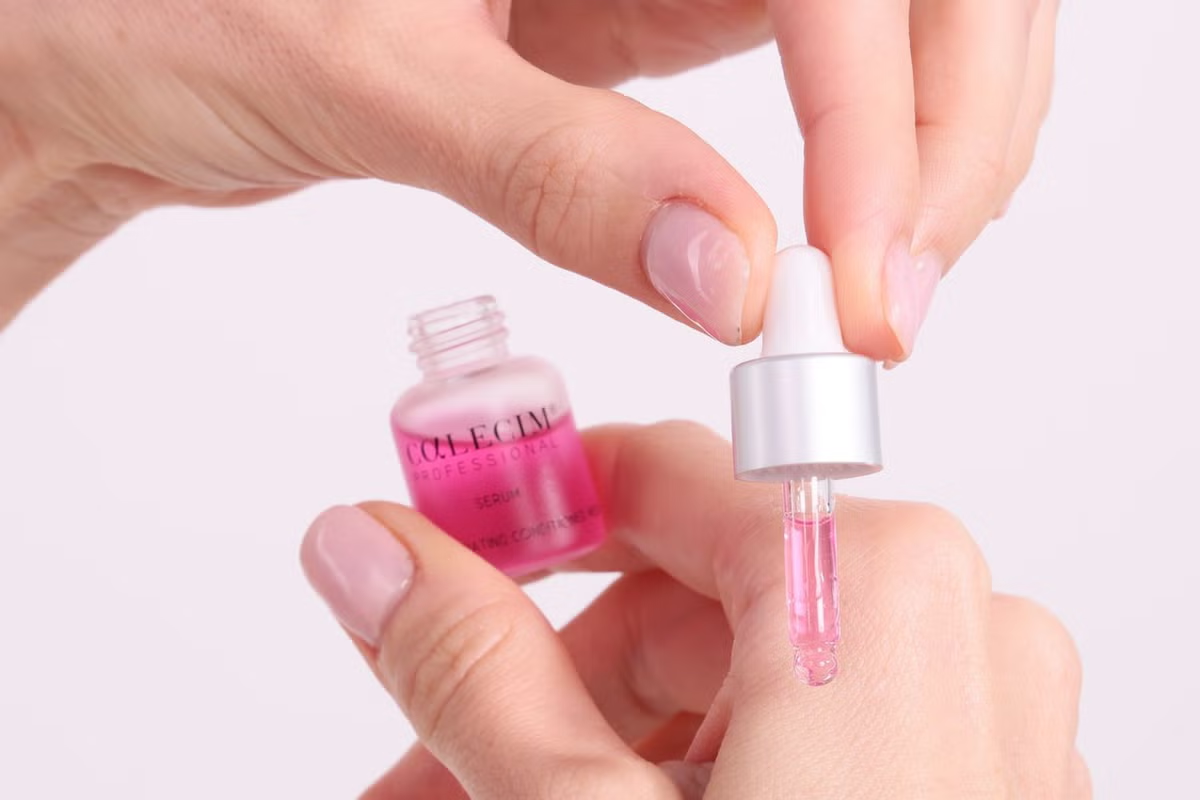
Among the latest wave of clinical crossover products, one in particular seems to have sparked interest. It’s small, pink, a touch on the expensive side and – according to some – smells slightly yeasty. More importantly, it’s developed something of a loyal following among those seeking high-performance skincare. Introducing the Calecim Professional Serum.

In recent years, regenerative skincare technologies, influenced by research in regenerative medicine, have begun to make their way from clinics onto the shop floor and into our everyday routines. Calecim Professional Serum, first used by some clinicians alongside aesthetic procedures, is now gaining popularity among consumers seeking clinic-inspired skincare results from the comfort of their own homes.

According to Dr Edel Woods, aesthetic doctor and founder of ORA Skin Clinic, the technology behind these formulas stems directly from regenerative medicine.

“This type of treatment emerged from studying the molecules involved in natural skin processes,” she explains. “What became clear is that healing is orchestrated by a complex network of growth factors, cytokines and signalling proteins that guide cells during the skin’s natural repair processes.”

Calecim’s serum uses a complex known as PTT-6®, derived from ethically sourced umbilical cord lining stem cells. But rather than using the stem cells themselves, the formula harnesses the signalling proteins these stem cells release.

But what does that actually mean? In more simple terms, PTT-6® is a concentrated mix of growth factors, cytokines and exosome-like proteins (more than 3,000 in a single millilitre) which are designed to mimic signalling pathways associated with the skin’s natural maintenance processes.

“These proteins are very similar to the signalling molecules that our own skin produces during wound healing,” Woods says. “They are thought to act as signalling molecules that may influence skin cells involved in maintaining elastin and skin hydration.”

The science behind ‘regenerative skincare’

Regenerative skincare aims to replicate signals linked to firmness and elasticity (Calecim Professional)

To gain a greater understanding as to why regenerative skincare is gaining traction, it helps to look at how skin repairs itself after damage and environmental stress. “Our skin is constantly communicating at a microscopic level,” says Dr Woods. “Cells send signals to one another that direct processes such as repair, collagen production and inflammation control.” Those signals are largely carried by proteins known as growth factors and cytokines, which instruct nearby cells to rebuild tissue.

“During wound healing the body releases a very specific combination of these signalling molecules,” she explains. “They guide fibroblasts linked to firmness and elasticity.” Regenerative skincare aims to replicate those signals.

Calecim’s PTT-6® complex contains more than 3,000 growth factors, proteins and exosomes in a single millilitre, inspired by signalling pathways involved in skin maintenance and repair processes. Rather than sitting only on the surface, and simply hydrating or resurfacing the skin, these molecules are intended to support its look and feel.”

The result, in theory, is skin that gradually becomes stronger and more resilient over time.

For everyday use, it can be applied as part of a regular routine, be it a few drops onto clean skin before your night cream or mixed into your daily moisturiser. It’s also used after at-home microneedling or exfoliating treatments, and remains a staple in clinics following procedures such as laser or resurfacing, where supporting the skin’s comfort is a key focus.

Why clinics were early adopters

Clinic patients who continued using regenerative products often reported benefits (Calecim Professional)

Before appearing in home routines, formulas like the Calecim Professional Serum were primarily used in aesthetic clinics.

“When we perform procedures such as microneedling or laser treatments, we intentionally create controlled micro-injury to stimulate collagen production,” says Dr Woods. Supporting the skin’s healing response can significantly influence results and, she adds, “Applying regenerative signalling molecules immediately after those procedures support skin’s comfort and appearance following treatments” As such, patients often experience a smoother recovery period.

“In clinic we frequently see redness settle more quickly and skin regain its normal texture sooner,” Woods says. Over time, doctors began noticing that patients who continued using regenerative products at home often reported broader improvements in their skin. “Patients were seeing benefits even outside of post-treatment recovery,” she says. With this patient-led demand, the serum was developed as an at-home treatment, harnessing these clinic-born benefits for day-to-day use.

Why consumers are opting for clinic-grade skincare at home

The science behind the serum supports universally experienced skincare demands (Calecim Professional)

As Dr Woods explains, the science behind these products supports broader skincare demands that are experienced universally, beyond aesthetic clinics and treatment rooms.

“These regenerative signalling molecules can also support the skin outside of procedure recovery.” Specifically, the Calecim serum may support the appearance of ageing skin, when fewer of the proteins responsible for structure and elasticity are naturally produced. “Collagen, elastin and hyaluronic acid all decline as we get older,” Dr Wood elaborates. “Supporting the biological processes that produce them can improve the appearance of overall skin quality.”

Testing of Calecim’s technology has explored changes in markers associated with elasticity and hydration, a study of forty participants, researchers reported a 56 per cent increase in elastin production – key to to maintaining healthy skin structure, function and appearance and an 83 per cent increase in hyaluronic acid levels, which helps support skin hydration, helping skin appear plumper and smoother.

Another smaller trial of nine participants, applying the serum to eyelid skin, also revealed improvements in the appearance of skin elasticity and firmness, and reducing perceived fine lines and wrinkles in the area.

“These markers are important because they can reflect the skin’s condition,” Woods says. “When they improve, it suggests the skin may be functioning in a way associated with repair and renewal.”

From clinic to cult favorite

Users say the serum leaves their skin looking smoother, softer and glowing (Calecim Professional)

Users often report gradual improvements rather than instant transformations. “Patients usually notice brighter, smoother, more hydrated skin over time,” she says. As one Trustpilot reviewer wrote online: “The products work, my skin has started to get its glow back and I see more plumpness and volume.” Another stated that: “There is a noticeable improvement in the appearance and texture of my skin. The lines are diminishing and my skin is super soft and smooth.”

Others have found the product so effective they have been able to streamline their skincare regime, with another user noting: “I was so impressed with the results of the serum in such a short time that I’ve ditched all my other growth factor products and various other creams and now use solely Calecim along with my tretinoin and vitamin C.”

While for those undergoing aesthetic procedures, it remains an important part of the process, with one revealing: “I have done micro needling several times and follow it with the Pink Professional Serum and finish with the Recovery Night Complex. Within an hour or two my skin has calmed down. After a couple of days my skin is so soft and glowing.”

For readers curious about the next wave of science-inspired skincare, clinic-born formulas like Calecim’s Professional Serum offer an interesting starting point, combining medical research insights with a routine-friendly approach to supporting healthier looking, more resilient skin.

Explore Calecim Professional Serum

Tags: , , , , ,
Minimal skincare routine

10 clean beauty products that minimalists love

Beauty

Clean packaging and minimal tubes always make you want to visit your vanity shelf a couple of times a day. Clean beauty can seamlessly be added into your routine without the additional ingredients that your skin doesn’t require.

In beauty, the statement less is more has always been better for your skin. Eventually it’s about embracing quality over quantity.

Overall, by committing to multi-functional, minimal products, you’re also being mindful about your purchasing. Which reduces the single-use plastic waste and packaging waste within the beauty industry.

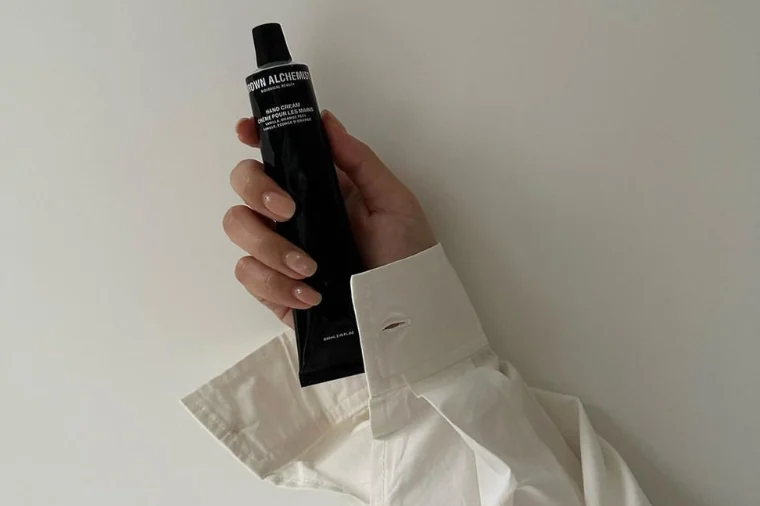
With brands such as Byredo, Grown Alchemist, Ouai and more, making waves in the industry, we’ve seen a shift from brands considering both aesthetics and quality of ingredients for the ultimate clean-girl skincare and beauty routine.

So if you’re looking for a minimalist skincare routine with clean products for an aesthetic vanity shelf, swipe through our guide of what to purchase next.

– For more on luxury lifestyle, news, fashion and beauty follow Emirates Woman on Facebook and Instagram

Images: Supplied & Feature Image: Instagram @__amberyang__

Tags: , , , ,
Award season prep: The hidden beauty treatments powering red carpet and on-screen looks | Entertainment News

Award season prep: The hidden beauty treatments powering red carpet and on-screen looks | Entertainment News

Award season prep: The hidden beauty treatments powering red carpet and on-screen looks

The red carpet is more than a photo op. It is the beauty industry’s most influential testing ground. Long before the stars arrive, a massive preparation cycle begins, setting the pace for global consumer behavior for the rest of the year. While the fashion usually takes the headlines, the real story is in the intensive skincare and wellness prep required to stand up to modern 8K cameras.

These hidden processes have shifted from exclusive studio secrets to a blueprint for the entire retail market. The scale of this influence is massive. According to a 2024 McKinsey & Company analysis, skincare is the industry’s powerhouse, representing 44% of the total market. This analysis from Sjolie, a professional sunless tanning manufacturer and training provider, looks at the specific, data-backed treatments—from cryotherapy to sunless tanning—that power today’s red carpet looks and eventually define what’s on the shelves for everyone else.

Sjolie

The Market Dominance of Dermal Hydration

Beyond couture, the primary aesthetic benchmark for the modern red carpet is “glass skin”—a trend that prioritizes high levels of dermal hydration to create a reflective, translucent finish. This movement, rooted in K-beauty principles, has fundamentally shifted consumer behavior away from matte finishes and toward “sheen” results.

The glass skin trend relies on a multistage regimen of hydrating serums and toners, but its primary economic impact is found in the “preventative” category. By emphasizing a healthy skin barrier and UV protection, the trend has captured a younger demographic—specifically Gen Z consumers—who view skincare as a long-term capital investment in their appearance rather than a temporary fix.

Consequently, the focus has pivoted toward long-term dermal health, treating the complexion as a vital asset that requires strategic, multilayered management rather than superficial coverage.

Prioritizing Dermal Integrity via Sunless Tanning

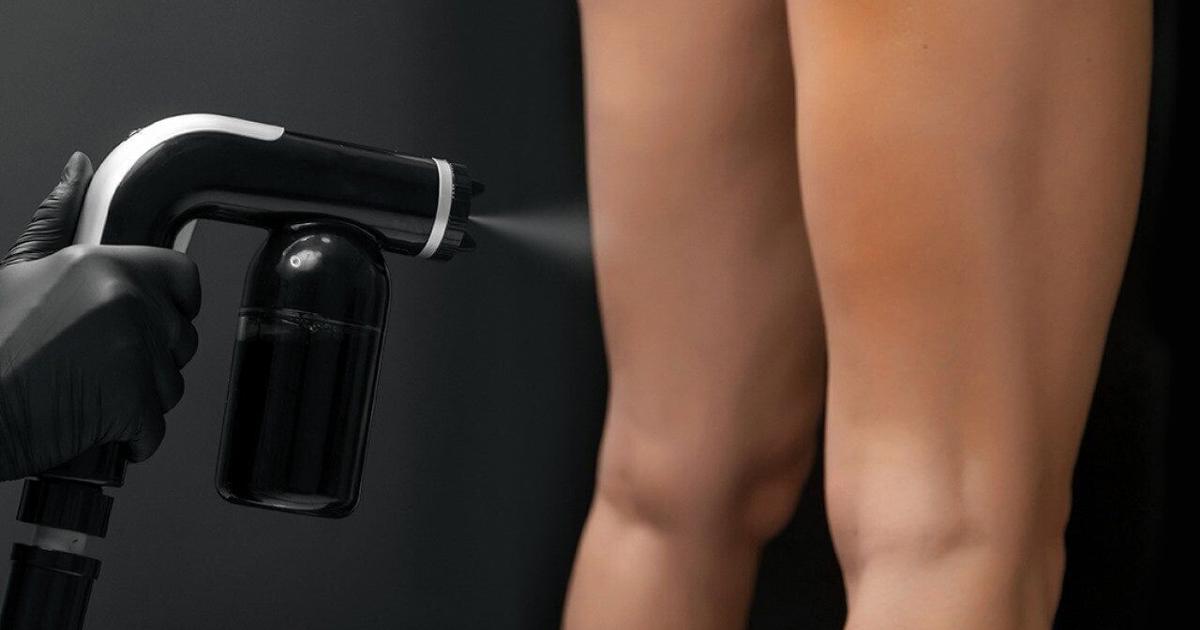
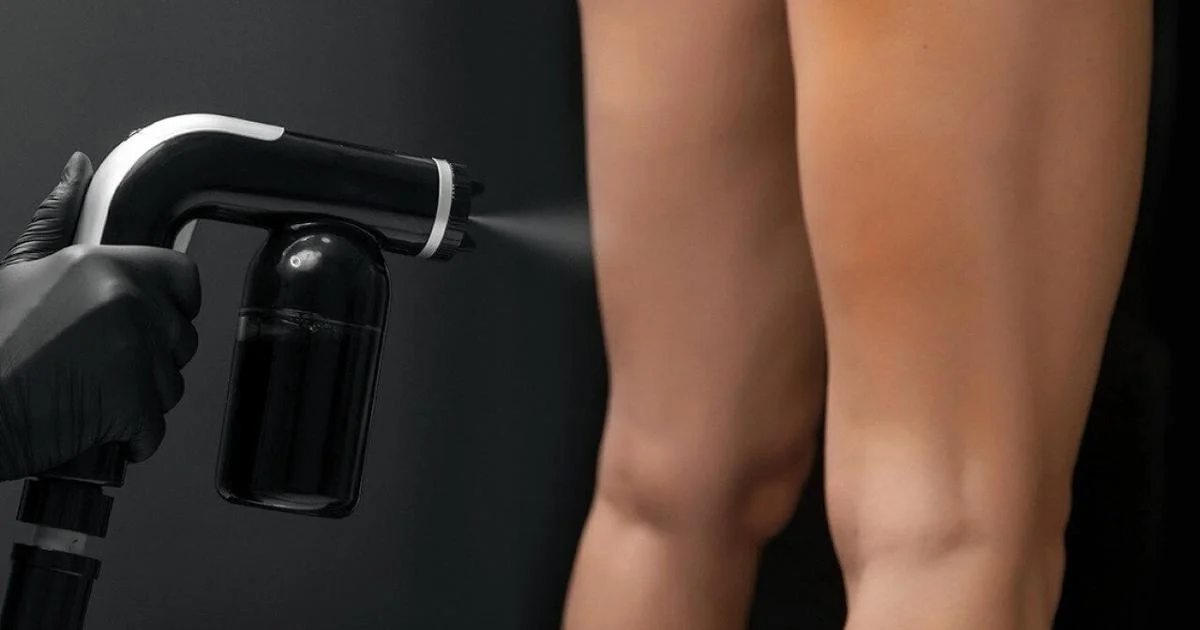
The movement toward “glass skin” has also triggered a significant shift in the tanning sector. As high-profile stars increasingly avoid the accelerated aging and DNA damage associated with UV exposure, sunless tanning has become the operational standard for achieving a “camera-ready” glow.

Average consumers now spend more on sunless tanning, with the market growing at 7% annually. Award show appearances and glowing skin in the movies aren’t solely responsible. This growth is driven by the speed of results—a “social media-friendly” efficiency that allows consumers to achieve aesthetic benchmarks without the weeks of exposure required by traditional methods. This shift treats the “tan” as a temporary, nondamaging cosmetic application rather than a result of solar radiation.

By treating the “glow” as a manageable variable rather than a product of environmental exposure, the industry has successfully decoupled the aesthetic of the tan from the hazards of radiation.

Cryotherapeutic Interventions and Lymphatic Drainage

To combat “utilization fatigue”—the physical puffiness caused by travel and high-stress schedules—celebrity stylists are increasingly turning to low-temperature interventions. This process, often referred to as “skin icing” or cryotherapy, serves as a high-efficiency primer for subsequent product application.

While professional cryofacials are common, the trend has trickled down to sustainable at-home solutions, such as reusable cooled eye masks and full-face immersion techniques. These methods utilize thermal shock to induce vasoconstriction, reducing inflammation and tightening the skin’s appearance instantly. For the consumer, these methods represent a low-cost, high-impact entry point into professional-grade prep routines.

The Normalization of ‘Prejuvenation’ and Minimally Invasive Procedures

It is impossible to evaluate award season aesthetics without addressing the role of cosmetic surgery. According to a 2024 American Society of Plastic Surgeons report, the rise of “prejuvination” (neuromodulator and soft tissue filler procedures) has seen a surge in patients in their 20s and 30s seeking preventative treatments.

The industry is also seeing a dissolution of the gender divide regarding these procedures. Market reports suggest that minimally invasive treatments, such as microfillers and neuromodulators (Botox), are increasingly utilized by male stars to manage sagging skin and maintain facial volume. This normalization suggests that cosmetic intervention is no longer viewed as a “last resort” but as a standard maintenance requirement for public-facing professionals.

Future Outlook: The Access Economy of Beauty

While red carpet invitations are limited to an elite few, the data suggests that the “red carpet look” is being democratized through retail accessibility. The move toward sunless tanning and high-science skincare reflects a broader consumer shift toward health-conscious aesthetics.

As transparency around cosmetic surgery increases and “sunless” technology continues to improve, the beauty industry’s reliance on award season as a marketing catalyst will only strengthen. For the modern consumer, the question is no longer about achieving “luxury” beauty, but about utilizing data-driven treatments to maintain dermal health in an era of constant digital scrutiny.

This story was produced by Sjolie and reviewed and distributed by Stacker.

Tags: , , , , , , , , , , ,
Princeton Medspa Partners ("PMP") Expands Its Portfolio with Acquisition of Allura Skin, Laser & Wellness Clinics

Rising Costs of ‘Natural Beauty’ Routines Prompt Shift Toward Long-Term Treatment Solutions

Subject: SVY

GREAT NECK, N.Y., April 21, 2026 /PRNewswire/ — As the natural beauty trend continues to gain momentum, a growing number of consumers are reassessing the true cost of maintaining minimalist skincare and grooming routines. Laser by Aleya reports that clients are increasingly questioning whether “low-effort” beauty approaches are actually leading to higher long-term spend.

While natural beauty routines often emphasize fewer products and simplified regimens, many clients still rely on ongoing maintenance such as shaving, waxing, and frequent product replacement. Over time, these recurring costs can add up, prompting a shift toward more structured, long-term solutions.

“We’re seeing clients take a closer look at what they’re spending over time,” said Aleya Bamdad, Founder and CEO of Laser by Aleya. “What seems simple on the surface can become time-consuming and costly when it requires constant upkeep.”

The Hidden Cost of Ongoing Maintenance

Laser by Aleya notes that clients who follow natural beauty routines often aim to reduce product use, but still depend on regular grooming practices to maintain results. This includes recurring expenses related to razors, waxing appointments, and skincare products designed to manage irritation or ingrown hairs.

As awareness grows, more clients are exploring alternatives that can reduce the need for continuous maintenance.

A Shift Toward Long-Term Solutions

The clinic reports increased interest in treatments such as laser hair removal and electrolysis, particularly among clients looking to streamline their routines. These treatments are being viewed as part of a broader effort to reduce repetitive grooming while maintaining consistent results.

Consultations at Laser by Aleya focus on helping clients understand the long-term value of different options, rather than only short-term costs.

Balancing Simplicity and Efficiency

The natural beauty movement continues to influence how clients approach skincare and grooming. However, Laser by Aleya notes that simplicity does not always mean lower cost or less effort.

Clients are increasingly seeking solutions that align both with their lifestyle and their long-term goals, combining simplified routines with treatments that address concerns more directly.

“Natural beauty should feel manageable, not demanding,” Bamdad added. “For many clients, that means finding solutions that reduce daily effort rather than adding to it.”

A More Informed Approach to Beauty Spending

The conversation around natural beauty is evolving as consumers become more aware of how time, cost, and results intersect. Laser by Aleya’s experience reflects a broader shift toward more informed decision-making, where clients evaluate both immediate convenience and long-term outcomes.

As this trend continues, the focus is expected to remain on efficiency, consistency, and clarity in how beauty routines are structured.

About Laser by Aleya

Laser by Aleya is a leading provider of professional New York laser and electrolysis hair removal services based in Great Neck. Founded by Aleya Bamdad, the clinic delivers personalized treatments supported by advanced laser technology and carefully selected beauty supplies. With over 20 years of experience, Laser by Aleya is committed to safety, education, and consistent results.

Contact

Aleya Bamdad
Founder & CEO
Email: [email protected]
Phone: (516) 551-8194

SOURCE Laser by Aleya

News published on 21 april 2026 at 16:00 and distributed by:

Tags: , , , , , , , , ,
Award season prep: The hidden beauty treatments powering red carpet and on-screen looks | Entertainment

Award season prep: The hidden beauty treatments powering red carpet and on-screen looks | Entertainment

Award season prep: The hidden beauty treatments powering red carpet and on-screen looks

The red carpet is more than a photo op. It is the beauty industry’s most influential testing ground. Long before the stars arrive, a massive preparation cycle begins, setting the pace for global consumer behavior for the rest of the year. While the fashion usually takes the headlines, the real story is in the intensive skincare and wellness prep required to stand up to modern 8K cameras.

These hidden processes have shifted from exclusive studio secrets to a blueprint for the entire retail market. The scale of this influence is massive. According to a 2024 McKinsey & Company analysis, skincare is the industry’s powerhouse, representing 44% of the total market. This analysis from Sjolie, a professional sunless tanning manufacturer and training provider, looks at the specific, data-backed treatments—from cryotherapy to sunless tanning—that power today’s red carpet looks and eventually define what’s on the shelves for everyone else.

Sjolie

The Market Dominance of Dermal Hydration

Beyond couture, the primary aesthetic benchmark for the modern red carpet is “glass skin”—a trend that prioritizes high levels of dermal hydration to create a reflective, translucent finish. This movement, rooted in K-beauty principles, has fundamentally shifted consumer behavior away from matte finishes and toward “sheen” results.

The glass skin trend relies on a multistage regimen of hydrating serums and toners, but its primary economic impact is found in the “preventative” category. By emphasizing a healthy skin barrier and UV protection, the trend has captured a younger demographic—specifically Gen Z consumers—who view skincare as a long-term capital investment in their appearance rather than a temporary fix.

Consequently, the focus has pivoted toward long-term dermal health, treating the complexion as a vital asset that requires strategic, multilayered management rather than superficial coverage.

Prioritizing Dermal Integrity via Sunless Tanning

The movement toward “glass skin” has also triggered a significant shift in the tanning sector. As high-profile stars increasingly avoid the accelerated aging and DNA damage associated with UV exposure, sunless tanning has become the operational standard for achieving a “camera-ready” glow.

Average consumers now spend more on sunless tanning, with the market growing at 7% annually. Award show appearances and glowing skin in the movies aren’t solely responsible. This growth is driven by the speed of results—a “social media-friendly” efficiency that allows consumers to achieve aesthetic benchmarks without the weeks of exposure required by traditional methods. This shift treats the “tan” as a temporary, nondamaging cosmetic application rather than a result of solar radiation.

By treating the “glow” as a manageable variable rather than a product of environmental exposure, the industry has successfully decoupled the aesthetic of the tan from the hazards of radiation.

Cryotherapeutic Interventions and Lymphatic Drainage

To combat “utilization fatigue”—the physical puffiness caused by travel and high-stress schedules—celebrity stylists are increasingly turning to low-temperature interventions. This process, often referred to as “skin icing” or cryotherapy, serves as a high-efficiency primer for subsequent product application.

While professional cryofacials are common, the trend has trickled down to sustainable at-home solutions, such as reusable cooled eye masks and full-face immersion techniques. These methods utilize thermal shock to induce vasoconstriction, reducing inflammation and tightening the skin’s appearance instantly. For the consumer, these methods represent a low-cost, high-impact entry point into professional-grade prep routines.

The Normalization of ‘Prejuvenation’ and Minimally Invasive Procedures

It is impossible to evaluate award season aesthetics without addressing the role of cosmetic surgery. According to a 2024 American Society of Plastic Surgeons report, the rise of “prejuvination” (neuromodulator and soft tissue filler procedures) has seen a surge in patients in their 20s and 30s seeking preventative treatments.

The industry is also seeing a dissolution of the gender divide regarding these procedures. Market reports suggest that minimally invasive treatments, such as microfillers and neuromodulators (Botox), are increasingly utilized by male stars to manage sagging skin and maintain facial volume. This normalization suggests that cosmetic intervention is no longer viewed as a “last resort” but as a standard maintenance requirement for public-facing professionals.

Future Outlook: The Access Economy of Beauty

While red carpet invitations are limited to an elite few, the data suggests that the “red carpet look” is being democratized through retail accessibility. The move toward sunless tanning and high-science skincare reflects a broader consumer shift toward health-conscious aesthetics.

As transparency around cosmetic surgery increases and “sunless” technology continues to improve, the beauty industry’s reliance on award season as a marketing catalyst will only strengthen. For the modern consumer, the question is no longer about achieving “luxury” beauty, but about utilizing data-driven treatments to maintain dermal health in an era of constant digital scrutiny.

This story was produced by Sjolie and reviewed and distributed by Stacker.

Tags: , , , , , , , , , ,
Beauty budgets are getting a reality check — but self-care still comes first

Beauty budgets are getting a reality check — but self-care still comes first

  • Self-care isn’t optional anymore: Many Americans are prioritizing beauty and wellness routines — even if it means cutting back on essentials like groceries or delaying other expenses.

  • Spending habits are shifting, not disappearing: Instead of giving up treatments, consumers are spacing out appointments, choosing more affordable options, and turning to DIY alternatives.

  • It’s about more than looks: For a growing number of people, beauty and wellness are tied to stress relief, confidence, and overall well-being — making them feel worth the cost, even in a tight economy.

For many Americans, beauty and wellness routines are no longer a “nice-to-have” — they’re part of how people cope, stay confident, and manage everyday stress. Even as costs rise and financial pressure builds, consumers aren’t walking away from self-care. Instead, they’re reshuffling their budgets to make it work.

New data from Zenoti reveals just how far people are willing to go: some are cutting back on groceries, delaying vacations, or even taking on debt to keep up with their routines. 

But the bigger trend isn’t about overspending — it’s about adaptation. From spacing out appointments to opting for DIY treatments at home, consumers are finding ways to maintain their routines without completely breaking the bank.

ConsumerAffairs spoke with Sudheer Koneru, CEO and Co-founder, at Zenoti to learn more about how this trend is reshaping not just how people spend, but how the entire beauty and wellness industry operates — signaling a future where flexibility, affordability, and personalization matter more than ever.

Making sacrifices for a beauty routine

Koneru broke down some of the biggest data points that surprised even the research team. Here’s a look at where consumers are making sacrifices for their beauty routines: 

  • 22% of respondents scaled back on groceries

  • 21% delayed medical or dental care 

  • 28% said they’d cut beauty spending before making major life expenses like home repairs, skipping savings contributions, and putting off vehicle maintenance for the same reason.

“That’s not reckless behavior,” Koneru said. “That’s a signal. When people protect something this fiercely, it means it’s doing something essential for them — managing stress, restoring confidence, maintaining a sense of self during uncertain times. 

“Beauty and wellness have always been about feeling good. Our data just confirms that people know it, even when their budgets don’t make it easy.” 

Impacting credit

Koneru also explained that these trends are affecting how shoppers are using their credit. 

“Our research found that 41% of consumers used credit cards for beauty and wellness in the past year, and nearly half said they’d be willing to take on debt to maintain their routines if they lost their primary income,” Koneru said. ‘ That’s not impulse spending. That’s a considered decision; the same kind people make about rent or health care, and points to a mindset shift where these services are seen as ongoing commitments vs. the occasional ‘treat yourself’ splurge.” 

Can you save money?

The short answer: yes. 

Zenoti’s research shows that many consumers (45%) are spacing out their appointments further in an effort to stretch their budgets. Additionally, about 33% are opting for more affordable treatments or options instead of ditching them entirely. Another option: DIY beauty treatments. 

Koneru said that there are plenty of ways for consumers to maintain their beauty routines while also being cost-effective. 

  • Switching from impulse buying to intentional spending

  • Switching to more affordable product alternatives – going from premium to drugstore brands 

  • Subscription boxes and at-home tools 

“The smartest savings often come from better guidance, not just cheaper products,” Koneru said. “We’ve seen that consumers who work closely with their provider — and use the right retail products to extend the benefits of their services at home — actually spend less over time. They stop cycling through products that don’t work and start investing in what does. That’s a conversation providers should be having at every appointment.”

Feeling good isn’t a luxury

Koneru says that these findings express something deeper about human perception: feeling good isn’t a luxury.

“More than three in five people told us that cutting back on beauty and wellness would make them more stressed, less confident, or worse off emotionally,” Koneru said. “That’s not a small thing; it’s infrastructure for daily life.

“Consumers are now behaving more like long-term planners, adjusting their frequency and spending, but staying committed to maintaining these routines. The broader takeaway for me is that in uncertain times, people don’t give up the things that make them feel like themselves. They find creative ways to hold onto them.”

Tags: , , , ,
Beauty meets science at wellness conference

Beauty meets science at wellness conference

 She also announced the launch of Elite Wellness Consultancy, aimed at supporting structured, ethical and commercially viable wellness enterprises.

HARARE, Apr. 20 (NewsDay Live) — A four-day Skin and Wellness Conference opened in Harare on Monday, bringing together more than 200 local and international delegates in a convergence of science, beauty and wellness.

The event, running until Thursday at a local hotel,, sets the tone for a more rigorous, ethics-driven industry dialogue where aesthetic practice is anchored in science and professional standards.

Organised by Elite Wellness Consultancy under the theme “Raising Professional Standards in Skin and Wellness,” the conference blends cosmetology, clinical insight and business strategy through keynote addresses, panels and masterclasses. Event director Nomsa Mlambo led proceedings, while founder Grace Zichawo — the driving force behind the initiative — positioned the platform as a catalyst for elevating Zimbabwe’s wellness sector.

In her keynote address, Zichawo urged practitioners to move beyond trends and prioritise knowledge, ethics and accountability. She stressed that professionalism requires scientific understanding, consistent service delivery and client-centred care.

 “Raising standards is not optional,” she said, calling on practitioners to prioritise safety over popularity in an era shaped by fast-moving social media trends.

 She also announced the launch of Elite Wellness Consultancy, aimed at supporting structured, ethical and commercially viable wellness enterprises.

The programme follows a deliberate progression, starting with foundational science and expanding into complex industry discussions. Pharmacist and health literacy advocate Reuben Kathumba highlighted the skin barrier as the body’s first line of defence, explaining how its disruption leads to sensitivity, dehydration and inflammation. He cautioned against over-exfoliation, harsh products and improper layering, stressing that effective treatment begins with a sound understanding of skin structure.

Medical-focused sessions underscored the risks of unregulated cosmetic procedures, warning that inadequate training can turn routine treatments into medical emergencies. The discussions reinforced the need for clear professional boundaries between aesthetic therapy and medical practice.

Addressing the intersection of science and consumer behaviour, Tendai Ngorima examined the growing tension between clinical credibility and social media influence. She pointed to the rise of ingredient-led skincare trends, often misunderstood by consumers, and urged practitioners to prioritise education and ethical consultation over profit-driven decisions.

Panels further explored the link between care and commerce. Moderated by Faustina Muswerakuenda, one discussion reframed retail as an extension of treatment, emphasising the role of home-care products in sustaining results. Another panel, led by Felisha Muzeya, focused on entrepreneurship, highlighting resilience, innovation and navigating sector challenges.

Speakers also outlined global trends shaping the industry, including integrated care models, personalised treatments and continuous professional development. Contributions from international training bodies such as VTCT Skills (ITEC Qualifications) reinforced the importance of globally benchmarked education standards.

Against the backdrop of a rapidly expanding global wellness economy, the conference highlights the growing emphasis on preventive health, skin integrity and holistic care. Such platforms are increasingly critical for knowledge exchange, professional alignment and maintaining competitiveness in a fast-evolving sector.

Award-winning film actor and producer Chiedza Kissa said the conference underscored the importance of informed skincare and wellness practices.

 “We should seek expert guidance rather than experimenting blindly with our skin and wellness. It’s inspiring to be among people committed to holistic health,” she said.

As the conference continues, delegates are expected to participate in hands-on tutorials and advanced masterclasses, reinforcing a shared commitment to excellence. The message running through the event is clear: true beauty is not only seen — it is understood, protected and practiced with integrity.

Related Topics

Tags: , , , ,
Best oLive
Privacy Overview

This website uses cookies so that we can provide you with the best user experience possible. Cookie information is stored in your browser and performs functions such as recognising you when you return to our website and helping our team to understand which sections of the website you find most interesting and useful.