Simple Summer Skincare Habits for Healthy, Glowing Skin in Hot Weather

Simple Summer Skincare Habits for Healthy, Glowing Skin in Hot Weather

As temperatures rise and humidity levels intensify during the summer months, skin often becomes more vulnerable to a range of concerns. Increased sweating, excess oil production, dehydration, and prolonged sun exposure can all affect skin health and appearance. Adapting a seasonal skincare routine becomes essential to maintain balance, comfort, and a natural glow throughout the hotter days.

Experts in skincare suggest that effective summer care does not require overly complex routines. Instead, it is about following a few consistent and practical steps that protect the skin while keeping it nourished and refreshed.

Daily Sun Protection for Skin Safety

One of the most important aspects of summer skincare is protecting the skin from harmful ultraviolet rays. Prolonged sun exposure can lead to tanning, pigmentation, premature aging, and uneven skin tone. Using sunscreen on a daily basis helps create a protective barrier against these effects.

Modern formulations such as lightweight and tinted sunscreens are increasingly preferred during summer. These products often combine sun protection with a subtle tone-evening effect, making them suitable for daily wear. Sweat-resistant options also ensure longer-lasting protection, even in humid and active conditions, helping the skin stay shielded throughout the day.

Importance of Hydration for Healthy Skin

Hydration plays a key role in maintaining skin health during the summer season. Higher temperatures can cause the skin to lose moisture more quickly, leading to dryness or an imbalance in oil levels. Ensuring adequate water intake helps support the skin’s natural elasticity and overall freshness from within.

Alongside internal hydration, external skincare choices also matter. Lightweight moisturisers, particularly gel-based formulations, are often recommended for warmer weather. These absorb quickly into the skin without leaving a heavy or greasy feel. They help maintain moisture balance while providing a cooling and soothing effect, especially for those with oily or combination skin types.

Cooling and Refreshing Skincare Ingredients

During hot weather, skincare products that include cooling ingredients can provide added relief. Natural elements known for their refreshing properties are often used in cleansers and body care products to help calm heat-stressed skin.

Ingredients such as watermelon extract and mint-based formulations are commonly associated with a cooling sensation that refreshes the skin. Similarly, eucalyptus-infused body washes are used to cleanse away sweat, dirt, and environmental impurities while maintaining the skin’s natural barrier. These ingredients help leave the skin feeling clean, refreshed, and balanced after exposure to heat and pollution.

Gentle Exfoliation for Smoother Skin

Exfoliation is another important step in summer skincare, but it needs to be done carefully. Mild exfoliation helps remove dead skin cells, unclog pores, and gradually reduce tanning caused by sun exposure. This results in smoother texture and a brighter appearance over time.

Natural exfoliating elements such as turmeric, sandalwood, and saffron are often included in skincare routines for their skin-enhancing properties. These ingredients are known to support a clearer complexion, reduce minor breakouts, and improve overall skin texture. However, gentle application is key, as excessive exfoliation during summer can lead to irritation or dryness.

Protective Clothing and External Care

Skincare during summer is not limited to products alone. External protection also plays a significant role in reducing skin damage. Wearing light-coloured and breathable clothing helps reflect sunlight and reduces heat absorption. Full-sleeved outfits made from airy fabrics offer additional protection against direct sun exposure.

Accessories such as scarves, hats, and sunglasses can further shield the face and sensitive areas from harsh sunlight. These simple adjustments contribute significantly to reducing tanning and long-term sun damage.

Building a Simple Summer Routine

Overall, summer skincare is most effective when it remains simple, consistent, and focused on protection and hydration. By combining sun protection, adequate hydration, cooling ingredients, gentle exfoliation, and smart clothing choices, it becomes easier to manage the challenges of hot weather.

A balanced approach ensures that the skin remains healthy, comfortable, and naturally radiant throughout the season, even under intense summer conditions.

Tags: , , , , , , , ,
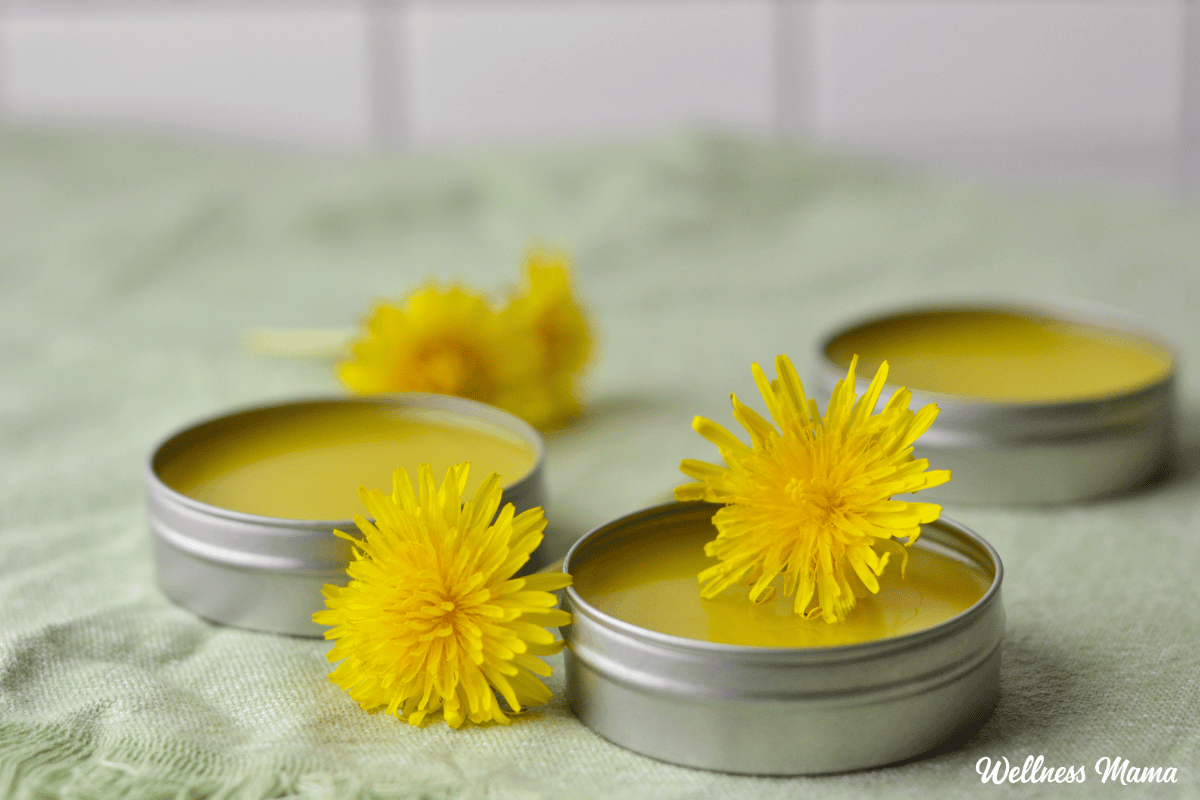
dandelion salve

How to Make Dandelion Salve (For Sore Muscles and Healthy Skin)

I’ve always had fun making my own lotions, balms, and salves. Not only are they affordable, but it’s a great way to have natural skincare readily at your fingertips. This dandelion salve is one of my latest creations. 

Dandelions boast so many health benefits, it’s a shame that so many people try so hard to get rid of them. The young spring leaves are great in salads. You can use the dried and roasted root as a coffee substitute. And the flower buds make delicious wine, jelly, and more. 

While many people use dandelion internally for liver health and its antioxidant effects, you can also use them topically. 

The Benefits of Dandelion Salve

It’s easy to find plenty of claims when it comes to dandelion salve. And while there isn’t a lot of research to back up those claims, there is plenty of historical use and anecdotal evidence. Here’s some of what the science does have to say.

Research from 2022 looked at dandelion essential oil’s effects on cancer and tumors. They found it had strong antioxidant properties and helped inhibit the growth and reproduction of cancer cells. This study was done on cells and mice in a lab, so more research is needed before coming to conclusions. However, the volatile oil in dandelion shows promise for keeping skin and cells healthy. 

Another study looked at dandelion seed oil specifically. They also found it had potent antioxidant power and inhibited cancerous cell growth. Antioxidants used on the skin, like a dandelion salve, have several health benefits, including:

  • help slow aging and cellular damage
  • improve hydration
  • reduce the appearance of wrinkles
  • stimulate collagen
  • support skin healing 

Traditionally, dandelion salve is used as a mild pain reliever and anti-inflammatory for achy joints and sore muscles. 

Other Ingredients to Brag About

Dandelion is great for so many things, but there are other really helpful ingredients in this salve too. I’ve included shea butter for it’s skin softening properties and to help thicken the salve. Indigenous healers have traditionally used shea butter for muscle aches and strains, arthritis, and healthier skin for many years.

Beeswax also helps thicken the salve and adds a protective layer over the skin. It helps the skin retain moisture, doesn’t clog pores, and has strong antioxidant properties to protect skin cells. Researchers note that beeswax by-products are a rich source of proteins, minerals, and polyphenols.

Essential Oils to Use in Dandelion Salve

Lastly, there are the optional essential oils. This salve works great without them, but they certainly add some powerful therapeutic benefits of their own. You can add muscle soothing essential oils like basil, marjoram, or frankincense. Frankincense is also a powerful skin protect. Lavender is another favorite for all sorts of skin complaints.

For this batch I used frankincense, turmeric, and spikenard essential oil.

How to Make Dandelion Salve

The first step is to get some dandelion flowers. You can find dandelion leaf for sale online, but this plant is also prolific in most backyards. Be sure to harvest from areas that are unsprayed by pesticides and herbicides and not where dogs do their business. Dandelions have long tap roots that are great at soaking up nutrients… and toxins from the soil. 

Most recipes (and this one) use dandelion flowers, but dandelion leaf also has many of the same benefits if its all you can find.

Dry the Dandelions

Once you’ve procured some dandelion flower tops, it’s time to dry them. Some people recommend rinsing the dandelions first, however they tend to clump and get soggy. You can simply lay them out on a clean towel and inspect for any bugs, or wash them off. 

Let them air dry on a clean tea towel for several days until they’re wilted and no longer moist. This works best in a warm, sunny spot. It’s important to dry the flowers to help prevent the oil from getting moldy from water moisture. 

Dandelion Infused Oil

Once the dandelions are completely dry, it’s time to infuse them in oil. Place the dandelion heads into a clean, dry, 8 ounce (or larger) glass jar. Fill the jar about halfway to two-thirds with the dandelions. 

Next, pour your liquid oil of choice on top. Olive oil, avocado oil, and sweet almond oil are some good choices. Coconut oil can work if you make sure it stays in a warm location so the coconut oil doesn’t solidify. Be sure the dandelions are covered, secure the lid on the jar, and let it infuse for several weeks in a sunny spot.

Want a faster method? Check out my guide for how to infuse herbal oils here, including faster infusions. Once infused, use several layers of cheesecloth to filter out the flowers and reserve the oil. This is the oil you’ll use in the dandelion salve recipe. 

Ready to make it? Here’s how! 

DIY Dandelion Salve Recipe

This easy salve recipe uses the humble dandelion for soothing sore muscles, achy joints, and protecting skin.

Prep Time3 minutes

Active Time12 minutes

Cooling Time1 hour

Total Time1 hour 15 minutes

Yield: 5 ounces

Author: Katie Wells

  • In the top of a double boiler or glass bowl add the dandelion oil, shea butter, and beeswax. Heat over medium heat and stir occasionally until completely melted.

  • Once melted turn off the heat and stir in the essential oils and vitamin E oil if using.

  • Immediately pour the salve into glass jars or tins.

  • Put the salve in the fridge to cool until firm, about 1 hour.

Store in a cool, dry place. This salve will last for up to a year when stored properly. Throw it away if the oil starts to smell off or rancid.

More Salve Recipes

Here are some more salve recipes I’ve made over the years to try your hand at.

Have you ever made your own DIY recipes with dandelions before? Leave a comment and share below!

Tags: , , , , ,
1 (1)

7 Korean Lifestyle Habits For Youthful Skin And Healthy Living

Korean beauty goes far beyond skincare products. It reflects a holistic lifestyle rooted in consistency, balance, and self-care. Additionally, the global fascination with Korean lifestyle habits thrives as they include a holistic, preventative approach to wellness and prioritise long-term health over temporary fixes. From famous skin care routines and dietary staples such as probiotic-rich kimchi to disciplined daily rituals, these habits support radiant skin and long-term health. If you want a natural glow that lasts, these Korean lifestyle practices offer a practical and effective approach.

1. Follow A Consistent Skincare Routine

Koreans prioritise daily skincare with gentle, layered routines, with the foundational two-step process. They cleanse with an oil-based cleanser followed by a water-based cleanser. Further, they follow a layered hydration with the ‘7-Skin Method’ by applying toner twice, allowing each layer to fully absorb and seal it with a lightweight moisturiser, which hydrates and protects their skin without fail. Consistency helps maintain hydration, prevent premature ageing, and improve skin texture over time.

ALSO READ- Potato Juice Mask vs Tomato Mask: Which Is Best To Remove Tanning?

2. Eat Skin-Friendly Foods

A Korean diet includes fermented foods like kimchi, doenjang (soybean paste), cheonggukjang (fermented soybeans), fresh vegetables, and nutrient-rich soups. These foods improve gut health, which directly affects skin clarity and overall wellness.

3. Stay Hydrated Throughout The Day

Korean culture encourages frequent water intake and hydrating teas, including barley tea (boricha) and corn tea (oksusu-cha), and avoiding caffeine-rich beverages. Filled with antioxidants, these teas ensure proper hydration, which keeps the skin plump, flushes out toxins, and supports bodily functions.

4. Practise Sun Protection Daily

People in Korea use sunscreen every day, regardless of the weather. Treated as a daily necessity, this habit protects the skin from harmful UV rays, preventing pigmentation, premature wrinkles, and sun damage. Usage of parasols or hats is also common for physical protection.

ALSO READ- Top 5 Korean Sunscreens You Need For Glass Skin This Summer

5. Focus On Gentle Skincare Over Harsh Treatments

Instead of aggressive treatments, Koreans prefer soothing and nourishing products. This approach protects the skin barrier and reduces long-term damage.

6. Prioritise Sleep And Rest

Adequate sleep allows the skin to repair itself. Korean beauty culture values rest as a key factor in achieving a naturally glowing complexion, along with traditional steamy showers with gentle facial and neck massages.

7. Embrace Facial Massage And Circulation

Facial massages improve blood circulation and promote lymphatic drainage. This habit helps reduce puffiness and enhances natural radiance.

For more such stories, follow HerZindagi!

Image Credit: Freepik

Tags: , , , , , ,
Skincare Mistakes to Avoid for Healthy, Clear Skin

Skincare Mistakes to Avoid for Healthy, Clear Skin

Lifestyle

-Oneindia Staff


Updated: Sunday, April 19, 2026, 8:54 [IST]

Many skincare problems come from daily habits, not bad luck. Common skincare mistakes can cause dull skin, acne, dark spots, or dryness. Small fixes can support healthy, clear skin. Focus on gentle cleansing, steady moisturising, and daily sun protection. Also watch how you use active products like retinol and acids.

Washing your face too often is a common skincare mistake. It can strip natural oils and weaken your skin barrier. This may lead to tightness, more oil, and breakouts. Cleanse twice a day, and after heavy sweat. Use lukewarm water, not hot water.

Many skincare problems like dullness and acne arise from daily habits such as overwashing, harsh products, skipping moisturizer or sunscreen, and improper makeup removal, which can be corrected with gentle cleansing, consistent moisturizing, and daily SPF.

Strong soaps and rough scrubs can irritate skin. They can also make redness and acne worse. Choose a mild cleanser that suits your skin type. For oily skin, avoid “squeaky clean” feels. For dry skin, pick a creamy, non-drying face wash.

Many people skip moisturiser to avoid oily skin. This can backfire and trigger more oil. Moisturiser helps reduce water loss and supports the barrier. For healthy, clear skin, use a light, non-comedogenic moisturiser if you get acne.

Using a heavy cream on very oily skin may clog pores. Using a very light gel on very dry skin may not be enough. Match texture to your needs. If skin feels tight after cleansing, moisturise within a few minutes to lock in moisture.

Not using sunscreen every day

Skipping sunscreen is one of the biggest skincare mistakes. UV rays can cause tanning, dark spots, and early lines. They can also worsen acne marks. Use a broad-spectrum SPF 30 or higher each day. Apply it even on cloudy days and indoors near windows.

Using too little sunscreen reduces protection. Apply enough to cover face and neck. Reapply when you are outdoors for long hours. If you sweat a lot, reapply more often. Sunscreen should be the last step of morning skincare, before makeup.

Over-exfoliating and using too many actives

Exfoliation can help with clogged pores and dullness. Too much can harm the barrier and cause burning. This may lead to more pimples and peeling. Avoid using scrubs daily. If you use acids, start slow and watch for irritation.

Mixing many strong actives is another common mistake. Using retinol, AHA, BHA, and benzoyl peroxide together can be harsh. Keep routines simple. Add one active at a time. Use it a few nights a week, then increase only if skin stays calm.

Picking, popping, and touching the face

Popping acne can push germs deeper into skin. It can cause swelling and dark marks. It may also leave scars that take long to fade. If you get painful pimples, use spot treatment. For frequent acne, consider a dermatology visit.

Touching your face often can spread oil and dirt. This can block pores and trigger breakouts. Keep hands away from the face during the day. Clean your phone screen often. Change pillowcases on a regular schedule, since they collect oil and sweat.

Using products without patch testing

Trying new skincare without a patch test can lead to rashes. Fragrance, essential oils, and strong actives may irritate. Patch test on a small area first. Wait at least 24 hours to check for redness, itching, or bumps before full use.

Do not change many products at once. If you react, it becomes hard to know the cause. Keep a simple routine for two weeks. Then add one new item. This helps you build a routine for healthy, clear skin with fewer surprises.

Not removing makeup properly

Sleeping with makeup is a major skincare mistake. It can trap oil and dirt in pores. This may lead to blackheads and dull skin. Remove makeup before bed. Use a gentle remover or cleansing balm, then follow with a mild face wash.

Rubbing hard to remove makeup can irritate skin. Be gentle around the eyes. Use soft cotton or clean hands. If you use waterproof products, choose a remover made for them. Clean makeup brushes often to reduce bacteria and acne flare-ups.

Ignoring skin type, climate, and consistency

Copying a friend’s routine may not suit your skin. Oily, dry, and sensitive skin need different care. Weather also matters in India, since heat and humidity can increase sweat and oil. Choose products based on your skin type and how it feels.

Changing products too quickly is another common issue. Skincare takes time, especially for acne marks. Use a routine for several weeks unless you have irritation. Keep steps basic: cleanse, moisturise, and sunscreen. Add treatment steps only when needed and tolerated.

Tags: , , , , ,
Summer Skincare Habits for a Healthy Glow

Summer Skincare Habits for a Healthy Glow

Lifestyle

-Oneindia Staff


Updated: Sunday, March 22, 2026, 8:39 [IST]

Summer heat, strong sun, and sweat can affect skin fast. Simple skincare habits can help you keep a healthy glow all season. Focus on sun protection, gentle cleansing, light moisture, and steady care. Choose products that suit your skin type and local weather. Stay regular, since small daily steps work better than big changes.

Sunscreen is the main summer skincare habit. Use a broad-spectrum SPF 30 or higher on all exposed skin. Apply it as the last step of your morning routine. Do not forget the ears, neck, and the back of the hands. If you have oily skin, choose a gel or light lotion.

Essential summer skincare involves consistent use of broad-spectrum SPF 30+ sunscreen, gentle cleansing, light moisturising, and managing sweat to prevent breakouts and maintain a healthy complexion.

Put on enough sunscreen to cover your face and neck well. Many people use too little, so the protection drops. Apply it 15 to 20 minutes before going out. If you stay indoors near a sunny window, sunscreen still helps, as light can reach your skin.

Reapply sunscreen every two to three hours when outdoors. Do it sooner if you sweat a lot or wipe your face. Water-resistant sunscreens can help, but they still need reapplication. A hat, sunglasses, and shade add extra support, especially during strong midday sun.

Cleanse gently, not harshly

In summer, sweat, dust, and sunscreen can build up. Wash your face twice a day with a mild cleanser. Avoid hot water, as it can dry the skin. If you wear makeup, remove it before cleansing. Do not scrub hard, even if the skin feels oily.

If you feel the need to wash more often, use plain water or a gentle face wash. Too much cleansing can strip natural oils. This may lead to more oil and more breakouts. After cleansing, pat dry with a clean towel. Do not rub the skin.

Moisturise to protect the skin barrier

Many people skip moisturiser in summer, but skin still needs it. Use a light, non-greasy moisturiser. Look for ingredients like glycerin or hyaluronic acid for hydration. If your skin is oily, choose an oil-free formula. Apply moisturiser while the skin is slightly damp.

Exfoliate with care

Exfoliation can help remove dead skin, but do not overdo it in summer. Over-exfoliation can cause redness and more sun sensitivity. Keep it to one or two times a week, based on your skin type. Choose gentle acids or mild scrubs, and stop if skin stings.

Add simple brightening support

For a more even look, some people use vitamin C in the morning. It can support brightness and help with dullness. Use a small amount and follow with sunscreen. If you have sensitive skin, patch test first. Keep products in a cool, dry place.

Manage sweat and breakouts

Sweat can mix with oil and clog pores. If you get acne in summer, use non-comedogenic skincare and makeup. Shower soon after heavy exercise. Avoid touching your face with unwashed hands. If you use acne treatments, start slow to reduce dryness and peeling.

Do not forget body skincare

Body skin also faces sun, sweat, and dryness. Use sunscreen on arms, legs, and feet when outdoors. After a shower, apply a light body lotion to prevent rough patches. Pay attention to areas that rub, like inner thighs. Choose breathable clothing to lower irritation.

Care after sun exposure

If your skin feels warm or tight after being outside, cool it down. Rinse with cool water and apply a simple moisturiser. Avoid strong actives on irritated skin for a day or two. If you get frequent sunburn, review your sunscreen use and your time in direct sun.

Protect lips, eyes, and hands

Lips can dry and darken in strong sun. Use a lip balm with SPF and reapply often. For the eye area, wear sunglasses and avoid rubbing. Hands show sun damage early, so apply sunscreen there too. These small areas are easy to miss in daily skincare.

Keep a steady night routine

Night care helps skin recover from daytime stress. Cleanse well to remove sunscreen and dirt. Use a light moisturiser to support repair. If you use actives like retinoids, use them only if your skin tolerates them. Always follow product directions and avoid mixing too many new items.

Support skin with daily habits

Skincare also depends on daily choices. Drink enough water through the day, especially in heat. Try to sleep at a regular time, as tired skin can look dull. Eat a balanced diet with fruits and vegetables for key nutrients. If you are outdoors often, plan shade breaks.

  • Gold Silver Rate Today, 22 March 2026: City-Wise Prices, MCX Gold Stable In India Despite Global Price Fall

  • 3,000+ Private Videos! Gujarat Doctor Booked For Installing Spy Camera In Clinic

  • IPL 2026 CSK Festival: Check Time For Chennai Super Kings Roar26 Fan Event At Chepauk

  • Hyderabad Gold Silver Rate Today, 22 March 2026: Gold Remains Weak, Silver Slips Further In City

  • Gold Rate Today 22 March 2026: Fresh IBJA Benchmark Prices, Tanishq, Kalyan, Malabar, Joyalukkas Rates

  • Bangalore Gold Silver Rate Today, 22 March 2026: Gold and Silver Prices Fall as Hawkish US Fed Outlook Limits

  • Trump Issues 48-Hour Ultimatum to Iran Over Strait of Hormuz, Warns of Power Plant Strikes

  • LPG Price Today: Check Latest LPG Rates In Delhi, Mumbai, Chennai, Kolkata

  • Hyderabad Weather Alert: IMD Issues Yellow Alert For Thunderstorms, Lightning Till March 25

  • Who is KC Tyagi? Veteran Leader Makes Political Shift to RLD

  • Last Day To Apply For PAN Card: Final Chance For Easy Aadhaar-Based Application Before March 31 Deadline

  • Pakistan Ex-Envoy’s Statement On Bombing India Raises Alarm Amid Middle East Tensions

Tags: , , , ,
Cricket in L1

Try these 7 vitamin C-infused creams and moisturisers for improved skin texture and a healthy summer glow

Our skin goes through a lot every single day. From sun exposure and pollution to experiencing stress and going through late nights, all our lifestyle habits show up on our face as dullness, uneven tone, and tired-looking skin. That’s where creams infused with Vitamin C step in like our daily dose of brightness. Packed with powerful antioxidants, these creams don’t just hydrate your skin; they help revive its natural glow, fade dark spots, and protect it from everyday damage.

Vitamin C infused creams for brighter looking skin (Adobe Stock)

Shweta Pandey is a seasoned lifestyle content writer with over a decade of experience. Her expertise spans across makeup, skincare, hair care, health & fitness, and home décor, where she combines creativity with practical insights to craft relatable and impactful content.
Driven by curiosity and a love for storytelling, Shweta has built a reputation for making lifestyle topics approachable and inspiring. Beyond her writing desk, she enjoys exploring new destinations, experimenting in the kitchen with delightful recipes, and staying in tune with the latest beauty and wellness trends.

Read moreRead less

This is the reason investing in a cream or moisturiser infused with vitamin C becomes crucial, especially during the sweltering summer heat.

Benefits of Vitamin C in skincare

  • Brightens skin tone and enhances natural glow
  • Reduces dark spots and pigmentation
  • Boosts collagen production for firmer skin
  • Protects skin from environmental damage such as pollution and UV exposure
  • Improves skin texture and overall complexion

Top vitamin C-infused creams and moisturisers

Dr Sheth’s Ceramide & Vitamin C Oil‑Free Moisturiser is best for hydrating your skin while keeping it fresh and lightweight. It contains ceramides along with vitamin C to support healthy, radiant, brighter-looking skin. This moisturiser has an oil-free gel-cream texture that absorbs quickly without leaving a greasy film, making it suitable for oily and combination skin types. Regular use of this cream helps reinforce the skin barrier, reduce dullness, and maintain balanced hydration throughout the day. Fragrance-free and non-sticky, it works well under sunscreen or makeup for everyday skincare routines.

Reasons to buy

Helps repair and strengthen the damaged skin barrier

Lightweight, oil-free, suitable for oily skin

Promotes brighter and healthier-looking skin

Reason to avoid

Mild stinging is expected for sensitive skin

Not suitable for dry skin

Customer Feedback: Customers appreciate its lightweight, gel-like texture and glow effect. However, it is not suitable for people with extremely dry skin.

Our Principles

Full Transparency

Every product review clearly lists the Pros and Cons, giving you a balanced view.

Brand Confidence

We focus on products from brands with a proven reputation and long-standing market trust.

Aqualogica Glow+ Hydra Gel Moisturizer is a refreshing gel moisturiser that deeply hydrates the skin while giving it a healthy glow. This cream is enriched with vitamin C and papaya extracts that help brighten dull skin and improve skin radiance over time. Its lightweight gel texture absorbs quickly and feels comfortable on the skin, especially in hot and humid weather. This cream makes a great everyday moisturiser for people with normal to oily skin.

Reasons to buy

Hydrating gel texture

Lightweight and fast absorbing

Suitable for oily or combination skin

Reason to avoid

Fragrance may not suit sensitive users

Might not suit very dry skin

Customer Feedback: This cream is highly rated for lightweight hydration. In fact, many users like the fresh glow it offers. However, it might feel slightly dry for people with dehydrated skin types.

Himalaya Brightening Vitamin C Orange Serum Cream combines the benefits of a serum and a cream in one product. Made with Vitamin C derived from orange extracts, this cream helps brighten the skin and reduce dullness caused by pollution and daily environmental stress. Its lightweight formula hydrates the skin while supporting a more even skin tone and smoother texture. Its antioxidant properties also help protect the skin from free radical damage. This cream gets absorbed quickly and leaves the skin soft without feeling greasy, making it suitable for normal to combination skin types.

Reasons to buy

Serum-infused brightening cream

Light daily moisturiser

Reason to avoid

A mild fragrance might not be suitable

Brightening results may take time

Customer Feedback: Customers like its gentle formula and pleasant citrus scent. Many mention soft skin after regular use. However, some expected faster brightening results.

Garnier Bright Complete Vitamin C Serum UV Cream is a convenient all-in-one product that works as a serum, moisturiser, and sun protection cream. Powered by vitamin C and lemon extracts, it helps reduce dullness and the appearance of dark spots while brightening the skin. Its lightweight formula spreads easily and provides UV protection to help prevent pigmentation. With regular use, it can help improve overall skin clarity and radiance.

Reasons to buy

Budget friendly

Infused with brightening ingredients

Multi-benefit formula (serum + cream + UV protection)

Reason to avoid

Contains fragrance

Not a substitute for high SPF sunscreen

Customer Feedback: Customers report a visible glow after a few weeks and love its lightweight feel. However, it might feel mildly sticky in humid weather.

Lakme Vit C Brilliance Day Cream is designed to bring life back to dull and tired-looking skin. Infused with Vitamin C, this cream helps brighten your complexion while keeping the skin hydrated throughout the day. This cream has a smooth texture that blends easily into the skin and works well under makeup. With consistent use, it can help improve skin tone, softness, and natural radiance. It’s a good option for daily wear, especially for people with busy lifestyles who want simple yet effective skincare.

Reasons to buy

Enhances natural glow

Works well under makeup

Trusted cosmetic brand

Reason to avoid

May not suit acne-prone skin

Limited sun protection

Customer Feedback: Customers like the soft finish and glow this moisturiser gives. It is a perfect fit for daily wear. However, some feel the hydration is moderate.

Pilgrim 5% Vitamin C Brightening Serum Sunscreen SPF 50+ PA++++ offers strong sun protection while also providing the brightening benefits of Vitamin C. This hybrid formula works both as a sunscreen and a skincare product, while reducing dullness and uneven tone. Its lightweight texture absorbs quickly and does not leave a heavy or sticky feeling. With regular use, it helps maintain healthy, radiant skin while protecting it from sun damage and pigmentation.

Reasons to buy

Lightweight serum-like feel

Vitamin C brightening benefits

High SPF protection

Reason to avoid

May not be suitable for sensitive skin

Slight shine on oily skin

Customer Feedback: This cream is highly appreciated for its strong sun protection. Many users love its serum-style lightweight texture and glow. However, it might not suit people with sensitive skin.

PHD Vitamin C Brightening Moisturiser is a nourishing moisturiser designed to hydrate and brighten the skin at the same time. Enriched with antioxidant Vitamin C, it helps reduce dullness and improve overall skin brightness. The lightweight formula absorbs easily and leaves the skin feeling soft and comfortable without heaviness. With regular use, it can help protect the skin from environmental stress like pollution. It’s a simple and effective addition to a daily skincare routine for maintaining healthy, glowing skin.

Reasons to buy

Hydrating daily moisturiser

Vitamin C antioxidant support

Simple routine friendly

Reason to avoid

Brightening results vary by user

Slightly pricey

Customer Feedback: Customers like the hydration and smooth texture this cream offers, and some say it improves skin softness. However, some find it slightly pricey compared to other vitamin C creams.

Comparison Table

ProductFinishBenefitsDr Sheth’s Ceramide & Vitamin C Oil – Free MoisturizerLightweight, brightens skinBest for oily skin, brightens and hydrates skinAqualogica Glow+ Hydra Gel MoisturiserFresh gel finishHydration, glow boost, lightweight feelHimalaya Brightening Vitamin C Orange Serum CreamSoft cream finishBrightening, mild hydrationGarnier Bright Complete Vitamin C Serum UV CreamSmooth semi-matteBrightening, dark spot care, light UV protectionLakme Vit C Brilliance Day CreamSoft radiant finishGlow enhancement, daily moisturizationPilgrim 5% Vitamin C Brightening Serum Sunscreen SPF 50+ PA++++Serum-like finishBrightening + high SPF protectionPHD Vitamin C Brightening MoisturiserLightweight creamHydration and dullness reduction

Disclaimer: This article has been created in partnership with Honasa(MamaEarth). The first two products listed in this article are sponsored, and the others are in no particular order of priority. At Hindustan Times, we help you stay up-to-date with the latest trends and products. Hindustan Times has an affiliate partnership, so we may get a part of the revenue when you make a purchase. We shall not be liable for any claim under applicable laws, including but not limited to the Consumer Protection Act, 2019, concerning the products. Consult a doctor before using any products.

Tags: , , , , , , , , ,
DIY Ayurvedic Shampoo for Strong, Healthy Hair

DIY Ayurvedic Shampoo for Strong, Healthy Hair

My journey to creating homemade shampoo involved a lot of trial and error. There were countless mixtures of liquid castile soap, coconut milk, essential oils, and the occasional splash of olive oil – all of which left my scalp and hair a confused mix of dry, oily, and limp.

Eventually I created this pure coconut oil shampoo bar, which worked beautifully for many years.

Until it didn’t.

Why My Hair Routine Needed a Reset

Over the past year or so, my scalp started changing in ways I didn’t expect. Hormonal shifts during perimenopause can make the scalp more reactive and sensitive, and almost overnight my old routine – which I had used for many years without issue – suddenly started making my scalp itch.

Nothing seemed to help – not my shampoo bar, not the non-toxic, professionally formulated shampoos I tried, and not changing how frequently I washed.

So I started experimenting again.

That eventually led me to the Ayurvedic hair mask recipes I shared recently → you can find them here.

They soothed my scalp and left my hair feeling soft and light, but they also had a couple of drawbacks: they could be a little messy to apply (and sometimes left me rinsing the shower afterward), and they took a bit of time to wash out completely. If I rushed it, I’d sometimes find a little dried mask in my hair later.

So I began experimenting with a simplified version that could be used more like shampoo.

The result is the recipe below.

It takes a little preparation, but it’s still very simple overall and rinses out easily, with no extra cleanup needed.

Is This Really Shampoo?

Sometimes when I share a recipe, like this gluten-free “cornbread,” I’ll get a few comments saying “but that doesn’t have any corn in it!” And it’s true.

I love corn, but it doesn’t love me back, so I developed the recipe to get as close to the taste and texture of cornbread as possible without actually using corn. That’s what the quotation marks are for: it’s cornbread-ish, but not technically cornbread.

So . . . is this really shampoo?

Oddly enough, yes.

In fact, some variation of this recipe is very close to the original shampoo.

The earliest forms of shampoo were likely developed in ancient India – sometime during the Indus Valley Civilization – by boiling herbs such as soapberries (reetha), shikakai – which literally translates to “fruit for hair” – and Indian gooseberry (amla), all ingredients that appear in this recipe.

The word shampoo itself comes from the Hindi word chāmpo, meaning “to massage” or “to press.” British traders encountered the practice of hair washing and scalp massage in India and eventually brought “champing” to Europe in the 1700s.

A Simple Herbal “Hair Tea”

This recipe doesn’t have the thick, goopy texture of commercial shampoo – some people even describe it as a “hair tea.”

However, the herbs in this blend are well known for helping to cleanse, moisturize, and volumize hair.

Several contain saponins, which are natural plant compounds that act as mild surfactants – gently lifting away dirt and oil. That’s why this recipe creates suds – but not the dramatic foam that commercial detergents produce.

So while it may feel unusual compared with modern shampoo and doesn’t lather the way most of us are used to, it actually resembles the original versions much more closely.

And in my experience, it cleans hair just as well – better, in fact. My hair feels light, soft, and shiny, without the buildup that many modern shampoos can leave behind.

And unlike some DIY shampoo formulas, this recipe is completely beginner-friendly.

No complicated formulation.
No soapmaking skills required.

Just herbs, hot water, and something to strain with.

A Quick Note About Hair Color

Amla and shikakai have traditionally been used as natural pigment enhancers, meaning they may gradually deepen hair color over time.

I naturally have very dark hair and haven’t noticed any change in color.

However, if you have lighter hair (and want to keep it that way), you may want to:

  • omit the amla powder
  • reduce the shikakai slightly
  • increase the reetha powder a bit

One thing to keep in mind, though, is that reetha contains more natural saponins than shikakai and provides stronger cleansing, so too much can feel slightly drying.

Experiment and Find What Works for You

Everyone’s hair is a little different, so think of this recipe as a starting point rather than a rigid formula.

It’s what works best for my hair after a lot of trial and error, but you should feel completely free to adjust it based on what your hair needs.

If your hair tends to feel dry, try adding a little more aloe or amla. If it leans oily, you can increase the reetha slightly.

A little experimenting goes a long way, so feel free to play with the ratios and see what your hair loves most.

About the Ingredients

Here’s a quick look at what each ingredient brings to the recipe.

Shikakai Powder
Shikakai (Acacia concinna) has been used in Ayurvedic hair care for centuries as a gentle cleanser and conditioner. It contains natural saponins that help remove light buildup without stripping the scalp’s natural oils, and may help create the conditions that allow your natural hair growth cycle to function more optimally.

Many people find it leaves hair soft, smooth, and easy to detangle. It’s also a traditional Ayurvedic remedy for dandruff. One important note: avoid getting shikakai in your eyes, as it can be very irritating.

Reetha (Soapnuts)
Also called soapberry or soapnut, reetha is one of nature’s richest sources of saponins. In traditional hair care it’s often paired with shikakai to balance cleansing with conditioning.

Flax Seeds or Fenugreek Seeds
These seeds release a natural gel when steeped in hot water. That gel adds slip and conditioning to the shampoo, making it easier to spread through the hair. I prefer flax seeds in this recipe, but fenugreek also has a long history in Ayurvedic hair care for supporting scalp health and helping hair feel stronger.

Aloe Vera Powder
Aloe adds hydration and conditioning while helping soothe irritated scalps. It can also add a little shine and smoothness to the hair.

Amla Powder
Amla (Indian gooseberry) is rich in antioxidants and is traditionally used in Ayurvedic hair care to support scalp health and enhance shine.

Two Ways To Make This Herbal Shampoo

You can make this shampoo two different ways depending on how strong or thick you want it to be.

Method 1 is the simplest version. It uses boiling water to extract the beneficial compounds from the herbs and works well for most people.

Method 2 simmers the herbs on the stovetop, which pulls out more of the natural saponins and the moisturizing gel-like compounds released by the seeds. The result is a slightly thicker, more “activated” shampoo that some people find provides a little more cleansing or conditioning power.

DIY Natural Shampoo Recipe

Here’s how to make your own shampoo with Ayurvedic herbs and hot water.

Prep Time 5 minutes Cook Time 20 minutes Cooling time 30 minutes Total Time 55 minutes

Author Heather Dessinger, FDN-P

Method 1: Quick Infusion (No Stovetop)

  • Line a mason jar or measuring cup with a nut milk bag. If you don’t have one, you can use a mesh strainer and cheesecloth to strain it after infusion.

  • Place the shikakai powder, reetha powder, and flax seeds inside the nut milk bag.

  • Bring 1¼ cups water to a boil, then pour it over the herbs and stir to combine.

  • Allow the mixture to cool for about 20 minutes, then stir in the aloe vera powder and amla powder if using.

  • Let the mixture infuse for another 10 minutes.

  • Strain through the nut milk bag. If you don’t have one, you can also strain by pouring the mixture over bowl that contains a mesh strainer lined with cheesecloth.

  • Once it has fully cooled, your shampoo is ready to use.

Method 2: Simmered Herbal Shampoo (Stovetop)

  • Place the shikakai powder, reetha powder, and flax seeds in medium pot. Add 1.5 cups water and stir to combine.

  • Bring mixture to a boil, then reduce heat and simmer for 20 minutes.

  • While the mixture is simmering, line a mason jar or measuring cup with a nut milk bag. If you don’t have one, you can use a mesh strainer and cheesecloth to strain it after infusion.

  • Remove the mixture from heat and pour it into the nut milk bag, using a spoon transfer any herbs that have settled at the bottom. If you don’t have a nut milk bag, you can pour the mixture into a mason jar.

  • Allow the mixture to cool for about 20 minutes, then stir in the aloe vera powder and amla powder if using.

  • Let the mixture infuse for another 10 minutes.

  • Strain through the nut milk bag. The mixture becomes thicker as it cools, so I recommend straining while it’s warm yet comfortable to touch. If you don’t have a nut milk bag, you can also strain by pouring the mixture over bowl that contains a mesh strainer lined with cheesecloth.

  • Your shampoo is ready to use.

Some people apply variations of this recipe to dry hair. Personally, I prefer to wet my hair first, then wring it out until it’s damp.

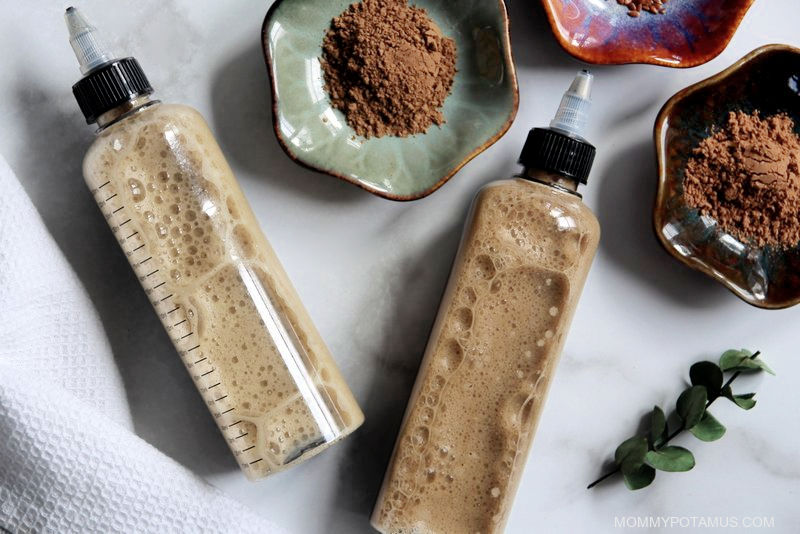
I shake the bottle a little, then apply about 3/4 of the shampoo to my scalp and roots – focusing mostly on the scalp. After application, I massage gently and let it sit for a few minutes. I have found that an application bottle (like this one made with PET plastic) helps distribute the shampoo more evenly, but you can use a measuring cup or something similar if you’d like.

Then I rinse while continuing to massage my scalp.

After that, I add some water to the remaining shampoo in the bottle and shake it to get a lot of suds going. I apply that all over my scalp and hair, let it sit for a couple minutes, and then rinse.

I typically use this recipe 1-3 times per week.

Is this good for all hair types?

Generally yes, although you may need to adjust the ratios.

For example, if your hair tends to be dry, adding aloe or amla can help increase conditioning.

If your hair tends to be oily, slightly increasing the reetha may help.

One thing to keep in mind: if you currently use products that coat the hair with silicones or dimethicone, your hair may go through a short transition period while that buildup gradually washes away.

What is the shelf life?

This recipe doesn’t contain preservatives, so I usually make it fresh.

However, once you’ve confirmed the recipe works well for your hair, you can freeze small batches and thaw them as needed.

Do I need to follow this with an apple cider vinegar rinse?

Not necessarily.

Unlike shampoo bars, which are alkaline and often require an acidic rinse to rebalance hair pH, this recipe is already within a hair-friendly pH range.

That said, some people enjoy following shikakai-based cleansers with a diluted ACV rinse. If that’s something you already like, feel free to experiment.

Do I need to use conditioner?

I don’t usually, but I do use the herbs above – plus a few more – in different ratios to whip up a moisturizing hair mask every week or two as needed.

In the summer, when I spend a lot of time in the sun/saltwater at my local beach, my ends will get a little dry. When that happens, I apply the shampoo recipe above and then dip my ends in a little coconut milk (guar gum-free) while I’m letting it sit. That adds a little moisture without weighing my hair down. This leave-in conditioner recipe also works really well for dry ends.

More Body & Hair Care Recipes To Try

Hair Gel – Tame flyaway frizz, keep curls in check, or style short hair with a non-toxic version of your favorite store-bought stuff. Many of the styling gels on store shelves contain hormone disrupting fragrances and formaldehyde releasers, but you can make natural hair gel with just 1-3 simple ingredients.

Body Wash – The rich, bubbly lather of this homemade body wash recipe cleanses while moisturizing. You probably have everything you need to make it in your pantry right now.

Bakuchiol Skincare Serum – If you’re looking for a gentle, effective way to support skin elasticity and firmness, even out skin tone and protect your skin barrier, bakuchiol is a bioactive compound worth getting excited about. Often called a natural alternative to retinol, it works with your skin’s natural regenerative processes to create change over time.

Share with a friend! 👇

Tags: , , , , ,
Easy Potato Face Packs for Healthy, Radiant Skin

Easy Potato Face Packs for Healthy, Radiant Skin

In the world of skincare, not every solution has to come from an expensive jar or bottle. Sometimes, the most effective remedies are sitting quietly in your kitchen. Potatoes, often overlooked as just a cooking staple, are packed with nutrients that can do wonders for your skin. Rich in vitamins, antioxidants, and natural bleaching properties, potatoes have long been used in traditional beauty routines to brighten, calm, and refresh tired-looking skin.

Easy to prepare and gentle when used correctly, potato-based face packs can help tackle common concerns like pigmentation, tanning, dark spots, and uneven texture. If you enjoy simple, homemade skincare, these potato blends are worth adding to your routine.

Potato and Honey for Soft, Supple Skin

When your skin feels dry or lifeless, combining potato juice with honey can provide much-needed hydration. Potato helps brighten and cleanse, while honey locks in moisture and keeps the skin smooth.

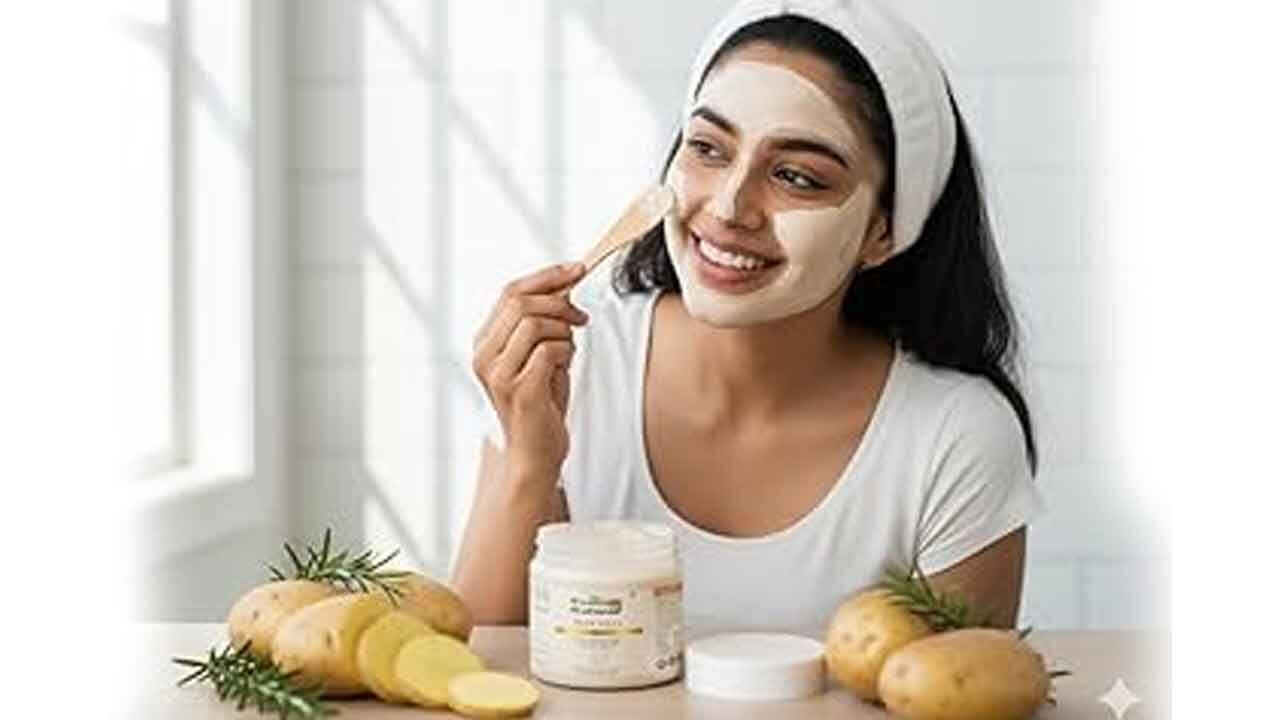
To prepare, grate a raw potato and extract its juice, then mix it with a spoonful of honey. Apply evenly and leave it on for about 15 minutes before rinsing. This pack helps restore softness and leaves your skin looking naturally fresh and nourished.

Potato and Yogurt for Gentle Brightening

Yogurt is known for its mild exfoliating effect due to lactic acid, which removes dead skin cells and improves texture. Pairing it with potato enhances the brightening benefits.

This combination works well for dull or uneven skin. The yogurt smooths rough patches, while the potato helps lighten dark spots and tanning. Used once or twice a week, this pack can give your skin a healthy, even-toned glow over time.

Potato and Lemon for Tan Removal

If sun exposure has left your skin looking darker or patchy, a potato and lemon mix can help. Both ingredients are known for their natural lightening properties.

Add a few drops of lemon juice to fresh potato juice and apply carefully. Since lemon can be strong, keep the application brief and avoid sensitive areas. Follow up with a moisturizer. This remedy is best used occasionally to gently reduce tan and brighten the complexion.

Potato and Aloe Vera for Soothing Care

For those with sensitive or irritated skin, aloe vera is a trusted ingredient. It cools, hydrates, and calms redness, making it a perfect partner for potato.

Mix potato juice with fresh aloe gel to create a light, soothing mask. This blend refreshes the skin while helping reduce puffiness and minor inflammation. After washing it off, your skin may feel calm, relaxed, and visibly healthier.

Potato and Gram Flour for Deep Cleansing

Gram flour, also known as besan, is a traditional favorite for removing excess oil and impurities. When combined with potato juice, it forms a thick paste that works as a gentle cleansing mask.

This pack is ideal for oily or acne-prone skin. It helps absorb extra sebum, unclog pores, and improve texture. Regular use can leave your face feeling clean, matte, and refreshed without stripping away natural moisture.

Potato and Rose Water for Toning

Rose water adds a cooling and toning effect to any skincare routine. When mixed with potato juice, it creates a simple yet effective pack that tightens pores and revives dull skin.

This lightweight blend is perfect for days when your skin feels tired. It refreshes instantly and gives a subtle glow, making your face look brighter and more awake.

Potato and Turmeric for Clearer Complexion

Turmeric has been used for centuries for its antibacterial and anti-inflammatory properties. Adding a small pinch to potato juice can help combat blemishes and improve overall clarity.

This mask supports a more even complexion and healthy glow. Because turmeric is potent, use it sparingly and always patch test first to avoid staining or irritation.

A Gentle Reminder

While potato face packs are natural and affordable, everyone’s skin reacts differently. Always test a small area first and avoid overuse. With patience and consistency, these easy kitchen remedies can help you achieve fresh, glowing skin the simple way — naturally.

Tags: , , , , , ,
Download app

Hydrating foods and skincare tips for natural radiant cheeks and healthy skin glow

A healthy, rosy glow on the cheeks is often a sign of good skin health and circulation. While makeup can give instant colour, natural glow comes from consistent care, nourishment, and the right habits. Here’s how you can achieve naturally glowing cheeks without relying on heavy products.

HYDRATION IS THE FIRST STEP TO GLOW

Well-hydrated skin reflects light better, making cheeks look naturally plump and radiant. Drink enough water throughout the day and include water-rich foods like cucumber, oranges, and watermelon in your diet to keep skin supple.

NOURISH YOUR SKIN WITH A BALANCED DIET

Your diet directly affects your skin’s glow. Foods rich in vitamin C, healthy fats, and antioxidants help boost collagen and improve blood circulation, giving cheeks a natural flush.

USE NATURAL INGREDIENTS FOR A ROSY TINT

You don’t need chemical blushes for colour. Natural ingredients can enhance your cheeks gently over time.

  • Beetroot juice: Adds a natural pink tint

  • Rose water: Soothes skin and improves tone

  • Aloe vera gel: Hydrates and enhances glow

  • Apply lightly and wash off after 10–15 minutes.

FACIAL MASSAGE FOR BETTER BLOOD CIRCULATION

Regular facial massage increases blood flow, which naturally brightens the cheeks. Use gentle upward strokes with clean hands or a facial roller for 5 minutes daily to stimulate circulation and reduce dullness.

EXFOLIATE GENTLY, NOT EXCESSIVELY

Dead skin cells can make cheeks look dull. Mild exfoliation once or twice a week helps reveal fresh skin underneath. Use gentle scrubs or natural exfoliants like oatmeal or rice flour mixed with curd.

GET ADEQUATE SLEEP AND MANAGE STRESS

Lack of sleep and high stress levels can make skin look tired and lifeless. Aim for 7–8 hours of sleep and practice stress-relieving activities like yoga or deep breathing for a healthy glow.

PROTECT YOUR SKIN FROM SUN DAMAGE

Sun exposure can cause pigmentation and uneven tone. Apply sunscreen daily to protect your cheeks and maintain their natural brightness, even when indoors.

If you want a natural glow on your cheeks, focus on hydration, nutrition, gentle skincare, and healthy lifestyle habits. Consistency not quick fixes is the key to long-lasting radiance.

– Ends

Published By:

Chaitanya Dhawan

Published On:

Jan 6, 2026

Tags: , , , , , , , , ,
Best oLive
Privacy Overview

This website uses cookies so that we can provide you with the best user experience possible. Cookie information is stored in your browser and performs functions such as recognising you when you return to our website and helping our team to understand which sections of the website you find most interesting and useful.