Minimal Beauty Routine: Why Fewer Products Can Work

Minimal Beauty Routine: Why Fewer Products Can Work

Lifestyle

-Oneindia Staff


Updated: Tuesday, May 12, 2026, 7:11 [IST]

A minimal beauty routine focuses on a few products that do clear jobs. Many people buy extra items, like multiple serums, toners, and masks. This can cost more and may irritate skin. For most people, a simple skincare routine can work well. The key is to cover cleansing, moisture, and sun protection every day.

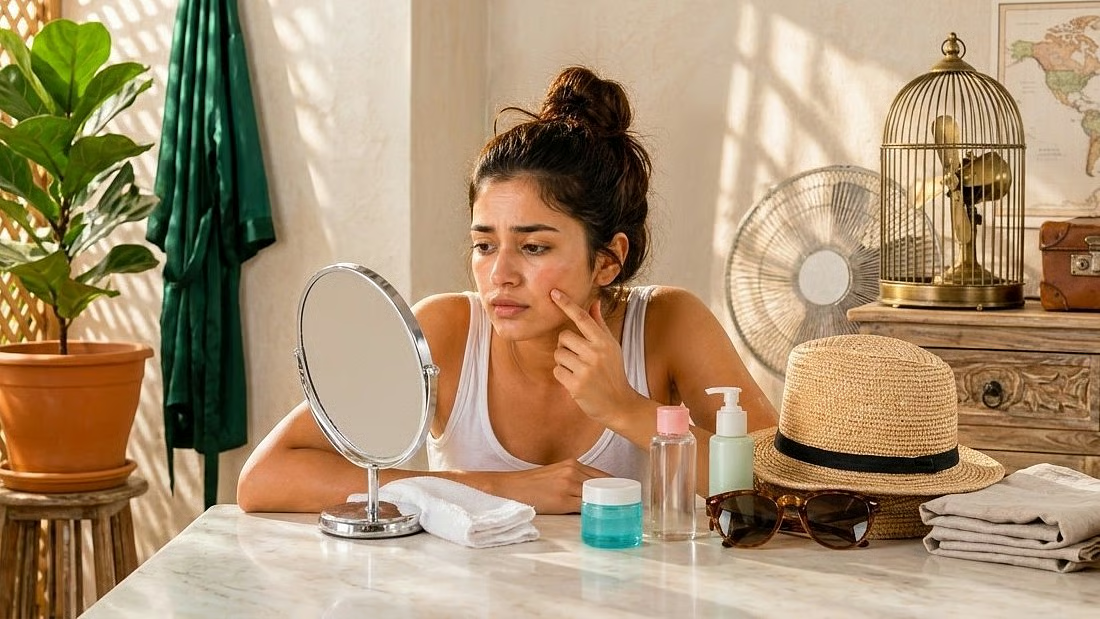
Skin has a natural barrier that holds water and blocks irritants. Using too many products can upset this barrier. You may see dryness, redness, or breakouts. A minimal beauty routine is also easier to follow. If you use fewer steps, you can spot what helps or harms your skin. This matters in hot, humid, or dusty Indian weather.

A minimal beauty routine emphasizing cleansing, moisturizing, and daily broad-spectrum SPF 30+ sunscreen protects the skin’s natural barrier and prevents irritation. This simplified approach is easier to manage and identifies effective products for healthy skin.

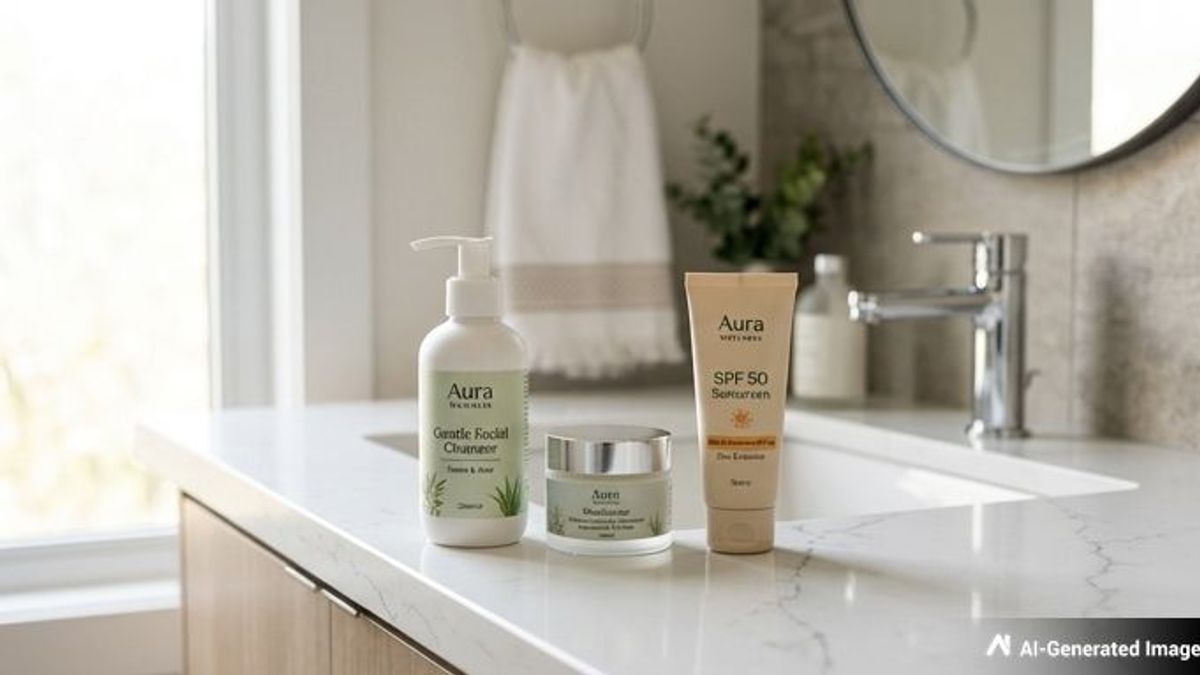
Most routines can start with three items: a gentle cleanser, a moisturiser, and a broad-spectrum sunscreen. These cover daily dirt removal, barrier support, and UV protection. If you use only one product beyond cleansing, choose sunscreen. Sun damage can lead to dark spots and early ageing. Basic steps done daily often beat many steps done at times.

Cleanser: keep it gentle

A cleanser should remove sweat, oil, sunscreen, and pollution. It should not leave skin tight or squeaky. For oily skin, a light gel cleanser can suit. For dry skin, a cream cleanser can feel better. If you wear heavy makeup, you may need a first cleanse with micellar water or a cleansing balm, then your usual cleanser.

Moisturiser: support the skin barrier

Moisturiser helps reduce water loss and keeps skin calm. Even oily or acne-prone skin can need it. Choose a texture that matches your skin feel. Light lotions often suit humid months. Richer creams can suit dry skin or winter. Look for simple formulas if your skin is sensitive. A moisturiser can also help reduce irritation from active products.

Sunscreen: the daily non-negotiable

Use a broad-spectrum sunscreen with at least SPF 30. Apply it every morning, even on cloudy days. Reapply if you are outdoors, sweat a lot, or wipe your face. Sunscreen helps prevent tanning, dark spots, and uneven tone. If your skin stings, try a fragrance-free option. For deeper skin tones, pick one that leaves less white cast.

Do you need toner, serum, or face oil?

You may not need them, but some can help with clear goals. A serum can target acne marks, dullness, or dryness. Niacinamide can support oil control. Vitamin C can help with uneven tone. Face oils can help very dry skin, but may feel heavy in heat. Skip extra steps if your skin is already stable with the basics.

Exfoliation: use less than you think

Exfoliation can smooth rough skin and help clogged pores, but overuse can cause burning and peeling. Start once a week if you use an exfoliating acid. Do not mix many exfoliants at once. If you use a retinoid, be careful with acids on the same day. Scrubs can be harsh, so use a gentle hand if you choose one.

Minimal makeup: fewer items, smarter choices

A minimal beauty routine can include makeup, but keep the kit small. A tinted sunscreen or light base can replace heavy foundation for daily wear. A lip and cheek tint can do two jobs. Use products you can remove easily at night. If you get breakouts, choose non-comedogenic options and clean brushes and sponges often.

How to choose products and avoid waste

Buy one product per step and finish it before replacing it. Patch test new items on a small area for a few days. Add only one new product at a time, then watch for changes. Avoid buying items only due to trends. Read labels for known irritants, such as strong fragrance, if your skin reacts. Small sizes can reduce waste.

Simple routines for common skin types

For oily skin: gel cleanser, light moisturiser, matte or gel sunscreen. For dry skin: cream cleanser, richer moisturiser, hydrating sunscreen. For sensitive skin: gentle cleanser, basic moisturiser, fragrance-free sunscreen. For acne-prone skin: avoid many layers and heavy oils. If you add an acne treatment, keep the rest of the routine simple and steady.

Common reasons minimal routines fail

Many people switch products too fast. Skin needs time to adjust. Another issue is using too little sunscreen, or skipping reapplication outdoors. Over-cleansing can also cause more oil and irritation. Mixing many actives is a common problem, like acids, retinoids, and strong vitamin C in one routine. Keep steps few and repeatable, morning and night.

When you may need expert advice

See a dermatologist for painful acne, sudden rashes, or skin that burns with most products. Also seek help for dark patches that spread, severe dandruff, or itchy, cracked skin. If you are pregnant, ask before using strong acne or anti-ageing products. A doctor can guide safe options and help you avoid buying items that do not suit your skin.

Tags: , , , ,
Product overload! Has your skincare routine gone too far? | Skincare

Product overload! Has your skincare routine gone too far? | Skincare

It often starts innocuously: a small cluster of spots around the mouth, easily dismissed as a hormonal breakout or a reaction to something you have eaten. But this is how perioral dermatitis shows up – quietly, persistently and seemingly more frequently.

The Guardian’s journalism is independent. We will earn a commission if you buy something through an affiliate link. Learn more.

“It’s quickly become one of the most common inflammatory conditions I treat,” says Dr Anjali Mahto, a consultant dermatologist and founder of the Self London clinic. Reddit threads on the subject run to thousands of posts, TikTok is awash with people documenting flare-ups, and actor Amanda Seyfried has spoken publicly about dealing with it. A recent report in the Journal of the American Academy of Dermatology confirmed the condition is on the rise. Meanwhile, the global market for perioral dermatitis treatments is growing.

I realised it is becoming increasingly common the slow way. What I assumed was a fleeting breakout lingered for weeks, resisting every serum, cream and mask I threw at it. In trying to fix it, I made it worse – layering on actives and, in a moment of panic, even reaching for a steroid cream better suited to eczema. It wasn’t until I started speaking to experts for this article that the penny dropped: the condition I was researching was the thing I’d been dealing with.

What is perioral dermatitis?

Perioral dermatitis is a chronic inflammatory skin condition that typically appears as clusters of small red bumps (hard papules or pimple-like pustules) around the mouth, nose and eyes. Anyone with dark skin may find that the patches look darker than their normal skin colour, rather than red. “The area around the mouth is particularly vulnerable, because the skin there is thinner and exposed to constant friction and moisture from speaking, eating, cleansing and applying skincare. It is also a zone where products such as moisturiser, SPF, makeup or toothpaste can easily migrate and accumulate,” says aesthetic medicine specialist Dr Christine Hall.

Perioral dermatitis usually appears as red bumps around the mouth, nose and eyes. Photograph: Olga Shefer/Getty Images

At first glance, perioral dermatitis can resemble acne – which is why it’s often misdiagnosed. “Acne usually involves blocked pores, blackheads and excess oil,” says Hall, “whereas perioral dermatitis appears without blackheads and is more likely to cause burning, tightness, dryness or sensitivity rather than deep, painful spots.” The bad news? Once the skin’s outermost layer, or barrier, in this area becomes compromised, inflammation can develop and cause repeated flare-ups if the triggers are not addressed.

What’s behind the surge?

One explanation comes up again and again: we are using way too much skincare. In the quest for “perfect skin”, many of us are throwing everything at our faces and hoping for the best. The problem is that modern products are often far more active – containing clinically proven compounds designed to target specific concerns – than people realise. Your daily serum likely has a combination of potent antioxidants. Your night-time retinol speeds up cell turnover. Your cleanser may contain exfoliating enzymes. A daily toner may contain acids. All of this can push the skin barrier past its limit. “The rise in perioral dermatitis cases is largely driven by these complex routines using highly concentrated actives,” says Mahto.

Part of the issue with finding the cause is that the reaction to products is not always immediate. With active ingredients such as retinal (a form of vitamin A), there’s often a cumulative effect: your skin barrier can be slowly weakened over weeks or months before it tips into visible inflammation.

Another cause you may not expect: clean beauty. This is the case for Charlotte Palermino, writer and co-founder of skincare brand Dieux Skin. “When I was 25, I thought all my products were toxic. I started using natural products and the natural fragrances made my skin freak out. I was told my skin was ‘purging’, but really I had a horrific perioral dermatitis rash.” Eventually, Palermino’s friend’s mother, a dermatologist, pulled her aside to offer some advice: “As gently as she could put it, she asked if I was in pain – I was. She wrote me a prescription for topical antibiotics, and it was the combination of topical antibiotics and sulphur that really got rid of it. Now, whenever I have a flare-up, I use the combo and it calms down. My triggers are now excessive skincare, ‘skin flooding’ or lavender oil.” Palermino’s isn’t an isolated case; Dr Emma Craythorne, consultant dermatologist and chief medical officer at the skincare brand Klira, explains why clean beauty regimes often cause problems. “For years, we used parabens in skincare and understood how they behaved. But as they were pushed out by ‘clean beauty’, newer preservatives replaced them and we’re less certain how these interact with the skin. Some theories suggest they may disrupt the microbiome and contribute to conditions like perioral dermatitis.”

Illustration: Lisa Sheehan/The Guardian

Are there any other factors at play?

“Steroids can also play a role in perioral dermatitis, particularly topical steroids used for eczema, and inhaled steroids for asthma,” says Craythorne. If you use an inhaler, she advises rinsing your mouth afterwards, and if you apply steroid creams to your body, wash your hands before touching your face. Hormones can play a role, too. “It can worsen in people with hormonal imbalances – for example, those taking medication for PCOS [polycystic ovary syndrome] or undergoing IVF or egg collection.”

Surprisingly, toothpaste is also a common culprit. Ingredients such as sodium lauryl sulfate (SLS), the foaming agent in many formulas, plus “strong flavourings such as mint or cinnamon oils, as well as alcohol-based mouthwashes, may also irritate sensitive skin,” says Dr Alex Seijas, founder of The London Orthodontic Clinic. “Despite common concerns, fluoride is rarely the cause.” Braces or aligners can subtly change how the lips sit against the teeth, increasing saliva contact, lip licking or friction around the mouth – all of which can irritate sensitive skin. And because people with orthodontic appliances tend to brush more frequently, this means that the skin is exposed to toothpaste ingredients more often.

The solution is usually simple: keep brushing, but switch to a gentler, SLS-free toothpaste, rinse the skin around the lips after brushing, and don’t let foam sit on the skin. A smart tip from Hall: brush your teeth before cleansing your face so toothpaste residue isn’t left sitting on already irritated skin.

How do you get rid of it?

Here’s the part skincare-lovers like me often struggle with: doing less may be the solution. “I advise stopping all facial cosmetics and topical products – even sunscreen – for a short time, and switching to a very mild cleanser and a bland emollient,” says Craythorne. “Light gels or liquids are better than heavy creams.” In practice, that means using oil-free, fragrance-free gel cleansers and simple, lightweight lotions while the skin barrier recovers.

The next step? “Once the barrier settles and the inflammation, redness and bumps reduce, we can slowly introduce gentle, anti-inflammatory ingredients like azelaic acid,” Mahto says. Azelaic acid may sound counterintuitive after all the advice to stop actives but, once the skin barrier has recovered, its gentle anti-inflammatory and antibacterial properties can reduce redness and spots. Other ingredients can be slowly introduced at this stage. Dr Hall recommends barrier-supporting hydrators such as ceramides, panthenol, centella asiatica (also known as cica cream), glycerine and hyaluronic acid to soothe inflammation and restore moisture. But you’ll need to wait until your skin is fully healed before reintroducing anything like retinal, tretinoin or acids.

In more stubborn cases, doctors may prescribe a short course of an oral antibiotic such as doxycycline to help reduce inflammation. Nonsteroidal topical treatments such as Protopic may also be prescribed – which, in my case, is what finally cleared things up.

Some supportive technologies may also help calm inflammation, but the timing matters. “Once the condition has been recognised and the inflammation is medically controlled, very gentle clinical treatments like LED can support healing because they’re calming and non-irritating,” says aesthetic doctor Paris Acharya. What should we avoid during the active and healing periods? “Aggressive facials, peels, microneedling or any heat-based treatments. Perioral dermatitis is one of those conditions where doing more is usually the wrong instinct.”

As for lingering marks, patience is key. “Some patients are left with redness, pigmentation or slight texture changes,” Acharya says. “Once the dermatitis has fully settled, these can be treated effectively – but timing is everything. Treat too early and you risk reactivating the whole process.”

Prevention is the way forward

Every expert I spoke to said that perioral dermatitis is, in many ways, a symptom of the modern beauty culture. We’ve never had more products, more online advice or more pressure to perfect our skin – yet sometimes the most radical thing is to do less. “One of the most important lessons perioral dermatitis teaches us is that healthy skin relies on balance,” says Hall. “When we overwhelm the skin with too many products or powerful actives, inflammation will follow.”

The crucial shift to make is in how we use products: use lower strengths less frequently, and avoid layering multiple actives at once. For many, it’s not the ingredient itself that’s the issue, but the cumulative overload of irritation.

It is also important to think about whose advice you follow. Skincare influencers often promote lengthy routines and multiple products, but experts urge caution. “Trust people who preach simplicity,” says Palermino. “Overcomplication can feel nice, but it can also mess up your face. Boring skincare advice tends to be the most sage and results-driven.”

Illustration: Lisa Sheehan/The Guardian

Soothe your skin: Anita’s pick of products that can help

La Roche-Posay Toleriane Dermo-Cleanser, £16.50
This gentle, non-foaming cleanser is designed for sensitised skin and cleanses without disrupting or stripping the delicate barrier.

Avène Tolerance Hydra-10 Hydrating Fluid, £21
My go-to for any kind of skin flare-up is this pared-back moisturiser designed for hypersensitive skin. Hyaluronic acid hydrates and thermal spring water helps to soothe irritation. It’s fragrance-free and lightweight.

The Ordinary Azelaic Acid Suspension 10%, £11.10
Once the skin is fully healed, this gentle treatment can help to reduce redness and calm inflammation.

Dr Jart+ Cicapair Tiger Grass Camo Drops SPF 35, £37.50
Centella asiatica (AKA cica or tiger grass) can help soothe redness thanks to its anti-inflammatory, healing properties. These lightweight drops offer a sheer hint of coverage and SPF – a breathable alternative to heavy foundation while skin recovers.

Saie Slip Tint Radiant All-Over Concealer, £24
When perioral dermatitis is settling, a hydrating concealer can give light coverage without clogging or irritating the skin. This formula contains glycerine and hyaluronic acid to help draw moisture into the skin, keeping the area comfortable rather than dry or tight.

Gutology Mineral Toothpaste, £16
Gentle, SLS-free and supportive of the oral microbiome, this toothpaste delivers a clean, fresh feel without harsh additives.

Tags: , , ,
Why the TEMPLESPA Life Defence SPF should be part of your daily skincare routine

Why the TEMPLESPA Life Defence SPF should be part of your daily skincare routine

With the arrival of spring, and a whole season of sunny days and holidays ahead, there is one step in your skincare routine that should be a non-negotiable: SPF. In fact, SPF shouldn’t just be reserved for when the sun is shining; it should be used year-round, no matter the weather or destination. As any expert will tell you, it’s an everyday essential to protect your skin and keep it healthy, youthful and glowing. With its Life Defence high protection SPF moisturiser, TEMPLESPA offers the perfect solution.

Like all TEMPLESPA products, Life Defence champions an all-natural, science-backed and results-driven formula, promising to moisturise and protect the skin in one simple step. It provides UVA and UVB protection, helping to defend the skin from sun damage (even in winter and colder weather), as well as protecting it against other everyday environmental stressors, including pollution and blue light. Plus, it goes beyond simple protection with its deeply moisturising properties, making it a convenient, multifunctional skincare product that will more than earn its place in your routine. 

Packed with active ingredients, Life Defence works hard to shield and nourish your skin. Its UVA and UVB filters help prevent sun damage and skin reddening as well as signs of premature ageing, such as deep lines and wrinkles. Sodium hyaluronate helps lock moisture into the skin, leaving it smooth, plump and nourished, while vitamin E, a powerful antioxidant, shields the skin from environmental aggressors. Botanical actives include rocket extract, rich in isothiocyanates to help counter the effects of free radicals and soothe the skin, and ginseng extract, which protects against the harms of blue light and digital pollution. 

Suitable for all skin types, including even the most sensitive, Life Defence has a feather-light texture that feels luxurious, rich and creamy, yet never greasy, meaning it can be worn under makeup and in conjunction with serums. Best used daily as part of your morning skincare routine, it is easy to apply and ensures defence for healthy, protected skin. After cleansing and toning the face and neck, simply moisturise generously over clean skin, remembering to reapply when out and about throughout the day and exposed to the elements for long periods of time. 

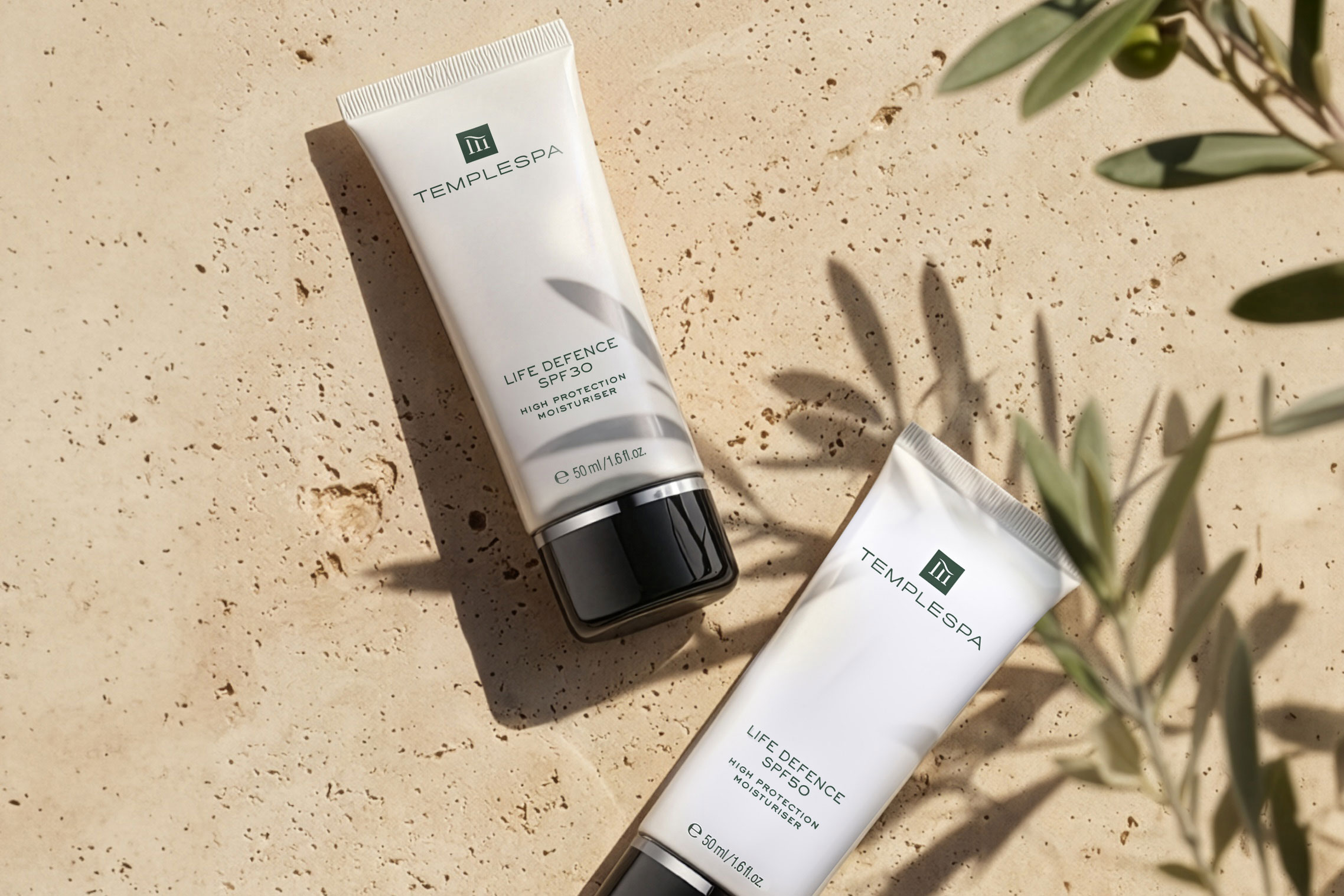
Available in SPF30 and SPF50, Life Defence is designed to be a seamless but essential addition to your skincare routine. Discover more at TEMPLESPA.com.

Tags: , , , , , , ,
Your skincare routine is missing this cacao scrub

Your skincare routine is missing this cacao scrub

Follow this guide

What’s the story

African cacao husk face scrub is taking the skincare world by storm, thanks to its natural exfoliating properties.
Derived from the outer shell of cacao beans, this scrub is rich in antioxidants and nutrients that can help you achieve smoother skin.
The natural ingredient is gaining popularity for being a gentle, yet effective, alternative to chemical exfoliants.
Here is everything you need to know about this skincare wonder.

Natural exfoliation benefits

African cacao husk acts as a natural exfoliant, removing dead skin cells without irritating the skin.
Unlike synthetic scrubs, which can be harsh on sensitive skin, cacao husk provides a gentle polishing effect.
This helps in unclogging pores and reducing the appearance of blemishes, giving you a clearer complexion over time.

Rich in antioxidants

Cacao husk is also packed with antioxidants that fight free radicals and protect your skin from environmental damage.
These antioxidants help in reducing signs of aging, such as fine lines and wrinkles.
Regular use of a cacao husk scrub can improve your skin’s elasticity and firmness, giving you a youthful glow.

Nutrient-dense composition

Beyond exfoliation, African cacao husk is loaded with essential nutrients like magnesium and zinc.
These minerals are crucial for healthy skin functioning, as they promote cell regeneration and repair.
Using this natural scrub can improve your overall skin texture by nourishing it deeply.

Eco-friendly skincare choice

Opting for African cacao husk face scrub also means making an eco-friendly choice in your skincare routine.
The ingredient is sustainably sourced from the byproduct of chocolate production, minimizing waste while providing effective skincare benefits.
This aligns with the growing demand for sustainable beauty products that are kind to both the environment and your skin.

Tags: , , , ,
article-image

Think You’re Beating The Heat? Oily, Sticky, Breaking Out? Your Summer Routine Might Be The Problem

Summer skincare can get a bit confusing. The moment the weather changes, skin starts behaving differently – more oil, more sweat, the occasional breakout – and most of us instinctively try to “fix” it. We wash our face more often, switch to stronger products, or stop using moisturiser altogether because everything already feels greasy.

But what’s often missing is that these quick fixes can quietly weaken the skin over time.

A lot of this comes down to the skin barrier. It’s the outer layer of your skin that holds everything together, keeps moisture in, protects from environmental stress, and helps maintain balance. And in summer, this barrier is already working overtime.

Especially now, when summers are harsher and nights don’t cool down as much, the skin doesn’t really get a break. Add to that the constant back-and-forth between outdoor heat, pollution, and indoor air-conditioning, and it’s not surprising that skin starts feeling off, sometimes oily, sometimes dry, sometimes just more sensitive than usual.

In this kind of environment, a few everyday habits can do more damage than we realise:

Over-cleansing

Washing the face multiple times a day can feel refreshing, especially in humid weather. But frequent cleansing – particularly with strong or foaming face washes – can strip away the skin’s natural lipids. These lipids are essential for maintaining the barrier. Once disrupted, the skin often responds by producing even more oil, creating a cycle that’s hard to manage. A gentler approach, using mild cleansers with ingredients like aloe, neem, or tulsi, can help remove impurities without disturbing the skin’s balance.

Skipping moisturiser

One of the most common misconceptions is that oily skin doesn’t need moisturiser in summer. In reality, oil and hydration are not the same. Heat, sun exposure, and air-conditioning can all reduce the skin’s water content, even if it appears greasy. Skipping moisturiser can weaken the barrier over time, making the skin more prone to irritation. Lightweight, water-based hydration, such as gels or formulations with cucumber or fruit extracts, can help replenish moisture without feeling heavy.

Over-exfoliating

There’s also this urge in summer to constantly “clean” the skin – get rid of tan, dullness, clogged pores. Exfoliation helps, but only to a point.

When it becomes too frequent or too harsh, it can thin out the skin barrier and make your skin more reactive, especially in the sun. That’s when you start noticing redness or that slight stinging feeling.

Gentler exfoliation works better in the long run. Even traditional formats like ubtan, when used mildly, tend to be less disruptive and still effective.

Environmental stress

Summer isn’t just heat. It’s heat, UV exposure, dust, pollution, and then suddenly cold, dry air indoors. Your skin is constantly adjusting.

This kind of back-and-forth can be tiring for the skin barrier. Sometimes what helps is not doing more, but just adding a bit of calm back into the routine – ingredients that cool, soothe, and don’t overwork the skin.

Using unsuitable products

Products that work well in cooler months may not be ideal for summer. Heavy creams can feel occlusive in humid weather, while overly drying formulations can strip the skin further. Summer calls for lighter, breathable textures that allow the skin to function comfortably. There’s also a growing preference for fresher, more thoughtfully processed formulations that retain ingredient efficacy while being gentle enough for frequent use.

The larger shift

A common thread across these habits is the tendency to overcorrect. Summer skincare is often approached with the goal of controlling oil, removing tan, or managing sweat. But healthy skin doesn’t come from constant stripping or aggressive treatments. It comes from balance.

When the skin barrier is intact, the skin is better equipped to regulate itself—whether that’s oil production, hydration, or sensitivity. This is where skincare routines are gradually evolving. There’s a shift towards approaches that are simpler, more consistent, and better aligned with both the climate and the skin’s natural functioning.

In many ways, summer skincare is less about doing more and more about doing it right. Small changes like choosing gentler cleansers, not skipping hydration, or being mindful of over-exfoliation can go a long way in protecting the skin barrier. Because once that barrier is strong, everything else tends to fall into place.

(Swagatika Das is the CEO & Co-Founder, Nat Habit)

Tags: , , , , , , , ,
Skincare Routine in Your 30s: What Actually Matters

Skincare Routine in Your 30s: What Actually Matters

Looking back, I cringe thinking about how much I neglected my skin throughout my 20s and 30s. Honestly, I don’t think I owned so much as a drugstore moisturizer, let alone a multi-step routine or a bottle of facial sunscreen. It simply wasn’t something I gave any thought to.

My come-to-Jesus moment happened in a brewery bathroom on a summer afternoon. I’d stopped to wash my hands and caught a glimpse of myself in the mirror. Something above my lip — dirt from my bike handlebars, I assumed. I scrubbed at it with wet fingers, grateful I’d noticed before heading back out into the sunshine. But it wouldn’t budge. Swipe, swipe, swipe. Still there. Oh my god. How had I not noticed before? Years of benign neglect had finally shown up as melasma, shaped like a dirt mustache that was suddenly the only feature of my face I could think about.

Fast forward to now, at 44. I have an arsenal of well-curated products, sunscreen in every form (lotion, spray, powder) in every bag I own, and a quarterly facial appointment I look forward to more than almost anything else on my calendar.

That said, I’m also a woman on the internet, which means my algorithm fires a constant stream of products and treatments at me. Slugging. Tallow balm. Skin cycling. LED masks. Retinol before 30, never before 30, only on alternating Tuesdays. The line between actually caring for your skin and quietly harming it is thinner than the before-and-after creators want you to believe.

If you’re in your 20s or 30s, I want to save you the particular horror of a brewery bathroom mirror moment. And I don’t want you wasting time, money, or energy on things that don’t matter. So I talked with Kristyn Smith, esthetician and founder of Practise NYC, who has spent over two decades working at the intersection of clinical aesthetics and holistic skin health. She gave me the clearest framework I’ve heard for cutting through the noise.

What should your skincare routine in your 30s actually include?

The first thing Smith wants you to know is that the 10-step routines and viral skin-cycling schedules are largely a distraction. “Your skin is an organ, not a project,” she says. “If a product doesn’t serve a specific function for your unique barrier, it’s just noise.”

What does serving your barrier actually look like? For someone in their 20s with no existing routine, Smith’s list is almost aggressively short. A gentle cleanser that doesn’t strip your natural lipids, a quality moisturizer to prevent water loss, and SPF. “Everything else is an ‘extra’ until you have this foundation,” she says.

It’s a deflating answer if you’ve already built a shelf full of actives, but Smith’s reasoning holds. The most common mistake she sees in clients in their 30s is an obsession with aggressive correction — too much retinol, harsh acids, overcrowded routines — at the direct expense of their skin barrier. “The skin is resilient, so it seems fine now,” she explains. “But you are essentially borrowing from your skin’s future health.”

What actually ages your skin

Here’s the part nobody making money off your skincare routine wants you to hear. Products account for maybe 20% of how your skin ages. The rest comes down to sleep, stress management, diet, and hormones.

“You cannot ‘product’ your way out of a high-stress lifestyle or a lack of sleep,” Smith says. “I see the skin as a mirror of what is happening internally. If you are depleted, your skin will look depleted.”

This lands differently when you’re a mom in your 30s navigating real hormonal flux — postpartum, sleep-deprived, or bumping up against early perimenopause sooner than you expected. Smith says this is exactly the moment to shift your routine toward soothing and stabilizing rather than correcting. Hormonal changes make skin more reactive and more prone to melasma (yep, that’s the one). “This isn’t the time for aggressive peels,” she says. “It’s the time for hydration, Vitamin C, and gentle botanicals.”

For busy moms who want to actually build these habits, Smith recommends habit stacking. Apply your serum while the kids are in the bath. Treat a five-minute LED mask session as your reset. “It’s about making self-care feel like a necessity, not a luxury,” she says.

The SPF conversation is simpler than the internet makes it

There is perhaps no skincare topic more polluted with conflicting information right now than sunscreen. Mineral vs. chemical. Oxybenzone concerns. The wellness-adjacent crowd suggesting you actually want more sun exposure for collagen and vitamin D. I asked Smith to just tell me what she tells her clients.

“Whether you choose mineral or chemical, the best sunscreen is the one you will actually wear every single day,” she says. If you have sensitive skin or you’re pregnant, mineral is often the better bet, more soothing with fewer variables. But the priority, full stop, is protection — from UV rays, DNA damage, and the cumulative sun exposure that adds up over decades.

And what exactly are you protecting beyond that? Your collagen, mostly. “Once it’s gone, it is very hard to rebuild,” Smith says. SPF is part of it, but so is a nutrient-dense diet and avoiding what she calls pro-inflammatory habits like smoking and excessive sugar. This is where the unsexy long-game stuff lives.

On retinol, tallow, and everything your algorithm is pushing

Retinoids are treated as a near-universal recommendation for anyone over 25, but Smith’s take is more nuanced than most. “Not every skin type can handle Vitamin A,” she says, particularly people with rosacea or a compromised barrier. In those cases, she’ll often look at alternatives like bakuchiol or lower-dose retinaldehydes to get the benefits without the chronic inflammation.

Beef tallow, the ancestral skincare trend that has taken over a certain corner of the wellness internet, gets a similarly grounded response. Smith understands the appeal, but from a clinical standpoint, tallow can be comedogenic (read: pore-clogging) for a lot of people. “We have evolved to create incredibly sophisticated, bio-available formulations that mimic the skin’s natural oils without the risk of breakouts or stability issues,” she says. The appeal-to-nature argument, in other words, doesn’t automatically make something better for your face.

More broadly, when a client comes in having gone deep on a TikTok protocol, Smith redirects rather than dismisses. “A creator’s ‘holy grail’ ingredient might be a disaster for your specific skin type,” she says. The goal is to understand your own skin’s cues, not follow someone else’s digital script.

The #1 skincare habit an esthetician wants you to build now

I asked Smith what she’d want a Motherly reader to do differently after reading this. I expected SPF. I expected a product recommendation.

What I got was this: “Stop looking at your skin in a magnifying mirror. When we over-analyze every pore, we tend to over-treat. Step back, be gentle, and trust that a healthy barrier is the most beautiful thing you can wear.”

Honestly? I’ve been staring in magnifying mirrors since the brewery bathroom. I’m going to think about that one for a while.

Tags: , , ,
5 habits to incorporate in your daily routine if you want to slow skin ageing and look young

5 habits to incorporate in your daily routine if you want to slow skin ageing and look young

You can apply the best products in the world, but if your diet is all over the place, your skin will show it.

What you eat plays a huge role in how your skin looks and feels.

Try adding more:

Fresh fruits (berries, oranges, papaya)

Vegetables (spinach, carrots, broccoli)

Nuts and seeds

Healthy fats like walnuts or flaxseeds

These are packed with nutrients that help your skin stay healthy and deal with damage.

At the same time, try not to overdo sugar and junk food. Too much sugar can damage collagen over time, which leads to faster ageing.

You don’t have to eat perfectly – just be a bit more mindful on most days.

Tags: , , , , , , ,
Dermatologists Say Your Post-Gym Skincare Routine Might Be Causing Breakouts

Dermatologists Say Your Post-Gym Skincare Routine Might Be Causing Breakouts

My pre-workout skincare routine is the height of minimalism. I cleanse, and if I’m running or spending time outside, I’ll slap some SPF and call it a day. After the session, however, that’s when it starts to get more complicated. I have acne-prone skin, so post-workout breakouts are a very real concern for me.

Vogue’s post-gym skincare routine at a glance:

La Roche-Posay Toleriane Dermo-Cleanser

Read more

The Best For Oily Skin: Haruharu Wonder Black Rice Moisture 5.5 Soft Cleansing Gel

Read more

“If your skin seems to punish you for doing something healthy, you’re not imagining it,” skin specialist Libi Roos confirms. “Post-workout breakouts are incredibly common – but also completely fixable once you understand what’s really going on.

I take a “time is of the essence” approach to removing the sweat and bacteria from my face, and even though body acne isn’t something I generally experience, I jump in the shower as quickly as possible as a preventative measure. But why does it occur? “It’s not the sweat,” Roos stresses. “It’s what happens afterwards.”

She is not referring to the workout itself, but the go, go, go nature of modern life. “Sweat is not your enemy. It’s mostly water and salt – your body doing exactly what it should. The problem? Real life. You do the class, take a call on the way home, grab a coffee — and the sweat just sits there. That’s when it starts mixing with sebum (your skin’s natural oil), dead skin cells and bacteria (including whatever was on that Pilates mat). This creates the perfect pore-clogging cocktail. At the same time, your skin is in a more vulnerable state; your barrier is slightly compromised, your pH is disrupted, and your pores are more open from heat. So anything already on your skin – SPF, leftover make-up, pollution (especially in a city like London) – is now part of the problem.”

Tags: , , , , ,
The skincare innovations that are trending right now – here’s how to change up your skincare routine

The skincare innovations that are trending right now – here’s how to change up your skincare routine

Notino

Isn’t it time to change up your skincare routine? Check out the innovations which take supporting your skin beyond the surface.

Skincare trends come and go quickly, but some ingredients and product categories attract attention because they tap into broader changes in what people want from a routine.

Right now, there is growing interest in formulas that feel more targeted, more recovery-focused and more closely linked to skin support rather than quick surface-level results alone.

This shift reflects a wider change in consumer habits. People are still interested in glow and visible freshness, but they are also paying more attention to barrier support, skin comfort and products that fit into a more thoughtful long-term routine. In that context, innovation is no longer just about novelty. It is about whether a product feels relevant to real skincare goals.

Recovery-led skincare is gaining ground

One of the clearest developments in recent months is the rise of products associated with repair, renewal and skin recovery. Instead of looking only for stronger exfoliation or more dramatic active formulas, many skincare users are becoming more interested in products that support the skin in a gentler, more balanced way.

That helps explain why ingredients linked to skin regeneration are drawing more attention. A PDRN serum fits naturally into that conversation, as interest grows around formulas positioned within this more recovery-led approach. For many people, the appeal lies not only in the innovation itself, but in the broader idea of helping the skin look fresher and feel better supported over time.

Brand visibility also shapes what gains traction

Skincare conversations are often influenced not just by ingredients, but by the brands that help bring them into wider view. When certain names begin appearing repeatedly across beauty routines, social content and product recommendations, they often become part of the trend itself. Brand identity, packaging and positioning all play a role in how quickly a product category gains momentum.

This is one reason medicube is entering more beauty conversations. As consumers become more curious about newer skincare directions, brands associated with high-visibility, results-focused products tend to attract attention more quickly. They help make unfamiliar categories feel more accessible and easier to explore.

Innovation only matters if it fits real routines

Not every new skincare trend lasts, and not every innovation deserves a permanent place in a routine. What makes certain products stand out is their ability to fit into habits people can actually maintain. That is where Notino fits naturally into the conversation, offering skincare options that reflect both emerging trends and more established routine needs.

The products gaining attention right now are not always the loudest. More often, they are the ones that align with what people increasingly want from skincare: support, consistency and formulas that feel current without becoming overwhelming.

Continue Reading

Tags: , , , , ,
Hindustan Times News

30s vs 40s skin: Doctor’s simple 3-step minimalist routine that actually works

In your 20s, skincare is often experimental, trying trends, layering actives, and chasing quick results. But as you move into your 30s and 40s, your skin and your approach to it start to change. There’s a visible shift today towards simpler, more consistent routines. Not because it’s trending, but because skin at this stage doesn’t respond well to excess. Overuse of actives, constant product switching, and aggressive treatments can end up doing more harm than good. At this stage, the focus moves from “doing more” to “doing what actually works.”

What should a 30-year-old’s skincare routine be? (Adobe Stock)

Tavishi Dogra is a health and wellness journalist with over eight years of experience in the field of health and wellness journalism. She knows how to explain complex health topics in a way that is easy to understand for many readers. Tavishi has written for respected publications like RSTV, Financial Express, Jagran, and Zee. She has a strong understanding of current health trends and social issues. Tavishi is dedicated to promoting holistic health and wellness solutions, which she shares in her articles about fitness, nutrition, and mental well-being. For more insights and updates on health, you can follow her work in the Hindustan Times.

Read moreRead less

What changes in your 30s and 40s?

Collagen production begins to slow down, hydration levels dip, and the skin barrier becomes more fragile. “Add to that daily exposure to the sun, pollution, stress, and lifestyle habits, and these changes become more evident”, Dr Tanya Mishra Dixit, Maxillofacial Surgeon, tells Health Shots. This is why skincare in your 30s and 40s needs to be less reactive and more restorative, focused on maintaining skin health rather than constantly correcting it.

Why simpler skincare routines are working better?

We’re seeing more people move away from 10-step routines to something far more edited. “A good cleanser, a targeted treatment, a moisturiser, and sunscreen, used consistently and often, deliver better results than complicated routines that are hard to sustain”, says the doctor. Skin minimalism isn’t about doing less for the sake of it. It’s about removing what’s unnecessary and sticking to what your skin actually needs.

How do I repair my skin barrier quickly?

One of the biggest shifts in skincare today is the focus on the skin barrier. When the barrier is compromised, everything else follows acne, dullness, and sensitivity. “Ingredients like ceramides, peptides, and fatty acids help strengthen the skin barrier and keep it healthy”, says the expert. Even small changes like switching to a gentler cleanser or a more nourishing moisturiser can make a visible difference over time.

Prevention over correction

Instead of trying to fix things once they show up, the idea now is to stay ahead of them. You don’t need an elaborate routine, just a few basics done consistently:

  • Sunscreen every day
  • Retinol to support skin renewal
  • Antioxidants like Vitamin C protect against environmental damage

What matters more than anything else is consistency, not constantly trying something new or changing products.

Does skin lose elasticity when dehydrated?

Dehydration is one of the most common concerns in this phase, often manifesting as dullness or loss of elasticity. A routine that prioritises hydration, with ingredients like hyaluronic acid and ceramides, helps the skin look healthier and feel better.

Sleep, stress, diet, and hydration play a much bigger role than most people realise. You can’t make up for poor lifestyle habits with good skincare. Skincare in your 30s and 40s doesn’t need to be complicated. “In fact, it works better when it isn’t. The real shift is this from chasing trends to building habits, from quick fixes to long-term skin health,” says the expert. Because good skin, at this stage, isn’t about doing more and more but about getting the basics right, consistently.

(Disclaimer: This article is for informational purposes only and not a substitute for professional medical advice. Always seek your doctor’s advice for any questions about a medical condition. At Hindustan Times, we help you stay up-to-date with the latest trends and products. Hindustan Times has an affiliate partnership, so we may get a part of the revenue when you make a purchase. We shall not be liable for any claim under applicable laws, including but not limited to the Consumer Protection Act, 2019, concerning the products. The products listed in this article are in no particular order of priority.)

Tags: , , , , , , , ,
Best oLive
Privacy Overview

This website uses cookies so that we can provide you with the best user experience possible. Cookie information is stored in your browser and performs functions such as recognising you when you return to our website and helping our team to understand which sections of the website you find most interesting and useful.