Glamour South Africa

6 Everyday skincare habits that will improve your skin health over time

Whether you’re a skincare fanatic or simply want to start taking your skincare seriously, developing – and breaking – certain habits is a great way to start or improve your skincare journey. Achieving and maintaining glowing, healthy skin isn’t just about finding the perfect product – it’s about creating a routine that works for you, and sticking to it. While there’s no secret formula for perfect skin, developing small, consistent habits can make a difference over time. 

The world of skincare doesn’t have to feel like rocket science, when it comes to figuring out your skin. Sometimes all it takes is to break or develop a few habits. Luckily, we’re here to walk you through six skincare habits you can easily incorporate into your daily routine, helping you nurture your skin and boost its natural radiance. From the basics to some simple but often overlooked steps, these tips will give you the foundation for glowing skin that looks and feels amazing.

Sunscreen

If you haven’t incorporated sunscreen into your daily routine, this is your sign to start doing so. Sunscreen is a must, no matter what the weather. UV rays can damage skin even on cloudy days, leading to premature ageing, hyperpigmentation, and an increased risk of skin cancer. Make it a habit to apply broad-spectrum SPF every morning, and reapply every two to three hours when outdoors. 

Make it a habit to apply broad-spectrum SPF every morning, and reapply every two to three hours when outdoors, Image: Instagram/@boozyshop

Cleanse twice daily

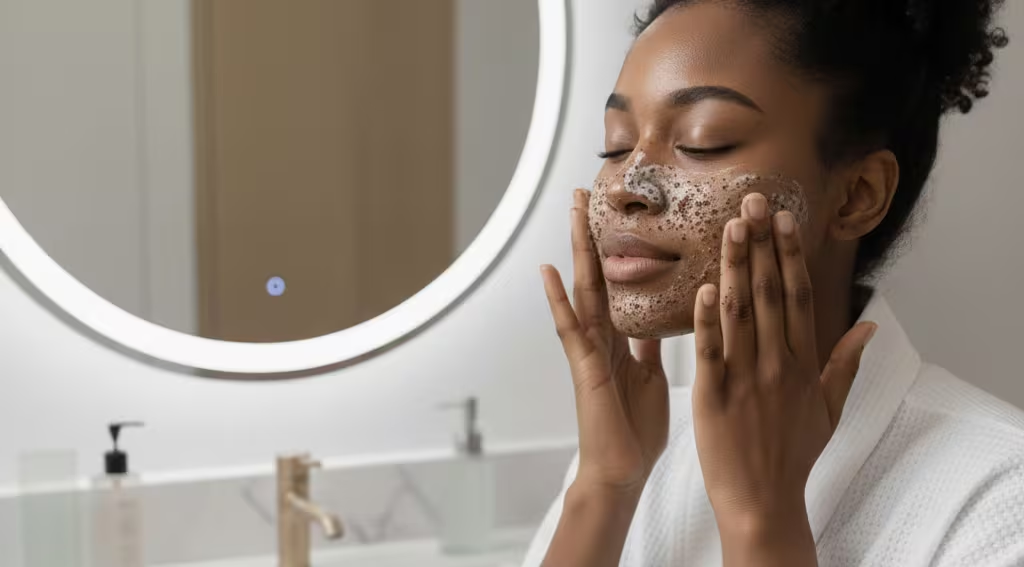
Yes, life gets busy, and a set skincare routine is at the bottom of your priority list, or you simply don’t see the need to wash your face in the evening; so you just don’t do it. But imagine what all the dirt, oil and sweat from the long day you had does to your skin overnight? Normalise cleansing your face twice a day – morning and night. Cleansing twice a day is the foundation of any good skincare routine, and helps remove dirt, oil and impurities.

Normalise cleansing your face twice a day – morning and night, Image: Instagram/@melinda_melrose

Use lukewarm water for cleansing

As good as it may feel, unfortunately hot water is not good for your face; hence washing your face in the shower is not ideal. The skin on your face is more prone to skin reactions. Hot water can strip the skin of its natural oils, leading to dryness and irritation. Always use lukewarm water to cleanse your face, to maintain your skin’s moisture balance.

Always use lukewarm water to cleanse your face, to maintain your skin’s moisture balance, Image: Instagram/@hannahillierphotography

Avoid overloading your skin with product

We live in a world where we’re constantly introduced to new skincare products and techniques, and it can be tempting to try them all at once. You probably have a 10-step skincare routine, but don’t see any results. That may be because your skin is irritated and overwhelmed. Using too much product can irritate the skin, causing it to break out. Contrary to popular belief, you don’t need a time-consuming skincare routine for fresh, glowing skin. It’s best to keep your routine simple, and gradually introduce new products to see how your skin reacts. 

It’s best to keep your routine simple, and gradually introduce new products to see how your skin reacts, Image: Instagram/@dariamorma

Change your pillowcase

Looks are deceiving; and that goes for your pillowcase, too. It may look clean, but it’s not. It can accumulate dirt, oil, sweat and bacteria from your skin and hair. When you sleep, your face comes into direct contact with the pillow, and all those impurities can clog your pores and contribute to breakouts. By changing your pillowcase regularly, you minimise the risk of this build-up. 

By changing your pillowcase regularly, you minimise the risk of this build-up, Image: Instagram/@sunday.citizen

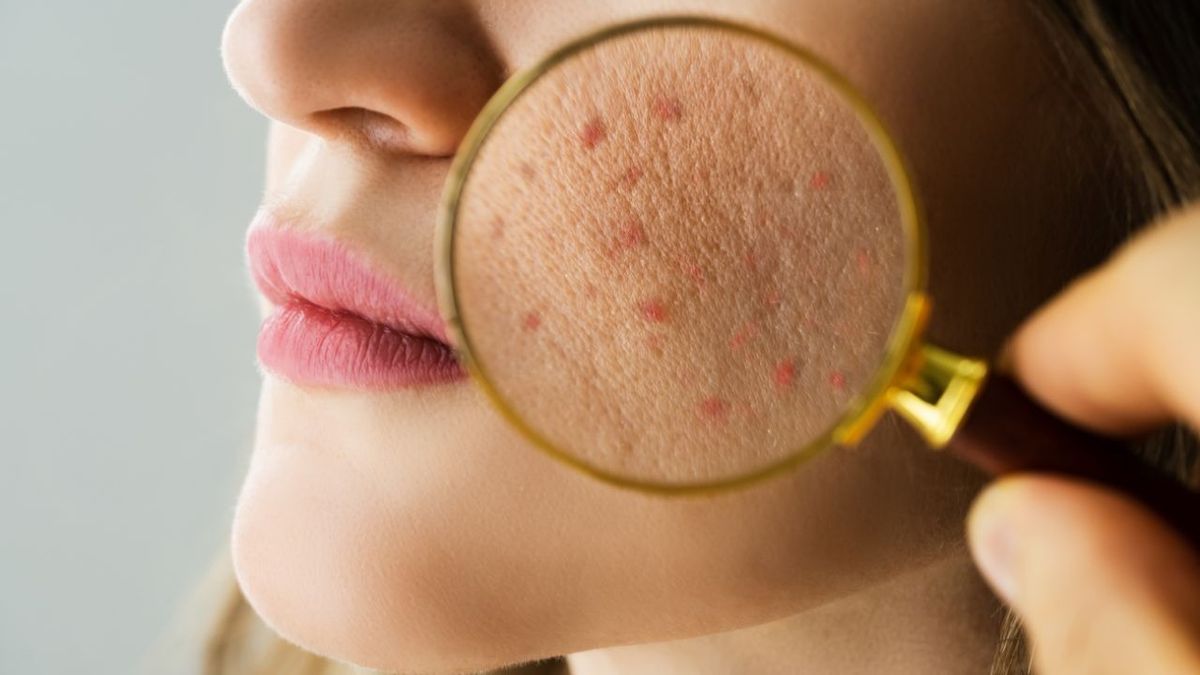
Don’t pop your pimples

If there’s one habit that’s hard to get rid of, it’s pimple-popping. We know; it’s tempting, and satisfying, and sometimes you can’t help it. But it’s not worth the long-lasting dark spots, and the mental toll that comes with getting rid of them.

Some great ways to break the habit:

  • Self-control
  • Don’t spend hours nitpicking your face. You’re bound to find something to scrutinise.
  • When you’re doing your skincare routine, stand a few steps away from the mirror. If you don’t see the flaws, you won’t have the urge to pick at them. Out of sight, out of mind.
Tags: , , , , , ,
Beyond Lohri: Winter Skin Wisdom That Keeps Your Glow Alive | Beauty News

Beyond Lohri: Winter Skin Wisdom That Keeps Your Glow Alive | Beauty News

Last Updated:January 16, 2026, 12:01 IST

Winter skin concerns don’t end with festivals. Discover how seasonal wisdom, warmth, nourishment, and barrier-focused skincare can help maintain a healthy glow

As winter lingers, the lesson remains clear: radiant skin doesn’t come from quick fixes, but from respecting the season. When the skin barrier is protected and deeply nourished, glow isn’t seasonal, it’s sustained.

While Lohri may have passed, winter’s impact on the skin is far from over. Cold winds, low humidity, and reduced circulation continue to challenge skin health well into the season, often resulting in dryness, tightness, and dullness. What Lohri leaves behind, however, is something far more enduring than a date on the calendar, a reminder of seasonal wisdom rooted in warmth, nourishment, and skin protection.

“Lohri was never just about celebration; it reflected an intuitive understanding of what the body and skin need during winter,” says Nitin Jain, Founder, La Pink. That understanding remains deeply relevant even after the festivities end.

Why Warmth Still Matters for Winter Skin

One of the most overlooked elements of winter skincare is warmth. “Winter slows circulation, which directly affects how healthy and radiant the skin looks,” explains Jain. Exposure to warmth, whether through heated environments, warm showers, or gentle massage helps stimulate blood flow, improving oxygen delivery to the skin.

Better circulation not only restores natural radiance but also allows skincare products to absorb more effectively. “When skin is warm and receptive, hydration and repair work far better,” Jain adds making warmth an essential part of any post-festival winter routine.

Seasonal Nutrition: Supporting Skin from Within

Winter traditions emphasised internal nourishment, a principle that remains critical long after Lohri. Foods like peanuts and jaggery rich in essential fats and minerals help counter moisture loss and dryness.

“Seasonal winter nutrition supports skin from within, helping combat the fatigue and dullness that persist through colder months,” says Jain. This inside-out approach strengthens the skin barrier, making topical skincare more effective during peak dryness.

Modern Skincare, Rooted in Seasonal Sense

As winter progresses, skin demands more than light hydration. Jain recommends focusing on barrier repair and moisture retention. “Using a lightweight serum helps restore clarity and radiance, while sealing it with a nourishing body lotion is essential,” he explains.

Products such as a body lotion help maintain comfort and elasticity even as winter continues to strip moisture from the skin. “Our formulations are also 100% microplastic-free, ensuring that glow comes from clean, skin-safe ingredients,” notes Jain.

Ayurveda’s Timeless Answer to Winter Dryness

Ayurveda has long viewed winter as a season that requires richer, protective care rather than quick hydration fixes. “Winter rituals were designed to strengthen the skin barrier, not just soothe it temporarily,” says Rajni Ohri, founder, Ohria Ayurveda.

Traditional oil massages particularly with sesame oil helped prevent moisture loss and maintain elasticity. These practices weren’t festive indulgences, but seasonal necessities.

Ohria Ayurveda continues this philosophy with deeply nourishing formulations. Turmeric Butter offers ghee-like richness to comfort stressed skin, while Rose & Pomegranate Cream locks in moisture throughout long winter days. For facial dullness, Kumkumadi Brightening Elixir supports radiance by working with the skin’s natural renewal cycle.

The Takeaway: Winter Glow Is a Season-Long Practice

The glow associated with winter traditions like Lohri was never meant to be temporary. It was built through consistency, warmth, nourishment, and protection repeated daily.

As winter lingers, the lesson remains clear: radiant skin doesn’t come from quick fixes, but from respecting the season. When the skin barrier is protected and deeply nourished, glow isn’t seasonal, it’s sustained.

First Published:

January 16, 2026, 12:01 IST

Disclaimer: Comments reflect users’ views, not News18’s. Please keep discussions respectful and constructive. Abusive, defamatory, or illegal comments will be removed. News18 may disable any comment at its discretion. By posting, you agree to our Terms of Use and Privacy Policy.

Tags: , , , , , , ,
Brightening Vitamin C Serums for Radiant Skin | Personal-care News

Brightening Vitamin C Serums for Radiant Skin | Personal-care News

These serums are enriched with potent antioxidants that help reduce dullness, fade dark spots, and even out skin tone. Lightweight and fast-absorbing, they support collagen production, improve skin texture, and protect against environmental stressors. Suitable for all skin types, the collection offered skincare enthusiasts an opportunity to upgrade their daily routine with effective and high-quality vitamin C formulations at attractive prices.


Image Source: Myntra


Order Now

Mamaearth’s vitamin C serum is enriched with 10% vitamin C and Gotu Kola extracts to brighten skin, reduce pigmentation, and enhance overall skin radiance. Its lightweight, fast-absorbing formula penetrates deeply to nourish and rejuvenate the skin while providing antioxidant protection against environmental damage. Suitable for daily use, it helps achieve a healthier, glowing complexion.

Key Features:

  • 10% vitamin C brightens and evens skin tone
  • Gotu Kola extract supports skin rejuvenation and healing
  • Lightweight, non-sticky, fast-absorbing texture
  • Provides antioxidant protection against free radicals
  • Suitable for all skin types
  • Visible results may take consistent use over several weeks
  • Not recommended for very sensitive skin without a patch test


Image Source: Myntra


Order Now

This serum by Chemist at Play combines 10% vitamin C with a gentle formulation to reduce dullness, fade dark spots, and improve skin texture. Designed for everyday use, it helps maintain a brighter complexion while protecting the skin from environmental stressors and early signs of aging.

Key Features:

  • 10% vitamin C for brightening and pigmentation reduction
  • Lightweight, non-greasy formula
  • Helps improve overall skin texture and radiance
  • Suitable for daily morning and evening application
  • Works well under moisturizer or sunscreen
  • May cause mild tingling for extremely sensitive skin
  • Results require consistent use over 4–6 weeks


Image Source: Myntra


Order Now

Phillauri’s vitamin C serum is enriched with orange extract, providing natural antioxidants that brighten the skin and restore a healthy glow. The formulation helps reduce pigmentation, even out skin tone, and protect against dullness caused by environmental factors. Its lightweight texture absorbs quickly, making it ideal for layering under moisturizers and makeup.

Key Features:

  • Orange extract for natural brightening and antioxidant support
  • Reduces dullness and pigmentation
  • Lightweight, fast-absorbing formula
  • Improves overall skin texture and glow
  • Suitable for daily use on all skin types
  • Mild citrus scent may not appeal to everyone
  • Visible brightening results require regular use


Image Source: Myntra


Order Now

Add Zee News as a Preferred Source

Minimalist’s high-strength 16% vitamin C serum combines vitamin C with vitamin E and ferulic acid to deliver potent antioxidant benefits. This formula not only brightens skin and reduces pigmentation but also boosts collagen production and protects against premature aging. Fast-absorbing and lightweight, it’s suitable for daily use for a visibly radiant and youthful complexion.

Key Features:

  • 16% vitamin C for intense brightening and pigmentation reduction
  • Vitamin E and ferulic acid provide additional antioxidant protection
  • Supports collagen synthesis for firmer, youthful skin
  • Lightweight, non-sticky formula for daily use
  • Helps improve overall skin texture and glow
  • Stronger formula may irritate very sensitive skin
  • Higher concentration may require gradual introduction into skincare routine

The vitamin C serum sale effectively combined skincare efficacy with affordability, appealing to users who prioritize radiant and healthy skin. By offering a variety of formulations suited for different concerns, the sale reinforced Right to Fashion’s commitment to providing premium beauty products. Overall, these serums proved to be essential additions for anyone looking to achieve brighter, smoother, and more youthful-looking skin.

Disclaimer: At IDPL, we help you stay up-to-date with the latest trends and products. It should not be construed as an endorsement to buy. IDPL may make a very small commission from its sale if one chooses to buy the product from any of the links in this article.


Tags: , , , , , ,
baby balm

Homemade Baby Balm Skin Cream Recipe

When I was pregnant with my first child, my friends and relatives literally gave me 11 bottles of baby lotion. The smell reminded me of my own childhood. I loved that it was specially formulated for babies, so of course, the ingredients had to be natural and safe. Right?

… and then I actually read the ingredients.

What’s in Baby Lotion?

Ingredients like petroleum, artificial fragrances, and propylene glycol weren’t something I wanted on my baby’s skin. I searched for natural baby balm options and found a few great ones. There are even more options available now if you’re not in the DIY mood. 

This Everyday Baby Balm from Motherlove or this one from Badger have clean ingredients and work well. I still preferred making my own baby balm though because I could easily customize the ingredients and it was a lot cheaper. 

Choosing Natural Ingredients For Baby Balm

I decided to make my own from food-safe ingredients. And I even had many of the ingredients on hand already for my homemade lotion bars and other beauty products.

This baby balm recipe uses:

  • Cocoa Butter – High in antioxidants and skin moisturizing fatty acids. It leaves a barrier on the skin to help prevent moisture loss and keep things like urine from irritating sensitive skin. 
  • Shea Butter – A natural source of vitamin A and other nutrients, shea butter is highly nourishing and protective to the skin.
  • Olive Oil– Attracts moisture to the skin and repairs damaged skin. It’s also a major source of plant-based squalene, a lipid our skin cells make to lubricate and protect the skin. 
  • Castor Oil– High in ricinoleic acid and skin protective. 
  • Essential Oils – You can use any diluted baby-safe essential oils you prefer, but I use frankincense, chamomile, and rose. 

Important Note on Essential Oil Safety and Babies

I love essential oils and use them daily for cleaning, aromatherapy, skincare, and more. They are highly concentrated though and not every essential oil is safe or appropriate for every purpose. 

Frankincense, lavender, chamomile, and rose are all gentle options and generally considered safe for babies 3 months and older. Essential oils should always be diluted for little ones and generally should not be more than .25% of the recipe. For this recipe that translates to about 7 drops of essential oils total. 

Herbal Infused Oil

If you have a baby under 3 months or just prefer to skip the essential oils, then an herb-infused baby balm is a great alternative. Here are detailed instructions for how to make an herbal infused oil. 

Lots of herbs will work in a baby balm, but here are some of my favorites. They have natural skin soothing and healing properties and are safe for babies (barring any allergies).

Here’s how to make my favorite homemade baby balm!

Homemade Baby Balm Recipe

This moisturizing baby balm helps protect baby’s delicate skin with natural ingredients.

Prep Time5 minutes

Active Time10 minutes

Cooling Time2 hours

Total Time1 hour 15 minutes

Yield: 5 ounces

Author: Katie Wells

  • Heat all of the ingredients (except essential oils) in a double boiler or in a glass jar or bowl over a small pan of boiling water.

  • Stir carefully until melted.

  • Remove from heat and add essential oils if using.

  • Pour into a glass jar and let it cool in the fridge for several hours or until firm.

  • Store at room temperature and use a small amount as needed for baby’s skin (or adult skin)

Use herb infused olive oil to make the recipe if desired. Check the article for ideas of what to use.

Shelf Life and Storage

Since this baby balm is oil based it has a much longer shelf life than baby lotion with water-based ingredients. It should last 1-2 years when stored away from direct light and heat. 

The baby balm takes a few minutes to absorb into the skin and you only need to use a tiny bit. I’ve had friends say it was incredibly helpful for eczema and skin problems as well.

What did you use on your little ones? Ever made your own? Share below!

Tags: , , , , ,
Jeera water for skin: Why Chitrangda Singh calls this desi skin remedy her ‘Ram Baan’ |

Jeera water for skin: Why Chitrangda Singh calls this desi skin remedy her ‘Ram Baan’ |

(Image Credits: Pinterest) Chitrangda Singh has always been open about her skincare and wellness routines. In this growing world of beauty and skincare, the actress still prefers to keep things natural and believes in focusing on time-tested desi remedies that help her body glow from within.Recently, in an interview with Curly Tales, she opened up about her beauty journey and revealed how a simple home remedy has changed her skin and hair’s texture. According to a report in News18, she spoke about including jeera water in her everyday routine, which made her skin, nails, and hair look better. She next called it a ‘Ram Baan’.

(Image Credits: Pinterest)

She said, “That’s my jeera paani. I’ve definitely stuck with it. It’s horrible-tasting jeera paani, but it will give you good skin.” She trusted this wellness drink completely and admitted that while the taste may not be pleasant, the benefits outweigh the discomfort. She also highlighted its nutritional benefits and said, “It’s very high in vitamin C. You’ll stop falling sick.”

Nimbu paani and more: 5 weight loss drinks that actually work

Jeera, or cumin seeds, has anti-inflammatory and antioxidant properties, which improve the blood sugar control in people with type 2 diabetes and also help in weight management, digestion, and skin health. Rich in antibacterial and antimicrobial properties, it helps detoxify the body, control breakouts, and protect the collagen, further reducing wrinkles and promoting smoother skin. Brimming with vitamin E and antioxidants, it supports healthy and radiant overall skin.So, if you’re looking for a desi solution that is easy on your pocket, then this should be your ultimate match.

Tags: , , , , , , , , ,
Why Indian Skin Needs A Winter Reset: Expert-Backed Skincare Tips | Beauty News

Why Indian Skin Needs A Winter Reset: Expert-Backed Skincare Tips | Beauty News

Last Updated:January 14, 2026, 08:48 IST

Winter affects Indian skin differently, leading to dryness and sensitivity. Learn how barrier repair, hydration, and the right ingredients can restore balance.

Winter calls for a skin reset, strengthening the barrier, boosting hydration, and restoring balance to meet the season’s demands.

Winter brings more than just a change in weather, it alters how our skin behaves. For Indian skin, this seasonal transition can be particularly demanding. While it’s true that Indian skin contains more collagen than Caucasian skin, offering better resilience against early wrinkling, studies from the ITC Dermafique Indian Skin Health Report reveal that it also has a weaker barrier and lower moisture retention. This means that even though Indian skin may appear firmer for longer, it is significantly more prone to dryness and sensitivity when temperatures drop.

Understanding the Indian Skin Barrier

The outermost layer of our skin, the stratum corneum acts as a protective shield, locking in moisture and defending against external aggressors. However, Indian skin tends to have lower levels of Natural Moisturising Factors (NMF), making it more vulnerable to transepidermal water loss, especially during colder months. This helps explain why nearly 80% of Indian women experience dryness due to environmental factors, with 87% struggling with under-eye dryness even after using moisturisers, as noted in the Dermafique report.

The Role of Barrier-Repairing Ingredients

Dr Aparna Santhanam, skin expert and dermatologist, ITC Dermafique, emphasises that winter care for Indian skin must go beyond superficial hydration. Ingredients such as ceramides, hyaluronic acid, and glycerin play a crucial role in reinforcing the skin’s lipid barrier and improving water retention. Hyaluronic acid acts as a moisture magnet, drawing water into the skin, while glycerin forms a humectant layer that helps seal hydration in. Together, these ingredients help restore balance to skin that is both dehydrated and sensitive.

Addressing Pigmentation and Uneven Tone

Interestingly, Indian skin’s higher melanin content, approximately 50% more than Caucasian skin provides natural sun protection but also makes it more prone to pigmentation. Winter sun exposure, combined with indoor heating, can trigger oxidative stress, leading to dullness and uneven tone. Niacinamide, a form of vitamin B3, helps regulate melanin transfer and improve skin tone, making it particularly beneficial for winter skincare routines.

The Winter Reset Routine

A winter reset doesn’t require a complete overhaul of your skincare routine; it simply involves adapting to your skin’s changing needs. Start with a gentle cleanser containing amino acids or lactic acid to cleanse effectively without stripping natural oils. Follow this with a hydrating serum rich in humectants, and finish with a barrier-supporting moisturiser infused with ceramides and panthenol. Most importantly, stay well hydrated, internal hydration plays a vital role in maintaining skin moisture.

As Dr Santhanam summarises, “Indian skin is beautifully resilient yet uniquely sensitive. Understanding its biology allows us to customise our routines to truly support it. Winter care, when done right, helps restore not just moisture, but balance.”

First Published:

January 14, 2026, 08:48 IST

Disclaimer: Comments reflect users’ views, not News18’s. Please keep discussions respectful and constructive. Abusive, defamatory, or illegal comments will be removed. News18 may disable any comment at its discretion. By posting, you agree to our Terms of Use and Privacy Policy.

Tags: , , , , , , , ,
With a New Multivitamin, Has Par Olive Created the Retinol of Ingestible Skin Care?

With a New Multivitamin, Has Par Olive Created the Retinol of Ingestible Skin Care?

The benefits of multivitamins are many. You might take one to balance nutritional gaps, support immune function, or even boost your energy. But have you considered taking one for better skin? Olivia Boyd-Smith, founder of Australia’s leading ingestible brand Par Olive, has—and she has bottled it in her label’s new Advanced Skin Multivitamin, available to shop exclusively for Vogue readers today for 24 hours.

“I wanted to create the retinol of ingestible skin care” and address the root signs of skin aging, Boyd-Smith tells Vogue. That includes the cumulative effect of oxidative stress, chronic inflammation, collagen depletion, and a gradual decline in cellular resilience, according to aesthetic doctor and Par Olive medical director Joseph Hkeik. To address these factors, he thinks of skin health holistically: skin care, relaxation, and nutrition—three pillars around which Advanced Skin is formulated.

Par Olive Advanced Skin Multivitamin

Par Olive

Advanced Skin Multivitamin

  • Why We Love It: For its multivitamin, Par Olive aims to address signs of skin aging with a blend of nine clinically dosed antioxidants, including resveratrol, vitamin C, glutathione, and zinc. Just two capsules per day can illuminate one’s complexion, boost elasticity, reduce inflammation, and support cellular renewal. “We created this for people who are intentional about their skin and understand that prevention is the most intelligent approach to optimal skin health and longevity,” says Boyd-Smith.
  • Key Ingredients: Resveratrol, vitamin C, astaxanthin, lutein, zeaxanthin, glutathione, nicotinamide, riboflavin, zinc
  • Dosage: Two capsules daily with food

Nine master antioxidants were selected to work together, with each supporting a different aspect of skin function, from protecting against daily oxidative stress to reinforcing skin-barrier integrity and cellular repair. “Resveratrol combats oxidative stress, astaxanthin preserves elasticity, vitamin C brightens, glutathione neutralizes free radicals, lutein and zeaxanthin enhance radiance, nicotinamide supports barrier integrity, and zinc balances skin clarity,” Boyd-Smith explains. Each was chosen in collaboration with global skin doctors and longevity experts, clinically dosed, and developed under Australia’s rigorous TGA supplement regulation standards to support cellular renewal, refine texture, restore luminosity, and strengthen resilience.

Photo: Courtesy of Par Olive

Photo: Courtesy of Par Olive

“When [these ingredients are] combined, they create a more complete internal foundation for skin health,” Dr. Hkeik continues. “This allows the skin to function more efficiently, recover better from stress, and maintain its structure over time, which in turn supports and enhances everything we do externally through skin care and treatments.” He emphasizes that because the traditional multivitamin is formulated for overall health, it contains ingredients at lower doses, which often limits their relevance to skin function. The Advanced Skin Multivitamin takes the opposite approach, keeping the complexion as the primary focus. “From a medical perspective, this level of focus matters,” he says. “It allows the formula to support skin health in a meaningful way, rather than simply adding to a general supplement routine.”

Dosage is just two capsules per day taken with food, consistently. “Instead of juggling multiple skin supplements, this single capsule delivers everything the skin needs internally,” says Boyd-Smith, who recommends pairing the multivitamin with Par Olive’s Marine Collagen Superpowder for additional skin structural support. (Research behind the skin benefits of collagen supplementation, a structural protein already found in the body, is plenty.)

Tags: , , , , , , ,
How to Build a Summer De-Tan Routine for All Skin Types

How to Build a Summer De-Tan Routine for All Skin Types

Prolonged sun exposure can cause stubborn tan, dullness, and uneven skin tone. This guide shares a complete summer skincare routine to safely detan your face, repair the skin barrier, and restore your natural glow.

The summer sun can be harsh on your skin and leave behind stubborn tan, dullness, and an uneven tone. Tanning is your skin’s natural defence mechanism against UV damage. However, prolonged sun exposure can make your skin barrier weak and lead to excess melanin production. The good thing is that a tan removal face mask, clubbed with a Vitamin C face wash routine can reverse the sun damage.

This guide outlines a summer skincare routine for all skin types, with a focus on how to detan face and barrier repair to support long-term skin health.

1. Weekly De-Tan Masks

Weekly de-tan treatments are essential in skincare during summer if you spend time outdoors. A well-formulated clay mask can remove tan and impurities and restore your skin’s natural glow without stripping away natural oils.

Clay masks absorb excess oil, remove pore debris, and exfoliate dead and tanned skin cells. They suit oily, acne-prone, dry, sensitive, normal, and combination skin types when used correctly.

Ingredients to look for in a de-tan mask:

  • Kaolin clay absorbs oil and impurities while being gentle on the skin.
  • Brazilian purple clay is rich in minerals that detoxify without dehydration.
  • Lactic acid is a mild AHA that exfoliates tan and improves skin texture.

Use a de-tan mask once or twice a week. Overuse can lead to dryness or sensitivity during peak summer.

2. Gentle Cleansing (Twice Daily)

Sweat, sunscreen, and pollution accumulate on the skin surface in summer, so cleansing is a non-negotiable step in skincare. A gentle cleanser can prevent pore congestion and help remove tan.

Using a tan removal face wash daily removes dull, tanned surface cells while adding a mild brightening effect. It is ideal for summer mornings and evenings.

Choose your cleanser based on your skin type.

  • Oily skin: Opt for a gel or foaming cleanser.
  • Dry skin: Cream-based and hydrating cleansers can be an excellent addition for skin care for dry skin in summer.
  • Sensitive skin: Mild, fragrance-free formulas.
    Cleansing your skin twice daily maintains clarity and prepares the skin for de-tan treatments.

3. Exfoliation (2–3 Times a Week)

This step speeds up cell turnover, helping your skin shed pigmented cells more quickly. This step is crucial if you are wondering how to detan face naturally without harsh scrubbing.

However, choose exfoliants wisely.

  • Oily / acne-prone skin: Salicylic acid (BHA) or glycolic acid (AHA).
  • Dry skin: Lactic acid or enzymes.
  • Sensitive skin: Mild enzyme exfoliators.

Daily exfoliation can weaken the skin barrier and worsen pigmentation, so avoid it.

4. De-Tan & Brightening Serums

Serums penetrate deeper into the skin than masks or cleansers. A targeted serum evens out tone and helps fade tan faster.

Look for these brightening ingredients in a serum.

  • Vitamin C repairs damage and improves glow.
  • Niacinamide strengthens the skin barrier.
  • Liquorice extract fades pigmentation naturally.
  • Alpha arbutin is effective for stubborn sunspots.

Apply the serum once or twice daily, depending on the formula’s strength.

5. Deep Hydration with a Moisturiser

Most people ignore hydration in the summer, but it is essential for skin recovery. Dehydrated skin appears dull and holds onto pigmentation longer.

Moisturiser recommendations based on skin type:

  • Oily skin: Lightweight gel or water-based moisturiser.
  • Dry skin: Creams with ceramides and hyaluronic acid.
  • Sensitive skin: Soothing and fragrance-free formulas.

A moisturised skin heals faster and responds better to de-tan treatments.

6. Sunscreen: The Most Important Step

A summer detan routine is incomplete without sunscreen. UV exposure can reactivate melanocytes, which leads to repeated tanning and pigmentation.

Follow these practices for good sun protection.

  • Use broad-spectrum SPF 50 or higher.
  • Reapply every 2–3 hours outdoors.
  • Gel sunscreens for oily skin.
  • Mineral sunscreens for sensitive skin.

Skipping sunscreen will undo all your progress.

Natural Ingredients That Support Tan Reduction

Natural ingredients can complement your routine, but they take time to show results.

  • Aloe vera soothes sun-exposed skin.
  • Cucumber reduces inflammation.
  • Green tea provides antioxidant protection.
  • Rose water refreshes and calms the skin.
  • Always do a patch test before use.

Common De-Tan Mistakes to Avoid

Using harsh scrubs daily

Physical scrubs can damage the skin barrier, cause microtears, and trigger inflammation when used too frequently. It can worsen pigmentation rather than reduce tan. Gentle chemical exfoliation is more effective at safely removing tan.

Skipping sunscreen

UV rays continuously stimulate melanin production without daily sunscreen. Your skin continues to tan. It will cancel out the effects of masks, serums, and treatments.

Expecting overnight results

Tan forms in deeper skin layers and cannot disappear overnight. Most solutions work by supporting cell turnover, a process that takes time. You can notice a visible improvement over a few weeks.

Final Thoughts

A good summer skincare routine can remove tan at home by gentle exfoliation, hydration, and strict sun protection. It can support your skin’s natural renewal process instead of damaging it with aggressive treatments.

Your natural skin tone will resurface healthier and be more even all summer long with the right de-tan routine and patience.

Note to the Reader: This article has been created by HT Brand Studio on behalf of Foxtale. The information provided is intended solely for informational purposes and does not constitute medical advice or endorsement. Please consult a registered medical practitioner for personalized medical advice or before making any decisions regarding your health conditions or treatment options.

Get latest updates on health and wellness along with Brand Stories

Tags: , , , , ,
Ultimate guide to layering serums for glowing skin

Ultimate guide to layering serums for glowing skin

Get expert tips on layering serums to improve your skincare routine. Find out which serums you can mix for the best results.

Serums are highly concentrated products formulated to deliver active ingredients into the skin to address specific skin concerns, including pigmentation, fine lines, loss of firmness, and dull skin. Although the benefits of using serums are well established, layering them to achieve these benefits poses significant challenges due to chemical interactions and the skin’s tolerance.

What is the best layering of serums?

The overall strategy for layering serums is to apply them from thinnest to thickest and to identify the right time of day for each active ingredient. “Water-based serums, such as Vitamin C or Niacinamide, should be applied first. The slightly thicker products will follow”, Dermatologist Dr Varshini Reddy tells Health Shots. These may include peptides or oil-based serums. The layering order must be correct for each active.

Try using vitamin C and glycerin to get a glass-like look. Image courtesy: Adobe Stock

  1. Vitamin C

An antioxidant that has skin-lightening properties and protects the skin from oxidation. By far the best time to use vitamin C is in the morning, when the skin has the opportunity to shield itself from environmental factors. “To reduce sensitivity, a beginner may use a low concentration that they can gradually increase”, says Dr Reddy. In addition, alternative skin antioxidants are available for those sensitive to vitamin C.

2. Niacinamide (Vitamin B3)

It has numerous benefits for the skin, from barrier repair to sebum control. “Its use will not interact adversely with other creams or serums containing other actives, such as Vitamin C”, says the doctor. Niacinamide works very well both during the day and at night.

3. Retinoids

They are the gold standard for anti-ageing. Retinoids promote skin cell turnover, stimulate collagen production, and help reduce fine lines and hyperpigmentation. “Retinoids should be used in the evening because they are photosensitive. They should also be used cautiously to minimise irritation,” says the doctor. We recommend starting with twice to three times a week. A chemical exfoliant should not be used on the same day as the use of retinoids.

4. Peptides

They are short chains of amino acids that signal the skin to synthesise collagen and support firmness. “They are generally light and can be mixed with most serums, such as antioxidants and retinoids”, says the expert. They may be used either for morning or night care.

Peptides may be used in the morning or at night. Image courtesy: Adobe Stock

Layer serums from thinnest to thickest, and remember to seal them with a moisturiser to keep the active ingredients locked in. “Introduce only one new active ingredient at a time so you can monitor your skin’s tolerance and minimise potential irritation”, suggests Dr Reddy.

How to layer your skin care routine?

A sample layering routine could be: Vitamin C, Niacinamide, and peptides in the morning, followed by moisturiser and broad-spectrum sunscreen. “Then, one might use Niacinamide, retinoids (two to three times per week), AHA/BHA-based toners or serums, peptides, and a hydrating moisturiser”, says the expert. Hydration is key, as water-based serums enhance the penetration and effectiveness of other actives.

What are the benefits of layering skincare?

Overall, layering serums can significantly improve skin outcomes when applied in the correct order, at appropriate concentrations, and at the proper timing. “Being informed about the properties of each active and following principles of evidence-based layering safely optimises the routine for improving texture, brightness, and overall skin health in the patient,” says the dermatologist.

Tags: , , , , ,
A Daily Habit that Damages Your Skin and Accelerates the Appearance of Wrinkles

A Daily Habit that Damages Your Skin and Accelerates the Appearance of Wrinkles

Khaberni – Experts warn of a daily habit that may seem ordinary and simple, and comfortable, but may cause long-term damage to your skin and then you find yourself surprised by premature aging on your face.

For instance, washing your face with extremely hot water, especially in winter, can accelerate skin aging without you realizing it, despite the temporary feeling of relaxation that a hot shower provides.


Dr. Annette Philips, a beautician at the “Forever Facial Esthetics” clinic, asserts that using hot water is one of the most common skincare mistakes she observes daily.


She explains that excessively hot water weakens the skin’s protective barrier, which is responsible for retaining moisture and protecting it from dryness. When this barrier is damaged, the skin becomes dull and tight, and fine lines and wrinkles appear more clearly, especially around the eyes and mouth.


And the problem doesn’t stop with the water temperature alone, but also extends to incorrect habits accompanying bathing. Many people cleanse their faces with body wash or let shampoo and conditioner run directly onto their facial skin, even though these products are not intended for that use.

Dr. Philips points out that these practices can lead over time to dry skin and increased sensitivity and roughness, noting that many people think their skin suddenly looks older, while the real reason is excessive cleaning with inappropriate products.


According to Philips, the solutions lie in simple but effective changes; notably, stopping the washing of the face with extremely hot water, replacing it with lukewarm water during the shower, and then cleansing the face later at the sink using tepid water and a gentle cleanser designed for the face..


She adds: “If you feel a tightness in your skin after washing, then it’s a clear indication that the water or cleanser used is harsher than it should be.”


She also emphasizes the importance of moisturizing the skin immediately after cleansing, noting that applying moisturizer on slightly damp skin helps maintain hydration and gives the skin a softer, fresher look.


Moreover, for those with dry or sensitive skin, she advises against frequently trying new products and sticking to the fundamental products that the skin is accustomed to, allowing it adequate time to recover, as time is a part of the healthy recipe.

Tags: , , , , , ,
Best oLive
Privacy Overview

This website uses cookies so that we can provide you with the best user experience possible. Cookie information is stored in your browser and performs functions such as recognising you when you return to our website and helping our team to understand which sections of the website you find most interesting and useful.