Cricket in L1

Want a secret for glass skin? Try these 8 night serums for naturally glowing skin every morning

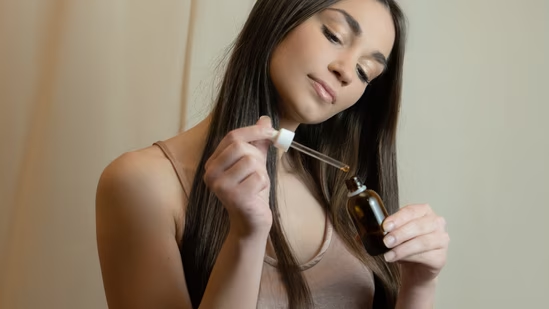
A glass-like glow does not happen overnight, but constant use of night serums can be a step towards achieving glowing skin. During the night, your skin increases cell turnover and repairs daily damage caused by sun exposure, pollution, and stress.

Get glass like glow with these night face serums (Pexels)

Applying a night serum before bed helps support this natural renewal process. Ingredients like retinol encourage collagen production, hyaluronic acid boosts hydration, niacinamide strengthens the skin barrier, and peptides improve elasticity and firmness.

How to choose the right night serum?

Know Your Skin Type

Different serums work best for different skin types:

  • Dry skin: Look for hydrating ingredients like hyaluronic acid, ceramides, and squalane.
  • Oily or acne-prone skin: Choose lightweight formulas with niacinamide, salicylic acid, or retinoids.
  • Combination skin: Go for balancing serums that hydrate without heaviness.
  • Sensitive skin: Pick gentle, soothing ingredients such as aloe vera, centella asiatica, or low-strength antioxidants.

    Identify Your Skin Concerns

What issue are you targeting?

  • Ageing/Fine lines: Retinol, peptides, vitamin C
  • Uneven tone/Hyperpigmentation: Vitamin C, niacinamide
  • Dullness: AHA (like glycolic acid), vitamin C
  • Dryness: Hyaluronic acid, ceramides

Check the Ingredient List

  • Avoid unnecessary fillers or harsh fragrances if you have sensitive skin.
  • Retinol, vitamin C derivatives, andpeptides are great but can be strong; introduce slowly.
  • Some ingredients don’t work well together (e.g., pure vitamin C + retinol).

Consider Season and Climate

  • In hot, humid weather, lighter serums help avoid greasiness.
  • In dry, cold weather, richer, hydrating formulas retain moisture.

Read Reviews and Check Brand Credibility

Look for brands with transparent ingredient disclosure.

Check reviews from users with similar skin types.

Top-rated night serums for glowing skin

Regaliz Truderma Night Repair Serum restores skin with powerful peptides, hyaluronic acid, and botanical extracts that hydrate and repair tired skin. This face serum improves elasticity, reduces fine lines, and strengthens the skin barrier while you sleep. Most users report waking up to softer, plumper, and visibly refreshed skin after consistent use. They love its lightweight texture and non-greasy finish, making it ideal for daily nighttime skincare routines focused on anti-ageing and deep nourishment.

Foxtale Collagen-PDRN Cell Renewal Serum boosts collagen production and accelerates cell renewal for firmer, youthful-looking skin. Infused with PDRN and collagen-supporting actives, this face serum improves elasticity, smooths texture, and enhances radiance overnight. Customers praise its fast-absorbing formula and noticeable glow within weeks. Many users highlight reduced dullness and improved skin bounce, making it a popular choice for anti-ageing and skin-repair routines.

Garnier Bright Complete Night Vitamin C Serum targets dark spots and dullness with potent Vitamin C and brightening actives that work while you sleep. It promotes even skin tone, enhances glow, and reduces pigmentation marks. Users appreciate its lightweight consistency and visible brightening results. It also gives a smoother texture and reduces dark spots for radiant, refreshed skin.

Minimalist Anti-Aging Night Serum combines scientifically backed ingredients to reduce wrinkles, fine lines, and uneven texture. This face serum supports collagen production and strengthens the skin barrier for firmer, smoother skin. Users report improved elasticity and a visible reduction in early signs of ageing. Customers value its fragrance-free, lightweight formula that suits sensitive skin while delivering effective anti-ageing results without irritation.

Foxtale 0.15% Beginner Friendly Retinol Night Serum introduces retinol gently to first-time users, helping reduce fine lines, acne marks, and uneven texture. Its balanced 0.15% retinol formula promotes smoother, clearer skin with minimal irritation. Customers love its mild yet effective performance and report brighter, refined skin within weeks. Many beginners highlight reduced breakouts and improved texture without excessive dryness, making it ideal for starting a retinol routine.

Olay Retinol24 Max Night Serum delivers 24-hour hydration with a powerful retinol complex that reduces fine lines, wrinkles, and dark spots. It penetrates deeply to renew skin texture and boost radiance overnight. Users consistently praise its fast absorption and noticeable smoothing effects within weeks. Customers report brighter, firmer skin and minimal irritation compared to traditional retinol formulas, making it a trusted anti-aging night serum.

/PHD/ 0.3% Retinol Face Serum features 0.3% retinol to visibly reduce wrinkles, acne scars, and pigmentation while accelerating cell turnover. It improves firmness and refines pores with consistent nighttime use. Customers report clearer, smoother skin and improved texture after a few weeks. Many users appreciate its potent formulation for advanced retinol users seeking stronger anti-aging results and visible skin renewal.

Foxtale 0.15% Beginner Friendly Retinol Night Serum gently improves skin texture and reduces early signs of aging with beginner-safe retinol strength. It supports collagen production and enhances clarity without overwhelming sensitive skin. Users frequently mention minimal irritation and gradual, visible improvement in fine lines and acne marks. Customers recommend it as an ideal starter retinol serum for smoother, healthier-looking skin.

Similar articles for you

Beyond Vitamin C: Top 8 spot-correcting serums you need to know about

Try these 8 face serums for dry skin to get a hydrated, nourished, and plump look

Tags: , , , , , , ,
Which Is Better for Skin Health and Immune Support?

Which Is Better for Skin Health and Immune Support?

Key Takeaways

  • Vitamins E and C can both nourish and protect your skin.
  • These vitamins also have complementary roles in immune health.
  • Using them together may be more effective than using either alone.

Both vitamin E and C play roles in immunity and skin health. Because of that, choosing between them may depend on your health goals, and using them together can be a great boost for both areas.

Skin Health Benefits

When it comes to skin health, both vitamin C and vitamin E can have a positive impact, though they are similar in some ways and different in others.

Vitamin C, also known as ascorbic acid, is often used in skincare products to help brighten the skin, reduce dullness, and offer anti-aging benefits by stimulating collagen production. The nutrient can also help protect against sun-related skin damage due to its antioxidant properties and may speed up wound healing.

Vitamin E, also known as tocopherol, can benefit skin health in other ways. For example, the fat-soluble vitamin, applied topically, can penetrate deeper into the skin. This can help provide intense nourishment to combat dryness or damage.

It also repairs the skin barrier, leading to less moisture loss over time, while protecting collagen fibers to reduce signs of aging. Like vitamin C, it also acts as an antioxidant to protect against sun damage.

Choosing Between Them

To consider which is better for you, check out the benefits of each. For example, if dryness is an issue for your skin, vitamin E might be a better go-to. However, if you’re looking to brighten or correct uneven skin tone, vitamin C is often more effective.

Immunity Benefits

Vitamin C and E boost the body’s defense system, strengthening the immune system against illness and disease. However, how they do so differs.

When the body has enough vitamin C, it uses the nutrient to enhance the activity of the parts of the immune system that alert and adapt to general and specific threats. Vitamin C also protects the body against cell damage caused by oxidative stress because of its antioxidant properties, which ensure that immune cells can function at their best.  

Vitamin E acts similarly to vitamin C in the sense that it has antioxidant properties that help enhance and regulate the immune system’s action against illness-causing germs.

It works specifically on T cells, which are specialized white blood cells in the immune system that identify germs and target them for destruction before they cause too much damage. Vitamin E also helps regulate other immune cells, ensuring all cells are ready to fight infection effectively.

Using Vitamin C or E for Infections

When it comes to infections, vitamin C is better at fighting short-term, more moderate or mild infections and shortening their duration, whereas vitamin E is more of a long-term defense, supporting immune system function over the long term.

How They Work Together

If you want to reap the benefits of both vitamin C and E for skin health or immunity, getting enough of both nutrients is a great way to do that.

For immune health, vitamins C and E can work together. Vitamin C can help regenerate vitamin E stores, allowing them to work together to protect cell membranes. When the cells are better protected, they can fight off disease and illness more effectively.

Using vitamins E and C together for skin health can provide twice the benefits for several reasons. For example, they both address signs of aging, but in different ways. Vitamin C stimulates collagen production, which vitamin E then better protects.

Vitamin C can also recharge or repair vitamin E so that it can be used by the body instead of becoming waste. That way, when it’s used on the skin or consumed in food or supplements, the body can use more of it, allowing it to have a longer-acting effect.

So, while vitamin C and E both have their own benefits for immunity and skin health, ensuring that you have enough of both will allow them to work together for maximum benefit.

Verywell Health uses only high-quality sources, including peer-reviewed studies, to support the facts within our articles. Read our editorial process to learn more about how we fact-check and keep our content accurate, reliable, and trustworthy.

  1. Pullar JM, Carr AC, Vissers MCM. The roles of vitamin C in skin health. Nutrients. 2017;9(8):866. doi:10.3390/nu9080866

  2. Januszewski J, Forma A, Zembala J, et al. Nutritional supplements for skin health—a review of what should be chosen and why. Medicina (Kaunas). 2023;60(1):68. doi:10.3390/medicina60010068

  3. Makhakhe L. The role of vitamin C on the skin. S Afr Fam Pract. 2025;67(1):e1-e7. doi:10.4102/safp.v67i1.6098

  4. Mohanan R, Jose SP, Sreevallabhan S, et al. Moisturizing and antioxidant factors of skin barrier restoring cream with shea butter, silkflo and vitamin E in human keratinocyte cells. Int J Cosmet Sci. 2025;47(2):260-269. doi:10.1111/ics.13014

  5. Carr AC, Maggini S. Vitamin C and immune function. Nutrients. 2017;9(11):1211. doi:10.3390/nu9111211

  6. Lee GY, Han SN. The role of vitamin E in immunity. Nutrients. 2018;10(11):1614. doi:10.3390/nu10111614

  7. Institute of Medicine Committee on Military Nutrition Research: Military Strategies for Sustainment of Nutrition and Immune Function in the Field. Vitamin E, vitamin C, and immune response: recent advancements.

  8. Ogunleye OD, Afolabi OA, Saka WA, et al. Possible role of vitamins C and E co-administration in the prevention of testicular ischemia-reperfusion injury following surgical repair of torsion of the testis. Front Nutr. 2025;12:1660240. doi:10.3389/fnut.2025.1660240

By Angelica Bottaro

Bottaro has a Bachelor of Science in Psychology and an Advanced Diploma in Journalism. She is based in Canada.

Thanks for your feedback!

What is your feedback?

Helpful

Report an Error

Other

Tags: , , ,
The 21 winter skincare essentials that dermatologists use when dry weather wrecks their skin | Life and style

The 21 winter skincare essentials that dermatologists use when dry weather wrecks their skin | Life and style

The word “moist” is one of the most reviled in the English language. Some researchers even found that up to 20% of people squirm at the sound of it. The New Yorker once voted it its readers’ “least favorite word.” People magazine once called it the “most cringe-worthy word” and even rounded up a passel of Sexiest Men Alive to try – and fail – to rehabilitate it.

The Guardian’s journalism is independent. We will earn a commission if you buy something through an affiliate link. Learn more.

According to our dermatologist experts, however, moist is one of the most important words, especially in winter. Dry, heated indoor air and the whipping winds outdoors tend to slurp all the moisture out of your skin. The result: chapped lips, ashy or itchy skin, rough hands and cracked feet.

During this time, “keep your skincare gentle and limited; winter skin is more delicate”, says Dr Oyetewa B Asempa, an assistant professor of dermatology at Baylor College of Medicine’s department of dermatology in Houston, Texas.

What do dermatologists use for their own skincare, then? We asked our experts for personal recommendations on what they use head to toe: for the face, body, hands and feet. Here’s their guide to how to avoid being sucked dry in winter.

At a glance

$19.99 at Amazon$24.97 at Amazon$47 at Amazon$4.99 at Amazon$21.99 at Amazon$11.94 for two at Amazon$15.78 at Amazon

Meet our experts on dry skin

  • Oyetewa B Asempa, MD, FAAD, an assistant professor of dermatology at Baylor College of Medicine in Houston.

  • Jeanine B Downie, MD, a board-certified dermatologist based in Montclair, New Jersey.

  • Lauren Payne, MD, MS, FAAD, a board-certified medical, surgical and cosmetic dermatologist based in New Orleans.

What derms use for their face

Photograph: Cultura Creative/Getty Images/Tetra images RF

“I always do cleanser, serum, moisturizer and then sunscreen is always last,” says Lauren Payne, the dermatologist in New Orleans.

For a cleanser: “I love a glycolic, acid-based cleanser every day, but in the winter I can’t use it as frequently,” she says. Even in New Orleans’s mild winter, she continues: “So I may do that three times a week, and I’ll add in a hydrating cleanser on the other days.”

Ingredients she looks for in a cleanser: hyaluronic acid (HA), a humectant that can absorb many times its weight in water; and glycerin, a humectant that attracts water from the air.

An HA pro tip: “I always tell patients to make sure their skin is damp before they put anything with HA on because it binds to water,” Payne says. “If you put it on dry skin, it actually kind of takes some of the moisture out of your skin. That’s my personal experience. I used to use one, and I was like, why is it making my skin more dry?”

What’s in their skincare routine? Her go-to cleanser brands are La Roche-Posay Toleriane (which contains glycerin) and CeraVe Hydrating Facial Cleanser (which has HA as well as ceramides, fats naturally found in your skin).

Photograph: Courtesy of Amazon

La Roche-Posay Toleriane Moisturizing Milky Facial Cleanser

$19.99 at Ulta Beauty $19.99 at Amazon Photograph: Courtesy of Amazon

CeraVe Hydrating Facial Cleanser

$15.97 at Amazon$16.49 at CVS Pharmacy

For those (remember: gentle!) exfoliation days, Payne goes with Glytone Mild Gel Cleanser, better for more oil-prone skin. Payne says the Glytone Mild Cream Cleanser is better for drier skin: “It should be pretty tolerable for even patients with sensitive skin.”

Photograph: Courtesy of Amazon

For oily skin: Glytone Mild Gel Cleanser

$23.40 at Amazon$27 at Glytone Photograph: Courtesy of Amazon

For dry and sensitive skin: Glytone Mild Cream Cleanser

$32 at Amazon$36 at Glytone

For a moisturizer: How do you make winter makeup look good? It’s all in the moisturizer.

“It really doesn’t matter, makeup product-wise,” Payne says. You do not need to switch out your makeup in winter. “It’s whether your skin is moisturized enough. If, when you’re putting on makeup, your underlying skin is cracked or dry or flaky, nothing is going to stick or settle and look good on your skin.”

Lack of humidity leads to overall dryness, but indoor heat, chilly winds and even heat in the car “adds to the problem,” says Dr Jeanine B Downie, the dermatologist in New Jersey.

What’s in their skincare routine? Neutrogena Hydro Boost, a lightweight gel with HA. And La Roche-Posay Toleriane Double Repair Face Moisturizer, a light cream with ceramides and glycerin that easily sinks into skin.

Asempa picks “thick and luxurious” RoC Hydration+ Moisturizer, which has HA and amino acids that the brand claims can support collagen growth (that’s the stuff that keeps your skin plump and bouncy).

Photograph: Courtesy of Amazon

Neutrogena Hydro Boost Water Gel

$19.97 at Walmart$22.99 at Amazon Photograph: Courtesy of Ulta

La Roche-Posay Toleriane Double Repair Face Moisturizer

$24.99 at Amazon$25.99 at Ulta Beauty Photograph: Courtesy of ROC

RoC Hydration+ Moisturizer

$24.97 at Amazon$32.99 at Roc Skincare

For a serum: Some people save serums for night-time use, but there’s no law that they can’t see the daylight. They can contain antioxidants to battle environmental stressors, as well as moisturizing ingredients that will really seal the deal of your soft, smooth skin.

What’s in their skincare routine? For “dermatologist-style hydration at a wallet-friendly price”, Asempa likes CeraVe Hydrating Hyaluronic Acid Serum with glycerin and dimethicone, which protects skin from water loss.

She also recommends La Roche-Posay Hyalu B5 Serum. “It’s a classic HA with vitamin B5 to repair the skin barrier,” she says. B5, aka panthenol, is an anti-inflammatory ingredient in skincare that has been shown to significantly boost skin barrier repair and hydration after 48 hours.

Photograph: Courtesy of Amazon

CeraVe Hydrating Hyaluronic Acid Serum

$17.99 at Amazon$24.49 at CVS Pharmacy Photograph: Courtesy of Amazon

La Roche-Posay Hyalu B5 Serum

$39.99 at Amazon$39.99 at Dermstore

For an extra glow: It’s certainly not essential, but you can also try a vitamin C serum for “brightening” after moisturizing. “Thanks to antioxidant properties, it gives you a glow,” Payne says.

Not all vitamin C serums are the same. “There are so many over-the-counter products, but most of them are about 90% filler and actually 10% vitamin C,” Payne cautions. How do you know a product has an effective amount? “The big thing is, if it tingles when you put it on, it’s probably actually active vitamin C.”

For people with sensitive skin, she recommends La Roche-Posay Vitamin C12 Serum.

Photograph: Courtesy of Amazon

La Roche-Posay Vitamin C12 Serum

$44.99 at Amazon$44.99 at Dermstore

What derms use for sunscreen

Photograph: javi_indy/Getty Images/iStockphoto

“Regardless of where in the country you are, I say sunscreen every day. Inside, outside,” Payne insists. “You should not skip sunscreen during the winter months,” adds Downie. “The SPF needs to be 30 or greater and it should be reapplied every three hours – more frequently if you are closer to the equator.”

It’s not just about the sun. Blue light from our computers and other electronic devices can increase skin aging and hyperpigmentation, Payne says.

She uses and recommends tinted sunscreens, because the added pigments, such as iron oxide, are especially effective at shielding the skin from blue light.

Finding a mineral sunscreen that doesn’t give skin an ashy hue is also a life goal for some. “I’m African American, so it’s tough for us to find a sunscreen that doesn’t leave that white cast,” Payne says. Some clear sunscreens also block blue light, especially those with niacinamide.

What’s in their skincare routine? She uses EltaMD sunscreens. The brand’s formulations “do seem to rub into a lot of different skin tones very well”, she says. “They have a clear, a deep-tinted and a combo version. For some reason, it’s the combo that works the best.”

Downie picks ZO Daily Sheer for its high SPF.

Photograph: Courtesy of Amazon

EltaMD UV Clear Tinted Broad-Spectrum SPF 46

$47 at Dermstore$47 at Amazon Photograph: Courtesy of ZO Skin

ZO Daily Sheer Broad-Spectrum SPF 50

$49 at Amazon$70 at ZO Skin

What derms use for dry lips

Photograph: Jorge Elizaquibel/Getty Images

Don’t forget sunscreen for your dry, wind-burned, chapped, cracked (potentially all of the above) lips.

Lip balms with SPF and petrolatum, AKA petroleum jelly, are ideal. The latter helps seal in moisture. “It really is one of the most effective occlusives around,” Asempa says. “People think it’s like putting gas on your face. That’s not what’s happening.” Triple-distilled petrolatum, the kind used by big brands like Aquaphor and Vaseline, is non-toxic and non-carcinogenic.

What’s in their skincare routine? Aquaphor lip balm in particular “applies nicely,” Payne says. She says you can apply lipstick first, then Aquaphor on top: “It doesn’t look cake-y.”

Photograph: Courtesy of Amazon

Aquaphor Lip Protectant + SPF 30

$4.99 at Amazon$11.49 for two at CVS pharmacy

What derms use for the shower

Photograph: PeopleImages/Getty Images

You might be showering wrong in the winter. “It’s important to not over-exfoliate,” Payne says, in order to avoid too much moisture leaving your skin. “So for people who like to use loofahs and all that type of stuff, I wouldn’t recommend doing so frequently.”

You don’t have to stop altogether, she says, but “they shouldn’t be an everyday type of thing”.

“We love those extremely hot showers because they feel amazing,” Payne says, “but they are just soaking all the moisture out of your skin.” Her rule of thumb: warm water, not scalding hot, and 10 minutes at most in there; after 15 minutes or so, you start losing moisture.

She suggests using a body wash containing moisturizing agents such as ceramides or HA.

Photograph: Courtesy of Amazon

Ceramedx Extra Gentle Body Cleanser

$11.99 at Ceramedx$12.45 at Amazon

And then, once you come out of the water, she says: “You want to pat dry. You don’t want to fully dry off.” Leave skin a little damp before you apply any body moisturizer “so it can actually penetrate into your skin.

“Summertime is great for lotions, those lighter water-based moisturizers,” she says. “In wintertime, it’s time for creams.” Look for ingredients such as glycerin, squalene and ceramides.

Got really dry skin? She recommends layering products. “Put the cream on first and then seal it in with an Aquaphor or Vaseline, something that contains petroleum jelly, to really lock in the moisture.”

Photograph: Courtesy of CVS

CeraVe Moisturizing Cream with Ceramides

$18.19 at CVS Pharmacy $18.96 at Amazon Photograph: Courtesy of Walmart

Vaseline Intensive Care Deep Moisture Body Cream

$14.97 at Walmart $39.96 for pack of four at Amazon

What’s in their skincare routine? “Roche-Posay’s Lipikar cream is really good, head to toe,” she says. “It’s not greasy and it doesn’t rub off on clothing like some creams do.”

Asempa is also a Lipikar fan: “It’s my ultimate winter moisturizer. My personal favorite.”

For those on a budget, she recommends Good Molecules Rich Cream, which contains ceramides. “It’s so thick and luxurious,” she says.

Photograph: Courtesy of Ulta

La Roche-Posay Lipikar AP+M Triple Repair Body Moisturizer for Dry Skin

$21.99 at Amazon$21.99 at Ulta Beauty Photograph: Courtesy of Good Molecules

Good Molecules Rich Cream with Ceramides

$13.99 at Amazon$14 at Good Molecules

What derms use for dry hands

Photograph: Ekaterina Vasileva-Bagler/Getty Images

Go beyond just cuticle oil. “The big thing is making sure not just the nails, but the hands in general are moisturized,” Payne says.

What’s in their skincare routine? Heavier creams rather than light lotions. “I really like Neutrogena Norwegian Formula Hand Cream. It’s thick but it’s manageable and it really holds the moisture in,” she says. It’s fragrance-free and contains glycerin.

Photograph: Courtesy of Amazon

Neutrogena Norwegian Formula Hand Cream

$7.19 at CVS Pharmacy $11.94 for two at Amazon

What derms use for dry feet

Photograph: Microgen Images/SCIENCE PHOTO LIBRARY/Getty Images/Science Photo Library RF

Even though your feet are snuggled up in woolly socks much of the winter, the cold, dry air can leave them looking ragged and feeling worse. Extreme dryness can even cause painful heel fissures.

Look for creams containing urea, according to Payne. She says: “Urea is what we call a keratolytic. It’s an exfoliator for thicker skin areas such as the hands and feet.”

Photograph: Courtesy of Amazon

Cetaphil Exfoliating Rough & Bumpy Cream

$14.99 at Amazon$14.99 at Walmart Photograph: Courtesy of Amazon

Eucerin Advanced Repair Cream

$15.78 at Amazon $15.79 at Target

Tags: , , , , , , , , ,
Glutathione And Vitamin C: Is It A Good Combo For Skin?

Glutathione And Vitamin C: Is It A Good Combo For Skin?

Glutathione and Vitamin C are two of the most powerful antioxidants in skincare. They have become a go-to solution for many skin concerns, such as dullness and premature ageing. The result you get from using them is a healthy complexion. If you are struggling with clearing dark spots or simply want to make your skin look alive, you may have come across these names.

The common question is whether using Glutathione and Vitamin C is effective when you use them together. Or, should you use them separately as a Glutathione serum and Vitamin C serum? This guide explores how this combination works and how to use it correctly for the desired results.

What Is Glutathione and Vitamin C?

It will be easier to understand the reasons for using them together if you know what each ingredient does on its own.

Glutathione: The Master Antioxidant

Glutathione is a naturally occurring antioxidant in the human body. It helps with detoxification and keeping your cells healthy. In skincare, it is widely known for its ability to brighten the skin. It can also target pigmentation, uneven tone, and environmental damage when you use it on your face. It works by inhibiting the enzyme that produces melanin, which can fade dark patches to give you an even complexion.

Vitamin C: The Glow Booster

It is the most popular brightening ingredient in the beauty world. Its antioxidant properties boost collagen production, improve skin texture, and promote natural radiance. It is particularly good at fading existing dark spots and protecting the skin from “free radicals”. They are present in pollution and the sun that cause wrinkles and dullness.

Should You Use a Glutathione Serum with Vitamin C?

The direct answer is yes. Using a Glutathione serum with Vitamin C can improve your results compared to using them alone. In fact, they support each other.

Why This Combo Works Well

The secret is how they interact with each other. Vitamin C recharges Glutathione. When Glutathione neutralises a free radical, it becomes inactive. That is when Vitamin C steps in to convert it back into its active form so that it can continue protecting your skin. This means the combination of Glutathione and Vitamin C works on your skin for much longer.

Key benefits are listed below.

  • Double Brightening: Both ingredients work to reduce melanin to give you a more natural and healthy glow.

  • Fades Pigmentation: The duo clears up dark spots and acne marks remarkably well.

  • Environmental Shield: They provide stronger antioxidant protection against the sun and pollution.

  • Anti-Ageing: They keep your skin firm and smooth by boosting collagen.

Modern formulations combine both ingredients into a single Vitamin C and Glutathione serum, which makes it easy to get the Glutathione serum benefits. Also, your routine becomes simple as you only have to use one serum.

How to Use Vitamin C and Glutathione Serum Correctly

You should use Vitamin C and Glutathione serum for face when your skin is most exposed to environmental stress to get the most out of it, which is in the morning.

Morning Skincare Routine

  1. Gentle Cleanser: Start with a clean base.

  2. Vitamin C and Glutathione Serum: Apply 3-4 drops to your face and neck.

  3. Lightweight Moisturiser: Lock in the benefits of the serum and keep your skin hydrated.

  4. SPF 50 Sunscreen: This is the most important step, so do not skip it.

It is essential to use SPF 50 sunscreen when you are using these antioxidants. Glutathione with Vitamin C repairs your skin, but the sun can easily reverse those results if you skip protection. Sunscreen prevents new UV damage and pigmentation from returning, so always end your morning routine by applying a liberal amount of SPF to protect your skin.

Who Can Benefit from Glutathione and Vitamin C?

The beauty of Glutathione and Vitamin C is that the combination is quite versatile. It is ideal for those dealing with the following skin problems.

  • Dull or tired-looking skin: If your skin looks grey or lacks life

  • Uneven skin tone: If you have dark patches or sun spots on your skin

  • Early signs of ageing: If you want to prevent fine lines before they settle in

  • City dwellers: If your skin is exposed to smog and pollution most of the time

Most skin types can tolerate this combination well, but it is still better to test a small amount on your jawline first. If you have very sensitive skin, do not use it unless you do a patch test.

Final Thoughts

Combining Glutathione with Vitamin C is the smartest move you can make for your skincare routine. They can brighten the skin, but also work together to keep each other active for longer. If you are looking to improve the appearance of your skin, then giving this serum a chance is worth it. You can achieve a clearer and more radiant complexion by using a high-quality product.

Tags: , , , ,
Beef Tallow for Skin and Its Role in Natural Skincare

Beef Tallow for Skin and Its Role in Natural Skincare

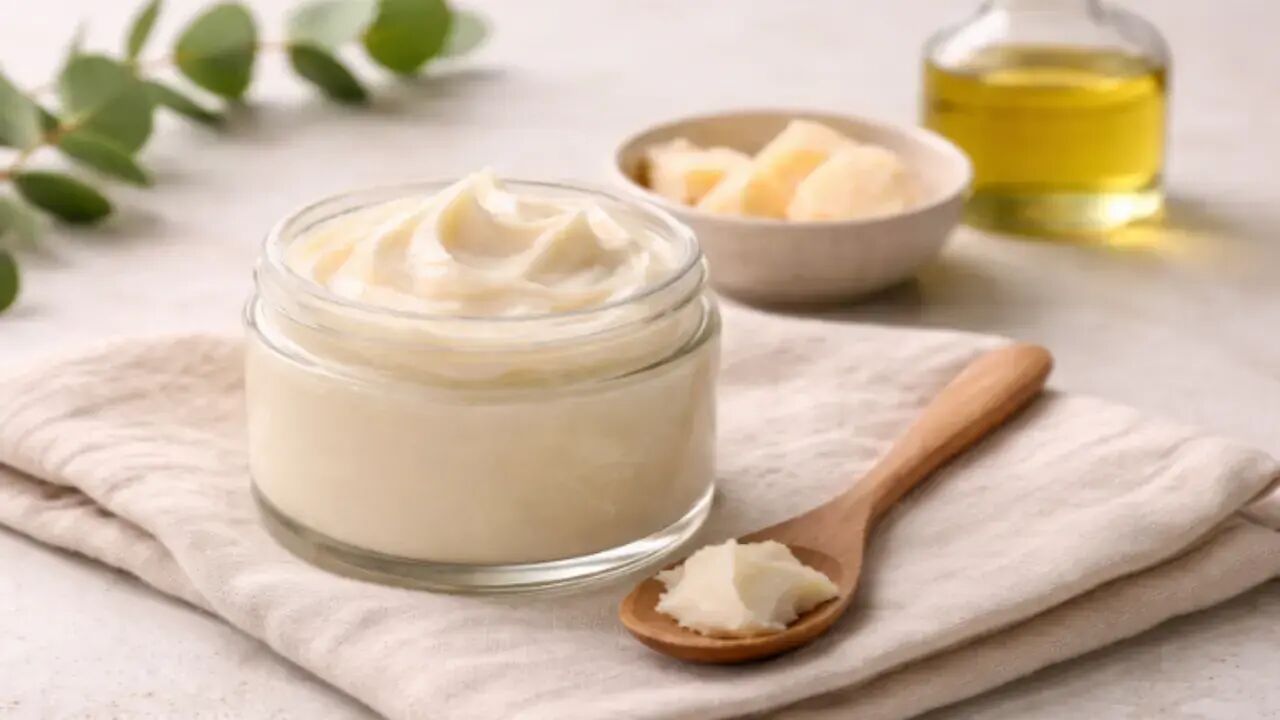
Beef tallow has been used in traditional skin care for generations, long before modern cosmetic products became widely available. Today, many people are returning to this simple ingredient as part of a more mindful approach to skin health. Beef tallow for skin is valued for its ability to support moisture, protect the skin barrier, and fit easily into a simplified skincare routine.

Unlike many commercial moisturizers, beef tallow skincare relies on ingredients that closely resemble the skin’s natural oils. This similarity allows it to work with the skin rather than disrupting its balance.

What Is Beef Tallow and Why Is It Used for Skin

Beef tallow is rendered fat obtained from cattle, usually from grass fed sources. When properly prepared, it becomes a smooth and stable fat that has been traditionally applied to protect and nourish the skin. One of the reasons beef tallow for skin is effective is because its fatty acid profile is similar to human sebum.

This compatibility helps the skin recognize and absorb it more easily. Instead of sitting heavily on the surface, tallow skin products tend to support the natural structure of the skin barrier, which is essential for maintaining hydration and comfort.

How Beef Tallow Moisturize and Protect the Skin Barrier

Healthy skin depends on a strong barrier to retain moisture and defend against environmental stress. Beef tallow moisturizes the skin by replenishing lost lipids rather than masking dryness with water based formulas. This can be especially beneficial for people dealing with tight, flaky, or irritated skin.

Because it is free from synthetic fillers, beef tallow skincare often feels more nourishing with less product. A small amount is usually enough to create a protective layer that helps prevent moisture loss throughout the day or night.

Nutrients Found in Beef Tallow Skincare

Beef tallow naturally contains fat soluble vitamins such as A, D, E, and K. These nutrients play a role in maintaining the appearance and resilience of the skin. While beef tallow for skin should not be viewed as a medical treatment, these naturally occurring components support the skin’s normal renewal process.

This nutrient content is one reason many people prefer tallow skin products over heavily processed creams that rely on synthetic additives.

Beef Tallow in a Simple Skincare Routine

Incorporating beef tallow into a skincare routine does not require multiple steps. It is most effective when applied to clean, slightly damp skin. Warming a small amount between the hands allows it to spread evenly and absorb more comfortably.

Beef tallow skincare works well as a final step to seal in moisture, especially during colder months or in dry climates. Its versatility also makes it suitable for use on the face, hands, lips, and other dry areas.

Beef Tallow vs Conventional Natural Skincare Products

Many natural skincare products still rely on long ingredient lists and preservatives to maintain shelf life. Beef tallow stands apart because of its natural stability and minimal processing. This simplicity can be appealing to people who experience irritation from fragrances or synthetic compounds.

Compared to conventional lotions, beef tallow moisturize without relying on emulsifiers or artificial thickeners. This makes it a practical option for those seeking fewer ingredients and more transparency in their skincare choices.

Who Can Benefit Most From Tallow Skin Products

Beef tallow for skin is particularly suited for individuals with dry, sensitive, or compromised skin barriers. People who struggle with seasonal dryness or environmental stress often find relief when switching to simpler formulations.

Those interested in learning more about responsibly made beef tallow skincare can explore options from trusted sources that emphasize traditional preparation methods and ingredient quality.

Things to Consider Before Using Beef Tallow

While beef tallow moisturize effectively for many skin types, it may not suit everyone in the same way. Individuals with very oily skin should start with small amounts and observe how their skin responds. Patch testing is always recommended before applying any new product to the face.

Using beef tallow as part of a balanced skincare routine allows the skin to adjust gradually without overwhelming it.

Why Beef Tallow Fits Into the Natural Skincare Movement

The growing interest in natural skincare products reflects a shift toward simplicity and sustainability. Beef tallow uses an existing byproduct and transforms it into a functional and nourishing skincare ingredient. This aligns with a more mindful approach to consumption and skin care.

Final Thoughts on Beef Tallow Skincare

Beef tallow is not a trend driven solution, but a time tested ingredient that continues to earn trust through its simplicity and effectiveness. By supporting the skin barrier, providing lasting moisture, and reducing unnecessary ingredients, beef tallow skincare offers a practical alternative for those looking to simplify their routine.

When used thoughtfully and sourced responsibly, beef tallow can become a reliable part of everyday skin care without complexity or exaggeration.

Tags: , , , , ,
Best Spring Skincare Must-Haves for Glowing Skin: Editor's Pick

Best Spring Skincare Must-Haves for Glowing Skin: Editor’s Pick

Spring is the perfect time to refresh your skincare routine and give your skin the glow it deserves. As the weather gets warmer, your skin needs lighter, hydrating, and protective skincare essentials that help it look fresh, healthy, and radiant. Heavy winter creams can feel too much, while spring calls for formulas that brighten, balance, and protect your skin from increased sun exposure. From gentle cleansers to glow-boosting serums and must-have sunscreen, choosing the right pick for the skin health is all you need to keep it protected even when the weather takes a shift. To determine which can be the right product to use, you do not have to go anywhere; here we’ve rounded up the best spring skincare must-haves that are easy to use, effective, and perfect for achieving naturally glowing skin all season long. 

Your Step-by-Step Spring Skincare Routine Starts From Below 

Winter is soon to end, and we are all set to enjoy the spring season, which also demands taking care of your skin, whether you are heading outside or just pampering yourself at home. The must-haves that should not be missed start with facial cleansers, toner, serum, moisturizer, and end with sunscreen. We have handpicked some of the top options from renowned skincare brands like Cetaphil, Plum, Pilgrim, and Minimalist. 

Explore More in our HZ Your Picks Section 

Loading…

From Cleanser to Sunscreen: Key Insights of Spring Skincare Essentials  

Stop worrying about which skincare essential is suitable for your skin and what benefits it provides, as we have presented the key insights on the basis of skin type, special features, active ingredients, and product benefits that aid in making your decision. Check the table below. 

Also Read

5 Best Lightweight & Non-Greasy Sunscreens For Oily Skin

Disclaimer: At HerZindagi, we prioritize providing the up-to-date information on the latest trending commodities and goods. This Article is written and vetted by our in-house category authors in sync with the Google guidelines on product reviews and shoppable content. HerZindagi is in an associate partnership, so we may earn a part of the revenue when you make a purchase. We shall not be liable for any claim under applicable laws, including but not limited to the Consumer Protection Act, 2019, concerning the products. The products listed in this article are in no particular order of priority.

Loading…

Tags: , , , , , ,
Skincare Routine for Oily Skin that Actually Works

Skincare Routine for Oily Skin that Actually Works

Does your face look shiny by noon even after washing it in the morning?

Oily skin can feel frustrating, but the right routine makes all the difference. Many people struggle with excess oil, enlarged pores, and frequent breakouts that seem impossible to control.

They try countless products without seeing real results. The good news is that oily skin can look healthy and balanced with proper care and the right approach.

In this blog, I’ll show you a complete skincare routine for oily skinthat actually works.

You’ll get practical tips, product recommendations, and expert guidance to manage shine effectively. Let’s get your skin under control.

Why Oily Skin Needs a Specific Routine?

Oily skin produces more sebum than other skin types. This excess oil clogs pores, leading to acne, blackheads, and constant shine throughout the day.

Using the wrong products creates bigger problems

  • Heavy creams add more oil to already greasy skin.
  • Harsh products strip natural oils and trigger more oil production.
  • Your skin overcompensates when you remove too much sebum.
  • Generic routines don’t address oil-specific concerns.
  • Without proper care, breakouts and enlarged pores get worse.

Both men and women with oily skin needa skin care regimen that balances. The right routine controls shine without drying your skin or damaging its protective barrier.

Morning Skincare Routine

Your morning routine protects your skin for the entire day. It removes overnight oil buildup and creates a fresh base for makeup or sunscreen application.

Cleansing

Start your day with a gentle foaming cleanser designed for oily skin. Look for gel-based formulas that cut through oil without stripping your natural moisture barrier.

Wash with lukewarm water and massage for 30 seconds. Hot water stimulates more oil production. Pat your face dry with a clean towel instead of rubbing.

Toner

Apply toner immediately after cleansing while your skin is still slightly damp. Toners balance your skin’s pH level and remove any leftover dirt or cleanser residue.

Choose alcohol-free options with witch hazel or niacinamide. Pour a small amount onto a cotton pad and gently swipe across your face and neck areas.

Treatment Serums

Serums target specific concerns with concentrated active ingredients. For oily skin, choose lightweight water-based formulas that absorb quickly without leaving residue or adding extra shine.

Niacinamide controls oil production and minimizes pore appearance. Salicylic acid prevents breakouts by clearing clogged pores. Apply 2-3 drops and pat gently until fully absorbed into skin.

Moisturizer

Oily skin still needs hydration despite producing excess sebum. Skipping moisturizer triggers your skin to produce even more oil to compensate for the missing moisture barrier.

Choose oil-free gel-based moisturizers labeled as non-comedogenic. Apply a thin layer all over your face. Wait one minute before applying sunscreen for best absorption.

Sunscreen

Daily sun protection is a must for men with oily skin, as UV rays can worsen breakouts and accelerate aging. UV damage worsens oil production, causes premature aging, and increases breakout frequency over time.

Use lightweight oil-free sunscreen with SPF 30 or higher. Gel or fluid formulas work best. Apply as your final morning step and reapply every two hours outdoors.

Night Skincare Routine

Your night routine helps repair and renew skin while you sleep. It’s slightly different from morning care and includes stronger treatment products for better results.

Cleansing

Double cleanse at night to remove all sunscreen, dirt, and oil buildup. Start with an oil-based or micellar water cleanser to break down stubborn residue effectively.

Use an oil-control face wash to remove the day’s buildup. Massage gently, then rinse with cool water and pat dry. Clean skin absorbs nighttime treatments much better overall.

Eye Care (Optional)

If you have dark circles or puffiness, use a lightweight eye cream. Look for gel formulas that won’t cause milia or feel heavy on delicate skin areas.

Pat a small amount around your eye area using your ring finger. This step is optional but helpful for tired eyes. Skip thick eye creams that migrate overnight.

Treatments (Retinol, Acne Control)

Night is the best time to apply stronger treatment products. Retinol helps control oil production and prevents signs of aging while improving overall skin texture and tone.

Benzoyl peroxide or salicylic acid targets active breakouts effectively. Apply to problem areas or all over your face. Wait 5-10 minutes before applying moisturizer for maximum absorption.

Moisturizer

Finish with a light night moisturizer, even though you have oily skin. Your skin repairs itself overnight, so hydration is crucial for proper cell regeneration and healing processes.

Opt for a light water-gel cream that hydrates overnight without heaviness. Apply a small amount evenly to lock in moisture and keep pores clear.

Weekly Treatments for Balanced Skin

Add these treatments once or twice weekly for extra benefits. They deep clean pores, remove buildup, and keep your skin balanced without requiring daily use.

Clay Masks: Apply kaolin or bentonite clay to absorb excess oil. Leave on for 10-15 minutes, then rinse with lukewarm water. Use weekly for deep pore cleansing.

Chemical Exfoliants: Use AHA or BHA products to remove dead skin cells. Salicylic acid works best for oily skin. Apply at night 2-3 times per week.

Sheet Masks: Choose oil-control or pore-minimizing options. These provide quick hydration without heavy ingredients. Leave on for 15-20 minutes, then pat in the remaining serum.

Best Ingredients for Oily Skin

The best skin care for oily skinfocuses on ingredients that balance sebum, unclog pores, prevent breakouts, and keep the skin hydrated without excess shine.

Ingredient
Benefits
How It Helps

Salicylic Acid
Unclogs pores
Penetrates oil to clear blackheads and prevent acne

Niacinamide
Controls oil production
Reduces sebum and minimizes pore appearance

Hyaluronic Acid
Provides hydration
Hydrates without adding oil or weight

Tea Tree Oil
Fights bacteria
Natural antibacterial that prevents breakouts

Zinc
Reduces inflammation
Calms irritation and controls oil

Retinol
Prevents aging
Regulates oil and improves skin texture

Look for these ingredients in your cleansers, serums, and moisturizers. They work together to keep your skin balanced and clear. Avoid heavy oils like coconut oil or thick butters.

Common Mistakes in Oily Skin Care

Many people with oily skin make these common mistakes without realizing it. Avoiding these errors will improve your results and help balance your skin faster.

  • Over-cleansing: Washing your face more than twice daily strips natural oils. Your skin responds by producing even more sebum to compensate for the loss.
  • Skipping moisturizer: This is the biggest mistake. Dry skin triggers more oil production. Always use a lightweight oil-free moisturizer regardless of how oily you feel.
  • Using harsh products: Strong alcohol-based toners and rough scrubs damage your skin barrier. This leads to increased oil production and irritation. Choose gentle pH-balanced products instead.
  • Not using sunscreen: Some avoid sunscreen, fearing more shine. But UV damage worsens oily skin over time. Use mattifying or gel sunscreens made specifically for oily skin.
  • Touching your face: Your hands carry bacteria and dirt throughout the day. Touching your face transfers these to your pores, causing breakouts and spreading oil. Keep your hands away.

Wrapping It Up

To summarize, managing oily skin doesn’t have to be complicated when you follow the right steps. Consistency is key to seeing real improvements in shine control and breakout prevention.

Your skincare routine should balance oil production without stripping your natural moisture barrier.

Remember to be patient with your skin as it adjusts to new products and habits. Real results typically take 4-6 weeks to appear, so don’t give up too soon.

With the right approach, your skin can look healthy, clear, and balanced every day.

What’s your biggest struggle with oily skin? Share your experiences or questions in the comments below.

Tags: , , , ,
What is PDRN skincare? The K-beauty trend that promises glass skin

What is PDRN skincare? The K-beauty trend that promises glass skin

Polynucleotides are one of the fastest growing aesthetic treatments of the past half-decade. In fact, according to one report by Two Face Aesthetics, Google Trends has shown a significant increase in searches for the procedure – 1,566% more, to be exact.

Perfectly in line with our continued evolving taste in more natural-looking injectables that boost longevity and skin wellbeing overall (rather than ‘obvious’ enhancements), polynucleotides help with hydration, collagen production, skin repair, and regeneration.

However, as with all injectables, there is a cost associated with these procedures – and they’re not exactly affordable. Considering most patients will require two to three appointments to really reap the rewards from their treatment, the financial implications of signing up to these can often deter beauty fans.

Luckily, you’ve got alternatives if you want to achieve that revered polynucleotides glow. While topical products won’t offer the depth and longevity that injectables can, they are a great place to start, and the rise of PDRN-powered products are proof of this.

Beloved by derms and doctors (and rumoured to be used by celebrities like Kim Kardashian and Jennifer Aniston), this is an ingredient you should take note of if you’re looking to unveil stronger, healthier skin.

What is PDRN and how can it benefit your skin?

PDRN is an acronym for PolyDeoxyRiboNucleotide, which is a DNA fragment typically derived from fish like salmon or trout. It is a form of polynucleotide with a slightly lower molecular weight, and can be used in aesthetic treatments or at-home skincare routines.

“When injected, PDRN stimulates fibroblasts, cells responsible for producing collagen and repairing damaged skin. In skincare it’s gaining popularity for its restorative and soothing effects, even when used in topical form,” explains Dr Christine Hall, Aesthetic Doctor and Korean skincare expert at Taktouk Clinic.

PDRN – which first gained traction and popularity in South Korea – has been hailed for its skin healing and regenerative properties, both in a medical and cosmetic sense.

When used topically as part of your skincare routine, it can do everything from boosting hydration, increasing collagen production (hence, aiding in anti-ageing), brightening, and improving skin tone, texture and resilience.

“It hydrates the skin, reduces inflammation and helps to support the skin’s natural repair processes,” notes Dr Hall. “These effects are particularly valuable for compromised or post-procedure skin where it can aid recovery and improve skin texture and comfort.”

James Devaney//Getty Images

Can PDRN replace polynucleotides treatments?

In short, yes and no. In terms of skin penetration, there’s no contest between injectable absorption of PDRN and topical application, the experts agree. “It won’t penetrate as deeply or work as dramatically as injectables,” says Cosmetic Doctor Dr Raquel Amado.

“Results may take longer and be less pronounced,” when using PDRN skincare, she adds. This is largely due to PDRN’s larger molecular size, meaning it cannot penetrate as deeply when applied at the surface versus injected beneath. However, she says, “while it won’t deliver the same depth of regeneration since it cannot penetrate the skin barrier effectively, it can still offer visible improvements in hydration, calmness and surface repair.”

It therefore “provides a more affordable and non-invasive alternative to injectable treatments,” and is “a worthwhile addition to a skincare routine, particularly for maintaining skin health and supporting recovery.”

In addition, PDRN topical application can be a great complementary skincare addition for those attending Polynucleotides appointments. Together, they can offer the best possible results.

“Polynucleotides (PNs) are longer DNA chains with deep regenerative abilities. PDRN, being a shorter fragment, acts more rapidly and is easier to absorb topically,” explains Dr Amado.

“When combined, PDRN can be used between injectable PN treatments to maintain and enhance effects. It can prep the skin before procedures, improving skin condition and tolerance, and works synergistically to amplify wound healing, hydration, and collagen synthesis.”

Who can use PDRN skincare?

Luckily, PDRN is well-tolerated by most, and because it’s an ingredient that’s used to hydrate and heal skin, it’s relatively gentle. In saying that, there are some who may wish to steer clear of it. For example, due to the fact it is derived from fish like salmon, anyone with a fish allergy will find it not to be suitable. In addition, says Dr Hall, “it may also not be appropriate for vegans, vegetarians, or those with religious or ethical concerns regarding animal-derived ingredients.”

Dr Amado adds that those who are pregnant or breastfeeding, immunocompromised or experiencing severe skin conditions, should always consult a doctor before trying the ingredient.

How to use PDRN in your routine

As PDRN is all about hydration, rejuvenation and healing, it’s best to try a leave-on product like a serum or cream – note too that serums are often the greatest vehicles for delivery as they can penetrate more deeply into the skin due to their make-up of smaller molecule sizes. Korean skincare brands are known for their inclusion of PDRN, making them a great place to start.

Banobagi PDRN Repair Real Balm

Credit: Banobagi

Focused on reparative care for dry, delicate skin, this balm is like a soothing salve for the face.

Medicube Medicube PDRN Pink Peptide Serum

Credit: Medicube

A popular formula that’s both lightweight and non-sticky, Medicube’s serum delivers bouncier skin with better elasticity.

Anua PDRN Hyaluronic Acid Capsule 100 Serum

Credit: Anua

For just £20, you can get in on the salmon sperm trend with this serum, which you can pick up at Boots.

Genabelle PDRN Rejuvenating Cream

Credit: Genabelle

Want something even more hydrating? Genabelle’s cream is suitable for all skin types, and helps with hydration and skin cell regeneration.

Tags: , , , , , ,
winter skincare

Winter Skincare For Glowing Skin

Many of us notice itchier, flakier, and more uncomfortable skin during the colder months. Cold weather, less sunlight, and dry indoor air all have a negative impact on skin health. Here are some strategies for keeping your skin happy and healthy this winter that go beyond just using lotion!

For many of us, winter is a time of cold weather. And if you live in the far northern regions, like the Arctic Circle, then you’re dealing with even more frequent colder temperatures. Cold winter air and indoor heating dry skin out. We also experience a dip in vitamin D levels in the winter due to less sunlight. This leads to a damaged skin barrier and loss of hydration. 

The Reason Behind Winter Skincare

Using moisturizing skincare products that help add hydration back into the top layers of the skin is important. Also, using heavier creams and lotions that create more of a barrier from the elements. Winter is also a time of less sunlight and usually less sun exposure, which is what our skin needs to synthesize vitamin D. 

The lower our vitamin D levels are, the higher the risk of overall inflammation from our immune system. Low vitamin D levels also play a role in our skin health, including an increased risk of eczema and psoriasis. 

When dry air and low temperatures hit, our skin barrier doesn’t function as well and we’re more likely to notice damage. Keratinocytes make up 90% of the epidermis, our skin’s outer layer. They release pro-inflammatory cytokines and cortisol that makes skin even more reactive to irritants. This is why your normal skincare routine may not cut it once colder weather comes around. 

Increasing hydration and protecting the skin barrier are a must this time of year!

Heating Things Up

Another surprising way to increase our skin’s resilience to the elements may be to expose it to more of them. Sauna exposure increases skin circulation, boosts skin hydration, and helps maintain skin pH for more resilient skin. It helps our skin lose less moisture, especially when exposed to dry, winter air. Research shows sauna also helps our skin recover faster from water loss and skin pH disruption. 

There’s also some evidence that contrast therapy, alternating between really hot and really cold temperatures may also help. Many traditional northern cultures and even athletes alternate between sauna sessions and cold exposure. This helps our skin become more resilient and handle temperature fluctuations better. 

Tweaking Our Environment

Increasing humidity in the home with a humidifier also helps restore moisture to skin. If you have indoor heating, which is likely in most areas, this pulls moisture from the air. The dry air in turn then pulls moisture from your skin, further increasing dehydration. 

Your home can feel as dry as the desert, but it may actually be even worse. Indoor humidity can drop to 10-20% with the heater on, while the Sahara Desert hovers at about a 25% humidity level. What follows is tight, dry skin that’s more easily damaged. You can also notice more fine lines and wrinkles forming. No, thank you!

Hydration at a Cellular Level

Something else I’ve been using lately that I’ve found has made a big difference in my hydration levels is structured water. There’s some fascinating research about the molecular structure of natural water found in springs and melting glaciers. Evidence suggests that structured water hydrates us at a cellular level much more efficiently.

I’ve noticed better hydration myself since switching to structured water. If you don’t have access to a natural and clean spring in your backyard, you can also run filtered water through the Mayu Swirl, which is what I do. You can learn more about Mayu here and get a discount with code wellnessmama. 

And of course, keeping up with minerals helps cellular hydration to keep skin healthy from the inside out. I’ll rotate through different minerals and salt water depending on what I feel like that day. 

Winter Skincare Products to Get

While hydration starts from the inside, using products topically on skin at the same time can still be really helpful. I’m a big fan of making my own products, but there are some really good natural skincare products available now in stores and online. Here are some of my favorite brands to buy healthy skincare from, including lotions, serums, and balms for winter skincare.

  • Alitura  – check out their moisturizer and night cream
  • Annmarie Gianni – their herbal facial oil is a favorite
  • One Skin – this uses patented peptides for science-driven natural skincare
  • Toups & Co – their tallow face balm is a must have

DIY Winter Skincare

If you’re a DIY person, then I’ve got plenty of different skincare recipes to help your skin feel its best. While I’ve come up with tons of recipes I love over the years, here are some that work best in colder, drier weather. 

Lotions and Balms

Use these on your face and body for more moisturized skin. Oil-based products help provide a protective barrier on skin to aid in moisture retention and prevent damage from the elements. 

Face and Body Scrubs

Moisturizing is important, but you may also notice flaky skin this time of year. Scrubs can help to gently remove dead skin cells so you can start with a clean slate. The key is to use scrubs that aren’t overly harsh on skin and still provide some protection with nourishing oils. 

Love Your Lips

Lips can really take a beating, feel dry, and start to peel. Drinking lots of water with minerals helps, but sometimes you just need a trusty lip balm. I also love using a good lip scrub first to get rid of the peeling skin and that dry, gummy feeling. 

Face Moisturizing 

What works well on the rest of our skin doesn’t always work best on our delicate facial skin. Here are some of my favorites to help minimize the appearance of fine lines and rough spots and nourish the skin on my face. 

A Soothing Soak

Nothing beats a nice, relaxing soak in the tub. Be sure to use warm, but not piping hot water, which can worsen moisture loss from skin. Don’t have a bathtub? Try a foot bath!

You don’t have to do everything all at once, but pick a few skincare items you love and give them a try. It’s nice to have a little pampering session in between running kids to practices, changing diapers, cooking meals, and everything else us moms do! 

What are some of your favorite ways to care for your skin during winter? Leave a comment and let us know!

Tags: , , ,
Namrata Soni on modern skincare trends

Skincare For Beginners: Practice These 5 Daily Habits To Make Your Skin Glow Naturally

From endless Instagram scrolling and social media wandering, you must have also fallen into the trap of ‘skincare is not for the weak-hearted’. While for professionals and those with high exposure to pollutants every day, maintaining the best health for their skin can be challenging, it is mostly a cakewalk for beginners. Unlike what is propagated on social media, skincare does not primarily need to follow a complicated 10-step routine flooded with serums and toners. By simply fixing some lifestyle problems and tweaking a few daily habits,  you can achieve a lasting, radiant glow with just a few minutes of effort each day.

Cleansing is the foundation of any skincare routine. Washing your face in the morning removes excess oil and sweat, while a gentle cleanse at night helps get rid of dirt, pollution and makeup residue. Choose a mild cleanser suited to your skin type, dry, oily or combination, and avoid harsh scrubs that can strip your skin of natural oils. Consistency matters more than complexity here. Use lukewarm water and a mild, fragrance-free cleanser to avoid stripping your skin’s natural protective oils.

No matter the weather, sunscreen is a must. If there’s one habit that guarantees long-term skin health, it’s daily sunscreen use. Sun exposure is a leading cause of premature ageing, pigmentation and dullness. Apply a broad-spectrum sunscreen with at least SPF 30 every morning, even on cloudy days or when staying indoors. Reapply if you’re outdoors for extended periods.

Many beginners believe moisturiser is only for dry skin, but that’s a common myth. Even oily and acne-prone skin needs hydration. A good moisturiser helps maintain your skin barrier, prevents water loss and keeps your skin soft and balanced. Opt for lightweight, non-comedogenic formulas if you have oily skin, and richer creams if your skin feels tight or flaky. For the best results, apply your moisturiser while your skin is still slightly damp to trap in maximum hydration.

Also Read: Summer Special: 4 Homemade Face Masks To Protect Your Skin From The Heat

Healthy skin starts from within. Drinking at least 8 glasses of water daily helps maintain your skin’s elasticity and flushes out toxins that can lead to dullness. Along with water, include fruits, vegetables, nuts and foods rich in antioxidants in your daily diet. Vitamin-rich foods like oranges, spinach and almonds support skin repair and natural glow.

Also Read: What Does Skin Fasting Means And How It Works? 

Your skin repairs itself while you sleep, producing collagen and regenerating skin cells. Lack of rest can lead to breakouts, dark circles and dullness. Aim for 7–8 hours of quality sleep each night. Managing stress through simple practices like walking, stretching, or meditation also helps reduce inflammation and skin flare-ups.

Tags: , , , , , , ,
Best oLive
Privacy Overview

This website uses cookies so that we can provide you with the best user experience possible. Cookie information is stored in your browser and performs functions such as recognising you when you return to our website and helping our team to understand which sections of the website you find most interesting and useful.