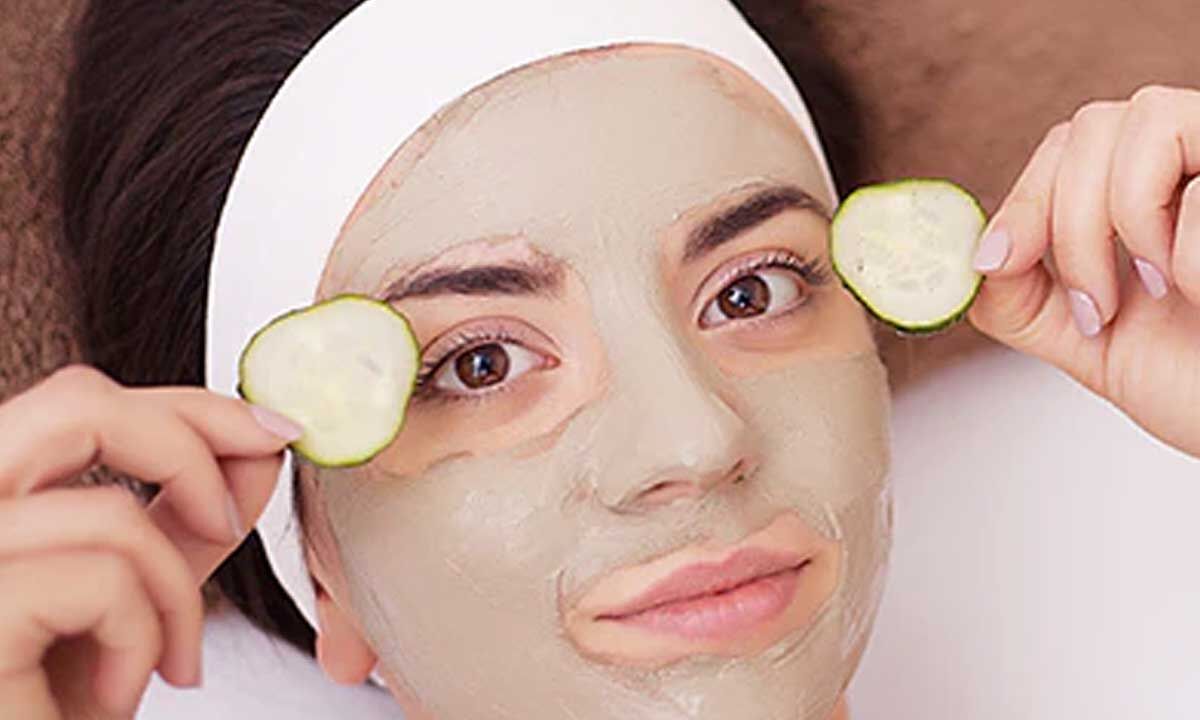
Easy DIY Face Masks For Naturally Glowing Skin

Easy DIY Face Masks For Naturally Glowing Skin

In a world filled with complicated skincare routines and expensive beauty products, sometimes the best solutions are sitting right in your kitchen. Natural ingredients not only nourish the skin but also minimise exposure to harsh chemicals. If you’re looking for simple, budget-friendly ways to pamper your skin at home, these easy DIY face masks can help you achieve a healthy, radiant glow.

Honey And Lemon For Instant Brightness

If your skin looks dull and tired, a honey and lemon mask can provide a quick refresh. Honey works as a natural humectant, locking in moisture and keeping the skin hydrated. Lemon juice, rich in vitamin C, helps gently exfoliate and brighten the complexion. Together, they can leave your skin feeling soft, fresh, and visibly radiant. However, use lemon sparingly and always apply sunscreen afterward, as it can make skin sensitive to sunlight.

Oatmeal And Yogurt For Soothing Care

For irritated or sensitive skin, oatmeal and yogurt make a calming combination. Ground oatmeal helps remove dead skin cells while soothing inflammation. Yogurt, packed with probiotics and lactic acid, hydrates and gently exfoliates the skin. This mask is especially helpful for those dealing with redness or dryness, offering a smooth and nourished finish after just one use.

Turmeric And Milk For A Natural Glow

Turmeric has long been celebrated in traditional skincare for its anti-inflammatory and antibacterial properties. When blended with milk, it creates a mask that can reduce redness and promote an even skin tone. Milk adds hydration while helping brighten the complexion. A small pinch of turmeric is enough to reap its benefits, and regular use may enhance your skin’s natural glow.

Banana And Honey For Deep Hydration

Dry and flaky skin can benefit greatly from a banana and honey mask. Ripe bananas are rich in vitamins and natural oils that help soften and replenish the skin. Adding honey boosts hydration and leaves the face feeling supple. This nourishing blend works well during colder months when skin tends to lose moisture more quickly.

Aloe Vera And Cucumber For Cooling Relief

When your skin feels irritated or puffy, aloe vera and cucumber can offer instant relief. Aloe vera is known for its soothing and healing properties, making it ideal for calming sun-exposed or sensitive skin. Cucumber adds a cooling effect while helping reduce puffiness. This refreshing mask is perfect after a long day outdoors or whenever your skin needs a hydrating boost.

Coffee And Coconut Oil For Gentle Exfoliation

If you’re looking to revive tired-looking skin, try mixing coffee grounds with coconut oil. Coffee acts as a natural exfoliant, helping remove dead skin cells and stimulate circulation. Coconut oil deeply moisturizes, leaving the skin smooth and nourished. The result is a brighter, more energized appearance with improved texture.

Avocado And Yogurt For Nourishing Repair

Avocado is packed with healthy fats and essential nutrients that support skin elasticity and hydration. When combined with yogurt, it forms a rich, creamy mask that deeply conditions the skin. This blend is especially beneficial for mature or dehydrated skin, helping restore softness and suppleness.

Strawberry And Honey For Gentle Brightening

Fresh strawberries contain natural acids that lightly exfoliate and cleanse the skin. Paired with honey, they create a brightening mask that also maintains moisture balance. This fruity combination can help refresh the complexion, leaving it looking clearer and more vibrant.

A Simple Reminder Before You Begin

While these DIY masks use natural ingredients, it’s always wise to perform a patch test before applying anything new to your face. Natural doesn’t always mean irritation-free, especially for sensitive skin. With a little care and consistency, these kitchen remedies can become a relaxing part of your self-care routine—proving that glowing skin doesn’t have to come with a hefty price tag.
Tags: , , , , , ,
Does Skin Really Age After 25? Understanding the Skin Repair Timeline

Does Skin Really Age After 25? Understanding the Skin Repair Timeline

Do you see the difference between the skin glow of people in their 20s and early 30s? You might have observed that the former ones have naturally radiant skin. But after a certain age, your skin feels dull, tired, or takes more time to heal. 

If you are curious about knowing what actually happens to your skin after 30, if it slows down repairing, and how you can retain your charm, this blog can be a wonderful read for you.

Changes in Your Skin After 25

Naturally, your skin repairs itself all the time. The process that takes place is – new cells take over old ones, damaged fibres are built again, and moisture balance is maintained. But after 25, this process starts to slow down. This is what exactly happens after this: 

  • Longer Cell Renewal Cycle: In your teens and early 20s, skin renews itself roughly after every 28 days. After 25, this cycle stretches, and your skin looks dull and uneven.
  • Collagen Production Reduces: Collagen gives your skin elasticity and a firm look. With age, its production naturally declines, causing fine lines and loss of bounce.
  • Skin Barrier Becomes Weaker: After a certain age, your skin becomes less efficient at retaining its moisture. Due to this, your skin becomes more prone to dryness and sensitivity.
  • Healing Takes Time: Acne marks, sun damage, and minor wounds take longer to fade, keeping your skin dull for long.

Reasons Behind Skin Repair Slow Down Process

You might be wondering why your skin repairing process slows down. Here are some internal and external factors that contribute to it: 

  • As we age, fibroblast cells (responsible for producing collagen and elastin) become less active. This has a direct impact on skin strength and repair.
  • Around your mid-20s, subtle hormonal changes occur. These affect oil production and skin regeneration. And, this sometimes causes dryness or adult acne.
  • Poor sleep, stress, pollution, excessive sun exposure, and inconsistent skincare habits increase oxidative stress. This damages your skin cells faster than they can repair.

Signs Your Skin is Taking Time to Heal

Now that you know that skin repairing slows after 25, this is how you would identify its signs: 

  • Fine lines appearing earlier than expected
  • Acne scars or pigmentation taking longer to fade
  • Persistent dryness despite moisturising
  • Tired-looking skin even after rest

How to Support Skin Repair After 25

While you can’t stop ageing, you can support your skin repair process effectively. Here is what you can do: 

  • Use daily sun protection as UV damage accelerates collagen breakdown.
  • Exfoliate skin gently. It helps remove dead cells and boosts cell renewal.
  • Hydrate well with water because it keeps the skin barrier healthy.
  • Take an antioxidant-rich diet or supplements like vit C capsules to protect skin cells from damage. 

At this stage, some people also consider adding targeted nutrition like collagen supplements to support skin structure from within.

Summing Up

You’re about to hit the age 25 doesn’t mean that your skin stops repairing itself, but it becomes less efficient. While you identify skin ageing signs, you can reverse or slow it down with the right skincare, healthy habits, and nutritional support. 

Your everyday habits help you maintain strong, glowing skin at any age of life.


Tags: , , , ,
Rashmika Mandanna, Vijay Deverakonda are getting married in Udaipur. (Photo: X)

Vitamin C Serum: Can It Really Make Skin Fairer, Or Is It Just A Social Media Myth? | Beauty News

Last Updated:February 26, 2026, 08:30 IST

Think vitamin C serum can make your skin fairer? Experts reveal the truth behind the viral claims and what it can actually do for your skin

Vitamin C serum can give your skin a temporary glow, but this effect is not permanent. (AI Generated)

People are constantly exploring ways to keep their skin healthy and glowing. Some rely on natural remedies, while others turn to commercial skincare products. Recently, vitamin C serum has become popular, with many claims circulating on social media about its benefits. Some say it can make your skin fairer and brighter.

But can vitamin C serum really change your skin tone?

Expert Insight: What Vitamin C Really Does

Dr Yugal Rajput, Assistant Professor and Dermatologist at GSVM Medical College, Kanpur, told News18 that vitamin C is a powerful antioxidant. It protects the skin from pollution, harmful UV rays, and dust. While we get vitamin C from food, which strengthens the body from within, this internal health also reflects on the skin.

Vitamin C serum can give your skin a temporary glow, but this effect is not permanent. Over time, your skin returns to its natural tone. The belief that vitamin C serum can make skin fairer is a misconception.

Dr Yugal emphasises that no skincare product can alter your natural skin tone, which is genetically determined.

Benefits Beyond Skin Tone

Vitamin C serum can help reduce hyperpigmentation to some extent. While many consider it an anti-aging product, it is only a mild option and cannot keep skin youthful for long periods.

The best way to maintain healthy, glowing skin is to consume vitamin C-rich foods, which support skin health from the inside.

Proper Usage For Maximum Effect

Health experts stress that vitamin C serum is only effective if used in the right concentration. Beginners should start with a serum containing 10%-15% vitamin C.

Apply it to a clean face and follow with a moisturizer.

Sun Protection Is Essential

Vitamin C can make skin more sensitive to the sun. Always apply a good quality sunscreen during the day after using the serum.

Skipping sunscreen can lead to increased pigmentation and reduce the benefits of the serum.

Personalised Skincare Matters

Every skin type is unique, so it’s important to understand your skin before following viral trends. Vitamin C serum can be helpful, but it is not a miracle solution.

The foundation of healthy, glowing skin remains proper nutrition, sun protection, and a consistent skincare routine.

First Published:

February 26, 2026, 08:30 IST

News lifestyle beauty Vitamin C Serum: Can It Really Make Skin Fairer, Or Is It Just A Social Media Myth?Disclaimer: Comments reflect users’ views, not News18’s. Please keep discussions respectful and constructive. Abusive, defamatory, or illegal comments will be removed. News18 may disable any comment at its discretion. By posting, you agree to our Terms of Use and Privacy Policy.

Tags: , , , , , , , ,
Fine Lines And Dry Skin? These Peptide Moisturisers Promise A Smoother, Plumper Complexion

Fine Lines And Dry Skin? These Peptide Moisturisers Promise A Smoother, Plumper Complexion

We earn a commission for products purchased through some links in this article.

Hearst Owned

Best for everyday

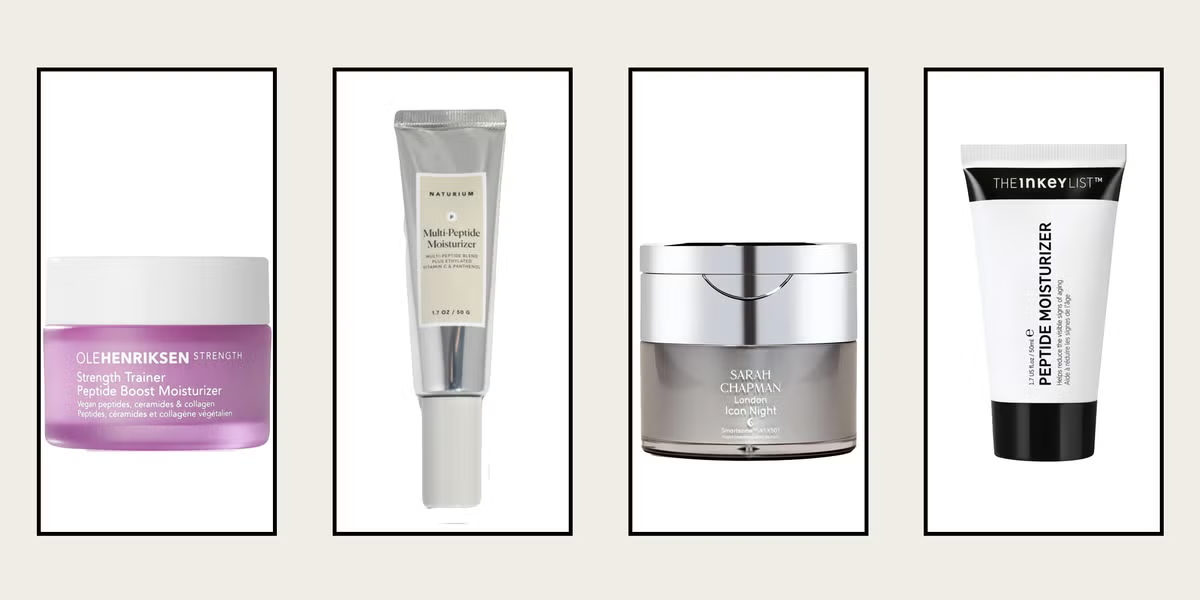
Naturium Naturium Multi-Peptide Moisturizer

Velvety enough to replenish lost moisture without feeling greasy on oily skin, this face cream is ideal for everyday use. Alongside plumping peptides, it contains vitamin C to brighten and panthenol to ease any irritation.

Best for evening

Sarah Chapman Icon Night Smartsome A3 X503 Moisturiser

This hard-hitting cream uses six forms of peptides to improve skin’s resilience, repair compromised cells, protect from further damage and increase cell products for better elasticity. It also contains retinol to tackle fine lines and pigmentation. Sarah Chapman is known for her cutting-edge ingredient delivery system, which promises to bring the ingredients deeper into the skin. It smells like a spa, too, which is an added bonus to our bedtime skincare routine.

Advertisement – Continue Reading Below

Best for active ingredients

Allies of Skin Peptides & Antioxidants Advanced Firming Daily Treatment

This Singaporean brand is a hidden gem in the skincare world. Each cutting-edge formula is brimming with scientifically-driven active ingredients. This moisturiser goes above and beyond hydration, delivering radiance, plumpness, antioxidant benefits and pore-refinining effects in one fell swoop. It contains a combination of seven peptides alongside skin brighteners and biotech algae for an overall healthier, happier complexion.

Best for dry skin

Drunk Elephant Protini Polypeptide Cream

A cocktail of probiotics and peptides not only bolsters the skin’s natural barrier, it also helps to calm any irritation. The silky, creamy texture feels nourishing on dry skin but is lightweight enough to play well under SPF and make-up. Essentially, it floods the skin with hydration without leaving it feeling heavy or sticky.

Advertisement – Continue Reading Below

Best for reactive skin

Medik8 Total Moisture Daily Facial Cream

Whether you’re on medication that heightens skin sensitivity or have a naturally fragile complexion, Medik8’s fragrance and essential oil-free formula comes with prebiotic peptides to help minimise inflammation and support the skin’s needs. A blend of ceramides, lipids and three forms of hyaluronic acid helps to replenish lost moisture and fortify the barrier.

Best for redness

Ole Henriksen Strength Trainer Peptide Boost Moisturizer

After an overzealous use of exfoliants, one ELLE editor found this face cream to be incredibly effective for re-strengthening the skin and taking down sensitivity. Any flaky patches were instantly remedied thanks to nourishing plant butters and barrier-building ceramides.

Advertisement – Continue Reading Below

Best for mature and combination skin

Lancôme Rénergie H.P.N. 300-Peptide Cream

Most moisturisers targeting fine lines and dark spots veer on the heavier end of the texture spectrum, but this tackles those concerns while pleasing more combination skin types. Lancôme Rénergie range is best known for its science-backed formulas, so expect to see an improvement in radiance and smoothness.

Best under £20

The Inkey List Peptide Moisturizer

Whenever we get asked for skincare recommendations, The Inkey List is always on the…well, list. The formulas are straightforward yet effective, and the price point is relatively accessible. This moisturiser delivers plenty of hydration to plump up dry skin and leave it feeling, soft, soothed and ready for make-up. It works for morning, evening and plays well with other ingredients, so you really get the most bang for your buck.

Medina Azaldin is the beauty editor of ELLE and Harper’s Bazaar UK, working across print and digital features. She has more than seven years journalism experience and has previously written for Red and Good Hoousekeeping. When she’s not demystifying the latest skincare ingredient, sniffing out the next big perfume trend or uncovering the science behind wellness practices, you’ll most likely find her in Hatchards Piccadilly or watching a crime series with her cats. Oh, and she’s a competitive cheerleader, too. 

Advertisement – Continue Reading Below

Advertisement – Continue Reading Below

Advertisement – Continue Reading Below

Tags: , , , , , , , , ,
5 ways to keep your skin glowing & hydrated

5 ways to keep your skin glowing & hydrated

A healthy, radiant-looking skin is not just about appearance; it signifies far more than looks, building the foundation of confidence and well-being while displaying smart skincare habits, internal nourishment, lifestyle tweaks, and the body’s overall health. However, unrelenting exposure to pollution, environmental stressors, extreme weather conditions, and inadequate care can strip the skin of its natural oils and moisture, making it dull, dry and even prone to wrinkles and premature aging. To achieve healthier skin that promises radiance and vitality, regular protection and proper nourishment are key elements of skincare rituals to counteract the side effects of compromised skin. Here are five essential tips to ensure your skin looks well-hydrated, radiant, and refreshed.​​

1.Master Your Fluids Intake

Water plays a crucial role in nourishing the skin at the cellular level, which helps maintain its elasticity, softness, and barrier function. A well-hydrated skin secures the moisture and potentially reduces the chances of getting a parched, dull complexion. Adding adequate fluid consumption such as fresh fruit juices, coconut water, and herbal teas, supports blood circulation and supplies essential nutrients and oxygen to skin cells. Incorporating these conscious habits to your daily skincare rituals can support the skin’s overall health, making it healthier, radiant, and well-moisturised.

2. Nourishing From Within Is Key

Serums that are rich in ceramides or hyaluronic acid are crucial in keeping the skin hydrated from within. Ceramides are lipids that are naturally built in the skin that safeguard our skin’s protective barrier, guarding it against harmful environmental stressors, and gradually offer moisture to the skin. Hyaluronic acid is another powerful moisturising agent that absorbs and retains water in the skin, keeping the complexion plump, smooth, and hydrated. Individuals looking for professional alternatives can go for bio‑remodeling treatment that deeply hydrates and revitalizes skin from the inside out, stimulating natural restorative processes for healthier and balanced-looking skin.

​3. Use SPF Irrespective Of Seasons

Sunscreen is not meant to be used only for sunny days as harmful UV rays continue to wreak havoc throughout the year. Applying SPF on a regular basis safeguards the skin from premature aging, breakouts, red rashes, and uneven skin tone. Combining the use of moisturizer with SPF will keep your skin hydrated and protect it from UVA and UVB rays that often lead to fine lines, pigmentation and flaky skin. Use it regularly to reduce the risk of dark spots, wrinkles, and loss of elasticity.

​4. Investing In Advanced Skincare

Invest in advanced skincare that focuses on target solutions with modern formulations. Clinically proven ingredients like peptides and antioxidants work together to repair, rejuvenate and nourish the skin. Antioxidants such as vitamin C, vitamin E, green tea essentials, and niacinamide safeguard the skin from external damage, soothe irritants, and lower the chance of inflammation. Peptides boost collagen, reduce premature aging, and enhance skin’s firmness. Individuals who need to address concerns like lax or weakened elasticity can consider platforms like Harmony XL PRO, designed to cater to all age groups, which boosts the skin’s natural collagen and elastin production, thereby strengthening firmness and blocking moisture.

​5. Do Not Underestimate Beauty Sleep

It is a scientifically proven fact that 8–9 hours of sleep is the best way to achieve a radiantly glowing complexion. Quality sleep amplifies collagen production, which aids in maintaining skin firmness and alleviates the appearance of fine lines. Optimal sleeping routine additionally keeps cortisol, the stress hormone, low, thereby preventing inflammation and breakouts. Deep sleep provides our skin the time it needs to rest and reset so that it rejuvenates and looks its best.

Takeaway

A well-hydrated and refreshed skin is far beyond the realm of beauty and cosmetic exuberance, it is a demonstration of self-care, self-esteem, and lots of self-love. By focusing on conscious and reliable skincare brands, products and routines that nourish the skin from inside, you can easily achieve a fresh, glowy, and well-hydrated complexion that feels as good as it looks.

Tags: , , ,
10% Vitamin C Serum for Oily Skin: A Gentle Way to Glow & Even Tone

10% Vitamin C Serum for Oily Skin: A Gentle Way to Glow & Even Tone

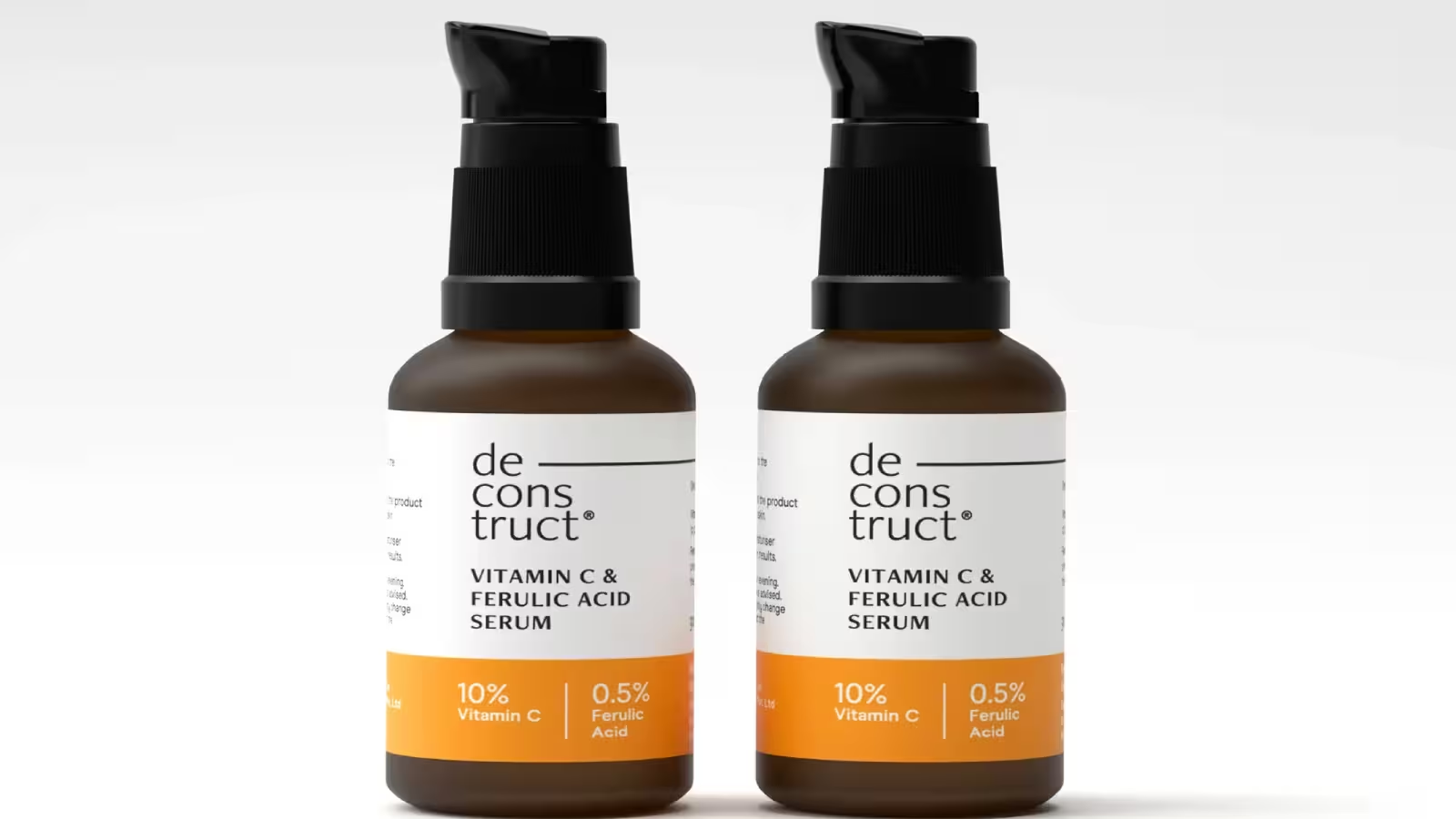
A 10% Vitamin C serum with 3-O-Ethyl Ascorbic Acid gently boosts glow, fades acne marks, and evens tone for oily skin. Lightweight options like Deconstruct 10% Vitamin C Serum deliver antioxidant benefits without stressing the skin barrier.

10% Vitamin C Serum for Oily Skin: A Gentle Way to Glow & Even Tone
Oily skin often feels like a paradox. While excess sebum can make the face look shiny, it does not always translate into a healthy-looking glow. In fact, many people with oily skin struggle with dullness, uneven tone, and post-acne marks. Add sun exposure, pollution, and daily stress to the mix, and the skin can start looking tired and patchy.

This is where a well-formulated Vitamin C serum can make a visible difference. A 10% concentration especially when formulated with 3-O-Ethyl Ascorbic Acid, a stable Vitamin C derivative offers a balanced way to improve glow and even out skin tone without overwhelming oily or acne-prone skin. Clinically tested formulations such as Deconstruct 10% Vitamin C Serum are designed to deliver antioxidant protection and visible radiance while remaining gentle on the skin barrier.

Why 10% Vitamin C Works Well for Oily Skin

When it comes to active ingredients, more is not always better. Higher concentrations of Vitamin C may increase the risk of irritation, especially for beginners or those with sensitive, acne-prone skin. Redness, tingling, or breakouts can occur if the skin barrier is compromised.

A 10% Vitamin C concentration strikes the right balance. It is effective enough to support glow and reduce uneven tone, yet mild enough for regular use. For oily skin types that are already prone to congestion and sensitivity from overuse of actives, this moderate strength can deliver results without triggering excess oil production or inflammation.

Vitamin C also works as a powerful antioxidant. It neutralises free radicals generated by UV exposure and pollution two major contributors to dullness and pigmentation. By protecting the skin from oxidative stress, it helps maintain clarity and a more even appearance over time.

The Role of 3-O-Ethyl Ascorbic Acid in Enhancing Glow

Not all Vitamin C forms are created equal. Traditional L-ascorbic acid can be unstable and may oxidise quickly when exposed to air and light. In contrast, 3-O-Ethyl Ascorbic Acid is a more stable derivative that penetrates effectively and maintains its potency longer.

Here’s how it supports oily skin:

1. Improves Skin Glow

3-O-Ethyl Ascorbic Acid helps reduce oxidative damage, which is one of the key reasons behind dull looking skin. With consistent use, it enhances overall radiance and supports a healthier complexion.

2. Fades Pigmentation and Acne Marks

Oily and acne-prone skin often deals with post-inflammatory hyperpigmentation those stubborn dark spots left behind after breakouts. Vitamin C interferes with excess melanin production, gradually helping fade these marks and promoting a more even tone.

3. Refines Texture

Uneven texture can make skin appear rough or tired. By supporting collagen production and improving surface smoothness, Vitamin C contributes to a refined, clearer-looking complexion.

Key Ingredients to Look for in a Vitamin C Serum for Oily Skin

When choosing a serum, ingredient synergy matters just as much as the hero ingredient.

  • 10% Vitamin C Serum (3-O-Ethyl Ascorbic Acid): Delivers stable antioxidant protection and visible glow support.
  • Niacinamide: Helps regulate excess oil, strengthens the skin barrier, and supports even tone.
  • Ferulic Acid: Enhances the stability and performance of Vitamin C.
  • Lightweight Hydrators (Glycerin, Hyaluronic Acid): Maintain hydration without clogging pores or feeling greasy.

For oily skin, the texture of the serum is equally important. A lightweight, fast-absorbing, non-comedogenic formula works best to prevent pore congestion.

How to Use 10% Vitamin C Serum in Your Routine

Consistency plays a crucial role in achieving visible results. Here is a simple routine you can follow:

Morning Routine

1. Cleanse: Use a gentle gel-based cleanser to remove oil buildup and impurities.
2. Apply Serum: Take 2–3 drops of the Vitamin C serum and apply it to dry skin. Gently pat it in.
3. Moisturise: Follow with a lightweight, oil-free moisturiser to maintain hydration.
4. Sunscreen: Finish with a broad-spectrum SPF 50 sunscreen. This step is essential, as vitamin C works best when paired with proper sun protection.

Beginners can start with once daily application in the morning. If the skin tolerates it well, it can also be used in the evening, depending on the overall routine.

Common Mistakes to Avoid

Even a gentle Vitamin C serum can deliver better results when used correctly.

  • Starting with very high concentrations: Jumping to stronger formulas may lead to irritation and barrier damage.
  • Skipping sunscreen: Sun exposure can counteract the benefits of Vitamin C and worsen pigmentation.
  • Over-layering actives: Combining strong exfoliating acids with Vitamin C without guidance may increase sensitivity.
  • Expecting instant glow: Skin renewal takes time. Visible improvements usually appear after consistent use over several weeks.

Patience and consistency are key when incorporating active ingredients into your skincare routine.

Who Should Use a 10% Vitamin C Serum?

A 10% Vitamin C serum formulated with 3-O-Ethyl Ascorbic Acid can be suitable for:

  • Oily skin
  • Acne-prone skin
  • Combination skin
  • Individuals new to antioxidant skincare

If you are looking to improve glow, reduce post-acne marks, and achieve a more even tone without heavy or greasy formulations, a clinically tested option like Deconstruct 10% Vitamin C Serum can fit seamlessly into your routine.

Final Thoughts

Oily skin does not need harsh treatments to look radiant. In fact, over-stripping or aggressive actives can weaken the skin barrier and worsen uneven tone. A balanced approach works far better.

A 10% Vitamin C serum powered by 3-O-Ethyl Ascorbic Acid offers a steady and gentle way to enhance glow, refine texture, and improve overall tone. When combined with daily sun protection and a simple, consistent routine, it supports healthier-looking skin over time.

Glowing skin is not about shine it is about clarity, balance, and resilience. With the right formulation and patience, achieving that natural glow becomes both realistic and sustainable.

Note to the Reader: This article has been created by HT Brand Studio. The information provided is intended solely for informational purposes and does not constitute medical advice or endorsement. Please consult a registered medical practitioner for personalized medical advice or before making any decisions regarding your health conditions or treatment options.

Get latest updates on health and wellness along with Brand Stories

Tags: , , , , , ,
Future-Proofing The Skin: Why 20-Somethings are Starting 'Pro-Ageing' Routines

Future-Proofing The Skin: Why 20-Somethings are Starting ‘Pro-Ageing’ Routines

Have you heard of the term ‘pro-ageing’? This is a lifestyle shift that focuses on nourishing, protecting, and embracing the natural skin at every stage of life. Unlike the anti-ageing routine that fights signs of ageing, the pro-ageing routine focuses on accepting the changes and caring for the skin. Usually, people worry about skin ageing when visible signs like wrinkles and fine lines appear, but youngsters nowadays believe in skin longevity and are more inclined to future-proof their skin naturally.


Pro-Ageing 101: Dermat Answers Common Questions

A lot of people are not familiar with the skin ageing universe, especially Pro-Ageing. In an exclusive conversation with Onlymyhealth, Dr Priyanka Sharma, Co-founder, Director, and Chief Dermatologist at V6 Clinics, simplified skin longevity and pro-ageing for our readers.

At What Exact Age Does Our Natural Collagen Production Begin To Slow Down?

Collagen production typically begins to decline in the mid-20s. By the time we enter our 30s, we lose approximately 1% of collagen per year, and this accelerates with sun exposure, stress, and lifestyle factors.

Answering whether or not we can delay ageing, Dr Sharma says, “We cannot biologically ‘stop’ ageing, but we can absolutely reduce the visible signs of collagen loss.”

Here are some steps to significantly delay structural skin thinning and sagging:

  • Daily sun protection
  • Medically guided retinoids
  • Antioxidant use
  • Adequate protein intake
  • Procedures that stimulate collagen production

The goal today is not to stop aging, but to age structurally stronger and healthier.

Also Read: 5 Ways Protein Protects Skin From Premature Ageing

What Is The Actual Difference Between ‘Anti-Aging’ And ‘Skin Longevity’?

Anti-aging is largely corrective. It focuses on reversing visible signs like wrinkles, pigmentation, and sagging after they appear.

Skin longevity, on the other hand, is preventive and science-led. It focuses on preserving collagen, maintaining barrier integrity, supporting the microbiome, and reducing chronic inflammation long before visible aging sets in.

What Is The Most Common Skincare Mistake You See 20-Somethings Making Today?

“The biggest mistake I see is overuse of active ingredients without medical guidance,” shares Dr Sharma.

Many young individuals are layering multiple exfoliants, retinoids, and acids based on social media trends. This mistake often leads to skin barrier damage, chronic inflammation, and long-term sensitivity.

Skin in the 20s is biologically strong. It requires consistency, protection, and minimal but effective ingredients, not aggressive correction. Over-treatment at a young age often leads to premature skin problems.

Also Read: What Is the Right Age to Start Anti-Ageing Products?

What Is The ‘Skin Microbiome,’ And How Does Over-Cleansing Today Affect Our Skin A Decade From Now?

The skin microbiome refers to the ecosystem of beneficial bacteria that naturally live on our skin. These microorganisms help regulate inflammation, protect against pathogens, and maintain the skin barrier.

“Over-cleansing, especially with harsh foaming cleansers, disrupts this balance. Chronic barrier disruption can lead to persistent low-grade inflammation. Over the years, inflammation contributes to pigmentation, dullness, sensitivity, and accelerated collagen breakdown,” warns Dr Sharma.

Balanced cleansing, rather than excessive cleansing, is key to long-term skin health.

Can Diet And Supplements Slow Down Collagen Breakdown As Effectively As Topical Treatments?

Diet and topical treatments serve different but complementary roles.

  • Topical ingredients like retinoids and vitamin C directly stimulate collagen production in the skin.
  • Whereas, right nutrition supports the internal building blocks required for that process- including adequate protein, vitamin C, zinc, and antioxidants.
  • Collagen peptides and certain supplements may support skin elasticity, but they cannot replace sun protection or topical stimulation.

Optimal results come from combining internal nutrition with external dermatological care.

What Are The Three Ingredients A 20-Something Should Use Now?

According to Dr Sharma, the three foundational ingredients that need to be prioritised are:

  • Broad-spectrum sunscreen- UV damage accounts for up to 80% of visible skin aging.
  • Low-strength retinoid (under medical supervision)- Gradually stimulates collagen and improves cellular turnover.
  • Vitamin C antioxidant serum- Protects against oxidative stress and environmental damage.

Consistent use of these from the mid-20s can significantly delay the need for corrective procedures in the 40s.

Final Word

Summing up, Dr Sharma says, “There is scientific reasoning behind early preventive care. Collagen decline begins in the mid-20s, and environmental damage accumulates from adolescence onward. However, pro-ageing should not be confused with aggressive aesthetic intervention at a young age. The science supports early prevention, not premature procedures.”

Starting early means building skin health, not chasing perfection.

Read Next

Rose Water vs Aloe Vera Gel: Which One Works Best for Oily Skin?

Disclaimer

Chanchal is passionate about making health news clear, reliable, and useful. With over six years of experience in health journalism, she covers everything from disease outbreaks to women’s wellness, nutrition, and fitness. She believes in going beyond headlines, relying on expert voices and trusted medical studies to inform her work. Before joining Jagran New Media, she worked with Rajasthan’s First India News.

Read More..

How we keep this article up to date:

We work with experts and keep a close eye on the latest in health and wellness. Whenever there is a new research or helpful information, we update our articles with accurate and useful advice.


  • Current Version

  • Feb 23, 2026 13:30 IST

    Published By : Chanchal Sengar

Tags: , , , , ,
Why Your Skin Still Looks Dull Even With a Skincare Routine

Why Your Skin Still Looks Dull Even With a Skincare Routine

Some people follow every skincare step carefully, yet their reflection still looks tired and dull. The cleansers are gentle, the serums give glow, and the moisturizers are high quality, but the results do not match the radiant skin they hoped for. It can be frustrating when effort does not show on the surface.

Dull skin has many causes that go deeper than the surface. Sometimes the problem is underneath the skin. Even when products work well, they can only do so much if the body itself struggles to renew, hydrate, or repair from the inside.

By understanding what really affects skin brightness, people can focus on real improvements instead of always chasing the newest products. In many cases, healthy glowing skin begins from within, supported by good rest, careful daily skincare, and sometimes skin enhancing supplements that support overall skin health.

Dehydration Below the Surface

Even when the skin looks well cared for, a lack of internal hydration can make it look dull and tight. Many people confuse surface moisture from creams with the real hydration that skin cells need to stay plump and naturally reflective.

Not All Moisture Is Equal

A layer of cream can lock in water, but it cannot create it. When the skin is dry at its base, even the best moisturizers have trouble working well. Everyday habits like not drinking enough water, drinking a lot of coffee, or spending time in air conditioned spaces can quietly pull moisture from the skin. Over time, this dryness makes the skin rough and reduces its natural glow.

The Role of Internal Hydration

Real hydration starts from within. When the body does not get enough fluids, skin cells become less flexible and more likely to flake. Eating fruits with high water content and getting enough electrolytes helps the skin hold moisture better. People who are often outdoors or in dry areas usually notice better results when they combine skincare with proper hydration.

How Balanced Nutrition Helps

Hydration also depends on what you eat. Foods rich in healthy fats, like avocados, nuts, and fish, help the skin stay naturally glowing because they nourish its lipid layer. Without this internal support, even hydrating serums cannot keep the skin smooth for long. When the skin gets the right nutrients from food, it reflects light better and feels softer for longer.

Poor Cellular Renewal and Fatigue

Another reason skin can look dull is that dead skin cells build up faster than the body can remove them. Even a gentle exfoliant may not be enough if the skin’s natural turnover slows down. This often happens when the body is stressed, missing nutrients, or not getting enough rest.

The Slowdown of Skin Renewal

Skin normally renews itself about every month, but when sleep is irregular or stress hormones remain high, this process takes longer. Old cells stay longer on the surface, scattering light and making the complexion look dull. This change can be so gradual that it goes unnoticed until the skin starts to feel rough and lose elasticity. Better rest habits and relaxation often help the skin renew naturally.

When Nutrition Plays a Silent Role

Certain vitamins and minerals are essential for healthy skin turnover. A lack of vitamin C, E, or zinc may make the skin heal slowly and look uneven. Eating a balanced diet with colorful fruits and vegetables, proteins, and whole grains supports the body’s ability to renew efficiently. For those who cannot always eat this way, supplements with these nutrients can help fill the gaps. Small changes in daily nutrition can quickly improve skin tone and make the complexion look lively.

Sleep and Stress Connection

Sleep does more than rest the body. It repairs it. During deep sleep, the skin boosts collagen and removes damaged cells. Missing this stage leaves the skin tired no matter what products are used. Similarly, chronic stress releases hormones that interfere with skin repair, reducing its natural glow. Establishing steady routines of rest, relaxation, and mindful breathing can make a visible difference over time.

Environmental Exposure and Lifestyle Habits

Even the best skincare routine can be affected by daily habits and the environment. Pollution, UV rays, and screen time all affect how the skin looks and feels. People often underestimate how much their surroundings influence the skin’s ability to stay radiant.

The Invisible Impact of Pollution

Pollution particles slowly settle on the skin and cause irritation. When this layer mixes with natural oil and sweat, it can block pores and lead to rough or uneven skin texture. Daily cleansing is helpful, but care from inside the body is just as important. Antioxidants from food or supplements help protect skin cells from pollution, supporting a clearer and fresher appearance over time.

Everyday Habits That Steal Radiance

Late nights, too much caffeine, and skipping meals may seem harmless, but they slowly reduce blood flow and nutrients reaching the skin. Without enough oxygen and nourishment, the skin can look dull and tired. Small lifestyle changes, such as eating more whole foods, doing light exercise, and spending short periods outdoors, can help restore skin health from within without needing drastic changes.

Sunlight and Digital Exposure

Sunlight helps the body make vitamin D, but too much sun without protection can damage collagen and make skin look dull. Light from phones and computers can also affect skin firmness and tone when exposure is long and frequent. Using sunscreen daily and taking short breaks from screens gives the skin time to recover and helps natural brightness return.

Understanding the Whole Picture

Dull skin is not only about skincare products. It is often linked to daily habits. The skin reflects what we eat, how well we sleep, how we handle stress, and how consistent our care is. When skincare does not seem to work, the cause is often found in lifestyle and nutrition.

Sometimes, the solution is not another product, but better care from within. With enough water, balanced meals, and proper rest, the skin can slowly look healthier and brighter. Nutritious food and supplements, when needed, help build a strong base for natural glow that creams alone cannot provide.

Healthy skin takes time. It grows through balance, good habits, and care that supports the body inside and out.

Tags: , , ,
From Anti-Ageing To Skin Elasticity: Why Rosehip Oil Is Your Next Everything Treatment

From Anti-Ageing To Skin Elasticity: Why Rosehip Oil Is Your Next Everything Treatment

The enduring fascination with rosehip oil shows that while the beauty world constantly touts new and complex ingredients, some of the most effective have been valued for centuries. Derived from the fruit and seeds of Rosa canina bushes, rosehip oil has a long history of medicinal and skincare use for its reparative properties.

It remains a staple in contemporary skincare for the same reason. Modern formulations may feel fresh and innovative, but they follow the same guiding principles: harnessing rosehip oil’s power to stimulate collagen, hydrate, and heal the skin.

Vogue’s top rosehip oils at a glance:

Germaine de Capuccini Multi-Regenerating Rosehip Oil

Read more

In this article:

AccordionItemContainerButton

What is rosehip oil, and what are the benefits of using it?

According to consultant dermatologist Dr Derrick Phillips, “Rosehip oil is a plant-derived oil extracted from the seeds of the rosehip fruit, not the petals. That distinction matters because, unlike rose essential oil, which is distilled from petals and primarily used for fragrance, rosehip oil has a fatty acid and antioxidant profile that is more relevant to skincare.”

He reveals why it is considered such a powerhouse in the skincare industry: “It contains linoleic and alpha-linolenic acids, alongside smaller amounts of oleic acid and naturally occurring antioxidants such as tocopherols and carotenoids,” the expert explains. “There are also trace amounts of vitamin A-related compounds, although these are not comparable to prescription or over-the-counter retinoids.”

Dr Phillips also spotlights some studies that suggest “its fatty acid content may help support the skin barrier and improve hydration by reducing water loss. It may also have mild antioxidant and anti-inflammatory properties, which can contribute to overall skin resilience.”

Rosehip oil for the face

Often dubbed as a solution for acne-prone skin, Dr Phillips wants to make clear that this is not always the case. “It has a relatively low comedogenicity rating, typically around 0 to 2, and it is rich in linoleic acid. Acne-prone skin tends to have lower levels of linoleic acid in sebum, so in theory it may be better tolerated than heavier, oleic-acid dominant oils.” That being said, the oily texture may not be easily tolerated. “Oils are inherently occlusive and, in some individuals, can contribute to congestion or flare-ups, particularly in active inflammatory acne,” he adds.

Tags: , , , , ,
Top Vitamin C Serums for Bright, Even‑Toned Skin | Personal-care News

Top Vitamin C Serums for Bright, Even‑Toned Skin | Personal-care News

Regular use of vitamin C serum promotes collagen production, which improves skin firmness and reduces fine lines, giving a youthful glow. Additionally, it protects the skin from environmental damage caused by free radicals, pollution, and UV exposure. Lightweight and fast-absorbing, vitamin C serums can be easily incorporated into morning or evening skincare routines and are suitable for most skin types when used consistently.

Image Source: Myntra


Order Now

Bioreva’s 15% Vitamin C Serum is formulated for those looking to boost skin brightness and reduce dullness. With a high concentration of vitamin C, it works to fade dark spots, even out skin tone, and enhance natural radiance. The lightweight texture absorbs easily, making it suitable for daily use under moisturizers or makeup.

Key Features:

  • High 15% Vitamin C concentration for effective brightening
  • Helps fade pigmentation and dark spots
  • Lightweight, fast‑absorbing formula
  • Suitable for daily use
  • Higher vitamin C % may irritate sensitive skin
  • Can oxidize faster if not stored properly
  • May cause mild tingling initially

Image Source: Myntra


Order Now

Dot & Key’s serum combines 10% vitamin C with vitamin E and 5% niacinamide to not only brighten the skin but also combat pigmentation and improve texture. Vitamin E enhances antioxidant effects while niacinamide calms the skin and minimises pores. This multi‑benefit formula targets dullness and uneven tone for a smoother, glowing complexion.

Key Features:

  • 10% Vitamin C for brightening
  • Vitamin E to boost antioxidant protection
  • 5% Niacinamide to calm skin & reduce pigmentation
  • Lightweight and hydrating, ideal for everyday use
  • Niacinamide may not suit extremely sensitive skin
  • Slight scent might not appeal to everyone
  • Results can take several weeks to show

Image Source: Myntra


Order Now

FoxTale’s Brightening Serum uses L‑Ascorbic Acid, the most potent form of vitamin C, along with Vitamin E to enhance antioxidant benefits. This serum targets dullness, uneven skin tone, and early signs of aging. The formulation aims to restore radiance while protecting against environmental stressors.

Key Features:

  • L‑Ascorbic Acid for strong antioxidant action and brightness
  • Vitamin E supports skin repair and hydration
  • Designed to target dullness and uneven tone
  • Absorbs quickly without sticky residue
  • L‑Ascorbic Acid may cause tingling for some skin types
  • Stability can be an issue if exposed to light/air
  • Might not suit dry skin without a moisturizer

Image Source: Myntra


Order Now


Add Zee News as a Preferred Source

Pilgrim’s Vitamin C Serum combines 10% vitamin C, niacinamide, and Kakadu plum extract (a natural source of vitamin C) to offer brightening and nourishing effects. This blend not only helps fade dark marks and dullness but also supports hydration and overall skin wellness, making it a balanced option for daily care.

Key Features:

  • 10% Vitamin C with natural Kakadu plum extract
  • Niacinamide helps even skin tone
  • Gentle, lightweight texture
  • Suitable for everyday use
  • Lower vitamin C concentration for deeper pigmentation
  • Some may find it less potent than higher‑strength serums
  • Results may take time with consistent use

Vitamin C serum is an essential addition to modern skincare routines for anyone seeking brighter, healthier, and more resilient skin. Its combination of antioxidant protection, collagen support, and pigmentation reduction makes it a versatile product for preventing signs of aging and achieving an even complexion. Consistent use helps maintain a radiant, youthful appearance while safeguarding the skin against daily environmental stressors, making it a highly effective and valuable investment in long-term skin health.

Disclaimer: At IDPL, we help you stay up-to-date with the latest trends and products. It should not be construed as an endorsement to buy. IDPL may make a very small commission from its sale if one chooses to buy the product from any of the links in this article.


Tags: , , , , , , ,
Best oLive
Privacy Overview

This website uses cookies so that we can provide you with the best user experience possible. Cookie information is stored in your browser and performs functions such as recognising you when you return to our website and helping our team to understand which sections of the website you find most interesting and useful.