Why “Glass Skin” Treatments Are Becoming A Major Skincare Trend

Why “Glass Skin” Treatments Are Becoming A Major Skincare Trend

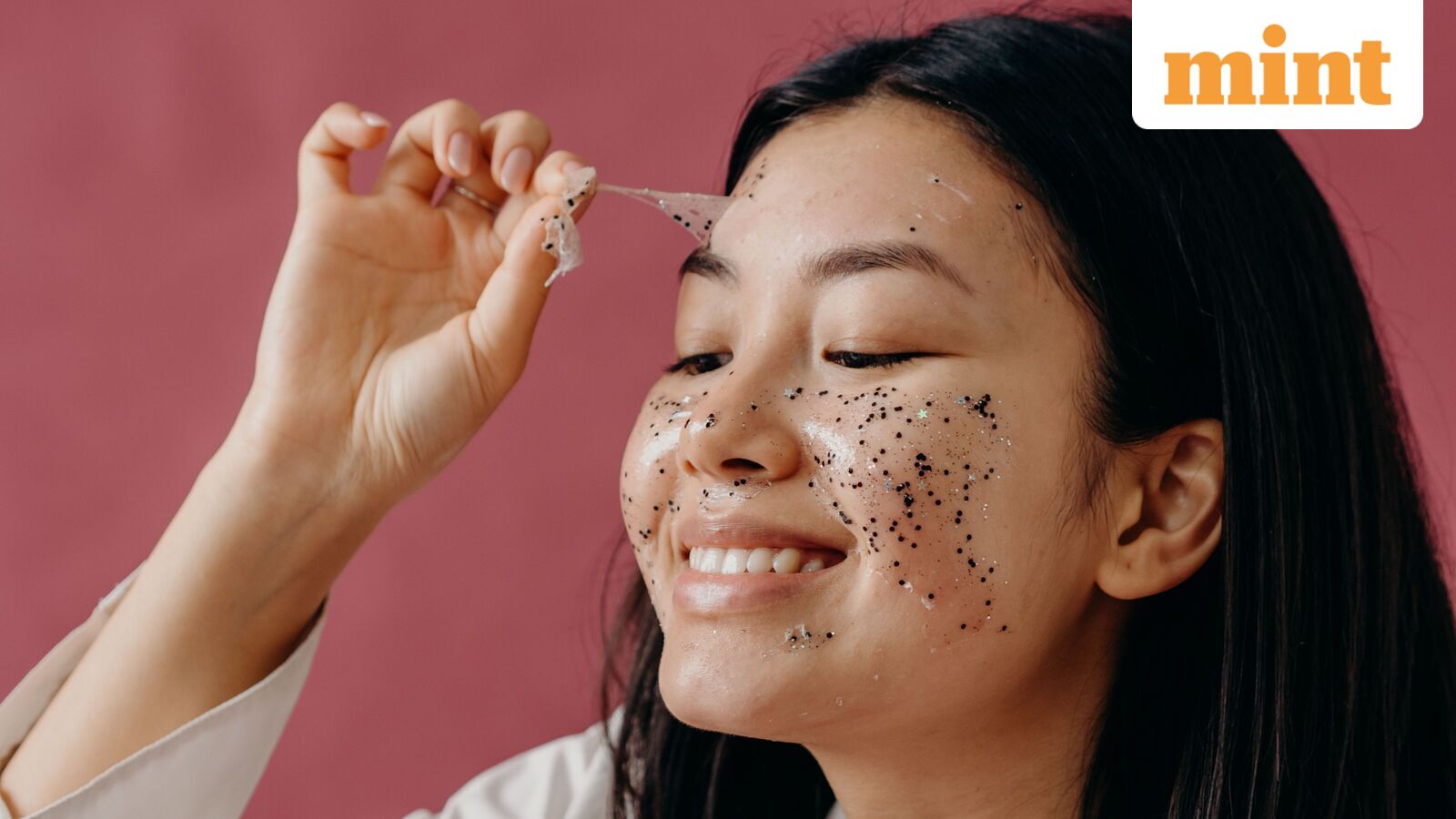
According to Dr. Gaurav Garg, Consultant Dermatologist, Hair Transplant Surgeon, more people are now seeking professional treatments that improve skin clarity, texture, and radiance rather than simply covering imperfections with makeup. “Younger individuals, often shaped by digital platforms and public figures’ routines, seek treatments tied to radiant, even-toned appearance. Not long ago, limited to cosmetic discussions, the concept now appears regularly during doctor consultations. Appearance goals once confined to magazines shift toward health-focused dialogues,” he said.

Tags: , , , , ,
Luxury Spas And High-End Skincare Brands Are Taking Their Partnerships To The Next Level: ‘A Win-Win For Everyone’

Luxury Spas And High-End Skincare Brands Are Taking Their Partnerships To The Next Level: ‘A Win-Win For Everyone’

A facial at Lake Austin Spa Resort in Austin, Texas

Lake Austin Spa Resort

It’s not an uncommon practice for spas to sell high-end skincare lines in their businesses—but The Wellhouse at Blackberry Farm takes it a step further.

On its menu is the Tammy Fender Signature Facial, named after the Florida-based facialist who has been in practice for over 25 years and who counts celebrities like Gwyneth Paltrow and Julianne Moore as clients. Beyond just selling Fender’s products inside the walls of The Wellhouse, the relationship between the spa in Walland, Tennessee and Fender goes a bit deeper: a few times a year, Fender stops by The Wellhouse for about four days at a time for a mini-residency, taking appointments for two of those days for clients who are staying onsite at Blackberry Farm.

“She works with our team the rest of the time just to keep us making sure that we’re treating her treatments correctly,” Meghan Henley, assistant director of wellness at The Wellhouse, tells me via Zoom.

Guests can indulge in a Tammy Fender Signature Facial—performed sometimes by Fender herself but mostly by employees of The Wellhouse that she has trained—for 50-minute or 80-minute sessions. The facial, which is described in the spa menu as being “rooted in the ancient traditions of holistic care,” includes ultrasound waves, rhythmic massage techniques designed to enhance circulation, oxygen therapy and “custom blends of the purest botanical ingredients” that seem to align with Fender’s values of natural, plant-based luxury skincare and holistic living. Henley points out that the estheticians at The Wellhouse often use Fender’s Roman chamomile tonic, which she points out is “really great for redness and sun exposure.”

“I can’t say enough about Tammy,” Henley says. “She is an incredible human.”

Tammy Fender

Blackberry Farm

The feeling is mutual: “Have you ever encountered a match made in heaven?” Fender tells me. “It is truly a rarity to find an organization that embodies such unwavering commitment to holistic care while offering an extraordinary wellness experience. I am deeply grateful for our inspiring collaboration with Blackberry Farm.”

The partnership between The Wellhouse and Fender developed organically, Henley tells me.

“Our overall approaches to wellness are just so aligned,” she says, adding that developing partnerships like the ongoing one with Fender is “always very, very natural, just naturally evolves through our relationships, usually from word of mouth, honestly.”

When it came to establishing the relationship with Fender, Henley credits Charlotte Hardwick, “a longtime ‘friend of the Farm,’” Henley says, referring, of course, to Blackberry Farm, the celebrity-loved luxury resort bordering the Great Smoky Mountains National Park. The resort has 62 rooms and its grounds cover 4,200 acres; The Wellhouse spa is but one part of the property’s amenities and, in addition to attracting boldfaced names for a stay on the property, Kelly Clarkson, Jennifer Nettles of the country music group Sugarland, and Paulina Gretzky, daughter of hockey legend Wayne Gretzky, have all been married there. (“We do have many, many high-profile guests who come to visit Blackberry,” Henley says, though she doesn’t name them. “And I think, honestly, one of the reasons they are drawn to us is, of course, our privacy policy. We take it extremely seriously.”)

Blackberry Farm in Walland, Tennessee

Blackberry Farm

But back to Charlotte Hardwick: “She comes and does one to two wellness retreats per year with us,” Henley says. “And she mentioned to me several times, ‘Hey, have you heard of Tammy Fender? She’s not around here. You may not have heard of her, but I think her products would be incredible.’ It’s such a beautiful alignment. And so she mentioned it a time or two, and I said, ‘Hey, can you get me on the phone with her?’ And we trust these partnerships.”

Of “friends of the Farm” like Hardwick, “They want to see our success,” Henley says. “They know what our brand is. And so people just honestly pass it on. It’s pretty incredible.”

When it comes to the alignment between Fender and The Wellhouse, Henley points to immersive experiences at Blackberry Farm like forest bathing, which is “all about immersing yourself in nature and in the senses,” she says, adding of Fender that “everything she does is an immersive sensory experience. So it also all awakens the senses, her holistic approach—her overall approach addresses the skin with the active plant remedies. And that’s just so aligned with everything that we do on the Farm. It’s just that same deepening of body, mind, spirit.”

Partnerships—like the current one with Fender, which started in the beginning of 2024, and prior partnerships like with skincare founder Tata Harper, which ended at the end of 2023—have “always been very, very natural,” Henley says. “Like I said, very organic.”

Henley says The Wellhouse tends to partner with one skincare expert in this manner at a time, and that Fender comes to the spa multiple times a year, attends wellness retreats and interacts with spa goers.

Blackberry Farm in Walland, Tennessee

Blackberry Farm

Fender’s expertise drives revenue for the spa, Henley says. “She is taking appointments as in a residency or for one of our events,” she adds. “She is onsite. She is there at her disposal. And honestly, I mean, of course that’s going to drive sales. She’s there to talk about the products, and the guests are—they’re just overwhelmed because she’s so incredibly authentic, and it will turn into sales for us. And then also for her.”

“And even when Tammy’s not here, they’re coming and doing these little solo retreats, because she mentioned that her products are here now,” Henley continues. “So it’s a win-win for everyone.”

For her part, Fender says, “My time spent in residency each season serves as a sanctuary for exploration and growth in my treatment practice. It is during these moments that I connect with individuals who share a genuine desire to delve into every facet of holistic care. Additionally, I have the privilege of rejuvenating my spirit in a breathtaking setting, savoring exquisite cuisine and cherishing every precious moment.”

Fender has done a seasonal wellness retreat for the past two years, “and the guests really enjoy being able to spend that quality time with her on those events, and then also when she’s here for residency—so that’s a separate thing,” Henley says. “She’s incredible.”

“She is such a gentle human,” Henley adds of Fender. “She is so authentic, and that is such a huge, huge important factor in anyone we partner with.”

From the business side, Henley says continuing partnerships like the one the spa has with Fender are a win: “They definitely generate sales in our spa, in our retail spaces,” she says.

Lake Austin Spa Resort in Austin, Texas

Lake Austin Spa Resort

“Partnerships with skincare brands are crucial for a spa”

Partnerships like these are growing in popularity in spas across the country. At the LakeHouse Spa at Lake Austin Spa Resort in Austin, Texas, clients can get a Collagen Boost facial by Dr. Dennis Gross, an 80-minute anti-aging treatment that reduces hyperpigmentation and deep-set lines while stimulating collagen production. The treatment includes a professional retinol peel, a cooling and warming mask and an LED treatment, according to the spa menu.

Dermatologist Dr. Gross—who is also the founder of an eponymous skincare line, perhaps most known for its peels—is one of the brands in partnership with the LakeHouse Spa, where his products are offered as well as skincare treatments.

“Partnerships with skincare brands are crucial for a spa because they enhance credibility, provide high-quality products and create additional revenue streams,” says spa director Shana Ominsky.

Ominsky points to access to high-quality products provided by the skincare brand, education and training for spa staff and brand credibility, which “elevates your spa’s reputation, making it more attractive to clients seeking premium treatments” as reasons behind partnerships like these.

Treatment at Blackberry Farm in Walland, Tennessee

Blackberry Farm

Calling Dr. Gross specifically “a nice fit for the spa because they offer cutting-edge, results-oriented services,” Ominsky calls partnerships with skincare brands “a large investment, and what is important is the amount of support you receive from the vendor.”

Support, Ominsky says, should include significant amplification with sales, marketing and continued training and selling strategies. “The collective effort is what’s most important to us,” she adds.

“It really is a two-way partnership”

Across Montage Hotels and Resorts’ properties is a Spa Montage at each location, which includes places like Bluffton, South Carolina (the company’s Palmetto Bluff property) and Laguna Beach, California. When it comes to skincare, each location has partnerships specific to what works best for their clientele—for example, Tata Harper is featured at Palmetto Bluff, and OSEA (which is headquartered in Malibu, California) is featured at the Laguna Beach property. As of earlier this year, Spa Montages across the country will now feature luxury skincare line Skin Design London and a robust partnership with its founder, celebrity esthetician Fatma Shaheen, who has already visited five of the seven U.S. Montage properties (with plans to visit the remaining two imminently). All properties will soon feature two exclusive facials to be released this year with protocols created by Shaheen herself.

“She’s personally training our estheticians on the modalities, and she is making sure that they are aligned and following the same protocol so that our guests are getting the same level of service as if Fatma was doing it herself,” Jennifer Holzworth, senior corporate director of spa operations for Montage International, tells me over Zoom, adding that while Shaheen is onsite at each of the properties, she’ll do different events ranging from lunch and learns to VIP treatments on specific media guests.

Lake Austin Spa Resort in Austin, Texas

Lake Austin Spa Resort

“It’s an evolving partnership, and she’ll continue to have pop up visits at all of the sites throughout the year when she’s in the U.S.,” Holzworth adds of Shaheen, who is based in London.

When it comes to choosing partners—be they property-specific like Tata Harper or OSEA or across all locations, like Skin Design London—the integrity of the product matters, Holzworth says, but also the relationship the brand is looking to have with Montage. They examine “the brand story” of the company, Holzworth says, “and how does it align?”

Montage is also looking for brands who will provide training and support, “not only from our team’s perspective and making sure that they’re trained properly [to give treatments], but also from a PR perspective and doing events and marketing,” she adds. “So it really is a two-way partnership, and we want to make sure that going into these partnerships that the other side is as flexible and as willing to make it successful, as we are.”

“I think it’s really important to have consistency with our partners and the elevated level of service that we can provide to our guests,” Holzworth says, adding that the partnership “certainly is beneficial on both sides.”

“We just look for partnerships whose standards align with ours”

The Wellhouse—which launched in 2014 and boasts just under 50 employees—also carries the German-based company MBR in addition to Fender’s line. Though the partnerships tend to err on the side of organic, when it comes to vetting potential partners, “Brand alignment is an obvious answer,” Henley says.

“Specifically, we often look towards holistic and organic brands and any that focus on sustainability,” Henley says, adding that when it comes to these important partnerships like the one The Wellhouse has with Fender, “Overall, we just look for partnerships whose standards align with ours.”

Tags: , , , , , , ,
South Korea's Beauty Boom: Tourists Flock for Cutting-edge Skincare

South Korea’s Beauty Boom: Tourists Flock for Cutting-edge Skincare

South Korea’s capital, Seoul, is witnessing a surge in medical tourism as international travelers flock to its thousands of skincare clinics. Maria Zu, a consultant from Dubai, exemplifies this trend, having spent her recent visit undergoing advanced treatments like red light therapy and Botox.

With over 2 million foreigners visiting for medical services last year, according to Korea’s health ministry, this sector is outpacing traditional tourism. Hong Seung-wook from the Korea Health Industry Development Institute notes the increasing preference for anti-aging treatments among middle-aged tourists.

The allure lies in the cost-effectiveness and cutting-edge techniques of K-beauty, which are often years ahead of Western practices. Lienjang clinic in Gangnam, for example, represents the competition-driven affordability that attracts around 15,000 clinics across the nation, offering innovative services greatly sought after by global visitors.

(With inputs from agencies.)

Tags: , , , , , , ,
How Ecommerce Subscriptions Changed The Way People Buy Skincare

How Ecommerce Subscriptions Changed The Way People Buy Skincare

Subscription ecommerce has shifted online skincare buying from active browsing and experimentation into recurring, near invisible repeat purchases. Consumable beauty products now see repeat purchase rates of 38 to 52 percent, and the global beauty subscription category is projected to grow from $2 billion in 2025 to $6 billion by 2033.

Quick Decision Framework

  • Who This Is For: Shopify beauty and skincare brand founders and retention operators evaluating subscription models, plus DTC brands doing $100K to $5M in annual revenue considering subscribe and save programs.
  • Skip If: You run a high discovery, novelty driven beauty brand where the business model depends on customers trying new SKUs every cycle. Subscription is a poor structural fit for genuine discovery brands.
  • Key Benefit: Understand why skincare subscriptions outperform other beauty categories at retention, with specific repeat purchase benchmarks and stage aware implementation guidance for the Shopify ecosystem in 2026.
  • What You’ll Need: 10 to 15 minutes to read, a clear sense of which of your SKUs are genuine consumables, and (for implementation) a Shopify store with a subscription app such as Recharge, Loop, or Shopify Subscriptions.
  • Time to Complete: 12 minute read. Subscription pilot setup runs 2 to 6 weeks depending on stack complexity.

By the time a skincare cream becomes part of a customer’s monthly recurring billing, the brand has already won the only competition that matters. It has stopped being shopped against.

What You’ll Learn

  • Why skincare fits subscription ecommerce better than almost any other beauty subcategory and what that implies for product selection
  • How the shift from browsing to recurring purchasing changes customer acquisition math at the $100K to $5M revenue stage
  • What the Shopify subscription stack looks like in 2026 and when Recharge, Loop, Stay AI, or Shopify Subscriptions native each fit best
  • When a brand should pause adding new SKUs and double down on the staples customers are already reordering
  • Where subscription fatigue actually shows up in skincare and how the brands lasting through it design around it

Ten years ago, skincare shopping carried a certain amount of chaos. People bought products because somebody on YouTube held up a bottle in bad bathroom lighting. Serums piled up beside half used cleansers. Moisturizers sat untouched after two applications because they stung for three minutes longer than expected.

A lot of that wandering has faded from online skincare retail. Many people now buy the same cream repeatedly for months, sometimes years, without browsing much at all. The purchase happens in the background while they are ordering groceries, replacing razor blades, or checking bank notifications over morning coffee.

This article looks at how ecommerce subscriptions reshaped skincare buying habits, why repeat purchasing has overtaken constant product switching, and how convenience, routine stability, and algorithm driven retail systems have changed the relationship between consumers and long term skincare use.

The Rise of Repeat-Order Skincare

Face creams fit subscription ecommerce unusually well because most people stop experimenting once they find a formula their skin tolerates, and that single behavior is what makes the category structurally suited to recurring revenue. A moisturizer that does not irritate after six months becomes difficult to replace, even when newer products launch every week online.

The data backs up the intuition. Consumable beauty products including skincare see repeat purchase rates of 38 to 52 percent, among the highest of any ecommerce category. Beauty brands with strong subscription programs frequently see 30 to 40 percent of total revenue coming from recurring orders within 12 to 18 months of launching. Skincare alone accounts for over 40 percent of the global beauty subscription market, making it the dominant category by a meaningful margin.

Some skincare brands now lean into familiarity rather than constant product turnover. Companies such as BioVelvet, whose creams center on ingredients like Deer Antler Velvet Extract, Tea Tree Oil, Aloe Vera, and Dead Sea minerals, fit naturally into repeat order buying habits because customers tend to stick with products that calm irritation without forcing them to rebuild their routines every few months.

That kind of purchasing changes the tone of online retail. Skincare once relied heavily on browsing, comparison, and impulse spending. Subscription models flatten much of that activity. The product arrives. Another shipment follows a few weeks later. People stop thinking about the buying process entirely.

Why Skincare Fits Subscription Better Than Almost Any Beauty Subcategory

Skincare beats makeup, haircare, and fragrance in subscription stickiness because it carries the strongest replenishment cycle combined with the highest skin tolerance switching cost. That combination is why skincare accounts for over 40 percent of the global beauty subscription market in 2026 and why skincare subscription services are projected to grow from roughly $2.1 billion in 2024 to $6.5 billion by 2033 at a 14.5 percent compound annual growth rate.

The structural advantage runs deeper than category data. A skincare buyer who has spent six months finding a product their skin tolerates carries a real, visible cost of switching: redness, breakouts, a routine that has to be rebuilt from scratch. That cost shows up nowhere on a brand’s analytics dashboard, but it is the single largest driver of subscription retention in the category. Compare that to fragrance, where novelty is part of the appeal, or to color cosmetics, where shade matching and seasonal preference create natural churn.

For a Shopify brand at $100K to $1M in annual revenue, this changes the acquisition math in a useful direction. A first time skincare customer acquired at a $25 to $40 CAC has a meaningfully higher probability of becoming a recurring revenue customer than the equivalent makeup or accessories customer at the same CAC. Brands building subscription programs on consumable skincare staples report that subscribers stay 3 to 5 times longer than one time buyers, which is the lever that lets DTC skincare brands tolerate paid acquisition costs that would bankrupt other categories.

The implication for operators is straightforward. If you sell skincare on Shopify, the question is not whether subscription belongs in your business model. It is which of your existing SKUs already have the repeat purchase signal to anchor it.

Fewer Decisions Sitting Behind the Purchase

Subscription skincare wins because it removes the cluster of small decisions that used to live between an empty jar and a refilled bathroom shelf, which is exactly the kind of friction online retail spent twenty years failing to eliminate. The brands that understand this stop optimizing for new browsing sessions and start optimizing for the moment a customer never has to think about reordering.

Part of the appeal comes from removing the task of remembering to reorder products before they run out. Most skincare subscriptions replace tiny monthly decisions people used to make manually.

The comparison below gives a quick snapshot of how subscription skincare changed ordinary buying habits online.

Older Habit

Subscription Habit

Realizing a cream is empty at night

Replacement arrives beforehand

Searching different retailers

Keeping one recurring order

Buying several products during sales

Reordering the same staple

Testing multiple moisturizers together

Narrower routines

Pharmacy restocks

Automatic deliveries

The differences look small individually. They add up. People spend less time comparing products once a subscription enters the picture. Browsing drops off, and so does experimentation.

Trend Cycles Wore People Down

Skincare trend cycles burned out faster than the algorithms that fed them, and merchants who built businesses around constant product churn now face customers who have decided stability is a feature, not a compromise. The shift is most visible in the brands that have stopped releasing four serums a year and started defending the formula that already works.

Online skincare spent years feeding constant product churn, moving rapidly from exfoliating acids to barrier repair, fermented ingredients, and overnight masks thick enough to leave marks on pillowcases. The internet still rewards novelty, especially on short form video platforms, though many buyers seem less interested in rebuilding entire routines every season. After enough disappointing purchases, stability starts looking more appealing than discovery.

Discussions around skin cycling often point toward the same thing beneath all the terminology. People are cutting products out rather than adding more. McKinsey’s State of Beauty 2025 report documents the same pattern across the broader beauty consumer landscape, with 75 percent of beauty executives expecting consumer scrutiny of perceived value to be the biggest force shaping the industry, and consumers actively bifurcating between essentials and discretionary purchases.

Subscriptions fit naturally into that mood because they reward repetition. Once a customer settles on a cleanser or cream that works reasonably well, there is little incentive to keep searching. For a Shopify merchant doing $500K to $2M, this is the moment to stop launching SKU variants and start protecting the two or three staples customers are already auto reordering, which is where most of the margin actually lives.

The Strange Normality of Automatic Deliveries

Automatic skincare deliveries have become invisible by design, and that invisibility is the single most important signal in the category because it tells the brands lasting longest that recurring billing rewards reliability over excitement. Loud promises and dramatic before and after language now carry less weight than a product that simply arrives when expected.

Recurring skincare orders create habits people barely notice forming. A padded envelope arrives every six weeks. The jar disappears into the bathroom cabinet beside toothpaste, spare deodorant, and old sunscreen tubes. Another charge appears quietly inside a banking app. The cycle repeats.

Older forms of ecommerce carried more anticipation because purchases happened irregularly. Subscription skincare removes much of that anticipation. Buying becomes maintenance instead of entertainment, and that shift is what allows the category’s best brands to retain customers for years without the constant retention marketing pressure that drains margin in other DTC categories.

This may explain why skincare branding has softened in recent years. Familiarity matters more. So does reliability. The companies lasting longest inside subscription skincare usually understand that customers are not looking for excitement every month. Most simply want products that behave consistently and fit easily into everyday life. Brands that hold this line also tend to be the ones that show up when an AI assistant gets asked which skincare brand to reorder, because the answer keeps pointing to the same names month over month.

The Shopify Subscription Stack Behind All This

The Shopify ecosystem in 2026 offers four primary paths for running a skincare subscription program, and the right choice depends entirely on revenue stage and operational complexity rather than feature checklists. Picking the wrong layer at the wrong stage is one of the most common ways skincare brands stall between $500K and $2M.

For brands under $100K in annual revenue, Shopify Subscriptions native (the free app Shopify launched in 2023) is usually the right starting point. It handles subscribe and save, supports the Shop Pay subscription flow, and avoids the platform fee burden of premium apps. For founder operated brands testing whether subscription belongs in the business model, native is the path that does not punish small subscriber counts.

Between $100K and $1M, the trade off shifts. A growing subscriber base creates real operational complexity around skipping, swapping, pausing, and dunning failed payments. This is where Loop or Recharge start to earn their fees. A recent review of Recharge Subscriptions covers the platform’s strengths and pricing tiers in detail, including the practical implications of the April 2026 Skio acquisition. Loop now powers more than 2,400 Shopify subscription brands processing over $4 billion in subscription revenue, making it the strongest independent alternative.

Above $1M, the questions get more nuanced. Stay AI optimizes specifically for retention through churn prediction. Recharge offers the deepest developer ecosystem for custom flows. The right answer depends on whether the brand’s churn problem is structural (needs retention tooling) or operational (needs platform reliability). For a broader view of how subscription fits into ecommerce as a whole, the complete guide to subscription ecommerce growth in 2026 covers market sizing, model selection, and performance benchmarks across categories.

What’s Actually Sticking with Customers

Several specific patterns now hold across subscription skincare regardless of brand size or price point, and recognizing them is how operators stop chasing trends that quietly stopped working. The patterns are not subtle once a brand looks at the right data.

Customer routines have gotten smaller, not larger. Three to five SKU regimens are replacing the ten step routines that defined skincare content from 2017 to 2022. That contraction is a tailwind for subscription brands focused on essentials and a headwind for brands whose model assumes a customer adds two new products every quarter.

Repeat purchases are now overtaking constant experimentation, with subscribe and save flows handling the replenishment half of the customer relationship while occasional launches handle the discovery half. Brands that try to do both inside a single SKU strategy tend to underperform brands that separate the two clearly. Impulse skincare purchases have also declined across the board, which is part of what makes subscriber base value worth more in 2026 than in 2022.

Subscription pauses are replacing cancellations as the primary churn signal, which is good news for brands that build pause and skip flows correctly. Skincare staples are outperforming trend products on subscription retention. Packaging is increasingly designed for daily visibility, because the brand that sits on the bathroom counter every morning gets reordered. None of these changes arrived overnight. Most happened slowly through repetition. One recurring order turned into another, a checkout process disappeared, and reordering stopped feeling like shopping at all.

Ecommerce That Becomes Invisible

The most successful forms of ecommerce in 2026 are also the least visible ones, which is uncomfortable for marketing teams trained on growth spike metrics but financially correct for brands that intend to be here in five years. Skincare subscriptions reveal that pattern clearly because the category went there first.

People still scroll through launches and trend videos out of curiosity. They still buy unfamiliar products occasionally. But many everyday skincare purchases now happen automatically, especially for products tied closely to a daily routine. That does not make skincare less personal. If anything, it makes certain products more embedded in ordinary life than they were before.

A cream bought once feels experimental. A cream reordered for three straight years becomes part of the furniture. For a Shopify skincare brand making decisions about where to invest the next dollar in 2026, the answer is increasingly to invest in the staples that are already in the recurring order. The growth that compounds is the kind nobody notices, and the brands building toward five and ten year horizons are the ones quietly winning the category right now.

Frequently Asked Questions

How much of total revenue should a skincare brand expect from subscriptions?

Skincare brands with established subscribe and save programs typically see 30 to 40 percent of total revenue coming from recurring orders within 12 to 18 months of launching, with the strongest programs reaching 50 percent or more at the $1M to $5M stage. The pace of that ramp depends on three things: the share of your catalog that genuinely qualifies as consumable, the discount offered (10 to 15 percent is the current ecosystem standard), and the friction profile of your cancel, pause, and skip flows. Brands that build punitive cancellation flows tend to hit a revenue ceiling earlier because the customers who stay are increasingly customers who could not get out cleanly, not customers actively choosing to stay.

Which Shopify subscription app should a skincare brand under $500K start with?

Skincare brands under $500K in annual revenue should start with Shopify Subscriptions native or a low cost entry tier from Recharge or Loop, because the operational complexity at that stage does not yet justify enterprise platform fees. Shopify Subscriptions native is free and handles the subscribe and save flow cleanly through Shop Pay, which materially reduces failed payment churn. Recharge’s $25/month entry tier (first 50 subscribers) is competitive once the subscriber base is past the experimentation phase. The wrong move is paying $499/month for an enterprise platform before there are subscribers to justify it. Migration between platforms is friction heavy but doable; running before you can walk is the more expensive mistake.

What’s a healthy churn rate for a skincare subscription program?

Monthly subscription churn under 5 percent is excellent for skincare, 5 to 10 percent is the working average for healthy programs, and above 10 percent signals that the platform is processing payments rather than driving retention. Skincare’s natural advantage is the tolerance switching cost, so a program churning above 10 percent generally has a structural problem somewhere: either the product is not actually consumable on the cadence the subscription is selling, the discount is not high enough to offset commitment friction, or involuntary churn from payment failures is dragging the rate. Involuntary churn from failed payments typically represents 20 to 40 percent of total subscription churn, which is why Shop Pay’s card updater technology has become a meaningful retention lever.

When should a skincare brand stop launching new SKUs and double down on existing staples?

A skincare brand should pause new SKU launches and double down on staples once two or three products account for 60 percent or more of subscription revenue, which most brands hit somewhere between $500K and $2M in annual revenue. That ratio is the signal that the customer base has already told you what works, and continuing to add SKUs at that point usually dilutes the marketing, fragments the supply chain, and creates churn opportunities every time a customer has to decide whether to add the new thing to their auto refill. The brands that scale past $5M cleanly almost always go through a phase where they deliberately stop launching for 12 to 18 months and instead protect their hero SKUs with packaging refreshes, ingredient sourcing improvements, and retention focused engineering.

Does subscription fatigue actually hurt skincare brands?

Subscription fatigue is real in the broader subscription economy but lands more softly in replenishment skincare than in entertainment, software, or curation focused beauty boxes, because skincare subscriptions resolve a genuine logistics problem (running out of cream) rather than create a new entertainment commitment. Where it does hurt skincare brands is in curation models that ship random product samples monthly, which now compete directly with the consumer impulse to cancel anything they cannot point to a clear utility for. Replenishment skincare subscriptions, by contrast, continue to grow even as overall subscription fatigue rises, which is why the smartest 2026 strategy is to treat your subscribe and save program as a replenishment service first and a discovery service second, not the reverse.

Tags: , , , , ,
Why skincare enthusiasts are loving lemongrass water

Why skincare enthusiasts are loving lemongrass water

Lemongrass water is packed with antioxidants

What’s the story

Lemongrass beauty water is a natural skincare solution that has been gaining popularity for its refreshing and revitalizing properties.
Extracted from the lemongrass plant, this beauty water is known for its ability to enhance skin health by providing essential nutrients and antioxidants.
With its invigorating scent and soothing effects, lemongrass beauty water can be an excellent addition to your skincare routine.
Here’s how you can use it effectively.

Benefits of lemongrass beauty water

Lemongrass beauty water is packed with antioxidants that fight free radicals, reducing signs of aging.
Its antimicrobial properties help keep skin clear by fighting bacteria that cause acne.
The vitamin C content boosts collagen production, improving skin elasticity.
Further, lemongrass has astringent properties that tighten pores and give a smooth texture to the skin.

How to use lemongrass beauty water

To use lemongrass beauty water, start by cleansing your face with a gentle cleanser.
Spray or apply the lemongrass beauty water onto your face using a cotton pad or directly from the bottle.
Let it absorb into your skin before applying moisturizer or other skincare products.
You can use it daily as part of your morning and evening routine for best results.

DIY lemongrass beauty water recipe

Making your own lemongrass beauty water at home is easy and cost-effective.
Boil two cups of water with fresh lemongrass stalks until the aroma is released.
Strain the mixture into a spray bottle once cooled.
Store it in the refrigerator for up to one week for maximum freshness.

Tips for incorporating lemongrass water into skincare routine

Incorporate lemongrass beauty water into your routine by using it as a toner after cleansing, before moisturizing.
For an added boost, mix it with aloe vera gel or rosehip oil, and apply it as a hydrating mask once a week.
This combination not only enhances hydration but also improves skin texture, making it smoother and more radiant over time.

Tags: , , , ,
Land of the rising sunscreen: Move over K-beauty, Japanese skincare products are India’s next big obsession

Land of the rising sunscreen: Move over K-beauty, Japanese skincare products are India’s next big obsession

Haircare and sun care have emerged as key growth segments within J-beauty, led by products centred on scalp health, hydration and lightweight formulations. Myntra hosts sunscreen, scalp-care and cleansing oil products and premium haircare treatments like Shiseido, Biore, DHC, Tsubaki, Fino and &honey. While K-beauty popularized trend-led, multi-step skincare routines, J-beauty is more closely associated with minimalist, efficacy-led products focused on long-term skin health.

Tags: , , , , , , , , , ,
Outdated Boomer Skincare Advice Millennials Absolutely Can't Stand

Outdated Boomer Skincare Advice Millennials Absolutely Can’t Stand


Milorad Kravic/Getty Images

Millennials and baby boomers surprisingly seem to have similar things on their minds as they take a stroll down the beauty and skincare aisle. According to a 2025 Vogue piece, GWI data showed that both generations were likely to look for skincare products that targeted dry skin and helped reduce signs of aging. 

“This generation is pushing for innovation specifically in the skincare and wellness sectors with an age-agnostic approach to their mature skin routines,” Hannah Mauser, senior beauty strategist at WGSN, said of the baby boomer generation’s skincare routine. “Cell renewal, hydration and protection are top of mind for baby boomers as they seek formulas that enhance and work with their skin, not against it.” However, the way that the two generations tried to actually accomplish their skincare goals differed. While the younger generations were open to trying out new skincare products, baby boomers preferred sticking to tried-and-true brands and products. 

Meanwhile, a 2025 study in Ethics, Medicine and Public Health found that the two generations tried to tackle aging in different ways, too. While the younger generation made an active effort to stay informed about anti-aging trends, the older generation didn’t share the same sentiment and preferred sticking to the information they already knew. Millennials were focused on rejuvenating their skin to reduce the signs of aging, whereas baby boomers simply wanted to care for their skin the best they could. The dissimilarities between the two generations don’t end there, though, as they have also frequently butted heads over the fundamentals of skincare.

Millennials don’t think that cold creams are worth all the hype


Luis Rojas Estudio/Shutterstock

After years of watching Hollywood icons use cold creams, many baby boomers started considering them the glamorous secret to their beauty. The generation not only religiously used the product themselves but also recommended it to millennials, often labeling it the sole beauty product they would ever need. However, the beloved product hasn’t exactly aged well. 

During a 2016 chat with HuffPost, dermatological surgeon Patricia Wexler explained that cold cream was actually “an emulsion of water in oil” mixed with beeswax and scents. The product is aptly named on account of the cooling feeling it leaves the skin with. While cold creams can help replenish dry skin, they come with plenty of downsides that millennials feel the older generation has largely ignored. Speaking to Allure in 2015, cosmetic chemist Joseph Cincotta stated that cold creams should be used as makeup removers and not for hydration. He went on to explain that the formulation of most cold creams worked best for removing makeup and tending to inflamed skin. 

Cincotta stated that the level of mineral oil and soap could dry out the skin with extended use, despite initially providing moisture. Moreover, Cincotta pointed out that cold creams were devoid of ingredients like ceramides and hyaluronic acid, which could actually help nourish the skin. Additionally, in a 2023 chat with Town & Country Magazine, dermatologist Ava Shamban pointed out that the baby boomer favorite was initially packed with ingredients that replenished the skin. However, they were replaced with ingredients like petroleum jelly and mineral oil due to mass production needs. 

Millennials don’t want to feel ‘squeaky clean’ after their skincare routine


Urbazon/Getty Images

During the baby boomer era, keeping the skin “squeaky clean” was considered important. For many, a skincare routine felt incomplete unless the skin felt completely tight afterward. However, to achieve this feeling, many skincare products on the market had to be formulated with ingredients that didn’t nourish the skin in the long run. Chatting with Byrdie in 2023, Maryam Zamani, MD, a facial aesthetic medicine doctor and oculoplastic surgeon, professed that the “squeaky clean” feeling that came after using a cleanser or toner was often the result of simple alcohols like ethanol, which could potentially rob the skin of its natural oils and affect the skin barrier.

Dr. Zamani cautioned that ethanol-based toners could be particularly drying for sensitive skin, and general skincare products with alcohol weren’t a good fit for those with acne-prone or oily skin. On paper, using products that draw oil out of the skin sounds like a good idea. However, during a 2020 chat with Essence, Marla Rene, Founder and Owner of Marla Reńe Skincare, explained why alcohol-based toners weren’t a good idea, saying, “It causes our skin to respond by producing more oils. So it’s very counterproductive.” 

For some boomers, the idea of “squeaky clean” skin didn’t manifest through overusing alcohol-based skincare products but through over-washing their face. Speaking to Vogue India, dermatologist Dr. Madhuri Agarwal said that washing your face more than necessary could deplete its natural oils and make it dry. 

Millennials believe that moisturizer is a must for oily skin


Srdjanpav/Getty Images

Many baby boomers were of the opinion that moisturizing was only necessary for those with dry skin. Some believed that hydrating oily and acne-prone skin would only make it greasier and lead to more problems in the long run. However, millennials firmly believe that moisturizing should be a basic part of everyone’s skincare routine.

According to Dr. David Orentreich, guiding dermatologist at Clinique, oily skin doesn’t equate to well-hydrated skin. As he put it: “Though sebum — the oil produced from oil glands — may be plentiful, the surrounding skin may be dry.” Dr. Orentreich also pointed out that water and oil played different roles for the skin, and the latter could not act as a hydrator. Moreover, Sanova Dermatology notes that keeping the skin moisturized could inform the body that it did not need to create extra sebum to make up for the dryness. While it’s clear that you should still moisturize if you have oily skin, finding the right fit can take some trial and error. 

During Dr. Orentreich’s chat with Clinique, he explained that the skin could indeed become greasier and more acne-prone if someone with oily skin opted for an oil-based moisturizer. Going for a moisturizer with minimal water content didn’t serve the purpose either. Healthline recommends opting for a moisturizer that is lightweight, noncomedogenic, water-based, and, of course, oil-free. Chatting with Today, board-certified dermatologists recommended that people with oily skin go for moisturizers with hyaluronic acid, niacinamide, ceramides, and salicylic acid, and come with mattifying properties. Dr. Sandra Oska cautioned that it was best to avoid products with “heavy silicones and occlusive oils, like coconut or mineral oil.”

The younger generation cannot understand the older generation’s obsession with tanning


Monkeybusinessimages/Getty Images

These days, everybody knows what happens to your skin when you don’t use sunscreen. Since that knowledge wasn’t as readily available to baby boomers, they wound up thinking of tanning as a good thing and often spent hours outside without sunscreen to achieve that “healthy” sun-kissed glow. Some even took things a step further and started applying baby oil with the hopes that it would make their tan come on faster. In a chat with Byrdie, dermatologist Michele Farber, MD, professed that baby oil could indeed help people tan faster since it increases the attraction and absorption of UV rays. 

However, exposing your skin to UV rays without any sort of sun protection can increase the risk of skin cancer, bring on premature aging, and make one more prone to getting a sunburn. As the awareness around the perils of tanning started growing, tanning beds became increasingly popular as people began to see them as a safer means of achieving the same results. 

Speaking to Cleveland Clinic, dermatologist Jennifer Lucas, MD, professed that indoor tanning beds were not safer for the skin than the sun. “Tanning beds are just as harmful as the sun, if not more harmful,” she said, before explaining that the invention emitted 10 to 15 times more UVA rays than its natural counterpart. The website noted that using a tanning bed even one time before the age of 35 bumped the risk of getting skin cancer by 75%. Dr. Lucas ultimately stressed that the only way to get that sun-kissed glow without the risks was to use at-home tanners or get a spray tan.

Millennials don’t find themselves reaching for the walnut scrub anymore


sergey kolesnikov/Shutterstock

Many millennials have vivid memories of using their baby boomer parents’ walnut, apricot, or peach scrub for their first-ever skincare routine in their younger years. On some levels, the obsession with the scrubs makes sense. After all, they left the skin feeling smooth and tingling, the two hallmark signs of a good skincare routine in those days. However, the scrubs didn’t age well. Speaking to Byrdie, Dr. Dendy Engelman, MD, FACMS, FAAD, professed that scrubs that used physical exfoliants like crushed walnut shells were “too abrasive for skin and [could] actually cause small injuries, or micro-tears, as well as inflammation and infection.” 

Additionally, board-certified dermatologist Dr. Orit Markowitz, MD, stated that the belief that physical exfoliators helped get rid of flaky skin was mostly a myth because it only brought temporary results. In the long run, over-exfoliating skin with harsh scrubs could only do more harm than good. During a chat with Self, Evan Rieder, M.D., dermatologist and assistant professor of dermatology at NYU Langone Health, said that over-exfoliating could temporarily harm the stratum corneum, the outermost layer of the epidermis. Subsequently, the skin could be more susceptible to mild triggers, bacterial infections, and other issues. 

Dermatologist Suzan Obagi, M.D., stated that the ill effects could potentially be avoided by using the scrub for shorter intervals. Dr. Engelman similarly told Byrdie that it was best to only use a scrub with a physical exfoliant once a week, at most, and to be gentle with it. Overall, Dr. Engelman and Dr. Markowitz believed that chemical exfoliants got the job done far better.


Tags: , , , , , ,
5 skincare benefits of moringa leaves

5 skincare benefits of moringa leaves

Follow this guide

What’s the story

African moringa leaves are becoming a popular ingredient in skincare, thanks to their rich nutrient profile.
Packed with vitamins and antioxidants, these leaves provide a natural way to enhance skin health.
The benefits of moringa leaves are being explored by many, making them a promising addition to skincare routines.
Here are five skincare benefits of African moringa leaves that are worth knowing.

Rich in antioxidants

Moringa leaves are loaded with antioxidants like quercetin and chlorogenic acid.
These compounds help fight free radicals, which are responsible for skin aging and damage.
By neutralizing these harmful molecules, moringa can help keep your skin looking youthful and vibrant.
The antioxidant properties also help reduce inflammation and redness, making it ideal for sensitive skin types.

High vitamin content

The vitamin content in moringa leaves is impressive.
They are rich in vitamins A, C, and E, which are essential for healthy skin.
Vitamin A promotes cell regeneration, vitamin C boosts collagen production, and vitamin E protects against environmental stressors.
Adding moringa to your skincare routine can give you these vital nutrients that support overall skin health.

Moisturizing properties

Moringa leaves also have natural moisturizing properties, which can help keep your skin hydrated without making it greasy.
The fatty acids present in moringa oil, extracted from the seeds of the plant, are similar to those in human skin sebum, making it an excellent moisturizer for all skin types.
This makes it particularly useful for those with dry or combination skin.

Anti-inflammatory effects

The anti-inflammatory properties of moringa leaves can help soothe irritated or inflamed skin conditions, such as acne or eczema.
Compounds like isothiocyanates work to reduce swelling and redness by calming the body’s inflammatory response.
Regular use of products containing moringa may lead to a noticeable reduction in breakouts and improved overall complexion.

Promotes wound healing

Moringa leaves also promote wound healing, thanks to their high levels of zinc and magnesium.
These minerals are essential for repairing damaged tissues and promoting faster recovery from minor cuts, blemishes on the face, and body areas affected by acne scars.
Regular application could lead to a smoother, clearer complexion over time.

Tags: , , ,
dropdown

SHA’S ORGANIC SKINCARE Expands Wellness Brand

SHA’S ORGANIC SKINCARE and MedSpa continues expanding its skincare and wellness brand through corrective treatments, skincare education, wellness services, personalized consultations, and community engagement focused on long-term skin health and confidence.

— SHA’S ORGANIC SKINCARE and MedSpa continues expanding its presence within the beauty and wellness industry through a combination of corrective skincare services, wellness education, e-commerce operations, and community-focused client engagement. Founded in 2017 by Aisha Jamila Khadar Bangurah, the company has evolved from a home-based skincare business into a nationally recognized skincare and wellness brand headquartered in Silver Spring, Maryland.

What began as a personal passion project focused on helping individuals manage difficult skin concerns has developed into a vertically integrated skincare company serving clients through professional spa services, consultations, digital education, and online retail operations. The company specializes in addressing hyperpigmentation, melasma, acne, uneven skin tone, and skin damage through organic, science-informed skincare practices designed to support long-term skin health.

Founder Aisha Jamila Khadar Bangurah established the company with the goal of creating skincare systems that emphasized consistency, education, and individualized care. In the early years of the business, products were developed from home while the client base expanded through direct customer engagement and referrals. As demand increased, the business transitioned into a full-service medical spa model that combined advanced skincare treatments with holistic wellness principles.

Today, the company operates across multiple areas of the skincare industry, including e-commerce, live selling, skincare consultations, corrective treatment programs, and educational content designed to help clients better understand skincare maintenance and long-term skin wellness. The business has also developed a dedicated customer community referred to internally as the “Mama Sha Babies,” reflecting the close relationship between the company and its returning clientele.

Building a Corrective Skincare Approach

The company’s growth has been closely tied to its focus on corrective skincare solutions for clients who have struggled to find effective treatment options elsewhere. Rather than focusing on trend-driven beauty products, the brand centers its approach on long-term skincare routines supported by personalized treatment plans and ongoing education.

According to the company, many clients initially seek treatment after experiencing frustration with harsh chemical products or inconsistent skincare results. SHA’S ORGANIC SKINCARE and MedSpa developed its service structure around helping clients simplify their routines while maintaining effective skincare management practices.

The company states that its skincare systems are designed to support clients dealing with complex concerns such as melasma, acne scarring, hyperpigmentation, and uneven skin texture. By combining organic formulations with professional skincare services, the business aims to provide solutions that remain accessible and manageable over time.

Aisha Jamila Khadar Bangurah said the business was built around helping individuals regain confidence while improving the condition of their skin naturally.

“For the love of skincare and aesthetics makes us family,” she said.

Growth Through Education and Community

In addition to skincare treatments and products, the company has expanded its operations through educational content and customer engagement initiatives. Through consultations, live selling sessions, and digital outreach, the business provides skincare guidance intended to help consumers better understand their individual skincare needs.

The company maintains an active online presence through its official website at SHA’S ORGANIC SKINCARE and MedSpa while also engaging with audiences across Instagram, TikTok, YouTube, and X, where product updates, educational content, and client experiences are regularly shared.

The business reports that its combination of educational support and personalized skincare planning has contributed to strong customer retention and community engagement. Clients frequently return for ongoing consultations and skincare management programs designed to address evolving skincare concerns over time.

The company also attributes part of its continued growth to the operational structure developed over the last several years. Rather than separating products from treatments, SHA’S ORGANIC SKINCARE and MedSpa integrate skincare consultations, professional services, and product recommendations into a unified client experience.

Recognition and Long-Term Expansion

As the business expanded, the company pursued formal licensing, trademark registration, and patent-related protections associated with its products and operational systems. According to the company, these efforts reflect a broader focus on sustainability, professionalism, and long-term business development within the skincare and wellness sector.

The company states that its growth reflects broader consumer interest in wellness-oriented skincare solutions and personalized treatment experiences. By combining skincare correction, education, and wellness support, the business continues positioning itself within the evolving skincare industry while expanding both its physical and digital operations.

The founder also emphasized the importance of resilience and consistency throughout the company’s development.

According to Aisha Jamila Khadar Bangurah, the company’s long-term objective extends beyond skincare products and treatments alone. She stated that the broader mission focuses on helping individuals rebuild confidence while encouraging aspiring entrepreneurs and beauty professionals to pursue sustainable business growth through discipline, education, and purpose-driven leadership.

ABOUT SHA’S ORGANIC SKINCARE and MedSpa

Founded in 2017, SHA’S ORGANIC SKINCARE and MedSpa is a Silver Spring, Maryland-based skincare and wellness company specializing in corrective skincare services, organic skincare solutions, consultations, and wellness education. The company focuses on treating hyperpigmentation, melasma, acne, uneven skin tone, and related skincare concerns through personalized skincare systems and professional treatments. The company operates through e-commerce, medical spa services, consultations, and educational platforms. Contact information and company updates are available through [email protected] and the company website at SHA’S ORGANIC SKINCARE and MedSpa while additional updates are shared across Instagram, YouTube, TikTok, and X.

Contact Info:
Name: Aisha Khadar
Email: Send Email
Organization: SHA’S ORGANIC SKINCARE and MedSpa
Website: https://shasorganicskincareandmedspa.com/

Release ID: 89192847

Tags: , , , , ,
Dermata Opens a New Chapter with the Release of Tome Skincare

AV Laboratories, Founded by Pioneers of IVF Solutions, to Launch Fertility Clinic Program Featuring Its Award-Winning Skincare at ESHRE 2026 in London

The science-led skincare company will host in-booth experiences showcasing its patented AVL SOM3® technology, offering product sampling and education, and introducing its new Fertility Clinic Skincare Program, a partnership designed to help fertility practices support women’s holistic skin wellness before, during, and after treatment.

LONDON–(BUSINESS WIRE)–$IBB #AVLSOM3–AV Laboratories, a science-led skincare company founded by pioneers in IVF solutions, regenerative medicine, and stem cell therapy, today announced it will exhibit at the 42nd Annual Meeting of the European Society of Human Reproduction and Embryology, ESHRE 2026, taking place in London from 5 – 8 July 2026. The company will welcome clinicians, embryologists, fertility specialists, researchers, partners, and industry participants at Booth A22.

“ESHRE is deeply personal for us because this is the community that shaped our scientific foundation,” said Ami Mezezi, CEO and Co-Founder of AV Laboratories. “Our work in IVF taught us how profoundly cellular health, precision, and care matter. With AV Laboratories, we are bringing that same philosophy into skincare, helping women feel supported through some of the most important and sensitive stages of their lives.”

At ESHRE 2026, AV Laboratories will present its award-winning skincare portfolio and a new vision for women’s skincare, one that connects reproductive science, cellular health, and skin longevity through a more holistic understanding of how skin’s needs change over a lifetime. By returning to the IVF community, AV Laboratories aims to open a new conversation around how fertility and women’s health providers can support not only clinical outcomes, but also the everyday confidence and wellbeing of the women they serve.

“We can’t keep separating these experiences into different categories anymore. Women’s health and skincare should be viewed as part of one connected journey,” Jessica Martin, Director of Corporate Communication at AV Laboratories. “As a mom of two, I remember how important it was to feel confident in the products I used, especially while breastfeeding. During that stage of life, you think carefully about everything, what you eat, what you use, what touches your skin. We want to make at least one part of that journey feel simpler by creating skincare women can genuinely trust.”

AV Laboratories’ portfolio is powered by AVL SOM3®, the brand’s patented molecular skincare technology designed to deliver precision nourishment to skin and support the key building blocks associated with younger-looking skin: collagen, elastin, and NAD+. “At AV Laboratories, we don’t formulate in isolation,” said Sylwia Pawlaczyk, COO and Master Formulator at AV Laboratories. “I spend a lot of time thinking about how we build the company around real clinical needs, not assumptions.” Dual-purpose formulations are designed for simple, effective routines, combining AVL SOM3® with clinical-grade actives that work with the skin to support hydration, barrier resilience, visible firmness, elasticity, radiance, and the appearance of smoother, healthier-looking skin.

“As both a dermatologist and a mother who had my two children through IVF, I understand firsthand how intentional women become about every choice during this journey,” said Dr. Dendy Engelman, board-certified dermatologist and Scientific Advisory Board Member at AV Laboratories. “Patients are making deeply personal decisions about what they put in and on their bodies, and they deserve skincare that feels clear, considered, and grounded in real science. What excites me about AV Laboratories is that it brings together breakthrough science, elegant formulation, and a true understanding of women’s needs, from IVF and motherhood to long-term skin longevity.”

At Booth A22, AV Laboratories will offer an educational experience designed around the brand’s journey from IVF science to molecular skincare, including:

  • Product sampling from the AV Laboratories skincare portfolio
  • Education on AVL SOM3® and its scientific foundation in IVF solutions
  • Information on the brand’s clinical testing, safety, transparency, and manufacturing excellence
  • A guided introduction to the brand’s clinical skincare program for fertility and women’s health practices
  • Conversations around how skincare can become part of a more holistic patient-support model
  • Meetings with the AV Laboratories leadership, including Sylwia Pawlaczyk, COO and Master Formulator, to discuss partnership opportunities, formulation questions, product launch strategy, and practical ways for clinics to introduce the skincare portfolio to their patients

AV Laboratories Fertility Clinic Skincare Program

For fertility practices, AV Laboratories’ clinical program is designed to be simple to introduce and easy to communicate to patients. The program gives clinics a way to offer science-backed skincare education, trusted product recommendations, and supportive wellness resources for women who may be more conscious of what they use during fertility treatment, pregnancy, breastfeeding, and beyond.

“Through my work with fertility clinics, I see how much trust patients place in their care teams,” said Nathalie Boonen, IVF and Medical Clinic Partnerships Expert.

“Women going through fertility treatment want guidance they can deeply rely on, in every aspect of their care, including what they can use on their skin. A thoughtful, science-backed skincare program gives clinics a simple way to meet that need and elevate the patients’ experience”

AV Laboratories invites ESHRE 2026 participants to visit Booth A22 to experience the brand’s skincare portfolio, learn more about AVL SOM3®, and explore partnership opportunities for fertility, women’s health, and clinical wellness.

To schedule a meeting with AV Laboratories during ESHRE 2026, participants are encouraged to contact the team in advance or visit Booth A22 during exhibition hours.

From pioneering IVF solutions to reimagining the appearance of skin aging

Before founding AV Laboratories, Ami and Monica Mezezi helped shape the IVF industry through their work at LifeGlobal. Founded by Monica, LifeGlobal pioneered single-step culture media for IVF, a breakthrough that contributed to changing the standard of care for fertility clinics around the world. LifeGlobal was acquired by CooperSurgical in 2018. Ami also co-founded EvolveGene, a genetic testing company focused on using molecular insights to support more informed, personalized health decisions, also acquired by CooperSurgical. In 2021, they founded CaseBioscience, a company developing technologies for regenerative medicine and stem cell therapy. At AV Laboratories, Ami and Monica draw on their deep experience in reproductive health, regenerative medicine, quality-controlled manufacturing, and cellular science to reimagine how we think about the appearance of skin aging.

About AV Laboratories

AV Laboratories is a science-led skincare company founded by pioneers in IVF solutions, biotechnology, molecular biology, stem cell research, and cellular science. The company develops advanced skincare solutions rooted in its patented AVL SOM3® technology, a molecular skincare complex inspired by decades of work in cellular nourishment, precision formulation, and women’s health. AV Laboratories is dedicated to helping skin look and feel healthier for longer through science-backed, clinically validated, and responsibly formulated skincare.

Contacts

Media Contact
Marlee Martinez

PR Contact

marlee@valleymade.co

Tags: , , , , , , , , , , , , ,
Best oLive
Privacy Overview

This website uses cookies so that we can provide you with the best user experience possible. Cookie information is stored in your browser and performs functions such as recognising you when you return to our website and helping our team to understand which sections of the website you find most interesting and useful.