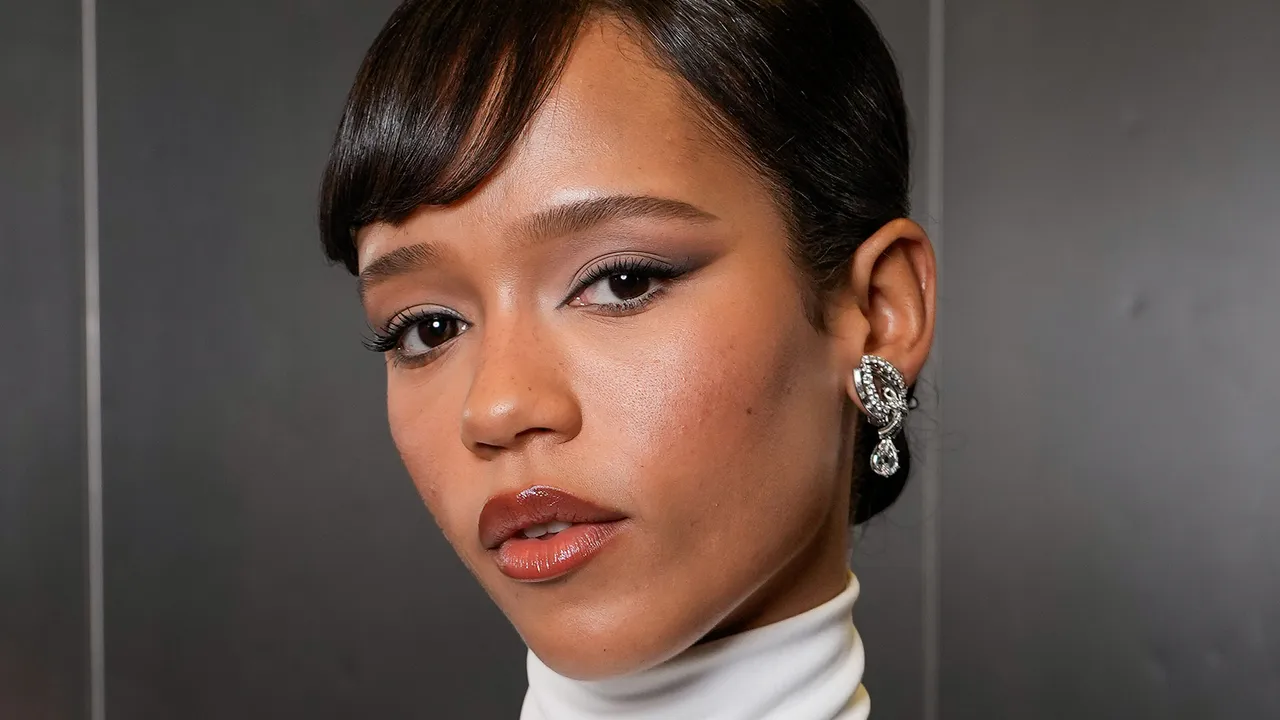
5 skincare trends to watch out for in 2026, according to a top skin expert
In the New Year, the skincare evolution is being shaped by advances in regenerative medicine, technology-led personalisation, and a deeper understanding of skin biology.
TEMPO.CO, Jakarta – Korean beauty, or K-Beauty, has changed how we see skincare. It gave us “glass skin” and the famous multi-step routine. K-Beauty turns daily habits into a ritual of care. It uses specific active ingredients to solve real skin concerns. This influence has made Korean products a global staple.
By 2026, K-Beauty moves toward efficiency. Science leads the way with bioactive beauty and new ingredients. The industry is also looking closer at scalp health. These trends promise cleaner skin and hair that looks thick and healthy. The focus is now on deep, biological health.
Caroline Choi, founder of Mizz Korea, calls this smart minimalism. “Skin care that’s luxurious, multitasking, and deeply intuitive,” she told Elle.
Choi believes next year will focus on new ingredients and transformative textures. We will see products that change shape during use. Fun formats, like jelly nails, will also trend. Meanwhile, long routines with too many steps are fading. Consumers want results without the clutter.
Here are the top K-Beauty trends predicted for 2026.
Essence is a classic K-Beauty step for the face. It is a liquid that boosts hydration and plumps the skin. In 2026, this concept moves to hair care. People are treating their scalp like their face. They want the same care for hair follicles as they do for pores.
Dr. Jae Yong Ban, CEO of Bano Cosmetics, says the essence format is ready for hair.
“The hair essence market, in particular, seems poised for growth, with potential trends including essence products containing cica to help soothe scalp irritation and root-strengthening essences formulated to help reduce hair loss,” Ban told Elle.
Early versions of these products are already appearing. They offer a light way to treat hair without heavy oils.
PDRN is a substance from salmon DNA fragments. Doctors have used it for years to heal skin after surgery. Now, in 2026, it is reaching the general public. It is no longer just for clinics. It is coming to your vanity.
Dr. Ban expects PDRN to become a household name. This ingredient fights inflammation and helps the body make collagen. It speeds up skin repair. While few brands use it now, Ban predicts more PDRN creams and serums will hit the market soon. It is the next big step in regenerative beauty.
Exosomes are the latest “it” ingredient in bioactive science. Ban predicts their popularity will peak soon. These are tiny bubbles released by cells. They carry proteins and genetic data to other cells. They act like a messenger system, telling cells how to repair themselves.
In skincare, exosomes boost collagen and repair tissue. The challenge is quality. Only human-derived exosomes work well on human skin. This means the cell source and growth environment are vital. To solve this, brands are moving toward bioengineered exosomes. You can see this in treatments like AnteAGE PEARL, which combines microneedling with exosomes and PDRN.
Protecting the skin barrier is the top priority for 2026. Dr. Y. Claire Chang, a dermatologist at UnionDerm, says barrier products will evolve. The goal is to keep the skin’s natural shield strong against pollution and stress.
“This aligns with what Korean dermatologists have emphasized for years: Gentle, consistent skin care that focuses on skin health,” she says.
Caroline Choi also backs this shift. She believes using the right prep products is essential. When the barrier is strong, skin is less likely to react to external triggers. Health is now more important than a temporary glow.
PLLA is famous as the main ingredient in fillers like Sculptra. It stimulates the body to create its own collagen. Ban predicts that 2026 will see PLLA move into over-the-counter creams. You won’t need a needle for these benefits.
Topical PLLA is not as strong as an injection, but it still works. It provides light exfoliation and deep hydration. It gives the skin an immediate smooth look. Over time, it helps the skin stay elastic and firm. It is a slow beauty ingredient that builds lasting results.
Plant ingredients are a K-Beauty staple, but the technology is improving. The 2026 approach uses functional proteins that mimic how skin works. It is about the harmony between nature and biology. Science is now extracting the most potent parts of plants.
“Oat protein has become a true star for its ability to lock in moisture, strengthen the barrier, and calm irritation, while hydrolyzed protein helps the skin appear plumper and more youthful thanks to its high absorbability,” Choi explains.
She also points to Orchistem, a plant stem cell extract. “It boosts collagen production and supports skin elasticity, helping achieve that natural, glass-skin luminosity K-Beauty is known for, but in a smarter, more sustainable way,” she added.
The 10-step routine is officially changing. Experts say the era of “more is more” is over. Viral TikTok trends and “layering for the sake of layering” are losing fans. Consumers are tired of complicated steps that lack clear results.
“In 2026, we will see fewer, smarter steps with multi-functional products and an evidence-backed approach to skin care,” says Dr. Chang.
People are becoming more selective. They want products developed by dermatologists and tested in labs. The focus has shifted to long-term health. Quality is finally winning over quantity.
ELLE | HARPERS BAZAAR
Read: Apples or Oranges: Which Is Better for Immune Health?
Click here to get the latest news updates from Tempo on Google News
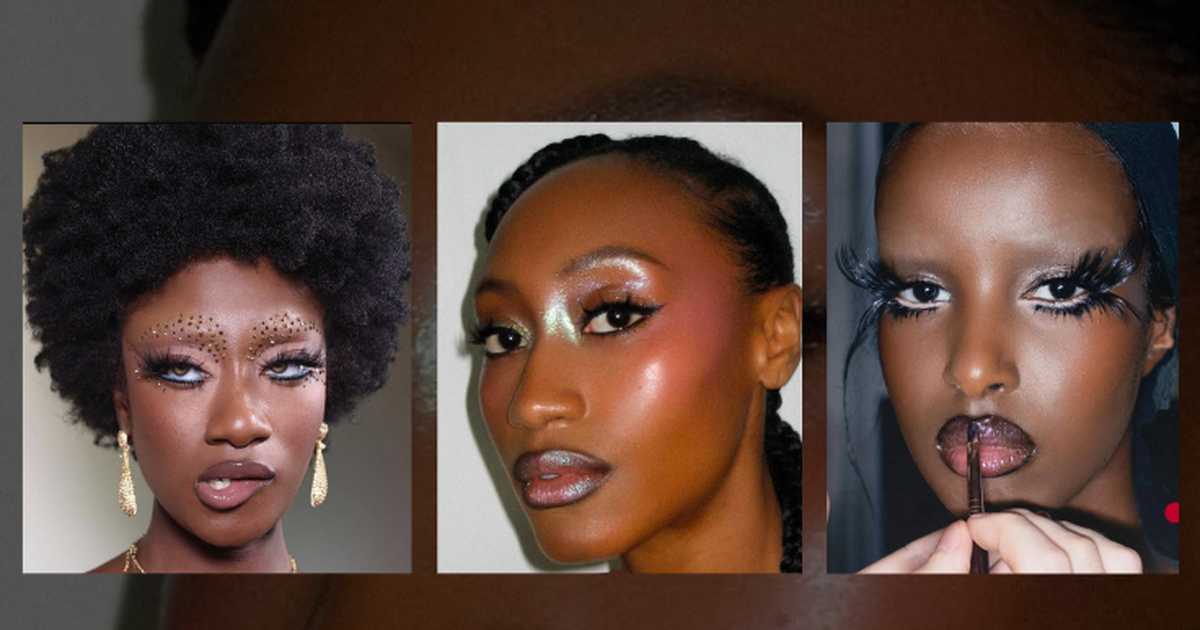
2026 beauty is bold, expressive and unapologetically imperfect. From goth makeup to sparkles and smoky liner, here’s what’s really coming next.
As we close 2025 out, it’s clear that makeup has been slowly shifting back to something more expressive. We spent the year experimenting with underpainting, pushing blush past “natural” into bold territory with orange and purple shades, leaning into toasty ’90s and early 2000s glam with brown glosses and warm eyes, and rediscovering lip stains. It was fun, it was nostalgic, and it felt like a soft rebellion against years of overly minimal beauty.
But in 2026? 2026 is where things get interesting. While some of these trends are coming with us, because who’s giving up blush? Others are quietly being retired. Clean girl makeup, with its obsession over perfection, symmetry, and “effortless” beauty, is losing relevance. The girls are tired of pretending it takes five minutes and no products to look like that.
2026 is all about individualism and imperfect makeup. It’s the year where your makeup doesn’t have to be universally flattering, it just has to feel like you. Makeup is going back to being an art form, a canvas for emotion, fantasy, and creativity. We’re not blindly copying celebrity looks anymore; instead, we’re remixing references, subcultures, and personal tastes, sharing them online, and letting inspiration move organically.
Here are some makeup trends you can expect to see everywhere in 2026.
The goth revival isn’t subtle, and it’s definitely not accidental. Film and pop culture have been quietly steering us back into this dark aesthetic. Goth (short for gothic) is a subculture and aesthetic that centres around dark romanticism, emotion, art, and self-expression. In beauty, goth is often characterised by dark, muted colour palettes like black, burgundy, and deep purple. With gothic-inspired films like Frankenstein, Nosferatu, Dracula: A Love Tale and Werewulf either released in 2025 or set to dominate 2026, dark romantic aesthetics are having a full renaissance.
This isn’t the heavy-handed goth makeup of the past. 2026 Goth is softer and moodier. Eye makeup leans into smudged blacks, charcoal greys, and deep burgundies that look lived-in rather than precise. Lips are darker but blurred and stained instead of sharply lined. Even contour shifts cooler and greyer, sculpting the face in a way that feels almost cinematic .
Most importantly, goth beauty is no longer framed as something you “grow out of.” It’s being embraced as an aesthetic choice, one rooted in art, storytelling, and identity.
READ ALSO: Burgundy Is The Colour of The Season, And It’s Not Going Anywhere
For years, eye makeup has taken a backseat to skincare. Soft browns, barely-there shimmer, maybe a wing if you were feeling brave. 2026 flips that completely. The eyes are back, and they’re demanding attention.
Maximalist eye makeup is less about technique perfection and more about intention. Colour is worn boldly, often layered in unexpected ways, with no pressure to blend everything into oblivion. You’ll see multiple shades on one lid, graphic shapes that don’t quite match on both eyes, and textures colliding, as matte meets metallic and shimmer is layered over cream.
This trend is deeply tied to self-expression. It’s about opening your makeup drawer, pulling out the palettes you abandoned during the clean girl era, and actually playing again. Blue eyeshadow isn’t ironic anymore. Green lids aren’t “editorial-only.” The message is quite simple… if it makes you happy, it works.
After years of warm bronzers, caramel nudes, and golden everything, cool tones are staging a very chic comeback. And no, this isn’t about looking “ashy”; it’s about realism and mood.
Cool-tone makeup in 2026 is softer, more atmospheric, and slightly undone. Contour mimics natural shadows rather than warmth. Eyes lean into silvery greys, muted taupes, cool browns, and mauves. Blush moves away from peach and coral into berry, wine, and lavender-adjacent shades that give the skin a flushed, almost emotional quality.
Lips follow suit, with blue-toned reds, cool pinks, and deeper berry shades replacing overly warm nudes.
Minimalism had its moment, but 2026 is done whispering. Shine is back in a big way, and it’s intentional. Highlighter isn’t pretending to be skin anymore; this time around, it’s glowing, sparkling, and catching the light from across the room. Eyes are glossy, shimmery, and sometimes straight-up glittery, even during the day. Body shimmer returns, not just for holidays or events, but as part of everyday beauty rituals.
What’s changed is the attitude. It’s worn with bare skin, messy hair, and smudged eyeliner. It’s imperfect and very playful.
READ ALSO: 9 Hottest Christmas Nail Trends You’ll Want to Copy in 2025
The perfectly sharp wing is no longer the standard. In 2026, eyeliner is softer, smudgier, and far more forgiving.
Instead of crisp lines, liner is blended into the lash line, blurred out with fingers, or melted into eyeshadow. Black is still popular, but brown, plum, and even green are having a moment, especially for daytime wear. The result is eye makeup that feels lived-in, slightly messy, and effortlessly cool.
This trend fits perfectly with the broader shift toward imperfection. If it looks like you slept in it? Even better.
Big, heavy lashes aren’t disappearing, but they’re no longer the default. Feather lashes that are light, wispy, and textured are becoming the go-to for 2026.
These lashes move when you blink. They’re uneven on purpose, often longer at the outer corners, and designed to enhance the eye rather than overpower it. They work beautifully with both minimal skin and bold eye looks, making them incredibly versatile. They are romantic, soft, and slightly undone, which is exactly where beauty is heading.
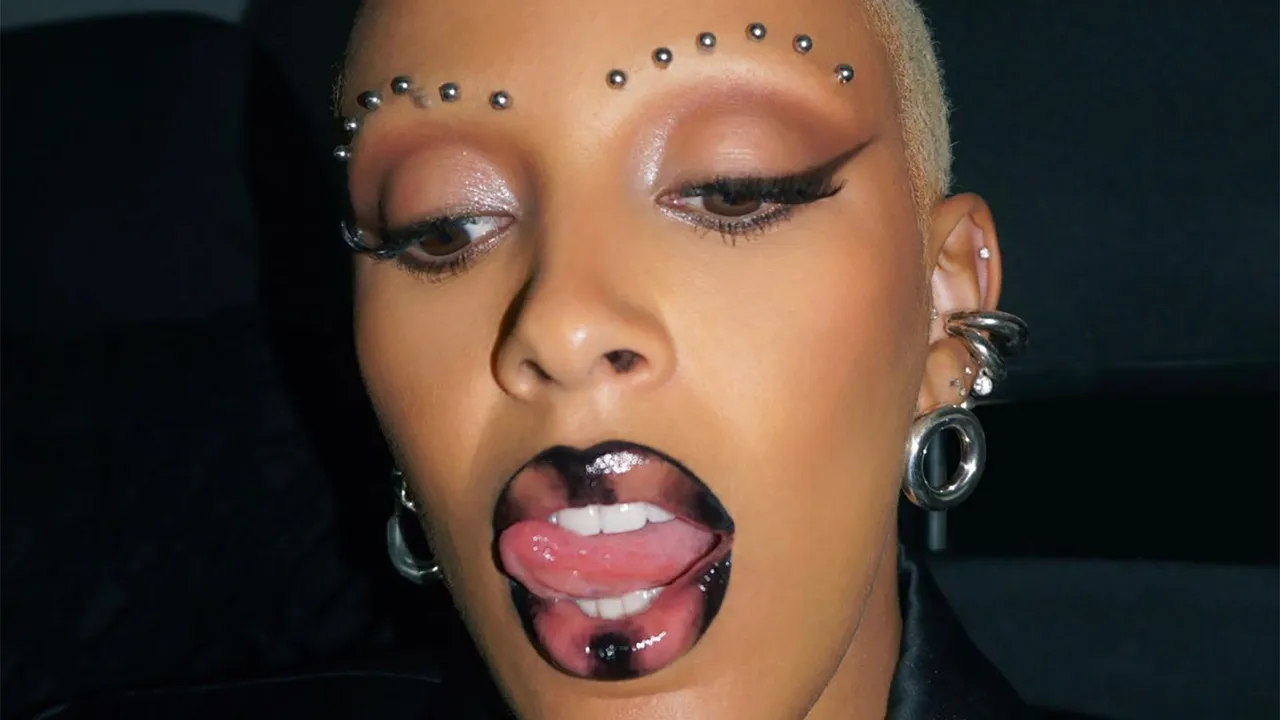
If there’s one trend that truly cements makeup as an art form in 2026, it’s embellished eyes. Rhinestones, pearls, and metallic accents are no longer reserved for red carpets or editorial shoots; they’re making their way into real-life looks. Gems are placed under the eyes, along eyeliner shapes, at the inner corners, or even floating across the lids. Sometimes they replace eyeshadow entirely. Sometimes they’re layered over it. The point isn’t practicality; it’s expression.
This trend speaks directly to the idea that makeup doesn’t have to be subtle or useful to be valid. It just has to make you feel something.
Makeup in 2026 isn’t about trends you have to follow. It’s about permission to be messy, dramatic, dark, shiny, colourful, or soft, depending on your mood. The goal isn’t to look polished; it’s to look creative, and use your makeup as a canvas for self-expression.
Experimenting with colour, texture and technique is the crux of what we love about makeup, and this coming year has it all. Whether you want to embrace the ‘quiet luxury’ look or opt for bold soft goth makeup and grunge, you have options aplenty.
I spoke to a roster of brilliant, top makeup artists to hear first-hand what we can expect, and our conversations left me more excited than ever for the next 12 months in beauty. Inspired by catwalk looks as well as celebrities and product development, these 2026 makeup trends are here to shake things up. Keep reading to learn more about the top seven.
For Makeup Artist Kenneth Soh, there’s only one makeup trend on his mind for 2026: ‘quiet’ luxury. We’ve seen the rise of ‘expensive’-looking hair and fashion in the last couple of years, and now makeup will be joining them.
You may like
“I think there’ll be a shift to subtler quiet luxury kind of red carpet glam that focuses on soft textures, softly defined features that makes the person look healthy and luxurious,” he explains, referencing Greta Lee and Zoe Kravitz.
Hourglass
Curator Eyeshadow Palette, Minimalist
Summer Fridays
Lip Butter Balm in Coffee
Bobbi Brown Senior PRO Artist, Zara Findlay, says that we’ll be seeing metallics worn in new ways this year, meaning festival and party seasons are sorted. “2025 was all about ‘glitter toppers’, but I think 2026 will bring subtle metallic eyeshadow either swept softly all over the lids (giving more of a wet look) or as a pop in the inner corner of the eyes.”
She continues: “I think consumers are always evolving their makeup style, and the ‘subtle metallic’ is the ‘glitter eye toppers’ older, more sophisticated sister.”
Another easy way to wear this? A hint of metallic liner on an otherwise-bare lid. This can have an incredible impact, with minimal effort. Just be sure to practise a steady hand!
Makeup Forever
Aqua Resist Ink in Copper Lava
Bobbi Brown
Eyeshadow Stick in Mica
Noughties goths: it’s your time to shine, because 2026 is set to see the ‘return’ of all things goth, but with a ‘softer’ approach. “2024 brought back grunge makeup, 2025 was all about the comeback of cool-toned 90s looks, so it seems only right that 2026 will bring the edginess of soft goth makeup,” explains Findlay.
Want to know more about what this looks like? Findlay says that dark eyes, dark lips and muted blush will all be big, “but sophisticatedly done.” A deep plum lip stain with a ‘bitten’ quality is a great entry point for a goth-inspired lip, paired with smoky, softly lined eyes.
L’Oréal Paris
Matte Signature Liquid Eyeliner
Victoria Beckham Beauty
Bitten Lip Tint in Bisou
Every year, there’s some variation of ‘barely-there’ makeup, but 2026 really centres around the base, and is all about a super natural-looking foundation that has a level of coverage but with a skin tint feel. This evolution has been a long-time coming, says Findlay.
You may like
“Over the years, consumers have gone from high coverage, super matte foundations to slowly embracing their true skin. With the surge of Korean skincare and makeup making its way to the UK, I think 2026 will be all about finding a foundation that is completely weightless, a perfect match to the skin tone with a beautiful satin finish that makes skin look like skin.”
Expect an influx of impressive new formulations with plenty to offer.
Victoria Beckham Beauty
The Foundation Drops With TFC8®
Guerlain
Terracotta Le Teint Glow Healthy Glow Foundation
If you love a bold lip, you’re in luck this year. However this time, it’s being done a little differently. Aarti P, Beauty Expert and Founder of South Asian Beauty Collective, says that the confident lip is being notably ‘reimagined’ for 2026, making it more wearable (and gorgeous!) than ever.
“Lips are returning as a focal point, but with a softer, more modern energy,” she explains. “Instead of sharply defined, ultra-matte statements, we’ll see blurred edges, satin finishes and rich pigment that feels lived-in rather than rigid.”
The makeup artist looks to Priyanka Chopra Jonas, Sonam Kapoor Ahuja and Deepika Padukone for the ultimate inspiration.
Rare Beauty
Lip Soufflé Matte Lip Cream
Grunge, says Chanel Makeup Artist Anna Payne, was “a strong presence on the catwalk, with statement eyes paired with clean, fresh skin.” This look is all about making the eyes pop, meaning minimal makeup elsewhere. If you tend to highlight your eyes as your main feature, grunge may be your 2026 go-to.
“The focus is on a smudged, smoky eye that feels effortless rather than overworked,” Payne adds. In short, you needn’t be too precise or polished; this is about having fun and going with the flow. An eye crayon or soft, smudgy eyeshadow quad will become your new best friend.
Natasha Denona
Mini Xenon Eyeshadow Palette
Chanel
Stylo Yeux Waterproof Long Lasting Eyeliner
Cool toned makeup really enjoyed the spotlight in 2025, but this coming year hones in more specifically on the lip, and how it was worn in the 1990s. “Cool-toned ’90s lips are continuing to trend, reflecting the strong ’90s influence we’re seeing in fashion right now,” says Payne.
“The look is all about using cool-toned brown liners that are softly blended and diffused to add depth and dimension to the lips.” Both Chanel and Vieve offer great cool-toned neutral lipsticks, whilst you’re spoilt for choice when it comes to shopping for smudgy brown lip liners right now.
Chanel
Rouge Coco Flash Colour, Shine, Intensity In A Flash, 54 Boy
Vieve
Modern Matte Lipstick in Ninetease
Korean beauty trends have long shaped global skincare and makeup standards, from multi-step routines to complexion-focused aesthetics. For years, glass skin dominated the conversation with its ultra-glossy, reflective finish. However, as beauty preferences evolve, a softer and more wearable look is gaining momentum. Enter cloud skin, a rising trend expected to define K-beauty 2025 with its balanced, diffused glow and effortless elegance.
This shift reflects changing lifestyles, climate considerations, and a growing preference for skin that looks healthy rather than flawless. Cloud skin offers a modern alternative that still embraces the signature dewy look associated with Korean beauty, but in a more understated way.
Cloud skin is a complexion trend characterized by a soft-focus, velvety finish that mimics naturally well-moisturized skin. Instead of a high-shine surface, it delivers a subtle luminosity that appears smooth, fresh, and breathable. The goal is skin that looks calm and refined, with light reflecting gently rather than sharply.
Unlike glass skin, which prioritizes intense hydration and visible shine, cloud skin focuses on balance. Hydration remains essential, but it is paired with texture refinement to create a diffused glow. This approach aligns with broader Korean beauty trends that emphasize skin health, realism, and comfort.
Glass skin gained popularity for its aspirational, almost porcelain-like appearance. However, maintaining such a look often requires multiple layers of products and frequent touch-ups. As consumers become more ingredient-conscious and time-aware, overly complex routines are losing appeal.
Additionally, climate and lifestyle factors play a role. In humid environments or busy daily schedules, high-shine finishes can feel impractical. Cloud skin addresses these concerns by offering a polished appearance that is easier to maintain, making it more suitable for everyday wear in K-beauty 2025.
The primary difference lies in finish and intention. Glass skin aims for maximum luminosity, often resulting in a wet or glossy appearance. Cloud skin, on the other hand, sits between matte and dewy. It softens the skin’s surface while retaining a healthy glow.
From a visual standpoint, cloud skin blurs imperfections rather than highlighting them with shine. It creates an even complexion that looks naturally smooth, making it appealing to those seeking a refined but low-effort dewy look.
Visually, cloud skin appears plush and airy, much like the name suggests. The skin looks hydrated without appearing oily, with pores and fine lines subtly blurred. Light reflects softly across the face, giving a fresh and youthful impression.
This aesthetic aligns with modern Korean beauty trends that favor understated elegance. Instead of dramatic finishes, the focus is on skin that looks consistently healthy throughout the day.
Are you ready for the cloud skin trend?
The foundation of cloud skin begins with proper skincare. Lightweight hydration is key, using products that moisturize without leaving residue. Toners, essences, and gel-based moisturizers help maintain skin balance while supporting the skin barrier.
Exfoliation and barrier care are also important, as smooth texture enhances the soft-focus effect central to cloud skin. Overly rich or heavy products are generally avoided.
Makeup for cloud skin is minimal and strategic. Sheer foundations or skin tints with satin finishes are preferred over full-coverage formulas. Light powder application helps control excess shine while preserving luminosity.
Blurring primers and soft-finish cushions are commonly used to enhance the diffused glow. The result is a complexion that feels breathable and natural, aligning with the evolving standards of K-beauty 2025.
Cloud skin relies on thoughtfully selected products that enhance hydration and texture without creating excessive shine. Instead of heavy layering, this approach prioritizes lightweight formulas that support a soft, diffused finish while maintaining a natural dewy look associated with modern Korean beauty trends.
The rise of cloud skin reflects broader shifts within K-beauty 2025, where practicality and skin realism are becoming more important than high-shine perfection. As routines simplify and consumer expectations evolve, cloud skin offers a more adaptable interpretation of the classic dewy look.
The transition from glass skin to cloud skin signals a new chapter in Korean beauty trends. With its soft-focus finish and balanced dewy look, cloud skin offers a more wearable and inclusive approach to complexion aesthetics. As K-beauty 2025 approaches, this trend is set to redefine how healthy, radiant skin is perceived. It’s less about shine, and more about harmony.
Cloud skin is a complexion trend that focuses on a soft, diffused glow rather than high shine. It emphasizes balanced hydration and smooth texture.
Yes. Cloud skin can be adapted for oily, dry, and combination skin by adjusting skincare and base products to suit individual needs.
Cloud skin offers a more subtle version of the dewy look. It maintains radiance without the glossy finish associated with glass skin.
While glass skin may remain popular for certain occasions, cloud skin is expected to become the dominant everyday look in K-beauty 2025 due to its practicality and versatility.
Originally published on beautyworldnews.com
In a time when beauty fads appear to change every week, it’s simple to be swept up by the latest craze. One instant, a dewy complexion dominates, and the next, a matte look regains attention. Yet through experience, with individuals of all ages and skin types and noticing how makeup performs across diverse climates and lighting, I have gained a clear insight: skin does not conform to trends.
This is the reason why selecting makeup according to your skin type is much more crucial than adhering to what’s trending.
The concept is quite straightforward. Makeup ought to enhance your skin rather than conflict with it. Using a product or method that doesn’t match our skin type will always yield an off appearance, regardless of how costly or fashionable the item is.
For instance, a foundation that appears perfect on a person with skin might look patchy or flaky on someone with dry skin. This doesn’t imply the product is poor; it simply indicates the skin type wasn’t taken into account.
A frequent error that I encounter is the assumption that ‘what suits one individual will necessarily suit all’. While the truth is that the identical product can perform differently based on skin type.
Issues such as enlarged pores, flakiness or fine lines also respond distinctively to makeup, influencing both its application smoothness and appearance, over time. This underscores the importance of adopting a “Skin strategy.
Another important aspect is realising that effective makeup should improve your skin’s appearance, not conceal it. If we view makeup as something meant to mask everything, we tend to select products that’re thick, dehydrating or just unsuitable for us.
However, when we opt for makeup that truly matches our skin type, the result appears natural, softer and endures significantly longer.
In makeup, application tools significantly influence the results. Certain brushes or sponges soak up product, whereas others cause streaking or fail to blend smoothly, particularly on skin that is textured or dry.
The choice of tools determines if makeup seamlessly merges with the skin or rests on the surface as a coating. Knowing how various tools interact with skin types is crucial for maintaining a skin-first approach.
Lately, trendy makeup items have become extremely popular. However, many fail to understand that the majority of these products are formulated for a skin type despite being advertised as suitable for all.
This often confuses novices. Consumers purchase items that appear ideal on the internet, but become frustrated when they don’t suit their skin.
Selecting makeup according to trends rather than skin requirements results in lost money, effort and self-esteem. Another neglected aspect is skincare preparation, which varies depending on skin type.
Oily skin might require moisturisers to manage shine, whereas dry skin benefits from thicker creams to stop makeup from flaking. Preparation significantly influences the longevity of makeup throughout the day.
After years of observing skin closely, I truly believe that a “Skin First” mindset is the most reliable way to choose makeup.
Trends will keep changing, but your skin’s needs stay consistent. When we listen to our skin instead of trends, makeup becomes easier, more enjoyable, and far less confusing.
Authored by Chanchal Kataria, Founder of Muse Beauty India. Views expressed by the author are their own.
Right now, beauty fans aren’t just delighting in party makeup looks – they’re already welcoming in the new season trends. More specifically, the lipstick trends 2026, which are set to feature on next year’s style agenda.
To bring you a guide that’s truly expert-led, Glamour reached out to top makeup artist Lisa Caldognetto to get her thoughts on the key lipstick trends for the year ahead. Generally, she says, the next few months are going to see us be more creative with lipstick looks – from the shape, to the colour and even playing with different textures.
So, whether you’re a red lipstick fan or die-hard nude lipstick wearer, these are the trends to save now and recreate later.
90s-meets-00s with a modern twist
The ‘90s influence has been clear in fashion and beauty for a few years now, along with a more recent sprinkling of the ‘00s. This pairing is set to shape next year’s best lipstick trends: “We’re seeing this huge, nostalgic, Y2K–90s [influence] meeting a modern look,” says Lisa. “I think we’re going to see a lot of lip liner still in mauves and browns with a defined shape, and it’s still going to be really glossy and build volume.”
She adds that nude and pastel glosses are also coming into the mix, but “that lip liner just gives it some kind of weight.”
Kosas Hotliner Hyaluronic Acid Contouring Lip Liner
Yves Saint Laurent Loveshine Plumping Lip Oil
Berry tones
As 2025 comes to a close, one thing is clear: beauty has become quieter, cleaner, and more meaningful. It’s no longer about chasing trends, but about choosing what truly works for your skin, your mind …
According to semi-permanent makeup expert Sian Dellar, “brow trends for 2026 blend a return to natural-looking shapes with a desire for low-maintenance polish” – in other words, brows that look like your own, just more refined thanks to softer lamination techniques and even “embracing natural sparseness without heavy styling,” she adds.
The popularity of ‘baby brows’, in particular, is set to skyrocket as people continue to prioritise simpler beauty routines. Think “soft and minimally defined brows — enhancing, not transforming, the natural shape,” says Sian. Created by only laminating the first inch at the start of your brow, baby brows marry a natural look with the softly crafted arches of fluffed up brows.
Kosas Brow Pop Dual-Action Defining Pencil
Shades: 10 | Cruelty-Free: Yes | Brush: Yes
Why we love it: Kosas’ formula features a range of nourishing ingredients including panthenol provitamin B5 and castor oil, both of which are effective at encouraging hair growth. The vegan, cruelty-free pencil (which is also free from artificial fragrance, silicone, mineral oil or microplastics) is a bit of a 2-in-1 for defining brows and also helping them look their best long term.
“Big, bold, and unapologetically playful—this season is all about exaggerating and embracing voluminous, anti-gravity silhouettes,” says Kate Moss’ haristylist, Sam McKnight. “Think hair that’s larger than life, full of attitude, and effortlessly textured.”
Likewise, anti-gravity hair takes the cloud curls trend that went viral in 2025 and ups the ante. It’s still about embracing fluff and diffused texture but in 2026, it’s also about giving hair a distinctly ‘90s nostalgic vibe, including resurrecting space buns but in a modern way.
Best of all, achieving the look is refreshingly simple. First and foremost, it’s about amplifying your hair’s natural texture with texturising sprays and volumising mousses before locking in the height with hairspray.
Tristan Fewings/Getty Images
Hair By Sam McKnight Cool Girl Barely There Texture Hair Mist
Moroccanoil Curl Control Mousse
Color Wow Cult Favourite Firm + Flexible Hairspray
Makeup becomes expressive again rather than invisible.
Beauty in 2026 is less about chasing perfection and more about building longevity, resilience, and confidence across skin, body, and mind.
The industry is shifting away from surface-level fixes towards routines rooted in health, technology, and emotional well-being.
For South Asians, this evolution feels particularly relevant as conversations around hyperpigmentation, sensitivity, and holistic wellness continue to grow.
Skincare, makeup, and wellness are no longer separate categories but deeply interconnected parts of daily life.
Brands are responding with smarter formulations, personalised tech, and rituals that fit modern, busy lifestyles.
There is also a stronger focus on inclusivity, from shade ranges to cultural beauty needs that were once overlooked.
Gen Z and younger millennials are driving these changes, demanding transparency, performance, and pleasure from their products.
Beauty is now expected to support mental clarity, physical health, and long-term skin strength.
These ten key trends offer a clear picture of where beauty is heading in 2026 and how to start adapting now.
Whether you are a minimalist or a full glam lover, these shifts will shape how routines look and feel.
Beauty in 2026 looks far beyond anti-ageing and focuses on how skin functions over time.
Products increasingly reference metabolism, cellular energy, and biological age rather than wrinkles alone.
This approach reframes skincare as a long-term investment rather than a corrective solution.
Prejuvenation becomes a key term, especially for those in their twenties and thirties.
For South Asians, who often experience pigmentation or inflammation earlier, longevity-focused formulas feel more preventative and empowering.
Ingredients are positioned to support skin resilience against stress, pollution, and hormonal changes.
Clinical language enters everyday beauty, borrowing ideas from functional medicine and dermatology.
Treatments and home care aim to support skin health at a cellular level. The goal is not reversing time but strengthening skin so it ages well and predictably.
This marks a more realistic and sustainable approach to beauty expectations.
Ingestible beauty continues to grow as consumers seek visible results that start internally.
Collagen, probiotics, adaptogens, and micronutrient blends are marketed for glow, hair density, and barrier strength.
Sleep quality and gut health are increasingly linked to how skin looks and feels.
This resonates strongly within South Asian wellness traditions that already value internal balance.
Skincare brands now pair topical products with capsules, sachets, or functional drinks.
These combinations promise more comprehensive and consistent results. The messaging focuses on daily rituals rather than quick transformations.
Beauty becomes part of nutrition, not separate from it.
For busy lifestyles, this integrated approach feels practical and modern. It also reflects a growing trust in science-backed supplementation.
Artificial intelligence becomes central to how beauty routines are built and maintained.
Skin analysis tools assess tone, texture, acne, and sensitivity in real time.
Recommendations now change with climate, hormones, stress levels, and lifestyle habits. This dynamic approach feels far more realistic than static routines.
Virtual consultations allow users to access expert guidance without clinical appointments.
This is especially useful for communities historically underserved by dermatology.
Makeup matching also improves, offering better shade accuracy for deeper and olive undertones.
South Asian consumers benefit from fewer compromises.
Personalisation becomes an expectation rather than a luxury. Beauty finally adapts to the individual, not the other way around.
Beauty products increasingly claim to influence mood through the skin-brain connection.
Formulas focus on stress relief, focus, calm, or relaxation.
Scents, textures, and application rituals are designed as emotional experiences.
Skincare becomes a moment of pause rather than another task. This trend reflects wider conversations around burnout and mental health.
Small daily rituals feel grounding and restorative.
For South Asians balancing family, work, and cultural expectations, this emotional support feels meaningful.
Beauty routines become private moments of self-care. The sensory element is just as important as visible results. Feeling better becomes part of looking better.
Sensitive and reactive skin concerns continue to rise globally.
Barrier repair and microbiome balancing remain at the centre of skincare innovation.
Probiotic and postbiotic ingredients support healthier skin ecosystems.
Minimalist formulations reduce irritation and overuse. This is particularly relevant for South Asians prone to redness, adult acne, or compromised barriers.
Gentle formulas offer safer long-term use. Dermatology-inspired products move into mainstream beauty.
Clinical credibility matters more than fragrance or packaging. The focus shifts towards calming, strengthening, and protecting skin.
Healthy barriers become the foundation for all other goals.
Virtual try-on technology evolves into full look simulations. Users can test skin, eyes, lips, and hair with improved realism.
Shade accuracy and texture simulation become far more reliable. This reduces waste and increases confidence when shopping online.
Global inclusivity improves as more complex undertones are represented digitally.
South Asian users see themselves reflected more accurately.
Brands use virtual artistry to launch editorial and limited drops first online.
Digital experimentation feels playful and accessible. This technology supports bolder beauty choices without commitment.
Creativity becomes easier and more democratic.
After years of understated aesthetics, glamour makes a confident return.
Statement eyes lead the way with lashes, liners, and shimmer. The look feels nostalgic yet refined, inspired by classic bombshell energy.
Makeup becomes expressive again rather than invisible.
South Asian beauty traditions already celebrate dramatic eyes, making this shift feel familiar. Cultural influences gain renewed relevance.
Complexion remains polished but not heavy. The focus is on impact rather than excess.
Going out makeup regains its place as a form of joy. Beauty feels fun again.
Matte finishes return with softer, blurred textures. Lips and bases feel pillowy rather than flat or drying.
Makeup now includes skincare-grade ingredients like peptides and ceramides. Products treat while they perfect.
Foundations and tints support hydration and barrier health. SPF becomes standard rather than optional.
This benefits South Asian skin tones that often struggle with traditional mattes. Comfort and performance finally align.
Makeup feels lighter yet more functional. Everyday products work harder behind the scenes.
Sustainability evolves beyond surface-level claims. Consumers demand traceable sourcing and measurable impact.
Biotech ingredients and upcycled botanicals gain credibility. Waste reduction becomes central to product design.
Refillable packaging and concentrated formulas are increasingly expected. Gen Z drives this accountability.
For conscious consumers, values influence purchasing decisions more than trends. Beauty becomes an ethical choice.
Sustainability feels integrated rather than performative. The industry moves towards long-term responsibility.
The boundaries between beauty, wellness, and performance continue to blur. Routines are framed as full-body rituals.
Body care adopts facial-level ingredients and textures. Serum-like products treat skin from head to toe.
Sleep, circadian rhythm, and recovery become beauty concerns. Launches focus on rest as much as results.
This holistic framing aligns with South Asian wellness philosophies rooted in balance. Beauty supports daily functioning.
Rituals feel intentional and personalised. Beauty becomes part of lifestyle design.
Beauty in 2026 is smarter, deeper, and more emotionally aware. The focus shifts from fixing flaws to supporting long-term well-being.
Technology plays a central role, but human experience remains at the heart of routines. Personalisation and inclusivity finally feel meaningful.
For South Asians, these trends offer better representation and more relevant solutions.
Cultural beauty needs are increasingly acknowledged.
Wellness, skincare, and makeup now exist on the same spectrum. This integration feels more realistic and sustainable.
Rather than chasing every launch, consumers are encouraged to build intentional routines. Beauty becomes a tool for confidence and care.
Understanding these trends helps you move forward with clarity, curiosity, and a stronger sense of self.