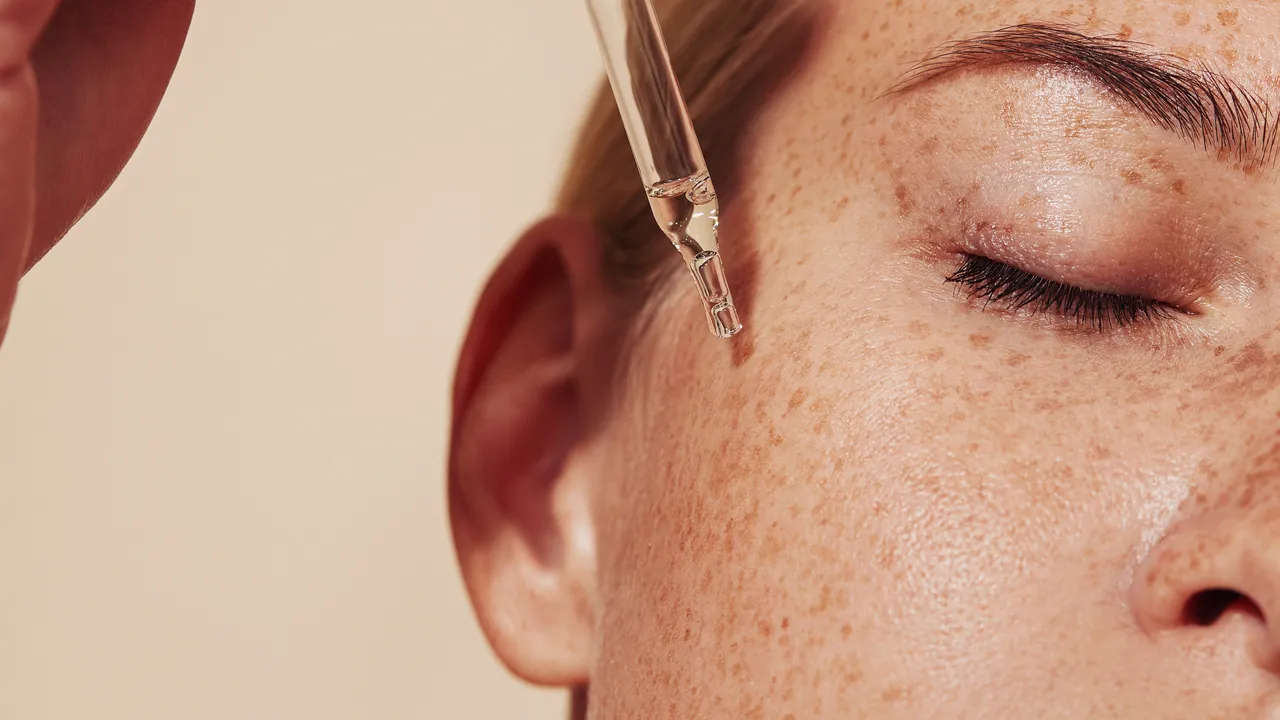
Go-to anti-aging cream could leave you looking 'like a burn victim'

Go-to anti-aging cream could leave you looking ‘like a burn victim’

HEALTH experts are warning against using a viral TikTok beauty trend involving a potentially dangerous chemical.

Experts are urging users to only use the popular chemical if they follow two non-negotiable steps.

Sign up for the newsletter

Thank you!

Experts are warning users about retinol productsCredit: Getty

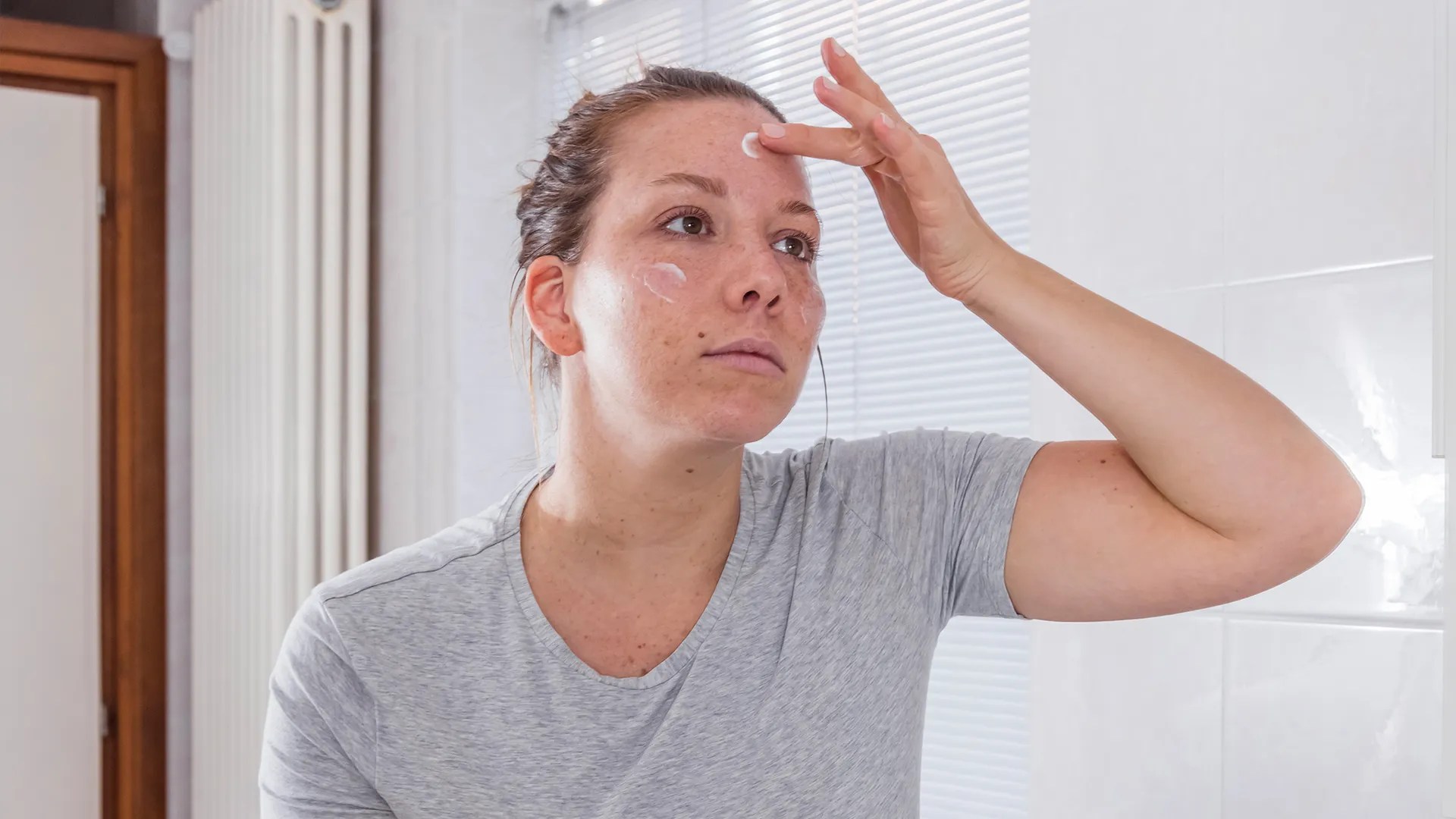
Social media users have been raving about using retinol on their skin to help with anti-aging and fighting acne, but some users say they end up looking like a “burn victim” after using the product. 

One TikTok user posted a video of her skin with visible burns, saying, “You can get burnt from using retinol. I did not know that.” 

“You’re supposed to use it once a week to build up a tolerance, but I didn’t know that.”

The user said it got to the point where her skin was burning “like acid” after using the product. 

Other users have also shared videos of their skin with large red patches and burn marks going across their cheeks. 

TikTok influencer Dr. Ingky stitched the original video saying, “Retinol makes your skin sensitive to UV rays. That means just a few minutes in the sun can cause a sunburn.”

The doctor said that retinol isn’t bad and is, in fact, one of the best anti-aging products on the market, but users need to apply it correctly. 

“It’s absolutely safe to use [retinol] for acne when you’re young,” skin expert Amanda Fidani told Fox News.

“You must use it correctly, though. That’s the most important thing.

“You can use it in your early 20s and late teens for beautiful skin — you just have to be safe and educated.”

Retinol helps increase skin cell turnover, exfoliate the skin, and stimulate collagen production, which helps reduce fine lines and wrinkles.

“Active ingredients like retinols or acids can be extremely irritating to the skin. If retinol is layered on in large quantities or acids are left on for longer than medically advised, this can damage the skin, leading to redness, discomfort, and pigmentation,” Dr Richard Devine, plastic surgeon and co-founder of Carriages of Harley Street, told Vogue. 

“Covering the skin with masks and serums for long periods of time can block pores and lead to breakouts.”

To apply retinol properly, users should layer it with SPF and use the product only at night. 

How to use retinol

  • Use SPF sunscreen that is a 30 or higher
  • If you are outside for the day, be sure to reapply sunscreen at least every two hours
  • Check SPF expiration dates
  • Make sure your sunscreen is water-resistant or waterproof

[Source: HydroPeptide]

Experts say users should use SPF 30 or higher to effectively prevent burns, according to HydroPeptide.

The sunscreen should be reapplied every two hours and should be water-resistant or waterproof.

In addition to using SPF, users should wear hats and try to avoid direct sunlight during the summer months. 

If you do happen to get a sunburn, it’s best to avoid using retinol that day. 

Those who want to avoid the potential of burns should try and stick to using retinol just at night.

Tags: , , , , ,
Future-Proofing The Skin: Why 20-Somethings are Starting 'Pro-Ageing' Routines

Future-Proofing The Skin: Why 20-Somethings are Starting ‘Pro-Ageing’ Routines

Have you heard of the term ‘pro-ageing’? This is a lifestyle shift that focuses on nourishing, protecting, and embracing the natural skin at every stage of life. Unlike the anti-ageing routine that fights signs of ageing, the pro-ageing routine focuses on accepting the changes and caring for the skin. Usually, people worry about skin ageing when visible signs like wrinkles and fine lines appear, but youngsters nowadays believe in skin longevity and are more inclined to future-proof their skin naturally.


Pro-Ageing 101: Dermat Answers Common Questions

A lot of people are not familiar with the skin ageing universe, especially Pro-Ageing. In an exclusive conversation with Onlymyhealth, Dr Priyanka Sharma, Co-founder, Director, and Chief Dermatologist at V6 Clinics, simplified skin longevity and pro-ageing for our readers.

At What Exact Age Does Our Natural Collagen Production Begin To Slow Down?

Collagen production typically begins to decline in the mid-20s. By the time we enter our 30s, we lose approximately 1% of collagen per year, and this accelerates with sun exposure, stress, and lifestyle factors.

Answering whether or not we can delay ageing, Dr Sharma says, “We cannot biologically ‘stop’ ageing, but we can absolutely reduce the visible signs of collagen loss.”

Here are some steps to significantly delay structural skin thinning and sagging:

  • Daily sun protection
  • Medically guided retinoids
  • Antioxidant use
  • Adequate protein intake
  • Procedures that stimulate collagen production

The goal today is not to stop aging, but to age structurally stronger and healthier.

Also Read: 5 Ways Protein Protects Skin From Premature Ageing

What Is The Actual Difference Between ‘Anti-Aging’ And ‘Skin Longevity’?

Anti-aging is largely corrective. It focuses on reversing visible signs like wrinkles, pigmentation, and sagging after they appear.

Skin longevity, on the other hand, is preventive and science-led. It focuses on preserving collagen, maintaining barrier integrity, supporting the microbiome, and reducing chronic inflammation long before visible aging sets in.

What Is The Most Common Skincare Mistake You See 20-Somethings Making Today?

“The biggest mistake I see is overuse of active ingredients without medical guidance,” shares Dr Sharma.

Many young individuals are layering multiple exfoliants, retinoids, and acids based on social media trends. This mistake often leads to skin barrier damage, chronic inflammation, and long-term sensitivity.

Skin in the 20s is biologically strong. It requires consistency, protection, and minimal but effective ingredients, not aggressive correction. Over-treatment at a young age often leads to premature skin problems.

Also Read: What Is the Right Age to Start Anti-Ageing Products?

What Is The ‘Skin Microbiome,’ And How Does Over-Cleansing Today Affect Our Skin A Decade From Now?

The skin microbiome refers to the ecosystem of beneficial bacteria that naturally live on our skin. These microorganisms help regulate inflammation, protect against pathogens, and maintain the skin barrier.

“Over-cleansing, especially with harsh foaming cleansers, disrupts this balance. Chronic barrier disruption can lead to persistent low-grade inflammation. Over the years, inflammation contributes to pigmentation, dullness, sensitivity, and accelerated collagen breakdown,” warns Dr Sharma.

Balanced cleansing, rather than excessive cleansing, is key to long-term skin health.

Can Diet And Supplements Slow Down Collagen Breakdown As Effectively As Topical Treatments?

Diet and topical treatments serve different but complementary roles.

  • Topical ingredients like retinoids and vitamin C directly stimulate collagen production in the skin.
  • Whereas, right nutrition supports the internal building blocks required for that process- including adequate protein, vitamin C, zinc, and antioxidants.
  • Collagen peptides and certain supplements may support skin elasticity, but they cannot replace sun protection or topical stimulation.

Optimal results come from combining internal nutrition with external dermatological care.

What Are The Three Ingredients A 20-Something Should Use Now?

According to Dr Sharma, the three foundational ingredients that need to be prioritised are:

  • Broad-spectrum sunscreen- UV damage accounts for up to 80% of visible skin aging.
  • Low-strength retinoid (under medical supervision)- Gradually stimulates collagen and improves cellular turnover.
  • Vitamin C antioxidant serum- Protects against oxidative stress and environmental damage.

Consistent use of these from the mid-20s can significantly delay the need for corrective procedures in the 40s.

Final Word

Summing up, Dr Sharma says, “There is scientific reasoning behind early preventive care. Collagen decline begins in the mid-20s, and environmental damage accumulates from adolescence onward. However, pro-ageing should not be confused with aggressive aesthetic intervention at a young age. The science supports early prevention, not premature procedures.”

Starting early means building skin health, not chasing perfection.

Read Next

Rose Water vs Aloe Vera Gel: Which One Works Best for Oily Skin?

Disclaimer

Chanchal is passionate about making health news clear, reliable, and useful. With over six years of experience in health journalism, she covers everything from disease outbreaks to women’s wellness, nutrition, and fitness. She believes in going beyond headlines, relying on expert voices and trusted medical studies to inform her work. Before joining Jagran New Media, she worked with Rajasthan’s First India News.

Read More..

How we keep this article up to date:

We work with experts and keep a close eye on the latest in health and wellness. Whenever there is a new research or helpful information, we update our articles with accurate and useful advice.


  • Current Version

  • Feb 23, 2026 13:30 IST

    Published By : Chanchal Sengar

Tags: , , , , ,
How to Use Essential Oils for Common Illnesses - a Beginner

How to Use Essential Oils for Common Illness

If you’re new to natural remedies and wondering how to essential oils for natural remedies, this guide is for you. You don’t need a ton of books and a huge collection of oils to get started. With just a few oils, you can care for everyday aches, stress, sleep troubles, digestion support, mood balance, skin care, and cold, all in a natural, gentle way that fits your home and family life.

This beginner-friendly guide will walk you through the safest, easiest ways to use essential oils so you can enjoy their benefits without feeling overwhelmed. Though there’s an initial cost to gathering a few quality essential oils, it definitely doesn’t have to be overly expensive or intimidating.

In this guide we’ll walk through:

  • What essential oils are
  • How to use them safely based on real aromatherapy guidelines
  • Everyday oils that are easy for beginners
  • Simple ways to use them in real life

Let’s keep this simple, practical, and doable.

What Are Essential Oils?

Essential oils are concentrated plant extracts, or aromatic molecules from flowers, leaves, stems, bark, or roots.

They’re not food, not fragrance oils, and not weak herbal teas, they’re potent plant concentrates, or elements within an oil of the plant (oil within an oil). When used properly, scents and compounds from essential oils can support the body and uplift the mind.

Because they are highly concentrated, a little goes a long way. And safety matters.

When used properly, they can support:

  • Immune health
  • Relaxation and sleep
  • Respiratory comfort
  • Headaches and tension
  • Skin care
  • Mood and emotional balance

How to Use Essential Oils Safely

Before using essential oils, a few simple rules make all the difference:

1. Dilute

First, essential oils are oils within oils of the plant. They are very concentrated and, as a general rule, should be diluted to reduce risk of irritation and sensitization, as well as avoiding evaporation. In an effort to get a “stronger” impact you may apply essential oils only to have them evaporate within seconds or minutes because you did not dilute them in a carrier oil.

Second, dilution with children is very important!

A Good Guideline:

  • 1% dilution: safe for children, pregnant women, elderly adults, and sensitive skin
  • 2% dilution: typical for most adults without health issues
    This means about 3 drops of essential oil per tablespoon of carrier oil for gentle use.

Learn more about essential oil safety here.

Oil that can be used for dilution:

  • Coconut oil
  • Olive oil
  • Sweet almond oil
  • Apricot kernel oil
  • Jojoba oil
  • Evening primrose oil

2. Avoid eyes, mouth, and sensitive areas

Oils are powerful. Keep them away from eyes, inner ears, and mucous membranes. Instead of inside the ear, place tea tree behind the ear to help with ear infections.

Both the Alliance of International Aromatherapists and NAHA do not recommend taking essential oils internally unless a healthcare practitioner trained in clinical aromatherapy specifically advises it.

I have used peppermint oil on the roof of my mouth to open sinuses or in a drink in the past, but even this must be used carefully, especially when not diluted in a carrier oil first.

3. Use oils carefully around sensitive people

Children need lower dilutions and gentler oils. Less is more.

I recommend higher caution for:

  • Infants and toddlers
  • Pregnant or breastfeeding women
  • Those with sensitive or damaged skin
  • Pets (especially cats!)

These groups may require much lower dilutions or avoidance of certain oils entirely. As I mentioned, cats are extremely sensitive. Dogs do better around oils like cedarwood or lavender.

There is SO much misinformation on the internet about essential oils for those in these categories. One person makes a statement and suddenly it’s regurgitated on 100 other websites who copied them. The national aromatherapy associations of various kinds are a much better source. I only use tested sources and my own experience, but also do your own research.

4. Quality matters

Essential oils can be a scam if they are diluted, have cheaper scents mixed in, or are actually cheap fragrance oils. Make sure to choose reputable sources that list botanical names and extraction methods. Their websites should show 3rd party testing, history, and the location of where the plants are sourced.

I really like Starwest Botanicals and Mountain Rose Herbs and really trust them.

The 7 Best Essential Oils for Beginners

If you’re just starting, you don’t need 20 bottles. Start with a simple foundation. It’s easier to learn about the plant and ways to use it as an herb as well as essential oil if you start slowly.

Below are oils that I recommend for everyday home use:

🌿 Lavender (Calming and Supportive)

Lavender is one of the most versatile oils, used for nervous tension, restlessness, and a soothing atmosphere before bedtime. It is known for being a gentle essential oil.

Good for: sleep, anxiety, soothing minor burns, headaches, skin irritation

How to use:

  • Diffuse in the bedroom at night for anxiety and as a sleep aid.
  • Add a drop to a carrier oil and massage onto wrists or feet for calming support.
  • Add 5 drops to 2 ounces of carrier oil and apply to light burns or skin irritations.

Learn more about using essential oils in skin care.

🌿 Peppermint (Headache and Focus)

Peppermint is another gentle, beginning oil with a powerful impact. It’s well-known for supporting headache relief, digestion comfort, and revitalizing energy and cooling.

Good for: headaches, nausea, focus, congestion, muscle tension

How to use:

  • Dilute peppermint with carrier oil and rub on temples or neck to ease headache discomfort.
  • To relieve congestion, place a drop on your finger and place it on the roof of your mouth.
  • As a cooling agent, buy a peppermint soap bar. I have a number to choose from in my shop.

🌿 Tea Tree (for Infections)

Tea tree essential oil is widely used for its antimicrobial and cleansing properties in skin care and home cleaning. It’s my go-to for acne problems, skin infections, and ear infection.

Good for: acne, cuts, fungal issues, immune support, skin infections

How to use:

  • Create a homemade cleanser with a few drops of tea tree + water + vinegar for natural cleaning. Here are more natural cleaning recipes.
  • Dilute 5-10 drops into 2 ounces of a carrier oil and gently apply to the skin for acne, eczema, and other skin irritations that may be bacteria related or effected.
  • For an ear infection, place a drop on your finger and put in on your neck, right behind the ear lobe. Repeat 3x a day.
  • Here are many acne products with tea tree in them as well.

🌿 Lemon (Uplifting and Cleansing)

Lemon essential oil has antioxidant and cleansing qualities and a bright scent that can uplift mood and support digestive comfort.

Good for: mood, cleaning, air purification, immune support

How to use:

  • Diffuse in living spaces for a refreshing atmosphere.
  • Add to homemade, natural cleaning sprays for a fresh, toxin-free clean

🌿 Eucalyptus (Respiratory Ease)

Eucalyptus is among the most commonly used oils for supporting respiratory comfort and clearing congestion.

Good for: congestion, coughs, chest support, sinus issues

How to use:

  • Diffuse during cold or allergy season (along with tea tree, lemon, and peppermint).
  • Inhale vapor (from a diffuser or steam) to help open nasal passages.

NOTE: do not diffuse eucalyptus around small children at all. Also, do not diffuse around pets unless they are able to leave the room easily.

🌿 Frankincense (For Inflammation!)

Frankincense is one of the oldest essential oils used historically for emotional grounding, calming, and skincare support. Research shows it has antioxidant and soothing properties. It is so incredibly anti-inflammatory that I make a frankincense extract for back and joint pain. I hear from people all the time who are excited at how much it has helped them.

Good for: skin health, anxiety, inflammation, immune support

How to use:

🌿 Ginger (Optional for Digestion & Nausea)

Ginger essential oil is kind of stinky, but it is great for supporting digestion, easing nausea, and soothing discomfort.

Good For: Digestion

How to use:

  • Inhale ginger during an upset stomach or nausea.
  • Dilute and then rub on your abdomen for mild digestive relief.

How to Use Essential Oils for Everyday Illnesses

Here’s how to use essential oils in real life, without any complicated recipes:

Headaches & Tension with Peppermint and Lavender

How to Use: Massage onto temples, back of neck, and shoulders for soothing tension relief.

Sleep & Anxiety with Lavender

  • 1–2 drops in a diffuser
  • Or diluted and applied to wrists and chest

Diffusing a few drops of lavender at bedtime can support restful sleep habits. Many people feel calmer and sleep better by using lavender in aromatherapy.

**I have to mention, another essential oil that is AMAZING for a mind that just won’t quit at night is vetiver.

Congestion & Colds with Eucalyptus and Peppermint

  • Diffuse
  • Or add to a bowl of hot water and inhale steam

Add 2–3 drops of eucalyptus or peppermint to a bowl of hot (not boiling) water. Cover your head with a towel and breathe deeply for a few minutes to open nasal passages.

Muscle Pain with Peppermint and Frankincense

Minor Cuts & Skin Issues with Tea Tree

  • Dilute and apply directly to the area

Natural Cleaning with Lemon and Tea Tree

  • 1 cup water
  • ½ cup white vinegar
  • 8–10 drops lemon or tea tree oil
  • Shake before use for a fresh, toxin-free cleaner.

Why Simple Living and Essential Oils Go Together

Natural living isn’t about doing everything. It’s about doing a few things well.

Essential oils help reduce:

  • Toxicity in the home (from toxic cleaners or synthetic fragrances)
  • Chemicals in skincare
  • Medicine cabinet products (less is more)

They support a slower, more intentional way of caring for your home and family, one rooted in stewardship, simplicity, and wisdom.

Essential oils aren’t a replacement for medical care, but when used wisely, they can be complimentary tools for everyday comfort and home care. Always approach them with respect, attention to safety, and in ways that honor your family’s unique needs.

Start removing toxins from your skin care routine by making your own products.

Tags: , , ,
Every Beauty & Wellness Product The Viva Team Have On Their Wishlist In 2026

Every Beauty & Wellness Product The Viva Team Have On Their Wishlist In 2026

From a new body wash designed with active types in mind, to a sleep-supporting elixir and a coffee-spiked scent, our editors share every product they’ll be adding to their beauty and wellness routines in 2026.

It’s a blessing and a curse to know about all the exciting launches in

The downside? The patience required while you wait for products to land in-store.

But good things come to those who wait, and here the Viva team share the 12 products they’re adding to their wish lists this year – some available now, some coming soon.

Sneak a glimpse into their beauty and wellness routines, below.

I’m a big fan of skincare first foundations and can’t stand the feel of heavy or cakey foundation. This one from VB beauty contains Augustinus Bader’s skin cell-rejuvenating TFC8 and is meant to be game changing for those who want their foundation to do more and still give a flawless finish. —Jenni Mortimer, chief lifestyle and entertainment reporter

I exercise a lot, which means I sweat and shower a lot too – conditions that exacerbate the bumps of keratosis pilaris on my arms. As a fan of the kit: Wellness Wash, I’ve got high hopes for their new Workout Wash – a body cleanser formulated with active exfoliants and fruit acids to help unclog pores and botanicals to soothe flushed skin and rinse away sweat and smells. —Tyson Beckett, journalist

My word for 2026 is “balance” and with that comes the side quest to clean up my sleep hygiene. Early nights are a good start, but I’m also planning on adding in certain supplements into my wind-down routine like the new BYRÉ After Dark Coco. This sleep support elixir sees hero ingredient cacao combined with adaptogens, medicinal mushrooms and superfoods to promote a deep, restorative sleep. A hot chocolate that tastes great and has you waking up feeling replenished and energised? How’s that for beauty sleep. —Ashleigh Cometti, beauty editor

Historically, I’ve treated fragrance as an afterthought. But this year I’m looking to create some more sensorial grounding in my everyday – small things, like putting bare feet into grass, taking my headphones out on the bus and scratching at the surface of citrus peels whenever they’re in hand. A good scent feels like an extension of this intention. I love the sound of this Abel one: intense, smoky, notes of black coffee. —Madeleine Crutchley, journalist

This year I’m planning a big chop and getting the always trending long bob. I have incredibly straight hair so most stylers struggle to keep a curl in my hair for long. But I’ve been hearing great things about Dyson’s Chitosan pre-style cream which is meant to help waves stay in place. —JM

Nude By Nature Lacquer Lip Serum, $25

I’ve always been a huge fan of multi-tasking lipcare, and the new Nude By Nature Lacquer Lip Serum has caught my attention for this very reason. The skincare-infused lipstick delivers both colour and nourishment in every swipe thanks to its blend of hyaluronic acid, plant-based oils and vitamin E. I’m slowly transitioning all my lip products to those with cool undertones, and the shade 01 Soft Rosette is the perfect cool-toned pink. —AC

Available from Chemist Warehouse and Farmers from March 16.

I want to inject more colour into my everyday ensembles and polish feels like an accessible entry point. In the past, I’ve played around with contrasting colourways, so I might pick up a couple of shades. For now, I’m really interested in this sky blue nail polish by Manucurist (but the brick red and dark pansy also catch my eye). —MC

There’s only so much fibremaxxing a digestively challenged lass can stomach before taking things into her own hands, or more accurately, the hands of a trained masseuse. I’ve read a couple of studies that suggest lymphatic massage could offer a non-invasive complementary solution to managing IBS and I’m putting myself forward as a case study. —TB

Heat, salt, chlorine and minimal hair care left my summer locks in quite a state for the beginning of 2026. I’m not upset. Split ends, dryness and sun-bleached colour are characteristics to celebrate after a summer well-lived. But as I’m settling back into routine, and switching sea swims for pool lanes, I am looking for something to nourish a fresh haircut on a more regular basis. Seasoned swimmers will know that submerging with hair that is already wet, under a cap, can provide some protection. I’d like to go the extra step and apply a leave-in conditioner before my swims. This one from Philip Kingsley is designed specifically for this purpose. —MC

Body brushing, and all its amazing benefits around circulation and skin texture, have been calling to me for a while. But after a recent massage at East Day Spa, where they used a dry body brush on me, I realised it’s a must. It felt incredible and is also amazing for leg circulation for those of us who sit in office chairs all day. —JM

A former beauty buyer at Smith & Caughey’s first introduced me to Montale’s Intense Cafe five years ago, and it’s been one of my top-rated fragrances ever since. Sweet but not cloying, the juice highlights notes of rose and coffee, with vanilla, amber and white musk lending a comforting scent trail. I’ve lost count of how many “what fragrance are you wearing?” questions I’ve had fired my way while wearing this scent. —AC

Touch-ups are not so easy on a smartphone camera – skin texture is blurred, colours are muddy and definition is lacking. With the advent of a new haircut that demands plenty of attention (fringe!), I’ve gravitated to a makeup compact that allows more precision. However, I’d like an on-the-go mirror that doesn’t risk spilling product over clean clothes. I’ll try to thrift one second-hand, but I have pinned this sweet compact to my bookmarks bar. I like the deep red hue and the tactile texture. —MC

Tags: , , , , ,
Why Your Skin Still Looks Dull Even With a Skincare Routine

Why Your Skin Still Looks Dull Even With a Skincare Routine

Some people follow every skincare step carefully, yet their reflection still looks tired and dull. The cleansers are gentle, the serums give glow, and the moisturizers are high quality, but the results do not match the radiant skin they hoped for. It can be frustrating when effort does not show on the surface.

Dull skin has many causes that go deeper than the surface. Sometimes the problem is underneath the skin. Even when products work well, they can only do so much if the body itself struggles to renew, hydrate, or repair from the inside.

By understanding what really affects skin brightness, people can focus on real improvements instead of always chasing the newest products. In many cases, healthy glowing skin begins from within, supported by good rest, careful daily skincare, and sometimes skin enhancing supplements that support overall skin health.

Dehydration Below the Surface

Even when the skin looks well cared for, a lack of internal hydration can make it look dull and tight. Many people confuse surface moisture from creams with the real hydration that skin cells need to stay plump and naturally reflective.

Not All Moisture Is Equal

A layer of cream can lock in water, but it cannot create it. When the skin is dry at its base, even the best moisturizers have trouble working well. Everyday habits like not drinking enough water, drinking a lot of coffee, or spending time in air conditioned spaces can quietly pull moisture from the skin. Over time, this dryness makes the skin rough and reduces its natural glow.

The Role of Internal Hydration

Real hydration starts from within. When the body does not get enough fluids, skin cells become less flexible and more likely to flake. Eating fruits with high water content and getting enough electrolytes helps the skin hold moisture better. People who are often outdoors or in dry areas usually notice better results when they combine skincare with proper hydration.

How Balanced Nutrition Helps

Hydration also depends on what you eat. Foods rich in healthy fats, like avocados, nuts, and fish, help the skin stay naturally glowing because they nourish its lipid layer. Without this internal support, even hydrating serums cannot keep the skin smooth for long. When the skin gets the right nutrients from food, it reflects light better and feels softer for longer.

Poor Cellular Renewal and Fatigue

Another reason skin can look dull is that dead skin cells build up faster than the body can remove them. Even a gentle exfoliant may not be enough if the skin’s natural turnover slows down. This often happens when the body is stressed, missing nutrients, or not getting enough rest.

The Slowdown of Skin Renewal

Skin normally renews itself about every month, but when sleep is irregular or stress hormones remain high, this process takes longer. Old cells stay longer on the surface, scattering light and making the complexion look dull. This change can be so gradual that it goes unnoticed until the skin starts to feel rough and lose elasticity. Better rest habits and relaxation often help the skin renew naturally.

When Nutrition Plays a Silent Role

Certain vitamins and minerals are essential for healthy skin turnover. A lack of vitamin C, E, or zinc may make the skin heal slowly and look uneven. Eating a balanced diet with colorful fruits and vegetables, proteins, and whole grains supports the body’s ability to renew efficiently. For those who cannot always eat this way, supplements with these nutrients can help fill the gaps. Small changes in daily nutrition can quickly improve skin tone and make the complexion look lively.

Sleep and Stress Connection

Sleep does more than rest the body. It repairs it. During deep sleep, the skin boosts collagen and removes damaged cells. Missing this stage leaves the skin tired no matter what products are used. Similarly, chronic stress releases hormones that interfere with skin repair, reducing its natural glow. Establishing steady routines of rest, relaxation, and mindful breathing can make a visible difference over time.

Environmental Exposure and Lifestyle Habits

Even the best skincare routine can be affected by daily habits and the environment. Pollution, UV rays, and screen time all affect how the skin looks and feels. People often underestimate how much their surroundings influence the skin’s ability to stay radiant.

The Invisible Impact of Pollution

Pollution particles slowly settle on the skin and cause irritation. When this layer mixes with natural oil and sweat, it can block pores and lead to rough or uneven skin texture. Daily cleansing is helpful, but care from inside the body is just as important. Antioxidants from food or supplements help protect skin cells from pollution, supporting a clearer and fresher appearance over time.

Everyday Habits That Steal Radiance

Late nights, too much caffeine, and skipping meals may seem harmless, but they slowly reduce blood flow and nutrients reaching the skin. Without enough oxygen and nourishment, the skin can look dull and tired. Small lifestyle changes, such as eating more whole foods, doing light exercise, and spending short periods outdoors, can help restore skin health from within without needing drastic changes.

Sunlight and Digital Exposure

Sunlight helps the body make vitamin D, but too much sun without protection can damage collagen and make skin look dull. Light from phones and computers can also affect skin firmness and tone when exposure is long and frequent. Using sunscreen daily and taking short breaks from screens gives the skin time to recover and helps natural brightness return.

Understanding the Whole Picture

Dull skin is not only about skincare products. It is often linked to daily habits. The skin reflects what we eat, how well we sleep, how we handle stress, and how consistent our care is. When skincare does not seem to work, the cause is often found in lifestyle and nutrition.

Sometimes, the solution is not another product, but better care from within. With enough water, balanced meals, and proper rest, the skin can slowly look healthier and brighter. Nutritious food and supplements, when needed, help build a strong base for natural glow that creams alone cannot provide.

Healthy skin takes time. It grows through balance, good habits, and care that supports the body inside and out.

Tags: , , ,
How to Build a Skincare Routine That Actually Works

How to Build a Skincare Routine That Actually Works

LA Times Studios may earn commission from purchases made through our links.

There’s a version of our skincare routine that lives inside our heads. It’s consistent. Strategic. Full of products that are supposedly doing something. And then there’s the truth. Half-used serums. A rotation of trending ingredients (or what’s on sale) and we’re left with a quiet suspicion that despite all of our efforts, our skin isn’t actually improving.

On this week’s episode of the ‘Live & Well’ podcast, host Melissa Magsaysay sits down with Colette Laxton, co-founder of The Inkey List, a science-backed skincare brand best known for making ingredient-focused products simple and easy to understand. What unfolds is less about what to buy and more about why so many routines don’t work.

Why skincare routines fail in the first place

For many of us, skincare doesn’t start with clarity but more with confusion. Laxton explains that most consumers fall into what she describes as the “confused” category. They are either new to skincare or trying to solve a specific issue like acne or sensitivity, and end up going through products without a proper plan.

RELATED: 30 K-Beauty Skincare Deals with Ingredients Actually Worth Buying

Laxton sees this confusion play out in how we build our routines. Instead of simplifying, we tend to add more. More products. More steps. More actives layered without fully understanding how they interact or what they actually do. The result, she suggests, isn’t necessarily better skin, but more inconsistency and irritation.

Magsaysay points to the behavioral loop many of us do recognize. When something feels off, we add again. Another serum. Another exfoliant. Another trend. While it creates the illusion of control, Laxton argues it’s working against our skin.

What skincare routines are getting wrong right now

One of the biggest issues, according to Laxton, is the overuse of exfoliating acids.

“I’ve got a bit of an issue with the overuse of exfoliating acids,” she says, referencing the widespread use of AHAs and BHAs. “I don’t think everybody should be using it all the time.”
Part of the appeal is immediate payoff, Laxton explains.

Skin can look smoother or more radiant quickly, which reinforces the habit. But Laxton cautions that the sensation we associate with effectiveness can be misleading.

“That tingling is not something you should be doing more than once a week, if that,” she says. At the same time, she sees a broader pattern tied to how we consume skincare today. Trends move fast. Ingredients go viral. And we seem to be adopting them without asking whether they’re actually right for us.

RELATED: The Rise of Gemstone Skincare: How KNESKO Is Turning Beauty Into Ritual

“The problem I’ve got with a lot of trending products,” Laxton says, “…is that people buy them because it’s trending without understanding, is that one for me, or is that not for me?” This pattern often shows up as compromised skin. “A lot of issues right now are coming from the skin barrier,” she explains. “So many people are saying, ‘I’m sensitive.’”

What actually works in a skincare routine

If there’s a through line in Laxton’s approach, it’s simplicity. Her framework deliberately strips things back to essentials. Cleanse. Hydrate. Protect. “If you’re going to break it down and build a routine, literally start at cleansing your skin,” she says. “Find the right cleanser for you.”

It might sound obvious, but she notes that many of us skip foundational steps while investing in more advanced treatments. From there, hydration becomes the anchor.

RELATED: How Growth Factors Are Transforming Anti-Aging Skincare

“I’m very interested in products and actives that really support hydration,” says Laxton. “A lot of problems that people are getting is dehydration.” That includes concerns we often label as something else. Signs of aging. Acne flare-ups. Sensitivity. All can be exacerbated when the skin lacks hydration or barrier support.

The final step is protection. “There is no point doing all these incredible things in your skincare routine and then not using an SPF,” she says. Laxton’s approach, she admits, isn’t designed to be exciting. It’s designed to be consistent.

How to build a simple skincare routine, according to Colette Laxton

If the goal is to simplify rather than add, the routine Laxton describes is intentionally minimal. It’s built around a few foundational steps.

At its core, the structure looks like this:

  • Cleanse: A gentle cleanser is the starting point. Laxton points to formulas like The INKEY List Oat Cleansing Balm, which removes makeup and SPF without stripping the skin.
  • Hydrate: Hydration is where she places the most emphasis. Ingredients like those found in The INKEY List Hyaluronic Acid Serum, which she says supports both moisture levels and the skin barrier.

    Starter Retinol Serum

    (The INKEY List)

  • Treat (if needed): Targeted treatments like The INKEY List Retinol Serum or The INKEY List Niacinamide Serum could be introduced gradually based on how skin responds.
  • Eye (optional): Products like The INKEY List Caffeine Eye Cream can often serve as an entry point, especially for concerns like puffiness or early signs of fatigue.
  • Protect: Daily SPF like THE INKEY List Dewy Sunscreen SPF remains non-negotiable for Laxton, who says there’s little point in investing in a routine if skin isn’t being protected.

The structure is intentionally simple, but that’s the point.

The skincare reset

While there, of course, is still room for advanced ingredients and new formulations… Laxton herself points to emerging ingredients like ectoin and polyglutamic acid as areas of interest. But those additions are meant to build on a stable foundation, not replace it.

In practice, our takeaway is that we need to step back before stepping forward. Look at what’s already in our routine and ask whether our products serve a purpose. Because for most of us, the issue isn’t that our skincare routine is missing something. It’s that it’s doing too much.

Click here to listen to the full podcast episode.

Tags: , , ,
Spring 2026 Makeup Trends Are Bright & Bold, According To Ngozi Edeme

Spring 2026 Makeup Trends Are Bright & Bold, According To Ngozi Edeme

If 2025 had a defining makeup mood, it was blushed to the heavens, glazed in glitter, and unapologetically fun — thanks in no small part to Ngozi Esther Edeme, the London-based artist known by her cult online following as @paintedbyesther.

Over the past year, Edeme has helped usher in some of beauty’s biggest shifts: blush blindness, frosted highlight, and the full-throttle return of colorful glam. As the creative force behind Tyla’s “We Wanna Party” tour across Asia, she brought neon accents and her “party scene” aesthetic to a global stage. Going viral wasn’t exactly the goal — though it was “welcome,” she says. “Imitation is a form of flattery, but credits should always follow.”

Netizens got the memo. Edeme’s metallic dreamworld ricocheted across X, inspiring fan edits, countless recreations, and hot takes declaring the end of “clean girl” makeup. The appeal ran deeper than trend churn: Bold, high-saturation, playful glam on Black women still feels rarer than it should.

But those in the know wouldn’t call it a breakout year for Edeme so much as a tipping point. Since 2022, she’s been beating the faces of A-listers including SZA, Gabrielle Union, Kelly Rowland, and Naomi Campbell, each stamped with her signature under-eye babydoll blush and megawatt glow. “Highlight is my second favorite part of a makeup look,” Edeme says. “It supports the blush placement, but you have to be intentional about where you put it: My tip is everywhere light hits.”

As for 2026, she’s breaking her own rules. “This year is about freedom,” Edeme says. With “clean girl makeup” both clinging on and being loudly rejected — and maximalist makeup “getting its shine despite always being here” — anything goes. “There’s space for everything. That’s the trend.”

Ahead, the 28-year-old artist takes a break from viral fame to share the spring 2026 makeup looks she’s saving now, from apricot blush to metallic lips and pastel blue eyeshadow.

1Apricot Cheeks

Apricot blush is taking the place of cool-toned pinks this spring, delivering warmth with a soft-focus glow. “It gives 2019 doll vibes,” says Edeme. “The deeper your skin tone, the more intense that orange color needs to be to achieve a true apricot color. The lighter your skin tone, the peachier the blush will be.”

2Metallic Lips

Spotted on the Prabal Gurung show during New York Fashion Week, metallic lips are having a moment — and they’re easier to achieve than you might think. “All you need is a pigmented eyeshadow,” says Edeme. “The Pat McGrath Mothership V and IV palettes are great.”

Her pro tip: Start with a lip liner and lipstick close to your natural shade — anything pink or coral — before dusting on the eyeshadow with a small brush. “I like to do this on the cupid’s bow and the high points of the lip where the light hits. You can also try it without lipstick and only use a liner — just make sure your lips are moisturized first, because the powder eyeshadow can make them feel dry.”

3“Tired Girl” Makeup

Edeme is a big fan of undone makeup — what she calls “sleepy girl glam.”

“The easiest way to achieve it is by working with what you have. If you have tired girl eye bags, accentuate them by taking your concealer below the bag and brightening everything around it. Then go in with heavier with bronze tones using a product like Danessa Myricks’ Groundwork Palette in Defining Neutrals. It has a true brown that deepens the bags and makes you look intentionally sleepy. You’ll also want a good mascara, maybe even a half lash at the ends, because again, it’s not about looking overdone — it’s tired chic.”

4Pastel Eyeshadow

Soft, watercolor-esque eyes are having a moment this spring, with ethereal lilacs, baby blues, and pastel pinks making an appearance on runways and Instagram feeds alike. “Never leaving. Key whimsical,” says Edeme.

5Babydoll Blush

Blush, of course, isn’t going anywhere. Edeme recommends being heavy-handed so it really shows up on the skin, especially since it’s often the first product to fade throughout the day.

“It helps to use a cream blush first — something to stick to — then a powder blush to set it. The key is to really pack it on with powder blush. Use darker shades toward the outside of the face, then transition inward with a lighter shade. But stay within the same shade family: If you use orange on the outer part of your face, use an apricot or peach on the inside. If you use a magenta pink, pair it with a baby pink for a smooth color gradient.”

62016 Makeup

While Edeme doesn’t believe 2016 makeup is coming back in its original form, she confirms the era’s “creative freedom” is. “As much as people yearn for 2016, no one is doing makeup like we did back then: heavy brows, defined contours, bright highlights, no blush, dark matte lips… Come on, guys, we need to be a little honest. Let’s not rewrite history.”

Get Even More From Bustle — Sign Up For The Newsletter

From hair trends to relationship advice, our daily newsletter has everything you need to sound like a person who’s on TikTok, even if you aren’t.

Tags: , , , , , ,
From Anti-Ageing To Skin Elasticity: Why Rosehip Oil Is Your Next Everything Treatment

From Anti-Ageing To Skin Elasticity: Why Rosehip Oil Is Your Next Everything Treatment

The enduring fascination with rosehip oil shows that while the beauty world constantly touts new and complex ingredients, some of the most effective have been valued for centuries. Derived from the fruit and seeds of Rosa canina bushes, rosehip oil has a long history of medicinal and skincare use for its reparative properties.

It remains a staple in contemporary skincare for the same reason. Modern formulations may feel fresh and innovative, but they follow the same guiding principles: harnessing rosehip oil’s power to stimulate collagen, hydrate, and heal the skin.

Vogue’s top rosehip oils at a glance:

Germaine de Capuccini Multi-Regenerating Rosehip Oil

Read more

In this article:

AccordionItemContainerButton

What is rosehip oil, and what are the benefits of using it?

According to consultant dermatologist Dr Derrick Phillips, “Rosehip oil is a plant-derived oil extracted from the seeds of the rosehip fruit, not the petals. That distinction matters because, unlike rose essential oil, which is distilled from petals and primarily used for fragrance, rosehip oil has a fatty acid and antioxidant profile that is more relevant to skincare.”

He reveals why it is considered such a powerhouse in the skincare industry: “It contains linoleic and alpha-linolenic acids, alongside smaller amounts of oleic acid and naturally occurring antioxidants such as tocopherols and carotenoids,” the expert explains. “There are also trace amounts of vitamin A-related compounds, although these are not comparable to prescription or over-the-counter retinoids.”

Dr Phillips also spotlights some studies that suggest “its fatty acid content may help support the skin barrier and improve hydration by reducing water loss. It may also have mild antioxidant and anti-inflammatory properties, which can contribute to overall skin resilience.”

Rosehip oil for the face

Often dubbed as a solution for acne-prone skin, Dr Phillips wants to make clear that this is not always the case. “It has a relatively low comedogenicity rating, typically around 0 to 2, and it is rich in linoleic acid. Acne-prone skin tends to have lower levels of linoleic acid in sebum, so in theory it may be better tolerated than heavier, oleic-acid dominant oils.” That being said, the oily texture may not be easily tolerated. “Oils are inherently occlusive and, in some individuals, can contribute to congestion or flare-ups, particularly in active inflammatory acne,” he adds.

Tags: , , , , ,
The wellness wild west’s latest skincare fad is salmon sperm 

The latest skincare fad is rubbing salmon sperm on your face

This is Optimizer, a weekly newsletter sent every Friday from Verge senior reviewer Victoria Song that dissects and discusses the latest gizmos and potions that swear they’re going to change your life. Opt in for Optimizer here.

While scrolling through my TikTok feed, I often find myself thinking of Elizabeth Báthory. Legend has it that Báthory, a powerful 16th-century Hungarian countess, would kill virgins and bathe in their blood to retain her youth. Historians have debated whether Báthory really was a serial killer, though most agree she probably didn’t actually bathe in blood. Still, she’s what I think of anytime I see how far vanity will take us: vampire facials, snail mucin, bird poop treatments, and now Rejuran — a Korean skincare serum with the hottest new ingredient, PDRN. In case you were unaware, PDRN comes from salmon sperm.

Usually, these ads show skinfluencers with bouncy, hydrated skin extracting a clear liquid from a silver bottle. This serum, they say, is a game changer. Rubbing it into your face will promote skin rejuvenation, elasticity, and collagen production. The result is enhanced healing, improved skin texture, and reduced wrinkles, and it’s all thanks to patented science. Rejuran’s PDRN molecule is 670 times smaller than your pores, meaning enhanced absorption.

You can be the most skeptical person on the planet, but it’s hard to argue with the human desire to be young and beautiful.

“PDRN stands for polydeoxyribonucleotide, which essentially is just a DNA fragment,” says Victoria Fu, a cosmetic chemist and one of the founders behind the Chemist Confessions skincare brand. “Super old-school PDRN treatments actually come from human placenta, but now salmon sperm PDRN has become the industry standard.”

According to Fu, beauty trends like injectables often stem from the medical field. Before it became a hot skincare ingredient, PDRN was studied as an injected therapeutic treatment for conditions like diabetic foot ulcers, and there are some promising studies for injectable PDRN that suggest it could be helpful for wound healing — though PDRN injectables haven’t been FDA-approved in the US. Generally speaking, injectables are considered more effective for rapid, dramatic, and structural changes, as they’re able to deliver ingredients deeper into the skin. Injectable hyaluronic acid, for instance, is more effective at restoring volume than topical hyaluronic acid.

Online, PDRN started gaining notoriety a few years ago as skinfluencers shuttled themselves to South Korea for salmon DNA facials. In the typical video, these beauty influencers would giggle. Come with me to get a salmon sperm facial! Usually, a doctor is shown injecting PDRN into the skin every few millimeters until the influencer’s face is riddled with tiny, swollen mounds. It hurts so much! Recovery takes so long! But just LOOK at this glow!!!

The painful treatment blew up once celebrities like Kim Kardashian and Jennifer Aniston admitted to incorporating salmon sperm facials into their routines. And then, about a year ago, Rejuran — the company behind the injections — announced a topical version. No scary needles, no need to fly to Korea, and a bottle costs about $52, whereas the facial could run anywhere from $500 to $700. Now, you can find PDRN in all kinds of skincare products ranging from eye creams to sunscreen.

Despite authoring this newsletter, I’m not immune to wellness fads. I covet glass skin like any other vain 30-something afraid of the harsh ravages of time. I’ve bought the stupid TikTok skincare wand that influencers said was “clinically proven” and that Hailey Bieber uses. I reviewed its clinical studies on electroporation — microcurrents that supposedly tear tiny holes in your skin to help products absorb better — and knew it was dubious (if relatively harmless).

Which is to say, I knew it was a red flag when I heard an influencer in a Rejuran ad say the product was “clinically proven,” but I bought a bottle anyway. I’ve used two bottles of Rejuran’s topical ampoule and other skincare products marketing hot new ingredients like volufiline, because that’s the power of science-adjacent wellness marketing. (Volufiline is a new plant-based compound that’s marketed as “topical filler” because it stimulates fat cell production.)

Still, if you truly could replicate injectable results in an easily accessible serum — that’s a compelling claim. So I asked Fu if any of the claims about topical PDRN being as effective as injected skincare treatments held water.

“There’s some early research supporting PDRN in medical and aesthetic procedures, but evidence for topical PDRN is still very limited,” says Fu. “A serum cannot be a non-invasive substitute for an injectable procedure.”

The reason is straightforward. Even if there’s evidence that PDRN itself could be an effective ingredient, the mode of delivery matters.

“Injectable treatments deliver material directly into skin tissue at concentrations and depths topical products simply won’t be able to achieve,” says Fu.

But silly things like facts aren’t enough to stop skincare brands from jumping on experimental fads so long as they’re not technically harmful.

Just the other day, I was served a video from megaviral beauty influencer Mikayla Nogueira announcing to her 17 million followers that she’s launching a salmon-derived PDRN face ampoule and eye serum for her own cosmetics line.

“A science-backed duo powered by PDRN that is going to lift, firm, plump your skin plus so much more. Not to mention these products are made in Korea, dermatologist tested, clinically tested, and proven to do exactly what they say they’re going to do,” Nogueira says in the ad. She goes on to say that she worked with Korean cosmetics chemists, and uses phrases like “low molecular weight” and “efficacious” levels.

I have no doubt Nogueira believes in PDRN products. But as I wrote in a recent Optimizer, “clinically tested” and “science-backed” are marketing phrases that don’t always mean what you think.

Meanwhile, other brands are advertising less icky versions of PDRN derived from plants. There are ginseng-derived PDRN products on the market, like the VT Cosmetics PDRN Essence 100, and the Medicube PDRN Pink Peptide Serum derived from roses. Supposedly, these brands would have you believe plant-based PDRN is just as effective and a vegan alternative.

“PDRN source, purity, molecular size, and stabilization all matter,” says Fu. “‘Plant-based PDRN’ is a bit of a marketing gray area. It may be DNA fragments, but it’s not automatically equivalent to the clinical material studied in medical literature. Two products can list PDRN and behave very differently. The good news is we are seeing more studies come out on these plant PDRNs, so hopefully we can better gauge these different sources soon.”

Fu says all things considered, PDRN is a “relatively vanilla” skincare active that’s unlikely to irritate your skin and is fine for curious skincare hobbyists to experiment with. But that also means it’s not a foundational part of any skincare routine. Things like sunscreen, moisturizers, and well-studied actives like retinoids are more likely to do the heavy lifting in any regimen. Like most things in the wellness space, the main harm that PDRN poses is to your wallet. Fu says that consistency and patience are the key to getting real, long-term results. (Unfortunately, these are also the two things most consumers would like to bypass.)

“Social media has made it possible for consumers to hear from industry insiders like ourselves,” Fu says, referring to herself and her partner, Gloria Lu. In addition to running their own cosmetics brand, the two chemists also write a skincare science education blog and host a podcast. “But the flip side is that consumers will also hear a LOT of noise and contradicting information from all sorts of directions.”

Fu says the smart thing to do is look at any testing a brand is willing to share and look for quantifiable grading metrics over consumer perception. As in, “34 percent improvement in elasticity” is a more meaningful claim than “90 percent of users agree they saw an improvement in skin hydration in two weeks.” Before and after pictures, she says, can also be misleading due to inconsistent lighting or face angles. If a claim sounds too good to be true, it likely is.

“We try to remind everyone to refrain from a ‘knee-jerk’ reaction and not to let the trends distract you from sticking to the fundamentals of your routine,” says Fu.

Having spent the past three months slathering a salmon sperm serum on my face, I honestly couldn’t tell you if it’s improved my skin. Maybe it’s a smidge glowier. I think it helped with one stubborn acne scar. I knew that I wouldn’t see dramatic results going in, just as I knew that the trendy volufiline serums that skinfluencers claim are “filler in a bottle” wouldn’t fix my undereyes. Is it egregious that I know better and still partook? Maybe. But to Fu’s point, I’m religious about the fundamentals — sunscreen, moisturizer, and as of recently, tretinoin, which I incorporated after consulting my dermatologist. The point is that I’ve done my homework and made an informed choice.

It just so happened that this time, I thought experimenting with salmon jizz serums was harmless fun.

Follow topics and authors from this story to see more like this in your personalized homepage feed and to receive email updates.

  • Close

    Victoria Song

    Senior Reviewer, Wearable Tech

    Posts from this author will be added to your daily email digest and your homepage feed.

    FollowFollow

    See All by Victoria Song

  • ColumnClose

    Column

    Posts from this topic will be added to your daily email digest and your homepage feed.

    FollowFollow

    See All Column

  • HealthClose

    Health

    Posts from this topic will be added to your daily email digest and your homepage feed.

    FollowFollow

    See All Health

  • OptimizerClose

    Optimizer

    Posts from this topic will be added to your daily email digest and your homepage feed.

    FollowFollow

    See All Optimizer

  • ScienceClose

    Science

    Posts from this topic will be added to your daily email digest and your homepage feed.

    FollowFollow

    See All Science

Tags: , , , , , ,
Best oLive
Privacy Overview

This website uses cookies so that we can provide you with the best user experience possible. Cookie information is stored in your browser and performs functions such as recognising you when you return to our website and helping our team to understand which sections of the website you find most interesting and useful.