The wellness wild west’s latest skincare fad is salmon sperm 

The wellness wild west’s latest skincare fad is salmon sperm 

This is Optimizer, a weekly newsletter sent every Friday from Verge senior reviewer Victoria Song that dissects and discusses the latest gizmos and potions that swear they’re going to change your life. Opt in for Optimizer here.

While scrolling through my TikTok feed, I often find myself thinking of Elizabeth Báthory. Legend has it that Báthory, a powerful 16th-century Hungarian countess, would kill virgins and bathe in their blood to retain her youth. Historians have debated whether Báthory really was a serial killer, though most agree she probably didn’t actually bathe in blood. Still, she’s what I think of anytime I see how far vanity will take us: vampire facials, snail mucin, bird poop treatments, and now Rejuran — a Korean skincare serum with the hottest new ingredient, PDRN. In case you were unaware, PDRN comes from salmon sperm.

Usually, these ads show skinfluencers with bouncy, hydrated skin extracting a clear liquid from a silver bottle. This serum, they say, is a game changer. Rubbing it into your face will promote skin rejuvenation, elasticity, and collagen production. The result is enhanced healing, improved skin texture, and reduced wrinkles, and it’s all thanks to patented science. Rejuran’s PDRN molecule is 670 times smaller than your pores, meaning enhanced absorption.

You can be the most skeptical person on the planet, but it’s hard to argue with the human desire to be young and beautiful.

“PDRN stands for polydeoxyribonucleotide, which essentially is just a DNA fragment,” says Victoria Fu, a cosmetic chemist and one of the founders behind the Chemist Confessions skincare brand. “Super old-school PDRN treatments actually come from human placenta, but now salmon sperm PDRN has become the industry standard.”

According to Fu, beauty trends like injectables often stem from the medical field. Before it became a hot skincare ingredient, PDRN was studied as an injected therapeutic treatment for conditions like diabetic foot ulcers, and there are some promising studies for injectable PDRN that suggest it could be helpful for wound healing — though PDRN injectables haven’t been FDA-approved in the US. Generally speaking, injectables are considered more effective for rapid, dramatic, and structural changes, as they’re able to deliver ingredients deeper into the skin. Injectable hyaluronic acid, for instance, is more effective at restoring volume than topical hyaluronic acid.

Online, PDRN started gaining notoriety a few years ago as skinfluencers shuttled themselves to South Korea for salmon DNA facials. In the typical video, these beauty influencers would giggle. Come with me to get a salmon sperm facial! Usually, a doctor is shown injecting PDRN into the skin every few millimeters until the influencer’s face is riddled with tiny, swollen mounds. It hurts so much! Recovery takes so long! But just LOOK at this glow!!!

The painful treatment blew up once celebrities like Kim Kardashian and Jennifer Aniston admitted to incorporating salmon sperm facials into their routines. And then, about a year ago, Rejuran — the company behind the injections — announced a topical version. No scary needles, no need to fly to Korea, and a bottle costs about $52, whereas the facial could run anywhere from $500 to $700. Now, you can find PDRN in all kinds of skincare products ranging from eye creams to sunscreen.

Despite authoring this newsletter, I’m not immune to wellness fads. I covet glass skin like any other vain 30-something afraid of the harsh ravages of time. I’ve bought the stupid TikTok skincare wand that influencers said was “clinically proven” and that Hailey Bieber uses. I reviewed its clinical studies on electroporation — microcurrents that supposedly tear tiny holes in your skin to help products absorb better — and knew it was dubious (if relatively harmless).

Which is to say, I knew it was a red flag when I heard an influencer in a Rejuran ad say the product was “clinically proven,” but I bought a bottle anyway. I’ve used two bottles of Rejuran’s topical ampoule and other skincare products marketing hot new ingredients like volufiline, because that’s the power of science-adjacent wellness marketing. (Volufiline is a new plant-based compound that’s marketed as “topical filler” because it stimulates fat cell production.)

Still, if you truly could replicate injectable results in an easily accessible serum — that’s a compelling claim. So I asked Fu if any of the claims about topical PDRN being as effective as injected skincare treatments held water.

“There’s some early research supporting PDRN in medical and aesthetic procedures, but evidence for topical PDRN is still very limited,” says Fu. “A serum cannot be a non-invasive substitute for an injectable procedure.”

The reason is straightforward. Even if there’s evidence that PDRN itself could be an effective ingredient, the mode of delivery matters.

“Injectable treatments deliver material directly into skin tissue at concentrations and depths topical products simply won’t be able to achieve,” says Fu.

But silly things like facts aren’t enough to stop skincare brands from jumping on experimental fads so long as they’re not technically harmful.

Just the other day, I was served a video from megaviral beauty influencer Mikayla Nogueira announcing to her 17 million followers that she’s launching a salmon-derived PDRN face ampoule and eye serum for her own cosmetics line.

“A science-backed duo powered by PDRN that is going to lift, firm, plump your skin plus so much more. Not to mention these products are made in Korea, dermatologist tested, clinically tested, and proven to do exactly what they say they’re going to do,” Nogueira says in the ad. She goes on to say that she worked with Korean cosmetics chemists, and uses phrases like “low molecular weight” and “efficacious” levels.

I have no doubt Nogueira believes in PDRN products. But as I wrote in a recent Optimizer, “clinically tested” and “science-backed” are marketing phrases that don’t always mean what you think.

Meanwhile, other brands are advertising less icky versions of PDRN derived from plants. There are ginseng-derived PDRN products on the market, like the VT Cosmetics PDRN Essence 100, and the Medicube PDRN Pink Peptide Serum derived from roses. Supposedly, these brands would have you believe plant-based PDRN is just as effective and a vegan alternative.

“PDRN source, purity, molecular size, and stabilization all matter,” says Fu. “‘Plant-based PDRN’ is a bit of a marketing gray area. It may be DNA fragments, but it’s not automatically equivalent to the clinical material studied in medical literature. Two products can list PDRN and behave very differently. The good news is we are seeing more studies come out on these plant PDRNs, so hopefully we can better gauge these different sources soon.”

Fu says all things considered, PDRN is a “relatively vanilla” skincare active that’s unlikely to irritate your skin and is fine for curious skincare hobbyists to experiment with. But that also means it’s not a foundational part of any skincare routine. Things like sunscreen, moisturizers, and well-studied actives like retinoids are more likely to do the heavy lifting in any regimen. Like most things in the wellness space, the main harm that PDRN poses is to your wallet. Fu says that consistency and patience are the key to getting real, long-term results. (Unfortunately, these are also the two things most consumers would like to bypass.)

“Social media has made it possible for consumers to hear from industry insiders like ourselves,” Fu says, referring to herself and her partner, Gloria Lu. In addition to running their own cosmetics brand, the two chemists also write a skincare science education blog and host a podcast. “But the flip side is that consumers will also hear a LOT of noise and contradicting information from all sorts of directions.”

Fu says the smart thing to do is look at any testing a brand is willing to share and look for quantifiable grading metrics over consumer perception. As in, “34 percent improvement in elasticity” is a more meaningful claim than “90 percent of users agree they saw an improvement in skin hydration in two weeks.” Before and after pictures, she says, can also be misleading due to inconsistent lighting or face angles. If a claim sounds too good to be true, it likely is.

“We try to remind everyone to refrain from a ‘knee-jerk’ reaction and not to let the trends distract you from sticking to the fundamentals of your routine,” says Fu.

Having spent the past three months slathering a salmon sperm serum on my face, I honestly couldn’t tell you if it’s improved my skin. Maybe it’s a smidge glowier. I think it helped with one stubborn acne scar. I knew that I wouldn’t see dramatic results going in, just as I knew that the trendy volufiline serums that skinfluencers claim are “filler in a bottle” wouldn’t fix my undereyes. Is it egregious that I know better and still partook? Maybe. But to Fu’s point, I’m religious about the fundamentals — sunscreen, moisturizer, and as of recently, tretinoin, which I incorporated after consulting my dermatologist. The point is that I’ve done my homework and made an informed choice.

It just so happened that this time, I thought experimenting with salmon jizz serums was harmless fun.

Follow topics and authors from this story to see more like this in your personalized homepage feed and to receive email updates.

  • Close

    Victoria Song

    Senior Reviewer, Wearable Tech

    Posts from this author will be added to your daily email digest and your homepage feed.

    FollowFollow

    See All by Victoria Song

  • ColumnClose

    Column

    Posts from this topic will be added to your daily email digest and your homepage feed.

    FollowFollow

    See All Column

  • HealthClose

    Health

    Posts from this topic will be added to your daily email digest and your homepage feed.

    FollowFollow

    See All Health

  • OptimizerClose

    Optimizer

    Posts from this topic will be added to your daily email digest and your homepage feed.

    FollowFollow

    See All Optimizer

  • ScienceClose

    Science

    Posts from this topic will be added to your daily email digest and your homepage feed.

    FollowFollow

    See All Science
Tags: , , , , , , ,
Top Vitamin C Serums for Bright, Even‑Toned Skin | Personal-care News

Top Vitamin C Serums for Bright, Even‑Toned Skin | Personal-care News

Regular use of vitamin C serum promotes collagen production, which improves skin firmness and reduces fine lines, giving a youthful glow. Additionally, it protects the skin from environmental damage caused by free radicals, pollution, and UV exposure. Lightweight and fast-absorbing, vitamin C serums can be easily incorporated into morning or evening skincare routines and are suitable for most skin types when used consistently.

Image Source: Myntra


Order Now

Bioreva’s 15% Vitamin C Serum is formulated for those looking to boost skin brightness and reduce dullness. With a high concentration of vitamin C, it works to fade dark spots, even out skin tone, and enhance natural radiance. The lightweight texture absorbs easily, making it suitable for daily use under moisturizers or makeup.

Key Features:

  • High 15% Vitamin C concentration for effective brightening
  • Helps fade pigmentation and dark spots
  • Lightweight, fast‑absorbing formula
  • Suitable for daily use
  • Higher vitamin C % may irritate sensitive skin
  • Can oxidize faster if not stored properly
  • May cause mild tingling initially

Image Source: Myntra


Order Now

Dot & Key’s serum combines 10% vitamin C with vitamin E and 5% niacinamide to not only brighten the skin but also combat pigmentation and improve texture. Vitamin E enhances antioxidant effects while niacinamide calms the skin and minimises pores. This multi‑benefit formula targets dullness and uneven tone for a smoother, glowing complexion.

Key Features:

  • 10% Vitamin C for brightening
  • Vitamin E to boost antioxidant protection
  • 5% Niacinamide to calm skin & reduce pigmentation
  • Lightweight and hydrating, ideal for everyday use
  • Niacinamide may not suit extremely sensitive skin
  • Slight scent might not appeal to everyone
  • Results can take several weeks to show

Image Source: Myntra


Order Now

FoxTale’s Brightening Serum uses L‑Ascorbic Acid, the most potent form of vitamin C, along with Vitamin E to enhance antioxidant benefits. This serum targets dullness, uneven skin tone, and early signs of aging. The formulation aims to restore radiance while protecting against environmental stressors.

Key Features:

  • L‑Ascorbic Acid for strong antioxidant action and brightness
  • Vitamin E supports skin repair and hydration
  • Designed to target dullness and uneven tone
  • Absorbs quickly without sticky residue
  • L‑Ascorbic Acid may cause tingling for some skin types
  • Stability can be an issue if exposed to light/air
  • Might not suit dry skin without a moisturizer

Image Source: Myntra


Order Now


Add Zee News as a Preferred Source

Pilgrim’s Vitamin C Serum combines 10% vitamin C, niacinamide, and Kakadu plum extract (a natural source of vitamin C) to offer brightening and nourishing effects. This blend not only helps fade dark marks and dullness but also supports hydration and overall skin wellness, making it a balanced option for daily care.

Key Features:

  • 10% Vitamin C with natural Kakadu plum extract
  • Niacinamide helps even skin tone
  • Gentle, lightweight texture
  • Suitable for everyday use
  • Lower vitamin C concentration for deeper pigmentation
  • Some may find it less potent than higher‑strength serums
  • Results may take time with consistent use

Vitamin C serum is an essential addition to modern skincare routines for anyone seeking brighter, healthier, and more resilient skin. Its combination of antioxidant protection, collagen support, and pigmentation reduction makes it a versatile product for preventing signs of aging and achieving an even complexion. Consistent use helps maintain a radiant, youthful appearance while safeguarding the skin against daily environmental stressors, making it a highly effective and valuable investment in long-term skin health.

Disclaimer: At IDPL, we help you stay up-to-date with the latest trends and products. It should not be construed as an endorsement to buy. IDPL may make a very small commission from its sale if one chooses to buy the product from any of the links in this article.


Tags: , , , , , , ,
liver support

How to Support Your Liver (Without Extreme Detoxes)

One of the questions I get all the time is how to do a liver detox. When to do it, how to do it, and what liver cleanse is best. It’s become almost expected in wellness circles that at some point we’ll need to “detox” our liver.

Over time, though, I began to question what that really meant. 

Spoiler alert: The liver does not need to be detoxed, at least not how you think. In fact, it’s the organ that detoxes us. Our liver is continuously at work, transforming and packaging compounds so they can be safely eliminated. Once I truly understood that, my approach shifted. Instead of asking how to push my liver harder, I started asking what it needed to function well.

Liver: The Underrated Organ

You’ve probably heard people say that the liver is our body’s primary detox organ, but that’s just a fraction of what it does for us. The liver is a metabolic hub that helps handle carbohydrate, fat, and protein metabolism. It stores glycogen to stabilize blood sugar. It converts thyroid hormone into its active form and helps regulate estrogen metabolism.

The liver also produces bile, emulsifies fats, carries bilirubin, manages cholesterol transport, and communicates closely with the immune system. It’s also involved with hormones and estrogen metabolism. Those with high estrogen, especially PCOS, have a liver component involved. When energy feels unstable, hormones feel off, or inflammation lingers, the liver is often part of the broader picture.

We’re also seeing a sharp rise in non-alcoholic fatty liver, a condition where there are fat deposits on the liver. And surprisingly, this is even happening in people who don’t (or rarely) drink alcohol. That alone tells me something has shifted in our modern environment. Excess sugar, ultra-processed foods, chronic stress, and circadian disruption all increase our liver’s burden.

How the Liver Detoxes

It’s less about taking something or doing a “detox” to cleanse the liver, but more about supporting it in doing it’s job. Our liver detoxes in multiple phases. In simplified terms:

  • Phase one (Cytochrome P450) transforms compounds
  • Phase two makes them water soluble for elimination

These processes require amino acids, B vitamins, minerals like magnesium and zinc, sulfur compounds, and antioxidant support. If those building blocks aren’t present, detox pathways can slow, not because the liver is failing, but because it lacks the materials it needs. I’ll also add that while we do need iron, there’s more nuance to it than just adding an iron supplement. And too much iron can actually harm the liver. 

Years ago, when I was navigating Hashimoto’s and systemic inflammation, my labs showed just how stressed out I was. Testing showed that my triglycerides were elevated and blood sugar regulation wasn’t optimal. Then of course, my thyroid markers were off. While I’ve done some liver and gallbladder cleanses in the past, I didn’t need an aggressive cleanse to fix the problem.

Instead, I needed foundational support. Over time, as I reduced my stress and toxin burden and supplied nutrients, those markers improved. Our body is always on our side and by supporting it, that’s when I saw a positive response. 

The body communicates, though not always in obvious ways. Liver-related symptoms can be subtle and overlap with many other conditions. But when several show up together, it can be worth exploring further. We live in a world with air pollution, water pollution, hormone disruptors, chronic stress, and so many things that put a burden on our liver. 

Even if we do our best to reduce these inputs, it’s hard to hit everything. You might stock your home with clean laundry products, but work next to someone who smells like they bathe in artificial fragrance. Or maybe you live in an area with high levels of pollution. All of these things cause our liver to work harder, and sometimes it needs some more support. 

Symptoms Your Liver Needs to Detox

Some common signs that may indicate increased liver burden include:

  • Brain fog
  • Anger and irritability 
  • Fatigue
  • Bloating or nausea after fatty meals
  • Pale stools or dark urine
  • Skin itching
  • Pain or discomfort in the upper right of our abdomen
  • Easy bruising
  • Acne, eczema, dandruff, or other skin issues
  • PMS or heavy cycles
  • Elevated triglycerides that won’t improve

There’s also a strong liver–skin connection. When our detox pathways are overloaded, our body can use the skin as an alternate “exit ramp.” Hormonal patterns, especially higher estrogen states, can also reflect how efficiently the liver is processing hormones. One of the tell-tale signs our liver is struggling with handling our hormones are anger, irritability, or other mood changes. 

Severe symptoms such as jaundice, significant abdominal pain, swelling, fever, or GI bleeding are medical red flags and require immediate care. What I’m referring to here are the somewhat more subtle signals and patterns that develop over time.

Lab markers like ALT, AST, GGT, ALP, bilirubin, triglycerides, fasting insulin, and HbA1C can offer additional insight when interpreted with a practitioner. Data doesn’t replace how you feel, but it can add helpful context. Be sure to work with a practitioner who will not only run labs for you, but is willing (and able) to act on that information. 

Detox Myths That Can Backfire

One of the biggest misconceptions is that the liver needs to be aggressively detoxed or flushed. Crash detoxes, extreme juice fasts, harsh binders, or highly restrictive protocols can sometimes increase stress rather than relieve it. The liver is already detoxing constantly. What it needs most is steady input and reduced burden.

Sweating is often highlighted in detox conversations. And while I appreciate sauna for its cardiometabolic benefits, liver detoxification primarily occurs through bile and urine. Sweat can be supportive, but it doesn’t replace digestion, elimination, or phase two conjugation.

Binders can also have a role in specific contexts, but they’re not a substitute for fundamentals. If hydration, protein intake, bowel movements, and circadian rhythm aren’t addressed, layering in aggressive tools may simply mask symptoms or make them worse.

It’s always best to start with the simple, foundational things to support our overall health. 

Foundational Nutrition for Liver Support

If I had to start in one place, it would be protein. The liver needs amino acids like glycine, cysteine, and taurine for detox conjugation. Many women especially under-eat protein. I began aiming for roughly 40 grams at breakfast. For years I avoided eggs, but now I’ll have several raw egg yolks with breakfast. These are a great source of choline, protein, healthy fats, and micronutrients. 

Getting enough protein, especially first thing in the day, gave me a noticeable shift in my energy and mental clarity. Choline was particularly impactful for me. It supports fat export from the liver and contributes to cognitive function. Once I started eating eggs and taking a choline supplement, it was like I could feel my brain waking up! Not everyone has the same exact nutritional needs or gaps, so it’s worth exploring through testing what your body might need more of. 

In general though, these nutrients are good across the board for liver support:

  • Egg yolks and liver for choline, B vitamins, healthy fats, iron, etc.
  • Cruciferous vegetables for phase two support
  • Garlic and onions for sulfur compounds
  • Adequate fiber for bile and estrogen metabolite binding
  • Fatty fish for anti-inflammatory 

Coffee is another interesting factor. Moderate intake is associated with lower liver enzyme elevations and reduced fibrosis risk. On the other hand, excess fructose, alcohol, sugary beverages, and ultra-processed foods increase liver burden. So while I love my coffee with healthy fats or even a splash of raw milk, I ditched the sugary creamers long ago.

Lifestyle Shifts That Matter More Than Supplements

Insulin sensitivity also plays a central role in liver health. Avoiding processed foods, unhealthy carbs, and refined sugars, and balancing hormones through light inputs all have a positive effect on blood sugar. Getting to a healthy (or at least healthier) weight can also significantly reduce liver fat. The daily habits we reach for matter beyond the scale though. 

Walking or moving after meals supports blood sugar regulation. Resistance training improves metabolic flexibility. Movement (especially rebounding) supports lymphatic flow and mitochondrial function.

Circadian rhythm was one of the most underestimated pieces in my own healing. Getting morning sunlight within 30 minutes of waking gradually improved my sleep and energy. I shifted toward eating earlier in the day and finishing before dark. The liver operates on its own clock, and aligning meals and light exposure with daylight made a measurable difference.

Hydration and minerals also support these processes. Magnesium, zinc, selenium, and adequate sodium all contribute to enzymatic reactions. Consistent bowel movements, ideally one to two daily, help prevent the recirculation of toxins and hormone metabolites. When our liver and body tries to detox but we can’t eliminate the toxins through bowel movements, then they’re still stuck in our body. 

While these habits may seem simple, over time they compound and can really make a big difference. 

Targeted Liver Support (After the Basics)

Once you’re reaching for liver supporting foods, avoiding toxins that can overburden your system, and supporting hormone balance, there are some targeted ways to help further. Here are some supplements that offer additional support the the liver as it does it’s job. 

A few notes on sulrofaphane and berberine. Cruciferous vegetables are a great source of sulrofaphane, but not everyone tolerates them well. I found the supplement BrocElite really helpful for this, as it’s the only supplement with the stabilized form of sulrofaphane. Berberine also is naturally found in herbs like barberry and Oregan grape. However, when it’s isolated and put in a supplement our body has a really hard time using it. The one exception I’ve found is BerbElite from my friends at Mara Labs. 

Keep in mind not everyone needs all of these supplements, this is just a starting point for your own research. 

I’ve also found it interesting that some traditional systems associate the liver with emotional stress, particularly frustration. While not part of conventional hepatology, nervous system regulation and emotional processing were meaningful pieces of my own recovery. The body is integrated and healing rarely happens in isolated compartments.

The Big Takeaway

The liver does not need to be forced into detox. It needs nourishment, rhythm, and reduced burden. When we supply adequate protein and choline, support bile flow, prioritize circadian alignment, hydrate well, move daily, and limit incoming stressors, the liver often responds quickly.

My biggest improvements didn’t come from dramatic cleanses. They came from steady, foundational support practiced consistently over time. It wasn’t extreme or flashy, but it was sustainable. And I’ve found over and over again that it’s the simple things that have the most lasting impact.

How do you support your liver? What have you found that really moves the needle for you? I’d love to hear about it in the comments!

Tags: , , ,
Desert date extract: A rising star in skincare

A rising star in skincare

What’s the story

African desert date extract is making waves in the skincare world, thanks to its natural benefits.
Extracted from the seeds of the African baobab tree, the extract is packed with nutrients that can transform your skincare routine.
From moisturizing to anti-aging properties, the extract offers a lot.
Here are some insights into how you can use this extract for healthier skin.

Moisturizing properties of the extract

African desert date extract is known for its ability to deeply moisturize the skin.
It is rich in fatty acids, which help retain moisture and keep the skin hydrated. This makes it an ideal choice for those with dry or dehydrated skin.
Regular use can result in a smoother and more supple complexion, without leaving a greasy residue.

Anti-aging benefits of African desert date

The antioxidant properties of African desert date extract also help combat signs of aging.
The vitamins and minerals present in the extract help fight free radicals that cause skin damage over time.
By reducing fine lines and wrinkles, this natural ingredient can contribute to a more youthful appearance.

Enhancing skin elasticity with natural extracts

African desert date extract also improves skin elasticity, thanks to its collagen-boosting properties.
Collagen is essential for maintaining the firmness and elasticity of the skin.
By including this extract in your skincare routine, you may notice improved elasticity, making it look toned and resilient.

Soothing irritated skin naturally

The soothing properties of African desert date extract make it perfect for sensitive or irritated skin.
Its anti-inflammatory properties help calm redness and irritation, giving relief from discomfort caused by environmental factors or skincare products.
Using this extract regularly can help you achieve a balanced and even-toned complexion.

Incorporating the extract into your routine

To reap the benefits of African desert date extract, you can add it to your daily skincare routine in various forms such as serums or creams.
Apply it after cleansing your face to lock in moisture effectively.
For best results, use it consistently over time as part of a balanced skincare regimen tailored to your specific needs.

Tags: , ,
The Jerusalem Post - Israel News

The new trial set by VOS

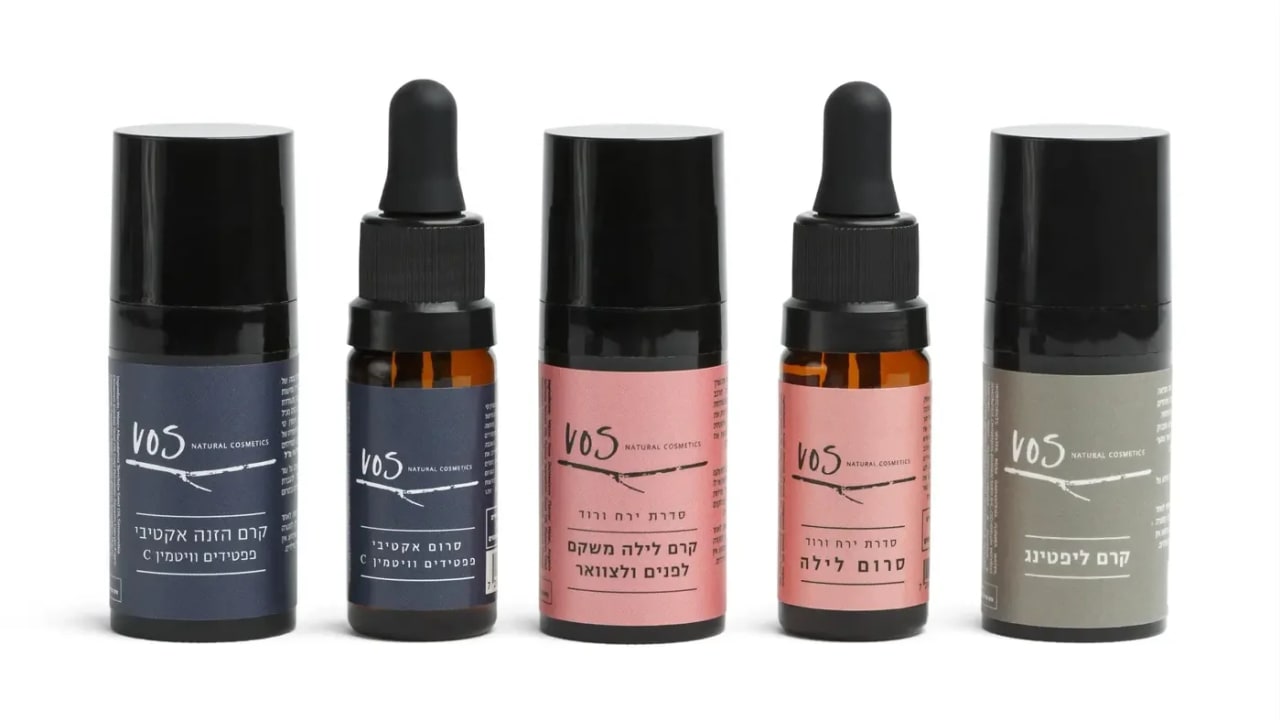
The natural cosmetics brand VOS is launching a new trial set designed to allow a gradual introduction to the brand’s skincare routine – from morning to night, including a “boost” product for special occasions.

The set combines daily care with specific moments when you want to see a more immediate result: Vital skin during the day, restoration at night and a quick lifting effect before going out.

What The Set Includes
The set is built as a complete ritual and not as a collection of samples – each product is tailored to a different stage throughout the day:

• Active serum with peptides and Vitamin C – For vital and bright skin in the morning
• Day face cream – Daily hydration and protection
• “Pink Moon” night serum – For calming and restoration during sleep
• Restorative night cream – Support for natural renewal
• Lifting cream/serum – Immediate firming effect before an event or meeting

The idea behind the set is not only to try the products, but to experience a complete skincare routine before purchasing the full-size products.

Alongside the launch of the set, the brand is opening this month (February) a pop-up store at Ramat Aviv Mall, which will offer personal product trials alongside a customized skincare ritual.

According to entrepreneur Vered Ornstein Slutsky, the store is designed to allow acquaintance through scent, touch and personal guidance – And to return skincare to a calmer and slower experience, in contrast to the fast pace of the beauty world.

• How Much: NIS 349 (Instead of NIS 466)
• Where: On The Company’s Website

Tags: , ,
Scarlett Johansson's 'no-makeup makeup’ routine is just three products

Scarlett Johansson’s ‘no-makeup makeup’ routine is just three products

Page Six may be compensated and/or receive an affiliate commission if you click or buy through our links. Featured pricing is subject to change.

Want to get ready like ScarJo on the go?

Scarlett Johansson recently shared her surprisingly streamlined “no-makeup makeup” routine on Gwyneth Paltrow’s Goop, saying she’s “all about things that enhance skin rather than cover it.”

“A little concealer, cream blush and something hydrating on the lips … usually does it,” she explained.

As for her exact favorites? The star name-dropped Westman Atelier Vital Skincare Concealer — the brainchild of celebrity makeup artist Gucci Westman — and Goop Beauty’s Colorblur Glow Balm.

Nordstrom

Goop

The latter swipe-and-go formula comes in five hues ranging from coral to deep mauve — though Paltrow and Johansson are both partial to the soft berry shade Afterglow.

When it comes time to put the finishing touches on her minimalist look, the “Jurassic Park” actress also reaches for a bestseller from her own brand: The Outset Lip Oasis Glossy Treatment.

The Outset

She specifically shouted out the clear version for a more natural look, though it also comes in three sheer tints — all of which have over 100 glowing reviews on Amazon, with shoppers calling them “genuinely nourishing” and “not sticky.”

While not all celebrity beauty brands stand up to the hype, Melissa Minton, Page Six Style’s Senior Editor, swears the “two-for-one product” is truly worth it.

“When I’m wearing the Lip Oasis, I feel like I have ScarJo’s enviable big pout!” she says. “It definitely gives an enhanced look.”

Why Trust Page Six Style Shopping

This article was written by Hannah Southwick, Commerce Associate Editor for Page Six. Hannah spies deals on actually affordable celebrity-worn styles, puts celebrities’ brands to the test and finds the beauty products that keep stars red carpet-ready. She consults stylists and industry pros — including celebs themselves — for firsthand product recommendations, trend predictions and more. In addition to writing for Page Six since 2020, her work has been featured in USA Today and Parade.

Tags: , , , , ,
coconut oil pulling chews

Oil Pulling With Coconut Oil Chews

I’m a big fan of oil pulling. I’ve shared before how I started this age-old practice and why I started oil pulling with coconut oil instead. I decided to give my oral routine an upgrade with these coconut oil pulling chews with essential oils!

Coconut Oil Pulling Benefits

Not familiar with oil pulling? It’s simply swishing oil (usually sesame or coconut oil) in your mouth, then spitting it out in the trash. There’s some research, and plenty of anecdotal evidence, that shows it can reduce plaque. Coconut oil is also naturally a mild antibacterial and can help keep oral bacteria in check. 

Coconut oil pulling for teeth is an old practice, but more people are starting to pick it back up. How long you swish the coconut oil depends on your tolerance, but 5-20 minutes is a good goal. So how often do you do coconut oil pulling? I aim for once a day, or at least several times a week. 

What kind of coconut oil you use also plays a role. I recommend using organic, virgin (or unrefined) coconut oil. MCT oil will also work. 

Oil Pulling With Coconut Oil For Teeth 

The idea is that the oil can reach and help remove harmful substances in the mouth, like bacteria and plaque. Unlike alcohol-based mouthwashes and toothpaste, oil may be able to get to hard to reach parts of the gum. And the naturally antibacterial properties of oils like coconut may help break down bacteria.

Many report their teeth and gums feel much cleaner when regularly using oil pulling. Others notice bad breath goes away. Personally, I saw less gum swelling and plaque on my teeth. My dentist even commented how clean and plaque-free my teeth were after I added oil pulling to my oral health routine.

While oil pulling isn’t a miracle cure, there’s a good chance it promotes healthier teeth and gums. Especially if used in combination with other good oral health practices. If you want to read more, I’ve written about coconut oil pulling in more detail here. 

Coconut Oil Pulling With Essential Oils

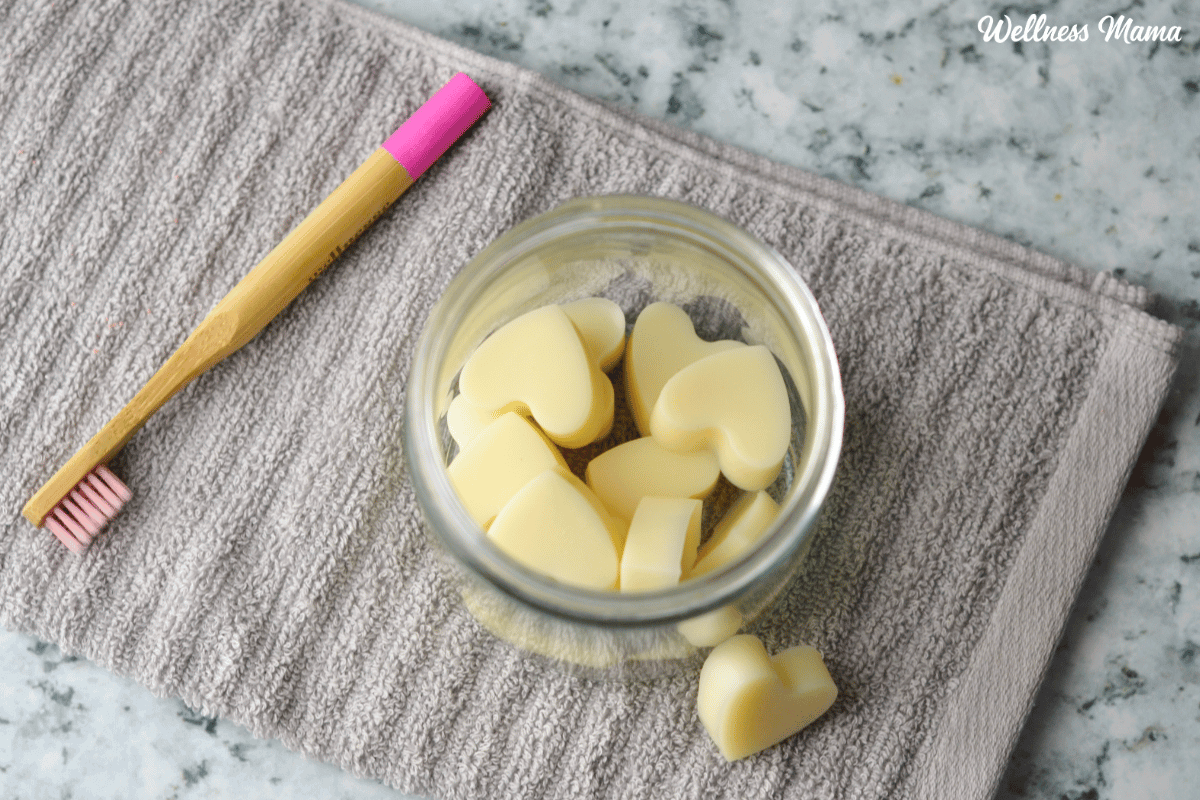
These coconut oil pulling chews were inspired one day when I made homemade chocolate in little molds. I realized I could make my routine simpler by making bite-size oil pulling chews. 

Adding essential oils like peppermint, clove, and tea tree improve the taste and the health benefits. My favorites so far are mint and clove. Just make sure that the oils you choose are safe for oral use and don’t interact with any of your meds or health conditions. 

Here are some essential oils that work well with oil pulling:

I keep these chews in the fridge so they maintain their shape. Keeping them cool also helps with the texture at the beginning. For my kids who have trouble with the texture of coconut oil, keeping these in the fridge so they can “chew” them first helps a lot.

Coconut Oil Pulling Chews

These pre-made chews make oil pulling easy. Customize the flavors and add health benefits with your favorite essential oils!

Prep Time5 minutes

Cooling Time30 minutes

Yield: 12 chews

Author: Katie Wells

  • Melt the coconut oil until just barely liquid.

  • Remove from heat and add the essential oils.

  • Pour into silicone candy molds and put in the fridge or freezer to harden.

  • Once hardened, remove from the molds and store in a jar.

  • Use one chew per day as needed for oil pulling.

  • Want a pre-made essential oil blend? I love this Balanced Mouth Blend from Wellnesse.
  • The molds I used held about 2 teaspoons each. If your molds are a little smaller or larger than mine then you’ll get a different yield. 

Other Healthy Mouth Recipes

I’ve always been fascinated by oral health. I was even able to use a combination of diet, supplements and oral health products to reverse a cavity. Since then I’ve made these methods a priority for our whole family. These are some of the other recipes and methods we use:

 Ever tried coconut oil pulling? How did it work for you? Leave a comment and let us know!

Tags: , , ,
Cricket in L1

Want a secret for glass skin? Try these 8 night serums for naturally glowing skin every morning

A glass-like glow does not happen overnight, but constant use of night serums can be a step towards achieving glowing skin. During the night, your skin increases cell turnover and repairs daily damage caused by sun exposure, pollution, and stress.

Get glass like glow with these night face serums (Pexels)

Applying a night serum before bed helps support this natural renewal process. Ingredients like retinol encourage collagen production, hyaluronic acid boosts hydration, niacinamide strengthens the skin barrier, and peptides improve elasticity and firmness.

How to choose the right night serum?

Know Your Skin Type

Different serums work best for different skin types:

  • Dry skin: Look for hydrating ingredients like hyaluronic acid, ceramides, and squalane.
  • Oily or acne-prone skin: Choose lightweight formulas with niacinamide, salicylic acid, or retinoids.
  • Combination skin: Go for balancing serums that hydrate without heaviness.
  • Sensitive skin: Pick gentle, soothing ingredients such as aloe vera, centella asiatica, or low-strength antioxidants.

    Identify Your Skin Concerns

What issue are you targeting?

  • Ageing/Fine lines: Retinol, peptides, vitamin C
  • Uneven tone/Hyperpigmentation: Vitamin C, niacinamide
  • Dullness: AHA (like glycolic acid), vitamin C
  • Dryness: Hyaluronic acid, ceramides

Check the Ingredient List

  • Avoid unnecessary fillers or harsh fragrances if you have sensitive skin.
  • Retinol, vitamin C derivatives, andpeptides are great but can be strong; introduce slowly.
  • Some ingredients don’t work well together (e.g., pure vitamin C + retinol).

Consider Season and Climate

  • In hot, humid weather, lighter serums help avoid greasiness.
  • In dry, cold weather, richer, hydrating formulas retain moisture.

Read Reviews and Check Brand Credibility

Look for brands with transparent ingredient disclosure.

Check reviews from users with similar skin types.

Top-rated night serums for glowing skin

Regaliz Truderma Night Repair Serum restores skin with powerful peptides, hyaluronic acid, and botanical extracts that hydrate and repair tired skin. This face serum improves elasticity, reduces fine lines, and strengthens the skin barrier while you sleep. Most users report waking up to softer, plumper, and visibly refreshed skin after consistent use. They love its lightweight texture and non-greasy finish, making it ideal for daily nighttime skincare routines focused on anti-ageing and deep nourishment.

Foxtale Collagen-PDRN Cell Renewal Serum boosts collagen production and accelerates cell renewal for firmer, youthful-looking skin. Infused with PDRN and collagen-supporting actives, this face serum improves elasticity, smooths texture, and enhances radiance overnight. Customers praise its fast-absorbing formula and noticeable glow within weeks. Many users highlight reduced dullness and improved skin bounce, making it a popular choice for anti-ageing and skin-repair routines.

Garnier Bright Complete Night Vitamin C Serum targets dark spots and dullness with potent Vitamin C and brightening actives that work while you sleep. It promotes even skin tone, enhances glow, and reduces pigmentation marks. Users appreciate its lightweight consistency and visible brightening results. It also gives a smoother texture and reduces dark spots for radiant, refreshed skin.

Minimalist Anti-Aging Night Serum combines scientifically backed ingredients to reduce wrinkles, fine lines, and uneven texture. This face serum supports collagen production and strengthens the skin barrier for firmer, smoother skin. Users report improved elasticity and a visible reduction in early signs of ageing. Customers value its fragrance-free, lightweight formula that suits sensitive skin while delivering effective anti-ageing results without irritation.

Foxtale 0.15% Beginner Friendly Retinol Night Serum introduces retinol gently to first-time users, helping reduce fine lines, acne marks, and uneven texture. Its balanced 0.15% retinol formula promotes smoother, clearer skin with minimal irritation. Customers love its mild yet effective performance and report brighter, refined skin within weeks. Many beginners highlight reduced breakouts and improved texture without excessive dryness, making it ideal for starting a retinol routine.

Olay Retinol24 Max Night Serum delivers 24-hour hydration with a powerful retinol complex that reduces fine lines, wrinkles, and dark spots. It penetrates deeply to renew skin texture and boost radiance overnight. Users consistently praise its fast absorption and noticeable smoothing effects within weeks. Customers report brighter, firmer skin and minimal irritation compared to traditional retinol formulas, making it a trusted anti-aging night serum.

/PHD/ 0.3% Retinol Face Serum features 0.3% retinol to visibly reduce wrinkles, acne scars, and pigmentation while accelerating cell turnover. It improves firmness and refines pores with consistent nighttime use. Customers report clearer, smoother skin and improved texture after a few weeks. Many users appreciate its potent formulation for advanced retinol users seeking stronger anti-aging results and visible skin renewal.

Foxtale 0.15% Beginner Friendly Retinol Night Serum gently improves skin texture and reduces early signs of aging with beginner-safe retinol strength. It supports collagen production and enhances clarity without overwhelming sensitive skin. Users frequently mention minimal irritation and gradual, visible improvement in fine lines and acne marks. Customers recommend it as an ideal starter retinol serum for smoother, healthier-looking skin.

Similar articles for you

Beyond Vitamin C: Top 8 spot-correcting serums you need to know about

Try these 8 face serums for dry skin to get a hydrated, nourished, and plump look

Tags: , , , , , , ,
Which Is Better for Skin Health and Immune Support?

Which Is Better for Skin Health and Immune Support?

Key Takeaways

  • Vitamins E and C can both nourish and protect your skin.
  • These vitamins also have complementary roles in immune health.
  • Using them together may be more effective than using either alone.

Both vitamin E and C play roles in immunity and skin health. Because of that, choosing between them may depend on your health goals, and using them together can be a great boost for both areas.

Skin Health Benefits

When it comes to skin health, both vitamin C and vitamin E can have a positive impact, though they are similar in some ways and different in others.

Vitamin C, also known as ascorbic acid, is often used in skincare products to help brighten the skin, reduce dullness, and offer anti-aging benefits by stimulating collagen production. The nutrient can also help protect against sun-related skin damage due to its antioxidant properties and may speed up wound healing.

Vitamin E, also known as tocopherol, can benefit skin health in other ways. For example, the fat-soluble vitamin, applied topically, can penetrate deeper into the skin. This can help provide intense nourishment to combat dryness or damage.

It also repairs the skin barrier, leading to less moisture loss over time, while protecting collagen fibers to reduce signs of aging. Like vitamin C, it also acts as an antioxidant to protect against sun damage.

Choosing Between Them

To consider which is better for you, check out the benefits of each. For example, if dryness is an issue for your skin, vitamin E might be a better go-to. However, if you’re looking to brighten or correct uneven skin tone, vitamin C is often more effective.

Immunity Benefits

Vitamin C and E boost the body’s defense system, strengthening the immune system against illness and disease. However, how they do so differs.

When the body has enough vitamin C, it uses the nutrient to enhance the activity of the parts of the immune system that alert and adapt to general and specific threats. Vitamin C also protects the body against cell damage caused by oxidative stress because of its antioxidant properties, which ensure that immune cells can function at their best.  

Vitamin E acts similarly to vitamin C in the sense that it has antioxidant properties that help enhance and regulate the immune system’s action against illness-causing germs.

It works specifically on T cells, which are specialized white blood cells in the immune system that identify germs and target them for destruction before they cause too much damage. Vitamin E also helps regulate other immune cells, ensuring all cells are ready to fight infection effectively.

Using Vitamin C or E for Infections

When it comes to infections, vitamin C is better at fighting short-term, more moderate or mild infections and shortening their duration, whereas vitamin E is more of a long-term defense, supporting immune system function over the long term.

How They Work Together

If you want to reap the benefits of both vitamin C and E for skin health or immunity, getting enough of both nutrients is a great way to do that.

For immune health, vitamins C and E can work together. Vitamin C can help regenerate vitamin E stores, allowing them to work together to protect cell membranes. When the cells are better protected, they can fight off disease and illness more effectively.

Using vitamins E and C together for skin health can provide twice the benefits for several reasons. For example, they both address signs of aging, but in different ways. Vitamin C stimulates collagen production, which vitamin E then better protects.

Vitamin C can also recharge or repair vitamin E so that it can be used by the body instead of becoming waste. That way, when it’s used on the skin or consumed in food or supplements, the body can use more of it, allowing it to have a longer-acting effect.

So, while vitamin C and E both have their own benefits for immunity and skin health, ensuring that you have enough of both will allow them to work together for maximum benefit.

Verywell Health uses only high-quality sources, including peer-reviewed studies, to support the facts within our articles. Read our editorial process to learn more about how we fact-check and keep our content accurate, reliable, and trustworthy.

  1. Pullar JM, Carr AC, Vissers MCM. The roles of vitamin C in skin health. Nutrients. 2017;9(8):866. doi:10.3390/nu9080866

  2. Januszewski J, Forma A, Zembala J, et al. Nutritional supplements for skin health—a review of what should be chosen and why. Medicina (Kaunas). 2023;60(1):68. doi:10.3390/medicina60010068

  3. Makhakhe L. The role of vitamin C on the skin. S Afr Fam Pract. 2025;67(1):e1-e7. doi:10.4102/safp.v67i1.6098

  4. Mohanan R, Jose SP, Sreevallabhan S, et al. Moisturizing and antioxidant factors of skin barrier restoring cream with shea butter, silkflo and vitamin E in human keratinocyte cells. Int J Cosmet Sci. 2025;47(2):260-269. doi:10.1111/ics.13014

  5. Carr AC, Maggini S. Vitamin C and immune function. Nutrients. 2017;9(11):1211. doi:10.3390/nu9111211

  6. Lee GY, Han SN. The role of vitamin E in immunity. Nutrients. 2018;10(11):1614. doi:10.3390/nu10111614

  7. Institute of Medicine Committee on Military Nutrition Research: Military Strategies for Sustainment of Nutrition and Immune Function in the Field. Vitamin E, vitamin C, and immune response: recent advancements.

  8. Ogunleye OD, Afolabi OA, Saka WA, et al. Possible role of vitamins C and E co-administration in the prevention of testicular ischemia-reperfusion injury following surgical repair of torsion of the testis. Front Nutr. 2025;12:1660240. doi:10.3389/fnut.2025.1660240

By Angelica Bottaro

Bottaro has a Bachelor of Science in Psychology and an Advanced Diploma in Journalism. She is based in Canada.

Thanks for your feedback!

What is your feedback?

Helpful

Report an Error

Other

Tags: , , ,
The 21 winter skincare essentials that dermatologists use when dry weather wrecks their skin | Life and style

The 21 winter skincare essentials that dermatologists use when dry weather wrecks their skin | Life and style

The word “moist” is one of the most reviled in the English language. Some researchers even found that up to 20% of people squirm at the sound of it. The New Yorker once voted it its readers’ “least favorite word.” People magazine once called it the “most cringe-worthy word” and even rounded up a passel of Sexiest Men Alive to try – and fail – to rehabilitate it.

The Guardian’s journalism is independent. We will earn a commission if you buy something through an affiliate link. Learn more.

According to our dermatologist experts, however, moist is one of the most important words, especially in winter. Dry, heated indoor air and the whipping winds outdoors tend to slurp all the moisture out of your skin. The result: chapped lips, ashy or itchy skin, rough hands and cracked feet.

During this time, “keep your skincare gentle and limited; winter skin is more delicate”, says Dr Oyetewa B Asempa, an assistant professor of dermatology at Baylor College of Medicine’s department of dermatology in Houston, Texas.

What do dermatologists use for their own skincare, then? We asked our experts for personal recommendations on what they use head to toe: for the face, body, hands and feet. Here’s their guide to how to avoid being sucked dry in winter.

At a glance

$19.99 at Amazon$24.97 at Amazon$47 at Amazon$4.99 at Amazon$21.99 at Amazon$11.94 for two at Amazon$15.78 at Amazon

Meet our experts on dry skin

  • Oyetewa B Asempa, MD, FAAD, an assistant professor of dermatology at Baylor College of Medicine in Houston.

  • Jeanine B Downie, MD, a board-certified dermatologist based in Montclair, New Jersey.

  • Lauren Payne, MD, MS, FAAD, a board-certified medical, surgical and cosmetic dermatologist based in New Orleans.

What derms use for their face

Photograph: Cultura Creative/Getty Images/Tetra images RF

“I always do cleanser, serum, moisturizer and then sunscreen is always last,” says Lauren Payne, the dermatologist in New Orleans.

For a cleanser: “I love a glycolic, acid-based cleanser every day, but in the winter I can’t use it as frequently,” she says. Even in New Orleans’s mild winter, she continues: “So I may do that three times a week, and I’ll add in a hydrating cleanser on the other days.”

Ingredients she looks for in a cleanser: hyaluronic acid (HA), a humectant that can absorb many times its weight in water; and glycerin, a humectant that attracts water from the air.

An HA pro tip: “I always tell patients to make sure their skin is damp before they put anything with HA on because it binds to water,” Payne says. “If you put it on dry skin, it actually kind of takes some of the moisture out of your skin. That’s my personal experience. I used to use one, and I was like, why is it making my skin more dry?”

What’s in their skincare routine? Her go-to cleanser brands are La Roche-Posay Toleriane (which contains glycerin) and CeraVe Hydrating Facial Cleanser (which has HA as well as ceramides, fats naturally found in your skin).

Photograph: Courtesy of Amazon

La Roche-Posay Toleriane Moisturizing Milky Facial Cleanser

$19.99 at Ulta Beauty $19.99 at Amazon Photograph: Courtesy of Amazon

CeraVe Hydrating Facial Cleanser

$15.97 at Amazon$16.49 at CVS Pharmacy

For those (remember: gentle!) exfoliation days, Payne goes with Glytone Mild Gel Cleanser, better for more oil-prone skin. Payne says the Glytone Mild Cream Cleanser is better for drier skin: “It should be pretty tolerable for even patients with sensitive skin.”

Photograph: Courtesy of Amazon

For oily skin: Glytone Mild Gel Cleanser

$23.40 at Amazon$27 at Glytone Photograph: Courtesy of Amazon

For dry and sensitive skin: Glytone Mild Cream Cleanser

$32 at Amazon$36 at Glytone

For a moisturizer: How do you make winter makeup look good? It’s all in the moisturizer.

“It really doesn’t matter, makeup product-wise,” Payne says. You do not need to switch out your makeup in winter. “It’s whether your skin is moisturized enough. If, when you’re putting on makeup, your underlying skin is cracked or dry or flaky, nothing is going to stick or settle and look good on your skin.”

Lack of humidity leads to overall dryness, but indoor heat, chilly winds and even heat in the car “adds to the problem,” says Dr Jeanine B Downie, the dermatologist in New Jersey.

What’s in their skincare routine? Neutrogena Hydro Boost, a lightweight gel with HA. And La Roche-Posay Toleriane Double Repair Face Moisturizer, a light cream with ceramides and glycerin that easily sinks into skin.

Asempa picks “thick and luxurious” RoC Hydration+ Moisturizer, which has HA and amino acids that the brand claims can support collagen growth (that’s the stuff that keeps your skin plump and bouncy).

Photograph: Courtesy of Amazon

Neutrogena Hydro Boost Water Gel

$19.97 at Walmart$22.99 at Amazon Photograph: Courtesy of Ulta

La Roche-Posay Toleriane Double Repair Face Moisturizer

$24.99 at Amazon$25.99 at Ulta Beauty Photograph: Courtesy of ROC

RoC Hydration+ Moisturizer

$24.97 at Amazon$32.99 at Roc Skincare

For a serum: Some people save serums for night-time use, but there’s no law that they can’t see the daylight. They can contain antioxidants to battle environmental stressors, as well as moisturizing ingredients that will really seal the deal of your soft, smooth skin.

What’s in their skincare routine? For “dermatologist-style hydration at a wallet-friendly price”, Asempa likes CeraVe Hydrating Hyaluronic Acid Serum with glycerin and dimethicone, which protects skin from water loss.

She also recommends La Roche-Posay Hyalu B5 Serum. “It’s a classic HA with vitamin B5 to repair the skin barrier,” she says. B5, aka panthenol, is an anti-inflammatory ingredient in skincare that has been shown to significantly boost skin barrier repair and hydration after 48 hours.

Photograph: Courtesy of Amazon

CeraVe Hydrating Hyaluronic Acid Serum

$17.99 at Amazon$24.49 at CVS Pharmacy Photograph: Courtesy of Amazon

La Roche-Posay Hyalu B5 Serum

$39.99 at Amazon$39.99 at Dermstore

For an extra glow: It’s certainly not essential, but you can also try a vitamin C serum for “brightening” after moisturizing. “Thanks to antioxidant properties, it gives you a glow,” Payne says.

Not all vitamin C serums are the same. “There are so many over-the-counter products, but most of them are about 90% filler and actually 10% vitamin C,” Payne cautions. How do you know a product has an effective amount? “The big thing is, if it tingles when you put it on, it’s probably actually active vitamin C.”

For people with sensitive skin, she recommends La Roche-Posay Vitamin C12 Serum.

Photograph: Courtesy of Amazon

La Roche-Posay Vitamin C12 Serum

$44.99 at Amazon$44.99 at Dermstore

What derms use for sunscreen

Photograph: javi_indy/Getty Images/iStockphoto

“Regardless of where in the country you are, I say sunscreen every day. Inside, outside,” Payne insists. “You should not skip sunscreen during the winter months,” adds Downie. “The SPF needs to be 30 or greater and it should be reapplied every three hours – more frequently if you are closer to the equator.”

It’s not just about the sun. Blue light from our computers and other electronic devices can increase skin aging and hyperpigmentation, Payne says.

She uses and recommends tinted sunscreens, because the added pigments, such as iron oxide, are especially effective at shielding the skin from blue light.

Finding a mineral sunscreen that doesn’t give skin an ashy hue is also a life goal for some. “I’m African American, so it’s tough for us to find a sunscreen that doesn’t leave that white cast,” Payne says. Some clear sunscreens also block blue light, especially those with niacinamide.

What’s in their skincare routine? She uses EltaMD sunscreens. The brand’s formulations “do seem to rub into a lot of different skin tones very well”, she says. “They have a clear, a deep-tinted and a combo version. For some reason, it’s the combo that works the best.”

Downie picks ZO Daily Sheer for its high SPF.

Photograph: Courtesy of Amazon

EltaMD UV Clear Tinted Broad-Spectrum SPF 46

$47 at Dermstore$47 at Amazon Photograph: Courtesy of ZO Skin

ZO Daily Sheer Broad-Spectrum SPF 50

$49 at Amazon$70 at ZO Skin

What derms use for dry lips

Photograph: Jorge Elizaquibel/Getty Images

Don’t forget sunscreen for your dry, wind-burned, chapped, cracked (potentially all of the above) lips.

Lip balms with SPF and petrolatum, AKA petroleum jelly, are ideal. The latter helps seal in moisture. “It really is one of the most effective occlusives around,” Asempa says. “People think it’s like putting gas on your face. That’s not what’s happening.” Triple-distilled petrolatum, the kind used by big brands like Aquaphor and Vaseline, is non-toxic and non-carcinogenic.

What’s in their skincare routine? Aquaphor lip balm in particular “applies nicely,” Payne says. She says you can apply lipstick first, then Aquaphor on top: “It doesn’t look cake-y.”

Photograph: Courtesy of Amazon

Aquaphor Lip Protectant + SPF 30

$4.99 at Amazon$11.49 for two at CVS pharmacy

What derms use for the shower

Photograph: PeopleImages/Getty Images

You might be showering wrong in the winter. “It’s important to not over-exfoliate,” Payne says, in order to avoid too much moisture leaving your skin. “So for people who like to use loofahs and all that type of stuff, I wouldn’t recommend doing so frequently.”

You don’t have to stop altogether, she says, but “they shouldn’t be an everyday type of thing”.

“We love those extremely hot showers because they feel amazing,” Payne says, “but they are just soaking all the moisture out of your skin.” Her rule of thumb: warm water, not scalding hot, and 10 minutes at most in there; after 15 minutes or so, you start losing moisture.

She suggests using a body wash containing moisturizing agents such as ceramides or HA.

Photograph: Courtesy of Amazon

Ceramedx Extra Gentle Body Cleanser

$11.99 at Ceramedx$12.45 at Amazon

And then, once you come out of the water, she says: “You want to pat dry. You don’t want to fully dry off.” Leave skin a little damp before you apply any body moisturizer “so it can actually penetrate into your skin.

“Summertime is great for lotions, those lighter water-based moisturizers,” she says. “In wintertime, it’s time for creams.” Look for ingredients such as glycerin, squalene and ceramides.

Got really dry skin? She recommends layering products. “Put the cream on first and then seal it in with an Aquaphor or Vaseline, something that contains petroleum jelly, to really lock in the moisture.”

Photograph: Courtesy of CVS

CeraVe Moisturizing Cream with Ceramides

$18.19 at CVS Pharmacy $18.96 at Amazon Photograph: Courtesy of Walmart

Vaseline Intensive Care Deep Moisture Body Cream

$14.97 at Walmart $39.96 for pack of four at Amazon

What’s in their skincare routine? “Roche-Posay’s Lipikar cream is really good, head to toe,” she says. “It’s not greasy and it doesn’t rub off on clothing like some creams do.”

Asempa is also a Lipikar fan: “It’s my ultimate winter moisturizer. My personal favorite.”

For those on a budget, she recommends Good Molecules Rich Cream, which contains ceramides. “It’s so thick and luxurious,” she says.

Photograph: Courtesy of Ulta

La Roche-Posay Lipikar AP+M Triple Repair Body Moisturizer for Dry Skin

$21.99 at Amazon$21.99 at Ulta Beauty Photograph: Courtesy of Good Molecules

Good Molecules Rich Cream with Ceramides

$13.99 at Amazon$14 at Good Molecules

What derms use for dry hands

Photograph: Ekaterina Vasileva-Bagler/Getty Images

Go beyond just cuticle oil. “The big thing is making sure not just the nails, but the hands in general are moisturized,” Payne says.

What’s in their skincare routine? Heavier creams rather than light lotions. “I really like Neutrogena Norwegian Formula Hand Cream. It’s thick but it’s manageable and it really holds the moisture in,” she says. It’s fragrance-free and contains glycerin.

Photograph: Courtesy of Amazon

Neutrogena Norwegian Formula Hand Cream

$7.19 at CVS Pharmacy $11.94 for two at Amazon

What derms use for dry feet

Photograph: Microgen Images/SCIENCE PHOTO LIBRARY/Getty Images/Science Photo Library RF

Even though your feet are snuggled up in woolly socks much of the winter, the cold, dry air can leave them looking ragged and feeling worse. Extreme dryness can even cause painful heel fissures.

Look for creams containing urea, according to Payne. She says: “Urea is what we call a keratolytic. It’s an exfoliator for thicker skin areas such as the hands and feet.”

Photograph: Courtesy of Amazon

Cetaphil Exfoliating Rough & Bumpy Cream

$14.99 at Amazon$14.99 at Walmart Photograph: Courtesy of Amazon

Eucerin Advanced Repair Cream

$15.78 at Amazon $15.79 at Target

Tags: , , , , , , , , ,
Best oLive
Privacy Overview

This website uses cookies so that we can provide you with the best user experience possible. Cookie information is stored in your browser and performs functions such as recognising you when you return to our website and helping our team to understand which sections of the website you find most interesting and useful.