Expert Tips for Thicker Hair

Expert Tips for Thicker Hair

Retinoids have long been a key ingredient in an anti-aging skincare routine, because they are exemplary for optimizing your cellular turnover. After a short adjustment period, they reliably deliver the smoothest, clearest, firmest skin possible. But recently, there’s been more buzz about how great they are for hair growth.

We asked NYC-based board-certified dermatologist, Dr. Dendy Engelman of the renowned Shafer Clinic, to explain how you can get the best results by incorporating this ingredient into a structured hair care routine.

How Retinoids Work in the First Place—And On the Scalp

“Retinoids are Vitamin A derivatives that function as cellular regulators, signaling cells to turn over more efficiently and behave like youthful tissue,” Engelman says. “On the scalp, this translates to normalization of keratinization within the follicle, helping to prevent buildup that can disrupt the follicular opening and disturb the growth cycle.”

So these retinoids (retinol, retinal, tretinoin, adapalene…) can bind to receptors in skin cells (which includes the scalp) and tell those cells to behave differently. On the scalp specifically, that messaging yields better cellular turnover for the hair itself, reduced oil buildup, and improved skin tissue.

And a lot of the talk in favor of using retinoids on your scalp focuses on enhanced penetration: when used in tandem with medications like topical minoxidil and finasteride, you can multiply the benefits of those hair-raising ingredients. 

How Retinoids Work for Hair Growth and Optimization

So, for clarification: Retinoids have a supporting role in hair growth. I wouldn’t tell you to use them up there if you aren’t also using something clinical-grade and topical in the first place, nor would Engelman: “I think of them less as a primary growth treatment, and more as a strategic enhancer within a broader regimen,” she adds.

The two core topical hair-growth options worth considering include minoxidil, which actively pushes follicles into growth mode, allowing you to express more hairs at once; and finasteride, which can interfere with the hormonal factors that cause hair thinning, dihydrotestosterone, or DHT.

How to Apply Retinoids for Hair Growth

The scalp is not as forgiving as the skin on your face, and hair makes retinoid application a bit more complicated.

“Trying to distribute it all at once can get messy and result in inconsistent coverage,” Engelman notes. “You’ll get the most value by keeping the application close to the scalp, not the hair.” So, define the parts as best as possible, and pat in the product with your ring finger or middle finger. The amount to use will differ from one person to the next, though, as retinoids are dose-, formulation-, and user-dependent (including how irritation could impact you). That’s also why it can be good to start with a prescription and a doctor’s supervision, as well as their tailored advice.

Engelman suggests doing so at night, too—at the same time you should apply those core topical products (if they are once-a-day use). “Apply them at night, on a completely dry scalp, since that’s when skin repair processes are most active, and you can minimize potential irritation from environmental exposure,” she says.

And start conservatively: “In terms of frequency, starting at 2–3 times a week is reasonable, and you can increase frequency as tolerated,” she advises. 

The Best Retinoids for Hair Growth

Retinoids aren’t (yet) approved by the FDA for use on your head. So you won’t see brands using and marketing any Vitamin A serums just yet. Still, you’ll have plenty of options available via higher-grade prescriptions, as well as alternative over-the-counter picks that primarily focus on peptides for better hair growth. 

Engleman, as a board-certified derm, recommends going the prescription route instead of using a facial retinoid on your scalp: “Prescription retinoids are more predictable in terms of strength, stability, and clinical outcome, especially when you’re trying to meaningfully influence the follicular environment,” she says. Plus, having a doctor know what to supervise and adjust for irritation is an important part of getting adjusted to the sometimes-irritating ingredient. 

Prescription Options

Tretinoin (retinoic acid): This is the most studied and predictable retinoid, for all kinds of use in skin clarity, resilience, and brightness. Same for scalp cellular turnover: It is effective at normalizing keratinization and enhancing penetration of other actives. “Tret” is often used in compounded scalp formulas alongside minoxidil.

Adapalene: You might know adapalene as Differin gel, but it is also available in higher-grade prescription formulations. It tends to be more stable and generally better tolerated than tretinoin (which is also why it is commonly used in skincare with sensitive, acne-prone teens). Still, it is quite effective for regulating turnover and equally gentle on scalps.

Tazarotene: The most potent of the common prescription retinoids, tazarotene is typically reserved for more resilient skin types given its higher irritation potential. Still, it works fantastically when tolerated.

Over-the-Counter Alternatives 

If you are in the market for hair-boosting products that are FDA approved, then look to these treatments that take different routes for that fullness effect:

  • Nulastin Vibrant Scalp Treatment

    Image Credit: Nulastin

    Engelman likes this OTC product best for her patients: “It addresses the follicular environment in a meaningful, biologically relevant way, particularly around elastin support and anchoring at the root.” The lightweight formula is easily tolerated even for sensitive folks, and clinically shown to improve the look of fullness and reduce visible shedding over time, which she says is the goal with most people. But she adds one reminder: “This is a long-term scalp health treatment, so consistency matters more than anything here.”

  • Caldera + Lab The Hair Serum

    Image Credit: Caldera + Lab

    Exosomes, peptides, plant stem cells, amino acids… this one is a delivery vehicle for thicker hair, stronger shafts, healthier shine, and a balanced scalp. A beautiful pairing with the brand’s hair-densifying shampoo-conditioner duo, at that.

  • Happy Head Hair Serum

    Image Credit: Happy Head

    A full-service serum for fuller hair: Ingredients like Procapil, Capixyl, Redensyl, peptides, and biotin work at the follicle level to support stronger anchoring, extend the growth phase, and improve hair’s keratin structure (so, thicker strands, less shedding). Meanwhile, scalp-focused ingredients like witch hazel, collagen, argan oil, rosemary oil, and ashwagandha reduce inflammation, balance oil, boost circulation, and counter stress (sooo, optimal growth environment for fuller, healthier hair).

  • Patricks RD1 Recovery and Defence Treatment Spray

    Image Credit: Patricks

    How does Patricks’ awesome hair-growth serum work on follicles? Let us count the ways: Caffeine energizes follicles and supports circulation; saw palmetto helps counter DHT; biotin strengthens keratin; acetyl tetrapeptide-3 supports anchoring proteins; rosemary extract boosts scalp circulation for denser, healthier growth. And we’re just getting started…

  • OMI WellBeauty Hair Growth Peptides

    Image Credit: Omi

    “If a serum doesn’t feel compatible with your routine or if you think applying a topical consistently might be a challenge for any reason, then try an ingestible option that supports follicle health systemically,” Engelman says. She recommends these peptides, available as capsules or gummies.
Tags: , , ,
potassium benefits

It’s More Than Just Bananas

A decade ago, if you’d asked me about potassium, I probably would have said something vague about bananas and muscle cramps. That was about the extent of what I understood. But the more I’ve learned about minerals and the body’s electrical system, the more convinced I am that potassium is one of the most overlooked pieces of the wellness puzzle.

This matters more now than ever because many of us are living in a strange combination of overfed and undernourished. We often consume plenty of calories while still missing the minerals that help the body produce energy, regulate stress, and communicate at the cellular level. I’ve talked before about “nature deficit disorder” and how disconnected we’ve become from the rhythms and foods humans traditionally relied on. Potassium is one of the missing puzzle pieces from those natural rhythms. 

Our ancestors ate potassium-rich foods like roots, fruits, broths, and mineral-rich plants. However, modern diets often contain far less of these foods and minerals in general. When I intentionally replenished potassium alongside sodium and magnesium, I noticed a dramatic difference in my energy, mood, and overall resilience.

Why Potassium Is So Important

Potassium is considered the body’s primary intracellular electrolyte. Simply put, most potassium exists inside our cells. Sodium, by contrast, mostly exists outside the cells. Together, these minerals help create the electrical charge that allows the body to function properly. Understanding this process really changed how I thought about health. 

We tend to think of the body mainly as a chemical system, but it’s also electrical. Every heartbeat, muscle contraction, nerve impulse, and brain signal relies on electrical communication. Potassium helps regulate that communication.

It influences how cells fire, how muscles contract, how the heart maintains rhythm, and even how calm or stressed we feel. When potassium is low, those systems can become less stable. This is one reason why deficiency symptoms can show up in so many different ways.

I like to think of the three major electrolytes in simple terms. Sodium is the charger, magnesium is the relaxer, and potassium is the balancer. Potassium helps stabilize the system. It works behind the scenes to help the body maintain steady energy and proper communication between cells. Without enough potassium, the body can start to feel like it’s running on unstable wiring.

Understanding the Sodium-Potassium Pump

One of the most fascinating parts of potassium’s role in the body is how it works in the sodium-potassium pump. This process constantly moves sodium and potassium in and out of cells to maintain electrical balance. It happens continuously, all day long, and it requires an enormous amount of energy from the body to keep running.

This electrical exchange powers many of the systems we depend on every second of the day. It supports nerve signaling, brain function, muscle movement, heartbeat rhythm, and cellular energy production. Our body uses a huge percentage of energy to maintain this electrical balance. That’s part of why minerals matter so much for overall health and energy levels.

When potassium levels are too low, this system becomes less efficient. The result can look like fatigue, brain fog, sluggish metabolism, blood sugar issues, feeling anxious and overstimulated. It’s one reason why I think minerals are often missing from the conversation around chronic stress and low energy. We can focus so heavily on hormones and calories while overlooking the minerals that help power the body in the first place.

Calming Potassium For the Nervous System

Potassium also plays a major role in regulating the nervous system. Sodium activates nerve signals, while potassium resets the nerves afterward so they can fire normally again. Without enough potassium, nerves overreact or stay in a heightened state longer than they should.

This may help explain why low potassium is sometimes connected to symptoms like heart palpitations, twitching, internal shakiness, or anxious feelings. I find this especially interesting because so many people today seem stuck in a constant fight-or-flight state. Stress management matters, but minerals help the nervous system feel safe enough to calm down.

Once I focused on getting enough minerals everyday, I felt calmer without trying so hard to relax. It wasn’t that stress disappeared from life, but my nervous system felt more resilient and less reactive. Potassium seems to act almost like a stabilizing signal to the body, helping everything function more smoothly and steadily.

The Potassium and Blood Sugar Connection

Another area where potassium plays a surprisingly important role is blood sugar regulation. Cells require potassium to take in glucose. When potassium is too low, insulin can become less effective. This then means the body has to work harder to maintain stable blood sugar.

So low potassium can sometimes mimic insulin resistance, even in people who are otherwise eating a nutrient-dense diet. This connection is especially important during hormonally demanding seasons of life like pregnancy, postpartum, perimenopause, and menopause. Our body needs even more minerals (by a lot!) during these times.

I’ve become increasingly convinced that many blood sugar and energy issues aren’t just about carbs or calories alone. The body also needs the right mineral balance to use energy. Potassium is one of the minerals that makes that process possible.

Why Potassium is a Missing Piece For Many

Most people simply aren’t getting enough potassium anymore. Estimates vary, but many experts suggest adults need about 3,400 to 4,700 milligrams per day. Most people barely get half of that. 

Part of the problem is that modern diets look very different from ancestral diets. In the past we ate potassium-rich foods everyday through roots, fruits, leafy plants, and mineral-rich broths. Today, many diets are heavily based around processed foods that are high in sodium but very low in potassium. This creates an imbalance that can affect hydration, blood pressure, and cellular function.

Another factor is that some people avoid foods naturally rich in potassium. Low-carb and ketogenic diets, while helpful for some people in certain situations, often eliminate potassium rich foods. These include fruit, potatoes, and beans, some of the best dietary sources of potassium. I think there’s a balance here. While those approaches can have benefits, it’s important to intentionally replace the minerals those foods would normally provide.

Stress also increases potassium loss. When cortisol is chronically high, it changes the way the kidneys handle minerals. And then we’re getting rid of more potassium through urine. So ongoing stress doesn’t just affect us emotionally. It changes the body’s mineral balance in very real physical ways.

Potassium and Digestive Health

Surprisingly, potassium also plays a vital role in our digestion. Digestive tract muscles rely on potassium to contract and move food through the gut. When potassium is low, digestion can be sluggish.

You might notice constipation, bloating, and food moving through too slowly. Many people only think about fiber when it comes to digestive health, but minerals are just as important. Minerals help the digestive system muscles function normally. Proper hydration also hinges on adequate electrolytes. Another reason why potassium matters for gut health.

Signs You Have Low Potassium

Testing for potassium has its limits and I don’t think blood tests are the most accurate option here. Low potassium is hard to identify because the blood tests don’t give a clear picture of what’s happening inside cells. Our body tightly regulates potassium blood levels, even if our stores are low. 

That said, there are several symptoms that can clue us in to low potassium levels. These include:

  • Fatigue
  • Muscle cramps
  • Constipation, bloating, and digestive issues
  • Blood sugar swings
  • Heart palpitations and high blood pressure
  • Anxiety or feeling shaky internally
  • Fluid retention and salt cravings (the body’s way of trying to rebalance electrolytes)

Of course, these symptoms can have many possible causes, and potassium isn’t always the answer. But I think it’s important we at least consider minerals as part of the conversation, especially because deficiency is so common and often overlooked.

Potassium, Sodium, and Magnesium Play Well Together

I hardly think about potassium as a stand alone mineral anymore because it works so closely with sodium and magnesium. These three minerals form what I think of as the electrolyte trifecta.

Sodium helps regulate fluid balance outside the cells. Potassium helps regulate balance inside the cells. Lastly, magnesium supports the processes that allow everything to function properly together. When one mineral is low, our body has a harder time using the other minerals effectively.

For example, If we’re low on potassium the body can hold onto too much sodium. This leads to puffiness and elevated blood pressure. It can also make magnesium supplements feel less effective because the electrical balance inside the cells still isn’t functioning optimally. This interconnectedness is one reason why focusing on just one mineral in isolation often doesn’t fully solve the problem.

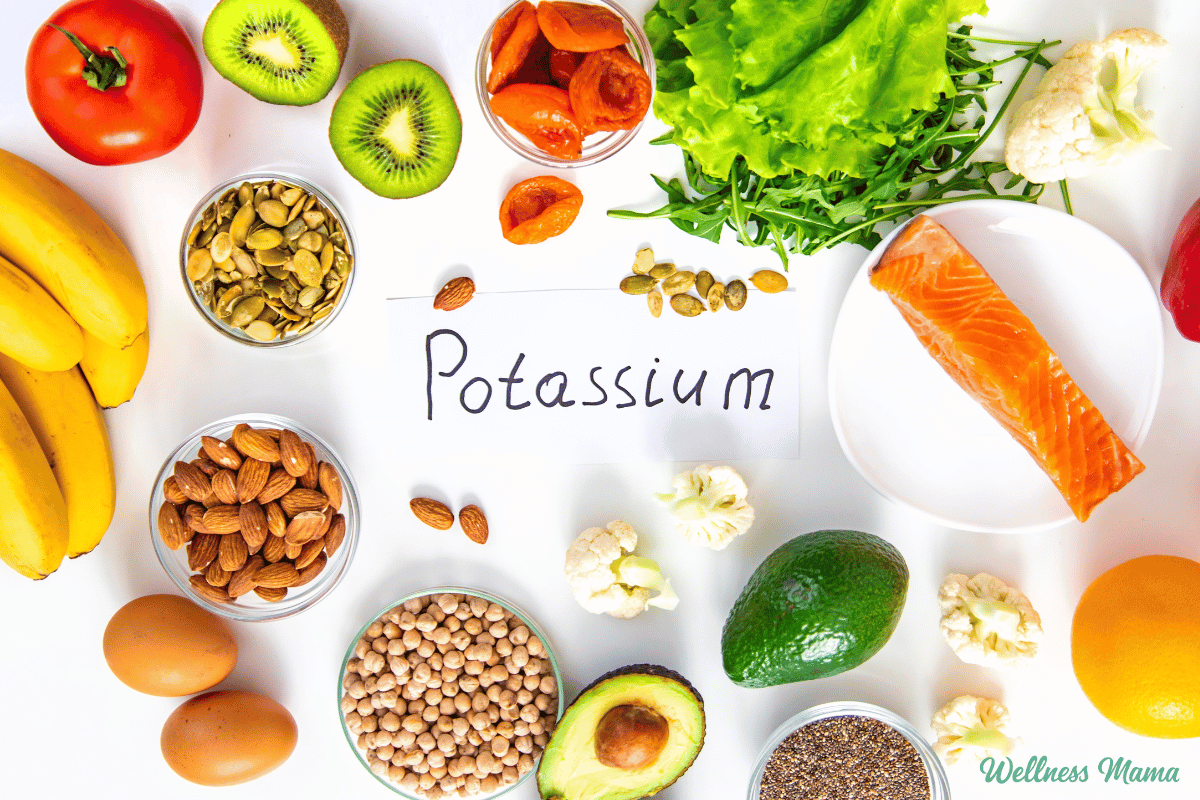
Best Food Sources of Potassium

Many whole foods have potassium, we just have to prioritize eating them. Some of the richest sources include: 

  • Potatoes and sweet potatoes
  • Avocados
  • White beans
  • Coconut water
  • Leafy greens and spinach
  • Citrus fruits and melons
  • Squash
  • Tomatoes
  • Salmon
  • Beets
  • Kiwi
  • Pomegranate

Most of us think of bananas, but they have less potassium compared to many of the above foods… even though they tend to get all of the credit.  

I prioritize potassium-rich foods seasonally whenever possible. During warmer months, I naturally crave more hydrating foods like fruit and coconut water, especially after workouts or sauna sessions. In colder months, I tend to rely more on root vegetables and warming meals. I’ve found that simply increasing these foods consistently can make a noticeable difference in energy and hydration.

A Note About Potassium Supplements

While I prioritize potassium rich foods, I also add some supplemental potassium. Let me give an important caveat here though. 

When it comes to adding extra magnesium and sodium into our diet, most of us can tolerate fairly large amounts. On the other hand, potassium levels more rapidly shift and too much can be dangerous. These symptoms can range from muscle weakness and heart palpitations to serious heart problems.

Over-the-counter potassium supplements contain relatively small doses and are tightly controlled. Since potassium affects heart rhythm and electrical signaling, balance matters much more than taking large amounts.

I prefer to start with food first and use LMNT electrolytes as needed for balanced mineral intake. Then if I feel like I need some more, I’ll take a potassium supplement. As always, this is highly individualized, and it’s important to pay attention to how your own body responds.

Potassium and the “Electrical Body”

One concept I keep coming back to is the idea that the body is fundamentally electrical. Minerals aren’t just nutrients in the traditional sense. They help create the electrical environment that lets our cells communicate.

Potassium plays a major role in maintaining that stable electrical environment. When levels are good we have more steady energy, calmer nerve signaling, more stable blood sugar, smoother muscle function, and balanced hydration. When levels are too low, we instead start to feel overstimulated yet exhausted at the same time.

It’s one reason why people often notice huge improvements when they finally address mineral deficiencies. Sometimes what feels like chronic stress or low energy may partly be the body struggling to maintain electrical balance at the cellular level.

Final Thoughts on Potassium

The deeper I dive into mineral health, the more convinced I am that potassium is one of the most underrated nutrients in modern wellness. It affects nearly every system in the body, from the nervous system and hormones to digestion, blood sugar, and energy production. Yet most people get far less than the body needs. Especially in today’s high-stress, highly processed modern environment.

For me, focusing on potassium alongside sodium and magnesium was one of the most noticeable foundational shifts I’ve made for my health. I noticed feeling calmer, more energized, and more resilient overall. While potassium isn’t a magic fix, the body functions remarkably better when we give it the minerals it needs.

Do you try to get potassium in your diet? What are some ways you try to get enough? Leave a comment and let us know!

Tags:
What is a toner and should I be using one? – The Irish News

What is a toner and should I be using one? – The Irish News

‘Toner’ is one of those buzzwords you hear when experts discuss basic beauty routines, but what it actually does is often skimmed over.

An exfoliant? A hydrating treatment? A pore-minimiser? It could be all and none of these. Once considered a harsh, alcohol-soaked skincare step that left skin feeling tight and squeaky clean, toner has undergone something of a beauty rebrand over the past couple of years.

Today’s formulas promise everything from hydration and barrier support to glow-boosting exfoliation and oil control – but with skincare routines already packed full of serums, acids and actives, are they essential in a simple skincare routine?

Toners have evolved from alcohol-heavy formulas and are becoming more integral, experts say (Alamy Stock Photo)

What exactly is a toner?

“Toners have evolved massively,” says clinical facialist Kate Kerr.

“Years ago, they were often alcohol-heavy formulas designed to strip away oil after cleansing, which is where a lot of the confusion and fear around toners still comes from.”

Traditional toners were largely used as a final cleansing step – particularly back when cleansers were heavier and less sophisticated. But modern formulations have become far more treatment-focused.

Aesthetician Nina Prisk, founder of Update Aesthetics, explains that many toners are now designed to “hydrate, soothe, gently exfoliate or support the skin barrier, depending on the ingredients used”.

Rather than simply removing oil, toners are increasingly being used to prepare the skin for the rest of a routine.

Kerr says she primarily uses toners as “a preparation step” to remove excess oil and dead skin cells, helping other products penetrate more effectively.

Brightening toner:

Naturium Multi-Bright Milky Toner, £19, Space NK

Does everyone need a toner?

This is where expert opinions begin to differ slightly.

Kerr believes toners can benefit almost everyone, noting, “for those with dry skin, toners can help rebuild the barrier and hold moisture.

“For oilier skin types, you have that extra degreasing and exfoliation step that helps with oil control.”

She also says that mature skin can particularly benefit from hydrating or exfoliating toners because natural cell turnover slows with age.

Prisk, however, sees toner as more of an optional extra rather than an essential step.

“A good cleanser, moisturiser and SPF are still the foundations of a skincare routine,” she says.

That said, she agrees the right formula can be useful for specific concerns, particularly dehydration, congestion or excess oil.

Ultimately, experts say toner should never be viewed as a one-size-fits-all product. The formula – and the ingredients inside it – matter far more than the category itself.

Barrier repair/hydrating toner:

Dr.Jart+ Ceramidin Skin Barrier Serum Toner, £35, Cult Beauty

What can toner actually help with?

According to both experts, modern toners can genuinely support hydration, mild exfoliation, oil balancing, deal with dullness, congestion and even help the products applied afterwards absorb more effectively into the skin.

Ingredients such as hyaluronic acid, niacinamide and gentle exfoliating acids can all be beneficial depending on the concern you’re targeting.

But there are still plenty of exaggerated claims surrounding toners.

“Pores don’t physically open and close,” Kerr explains, “and a toner alone isn’t going to cure acne or rosacea”.

Prisk agrees that promises to “shrink pores” or dramatically transform skin are often overstated.

“Toners are supportive products rather than miracle solutions,” she says.

Gentle exfoliating toner:

The Ordinary Glycolic Acid 7% Exfoliating Toner, £11.90

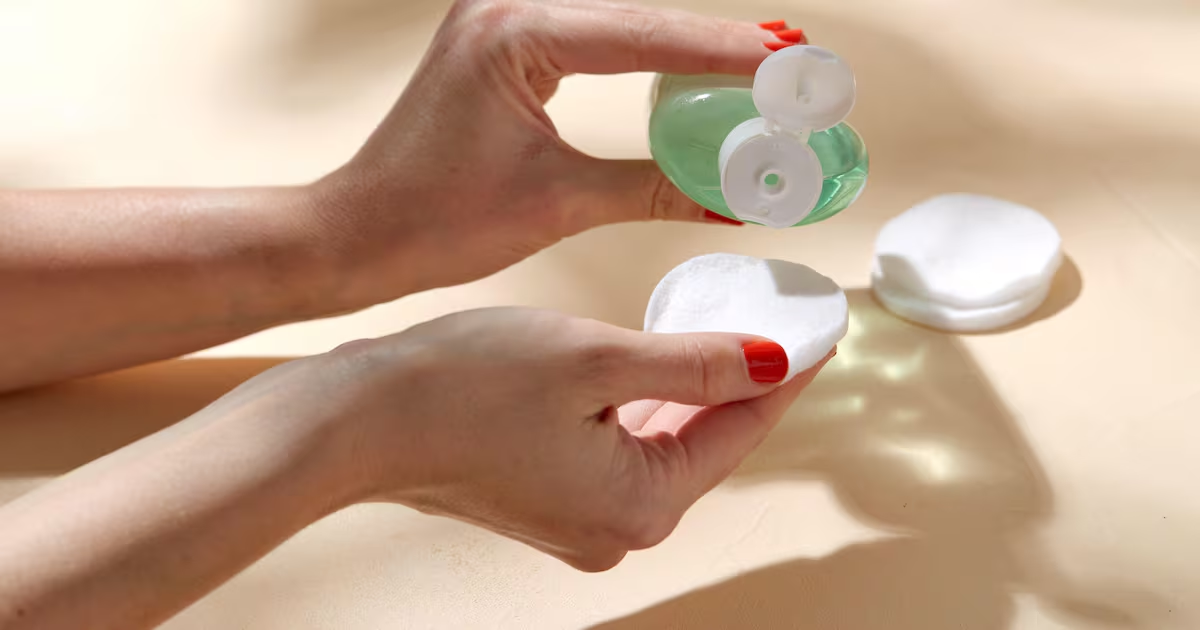
Should toner be applied with hands or cotton pads?

Again, this largely comes down to the formula.

“In my clinic we apply toner with cotton pads using small circular motions,” says Kerr, explaining this can aid the exfoliation process.

Hydrating toners, meanwhile, are often better patted into the skin with clean hands or even misted directly onto the face.

Prisk tends to favour hands over cotton pads where possible.

“This avoids unnecessary product wastage and can be gentler on the skin barrier,” she explains, particularly for sensitive skin types.

However, exfoliating formulas may still benefit from the precision and even distribution a cotton pad provides.

Exfoliating toner pads:

Medicube Zero Pore Pad 2.0, £24, Look Fantastic

Can exfoliating toners be overused?

This is one area where experts urge caution when using toners in your skincare routine.

Kerr believes exfoliating toners can safely be used daily, arguing that skin naturally sheds every day and that exfoliation helps support healthy cell turnover.

But Prisk warns over-exfoliation is increasingly common – especially when people combine toners with retinol, acids and other active ingredients.

“Signs you may be overdoing it include redness, tightness, irritation and increased sensitivity,” she says.

For many people, using exfoliating toners just a few times a week may be enough.

So, should you keep toner in your routine?

If you’re trying to streamline your skincare routine, toner is often one of the first products people question.

Prisk says she would usually prioritise cleanser, moisturiser and SPF first.

“Toners can absolutely have benefits, but they are generally more of an additional or supportive step,” she says.

Kerr, however, offers a differing opinion.

“Toner is a really important product to keep in your routine,” she states, arguing that it helps control oil, supports hydration and improves the penetration of other skincare products.

In reality, the answer probably sits somewhere in the middle.

A toner isn’t necessarily essential – but the right one can elevate a routine significantly, particularly if you’re targeting specific skin concerns.

The key is choosing a formula that supports your skin rather than stripping it – something modern toners, thankfully, have become far better at doing.

Skin-balancing toner for everyday:

Paula’s Choice Skin Balancing Pore-Reducing Toner, £29

Tags: , ,
Dermata Opens a New Chapter with the Release of Tome Skincare

AV Laboratories, Founded by Pioneers of IVF Solutions, to Launch Fertility Clinic Program Featuring Its Award-Winning Skincare at ESHRE 2026 in London

The science-led skincare company will host in-booth experiences showcasing its patented AVL SOM3® technology, offering product sampling and education, and introducing its new Fertility Clinic Skincare Program, a partnership designed to help fertility practices support women’s holistic skin wellness before, during, and after treatment.

LONDON–(BUSINESS WIRE)–$IBB #AVLSOM3–AV Laboratories, a science-led skincare company founded by pioneers in IVF solutions, regenerative medicine, and stem cell therapy, today announced it will exhibit at the 42nd Annual Meeting of the European Society of Human Reproduction and Embryology, ESHRE 2026, taking place in London from 5 – 8 July 2026. The company will welcome clinicians, embryologists, fertility specialists, researchers, partners, and industry participants at Booth A22.

“ESHRE is deeply personal for us because this is the community that shaped our scientific foundation,” said Ami Mezezi, CEO and Co-Founder of AV Laboratories. “Our work in IVF taught us how profoundly cellular health, precision, and care matter. With AV Laboratories, we are bringing that same philosophy into skincare, helping women feel supported through some of the most important and sensitive stages of their lives.”

At ESHRE 2026, AV Laboratories will present its award-winning skincare portfolio and a new vision for women’s skincare, one that connects reproductive science, cellular health, and skin longevity through a more holistic understanding of how skin’s needs change over a lifetime. By returning to the IVF community, AV Laboratories aims to open a new conversation around how fertility and women’s health providers can support not only clinical outcomes, but also the everyday confidence and wellbeing of the women they serve.

“We can’t keep separating these experiences into different categories anymore. Women’s health and skincare should be viewed as part of one connected journey,” Jessica Martin, Director of Corporate Communication at AV Laboratories. “As a mom of two, I remember how important it was to feel confident in the products I used, especially while breastfeeding. During that stage of life, you think carefully about everything, what you eat, what you use, what touches your skin. We want to make at least one part of that journey feel simpler by creating skincare women can genuinely trust.”

AV Laboratories’ portfolio is powered by AVL SOM3®, the brand’s patented molecular skincare technology designed to deliver precision nourishment to skin and support the key building blocks associated with younger-looking skin: collagen, elastin, and NAD+. “At AV Laboratories, we don’t formulate in isolation,” said Sylwia Pawlaczyk, COO and Master Formulator at AV Laboratories. “I spend a lot of time thinking about how we build the company around real clinical needs, not assumptions.” Dual-purpose formulations are designed for simple, effective routines, combining AVL SOM3® with clinical-grade actives that work with the skin to support hydration, barrier resilience, visible firmness, elasticity, radiance, and the appearance of smoother, healthier-looking skin.

“As both a dermatologist and a mother who had my two children through IVF, I understand firsthand how intentional women become about every choice during this journey,” said Dr. Dendy Engelman, board-certified dermatologist and Scientific Advisory Board Member at AV Laboratories. “Patients are making deeply personal decisions about what they put in and on their bodies, and they deserve skincare that feels clear, considered, and grounded in real science. What excites me about AV Laboratories is that it brings together breakthrough science, elegant formulation, and a true understanding of women’s needs, from IVF and motherhood to long-term skin longevity.”

At Booth A22, AV Laboratories will offer an educational experience designed around the brand’s journey from IVF science to molecular skincare, including:

  • Product sampling from the AV Laboratories skincare portfolio
  • Education on AVL SOM3® and its scientific foundation in IVF solutions
  • Information on the brand’s clinical testing, safety, transparency, and manufacturing excellence
  • A guided introduction to the brand’s clinical skincare program for fertility and women’s health practices
  • Conversations around how skincare can become part of a more holistic patient-support model
  • Meetings with the AV Laboratories leadership, including Sylwia Pawlaczyk, COO and Master Formulator, to discuss partnership opportunities, formulation questions, product launch strategy, and practical ways for clinics to introduce the skincare portfolio to their patients

AV Laboratories Fertility Clinic Skincare Program

For fertility practices, AV Laboratories’ clinical program is designed to be simple to introduce and easy to communicate to patients. The program gives clinics a way to offer science-backed skincare education, trusted product recommendations, and supportive wellness resources for women who may be more conscious of what they use during fertility treatment, pregnancy, breastfeeding, and beyond.

“Through my work with fertility clinics, I see how much trust patients place in their care teams,” said Nathalie Boonen, IVF and Medical Clinic Partnerships Expert.

“Women going through fertility treatment want guidance they can deeply rely on, in every aspect of their care, including what they can use on their skin. A thoughtful, science-backed skincare program gives clinics a simple way to meet that need and elevate the patients’ experience”

AV Laboratories invites ESHRE 2026 participants to visit Booth A22 to experience the brand’s skincare portfolio, learn more about AVL SOM3®, and explore partnership opportunities for fertility, women’s health, and clinical wellness.

To schedule a meeting with AV Laboratories during ESHRE 2026, participants are encouraged to contact the team in advance or visit Booth A22 during exhibition hours.

From pioneering IVF solutions to reimagining the appearance of skin aging

Before founding AV Laboratories, Ami and Monica Mezezi helped shape the IVF industry through their work at LifeGlobal. Founded by Monica, LifeGlobal pioneered single-step culture media for IVF, a breakthrough that contributed to changing the standard of care for fertility clinics around the world. LifeGlobal was acquired by CooperSurgical in 2018. Ami also co-founded EvolveGene, a genetic testing company focused on using molecular insights to support more informed, personalized health decisions, also acquired by CooperSurgical. In 2021, they founded CaseBioscience, a company developing technologies for regenerative medicine and stem cell therapy. At AV Laboratories, Ami and Monica draw on their deep experience in reproductive health, regenerative medicine, quality-controlled manufacturing, and cellular science to reimagine how we think about the appearance of skin aging.

About AV Laboratories

AV Laboratories is a science-led skincare company founded by pioneers in IVF solutions, biotechnology, molecular biology, stem cell research, and cellular science. The company develops advanced skincare solutions rooted in its patented AVL SOM3® technology, a molecular skincare complex inspired by decades of work in cellular nourishment, precision formulation, and women’s health. AV Laboratories is dedicated to helping skin look and feel healthier for longer through science-backed, clinically validated, and responsibly formulated skincare.

Contacts

Media Contact
Marlee Martinez

PR Contact

marlee@valleymade.co

Tags: , , , , , , , , , , , , ,
lemonade popsicles

Hibiscus Lemonade Popsicles Recipe

What’s better than an ice cold popsicle on a hot day? A nutrient-dense popsicle made with whole foods and healthy herbs! A few months ago I made mango golden milk popsicles, and recently I tried these hibiscus lemonade popsicles. 

They’re high in vitamin C and antioxidants, perfect for keeping the immune system strong. 

Immune System Support

Not so fun fact… according to Cleveland Clinic enteroviruses sicken more than 15 million Americans every year. And these types of viruses are much more common in the summer months. Public swimming pools, running around with the neighborhood kids, everyone touching the same baseball. There are plenty of reasons why kids still need immune system support all year long. And adults too! 

During cold and flu season I’ll sometimes make these elderberry popsicles. Really, they’re delicious all year round. But there’s something special and classic about an icy pitcher of lemonade in the summertime. These hibiscus lemonade popsicles have the same flavor, but with a fruity twist and in popsicle form. 

Lemon Benefits

Obviously, we need lemons to make lemonade popsicles. They’re naturally rich in vitamin C and flavonoids that are linked with various health benefits. The citric acid can increase urine pH and discourage kidney stones from forming. One study found those who ate more flavonoids had less risk of heart failure, ischemic heart disease, and stroke. 

Nutrient Rich Hibiscus

Hibiscus flowers are gorgeous with their huge, vibrant blooms. They’re also really good for you. They’ve been used traditionally for thousands of years to help cool the body and support the cardiovascular system. In some areas they’ve been used for coughs, sore throats, and upper respiratory congestion.

Hibiscus also helps with digestion and insomnia. Thanks to its high vitamin C and antioxidant levels it helps the immune system and overall cell health. Plus, hibiscus can help prevent urinary tract infections (UTIs) and may inhibit candida and fungal overgrowth. 

Cooling Rosehips

Rosehips are another herb I reach for when I need something high in vitamin C. They’re rich in flavonoid antioxidants and help nourish the body. Rosehips have a cooling and toning action on the body’s tissues, which is perfect for warm summer days. 

These herbal lemonade popsicles are a great way to cool off and stay healthy during the warmer months. But they taste delicious all year long. Here’s how to make them!

Hibiscus Lemonade Popsicles Recipe

  • Boil 3/4 cup of the water and steep the hibiscus and rosehips for 10 minutes. Strain and let cool to room temperature.

  • Add in the rest of the water, honey, and lemon juice and stir well to combine.

  • Pour the lemonade popsicle mixture into your popsicle molds and freeze for several hours or overnight until firm.

Nutrition Facts

Hibiscus Lemonade Popsicles Recipe

Amount Per Serving (1 popsicle)

Calories 49

% Daily Value*

Fat 0.03g0%

Saturated Fat 0.003g0%

Polyunsaturated Fat 0.002g

Sodium 4mg0%

Potassium 29mg1%

Carbohydrates 13g4%

Fiber 1g4%

Sugar 12g13%

Protein 0.1g0%

Vitamin A 122IU2%

Vitamin C 14mg17%

Calcium 8mg1%

Iron 0.1mg1%

* Percent Daily Values are based on a 2000 calorie diet.

  • Run some hot water over the outside of the mold for a few seconds to easily remove the popsicle.
  • The exact amount of popsicles you’ll get depends on the size of your popsicle molds.
  • If you like your popsicles more tart, then go for 5 Tablespoons of lemon juice.

What are some of your favorite ways to get more nutrition into your diet in fun ways? Leave a comment and let us know!

Tags: , , ,
Why April Rose Pengilly’s wedding fitness routine is going viral

Rose Pengilly: 16,000 steps a day, skin treatments and “bridal discipline”: Why April Rose Pengilly’s wedding fitness routine is going viral

Image credit: instagram/aprilrosepengilly/ Australian actor and model April Rose Pengilly has sparked a massive conversation online after sharing everything she did in the lead-up to her wedding. From walking 16,000 steps every single day to strength training, red light therapy, protein shakes and skincare treatments, her now-viral Instagram post has become part beauty diary, part fitness confession and part reality check.What made people stop scrolling was not just the glamour. It was the honesty.“Honestly, I have to do pretty much all of this regularly anyway,” she wrote, before listing an intense but carefully maintained routine that included RF microneedling, Hyperbaric Oxygen Therapy, cryotherapy, daily planks, vegetarian protein intake and even vein removal treatment.The internet reacted in two very different ways. Some called her a “real-life princess” and praised her discipline. Others wondered whether so much preparation is truly necessary before a wedding. One comment summed it up perfectly: “It’s so helpful for women to see that a lot of work goes into looking this polished.”And perhaps that is exactly why the post resonated. It peeled back the curtain on the modern “bridal glow.”

The 16,000-step routine that became the centre of attention

Among all the treatments and beauty appointments, one detail grabbed the most attention: April Rose Pengilly’s commitment to walking at least 16,000 steps every day.That is significantly higher than the commonly recommended 8,000 to 10,000 daily steps many health experts discuss.A major study published by the National Institutes of Health found that increasing daily step count was linked with lower mortality risk, especially among adults who maintained consistent movement habits. Another study from the Centers for Disease Control and Prevention (CDC) continues to recommend regular moderate physical activity for overall health and long-term disease prevention.Pengilly also admitted that an injury flare-up forced her to swap some workouts for a stationary bike. That small detail made the routine feel more grounded and realistic. It showed adaptation instead of perfection.She also mentioned doing four minutes of planks every day, calling it the exercise that “makes the biggest difference.” While planks are often underestimated, they help strengthen the core, posture and back muscles. Fitness trainers have long pointed out that consistency with simple movements often matters more than chasing extreme workouts.

A beauty routine built on maintenance, not magic

The skincare portion of Pengilly’s pre-wedding routine sounded almost clinical in detail. She continued using vitamin B, vitamin C, retinol, sunscreen and nightly LED mask therapy while also undergoing professional treatments including collagen remodelling RF microneedling, Laser Genesis and HIFU tightening procedures.While these treatments are popular in celebrity skincare culture, dermatologists often stress that no treatment replaces the basics: sun protection, hydration, sleep and consistency.Pengilly’s post reflected that idea. Most of what she mentioned was not a one-week crash transformation. It was upkeep.That distinction matters because social media often presents beauty as instant. In reality, many visible changes come from routines repeated quietly over months and years.Her honesty about treatments like vein removal on her legs also opened up a conversation people rarely have publicly. Cosmetic procedures are often discussed in whispers, especially around weddings. By naming them openly, she unintentionally highlighted how modern beauty standards are becoming more transparent, even if they are still incredibly demanding.

Vegetarian protein, supplements and the pressure to “look perfect”

Another part of her routine that struck a chord online was her focus on protein intake “as much as possible for a vegetarian,” along with two dairy-free protein shakes daily.Protein has become one of the biggest wellness conversations globally, especially among women increasing strength training.Still, Pengilly’s post also revealed the exhausting side of wellness culture. Every detail felt optimised. Hair conditioning schedules. Steam room sessions. Teeth whitening maintenance. Brow lamination. Cryotherapy. Nail appointments. Red light therapy.For many readers, the reaction was not jealousy. It was fatigue.One follower joked, “Before my wedding I took a shower and ate a pizza.” Another wrote, “Meanwhile he used one bar of soap for everything.”Those comments landed because they exposed the uneven expectations often placed on women before milestone events. Weddings, especially in the age of Instagram, can quietly become performance spaces where beauty, fitness and perfection are treated like full-time jobs.

The rise of “high-maintenance wellness” on social media

Pengilly’s viral post reflects a much larger shift happening online. Wellness is no longer just about health. It increasingly overlaps with aesthetics, recovery technologies and biohacking culture.That does not mean these routines are fake or ineffective. It simply means they exist at the intersection of wellness, luxury and appearance culture.And that is why Pengilly’s openness mattered. She did not pretend she woke up looking effortlessly radiant. She showed the labour behind the image.In many ways, the internet appreciated the transparency more than the perfection itself.

What people can actually take away from April Rose Pengilly’s routine

The most useful lesson from Pengilly’s wedding preparation is probably not the expensive treatments. It is the consistency underneath them.Daily movement. Strength training. Protein intake. Skincare discipline. Hair care maintenance. Sleep-supporting rituals like steam rooms and baths. These are habits repeated over time, not overnight hacks.But there is another important takeaway too: wellness should not become punishment.Not everyone needs 16,000 steps a day or multiple cosmetic treatments to feel confident. Health routines work best when they improve energy, mobility and mental wellbeing instead of creating constant pressure.The healthiest part of Pengilly’s post may actually have been the honesty. She admitted the work involved. She admitted the injury flare-up. She admitted these routines are ongoing, not magical.That honesty cut through the polished wedding photos and reminded people that beauty often comes with structure, discipline, money, time and support systems many viewers never see.And perhaps that is why the conversation around her routine keeps growing online.Disclaimer: This article is for general informational purposes only and does not replace professional medical, dermatological or fitness advice. Cosmetic procedures, supplements and intensive fitness routines should always be discussed with qualified healthcare professionals before starting.

Tags: , , , , , , , , , , , , ,
Γιατί το καλοκαίρι θέλουμε ceramides και όχι ρετινόλη

Γιατί το καλοκαίρι θέλουμε ceramides και όχι ρετινόλη

Photo by Daniel Zuchnik/Getty Images/Ideal Image

Το barrier-first skincare είναι η τάση που βάζει πρώτα την αντοχή της επιδερμίδας και μετά τα δραστικά συστατικά. Δεν λέει ότι η ρετινόλη, τα οξέα ή η βιταμίνη C δεν έχουν αξία. Λέει ότι αν ο δερματικός φραγμός είναι ερεθισμένος, αφυδατωμένος ή κουρασμένος, κανένα active δεν θα δείξει όπως πρέπει. Το καλοκαίρι, αυτή η λογική γίνεται ακόμη πιο σημαντική, γιατί η επιδερμίδα εκτίθεται σε περισσότερο ήλιο, ζέστη, ιδρώτα, θάλασσα, κλιματισμό και πιο συχνή χρήση αντηλιακού.

Διαβάστε Επίσης

Η ρετινόλη, σύμφωνα με τους δερματολόγους, μπορεί να χρησιμοποιηθεί και το καλοκαίρι, αλλά θέλει εξαιρετικά μεγάλη προσοχή. Σε πρόσφατο άρθρο του διεθνούς τύπου αναφέρεται ότι η χρήση ρετινόλης το καλοκαίρι είναι γενικά δυνατή, αρκεί να εφαρμόζεται σωστά, να υπάρχει καθημερινό SPF 30-50, επαναληπτική εφαρμογή αντηλιακού και αποφυγή χρήσης πάνω σε ερεθισμένο ή ηλιοκαμένο δέρμα. Άρα το θέμα δεν είναι “σταματάμε όλοι τη ρετινόλη”, αλλά “ακούμε το δέρμα μας”.

Γιατί οι γυναίκες στρέφονται σε ceramides

Τα ceramides είναι λιπίδια που υπάρχουν φυσικά στο δέρμα και συμβάλλουν στη λειτουργία του δερματικού φραγμού. Με απλά λόγια, βοηθούν την επιδερμίδα να κρατά την υγρασία της και να προστατεύεται καλύτερα από εξωτερικούς ερεθισμούς. Επιστημονική ανασκόπηση στο Journal of the American Academy of Dermatology αναφέρει τη σημασία των ceramides στη δομή και λειτουργία του δέρματος, αλλά και τη χρήση τους σε skincare προϊόντα.

Το καλοκαίρι, όταν το δέρμα μπορεί να τραβάει από τον ήλιο, να τσούζει από το αλάτι ή να αντιδρά από πολλά προϊόντα, τα ceramides είναι πιο χρήσιμα από ένα ακόμη δυνατό active. Μπαίνουν σε κρέμες, lotions και barrier creams και δουλεύουν ήσυχα, χωρίς να πιέζουν την επιδερμίδα.

Τι σημαίνουν “ζυμωμένα ceramides”

Τα fermented ή ζυμωμένα συστατικά είναι μέρος μιας ευρύτερης τάσης στην περιποίηση, όπου η τεχνολογία ζύμωσης χρησιμοποιείται για πιο εξελιγμένες πρώτες ύλες και πιο σύγχρονες φόρμουλες. Τα ceramides και τα lipids παραμένουν βασικά για barrier care, ενώ τα precision-fermented actives αναμένεται να επηρεάσουν το skincare.

Αυτό δεν σημαίνει ότι κάθε προϊόν με fermented ceramides είναι αυτόματα καλύτερο. Σημαίνει όμως ότι η αγορά κινείται προς πιο έξυπνες φόρμουλες που δεν στοχεύουν μόνο στη λάμψη, αλλά και στην αντοχή του δέρματος.

Διαβάστε Επίσης

Πώς να κάνεις barrier-first τη ρουτίνα σου

Το πρωί κράτησε τη ρουτίνα απλή: ήπιος καθαρισμός, ενυδατική με ceramides ή πανθενόλη, SPF. Το βράδυ, αν το δέρμα είναι ήρεμο, μπορείς να χρησιμοποιήσεις ρετινόλη, αλλά για να είσαι ασφαλής, ως beauty editor θα σου έλεγα να την αποφύγεις και να την αντικαταστήσεις ήδη με bakuchiol, λίγες φορές την εβδομάδα. Αν όμως τσούζει, ξεφλουδίζει ή έχει καεί από τον ήλιο, κάνε παύση και γύρισε σε barrier repair.

Το barrier-first δεν είναι βαρετό skincare. Είναι έξυπνο skincare. Γιατί το δέρμα που έχει καλό φραγμό δείχνει πιο φωτεινό, πιο ήρεμο και πιο υγιές – και τελικά αντέχει καλύτερα τα δραστικά όταν επιστρέψεις σε αυτά.


Οι πιο πρόσφατες Ειδήσεις

Διαβάστε πρώτοι τις Ειδήσεις για τάσεις και νέα στη Μόδα, Celebrity και Gossip News στο missbloom.gr

Tags: , , , , , , ,
How To Choose Vitamin C Serum For Different Skin Types?

How To Choose Vitamin C Serum For Different Skin Types?

Vitamin C serums have earned their place in just about every skincare conversation. But walk into any store or scroll through any skincare page and you’ll find dozens of options, all claiming to be the best. The truth is, the right vitamin C serum isn’t the same for everyone. What works brilliantly for oily skin can feel irritating on sensitive skin, and what suits dry skin might feel too heavy for combination.

Picking the wrong one is not only a waste of money, but it can also affect your skin’s health. A well-formulated vitamin C serum for skin care paired with a good vitamin C moisturizer makes the whole routine work harder, but getting the serum right for your skin type is where it all starts.

Here’s how to make that call.

Before we get into skin types, let’s look at the benefits of Vitamin C and what it actually does to your skin when used regularly:

● Brightens skin tone: Interrupts melanin production and gradually shifts dull, uneven skin to a more radiant baseline.

● Fades hyperpigmentation: It does diminish your dark spots and any post-acne markings, as well as any sun damage over time.

● Stimulates collagen production: Helps maintain skin firmness and reduces the obvious indications of aging.

● Protects from environmental damage: Neutralises free radicals from UV radiation and pollutants before they can cause permanent harm.

● Improves overall skin texture: Regular application will result in a smoother, clearer, and more even skin tone and texture.

Pro Tip: A mattifying Vitamin C serum handles excess oil and brightens acne scars in one step, two concerns, one product.

Dry skin responds well to Vitamin C, but the formula needs to bring some hydration to the table. When combined with active ingredients like hyaluronic acid, glycerin, or ceramides, a vitamin C serum for dry skin should have a significantly fuller texture. Magnesium Ascorbyl Phosphate is a particularly good fit here because it hydrates while it brightens.

Pro Tip: Layer your Vitamin C serum under a moisturiser immediately after application to seal in both the hydration and the active.

Sensitive skin and strong actives don’t always get along, which is why a vitamin C serum for sensitive skin needs to start low and go slow. Look for concentrations between 5% and 10%, stable derivatives like Ascorbyl Glucoside, and a completely fragrance-free formula with a minimal ingredient list.

Pro Tip: Always patch test on your jawline or inner arm before applying to your full face. A dermatologist-recommended vitamin C serum for sensitive skin is always better.

A lightweight, quickly absorbing composition with a modest concentration of 10% to 15% is effective. One should consider ingredients that address both the oilier and drier regions. Ingredients that target both the oilier and drier regions should be taken into consideration.

Pro Tip: For a little more focused effect, apply a bit extra serum to the drier or more pigmented parts of your face.

● Concentration: If you have sensitive skin and are a newbie, start with a concentration of 5% to 10%. For experienced users looking for stronger brightening results, 15% to 20% is more effective.

● Packaging: Always choose dark, airtight bottles. Vitamin C oxidises when exposed to light and air, which makes it significantly less effective.

● Colour & Smell: Fresh Vitamin C is clear or very lightly yellow. If your serum has turned dark orange or brown, it’s oxidised and won’t deliver the results you’re expecting.

● pH Level: For L-Ascorbic Acid to absorb properly, the formula needs a pH below 3.5. Check this before buying if you’re going for the more potent form.

● Step 1- Cleanse: Start with a gentle face wash on clean skin

● Step 2- Apply the Serum: 2 to 3 drops pressed gently into the skin. Morning is the best time for antioxidant protection throughout the day

● Step 3- Moisturise: Follow with your Vitamin C moisturiser to seal everything in

● Step 4- Sunscreen: Non-negotiable in the morning, Vitamin C and SPF together give your skin dual protection against pigmentation and UV damage

➔ Jumping straight to a high concentration before your skin is ready for it

➔ Mixing with Benzoyl Peroxide, they cancel each other out

➔ Skipping sunscreen after application, UV exposure undoes everything Vitamin C is working on

➔ Storing your serum near heat or in a clear bottle degrades the formula faster than you’d expect.

Vitamin C is one of those ingredients that delivers great results for you. The only thing is that you have to select the proper one for your skin. Choose a formula that suits your skin type. Begin with a modest concentration and watch how your skin reacts. Start with a little bit and see how your skin reacts. Bottom line: Be consistent and use SPF 50 sunscreen religiously. That combination is what makes a difference.

Tags: , , , ,
Nurturing the Skin and Body with Sigi's Culture-driven Sustainable Skincare

Nurturing the Skin and Body with Sigi’s Culture-driven Sustainable Skincare

Amidst the surge of modern skincare products boasting scientific claims, consumers are returning to treatments rooted in natural ingredients and tradition for skin health and physical balance. The global organic skincare market has reached approximately USD 47.71 billion, with projected growth of 5 to 9% through 2030, driven by consumer preference for natural ingredients free from synthetic chemicals. In Southeast Asia, the trend is more pronounced, with about 50 percent of consumers preferring natural or organic products and willingness to pay a premium for locally sourced and eco-friendly formulations..

In Thailand, the skincare industry in 2025 has reached approximately USD 3.18 billion and is anticipated to grow at a CAGR of around 5.34% to reach USD 5.04 billion by 2034. This expansion is fueled by the country’s rich biodiversity, spa tourism, and rising consumer demand for clean-label, eco-friendly products. Boutique enterprises and SMEs are embedding traditional Thai botanicals such as turmeric, jasmine, lemongrass, and rice bran oil into modern formulations, combining eco-friendly packaging with herbal wellness practices. These initiatives strengthen local wellness enterprises and  position Thailand as a regional hub for spa-driven organic skincare innovation.

Thailand’s women-led enterprises and boutique brands are expanding organic skincare production. Homegrown companies such as Panpuri, Siam Botanicals, and THANN exemplify this trend, creating plant-based, ritual-inspired formulations tailored to domestic and international consumers, while emphasizing eco-friendly packaging and cruelty-free practices. Together, these efforts demonstrate Thailand’s leadership in community-driven, sustainable skincare innovation, ensuring resilience in the wellness economy while preserving cultural heritage.

In Sigi Regency, Central Sulawesi, this trend finds its form in a deeply personal way, rooted in family history. From a humble village, Nelam Ayu Kusuma established Nelamayu Tradisional — a venture that revitalizes the self-care practices of Kaili women while creating economic opportunities based on culture and local ingredients.

From Kaili Women’s Tradition to Modern Skincare

The inspiration for Nelamayu Tradisional stems from a Kaili ritual known as nombungu. In this tradition, brides-to-be undergo body and face treatments using natural ingredients, notably badabida, a type of scrub or mask made from black sticky rice used to smooth and brighten the skin while maintaining physical health leading up to a wedding.

“In the past, badabida was used by brides; their faces were covered with a scrub made from black sticky rice. That is an old tradition of Kaili women,” said Nelam. Originally a simple powder, Nelam modernized badabida into a body scrub to make it more accessible for general use.

Alongside this, she produces bada kumba, a traditional cooling powder used for babies and children. Its origins trace to Nelam’s grandmother, a village herbalist who crafted cooling powders from natural materials — rice, turmeric, ginger, and local leaves — to care for infants and treat fevers and skin issues during a time when medicine was hard to access. These practices remained alive within the family, inherited across generations.

For Nelam, traditional skincare is not just about aesthetics — her personal experience solidified that belief. Before starting her business, she developed a lump in her breast. Her grandmother suggested using badabida made from black sticky rice. “I was advised to rub the area with badabida regularly. I used it for about two months before I got married, and thankfully, the lump disappeared,” Nelam shared.

This experience led her to study the benefits of her ingredients more deeply. Black sticky rice is known to help improve blood circulation, while turmeric and Javanese ginger possess anti-inflammatory properties. She became convinced that these products are for maintaining the overall health of the skin and body.

Nelam began selling her products in 2018, initially to brides. Gradually, testimonials arrived from users reporting improvements in dry or peeling skin and even relief from irregular menstrual cycles after regular use of badabida on the abdominal area. While these products have not yet undergone comprehensive laboratory trials, the benefits felt by users became the foundation for the business’s growth.

 Sustainable Local Supply Chains While Meeting Modern Standards

As the business grew, new challenges emerged — specifically how to maintain traditional authenticity while meeting modern safety and regulatory standards. Since all raw materials consist of spices and natural foods without synthetic chemicals, Nelam pursued hygiene certificates for household supplies rather than manufactured cosmetics.

The supply chain involves local farmers as well. Nelam collaborates with black sticky rice farmers in the West Dolo region of Sigi, absorbing up to 25 kilograms of rice per purchase — providing a consistent buyer for a harvest that has seen declining interest due to market uncertainty. Nelamayu Tradisional further minimizes production waste through a circular model: residual ash from the roasting process is repurposed as household scouring powder, and rice bran from milling is returned to farmers as animal

A turning point occurred when Nelamayu Tradisional joined the incubation program in 2023 held by  Gampiri Interaksi. Through six months of intensive mentoring, the business received comprehensive support ranging from institutional strengthening and licensing to innovative product development and marketing strategies. “Our mentoring focuses on nature-based downstreaming. We want to ensure products like Nelamayu Tradisional can grow economically without sacrificing cultural and environmental values,” said Nedya Sinintha Maulaning, a representative of Gampiri Interaksi.

The support also expanded market access, with Gampiri connecting Nelamayu Tradisional to 20 potential partners during Business and Partnership Matching events at the 2023 Festival Lestari.

Preserving Traditions While Increasing Restorative Economy Impact

Currently, Nelamayu Tradisional products are marketed online through various digital platforms and offline through resellers and local partners. The distribution network spans Sigi, Palu, Parigi, Poso, and Morowali, and the products are beginning to enter homestays and hotels as amenities, including trials in hotel chains like Aston and several local inns.

Nelam felt the impact directly. “Before the incubation, my monthly income was around IDR 1 million to 2 million. After the mentoring and product development, it can now exceed IDR 5 million per month,” she noted. Innovations like coffee masks have further expanded her market reach.

According to Nedya, this is a tangible form of restorative economy. “When the environment is protected, natural resources are used wisely, and local communities are directly involved, economic recovery happens naturally. Income rises, culture stays alive, and nature is not exploited,” she explained.

Nelam holds a long-term vision aligned with these principles. She hopes Nelamayu Tradisional can be recognized nationally and internationally as a signature natural beauty brand from Central Sulawesi. “I want this product to be known not just for the results on the skin, but for its story about women, tradition, health, and a connected environment,” Nelam said.

From a simple production kitchen in Sigi, the self-care traditions of Kaili women prove that when the environment is restored and local knowledge is valued, community prosperity can grow sustainably.


Source: PRecious Communications

Tags: , , , , , ,
Niacinamide Or Vitamin C

Niacinamide And Vitamin C: Can You Use Them Together?

Niacinamide and Vitamin C have become staples in skincare routines, ranging from serums to moisturisers. A long-standing skincare myth suggests that the two ingredients should not be mixed. However, modern formulations allow both ingredients to work well together and may even improve overall skincare results.

What is niacinamide?

Niacinamide controls excess oil production | Image: Freepik

It is a form of Vitamin B3 that is commonly used in skincare products. It is used to control excess oil, reduce redness and improve overall skin texture. According to the Cleveland Clinic, it also helps strengthen the skin barrier and improve the skin’s hydration level. Many people use niacinamide to calm sensitive skin and reduce the appearance of enlarged pores.

Benefits of using niacinamide

Supports skin barrier

It helps enhance the skin barrier. According to the Cleveland Clinic, this ingredient helps lock moisture in and keep pollutants or other potential irritants out, making the skin more hydrated and less sensitive.

Reduces the appearance of pores

Niacinamide helps reduce the appearance of pores in a few ways. By strengthening the skin barrier and improving elasticity, pores appear less noticeable and more even.

Reduces wrinkles and fine lines

According to an expert, using Niacinamide helps reduce the appearance of fine lines and wrinkles by boosting collagen production, which improves elasticity, and by supporting a healthy skin barrier that keeps skin hydrated and plump.

Also Read: Rice Water Or Coconut Water, Which Hair Growth Remedy Works Better

What is Vitamin C?

Vitamin C improves uneven skin tone | Image: Freepik

Vitamin C is a powerful antioxidant which is widely used in skincare products for brightening and protecting the skin. Experts say that it helps in reducing dark spots, improving uneven skin tone and protecting the skin from environmental damage which is caused by pollution and sun exposure. According to Harvard Health, antioxidants like vitamin C help fight radicals that contribute to skin damage and ageing.

Benefits of using Vitamin C

Brightens skin

Vitamin C inhibits excess melanin production, which helps diminish dullness and give the skin a glowing complexion.

Fades hyperpigmentation

Using Vitamin C lightens dark spots, age spots, and acne scars to create a more even skin tone.

Boosts collagen

According to Harvard Health, Vitamin C helps stimulate the skin’s natural collagen. This helps improve firmness and reduce the appearance of fine lines and wrinkles.

Can they be used together?

Skincare experts say yes. Earlier, combining the two ingredients was considered futile because studies suggested that it reduced their effectiveness. Modern skincare products are formulated differently and are generally considered safe to use together. According to Healthline, many dermatologists believe niacinamide and vitamin C can complement each other when included in a skincare routine properly.

Benefits of using them together

Using Vitamin C and niacinamide offers multiple skincare benefits, including:

Brighter-looking skin

Using both serums improves skin texture and makes it bright | Image: Freepik

Since niacinamide and Vitamin C both have skin-brightening factors, using them together improves skin texture, and it helps the skin to more bright and fresh.

Reduced pigmentation and dark spots

Both ingredients target hyperpigmentation but in different ways. Vitamin C inhibits the enzyme that produces pigment, while Niacinamide prevents that pigment from transferring to skin cells.

Better hydration

Niacinamide and Vitamin C keep the skin hydrated | Image: Freepik

Niacinamide helps the skin retain moisture and strengthen its protective barrier, which can help soothe the potential irritation sometimes caused by acidic Vitamin C.

How to use them in a routine?

Skincare experts suggest applying vitamin C after cleansing because it is commonly used as an antioxidant serum during the daytime. Meanwhile, niacinamide can be layered afterwards along with a moisturiser or a sunscreen. A basic skincare routine including Vitamin C and niacinamide should look like this:

Cleanser
Vitamin C serum
Niacinamide serum
Moisturiser
Sunscreen

Also Read: Why Skin Flooding Is Trending In Beauty

Who should be careful?

The combination is considered safe, but experts suggest doing a patch test before trying new skincare products that may contain either of the ingredients. People with sensitive skin should introduce active ingredients slowly in order to avoid irritation. According to the American Academy of Dermatology, introducing too many ingredients may cause the skin to feel dry or sensitive skin might feel irritated.

Tags: ,
Best oLive
Privacy Overview

This website uses cookies so that we can provide you with the best user experience possible. Cookie information is stored in your browser and performs functions such as recognising you when you return to our website and helping our team to understand which sections of the website you find most interesting and useful.