Bored Panda

The Top 5 Celebrity Skin Routines Ranked By Popularity With An Unexpected Blowout Winner

Celebrity skincare routines have officially taken over the beauty world.

Fans have been dissecting every product and every step in the hopes of recreating that red carpet–ready skin at home.

The skincare brand Skinara set out to rank the most in-demand celebrity skincare routines. They found that millions of people are obsessively searching for the secret behind the flawless-looking skin that stars like Kim Kardashian and Hailey Bieber have.

But when the results came in, the top spot for the most searched celebrity skincare routine went to someone unexpected.

Image credits: Karolina Grabowska/Unsplash

The Skinara May 2026 report analyzed 25 different celebrities known for high-interest skincare routines.

The “total online interest” was defined as the combined level of public curiosity and media attention around each celebrity’s skincare routine. 

It includes two metrics: the estimated monthly Google search count for each celebrity’s skincare routine and the number of times media outlets covered that celebrity’s skincare or skincare routine.

Experts at Skinara explained that the data most likely shows the “curiosity” that social media users have about celebrity skincare routines and does not necessarily translate to “consistent behavior.”

“High search volume means people are interested in learning about a celebrity’s routine, but it does not prove that they are actually following it every day,” a representative for Skinara told Bored Panda.

“Many people may search because they admire the celebrity’s appearance, want product ideas, or are curious about expensive or unusual skincare habits,” they continued.

Image credits: Nataliya Melnychuk/Unsplash

While these routines are racking up millions of searches, the skincare experts behind the study warned that they may be setting the bar a little too high for some people.

“Most people following these celebrities do not have the same lifestyle, budget, or access to estheticians, professional treatments, makeup artists, lighting, editing, and expensive skincare products,” they said. 

They also highlighted a noticeable gap between celebrity-endorsed routines and what dermatologists would typically recommend. 

Skinara explained that celebrity routines can include “good skincare habits, but they may also be more “generic” and sometimes “more expensive or product-heavy than what a dermatologist would usually recommend.”

“Dermatologists typically focus on routines that are tailored to a person’s skin profile and specific concerns,” they added. In contrast, celebrity routines may feature luxury products, sponsored items, or treatments that may not be suitable or accessible to other people.”

Here are the top 5 celebrity skincare routines ranked by total online interest:

Routine Style: Hydration + slugging glowTotal interest: 19KSkincare brand: CécredBrand’s Instagram followers: 554KBeyoncé has been building her own beauty empire, with over half a million people keeping tabs on her beauty brand Cécred.The Grammy winner’s personal skincare routine is based on her products and deep hydration. And let’s just say it’s not for the lazy.Her routine is slightly more complicated, in comparison to the celebrity who is number one on this list.It includes cleansing, exfoliating, toning, applying serums for specific concerns, eye creams, and daily application of sunscreen (SPF 30+).“It’s great to see sunscreen finally being recognized in the cosmetic industry and among celebrities,” Dermatology expert Ada Hathway at Skinara said.

© Photo: beyonce

Routine Style: Simple men’s grooming Total interest: 36.4KSkincare brand: Papatui Men’s groomingBrand’s Instagram followers: 128KDwayne “The Rock” Johnson stands out as the only male celebrity on the list, reflecting how few men are setting the bar in skincare. Nevertheless, his routine is pulling some serious interest online, with 36,400 searches every month and a growing fan base for his grooming brand, Papatui, which boasts over 128,000 Instagram followers.The actor and professional wrestler keeps his skincare routine simple and clear, starting with a deep wash of the face each day. Next on the routine is a toner, and finally, a moisturizer, according to Skinara. It’s all about doing the basics right.

© Photo: therock

Routine Style: “Glazed donut” trendTotal interest: 11.4KSkincare brand: Rhode Skin Sold to e.l.f. for $1B Brand’s Instagram followers: 4.1MHailey Bieber’s influence online is undeniable, with her skincare routine ranking fifth on Skinara’s list.Her 9-minute skincare video for Vogue alone has racked up over 3 million views on YouTube. Moreover, her cosmetics brand, Rhode Skin, was so successful that she sold it for $1 billion to e.l.f . last year.Hailey described her current method as “no-nonsense beauty,” naming sunscreen, concealer, and minimal makeup as her go-to skincare approach. She had declared 2022 as the year of the “glazed skin,” promoting the concept for her then-upcoming line, Rhode Beauty. The unlikely source of inspiration for the concept was the glazed donut, and the aim is to achieve youthful, glazed-looking skin.

© Photo: haileybieber

Routine Style: 9-step luxury system Total interest: 68.2KSkincare brand: SKKN by Kim Brand’s Instagram followers: 5.4MComing in second place, Kim Kardashian proves that when it comes to skincare, more is really more. With a massive 5.4 million followers keeping up with her brand SKKN, it’s clear people are invested in her signature glow.Unlike simpler routines, Kim’s regimen is a full 9-step process. Think cleanser, toner, oil drops, eye cream, and more, thus being both meticulous and high-maintenance.Of course, that level of luxury comes at an expensive price. Using only SKKN products, her routine can cost more than $600. But for those not ready to spend that kind of cash, there are budget-friendly ways to recreate her glow for closer to $100, Skinara said.

© Photo: kimkardashian

Routine Style: SPF-first, anti-aging glowTotal interest: 2.2MSkincare brand: TotyBrand’s Instagram followers: 158KTaking the top spot on Skinara’s list, Sofía Vergara’s routine is all about minimal effort and maximum glow.While others pile on serums and complicated steps, the Modern Family star is keeping it refreshingly straightforward. And it has certainly paid off. Her skincare routine has generated a whopping 2.2 million searches online.As she pays attention to her face every day, thestar’s main secret is putting SPF first, which prevents premature aging caused by UV exposure. By putting sun protection front and center, she’s tackling one of the biggest causes of aging before it even starts.Her skincare brand, Toty, has a fan base of 158,000 followers on Instagram, who believe in her philosophy of skincare not having to be complicated, just smart.“Protecting the skin from UV damage is one of the most effective ways to prevent premature aging and preserve long-term skin health,” Ada Hathway said.“Many people skip this step because they use it only under scorching sun or when sunbathing,” she continued, “but it’s a perfect everyday tool for those who care about their skin.”

© Photo: sofiavergara
Tags: , , , , , , , ,
Why skincare enthusiasts are loving rice bran

Why skincare enthusiasts are loving rice bran

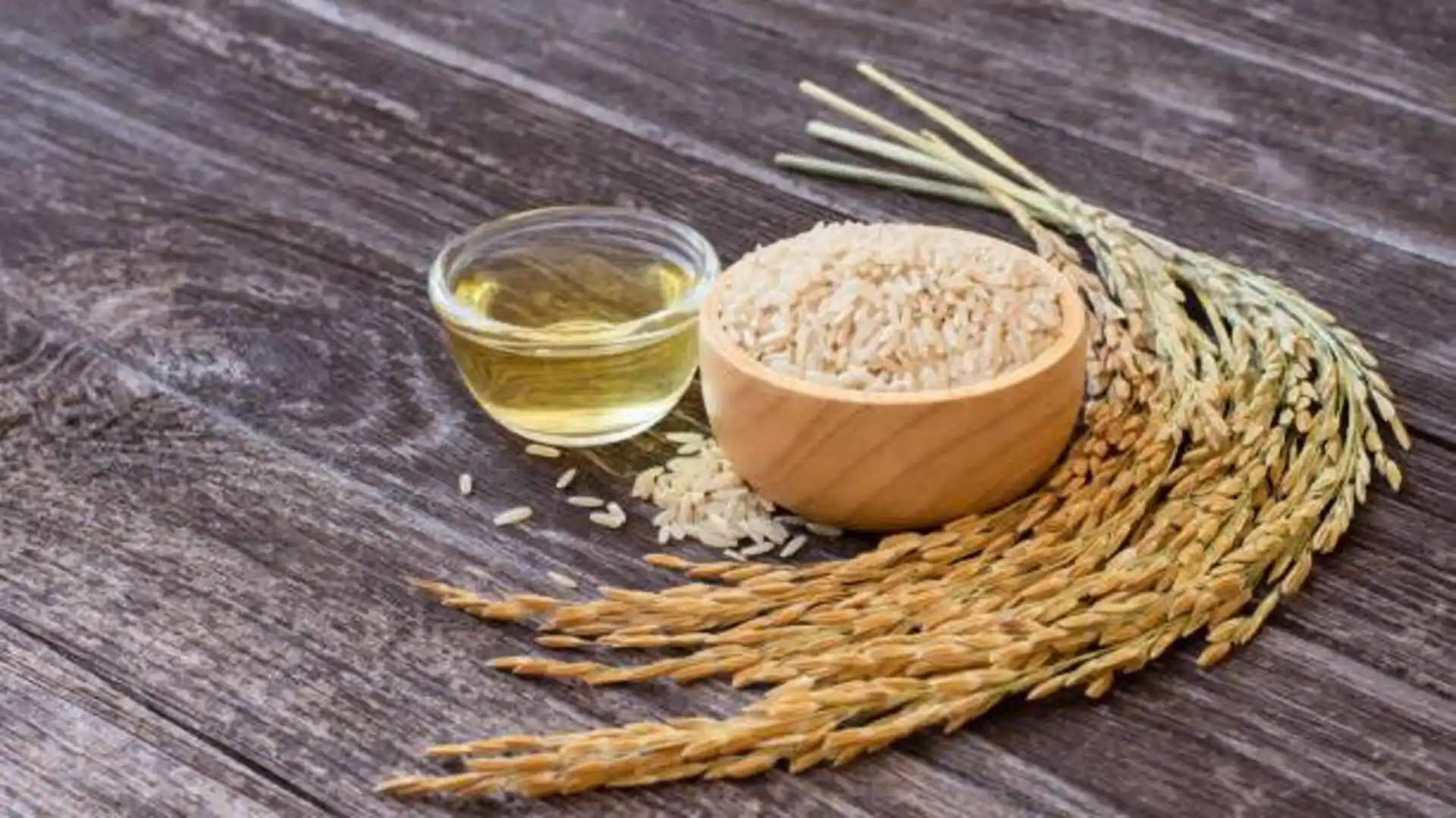
Rice bran is loaded with antioxidants

What’s the story

African rice bran is making waves in the skincare world for its natural benefits.
Extracted from the outer layer of rice grains, this ingredient is packed with antioxidants and nutrients that can help you achieve smoother skin.
Used in traditional African skincare routines for centuries, it is now gaining popularity globally.
Here is how you can use African rice bran to improve your skincare routine.

Rich in antioxidants

African rice bran is loaded with antioxidants, such as vitamin E and ferulic acid.
These antioxidants help fight free radicals that cause skin aging and damage.
By adding products with African rice bran into your routine, you can protect your skin from environmental stressors and keep it looking youthful.
Regular use may also help reduce the appearance of fine lines and wrinkles.

Natural exfoliant properties

The gentle exfoliating properties of African rice bran make it an ideal ingredient for removing dead skin cells without irritating the skin.
Its natural grit helps slough off impurities, revealing a smoother complexion underneath.
Using scrubs or masks with this ingredient can improve skin texture over time, making it feel softer and more refined.

Moisture retention benefits

African rice bran is known for its ability to retain moisture in the skin. It forms a protective barrier that prevents water loss, keeping your skin hydrated throughout the day.
This is especially beneficial for those with dry or sensitive skin types who need extra hydration support.
Incorporating products with this ingredient can lead to visibly plumper and more elastic skin.

Soothing anti-inflammatory effects

Thanks to its anti-inflammatory properties, African rice bran is a great choice for those with irritated or inflamed skin conditions, such as eczema or rosacea.
It calms redness and irritation while promoting overall skin health.
Using it regularly can bring about a noticeable reduction in inflammation-related symptoms, giving you a calmer complexion.

Tags: , , , ,
Hindustan Times News

K-Beauty doesn’t always work for Indian skin: Dermatologist explains how to safely adapt Korean skincare trends

Korean skincare has gained massive popularity worldwide, with terms like glass skin, skin flooding, and 10-step routines becoming part of everyday beauty conversations. From sheet masks to snail mucin and fermented ingredients, Korean beauty or K-beauty, promises glowing, hydrated, flawless skin. But an important question remains: Are Korean skincare trends truly suitable for Indian skin? The answer is not a simple yes or no.

Is Korean skincare better than Indian skincare? (Adobe Stock)

Tavishi Dogra is a health and wellness journalist with over eight years of experience in the field of health and wellness journalism. She knows how to explain complex health topics in a way that is easy to understand for many readers. Tavishi has written for respected publications like RSTV, Financial Express, Jagran, and Zee. She has a strong understanding of current health trends and social issues. Tavishi is dedicated to promoting holistic health and wellness solutions, which she shares in her articles about fitness, nutrition, and mental well-being. For more insights and updates on health, you can follow her work in the Hindustan Times.

Read moreRead less

“Skincare trends can be exciting, but healthy skin is not achieved by copying routines blindly. What works for one skin type or climate may not necessarily suit another,” Dermatologist Dr Nivedita Dadu of Dadu Medical Centre, tells Health Shots.

Indian and Korean skin are not the same

Skin concerns are shaped by genetics, climate, lifestyle, and environmental exposure. Korean skincare is largely designed around East Asian skin types and cooler, less humid environments. Indian skin, on the other hand, has its own unique characteristics.

Indian skin usually contains higher melanin levels, which provide some natural protection against sun damage but also make it more prone to pigmentation, tanning, melasma, and post-inflammatory hyperpigmentation.

This means even minor acne or irritation can leave behind stubborn dark marks. At the same time, many parts of India experience intense heat, humidity, pollution, and prolonged sun exposure, all of which significantly influence skincare needs.

Why does K-beauty appeal to so many?

One reason Korean skincare has become popular is its focus on prevention and hydration. Unlike harsh skincare routines that aggressively target flaws, K-beauty emphasises maintaining the skin barrier and supporting long-term skin health. Hydrating toners, lightweight essences, ceramide-based moisturisers, and sunscreen are often beneficial for many skin types, including Indian skin.

“Korean skincare introduced people to the importance of hydration and barrier repair, which are valuable concepts in dermatology,” says Dr Dadu. However, appreciating the philosophy does not mean every trend should be adopted without thought.

How to use Korean skincare trends safely?

Please note these pointers before trying anything on your own:

  • Many people attempt elaborate Korean routines seen online without understanding their own skin condition.
  • A 10-step routine may sound luxurious, but layering multiple products can overwhelm the skin, especially in India’s hot, humid weather. Excessive layering may lead to clogged pores, irritation, breakouts, or increased oiliness.
  • People with acne-prone or sensitive skin often make the mistake of experimenting with multiple active ingredients at once, assuming that more products mean better results.
  • In reality, overdoing skincare can compromise the skin barrier and trigger inflammation.

Pigmentation and acne need special attention

Another big differences between Korean and Indian skin concerns is the frequency of pigmentation disorders. Indian patients commonly struggle with melasma, tanning, acne marks, and uneven skin tone. While many Korean products prioritise glow and hydration, they may not always address these concerns effectively.

For Indian skin, ingredients such as niacinamide, azelaic acid, retinoids, vitamin C, and carefully prescribed pigmentation treatments often play a more central role. Similarly, acne management must be personalised. Viral skincare products promoted online may not suit acne-prone Indian skin and can sometimes worsen breakouts.

Sunscreen matters more than trends

If there is one skincare lesson Indian consumers should prioritise, it is sunscreen. Sun exposure remains one of the leading causes of pigmentation, premature ageing, and skin damage. While Korean sunscreens are often praised for their elegant textures, the most effective sunscreen is ultimately the one that suits your skin and is used consistently. “People chase trending products but neglect daily sun protection. No skincare routine can succeed without sunscreen,” Dr Dadu explains.

Keep skincare simple and personalised

Healthy skin does not depend on following social media trends or owning dozens of products.

A practical skincare routine for most Indian skin types usually includes:

  • A gentle cleanser
  • A moisturiser suited to the skin type
  • Broad-spectrum sunscreen
  • Targeted treatments only when required

The focus should remain on skin health rather than chasing perfection.

“Korean skincare offers useful ideas, but skincare should never be trend-driven. Understanding your own skin and choosing treatments suited to Indian conditions will always give better and safer results than copying routines seen online,” concluded Dr Nivedita Dadu.

(Disclaimer: At Hindustan Times, we help you stay up-to-date with the latest trends and products. Hindustan Times has an affiliate partnership, so we may get a part of the revenue when you make a purchase. We shall not be liable for any claim under applicable laws, including, but not limited to, the Consumer Protection Act, 2019, arising from the products. The products listed in this article are in no particular order of priority.)

Tags: , , , , , , , , , , ,
Field Level Media

From PDRN to Peptides, These 10 K-Beauty Ingredients Are Defining 2026 Skincare

Key Takeaways

  • As worldwide interest in K-beauty increases, Korean skincare brands are staying ahead of the curve with innovations that prioritize skin longevity, barrier support, and more.

  • No longer just about hydration and “glass skin,” the latest in K-beauty is helping us age smarter with regenerative ingredients like exosomes, PDRN, and biomimetic peptides.

K-beauty has officially moved beyond its glass skin and hydration-first era. In 2026, the category is getting a whole lot more high-tech. Across Seoul’s skincare labs, formulators and cosmetic chemists are leaning into biotech, regenerative aesthetics, and next-generation delivery systems where the conversation is no longer just about what’s in a formula, but how that formula communicates with skin.

Ingredients like PDRN, exosomes, and spicules have already started making their way into the global beauty lexicon, but in Korea, they’re just the beginning. The latest innovation is centered around “slow aging,” skin longevity, and barrier-first treatments that blur the line between skincare and in-office procedures–all while maintaining the gentle, skin-respecting philosophy K-beauty is known for.

What’s emerging now is a deeper, more sophisticated layer of K-beauty innovation: fermented actives engineered for better absorption, hanbang herbal ingredients backed by modern clinical testing, cryo-inspired cooling formats, and bio-intelligent ingredients designed to support the skin rather than aggressively “fix” it. In other words, K-beauty’s next chapter is all about optimization.

Below, experts break down 10 K-beauty ingredients and technologies they expect to define the next wave.

Meet the Experts

  • Amy Miller is the senior manager of product at Rael. 

  • Alicia Yoon is the chief executive officer and founder of Peach and Lily.

01 of 10

Exosomes

If there’s one ingredient category poised to completely dominate skincare conversations in 2026, it’s exosomes. The regenerative ingredient—which encompasses tiny extracellular vesicles that help cells communicate by carrying proteins, peptides, and signaling molecules—has quickly become a top buzzword across K-beauty and dermatology.

But according to experts, we’re still only scratching the surface. “Consumers are beginning to understand concepts like exosomes and regenerative skincare, but we’re only scratching the surface of where this category is headed,” says Peach and Lily founder and CEO Alicia Yoon.

What’s making exosomes especially interesting in K-beauty is the level of sophistication behind the scenes. Korean labs are focused on sourcing, stabilization methods, and delivery, going far beyond simply including the ingredient.

Still, dermatologists caution that the science around topical exosome skincare is changing. “For at-home skincare, the science is still evolving,” says board-certified dermatologist Joyce Park, MD, FAAD. “Factors like sourcing, stability, formulation, and delivery system matter tremendously.”

02 of 10

PDRN

PDRN has rapidly become one of the defining ingredients of the “regenerative skincare” era. Derived from salmon DNA, the ingredient is commonly associated with skin repair, wound healing, and collagen support. It’s become a staple ingredient in Korean clinics and med-spa-inspired skincare alike.

According to Rael’s senior manager of product, Amy Miller, consumers are gravitating toward ingredients tied to “skin longevity” rather than traditional anti-aging. “We’ve seen a big cultural pivot away from aggressive ‘anti-aging’ language,” she says. “The modern consumer wants skin health and resilience.”

That shift has pushed ingredients like PDRN into the mainstream, especially among younger consumers focused on “slow aging” and maintaining skin health long-term.

03 of 10

Spicules

Spicules–microscopic, needle-like structures often derived from marine sponges–have become one of the biggest delivery-system innovations to emerge from K-beauty recently. Often marketed as “liquid microneedling,” spicules work by creating micro-channels on the surface of the skin to help active ingredients penetrate more effectively.

But according to Park, the comparison to professional microneedling treatments is a little misleading. “Spicules can create some similar resurfacing effects, but they are not the same as an in-office microneedling treatment that reaches deeper layers of the skin,” she explains.

Instead, experts say the real innovation lies in the delivery system itself. “Spicules are exciting because they act as a natural microscopic delivery system to help active ingredients penetrate better,” Miller says. As K-beauty continues leaning into treatment-inspired skin care, spicules are expected to become far more mainstream in 2026.

04 of 10

Fermented Ingredients

Fermented skincare has been a staple in K-beauty for years, but experts say the category is entering a much more advanced era. “Korean labs are becoming more sophisticated in fermentation science,” Yoon tells us. “Fermentation can help ingredients become more bioavailable and skin-compatible.”

In practice, that means fermented ingredients may absorb more effectively while remaining gentler and less irritating than harsher actives. Miller says fermentation technology is especially appealing because it allows brands to create “high-performance, results-driven ingredients” without compromising the skin barrier.

As consumers continue moving away from aggressive skincare routines, fermented actives are likely to become even more central to K-beauty’s treatment philosophy.

05 of 10

Biomimetic Peptides

Peptides are hardly new, but next-generation biomimetic peptides are shaping up to be one of the biggest ingredient categories to watch. “If I had to choose one category specifically, I think biomimetic peptides and next-generation peptide technologies are going to become much bigger editorial conversations,” Yoon shares.

Unlike traditional peptides, biomimetic peptides are designed to mimic natural biological processes in the skin, supporting collagen production, elasticity, and barrier function in more targeted ways. Park says that peptides are also appearing outside of facial skincare, particularly in scalp and hair products as the line between skin and hair care continues to blur.

06 of 10

Madecassoside

Centella asiatica (aka cica) has already become a skin care staple, but experts predict one of its active compounds—madecassoside—is poised for a breakout moment of its own. “I love this ingredient because it’s anti-inflammatory, antioxidant, and incredibly calming for the skin,” Park tells us.

Madecassoside is especially popular for redness, irritation, dryness, and barrier repair, making it particularly appealing as consumers become more focused on skin recovery and resilience.

07 of 10

Glutathione

Already hugely popular in Korea, glutathione is finally beginning to gain real traction in the U.S. market. Known as the body’s “master antioxidant,” glutathione has become increasingly associated with brightening, antioxidant protection, and achieving the ultra-radiant “glass skin” effect consumers continue to chase.

According to Miller, glutathione is also part of Korea’s growing “inside-out beauty” philosophy, where skincare increasingly overlaps with wellness and ingestible beauty supplements. “Glutathione and tranexamic acid are transitioning from niche innovations to mainstream essentials,” she says.

08 of 10

Ginseng

Korean herbal ingredients—often referred to as hanbang ingredients—are also entering a new era. While ginseng has been part of Korean herbal medicine for centuries, Yoon says modern extraction technologies and clinical research are helping reposition the ingredient for a global audience. “Ginseng is going to have another major resurgence globally,” she says.

Today’s formulations are focusing on preserving active compounds through more advanced cultivation and extraction processes, allowing brands to highlight ginseng’s benefits for firmness, radiance, and skin resilience in a much more science-forward way.

09 of 10

Cryo-Inspired Cooling Ingredients

One of the more under-the-radar trends experts are watching? Cooling skincare. According to Miller, cryo-inspired formats are rapidly gaining traction in Korea as consumers increasingly look for products that soothe irritation, redness, and heat-stressed skin. “Rising global temperatures and frequent heat waves are driving demand for cooling treatments that deliver instant calming and depuffing benefits,” she explains.

Hydrogel masks, cooling toner pads, and ice-inspired formulations are all expected to grow significantly in 2026—particularly as skincare continues merging with wellness rituals.

10 of 10

NAD and NMN

Perhaps the most futuristic on the list, NAD and NMN are longevity-focused ingredients gaining momentum as skin care becomes influenced by the wellness world. “I definitely see NAD and NMN having a major breakout moment soon,” Miller says.

Both ingredients are associated with cellular energy and longevity research, making them especially appealing as consumers embrace “slow aging” and preventative skin care philosophies. While the category is still early, experts say it reflects a much larger shift happening in K-beauty overall: skincare designed not just to improve appearance, but to support skin function over time.

Read the original article on Byrdie

Tags: , , , , ,
Best oLive
Privacy Overview

This website uses cookies so that we can provide you with the best user experience possible. Cookie information is stored in your browser and performs functions such as recognising you when you return to our website and helping our team to understand which sections of the website you find most interesting and useful.