The art of grillz: How tooth jewellery became a must-have accessory

The skincare investment everyone is talking about

Think of this beauty approach as a savings account for your skin. Instead of waiting for fine lines and sagging to show up, experts recommend “depositing” collage to your skin to reap the benefits later. Collagen banking— a combination of in-clinic biostimulatory treatments (that prompt your immune system to produce collagen), smart at-home routines and lifestyle choices — is redefining preventative skincare. Once a niche concept whispered about in dermatologist offices, it is now trending in the beauty world. But what is collagen banking and how do you know if it’s right for you?

We sat down with Dr Alek Nikolic, renowned aesthetic medicine specialist, to unpack the science, the hype and the insider tips behind this future-focused approach to skin longevity. 

GLAMOUR: For those new to the concept, what is collagen banking and how does it work in the skin?

Dr Nikolic: Simply put, collagen banking is building up extra collagen — a “bank” — so that, when ageing starts taking place, that process is slowed down. In our 30s we already start producing less collagen. By increasing the stores of collagen in the skin early on, there’s more to draw from later — which means the visible signs of ageing appear more slowly.

G: How does collagen banking differ from everyday “anti-ageing” treatments or a good skincare routine?

Dr Nikolic: It’s not entirely different. You’re still stimulating collagen, but you get a much greater degree of stimulation with certain procedures than you can with topicals alone. A skincare regime can only achieve so much; treatments like fractional lasers, skin boosters or needling devices stimulate far more collagen and therefore create a bigger “bank.”

G: Can you walk us through the most effective professional treatments for stimulating new collagen?

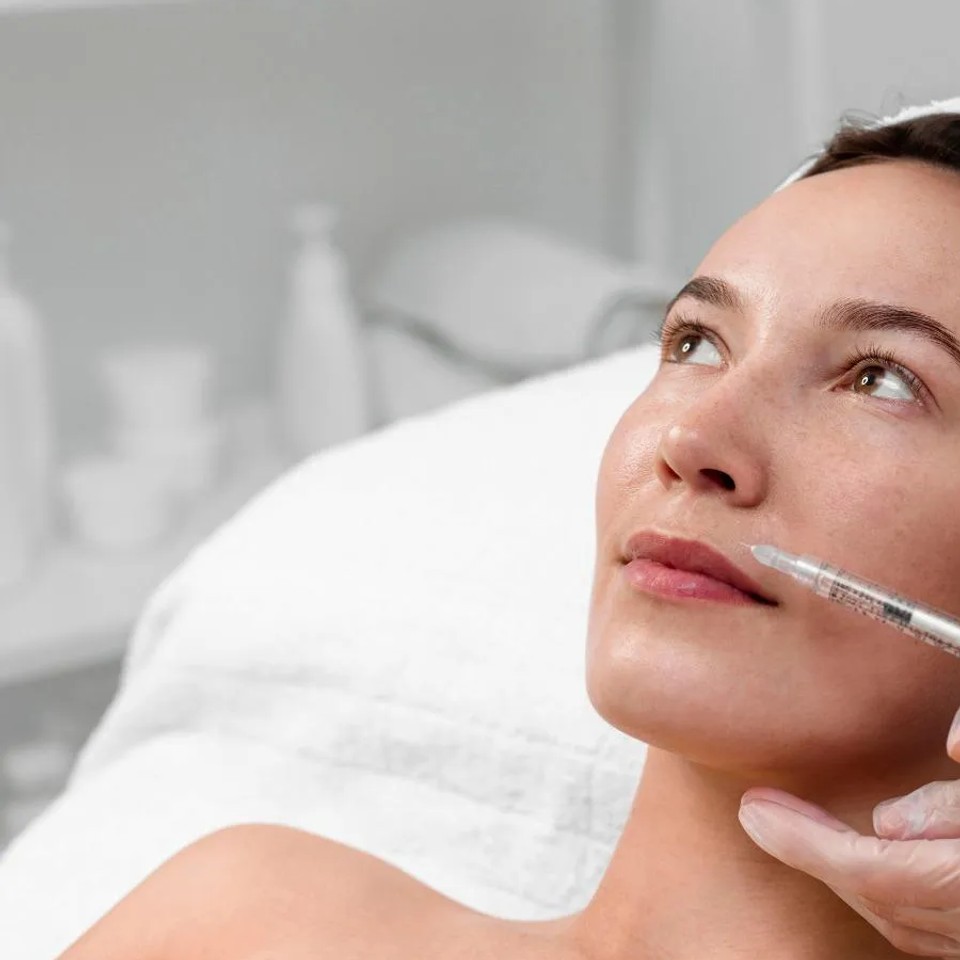
Dr Nikolic: Injectable skin boosters are at the top; they’re hyaluronic acid-based injectables designed to increase collagen production and improve its structure. Dermapen or needling creates controlled micro-injuries at a set depth in the skin to trigger new collagen, and fractional lasers work on a similar principle but use laser energy instead of needles. These all stimulate collagen — and even elastin — during the healing phase.

G: How does collagen production differ when you’re in your 20s compared to when you’re in your 40s?

Dr Nikolic: In your 20s, your collagen is still healthy, thick and well-orientated. Production is at its peak. By your30s, it begins to decline but you don’t notice it yet because your skin is still thick enough. In your 40s and 50s,the change is obvious — biopsies show thinner skin, fewer collagen fibres and a looser structure compared to someone in their 20s.

G: Besides in-clinic procedures, what at-home habits or products can help preserve collagen?

Dr Nikolic: From a young age, keep it simple but consistent. Cleanser and moisturiser day and night, and SPF every morning (this is a non-negotiable for protecting collagen). Add a vitamin C serum in the morning, retinol or vitamin C at night, and a gentle alpha- or beta-hydroxy acid(AHA or BHA) exfoliator a few times a week to encourage cell renewal and collagen production.

G: Are some areas of the face or body more responsive to collagen banking than others?

Dr Nikolic: Yes. The thicker the skin, the better the response. Skin on your body, for instance, responds more robustly than facial skin. The thinnest skin on the body is the skin around the eye area, which is the first to show signs of sun damage and ageing — and it’s also one of the most difficult areas to treat. Genetics also play a role: someone with naturally thicker, more collagen-rich skin will respond better to collagen stimulating treatments.

G: Are there any risks of overdoing collagen-stimulating treatments?

Dr Nikolic: It’s less about “too much collagen” and more about not giving the skin time to heal. Once you stimulate collagen, give it at least three to four weeks to form before doing another treatment. For example, a Dermapen session followed by a laser two weeks later is too soon; spacing them six weeks apart is perfectly safe.

G: What skin treatments would you recommend for different skin types?

Dr Nikolic: Here’s a general guideline:

  • For oily skin, make sure products and peels are indicated for oil control to prevent stripping the skin barrier.
  • For dry skin, stabilise with a strong topical regime first, then reassess.
  • Normal skin can be maintained with topicals and peels, needling or laser if desired.
  • Acne-prone skin needs a targeted regime and peels designed to reduce bacteria and unclog pores.
  • Combination or sensitive skin requires a tailored, gentle approach. Normalise the skin first, then layer on other treatments as tolerated.

G: What advice do you have for someone nervous about trying aesthetic skincare treatments?

Dr Nikolic: Do your research and find a clinic that listens to you. In our practice, everyone starts with a full skin analysis and, if needed, patch tests before treatments. Ask about side effects, benefits, costs and treatment intervals. You don’t have to commit to a procedure on the first visit —book a consultation, see how you feel and decide from there.

Tags: , ,
How to use lemongrass in your wellness routine

How to use lemongrass in your wellness routine

Follow this guide

What’s the story

Cymbopogon, a plant native to Cape Verde, is making waves for its health benefits.
The grass, commonly known as lemongrass, is known for its aromatic properties and medicinal benefits.
From traditional medicine to modern wellness practices, Cymbopogon has been used for centuries.
Its essential oils are now being used in various health and beauty products around the world.

Aromatic properties and uses

Cymbopogon has a strong citrus aroma, which makes it a popular choice in aromatherapy.
The essential oil extracted from the plant is known to relieve stress and promote relaxation.
When diffused in the air or added to bathwater, it can create a calming environment.
The aroma of Cymbopogon can also help improve mood and reduce anxiety levels.

Skin care benefits

The antibacterial and antifungal properties of Cymbopogon make it an excellent ingredient for skincare products.
It is commonly used in lotions, creams, and soaps to keep skin healthy.
The oil can help reduce acne by killing bacteria on the skin’s surface. It also acts as a natural toner, tightening pores and giving skin an even tone.

Digestive health support

Cymbopogon has traditionally been used to promote digestive health.
Drinking tea made from lemongrass leaves may help with indigestion and bloating by relaxing stomach muscles.
Its anti-inflammatory properties may also help reduce symptoms of gastrointestinal disorders.
Regular consumption could support overall digestive function.

Tips for incorporating Cymbopogon into daily routine

Incorporating Cymbopogon into your daily routine can be easy and rewarding.
Start with adding a few drops of lemongrass essential oil into your diffuser during meditation or yoga sessions for enhanced relaxation benefits.
For skincare enthusiasts, look for products containing Cymbopogon as an active ingredient or create DIY skincare remedies at home using this versatile plant extract.

Tags: , ,
Beauty Treatments to Look Merry & Bright

Beauty Treatments to Look Merry & Bright

Sparkle all season long with these noninvasive cosmetic procedures. 

Written by ALLISON ARBUTHNOT SANDERS

THE COUNTDOWN TO THE HOLIDAYS IS UNDERWAY. This year, as you zoom around doing things for others, why not also treat yourself to a gift that goes beyond the box and bow by indulging in one of the many options for noninvasive cosmetic procedures available in Savannah? That way, you’ll head into the holidays looking and feeling your best.

Hydrafacial // Courtesy Altera Aesthetix

HYDRAFACIAL

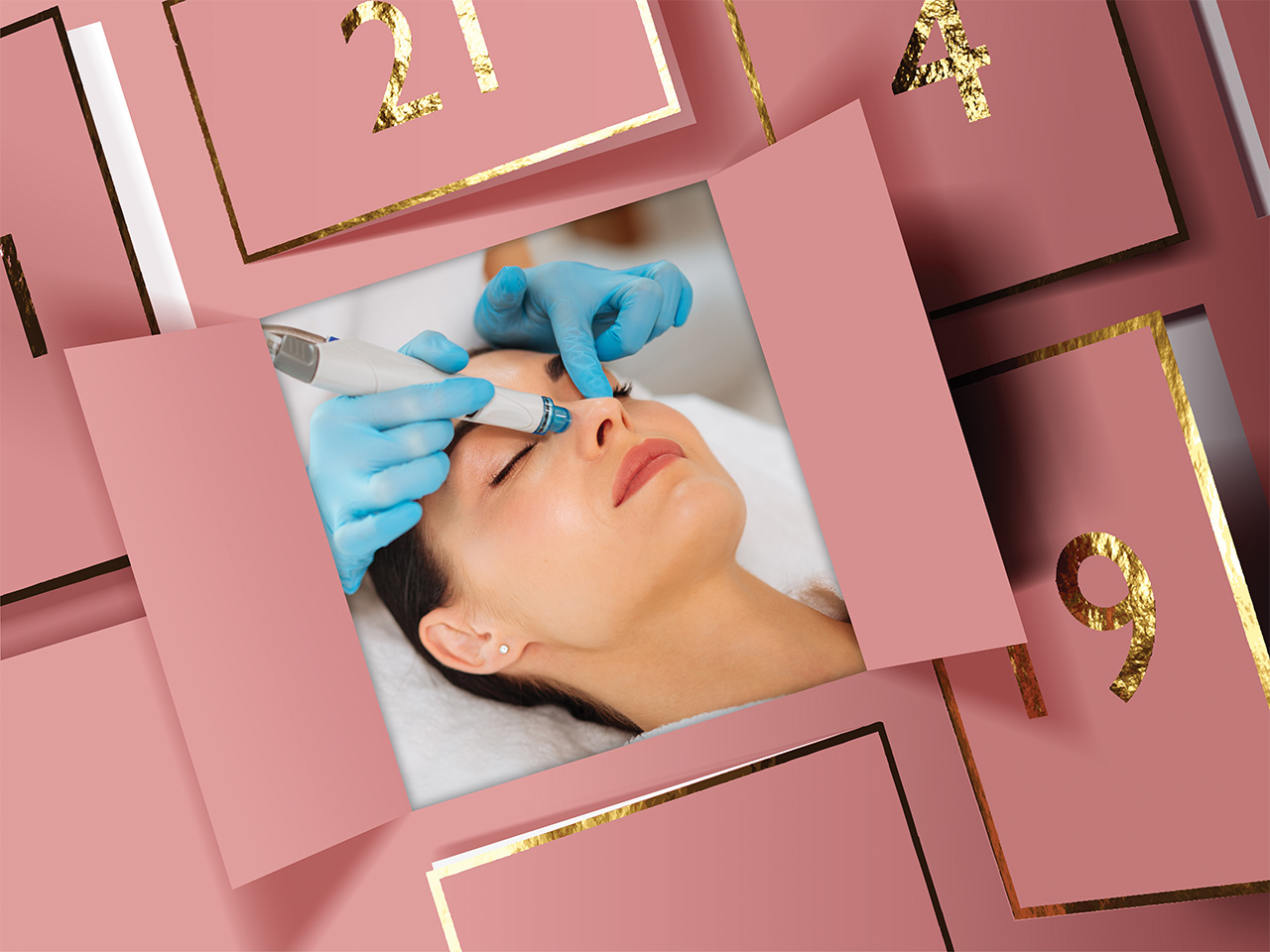
Unlike traditional facials, the Hydrafacial uses a patented technology to deeply cleanse, exfoliate, extract impurities, and infuse nourishing serums all in one session. The treatment is designed to improve overall skin health while addressing specific concerns like fine lines, uneven tone and texture, and enlarged pores, says Janie Futch, co-owner of Altera Aesthetix. “Because it’s noninvasive and customizable, many people make it a regular part of their skincare regimen,” she adds, noting that results can last up to a week or more, making it a favorite for both event prep and monthly skin maintenance. “It’s perfect for anyone who wants healthier, more radiant skin without downtime,” she says. “It’s gentle yet effective and works well for nearly all skin types and ages.”

Skinvive by Juvéderm // Courtesy Glow Medical Spa and Beauty Boutique

SKINVIVE BY JUVÉDERM

Are you looking for a facial beauty boost but shy away from interventions like neurotoxins and fillers for fear of looking overdone? New to the industry, Skinvive is a hyaluronic acid-based injectable treatment designed to boost elasticity, hydration, and smoothness without plumping the face. “It’s skincare that you do as an injectable,” says Courtney Victor, owner of Glow Medical Spa and Beauty Boutique. Results, she says, present “about a month after you get it, and it lasts for six months. You’ll look as if you’ve had a facial every day.” It’s a great alternative to expensive creams and 12-step skincare routines, says Victor. “I used to say, ‘You treat yourself 60 times a month: every morning and every night when you do your skincare.’ But Skinvive is a nice little hack. You don’t have to wait a long time to see your skin transform, nor do you have to purchase a bunch of products. You’re taking care of your skin from within.”

Liquid Facelift // Courtesy Tox Medspa

LIQUID FACELIFT

If you’ve been dreaming of the overall refresh provided by a facelift but aren’t interested in the cost and recovery time of surgery, a liquid facelift may be just the solution. A liquid facelift uses strategically placed dermal filler to lift, recontour, and hydrate the face almost instantly. “While it doesn’t replace a surgical facelift, it can tighten tissue, restore lost volume, and create a lifted, refreshed appearance,” says Dallas Sellars, owner of Tox Medspa. In a single session, Sellars can address sunken temples, cheeks, jawline, chin, marionette lines, and more, creating a natural, balanced look — no scalpel required. Results are visible immediately and can last up to two years for the upper half of the face and one year to 18 months on the lower half of the face. “If you are wanting to refresh your look, a liquid facelift can be a transformative part of your aesthetic journey,” says Sellars.

BBL Therapy + Light Fractional CO2 Laser Peel

At Savannah Facial Plastic Surgery, Dr. Timothy Minton’s favorite approach to a quick refresh is to combine two longstanding laser treatments: Broadband Light (BBL) Therapy and Light Fractional CO2 Laser Peel. “This combination is a super popular treatment that I’ve been doing for many, many years,” Minton says. “It’s tried and true.” BBL Therapy uses a laser to reverse the coloration changes that occur with sun exposure — like redness, sun spots, and pigmentation. The Light Fractional CO2 Laser Peel addresses textural changes, including pore size, fine lines, and wrinkles. Together, Minton says, “It reverses some of the sun damage and gives the skin a glow and a little tightening effect.” He also notes, “There is also permanent collagen stimulation that occurs [with the treatment], as well as a reversal of DNA changes and DNA damage that occur. It’s a nice way to keep the skin youthful at a molecular level in addition to a visual level,” explains Minton. Depending on their goals, patients typically receive between one and three 30-minute treatments, each requiring one to two days of downtime for pinkness to subside. While results are permanent, many patients repeat the procedure every winter to combat new sun damage. 

VI Peel // Courtesy Inject Savannah

VI PEEL

The VI Peel is a medical-grade chemical peel that works by gently exfoliating the outermost layers of skin. It contains a blend of ingredients, including retinoic acid and trichloroacetic acid, that penetrate the skin to remove dead skin cells, promote cell turnover, and boost collagen production. Usually done in a three- to five-treatment series, the VI Peel smooths skin texture, evens skin tone, reduces acne and scars, and brightens the complexion. “What’s so great about it is that it is suitable for all skin tones, including darker skin types that can be at risk for hyperpigmentation with certain peels,” says Kelly Rogers, owner of Inject Savannah. Rogers recommends beginning a VI Peel series two weeks to a month before any major event, noting that there is significant aftercare required. Visible improvements can be seen within a week and will continue to occur for several weeks as the treated skin heals. This treatment is not just for the face, notes Rogers. “We also offer body peels, including chest, arms, and legs,” she says. “We do a lot of lower legs, which is great after the summer to remove sun spots.” 

Virtue RF // Courtesy Chatham Plastic Surgery

VIRTUE RF 

Virtue RF is a radiofrequency microneedling procedure used to treat sagging, laxity (signs of aging), and acne scarring while improving the tone and texture of the skin. “The procedure consists of using needles to create microchannel punctures in the skin,” explains Michelle Turley, an aesthetician at Chatham Plastic Surgery. “That starts a cascade wound-healing process to regenerate new, healthy skin.” Meanwhile, the tips of the needles deliver radiofrequency energy, heating up the deeper layers of the skin. “This stimulates fibroblasts [cells that provide structural support for tissues] to produce new collagen and elastin,” says Turley, “improving skin firmness, elasticity, and texture.” Virtue RF is suitable for patients looking to treat aging skin or scarring without downtime or surgery. A typical treatment, including face and neck, takes about an hour. Treatments are done in a series of three to six sessions, spaced four to six weeks apart. 

PRX-T33 Peel // Courtesy Savvy Skin Medical Aesthetics

PRX-T33

At Savvy Skin Medical Aesthetics, owner Karen Bouchard’s current favorite noninvasive treatment is PRX-T33, an advanced biorevitalization peel that delivers the skin-renewing benefits of a chemical peel without the telltale peeling or days of downtime. PRX-T33 uses a formulation that stimulates dermal regeneration beneath the surface, building collagen, smoothing texture, brightening and evening skin tone, and softening pigmentation. “Think of it as an inside-out treatment,” says Bouchard. “Patients leave with a luminous glow — no hiding at home for recovery.” To elevate the treatment, Bouchard recommends pairing it with a neurotoxin to address both surface quality and underlying movement for a refreshed, naturally youthful look. “The dual approach creates a radiant, lifted appearance that looks effortless,” says Bouchard. Ideal for the face, neck, décolletage, and even the hands, most patients notice visible improvement after a single 30-minute treatment, with a series of treatments delivering long-lasting firmness and brightness. Results last four to six months.

Find this feature and so much more in the November/December issue of Savannah magazine!

Tags: , , ,
Best oLive
Privacy Overview

This website uses cookies so that we can provide you with the best user experience possible. Cookie information is stored in your browser and performs functions such as recognising you when you return to our website and helping our team to understand which sections of the website you find most interesting and useful.
