From Kitchen To Skincare: The Surge of Spice-Led Beauty in Urban India

From Kitchen To Skincare: The Surge of Spice-Led Beauty in Urban India

Indian spices have long been celebrated for their therapeutic properties, from supporting immunity and digestion to promoting mental health and skin-hair care treatments. The raw form was always a part of skincare routines, but in the last few years, traditional wisdom has found new relevance as beauty brands are coming up with sophisticated skincare products formulated with these active compounds.


Ingredients such as turmeric, saffron, clove, and cinnamon have a rich history in beauty rituals. In the past few years, brands and trends based on these spices have gained a significant following. “The rise of spice-led beauty reflects a growing consumer shift toward functional, ingredient-led self-care, where effectiveness, authenticity, and trust drive purchase decisions,” says Cyril Feuillebois, Founder of Spiceology, a wellness brand rooted in the ancient Indian science of spices.

To gain more insights into growing spice-led beauty trends, we spoke to Dr Tanushree Biswas, Consultant Dermatologist and Head Medical Advisor, and Dr Veena Praveen, Head Medical Advisor (South) and Consultant Dermatologist at Kaya Limited. Continue reading to know what dermatologists have to say about the latest skincare trends and their effectiveness.

The Rise of Spice-Led Beauty

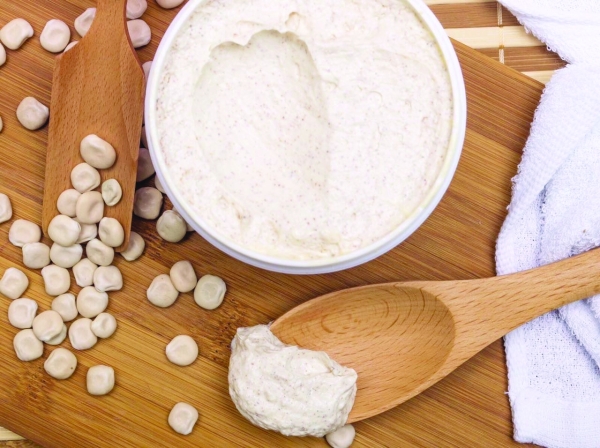
For ages, Indian spices such as turmeric, saffron, cinnamon, gram flour, honey, and pepper have been used in skincare treatments passed down through generations. Turmeric, for instance, is prized for its anti-inflammatory and brightening properties, while saffron is associated with antioxidant benefits and skin revitalisation. Clove and cinnamon are increasingly incorporated for their antimicrobial and circulation-boosting effects.

Cyril Feuillebois states that when formulated thoughtfully, these actives provide tangible skin benefits, bridging the gap between tradition and modern science.

Speaking about the surge in spice beauty products and remedies’ use, Dr Veena Praveen says, “The growing popularity of spice-based beauty trends reflects a shift toward natural and culturally rooted skincare practices. While the intent is positive, these trends often overlook the scientific understanding of skin physiology and safety.”

Traditional ingredients can certainly be beneficial, but only when used in appropriate forms and concentrations. “The credit for this surge can be given to the blend of ancient knowledge with modern formulation techniques,” Cyril Feuillebois adds.

Also Read: No Extremes, This Is How You Can Detox Gently After Holiday Meals

How Safe Are These Spices for Your Skin?

Speaking about the effectiveness and risks of these active compounds, Dr Veena Praveen says, “Some commonly used kitchen spices are known to trigger irritation and allergic contact dermatitis. The skin is a highly effective protective barrier that restricts the penetration of raw spice compounds. In their pure form, the concentration of active components is inconsistent and often too harsh, which may weaken rather than strengthen the skin barrier.”

Here are a few spices and active components that can triggeran allergy or irritation to your skin in some cases:

  • The essential oils present in Cinnamon and Clove are particularly potent and can cause burning sensations and redness.
  • Capsaicin and piperine in Chilli and Black Pepper may cause intense irritation, stinging, and inflammation when applied to the skin.
  • When used in its raw or concentrated form, garlic carries a high risk of allergic conditions and has been linked to blistering and chemical burns.
  • Even milder spices like turmeric may trigger irritation if you have sensitive skin. While not usually linked to photosensitivity, Turmeric may enhance skin sensitivity if the barrier is already damaged.
  • Individuals with acne-prone or sensitive skin must be extra careful with DIY spice treatments, particularly going viral on social media. Many spices are comedogenic, inflammatory, or irritating and can aggravate acne, precipitate a flare-up, or destroy the skin barrier.

Also Read: Dermatologist-Approved Anti-Ageing Treatments for Men: What Works & What Doesn’t

As per Dr Tanushree Biswas, most of these actives need to be harnessed safely through controlled formulations. “The risk of adverse effects increases with prolonged use, higher concentrations, or application on already inflamed or broken skin.”

Homemade DIY Or Commercial Products?

Dr Tanushree Biswas emphasises that commercial skincare products with spice extracts are usually safer than homemade DIY masks, as raw usage may cause side effects on sensitive skin.

“Spice-led skincare products are better options since they are made with regulated concentrations, stabilisers, and skin-safe bases. These products are safety-tested to reduce irritation and are usually formulated with calming ingredients that balance the strength of spice-derived actives,” Dr Biswas explains.

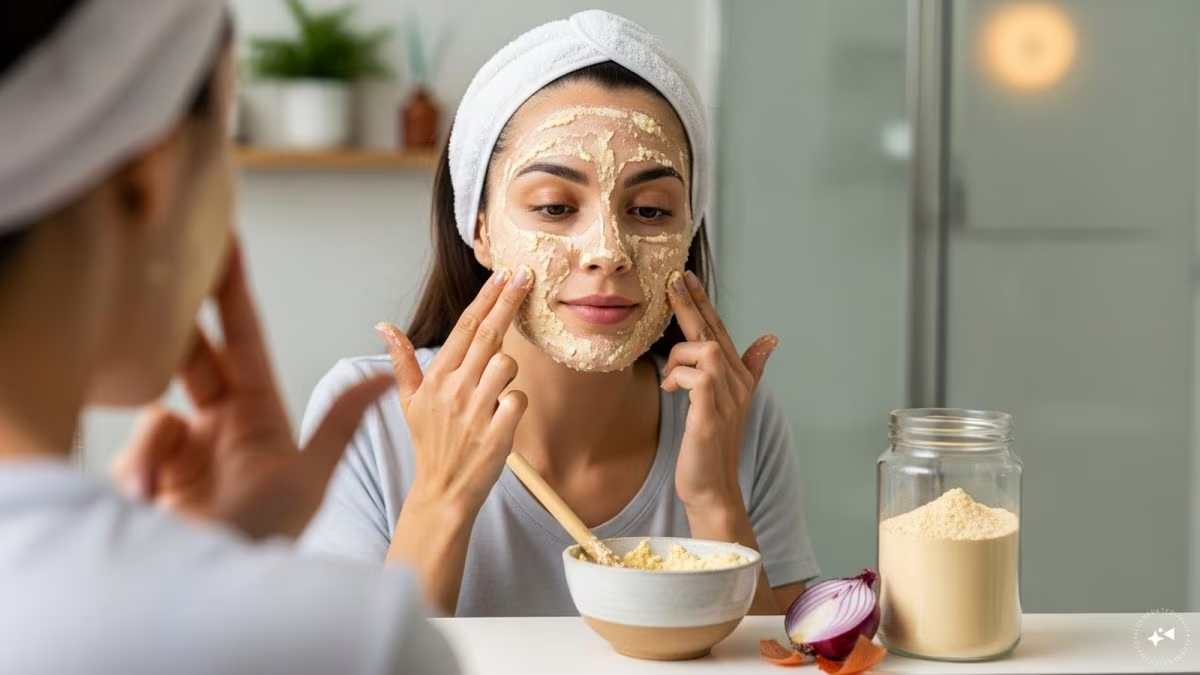
On the contrary, DIY masks use raw materials of unpredictable strength. They are not standardised or checked by dermatologists, and pose a higher risk of burns, allergies, or barrier damage.

Dr Veena Praveen also highlights, “Commercial formulations are designed to reduce irritation while preserving beneficial properties. These products also undergo stability testing, ensuring consistent performance, which makes professionally formulated skincare a safer choice than homemade remedies.”

A Balanced Approach

A balanced approach that integrates traditional knowledge with dermatological research is essential to ensure these trends support, rather than compromise, long-term skin health.

Dr Biswas notes that trends fostered by social media may encourage the notion that something natural is always safe, which is not necessarily the case. A lack of proper guidance may cause irritation, pigmentation, or permanent damage. Safe skincare depends on the combination of classical wisdom and scientific development.

Agreed to the social media factor and the need of balance approach shared by Dr Biswas, Dr Veena Praveen adds, “Social media has amplified quick-fix remedies without adequately highlighting potential risks. Traditional ingredients can certainly be beneficial, but only when used in appropriate forms and concentrations.”

Also Read: ‘Teens’ Skin Not For Elaborate Viral Skin Care Routines’ Dermatologist Warns Long-Term Health Issues Including Cancers

Bottomline

As the line between wellness and beauty continues to blur, spice-led skincare exemplifies a larger movement, but the approach matters most. Cyril Feuillebois underlines that consumers are no longer looking for indulgence alone, but for products that nourish, protect, and enhance overall well-being. By connecting centuries-old wisdom with contemporary science, the industry is redefining what it means to care for the skin in a holistic, preventive way.

FAQ

  • Which spices are good for skin?

    For ages, Indian spices and ingredients such as turmeric, saffron, cinnamon, and pepper, along with gram flour and honey, have been used in skincare treatments passed down through generations.

  • Is spice good for your face?

    Yes, spices such as ginger, turmeric, nutmeg, and pepper are considered beneficial for skin health; however, it is essential to first perform a patch test and have your skin checked by a dermatologist. Experts believe that products containing these spices are good to use, but directly applying raw spices to the skin may cause side effects.

  • Which herb is best for skin glow?

    Herbs such as witch hazel and turmeric are known for their benefits, such as moisturising the skin, brightening dark pigmentation spots, and even exfoliating the skin


Read Next

Are Under-eye Masks Effective? Let’s Find Out

Disclaimer

Sameeksha is a lifestyle journalist with over three years of experience exploring the intricacies of mental health, human interest stories, diseases and more. With a passion for crafting compelling narratives, she combines expert insights, on-ground reporting and scientific research to deliver accurate and engaging reports. Her bylines in News18, ABPLive and SheThePeopleTV reflect her commitment to producing trustworthy and impactful health stories.

Read More..

How we keep this article up to date:

We work with experts and keep a close eye on the latest in health and wellness. Whenever there is a new research or helpful information, we update our articles with accurate and useful advice.


  • Current Version

  • Jan 17, 2026 13:42 IST

    Published By : Sameeksha Sharma
    Reviewed By : Dr Veena Praveen

Tags: , , , , , ,
Beyond Lohri: Winter Skin Wisdom That Keeps Your Glow Alive | Beauty News

Beyond Lohri: Winter Skin Wisdom That Keeps Your Glow Alive | Beauty News

Last Updated:January 16, 2026, 12:01 IST

Winter skin concerns don’t end with festivals. Discover how seasonal wisdom, warmth, nourishment, and barrier-focused skincare can help maintain a healthy glow

As winter lingers, the lesson remains clear: radiant skin doesn’t come from quick fixes, but from respecting the season. When the skin barrier is protected and deeply nourished, glow isn’t seasonal, it’s sustained.

While Lohri may have passed, winter’s impact on the skin is far from over. Cold winds, low humidity, and reduced circulation continue to challenge skin health well into the season, often resulting in dryness, tightness, and dullness. What Lohri leaves behind, however, is something far more enduring than a date on the calendar, a reminder of seasonal wisdom rooted in warmth, nourishment, and skin protection.

“Lohri was never just about celebration; it reflected an intuitive understanding of what the body and skin need during winter,” says Nitin Jain, Founder, La Pink. That understanding remains deeply relevant even after the festivities end.

Why Warmth Still Matters for Winter Skin

One of the most overlooked elements of winter skincare is warmth. “Winter slows circulation, which directly affects how healthy and radiant the skin looks,” explains Jain. Exposure to warmth, whether through heated environments, warm showers, or gentle massage helps stimulate blood flow, improving oxygen delivery to the skin.

Better circulation not only restores natural radiance but also allows skincare products to absorb more effectively. “When skin is warm and receptive, hydration and repair work far better,” Jain adds making warmth an essential part of any post-festival winter routine.

Seasonal Nutrition: Supporting Skin from Within

Winter traditions emphasised internal nourishment, a principle that remains critical long after Lohri. Foods like peanuts and jaggery rich in essential fats and minerals help counter moisture loss and dryness.

“Seasonal winter nutrition supports skin from within, helping combat the fatigue and dullness that persist through colder months,” says Jain. This inside-out approach strengthens the skin barrier, making topical skincare more effective during peak dryness.

Modern Skincare, Rooted in Seasonal Sense

As winter progresses, skin demands more than light hydration. Jain recommends focusing on barrier repair and moisture retention. “Using a lightweight serum helps restore clarity and radiance, while sealing it with a nourishing body lotion is essential,” he explains.

Products such as a body lotion help maintain comfort and elasticity even as winter continues to strip moisture from the skin. “Our formulations are also 100% microplastic-free, ensuring that glow comes from clean, skin-safe ingredients,” notes Jain.

Ayurveda’s Timeless Answer to Winter Dryness

Ayurveda has long viewed winter as a season that requires richer, protective care rather than quick hydration fixes. “Winter rituals were designed to strengthen the skin barrier, not just soothe it temporarily,” says Rajni Ohri, founder, Ohria Ayurveda.

Traditional oil massages particularly with sesame oil helped prevent moisture loss and maintain elasticity. These practices weren’t festive indulgences, but seasonal necessities.

Ohria Ayurveda continues this philosophy with deeply nourishing formulations. Turmeric Butter offers ghee-like richness to comfort stressed skin, while Rose & Pomegranate Cream locks in moisture throughout long winter days. For facial dullness, Kumkumadi Brightening Elixir supports radiance by working with the skin’s natural renewal cycle.

The Takeaway: Winter Glow Is a Season-Long Practice

The glow associated with winter traditions like Lohri was never meant to be temporary. It was built through consistency, warmth, nourishment, and protection repeated daily.

As winter lingers, the lesson remains clear: radiant skin doesn’t come from quick fixes, but from respecting the season. When the skin barrier is protected and deeply nourished, glow isn’t seasonal, it’s sustained.

First Published:

January 16, 2026, 12:01 IST

Disclaimer: Comments reflect users’ views, not News18’s. Please keep discussions respectful and constructive. Abusive, defamatory, or illegal comments will be removed. News18 may disable any comment at its discretion. By posting, you agree to our Terms of Use and Privacy Policy.

Tags: , , , , , , ,
Here are the beauty resolutions everyone should make this year

Here are the beauty resolutions everyone should make this year

Alcohol has a major negative impact on the skin. It has been shown to contribute to fine lines, dullness, enlarged pores, inflammation, sagging, dark spots, puffiness and redness.

It depletes essential nutrients such as vitamins A, C, D, E, zinc, magnesium and selenium, and it’s a diuretic, which contributes to that dehydrated, creased look the morning after drinking. It also increases histamine, triggering flushing and sensitivity, particularly with red wine, while the yeast in beer can worsen seborrheic eczema.
Cocktails, due to their high sugar content, can speed up collagen breakdown and increase inflammation. Clear spirits like vodka, gin and tequila are generally gentler on the skin, but if you are considering Dry January for health reasons, know it may have some wonderful side effects for your skin too!

Double cleanse, always

Cleansing is the foundation of any effective skincare routine. Without proper cleansing, serums and moisturisers cannot penetrate fully, leading to blocked pores, rough texture and dullness. Double cleansing ensures makeup, SPF, sweat, oil and pollution are thoroughly removed.

The first cleanse breaks down surface buildup, while the second actually cleans the skin. Even if you don’t wear makeup, SPF and daily pollution still require a double cleanse at night. You can use the same cleanser twice, though balms and oils are best followed by a cream, milk or gel to avoid residue that may cause breakouts. In the morning, a single cleanse is enough (those with very sensitive skin can just use water).

Don’t neglect your neck

This is often one of the first areas to show ageing because the skin is thinner, more delicate and has fewer oil glands. This makes it prone to dryness, crepiness and sagging.Constant phone use has also led to “tech neck,” where looking down repeatedly forms horizontal lines.

Sally Foran for the Irish Examiner. Picture: Nina Val

Extending your skincare routine to your neck is crucial. Moisturiser and SPF are safe to use daily. Patch test before adding stronger actives like retinol, vitamin C and exfoliating acids. Dedicated neck creams can be beneficial if you need additional support.

Exercise regularly

Regular exercise offers amazing benefits for the skin because physical activity slows cellular ageing.
Research shows that people who exercise consistently have longer telomeres, which are linked to longevity.

Exercise boosts circulation, delivering oxygen and nutrient-rich blood to the skin, enhancing radiance.

One study from McMaster University in Ontario, Canada, even found that frequent exercisers over 40 had skin that was microscopically comparable to that of people in their 20s and 30s!

The human growth hormone, which supports youthful skin, declines between ages 30 and 50, but even short bursts of exercise help stimulate it. Brisk walking is especially beneficial, offering many of the benefits of running without negatives such as the joint strain or facial fat loss.

If you smoke, quit

Quitting smoking is one of the best steps you can take to improve your skin. After UV exposure, smoking is the biggest environmental cause of premature ageing. Cigarette smoke contains free radicals that speed up ageing and trigger enzymes that break down collagen, leading to sagging and lines. Nicotine narrows blood vessels, reducing oxygen and nutrient delivery to the skin, resulting in a dull, grey complexion.

Smoking also depletes vitamin C, vital for radiance, collagen production and healing. It disrupts estradiol, a form of oestrogen essential for firm, hydrated skin, causing dryness and thinning. Repeated smoking motions like lip pursing and eye squinting create deep wrinkles. Smoking can also worsen conditions such as psoriasis.

Never skip SPF

SPF is the most important daily skincare product. UV rays are responsible for up to 90 percent of premature ageing.

Most UV rays penetrate clouds, so protection is needed all year round. UV rays can also pass through glass, so SPF is necessary even when driving or sitting by windows.

Without sunscreen, the benefits of the rest of your skincare routine are reduced. Daily SPF helps prevent redness, hyperpigmentation, broken capillaries, dehydration, enlarged pores and barrier damage.

A broad spectrum formula is essential and should be reapplied every two hours when outdoors. With so many affordable options now available, there’s no reason not to wear it.

Never sleep in your makeup

Sleeping in makeup is so bad for skin. It can clog pores, leading to breakouts, it interferes with natural exfoliation, causing dullness and roughness, and it can contribute to dryness and chapped lips.

Leaving eye makeup on can make lashes brittle and increase the risk of styes. Eyeshadow residue may irritate the eyelids and cause dermatitis.

Makeup can also trap free radicals (environmental pollutants and oxidized makeup ingredients), which may contribute to oxidative stress — a factor linked with collagen breakdown and skin aging. Bottom line, don’t skip your evening cleanse.

Commit to a nightime skincare routine

Our skin becomes more receptive to topical ingredients and repair activity at night. Research on circadian rhythms shows transepidermal water loss increases during the night, so ingredients can penetrate more easily, and increased blood flow can support better delivery of nutrients and actives. With that in mind, prioritise making time for your skincare routine at night (and give it some time before you hit the hay – you want your products fully absorbed into your skin, not the pillow!) Adequate sleep is also essential, as a lack of it increases inflammation and raises cortisol, which breaks down collagen, and reduces melatonin, which protects against fine lines and age spots.

Tags: , ,
Why Indian Skin Needs A Winter Reset: Expert-Backed Skincare Tips | Beauty News

Why Indian Skin Needs A Winter Reset: Expert-Backed Skincare Tips | Beauty News

Last Updated:January 14, 2026, 08:48 IST

Winter affects Indian skin differently, leading to dryness and sensitivity. Learn how barrier repair, hydration, and the right ingredients can restore balance.

Winter calls for a skin reset, strengthening the barrier, boosting hydration, and restoring balance to meet the season’s demands.

Winter brings more than just a change in weather, it alters how our skin behaves. For Indian skin, this seasonal transition can be particularly demanding. While it’s true that Indian skin contains more collagen than Caucasian skin, offering better resilience against early wrinkling, studies from the ITC Dermafique Indian Skin Health Report reveal that it also has a weaker barrier and lower moisture retention. This means that even though Indian skin may appear firmer for longer, it is significantly more prone to dryness and sensitivity when temperatures drop.

Understanding the Indian Skin Barrier

The outermost layer of our skin, the stratum corneum acts as a protective shield, locking in moisture and defending against external aggressors. However, Indian skin tends to have lower levels of Natural Moisturising Factors (NMF), making it more vulnerable to transepidermal water loss, especially during colder months. This helps explain why nearly 80% of Indian women experience dryness due to environmental factors, with 87% struggling with under-eye dryness even after using moisturisers, as noted in the Dermafique report.

The Role of Barrier-Repairing Ingredients

Dr Aparna Santhanam, skin expert and dermatologist, ITC Dermafique, emphasises that winter care for Indian skin must go beyond superficial hydration. Ingredients such as ceramides, hyaluronic acid, and glycerin play a crucial role in reinforcing the skin’s lipid barrier and improving water retention. Hyaluronic acid acts as a moisture magnet, drawing water into the skin, while glycerin forms a humectant layer that helps seal hydration in. Together, these ingredients help restore balance to skin that is both dehydrated and sensitive.

Addressing Pigmentation and Uneven Tone

Interestingly, Indian skin’s higher melanin content, approximately 50% more than Caucasian skin provides natural sun protection but also makes it more prone to pigmentation. Winter sun exposure, combined with indoor heating, can trigger oxidative stress, leading to dullness and uneven tone. Niacinamide, a form of vitamin B3, helps regulate melanin transfer and improve skin tone, making it particularly beneficial for winter skincare routines.

The Winter Reset Routine

A winter reset doesn’t require a complete overhaul of your skincare routine; it simply involves adapting to your skin’s changing needs. Start with a gentle cleanser containing amino acids or lactic acid to cleanse effectively without stripping natural oils. Follow this with a hydrating serum rich in humectants, and finish with a barrier-supporting moisturiser infused with ceramides and panthenol. Most importantly, stay well hydrated, internal hydration plays a vital role in maintaining skin moisture.

As Dr Santhanam summarises, “Indian skin is beautifully resilient yet uniquely sensitive. Understanding its biology allows us to customise our routines to truly support it. Winter care, when done right, helps restore not just moisture, but balance.”

First Published:

January 14, 2026, 08:48 IST

Disclaimer: Comments reflect users’ views, not News18’s. Please keep discussions respectful and constructive. Abusive, defamatory, or illegal comments will be removed. News18 may disable any comment at its discretion. By posting, you agree to our Terms of Use and Privacy Policy.

Tags: , , , , , , , ,
The 2026 Skincare Trends to Watch | Beauty & grooming

The 2026 Skincare Trends to Watch | Beauty & grooming

If there’s ever an indication of a new beauty trend or cosmetic treatment, it can be found on the faces of Hollywood’s elite. You best believe if there’s a new magical therapy promising the fountain of youth, they’ve sniffed it out before we’ve ever even heard of it. This was out in full display this week with Emma Stone’s Golden Globes red carpet glow. The treatment responsible? Ivan Pol’s, a.k.a The Beauty Sandwich, “snatched” facial. And it’s not just Emma Stone who’s eating it up. Victoria Beckham, Kim Kardashian, Penelope Cruz, Teyana Taylor and more are all converts. Thanks to a layering of his “secret sauce”, bottled in SS02 and SS01, an antioxidant-rich face oil and its double that plumps the skin, in between infra-red and radio frequency devices, Pol’s treatment delivers results akin to Botox – without the needles, of course.

Tags: , , , ,
Best anti-ageing day creams 2026, tested by a beauty editor in her 40s

Best anti-ageing day creams 2026, tested by a beauty editor in her 40s

Your questions about anti-ageing day creams answered

What is the best anti-ageing day cream?

My top pick is the Murad superactive moisturiser, which can help protect the skin from ageing UV rays. It also transforms a dull skin tone to a radiant one, brightening discolouration for a more even tone and texture.

If you’re on a budget, the Facetheory glow-C daily moisturiser performs similarly but at a fraction of the price. It’s also infused with vitamin C, to help rejuvenate the skin.

How I tested the best anti-ageing day creams

  • Rejuvenating benefits: The most important consideration, I wanted formulas that smoothed, brightened or firmed my skin.
  • Feel: All the formulas were marked on how they felt and looked on the skin after application.
  • Value for money: The ingredients and overall results were evaluated against the product’s cost.

Do anti-ageing products really work?

You can’t reverse ageing, but certain skincare ingredients, such as vitamin C and niacinamide, can improve the appearance of wrinkles, fine lines, dullness and texture.

Remember, SPF should be used daily to help protect skin in the first place. Regular use will help limit damage from UV radiation, but also play an important role in protecting against fine lines, wrinkles, age spots, pigmentation and uneven skin tone.

The best thing you can do to reduce the appearance of ageing is to take care of your skin as early as possible, with preventative steps such as applying SPF daily and always removing make-up before you go to bed.

Ingredients to look for in anti-ageing day creams

Antioxidants – These neutralise free radicals and protect the skin from UV rays, pollution and other environmental damage.

Ceramides – You’ll find ceramides in plentiful supply in cleansers, serums and moisturisers. While ceramides occur naturally in your skin, they decline gradually as we age. They protect your skin against environmental aggressors and prevent water loss, so they are great in topical skincare products, as they’ll leave skin feeling supple and hydrated.

Hyaluronic acid – This is one of the most commonly used ingredients in moisturisers, as it’s a humectant that attracts and retains moisture on the skin, giving a plumping effect.

Retinol – Derived from vitamin A, retinol is one of the most potent anti-ageing ingredients, thanks to its clinically proven results in improving fine lines and wrinkles in as little as 12 weeks. It can also fade acne scars and increase collagen production. It’s available over the counter in moisturisers and serums of varying strengths. However, retinol can make skin more sensitive to the sun’s UV rays, so it is particularly important to use a high SPF when using retinol products.

Squalane – This is an unfussy, oil-based moisturising agent that works well for mature, dry and dehydrated skin types, reducing water loss and strengthening the skin barrier by sealing in moisture.

How to use an anti-ageing cream in your daily beauty routine

Speaking to dermatologist Dr Zainab Laftah in our IndyBest guide to anti-ageing skincare, we discussed that a “commitment to regular use” is important when seeking results with anti-ageing products. Gleaning expert insight from further dermatologists – Dr Ifeoma Ejikeme and aesthetician Dija Ayodele – we established that the ideal order to apply your products is as follows:

  • Cleanse
  • Exfoliate
  • Apply serums and/or retinol
  • Moisturiser
  • SPF

Does your skin type affect which anti-ageing cream you should use?

In short, yes. You should take into account your skin type when looking for a new moisturiser. Anything too oily or thick may exacerbate oil production, so if you want to avoid a shiny T-zone, opt for oil-free, non-comedogenic products that are lightweight and won’t clog pores.

Equally, if you have dry skin, you’ll need something nourishing to improve skin texture and suppleness that will hydrate while tackling fine lines and wrinkles.

How long does it take to see results?

It’s important to acknowledge that no matter what a brand might claim, no product has the power to truly repair the signs of ageing. “It’s important to have realistic expectations,” says advanced aesthetic nurse and clinic owner Amanda Azzopardi. “These products can help reduce the visibility of fine lines, wrinkles and other signs of ageing, but they cannot reverse the ageing process entirely.”

You also need to give a new product about a month to see visible results, as this is roughly the time it takes your skin to regenerate skin cells. However, this isn’t true for everyone. Skincare expert Ada Ooi warns that “significant changes can take several months of consistent use and depend on the depth of wrinkles and individual skin biology.”

Why you can trust IndyBest reviews

Sabine Wiesel is a beauty journalist in her 40s who specialises in mature and anti-ageing skincare and beauty products. She’s reviewed everything from the best neck creams to retinol eye creams to find the best-value products that actually make an impact on fine lines and pigmentation. Sabine has experience speaking to long-standing dermatologists and aestheticians, and is familiar with brands both high-end and affordable.

Tackle pigmentation and boost collagen levels with the best vitamin C serums

Tags: , , , , , ,
How Tara Sutaria Nails A Flawless Look Using Just Simple Makeup Essentials | Beauty News

How Tara Sutaria Nails A Flawless Look Using Just Simple Makeup Essentials | Beauty News

Last Updated:January 12, 2026, 12:56 IST

Tara Sutaria’s routine is proof that minimal makeup, when done right, can feel just as impactful as a full glam beat.

Tara Sutaria shared a GRWM video on Instagram.

In an era of full-coverage foundations and multi-step routines, Tara Sutaria is making a compelling case for restraint. The actor recently offered a glimpse into her beauty philosophy with a ‘get ready with me’ moment on Instagram. The takeaway? A flawless finish doesn’t require an overflowing makeup bag – just thoughtful application and a light hand.

Using only six products, Tara Sutaria demonstrates how minimal makeup can still deliver maximum polish, especially for those seeking a fresh, non-cakey look that feels wearable from day to night.

Skin First, Always

Tara Sutaria begins with well-prepped skin – cleansed, moisturised, and primed – before reaching for a vitamin-infused skin tint. Unlike heavier foundations, the tint offers sheer coverage while letting natural skin texture shine through. Her application technique is equally strategic: focusing the product on the cheekbones for a lifted effect, adding a touch on the nose, then blending outward for an even, luminous finish.

This skin-first approach sets the tone for the rest of the look. It is natural, breathable, and glow-enhancing.

Softly Smoked Eyes Without The Fuss

Instead of a traditional eyeshadow palette, Tara opts for a cream eyeshadow stick to create an effortlessly smudged eye. The long-wear formula glides on easily and blends seamlessly, making it ideal for quick glam. A mauve shade adds subtle depth and warmth, enhancing the eyes without overpowering the face – a modern alternative to heavy smokey eyes.

The Power Of Mascara

Mascara, according to Tara, is non-negotiable. A generous coat opens up the eyes instantly, lending definition and drama even within a minimal routine. While she favours building volume, the technique remains adaptable – less for naturally large eyes, more for those craving added emphasis.

A Touch Of Colour, Right Where It Counts

Blush plays a starring role in her routine. Choosing a matte pink formula, Tara applies it using her fingers rather than tools, allowing the colour to melt into the skin for a natural flush. The result is a healthy, lifted glow that bridges the gap between bare and polished.

Defined Lips, Naturally Enhanced

For lips, Tara turns to a lip liner to subtly overdraw her natural shape, creating the illusion of fullness without looking artificial. She finishes with a pink-nude lipstick, gently dabbing it on rather than filling in the lips – a small trick that makes a big difference in keeping the look soft and effortless.

Location :

Delhi, India, India

First Published:

January 12, 2026, 12:56 IST

News lifestyle beauty How Tara Sutaria Nails A Flawless Look Using Just Simple Makeup EssentialsDisclaimer: Comments reflect users’ views, not News18’s. Please keep discussions respectful and constructive. Abusive, defamatory, or illegal comments will be removed. News18 may disable any comment at its discretion. By posting, you agree to our Terms of Use and Privacy Policy.

Tags: , , , , , , , ,
African Beauty Is Taking Over Skincare Globally in 2025

African Beauty Is Taking Over Skincare Globally in 2025

‘African Beauty’ Is the Next Big Skincare Movement

*African beauty, often called “A-Beauty,” is changing the face of global skincare. It combines natural, time-tested ingredients with modern science. Inspired by African traditions, A-Beauty celebrates all skin tones, hair textures, and cultural expressions.

Much like K-Beauty (Korean) and J-Beauty (Japanese), A-Beauty focuses on ethical, plant-based skincare. It uses botanical ingredients such as shea butter, baobab oil, and moringa. These natural actives are now found in creams, serums, oils, and makeup products worldwide.

Global Brands and Retailers Are Embracing African Beauty

By late 2025, retailers like Sephora, Ulta, Goop, Space NK, and Amazon will be carrying African beauty brands. This reflects growing global demand for clean, ethical, and inclusive skincare solutions.

Social media is also pushing A-Beauty into the spotlight. On platforms like Instagram and X (formerly Twitter), influencers highlight natural hair, anti-bleaching movements, and traditional styles such as Bantu knots and Ankara-inspired makeup.

One viral quote summed it up: “African beauty is not a trend—it’s legacy.” — @hey_thoko

A beauty shelf featuring African beauty products from brands like S’Able Labs, Uncover, and Koba / via eurAI

African Beauty Market Growth Shows Massive Potential

The African beauty and personal care (BPC) industry is booming. In 2024, it reached $66 billion, driven by urbanization, a rising middle class, and a young, digital-savvy population, according to Service95.

By 2030, more than 900 million African consumers under 30 will shape the future of skincare. Sub-Saharan Africa’s beauty sector alone is expected to grow by $5 billion between 2021 and 2026.

Globally, the market for Africa-sourced moringa is forecasted to reach $25.1 billion by 2035, up from $9.7 billion in 2024. Clearly, African beauty is big business.

Key Ingredients Making African Beauty Stand Out

African botanicals are effective, sustainable, and rich in antioxidants. These ingredients are often sourced from women-led cooperatives across the continent.

  • Shea Butter and Black Castor Oil: Used for moisture and scalp care, especially in textured hair.
  • Baobab Seed Oil and Moringa: Known for anti-aging and anti-inflammatory benefits.
  • Safou, Qasil, and Kalahari Melon: Emerging in serums and cleansers to promote glow and hydration.

Modern A-Beauty brands are now using tech tools like AI skin analysis and 3D printing to create personalized formulas for melanated skin.

Dhowre Elba launched S’Able Labs with her actor husband, Idris Elba

S’Able Labs: A-Beauty Innovation From Sabrina and Idris Elba

In 2022, Sabrina Dhowre Elba and her husband, actor Idris Elba, launched S’Able Labs. The brand was born of a desire to create high-performance skincare products using African ingredients and modern science.

Their hero ingredients include moringa from Kenya, marula from Namibia, and prickly pear from Madagascar. These plant-based actives help calm inflammation, repair skin, and lock in hydration.

The brand’s top products include the Black Seed Toner, known for brightening and soothing the skin, and the Moringa Lip Salve, which reduces hyperpigmentation. In October 2025, they launched a tinted version, marking their first step into color cosmetics.

“Africa has the best antioxidants,” Sabrina told Vogue. “A lot of these ingredients I recognised from my childhood, growing up first-generation African.”

She added, “Where A-Beauty is so well placed is in taking [traditional ingredients] to another level. I want to see oat amino acids combined with kaolin clay, or black seed oil with vitamin C and ferulic acid.”

More African Brands Making Global Waves

Other standout brands include RandR Skincare, founded in Nigeria by Valerie Obaze. The company recently celebrated 15 years in business. It reimagined solid shea butter into a liquid format that’s easier to apply and looks more modern.

Koba Skincare, launched by Aïcha Bongo, uses safou fruit for skin-brightening. Uncover (Kenya) offers science-backed skincare for melanin-rich skin. West African brands like House of Tara and Amila Naturals focus on shade inclusivity and ethical sourcing.

African Beauty in the Media and Online

Influencers like Dimma Umeh and Enioluwa Adeoluwa are helping #ABeauty trend globally. Their content promotes natural skincare, cultural rituals, and body positivity.

At the same time, colorism and skin bleaching are being challenged openly. Many influencers now advocate for self-love and pride in African features.

Events like Barola Paris in December 2025 aim to connect African beauty founders with global investors and press. This growing exposure helps African brands scale beyond borders.

Why African Beauty Matters for the Future

African beauty isn’t just about products. It’s about culture, innovation, and empowerment. Brands like Nilotiqa remind customers that beauty doesn’t have to fit one mold.

“We are enough, as we are, naturally.” — Nilotiqa

With tech tools like AR try-ons and personalized skin matching, A-Beauty is redefining what inclusive beauty looks like. Experts estimate the category could surpass $100 billion if current growth continues.

Whether you’re a skincare enthusiast or simply looking for clean, ethical beauty, African beauty offers powerful ingredients, rich stories, and results that speak for themselves.

A group of African women in traditional clothing smiling and harvesting shea nuts and moringa leaves in a cooperative setting / via eurAI

(If You Like/Appreciate This EURweb Story, Please SHARE it!)

MORE NEWS ON EURWEB.COM: Donald Denies Diddy – Trump Says, ‘No Means No’ While Snuffing Sean Combs’ Pardon Request | VIDEO

We Publish Breaking News 24/7. Don’t Miss Out! Sign up for our Free daily newsletter HERE.

Tags: , , ,
Daily Mirror

Salmon sperm facials and mushroom powders – our favourite beauty treatments revealed

Young people are spending more than £6,500 a year on wellness and beauty treatments, a survey has shown(Image: Getty Images)

Youngsters are shelling out over £6,500 a year on outlandish wellness and beauty trends, a survey has claimed.

Previous advice has been limited to cleanse, tone and moisturise, drink enough water and move more. But this is not enough for the social media generation, it seems.

Salmon sperm facials, collagen supplements, weight loss injections and mushroom powders are now much more the order of the day. And., according to the study, British women now spend an average of £554 every month on feeling and looking their best.

Men aren’t too far behind, shelling out £431 on a range of wellness products – and this is despite 94% of Brits surveyed saying we needed to take a step back and go back to the basics with our health and wellness routines.

READ MORE: Hair snapping? Five expert ways to strengthen breakage-prone strands this JanuaryREAD MORE: Self-care beauty box worth £205 now under £40 and it includes luxe Rodial cleansing balm

Brits believe self-care was far simpler for previous generations(Image: Getty Images)

Nearly half of the 2,000 people surveyed said they had a regular self-care routine, with 37% using skin-boosting collagen and 31% taking multi-vitamin pills or even multi-vitamin injections. But more than half (52%) of those under 40 say they find it overwhelming trying to keep up with modern day wellness and beauty trends, while 25% admit they are spending more than they should on looking younger and feeling better.

Collagen supplements (49%) emerged as the product Brits have bought most in the last few years, followed by probiotic skincare (36%). Yet almost a quarter (23%) admit they have been duped into buying the latest wellness product, only to be completely underwhelmed by its supposed benefits.

Nearly two thirds (68%) insist they often look back at their parents and grandparents’ health routines which consisted of nothing more than eating healthily and getting some exercise. In fact, 79% said the idea of looking after yourself was a much simpler process 25 years ago in the survey by Pukka herbs.

Men spend £431 a month on skin care products, according to a survey(Image: Getty Images)

According to the respondents polled, older generations swore by basic health principles, such as getting a good night’s sleep (72%), drinking plenty of water (65%) and getting fresh air (52%). And in the spirit of keeping it simple, 92% of those polled said getting closer to nature is good for their physical and mental health, with 47% insisting they try to get an hour outside every day.

Eleonora Zoani, Senior Herbal Blending Manager at Pukka, which is launching a ‘Nothing Beats Nature’ campaign says, “From expensive “miracle” remedies to artificial products, we’re living in a time where our modern wellness routines have become a source of overwhelm and just another thing to fit into our busy everyday lives. There was once a time when things were simpler, and the blueprint for feeling well in body and mind was more accessible. Reconnecting with nature and embracing the daily consumption of herbal teas, allows us to harness the benefits that herbs have to offer.”

The top 15 products that young Brits are spending their cash on are:

1. Collagen supplements

2. Probiotic skincare

3. Hyaluronic Acid Skin boosting serums

4. Gut health supplements

5. Ice rolling/Cryo sticks

6. Vitamin supplements

7. Hair regrowth products

8. Muscle building BCAAs/creatine/protein powders

9. Sleep supplements

10. Chemical peels

11. Weight loss injections (Ozempic/Mounjaro)

12. Injectable fillers/botox

13. Profhillo

14. Mushroom extracts (Reishi/Chaga/Lion’s Mane)

15. Salmon sperm (PDRN) facial

Tags: , , , , , , , ,
Best oLive
Privacy Overview

This website uses cookies so that we can provide you with the best user experience possible. Cookie information is stored in your browser and performs functions such as recognising you when you return to our website and helping our team to understand which sections of the website you find most interesting and useful.