Discover How You Can Build A Clean Skincare Routine

Discover How You Can Build A Clean Skincare Routine

Source: Jacob Wackerhausen / Getty

You wash your face religiously, yet your skin still looks dull, feels irritated, or breaks out without warning. The problem isn’t your dedication, but what you’re putting on your skin. A clean skincare routine swaps synthetic chemicals and questionable ingredients for natural, effective alternatives that actually work with your body.

Building a clean skincare routine means choosing products made from naturally derived ingredients, free of parabens and sulfates, and formulated without harsh chemicals that irritate sensitive skin. Your skin absorbs what you put on it, making ingredient quality just as important as the food you eat. The good news is it’s less complicated than most brands make it out to be.

What Does Clean Skincare Actually Mean?

Clean skincare focuses on products made with natural, sustainable ingredients that skip synthetic chemicals and questionable additives. Think plants and minerals instead of lab-created compounds with names you can’t pronounce. According to the FDA, some cosmetic ingredients can cause allergic reactions in sensitive individuals.

The difference between clean and conventional skincare comes down to what’s not in the bottle. Clean products skip the usual offenders like parabens, sulfates, and synthetic fragrances that leave sensitive skin angry and irritated. Instead, clean formulations rely on plant extracts, essential oils, and natural preservatives that protect product integrity without harming your skin.

Why Your Skin Craves Clean Ingredients

Your skin is your body’s largest organ and can absorb a significant percentage of what you apply topically. Natural ingredients like chamomile, aloe vera, and green tea contain antioxidants, vitamins, and minerals that actually nourish your skin at a cellular level. When you use products loaded with synthetic chemicals, you’re essentially feeding your skin junk food.

How Do You Start a Clean Skincare Routine?

Starting a clean skincare routine doesn’t mean tossing everything in your bathroom and spending hundreds on replacements overnight. Begin by switching out the products you use most frequently, such as your cleanser or moisturizer, since these sit on your skin longest. The American Academy of Dermatology recommends selecting gentle cleansers that don’t contain harsh ingredients.

Replace products as they run out rather than doing a complete overhaul immediately. Your skin needs time to adjust, so don’t rush it. Start with cleansing, then move to moisturizing, then add treatments once you’ve got your basics down solid.

Building Your Foundation Slowly

Read ingredient lists like you read food labels. Look for products with short ingredient lists that you recognize, like shea butter, jojoba oil, vitamin E, and botanical extracts. Companies that offer wholesale skin care products often specialize in clean formulations that prioritize ingredient transparency.

The Essential Steps for Daily Skin Cleansing

Your natural beauty regimen needs just three core steps that you’ll repeat twice daily: cleanse, treat, protect. Morning and evening routines differ slightly, but the fundamentals stay consistent for an effective, eco-friendly beauty routine. Keeping it simple helps you stay consistent, which matters more than using ten different products sporadically.

Morning cleansing with gentle skin products removes overnight oil production and preps skin for the day ahead. Use a non-foaming cleanser with ingredients like honey, oatmeal, or aloe vera. Massage in circles for about 30 seconds, then rinse with lukewarm water and gently pat dry.

Evening Cleansing Goes Deeper

Your evening routine works harder since you’re removing makeup, sunscreen, pollution, and the day’s grime. Try double cleansing: begin with an oil-based cleanser to remove makeup, then use your regular gentle cleanser. This two-step process ensures you’re actually getting clean without stripping your skin’s natural barrier.

What Should Be Included in a Clean Skincare Routine?

Every solid routine includes four non-negotiables: cleanser, toner, moisturizer, and SPF. These form the backbone of your daily skin cleansing regimen. Everything else, like serums, exfoliants, masks, or eye creams, works as optional add-ons that address specific concerns.

Toner balances your skin’s pH after cleansing and removes any residual dirt your cleanser missed. Skip anything with alcohol, which dries out skin. Instead, choose rose water, witch hazel, or cucumber extract. 

Moisturizer hydrates and protects your skin barrier, whether your skin is oily, dry, or combination. Look, even oily skin needs moisture, as skipping it backfires; your skin just cranks up oil production to make up for it. These organic skincare tips emphasize looking for ingredients like hyaluronic acid, glycerin, shea butter, and jojoba oil in your gentle skin products.

Don’t Skip SPF Ever

Sunscreen is the single most important anti-aging product you’ll ever use, as UV damage causes premature wrinkles, dark spots, and skin cancer. Choose a mineral sunscreen with titanium dioxide or zinc oxide rather than a chemical sunscreen. Apply SPF 30 minimum every single morning, even when it’s cloudy.

Frequently Asked Questions

How Long Does It Take to See Results From a Clean Skincare Routine?

You’ll notice improvements in skin within 4 weeks of switching to clean products. Deeper stuff like reduced breakouts or fading dark spots take 6 to 12 weeks, since that’s how long your skin needs to complete its natural renewal cycle. Stick with your routine consistently rather than switching products every few weeks.

Are Clean Skincare Products More Expensive?

Clean products can cost more than drugstore options, but often match or beat department store prices. You’re paying for quality ingredients and ethical sourcing rather than marketing budgets. Many clean brands offer concentrated formulas where you use less product per application, making them last longer despite higher upfront costs.

Can I Mix Clean and Conventional Skincare Products?

Absolutely! Your routine doesn’t need to be 100% clean overnight. Mixing clean and conventional products won’t harm your skin; it’s simply a transition strategy that works within your budget.

Your Path to Healthier, Happier Skin

Building a clean skincare routine doesn’t require expensive overhauls or complicated regimens with fifteen steps. You need consistency with quality products that respect your skin’s natural functions rather than fighting against them. Focus on the essentials, like gentle cleansing, balanced hydration, and daily protection, using ingredients you recognize and trust.

Your skin responds to what you feed it, whether through food or topical products. Choosing clean, naturally-derived ingredients gives your skin the nutrients it needs to repair, protect, and glow. Give it time; the payoff is real.

For more beauty insights and wellness recommendations, Hello Beautiful has the lifestyle content that celebrates your natural radiance.

Tags: , , , ,
Download app

Clean girl makeup daily wear full glam makeup occasions 2026 beauty trends

From barely-there base to bold contour and dramatic lashes, beauty trends in 2026 are split between two strong aesthetics Clean Girl Makeup and Full Glam.While one celebrates minimalism and natural glow, the other embraces drama, definition and statement looks.

So which trend is actually winning? Let’s break it down.

WHAT IS CLEAN GIRL MAKEUP?

Clean Girl Makeup focuses on fresh, dewy skin, brushed-up brows, subtle blush and glossy lips. Think “no-makeup makeup” but polished.

The look usually includes:

It pairs well with slick buns, gold hoops and neutral outfits. The vibe is effortless, healthy and put-together without looking overdone.

WHAT DEFINES FULL GLAM?

Full Glam is bold, sculpted and camera-ready. It’s the go-to for weddings, parties and nights out.

The look typically includes:

  • Full-coverage foundation

  • Contour and baking

  • Dramatic eyeshadow

  • Winged liner

  • False lashes

  • Matte or bold lipstick

It’s detailed, high-impact and designed to stand out both in real life and on social media.

WHY CLEAN GIRL IS DOMINATING DAILY WEAR

Minimal makeup is trending because it fits modern lifestyles. With busy routines, work-from-home culture and gym-to-brunch schedules, people want quick, breathable beauty.

Search trends show rising interest in:

  • Skin tints

  • Cream blush

  • Glass skin

  • Skin barrier repair

The focus has shifted from covering flaws to enhancing natural features. Healthy skin is the new foundation.

WHY FULL GLAM STILL RULES OCCASIONS

Despite minimalism trending, Full Glam hasn’t disappeared. In fact, for big events weddings, concerts, festivals dramatic makeup still dominates.

Indian wedding culture, influencer events and nightlife demand high-definition makeup that photographs well under bright lights. Glam gives confidence, structure and transformation.

It’s less about everyday wear and more about making a statement.

SOCIAL MEDIA’S ROLE IN THE BATTLE

Platforms like Instagram and TikTok have played a huge role in shaping both trends.

Clean Girl aesthetic went viral because it felt aspirational yet achievable. Meanwhile, Full Glam thrives in tutorials, bridal content and transition reels.

Interestingly, audiences now appreciate versatility. One day it’s dewy minimalism, the next it’s bold glam.

SKIN HEALTH VS MAKEUP ARTISTRY

Another factor influencing the shift is skin health awareness. Consumers today are ingredient-conscious and more informed about barrier repair and minimal layering.

Heavy makeup can clog pores if not removed properly, while lighter routines support long-term skin health.

However, for makeup artists, Full Glam remains an art form blending, sculpting and colour theory at its finest.

SO, WHAT’S REALLY WINNING?

In 2026, it’s not about one replacing the other. Clean Girl Makeup is winning daily wear and workplace beauty. Full Glam continues to own celebrations and content creation.

The real winner? Personal choice.

Beauty today is less about trends dictating standards and more about individuals choosing what makes them feel confident, whether that’s glossy lips and glowing skin or bold liner and sculpted cheeks.

Because in the end, makeup isn’t a competition. It’s self-expression.

– Ends

Published By:

Chaitanya Dhawan

Published On:

Feb 28, 2026 13:30 IST

Tags: , , , , , , , , ,
Marine Collagen and Peptides in Skincare and Anti-Aging Products Market Set to Double by 2033, Driven by 'Blue Beauty' and Clean Label Trends

Marine Collagen and Peptides in Skincare and Anti-Aging Products Market Set to Double by 2033, Driven by ‘Blue Beauty’ and Clean Label Trends

LONDON, Jan. 26, 2026 /PRNewswire/ — The global beauty and wellness industry is witnessing a significant paradigm shift as consumer preference pivots toward marine-sourced ingredients. A comprehensive new market research report titled Marine Collagen & Peptides in Skincare & Anti-Aging Products Market Size, Future Growth and Forecast 2034 reveals that this niche sector is poised for robust expansion over the next decade. Valued at $1.10 billion in 2024, the market is projected to reach a valuation of $2.20 billion by 2033, registering a Compound Annual Growth Rate (CAGR) of 7.41% during the forecast period from 2025 to 2033.

The report offers an exhaustive analysis of the market dynamics, segmenting the industry by source (Fish, Jellyfish, Others), application (Skincare, Anti-Aging, Haircare, Others), distribution channel (Online, Offline), and key geographic regions. This growth trajectory underscores a deepening consumer awareness regarding the efficacy of marine bioactives, alongside a surging demand for sustainable, natural, and scientifically backed beauty solutions.

https://www.strategicrevenueinsights.com/industry/marine-collagen-peptides-in-skincare-anti-aging-products-market 

The Rise of Marine Bioactives in Modern Skincare

The doubling of market valuation by 2033 is not merely a statistical anomaly but a reflection of a fundamental change in consumer behavior. The report highlights that the primary catalyst for this growth is the increasing consumer awareness concerning the specific benefits of marine collagen and peptides. Unlike bovine or porcine alternatives, marine collagen is increasingly favored for its superior bioavailability and smaller peptide size, which allows for deeper penetration into the dermis.

This surge is inextricably linked to the broader ‘clean beauty’ movement. Today’s consumers are far more scrutinized regarding ingredient lists. There is a rising preference for natural and organic ingredients, moving away from synthetic compounds. Marine collagen fits perfectly into this narrative, offering a potent anti-aging solution that is perceived as both effective and essentially natural.

Furthermore, the global demographics are shifting. An aging population across developed nations is actively seeking non-invasive but effective anti-aging solutions. This demographic cohort has significant disposable income and is willing to invest in premium skincare products that promise to restore skin elasticity, hydration, and overall youthful appearance. The report indicates that this trend is pushing manufacturers to innovate rapidly, moving beyond basic creams to advanced serums and ingestible beauty supplements.

Browse the associated report:

https://www.strategicrevenueinsights.com/ja/industry/marine-collagen-peptides-in-skincare-anti-aging-products-market

https://www.strategicrevenueinsights.com/kr/industry/marine-collagen-peptides-in-skincare-anti-aging-products-market

https://www.strategicrevenueinsights.com/es/industry/marine-collagen-peptides-in-skincare-anti-aging-products-market

https://www.strategicrevenueinsights.com/da/industry/marine-collagen-peptides-in-skincare-anti-aging-products-market

https://www.strategicrevenueinsights.com/de/industry/marine-collagen-peptides-in-skincare-anti-aging-products-market

https://www.strategicrevenueinsights.com/it/industry/marine-collagen-peptides-in-skincare-anti-aging-products-market

https://www.strategicrevenueinsights.com/pt/industry/marine-collagen-peptides-in-skincare-anti-aging-products-market

https://www.strategicrevenueinsights.com/fr/industry/marine-collagen-peptides-in-skincare-anti-aging-products-market

Technological Advancements Driving Efficacy

A critical factor propelling this market forward is the rapid advancement in extraction and processing technologies. In the past, extracting high-quality collagen from marine sources could be cost-prohibitive and technically challenging, often resulting in products with a strong odor or lower efficacy. However, the report notes that recent technological strides have revolutionized this process.

New hydrolysis methods are enabling manufacturers to produce odorless, tasteless, and highly soluble collagen peptides. These advancements enhance the application potential of marine collagen, allowing it to be seamlessly integrated into a wider variety of skincare formulations without compromising the sensory experience of the final product. These technological improvements are crucial for market expansion, as they allow brands to offer superior products that deliver visible results, thereby fostering high rates of consumer retention and brand loyalty.

Detailed Segmentation Analysis: Sources and Applications

The market report provides a granular analysis of various segments, offering strategic insights into where the highest growth potential lies.

  • Source Analysis: The market is primarily categorized into fish, jellyfish, and other marine sources. Currently, fish-derived collagen reigns supreme. Its dominance is attributed to high bioavailability and high compatibility with human skin structure. The report emphasizes that sustainable sourcing of fish collagen is becoming a major competitive differentiator. However, the market is also witnessing the emergence of jellyfish collagen. While still in its nascent stages, jellyfish collagen is identified as a high-potential source due to its unique bioactive compounds and high collagen concentration. This presents a frontier for innovation, offering opportunities for brands to differentiate themselves in a crowded marketplace.
  • Application Landscape: In terms of application, the skincare segment remains the dominant force. Marine collagen is now a staple ingredient in moisturizers, facial masks, and restorative serums. However, the anti-aging segment is the fastest-growing vertical. This is driven by the specific ability of marine peptides to stimulate the body’s own collagen production, directly addressing the root causes of skin aging. Additionally, the report identifies haircare as an emerging application. Marine collagen is believed to strengthen hair follicles and improve texture, leading to a new wave of ‘skinification’ of hair products, where skincare-grade ingredients are used in shampoos and conditioners.

Regional Market Dynamics and Top Countries Insights

The report offers a comprehensive geographical breakdown, highlighting how cultural and economic differences shape market demand.

  • North America (The United States): The U.S. stands out as a leading market with a size of approximately $500 million and a steady CAGR of 6%. The growth here is driven by a sophisticated consumer base that values high-performance skincare. The U.S. market is characterized by a strong willingness to pay for premium brands and a robust presence of major market players. The explosion of e-commerce has further fueled growth, allowing niche marine collagen brands to reach a nationwide audience instantly.
  • Asia Pacific (China, Japan, South Korea): This region is a powerhouse for marine collagen products.
    • China: With a market size of around $400 million and a burgeoning CAGR of 8%, China represents a massive opportunity. Rising disposable incomes and the rapid urbanization of the country have led to a boom in beauty spending. The influence of social media and beauty influencers (KOLs) is particularly strong here, driving trends and educating consumers on the benefits of peptides.
    • Japan: Valued at roughly $300 million, Japan’s market is mature and highly sophisticated. Japanese consumers have a long-standing cultural acceptance of collagen, both topical and ingestible. The demand here is for high-science, innovative products, with a growing emphasis on ethical sourcing.
    • South Korea: Known globally as a trendsetter in beauty (K-Beauty), South Korea holds a market size of approximately $200 million. The emphasis here is on multi-step skincare routines where marine collagen plays a pivotal role in hydration and repair steps.
  • Europe (Germany): Germany leads the European market with a size of about $250 million. The German consumer is famously discerning, prioritizing scientific validation and ‘clean’ labels. The strong focus on health and wellness in Germany aligns perfectly with the marine collagen value proposition.

Competitive Landscape and Key Players

The report describes a highly competitive and dynamic market environment. It is a mix of established global giants and agile emerging players, all striving to capture market share through innovation and strategic branding.

Key players analyzed in the report include:

  • Rousselot: A prominent leader known for high-quality marine collagen and a steadfast commitment to sustainability.
  • Gelita AG: Recognized for its wide range of specific collagen peptides tailored for optimized efficacy in skincare applications.
  • Amicogen: A South Korean innovator specializing in bioactive peptides and advanced enzymatic technologies.
  • Nitta Gelatin: A Japanese key player highly regarded for quality and performance consistency.
  • Vital Proteins: A brand that has successfully bridged the gap between wellness supplements and beauty, particularly in the U.S. market.
  • Seagarden: A Norwegian company that leverages its geographic advantage to offer sustainably sourced marine ingredients.

The competitive dynamics are defined by product innovation and distribution strategies. Companies are increasingly investing in Research and Development (R&D) to create proprietary formulations that offer synergistic benefits, such as combining marine collagen with vitamins and antioxidants.

Challenges, Threats, and Strategic Barriers

Despite the optimistic forecast, the report provides a balanced view by outlining potential hurdles. A primary challenge is the complex regulatory landscape. Sourcing marine ingredients involves navigating strict international and local regulations regarding fishing quotas, environmental impact, and processing standards. Compliance can be costly and time-consuming.

Furthermore, the cost of production remains a restraining factor. High-quality marine collagen is more expensive to produce than bovine or synthetic alternatives. This places pressure on profit margins, particularly for smaller players who lack economies of scale. The market is also subject to intense competition, which can lead to price wars, making it difficult for companies to maintain profitability without strong brand differentiation.

Distribution Channels: The Digital Shift

The distribution landscape is evolving rapidly. While offline channels like pharmacies, specialty beauty stores, and department stores remain vital for brand prestige and customer experience, the online channel is witnessing explosive growth.

The report details that online retailing is becoming crucial for market expansion, particularly in emerging markets where physical retail infrastructure for premium beauty may be limited. Digital marketing, social media campaigns, and direct-to-consumer (DTC) models allow brands to educate consumers directly about the complex science behind peptides, a task that is often difficult to achieve on a crowded retail shelf.

Strategic Foresight: 2025-2033

Looking ahead, the report outlines a strategic roadmap for the industry. The period from 2025 to 2033 will be characterized by a shift from basic extraction methods to advanced processing technologies that maximize yield and purity.

Opportunities for growth abound in product diversification. The report suggests that the next frontier lies in personalized skincare solutions. As data analytics and AI enter the beauty space, brands that can offer customized marine collagen regimens based on individual skin types and concerns will likely lead the market. Additionally, the integration of marine collagen into hybrid products—such as makeup with skincare benefits—presents a significant avenue for innovation.

About the Report

The report, titled “Marine Collagen & Peptides in Skincare & Anti-Aging Products Market Size, Future Growth and Forecast 2034,” (Report ID: 84230) spans 171 pages and provides a comprehensive assessment of the market. It covers historic data from 2018-2024 and forecasts through 2034, offering critical insights for stakeholders, investors, and manufacturers.

Related and Popular Reports:

https://www.strategicrevenueinsights.com/industry/aquamarine-earrings-market

https://www.strategicrevenueinsights.com/industry/marine-algae-extracts-in-sun-care-products-market

https://www.strategicrevenueinsights.com/industry/marine-algae-in-sun-protection-market

https://www.strategicrevenueinsights.com/industry/marine-bioactives-for-hair-care-products-market

https://www.strategicrevenueinsights.com/industry/marine-cargo-consumer-goods-market

https://www.strategicrevenueinsights.com/industry/marine-collagen-based-face-masks-market

https://www.strategicrevenueinsights.com/industry/marine-extractor-hood-market

https://www.strategicrevenueinsights.com/industry/marine-lipids-in-skin-moisturizers-market

https://www.strategicrevenueinsights.com/industry/marine-peptides-in-beauty-formulations-market

https://www.strategicrevenueinsights.com/industry/marine-polysaccharides-in-cosmetics-market

https://www.strategicrevenueinsights.com/industry/marine-reconsumer-goods-market

https://www.strategicrevenueinsights.com/industry/marine-safety-products-market

https://www.strategicrevenueinsights.com/industry/marine-stereo-systems-market

https://www.strategicrevenueinsights.com/industry/marine-based-anti-inflammatory-skincare-ingredients-market

https://www.strategicrevenueinsights.com/industry/marine-derived-active-ingredients-in-personal-care-market

About Us:

Strategic Revenue Insights Inc., a subsidiary of SRI Consulting Group Ltd, empowers organizations worldwide with data-driven market intelligence. Headquartered in London, United Kingdom, we deliver syndicated research reports, tailored consulting solutions, and actionable insights that equip clients to make confident, future-focused strategic decisions.

Our team of seasoned analysts based in London and connected globally continuously tracks markets, identifies emerging trends, and uncovers growth opportunities to support long-term client success. As part of SRI Consulting Group Ltd, we are committed to accuracy, clarity, and practical relevance, helping businesses navigate competitive landscapes, optimize strategies, and accelerate revenue growth.

By combining rigorous research methodologies with deep industry expertise, Strategic Revenue Insights Inc. provides organizations with a comprehensive market perspective that drives measurable results and sustained competitive advantage.

Media Contact:

Company Name: Strategic Revenue Insights Inc.
Contact Person: Rohit Bhisey (Partner)
Email: sales@strategicrevenueinsights.com
Phone: +44 7877403352
Address: Suite10 Capital House 61 Amhurst Road, E8 1LL
City: London
State: London
Country: United Kingdom
Website: www.strategicpackaginginsights.com
Website: www.strategicrevenueinsights.com
Website: www.sriconsultinggroupltd.com
Blog: https://strategicrevenueinsights.blog

Logo: https://mma.prnewswire.com/media/2826292/Strategic_Revenue_Insights_Logo.jpg

Tags: , , , , , , , , , , , , , ,
The Biggest Wellness Trends Of 2025: Clean Living, Longevity, And Mind–Body Optimisation | Health and Fitness News

The Biggest Wellness Trends Of 2025: Clean Living, Longevity, And Mind–Body Optimisation | Health and Fitness News

Last Updated:December 02, 2025, 19:58 IST

Explore how clean living, holistic routines, and longevity-focused habits are emerging as the leading wellness priorities of 2025.

Long-term habits and holistic routines replace quick fixes in 2025.

Wellness in 2025 isn’t about chasing quick fixes or chasing the next viral superfood. It’s about designing a life that feels cleaner, calmer, and more intentional. Across India, individuals are rethinking what they bring into their homes, how they train, and what they consume daily. The focus is shifting from outward transformation to inner optimisation, from trends to long-term habits, and from temporary results to lasting vitality.

Cleaner Living Starts At Home

The move toward toxin-free living has accelerated this year, especially when it comes to the spaces we spend the most time in. “Across India, we are seeing a stronger shift toward cleaner, more mindful living,” says Divyata, Founder, Deco Aura, emphasising growing awareness around how chemical-heavy products can disrupt hormones and well-being. She adds, “Consumers no longer want smoke or toxins in the air they breathe. They want purity, comfort, and wellness.”

Her biggest observation? The rise of smoke-free home fragrance – a category once considered niche – is now mainstream. With indoor air quality becoming a major concern, people are willing to invest in scenting systems that are safe for humans, pets, and the planet. According to Divyata, “True luxury today goes beyond packaging; it’s about how a product affects your daily life.”

Rituals Over Quick Fixes

If the last decade celebrated fast beauty and shortcut wellness, 2025 is steering in the opposite direction. Arjun Bhargava, Founder, Forest Hill, highlights a fundamental mindset shift: “We’re moving from surface-level fixes to long-term optimisation.” Strength-focused fitness, microbiome-safe skincare, sleep tracking, cold therapy and clean formulations are no longer optional. They’re foundational for people who value discipline and recovery.

Arjun calls this the end of ‘fast beauty,’ noting that wellness routines now have three expectations: ritual, consistency, and results. The high-performance individual of 2025 doesn’t want hacks. They want systems.

Longevity Becomes A Lived Experience

While longevity has been a buzzword globally, 2025 is the year it becomes personal. “The real wellness trend is not a shiny new gadget. It’s the question: how good does your life actually feel as you age?” says Shivam Hingorani, Founder, Ace Blend.

He notes that people in India are embracing essentials like magnesium and omega-3 not as temporary supplements but as investments in their future brain and body. For Shivam, preventive longevity is measurable in everyday performance: “It’s in how your body responds during a workout, how clear your mind is at 5 PM, and how easily you bounce back after a hectic week.”

Together, these insights paint a clear picture. Wellness in 2025 is deeply personal, holistic, and rooted in long-term thinking. Cleaner homes, science-backed routines, better recovery, and purposeful nourishment are no longer luxuries; they’re lifestyle essentials. As consumers become more discerning, wellness is evolving from a trend to a lived, sustainable philosophy – one choice, one ritual, one mindful moment at a time.

Click here to add News18 as your preferred news source on Google. Location :

Delhi, India, India

First Published:

December 02, 2025, 19:58 IST

Disclaimer: Comments reflect users’ views, not News18’s. Please keep discussions respectful and constructive. Abusive, defamatory, or illegal comments will be removed. News18 may disable any comment at its discretion. By posting, you agree to our Terms of Use and Privacy Policy.

Tags: , , , , , , , , , ,
A $78.34 Billion Market by 2030, Fueled by Advancements in Clean Beauty, Preventive Skincare, and Targeted Product Innovation

A $78.34 Billion Market by 2030, Fueled by Advancements in Clean Beauty, Preventive Skincare, and Targeted Product Innovation

Company Logo

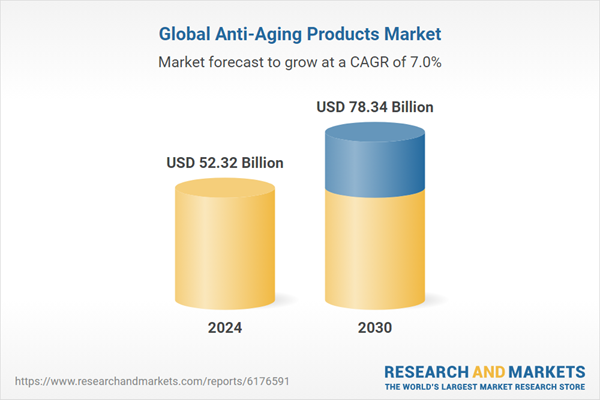
The global anti-aging products market is forecast to grow at a CAGR of 6.96% from 2024 to 2030. Growth is driven by technological advancements, clean beauty trends, and personalization demand. The market additionally benefits from rising men’s grooming, an aging population, early preventive skincare, and digital engagement. Key collaborations, such as Beiersdorf with Rubedo Life Sciences and Estee Lauder with Serpin Pharma, aim to accelerate innovation. North America holds the largest market share at over 34%. Key players include Beiersdorf, Estée Lauder, and Procter & Gamble. The men’s segment is the fastest-growing at 7.88% CAGR.

Global Anti-Aging Products Market

Global Anti-Aging Products Market

Dublin, Nov. 24, 2025 (GLOBE NEWSWIRE) — The “Anti-Aging Products Market Research Report 2025-2030” report has been added to ResearchAndMarkets.com’s offering.

The global anti-aging products market is expected to reach a value of $78.34 billion by 2030 from $52.32 billion in 2024, growing at a CAGR of 6.96%

The market is growing significantly, driven by several factors including technological advancements and product innovation, clean beauty trends, and the rising demand for personalization. In addition, the increasing demand for men’s grooming, an aging population, the preventive skincare from a younger age, digital engagement, and growing interest in skin health are further contributing to the market’s growth.

The global anti-aging products market report consists of exclusive data on 25 vendors. The market is highly competitive and fragmented, comprising a mix of established global players, small companies, and niche brands. Larger players are heavily investing in the development of new products to attract a wider consumer base and maintain competitiveness. In contrast, niche companies focus on offering highly affordable, single-ingredient serums, leveraging their agility to introduce innovative products by engaging directly with consumers and delivering authentic solutions.

Companies are also investing significantly in R&D to deliver new solutions and secure patents. In addition, larger firms are actively acquiring successful brands to fill portfolio gaps. Competition among players remains intense, as rapid advancements in technology and formulations raise consumer expectations for continual innovation and upgrades in anti-aging products.

ANTI-AGING PRODUCTS MARKET GEOGRAPHICAL ANALYSIS

North America leads the global anti-aging products market with the largest share of over 34%. The market is driven by several factors, including high consumer awareness, the longevity economy and aging population, innovations and technological advancements, stringent regulations, personalization trends, and the “beauty from within” movement.

The US dominates the regional market due to advancements in technology and innovation, a strong focus on longevity, and heightened skin health awareness. Meanwhile, Canada is emerging as one of the fastest-growing countries in the North American anti-aging products market.

Well-informed consumers are seeking solutions that support skin longevity, integrity, and a youthful appearance. This demand is further fueled by health-centric messaging, social media, and influencer marketing. The “beauty from within” trend is encouraging consumers to purchase high-quality, natural ingredient-based anti-aging products. As a result, companies are increasingly adopting natural ingredients in product formulations and targeting consumers who prioritize natural skincare, which is expected to drive market growth during the forecast period.

繼續閱讀

ANTI-AGING PRODUCTS MARKET TRENDS

Advancement & Product Innovation

The advancement & product innovation is a trend in the global anti-aging products market. It is driven by several factors, including the rise of prejuvenation, rising demand for proven efficacy, integration of new formulations into daily routines, desire for customization & personalization, and influence of clean beauty.

Product innovation is showing promising growth in the global anti-aging products market due to several factors, including targeted functionalities, ethical sourcing, and accessibility. Manufacturers are continuously investing in R&D activities to create new and innovative anti-aging products, as consumers’ demand for effective and natural skin health solutions has increased significantly.

Clean Beauty Trends

The clean beauty trend in the global market is fueling the growth of anti-aging products. It is driven by several factors, such as an increased demand for recognizable & natural ingredients, increased environmental & ethical consciousness, concerns about artificial additives, shift from anti-aging to healthy longevity, and premiumization in the market.

The consumers, especially Millennials and Gen Z, are actively seeking information about the products on online platforms that demand clean beauty. They are actively seeking ingredient labels that increase transparency in the market. The demand for clean beauty is creating stronger competition among the market players. Thus, the brand has differentiated itself with manufacturing processes, ethical practices, and ingredient sourcing.

ANTI-AGING PRODUCTS MARKET DRIVERS

Aging Population

An aging population is a crucial and major factor driving the growth of the anti-aging products market across the globe. Several factors drive it: increased disposable income, increased focus on health & well-being, and an active lifestyle. The older population is more proactive as compared to previous generations about health & wellness. They want to slow down the aging signs and look for healthy longevity. This generation is more engaged in life and has a more active lifestyle. It drives the demand for products that align with a healthy lifestyle and are more effective.

Preventive Skincare from a Younger Age

Preventive skincare from a younger age is a significant driver in the global anti-aging products market. It is driven by several factors: the rise of prejuvenation, increased skincare awareness & education, concern beyond wrinkles, social media influence, and the clean beauty movement. The rise of prejuvenation is most prevalent among Millennials and Gen Z, who are adopting anti-aging products in their early 20s. The focus has shifted from reactive to a healthy longevity of a proactive mindset. They are investing heavily in a future youthful appearance.

INDUSTRY RESTRAINTS

High Cost

The high cost is impacting the anti-aging products market in various ways, including slow growth, limited accessibility, price sensitivity, and competition. It may restrict the price-sensitive people from buying such products. The high cost of anti-aging products is a direct reflection of the various investments that are required for bringing them to the market.

It includes high-potency ingredients, premium packaging & marketing, rigorous regulations & efficacy testing, and extensive research & development. Sourcing clinically proven ingredients like advanced peptides, hyaluronic acid, and vitamin C derivatives can be more expensive. The use of sustainably sourced or rare plant-based ingredients can also add to the cost. It increases the overall cost of the anti-aging product.

KEY QUESTIONS ANSWERED:

  • How big is the global anti-aging products market?

  • What is the growth rate of the global anti-aging products market?

  • Who are the major players in the global anti-aging products market?

  • What are the key drivers of the global anti-aging products market?

KEY TAKEAWAYS

  • By Product: The creams, lotions & moisturizers segment accounted for the largest market share of over 45%.

  • By Application: The anti-wrinkle segment dominates and holds the largest market share.

  • By Gender: The men segment shows the highest growth of 7.88% during the forecast period.

  • By Distribution Channel: The offline segment holds the largest global anti-aging products market share.

  • By Geography: North America leads the global anti-aging products market with the largest share of over 34%.

  • Growth Factor: The global anti-aging products market is set to grow due to an aging population and increasing preventive skincare from a younger age.

Key Attributes:

Report Attribute

Details

No. of Pages

138

Forecast Period

2024 – 2030

Estimated Market Value (USD) in 2024

$52.32 Billion

Forecasted Market Value (USD) by 2030

$78.34 Billion

Compound Annual Growth Rate

6.9%

Regions Covered

Global

ANTI-AGING PRODUCTS MARKET VENDOR LANDSCAPE

Key Vendors

Other Prominent Vendors

SEGMENTATION & FORECASTS

By Product

By Application

  • Anti-Wrinkle

  • Anti-Pigmentation

  • Others

By Gender

By Distribution Channel

By Geography

  • North America

  • US

  • Canada

  • Europe

  • Germany

  • France

  • UK

  • Italy

  • Spain

  • APAC

  • China

  • Japan

  • South Korea

  • India

  • Latin America

  • Brazil

  • Mexico

  • Middle East & Africa

  • South Africa

  • Turkey

  • Saudi Arabia

For more information about this report visit https://www.researchandmarkets.com/r/eay61s

About ResearchAndMarkets.com
ResearchAndMarkets.com is the world’s leading source for international market research reports and market data. We provide you with the latest data on international and regional markets, key industries, the top companies, new products and the latest trends.

Attachment

CONTACT: CONTACT: ResearchAndMarkets.com Laura Wood,Senior Press Manager press@researchandmarkets.com For E.S.T Office Hours Call 1-917-300-0470 For U.S./ CAN Toll Free Call 1-800-526-8630 For GMT Office Hours Call +353-1-416-8900

Tags: , , , , , , , , , ,
Best oLive
Privacy Overview

This website uses cookies so that we can provide you with the best user experience possible. Cookie information is stored in your browser and performs functions such as recognising you when you return to our website and helping our team to understand which sections of the website you find most interesting and useful.