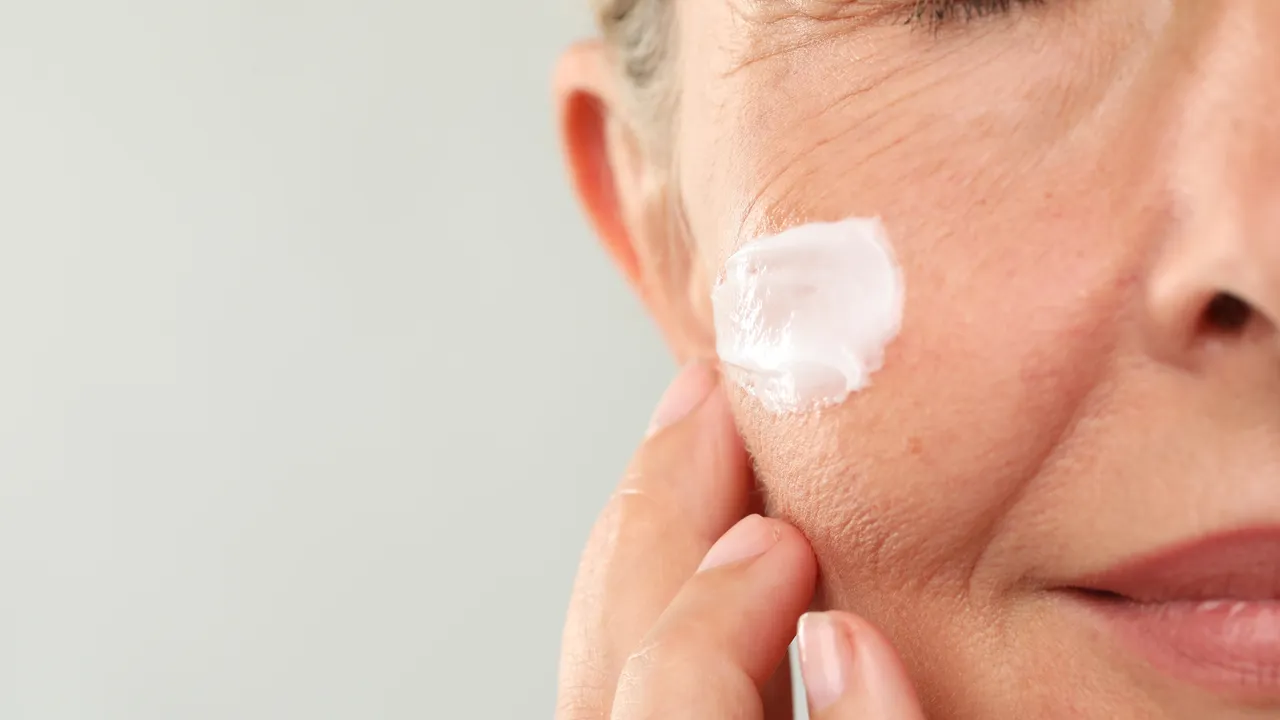
Anti aging Images - Free Download on Freepik

7 Anti-Ageing Tips Dermatologists Recommend For Women

According to Dr Pankaj Chaturvedi, Senior Consultant and Dermatologist, MedLinks, “The focus on modern dermatology has changed from reversing the clock to supporting it, and we are moving away from an era of frozen expressions and toward a philosophy of skin health longevity. The goal for women today isn’t to cover up their age, but to ensure their skin remains structurally resilient and vibrant throughout their 40s, 50s, and beyond. If you are someone looking to evolve your regimen, here are seven expert-recommended strategies to maintain your skin’s biological vitality.”

7 Anti-Ageing Tips Dermatologists Recommend For Women

1. Defend Against Photo-Ageing

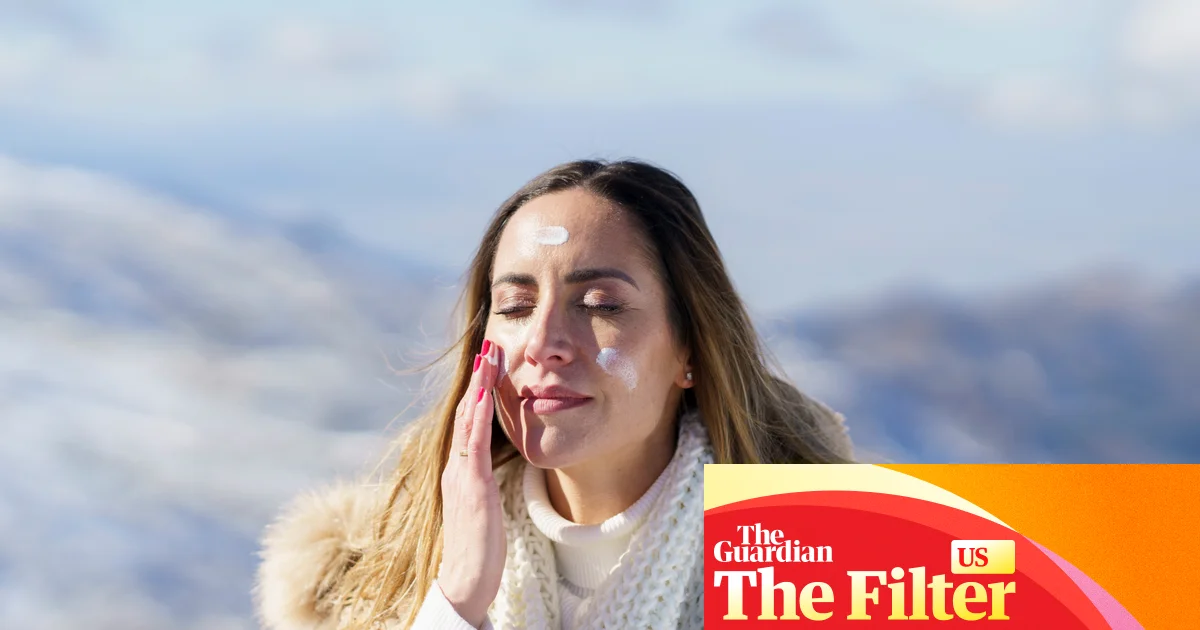
It is a clinical reality that nearly 90% of visible skin changes, including loss of elasticity and uneven pigment, stem from cumulative UV damage. Dermatologists now view high-factor, broad-spectrum sunscreen as a daily medical necessity rather than a seasonal option. Since UVA rays, often referred to as the ageing ray, can penetrate glass and clouds, protecting the skin even while indoors or on overcast days remains one of the most effective ways to slow visible signs of ageing and maintain the skin’s structural integrity.

2. Protect the Skin Barrier

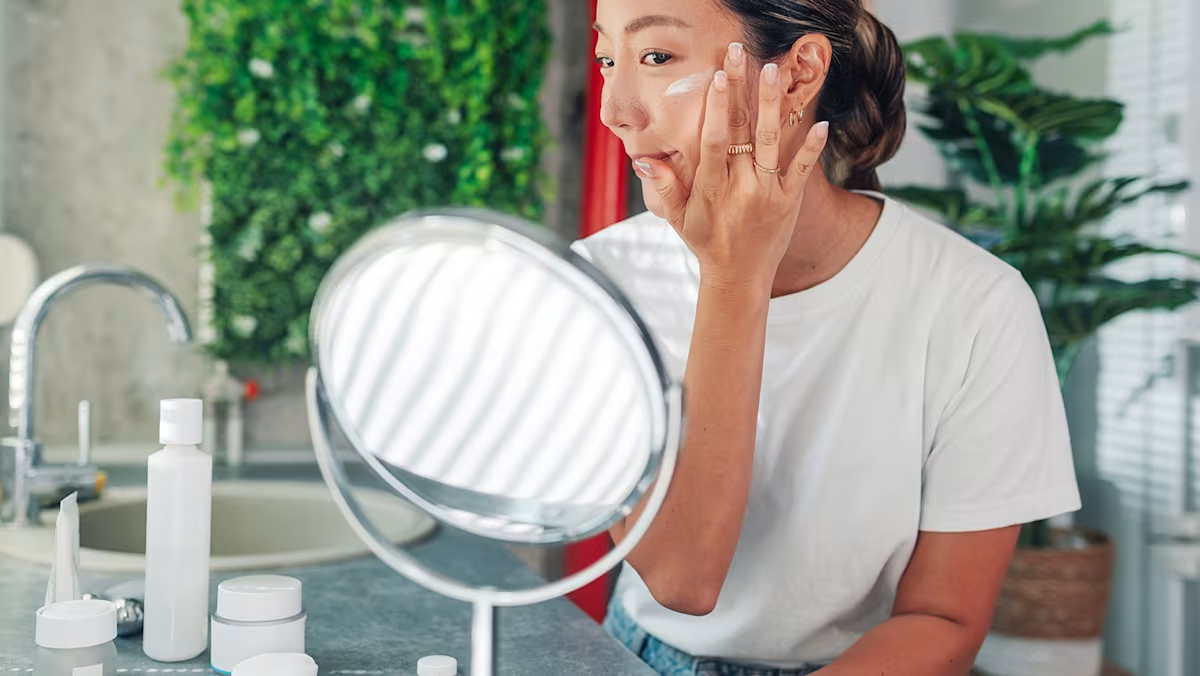
In the pursuit of achieving a glass skin, many women over-process their faces with aggressive peels, which strip away the skin’s natural barrier, triggering inflammaging, which is a state of chronic, low-grade inflammation that actively destroys collagen. Therefore, incorporating a regimen that is aimed at promoting longevity and focusing on ingredients such as ceramides and fatty acids can support the skin’s barrier function. When the skin maintains a healthy barrier, it will hold onto its moisture naturally, causing the skin to look plump without the need for additional treatments.

3. Integrate Smart Retinoids

The gold standard for cellular health is Vitamin A derivatives or retinoids. They are incredibly effective at improving the turnover of skin cells and promoting the production of new collagen. Some people experience a retinol burn and peel from using these products too frequently. Many experts suggest the following sandwich method, which starts with a low concentration formula just twice a week, until the skin becomes used to it is beneficial, and individuals can experience the benefits of texture improvement over time.

4. Invest in Bio-Remodelling

While traditional skincare works on the surface, bio-remodelling has revolutionised how we address deeper structural ageing. Unlike dermal fillers, which are used to sculpt or add volume to specific features like the lips, bio-remodelling, specifically via treatments like Profhilo, acts as an internal hydrator.

It utilises a high concentration of ultra-pure hyaluronic acid that flows through the skin’s layers. Instead of remaining in one place to simply fill a wrinkle, it initiates a process known as bio-remodelling that stimulates the production of multiple types of collagen and elastin. By improving the underlying structure of the skin, this technique can also enhance the skin’s firmness, elasticity, and hydration levels, which can lead to a healthier and more glowing look that might not be possible with topical applications.

ALSO READ- 5 Best Pre-Swim Lotions To Shield Your Skin From Chlorine Damage

5. Target Cellular Dehydration

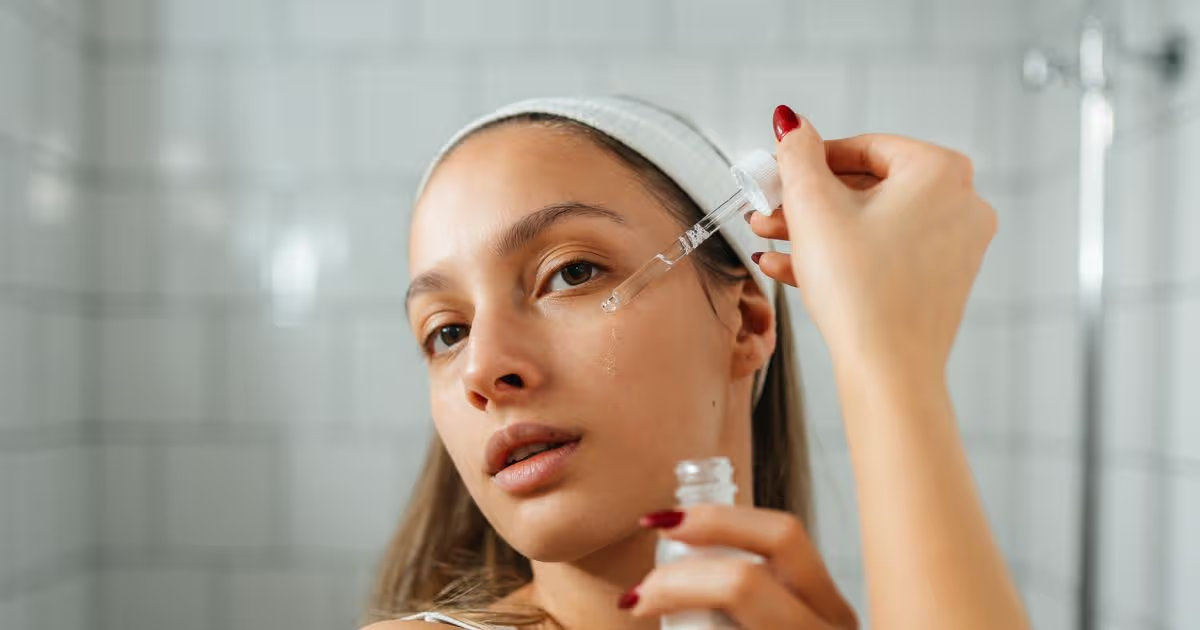
Hydration is an essential component in keeping the skin supple and elastic. Even oily skin types can become dehydrated, and this makes lines look more prominent. Ingredients such as glycerin and multi-molecular weight hyaluronic acid are humectants, which attract moisture into the skin at various levels. This helps to increase hydration levels, making the skin smoother, softer, and more supple.

6. Extend Care Beyond the Jawline

The neck, chest, and hands are often the first places to show signs of ageing, as the skin in these areas is much thinner and contains fewer oil glands than the face. A comprehensive approach must be applied to all areas of the body, including the face, when applying products. Be sure to extend antioxidant serums and sunscreen to the neck and chest as well, as these areas are often prone to early signs of ageing, such as sun spots and thinning, crepey skin. Consistent protection and care can help maintain a more even and healthy skin appearance over time.

7. Neutralise Oxidative Stress

Every day, the skin is under constant attack due to urban pollution and blue light, which can create free radicals that can harm your DNA. Antioxidants like Vitamin C, Ferulic Acid, and Resveratrol provide a second line of defence. When used in the morning under your SPF, they act as neutralisers against the environmental aggressors that can break down your natural support structures.

Conclusion

Ageing is a gift, and your skin is the storyteller of your life. By shifting the focus of your skin from fixing to nourishing it, you align your routine with your skin’s actual biology. Whether through consistent daily protection or advanced structural support like bio-remodelling, the most effective routine isn’t the one with the most steps. It is the one that respects your skin’s long-term health.

Image credits: Freepik

ALSO READ- How To Choose The Best Facewash For Summers For Fresh And Oil-Free Skin

For more such stories, stay tuned to HerZindagi. 

Herzindagi video

Tags: , , , ,
These Are The Vitamin C Serums Actually Worth Your Money, According To Dermatologists

These Are The Vitamin C Serums Actually Worth Your Money, According To Dermatologists

Listen, I’m a Skinimalist at heart – my daily routine consists of a basic lineup of mostly drugstore products, and I abide by a “less is more” philosophy when it comes to slathering things on my face. The only exception here is Vitamin C serums.

Anastasiya Mihailovna / Getty Images

For context, I started getting hormonal acne a few years ago, and since then, I’ve been dealing with stubborn post-acne hyperpigmentation. Only within the last year have I gotten a handle on things, thanks in large part to vitamin C serums. Since incorporating it into my routine, my dark spots have noticeably faded.

Related: “Her Killer Has Never Been Found”: Nurses Are Sharing The Shocking Patient Stories That Haunt Them To This Day, And Oh My God

Since I know all too well the feeling of standing in the skincare aisle, Googling “best vitamin C serums,” I did God’s Work™ for us and asked three board-certified dermatologists about the most reliable products on the market.

Jacob Wackerhausen / Getty Images

Before we get into what they said, here’s a little info about the experts I interviewed:

Dr. Dara Spearman is a board-certified dermatologist and founder of Radiant Dermatology Associates.

Dr. Dendy Engelman is a board-certified dermatologic surgeon at Shafer Clinic Fifth Avenue.

Dr. Toral Vaidya, MD, MPH is a board-certified dermatologist at MDCS Dermatology.

So, what is Vitamin C serum, actually?

Mariya Borisova / Getty Images

Vitamin C serum is a topical skincare treatment that disperses a highly concentrated amount of the antioxidant to the skin. Not only does it help protect skin from environmental aggressors ike UV exposure and pollution, but it also boosts collagen production and brightens the complexion. In addition, it “improves the appearance of fine lines and uneven skin tone,” and “supports overall skin health when used regularly,” Dr. Engelman and Dr. Spearman said, respectively.

Dr. Vaidya explained the science behind it all: “Vitamin C inhibits an enzyme called tyrosinase, which is involved in melanin (pigment) production.” She added that “by slowing this process, vitamin C can help prevent the formation of excess pigmentation.” 

“Additionally,” she continued, “as an antioxidant, it neutralizes environmental free radicals that contribute to skin aging, inflammation, and hyperpigmentation.”

What should you look for on the label?

Curly_photo / Getty Images

One of the most popular forms of Vitamin C serum includes L-ascorbic acid, “which is the most studied and effective form of vitamin C,” Dr. Spearman explained. “Ideally, it should be in the 10 to 20% range.” 

However, it’s worth mentioning that a higher percentage doesn’t necessarily mean better efficacy. “Vitamin C works in a dose-dependent way up to a point,” Dr. Engelman added. “After about 20%, you hit diminishing returns, and irritation risk climbs. Consistency is more important than chasing the highest concentration.”

Dr. Vaidya added that outside of L-ascorbic acid, there are “vitamin C derivatives, which differ in potency and stability.” She said that “L-ascorbic acid is more potent but less stable, whereas derivatives tend to be gentler and more chemically stable. Some skincare products also use plant-derived forms of vitamin C, which are generally gentler on the skin while still providing strong antioxidant benefits.”

Related: 15 Subtle Symptoms That Led People To Discover They Had A Very Serious Illness, And I’m So Glad They Didn’t Ignore Them

How does Vitamin C serum fit into your routine?

Strelciuc Dumitru / Getty Images

The general consensus is that Vitamin C should be applied in the morning, after cleansing, but before moisturizer and sunscreen. Applying the serum early in the day is ideal because, according to Dr. Engelman, “it acts as an antioxidant shield against environmental stressors like UV rays and pollution throughout the day. While sunscreen protects from UV radiation, vitamin C helps neutralize the free radicals that still form, so they work beautifully together.”

What results should you realistically expect, and how long does it take to see them?

Delmaine Donson / Getty Images

With consistent use, you might notice improvement in overall skin brightness and texture, including faded dark spots and greater radiance. According to all three doctors, results can be seen in as little as 8 to 13 weeks. 

Related: “It’s Not Normal”: Doctors And Nurses Are Calling Out The Biggest Health Warning Signs You Should Never Ignore

Is Vitamin C right for everyone?

Mariya Borisova / Getty Images

Vitamin C serum works well for most skin types, however, those with sensitive skin or rosacea-prone skin should be careful. “In those cases, I may recommend starting with a lower percentage or using it every other day,” Dr. Spearman said. “I always recommend patch testing, and it’s a good idea for any skin type!”

Dr. Vaidya added that for those with more sensitive skin, “it’s important to choose gentler formulations (with vitamin C derivatives) to minimize potential irritation.”

“A common mistake I see is using too many actives alongside vitamin C,” she explained. “It’s best to apply vitamin C at a separate time of day, or even on a different day, when incorporating other actives such as retinoids or exfoliants.”

And finally, the Vitamin C serums dermatologists actually recommend:

The more affordable options:

Dr. Althea’s Vitamin C Boosting Serum ($24) and Dr. Althea’s Gentle Vitamin C Serum ($24): “The Vitamin C Boosting Serum uses a 60% vitamin C‑rich Hippophae Rhamnoides Water and niacinamide, along with tranexamic acid to target dark spots,” Dr. Vaidya said. “The Gentle Vitamin C Serum offers a sensitive‑skin‑friendly formula with niacinamide and 3‑O‑ethyl ascorbic acid, a vitamin C derivative. Both are lightweight, absorb easily, and are designed to improve overall skin clarity with regular use.”

Maelove’s Glow Maker ($33): Dr. Spearman recommends this as “a more affordable option.” She said, “It’s a solid choice with a similar antioxidant profile.”

La Roche-Posay Pure 12% Vitamin C Serum ($45): “This is a great multitasker,” Dr. Engelman explained. “It brightens and hydrates the skin, reduces the look of fine lines and wrinkles, and smoothes texture, to make your skin look more radiant and glowy.”

Related: This Self-Awareness Test Will Tell You How Emotionally Intelligent You Really Are

The slightly more expensive standouts:

Pareva Beauty C35.5 Firming Glow Serum ($74): Dr. Spearman recommends this as it “combines 30% tetrahexyldecyl ascorbate (THD), an oil-soluble form of Vitamin C that is more stable and is powered by Molecur 3.” She explained that “Molecur 3 is the brand’s proprietary technology that targets exosomes, energizes skin through NAD+, and decreases inflammation, making it a good option for patients focused on preventing future aging for firmer, brighter looking skin.”

IMAGE Skincare VITAL C Anti-Aging Serum ($91): “The antioxidant blend in the formula helps neutralize daily damage from things like pollution and UV exposure, while also providing a more luminous and smooth texture, all while still being gentle on the skin,” Dr. Engelman said.

The ones to splurge for:

Vivier Serum 10 ($108): “This is a great option for those newer to Vitamin C serums,” Dr. Engelman said, adding, “it uses L-Ascorbic Acid USP, a bio-available form of Vitamin C, which delivers in a unique patented system to reduce the chances of irritation.”

SkinCeuticals’ C E Ferulic ($185) or Phloretin CF ($185): Simply put, Dr. Spearman said, “[these products] have stabilized formulas with strong antioxidant combinations.”

Have you added Vitamin C to your skincare routine yet? What are your go-to products? Share in the comments.

You Might Like: 26 Helpful Tips That’ll Make You Feel Like You’ve Got A PhD In Makeup

You Might Like: 29 Lazyish Ways To Deep Clean Your Home You’ll Wish You’d Known About Sooner

Also in Goodful: How Many Of These 27 “Basic Adult Life Skills” Do You Know How To Do?

Read it on BuzzFeed.com

Tags: , , , ,
Dermatologists warn teens and parents about social media skincare risks

Dermatologists warn teens and parents about social media skincare risks

Specialist dermatologists Dr Lauren Knight and Dr Tarryn Jacobs say hormonal changes during puberty often trigger oily skin and acne, but poor skincare advice online is increasingly making the problem worse.

They say teenagers, and their parents, should focus on simple routines rather than copying influencer-led skincare trends.

Why teenage skin changes during puberty

According to Knight, hormonal shifts during puberty are the main driver of teenage skin problems.

She explained that rising androgen levels increase oil production in both boys and girls, which can lead to acne.

“The skin becomes a bit oilier… and then it can progress to acne, whether mild early acne or more severe nodular cystic acne,” she said.

While acne is a normal part of adolescence, Knight warned that it should still be treated properly to avoid long-term consequences.

Untreated acne can lead to scarring and hyperpigmentation, which can affect teenagers well into adulthood.

The psychological impact can also be significant.

Social media skincare trends raising concern

Dermatologists say a growing concern is the influence of skincare content on platforms like TikTok and Instagram.

Jacobs said many teenagers, some as young as nine or 10, are copying complex skincare routines promoted by influencers.

“We are seeing young girls… using products that are inappropriate or using these multi-step routines,” she said.

In clinics, this often leads to irritated skin and allergic reactions.

Doctors are increasingly treating teenagers for problems such as contact dermatitis and perioral dermatitis, a rash that appears around the mouth and sometimes spreads toward the eyes.

The simple skincare routine teens should follow

Dermatologists recommend a basic skincare routine for teenagers, especially those without serious skin problems.

The key steps are simple:

– Cleanse

– Moisturise

– Use sunscreen

Jacobs said building healthy skincare habits early is important, but it should focus on skin health rather than appearance.

“It should be framed in a way that is health-focused… much like brushing your teeth or eating a healthy diet.”

Additional steps, such as exfoliating or using toners, are usually unnecessary unless there is a specific skin concern.

Why ‘natural’ skincare is not always safer

Parents often look for natural products for their children’s skin, but dermatologists warn that natural ingredients are not always safer.

Knight said many people wrongly assume natural products cause fewer reactions.

“Natural ingredients aren’t often as stringently tested as our chemical options,” she said.

“They are often common allergens or irritants.”

Instead, dermatologists recommend choosing gentle products and avoiding unnecessary ingredients.

When teenagers should see a dermatologist

Parents should consider professional help if acne becomes severe, painful or begins to scar.

Early treatment can reduce long-term damage.

Doctors say acne scarring is one of the most difficult aspects of treatment later in life.

“Scar management is probably the hardest aspect of acne management,” Knight said.

She added that sun protection and targeted treatments can help improve scars, but preventing them by treating acne early is far easier.

Picking pimples can worsen acne

Dermatologists also warned against the common habit of picking pimples.

Jacobs said this behaviour is particularly common among teenage girls and can worsen acne and increase the risk of scarring.

Doctors say the best solution is to treat the acne effectively so the urge to pick decreases.

Advice for parents of teenagers

Dermatologists say parents should guide teenagers toward simple routines and evidence-based skincare rather than influencer trends.

They also recommend regular habits such as washing pillowcases weekly and avoiding overly complicated routines.

The key message for both teens and parents is clear: healthy skin does not require complicated or expensive skincare, just the right approach for teenage skin.

For more information, listen to Knight and Jacobs using the audio player below:

Tags: , , , , , , ,
The 21 winter skincare essentials that dermatologists use when dry weather wrecks their skin | Life and style

The 21 winter skincare essentials that dermatologists use when dry weather wrecks their skin | Life and style

The word “moist” is one of the most reviled in the English language. Some researchers even found that up to 20% of people squirm at the sound of it. The New Yorker once voted it its readers’ “least favorite word.” People magazine once called it the “most cringe-worthy word” and even rounded up a passel of Sexiest Men Alive to try – and fail – to rehabilitate it.

The Guardian’s journalism is independent. We will earn a commission if you buy something through an affiliate link. Learn more.

According to our dermatologist experts, however, moist is one of the most important words, especially in winter. Dry, heated indoor air and the whipping winds outdoors tend to slurp all the moisture out of your skin. The result: chapped lips, ashy or itchy skin, rough hands and cracked feet.

During this time, “keep your skincare gentle and limited; winter skin is more delicate”, says Dr Oyetewa B Asempa, an assistant professor of dermatology at Baylor College of Medicine’s department of dermatology in Houston, Texas.

What do dermatologists use for their own skincare, then? We asked our experts for personal recommendations on what they use head to toe: for the face, body, hands and feet. Here’s their guide to how to avoid being sucked dry in winter.

At a glance

$19.99 at Amazon$24.97 at Amazon$47 at Amazon$4.99 at Amazon$21.99 at Amazon$11.94 for two at Amazon$15.78 at Amazon

Meet our experts on dry skin

  • Oyetewa B Asempa, MD, FAAD, an assistant professor of dermatology at Baylor College of Medicine in Houston.

  • Jeanine B Downie, MD, a board-certified dermatologist based in Montclair, New Jersey.

  • Lauren Payne, MD, MS, FAAD, a board-certified medical, surgical and cosmetic dermatologist based in New Orleans.

What derms use for their face

Photograph: Cultura Creative/Getty Images/Tetra images RF

“I always do cleanser, serum, moisturizer and then sunscreen is always last,” says Lauren Payne, the dermatologist in New Orleans.

For a cleanser: “I love a glycolic, acid-based cleanser every day, but in the winter I can’t use it as frequently,” she says. Even in New Orleans’s mild winter, she continues: “So I may do that three times a week, and I’ll add in a hydrating cleanser on the other days.”

Ingredients she looks for in a cleanser: hyaluronic acid (HA), a humectant that can absorb many times its weight in water; and glycerin, a humectant that attracts water from the air.

An HA pro tip: “I always tell patients to make sure their skin is damp before they put anything with HA on because it binds to water,” Payne says. “If you put it on dry skin, it actually kind of takes some of the moisture out of your skin. That’s my personal experience. I used to use one, and I was like, why is it making my skin more dry?”

What’s in their skincare routine? Her go-to cleanser brands are La Roche-Posay Toleriane (which contains glycerin) and CeraVe Hydrating Facial Cleanser (which has HA as well as ceramides, fats naturally found in your skin).

Photograph: Courtesy of Amazon

La Roche-Posay Toleriane Moisturizing Milky Facial Cleanser

$19.99 at Ulta Beauty $19.99 at Amazon Photograph: Courtesy of Amazon

CeraVe Hydrating Facial Cleanser

$15.97 at Amazon$16.49 at CVS Pharmacy

For those (remember: gentle!) exfoliation days, Payne goes with Glytone Mild Gel Cleanser, better for more oil-prone skin. Payne says the Glytone Mild Cream Cleanser is better for drier skin: “It should be pretty tolerable for even patients with sensitive skin.”

Photograph: Courtesy of Amazon

For oily skin: Glytone Mild Gel Cleanser

$23.40 at Amazon$27 at Glytone Photograph: Courtesy of Amazon

For dry and sensitive skin: Glytone Mild Cream Cleanser

$32 at Amazon$36 at Glytone

For a moisturizer: How do you make winter makeup look good? It’s all in the moisturizer.

“It really doesn’t matter, makeup product-wise,” Payne says. You do not need to switch out your makeup in winter. “It’s whether your skin is moisturized enough. If, when you’re putting on makeup, your underlying skin is cracked or dry or flaky, nothing is going to stick or settle and look good on your skin.”

Lack of humidity leads to overall dryness, but indoor heat, chilly winds and even heat in the car “adds to the problem,” says Dr Jeanine B Downie, the dermatologist in New Jersey.

What’s in their skincare routine? Neutrogena Hydro Boost, a lightweight gel with HA. And La Roche-Posay Toleriane Double Repair Face Moisturizer, a light cream with ceramides and glycerin that easily sinks into skin.

Asempa picks “thick and luxurious” RoC Hydration+ Moisturizer, which has HA and amino acids that the brand claims can support collagen growth (that’s the stuff that keeps your skin plump and bouncy).

Photograph: Courtesy of Amazon

Neutrogena Hydro Boost Water Gel

$19.97 at Walmart$22.99 at Amazon Photograph: Courtesy of Ulta

La Roche-Posay Toleriane Double Repair Face Moisturizer

$24.99 at Amazon$25.99 at Ulta Beauty Photograph: Courtesy of ROC

RoC Hydration+ Moisturizer

$24.97 at Amazon$32.99 at Roc Skincare

For a serum: Some people save serums for night-time use, but there’s no law that they can’t see the daylight. They can contain antioxidants to battle environmental stressors, as well as moisturizing ingredients that will really seal the deal of your soft, smooth skin.

What’s in their skincare routine? For “dermatologist-style hydration at a wallet-friendly price”, Asempa likes CeraVe Hydrating Hyaluronic Acid Serum with glycerin and dimethicone, which protects skin from water loss.

She also recommends La Roche-Posay Hyalu B5 Serum. “It’s a classic HA with vitamin B5 to repair the skin barrier,” she says. B5, aka panthenol, is an anti-inflammatory ingredient in skincare that has been shown to significantly boost skin barrier repair and hydration after 48 hours.

Photograph: Courtesy of Amazon

CeraVe Hydrating Hyaluronic Acid Serum

$17.99 at Amazon$24.49 at CVS Pharmacy Photograph: Courtesy of Amazon

La Roche-Posay Hyalu B5 Serum

$39.99 at Amazon$39.99 at Dermstore

For an extra glow: It’s certainly not essential, but you can also try a vitamin C serum for “brightening” after moisturizing. “Thanks to antioxidant properties, it gives you a glow,” Payne says.

Not all vitamin C serums are the same. “There are so many over-the-counter products, but most of them are about 90% filler and actually 10% vitamin C,” Payne cautions. How do you know a product has an effective amount? “The big thing is, if it tingles when you put it on, it’s probably actually active vitamin C.”

For people with sensitive skin, she recommends La Roche-Posay Vitamin C12 Serum.

Photograph: Courtesy of Amazon

La Roche-Posay Vitamin C12 Serum

$44.99 at Amazon$44.99 at Dermstore

What derms use for sunscreen

Photograph: javi_indy/Getty Images/iStockphoto

“Regardless of where in the country you are, I say sunscreen every day. Inside, outside,” Payne insists. “You should not skip sunscreen during the winter months,” adds Downie. “The SPF needs to be 30 or greater and it should be reapplied every three hours – more frequently if you are closer to the equator.”

It’s not just about the sun. Blue light from our computers and other electronic devices can increase skin aging and hyperpigmentation, Payne says.

She uses and recommends tinted sunscreens, because the added pigments, such as iron oxide, are especially effective at shielding the skin from blue light.

Finding a mineral sunscreen that doesn’t give skin an ashy hue is also a life goal for some. “I’m African American, so it’s tough for us to find a sunscreen that doesn’t leave that white cast,” Payne says. Some clear sunscreens also block blue light, especially those with niacinamide.

What’s in their skincare routine? She uses EltaMD sunscreens. The brand’s formulations “do seem to rub into a lot of different skin tones very well”, she says. “They have a clear, a deep-tinted and a combo version. For some reason, it’s the combo that works the best.”

Downie picks ZO Daily Sheer for its high SPF.

Photograph: Courtesy of Amazon

EltaMD UV Clear Tinted Broad-Spectrum SPF 46

$47 at Dermstore$47 at Amazon Photograph: Courtesy of ZO Skin

ZO Daily Sheer Broad-Spectrum SPF 50

$49 at Amazon$70 at ZO Skin

What derms use for dry lips

Photograph: Jorge Elizaquibel/Getty Images

Don’t forget sunscreen for your dry, wind-burned, chapped, cracked (potentially all of the above) lips.

Lip balms with SPF and petrolatum, AKA petroleum jelly, are ideal. The latter helps seal in moisture. “It really is one of the most effective occlusives around,” Asempa says. “People think it’s like putting gas on your face. That’s not what’s happening.” Triple-distilled petrolatum, the kind used by big brands like Aquaphor and Vaseline, is non-toxic and non-carcinogenic.

What’s in their skincare routine? Aquaphor lip balm in particular “applies nicely,” Payne says. She says you can apply lipstick first, then Aquaphor on top: “It doesn’t look cake-y.”

Photograph: Courtesy of Amazon

Aquaphor Lip Protectant + SPF 30

$4.99 at Amazon$11.49 for two at CVS pharmacy

What derms use for the shower

Photograph: PeopleImages/Getty Images

You might be showering wrong in the winter. “It’s important to not over-exfoliate,” Payne says, in order to avoid too much moisture leaving your skin. “So for people who like to use loofahs and all that type of stuff, I wouldn’t recommend doing so frequently.”

You don’t have to stop altogether, she says, but “they shouldn’t be an everyday type of thing”.

“We love those extremely hot showers because they feel amazing,” Payne says, “but they are just soaking all the moisture out of your skin.” Her rule of thumb: warm water, not scalding hot, and 10 minutes at most in there; after 15 minutes or so, you start losing moisture.

She suggests using a body wash containing moisturizing agents such as ceramides or HA.

Photograph: Courtesy of Amazon

Ceramedx Extra Gentle Body Cleanser

$11.99 at Ceramedx$12.45 at Amazon

And then, once you come out of the water, she says: “You want to pat dry. You don’t want to fully dry off.” Leave skin a little damp before you apply any body moisturizer “so it can actually penetrate into your skin.

“Summertime is great for lotions, those lighter water-based moisturizers,” she says. “In wintertime, it’s time for creams.” Look for ingredients such as glycerin, squalene and ceramides.

Got really dry skin? She recommends layering products. “Put the cream on first and then seal it in with an Aquaphor or Vaseline, something that contains petroleum jelly, to really lock in the moisture.”

Photograph: Courtesy of CVS

CeraVe Moisturizing Cream with Ceramides

$18.19 at CVS Pharmacy $18.96 at Amazon Photograph: Courtesy of Walmart

Vaseline Intensive Care Deep Moisture Body Cream

$14.97 at Walmart $39.96 for pack of four at Amazon

What’s in their skincare routine? “Roche-Posay’s Lipikar cream is really good, head to toe,” she says. “It’s not greasy and it doesn’t rub off on clothing like some creams do.”

Asempa is also a Lipikar fan: “It’s my ultimate winter moisturizer. My personal favorite.”

For those on a budget, she recommends Good Molecules Rich Cream, which contains ceramides. “It’s so thick and luxurious,” she says.

Photograph: Courtesy of Ulta

La Roche-Posay Lipikar AP+M Triple Repair Body Moisturizer for Dry Skin

$21.99 at Amazon$21.99 at Ulta Beauty Photograph: Courtesy of Good Molecules

Good Molecules Rich Cream with Ceramides

$13.99 at Amazon$14 at Good Molecules

What derms use for dry hands

Photograph: Ekaterina Vasileva-Bagler/Getty Images

Go beyond just cuticle oil. “The big thing is making sure not just the nails, but the hands in general are moisturized,” Payne says.

What’s in their skincare routine? Heavier creams rather than light lotions. “I really like Neutrogena Norwegian Formula Hand Cream. It’s thick but it’s manageable and it really holds the moisture in,” she says. It’s fragrance-free and contains glycerin.

Photograph: Courtesy of Amazon

Neutrogena Norwegian Formula Hand Cream

$7.19 at CVS Pharmacy $11.94 for two at Amazon

What derms use for dry feet

Photograph: Microgen Images/SCIENCE PHOTO LIBRARY/Getty Images/Science Photo Library RF

Even though your feet are snuggled up in woolly socks much of the winter, the cold, dry air can leave them looking ragged and feeling worse. Extreme dryness can even cause painful heel fissures.

Look for creams containing urea, according to Payne. She says: “Urea is what we call a keratolytic. It’s an exfoliator for thicker skin areas such as the hands and feet.”

Photograph: Courtesy of Amazon

Cetaphil Exfoliating Rough & Bumpy Cream

$14.99 at Amazon$14.99 at Walmart Photograph: Courtesy of Amazon

Eucerin Advanced Repair Cream

$15.78 at Amazon $15.79 at Target

Tags: , , , , , , , , ,
Daily Mirror

Best PDRN products as dermatologists explain science behind ‘salmon DNA’ skincare

PDRN is the trending K-beauty skincare ingredient that dermatologists say supports skin repair and hydration – here are the best products to try in 2026

PDRN is a skincare ingredient skyrocketing in popularity this year(Image: Getty)

Every few years there seems to be a new hero skincare ingredient to incorporate into our routines. Hyaluronic acid has been universally revered for its hydration properties, vitamin C has earned essential status for its glow-giving abilities, while retinol is a must for anti-ageing focused evening routines. Now, as we head into 2026, PDRN is taking centre stage – but what exactly is it and how should we be using it?

Already a staple in medical aesthetics and K-beauty, which has dominated social media and beauty aisles over the last 12 months, PDRN is being hailed as the next generation of barrier-first, recovery-led skincare. As such, skincare fans are likely to start seeing it crop up a lot more in high-street launches in the coming months, with many formulas relying on the ingredient to deliver bouncy, hydrated and protected skin.

I asked dermatologists for the low down on the latest skincare essential, and have hunted down some of the top products starring the ingredient available now, perfect for anyone wanting a skincare refresh. I’ve even been using one of them myself for the last couple of weeks, and I’ve already noticed a difference in my complexion.

READ MORE:

What Is PDRN?

PDRN stands for polydeoxyribonucleotide, which is a biological compound made up of short DNA fragments. In skincare, it’s most commonly derived from purified salmon DNA, though fermentation-based and vegan alternatives are now emerging.

Dr Ewa Kania, an aesthetic doctor and regenerative skin specialist, explained: “PDRN is a DNA-fragment-derived regenerative ingredient originally developed for medical wound healing. In skin, it signals fibroblasts and other cells to support collagen and elastin synthesis, enhance barrier repair, improve hydration, and reduce low-grade inflammation.”

PDRN is suitable for most skin types, making it a really universally-loved ingredient(Image: Getty)

Consultant Dermatologist Dr Aiza Jamil added that PDRN has long been used in clinical dermatology before making the jump into at-home products. She added: “It acts as a regenerative ingredient that interacts with cellular mechanisms involved in repair and homeostasis. It was originally used in aesthetic and medical dermatology for wound healing, but is now formulated into topical products like serums, creams, ampoules and toners.”

What does PDRN actually do for skin?

Traditional actives like retinols or AHAs that exfoliate and resurface, PDRN works by supporting the skin’s own repair systems.

“PDRN stimulates pathways involved in tissue repair and cellular renewal,” said Dr Aiza Jamil. “It also improves the skin’s hydration through enhancing moisture retention and structural resilience, supporting the skin’s barrier function”

According to the cosmetic dermatologist, the ingredient is believed to ‘help improve elasticity and texture through influence on collagen pathways and fibroblast stimulation’.

Key benefits of using the ingredient topically include improved barrier strength and resilience, enhanced hydration and plumpness, calmer, less inflamed skin and gradual improvements in elasticity and texture.

Dr Ross Perry, Medical Director of Cosmedics Skin Clinics, describes it as a long-game ingredient. “PDRN encourages the skin to repair itself more efficiently. It helps kick-start fibroblast activity – the cells responsible for collagen and elastin – improving skin quality over time rather than offering a short-term cosmetic fix.”

“It’s not about dramatic overnight changes,” Dr Perry noted. “It’s about improving how the skin functions long term.”

Why PDRN is going to be everywhere in 2026

On TikTok, PDRN has gained viral traction thanks to its nickname – “salmon DNA skincare.” The hashtag #PDRN already has 180K posts, while #GlassSkin has surpassed 1.3 million. Searches for K-beauty on TikTok Shop are up 125% in the last six months of 2025, with #kbeauty now the third most-used beauty hashtag in the UK.

The hashtag #PDRN already has more than 180K posts on TikTok

According to Grace Vernon, Head of Boots Ignite, Foresight & Trends, PDRN is firmly on the radar at the health and beauty retailer, too. “As seen in the Boots Beauty & Wellness Trend Report 2026, PDRN is shaping up to be 2026’s buzziest skincare ingredient. It’s a popular aesthetic treatment, where PDRN is injected straight into the skin to improve regeneration—but skincare products offer a more accessible way to get the benefits (and a lot less painful!).”

“The shift toward ‘recovery-first’ skincare has driven interest in scientifically grounded actives,” Dr Kania added. “Consumers and brands are moving away from aggressive exfoliation and stripping routines toward barrier-supportive, regenerative ingredients. PDRN bridges clinic and daily care with a strong regenerative narrative.”

“Trends such as regenerative treatments and repair and recovery for our skin barrier has become very popular in the past few years, which PDRN champions, so it’s no wonder it is believed to become a leading skincare trend for 2026,” Dr Jamil agrees. “Repair and regeneration has replaced the ‘anti-ageing’ rhetoric. People are focused on cell turnover, barrier protection and hydration from a younger age.”

So it seems that for those left with sensitive or reactive skin having previously taken a ‘more is more’ approach, PDRN could just be the product to combat that.

Who should be using PDRN – and how?

PDRN works best as a supportive, daily active rather than a once-a-week treatment. It layers easily with retinoids, acids and vitamin C, making it ideal for both morning and nightly use. As part of an am skincare routine, it’s ideal for delivering a hydration boost, while evening use is reportedly most effective, working overnight to support skin regeneration.

As for who can use it, Dr Aiza Jamil suggests it is typically suitable for almost all skin types. She said: “It’s generally quite safe for those with sensitive or acne-prone skin. I would stress that PDRN on its own isn’t a miracle worker, but it’s extremely beneficial for recovery, regeneration and barrier support when included in a routine.”

It’s also important to note that topical products won’t replicate injectable results, but they’re excellent for maintenance, prevention and long-term skin health, especially between in-clinic treatments. Dr Ewa Kania added: “Clinically, PDRN fits post-procedure and sensitive skin protocols beautifully. I emphasise repair, resilience and measured results over hype, which helps set realistic expectations while leveraging its robust biological rationale.”

Top PDRN product picks

The PDRN market in the UK is growing rapidly with K-beauty imports and homegrown launches. Dr Ewa Kania has recommended a number of affordable high street options, ranging for those ideal for post-procedure care, to TikTok favourites.

One of her recommendations is the Dr Reju-All Advanced PDRN Rejuvenating Cream, which is £32.89 at Superdrug. She describes it as ‘excellent for post-procedure repair and barrier support’. Often sold-out at Korean pharmacies, according to Glam Touch, it’s designed for oily, dry, and combination skin types and helps the skin recover from daily environmental stress while restoring hydration, glow, and firmness overnight.

Dr Reju-All Advanced PDRN Rejuvenating Cream(Image: Superdrug)

At LookFantastic, the Anua PDRN Hyaluronic Acid Capsule 100 Serum costs £20 and is said to be a ‘great affordable option for sensitive or retinoid-averse skin’ according to the doctor. Consultant Dermatologist, Dr Aiza Jamil, is also a fan of Anua, in particular their PDRN Hyaluronic Acid 100 Moisturising Cream. She said: “It’s formulated with PDRN and Hyaluronic Acid to give the skin a deep boost of hydration and barrier protection.”

A TikTok favourite, Medicube’s PDRN Pink Peptide Serum has been praised by Dr Kania for ‘balancing hydration, radiance and elasticity’. It costs £24 at Boots, with one shopper commenting: “Amazing! This serum has helped my dry skin so so much! I had one stubborn patch around my nose that no moisturiser has helped, but one week of Salmon PDRN and it’s clearing up.”

Medicube PDRN Pink Peptide Serum 30ml(Image: Boots)

However, another shopper claimed it caused them to break out in blemishes, which goes to show that not every skincare product or ingredient will suit everyone. It’s also worth remembering to complete a patch test when introducing any new product or ingredient into your skincare routine, especially as in some rare cases, those with fish allergies may not find the product suitable for them.

For a vegan alternative, there’s the Yepoda The Skinject Effect, which Dr Kania said is made with’exosomes and microspicule delivery, appealing to ethically minded clients and next-gen regenerative positioning’. With its gentle yet powerful formula, it refines skin over time, stimulates collagen production, and supports the skin’s natural barrier.

My personal favourite, though, is the newly-launched Boots PDRN Serum, which was released in January as part of a capsule skincare range from the brand, which draws influence from K-Beauty. It’s priced at a purse-friendly £8, and is said to leave skin ‘feeling firmer, more supple, and radiant after use’.

Boots own brand PDRN serum is one of the most affordable on the market at £8

I’ve been using the serum daily for two weeks and love its lightweight, non-sticky feel. I’ve already noticed a marked improvement in my skin’s overall appearance, looking healthier, brighter and more glowy – and I’m not the only one.

One Boots shopper has commented: “This serum literally makes me skin glow like crazy! My skin feels so hydrated and soft, it’s my go to serum now. The glow it gives is not greasy or wet either so you glow even under makeup.”

Another added: “I’ve only been testing this product for a week so can’t comment on long term benefits, but I’m impressed so far. My skin feels so hydrated, and it looks super glowy! I would definitely repurchase.”

The bottom line?

PDRN isn’t here to replace products containing the likes of retinol or hyaluronic acid, but slots effortlessly into most skincare routines as an additional boost for skin health and glow. As Dr Perry puts it: “It’s not a miracle ingredient. But as part of a considered skincare plan, it can significantly improve how skin behaves, heals and ages.” And we can expect to see a lot more of it knocking around in 2026, that’s for sure.

Tags: , , , , , , ,
How much retinol, Vitamin C and acids does your skin really need? Dermatologists explain

How much retinol, Vitamin C and acids does your skin really need? Dermatologists explain

So what is the right amount? “The goal is consistency and tolerance, not intensity,” said Dr Ho.

1. Vitamin A (retinol and retinoid) 

Optimal concentration: 0.25 – 0.5 per cent for retinol; 0.025 – 0.05 per cent for retinoid, depending on skin type. 

Application: A pea-sized amount for the entire face, twice to three times a week at the start, increasing to nightly if the skin is able to tolerate it. 

Best time: Only at night as retinoids break down under UV and can make skin more sun-sensitive. 

Potential side effects: Retinoid dermatitis (dryness, flaking, redness and a burning sensation) 

2. Vitamin C (L-ascorbic acid, sodium ascorbyl phosphate and magnesium ascorbyl phosphate)

Optimal concentration: Ten to 20 per cent for most skins and 5 to 10 per cent for sensitive skins. Anything above 20 per cent doesn’t necessarily improve efficacy.

Application: A thin, even layer for the face. 

Best time: Mornings to boost your sunscreen’s UV protection and fight daytime free radical damage. 

Potential side effects: Stinging, redness, dryness and even breakouts from overly acidic or high-strength formulations, especially over 20 per cent.

3. Alpha Hydroxy Acids (glycolic acid, lactic acid and citric acid)

Optimal concentration: Five to 10 per cent as a daily leave-on and up to 20 per cent for weekly exfoliating treatments.

Application: A 20-cent coin-sized amount applied in a thin, even layer; avoiding around the eyes and mouth, which can be more sensitive.

Best time: At night as it can increase sun sensitivity during the day. 

Potential side effects: Over-exfoliation can lead to skin tightness, peeling or micro-tears, heightened sensitivity and increased risk of hyperpigmentation. 

4. Beta Hydroxy Acids (salicylic acid)

Optimal concentration: 0.5 to 2 per cent for most skins.

Application: Two to three times a week initially, increasing to daily or every other day. In addition, start at the affected areas (clogged pores and breakouts) or over oilier areas such as the forehead or nose, before extending to the rest of the face. 

Best time: Either morning or night. 

Potential side effects: Excess dryness, irritation and peeling, especially around the nose and mouth. In darker skin tones, it may also trigger post-inflammatory hyperpigmentation. In addition, combining multiple exfoliants, such as BHA with AHA and retinol, can compound irritation risk. 

5. Niacinamide

Optimal concentration: Five per cent, though sensitive skins should opt for 2 to 3 per cent. 

Application: One pump or four to five drops for full-face coverage. 

Best time: Morning and night. 

Potential side effects: While generally well-tolerated, however, too much can over-stimulate the skin and disrupt its natural pH balance. 

Caution: Concentrations above 10 per cent can cause flushing, itching or irritation, especially in sensitive skins. 

6. Hyaluronic Acid 

Optimal concentration: One to 2 per cent. Look for multiple molecular weights of hyaluronic acid for best results. 

Application: One to two pumps onto damp skin to boost hydration effects.

Best time: Twice daily. 

Potential side effects: Though inherently gentle, using too much without proper hydration (that is, sealing with moisturiser after) can paradoxically dehydrate the skin as it’s a humectant that can pull water from the deeper skin layers when skin is dry.

7. PDRN

Optimal concentration: 0.5 to 1 per cent, which translates to 5,000ppm to 10,000ppm.

Application: One pump for the whole face after cleansing and before moisturiser.

Best time: Nightly to support skin repair. Also ideal for post-aesthetic treatment recovery too. 

Potential side effects: Overuse or unregulated concentrations may lead to congestion or temporary breakouts due to its regenerative property. 

5 MORE FACTORS TO CONSIDER TO BOOST SKINCARE EFFICACY

Tags: , , , , ,
The viral skincare trend dermatologists are warning against: 6 reasons to avoid it

The viral skincare trend dermatologists are warning against: 6 reasons to avoid it

We seem to be going back to basics with everything these days, from improving sleep by mimicking our ancestors’ circadian rhythms to eating whole foods to reduce the risk of dementia. 

This shift has paved the way for the viral “Caveman” skincare routine, a trend built on the premise that “less is always more” when it comes to keeping skin looking young and healthy. 

The Caveman technique involves ditching skincare products entirely, including cleansers, in favour of washing your face with water alone. The most extreme version proposes avoiding water altogether! “The theory is that this allows the skin to ‘self-regulate’ naturally,” explains dermatologist Dr Cristina Eguren.

However, the doctor and other experts warn of a major flaw in this logic. “Water alone cannot effectively dissolve sebum or remove traces of sunscreen, makeup or pollution,” notes fellow dermatologist Dr Inés Escandell. “Adequate cleansing requires surfactants (active cleaning ingredients) capable of removing these substances without disrupting the skin’s barrier.”

Why you should avoid the viral ‘Caveman Skincare’ routine

© GettyThe Caveman technique involves ditching cosmetic products entirely in favour of cleansing with water alone

Taken at face value (pun intended), the idea of a ‘natural detox’ sounds appealing. However, skipping your daily cleanse can trigger a cascade of skin problems. The Caveman routine can:

  • Disrupt the skin’s microbiome: Our skin hosts an ecosystem of microorganisms that coexist in a delicate balance. “Without a proper cleansing routine, it’s easier for certain bacteria and mites to proliferate, disrupting that balance,” says Dr Eguren. Dr Escandell adds that failing to remove sweat, sebum, pollutants or dead cells creates a situation that “favours the appearance of opportunistic or pathogenic microorganisms.”
  • Encourage bacterial proliferation: As noted above, leaving sebum and dirt on the skin creates a breeding ground for bacteria. “This increases the risk of inflammatory disorders and infections,” states Dr Eguren. Dr Escandell points to clinical evidence: “Studies on acne patients show that cleansing once or twice a day reduces the load of bacteria like Cutibacterium acnes. Other studies demonstrate that a lack of cleansing encourages Staphylococcus aureus to flourish.”
  • Cause irritation: “The accumulation of impurities and excess sebum can [weaken] the barrier function,” explains Dr Eguren. “The skin becomes sensitised and more prone to dehydration, leading to irritation, redness and discomfort.”
  • Trigger infection and acne breakouts: An inflammatory environment is ideal for the blackheads and pustules to thrive. Dr Eguren adds: “By not properly removing impurities and cellular debris, especially excess sebum, pores become clogged. This can trigger or worsen breakouts of acne, rosacea and seborrheic dermatitis.”
  • Accelerate ageing: “Avoiding cleansing hinders proper cell renewal and exposes the skin to more free radicals, which accelerates ageing,” asserts Dr Eguren. Our skin also needs antioxidants and sun protection to remain healthy. “Skipping SPF increases oxidative damage; UV radiation and pollution contribute to photoageing, collagen loss and wrinkles. Also, dehydrated skin simply looks older,” says Dr Escandell.
  • Cause Dermatosis Neglecta: This is a specific condition caused by the build-up of dead cells and dirt, resulting in dark, rough patches. “In the absence of proper cleansing, these brownish or greyish plaques appear, formed by a solidified accumulation of sweat and sebum,” Dr Escandell concludes.

© ShutterstockLack of cleansing can trigger or worsen breakouts of acne, rosacea and seborrheic dermatitis

The alternative: A dermatologist-approved routine for healthy skin

According to the experts, a proper facial cleansing routine should be simple, consistent and tailored to your specific skin type. It also should be done both morning and night, even if you haven’t worn makeup.

© Getty ImagesDermatologists recommend a gentle cleanse, morning and night

Here is the recommended protocol:

  1. In the morning: Start with a gentle cleanse using a product suited to your skin type. Next, apply an antioxidant serum (such as Vitamin C). Finally, finish with broad-spectrum sun protection (minimum SPF 30), which is essential year-round but critical during the summer months.
  2. At night: “I recommend a double cleanse, particularly if you have been wearing makeup,” advises Dr Eguren. “Start with an oil-based cleanser or micellar water to break down surface grime, then follow with a water-based gel or foam cleanser to rinse the skin clean.” Once the skin is prepped, apply a product containing active ingredients, such as retinoids or alpha hydroxy acids (AHAs).
  3. Exfoliation: “It is very beneficial to include proper exfoliation to effectively remove traces of oil, cellular debris and Demodex mites; this will improve the skin’s condition and function,” explains Dr Eguren. Frequency will depend on your skin type. “For oily skin, this can be done frequently, even daily,” Dr Eguren concludes. “For dry skin, once or twice a week is sufficient.”

© Getty ImagesMicellar water can also be beneficial for skin health

The dangers of viral misinformation in skincare

The fact that the Caveman routine has gone viral on TikTok means it has resonated with, and unfortunately misinformed, a massive, predominantly young audience. 

“Social media can turn any practice into a trend, even without a scientific basis,” warns Dr Eguren. “Many young people adopt this routine without understanding the implications. It normalises habits that aren’t beneficial for skin health and can actually worsen conditions like acne or rosacea.”

Dr Escandell shares this concern, noting that the craze trivialises the importance of dermatological hygiene. It also “may encourage people with acne, dermatitis or rosacea to abandon effective treatments and disregard specialist advice. 

“As with other fads, it creates unrealistic expectations; the ‘benefits’ shown online are usually anecdotal and cannot be applied to the general population.”

About the experts: 

  • Dr Cristina Eguren is a dermatologist and founder of the Eguren Clinic in Madrid.
  • Dermatologist Dr Inés Escandell is a member of Spain’s Aesthetic and Therapeutic Dermatology Group as well as the Dermothéque blog and skincare podcast.

Tags: , , , , , ,
Unusual Skincare Trends Of 2025: What Dermatologists Approve And What They Warn Against | Beauty News

Unusual Skincare Trends Of 2025: What Dermatologists Approve And What They Warn Against | Beauty News

Last Updated:December 15, 2025, 15:42 IST

From using menstrual blood as a mask to the rise of microbiome-friendly skincare, beauty in 2025 got more experimental. However, not every viral trend is meant for your skin.

Experts advise evidence-based routines over risky shortcuts for lasting skin health.

Skincare in 2025 is more experimental than ever, shaped by social media virality, tech innovation, and growing interest in wellness-led beauty. While some trends reflect genuine scientific progress, others blur the line between curiosity and risk. Dermatologists caution that healthy skin is not built through shortcuts or shock-value routines but through understanding what your skin truly needs. As unusual practices gain traction online, experts stress the importance of separating evidence-backed innovation from potentially harmful experimentation.

Viral Skincare Trends Of 2025 That Miss The Mark

Addressing the surge of extreme skincare experiments, Dr Smriti Naswa Singh, Consultant Dermatologist and Cosmetologist at Fortis Hospital, Mulund, notes, “Not every skincare trend you see online is meant for your skin. Good skin comes from understanding your skin’s needs, not chasing instant results.”

One of the most controversial trends this year has been the so-called menstrual or period blood mask. Dr Singh firmly dismisses the practice. She explains, “There is no scientific basis for applying menstrual blood to the skin, and since it is not sterilised, it can cause irritation or infection , especially in sensitive skin types.”

Another viral hack involves using personal lubricant as a makeup primer. While it may create a temporarily smooth appearance, Dr Singh warns that “these products are not formulated for facial skin. Their ingredients can clog pores, trigger breakouts, and cause long-term discomfort.”

The Problem With Shortcut Glow Treatments

Injectable and in-clinic trends have also raised concerns. IV glutathione, often marketed as a fast track to brighter skin, continues to trend despite limited necessity for most users.

Dr Singh notes, “Real glow does not come from injections. Healthy skin builds slowly with sun protection, nourishing food, proper sleep, and a routine suited to your skin.” She cautions that unnecessary IV treatments, when taken without medical supervision, can do more harm than good.

Similarly, placenta facials promise rejuvenation but lack strong scientific evidence. Dr Singh adds that such treatments can sometimes trigger allergies or irritation, particularly in reactive skin. Candle-based moisturisers, another unusual trend, may benefit extremely dry skin but risk worsening acne or oiliness due to their heavy texture.

Skincare Trends Of 2025 That Reflect A Smarter Shift

Not all 2025 skincare trends are questionable. Dr Kusumika Kanak, Consultant Dermatologist at Sahyadri Super Speciality Hospital, Pune, highlights the rise of microbiome-friendly skincare. “These products support the skin’s good bacteria, which act as a protective shield and help maintain skin stability,” she explains. This shift has encouraged milder cleansers and barrier-supportive formulations over harsh actives.

Technology is also playing a larger role. “Skin-mapping tools and apps are helping people detect early signs of dehydration, inflammation, or damage,” Dr Kanak notes, allowing users to better understand redness, pores, and fine lines instead of guessing their skincare needs.

Blue Light, Stress, And Sustainability

As screen time continues to rise, blue light defence skincare has gained relevance. Dr Kanak explains that antioxidants are now being used to reduce oxidative stress caused by prolonged digital exposure, which may accelerate skin ageing.

Emerging interest in neurocosmetics reflects a growing link between emotional wellness and skin health. These products aim to reduce stress-related symptoms such as dullness or redness by interacting with nerve endings. While the science is still evolving, Dr Kanak says the concept resonates with consumers seeking holistic solutions.

Environmental consciousness is also shaping choices. Waterless skincare, such as solid cleansers, balms, and concentrated serums, has gained popularity due to lower environmental impact and gentler formulations that require fewer preservatives.

Skincare trends in 2025 reveal a clear divide between science-led innovation and viral experimentation. While advancements in microbiome care, technology, and sustainability show promise, extreme DIY hacks and shortcut treatments carry real risks. Dermatologists agree that consistent routines, professional guidance, and patience remain the foundation of healthy skin – far more effective than chasing the next viral trend.

Click here to add News18 as your preferred news source on Google. Location :

Delhi, India, India

First Published:

December 15, 2025, 15:42 IST

News lifestyle beauty Unusual Skincare Trends Of 2025: What Dermatologists Approve And What They Warn AgainstDisclaimer: Comments reflect users’ views, not News18’s. Please keep discussions respectful and constructive. Abusive, defamatory, or illegal comments will be removed. News18 may disable any comment at its discretion. By posting, you agree to our Terms of Use and Privacy Policy.

Tags: , , , , , , ,
A dermatologist's guide to wedding skincare: Expert tips for a natural bridal glow on your big day

A dermatologist’s guide to wedding skincare: Expert tips for a natural bridal glow on your big day

Your wedding day is one of the most important days of your life. From selecting your wedding lehenga to jewellery, picking your hairstyle and getting the makeup right, everything contributes to creating the bridal glow. But in between planning for all these aspects, brides-to-be often end up neglecting skincare.

Get glowing skin on your wedding with these tips(Freepik)

What’s worth not forgetting is that while makeup can enhance your beauty, true glow comes from healthy, nourished skin. The secret to that flawless bridal look is a well-planned skincare routine that starts months before the big day. So, for all those beautiful bride-to-be, here is a quick guide for glowing skin for a bridal look that lasts from the ceremony to the final dance.

Wedding Skincare Guide for brides-to-be

Dermatologist Dr Shweta Tripathi, Co-founder at MySkindom, tells HT ShopNow, “For a wedding glow, it’s better to start way early before your D-day. Apart from skincare, it is also important to stay hydrated and eat well. ”

Start Early — The 3-Month Rule

Bridal glow doesn’t happen overnight. It is something you build with regular care and consistency. “As a dermatologist, I always remind brides to start your skincare routine early, preferably 3-6 months before their wedding. This gives enough time to address issues such as pigmentation, acne scars, uneven skin tone or texture, and to build skin resilience”, says Dr Tripathi.

In case you have breakouts, acne, or pigmentation, you can consult a dermatologist beforehand. She suggests to drink plenty of water (or hydrating fluids like coconut water), and eat an antioxidant-rich diet of fruits, vegetables, nuts and seeds as these habits will really make the skin look healthy from within. Moreover, try staying away from fried and oily food to avoid acne and breakouts.

Follow the basic CTM routine consistently

Keep your skincare routine simple with basic cleansing, toning, and moisturising (CTM). Maintain consistency by using the products as per your skin type. A consistent skincare routine is much better than applying some last-minute skincare products.

Morning routine:

Cleanser: Use a gentle cleanser to wash off impurities and dirt and prep your skin.

Toner: Make toner your daily BFF as it helps balance pH and tighten pores.

Serum: Use a face serum daily for the ultimate glow. Opt for a vitamin C face serum to boost your glow and even-toned skin

Moisturiser: Choose a moisturiser as per your skin type. A good nourishing cream or moisturiser keeps your skin soft and hydrated throughout the day.

Sunscreen: Never skip using a sunscreen. In fact, this is non-negotiable! Even indoors, SPF protects you from dullness and premature ageing.

Night routine:

Remove makeup: Your skin will thank you for this later. But never forget to remove your makeup. Use a makeup remover wipe or micellar water to clean away your makeup or dirt residue before going to bed.

Exfoliate (2–3 times a week): Exfoliate your skin at least twice a week. Exfoliation gently buffs away blackheads and dead cells.

Face Serum: Treat your skin with a face serum at night, too. Retinol or hyaluronic acid face serum helps repair and renew your skin.

Night Cream: Finally, finish your nighttime skincare with a nourishing night cream to lock in hydration while you sleep.

Weekly skin pampering

Your skin deserves at least a weekly dose TLC! Weekly pampering helps maintain that glow and freshness. Go for facials or treatments, or opt for DIY face masks for that glow.

DIY face masks: You can create your own DIY face masks using homemade products. Choose natural ingredients like honey, yoghurt, turmeric, and aloe vera for your skin that can work wonders.

Professional facials: Go for hydrating or brightening facials every 2–3 weeks, but avoid trying anything new too close to the wedding.

Body care: Remember, your glow shouldn’t stop at your face. Scrub, exfoliate, and moisturise your body regularly for even-toned, soft skin.

Tackle specific skin concerns

Every bride has her unique skin story, whether it’s acne, dryness, or uneven tone. You can tackle these skin issues with certain skin ingredients. This gives enough time to address issues such as pigmentation, acne scars, uneven skin tone or texture, and to build skin resilience. Begin to address pigmentation or hair care concerns at least 6 months before the wedding date. For any booster to be injected, go for it at least 1 month before the wedding. And for any laser hair reduction, keep at least an 8-month window.

For acne-prone skin: Choose products with salicylic acid or tea tree oil.

For pigmentation: Vitamin C and niacinamide help fade dark spots.

For dry skin: Look for hydrating ingredients like ceramides and hyaluronic acid.

For oily skin: Gel-based moisturisers and mattifying toners keep shine in check.

However, consult a dermatologist before using these ingredients.

Don’t forget the basics

No product can replace the power of a healthy lifestyle. Indulge in a healthy lifestyle before your D-Day to glow on the special night.

Sleep enough: Sleep for at least 7–8 hours for that fresh, rested glow.

Stay stress-free: Stress = breakouts. Try yoga, meditation, or simply a walk in the fresh air.

Exercise and burn those calories: Exercise boosts blood circulation, along with burning some fat, and gives you that lit-from-within glow.

The final week countdown

Know that the final few days before the wedding day are not the time to experiment. Rather, just stick to what your skin already loves. “The week before the wedding should be about keeping the skin calm and rested. Your skin regenerates while you sleep — this helps reduce dark circles, puffiness, and dullness. So, get adequate sleep of at least 7–8 hours.”, says Dr Tripathi. She further mentions that when a bride cares for her skin holistically, internally and externally, the makeup doesn’t just sit better, the glow feels effortless and authentic. A combination of discipline, wellness, and confidence is the true essence of bridal radiance.

(Note to readers: This article is for informational purposes only and not a substitute for professional medical advice. Always seek the advice of your doctor with any questions about a medical condition.)

Similar articles for you

From glow to recovery: Skincare and haircare tips you need this festive and wedding season

Don’t want to use haldi for bridal glow? Expert suggests 5 homemade ubtans

These top-rated hydrating face washes for dry skin are a winter must have

Korean skincare routine: 10-steps to get perfect glass-like glowing skin

Tags: , , , , , , , , , ,
Glamour UK logo

Best Skin Care Routine for Mature Skin, According to Dermatologists

Our skin is constantly evolving, which means changes to our regiments are sometimes needed — especially when it comes to finding the best skincare routine for mature skin.

While almost every skincare routine checks the same basic boxes — cleanse, treat, moisturise, repeat — mature skincare routines also typically target concerns like fine lines, loss of elasticity, and hyperpigmentation.

According to Dendy Engelman, MD, a board-certified cosmetic dermatologist, as we age, our skin loses moisture faster, and our collagen and elastin production starts to decline. Introducing anti-ageing ingredients like retinol, vitamin C, and peptides can go a long way, but building a consistent daily routine is just as important when caring for mature skin. We asked dermatologists and skin care experts for their tips to craft the best skincare routine for mature skin. Ahead, you’ll find…

Best skincare for mature skin buys:

The best morning routine for mature skin

Think of your morning skin care routine as your skin’s best defence against your environment and busy day. “The morning routine focuses on protecting the skin from UV exposure, pollution, and oxidative stress.” Paula Brezavseck, PA-C, board-certified physician associate and founder of Azala Skin Clinic, tells Glamour. Here’s what it should include:

Gentle Cleanser

“Use a mild, hydrating cleanser (cream or oil-based are good options) to remove impurities without stripping the skin’s natural moisture barrier,” says Angela Lamb, MD, director of the Westside Mount Sinai Dermatology Faculty Practice.

Courtesy of brand

Vanicream Gentle Facial Cleanser

Skin Rocks The Cream Cleanser – Fragrance Free

Serum

While not essential, a morning serum is a great opportunity to work some extra skin care actives into your routine without overwhelming your skin at night. “Vitamin C is a potent antioxidant that protects the skin from UV rays and free-radical damage from stress and pollution,” says Dr. Palmer. “It also helps to build collagen and fade areas of hyperpigmentation.”

Dr. Barbara Sturm The Good C Vitamin C Serum

Courtesy of brand

TULA Skin Care Brightening Treatment Drops Triple Vitamin C Serum

If you’re noticing more dryness in your skin throughout the day, you can also opt for a gentler hydrating serum for an extra shot of hydration. Look for a formula with peptides or hyaluronic acid — “a humectant that can hold up to 1,000x its weight in water, giving skin a plumper, smoother appearance and reducing the look of wrinkles caused by dehydration,” explains Whitney Hovenic, MD, double board-certified dermatologist and Mohs surgeon.

Kate Somerville HydraKate Power Plumping Primer

Kate Somerville HydraKate Power Plumping Primer

  • Key ingredients: Hyaluronic Acid, Centella Asiatica, Glycerin.
  • Skin type: All skin types.
  • Fragranced? Lightly fragranced.
  • Cruelty-free? Yes.

Why we love it: As someone who lives for products that make life easier, this one is a total win. It’s a 3-in-1 serum – aka – a serum, moisturiser and primer packed into one chic, colourful bottle. The hyaluronic acid gives skin that juicy, plumped-up feel, while the primer element creates a smooth, radiant base, so makeup glides on like a dream.

Yes, it’s one of the pricier serums on the list, but here’s where the girl math comes in: you’re essentially getting three products in one, and the bottle is far bigger than most. For me, anything that’s going to save me time (and shelf space) is worth the investment – oh, and the results are pretty good too. – Shani Cohen, Glamour’s Beauty Commerce Writer.

Courtesy of brand

Glow Recipe Plum Plump Hyaluronic Acid

Moisturiser

“Mature skin is often drier, so apply a good quality, fragrance-free mature skin moisturiser daily to trap water and keep skin hydrated,” Dr. Lamb says. “Look for ingredients like hyaluronic acid, ceramides, or glycerin.”

Courtesy of brand

Tower 28 Beauty SOS Daily Skin Barrier Redness Recovery Moisturiser

Dr. Barbara Sturm Clarifying Face Cream

SPF

If your daily moisturiser doesn’t include sun protection, make sure to add a layer of broad-spectrum SPF 30 or higher — yes, even if it’s winter or you’re planning to be inside all day. “Sun protection is essential, especially on the face, neck, and hands, as UV exposure is one of the biggest drivers of visible aging,” Brezavseck says. Shop more of the best sunscreens here.

Elemis Pro-Collagen Marine Cream SPF 30

Courtesy of brand

Innisfree Daily UV Defense Sunscreen (SPF 36)

The best evening routine for mature skin

While the morning skin care routine is all about prep and protection, nighttime is for recovery. Active ingredients work hard while you’re sleeping (without pesky environmental complications) to resolve common mature skin concerns. “Because the skin’s natural repair processes slow with age, nighttime consistency becomes especially important,” Brezavseck says. Here’s what you should use:

Cleanser

Since you’re washing your day off (sweat, makeup residue, dirt) you can opt for a lightly heavier-duty cleanser at night, like a foaming formula rather than a balm. But since mature skin care is all about preserving hydration, Dr. Lamb still says to avoid harsh soaps.

Courtesy of brand

La Roche-Posay Toleriane Purifying Foaming Facial Cleanser

Elemis Pro-Collagen Energising Marine Cleanser

Retinol or retinoids

Retinol tends to be the centre-piece of the of the antiageing skin care routine and for good reason: “Retinol stimulate cell turnover, increases collagen production and decreases the appearance of fine lines and wrinkles. It has also been shown to regulate oil production and decrease inflammation and hyperpigmentation,” says board-certified dermatologist Dr. Debbie Palmer.

That endorsement might make you want to start drenching your face in retinol serum nightly, but if you’re totally new to the ingredient — and especially if you have sensitive skin — start slow.

Tags: , , , ,
Best oLive
Privacy Overview

This website uses cookies so that we can provide you with the best user experience possible. Cookie information is stored in your browser and performs functions such as recognising you when you return to our website and helping our team to understand which sections of the website you find most interesting and useful.