The viral skincare trend dermatologists are warning against: 6 reasons to avoid it

The viral skincare trend dermatologists are warning against: 6 reasons to avoid it

We seem to be going back to basics with everything these days, from improving sleep by mimicking our ancestors’ circadian rhythms to eating whole foods to reduce the risk of dementia. 

This shift has paved the way for the viral “Caveman” skincare routine, a trend built on the premise that “less is always more” when it comes to keeping skin looking young and healthy. 

The Caveman technique involves ditching skincare products entirely, including cleansers, in favour of washing your face with water alone. The most extreme version proposes avoiding water altogether! “The theory is that this allows the skin to ‘self-regulate’ naturally,” explains dermatologist Dr Cristina Eguren.

However, the doctor and other experts warn of a major flaw in this logic. “Water alone cannot effectively dissolve sebum or remove traces of sunscreen, makeup or pollution,” notes fellow dermatologist Dr Inés Escandell. “Adequate cleansing requires surfactants (active cleaning ingredients) capable of removing these substances without disrupting the skin’s barrier.”

Why you should avoid the viral ‘Caveman Skincare’ routine

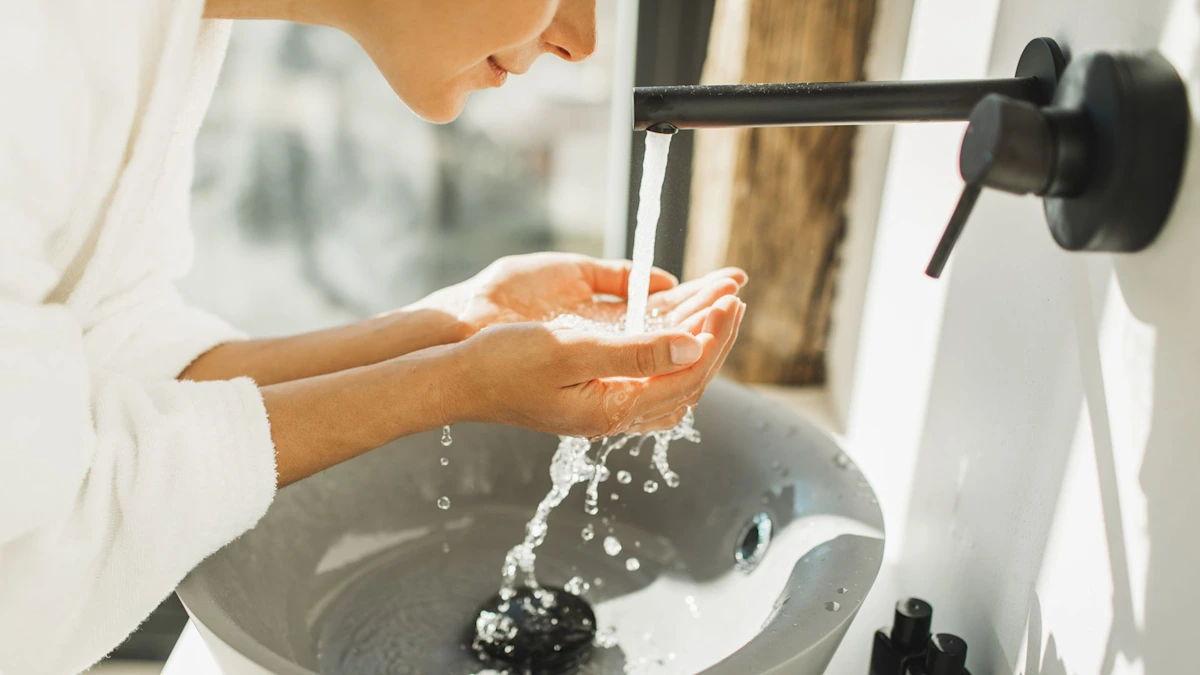
© GettyThe Caveman technique involves ditching cosmetic products entirely in favour of cleansing with water alone

Taken at face value (pun intended), the idea of a ‘natural detox’ sounds appealing. However, skipping your daily cleanse can trigger a cascade of skin problems. The Caveman routine can:

  • Disrupt the skin’s microbiome: Our skin hosts an ecosystem of microorganisms that coexist in a delicate balance. “Without a proper cleansing routine, it’s easier for certain bacteria and mites to proliferate, disrupting that balance,” says Dr Eguren. Dr Escandell adds that failing to remove sweat, sebum, pollutants or dead cells creates a situation that “favours the appearance of opportunistic or pathogenic microorganisms.”
  • Encourage bacterial proliferation: As noted above, leaving sebum and dirt on the skin creates a breeding ground for bacteria. “This increases the risk of inflammatory disorders and infections,” states Dr Eguren. Dr Escandell points to clinical evidence: “Studies on acne patients show that cleansing once or twice a day reduces the load of bacteria like Cutibacterium acnes. Other studies demonstrate that a lack of cleansing encourages Staphylococcus aureus to flourish.”
  • Cause irritation: “The accumulation of impurities and excess sebum can [weaken] the barrier function,” explains Dr Eguren. “The skin becomes sensitised and more prone to dehydration, leading to irritation, redness and discomfort.”
  • Trigger infection and acne breakouts: An inflammatory environment is ideal for the blackheads and pustules to thrive. Dr Eguren adds: “By not properly removing impurities and cellular debris, especially excess sebum, pores become clogged. This can trigger or worsen breakouts of acne, rosacea and seborrheic dermatitis.”
  • Accelerate ageing: “Avoiding cleansing hinders proper cell renewal and exposes the skin to more free radicals, which accelerates ageing,” asserts Dr Eguren. Our skin also needs antioxidants and sun protection to remain healthy. “Skipping SPF increases oxidative damage; UV radiation and pollution contribute to photoageing, collagen loss and wrinkles. Also, dehydrated skin simply looks older,” says Dr Escandell.
  • Cause Dermatosis Neglecta: This is a specific condition caused by the build-up of dead cells and dirt, resulting in dark, rough patches. “In the absence of proper cleansing, these brownish or greyish plaques appear, formed by a solidified accumulation of sweat and sebum,” Dr Escandell concludes.

© ShutterstockLack of cleansing can trigger or worsen breakouts of acne, rosacea and seborrheic dermatitis

The alternative: A dermatologist-approved routine for healthy skin

According to the experts, a proper facial cleansing routine should be simple, consistent and tailored to your specific skin type. It also should be done both morning and night, even if you haven’t worn makeup.

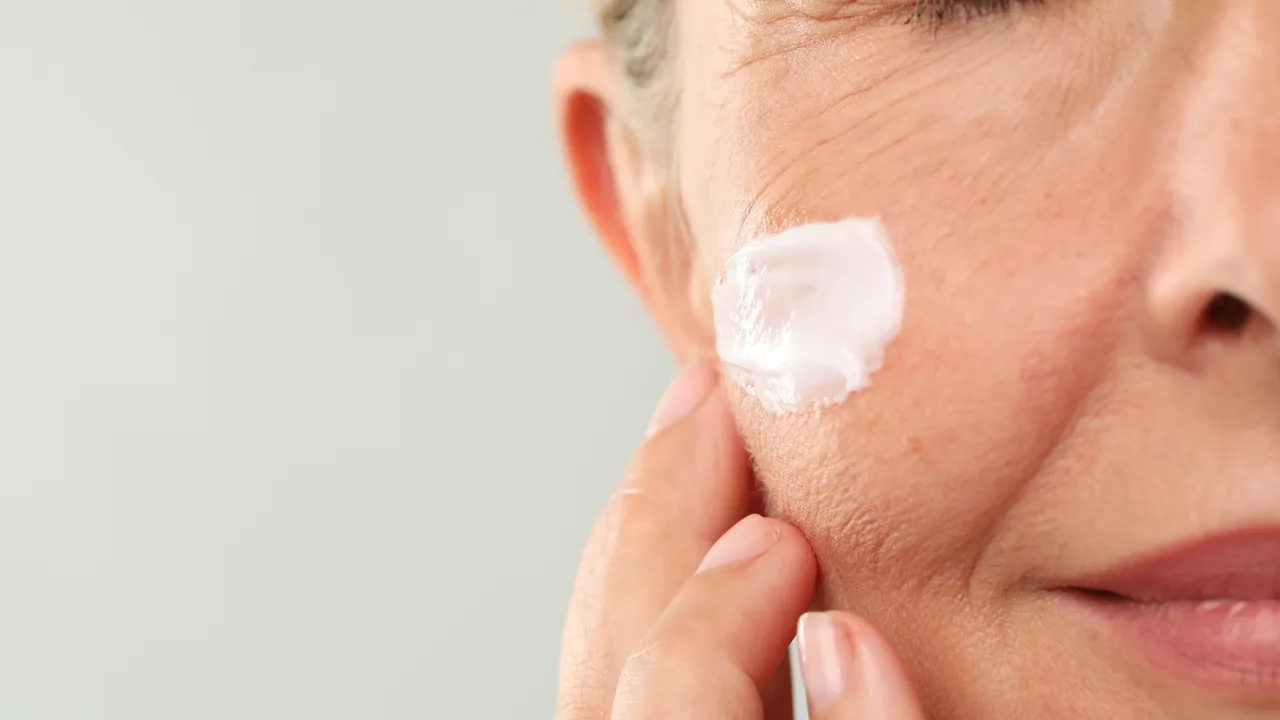
© Getty ImagesDermatologists recommend a gentle cleanse, morning and night

Here is the recommended protocol:

  1. In the morning: Start with a gentle cleanse using a product suited to your skin type. Next, apply an antioxidant serum (such as Vitamin C). Finally, finish with broad-spectrum sun protection (minimum SPF 30), which is essential year-round but critical during the summer months.
  2. At night: “I recommend a double cleanse, particularly if you have been wearing makeup,” advises Dr Eguren. “Start with an oil-based cleanser or micellar water to break down surface grime, then follow with a water-based gel or foam cleanser to rinse the skin clean.” Once the skin is prepped, apply a product containing active ingredients, such as retinoids or alpha hydroxy acids (AHAs).
  3. Exfoliation: “It is very beneficial to include proper exfoliation to effectively remove traces of oil, cellular debris and Demodex mites; this will improve the skin’s condition and function,” explains Dr Eguren. Frequency will depend on your skin type. “For oily skin, this can be done frequently, even daily,” Dr Eguren concludes. “For dry skin, once or twice a week is sufficient.”

© Getty ImagesMicellar water can also be beneficial for skin health

The dangers of viral misinformation in skincare

The fact that the Caveman routine has gone viral on TikTok means it has resonated with, and unfortunately misinformed, a massive, predominantly young audience. 

“Social media can turn any practice into a trend, even without a scientific basis,” warns Dr Eguren. “Many young people adopt this routine without understanding the implications. It normalises habits that aren’t beneficial for skin health and can actually worsen conditions like acne or rosacea.”

Dr Escandell shares this concern, noting that the craze trivialises the importance of dermatological hygiene. It also “may encourage people with acne, dermatitis or rosacea to abandon effective treatments and disregard specialist advice. 

“As with other fads, it creates unrealistic expectations; the ‘benefits’ shown online are usually anecdotal and cannot be applied to the general population.”

About the experts: 

  • Dr Cristina Eguren is a dermatologist and founder of the Eguren Clinic in Madrid.
  • Dermatologist Dr Inés Escandell is a member of Spain’s Aesthetic and Therapeutic Dermatology Group as well as the Dermothéque blog and skincare podcast.
Tags: , , , , , ,
Unusual Skincare Trends Of 2025: What Dermatologists Approve And What They Warn Against | Beauty News

Unusual Skincare Trends Of 2025: What Dermatologists Approve And What They Warn Against | Beauty News

Last Updated:December 15, 2025, 15:42 IST

From using menstrual blood as a mask to the rise of microbiome-friendly skincare, beauty in 2025 got more experimental. However, not every viral trend is meant for your skin.

Experts advise evidence-based routines over risky shortcuts for lasting skin health.

Skincare in 2025 is more experimental than ever, shaped by social media virality, tech innovation, and growing interest in wellness-led beauty. While some trends reflect genuine scientific progress, others blur the line between curiosity and risk. Dermatologists caution that healthy skin is not built through shortcuts or shock-value routines but through understanding what your skin truly needs. As unusual practices gain traction online, experts stress the importance of separating evidence-backed innovation from potentially harmful experimentation.

Viral Skincare Trends Of 2025 That Miss The Mark

Addressing the surge of extreme skincare experiments, Dr Smriti Naswa Singh, Consultant Dermatologist and Cosmetologist at Fortis Hospital, Mulund, notes, “Not every skincare trend you see online is meant for your skin. Good skin comes from understanding your skin’s needs, not chasing instant results.”

One of the most controversial trends this year has been the so-called menstrual or period blood mask. Dr Singh firmly dismisses the practice. She explains, “There is no scientific basis for applying menstrual blood to the skin, and since it is not sterilised, it can cause irritation or infection , especially in sensitive skin types.”

Another viral hack involves using personal lubricant as a makeup primer. While it may create a temporarily smooth appearance, Dr Singh warns that “these products are not formulated for facial skin. Their ingredients can clog pores, trigger breakouts, and cause long-term discomfort.”

The Problem With Shortcut Glow Treatments

Injectable and in-clinic trends have also raised concerns. IV glutathione, often marketed as a fast track to brighter skin, continues to trend despite limited necessity for most users.

Dr Singh notes, “Real glow does not come from injections. Healthy skin builds slowly with sun protection, nourishing food, proper sleep, and a routine suited to your skin.” She cautions that unnecessary IV treatments, when taken without medical supervision, can do more harm than good.

Similarly, placenta facials promise rejuvenation but lack strong scientific evidence. Dr Singh adds that such treatments can sometimes trigger allergies or irritation, particularly in reactive skin. Candle-based moisturisers, another unusual trend, may benefit extremely dry skin but risk worsening acne or oiliness due to their heavy texture.

Skincare Trends Of 2025 That Reflect A Smarter Shift

Not all 2025 skincare trends are questionable. Dr Kusumika Kanak, Consultant Dermatologist at Sahyadri Super Speciality Hospital, Pune, highlights the rise of microbiome-friendly skincare. “These products support the skin’s good bacteria, which act as a protective shield and help maintain skin stability,” she explains. This shift has encouraged milder cleansers and barrier-supportive formulations over harsh actives.

Technology is also playing a larger role. “Skin-mapping tools and apps are helping people detect early signs of dehydration, inflammation, or damage,” Dr Kanak notes, allowing users to better understand redness, pores, and fine lines instead of guessing their skincare needs.

Blue Light, Stress, And Sustainability

As screen time continues to rise, blue light defence skincare has gained relevance. Dr Kanak explains that antioxidants are now being used to reduce oxidative stress caused by prolonged digital exposure, which may accelerate skin ageing.

Emerging interest in neurocosmetics reflects a growing link between emotional wellness and skin health. These products aim to reduce stress-related symptoms such as dullness or redness by interacting with nerve endings. While the science is still evolving, Dr Kanak says the concept resonates with consumers seeking holistic solutions.

Environmental consciousness is also shaping choices. Waterless skincare, such as solid cleansers, balms, and concentrated serums, has gained popularity due to lower environmental impact and gentler formulations that require fewer preservatives.

Skincare trends in 2025 reveal a clear divide between science-led innovation and viral experimentation. While advancements in microbiome care, technology, and sustainability show promise, extreme DIY hacks and shortcut treatments carry real risks. Dermatologists agree that consistent routines, professional guidance, and patience remain the foundation of healthy skin – far more effective than chasing the next viral trend.

Click here to add News18 as your preferred news source on Google. Location :

Delhi, India, India

First Published:

December 15, 2025, 15:42 IST

News lifestyle beauty Unusual Skincare Trends Of 2025: What Dermatologists Approve And What They Warn AgainstDisclaimer: Comments reflect users’ views, not News18’s. Please keep discussions respectful and constructive. Abusive, defamatory, or illegal comments will be removed. News18 may disable any comment at its discretion. By posting, you agree to our Terms of Use and Privacy Policy.

Tags: , , , , , , ,
A dermatologist's guide to wedding skincare: Expert tips for a natural bridal glow on your big day

A dermatologist’s guide to wedding skincare: Expert tips for a natural bridal glow on your big day

Your wedding day is one of the most important days of your life. From selecting your wedding lehenga to jewellery, picking your hairstyle and getting the makeup right, everything contributes to creating the bridal glow. But in between planning for all these aspects, brides-to-be often end up neglecting skincare.

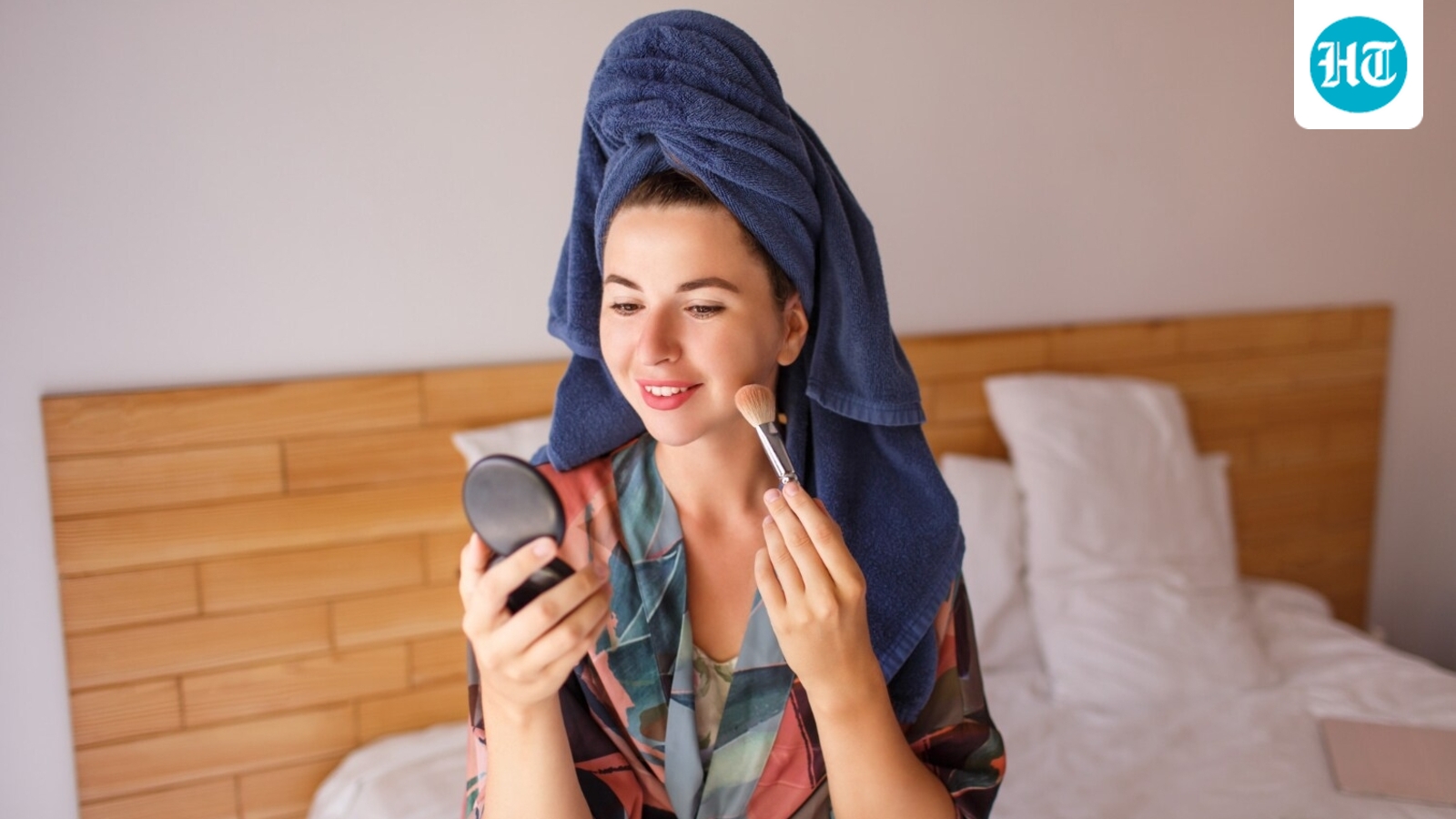
Get glowing skin on your wedding with these tips(Freepik)

What’s worth not forgetting is that while makeup can enhance your beauty, true glow comes from healthy, nourished skin. The secret to that flawless bridal look is a well-planned skincare routine that starts months before the big day. So, for all those beautiful bride-to-be, here is a quick guide for glowing skin for a bridal look that lasts from the ceremony to the final dance.

Wedding Skincare Guide for brides-to-be

Dermatologist Dr Shweta Tripathi, Co-founder at MySkindom, tells HT ShopNow, “For a wedding glow, it’s better to start way early before your D-day. Apart from skincare, it is also important to stay hydrated and eat well. ”

Start Early — The 3-Month Rule

Bridal glow doesn’t happen overnight. It is something you build with regular care and consistency. “As a dermatologist, I always remind brides to start your skincare routine early, preferably 3-6 months before their wedding. This gives enough time to address issues such as pigmentation, acne scars, uneven skin tone or texture, and to build skin resilience”, says Dr Tripathi.

In case you have breakouts, acne, or pigmentation, you can consult a dermatologist beforehand. She suggests to drink plenty of water (or hydrating fluids like coconut water), and eat an antioxidant-rich diet of fruits, vegetables, nuts and seeds as these habits will really make the skin look healthy from within. Moreover, try staying away from fried and oily food to avoid acne and breakouts.

Follow the basic CTM routine consistently

Keep your skincare routine simple with basic cleansing, toning, and moisturising (CTM). Maintain consistency by using the products as per your skin type. A consistent skincare routine is much better than applying some last-minute skincare products.

Morning routine:

Cleanser: Use a gentle cleanser to wash off impurities and dirt and prep your skin.

Toner: Make toner your daily BFF as it helps balance pH and tighten pores.

Serum: Use a face serum daily for the ultimate glow. Opt for a vitamin C face serum to boost your glow and even-toned skin

Moisturiser: Choose a moisturiser as per your skin type. A good nourishing cream or moisturiser keeps your skin soft and hydrated throughout the day.

Sunscreen: Never skip using a sunscreen. In fact, this is non-negotiable! Even indoors, SPF protects you from dullness and premature ageing.

Night routine:

Remove makeup: Your skin will thank you for this later. But never forget to remove your makeup. Use a makeup remover wipe or micellar water to clean away your makeup or dirt residue before going to bed.

Exfoliate (2–3 times a week): Exfoliate your skin at least twice a week. Exfoliation gently buffs away blackheads and dead cells.

Face Serum: Treat your skin with a face serum at night, too. Retinol or hyaluronic acid face serum helps repair and renew your skin.

Night Cream: Finally, finish your nighttime skincare with a nourishing night cream to lock in hydration while you sleep.

Weekly skin pampering

Your skin deserves at least a weekly dose TLC! Weekly pampering helps maintain that glow and freshness. Go for facials or treatments, or opt for DIY face masks for that glow.

DIY face masks: You can create your own DIY face masks using homemade products. Choose natural ingredients like honey, yoghurt, turmeric, and aloe vera for your skin that can work wonders.

Professional facials: Go for hydrating or brightening facials every 2–3 weeks, but avoid trying anything new too close to the wedding.

Body care: Remember, your glow shouldn’t stop at your face. Scrub, exfoliate, and moisturise your body regularly for even-toned, soft skin.

Tackle specific skin concerns

Every bride has her unique skin story, whether it’s acne, dryness, or uneven tone. You can tackle these skin issues with certain skin ingredients. This gives enough time to address issues such as pigmentation, acne scars, uneven skin tone or texture, and to build skin resilience. Begin to address pigmentation or hair care concerns at least 6 months before the wedding date. For any booster to be injected, go for it at least 1 month before the wedding. And for any laser hair reduction, keep at least an 8-month window.

For acne-prone skin: Choose products with salicylic acid or tea tree oil.

For pigmentation: Vitamin C and niacinamide help fade dark spots.

For dry skin: Look for hydrating ingredients like ceramides and hyaluronic acid.

For oily skin: Gel-based moisturisers and mattifying toners keep shine in check.

However, consult a dermatologist before using these ingredients.

Don’t forget the basics

No product can replace the power of a healthy lifestyle. Indulge in a healthy lifestyle before your D-Day to glow on the special night.

Sleep enough: Sleep for at least 7–8 hours for that fresh, rested glow.

Stay stress-free: Stress = breakouts. Try yoga, meditation, or simply a walk in the fresh air.

Exercise and burn those calories: Exercise boosts blood circulation, along with burning some fat, and gives you that lit-from-within glow.

The final week countdown

Know that the final few days before the wedding day are not the time to experiment. Rather, just stick to what your skin already loves. “The week before the wedding should be about keeping the skin calm and rested. Your skin regenerates while you sleep — this helps reduce dark circles, puffiness, and dullness. So, get adequate sleep of at least 7–8 hours.”, says Dr Tripathi. She further mentions that when a bride cares for her skin holistically, internally and externally, the makeup doesn’t just sit better, the glow feels effortless and authentic. A combination of discipline, wellness, and confidence is the true essence of bridal radiance.

(Note to readers: This article is for informational purposes only and not a substitute for professional medical advice. Always seek the advice of your doctor with any questions about a medical condition.)

Similar articles for you

From glow to recovery: Skincare and haircare tips you need this festive and wedding season

Don’t want to use haldi for bridal glow? Expert suggests 5 homemade ubtans

These top-rated hydrating face washes for dry skin are a winter must have

Korean skincare routine: 10-steps to get perfect glass-like glowing skin

Tags: , , , , , , , , , ,
Glamour UK logo

Best Skin Care Routine for Mature Skin, According to Dermatologists

Our skin is constantly evolving, which means changes to our regiments are sometimes needed — especially when it comes to finding the best skincare routine for mature skin.

While almost every skincare routine checks the same basic boxes — cleanse, treat, moisturise, repeat — mature skincare routines also typically target concerns like fine lines, loss of elasticity, and hyperpigmentation.

According to Dendy Engelman, MD, a board-certified cosmetic dermatologist, as we age, our skin loses moisture faster, and our collagen and elastin production starts to decline. Introducing anti-ageing ingredients like retinol, vitamin C, and peptides can go a long way, but building a consistent daily routine is just as important when caring for mature skin. We asked dermatologists and skin care experts for their tips to craft the best skincare routine for mature skin. Ahead, you’ll find…

Best skincare for mature skin buys:

The best morning routine for mature skin

Think of your morning skin care routine as your skin’s best defence against your environment and busy day. “The morning routine focuses on protecting the skin from UV exposure, pollution, and oxidative stress.” Paula Brezavseck, PA-C, board-certified physician associate and founder of Azala Skin Clinic, tells Glamour. Here’s what it should include:

Gentle Cleanser

“Use a mild, hydrating cleanser (cream or oil-based are good options) to remove impurities without stripping the skin’s natural moisture barrier,” says Angela Lamb, MD, director of the Westside Mount Sinai Dermatology Faculty Practice.

Courtesy of brand

Vanicream Gentle Facial Cleanser

Skin Rocks The Cream Cleanser – Fragrance Free

Serum

While not essential, a morning serum is a great opportunity to work some extra skin care actives into your routine without overwhelming your skin at night. “Vitamin C is a potent antioxidant that protects the skin from UV rays and free-radical damage from stress and pollution,” says Dr. Palmer. “It also helps to build collagen and fade areas of hyperpigmentation.”

Dr. Barbara Sturm The Good C Vitamin C Serum

Courtesy of brand

TULA Skin Care Brightening Treatment Drops Triple Vitamin C Serum

If you’re noticing more dryness in your skin throughout the day, you can also opt for a gentler hydrating serum for an extra shot of hydration. Look for a formula with peptides or hyaluronic acid — “a humectant that can hold up to 1,000x its weight in water, giving skin a plumper, smoother appearance and reducing the look of wrinkles caused by dehydration,” explains Whitney Hovenic, MD, double board-certified dermatologist and Mohs surgeon.

Kate Somerville HydraKate Power Plumping Primer

Kate Somerville HydraKate Power Plumping Primer

  • Key ingredients: Hyaluronic Acid, Centella Asiatica, Glycerin.
  • Skin type: All skin types.
  • Fragranced? Lightly fragranced.
  • Cruelty-free? Yes.

Why we love it: As someone who lives for products that make life easier, this one is a total win. It’s a 3-in-1 serum – aka – a serum, moisturiser and primer packed into one chic, colourful bottle. The hyaluronic acid gives skin that juicy, plumped-up feel, while the primer element creates a smooth, radiant base, so makeup glides on like a dream.

Yes, it’s one of the pricier serums on the list, but here’s where the girl math comes in: you’re essentially getting three products in one, and the bottle is far bigger than most. For me, anything that’s going to save me time (and shelf space) is worth the investment – oh, and the results are pretty good too. – Shani Cohen, Glamour’s Beauty Commerce Writer.

Courtesy of brand

Glow Recipe Plum Plump Hyaluronic Acid

Moisturiser

“Mature skin is often drier, so apply a good quality, fragrance-free mature skin moisturiser daily to trap water and keep skin hydrated,” Dr. Lamb says. “Look for ingredients like hyaluronic acid, ceramides, or glycerin.”

Courtesy of brand

Tower 28 Beauty SOS Daily Skin Barrier Redness Recovery Moisturiser

Dr. Barbara Sturm Clarifying Face Cream

SPF

If your daily moisturiser doesn’t include sun protection, make sure to add a layer of broad-spectrum SPF 30 or higher — yes, even if it’s winter or you’re planning to be inside all day. “Sun protection is essential, especially on the face, neck, and hands, as UV exposure is one of the biggest drivers of visible aging,” Brezavseck says. Shop more of the best sunscreens here.

Elemis Pro-Collagen Marine Cream SPF 30

Courtesy of brand

Innisfree Daily UV Defense Sunscreen (SPF 36)

The best evening routine for mature skin

While the morning skin care routine is all about prep and protection, nighttime is for recovery. Active ingredients work hard while you’re sleeping (without pesky environmental complications) to resolve common mature skin concerns. “Because the skin’s natural repair processes slow with age, nighttime consistency becomes especially important,” Brezavseck says. Here’s what you should use:

Cleanser

Since you’re washing your day off (sweat, makeup residue, dirt) you can opt for a lightly heavier-duty cleanser at night, like a foaming formula rather than a balm. But since mature skin care is all about preserving hydration, Dr. Lamb still says to avoid harsh soaps.

Courtesy of brand

La Roche-Posay Toleriane Purifying Foaming Facial Cleanser

Elemis Pro-Collagen Energising Marine Cleanser

Retinol or retinoids

Retinol tends to be the centre-piece of the of the antiageing skin care routine and for good reason: “Retinol stimulate cell turnover, increases collagen production and decreases the appearance of fine lines and wrinkles. It has also been shown to regulate oil production and decrease inflammation and hyperpigmentation,” says board-certified dermatologist Dr. Debbie Palmer.

That endorsement might make you want to start drenching your face in retinol serum nightly, but if you’re totally new to the ingredient — and especially if you have sensitive skin — start slow.

Tags: , , , ,
“Menstrual masking,” a viral trend where people apply period blood to their face for skincare. (Photo: X, Canva)

What Is ‘Menstrual Masking’? Internet Horrified, Dermatologists Debunk The Period-Blood Skincare Trend: WATCH

226

A new, and rather unsettling, beauty trend has gone viral on TikTok and Instagram called “menstrual masking.” It has left many people in shock and disgust. Menstrual masking involves the application of period blood directly onto your face in pursuit of glowing and youthful skin. Influencers tout this trend and claim that menstrual fluid is rich in stem cells, growth factors, and nutrients that will help cure acne, improve elasticity, and boost collagen. But dermatologists say the trend is neither natural nor safe-and has no scientific backing.

What Exactly Is Menstrual Masking?

Menstrual masking means smearing menstrual fluid onto skin as a face mask, often DIY; creators smear blood on their skin and describe the ritual as ancestral, organic beauty. Proponents most often refer to studies indicating that stem cells derived from menstrual blood are capable of regenerating tissue in the controlled environment of the laboratory.

You Might Be Interested In

Research published in the journal Federation of American Societies for Experimental Biology found that processed menstrual plasma significantly accelerated wound healing in laboratory experiments. But these results derive from purified, sterile and medically handled samples, not raw menstrual blood collected at home.

Why the Trend Has Shocked Social Media

The videos, featuring users smearing bright red blood on their faces, have gone viral with thousands of comments ranging from disbelief to disgust. Many wondered why influencers were turning bodily fluids into skincare hacks, while creators framed the trend as natural, chemical-free, and empowering. The shock factor only added to its rapid spread across platforms.

Why Dermatologists Are Warning Against It

Dermatologists strongly caution against menstrual masking, emphasizing that menstrual blood is not sterile. The fluid contains a combination of blood, endometrial tissue, cervical mucus and bacteria from the vagina and outer skin. Researchers interviewed in The Conversation say that menstrual blood may contain microorganisms like Staphylococcus, Streptococcus and E. coli all of which could cause infections if applied to the face.

Dermatologists are warning that using menstrual blood on the skin could result in infections, rashes, acne flare-ups, irritation, and disruptions to the skin’s natural pH. They say there is absolutely no clinical evidence that menstrual blood can improve collagen production, mend acne or improve skin texture. And, though menstrual fluid does contain stem cells, those particular cells are unable to penetrate the skin or function without advanced laboratory processing.

Safer Alternatives Backed by Dermatology

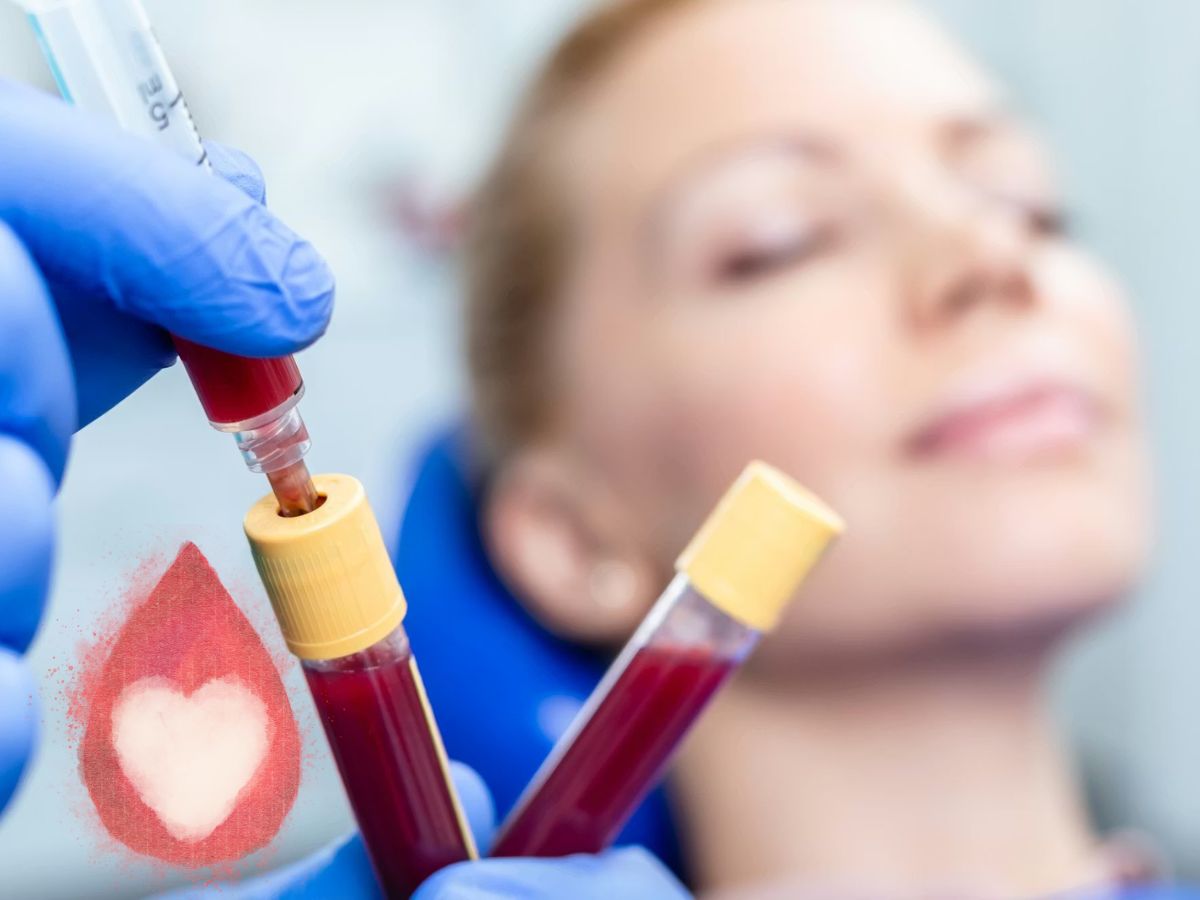
According to experts, it’s best to stick with science-backed treatments for anti-aging or skin-repair benefits, rather than using DIY menstrual facials. Dermatologists recommend retinoids to encourage cell turnover, vitamin C to brighten and boost collagen, niacinamide to reduce inflammation, and peptide serums to repair. Even PRP or “vampire facials” performed by professionals and in sterile clinical settings are a safer alternative for people who are attracted to plasma-based treatments.

Why This Trend Still Emerged

Yes, despite the risks, menstrual masking has gained traction due in part to a growing push for “natural” beauty solutions, efforts to challenge stigma around periods, and the internet’s appetite for shock-value content. Some creators are framing it as a statement of body acceptance; others pitch it as a chemical-free alternative to store-bought skincare.

Menstrual masking has been trending, but it’s not safe for your skin. Period blood isn’t the same as a skincare product—it contains bacteria and waste products your body is trying to get rid of. Putting it on your face can actually increase your risk of irritation, infection, pic.twitter.com/VIMArO0BHb

— Dr. Chad (@Dr_Chad_MD) September 16, 2025

Menstrual masking might be going viral on the internet, but dermatologists agree unanimously that it is unsafe, unhygienic, and ineffective. The so-called natural skincare cure has no scientific evidence behind it and carries a lot of health risks. As the viral videos continue to circulate, experts urge viewers to approach the trend with caution and rely on tested, medically approved skincare solutions instead.

ALSO READ: Saraswati Copy? Miss Bangladesh Tangia Methila Faces Backlash Over Miss Universe 2025 National Costume Claiming Mughal Heritage

First published on: Nov 22, 2025 7:26 PM IST

——————————————–

————————————————–

.newsx-publish-date { margin-bottom: 15px; font-size: 14px; color: #333; }

.newsx-editorial-separator, .newsx-content-separator { margin: 15px 0; color: #666; font-size: 12px; }

.newsx-editorial-policy { margin-bottom: 15px; }

.newsx-editorial-policy a { color: #d32f2f; text-decoration: none; font-weight: bold; }

.newsx-editorial-policy a:hover { text-decoration: underline; }

.newsx-stay-informed { margin-bottom: 20px; font-style: italic; color: #555; }

.newsx-stay-informed a { color: #1976d2; text-decoration: none; transition: color 0.3s ease; }

.newsx-stay-informed a:hover { color: #d32f2f; text-decoration: underline; } ]]>

Sofia Babu Chacko is a journalist with over five years of experience covering Indian politics, crime, human rights, gender issues, and stories about marginalized communities. She believes that every voice matters, and journalism has a vital role to play in amplifying those voices. Sofia is committed to creating impact and shedding light on stories that truly matter. Beyond her work in the newsroom, she is also a music enthusiast who enjoys singing.

Tags: , , , , , , , , ,
Best oLive
Privacy Overview

This website uses cookies so that we can provide you with the best user experience possible. Cookie information is stored in your browser and performs functions such as recognising you when you return to our website and helping our team to understand which sections of the website you find most interesting and useful.