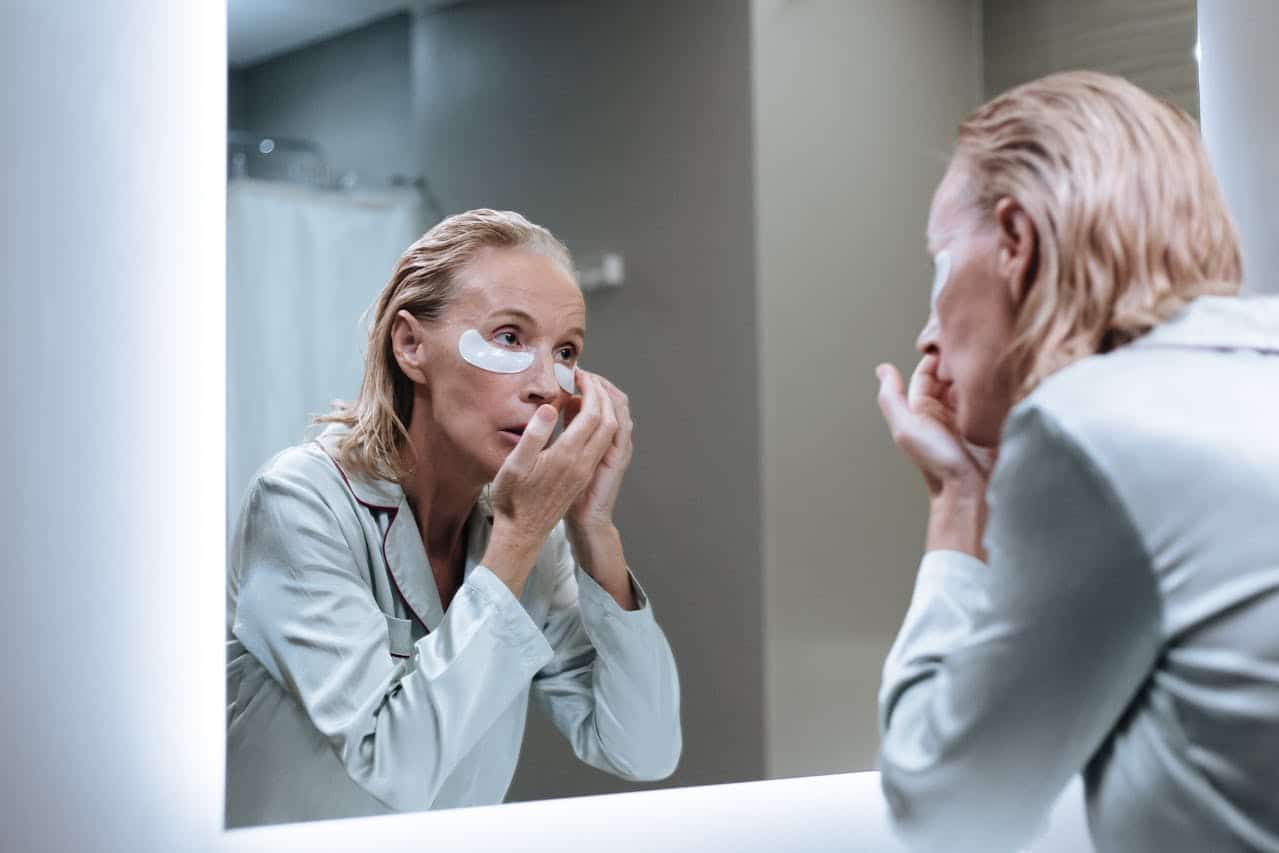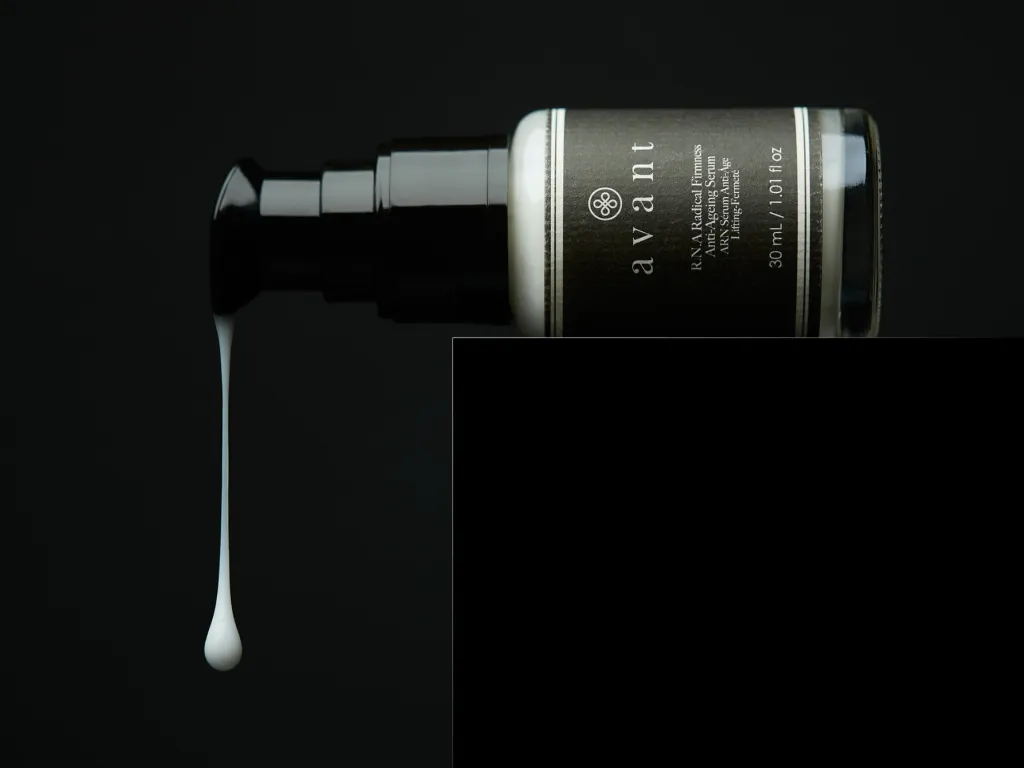
Why the TEMPLESPA Life Defence SPF should be part of your daily skincare routine

Why the TEMPLESPA Life Defence SPF should be part of your daily skincare routine

With the arrival of spring, and a whole season of sunny days and holidays ahead, there is one step in your skincare routine that should be a non-negotiable: SPF. In fact, SPF shouldn’t just be reserved for when the sun is shining; it should be used year-round, no matter the weather or destination. As any expert will tell you, it’s an everyday essential to protect your skin and keep it healthy, youthful and glowing. With its Life Defence high protection SPF moisturiser, TEMPLESPA offers the perfect solution.

Like all TEMPLESPA products, Life Defence champions an all-natural, science-backed and results-driven formula, promising to moisturise and protect the skin in one simple step. It provides UVA and UVB protection, helping to defend the skin from sun damage (even in winter and colder weather), as well as protecting it against other everyday environmental stressors, including pollution and blue light. Plus, it goes beyond simple protection with its deeply moisturising properties, making it a convenient, multifunctional skincare product that will more than earn its place in your routine. 

Packed with active ingredients, Life Defence works hard to shield and nourish your skin. Its UVA and UVB filters help prevent sun damage and skin reddening as well as signs of premature ageing, such as deep lines and wrinkles. Sodium hyaluronate helps lock moisture into the skin, leaving it smooth, plump and nourished, while vitamin E, a powerful antioxidant, shields the skin from environmental aggressors. Botanical actives include rocket extract, rich in isothiocyanates to help counter the effects of free radicals and soothe the skin, and ginseng extract, which protects against the harms of blue light and digital pollution. 

Suitable for all skin types, including even the most sensitive, Life Defence has a feather-light texture that feels luxurious, rich and creamy, yet never greasy, meaning it can be worn under makeup and in conjunction with serums. Best used daily as part of your morning skincare routine, it is easy to apply and ensures defence for healthy, protected skin. After cleansing and toning the face and neck, simply moisturise generously over clean skin, remembering to reapply when out and about throughout the day and exposed to the elements for long periods of time. 

Available in SPF30 and SPF50, Life Defence is designed to be a seamless but essential addition to your skincare routine. Discover more at TEMPLESPA.com.

Tags: , , , , , , ,
Your skincare routine is missing this cacao scrub

Your skincare routine is missing this cacao scrub

Follow this guide

What’s the story

African cacao husk face scrub is taking the skincare world by storm, thanks to its natural exfoliating properties.
Derived from the outer shell of cacao beans, this scrub is rich in antioxidants and nutrients that can help you achieve smoother skin.
The natural ingredient is gaining popularity for being a gentle, yet effective, alternative to chemical exfoliants.
Here is everything you need to know about this skincare wonder.

Natural exfoliation benefits

African cacao husk acts as a natural exfoliant, removing dead skin cells without irritating the skin.
Unlike synthetic scrubs, which can be harsh on sensitive skin, cacao husk provides a gentle polishing effect.
This helps in unclogging pores and reducing the appearance of blemishes, giving you a clearer complexion over time.

Rich in antioxidants

Cacao husk is also packed with antioxidants that fight free radicals and protect your skin from environmental damage.
These antioxidants help in reducing signs of aging, such as fine lines and wrinkles.
Regular use of a cacao husk scrub can improve your skin’s elasticity and firmness, giving you a youthful glow.

Nutrient-dense composition

Beyond exfoliation, African cacao husk is loaded with essential nutrients like magnesium and zinc.
These minerals are crucial for healthy skin functioning, as they promote cell regeneration and repair.
Using this natural scrub can improve your overall skin texture by nourishing it deeply.

Eco-friendly skincare choice

Opting for African cacao husk face scrub also means making an eco-friendly choice in your skincare routine.
The ingredient is sustainably sourced from the byproduct of chocolate production, minimizing waste while providing effective skincare benefits.
This aligns with the growing demand for sustainable beauty products that are kind to both the environment and your skin.

Tags: , , , ,
Skincare Routine in Your 30s: What Actually Matters

Skincare Routine in Your 30s: What Actually Matters

Looking back, I cringe thinking about how much I neglected my skin throughout my 20s and 30s. Honestly, I don’t think I owned so much as a drugstore moisturizer, let alone a multi-step routine or a bottle of facial sunscreen. It simply wasn’t something I gave any thought to.

My come-to-Jesus moment happened in a brewery bathroom on a summer afternoon. I’d stopped to wash my hands and caught a glimpse of myself in the mirror. Something above my lip — dirt from my bike handlebars, I assumed. I scrubbed at it with wet fingers, grateful I’d noticed before heading back out into the sunshine. But it wouldn’t budge. Swipe, swipe, swipe. Still there. Oh my god. How had I not noticed before? Years of benign neglect had finally shown up as melasma, shaped like a dirt mustache that was suddenly the only feature of my face I could think about.

Fast forward to now, at 44. I have an arsenal of well-curated products, sunscreen in every form (lotion, spray, powder) in every bag I own, and a quarterly facial appointment I look forward to more than almost anything else on my calendar.

That said, I’m also a woman on the internet, which means my algorithm fires a constant stream of products and treatments at me. Slugging. Tallow balm. Skin cycling. LED masks. Retinol before 30, never before 30, only on alternating Tuesdays. The line between actually caring for your skin and quietly harming it is thinner than the before-and-after creators want you to believe.

If you’re in your 20s or 30s, I want to save you the particular horror of a brewery bathroom mirror moment. And I don’t want you wasting time, money, or energy on things that don’t matter. So I talked with Kristyn Smith, esthetician and founder of Practise NYC, who has spent over two decades working at the intersection of clinical aesthetics and holistic skin health. She gave me the clearest framework I’ve heard for cutting through the noise.

What should your skincare routine in your 30s actually include?

The first thing Smith wants you to know is that the 10-step routines and viral skin-cycling schedules are largely a distraction. “Your skin is an organ, not a project,” she says. “If a product doesn’t serve a specific function for your unique barrier, it’s just noise.”

What does serving your barrier actually look like? For someone in their 20s with no existing routine, Smith’s list is almost aggressively short. A gentle cleanser that doesn’t strip your natural lipids, a quality moisturizer to prevent water loss, and SPF. “Everything else is an ‘extra’ until you have this foundation,” she says.

It’s a deflating answer if you’ve already built a shelf full of actives, but Smith’s reasoning holds. The most common mistake she sees in clients in their 30s is an obsession with aggressive correction — too much retinol, harsh acids, overcrowded routines — at the direct expense of their skin barrier. “The skin is resilient, so it seems fine now,” she explains. “But you are essentially borrowing from your skin’s future health.”

What actually ages your skin

Here’s the part nobody making money off your skincare routine wants you to hear. Products account for maybe 20% of how your skin ages. The rest comes down to sleep, stress management, diet, and hormones.

“You cannot ‘product’ your way out of a high-stress lifestyle or a lack of sleep,” Smith says. “I see the skin as a mirror of what is happening internally. If you are depleted, your skin will look depleted.”

This lands differently when you’re a mom in your 30s navigating real hormonal flux — postpartum, sleep-deprived, or bumping up against early perimenopause sooner than you expected. Smith says this is exactly the moment to shift your routine toward soothing and stabilizing rather than correcting. Hormonal changes make skin more reactive and more prone to melasma (yep, that’s the one). “This isn’t the time for aggressive peels,” she says. “It’s the time for hydration, Vitamin C, and gentle botanicals.”

For busy moms who want to actually build these habits, Smith recommends habit stacking. Apply your serum while the kids are in the bath. Treat a five-minute LED mask session as your reset. “It’s about making self-care feel like a necessity, not a luxury,” she says.

The SPF conversation is simpler than the internet makes it

There is perhaps no skincare topic more polluted with conflicting information right now than sunscreen. Mineral vs. chemical. Oxybenzone concerns. The wellness-adjacent crowd suggesting you actually want more sun exposure for collagen and vitamin D. I asked Smith to just tell me what she tells her clients.

“Whether you choose mineral or chemical, the best sunscreen is the one you will actually wear every single day,” she says. If you have sensitive skin or you’re pregnant, mineral is often the better bet, more soothing with fewer variables. But the priority, full stop, is protection — from UV rays, DNA damage, and the cumulative sun exposure that adds up over decades.

And what exactly are you protecting beyond that? Your collagen, mostly. “Once it’s gone, it is very hard to rebuild,” Smith says. SPF is part of it, but so is a nutrient-dense diet and avoiding what she calls pro-inflammatory habits like smoking and excessive sugar. This is where the unsexy long-game stuff lives.

On retinol, tallow, and everything your algorithm is pushing

Retinoids are treated as a near-universal recommendation for anyone over 25, but Smith’s take is more nuanced than most. “Not every skin type can handle Vitamin A,” she says, particularly people with rosacea or a compromised barrier. In those cases, she’ll often look at alternatives like bakuchiol or lower-dose retinaldehydes to get the benefits without the chronic inflammation.

Beef tallow, the ancestral skincare trend that has taken over a certain corner of the wellness internet, gets a similarly grounded response. Smith understands the appeal, but from a clinical standpoint, tallow can be comedogenic (read: pore-clogging) for a lot of people. “We have evolved to create incredibly sophisticated, bio-available formulations that mimic the skin’s natural oils without the risk of breakouts or stability issues,” she says. The appeal-to-nature argument, in other words, doesn’t automatically make something better for your face.

More broadly, when a client comes in having gone deep on a TikTok protocol, Smith redirects rather than dismisses. “A creator’s ‘holy grail’ ingredient might be a disaster for your specific skin type,” she says. The goal is to understand your own skin’s cues, not follow someone else’s digital script.

The #1 skincare habit an esthetician wants you to build now

I asked Smith what she’d want a Motherly reader to do differently after reading this. I expected SPF. I expected a product recommendation.

What I got was this: “Stop looking at your skin in a magnifying mirror. When we over-analyze every pore, we tend to over-treat. Step back, be gentle, and trust that a healthy barrier is the most beautiful thing you can wear.”

Honestly? I’ve been staring in magnifying mirrors since the brewery bathroom. I’m going to think about that one for a while.

Tags: , , ,
Hindustan Times News

Why is gulab jal the most natural skincare toner you can use: Dermatologist highlights its timeless benefits

Back in time, when there were not many facial mists or toners, one thing that stood out and instantly refreshed the summer mood was Gulab Jal or rose water. I still remember the sweet and calming fragrance lingering in my grandmother’s home. That soft and floral fragrance came from a small glass bottle tucked beside her mirror, filled with gulab jal.

Gulab jal for your face: Use it like a toner or cleanser for a refreshing skin (Pinterest)

Shweta Pandey is a Senior Content Writer at Hindustan Times, with over 12 years of experience in beauty and wellness journalism, specialising in makeup, skincare, and hair care.

She began her professional writing journey in 2011, entering the evolving world of digital lifestyle journalism as beauty and wellness content rapidly transformed in India. Over the years, she has worked with reputed digital media houses like India Today, the Times of India and Skymet Weather, steadily building credibility through well-researched features, product reviews, and trend analyses. Her career reflects consistent growth, moving from content contributor to senior writer. She now plays a key role in shaping editorial strategy, social media content, and ensuring high-quality, reader-focused content that aligns with evolving audience needs.

Shweta’s core expertise spans makeup, skincare, hair care, and holistic health and fitness. She specialises in in-depth beauty product reviews, ingredient analysis, skincare routines, and evidence-based wellness advice. Known for her analytical and data-driven approach, she relies on verified sources, dermatological insights, and expert consultations to ensure credibility. Her field experience includes interviewing Bollywood celebrities, beauty and makeup professionals, tracking consumer trends, and simplifying the top picks.

Shweta holds a Master’s degree in Mass Communication, Advertising, and Journalism and has done Bachelor’s in Commerce from Delhi University. She believes in delivering reader-first insights that empower informed decisions while maintaining transparency, credibility, and trust.

Beyond her writing desk, Shweta enjoys exploring new destinations, experimenting in the kitchen with delightful recipes, and staying in tune with the latest beauty and wellness trends.

Read moreRead less

On summer afternoons, when the heat wrapped itself, she would sprinkle a few cool drops onto her face, her wrists, even the corners of the room. And the air would shift instantly. Back in time, gulab jal went beyond a beauty ritual. It touched everything, from the festive sweets, morning prayers, to tired eyes.

In a world that now rushes toward instant solutions, Gulab Jal remains timeless—simple, pure, and deeply rooted in tradition. It reminds us that self-care can be as effortless as a few drops of rose-infused water. And why it shouldn’t be, after all, Gulab Jal has plenty of skin benefits as well.

There are multiple skin benefits of Gulab Jal, dermatologist, Dr Meenu Malik, Aakash Healthcare, tells HT Shop Now.

Benefits of gulab jal or rose water

Natural toner: Gulab Jal helps tighten pores and refresh the skin without harsh chemicals. It balances the skin’s pH, making it great after cleansing.

Hydration boost: It provides light hydration, which makes your skin feel soft and refreshed, especially useful in hot weather.

Soothes irritation: Because of its anti-inflammatory properties, it can calm redness, mild irritation, and conditions like Acne or sunburn.

Mild antibacterial effect: Rose water has gentle antibacterial properties that may help prevent breakouts and keep skin cleaner.

Brightens complexion: Regular use can give a subtle glow and even out skin tone over time.

Works for all skin types: Whether your skin is oily, dry, or sensitive, Gulab Jal is generally safe and non-irritating.

Refreshes tired eyes: Applying chilled rose water with cotton pads can reduce puffiness and give a cooling effect to the under-eye area.

How to use Gulab Jal in your daily skincare routine

As a toner: Apply gulab jal as a toner with a cotton pad after washing your face It helps tighten pores and refreshes skin.

Face mist: Pour into a spray bottle and spritz anytime. This is great for hydration during the day.

Cleanser (light): Mix with a few drops of glycerin or use alone as a cleanser. It gently removes dirt and excess oil.

Mix with face packs: Add gulab jal to multani mitti, sandalwood powder, or besan. This enhances the soothing and brightening effect.

Under-eye treatment: Soak cotton pads in chilled rose water and place them on eyes to reduce puffiness and tiredness.

Makeup remover (mild): Rose water acts as a makeup remover as well. Just mix with coconut oil and it helps remove light makeup while keeping skin soft

Soothing sunburn or irritation: Apply gulab jal directly to calm redness and inflammation.

7 gulab jal picks for you

Nat Habit delivers freshly prepared gulab jal using traditional distillation to retain natural fragrance and skin benefits. It hydrates, tones, and refreshes while helping soothe irritation and tighten pores. Free from preservatives and additives, it suits daily skincare routines. Customers often say it feels cooling and smells like real roses, though some note the freshness means a shorter shelf life. Many users appreciate its authentic, handmade quality and gentle effect on sensitive skin.

Dabur Gulabari offers an affordable, widely trusted rose water that cleanses, tones, and refreshes skin effectively. Its light floral scent enhances daily skincare while helping remove dirt and excess oil. Customers like its easy availability and budget-friendly price, often calling it a reliable everyday toner. Some users mention the fragrance feels slightly synthetic, but most agree it delivers consistent results for basic skincare needs and works well as a quick face refresher.

WishCare provides steam-distilled rose water made without alcohol or artificial fragrance, designed to hydrate and balance skin pH. It works well as a toner, mist, or makeup prep. Users frequently praise its purity and mild scent, saying it feels gentle and refreshing even on acne-prone skin. A few customers wish for stronger packaging, but overall feedback highlights its natural formulation and effectiveness in calming redness and adding a healthy glow.

UrbanBotanics offers a convenient spray-based rose water that refreshes and tones skin instantly. Its fine mist makes it ideal for on-the-go hydration and makeup setting. Customers enjoy the ease of application and lightweight feel, often mentioning it absorbs quickly without stickiness. Some users feel the fragrance is subtle, while others appreciate that it isn’t overpowering. Overall, it’s valued for practicality, gentle formulation, and suitability for daily use.

Vitro Rose Water Spray provides a simple, refreshing skincare solution that hydrates and revitalizes tired skin. Its spray format allows quick application throughout the day, helping maintain moisture and freshness. Customers often like its cooling sensation and affordability, making it a convenient everyday product. Some reviews mention average packaging quality, but many users still find it effective for basic toning and quick refresh, especially in hot or dry weather conditions.

Khadi Natural blends herbal expertise with rose water to create a gentle toner that cleanses, tightens pores, and refreshes skin. It works well for normal to oily skin types and supports a natural glow. Customers appreciate its herbal approach and mild fragrance, often saying it feels soothing and non-irritating. A few users report slight variations in scent between batches, but overall feedback highlights its affordability and effectiveness as a daily toner.

Disclaimer: At Hindustan Times, we help you stay up-to-date with the latest trends and products. Hindustan Times has an affiliate partnership, so we may get a part of the revenue when you make a purchase. We shall not be liable for any claim under applicable laws, including but not limited to the Consumer Protection Act, 2019, with respect to the products. The products listed in this article are in no particular order of priority.

Tags: , , , , , , , ,
Why watermelon seed oil is trending in skincare

Why watermelon seed oil is trending in skincare

Follow this guide

What’s the story

African watermelon seed oil is becoming a popular skincare ingredient, thanks to its nourishing properties.
Extracted from the seeds of the African watermelon, this oil is rich in essential fatty acids and antioxidants.
It is known for its ability to hydrate and rejuvenate the skin, making it a favorite among those looking for natural skincare solutions.
Here are the benefits and uses of this unique oil.

Rich in essential fatty acids

African watermelon seed oil is packed with essential fatty acids, such as linoleic acid and oleic acid.
These fatty acids are essential for maintaining the skin’s barrier function and preventing moisture loss.
They also help in reducing inflammation and redness, making them ideal for sensitive or acne-prone skin types.
Regular use can lead to a more balanced and healthier-looking complexion.

Antioxidant properties for skin health

The oil also contains antioxidants that protect the skin from environmental stressors, such as pollution and UV rays.
These antioxidants help neutralize free radicals that cause premature aging and damage to the skin cells.
By incorporating African watermelon seed oil into your skincare routine, you can enhance your skin’s resilience against daily aggressors.

Lightweight texture ideal for all skin types

One of the best things about African watermelon seed oil is its lightweight texture. It absorbs quickly into the skin without leaving a greasy residue behind.
This makes it suitable for all skin types, including oily or combination skin.
Its non-comedogenic nature ensures that it does not clog pores while providing deep hydration.

Versatile uses in skincare routines

African watermelon seed oil can be used in various ways in skincare routines.
It can be applied directly on the face as a moisturizer or mixed with other products, like creams or serums, for added benefits.
It can also be used as a carrier oil for essential oils or added to DIY masks for enhanced nourishment.

Cost-effective alternative to luxury oils

While luxury skincare oils can cost a fortune, African watermelon seed oil provides an affordable option without compromising on quality.
It gives similar benefits as high-end products but at a fraction of the cost.
This makes it an attractive choice for those wanting effective skincare solutions on a budget.

Tags: , , , ,
Bored Panda

Celebrity Skincare Expert’s ‘Genius’ Lip Balm Hack Could Save You Hundreds Per Year

James Vivian, a Melbourne-based dermal therapist known for sharing skincare tips on Instagram, in a March 15 video claimed that lip balms have the potential to serve more than their marketed purpose.

The expert said that lip balms can replace anti-aging products that target a specific, delicate area of the face by providing the same hydrating benefits at a more economical price.

Many on the internet corroborated the claim, with one saying they had been using lip balms in the way the skin expert shared for decades and that it made them look like they were in their “40s instead of 70s.”

Another user who tried the trick after Vivian’s video also said it “worked wonderfully.”

James Vivian advocated the use of lip balms as under-eye creams

Image credits: jamesvivian/Instagram

“As a 42-year-old man who hasn’t spent much time in the sun, really, the area of aging that I’m seeing most on my face is around my eyes,” Vivian said in his video.

The skin around the eyes is one of the thinnest on the body, making it particularly prone to dryness, creasing, and premature aging.

Image credits: jamesvivian/Instagram

Keeping this area hydrated could help minimize the damage, Vivian said, before sharing that he uses no fancy product to achieve the results.

He instead said he swears by using his lip balm to soothe and rejuvenate his under-eyes.

Lip balms are packed with occlusives and emollients — ingredients designed to lock in moisture — which is why Vivian believes they can double as a quick, budget-friendly eye treatment.

Vivian, however, warned against using balms “that fire up the lips” around the eyes.

“The really spicy ones with stimulating ingredients for circulation and plumping, the kind of bee-sting products, I’d keep that away from eye areas,” he said.

He also noted that it’s not a good idea to apply lip balms under makeup, as the thick texture of the product can disrupt concealer and cause creasing.

Jennifer Lopez’s makeup artist, Scott Barnes, encouraged using lip balms under makeup

Image credits: jlo/Instagram

In a May 2024 video, Barnes claimed one of his most reliable makeup hacks is to use Aquaphor (a balm stick by a company called Eucerin) on his clients’ eyes before proceeding with concealer.

The technique prevents concealers from creasing, caking, or breaking down, especially when someone is filming a music video or a movie that goes on for long hours.

Barnes asked his followers to try the hack and let him know if it worked for them.

The hack was soon tested by Glam Girl Gabi, a renowned beauty influencer and a licensed hairstylist and makeup artist.

“I’m going to try the trick all the freaking way. I’m doing the classic bronzy J.LO smoky eye,” Gabi claimed.

Pointing to the fine lines under her eyes, Gabi said, “I really do have an issue with my concealer creasing.”

After applying the lip balm under her eyes, she proceeded to do a full face of makeup, including concealer, foundation, setting powder, and more.

Gabi looked impressed with how her concealer set under her eyes, thanks to the lip balm towards the end.

“I have tried every d**n hack. I’ve tried every single thing. My under-eyes have never looked better,” she said. 

Hours after first doing her makeup, Gabi gave her viewers a video check of whether her eye makeup remained in place.

“They look so much better than they normally look after a few hours. Life-changing, I tell ya,” she shared.

In a separate video, James Vivian warned against spraying perfume directly on the skin

Image credits: jamesvivian/Instagram

Highlighting people’s habit of spraying fragrances right on their neck, Vivian said it could have long-term consequences.

He explained that applying perfume to the skin can trigger a condition known as Poikiloderma of Civatte.

It is a sun-induced skin condition in which the affected area develops reddish-brown pigmentation, mottled discoloration, and thinning of the skin.

While it is not harmful, it is notoriously difficult to treat once it develops.

Laser treatments, along with diligent sun protection, can help improve appearance, but Vivian stressed prevention is far better than cure.

Image credits: Cultura Creative/Adobe Stock (Not the actual photo)

Many perfumes contain photosensitizing ingredients (citrus oils, oakmoss, and certain synthetics like musk ambrette), which can make the skin more sensitive to UV rays.

When applied to sun-exposed areas like the neck, these ingredients can magnify the effects of sun exposure, accelerating pigmentation changes and even breaking capillaries over time.

Vivian advised using scents on clothes, hair, or covered skin, like under the collarbone, to protect oneself against stubborn pigmentation issues later in life.

“I swear to God, I came up with this on my own one day,” a netizen said 

Tags: , , , , , , , , ,
Dermatologists Say Your Post-Gym Skincare Routine Might Be Causing Breakouts

Dermatologists Say Your Post-Gym Skincare Routine Might Be Causing Breakouts

My pre-workout skincare routine is the height of minimalism. I cleanse, and if I’m running or spending time outside, I’ll slap some SPF and call it a day. After the session, however, that’s when it starts to get more complicated. I have acne-prone skin, so post-workout breakouts are a very real concern for me.

Vogue’s post-gym skincare routine at a glance:

La Roche-Posay Toleriane Dermo-Cleanser

Read more

The Best For Oily Skin: Haruharu Wonder Black Rice Moisture 5.5 Soft Cleansing Gel

Read more

“If your skin seems to punish you for doing something healthy, you’re not imagining it,” skin specialist Libi Roos confirms. “Post-workout breakouts are incredibly common – but also completely fixable once you understand what’s really going on.

I take a “time is of the essence” approach to removing the sweat and bacteria from my face, and even though body acne isn’t something I generally experience, I jump in the shower as quickly as possible as a preventative measure. But why does it occur? “It’s not the sweat,” Roos stresses. “It’s what happens afterwards.”

She is not referring to the workout itself, but the go, go, go nature of modern life. “Sweat is not your enemy. It’s mostly water and salt – your body doing exactly what it should. The problem? Real life. You do the class, take a call on the way home, grab a coffee — and the sweat just sits there. That’s when it starts mixing with sebum (your skin’s natural oil), dead skin cells and bacteria (including whatever was on that Pilates mat). This creates the perfect pore-clogging cocktail. At the same time, your skin is in a more vulnerable state; your barrier is slightly compromised, your pH is disrupted, and your pores are more open from heat. So anything already on your skin – SPF, leftover make-up, pollution (especially in a city like London) – is now part of the problem.”

Tags: , , , , ,
5 easy skincare tips using fruits you already have at home

5 easy skincare tips using fruits you already have at home

We’ve all been there. Staring at the mirror, wondering if that complicated 10-step Korean skincare routine is actually doing anything, or if we just enjoy buying tiny, aesthetic glass bottles. The beauty industry has us convinced that glowing skin requires importing rare ingredients from across the globe. But what if the ultimate skincare hack has been sitting quietly in our local markets all along?

Desi berries are having a major moment in the wellness world right now, and for good reason. While you might drop upwards of ₹3,500 (INR) on a tiny vial of imported antioxidant serum, a hearty haul of these indigenous super-berries will barely dent your wallet at around ₹100 to ₹250 (INR) from the local vendor. They are potent, totally natural, and work from the inside out. If you are looking to upgrade your skin health this season, here are five Indian berries you need to add to your daily diet.

Tags: , , , ,
Discover the cult clinic-born skincare that’s made its way into the beauty mainstream

Discover the cult clinic-born skincare that’s made its way into the beauty mainstream

There’s been a noticeable shift in how we shop for skincare. Increasingly, it’s not the glossy campaigns or celebrity endorsements driving purchases, but formulas that feel closer to the clinic than the beauty counter.

That’s right, In 2026, prestige make-up brands no longer dominate the skincare field. Instead, beauty enthusiasts are turning their attention to formulas rooted in medical and scientific research.

Among the latest wave of clinical crossover products, one in particular seems to have sparked interest. It’s small, pink, a touch on the expensive side and – according to some – smells slightly yeasty. More importantly, it’s developed something of a loyal following among those seeking high-performance skincare. Introducing the Calecim Professional Serum.

In recent years, regenerative skincare technologies, influenced by research in regenerative medicine, have begun to make their way from clinics onto the shop floor and into our everyday routines. Calecim Professional Serum, first used by some clinicians alongside aesthetic procedures, is now gaining popularity among consumers seeking clinic-inspired skincare results from the comfort of their own homes.

According to Dr Edel Woods, aesthetic doctor and founder of ORA Skin Clinic, the technology behind these formulas stems directly from regenerative medicine.

“This type of treatment emerged from studying the molecules involved in natural skin processes,” she explains. “What became clear is that healing is orchestrated by a complex network of growth factors, cytokines and signalling proteins that guide cells during the skin’s natural repair processes.”

Calecim’s serum uses a complex known as PTT-6®, derived from ethically sourced umbilical cord lining stem cells. But rather than using the stem cells themselves, the formula harnesses the signalling proteins these stem cells release.

But what does that actually mean? In more simple terms, PTT-6® is a concentrated mix of growth factors, cytokines and exosome-like proteins (more than 3,000 in a single millilitre) which are designed to mimic signalling pathways associated with the skin’s natural maintenance processes.

“These proteins are very similar to the signalling molecules that our own skin produces during wound healing,” Woods says. “They are thought to act as signalling molecules that may influence skin cells involved in maintaining elastin and skin hydration.”

The science behind ‘regenerative skincare’

Regenerative skincare aims to replicate signals linked to firmness and elasticity (Calecim Professional)

To gain a greater understanding as to why regenerative skincare is gaining traction, it helps to look at how skin repairs itself after damage and environmental stress. “Our skin is constantly communicating at a microscopic level,” says Dr Woods. “Cells send signals to one another that direct processes such as repair, collagen production and inflammation control.” Those signals are largely carried by proteins known as growth factors and cytokines, which instruct nearby cells to rebuild tissue.

“During wound healing the body releases a very specific combination of these signalling molecules,” she explains. “They guide fibroblasts linked to firmness and elasticity.” Regenerative skincare aims to replicate those signals.

Calecim’s PTT-6® complex contains more than 3,000 growth factors, proteins and exosomes in a single millilitre, inspired by signalling pathways involved in skin maintenance and repair processes. Rather than sitting only on the surface, and simply hydrating or resurfacing the skin, these molecules are intended to support its look and feel.”

The result, in theory, is skin that gradually becomes stronger and more resilient over time.

For everyday use, it can be applied as part of a regular routine, be it a few drops onto clean skin before your night cream or mixed into your daily moisturiser. It’s also used after at-home microneedling or exfoliating treatments, and remains a staple in clinics following procedures such as laser or resurfacing, where supporting the skin’s comfort is a key focus.

Why clinics were early adopters

Clinic patients who continued using regenerative products often reported benefits (Calecim Professional)

Before appearing in home routines, formulas like the Calecim Professional Serum were primarily used in aesthetic clinics.

“When we perform procedures such as microneedling or laser treatments, we intentionally create controlled micro-injury to stimulate collagen production,” says Dr Woods. Supporting the skin’s healing response can significantly influence results and, she adds, “Applying regenerative signalling molecules immediately after those procedures support skin’s comfort and appearance following treatments” As such, patients often experience a smoother recovery period.

“In clinic we frequently see redness settle more quickly and skin regain its normal texture sooner,” Woods says. Over time, doctors began noticing that patients who continued using regenerative products at home often reported broader improvements in their skin. “Patients were seeing benefits even outside of post-treatment recovery,” she says. With this patient-led demand, the serum was developed as an at-home treatment, harnessing these clinic-born benefits for day-to-day use.

Why consumers are opting for clinic-grade skincare at home

The science behind the serum supports universally experienced skincare demands (Calecim Professional)

As Dr Woods explains, the science behind these products supports broader skincare demands that are experienced universally, beyond aesthetic clinics and treatment rooms.

“These regenerative signalling molecules can also support the skin outside of procedure recovery.” Specifically, the Calecim serum may support the appearance of ageing skin, when fewer of the proteins responsible for structure and elasticity are naturally produced. “Collagen, elastin and hyaluronic acid all decline as we get older,” Dr Wood elaborates. “Supporting the biological processes that produce them can improve the appearance of overall skin quality.”

Testing of Calecim’s technology has explored changes in markers associated with elasticity and hydration, a study of forty participants, researchers reported a 56 per cent increase in elastin production – key to to maintaining healthy skin structure, function and appearance and an 83 per cent increase in hyaluronic acid levels, which helps support skin hydration, helping skin appear plumper and smoother.

Another smaller trial of nine participants, applying the serum to eyelid skin, also revealed improvements in the appearance of skin elasticity and firmness, and reducing perceived fine lines and wrinkles in the area.

“These markers are important because they can reflect the skin’s condition,” Woods says. “When they improve, it suggests the skin may be functioning in a way associated with repair and renewal.”

From clinic to cult favorite

Users say the serum leaves their skin looking smoother, softer and glowing (Calecim Professional)

Users often report gradual improvements rather than instant transformations. “Patients usually notice brighter, smoother, more hydrated skin over time,” she says. As one Trustpilot reviewer wrote online: “The products work, my skin has started to get its glow back and I see more plumpness and volume.” Another stated that: “There is a noticeable improvement in the appearance and texture of my skin. The lines are diminishing and my skin is super soft and smooth.”

Others have found the product so effective they have been able to streamline their skincare regime, with another user noting: “I was so impressed with the results of the serum in such a short time that I’ve ditched all my other growth factor products and various other creams and now use solely Calecim along with my tretinoin and vitamin C.”

While for those undergoing aesthetic procedures, it remains an important part of the process, with one revealing: “I have done micro needling several times and follow it with the Pink Professional Serum and finish with the Recovery Night Complex. Within an hour or two my skin has calmed down. After a couple of days my skin is so soft and glowing.”

For readers curious about the next wave of science-inspired skincare, clinic-born formulas like Calecim’s Professional Serum offer an interesting starting point, combining medical research insights with a routine-friendly approach to supporting healthier looking, more resilient skin.

Explore Calecim Professional Serum

Tags: , , , , ,
Is This New Skincare Category Really the Secret to Eternal Youth?

Is This New Skincare Category Really the Secret to Eternal Youth?

As the beauty industry looks for new ways to capture attention, the term “longevity” has emerged as the latest buzzword, once again pushing “anti-aging” aside.

For nearly a decade, I’ve watched the marketing’s ongoing effort to retire “anti-aging” language in skincare, largely because of its negative connotation that aging is something to be fixed. I understand the intent, but I also wonder whether “longevity” will have any more staying power than past replacements like “pro-aging” or “age-defying,” both of which quietly faded.

Longevity Vs. Anti-Aging: What Do They Really Mean?

Skincare has never been a particularly exciting category to test. Results take time, and success depends on consistency, patience, and, above all, sun protection.

Yet now, “anti-aging” is increasingly framed as offering quick fixes and surface-level corrections rather than supporting long-term skin health. That’s news to me. I wouldn’t consider wrinkle reduction, fading hyperpigmentation, or improving firmness as quick fixes or harmful to skin health. Historically, anti-aging has been rooted in prevention (think sunscreen or retinoids for wrinkles), not instant results. But I understand that conversations around well-established active ingredients such as retinoids, niacinamide, antioxidants, and peptides may feel a bit stale.

Enter Longevity

Driven by the broader wellness movement (supplements, biohacking, and cellular health), longevity in beauty reframes familiar goals of slower decline and improving skin resiliency as part of a longer-term vision of skin optimization. It sounds gentler and more scientific, but also implies that there is a right way to age. With concepts of bio-regeneration and molecular-level changes, this new term is doubling down on science already introduced under the anti-aging umbrella.

Longevity now seems to own all buzzy, not-yet-well-understood concepts in skincare, like epigenetics (gene activation), senolytics (removal of so-called zombie cells), microbiome (the ecosystem of our skin), and exosomes (cell-to-cell signaling and energy support). Some brands also offer supplements alongside topical care to maximize skin health outcomes.

Is Longevity Skincare Different from Anti-Aging?

For now, no. The distinction is largely conceptual and marketing-driven rather than completely rooted in new science, ingredients, or outcomes. Despite the shift in language, both approaches still rely on the same proven activities, testing methodologies, and deliver similar results. Longevity may promise gradual, sustained improvements rather than dramatic changes, but so does good anti-aging skincare.

And here’s the confusing part: most longevity products still rely on ingredients that have been used in anti-aging for a long time. If your skincare already includes retinoids, niacinamide, alpha-hydroxy acids, peptides, humectants, and antioxidants, you are already using longevity skincare.

There’s also the practical reality: even the best topical skincare can reach a plateau, often requiring stronger formulations, new actives, or professional treatments over time. Whether longevity-focused products that introduce new skincare concepts will behave differently remains to be seen.

While neither “longevity” nor “anti-aging” is a standardized or tightly regulated term, “anti-aging” is at least well established. Regulatory bodies allow claims tied to measurable outcomes like improved elasticity, reduced pigmentation, and fewer wrinkles. Longevity, by contrast, remains loosely defined and largely unproven in its ability to extend the skin’s healthspan over the long term. As a result, it’s starting to be used freely, much like other vague industry favorites that I have trouble with, such as “clean beauty” or “clinical-grade.”

The promise of longevity skincare is that it targets biological aging itself, not just visible signs. That’s an ambitious claim, and one that is inherently hard to measure and substantiate. Though the science of aging is real, it is still to be proven in over-the-counter skincare that would require large, long-term (maybe decades-long) clinical studies, along with evidence from biomarkers or even biopsies.

Besides, if a product truly altered biological aging over the long term, it would likely be regulated as a drug rather than a cosmetic, and if such products existed, they would represent an entirely new frontier in skincare science.

Final Thoughts (So Far…)

We all want to look younger for longer and perhaps that very desire is what drives us to repackage the same goal in more palatable, less superficial-sounding terms. Whether we call it longevity or anti-aging, both ultimately aim to slow and reverse the visible passage of time; one simply says it more directly.

Despite testing and researching skincare products for a living, I find this shifting marketing confusing, and it’s hard to imagine the average consumer doesn’t feel the same. But clarity may not be the goal. By rebranding familiar concepts with more aspirational language, the skincare industry gains flexibility, sidestepping stricter expectations while promising something that sounds like a step up: not just better skin, but longer-lasting youth. I hope they’re right.

You Might Also Like

Tags: , , , ,
Best oLive
Privacy Overview

This website uses cookies so that we can provide you with the best user experience possible. Cookie information is stored in your browser and performs functions such as recognising you when you return to our website and helping our team to understand which sections of the website you find most interesting and useful.