10 Everyday Habits That Make Your Skin Age Faster

10 Everyday Habits That Make Your Skin Age Faster

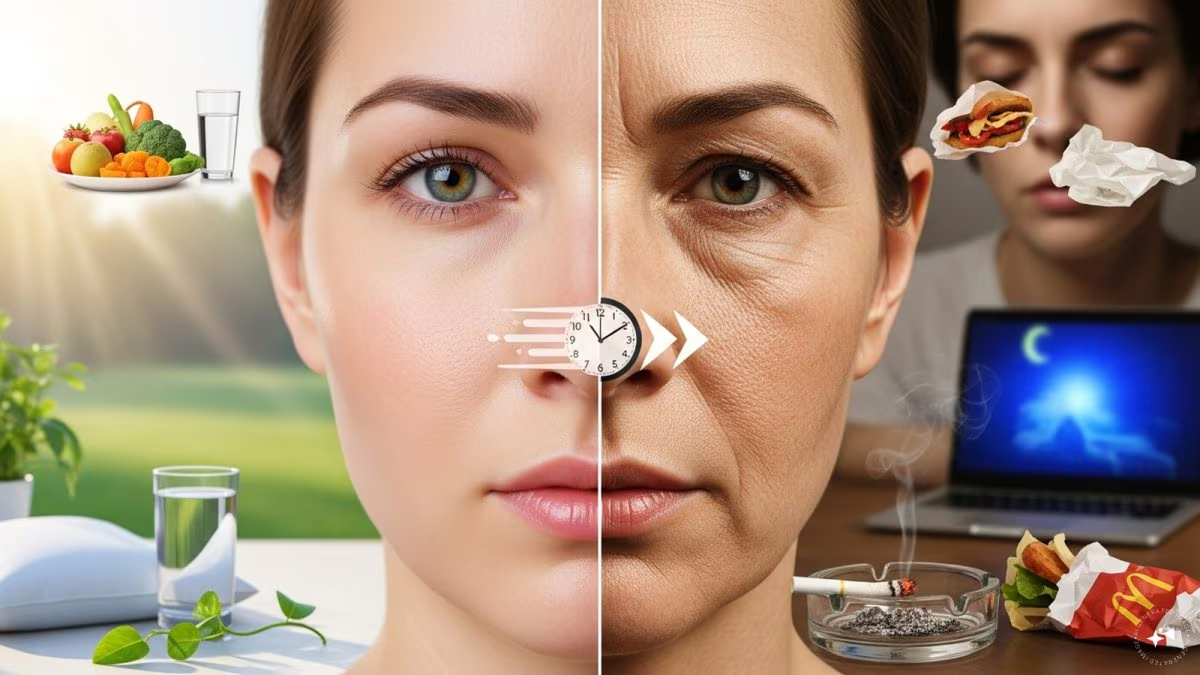
We often think of wrinkles, fine lines, and dullness as inevitable signs of aging, but in reality, many of these changes are accelerated by the way we live each day. The skin is our body’s largest organ, and it reflects not only our genetics but also our choices – what we eat, how we sleep, the stress we carry, and even the environments we expose ourselves to. While time will naturally leave its mark, certain lifestyle habits can push the process into fast‑forward, making skin look older long before its time. Understanding these hidden culprits is the first step toward protecting your skin’s health and preserving its youthful glow. (Image: AI-Generated)

Lack of Quality Sleep: Sleep is when your body repairs itself, including your skin. If you consistently get less than 7-8 hours of rest, your skin’s natural healing process is disrupted. This can lead to dullness, fine lines, and dark circles. Late‑night scrolling or binge‑watching often cuts into sleep, suppressing melatonin and increasing cortisol, both of which accelerate aging. (Image: AI-Generated)

Skipping Sunscreen: One of the most damaging habits is neglecting daily sun protection. Ultraviolet (UV) rays break down collagen and elastin, leading to wrinkles, sagging, and pigmentation. Even on cloudy days or indoors near windows, UV exposure silently harms your skin. Without sunscreen, these effects accumulate over time, making your skin look older than it should. (Image: AI-Generated)

Poor Diet Choices: Processed foods, excessive sugar, and unhealthy fats contribute to inflammation and glycation, a process where sugar molecules damage collagen and elastin fibers. This results in loss of firmness and elasticity. A diet lacking in antioxidants, vitamins, and lean proteins deprives your skin of the nutrients it needs to stay youthful. (Image: AI-Generated)

Excessive Alcohol Consumption: Alcohol dehydrates the skin and dilates blood vessels, causing redness and puffiness. Over time, it reduces vitamin A levels, which are essential for cell renewal. Chronic drinking accelerates fine lines and makes skin appear tired and uneven. (Image: AI-Generated)

Smoking: Smoking is one of the fastest ways to age your skin. Nicotine narrows blood vessels, reducing oxygen and nutrient supply. The repetitive motion of inhaling also contributes to wrinkles around the mouth. Long‑term smokers often develop a dull, leathery complexion due to collagen breakdown. (Image: AI-Generated)

Constant Screen Exposure: Blue light from phones, laptops, and tablets penetrates deeper than UV rays, contributing to oxidative stress and pigmentation. Combined with late‑night scrolling, it disrupts sleep cycles, compounding the damage. (Image: AI-Generated)

Chronic Stress: Stress hormones like cortisol trigger inflammation and break down collagen. Persistent stress can lead to acne flare‑ups, dryness, and premature wrinkles. Without stress management techniques, your skin reflects the toll of emotional strain. (Image: AI-Generated)

Neglecting Skincare Routine: Skipping cleansing, moisturizing, or exfoliation leaves your skin vulnerable to pollutants and free radicals. Over time, dirt and toxins accumulate, accelerating dullness and fine lines. A consistent skincare routine is essential to protect and rejuvenate the skin barrier. (Image: AI-Generated)

Sedentary Lifestyle: Lack of physical activity reduces circulation, meaning fewer nutrients and oxygen reach the skin. Exercise boosts collagen production and helps flush out toxins. Without it, skin can appear pale, saggy, and less resilient. (Image: AI-Generated)

Overconsumption of Caffeine: While moderate coffee intake has benefits, too much caffeine dehydrates the skin and disrupts sleep. Dehydration emphasizes fine lines and makes skin look fatigued. (Image: AI-Generated)

Tags: , , , ,
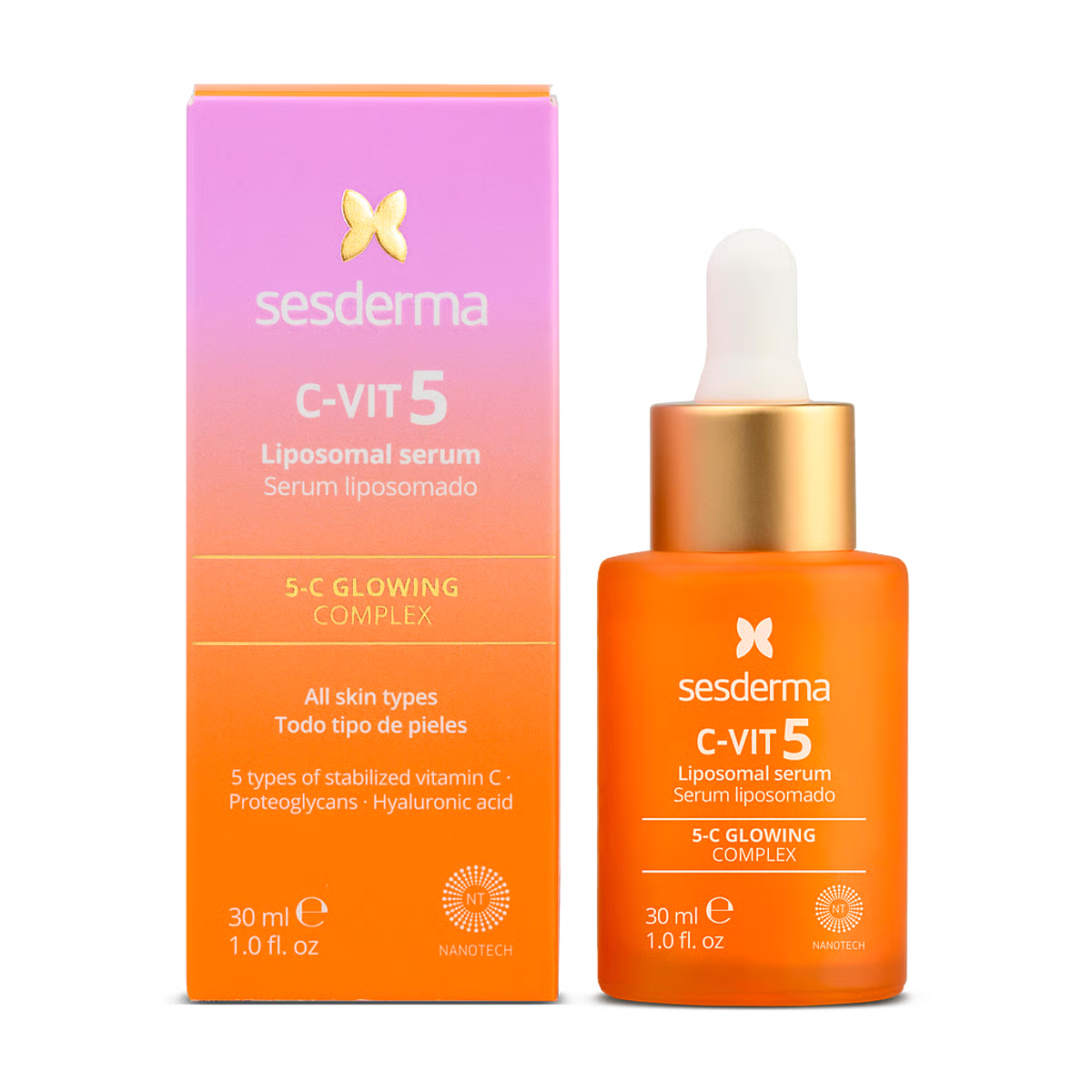
Sesderma C-VIT 5 Liposomal Serum Redefines Innovation In Skincare

Sesderma C-VIT 5 Liposomal Serum Redefines Innovation In Skincare

As the skincare industry evolves toward smarter, more targeted, and results-driven solutions, Sesderma remains firmly at the forefront of this transformation. By seamlessly integrating advanced technologies such as nanotechnology and liposomal delivery with clinically backed actives, the brand continues to set benchmarks in efficacy, safety, and performance. Each formulation is designed with accuracy, making sure that innovation translates into visible, meaningful results, while upholding the highest standards of dermatological integrity and long-term skin health.

Tags: , , , , , ,
Beyond Lohri: Winter Skin Wisdom That Keeps Your Glow Alive | Beauty News

The Science Of Circadian Skincare: Repairing Winter Skin While You Sleep | Beauty News

Last Updated:January 19, 2026, 11:32 IST

From ceramides to retinoids, here’s how to sync your winter skincare routine with your skin’s natural repair clock.

Cold winds, low humidity, and indoor heating all work against the skin’s natural moisture barrier, leaving it feeling tight and uncomfortable

Winter skincare is often reduced to ‘richer creams’ and ‘extra hydration,’ but the real game-changer lies in timing. Our skin follows a circadian rhythm – an internal clock that dictates when it protects itself and when it repairs. Ignoring this rhythm, especially in colder months, can slow recovery, weaken the skin barrier, and make dryness, irritation, and fine lines more visible.

Circadian skincare is about working with the skin’s natural repair cycles rather than overwhelming it. And in winter, when cold air, indoor heating, and low humidity challenge the skin’s resilience, aligning your nighttime routine with these biological processes becomes even more essential.

What Circadian Skincare Really Means

“Circadian skincare is working with your body’s circadian rhythm, or internal clock, to personalize your skincare regimen as suitable for day and night,” explains Dr. Varshini Reddy, Founder and Chief Dermatologist of Glow Clinic, Hyderabad. During the day, skin focuses on defence by producing more sebum and shielding itself from UV rays, pollution, and free radicals. At night, however, the skin shifts into repair mode, with increased cell turnover and higher receptivity to active ingredients.

Winter complicates this rhythm. As Dr. Reddy notes, colder temperatures impair skin cell repair and lipid replenishment, making overnight recovery slower and less efficient unless supported correctly.

Why Winter Disrupts Skin Repair

Cold, dry air increases transepidermal water loss, weakening the skin’s protective barrier. “Lipids are not replenished as easily in winter due to cold, dry air,” Dr. Reddy explains, adding that compromised enzymatic activity affects ceramide and fatty acid production. The result is dehydration, increased inflammation, and flare-ups of conditions like eczema and psoriasis.

This is why winter skin often feels tight, sensitive, and dull – even when using products that worked well in summer.

Night-Time Ingredients That Truly Work

“At night, ingredients that support repair and barrier recovery work best,” says Dr. Rashmi Sriram, Dermatologist at Fortis Hospital, Bengaluru. She recommends barrier-strengthening ceramides, deeply hydrating humectants like hyaluronic acid and glycerin, and calming agents such as niacinamide and colloidal oatmeal.

She adds that winter moisturisers should balance humectants, which draw moisture into the skin, with occlusives that seal it in – ensuring hydration lasts through the night when the skin is actively regenerating.

Building The Ideal Winter Night Routine

According to Dr. Abhishek Pilani, Founder of Assure Clinic, Mumbai, a circadian-aligned winter routine should be gentle, layered, and barrier-focused. He suggests starting with a mild, non-foaming cleanser, followed by a hydrating toner or essence for dry skin types. Treatment serums, like niacinamide or gentle retinoids, should be alternated to avoid irritation.

The routine should end with a ceramide-rich moisturiser and, for extremely dry areas, a thin occlusive layer such as squalane or petrolatum. Dr. Pilani also emphasises environmental support: sleeping in a cooler room and using a humidifier can significantly enhance overnight skin repair.

Why Timing Matters More Than Trends

Circadian skincare isn’t about adding more products. It’s about using the right ones at the right time. When winter routines respect the skin’s natural repair window, inflammation reduces, hydration improves, and the barrier rebuilds more efficiently.

Winter skin thrives on rhythm, not excess. By aligning your night routine with the skin’s circadian repair cycle and focusing on hydration, barrier support, and gentle regeneration, you allow the skin to heal itself more effectively. In colder months, this harmony between biology and skincare is what transforms dryness into resilience and fatigue into glow.

Location :

Delhi, India, India

First Published:

January 19, 2026, 11:32 IST

Disclaimer: Comments reflect users’ views, not News18’s. Please keep discussions respectful and constructive. Abusive, defamatory, or illegal comments will be removed. News18 may disable any comment at its discretion. By posting, you agree to our Terms of Use and Privacy Policy.

Tags: , , , , , , , ,
Roots and Leaves Announces Expansion into Ethical Wellness with Radical Transparency

Roots and Leaves Announces Expansion into Ethical Wellness with Radical Transparency

Roots and Leaves: A Wellness Brand Built on Integrity and Healing

Roots and Leaves, a woman-owned, herbalist-founded wellness brand based in Aiken, South Carolina, is redefining clean living by offering transparent, non-toxic products that support families’ health without compromise. Founded in 2017 by Haley Maness, the brand emerged from a personal health crisis and is now one of the leading names in the non-toxic wellness industry. With a mission rooted in integrity, transparency, and ethical production, Roots and Leaves creates handcrafted, small-batch products that prioritize family safety and environmental consciousness.

Haley Maness’s journey began when she was diagnosed with chronic Lyme disease, a health crisis that prompted her to reevaluate everything she put into and on her body. Frustrated by confusing ingredient lists and products that promised wellness but were loaded with harmful toxins, Haley started formulating her own herbal remedies and body care solutions. This personal healing journey turned into a passion to help others make more informed choices about the products they use every day.

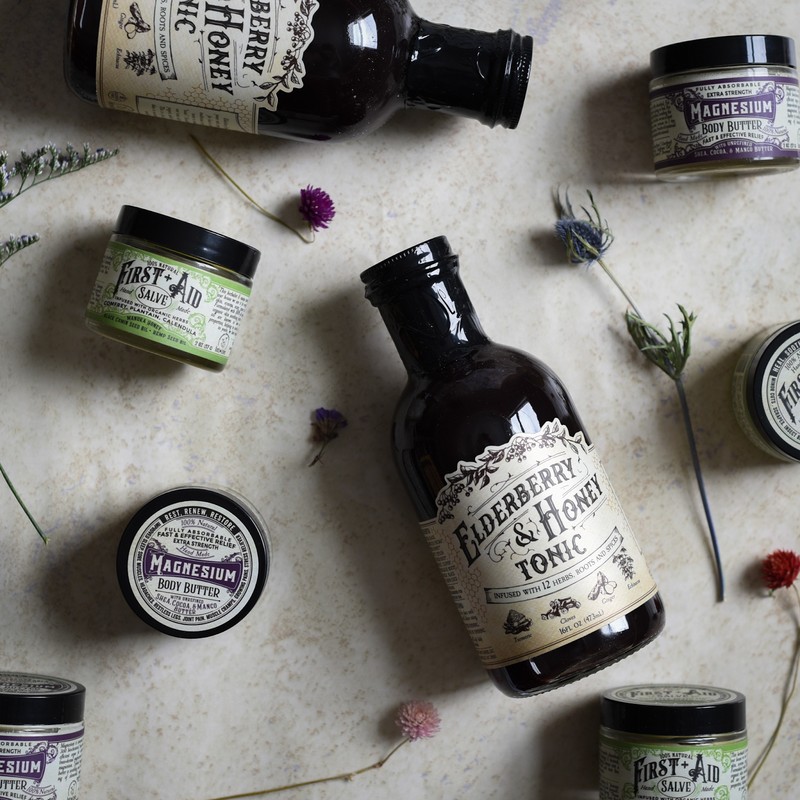
Today, Roots and Leaves offers an array of wellness products including elderberry remedies, magnesium body care, tallow-based skincare, probiotic haircare, and clean skincare essentials. Each product is made in small batches, formulated in-house, and free from synthetic fragrances, fillers, harsh preservatives, or unnecessary additives. The company’s guiding philosophy is simple: if it’s not good enough for our own families, it doesn’t make it into a jar.

A Health Crisis Transformed Into a Purpose-Driven Brand

The story behind Roots and Leaves is one of resilience and healing. Haley Maness’s struggle with Lyme disease forced her to confront the reality of the wellness industry—many so-called “clean” products still contained questionable ingredients. “After battling chronic Lyme disease, I realized that ‘clean’ often doesn’t mean safe,” says Haley. “I wasn’t willing to compromise when it came to my family’s health.” This realization became the foundation for Roots and Leaves, where the mission is to offer products that are genuinely non-toxic, transparent, and family-safe.

Roots and Leaves stands out in the wellness space for its dedication to true integrity. While many wellness brands focus on scale and trends, Roots and Leaves has intentionally chosen slow growth and a commitment to quality over quantity. All products are hand-crafted, manufactured in small batches, and packaged by a local team of women and stay-at-home moms in South Carolina, emphasizing the importance of community impact and ethical production.

Roots and Leaves: Standing Against Greenwashing

One of the key differentiators of Roots and Leaves is its refusal to participate in greenwashing. In an industry where many companies claim to be “clean” without being transparent about their ingredient sourcing, Roots and Leaves stands firm in its commitment to provide products that are not only safe but also hold themselves to the highest standards. “If I wouldn’t use an ingredient on my own children, it doesn’t go into our products,” explains Haley. This strict family-first ingredient policy ensures that every product is both effective and truly non-toxic, setting Roots and Leaves apart from many competitors who may cut corners for the sake of convenience or cost.

Unlike many brands that rely on generic or trend-driven formulations, Roots and Leaves takes a deeply hands-on approach to product development — from ingredient sourcing to final standards — preserving the integrity of each product from start to finish. The brand also deliberately chooses not to sell on mass marketplaces, opting instead to partner with retailers and platforms that align with their values. This careful approach to growth has allowed the brand to remain deeply connected to its mission and to build a loyal customer base based on trust and authenticity.

Roots and Leaves Earns Prestigious Recognition: Best Non-Toxic Wellness Brand for Families

Roots and Leaves has recently been honored as the Best Non-Toxic Wellness Brand for Families in the U.S. for 2026 by Best Of Best Review. This prestigious award recognizes the brand’s unwavering commitment to ingredient integrity, transparency, and ethical production in the wellness industry. As noted by the awarding committee, the recognition is grounded in the brand’s lived experience and steadfast dedication to providing families with non-toxic wellness solutions.

Haley Maness founded Roots and Leaves after battling chronic Lyme disease, creating safe, chemical-free products for her family. The brand prioritizes family wellness with transparency and ethical production. Focused on small-batch quality, it has earned trust across the country for its integrity and commitment to non-toxic wellness.

Commitment to Community and Empowerment

Roots and Leaves is not only focused on creating high-quality products but also on fostering a sense of community. The brand’s small-batch production is handled by a local team of women and stay-at-home mothers in Aiken, South Carolina. By supporting these individuals, Roots and Leaves ensures that the products are crafted with care and attention to detail, while also providing meaningful economic opportunities for local families.

Education is another important aspect of Roots and Leaves. The brand actively empowers families to make informed decisions about the products they choose. By sharing knowledge about ingredient sourcing and the long-term effects of toxic chemicals, Roots and Leaves helps its customers understand why clean living is not only about purchasing the right products but also about making healthier choices for their families and the environment.

The Future of Wellness: Integrity Over Trends

Roots and Leaves has steadily grown into a trusted name in the non-toxic wellness space. The brand’s partnership with over 3,000 retailers across the United States and 30-plus international markets speaks to its success and the loyalty of its customers. However, growth for Roots and Leaves has never been about quick wins or trends. “We’ve grown by choosing integrity over convenience,” says Haley. “Even when that meant saying no to faster or bigger opportunities, we stayed true to our mission.”

Roots and Leaves continues to prove that a wellness brand can succeed without resorting to shortcuts, greenwashing, or compromising its values. The brand’s steady, intentional rise is proof that success doesn’t have to come at the expense of integrity. As the wellness industry becomes more crowded, Roots and Leaves remains a standout example of how businesses can thrive when they stay grounded in their mission, prioritize quality over scale, and offer products that truly make a difference in people’s lives.

About Roots and Leaves

Roots and Leaves is a woman-owned, herbalist-founded wellness brand based in Aiken, South Carolina. Established in 2017 by Haley Maness, the brand offers clean, non-toxic wellness products formulated from only the safest ingredients. From elderberry remedies to magnesium body care, Roots and Leaves focuses on products that promote simple, honest wellness for families. The brand is committed to radical transparency and ethical production, with every product crafted in small batches and packaged by a local team of women and stay-at-home moms. Roots and Leaves partners with over 3,000 retailers nationwide and is committed to helping families return to a simpler, healthier way of living.

For more information, visit Roots and Leaves and follow on social media:

Media Contact:

Haley Maness
Founder, Roots and Leaves
Email: rootsandleaves@outlook.com
Website


Post navigation

Tags: , , , , , , ,
Is Bamboo Viscose Sustainable?

Is Bamboo Viscose Sustainable?

While researching non-toxic clothing, you’ve probably come across descriptions like “organic bamboo viscose” and “rayon made from bamboo.” The first one sounds more natural than the second, but they’re usually describing the exact same thing.

So what is bamboo fabric, and is it a good option for clothing?

The answer, friends, is . . . it’s complicated.

A few years ago, the Federal Trade Commission fined several major retailers – including Amazon, Macy’s, and Sears – for falsely labeling products as various vague forms of “bamboo” when they were actually rayon. (1)

Some were labeled “100% Organic Bamboo” and “100% knit bamboo,” while others were just “bamboo fiber.” 

Bamboo’s controversial reputation as a textile comes down to two things:

First, the bamboo plant is famous for growing fast and thriving without pesticides, fertilizers or irrigation. Second, while the plant itself is sustainable, the process used to turn it into fabric usually isn’t.

There are exceptions, though, so let’s dive in.

How Bamboo Becomes Fabric (And Why It Matters)

There are two main ways to turn bamboo into fabric: mechanical and chemical.

The mechanical method is the cleanest and most traditional. The stalks are crushed, the fibers are naturally softened using enzymes, and then spun into a yarn similar to linen. The result – sometimes called bamboo linen – is durable and fully natural. However, the process is time-intensive expensive, and not super soft, so it only represents a tiny fraction of the “bamboo” products on the market. (2)

Most bamboo fabric is made using the chemical method. In this process, bamboo is reduced to pulp and dissolved in a mix of caustic soda (sodium hydroxide) and carbon disulfide. The resulting solution is pushed through a spinneret (a kind of showerhead for fibers), creating filaments that are later spun into yarn.

The result is a cellulosic fiber that’s in the rayon family of fabrics.

Rayon is considered a semi-synthetic material because it doesn’t fit neatly into the “natural” or “synthetic:” categories. Instead being made from a natural material that requires minimal processing (like cotton) or a synthetic plastic like polyester, it’s made from natural materials using a man-made chemical process.

How that processing is handled makes all the difference – both for our health and for the world we’re leaving to our kids.

Here’s why: You might recognize sodium hydroxide (NaOH) as lye, which is the compound that transforms fats and oils into natural soap through a process called saponification. During soapmaking, it reacts completely with fatty acids so that – when done correctly, no free lye remains in the final product. Soapmakers have used it safely for centuries.

In other words, sodium hydroxide isn’t a “villian,” but when it’s used in huge industrial quantities and then disposed of without neutralization, it can kill aquatic life and damage soil and waterways.

Carbon disulfide, on the other hand, is neurotoxic (linked to nerve damage, mood changes, Parkinson-like symptoms), volatile (easily released into the air), and can build up in workplaces over time. It’s often considered the main toxic driver behind rayon production. (3) (4) (5)

Even though most residues are removed before the final fabric reaches consumers, the impact of manufacturing is often far from safe. These chemicals can – and do – contaminate rivers, harm wildlife, and threaten nearby communities that depend on those waters.

Better Alternatives: Lyocell and TENCEL™

Most clothing brands still use conventionally produced bamboo viscose fabric (and are probably hoping you don’t ask too many questions), but there are now better ways to turn plant pulp into soft, durable fabric.

The lyocell process is the most well-known way to make safer semi-synthetics. Instead of using carbon disulfide, lyocell dissolves plant pulp (from bamboo, eucalyptus, or beech trees) in a non-toxic solvent within a closed-loop system. This means 99% of the non-toxic solvent and water are captured, purified, and reused, making it a much safer method for workers and our environment.

Lenzing’s TENCEL™ lyocell is the most widely recognized lyocell fiber, known for its silky texture, breathability, moisture-wicking properties and strength. It’s biodegradable, gentle on sensitive skin, and often blended with organic cotton or wool for softness and durability.

However, there are other closed-loop processes out there, so even if a brand doesn’t use TENCEL™ it’s possible they still might be worth considering. As a starting point, I recommend checking whether the brand mentions closed-loop manufacturing.

The Real Sustainability Question Isn’t Bamboo – It’s Processing

Bamboo itself is an amazing, renewable plant – but much of the “bamboo” clothing out there isn’t what companies claim. The difference between an eco-friendly fiber and an environmental problem comes down to how it’s made.

If you love the idea of plant-based clothing, TENCEL™ and other responsibly made lyocell fabrics are some of the best modern alternatives. They offer the softness people love about bamboo viscose – without the environmental impact.

For more on choosing safer, sustainable textiles, check out:

Frequently Asked Questions

Is TENCEL™ lyocell the same thing as TENCEL™ modal?

No. TENCEL™ modal is a modified version of the traditional viscose rayon process that uses different chemicals. It has a higher chemical recovery rate than conventional processes, but I think the lyocell fabric is the better option.

Is bamboo fabric antimicrobial?

Bamboo has some natural antimicrobial properties, but they are not retained when it is processed into fabric.

Does LENZING™ Lyocell shed microplastics?

No. Bamboo lyocell is a cellulose-based fabric and does not contain plastic.

Sources

  1. Federal Trade Commission. (2013, January). Four national retailers agree to pay penalties totaling $1.26 million for allegedly falsely labeling textiles. FTC Press Release.
  2. Carter, K. (2008, August 12). Pandering to the green consumer: Bamboo is touted as a super-sustainable fabric, but do its ethical credentials hold water? The Guardian.
  3. Agency for Toxic Substances and Disease Registry (US). (2025). Toxicological profile for carbon disulfide. National Center for Biotechnology Information, U.S. National Library of Medicine.
  4. Medbery, C., & Therriault, C. (2025). Carbon disulfide toxicity. StatPearls Publishing. National Center for Biotechnology Information, U.S. National Library of Medicine.
  5. Agency for Toxic Substances and Disease Registry. (2025). Toxicological profile for carbon disulfide. National Center for Biotechnology Information, U.S. National Library of Medicine.

Share with a friend! 👇

Tags: , ,
Are you getting enough vitamin C? Here's how much you really need

Are you getting enough vitamin C? Here’s how much you really need

Which food comes to mind first when you think of vitamin C? Lemons? Oranges? Although both citrus fruits are good sources of vitamin C, they are actually in the middle of the ranking of foods richest in vitamin C. “It is often underestimated that vegetables contain the most vitamin C. First and foremost: peppers. Just one covers the average daily requirement of an adult,” says Dr Anne Gürtler, dermatologist and nutritionist from Munich. She adds, “Broccoli, Brussels sprouts and currants are also particularly rich in vitamin C.”

How much vitamin C does the body need and why?

“Vitamin C requirements are often overestimated,” says Dr Gürtler, pointing out that the DGE (German Nutrition Society) recommends an average of 100 milligrams, with women needing a little less than men although the requirement increases for pregnant and breastfeeding women. The same applies to smokers. “Because they have such high oxidative stress due to nicotine, you can add another 40-50 milligrams per day on top,” she says.

Speaking of oxidative stress, vitamin C is an antioxidant. “This means that it neutralises free radicals in the body, protects the cells from damage and thus, counteracts inflammatory processes and premature (skin) ageing,” says Dr Gürtler. “Put simply, vitamin C releases an electron to aggressive molecules, which in turn lack an electron – thereby rendering them harmless.”

“In addition, vitamin C is essential for cell proliferation and cell differentiation, processes that are also central to the health and regeneration of the skin. Furthermore, recent studies in cancer biology indicate that vitamin C has modulating properties: it can act on enzymes that play a crucial role in gene expression,” explains Dr Anne Gürtler. In relation to the skin, vitamin C is relevant on several levels: “It is a key factor fin boosting the structure, elasticity and regenerative capacity of the skin.”

How useful are dietary supplements?

The body cannot produce vitamin C itself, so it relies on us to supply it. “It is absorbed via receptors in the small intestine,” explains Dr Gürtler. However, these receptors only have a limited absorption capacity and are saturated at some point. This means that above a certain amount, vitamin C is no longer absorbed.

“These transport mechanisms function optimally up to around 200 milligrams per day, after which absorption barely increases. Even if you consume more vitamin C, no more of it enters the body. This shows that excessive intake, for example via high-dose supplements generally has little additional benefit,” says the doctor.

What happens in the event of an overdose?

A genuine overdose of vitamin C is unlikely, says Dr Gürtler: “As it is water-soluble, the body cannot store excess amounts and they are excreted via the kidneys. This is precisely why vitamin C is generally well tolerated.”

However, very high doses (especially in the form of supplements) can lead to side effects. These include gastrointestinal complaints such as diarrhea, flatulence or abdominal cramps. In individuals with prolonged high intake, vitamin C can also promote the formation of kidney stones, especially in people who are already susceptible to them.

Tags: ,
From Kitchen To Skincare: The Surge of Spice-Led Beauty in Urban India

From Kitchen To Skincare: The Surge of Spice-Led Beauty in Urban India

Indian spices have long been celebrated for their therapeutic properties, from supporting immunity and digestion to promoting mental health and skin-hair care treatments. The raw form was always a part of skincare routines, but in the last few years, traditional wisdom has found new relevance as beauty brands are coming up with sophisticated skincare products formulated with these active compounds.


Ingredients such as turmeric, saffron, clove, and cinnamon have a rich history in beauty rituals. In the past few years, brands and trends based on these spices have gained a significant following. “The rise of spice-led beauty reflects a growing consumer shift toward functional, ingredient-led self-care, where effectiveness, authenticity, and trust drive purchase decisions,” says Cyril Feuillebois, Founder of Spiceology, a wellness brand rooted in the ancient Indian science of spices.

To gain more insights into growing spice-led beauty trends, we spoke to Dr Tanushree Biswas, Consultant Dermatologist and Head Medical Advisor, and Dr Veena Praveen, Head Medical Advisor (South) and Consultant Dermatologist at Kaya Limited. Continue reading to know what dermatologists have to say about the latest skincare trends and their effectiveness.

The Rise of Spice-Led Beauty

For ages, Indian spices such as turmeric, saffron, cinnamon, gram flour, honey, and pepper have been used in skincare treatments passed down through generations. Turmeric, for instance, is prized for its anti-inflammatory and brightening properties, while saffron is associated with antioxidant benefits and skin revitalisation. Clove and cinnamon are increasingly incorporated for their antimicrobial and circulation-boosting effects.

Cyril Feuillebois states that when formulated thoughtfully, these actives provide tangible skin benefits, bridging the gap between tradition and modern science.

Speaking about the surge in spice beauty products and remedies’ use, Dr Veena Praveen says, “The growing popularity of spice-based beauty trends reflects a shift toward natural and culturally rooted skincare practices. While the intent is positive, these trends often overlook the scientific understanding of skin physiology and safety.”

Traditional ingredients can certainly be beneficial, but only when used in appropriate forms and concentrations. “The credit for this surge can be given to the blend of ancient knowledge with modern formulation techniques,” Cyril Feuillebois adds.

Also Read: No Extremes, This Is How You Can Detox Gently After Holiday Meals

How Safe Are These Spices for Your Skin?

Speaking about the effectiveness and risks of these active compounds, Dr Veena Praveen says, “Some commonly used kitchen spices are known to trigger irritation and allergic contact dermatitis. The skin is a highly effective protective barrier that restricts the penetration of raw spice compounds. In their pure form, the concentration of active components is inconsistent and often too harsh, which may weaken rather than strengthen the skin barrier.”

Here are a few spices and active components that can triggeran allergy or irritation to your skin in some cases:

  • The essential oils present in Cinnamon and Clove are particularly potent and can cause burning sensations and redness.
  • Capsaicin and piperine in Chilli and Black Pepper may cause intense irritation, stinging, and inflammation when applied to the skin.
  • When used in its raw or concentrated form, garlic carries a high risk of allergic conditions and has been linked to blistering and chemical burns.
  • Even milder spices like turmeric may trigger irritation if you have sensitive skin. While not usually linked to photosensitivity, Turmeric may enhance skin sensitivity if the barrier is already damaged.
  • Individuals with acne-prone or sensitive skin must be extra careful with DIY spice treatments, particularly going viral on social media. Many spices are comedogenic, inflammatory, or irritating and can aggravate acne, precipitate a flare-up, or destroy the skin barrier.

Also Read: Dermatologist-Approved Anti-Ageing Treatments for Men: What Works & What Doesn’t

As per Dr Tanushree Biswas, most of these actives need to be harnessed safely through controlled formulations. “The risk of adverse effects increases with prolonged use, higher concentrations, or application on already inflamed or broken skin.”

Homemade DIY Or Commercial Products?

Dr Tanushree Biswas emphasises that commercial skincare products with spice extracts are usually safer than homemade DIY masks, as raw usage may cause side effects on sensitive skin.

“Spice-led skincare products are better options since they are made with regulated concentrations, stabilisers, and skin-safe bases. These products are safety-tested to reduce irritation and are usually formulated with calming ingredients that balance the strength of spice-derived actives,” Dr Biswas explains.

On the contrary, DIY masks use raw materials of unpredictable strength. They are not standardised or checked by dermatologists, and pose a higher risk of burns, allergies, or barrier damage.

Dr Veena Praveen also highlights, “Commercial formulations are designed to reduce irritation while preserving beneficial properties. These products also undergo stability testing, ensuring consistent performance, which makes professionally formulated skincare a safer choice than homemade remedies.”

A Balanced Approach

A balanced approach that integrates traditional knowledge with dermatological research is essential to ensure these trends support, rather than compromise, long-term skin health.

Dr Biswas notes that trends fostered by social media may encourage the notion that something natural is always safe, which is not necessarily the case. A lack of proper guidance may cause irritation, pigmentation, or permanent damage. Safe skincare depends on the combination of classical wisdom and scientific development.

Agreed to the social media factor and the need of balance approach shared by Dr Biswas, Dr Veena Praveen adds, “Social media has amplified quick-fix remedies without adequately highlighting potential risks. Traditional ingredients can certainly be beneficial, but only when used in appropriate forms and concentrations.”

Also Read: ‘Teens’ Skin Not For Elaborate Viral Skin Care Routines’ Dermatologist Warns Long-Term Health Issues Including Cancers

Bottomline

As the line between wellness and beauty continues to blur, spice-led skincare exemplifies a larger movement, but the approach matters most. Cyril Feuillebois underlines that consumers are no longer looking for indulgence alone, but for products that nourish, protect, and enhance overall well-being. By connecting centuries-old wisdom with contemporary science, the industry is redefining what it means to care for the skin in a holistic, preventive way.

FAQ

  • Which spices are good for skin?

    For ages, Indian spices and ingredients such as turmeric, saffron, cinnamon, and pepper, along with gram flour and honey, have been used in skincare treatments passed down through generations.

  • Is spice good for your face?

    Yes, spices such as ginger, turmeric, nutmeg, and pepper are considered beneficial for skin health; however, it is essential to first perform a patch test and have your skin checked by a dermatologist. Experts believe that products containing these spices are good to use, but directly applying raw spices to the skin may cause side effects.

  • Which herb is best for skin glow?

    Herbs such as witch hazel and turmeric are known for their benefits, such as moisturising the skin, brightening dark pigmentation spots, and even exfoliating the skin


Read Next

Are Under-eye Masks Effective? Let’s Find Out

Disclaimer

Sameeksha is a lifestyle journalist with over three years of experience exploring the intricacies of mental health, human interest stories, diseases and more. With a passion for crafting compelling narratives, she combines expert insights, on-ground reporting and scientific research to deliver accurate and engaging reports. Her bylines in News18, ABPLive and SheThePeopleTV reflect her commitment to producing trustworthy and impactful health stories.

Read More..

How we keep this article up to date:

We work with experts and keep a close eye on the latest in health and wellness. Whenever there is a new research or helpful information, we update our articles with accurate and useful advice.


  • Current Version

  • Jan 17, 2026 13:42 IST

    Published By : Sameeksha Sharma
    Reviewed By : Dr Veena Praveen

Tags: , , , , , ,
Nature’s secret to hydrated, radiant, and resilient skin

Nature’s secret to hydrated, radiant, and resilient skin

In the modern lifestyle, maintaining a consistent skincare routine is essential for keeping your skin moisturised and glowing. Among all the core steps involved in a skincare routine, hydration stands out as a fundamental foundation. A naturally hydrated skin supports skin’s elasticity, strengthens its barrier and enhances how skin feels from the inside. To maintain the skin’s moisture and keep it fresh throughout the day, Aloe vera gel helps provide instant relief to dry skin, is skin-friendly, and works as a daily moisturiser.

Aloe vera gel is composed of nearly 99% water, making them an instant source of hydration and the best cooling agent. They help lock in moisture by forming a protective layer on the skin, preventing water loss and ensuring long-lasting hydration without clogging pores.

Beyond hydration, aloe vera also supports healing, protection, and the restoration of the skin’s natural moisture balance, keeping it glowy throughout the day. Its unique ability to deliver deep, soothing texture has made it a timeless favourite in skincare. The hero ingredient works to restore skin’s structure, improving tone and resilience while softening the appearance of fine lines. While scientific research on its efficacy is still limited, dermatologists and consumers alike widely recognise aloe vera’s benefits, making it a staple in beauty and personal-care products worldwide.

(Insert expert’s name) from Himalaya Wellness emphasises that aloe vera based skincare products are more than just a passing trend, and they are becoming an essential self-care ritual. With aloe vera as a star performer, these hydration-focused products help shield the skin from environmental stressors, strengthen the natural barrier, promote healing, and deliver a healthy, radiant glow.

1) Accelerates Healing:

Aloe vera not only soothes and refreshes the skin but also supports its natural repair process, helping to calm damage caused by dryness, stress, or environmental factors. Aloe vera and its products are rich in antioxidants, neutralises skin radicals and help to maintain skin’s essential moisture. With every use, skin feels cooler, softer, and visibly healthier, making aloe vera a true everyday essential for radiant resilience.

2) Moisturises the skin

Light-weight in nature, aloe vera delivers intense moisture that helps in keeping the skin soft and hydrated without clogging the pores. Perfect for everyday use, it certainly penetrates deep into the skin, which would help to restore balance from within that helps to keep the skin supple, fresh and naturally radiant.

3) Healing properties and soothes irritation

Widely used in skincare and beauty essentials, aloe is rich in anti-inflammatory compounds. As an ingredient, it helps soothe irritation, leaving the skin calm and comforted. Gentle and free from harsh chemicals, aloe-based formulations are especially suited for sensitive skin and everyday care.

4) Enhances Radiance

Aloe vera based products help to nourish the skin, smooth its texture, and enhance its natural luminosity. Supporting skin renewal, it helps fade dullness, even out tone, and helps to restore a healthy glow from within.

5) Improves Skin Elasticity

With consistent use, aloe vera supports collagen production and nourishes the skin with vitamins C, E, and amino acids. This helps improve firmness, promotes smoother, plumper, and more youthful-looking skin.

Hydration is the foundation of every skincare routine, and aloe vera is one of nature’s most effective and gentle moisturisers. Whether in a daily face wash or a soothing body gel, it works beneath the surface to nourish, calm, and replenish the skin. With long-term benefits, chemical-free care and versatile use, aloe vera is a trusted solution for multiple beauty needs, reducing reliance on expensive products or frequent salon visits.

(The writer is a Senior Research Scientist, R&D Himalaya Wellness Company)

Tags: , , , , ,
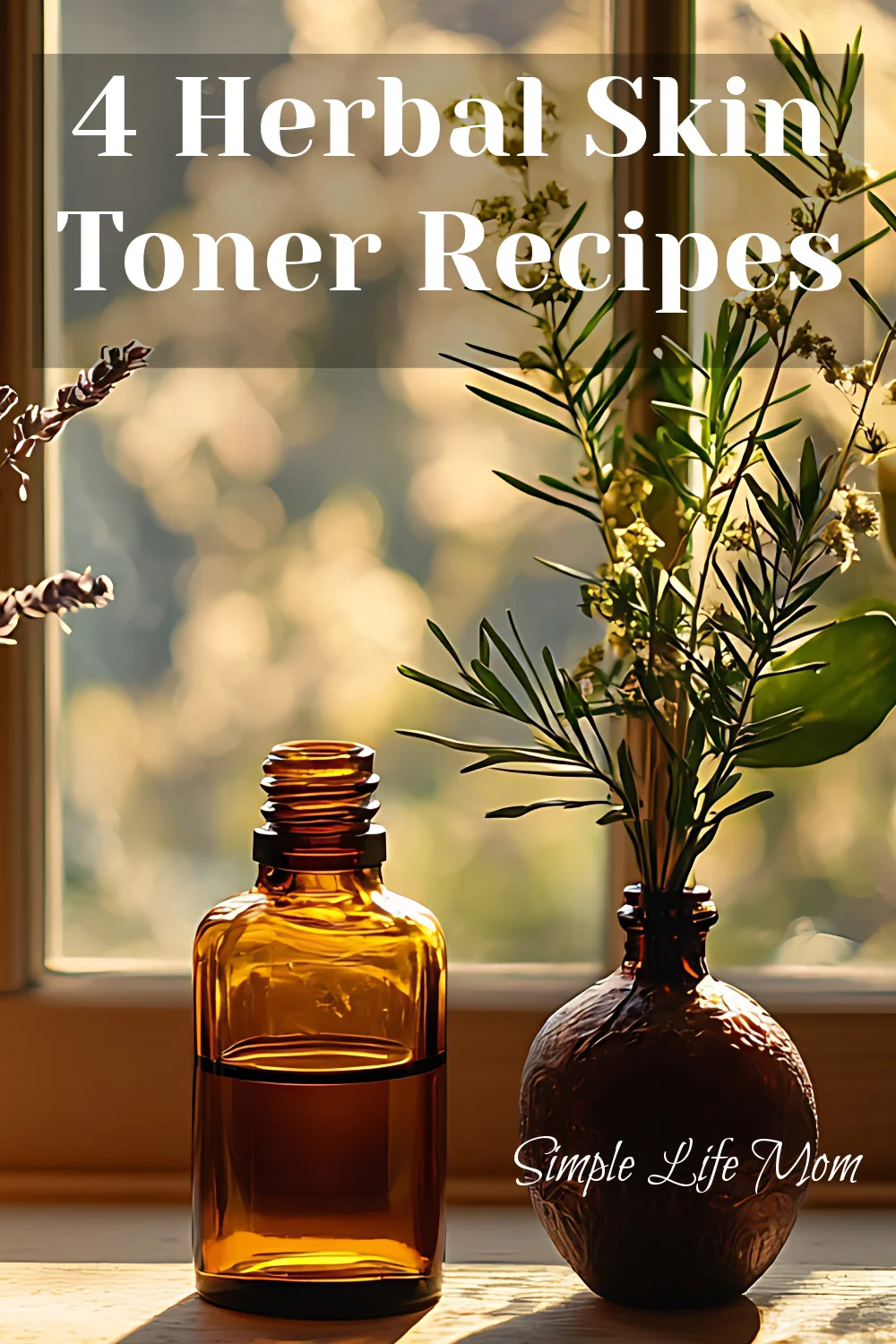
4 Herbal Skin Toners - recipes with natural ingredients for all skin types.

4 Herbal Skin Toners: How to Make Organic Astringents

These 4 herbal skin toners are beneficial for every skin type and play an important role in a natural skincare routine. Before I started using homemade skincare products, my face often felt tight and stripped after washing—especially since I’ve always had dry skin. Using a natural toner helps restore balance, refresh the skin, minimize the appearance of pores, and prepare your face to better absorb lotions or facial oils.

I especially like the last toner recipe below: Acne Astringent Toner, because it shrinks my pores lovely and goes great with my Anti-Aging Serum recipe.  I think I look younger now than I did ten years ago when my body was under so much stress.

You can also try before you make your own by checking out the ones I have in my shop: Anti-Aging Toner & Acne Toner. OR grab a cleanser and toner combo Gift Set.

Why Use Herbal Toners?

Before recipes, here’s what herbal toners can do for your skin:

  • Balance pH after cleansing (important for barrier health).
  • Hydrate and calm with natural botanicals like chamomile or aloe.
  • Minimize appearance of pores gently.
  • Prep skin for serums and moisturizers to absorb better.

Frequently Asked Questions About Herbal Skin Toners

What does a skin toner do?

A skin toner helps restore balance after cleansing by removing leftover residue, refreshing the skin, and helping pores to close. Using a toner also prepares your skin to better absorb lotions and oils applied afterward.

Are herbal skin toners good for all skin types?

Yes, herbal skin toners can benefit all skin types when made with the right ingredients. Dry skin may benefit from soothing herbs like chamomile or comfrey, while oily or acne-prone skin often responds well to astringent herbs such as mint or witch hazel.

Can I use a homemade toner every day?

Most homemade herbal toners are gentle enough for daily use, once or twice a day. If you have sensitive skin, start by using the toner once a day and monitor how your skin responds.

How long do homemade herbal toners last?

Because homemade toners do not contain preservatives, they usually last a month if kept clean. For longer shelf life, you can make smaller batches or use ingredients like the apple cider vinegar in some of the recipes below.

How do I apply a natural skin toner?

Apply toner after cleansing your face. You can use a cotton pad, reusable cloth, or gently pat it onto your skin with clean hands. Allow it to absorb before applying lotion or facial oils.

Is toner necessary if I already moisturize?

While not required, using a toner can significantly improve how well your skin absorbs moisture. Toners help prep the skin, making your lotion or oils more effective and reducing dryness or irritation.

Mint and vinegar toner – in process. Final product is strained

4 Herbal Skin Toners

1. DIY Comfrey & Oat Herbal Toner for Gentle Exfoliation

This comfrey and oat skin toner is quick and easy to prepare, making it ideal for a simple DIY skincare routine. Comfrey helps soothe and heal the skin, while oats gently absorb excess oil and remove impurities.1 Stored dry, this natural blend works as both a gentle facial scrub and an herbal toner, leaving skin clean, balanced, and refreshed.

Best for: Dry to normal skin
Benefits: Oats calm irritation; comfrey supports healing and softness.

Ingredients:

Instructions:

  1. Blend the comfrey and oats in a mixer until they make a fine powder. Store this in an airtight jar.
  2. Place 1 tablespoon of the scrub on the palm of your hand.  Pour about 1/2 tablespoon of rose water (or yogurt) on top and mix with your finger until it is a creamy paste.
  3. Rub onto your face with your hands, or a soft, wet cloth or sponge. Gently scrub face.
  4. Rinse with water.
  5. Store and use for 10 months by keeping sterile.  Always use a clean dry tablespoon to dip it out and never your hand.

2. DIY Apple Cider Vinegar & Chamomile Herbal Skin Toner

This apple cider vinegar and chamomile toner goes a long way, making it an easy and mess-free addition to your natural skincare routine. Apple cider vinegar helps tone and balance the skin without over-drying, while gently conditioning the complexion. Chamomile adds powerful soothing benefits by reducing inflammation, calming irritated skin, and helping relieve puffiness and acne.2

Best for: Sensitive or redness-prone skin
Benefits: Chamomile eases puffiness and irritation; apple cider vinegar tones.

Ingredients:

• 2 cups filtered water
• 1/2 cup raw apple cider vinegar
• 1/2 cup dried chamomile flowers

Instructions:

  1. Heat water in a kettle until it is hot.  It does not need to boil.
  2. Pour water into a jar and add chamomile flowers.
  3. Screw on an airtight lid and shake.
  4. Allow mixture to cool.
  5. Add vinegar and place in a warm, dark place for 1 week, shaking daily.
  6. After the one week, strain the toner through a mesh strainer and discard chamomile leaves.
  7. I pour about 1 Tablespoon into the palm of my hand after washing my face, rub my hands together and rub all over my face. You can also put it in a spray bottle and spray your face after washing.

3. DIY Mint & Vinegar Toner for Refreshing Skin

This vinegar and mint toner helps restore the skin’s natural balance. Vinegar works well for all skin types, helping oily skin stay clear while also easing dryness and flakiness, so I really like to use it as part of my toner recipes. The fresh mint adds a light, cooling feel that leaves your skin refreshed without being harsh.

Best for: Combination to oily skin
Benefits: Mint cools, vinegar helps control oil and restore skin acidity.

Ingredients:

Instructions:

  1. Mix together all ingredients, then pour into a clean container and let sit for 3 days.
  2. Strain or filter out all solids and pour into a clean bottle with a tight-fitting lid.
  3. To use: Apply to clean skin with a cotton pad or put it in a spray bottle.

4. Homemade Witch Hazel Toner with Healing Herbs

I love this toner because it works well for just about any skin type. The witch hazel acts as a gentle astringent, helping to tighten and close pores, while the herbs work to heal, soothe, and naturally purify the skin. It’s a simple, well-rounded option that’s easy to use and easy on your skin.

Best for: Acne-prone or blemish-forming skin
Benefits: Witch hazel tightens pores; herbs help purify and soothe.

Ingredients:

Instructions:

  1. Combine all ingredients in an airtight jar and shake.
  2. Place jar in a dark, warm place and shake daily for 2 to 3 weeks.
  3. The mixture will be the color of iced tea when ready. Strain.
  4. Apply astringent with a cotton ball, up to twice daily. Use for 6 months to 1 year.

Bonus Recipe:

Herbal Geranium Facial Toner for All Skin Types

Ingredients:

Instructions:

  • Combine the apple cider vinegar and rose water.
  • Add the essential oils.
  • Keep in a jar and dip a clean cotton ball into it for application on a clean face each time.

How to Use Herbal Toners (Best Practices)

✔ After cleansing: Apply toner before serums or oils to help absorption.
✔ Patch test first: You could be allergic to anything. Always test new ingredients on a small area like your wrist before using all over your face.
✔ Store safely: Homemade toners lack preservatives—keep airtight and refrigerate when needed.

Try my Other Specialized Toners

For acne-prone skin, try our homemade acne toner.

For anti-aging benefits, see our rose water anti-aging toner.

Tags: , , , ,
byredo sephora canada

Is Merit The Minimalist Foundation Stick Worth the Hype? | ELLE Canada Magazine

According to Sea, one of the very best ways to use The Minimalist is to treat it like your favourite foundation—so I began with my base. Once I applied the light-medium “Sand” shade all over my face, I used the brand’s uber-soft Brush No. 1 to work the product in. The result? An even, second-skin finish that blurred imperfections like an IRL filter—but still managed to look natural. Where extra coverage was needed, the product was easy to build up without looking (or feeling) cake-y on the skin. Not to mention it stayed put all day long without budging. Though my go-to base is typically a tinted moisturizer, this mess-free little stick will serve as a great alternative when doing glam on-the-go.

“For anyone who wants a glow-y look with light coverage, I love applying stick products using the warmth of my fingers and palms,” Sea weighs in. Thanks to its lightweight formulation, this barely-there approach works incredibly well with this one in particular. No matter how you like to wear your makeup, The Minimalist works with you, not against you.

Tags: , , , , , , , ,
Best oLive
Privacy Overview

This website uses cookies so that we can provide you with the best user experience possible. Cookie information is stored in your browser and performs functions such as recognising you when you return to our website and helping our team to understand which sections of the website you find most interesting and useful.