Why Indian skincare scores over Korean routines

Why Indian skincare scores over Korean routines

Nature’s benefits

One of the most exquisite strengths of Indian skincare lies in its use of revered, time-honoured ingredients drawn from nature’s most precious offerings. Turmeric, sandalwood, saffron, neem, rose, aloe vera, and multani mitti have adorned beauty rituals for centuries, not merely for cosmetic enhancement, but for their deeply therapeutic properties.

These botanicals are naturally abundant in antioxidants, anti-inflammatory compounds, and healing elements that soothe sensitivity, refine pigmentation, and restore clarity. Rather than offering a fleeting glow, Indian traditions work on the deeper harmony of the skin, encouraging long-term vitality and resilience.

Another advantage is Ayurveda’s personalised elegance. Traditional Indian skincare recognises that beauty is never one-size-fits-all. Every individual possesses a unique doshic constitution — Vata, Pitta, or Kapha — and skincare is curated accordingly. Cooling rose and sandalwood calm fiery redness and irritation, while nourishing oils such as almond or sesame envelop dry skin in softness and protection. This bespoke approach creates a ritual of balance and refinement, far more intuitive and enduring than generic routines shaped by global trends.

Indian skincare is also defined by its simplicity, sophistication, and sustainability. Unlike the often elaborate Korean routines involving numerous layers of toners, essences, serums, and masks, Indian rituals embrace fewer, more versatile preparations. A single ubtan — an herbal blend once cherished by royal brides — can cleanse, exfoliate, and illuminate the complexion in one luxurious step. Similarly, facial oils serve as moisturisers, protectors, and age-defying elixirs. This minimal yet potent approach feels indulgent while remaining gentle and respectful of the skin barrier.

Tags: , , , ,
Your Breasts Have Their Own Microbiome (And Here’s Why That Matters)

Your Breasts Have Their Own Microbiome (And Here’s Why That Matters)

If I asked you where key bacteria live in your body, you’d probably say your gut. Maybe your mouth. Possibly your skin.

Your breasts probably wouldn’t make the list.

And yet – they should.

We’ve known for years that gut microbes are surprisingly chatty. They send signals to the brain that influence mood and stress resilience. (1) They help train the immune system so it knows when to calm down and when to fight. (2) They even influence how the liver processes hormones like estrogen. (3)

But sometimes microbes don’t just send signals – they relocate.

Breast tissue contains its own distinct microbial community. Some of these microbes may originate in the gut. Others likely come from the skin. And during breastfeeding, beneficial bacteria may be delivered to the breast as part of the body’s natural support system for mother and baby.

In this article, we’ll talk about what they’re doing there and why it matters for breast health across our lifespan. First, though, a quick note: This is not medical advice and is not intended to diagnose or treat any condition. None of these statements have been evaluated by the FDA.

Now, let’s take a look.

What is the breast microbiome?

For decades, scientists assumed that internal tissues like the breast were sterile unless infection was present. But advances in DNA sequencing have changed that assumption.

As one study explains:

“This research shows that breast tissue is not sterile but contains a diverse community of bacteria, adding to the literature that body sites once believed to be sterile do indeed have an endogenous microbiome…” (4)

Researchers have identified a consistent microbial ecosystem in breast tissue, mostly made up of Proteobacteria, Firmicutes, Actinobacteria, and Bacteroidetes. Think of these as broad bacterial “families” or groupings.

Zooming in a level, common genera include Staphylococcus and Streptococcus – bacteria that, in the right balance, peacefully coexist and interact with immune cells in the breast.

This isn’t just bacteria from the surface tagging along. In fact:

“Our results indicate a distinct breast tissue microbiome that is different from the microbiota of breast skin tissue…” (5)

In other words, the breast has its own microbial signature – a living ecosystem within the tissue itself.

And like all ecosystems, balance matters.

How the Breast Microbiome May Influence Breast Health

As researchers have compared breast tissue samples, a clear pattern has emerged: the microbial mix looks different in healthy tissue than it does in tissue affected by benign growths or breast cancer. (5) (6) (7)

In healthy tissue, the microbial pattern tends to reflect a more even distribution of bacterial groups – without the overrepresentation of certain species that appear more frequently in tissue samples from women diagnosed with breast cancer.

In contrast, tissue samples from women diagnosed with breast cancer often show shifts in microbial balance. Some bacteria that are typically present in very small amounts in healthy tissue appear in higher proportions in abnormal samples – including genera such as Fusobacterium, Atopobium, and members of the Enterobacteriaceae family. (5) (4) (7) Higher levels of Staphylococcus and Bacillus have also been observed in some studies. (5)

These differences don’t prove cause and effect, but they do suggest that microbial balance may play a role in shaping the local immune environment – including how the body responds to inflammation, environmental exposures, and the behavior of abnormal or “rogue” cells.

What Might These Microbes Be Doing?

We’re still in the early chapters of this research, but several potential roles have emerged.

Supporting local immune balance

Breast tissue contains resident immune cells that monitor the surrounding environment. Some researchers have proposed that the breast microbiome may interact with these immune cells and influence local immune signaling. (4)

Influencing inflammatory pathways

Several studies comparing healthy breast tissue with unhealthy tissue have found that shifts in microbial composition are associated with differences in inflammatory patterns within the breast microenvironment. (6) (7)

While this doesn’t establish direct cause and effect, it does suggest that microbial balance and inflammatory signaling are interconnected – and persistent inflammatory signaling is one factor known to influence long-term tissue health.

Interacting with metabolic activity in the tissue

The 2014 study that helped establish the presence of a breast microbiome also noted that bacterial metabolic activity – including the potential ability to degrade certain compounds – could influence the tissue environment. (4)

Some bacteria are known to metabolize carcinogens and other environmental chemicals in different parts of the body, and researchers have suggested that similar activity could occur within breast tissue.

What Influences the Breast Microbiome?

If the breast has its own microbial ecosystem, the next obvious question is: what shapes it?

Researchers are still piecing that together, but a few factors are beginning to stand out:

Diet

It probably won’t surprise you that what we eat matters.

Research from Wake Forest School of Medicine — including work by Katherine L. Cook, Ph.D., whose lab studies metabolism, obesity, and breast cancer biology — has shown that dietary changes can alter the breast microbiome in animal models. In one study, fish oil supplementation shifted the microbial composition of breast tissue and was associated with changes in tumor biology.
(8)

While these findings are still early and primarily preclinical, they support a bigger picture we already understand: Food influences microbes in more places than just the gut – and the breast appears to be one of them.

Metabolic Health

Body composition also appears to play a role. Obesity is associated with changes in inflammation and immune signaling, and research suggests it may also reshape the microbial landscape within breast tissue.

Katherine Cook’s work, in particular, has explored how this factor alters the breast microenvironment – including shifts in microbial and inflammatory patterns that may influence long-term risk.
(9)

This doesn’t mean body composition alone determines breast health. But it does suggest that the metabolic environment of the body may influence the microbial environment of the breast.

Breastfeeding

Breastfeeding adds another fascinating layer.

During lactation, immune cells can transport select microbes from the maternal gut to the mammary gland through what researchers call the entero-mammary pathway.
(10)

This process appears to be part of a coordinated immune-support system – helping deliver beneficial bacteria to infants while also shaping the microbial landscape of the breast itself.

Breastfeeding is associated with a reduced risk of breast cancer, with longer duration linked to greater risk reduction. Large epidemiological studies have consistently shown this protective association. (For example, this one).

Researchers already understand several mechanisms that likely contribute to that reduced risk, including hormonal shifts, fewer lifetime menstrual cycles, and structural changes in breast tissue that occur during lactation.

The microbiome may represent another piece of that puzzle.

While we don’t yet have definitive evidence that microbial changes during breastfeeding directly influence long-term risk, the fact that lactation reshapes both immune signaling and microbial communities makes this a topic worthy of deeper investigation.

Okay . . . so what does this mean for me?

If you’ve read this far, you might be wondering whether there’s anything you can actually do with this information.

Right now, we don’t yet have breast-specific probiotic protocols or targeted microbiome therapies.

This research is still unfolding, but what we do know is encouraging.

The same lifestyle factors that support immune balance, metabolic health, and microbial diversity throughout the body are likely supporting the breast as well.

For me, that means I’ll continue to prioritize:

  • Eating a fiber-rich, whole-food diet that nourishes beneficial microbes
  • Including omega-3 fats from sources like fatty fish
  • Supporting stable blood sugar and metabolic health
  • Moving regularly to support lymphatic flow

None of these are complicated strategies. They’re foundational ones.

And foundational health tends to ripple outward.

The discovery of the breast microbiome doesn’t mean we need a brand-new strategy.

It reinforces what we already know. Everything’s connected – our immune system, our hormones, our metabolism, and yes, our microbes.

I think I’ll go make some yogurt now.

Sources

  1. Cryan JF, O’Riordan KJ, Cowan CSM, et al. (2019). The Microbiota-Gut-Brain Axis. Physiology & Behavior.
  2. Garrido-Mesa J, Gálvez J, Garrido-Mesa N. (2023) Editorial: The gut-immune axis: a complex training ground impacting inflammatory pathologies. Frontiers in Immunology.
  3. Tilg H, Adolph TE, Trauner M. Gut–liver axis: Pathophysiological concepts and clinical implications. Cell Metabolism.
  4. Urbaniak C, Gloor G, Brackstone M, et al. The microbiota of human breast tissue.. Scientific Reports.
  5. Hieken TJ, Chen J, Hoskin TL, et al. The Microbiome of Aseptically Collected Human Breast Tissue in Benign and Malignant Disease. Scientific Reports.
  6. Hieken TJ, Chen J, Chen B, Johnson S, Hoskin TL, Degnim AC, Walther-Antonio MR, Chia N. The breast tissue microbiome, stroma, immune cells and breast cancer. Neoplasia.
  7. Desalegn Z, Smith A, Yohannes M, Cao X, Anberber E, Bekuretsion Y, Assefa M, Bauer M, Vetter M, Kantelhardt EJ. Human breast tissue microbiota reveals unique microbial signatures that correlate with prognostic features in adult Ethiopian women with breast cancer. Cancers.
  8. Researchers find evidence that diet can alter the microbiome to affect breast cancer risk. (2021) Wake Forest School of Medicine news release.
  9. Leveraging gut microbiome data for ancillary studies in dietary and weight loss clinical trials. Prevent Cancer Foundation PDF.
  10. Mandhane PJ, Sears MR, Turvey SE, Azad MB, et al. Breastmilk Feeding Practices Are Associated with the Co-Occurrence of Bacteria in Mothers’ Milk and the Infant Gut: The CHILD Cohort Study. Cell Host & Microbe.

Share with a friend! 👇

Tags: , , ,
Planning A Valentine’s Glow-Up? Read This Before Booking A Cosmetic Treatment | Beauty News

Planning A Valentine’s Glow-Up? Read This Before Booking A Cosmetic Treatment | Beauty News

Last Updated:February 08, 2026, 14:02 IST

From peels to fillers, here’s what to know before booking a pre-Valentine glow-up – timelines, downtime and expert advice for safer outcomes.

While skincare procedures can enhance brightness, texture, or tone, they rarely bring sudden transformation.

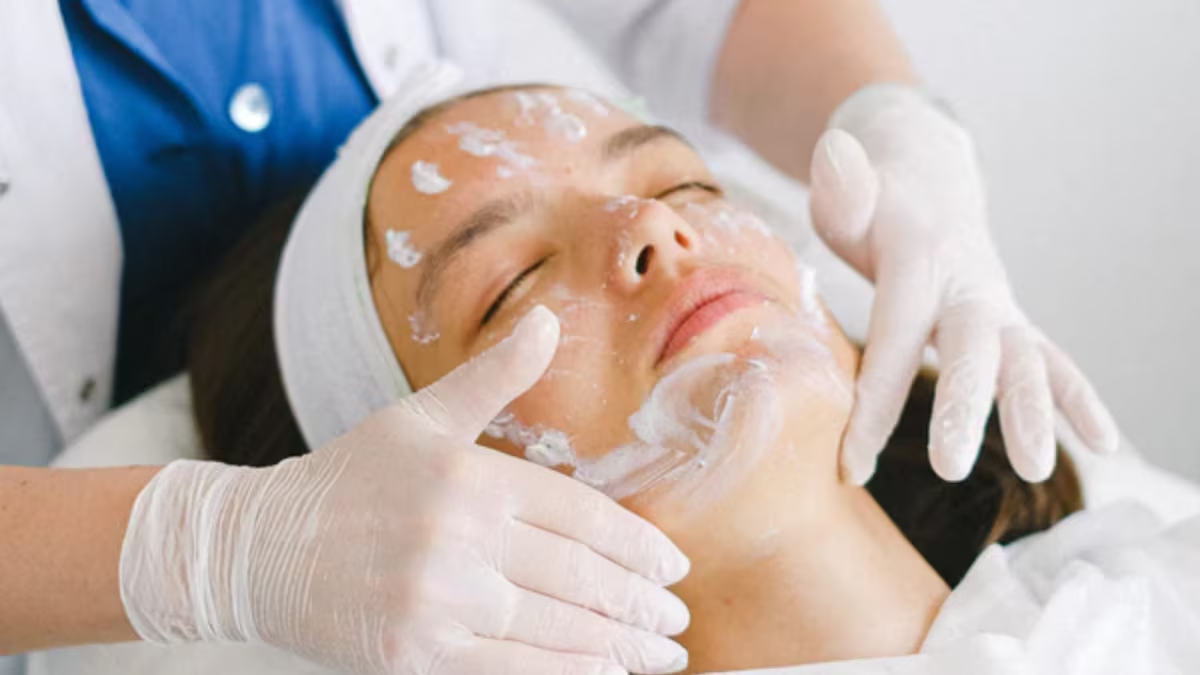
The days leading up to Valentine’s Day often come with an urge to refresh – clearer skin, sharper contours, a little extra glow. But when it comes to cosmetic treatments, last-minute bookings rarely deliver last-minute miracles. In fact, the most seamless results come from something far less glamorous: planning.

From lasers and peels to injectables and skin rejuvenation beauty procedures, timing quietly shapes everything – healing, texture, even how natural the final look feels. Rush it, and you risk redness or uneven results. Plan it well, and the change looks effortless.

Start With Realistic Goals

“Timing plays a quiet but vital role behind the scenes. Preparation often shapes outcomes more than expected. While skincare procedures can enhance brightness, texture, or tone, they rarely bring sudden transformation,” says Dr. Gaurav Garg, Consultant Dermatologist and Founder of Dermalife Skin and Hair Clinic, New Delhi. He stresses that cosmetic procedures enhance rather than transform overnight.

That means identifying specific concerns – dullness, fine lines, pigmentation or acne marks, and choosing treatments designed for those targets instead of chasing dramatic changes.

Consultation First, Always

According to Dr. Garg, the most important step happens before any treatment begins: a proper dermatology consultation. Skin behaviour varies widely depending on health history, medications and even daily skincare habits.

“Seeing a licensed dermatologist ensures your skin gets properly evaluated. Results from treatments can vary in timing and effect,” he explains. Discussing recovery periods, side effects and when results will actually peak can help avoid awkward scheduling, especially if you have an event circled on the calendar. Medical details matter more than most people realise. Supplements, blood thinners or certain prescriptions can increase bruising or swelling, extending downtime.

Respect The Recovery Window

Not all procedures fit neatly into a packed social schedule. Some treatments cause only mild redness; others need days or even weeks for the skin to settle. Sun avoidance, barrier-strengthening skincare and gentle routines often begin weeks before the procedure. “Starting mild skincare habits early supports the skin’s protective layer while lowering chances of discomfort later,” says Dr. Garg.

Post-treatment care is equally critical. Sunscreen, hydration and soothing ingredients like ceramides and hyaluronic acid help maintain results, while harsh scrubs and actives should be avoided until healing is complete.

Choose Subtle Over Sudden

For first-timers, experts recommend starting conservatively. Small, gradual tweaks tend to look more natural than aggressive changes close to an important date.

That philosophy extends to injectables, too. “It’s important that you seek an expert injector who can explain the treatment that will aim to provide the best clinical outcome. The reality is the overall facial messages that detract from facial attractiveness and youthfulness to look less tired, look less sad, look less saggy, and look less angry,” says Dr. Satish Bhatia, Board-Certified Dermatologist, MD, FAAD, at the Indian Cancer Society, Mumbai. He notes that patients often ask for dramatic transformations, but the real goal is softer.

In other words, refinement beats reinvention.

The Art Of Looking Like Yourself – Only Better

Great aesthetic work should be almost invisible. As Dr. Bhatia puts it, “The facial treatments are focused to produce a balanced and harmonious outcome, both at rest and dynamic movements of the face.” That harmony takes time, skill and thoughtful scheduling.

When planned early, cosmetic treatments can quietly elevate your look without the tell-tale signs of last-minute intervention. Because the best Valentine’s glow isn’t dramatic – it’s confident, natural and entirely your own.

Handpicked stories, in your inbox

A newsletter with the best of our journalism

submit

Location :

Delhi, India, India

First Published:

February 08, 2026, 14:02 IST

News lifestyle beauty Planning A Valentine’s Glow-Up? Read This Before Booking A Cosmetic TreatmentDisclaimer: Comments reflect users’ views, not News18’s. Please keep discussions respectful and constructive. Abusive, defamatory, or illegal comments will be removed. News18 may disable any comment at its discretion. By posting, you agree to our Terms of Use and Privacy Policy.

Tags: , , , , , , , ,
Daily Mirror

Best PDRN products as dermatologists explain science behind ‘salmon DNA’ skincare

PDRN is the trending K-beauty skincare ingredient that dermatologists say supports skin repair and hydration – here are the best products to try in 2026

PDRN is a skincare ingredient skyrocketing in popularity this year(Image: Getty)

Every few years there seems to be a new hero skincare ingredient to incorporate into our routines. Hyaluronic acid has been universally revered for its hydration properties, vitamin C has earned essential status for its glow-giving abilities, while retinol is a must for anti-ageing focused evening routines. Now, as we head into 2026, PDRN is taking centre stage – but what exactly is it and how should we be using it?

Already a staple in medical aesthetics and K-beauty, which has dominated social media and beauty aisles over the last 12 months, PDRN is being hailed as the next generation of barrier-first, recovery-led skincare. As such, skincare fans are likely to start seeing it crop up a lot more in high-street launches in the coming months, with many formulas relying on the ingredient to deliver bouncy, hydrated and protected skin.

I asked dermatologists for the low down on the latest skincare essential, and have hunted down some of the top products starring the ingredient available now, perfect for anyone wanting a skincare refresh. I’ve even been using one of them myself for the last couple of weeks, and I’ve already noticed a difference in my complexion.

READ MORE:

What Is PDRN?

PDRN stands for polydeoxyribonucleotide, which is a biological compound made up of short DNA fragments. In skincare, it’s most commonly derived from purified salmon DNA, though fermentation-based and vegan alternatives are now emerging.

Dr Ewa Kania, an aesthetic doctor and regenerative skin specialist, explained: “PDRN is a DNA-fragment-derived regenerative ingredient originally developed for medical wound healing. In skin, it signals fibroblasts and other cells to support collagen and elastin synthesis, enhance barrier repair, improve hydration, and reduce low-grade inflammation.”

PDRN is suitable for most skin types, making it a really universally-loved ingredient(Image: Getty)

Consultant Dermatologist Dr Aiza Jamil added that PDRN has long been used in clinical dermatology before making the jump into at-home products. She added: “It acts as a regenerative ingredient that interacts with cellular mechanisms involved in repair and homeostasis. It was originally used in aesthetic and medical dermatology for wound healing, but is now formulated into topical products like serums, creams, ampoules and toners.”

What does PDRN actually do for skin?

Traditional actives like retinols or AHAs that exfoliate and resurface, PDRN works by supporting the skin’s own repair systems.

“PDRN stimulates pathways involved in tissue repair and cellular renewal,” said Dr Aiza Jamil. “It also improves the skin’s hydration through enhancing moisture retention and structural resilience, supporting the skin’s barrier function”

According to the cosmetic dermatologist, the ingredient is believed to ‘help improve elasticity and texture through influence on collagen pathways and fibroblast stimulation’.

Key benefits of using the ingredient topically include improved barrier strength and resilience, enhanced hydration and plumpness, calmer, less inflamed skin and gradual improvements in elasticity and texture.

Dr Ross Perry, Medical Director of Cosmedics Skin Clinics, describes it as a long-game ingredient. “PDRN encourages the skin to repair itself more efficiently. It helps kick-start fibroblast activity – the cells responsible for collagen and elastin – improving skin quality over time rather than offering a short-term cosmetic fix.”

“It’s not about dramatic overnight changes,” Dr Perry noted. “It’s about improving how the skin functions long term.”

Why PDRN is going to be everywhere in 2026

On TikTok, PDRN has gained viral traction thanks to its nickname – “salmon DNA skincare.” The hashtag #PDRN already has 180K posts, while #GlassSkin has surpassed 1.3 million. Searches for K-beauty on TikTok Shop are up 125% in the last six months of 2025, with #kbeauty now the third most-used beauty hashtag in the UK.

The hashtag #PDRN already has more than 180K posts on TikTok

According to Grace Vernon, Head of Boots Ignite, Foresight & Trends, PDRN is firmly on the radar at the health and beauty retailer, too. “As seen in the Boots Beauty & Wellness Trend Report 2026, PDRN is shaping up to be 2026’s buzziest skincare ingredient. It’s a popular aesthetic treatment, where PDRN is injected straight into the skin to improve regeneration—but skincare products offer a more accessible way to get the benefits (and a lot less painful!).”

“The shift toward ‘recovery-first’ skincare has driven interest in scientifically grounded actives,” Dr Kania added. “Consumers and brands are moving away from aggressive exfoliation and stripping routines toward barrier-supportive, regenerative ingredients. PDRN bridges clinic and daily care with a strong regenerative narrative.”

“Trends such as regenerative treatments and repair and recovery for our skin barrier has become very popular in the past few years, which PDRN champions, so it’s no wonder it is believed to become a leading skincare trend for 2026,” Dr Jamil agrees. “Repair and regeneration has replaced the ‘anti-ageing’ rhetoric. People are focused on cell turnover, barrier protection and hydration from a younger age.”

So it seems that for those left with sensitive or reactive skin having previously taken a ‘more is more’ approach, PDRN could just be the product to combat that.

Who should be using PDRN – and how?

PDRN works best as a supportive, daily active rather than a once-a-week treatment. It layers easily with retinoids, acids and vitamin C, making it ideal for both morning and nightly use. As part of an am skincare routine, it’s ideal for delivering a hydration boost, while evening use is reportedly most effective, working overnight to support skin regeneration.

As for who can use it, Dr Aiza Jamil suggests it is typically suitable for almost all skin types. She said: “It’s generally quite safe for those with sensitive or acne-prone skin. I would stress that PDRN on its own isn’t a miracle worker, but it’s extremely beneficial for recovery, regeneration and barrier support when included in a routine.”

It’s also important to note that topical products won’t replicate injectable results, but they’re excellent for maintenance, prevention and long-term skin health, especially between in-clinic treatments. Dr Ewa Kania added: “Clinically, PDRN fits post-procedure and sensitive skin protocols beautifully. I emphasise repair, resilience and measured results over hype, which helps set realistic expectations while leveraging its robust biological rationale.”

Top PDRN product picks

The PDRN market in the UK is growing rapidly with K-beauty imports and homegrown launches. Dr Ewa Kania has recommended a number of affordable high street options, ranging for those ideal for post-procedure care, to TikTok favourites.

One of her recommendations is the Dr Reju-All Advanced PDRN Rejuvenating Cream, which is £32.89 at Superdrug. She describes it as ‘excellent for post-procedure repair and barrier support’. Often sold-out at Korean pharmacies, according to Glam Touch, it’s designed for oily, dry, and combination skin types and helps the skin recover from daily environmental stress while restoring hydration, glow, and firmness overnight.

Dr Reju-All Advanced PDRN Rejuvenating Cream(Image: Superdrug)

At LookFantastic, the Anua PDRN Hyaluronic Acid Capsule 100 Serum costs £20 and is said to be a ‘great affordable option for sensitive or retinoid-averse skin’ according to the doctor. Consultant Dermatologist, Dr Aiza Jamil, is also a fan of Anua, in particular their PDRN Hyaluronic Acid 100 Moisturising Cream. She said: “It’s formulated with PDRN and Hyaluronic Acid to give the skin a deep boost of hydration and barrier protection.”

A TikTok favourite, Medicube’s PDRN Pink Peptide Serum has been praised by Dr Kania for ‘balancing hydration, radiance and elasticity’. It costs £24 at Boots, with one shopper commenting: “Amazing! This serum has helped my dry skin so so much! I had one stubborn patch around my nose that no moisturiser has helped, but one week of Salmon PDRN and it’s clearing up.”

Medicube PDRN Pink Peptide Serum 30ml(Image: Boots)

However, another shopper claimed it caused them to break out in blemishes, which goes to show that not every skincare product or ingredient will suit everyone. It’s also worth remembering to complete a patch test when introducing any new product or ingredient into your skincare routine, especially as in some rare cases, those with fish allergies may not find the product suitable for them.

For a vegan alternative, there’s the Yepoda The Skinject Effect, which Dr Kania said is made with’exosomes and microspicule delivery, appealing to ethically minded clients and next-gen regenerative positioning’. With its gentle yet powerful formula, it refines skin over time, stimulates collagen production, and supports the skin’s natural barrier.

My personal favourite, though, is the newly-launched Boots PDRN Serum, which was released in January as part of a capsule skincare range from the brand, which draws influence from K-Beauty. It’s priced at a purse-friendly £8, and is said to leave skin ‘feeling firmer, more supple, and radiant after use’.

Boots own brand PDRN serum is one of the most affordable on the market at £8

I’ve been using the serum daily for two weeks and love its lightweight, non-sticky feel. I’ve already noticed a marked improvement in my skin’s overall appearance, looking healthier, brighter and more glowy – and I’m not the only one.

One Boots shopper has commented: “This serum literally makes me skin glow like crazy! My skin feels so hydrated and soft, it’s my go to serum now. The glow it gives is not greasy or wet either so you glow even under makeup.”

Another added: “I’ve only been testing this product for a week so can’t comment on long term benefits, but I’m impressed so far. My skin feels so hydrated, and it looks super glowy! I would definitely repurchase.”

The bottom line?

PDRN isn’t here to replace products containing the likes of retinol or hyaluronic acid, but slots effortlessly into most skincare routines as an additional boost for skin health and glow. As Dr Perry puts it: “It’s not a miracle ingredient. But as part of a considered skincare plan, it can significantly improve how skin behaves, heals and ages.” And we can expect to see a lot more of it knocking around in 2026, that’s for sure.

Tags: , , , , , , ,
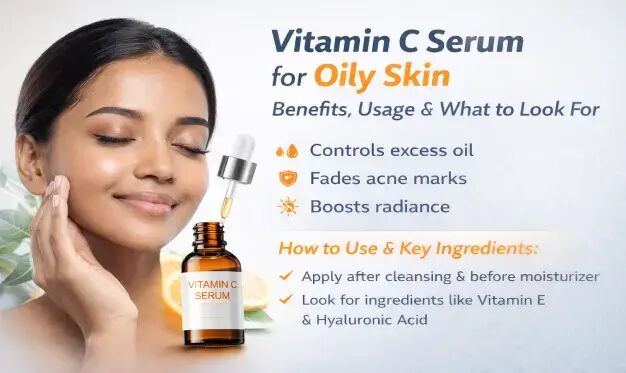
Benefits, Usage & What to Look For

Benefits, Usage & What to Look For

Oily skin often creates confusion when it comes to active skincare ingredients. Many people believe that serums are unnecessary or too heavy for oil-prone skin types. In reality, oily skin is just as vulnerable to environmental damage, pigmentation, and uneven skin tone as other skin types. The key lies in choosing the right formulation. When used correctly, a vitamin C serum can offer significant benefits for oily and acne-prone skin without increasing greasiness or causing breakouts.

Understanding how vitamin C works and what to look for in a face serum can help oily skin maintain balance while achieving brighter, healthier-looking skin.

Why Oily Skin Still Needs a Vitamin C Serum

Excess oil production does not mean the skin is protected. Oily skin is often exposed to higher levels of oxidative stress due to pollution, UV radiation, and frequent cleansing. These factors can weaken the skin barrier and contribute to dullness, post-acne marks, and uneven pigmentation.

Vitamin C is a powerful antioxidant that helps neutralize free radicals before they damage skin cells. For oily skin, this protection is especially important because inflammation and environmental stress can trigger excess sebum production and worsen breakouts over time.

Benefits of Vitamin C Serum for Oily Skin

Brightens Skin Without Adding Grease

One of the most well-known benefits of vitamin C is its ability to improve skin radiance. It helps reduce oxidative dullness and supports a more even skin tone. When formulated in a lightweight texture, a vitamin C serum absorbs quickly and does not leave behind a greasy residue, making it suitable for oily skin.

Helps Reduce Post-Acne Marks and Pigmentation

Oily and acne-prone skin types often struggle with lingering dark spots after breakouts heal. Vitamin C helps regulate excess melanin production, which can support the gradual fading of post-acne marks and pigmentation when used consistently.

Provides Antioxidant Protection Against Daily Environmental Damage

Pollution and UV exposure generate free radicals that accelerate premature aging and uneven skin tone. A vitamin C serum strengthens the skin’s antioxidant defense system, helping oily skin better withstand these daily stressors.

Why Antioxidant Combinations Work Better Than Vitamin C Alone

Not all vitamin C serums are created equal. Pure vitamin C is naturally unstable and can degrade when exposed to light, air, or heat. For this reason, many clinically backed formulations combine vitamin C with stabilizing antioxidants that enhance its effectiveness and tolerability.

Ingredients such as Ferulic Acid are known to improve vitamin C stability and boost its antioxidant performance. This combination allows the serum to deliver consistent results while minimizing irritation—an important factor for oily and acne-prone skin.

Dermatologists often recommend a Vitamin C serum for oily skin because this combination offers enhanced antioxidant protection, improved stability, and better skin tolerance compared to vitamin C alone.

How to Use Vitamin C Serum for Oily Skin

Correct usage plays a major role in how well a vitamin C serum performs.

Vitamin C is generally best used in the morning, as it helps protect the skin from environmental stress throughout the day. A simple routine includes:

  1. Gentle cleanser
  2. Vitamin C face serum
  3. Broad-spectrum sunscreen

Allow the serum to absorb fully before applying sunscreen. Using vitamin C consistently, along with daily sun protection, helps maximize brightening and antioxidant benefits without overwhelming oily skin.

What to Look For in a Vitamin C Face Serum for Oily Skin

Choosing the right vitamin C serum is more important than choosing the highest concentration. Oily skin benefits most from formulations that focus on stability, texture, and skin tolerance.

Key factors to look for include:

  • Lightweight, water-based or gel textures
  • Non-comedogenic and oil-free formulations
  • Clinically tested for skin tolerance
  • Stabilized vitamin C combined with antioxidants
  • pH-balanced formulas to reduce irritation

Avoid assuming that stronger always means better. Moderate, well-formulated vitamin C serums often deliver better long-term results with fewer side effects for oily skin.

Common Myths About Vitamin C Serum for Oily Skin

One common myth is that vitamin C increases oil production. In reality, vitamin C does not affect sebum levels directly. Another misconception is that oily skin does not need face serums at all. Serums are delivery systems, and when properly formulated, they can be lighter than creams.

There is also a belief that higher concentrations work faster. Clinical evidence suggests that stability and formulation quality matter more than extreme strength, especially for skin that is prone to sensitivity or breakouts.

Final Thoughts: Making Vitamin C Work for Oily Skin

A vitamin C serum can be a valuable addition to oily skin routines when chosen and used correctly. Rather than avoiding serums altogether, oily skin benefits from science-led formulations that deliver antioxidant protection without clogging pores or increasing shine.

By focusing on lightweight textures, stabilized antioxidant combinations, and consistent daily use, vitamin C serums can help oily skin look brighter, clearer, and more balanced over time—without compromising comfort or skin health.

Tags: ,
winter skincare

Winter Skincare For Glowing Skin

Many of us notice itchier, flakier, and more uncomfortable skin during the colder months. Cold weather, less sunlight, and dry indoor air all have a negative impact on skin health. Here are some strategies for keeping your skin happy and healthy this winter that go beyond just using lotion!

For many of us, winter is a time of cold weather. And if you live in the far northern regions, like the Arctic Circle, then you’re dealing with even more frequent colder temperatures. Cold winter air and indoor heating dry skin out. We also experience a dip in vitamin D levels in the winter due to less sunlight. This leads to a damaged skin barrier and loss of hydration. 

The Reason Behind Winter Skincare

Using moisturizing skincare products that help add hydration back into the top layers of the skin is important. Also, using heavier creams and lotions that create more of a barrier from the elements. Winter is also a time of less sunlight and usually less sun exposure, which is what our skin needs to synthesize vitamin D. 

The lower our vitamin D levels are, the higher the risk of overall inflammation from our immune system. Low vitamin D levels also play a role in our skin health, including an increased risk of eczema and psoriasis. 

When dry air and low temperatures hit, our skin barrier doesn’t function as well and we’re more likely to notice damage. Keratinocytes make up 90% of the epidermis, our skin’s outer layer. They release pro-inflammatory cytokines and cortisol that makes skin even more reactive to irritants. This is why your normal skincare routine may not cut it once colder weather comes around. 

Increasing hydration and protecting the skin barrier are a must this time of year!

Heating Things Up

Another surprising way to increase our skin’s resilience to the elements may be to expose it to more of them. Sauna exposure increases skin circulation, boosts skin hydration, and helps maintain skin pH for more resilient skin. It helps our skin lose less moisture, especially when exposed to dry, winter air. Research shows sauna also helps our skin recover faster from water loss and skin pH disruption. 

There’s also some evidence that contrast therapy, alternating between really hot and really cold temperatures may also help. Many traditional northern cultures and even athletes alternate between sauna sessions and cold exposure. This helps our skin become more resilient and handle temperature fluctuations better. 

Tweaking Our Environment

Increasing humidity in the home with a humidifier also helps restore moisture to skin. If you have indoor heating, which is likely in most areas, this pulls moisture from the air. The dry air in turn then pulls moisture from your skin, further increasing dehydration. 

Your home can feel as dry as the desert, but it may actually be even worse. Indoor humidity can drop to 10-20% with the heater on, while the Sahara Desert hovers at about a 25% humidity level. What follows is tight, dry skin that’s more easily damaged. You can also notice more fine lines and wrinkles forming. No, thank you!

Hydration at a Cellular Level

Something else I’ve been using lately that I’ve found has made a big difference in my hydration levels is structured water. There’s some fascinating research about the molecular structure of natural water found in springs and melting glaciers. Evidence suggests that structured water hydrates us at a cellular level much more efficiently.

I’ve noticed better hydration myself since switching to structured water. If you don’t have access to a natural and clean spring in your backyard, you can also run filtered water through the Mayu Swirl, which is what I do. You can learn more about Mayu here and get a discount with code wellnessmama. 

And of course, keeping up with minerals helps cellular hydration to keep skin healthy from the inside out. I’ll rotate through different minerals and salt water depending on what I feel like that day. 

Winter Skincare Products to Get

While hydration starts from the inside, using products topically on skin at the same time can still be really helpful. I’m a big fan of making my own products, but there are some really good natural skincare products available now in stores and online. Here are some of my favorite brands to buy healthy skincare from, including lotions, serums, and balms for winter skincare.

  • Alitura  – check out their moisturizer and night cream
  • Annmarie Gianni – their herbal facial oil is a favorite
  • One Skin – this uses patented peptides for science-driven natural skincare
  • Toups & Co – their tallow face balm is a must have

DIY Winter Skincare

If you’re a DIY person, then I’ve got plenty of different skincare recipes to help your skin feel its best. While I’ve come up with tons of recipes I love over the years, here are some that work best in colder, drier weather. 

Lotions and Balms

Use these on your face and body for more moisturized skin. Oil-based products help provide a protective barrier on skin to aid in moisture retention and prevent damage from the elements. 

Face and Body Scrubs

Moisturizing is important, but you may also notice flaky skin this time of year. Scrubs can help to gently remove dead skin cells so you can start with a clean slate. The key is to use scrubs that aren’t overly harsh on skin and still provide some protection with nourishing oils. 

Love Your Lips

Lips can really take a beating, feel dry, and start to peel. Drinking lots of water with minerals helps, but sometimes you just need a trusty lip balm. I also love using a good lip scrub first to get rid of the peeling skin and that dry, gummy feeling. 

Face Moisturizing 

What works well on the rest of our skin doesn’t always work best on our delicate facial skin. Here are some of my favorites to help minimize the appearance of fine lines and rough spots and nourish the skin on my face. 

A Soothing Soak

Nothing beats a nice, relaxing soak in the tub. Be sure to use warm, but not piping hot water, which can worsen moisture loss from skin. Don’t have a bathtub? Try a foot bath!

You don’t have to do everything all at once, but pick a few skincare items you love and give them a try. It’s nice to have a little pampering session in between running kids to practices, changing diapers, cooking meals, and everything else us moms do! 

What are some of your favorite ways to care for your skin during winter? Leave a comment and let us know!

Tags: , , ,
Princeton Medspa Partners ("PMP") Expands Its Portfolio with Acquisition of Allura Skin, Laser & Wellness Clinics

Bio-Xin Cosmeceuticals Announces Expansion of Personalized Skincare Solutions Globally

DHAKA, BD / ACCESS Newswire / February 5, 2026 / Bio-Xin Cosmeceuticals, led by Founder & CEO Muhammad Zahidul Hoque, is set to expand its personalized skincare solutions globally, revolutionizing the industry through science and empowerment.

Revolutionizing Aesthetic Care with Personalized Solutions

Bio-Xin Cosmeceuticals, a leading force in the global skincare and wellness industry, is taking a significant step forward in its mission to revolutionize the skincare experience. The company, founded in 2015 by Muhammad Zahidul Hoque in Bangladesh, has announced its plans for global expansion while continuing its commitment to personalized, science-backed solutions that address individual skin needs. With over 500 employees and a track record of groundbreaking achievements in the aesthetic care industry, Bio-Xin is redefining what skincare can be.

Building on a Vision Rooted in Science and Innovation

The story of Bio-Xin Cosmeceuticals begins with a clear vision from its founder, Muhammad Zahidul Hoque, a biotechnology graduate with a deep passion for healthcare and entrepreneurship. After gaining invaluable experience in the pharmaceutical sector, Hoque recognized a critical gap in the Bangladeshi market for scientifically advanced, personalized skincare solutions. Armed with a commitment to innovation, Hoque founded Bio-Xin with the goal of blending biotechnology, personalized care, and human-centered design to offer products and services that truly resonate with customers.

“I didn’t just want to create another skincare brand; I wanted to create a movement,” said Muhammad Zahidul Hoque, Founder & CEO of Bio-Xin Cosmeceuticals. “By using science, we empower people to feel confident in their own skin.”

The Bio-Xin Approach: Science Meets Personalization

What sets Bio-Xin Cosmeceuticals apart is its unique approach to skincare. Rather than offering one-size-fits-all solutions, Bio-Xin focuses on a personalized, integrated care model that combines biotechnology, wellness, and aesthetic treatments under one roof. The company offers customized skincare and wellness programs based on individual skin biology, lifestyle, and specific concerns, ensuring each client receives effective and tailored treatments.

“Personalization is the future of skincare. Every individual’s skin is unique, and our solutions are designed to respect that uniqueness,” said Hoque. This approach has made Bio-Xin a leader in the industry and garnered attention for its ability to deliver effective, long-term results for diverse skin types and needs.

Women Empowerment and Social Impact

Bio-Xin’s success extends beyond the realm of skincare. The brand has been a catalyst for social change, especially in its commitment to women empowerment. With more than 83% of its workforce being women, Bio-Xin has created meaningful employment opportunities and fostered an inclusive, growth-driven environment. The company’s focus on leadership development and social impact has made it a pioneer in promoting gender equality within the business landscape.

As the company scales to meet global demand, it remains deeply committed to upholding its values of inclusivity and social responsibility. Bio-Xin is not just a brand; it’s a platform for change that inspires individuals to embrace their unique beauty while contributing positively to society.

Recognized Excellence and Global Expansion

The growth and recognition of Bio-Xin Cosmeceuticals have been remarkable. The company’s dedication to excellence has earned it numerous accolades, including the “Most Innovative Cosmeceuticals Brand in Bangladesh” at the Global Brand Awards 2025 and the “Top Brands of the Year 2025” by The Enterprise World. These honors, coupled with the success of its founder, Muhammad Zahidul Hoque, who was named “Entrepreneur of the Year 2023” by CEO Review Magazine, position Bio-Xin for continued success both locally and internationally.

Bio-Xin’s international expansion is already underway, as the company looks to bring its cutting-edge skincare solutions to new markets while staying true to its roots of innovation and quality. The vision for Bio-Xin’s future is ambitious, but with strong leadership, a commitment to sustainable growth, and a people-first approach, the brand is poised to make a lasting impact globally.

A Purpose-Driven Brand

At its core, Bio-Xin Cosmeceuticals is driven by purpose. It is not merely about skincare; it is about making a difference in people’s lives. With a focus on long-term skin health and empowering individuals to embrace their natural beauty, Bio-Xin is setting new benchmarks for the industry. Through its global expansion and unwavering commitment to its founding principles, Bio-Xin is reshaping the future of skincare and wellness.

“Bangladesh has the talent, ambition, and capability to build global brands. Bio-Xin is our contribution to proving that vision,” said Hoque. The brand is setting its sights on making a difference in the global market while remaining rooted in the values that have propelled its success.

About Bio-Xin Cosmeceuticals

Bio-Xin Cosmeceuticals was founded in 2015 by Muhammad Zahidul Hoque with a vision to transform skincare and wellness through science-driven, personalized solutions. A leader in the aesthetic care and cosmeceuticals industry, Bio-Xin combines biotechnology, innovative treatments, and a people-first culture to offer clients customized skincare programs designed for long-term health and beauty. With a workforce that is 83% women, Bio-Xin is also committed to promoting women empowerment and creating positive social impact. As the company expands internationally, Bio-Xin continues to build on its mission to redefine the global skincare landscape.

Media Contact:
Muhammad Zahidul Hoque
Founder & CEO
Bio-Xin Cosmeceuticals
Email: [email protected]
Website: www.bioxin.com
Facebook: Bio-Xin Cosmeceuticals
Instagram: @bioxin_cosmeceuticals
LinkedIn: Bio-Xin Cosmeceuticals
YouTube: Bio-Xin Cosmeceuticals
TikTok: @bioxincosmeceuticals
X: @Bioxinhq

SOURCE: Bio-Xin Cosmeceuticals

View the original press release on ACCESS Newswire

News published on 5 february 2026 at 03:00 and distributed by:

Tags: , , , , , , ,
Chocolate_Covered_Raspberries

Bite Size Chocolate Covered Raspberry Bites

Valentine’s Day is a day where many of us take the opportunity to tell our loved ones how much we appreciate them. Whether that’s a significant other, the ladies in your Galentine’s group, or your kids, these chocolate covered raspberry bites are a great way to do that. 

They’re a healthy treat that are delicious anytime of the year!

Chocolate Covered Raspberries Get an Upgrade

Chocolate covered fruit is a favorite in our house. I’ll make this dark chocolate fondue on certain occasions to dip fruit and homemade marshmallows in. While chocolate covered fruit can be a healthy treat, it can be tricky to get it to work sometimes. 

If you’ve ever made your own chocolate covered raspberries or other fruit you might have experienced this. Gloppy chocolate that falls off and looks anything but appetizing. These chocolate covered raspberry bites have the same flavor, but even better.

Chocolate Covered Raspberry Bites

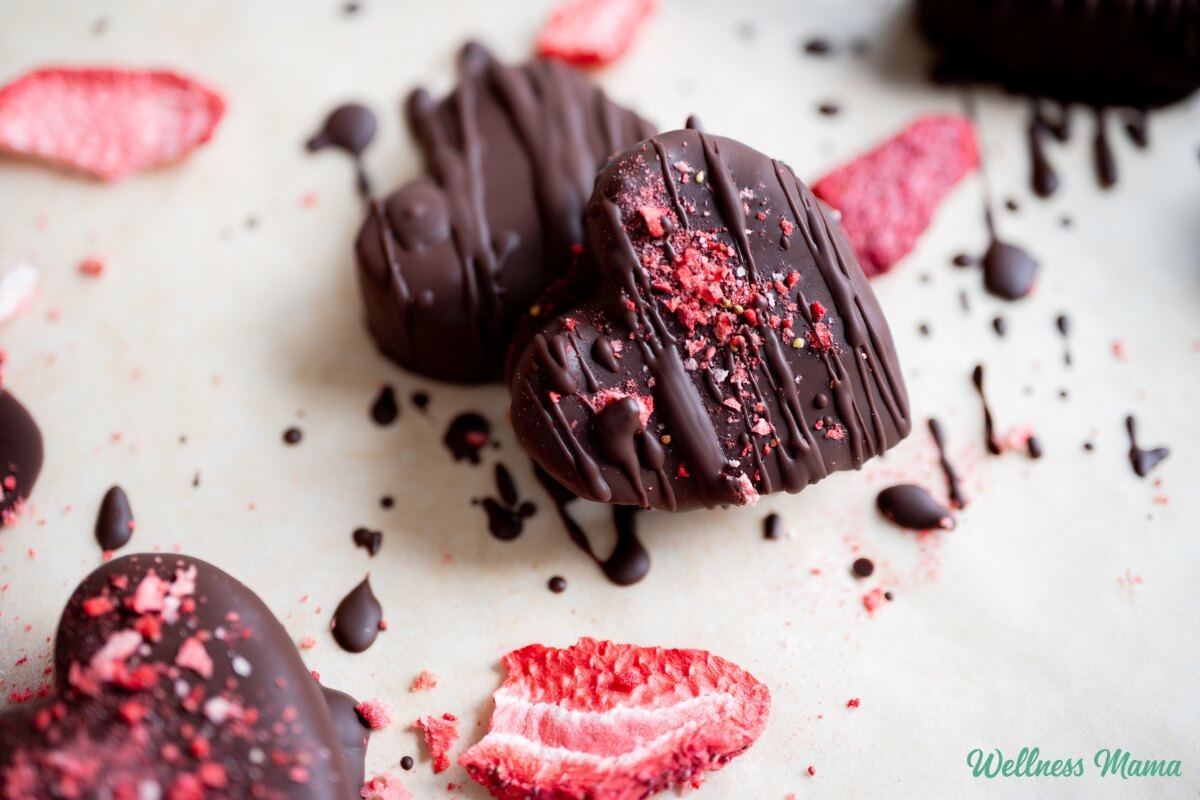
I make these in some cute heart molds that are perfect for Valentine’s Day. You can really use any silicone molds you want though that make chunky shapes. And instead of simply dipping raspberries in chocolate, we’re making a raspberry filling first. It’s naturally sweetened with maple syrup and thickened with chia seeds. 

Research shows that maple syrup isn’t just sugar, but a unique array of minerals, antioxidants, and anti-inflammatory compounds. Chia seeds are a great source of fiber, but they have a whole lot of other benefits. These include supporting healthy blood pressure and digestion, reducing inflammation, and even helping improve anxiety and depression symptoms by nurturing the gut. 

Then there are the juicy raspberries with their vitamin C, fiber, and antioxidants. These chocolate covered raspberry bites are naturally colorful, fun to decorate, and great for any little helpers in the kitchen. My younger kids had no problem helping make these. Plus, they were gone by that afternoon!

 Tips and Tricks

You can use a different mold, but I chose a heart mold for these. If you don’t have a good silicone mold on hand, then you can also make them without one. Simply spoon small jam mounds onto parchment, freeze, and then dip in chocolate to make rustic bites. 

Start with a smaller amount of maple syrup, taste, and adjust to your preference. I prefer mine to be more on the tart side. These store well in the fridge for up to a week. You can also keep them in an airtight container in the freezer for up to 1 month. Fair warning: if you want any leftover for the freezer you may need to double the batch!

Here’s how to make delicious, festive, and nutritious chocolate covered raspberry bites.

Chocolate Covered Raspberry Bites

They taste like chocolate-covered raspberry jam… but better.

Optional Topping

  • 2 TBSP freeze-dried strawberries or raspberries (crushed)
  • In a bowl, mash raspberries with maple syrup, chia seeds, and vanilla until thick and jam-like. Let rest 5–10 minutes so the chia thickens.

  • Spoon the mixture evenly into 10 large 2-inch silicone heart cavities, filling nearly to the top and smoothing the surface.

  • Freeze at least 4 hours or overnight until fully firm.

  • Melt dark chocolate and coconut oil gently until smooth.

  • Remove frozen hearts from molds and dip into chocolate until fully coated.

  • Sprinkle with crushed freeze-dried berries if desired.

  • Place on a parchment paper lined baking sheet and freeze for 10–15 minutes until hardened.

  • Serve straight from the freezer or allow to soften slightly before eating.

Nutrition Facts

Chocolate Covered Raspberry Bites

Amount Per Serving (1 heart)

Calories 135
Calories from Fat 72

% Daily Value*

Fat 8g12%

Saturated Fat 4g25%

Trans Fat 0.01g

Polyunsaturated Fat 1g

Monounsaturated Fat 2g

Cholesterol 0.4mg0%

Sodium 4mg0%

Potassium 180mg5%

Carbohydrates 15g5%

Fiber 4g17%

Sugar 8g9%

Protein 2g4%

Vitamin A 12IU0%

Vitamin C 41mg50%

Calcium 34mg3%

Iron 3mg17%

* Percent Daily Values are based on a 2000 calorie diet.

If the molds you use are bigger or smaller than mine, then the nutrition data will be a little different per serving. 

More Chocolatey Treats

Looking for more ways to treat yourself and family? Here are some of our favorite scrumptious desserts!

What are some of your favorite fruity desserts to make? Leave a comment and let us know!

Tags: , , , , ,
Homestead Blog Hop - Homestead tips, ideas, animal care, and recipes every Wednesday

Homestead Blog Hop 585 – make beeswax food savers

Welcome to Homestead Blog Hop, a weekly gathering for homesteaders and simple living enthusiasts to share DIY projects, from-scratch recipes, and creative inspiration. This week’s hop features cozy homesteading tips, along with practical ideas that celebrate handmade living and self-sufficiency.

Whether you’re looking for seasonal crafts, homemade treats, or encouragement on your homesteading journey, you’ll find plenty of inspiration to carry into the new year. Grab a cup of tea, explore the featured posts, and join us in sharing your own homestead creations.

Meet Your Homesteading Hosts

We’re Kelly from Simple Life Mom, Liz from The Cape Coop, Natasha from Houseful of Nicholes, and Laurie from Ridgehaven Homestead. Together, we’re passionate about from-scratch living, simple ingredients, frugal habits, and intentional homesteading. We’re delighted to host the Homestead Blog Hop, where you can find fresh inspiration each week for DIY projects, homemade recipes, and practical simple living ideas.

Follow Us for More Homestead Inspiration

Natasha – Houseful of Nicholes
Facebook | Pinterest | X | Instagram

Laurie – Ridge Haven Homestead
Facebook | Pinterest | Instagram

Liz – The Cape Coop
Facebook | Pinterest | X | Instagram

Kelly – Simple Life Mom
Facebook | Pinterest | X | Instagram

FEATURED POSTS from the Last Homestead Blog Hop

Each week, we take turns selecting three featured posts from the Homestead Blog Hop. These features are shared across all of our social media platforms, helping spotlight the creativity and hard work of our fellow homesteaders. Here are the featured posts from last week’s hop:

Today, our features are so wonderful! Making beeswax clothes for food wrapping is sustainable and healthier. Check out how easy it is to make them. Then learn more about rooting kitchen scraps to get your summer garden or indoor herb garden going. Do this while munching on a delicious garbanzo bean salad. Enjoy!

1. Regrowing Vegetables from Kitchen Scraps from The Once and Future Homestead

2. Mary’s Garbanzo Bean Salad from Scratch Made Food

3. Simple Beeswax Food Wrap Tutorial from Our Inspired Roots

Congrats! Feel free to grab the featured on button for your post.

Just right click and ‘save image as…‘

Guidelines for the Homestead Blog Hop

  1. Click the “Add Your Link” button below and upload a clear, eye-catching image from your project or recipe. Please link directly to the family-friendly post itself, not your blog’s homepage.
  2. You may link up up to three posts each week.
  3. Take time to visit a few other blogs in the hop and leave a thoughtful comment to let them know you stopped by. Community support makes this hop special!
  4. Please include a link back to the Homestead Blog Hop in your post. Posts without a backlink are not eligible to be featured. All featured posts are shared across all hosts’ social media channels.
  5. Share posts that haven’t been linked to the hop before. Older posts are welcome as long as they are new to the hop.
  6. By joining the Homestead Blog Hop, you grant the hosts permission to use one image from your post, with a link back to your site, if your post is selected as a feature next week.
  7. This is a family-friendly link-up designed to encourage, inspire, and support the homesteader in all of us.

Let the Party Begin!

Which project are you excited to try this week? Leave a comment below.

Join Our Homestead Blog Hop Pinterest Board

Follow all of your hosts on Pinterest and send a message if you’d like to be added to our Homestead Blog Hop group board. This board is a great place to share your DIY projects, crafts, and from-scratch recipes with the homesteading community.

Guideline: Only pin posts that you’ve linked up to the Homestead Blog Hop.

Tags: , , , , ,
Best oLive
Privacy Overview

This website uses cookies so that we can provide you with the best user experience possible. Cookie information is stored in your browser and performs functions such as recognising you when you return to our website and helping our team to understand which sections of the website you find most interesting and useful.