Princeton Medspa Partners ("PMP") Expands Its Portfolio with Acquisition of Allura Skin, Laser & Wellness Clinics

Rising Costs of ‘Natural Beauty’ Routines Prompt Shift Toward Long-Term Treatment Solutions

Subject: SVY

GREAT NECK, N.Y., April 21, 2026 /PRNewswire/ — As the natural beauty trend continues to gain momentum, a growing number of consumers are reassessing the true cost of maintaining minimalist skincare and grooming routines. Laser by Aleya reports that clients are increasingly questioning whether “low-effort” beauty approaches are actually leading to higher long-term spend.

While natural beauty routines often emphasize fewer products and simplified regimens, many clients still rely on ongoing maintenance such as shaving, waxing, and frequent product replacement. Over time, these recurring costs can add up, prompting a shift toward more structured, long-term solutions.

“We’re seeing clients take a closer look at what they’re spending over time,” said Aleya Bamdad, Founder and CEO of Laser by Aleya. “What seems simple on the surface can become time-consuming and costly when it requires constant upkeep.”

The Hidden Cost of Ongoing Maintenance

Laser by Aleya notes that clients who follow natural beauty routines often aim to reduce product use, but still depend on regular grooming practices to maintain results. This includes recurring expenses related to razors, waxing appointments, and skincare products designed to manage irritation or ingrown hairs.

As awareness grows, more clients are exploring alternatives that can reduce the need for continuous maintenance.

A Shift Toward Long-Term Solutions

The clinic reports increased interest in treatments such as laser hair removal and electrolysis, particularly among clients looking to streamline their routines. These treatments are being viewed as part of a broader effort to reduce repetitive grooming while maintaining consistent results.

Consultations at Laser by Aleya focus on helping clients understand the long-term value of different options, rather than only short-term costs.

Balancing Simplicity and Efficiency

The natural beauty movement continues to influence how clients approach skincare and grooming. However, Laser by Aleya notes that simplicity does not always mean lower cost or less effort.

Clients are increasingly seeking solutions that align both with their lifestyle and their long-term goals, combining simplified routines with treatments that address concerns more directly.

“Natural beauty should feel manageable, not demanding,” Bamdad added. “For many clients, that means finding solutions that reduce daily effort rather than adding to it.”

A More Informed Approach to Beauty Spending

The conversation around natural beauty is evolving as consumers become more aware of how time, cost, and results intersect. Laser by Aleya’s experience reflects a broader shift toward more informed decision-making, where clients evaluate both immediate convenience and long-term outcomes.

As this trend continues, the focus is expected to remain on efficiency, consistency, and clarity in how beauty routines are structured.

About Laser by Aleya

Laser by Aleya is a leading provider of professional New York laser and electrolysis hair removal services based in Great Neck. Founded by Aleya Bamdad, the clinic delivers personalized treatments supported by advanced laser technology and carefully selected beauty supplies. With over 20 years of experience, Laser by Aleya is committed to safety, education, and consistent results.

Contact

Aleya Bamdad
Founder & CEO
Email: [email protected]
Phone: (516) 551-8194

SOURCE Laser by Aleya

News published on 21 april 2026 at 16:00 and distributed by:

Tags: , , , , , , , , ,
Award season prep: The hidden beauty treatments powering red carpet and on-screen looks | Entertainment

Award season prep: The hidden beauty treatments powering red carpet and on-screen looks | Entertainment

Award season prep: The hidden beauty treatments powering red carpet and on-screen looks

The red carpet is more than a photo op. It is the beauty industry’s most influential testing ground. Long before the stars arrive, a massive preparation cycle begins, setting the pace for global consumer behavior for the rest of the year. While the fashion usually takes the headlines, the real story is in the intensive skincare and wellness prep required to stand up to modern 8K cameras.

These hidden processes have shifted from exclusive studio secrets to a blueprint for the entire retail market. The scale of this influence is massive. According to a 2024 McKinsey & Company analysis, skincare is the industry’s powerhouse, representing 44% of the total market. This analysis from Sjolie, a professional sunless tanning manufacturer and training provider, looks at the specific, data-backed treatments—from cryotherapy to sunless tanning—that power today’s red carpet looks and eventually define what’s on the shelves for everyone else.

Sjolie

The Market Dominance of Dermal Hydration

Beyond couture, the primary aesthetic benchmark for the modern red carpet is “glass skin”—a trend that prioritizes high levels of dermal hydration to create a reflective, translucent finish. This movement, rooted in K-beauty principles, has fundamentally shifted consumer behavior away from matte finishes and toward “sheen” results.

The glass skin trend relies on a multistage regimen of hydrating serums and toners, but its primary economic impact is found in the “preventative” category. By emphasizing a healthy skin barrier and UV protection, the trend has captured a younger demographic—specifically Gen Z consumers—who view skincare as a long-term capital investment in their appearance rather than a temporary fix.

Consequently, the focus has pivoted toward long-term dermal health, treating the complexion as a vital asset that requires strategic, multilayered management rather than superficial coverage.

Prioritizing Dermal Integrity via Sunless Tanning

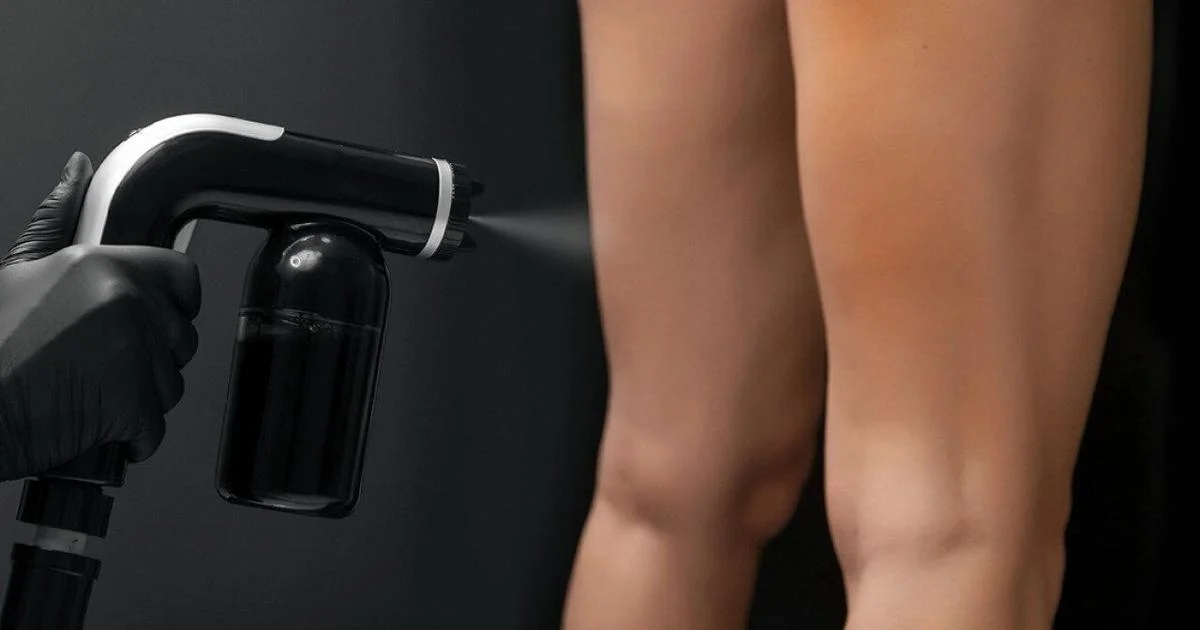
The movement toward “glass skin” has also triggered a significant shift in the tanning sector. As high-profile stars increasingly avoid the accelerated aging and DNA damage associated with UV exposure, sunless tanning has become the operational standard for achieving a “camera-ready” glow.

Average consumers now spend more on sunless tanning, with the market growing at 7% annually. Award show appearances and glowing skin in the movies aren’t solely responsible. This growth is driven by the speed of results—a “social media-friendly” efficiency that allows consumers to achieve aesthetic benchmarks without the weeks of exposure required by traditional methods. This shift treats the “tan” as a temporary, nondamaging cosmetic application rather than a result of solar radiation.

By treating the “glow” as a manageable variable rather than a product of environmental exposure, the industry has successfully decoupled the aesthetic of the tan from the hazards of radiation.

Cryotherapeutic Interventions and Lymphatic Drainage

To combat “utilization fatigue”—the physical puffiness caused by travel and high-stress schedules—celebrity stylists are increasingly turning to low-temperature interventions. This process, often referred to as “skin icing” or cryotherapy, serves as a high-efficiency primer for subsequent product application.

While professional cryofacials are common, the trend has trickled down to sustainable at-home solutions, such as reusable cooled eye masks and full-face immersion techniques. These methods utilize thermal shock to induce vasoconstriction, reducing inflammation and tightening the skin’s appearance instantly. For the consumer, these methods represent a low-cost, high-impact entry point into professional-grade prep routines.

The Normalization of ‘Prejuvenation’ and Minimally Invasive Procedures

It is impossible to evaluate award season aesthetics without addressing the role of cosmetic surgery. According to a 2024 American Society of Plastic Surgeons report, the rise of “prejuvination” (neuromodulator and soft tissue filler procedures) has seen a surge in patients in their 20s and 30s seeking preventative treatments.

The industry is also seeing a dissolution of the gender divide regarding these procedures. Market reports suggest that minimally invasive treatments, such as microfillers and neuromodulators (Botox), are increasingly utilized by male stars to manage sagging skin and maintain facial volume. This normalization suggests that cosmetic intervention is no longer viewed as a “last resort” but as a standard maintenance requirement for public-facing professionals.

Future Outlook: The Access Economy of Beauty

While red carpet invitations are limited to an elite few, the data suggests that the “red carpet look” is being democratized through retail accessibility. The move toward sunless tanning and high-science skincare reflects a broader consumer shift toward health-conscious aesthetics.

As transparency around cosmetic surgery increases and “sunless” technology continues to improve, the beauty industry’s reliance on award season as a marketing catalyst will only strengthen. For the modern consumer, the question is no longer about achieving “luxury” beauty, but about utilizing data-driven treatments to maintain dermal health in an era of constant digital scrutiny.

This story was produced by Sjolie and reviewed and distributed by Stacker.

Tags: , , , , , , , , , ,
Beauty budgets are getting a reality check — but self-care still comes first

Beauty budgets are getting a reality check — but self-care still comes first

  • Self-care isn’t optional anymore: Many Americans are prioritizing beauty and wellness routines — even if it means cutting back on essentials like groceries or delaying other expenses.

  • Spending habits are shifting, not disappearing: Instead of giving up treatments, consumers are spacing out appointments, choosing more affordable options, and turning to DIY alternatives.

  • It’s about more than looks: For a growing number of people, beauty and wellness are tied to stress relief, confidence, and overall well-being — making them feel worth the cost, even in a tight economy.

For many Americans, beauty and wellness routines are no longer a “nice-to-have” — they’re part of how people cope, stay confident, and manage everyday stress. Even as costs rise and financial pressure builds, consumers aren’t walking away from self-care. Instead, they’re reshuffling their budgets to make it work.

New data from Zenoti reveals just how far people are willing to go: some are cutting back on groceries, delaying vacations, or even taking on debt to keep up with their routines. 

But the bigger trend isn’t about overspending — it’s about adaptation. From spacing out appointments to opting for DIY treatments at home, consumers are finding ways to maintain their routines without completely breaking the bank.

ConsumerAffairs spoke with Sudheer Koneru, CEO and Co-founder, at Zenoti to learn more about how this trend is reshaping not just how people spend, but how the entire beauty and wellness industry operates — signaling a future where flexibility, affordability, and personalization matter more than ever.

Making sacrifices for a beauty routine

Koneru broke down some of the biggest data points that surprised even the research team. Here’s a look at where consumers are making sacrifices for their beauty routines: 

  • 22% of respondents scaled back on groceries

  • 21% delayed medical or dental care 

  • 28% said they’d cut beauty spending before making major life expenses like home repairs, skipping savings contributions, and putting off vehicle maintenance for the same reason.

“That’s not reckless behavior,” Koneru said. “That’s a signal. When people protect something this fiercely, it means it’s doing something essential for them — managing stress, restoring confidence, maintaining a sense of self during uncertain times. 

“Beauty and wellness have always been about feeling good. Our data just confirms that people know it, even when their budgets don’t make it easy.” 

Impacting credit

Koneru also explained that these trends are affecting how shoppers are using their credit. 

“Our research found that 41% of consumers used credit cards for beauty and wellness in the past year, and nearly half said they’d be willing to take on debt to maintain their routines if they lost their primary income,” Koneru said. ‘ That’s not impulse spending. That’s a considered decision; the same kind people make about rent or health care, and points to a mindset shift where these services are seen as ongoing commitments vs. the occasional ‘treat yourself’ splurge.” 

Can you save money?

The short answer: yes. 

Zenoti’s research shows that many consumers (45%) are spacing out their appointments further in an effort to stretch their budgets. Additionally, about 33% are opting for more affordable treatments or options instead of ditching them entirely. Another option: DIY beauty treatments. 

Koneru said that there are plenty of ways for consumers to maintain their beauty routines while also being cost-effective. 

  • Switching from impulse buying to intentional spending

  • Switching to more affordable product alternatives – going from premium to drugstore brands 

  • Subscription boxes and at-home tools 

“The smartest savings often come from better guidance, not just cheaper products,” Koneru said. “We’ve seen that consumers who work closely with their provider — and use the right retail products to extend the benefits of their services at home — actually spend less over time. They stop cycling through products that don’t work and start investing in what does. That’s a conversation providers should be having at every appointment.”

Feeling good isn’t a luxury

Koneru says that these findings express something deeper about human perception: feeling good isn’t a luxury.

“More than three in five people told us that cutting back on beauty and wellness would make them more stressed, less confident, or worse off emotionally,” Koneru said. “That’s not a small thing; it’s infrastructure for daily life.

“Consumers are now behaving more like long-term planners, adjusting their frequency and spending, but staying committed to maintaining these routines. The broader takeaway for me is that in uncertain times, people don’t give up the things that make them feel like themselves. They find creative ways to hold onto them.”

Tags: , , , ,
Adobo_Seasoning

Adobo Seasoning Recipe

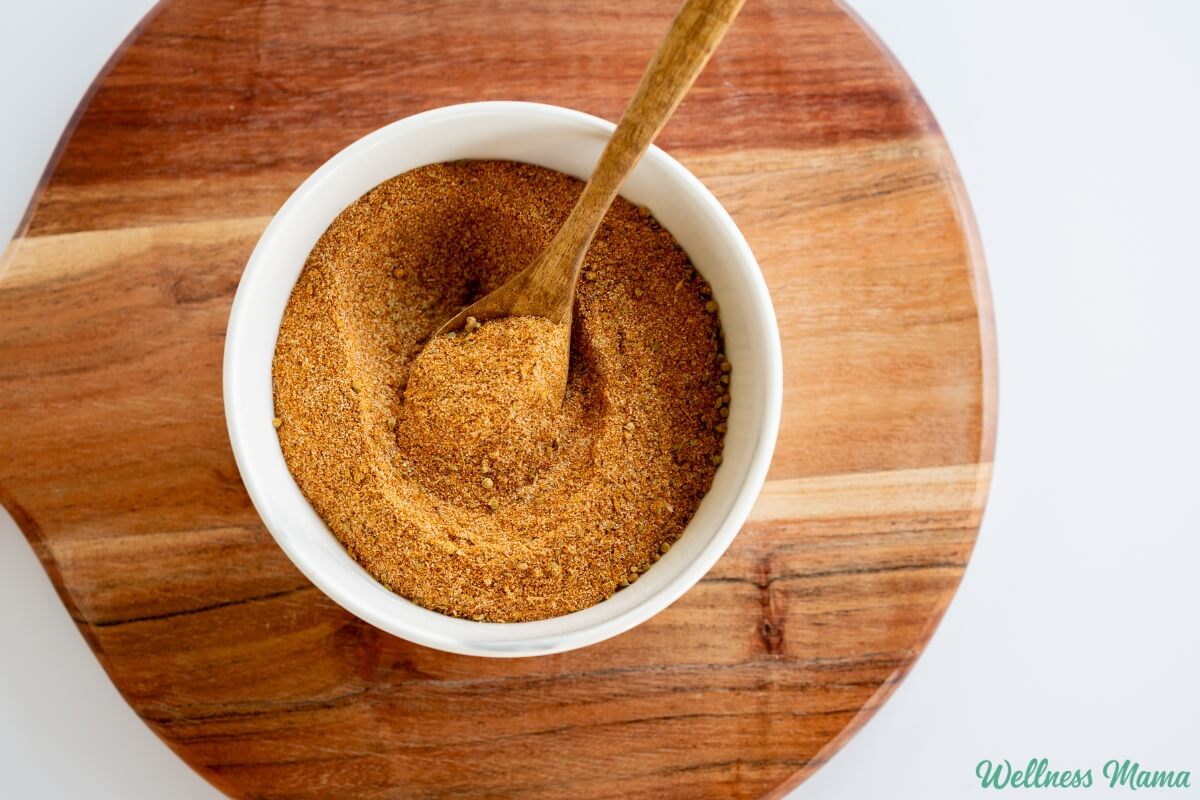
I regularly make homemade mayo and I’ll often make different flavors, like sriracha or mayo with adobo seasoning. I use so much adobo seasoning that I started making it in bulk at home. It’s delicious on everything from meats to veggies to dips. 

What is Adobo Seasoning?

Adobo seasoning is a mixture of garlic, oregano, pepper and other spices. It’s traditionally used in Latin American, Caribbean, and Filipino cooking to flavor everything from meats to veggies and soups. Adobo usually doesn’t have really heavy, pungent flavors so it’s versatile to use.

In my kitchen, it’s a general all-purpose seasoning that I add to meats, soups, seafood, eggs, roasted vegetables, and many other dishes.

The word adobo stems from the Spanish word “adobar” meaning “to marinate.” There are many variations of this seasoning, including liquid sauce versions that often include vinegar. The base ingredients are garlic, black pepper, turmeric, and oregano, though other spices can be added (I add several others to my variation).

How to Use Adobo Seasoning

This combination of spices adds depth to dishes without overpowering them, and is versatile enough to use on practically everything. You can mix it in while cooking, or use it as a dry rub on meats. It also makes a delicious marinade when mixed with oil, orange juice, lime juice, or vinegar. Just add enough liquid to make a paste and rub it on beef, poultry, fish, etc. 

Here are some other ways I use Adobo seasoning: 

  • In marinades for meats or chicken
  • As an all-purpose seasoning on seafood
  • On grilled meats and vegetables
  • In soups of all kinds
  • In omelets, quiches, or other egg dishes
  • In guacamole
  • Stirred into homemade mayo for a flavor twist

Tips For Making Adobo Seasoning

Adobo seasoning blends include salt so they’re an all in one seasoning when cooking. If you prefer you can leave the salt out or reduce the amount. This makes it easier to control the amount of salt added when cooking, especially if you’re using this with other salty flavors. 

The recipe calls for black or white pepper. They each have a unique flavor, but either will work in adobo seasoning. I prefer to use a blend of both when making this. 

Adobo Seasoning Recipe

Our family loves this adobo seasoning on meats, seafood, guacamole, soups, roasted vegetables, and practically any other dish. I always have some on hand and use it nearly every day!

  • Add all ingredients to a small glass jar or bowl.

  • Stir or shake well until fully combined.

  • Store in an airtight container away from heat and sunlight.

Nutrition Facts

Adobo Seasoning Recipe

Amount Per Serving (1 TBSP)

Calories 22
Calories from Fat 4

% Daily Value*

Fat 0.4g1%

Saturated Fat 0.1g1%

Polyunsaturated Fat 0.1g

Monounsaturated Fat 0.1g

Sodium 880mg38%

Potassium 107mg3%

Carbohydrates 5g2%

Fiber 1g4%

Sugar 0.3g0%

Protein 1g2%

Vitamin A 385IU8%

Vitamin C 1mg1%

Calcium 31mg3%

Iron 1mg6%

* Percent Daily Values are based on a 2000 calorie diet.

If you prefer, you can omit the salt from this recipe and just add it as desired while cooking. 

Shelf Life and Storage

Like any spice, this tastes best when stored in a cool, dark place away from direct light and heat. Right above the stove is not the best place! When stored properly it will stay fresh for about 6 months. Feel free to double the batch if your family loves it as much as we do!

Other Homemade Spices to Try

Like this recipe? I recommend ordering herbs and spices in bulk and making your own spice blends at home. It’s a great way to avoid unwanted additives found in many commercial spice blends, and an easy way to save money. I order most of my herbs and spices in bulk online and make many of my own blends, including:

What’s your favorite type of seasoning? Do you ever make your own? Leave a comment and let us know!

Tags: , ,
Homestead Blog Hop - Homestead tips, ideas, animal care, and recipes every Wednesday

Homestead Blog Hop 596 – Making Jam and Earth Day Crafts

Welcome to Homestead Blog Hop, a weekly gathering for homesteaders and simple living enthusiasts to share DIY projects, from-scratch recipes, and creative inspiration. This week’s hop features cozy homesteading tips, along with practical ideas that celebrate handmade living and self-sufficiency.

Whether you’re looking for seasonal crafts, homemade treats, or encouragement on your homesteading journey, you’ll find plenty of inspiration to carry into the new year. Grab a cup of tea, explore the featured posts, and join us in sharing your own homestead creations.

Meet Your Homesteading Hosts

We’re Kelly from Simple Life Mom, Liz from The Cape Coop, Natasha from Houseful of Nicholes, and Laurie from Ridgehaven Homestead. Together, we’re passionate about from-scratch living, simple ingredients, frugal habits, and intentional homesteading. We’re delighted to host the Homestead Blog Hop, where you can find fresh inspiration each week for DIY projects, homemade recipes, and practical simple living ideas.

Follow Us for More Homestead Inspiration

Natasha – Houseful of Nicholes
Facebook | Pinterest | X | Instagram

Laurie – Ridge Haven Homestead
Facebook | Pinterest | Instagram

Liz – The Cape Coop
Facebook | Pinterest | X | Instagram

Kelly – Simple Life Mom
Facebook | Pinterest | X | Instagram

FEATURED POSTS from the Last Homestead Blog Hop

Each week, we take turns selecting three featured posts from the Homestead Blog Hop. These features are shared across all of our social media platforms, helping spotlight the creativity and hard work of our fellow homesteaders. Here are the featured posts from last week’s hop:

1. How to Hard Boil Eggs in an Instant Pot from Ann’s Entitled Life

2. Savory Peach Rosemary Jam Recipe from Flour on my Face

3. Earth day, every day! GRAND ways to celebrate! from Our Grand Lives

Congrats! Feel free to grab the featured on button for your post.

Just right click and ‘save image as…‘

Guidelines for the Homestead Blog Hop

  1. Click the “Add Your Link” button below and upload a clear, eye-catching image from your project or recipe. Please link directly to the family-friendly post itself, not your blog’s homepage.
  2. You may link up up to three posts each week.
  3. Take time to visit a few other blogs in the hop and leave a thoughtful comment to let them know you stopped by. Community support makes this hop special!
  4. Please include a link back to the Homestead Blog Hop in your post. Posts without a backlink are not eligible to be featured. All featured posts are shared across all hosts’ social media channels.
  5. Share posts that haven’t been linked to the hop before. Older posts are welcome as long as they are new to the hop.
  6. By joining the Homestead Blog Hop, you grant the hosts permission to use one image from your post, with a link back to your site, if your post is selected as a feature next week.
  7. This is a family-friendly link-up designed to encourage, inspire, and support the homesteader in all of us.

Let the Party Begin!

Which project are you excited to try this week? Leave a comment below.

Join Our Homestead Blog Hop Pinterest Board

Follow all of your hosts on Pinterest and send a message if you’d like to be added to our Homestead Blog Hop group board. This board is a great place to share your DIY projects, crafts, and from-scratch recipes with the homesteading community.

Guideline: Only pin posts that you’ve linked up to the Homestead Blog Hop.

Tags: , , , , , , ,
Herzindagi

7 Popular Skin Treatments You Should Know To Achieve Glass Skin

According to Dr Rickson Pereira, Head, Dr Rickson’s Dermatherapie Clinic, Consultant Dermatologist – Holy Family Hospital, Mumbai and Medical Director at Zennara Clinics, Hyderabad, “Skincare today consists of more than just creams and home routines. Due to a busy lifestyle, external pollutants, and stress, people are turning to advanced cosmetic treatments, which not only give visible results but also save time and energy. However, since every skin is unique and reacts differently to beauty treatments, it is important to understand what you are aiming for. Whether you desire to fix those fine lines, clear up stubborn acne scars, or just want a glass skin-like glow, the option can feel confusing.” Here is a compiled list of seven popular skin treatments that one must definitely try.

7 Popular Skin Treatments You Should Know To Achieve Glass Skin

1.  Hydradermabrasion

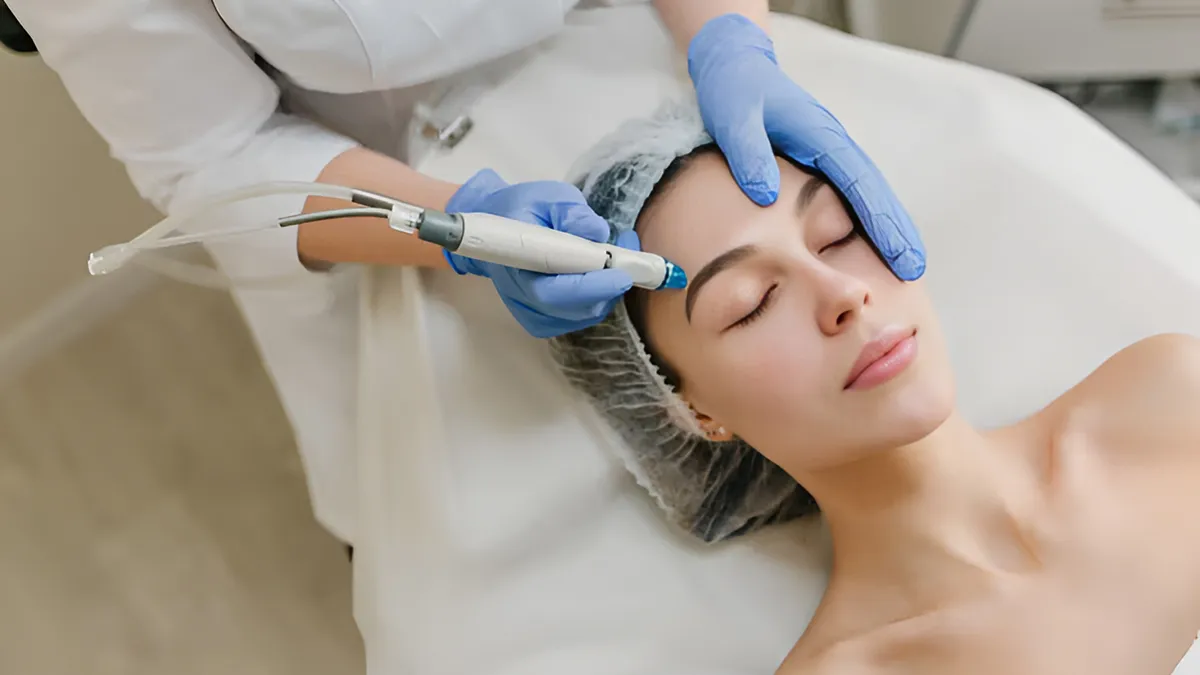
It is a gentle yet effective treatment that deeply cleanses and hydrates your skin. This cosmetic procedure uses a specialised hydropeel tip to exfoliate, peel, and vacuum away impurities while providing the skin with intense moisture and serums. It not only cleans the surface but also prepares the base for better product absorption by removing the layer of dead cells. This treatment is a preferred choice for many individuals as it offers visible results in minimal downtime, making you look refreshed and dewy, perfect during big events or a monthly skin maintenance routine.

2.  Alma Hybrid

If you are someone who has avoided lasers in the past because you were worried about pain or long recovery times, the Alma Hybrid is here to change your mind. It is a dual-wavelength laser platform that combines three powerful energies: a CO2 laser for surface smoothing, a non-ablative laser for deep collagen boosting, and Impact ultrasound technology to deliver skin-nourishing ingredients into the inner layers of the skin. This treatment targets the wrinkles from depth and improves pigmentation at the same time. It is different from standard laser therapies because the healing process is significantly faster and more comfortable for the patient.

3.  Microneedling

Microneedling, often referred to as collagen induction therapy, is among the most recognised and popular skincare treatments that works by using a device equipped with fine, sterile needles to create controlled micro-injuries on the skin’s surface. The punctures made on the skin trigger the rapid production of new collagen and elastin. This treatment is particularly effective for refining skin texture, reducing the appearance of enlarged pores, and fading acne scars or stretch marks.

4.  Chemical Peels

Chemical peels are one of the oldest and most trusted skin treatments that almost every individual has used, but now the product has evolved significantly from the shedding skin versions to a variety of acids. Professionals today are using chemical peels consisting of glycolic, lactic, or salicylic acids that gently exfoliate the top layer of the skin, which helps remove dull and damaged cells. By boosting cell turnover, you notice a clearer and even tone without taking multiple sessions. Depending on the strength of the peel, it can address concerns like pigmentation, mild acne, or uneven texture.

ALSO READ- Top 6 Blushes For A Natural Glow You Need To Invest In

5.  IPL (Intense Pulsed Light) Therapy

If sun damage and redness around the face are your primary concerns, IPL can be the best option for you. People often think of it as a laser treatment, but it is a non-surgical procedure that only uses broad-spectrum light pulses to improve skin texture and tone. It works by targeting melanin, specifically the brown of a sunspot and the red of a broken capillary. During the process, the light energy is absorbed by these pigments and converted into heat, which breaks down the damaged cells without affecting the surrounding skin. The treatment treats multiple concerns like sun damage, freckles, and removes facial hair.

6.  Skin Boosters and Biostimulators

In contrast to traditional dermal fillers that add volume to change the shape of your face, skin boosters focus entirely on skin quality. These are injectable treatments, consisting of hyaluronic acid, specifically the runny formulation, which allows the ingredient to spread properly under the skin. Instead of sitting in one spot, they provide deep-tissue hydration and restore elastin production. It works like an internal moisturiser that revives the bounce of your skin. If you want to achieve a natural, healthy glow while improving the texture, this treatment can be an ideal option.

7.  LED Light Therapy

LED (Light Emitting Diode) therapy has become a common treatment in modern skincare because it works below the surface of the skin. The therapy uses different wavelengths of light that go deeper into the layers to trigger specific biological responses. For example, blue light is beneficial for acne-prone skin since it kills the bacteria that cause breakouts, whereas red light helps with anti-ageing and healing, as it boosts ATP (cell energy) and reduces inflammation. It is non-invasive and painless, making it suitable for maintenance treatment, keeping your skin calm.

Summing Up

Choosing the right skincare treatment does not have to be a difficult task. Whether you are looking for high-tech laser technologies or gentle treatment options, the key is to understand your skin goals and requirements. When done right, combined with a good skincare routine, these treatments provide long-term skin health. Always consult a certified dermatologist who can assess your type and recommend a personalised plan.

Image credits: Freepik

ALSO READ- Top 5 Korean Sunscreens You Need For Glass Skin This Summer

For more such stories, stay tuned to HerZindagi.

Herzindagi video

Tags: , , , ,
Beauty meets science at wellness conference

Beauty meets science at wellness conference

 She also announced the launch of Elite Wellness Consultancy, aimed at supporting structured, ethical and commercially viable wellness enterprises.

HARARE, Apr. 20 (NewsDay Live) — A four-day Skin and Wellness Conference opened in Harare on Monday, bringing together more than 200 local and international delegates in a convergence of science, beauty and wellness.

The event, running until Thursday at a local hotel,, sets the tone for a more rigorous, ethics-driven industry dialogue where aesthetic practice is anchored in science and professional standards.

Organised by Elite Wellness Consultancy under the theme “Raising Professional Standards in Skin and Wellness,” the conference blends cosmetology, clinical insight and business strategy through keynote addresses, panels and masterclasses. Event director Nomsa Mlambo led proceedings, while founder Grace Zichawo — the driving force behind the initiative — positioned the platform as a catalyst for elevating Zimbabwe’s wellness sector.

In her keynote address, Zichawo urged practitioners to move beyond trends and prioritise knowledge, ethics and accountability. She stressed that professionalism requires scientific understanding, consistent service delivery and client-centred care.

 “Raising standards is not optional,” she said, calling on practitioners to prioritise safety over popularity in an era shaped by fast-moving social media trends.

 She also announced the launch of Elite Wellness Consultancy, aimed at supporting structured, ethical and commercially viable wellness enterprises.

The programme follows a deliberate progression, starting with foundational science and expanding into complex industry discussions. Pharmacist and health literacy advocate Reuben Kathumba highlighted the skin barrier as the body’s first line of defence, explaining how its disruption leads to sensitivity, dehydration and inflammation. He cautioned against over-exfoliation, harsh products and improper layering, stressing that effective treatment begins with a sound understanding of skin structure.

Medical-focused sessions underscored the risks of unregulated cosmetic procedures, warning that inadequate training can turn routine treatments into medical emergencies. The discussions reinforced the need for clear professional boundaries between aesthetic therapy and medical practice.

Addressing the intersection of science and consumer behaviour, Tendai Ngorima examined the growing tension between clinical credibility and social media influence. She pointed to the rise of ingredient-led skincare trends, often misunderstood by consumers, and urged practitioners to prioritise education and ethical consultation over profit-driven decisions.

Panels further explored the link between care and commerce. Moderated by Faustina Muswerakuenda, one discussion reframed retail as an extension of treatment, emphasising the role of home-care products in sustaining results. Another panel, led by Felisha Muzeya, focused on entrepreneurship, highlighting resilience, innovation and navigating sector challenges.

Speakers also outlined global trends shaping the industry, including integrated care models, personalised treatments and continuous professional development. Contributions from international training bodies such as VTCT Skills (ITEC Qualifications) reinforced the importance of globally benchmarked education standards.

Against the backdrop of a rapidly expanding global wellness economy, the conference highlights the growing emphasis on preventive health, skin integrity and holistic care. Such platforms are increasingly critical for knowledge exchange, professional alignment and maintaining competitiveness in a fast-evolving sector.

Award-winning film actor and producer Chiedza Kissa said the conference underscored the importance of informed skincare and wellness practices.

 “We should seek expert guidance rather than experimenting blindly with our skin and wellness. It’s inspiring to be among people committed to holistic health,” she said.

As the conference continues, delegates are expected to participate in hands-on tutorials and advanced masterclasses, reinforcing a shared commitment to excellence. The message running through the event is clear: true beauty is not only seen — it is understood, protected and practiced with integrity.

Related Topics

Tags: , , , ,
How Tanning Became a Skincare Habit

How Tanning Became a Skincare Habit

The best tans used to come from the sun. They were natural, effortless, and carried that unmistakable “just got back from vacation” glow.

If not, the alternative was often obvious. Early self-tanners had a reputation for streaks, orange tones, and results that looked anything but natural. For years, the tradeoff felt clear: real glow meant sun exposure, and everything else was a compromise.

That assumption doesn’t hold anymore. The glow hasn’t disappeared, but the way people achieve it has fundamentally changed. Today? A tan is no longer tied to the sun. And looking sun-kissed is no longer a seasonal goal.

The Shift to Year-Round Glow

What used to be tied to summer vacations and beach days has become part of a year-round aesthetic.

Social media, evolving beauty standards, and more intentional routines have reshaped expectations. The baseline has shifted from occasional radiance to maintaining a polished, healthy glow.

At the same time, awareness around skin health has grown significantly. Conversations around sun damage, premature aging, and long-term skin care have made the traditional approach to tanni, tng feel increasingly outdated.

Today, consumers still want that glow—but they expect it to support skin health, not compromise it.

Glow as a Daily Ritual

This shift has opened the door for an entirely new way of thinking about tanning. Instead of being something you do occasionally, glow is becoming something you maintain—like skincare.

Consumers are moving toward gradual, buildable products that fit into their everyday routines. These formulas are designed to be layered and improved over time, giving users flexibility instead of forcing a one-time result. The process feels more like a habit instead of a one-off treatment.

That’s where brands like NUDA are reshaping the category.

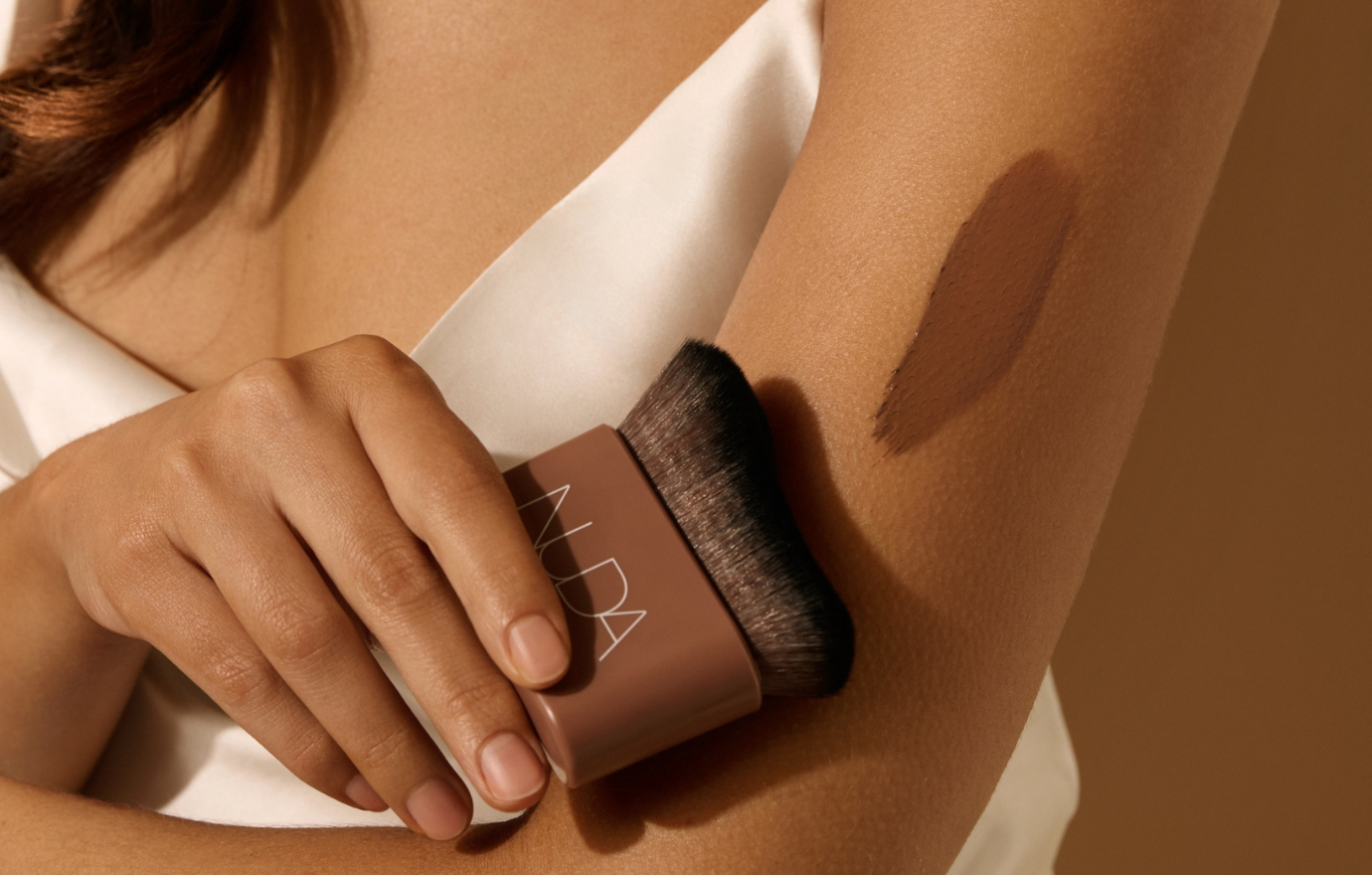
Founded by entrepreneurs who loved the look of sun-kissed skin but rejected the long-term effects of UV exposure, NUDA approaches tanning as part of a broader skin wellness routine. The brand not only develops sunless tanning products, but also trains professional spray tan artists through both in-person and online education programs. They’re committed to ensuring high-quality applications at the professional level while also empowering consumers to achieve results at home.

In this model, glow becomes something you build and maintain over time. Tanning is no longer a single transformation, but an easy, repeatable part of a modern beauty routine.

Products Designed to Nourish

NUDA’s philosophy shows up in their latest product launches.

SilkMilk reframes gradual tanning as part of a daily body care routine. Instead of delivering instant color, it builds a natural-looking glow over time, making it easy to maintain a consistent tone.

What sets it apart is how seamlessly it blends tanning with skincare. The formula is designed to hydrate and nourish the skin, with ingredients like Hyaluronic Acid, Squalane, Niacinamide, Panthenol, and botanical extracts working together to leave skin soft, smooth, and radiant.

GlowMelt takes the opposite approach in timing, offering an instant bronze that enhances the skin on contact. It’s designed for flexibility, allowing users to apply, blend, and go without committing to a long-lasting result.

At the same time, it delivers similar skin benefits. Infused with Marula, Sea Buckthorn, and Jojoba oils, the formula helps keep skin nourished while creating a smooth, even-looking finish.

While the two products serve different moments—one gradual, one immediate—they share the same foundation. Both are designed to nourish the skin while delivering glow, and are certified vegan, with no animal-derived ingredients and no animal testing.

Skincare Meets Sunless Technology

Sunless tanning is increasingly merging with skincare. Instead of focusing solely on color, modern formulations are built to support skin health at the same time. Hydration, firming, and nourishment are no longer secondary benefits but part of the core value.

This shift reflects a broader expectation in beauty. Consumers are no longer satisfied with products that deliver only one result. They want formulas that work harder, combining multiple benefits into a single step.

For tanning, that means moving away from surface-level results and toward deeper skin support. A glow that comes from a product that also improves how your skin feels and functions carries more long-term value than one that comes at the expense of skin health.

A New Standard for Glow

What was once considered a tradeoff is no longer acceptable. Consumers no longer see glow and skin health as opposing goals—they expect both.

This is redefining the category. Tanning is no longer about exposure or even transformation. It’s about maintenance, control, and overall skin quality. The modern glow is subtle, buildable, and integrated into daily life. It’s less about achieving a dramatic before-and-after result and more about enhancing what’s already there.

This shift is also changing how products are used. Instead of preparing for a single application, consumers are building routines. They’re layering products, adjusting over time, and choosing options that align with their lifestyle rather than disrupting it.

The glow is still the goal. But the way we achieve it now reflects a more thoughtful, long-term approach to skin.

Spencer Hulse is the Editorial Director at Grit Daily. He is responsible for overseeing other editors and writers, day-to-day operations, and covering breaking news.

Tags: , ,
How To Achieve The Biggest Beauty Trend Of 2026: 'Less Is More'

How To Achieve The Biggest Beauty Trend Of 2026: ‘Less Is More’

Beauty gurus have been opting for more minimalistic beauty routines recently. We are seeing a shift to prioritising ‘beauty from within’, where beauty enthusiasts are choosing to focus on minimalist skincare and are reducing the number of makeup products they use.

Why should we jump on board with this trend? By allowing the skin barrier to repair itself through pared-back skincare regimes and lightweight makeup, your skin can be more rejuvenated, radiant and luminous. It’s less time and less effort, not to mention easier on the environment and your wallet! 

Here are some trusty must-have products to achieve the ‘less is more’ look:

LASH SERUM: Coverluxesilk Lash Luxe Advanced Eyelash Growth Serum

RRP: $68.95
Stockist: https://coverluxesilk.com/ 
Coverluxesilk Lash Luxe™ is a gentle formulation of natural elements, dermatologically tested and proven to increase your eyelashes’ length, thickness, and overall strength. Our cutting-edge formula features a blend of Organic Plant Extracts, Peptides, Biotin, and Pro-Vitamins including B5 and E that work simultaneously to produce breathtaking growth results in as little as 7 days!

FOUNDATION: Nu Skin Nu Colour Bioadaptive BB+ Skin Loving Foundation

RRP: $77

Stockist: https://www.nuskin.com/en_AU/home.html

Makeup that doubles as skincare. Nu Skin’s Nu Colour Bioadaptive* BB+ Skin Loving Foundation rewrites the rules of makeup. It cleverly combines the payoff and staying power of a foundation (up to 12 hours!) with the skin-nourishing benefits of a BB cream. The hybrid formula imparts a luminous, second-skin finish – the kind that feels effortlessly invisible, just the way you like it.

CLEANSER: Nourishing Cleansing Oil

RRP: $45

Stockist: www.jurlique.com.au

On contact with water, this light cleansing oil transforms into a rich cleansing milk that softens the skin as it removes makeup including waterproof mascara, excess oil, pollution and impurities. It’s enriched with exceptional plant-based oils to nourish the complexion to improve suppleness. Skin feels smoother and softer, and looks more radiant.

TONER: Activating Water Essence

RRP: $80

Stockist: www.jurlique.com.au

This silky lightweight essence perfectly prepares the skin for optimal hydration by harnessing two powerful Marshmallow Root extracts. This combination actively improves the skin’s ability to retain moisture for optimal skin preparation and superior penetration of products to follow. This essence is free from all artificial colours, artificial fragrances, parabens, and sulphates.

SERUM: Nutri-Define Supreme Rejuvenating Serum

RRP: $166

Stockist: www.jurlique.com.au

Smooth out fine lines around the eyes and mouth with this silky gel serum that rejuvenates mature skin. Containing natural extracts of spilanthes flower and horseradish root from our farm that help to improve skin firmness and restore suppleness. This face serum is a must-have to address signs of ageing. High-performing active ingredients enhance and rebalance the skin.

MOISTURISER: Moisture Replenishing Day Cream

RRP: $90

Stockist: www.jurlique.com.au

The nourishing natural ingredients are hand-picked from Jurlique’s farm and formulated into a high-performing hydrating facial cream to last throughout the day. Shea butter and beeswax restore and condition dry skin while chamomile and calendula flower extracts soothe and calm redness. A blend of organic oils including jojoba, avocado, and safflower protects and nurtures the skin

SKIN TECH: Nu Skin ageLOC LumiSpa iO 

RRP: $360

Stockist: https://www.nuskin.com/en_AU/home.html

Nu Skin ageLOC® LumiSpa® iO inputs smart skincare and outputs the skin of your dreams.  Input innovative skin renewal and deep cleansing with intelligent coaching, personalised regimens, IoT technology—and more—through the Nu Skin Vera™ app. Output gorgeous, glowing, selfie ready skin—all day, every day.

Tags: , , ,
Foods That Help Your Body Handle Microplastics (What We Know So Far)

Foods That Help Your Body Handle Microplastics (What We Know So Far)

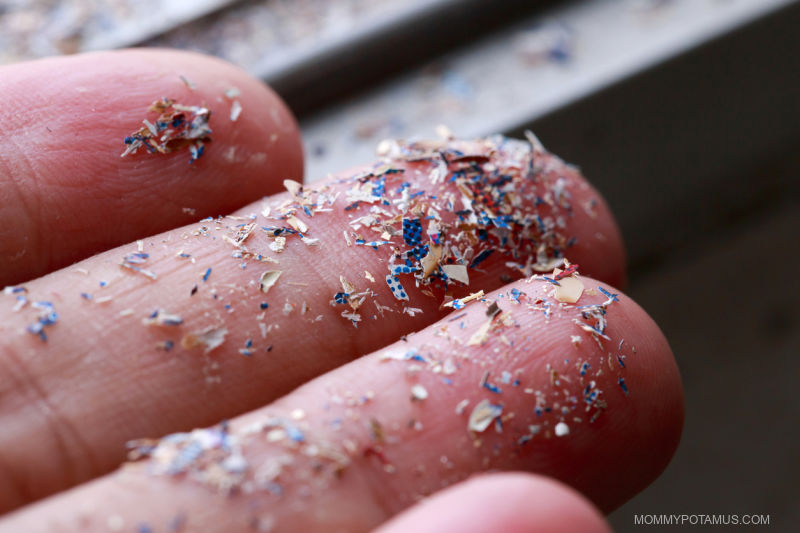
Close up side shot of microplastics lay on people hand.Concept of water pollution and global warming. Climate change idea.

Some headlines are surprising but true – like the time a German street was covered in chocolate after a factory leak. Others are the kind we really want to be true, or at least as simple as they sound.

Lately I’ve been seeing a lot of headlines about foods that supposedly remove microplastics from the body, so I clicked through and tracked down the research behind them.

Turns out, foods like tamarind and okra do bind and remove microplastics . . . from water.

And if that were the whole story, this would be a very short article.

But once I started digging, I found something more interesting: no food has yet been shown to remove microplastics from human tissues directly, but there are foods that may help your body limit absorption, support elimination, and deal with some of the damage these particles can cause.

How Microplastics End Up Inside Us

Microplastics – tiny pieces of plastic less than 5 millimeters long – are everywhere. They’ve been found in deep ocean trenches, on the summit of Mount Everest, and in the human body, too.

In everyday life, they enter our bodies through several common routes: we breathe them in through household dust, swallow them in food and drinking water, and encounter them daily through synthetic fabrics, plastic packaging, and other plastic-containing products. Research has detected microplastics in human blood, lungs, liver, kidneys, and reproductive organs, as well as other areas like the brain, heart, and placenta. (1)(2)(3)(4)

Microplastic exposure is linked to chronic inflammation, heart disease, fertility problems, and other health issues. (5)(6)

And the concern isn’t just the plastic itself; it’s what the plastic is carrying. These particles can act like tiny sponges for heavy metals and chemicals like BPA or phthalates, which are known endocrine disruptors. In short: they can mess with your hormones and trigger inflammation.

That’s why microplastics have become more than just an environmental issue – they’re increasingly being discussed as a growing public health concern.

I’ve shared several practical ways to reduce your exposure to microplastics, but that still leaves an obvious question:

What about the microplastics we’ve already been exposed to?

I wish I could give you a smoothie recipe or supplement recommendation that would handle everything all at once.

Based on what we know right now, that’s not how it works. But there is some encouraging news.

Researchers are beginning to identify specific compounds that may help the body clear ingested microplastics more effectively. In one recent study, scientists found two strains that stood out for their ability to increase microplastic excretion, reduce the amount remaining in the gut, and lower inflammation in mice. (7)

Beyond that, research also suggests that certain foods may support the systems your body already uses to limit absorption, bind particles in the gut, and move them out efficiently.

Foods That Help Your Body Handle Microplastics

While we can’t fully eliminate exposure, we can support how the body handles it. And we don’t do that by starting a strict “microplastic detox” protocol that ignores everything else the body needs – we do it by supporting the pathways and systems involved in handling them.

When it comes to diet specifically, that means focusing on foods that:

  • Support the gut barrier (our first line of defense) and microbial balance
  • Encourage a healthy gut transit time (getting things moving through your digestive tract so plastic doesn’t sit around)
  • Reduce oxidative stress (the cellular inflammation plastic causes)

Fermented Foods (Gut Barrier + Emerging Binding Research)

This is where probiotic-rich foods stop being “generally healthy” and start getting weirdly specific.

For years, probiotics have mostly been talked about in broad terms: good for the gut, good for digestion, good for immune health.

But when it comes to microplastics, researchers are zooming way in. They’re not asking whether yogurt or kimchi is “good for you” in a general sense. They’re asking whether certain individual strains of bacteria often associated with those foods can bind to microplastics, help move them out through the digestive tract, and reduce some of the inflammation they leave behind.

And so far, the answer appears to be: some of them might. A 2025 study screened 784 bacterial strains and found that two stood out – Lacticaseibacillus paracasei DT66 and Lactiplantibacillus plantarum DT88. In mice, those strains increased fecal microplastic excretion by 34%, reduced the amount left behind in the gut by 67%, and helped lower intestinal inflammation. (7)

Now, at first glance, it would be easy to assume that if one form of Lacticaseibacillus paracasei helps with microplastics, they all probably do. But even when bacteria come from the same general families, that doesn’t mean they all do the same work. A screwdriver and a wrench can sit in the same toolbox and still solve completely different problems.

However, the more researchers look for probiotics that show promise for microplastic removal, the more they seem to find. A newer 2026 study identified a kimchi-derived strain, Leuconostoc mesenteroides CBA3656, that showed strong nanoplastic-binding ability under simulated intestinal conditions and increased fecal nanoplastic excretion by more than twofold in mice. (8)

Now for the important caveat: that does not mean all kimchi, yogurt, kefir, or sauerkraut will automatically do the same thing.

Even if a particular strain is commonly associated with a certain fermented food, there can be a lot of variation from one culture or product to another, especially in wild ferments. Unless a strain is intentionally added or a food is tested, there’s no way to know for sure that it’s there.

That said, I still think fermented foods matter here.

Even when they’re not delivering one of these lab-tested strains, they can support our microbiome and help strengthen the gut barrier, which is one of the body’s first lines of defense.

And if future research continues in this direction, we may eventually see certain strains intentionally cultivated in foods or used in more targeted probiotic supplements.

Looking for a recipe to try this week? I recommend spicy kimchi or garlicky fermented radishes.

Fiber-Rich Foods (Binding + Elimination)

One way to think about fiber is as a bouncer. It helps escort some of the things your body would rather not keep around toward the exit.

That matters here because tiny plastic particles – and the compounds attached to them – are generally better off moving through the digestive tract than lingering in it. This is one reason gut transit time matters: when things move too slowly, the body has a higher chance of reabsorbing some of what it was trying to eliminate.

Fiber also helps on more than one level. Some forms of dietary fiber bind substances in the gut and carry them out through stool, which is one of the body’s main elimination routes. Fiber also supports regularity, nourishes beneficial gut microbes, and helps maintain the intestinal barrier – all of which are relevant here, since microplastic exposure has been linked to gut dysbiosis, increased intestinal permeability, and inflammation. (9)

So while we don’t have studies showing that fiber detoxes microplastics specifically, it does support several of the systems involved in moving unwanted material along and protecting the gut while that happens.

This is one reason foods like beans, lentils, oats, chia seeds, flaxseeds, chickpeas, and vegetables can be so helpful. They support regularity, healthy transit, and the everyday work of moving waste along efficiently.

Antioxidant-Rich Foods (Inflammation Support)

This is where the job shifts from getting things out to helping your body respond with more resilience.

Microplastics aren’t just inert little particles. Research suggests they can stir up oxidative stress and inflammation in a few different ways: by triggering immune responses, disrupting normal cellular energy production, carrying chemical hitchhikers like BPA and heavy metals, and putting pressure on the body’s own antioxidant defenses. (10)

That’s one reason antioxidant-rich foods matter here. In other words, this category is less about escorting unwanted stuff to the exit and more about helping the body deal with the wear and tear it may leave behind. (10)

This is where berries, green tea, herbs, spices, and colorful produce really shine. They don’t appear to remove microplastics directly, but they may help buffer some of the downstream stress associated with exposure. Think of them as part of the cleanup crew: not the ones hauling out the trash bags, but the ones repairing scuffed floors and patching drywall afterward.

Blueberries, raspberries, and strawberries are rich in anthocyanins, while green tea is known for polyphenols like EGCG.

Cruciferous vegetables deserve special mention here, because they’re doing more than one job. Vegetables like broccoli, kale, Brussels sprouts, and cabbage contain compounds such as sulforaphane, which has been widely studied for its ability to support antioxidant defenses and reduce oxidative stress and inflammation through pathways such as Nrf2 activation. (11)

Garlic and onions deserve a mention here too. Their organosulfur compounds have also been studied for antioxidant and anti-inflammatory effects. (12)

Bottom line: antioxidant-rich foods are less about detoxing microplastics and more about supporting cellular resilience while the body deals with an exposure we can reduce, but not avoid completely.

A Practical Place to Start

If you were hoping for a simple list of foods that “remove microplastics,” I get it. I was hoping for that too.

As research continues, maybe we’ll discover more probiotic strains – and possibly even some whole foods – that support microplastic detox more directly. But for now, my takeaway is this: the foundational choices many of us are already trying to make – prioritizing fermented foods, dietary fiber, and antioxidant-rich foods – are likely to be some of the most practical ways to help the body limit absorption, support elimination, and stay more resilient.

In other words, the habits that take effort are often doing more good than we can see.

It also means paying attention to the front end when we can – filtering tap water, using reusable glass or stainless steel instead of a plastic water bottle, switching to glass or stainless steel food containers, filtering indoor air, and reducing exposure from common sources of microplastics where it feels realistic to do so. (You can find more ideas here.)

I’m still working through that process too. Right now I’m researching PFAS-free toilet paper and non-toxic bathing suits because those are two swaps I still haven’t fully made. I’ve tried “better” brands before, but I hadn’t taken the time to really dig into the details until now. It’s a lot. I share what I learn here in the hope that it makes the process a little easier for you too.

And with that in mind, I’m always open to article ideas and research suggestions. If there’s a topic you’d like me to look into next, feel free to leave a comment below

Sources

  1. Roslan, N. S., et al. (2024). Detection of microplastics in human tissues and organs: A scoping review. Journal of Global Health.
  2. Leslie H.A., van Velzen M.J.M., Brandsma S.H., et. al. (2022). Discovery and quantification of plastic particle pollution in human blood. Environment International.
  3. Campen, M., Nihart, A. J., Garcia, M. A., et. al. (2024). Bioaccumulation of microplastics in decedent human brains. medRxiv.
  4. Dzierżyński, E., Gawlik, P. J., Puźniak, D., et. al. (2024). Microplastics in the human body: Exposure, detection, and risk of carcinogenesis — A state-of-the-art review. Cancers.
  5. Marfella, R., Prattichizzo, F., Sardu, C., et. al. (2024). Microplastics and Nanoplastics in Atheromas and Cardiovascular Events. New England Journal of Medicine.
  6. Zhang, C., Chen, J., Ma, S., et. al. (2022). Microplastics May Be a Significant Cause of Male Infertility. American Journal of Men’s Health.
  7. Teng, X., et al. (2025). Novel probiotics adsorbing and excreting microplastics in vivo show potential gut health benefits. Frontiers in Microbiology.
  8. Lee, J., Lee, D., Kwon, M. S., et. al. (2026). Efficient biosorption of nanoplastics by food-derived lactic acid bacterium. Bioresource Technology.
  9. Yang, X. Y., et al. (2026). Gut microbiome remodeling induced by microplastic exposure: A review of mechanisms and health implications. Gut Microbes.
  10. Bora, S. S., et al. (2024). Microplastics and human health: Unveiling the gut microbiome and potential mechanisms of toxicity. Microorganisms.
  11. Cascajosa-Lira, A., Prieto, A. I., Pichardo, S., et. al. (2024). Protective effects of sulforaphane against toxic substances and contaminants: A systematic review. Phytomedicine.
  12. Batiha, G. E. S., Beshbishy, A. M., Wasef, L. G., et. al. (2020). Chemical constituents and pharmacological activities of garlic (Allium sativum L.): A review. Nutrients.

Share with a friend! 👇

Tags: , , ,
Best oLive
Privacy Overview

This website uses cookies so that we can provide you with the best user experience possible. Cookie information is stored in your browser and performs functions such as recognising you when you return to our website and helping our team to understand which sections of the website you find most interesting and useful.