Homestead Blog Hop - Homestead tips, ideas, animal care, and recipes every Wednesday

Homestead Blog Hop 610 – Strawberry Cake and Kitchen DIYs

Welcome to Homestead Blog Hop, a weekly gathering for homesteaders and simple living enthusiasts to share DIY projects, from-scratch recipes, and creative inspiration. This week’s hop features cozy homesteading tips, along with practical ideas that celebrate handmade living and self-sufficiency.

Whether you’re looking for seasonal crafts, homemade treats, or encouragement on your homesteading journey, you’ll find plenty of inspiration to carry into the new year. Grab a cup of tea, explore the featured posts, and join us in sharing your own homestead creations.

Meet Your Homesteading Hosts

We’re Kelly from Simple Life Mom, Liz from The Cape Coop, Natasha from Houseful of Nicholes, and Laurie from Ridgehaven Homestead. Together, we’re passionate about from-scratch living, simple ingredients, frugal habits, and intentional homesteading. We’re delighted to host the Homestead Blog Hop, where you can find fresh inspiration each week for DIY projects, homemade recipes, and practical simple living ideas.

Follow Us for More Homestead Inspiration

Natasha – Houseful of Nicholes
Facebook | Pinterest | X | Instagram

Laurie – Ridge Haven Homestead
Facebook | Pinterest | Instagram

Liz – The Cape Coop
Facebook | Pinterest | X | Instagram

Kelly – Simple Life Mom
Facebook | Pinterest | X | Instagram

FEATURED POSTS from the Last Homestead Blog Hop

Each week, we take turns selecting three featured posts from the Homestead Blog Hop. These features are shared across all of our social media platforms, helping spotlight the creativity and hard work of our fellow homesteaders. Here are the featured posts from last week’s hop:

1. How to Wallpaper a Refrigerator (No Tools, No Damage!) from Sonata Home Designs

2. Homemade Strawberry Cake Recipe from Ann’s Entitled Life

3. Functional Countertop Storage: A Thrifting Guide from Thrifting Wonderland

Congrats! Feel free to grab the featured on button for your post.

Just right click and ‘save image as…‘

Guidelines for the Homestead Blog Hop

  1. Click the “Add Your Link” button below and upload a clear, eye-catching image from your project or recipe. Please link directly to the family-friendly post itself, not your blog’s homepage.
  2. You may link up up to three posts each week.
  3. Take time to visit a few other blogs in the hop and leave a thoughtful comment to let them know you stopped by. Community support makes this hop special!
  4. Please include a link back to the Homestead Blog Hop in your post. Posts without a backlink are not eligible to be featured. All featured posts are shared across all hosts’ social media channels.
  5. Share posts that haven’t been linked to the hop before. Older posts are welcome as long as they are new to the hop.
  6. By joining the Homestead Blog Hop, you grant the hosts permission to use one image from your post, with a link back to your site, if your post is selected as a feature next week.
  7. This is a family-friendly link-up designed to encourage, inspire, and support the homesteader in all of us.

Let the Party Begin!

Which project are you excited to try this week? Leave a comment below.

Join Our Homestead Blog Hop Pinterest Board

Follow all of your hosts on Pinterest and send a message if you’d like to be added to our Homestead Blog Hop group board. This board is a great place to share your DIY projects, crafts, and from-scratch recipes with the homesteading community.

Guideline: Only pin posts that you’ve linked up to the Homestead Blog Hop.

Tags: , , , , , ,
Niacinamide vs Vitamin C: What's the Difference and Which Is Better for Your Skin?

Niacinamide vs Vitamin C: What’s the Difference and Which Is Better for Your Skin?

Living in India means your skin has a lot to deal with. One day it’s the sun, the next it’s humidity, dust, pollution or hard water. And if you’ve decided to add your first serum to your skin care routine, you’ve probably come across two names more than any others: niacinamide and vitamin C. They sound similar, but they do very different jobs.

One promises brighter skin. The other claims to reduce oil, calm acne and strengthen your skin barrier. Both have loyal fan clubs, and both are backed by research. So, if you’re only planning to add one serum to your routine, which one deserves a spot on your shelf?

The answer is less about which ingredient is “better” and more about what your skin is trying to tell you.

Also Read: The ultimate beginner’s guide to skincare for men in India

Let’s clear up one of the biggest misconceptions. Niacinamide and vitamin C aren’t rivals. Think of them as two colleagues working on different tasks.

One helps your skin defend itself and stay balanced. The other helps protect it from environmental damage while improving brightness. They can even complement each other when used correctly.

The old belief that the two ingredients cancel each other out came from older laboratory studies conducted under conditions that don’t reflect how modern skincare products are formulated or used. Most dermatologists today agree that they can be used together.

So if you’ve been avoiding one because someone on social media said they “don’t mix”, you can stop worrying.

What exactly is niacinamide?

Niacinamide is a form of vitamin B3, and it’s one of the gentlest skincare ingredients around.

If your skin often feels oily by lunchtime, breaks out during humid weather or gets irritated easily, niacinamide is worth considering.

Research has shown that niacinamide can help strengthen the skin barrier, reduce water loss, regulate oil production and improve the appearance of enlarged pores over time. It also has anti-inflammatory properties, which is why it’s commonly recommended for people with acne-prone or sensitive skin.

Also Read: Sharing skincare with friends? Doctors say think again 

Imagine commuting through traffic in Bengaluru, Delhi or Mumbai every day. Between the heat, dust, pollution and air conditioning, your skin goes through a lot. Niacinamide works like a support system, helping your skin recover from those daily stressors.

Niacinamide may be a good choice if:

  • Your skin gets oily easily.
  • You have mild acne or frequent breakouts.
  • Your skin barrier feels damaged after trying too many products.
  • You want a gentle ingredient that’s suitable for beginners.
  • You have redness or sensitive skin.

What about vitamin C?

Vitamin C has earned its place as one of skincare’s most popular ingredients for good reason.

It’s a powerful antioxidant, which means it helps protect the skin from damage caused by UV rays and pollution. It also supports collagen production and helps improve uneven skin tone and pigmentation.

If you’ve noticed your skin looking dull after weeks of commuting in the sun or you’ve been left with stubborn marks after old pimples, vitamin C may be the ingredient you’re looking for.

It’s especially popular among people who want brighter, more even-looking skin.

Vitamin C may be a better choice if:

  • Your skin looks dull or tired.
  • You have pigmentation or post-acne marks.
  • You’re concerned about early signs of ageing.
  • You spend a lot of time outdoors.
  • You already wear sunscreen every day.

If you live in India, your skin has its own challenges

One thing that skincare conversations often forget is geography.

Indian skin deals with a combination of strong UV exposure, humidity, pollution and, in many cities, hard water. These factors can contribute to tanning, pigmentation, oiliness and a weakened skin barrier.

That’s why there’s no universal “best” ingredient.

Someone in Chennai struggling with oily skin during the summer may benefit more from niacinamide. Someone in Jaipur trying to fade sun-induced pigmentation may notice better results with vitamin C.

Your environment matters just as much as your skin type.

Can you use both?

In fact, many dermatologists recommend using vitamin C in the morning because of its antioxidant benefits, followed by sunscreen. Niacinamide can be used either in the morning or evening and pairs well with many skincare ingredients.

Also Read: Dry or dehydrated skin? How to tell what you really need 

If your skin is sensitive, introduce one ingredient first and use it consistently for a few weeks before adding another. That way, if irritation occurs, you’ll know which product is responsible.

Don’t expect overnight miracles

One reason people give up on skincare is unrealistic expectations.

You start using a serum on Monday and by Friday you’re checking the mirror wondering why your dark spots haven’t disappeared.

That’s not how skin works.

Research on topical skincare ingredients generally measures improvement over weeks rather than days. Consistency matters much more than constantly switching products.

Which one should you buy first?

If you’re still wondering which bottle to pick, here’s a simple way to decide.

Choose niacinamide if your biggest concern is:

  • Oily skin
  • Acne
  • Enlarged-looking pores
  • Redness
  • A weakened skin barrier

Choose vitamin C if your biggest concern is:

  • Dullness
  • Uneven skin tone
  • Pigmentation
  • Post-acne marks
  • Protecting skin from everyday environmental damage

If your skin concerns overlap, you don’t necessarily have to choose one forever. Many people eventually use both.

One ingredient won’t fix everything

It’s tempting to believe one serum will solve every skin concern.

The reality is much less exciting but far more reassuring. Healthy skin usually comes down to a few basics: a gentle cleanser, a moisturiser that suits your skin, daily sunscreen and one active ingredient that addresses your biggest concern.

Also Read: Why drinking pomegranate juice every morning is a game changer 

Whether you choose niacinamide or vitamin C, remember that skincare isn’t about chasing flawless skin or copying someone else’s routine. It’s about understanding your own skin and giving it what it actually needs.

(Disclaimer: This article is intended for informational purposes only and should not be considered medical advice. Always perform a patch test before using a new product and seek advice from a qualified dermatologist if you have sensitive skin or an underlying skin condition)

Tags: , , , ,
AIRE MD by Casa Aire Wellness Sets the Standard for Korean Facials in Dubai as Demand for Glass Skin Treatments Surges

AIRE MD by Casa Aire Wellness Sets the Standard for Korean Facials in Dubai as Demand for Glass Skin Treatments Surges

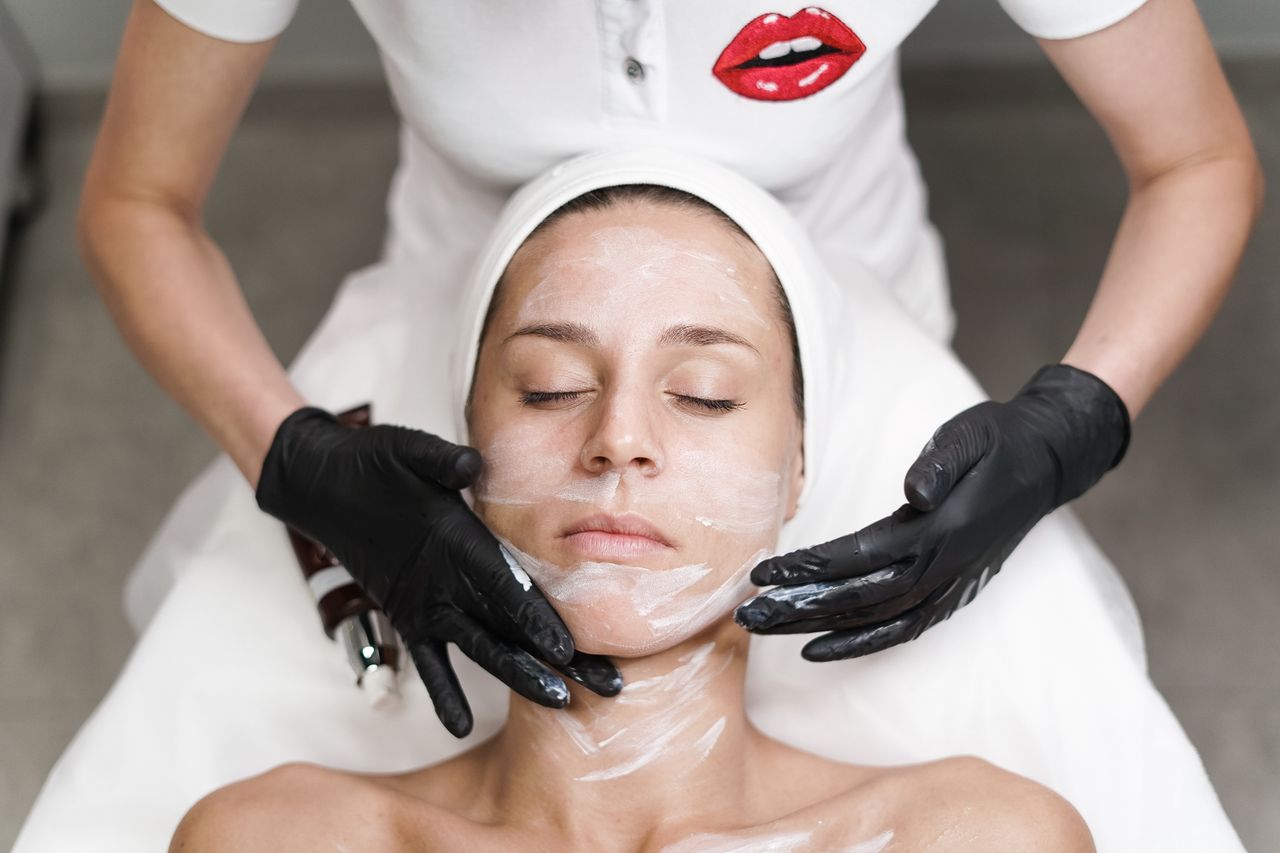
Casa Aire Wellness strengthens its personalised approach to Korean facials, glass skin treatments and long-term skin health as Korean skincare continues to reshape Dubai’s luxury aesthetics industry.

AIRE MD by Casa Aire Wellness for Korean Facials in Dubai

Get the latest news


delivered to your inbox

Sign up for The Manila Times newsletters

By signing up with an email address, I acknowledge that I have read and agree to the Terms of Service and Privacy Policy.

AIRE MD by Casa Aire Wellness Named Among Dubai’s Best Destinations for Korean Facials and Glass Skin Treatments by Vogue Magazine

Dubai, United Arab Emirates, July 28, 2026 (GLOBE NEWSWIRE) — Korean skincare has evolved from a global beauty movement into one of the fastest-growing influences in professional aesthetics, changing how consumers think about facial treatments, skin health and long-term skincare. Across Dubai, increasing numbers of people are seeking Korean facials, glass skin treatments, personalised skincare programmes, skin barrier repair, acne treatment, hyperpigmentation correction and advanced skin rejuvenation as they move beyond traditional facials toward more evidence-based approaches to skin health. For more information visit https://www.fresha.com/a/aire-md-by-casa-aire-wellness

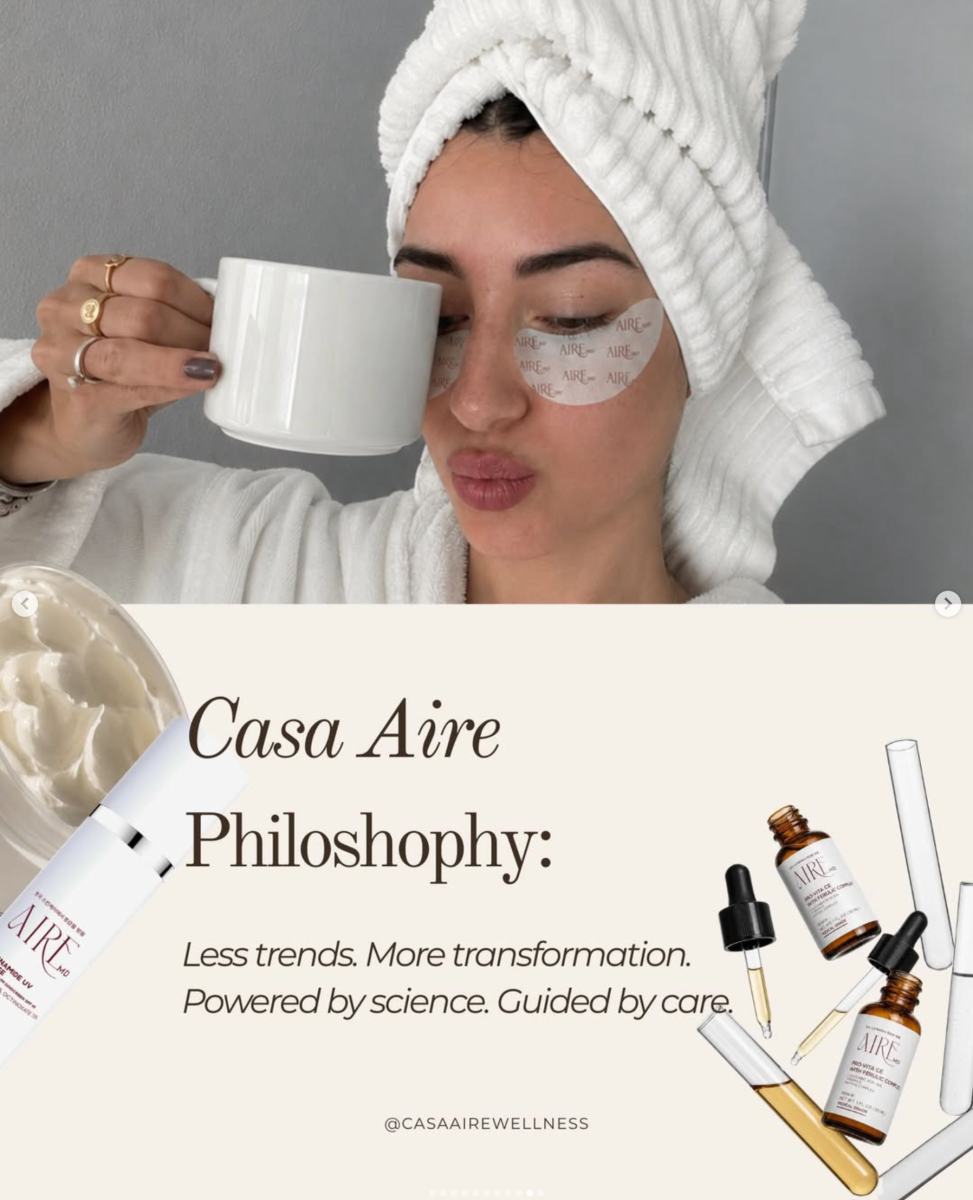
As this shift continues, AIRE MD by Casa Aire Wellness, formerly known as Casa Aire Wellness, is expanding its Korean facial programme and strengthening its position within Dubai’s luxury skincare landscape through a philosophy that combines Korean skincare principles, personalised consultation and advanced multimodality facial treatments.

Founded with the belief that luxury skincare should never require a compromise between experience and results, the institute has become recognised for introducing Korean-inspired skin health principles into Dubai’s premium wellness market. Rather than approaching skincare through standardised facial treatments, AIRE MD by Casa Aire Wellness has developed personalised treatment programmes that begin with understanding each client’s skin before recommending bespoke facial protocols designed around their individual goals, skin condition and long-term skin health.

Inspired by Korean skincare philosophy, every consultation considers the skin as an individual ecosystem rather than a single cosmetic concern. Treatment programmes may combine layered hydration, skin barrier support, advanced active ingredients, multimodality facial techniques and evidence-based technologies to help address concerns including acne, post-inflammatory hyperpigmentation, uneven skin tone, enlarged pores, dehydration, skin sensitivity, healthy ageing and overall skin optimisation.

The institute’s Korean facial philosophy reflects the same principles that have made Korean skincare internationally respected: prevention over correction, consistency over aggressive intervention and personalised care over one-size-fits-all treatments. Rather than focusing solely on immediate cosmetic improvements, the objective is to progressively strengthen skin health while supporting healthier texture, improved hydration, greater resilience and naturally luminous skin over time.

This approach has also shaped the institute’s interpretation of the increasingly popular glass skin movement. While the term has become widely recognised across beauty media and social platforms, AIRE MD by Casa Aire Wellness approaches glass skin as the visible result of healthy, balanced skin rather than a standalone treatment. Through personalised facial programmes designed to support hydration, barrier integrity, skin renewal and long-term skin function, the institute helps clients work towards clearer, healthier and more radiant skin using methodologies inspired by Korean skincare principles.

“Korean skincare has fundamentally changed how people think about facial treatments,” said a spokesperson for AIRE MD by Casa Aire Wellness. “Clients today want to understand their skin, not simply treat it. They are looking for personalised skincare programmes that address the underlying causes of concerns such as acne, pigmentation, sensitivity and premature ageing while supporting healthier skin over the long term. Our philosophy combines the experience of luxury wellness with evidence-based skincare designed around every individual.”

The institute’s personalised approach has attracted recognition from both clients and the beauty industry. Casa Aire Wellness has been featured by Vogue Arabia, Marie Claire Arabia, Cosmopolitan Middle East, Time Out Dubai, Hia Magazine and Dubai Confidential, with editorial coverage highlighting its Korean-inspired facial treatments, personalised consultation process and commitment to skin health. In 2025, the institute was recognised at the World Luxury Spa Awards, receiving Best Spa in Dubai and Best Spa in the Middle East for excellence in innovation, client experience and treatment quality.

Building on this foundation, the evolution to AIRE MD by Casa Aire Wellness reflects the institute’s continued focus on evidence-based skincare and long-term skin transformation. The brand has also expanded its philosophy through AIRE MD Skincare, a professional skincare collection manufactured in California using advanced peptides, antioxidants, growth factors and clinically researched active ingredients. Developed to complement personalised treatment programmes, the collection reflects the same commitment to skin health that defines every consultation and facial experience within the institute.

As Korean skincare continues to influence the future of professional aesthetics, AIRE MD by Casa Aire Wellness believes the industry is moving beyond traditional facials toward personalised skin health programmes that combine Korean skincare philosophy, evidence-based treatment methodologies, advanced technologies and long-term skin optimisation. By integrating luxury hospitality with clinical expertise, the institute continues to contribute to Dubai’s growing reputation as a destination for advanced Korean facial treatments and personalised skin health. To learn more visit https://www.dubaiconfidential.ae/style-and-beauty/review-casa-aire-wellness-korean-facial-in-dubai/

Attachment

  • AIRE MD by Casa Aire Wellness for Korean Facials in Dubai

CONTACT: [email protected]

0529750606

Marina, Marina Terrace – Marsa Dubai,

Dubai Marina, Dubai

United Arab Emirates

Tags: , , , , , , , , , , , ,
Real Life Tested Recipes, How-To

Real Life Tested Recipes, How-To, and DIYs

I started my “mom blog” when my kids were little, which seems like eons ago. My goals were two-fold: write out my real life tested recipes and how-to guides for my kids and family, and document my journey toward a more simple life.

I tackled one thing in my house at a time in order to learn how to make it myself (multi-purpose cleaner, floor cleaner, shampoo bars, you name it). I wanted to learn age old skills before they passed away with the older generation.

Twelve years ago, you couldn’t find organic options in the stores. And you couldn’t find many websites that taught you the step-by-step process of how to make things for yourself. I really had to test, change my recipes, test, and change again. This is why I have multiple deodorant recipes for example, because my husband can’t use baking soda, but I can. Many of you are like that as well.

Now, fast forward 12 years and you can find a lot of organic options and a plethora of products that claim to be all natural and healthy. The problem is that most of those products still have ingredients that are very toxic and even cancerous, even though they claim to be natural. You really have to know ingredients!

On top of that, AI is at the top of everyone’s search. It takes ingredients from 20 different recipes it randomly finds online and puts them into one, giving you something completely out of context and untested. My little rant: AI is putting blogs like mine on the 3rd and 20th pages of searches. People are believing its programmed bias instead of knowing the source. It’s very important to know your source for information. Always.

So, what do we do when a lot of products claim to be healthy, yet still have 32 ingredients that call for a deep internet search to understand, and AI is giving us recipes or ingredient opinions that are not curated by someone you can trust?

THE ANSWER?

Stick to those you know and can trust!

Make a list of your favorite websites, because they will be filtered out of your inbox, and you may forget they exist.

I’m happy to be able to provide recipe for food, soap making, cleaning products, and herbal remedies that we’ve used in our household for over 20 years. You KNOW that you’re making something that works and you KNOW that it will be healthy, no corners cut, no toxic ingredients added.

Here are some examples of categories I’ve been working on over the years:

Real Food Recipes

We have to eat every day, but as I ask my kids, “Are you putting fuel in the car?” I think enjoying food is a wonderful thing, but you can also provide your body the nourishment that it needs at the same time. If you keep putting junk in the fuel tank, your car won’t run very well for long. In the same way, what we eat effects everything: our energy, skin, hair, nails…everything. Eat well without all the toxins!

The Best Stuffed Peppers Recipe

Best Salmon Rub Recipe Ever

Soap Recipes

I love making soap! Cold process is my favorite, but you can make any of my recipes with the hot process method. I also provide some melt and pour and hand milled options.

How to Make Castile Soap for Sensitive Skin

6 Christmas Soap Recipes Make Unique Gifts

Shampoo Recipes

Don’t forget your hair! I enjoy making hair rinses and make many shampoo bars and conditioner bars or rinses.

Make 3 Organic Shampoo Bars for All Hair Types

3 Easy Summer Herbal Shampoo Recipes

Herbal Remedies

These remedies are not pirated from other websites that make claims, and not just a random untested idea, but are results from herbal studies and long tested results. You can have confidence that they pair wonderfully with your own studies. Always check with your physician if your condition is serious or before combining with any medications.

Easy Elderberry Syrup Recipe for an Immune System boost

Leaky Gut Tea – Herbal Digestion Aid

Cleaning Recipes

It defeats some of the purpose of cleaning when you kill germs but leave harmful chemicals. Instead of making that trade, make products with essential oils that kill bacteria and don’t leave toxins. You can learn more about essential oil safety here.

9 Natural Cleaning Recipes for Spring Cleaning

3 Easy to Make Laundry Soap Recipes

Makeup Recipes

Women use a high number of toxins on their face and body daily. To cut down on that amount, or even eliminate the toxins all together, I’ve tried making blushes, lip sticks, mascara, eye liners, and foundations. All 100% natural clays and herbs only.

Chocolate Truffle Lip Balm Recipe: Great Handmade Gifts

Make Your Own Makeup with this Natural Finish Powder Recipe

Home and Garden Guides

I raise chickens, ducks, and have fruit trees, as well as flower and vegetable gardens. If I have chicken herbal aids or other DIYs I’ve put together, I try to share them with you.

How to Use Herbal Remedies for Chickens

How to Make Maple Syrup: Processing Sap

Products in my Shop

I’ve had a lot of friends and family ask for my soaps, shampoos and tooth powders over the year. I’m happy to be able to provide them in my shop. Highest quality ingredients, no exceptions.

Beauty Gift Set from Simple Life Mom

Calcium Bentonite Clay Tooth Powder from Simple Life Mom

Let me know what recipe, how-to, or DIY you’re looking for. I’d love to help or get started on my next project of finding out what works best in the healthiest way.

Tags: , , , , ,
Travel skincare guide: What to pack to protect your skin on holiday

Travel skincare guide: What to pack to protect your skin on holiday

Most of us spend weeks planning what to wear on holiday but barely give a second thought to what goes into our toiletry bag. To save space, some just rely on random skincare samples.

It may seem like a harmless shortcut, but your skin could end up paying the price.

Travel can be surprisingly stressful for your skin. Hours spent in the dry cabin air, followed by sudden changes in temperature, humidity and even altitude, can throw your skin barrier off balance. Introducing unfamiliar skincare products at the same time only increases the chances of irritation, breakouts or allergic reactions.

“Deviating from our usual skincare routine when travelling could increase the severity of irritation or allergies due to the impaired recovery and changes to the skin barrier during travel,” said Dr Rachel Ho, medical director of The Skin Longevity Clinic.

While you may not notice much of a difference on a short city break, the effects become more obvious during longer trips or holidays in destinations with extreme climates. Whether you’re heading to a snowy mountain retreat, a tropical island or a high-altitude adventure, here’s how to keep your skin comfortable and healthy throughout your trip.

PACK SMARTER, NOT MORE

Tags: , , , , , ,
Daily Mirror

Trinny London skincare set with cream that ‘smooths out fine lines and wrinkles’

The Skincare Discovery Set is valued at £102 – but customers can snap it up for £65

10:46, 27 Jul 2026

This article contains affiliate links, we will receive a commission on any sales we generate from it. Learn more

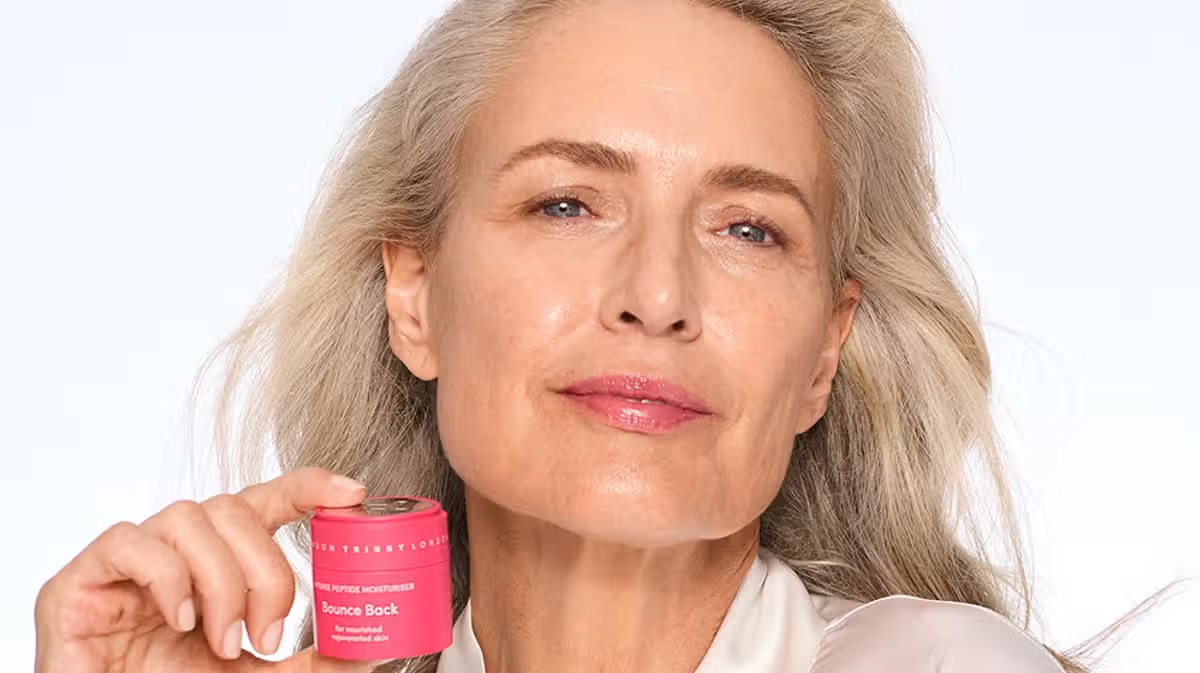
Trinny London’s new skincare set includes a mini version of the Bounce Back moisturiser(Image: Trinny London)

Trying a new skincare routine can feel like a big investment, and everyone’s skin is different. That’s why beauty fans are turning to discovery sets like Trinny London’s Skincare Discovery Set, which offers a chance to test bestselling formulas before committing to full sizes.

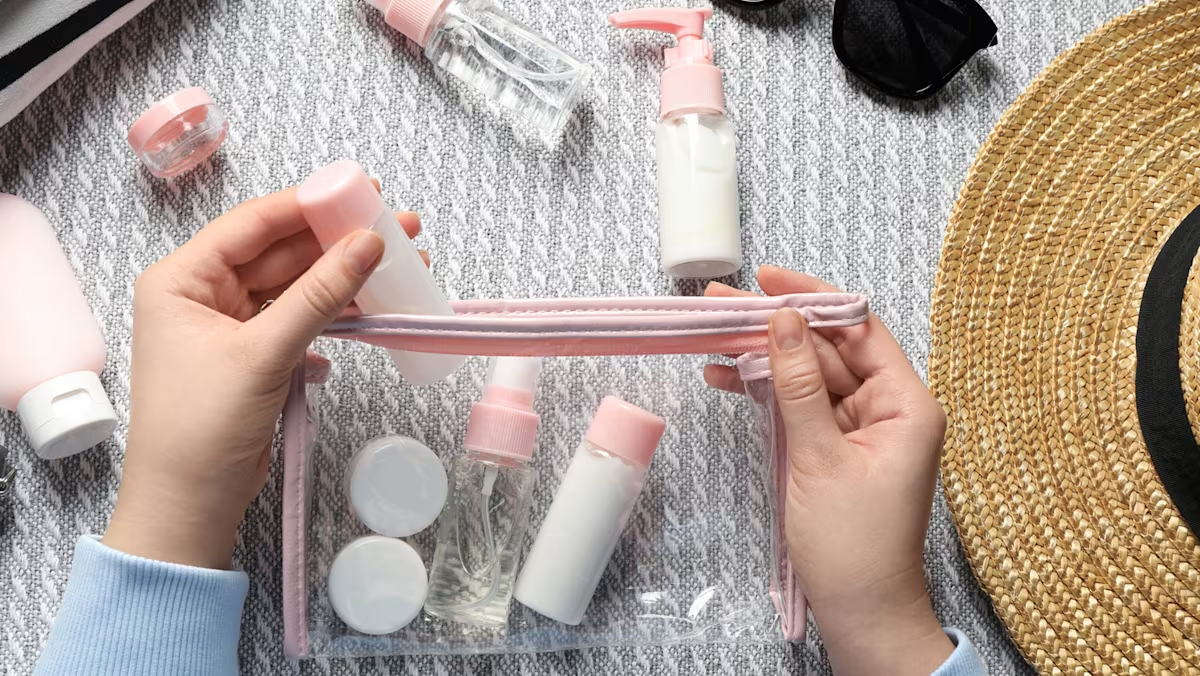
The Skincare Discovery Set is now available for £65, with its contents worth a total of £102. The set brings together four travel-sized essentials designed to cleanse, hydrate and target visible signs of ageing, all in a handy makeup bag.

Best yet, each mini is fully stackable, for easy storage. It includes the Be Your Best Enzyme Balm Cleanser, an oil-based cleanser that removes makeup and impurities while nourishing the skin with pineapple enzyme, almond, borage and linseed oils, alongside a prebiotic complex that helps support the skin’s microbiome.

READ MORE:

Also included is the Tiptoe In PHA Exfoliant, an exfoliating treatment formulated with gluconolactone and lactobionic acid to boost radiance by sweeping away dead skin cells, while trehalose and glycine-bonded azelaic acid help restore hydration and calm stressed or sensitive skin. For hydration and firmness, the set features the Plump Up Peptide⁺ + HA Serum, which combines hyaluronic acid with peptides to help improve elasticity, deeply hydrate and visibly plump fine lines.

Completing the routine is the Bounce Back Intense Peptide Moisturiser, packed with peptides, phytosphingosine and hyaluronic acid to help firm, smooth and intensely moisturise the skin while supporting collagen production for a bouncier-looking complexion. Everything comes packed inside The Jubilee travel bag, making the set perfect for weekends away and holidays.

Get the Skincare Discovery Set

£65

Trinny London

Buy here

This set comes with four of Trinny London’s bestselling formulas in mini, stackable form.

Alternatively, there is the Merit Beauty Skincare Mini Trio for £25.20 down from £46 from Sephora. This one comes with an instant glow serum, priming moisturiser and a cleanser.

On LookFantastic there is the Clinique Skincare Bestsellers Bundle for £111. It comes with three skincare products: a luscious cleansing balm, a hydrating moisturiser and lightweight eye cream.

The Trinny London Skincare Discovery Set has a 4.7 out of five star average rating from over 9,000 reviews online. One person said: “The Bounce Back moisturiser is amazing! I love the texture, and it smooths out fine lines and wrinkles as soon as it’s applied.”

The set is available for £65.(Image: Trinny London)

Another added: “It feels silky smooth going on and so fresh afterwards.” A third person commented: “Best skincare cream I have used.”

Some disagreed slightly as one person said: “Love all my other Trinny products but finding that the plump up serum is ever so slightly sticky on application.” Another wrote: “Not sure what it does. Bit sticky and at the same time a bit of a runny substance.”

The Discovery Set is available from Trinny London.

Tags: , , , , , , , ,
The Best Skincare Treatments of 2026

Best skincare treatments 2026

In 2026, the almost universally unattainable Glass Skin aesthetic is out. Skincare is entering a new era, where science-based treatments are replacing social media hype. 

Rather than blindly following TikTok trends and Instagram fads that would have us jump on the bandwagon of ‘viral’ products with questionable effectiveness, Australian skincare enthusiasts are becoming increasingly selective about the treatment recommendations they trust. 

Today, Australian beauty lovers are learning to understand our own skin types and what suits us best, embracing tailored treatments that help us each achieve our healthiest complexions yet. 

With advanced methodologies becoming ever-more accessible in Australia, we’re seeing a new wave of treatments hit our shores. But which are the best skincare treatments of 2026?

Healthy Skin is The New Status Symbol

Just like ‘old money’, healthy skin never goes out of style. 

In a bold beauty move that’s seeing us shift away from past ideals of heavily filtered faces, impossibly smooth cheeks and blurred complexions, today’s new status symbol is a healthy, glowing skin barrier that shines without full-coverage foundation.

Of course, this shift towards naturally healthy-looking skin does mean that we are more reliant than ever before on science-backed skincare that delivers proven results. But with top-tier treatments becoming increasingly accessible, the question on every Australian’s lips is which facial rejuvenation ritual to invest in first.

For many Australians, investing in our skin has become more than just a nice-to-have, and we’re seeing the true value of this investment. Skincare is now, for many of us, a non-negotiable step in our self-care routines, and the benefits pay off. A healthy skin barrier, increased collagen production, and higher skin cell regeneration are essential elements of a glowing complexion, helping us achieve that lit-from-within radiance many Australians are striving to attain today.

And the best way to get that glow? Many of us are choosing to support our at-home skincare routines with expert application of advanced treatments, the likes of which are heralding a new era of skincare in Australia.

Australian Skincare Has Entered a New Era

Skincare treatments have come a long way from the days of cheap apricot face scrubs and detergent-like cleansers grabbed from supermarket shelves. These days, almost all of us have a dedicated skincare routine, and we’re leaning into a new era of advanced treatment methods to care for our complexions. 

Our skincare needs are becoming more complex, especially as we learn more about what it actually takes to care for our skin. Many of us are reaching for better quality skincare products to incorporate into our at-home routines. We’re also looking for ways to supplement our self-care, often outsourcing to skincare experts like aestheticians who deliver professional treatments that combine advanced technology with customised treatment plans. 

Enter: personalised skincare solutions tailored to our specific skin concerns, whether that’s pigmentation, acne scarring, fine lines, or uneven skin texture. But regardless of whether we would benefit most from laser resurfacing or more medical-grade procedures, there’s no doubt that these types of treatments are now more accessible than ever for many Australians.

Regenerative Skincare is Taking Centre Stage

If there’s one beauty treatment trend we’ve been seeing everywhere lately, it’s regenerative skincare.  

Instead of covering up our complexions and hiding behind heavy concealers, investing in a regenerative treatment, like microneedling, chemical peels, or an acne scar treatment in Melbourne, can help us repair and rejuvenate our skin from the inside out. Better yet, skincare treatments like these, which focus on skin barrier regeneration and skin cell turnover, use a longer-term approach that supports both the quality and longevity of our skin’s health. 

Rather than a one-size-fits-all, band-aid solution, choosing a treatment that actually suits our skin type is also a key focus for 2026. Yes, that viral product with the on-trend packaging might look good on the bathroom shelf, but surely, we should care more about our skin’s health than whether the wrapper fits a certain aesthetic. 

–

When it comes to skincare in 2026, pseudoscience is something many Australians are leaving behind. Gone are the days of jumping onto every viral product a random influencer is pushing us to try. No, today, our skincare reccs need to be backed by science, as well as proof that they will actually work for us.

Thankfully, in today’s new era of advanced skincare treatments, healthier skin is well within our reach. With regenerative treatments like microneedling and laser resurfacing becoming increasingly accessible for many Australians, more of us can enjoy customised, personalised and tailored treatment plans that actually suit our skin types.

Tags: ,
I Thought 10,000 Steps Was the Goal (Then I Discovered Japanese Walking)

I Thought 10,000 Steps Was the Goal (Then I Discovered Japanese Walking)

Most people think of walking as a low-intensity activity – something you do when you aren’t “really” working out.

But with a small change in how you walk, it can become a pretty effective workout for your heart, muscles, metabolism, and bones.

That’s especially important in midlife, when building lean muscle takes longer, recovery is slower, and just feeling like yourself – or mostly like yourself – often takes a lot more effort. If you’ve been aiming for 10,000 steps a day and it hasn’t moved the needle as much as you hoped, I’m going to share a method for getting more out of your daily walks.

But before we get to that, here’s the weird (and some might say wonderful) story of how we got to that number in the the first place.

Back in 1964, just before the Tokyo Olympic Games, a company started selling a step tracker (pedometer) called the Manpo-kei. When translated, “man” means 10,000, “po” means steps, and “kei” means meter. So, “10,000 Step Meter.”

Why 10,000? Well, many people believe the company chose the name because the Japanese character for 10,000 (“man”) kind of looks like a man walking.

The pedometer was a massive success, and sixty years later we’re all still using the 10,000 number as the gold standard for how much we should walk.

Now, the takeaway here isn’t that 10,000 steps is “wrong.” If anything, the marketing campaign helped popularize one of the healthiest habits most of us can adopt. However, the number itself wasn’t derived from exercise physiology – it was chosen because it made for memorable branding.

And there’s a catch . . .

The problem with walking at a standard pace is that your body is incredibly efficient. Once it adapts to a certain speed, it stops needing to improve. You hit a physiological plateau where your heart rate remains steady, and your muscles burn just enough fuel to keep you going.

You’re moving, and that matters. But your body may not have much reason to adapt or trigger systemic change.

For that, it needs a reason to stop coasting and start adapting again.

Why Steps Are Only Half The Story

For decades, most conversations about walking have centered around steps, miles and minutes . . . basically asking “How much is enough?”

Research shows that some benefits start showing up with as little as 2500 steps, and the benefits build steadily as your daily step count increases.

For most adults, the sweet spot lands around 7,100 steps for reducing the risk of cardiovascular events and 8,800 steps for overall longevity. After that, you’re still moving in the right direction – you just gain a little less with each additional thousand steps. (1) (2)

But step count isn’t the only thing that matters. Researchers also found that walking pace is linked with additional benefits – even when the total number of daily steps stays the same.

In other words, walking more is part of the equation.

How you walk is another.

And to understand that part, we’ll need to turn to actual Japanese researchers – not marketers.

How 3-Minute Shifts Change The Training Effect

Researchers at Shinshu University developed a method called Interval Walking Training (IWT), which is often called Japanese Walking.

The basic method is surprisingly simple:

  • Walk quickly for three minutes.
  • Walk slowly for three minutes.
  • Repeat five times.

Instead of allowing your body to settle into one comfortable, steady pace, Japanese Walking alternates between effort and recovery.

The faster intervals create a stronger demand on the heart, lungs, and lower-body muscles. The slower intervals give you enough time to recover before asking your body to do it again.

By shifting between modes you change the training effect of the walk. Below are some of the key benefits.

During midlife, declining estradiol often shifts the way the body regulates blood sugar, stores fat, and maintains muscle. That’s one reason many women notice that familiar workouts don’t seem to deliver the same results anymore.

Interval walking may help address part of that shift.

Every time you pick up the pace, your working muscles need more immediate energy. To meet that demand, they pull more glucose from the bloodstream. Over time, that repeated pattern may help the body regulate blood sugar more effectively.

In a randomized trial involving adults with type 2 diabetes, interval walking improved several measures of glucose control and reduced visceral fat. Walking continuously for a similar amount of time – and burning a similar number of calories—did not produce the same improvements. (3)

#2 – Raising Your Aerobic Ceiling

One of the biggest benefits of Japanese Walking is that it helps raise your VO₂ max – a metric many longevity researchers consider one of the strongest indicators of long-term health. Think of it as a measure of your body’s aerobic “engine”: how effectively your heart, lungs, blood vessels, and muscles work together to deliver and use oxygen when your body needs it most.

The higher your aerobic capacity, the more reserve you have. You can sustain higher bursts of activity, recover faster between activities, and meet the everyday demands of life with less effort.

A comfortable walk usually isn’t enough to keep improving that engine, but the fast intervals in Japanese Walking ask your cardiovascular system to do more. Your muscles demand more oxygen, your heart pumps harder to deliver it, and over time your body becomes better at meeting those demands.

In the original Shinshu University trial, participants increased their peak aerobic capacity for walking by 9%. Another randomized study involving adults with type 2 diabetes reported a 16.1% increase in VO₂ max. (4) (3)

The interval walkers also reduced resting systolic blood pressure more effectively than participants who walked continuously at a moderate pace.

#3 – Preserving Lower-Body Strength

Midlife is also when maintaining muscle becomes increasingly important – and increasingly difficult.

Japanese Walking isn’t a replacement for strength training, but the faster intervals require more from muscles than typical walking.

In the original trial, interval walkers increased knee-extension strength by 13% and knee-flexion strength by 17%. (4) Those movements involve the quadriceps and hamstrings – the muscles that help us climb stairs, rise from chairs, maintain stability, and move confidently through life.

That’s a meaningful gain from 30 minutes you might already be spending on a walk.

#4 – A Potential Benefit for Bone

In a study of postmenopausal women, five months of Interval Walking Training increased bone mineral density in the spine and femoral neck among women who began the study with lower bone density. (5)

It doesn’t mean Japanese Walking is a replacement for strength training or other forms of bone-loading exercise, but it suggests that increasing the intensity of a walk may provide a positive stimulus for bone health.

Bottom line: If your priorities include preserving strength, improving metabolic health, building cardiovascular fitness, and supporting your bones, adding a pattern of intensity and recovery can help you work toward those goals – without necessarily requiring a longer workout.

Why This Matters More In Midlife

In midlife, many of the things we want exercise to preserve become harder to hold onto.

As hormone levels shift, maintaining muscle, bone, cardiovascular fitness, and healthy blood sugar regulation requires more intention than it once did. That makes things like getting enough protein and the quality of our exercise increasingly important.

The faster intervals in Japanese Walking give the body a stronger training signal – one that asks more of the muscles, cardiovascular system, and metabolism than walking continuously at an easy or moderate pace.

It’s also practical enough to fit into real life:

  • No gym
  • No complicated program
  • No expensive equipment
  • Easy to remember
  • Easy to restart after missing a few days
  • About 30 minutes from start to finish

In other words, Interval Walking Training asks more of your body without asking much more of your schedule.

Your Quick Start Guide To Walking

Japanese Walking is essentially high intensity interval training stripped down to one of its most basic forms. All you need are comfortable walking shoes and a way to keep track of three-minute intervals.

Here’s the basic pattern:

  1. Walk at an easy pace for three minutes.
  2. Increase to a faster, more challenging pace for three minutes.
  3. Slow back down for three minutes.
  4. Continue alternating until you’ve completed five faster intervals and five recovery intervals.

That adds up to about 30 minutes.

How Fast Should the Brisk Intervals Feel?

The easiest way to find the right pace is with the talk test.

During the faster intervals, you should be breathing noticeably harder, but still able to speak in short sentences. If you could comfortably sing a song, it’s probably time to pick up the pace a little. If getting out even a few words feels difficult, ease off.

The goal is not to push as hard as possible. You’re looking for a pace that feels challenging, but still sustainable for the full three minutes.

When the recovery interval begins, slow down enough for your breathing to settle before the next brisk round. The easier intervals are an important part of the workout because they give you enough recovery to repeat a stronger effort several times without wearing yourself out too quickly.

Keep Your Steps Quick, Not Long

When you want to speed up, it’s natural to start reaching farther in front of you – but a longer stride isn’t necessarily a better one.

Instead, focus on taking quicker steps. Keep your posture tall, let your arms swing naturally, and allow your stride to stay comfortable. Your knees and hips will probably appreciate it.

You Don’t Have to Start With All Five Rounds

In the original research, participants completed at least five fast-and-slow cycles, usually four or more days per week. That’s the full protocol, but it’s not necessarily the best place for everyone to begin.

If 30 minutes feels like a lot right now, start with two or three rounds and see how you feel. As your fitness improves, you can gradually add another until all five feel manageable.

A Quick Safety Note

Japanese Walking is generally considered low-impact, but the faster intervals are meant to raise your heart rate. Start at a pace that fits your current fitness level, and check with your healthcare provider first if you have a medical condition or concerns about higher-intensity exercise.

And, of course, stop if your body is telling you something isn’t right.

What About a Weighted Vest?

A weighted vest adds external load, which means your muscles and bones have a little more work to do with each step. Research on the benefits of weighted-vest exercise suggests that it may help support lower-body strength and provide an additional bone-loading stimulus.

I’ve personally found it to be a useful addition to Japanese Walking, but I don’t use it every time. If you’ve read my article on the infradian rhythm, you know I match the intensity of my workouts to where I am in my cycle, how well I slept, and how recovered I feel that day. When I’m feeling energetic and strong, I throw on my vest. If I didn’t sleep well or recovery feels slower, I leave it behind and just walk.

One important note: A weighted vest isn’t part of the original Japanese Walking protocol, and I personally wouldn’t start interval walking and a weighted vest at the same time. By the time I discovered Japanese Walking, I’d already been wearing a vest regularly, so adding the intervals was the only new challenge.

Bottom line: If you decide to try a weighted vest, start light and give your body time to adjust. Adding too much too quickly can affect your posture, make the walk feel awkward, or place more stress on your joints than you intended.

Walking More and Training Better

By alternating effort with recovery, Japanese Walking turns a 30-minute walk into a more focused training session. It can be an incredibly helpful tool in midlife, especially when it’s used alongside strength training, adequate recovery, supportive nutrition, and, for some women, bioidentical hormone therapy.

Free Midlife Field Guide

If you’ve ever found yourself thinking,“Why doesn’t my body respond the way it used to?” . . . this guide was written for you.

It explains what’s changing during midlife physiology and hormone health in plain English, so you can better understand what’s happening inside your body.

Enter your email below and I’ll send it right over. You’ll also receive my weekly newsletter with practical wellness tips, recipes, and new guides like this one.

Sources

  1. Stens, N. A., Bakker, E. A., Mañas, A., et al. (2023). Relationship of Daily Step Counts to All-Cause Mortality and Cardiovascular Events. Journal of the American College of Cardiology.
  2. University of Granada. (2023). 8,000 Steps a Day to Reduce the Risk of Premature Death. ScienceDaily.
  3. Karstoft, K., Winding, K., Knudsen, S. H., et al. (2013). The Effects of Free-Living Interval-Walking Training on Glycemic Control, Body Composition, and Physical Fitness in Type 2 Diabetic Patients: A Randomized, Controlled Trial. Diabetes Care.
  4. Nemoto, K., Gen-no, H., Masuki, S., et al. (2007). Effects of High-Intensity Interval Walking Training on Physical Fitness and Blood Pressure in Middle-Aged and Older People. Mayo Clinic Proceedings.
  5. Martyanti, R. N., Morikawa, M., Hanaoka, M., et al. (2024). Increased Response of Postmenopausal Bone to Interval Walking Training Depends on Baseline Bone Mineral Density. PLOS ONE.

Share with a friend! 👇

Tags: , , , , ,
Best oLive
Privacy Overview

This website uses cookies so that we can provide you with the best user experience possible. Cookie information is stored in your browser and performs functions such as recognising you when you return to our website and helping our team to understand which sections of the website you find most interesting and useful.