Beauty budgets are getting a reality check — but self-care still comes first

Beauty budgets are getting a reality check — but self-care still comes first

  • Self-care isn’t optional anymore: Many Americans are prioritizing beauty and wellness routines — even if it means cutting back on essentials like groceries or delaying other expenses.

  • Spending habits are shifting, not disappearing: Instead of giving up treatments, consumers are spacing out appointments, choosing more affordable options, and turning to DIY alternatives.

  • It’s about more than looks: For a growing number of people, beauty and wellness are tied to stress relief, confidence, and overall well-being — making them feel worth the cost, even in a tight economy.

For many Americans, beauty and wellness routines are no longer a “nice-to-have” — they’re part of how people cope, stay confident, and manage everyday stress. Even as costs rise and financial pressure builds, consumers aren’t walking away from self-care. Instead, they’re reshuffling their budgets to make it work.

New data from Zenoti reveals just how far people are willing to go: some are cutting back on groceries, delaying vacations, or even taking on debt to keep up with their routines. 

But the bigger trend isn’t about overspending — it’s about adaptation. From spacing out appointments to opting for DIY treatments at home, consumers are finding ways to maintain their routines without completely breaking the bank.

ConsumerAffairs spoke with Sudheer Koneru, CEO and Co-founder, at Zenoti to learn more about how this trend is reshaping not just how people spend, but how the entire beauty and wellness industry operates — signaling a future where flexibility, affordability, and personalization matter more than ever.

Making sacrifices for a beauty routine

Koneru broke down some of the biggest data points that surprised even the research team. Here’s a look at where consumers are making sacrifices for their beauty routines: 

  • 22% of respondents scaled back on groceries

  • 21% delayed medical or dental care 

  • 28% said they’d cut beauty spending before making major life expenses like home repairs, skipping savings contributions, and putting off vehicle maintenance for the same reason.

“That’s not reckless behavior,” Koneru said. “That’s a signal. When people protect something this fiercely, it means it’s doing something essential for them — managing stress, restoring confidence, maintaining a sense of self during uncertain times. 

“Beauty and wellness have always been about feeling good. Our data just confirms that people know it, even when their budgets don’t make it easy.” 

Impacting credit

Koneru also explained that these trends are affecting how shoppers are using their credit. 

“Our research found that 41% of consumers used credit cards for beauty and wellness in the past year, and nearly half said they’d be willing to take on debt to maintain their routines if they lost their primary income,” Koneru said. ‘ That’s not impulse spending. That’s a considered decision; the same kind people make about rent or health care, and points to a mindset shift where these services are seen as ongoing commitments vs. the occasional ‘treat yourself’ splurge.” 

Can you save money?

The short answer: yes. 

Zenoti’s research shows that many consumers (45%) are spacing out their appointments further in an effort to stretch their budgets. Additionally, about 33% are opting for more affordable treatments or options instead of ditching them entirely. Another option: DIY beauty treatments. 

Koneru said that there are plenty of ways for consumers to maintain their beauty routines while also being cost-effective. 

  • Switching from impulse buying to intentional spending

  • Switching to more affordable product alternatives – going from premium to drugstore brands 

  • Subscription boxes and at-home tools 

“The smartest savings often come from better guidance, not just cheaper products,” Koneru said. “We’ve seen that consumers who work closely with their provider — and use the right retail products to extend the benefits of their services at home — actually spend less over time. They stop cycling through products that don’t work and start investing in what does. That’s a conversation providers should be having at every appointment.”

Feeling good isn’t a luxury

Koneru says that these findings express something deeper about human perception: feeling good isn’t a luxury.

“More than three in five people told us that cutting back on beauty and wellness would make them more stressed, less confident, or worse off emotionally,” Koneru said. “That’s not a small thing; it’s infrastructure for daily life.

“Consumers are now behaving more like long-term planners, adjusting their frequency and spending, but staying committed to maintaining these routines. The broader takeaway for me is that in uncertain times, people don’t give up the things that make them feel like themselves. They find creative ways to hold onto them.”

Tags: , , , ,
Ultimate South African Self-Care Guide

Ultimate South African Self-Care Guide

Life in South Africa can be a beautiful whirlwind. From the bustling streets of Johannesburg to the calm seaside towns of the Western Cape, our days are filled with work, family, and the constant buzz of modern life. But amid all this energy, taking care of yourself — truly caring for your mind, body, and soul, often gets pushed to the bottom of the list.

Self-care isn’t just bubble baths and scented candles (though we love those too). In South Africa, self-care is about blending modern wellness habits with local traditions and nature’s healing power. Here’s your ultimate guide to self-care, South African style.

1. Understanding Self-Care in South Africa

Self-care is personal. It’s the daily choices that help you feel centred, healthy, and happy. In South Africa, it also has a cultural dimension — drawing from traditions, nature, and community. Think sipping a calming Rooibos tea while listening to a live mbaqanga performance, or taking a weekend hike up Table Mountain to reconnect with yourself.

Local wellness practices, like herbal remedies (umhlonyane for stress relief) or visiting traditional healers (sangomas), can be incorporated alongside modern routines like yoga, meditation, or journaling.

2. Daily Self-Care Habits That Work

Self-care doesn’t have to take hours. Even small, intentional habits can make a big difference:

Morning Rituals:
Start your day with a calming routine. Brew a cup of Rooibos tea from the Cederberg region, practise mindfulness for five minutes, or jot down a gratitude list. If you’re in Cape Town, a sunrise walk along Sea Point promenade is pure magic.

Physical Wellness:
Exercise is a cornerstone of self-care. Whether it’s cycling in Johannesburg’s parks, hiking the Drakensberg, or surfing in Durban, moving your body in nature is restorative. Even a brisk walk around your neighbourhood can help reset your mind.

Mindful Eating:
Eat local, seasonal foods. Fresh fruits from a nearby farmers’ market, a wholesome bobotie for lunch, or a smoothie with indigenous ingredients like baobab powder can nourish both body and soul. Remember, self-care is also about enjoying your food without guilt.

3. Weekend Wellness Rituals

Weekends are prime time to recharge fully:

  • Spa Days: Treat yourself at a Cape Town spa or a boutique retreat in Stellenbosch. Hot stone massages or traditional treatments can work wonders for stress relief.
  • Nature Retreats: Head to the Drakensberg or the Lowveld for a weekend digital detox. Hiking, meditating, or simply listening to the wind through the trees reconnects you with yourself.
  • Cultural Self-Care: Engage with your community. Attend a local music festival, art workshop, or storytelling circle. Celebrating local culture is a joyful way to nourish your spirit.

4. Mental Health and Community

Self-care isn’t just about what you do alone; it’s about the people and support around you. South Africa has a growing wellness and mental health scene. Apps like Mindful Gnani or local therapists provide guidance if you’re feeling overwhelmed.

Balancing work, family, and social life is key. Don’t hesitate to say no when needed, and prioritise “you time” guilt-free. Even a 10-minute meditation before bed counts.

5. Quick Self-Care Tips for Urban Life

Life in cities like Johannesburg, Durban, or Pretoria can be hectic. Here are simple ways to weave self-care into your routine:

  • Take coffee breaks at local cafés like Father Coffee in Joburg or Truth Coffee in Cape Town.
  • Stretch during office hours or do a short guided yoga session online.
  • Explore nearby nature reserves for a weekend escape — think Walter Sisulu Botanical Gardens or Kloof Gorge.
  • Incorporate South African music into your day — whether it’s amapiano, kwaito, or jazz — for a quick mood boost.

Make Self-Care a South African Lifestyle

Self-care is more than a trend; it’s a lifestyle. The beauty of South Africa is that we have a unique mix of modern wellness resources and natural, cultural practices to draw from. Whether it’s a morning Rooibos ritual, a hike up Table Mountain, or a weekend spa retreat, the key is intentionality.

Start small. Choose one ritual today — a sunset walk at the V&A Waterfront, five minutes of meditation, or a calming herbal tea — and make it yours. With consistent self-care, your mind, body, and soul will thank you, South African style.

Also see: Lamiez Holworthy opens up about challenges of growing up in an Indian family

Be the first to know – Join our WhatsApp channel for content worth tapping into. Click here to join!

Tags: , , , ,
Valentine`s Day Self-Care Ideas That Go Beyond Romance

Valentine’s Day Self-Care Ideas That Go Beyond Romance

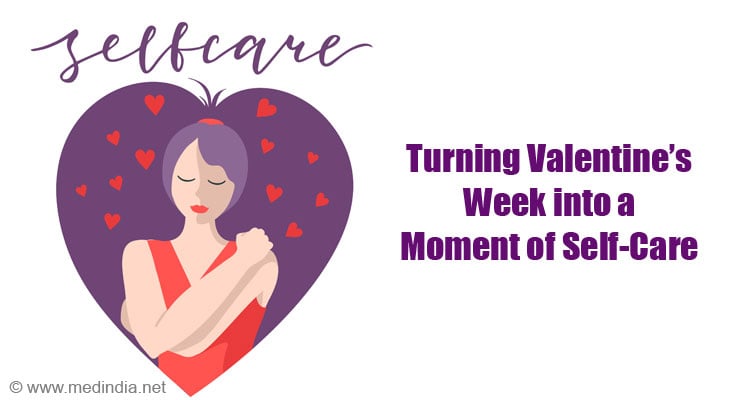
Valentine’s week is no longer just about romance. Simple self-care rituals, skincare habits and mindful pauses are helping people reconnect with themselves and unwind.

Highlights:

  • Self-care routines turn daily habits into moments of calm
  • Simple skincare rituals support both skin health and emotional balance
  • Rest, nourishment and mindful pauses are key to sustainable wellbeing

February is often associated with roses, chocolates and candlelit dinners. Yet beyond romantic gestures, Valentine’s season is also a timely reminder that self-love and self-care deserve equal attention (1✔ ✔Trusted Source
Feeling stressed? It can show in your skin, hair, and nails

Go to source

).
In recent conversations around wellness, skincare has emerged as more than a beauty habit. It is increasingly seen as a daily ritual tied closely to emotional well-being, stress management and overall health.

Advertisement

Self-Love Spa Day Ideas At Home

A self-love spa day does not require appointments or expensive products. A warm bath with soothing scents, soft lighting and unhurried time can calm the nervous system. Follow it with a mindful skincare routine that focuses on cleansing, hydration and nourishment. DIY packs such as a gentle face mask or foot soak can add value. The aim is not perfection, but presence.

Advertisement

Everyday Skincare Rituals for Emotional Balance

Daily skincare can become a grounding habit when done slowly. Massaging cleanser into the skin, applying moisturizer with intention and finishing with sunscreen in the morning helps create predictable moments of calm. These routines offer structure during busy days and allow the skin to respond steadily rather than reactively.

Advertisement

Nourishing The Body as Part Of Self-Care

Self-care extends beyond topical treatments. Eating balanced meals, staying hydrated and following natural hunger cues all support skin health. Choosing foods that feel nourishing rather than restrictive helps reinforce a sense of care from within. This approach supports whole-body wellness, which often reflects outwardly on the skin (2✔ ✔Trusted Source
Beauty Sleep: Why Rest and Relaxation Impact Appearance

Go to source

).

Rest and Digital Detox As Self-Love Practices

Quality rest is a powerful form of self-care. Creating a bedtime routine that limits screen time, lowers lighting and signals the body to unwind can improve sleep quality. Even short breaks from constant notifications during the day can reduce mental clutter and support emotional clarity.

Movement and Mindfulness For Gentle Rejuvenation

Movement does not have to be intense to be effective. Stretching, slow walks or simple breathing exercises help release tension stored in the body. Pairing movement with mindfulness encourages awareness without judgment, reinforcing kindness towards oneself.

Self-care becomes meaningful when it fits naturally into daily life. When routines feel supportive rather than demanding, they are easier to maintain and more rewarding. Over time, these choices help build a relationship with oneself that feels steady, respectful and restorative.

If this season nudges you to slow down and listen to your body, honour that instinct. Your skin often reflects how you treat yourself. Make space for small rituals that remind you that your well-being matters, today and every day.

Frequently Asked Questions

Q: What Is A Self-Love Spa Day At Home?

A: A self-love spa day at home involves relaxing activities such as warm baths, skincare routines and calming rituals focused on comfort and renewal.

Q: How Can Skincare Be Part Of Daily Self-Care?

A: Skincare supports daily self-care by creating consistent moments of calm, helping people slow down and connect with their bodies.

Q: What Are Simple Self-Care Practices For Stress Relief?

A: Simple self-care practices include mindful skincare, gentle movement, balanced meals, adequate rest and limiting digital overload.

Q: How Does Rest Support Skin And Emotional Health?

A: Rest allows the body and skin to repair while supporting emotional balance and reducing visible signs of stress.

Q: Can Movement Be Considered A Form Of Self-Love?

A: Yes, gentle movement such as stretching or walking helps release tension and reinforces care for both body and mind.

References:

  1. Feeling stressed? It can show in your skin, hair, and nails – (https://www.aad.org/news/stress-shows-in-skin-hair-nails)
  2. Beauty Sleep: Why Rest and Relaxation Impact Appearance – (https://www.sleepfoundation.org/physical-health/beauty-sleep)

Source-Medindia

Tags: , , , ,
Self-care beyond beauty – The Daily Texan

Self-care beyond beauty – The Daily Texan

For women, self-care is often synonymous with physical upkeep. Skincare products, hair treatments, nail enhancements, hair removal, workouts and makeup are some of the many ways self-care is marketed to women. On social media platforms like TikTok, searching “#SelfCare” yields countless videos of influencers promoting products, routines and services that presumably helps users better themselves. Yet, this notion of improvement rarely extends beyond the physical.

This focus on the trappings of beauty — skin, hair, body and cosmetics — neglects true self-improvement in favor of adhering to external beauty standards. In online content targeted towards women, there’s relatively little mention of caring for yourself emotionally or mentally. Instead, women are bombarded with the idea that physical attractiveness can, and should, be enough to fulfill them.

Mehdi Haghshenas, associate professor of sociology, argues that beauty rituals often act as a form of social conditioning that works to reinforce norms of femininity.

“When women conform to beauty norms, they are often rewarded with approval, professionalism or social ease,” Haghshenas said. “When they don’t, they may be judged as lazy, unkempt, unfit (or) unfeminine. … Therefore, consequences are very subtle but extremely powerful. Beauty rituals shift from optional practices into baseline requirements for social legitimacy.”

Corporate communications junior Michelle Veneros has noticed self-care often goes hand-in-hand with beauty, especially in terms of what’s marketed to women her age.

“(Self-care is) mainly promoted as beauty-centric,” Veneros said. “I think it works for some people. If they look good on the outside, they’ll feel good on the inside. But I think it’s also really important to not neglect other parts of your personality, or who you are besides what you look like.”

For men, self-care doesn’t have nearly the same connotation. While those of all genders face pressure towards physical optimization, the pursuit of beauty through extensive products and services typically isn’t expected of men.

“For men, it might not be so appearance-focused, (like for younger women),” Veneros said. “It might be developing a healthier diet, working out or finding different hobbies. ”

External beauty standards can be exhausting—and expensive. According to the Global Wellness Institute, the global wellness economy was worth $6.8 trillion in 2024. The highest-valued wellness sector, surpassing healthy eating and physical activity, was personal care and beauty at $1,350 billion. 

It’s clear that promoting beauty as a form of self-care is profitable. However, the normalization of this attitude leaves women with a skewed sense of what self-care truly means. Rather than focusing on the mental, emotional and spiritual aspects of themselves, caring for their attractiveness is prioritized above all else.

“Grooming, makeup, hair removal (and) clothing become routines, not because they are necessary, but because they are expected,” Haghshenas said. “Over time, these expectations feel completely natural, and it becomes highly personal.”

Ultimately, women should care for themselves beyond these superficial expectations of beauty. While physical attractiveness may be desirable, pursuing it exclusively neglects true self-improvement. Finding new hobbies, pursuing therapy, practicing meditation, connecting with your community and educating yourself are just as important as your body.

In a world that often reduces women to their physical appearance, it’s crucial that their self-care doesn’t stop there.

Tuscano is a government sophomore from Round Rock, Texas.

Tags: , , ,
Ulta Beauty’s Wellness Pilot Signals Deeper Ties Between Beauty & Self-Care

Ulta Beauty’s Wellness Pilot Signals Deeper Ties Between Beauty & Self-Care

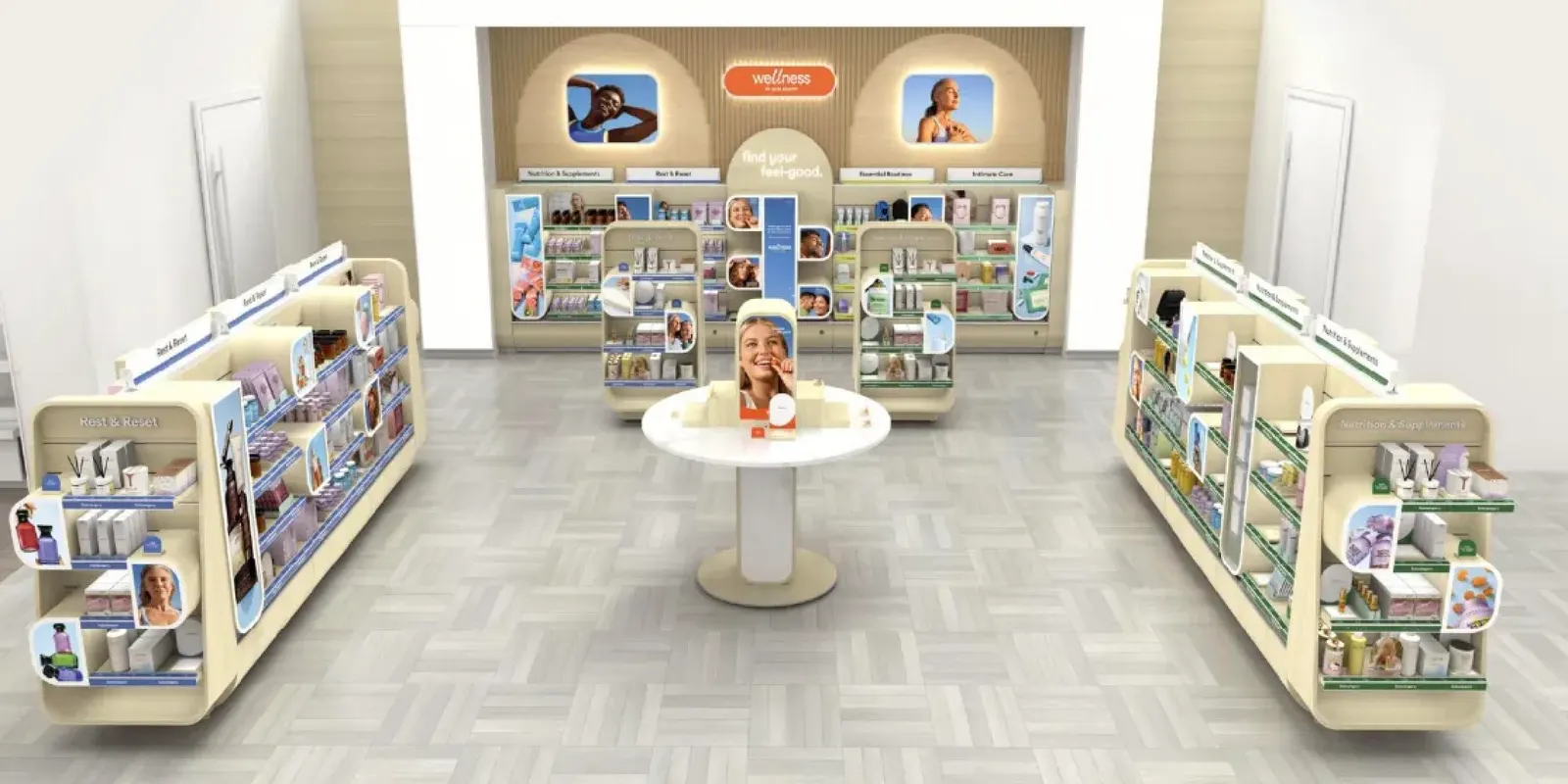
A view of Ulta’s new wellness shop-in-shop retail concept.

Array Marketing

Ulta, which developed its wellness concept back in 2021 with a curated assortment of wellness products, is evolving into a dedicated in-store experience with the launch of “Wellness by Ulta.” The concept will take the form of a dedicated shop-in-shop section and is being rolled out in four locations this week: Columbus, Ohio; Short Pump, Virginia; and Peabody, Massachusetts. As Laura Beres, VP of Wellness at Ulta Beauty, said in a statement: “Wellness by Ulta Beauty is evolving from a category into an experience.”

This initiative highlights Ulta’s ambition to move wellness beyond product merchandising and into experiential retail. “Our first-ever wellness boutiques will deliver discovery, education and trusted guidance together in a way that helps guests easily find what works best for them,” Beres explained—highlighting a move that goes beyond merchandising alone. By hiring expert staff and focusing on providing guidance to customers, Ulta positions itself as a credible retail destination for both avid wellness shoppers and new entrants into the category.

This commitment resonated with various wellness brands whose genuine purpose is to provide self-care solutions and functional benefits to consumers, such as The Nue Co. The clean supplements brand, which also has a range of functional fragrances, is exclusively rolling-out its mood-boosting fragrances to over 1,000 Ulta locations nationwide, including in the wellness corners of these Ulta shop-in-shop concepts. Jules Miller, founder of the wellness brand, shared with Glossy.co one of the reasons she felt compelled to work with Ulta: “The staff within that section are actually trained to talk to the things that I’m passionate about. The thing that I’m so adamant about is that, if you put these products in just a normal fragrance aisle, you’re going to lose the point of them. These are tools for well-being”.

Wellness products don’t always perform well in retail because they require more education and trial than beauty products, so educating staff that can advise shoppers really makes all the difference. Investing in staff training, interactive screens with additional product information and intuitive layouts will help shoppers navigate these wellness aisles and engage with potentially new brands and concepts, such as The Nue Co’s functional fragrances.

Another new brand being listed in Ulta’s new wellness corners is Naomi Watts’ “Stripes Beauty”, a personal care and skincare brand focused on perimenopause and menopause. This move signals an authentic interest in offering solutions to a large portion of women whose needs are still very much underserved, and sends the message that Ulta’s wellness concept aims to offer products for every consumer profile, across a range of preoccupations, from gut health to sexual wellness, energy and many more categories. In fact, Ulta Beauty has transitioned to four wellness pillars: Nutrition & Supplements, Intimate Care, Rest & Reset, and Essential Routines.

Over time, beauty and wellness have become increasingly intertwined, evolving into complementary and overlapping categories. While beauty has traditionally focused on self-expression and outward appearance, wellness has centered on inner balance and health. Today, those boundaries are blurring: beauty brands are adopting the language of wellness by emphasizing confidence and inner well-being, while wellness brands increasingly frame feeling good as a path to looking good. It comes as no surprise, then, that many beauty brands are expanding into wellness.

As Ulta tests and refines its wellness shop-in-shop concept, the pilot offers a glimpse into how beauty retailers may evolve next: not as places to simply buy products, but as trusted destinations for guidance, education and holistic routines. If successful, “Wellness by Ulta” could set a guiding example for how mass beauty retail captures a more engaged, loyalty-driven wellness consumer—one who increasingly expects self-care to be as thoughtfully curated as makeup or skincare, while also capturing beauty shoppers who are now becoming equally invested into wellness.

Tags: , , , , , , , ,
Prioritizing Self-Care: A Guide for Black Women to Enhance Well-Being

Prioritizing Self-Care: A Guide for Black Women to Enhance Well-Being

Overview:

Prioritizing mental and emotional well-being is essential for a balanced and fulfilling life, especially for Black women who often face unique societal pressures and expectations. Embracing natural beauty, setting healthy boundaries, cultivating a supportive community, investing in personal growth, and engaging in self-care practices can help boost self-esteem and enhance overall well-being and happiness. Self-love is not a destination but an ongoing process that requires intentional effort and commitment.

Self-love and maintaining self-esteem can be challenging, especially for Black women who often face unique societal pressures and expectations. Prioritizing mental and emotional well-being is essential for a balanced and fulfilling life. Here are five practical ways to practice self-love and boost self-esteem tailored specifically for Black women.

1. Embrace Your Natural Beauty

One of the most empowering steps towards self-love is embracing your natural beauty. This includes accepting and celebrating your unique physical features, skin tone, and hair texture. Here’s how you can do it:

  1. Ditch the Eurocentric Beauty Standards: Understand that beauty comes in all shapes, sizes, and shades. Focus on what makes you unique rather than trying to conform to societal standards that may not represent your true self.
  2. Care for Your Hair and Skin: Invest time in finding hair and skincare routines that work for you. Celebrate your curls, coils, and kinks, and use products that enhance your natural beauty.
  3. Positive Affirmations: Start your day with positive affirmations about your appearance and capabilities. Remind yourself that you are beautiful, worthy, and enough.

2. Set Healthy Boundaries

Setting healthy boundaries is crucial for protecting your mental and emotional well-being. It involves recognizing your limits and communicating them effectively to others.

  1. Learn to Say No: Understand that it’s okay to say no to things that don’t serve your interests or well-being. Prioritize your needs without feeling guilty.
  2. Communicate Clearly: Be assertive in expressing your boundaries to friends, family, and colleagues. Clear communication helps others understand your limits and respect them.
  3. Self-Respect: Setting boundaries is a form of self-respect. It shows that you value your time, energy, and well-being enough to protect them from being depleted by others.

3. Cultivate a Supportive Community

Surrounding yourself with a supportive community is vital for your self-esteem and overall happiness. Seek out relationships that uplift and inspire you.

  1. Find Like-Minded Women: Join groups or organizations that align with your interests and values. Connecting with other Black women who share similar experiences can be incredibly affirming.
  2. Seek Mentorship: Look for mentors who can provide guidance, support, and encouragement. A mentor can help you navigate challenges and celebrate your achievements.
  3. Engage in Open Conversations: Create spaces where you can have honest and open conversations about your experiences, struggles, and triumphs. Sharing your story can be therapeutic and empowering.

4. Invest in Personal Growth

Personal growth is a lifelong journey that involves continuously seeking ways to improve yourself and your life. Investing in personal growth can significantly boost your self-esteem.

  1. Pursue Education and Skills: Enroll in courses or workshops that interest you. Learning new skills or gaining knowledge can increase your confidence and open new opportunities.
  2. Set and Achieve Goals: Set realistic and achievable goals for yourself. Celebrate your progress and accomplishments, no matter how small they may seem.
  3. Practice Self-Reflection: Regularly take time to reflect on your thoughts, feelings, and behaviors. Self-reflection helps you understand yourself better and fosters personal growth.

5. Engage in Self-Care Practices

Self-care is about taking deliberate actions to care for your mental, emotional, and physical health. It’s an essential part of self-love.

  1. Physical Self-Care: Exercise regularly, eat a balanced diet, and get enough sleep. Physical health is closely linked to mental well-being.
  2. Mental Self-Care: Engage in activities that stimulate your mind, such as reading, puzzles, or learning a new hobby. Practice mindfulness and meditation to reduce stress and improve mental clarity.
  3. Emotional Self-Care: Allow yourself to feel and express your emotions. Journaling, talking to a trusted friend, or seeking therapy can help you process your feelings.

Practicing self-love and boosting self-esteem is a journey that requires intentional effort and commitment. By embracing your natural beauty, setting healthy boundaries, cultivating a supportive community, investing in personal growth, and engaging in self-care practices, Black women can empower themselves and lead more fulfilling lives. Remember, self-love is not a destination but an ongoing process that enhances your overall well-being and happiness.

This story was originally published on Word In Black on January 7th, 2026

Tags: , , , , , ,
the evidence-led future of self-care

the evidence-led future of self-care

Published
07th Jan 2026

Spa and wellness trends for 2026: what professionals need to know

As we move into 2026, spa and wellness trends are shifting away from hype-driven concepts and towards evidence-based, personalised and outcome-focused experiences.

New insights from spa operators, wellness scientists, nutritionists and booking data reveal a clear direction of travel: guests want meaningful results, transparency and wellbeing strategies that fit into real life.

For spa and wellness professionals, this signals both opportunity and responsibility, as consumers become more educated, sceptical and intentional about where they invest their time and money.

Below, we break down the key spa and wellness trends defining 2026.

Evidence-based wellness replaces empty hype

One of the strongest overarching trends for 2026 is the industry’s move away from vague promises and viral fads, towards measurable outcomes and scientific credibility.

Elissa Corrigan, founder of science-led supplements brand Elle Sera, describes this as a “credibility reset” across wellness.

“Consumers are no longer impressed by big claims without proof. In 2026, delivery science will be what separates serious brands from the rest.”

This shift is being driven by increased scrutiny from both consumers and regulators.

Corrigan notes that being “natural” is no longer enough, with brands now expected to demonstrate safety, efficacy and measurable results, particularly within beauty-from-within and longevity categories.

Longevity ingredients such as NAD+ are attracting interest, but not blind acceptance. As Corrigan explains, “The concept of longevity is exciting, but the science, accessibility and regulation aren’t quite there yet for mass adoption. Consumers are starting to ask harder questions.”

For spa professionals, this growing demand for evidence has implications across treatments, retail, messaging and staff education.

Sustainability becomes non-negotiable, not a selling point

Sustainability remains a defining theme for 2026, but the focus is shifting from marketing claims to operational transparency and genuine environmental commitment.

According to Warrick Burton, managing director of Titanic Spa, eco-conscious guests are now actively looking for proof.

“Sustainability isn’t a marketing add-on for us – it’s embedded in every aspect of our operation.”

Burton highlights growing expectations around carbon footprints, water usage, local sourcing and regenerative practices, adding that guests are increasingly alert to greenwashing.

“We believe in creating a sanctuary that nurtures both your wellbeing and the planet, and in 2026, guests will increasingly demand this level of genuine environmental commitment rather than greenwashing.”

For spas, this means sustainability must be woven into infrastructure, supplier choices and guest communication, rather than treated as a bolt-on initiative.

Mental wellbeing and nervous system regulation take centre stage

Rising stress and burnout are driving demand for therapies that support emotional regulation, nervous system balance and mental resilience, both in-spa and at home.

Burton predicts that mental wellness offerings will expand significantly, with cold water therapy, meditation spaces and stress-reduction treatments becoming standard rather than premium.

“The modern guest is investing in their wellbeing, not just booking a break.”

This aligns with wider wellness data showing sharp rises in searches for nervous system regulation, sleep hygiene and mindfulness-based practices.

Penny Weston, wellness expert and director of Moddershall Oaks, notes, “Mindfulness and mental fitness will continue to grow, with more focus on emotional resilience, nervous system regulation and recovery practices.”

For spa operators, this trend supports the integration of quiet spaces, sleep-focused experiences, breathwork, gentle movement and recovery-led thermal journeys.

Heat, ice and the social sauna renaissance

Thermal experiences are returning to their roots as social, cultural and physiological rituals.

Saunas, steam rooms and contrast therapy are seeing renewed popularity, particularly among younger demographics who prioritise health-enhancing social experiences over alcohol-led socialising.

“We’re seeing a fundamental shift in how people socialise and prioritise wellness,” says Burton.

“Younger generations are choosing meaningful, health-enhancing experiences over a sore head in the morning.”

Contrast therapy – alternating between heat and cold – is also moving from social media trend to mainstream expectation.

“Guests are becoming more sophisticated in their wellness knowledge,” Burton explains.

“They’re seeking evidence-based treatments like contrast therapy that offer genuine physiological benefits.”

Search data from Spaseekers supports this, with thermal spas, sauna and steam experiences continuing to trend strongly into 2026.

Personalisation and data-driven spa experiences

Personalised wellness is becoming central to spa programming.

In 2026, spas are increasingly expected to offer tailored experiences based on individual needs, using health questionnaires, lifestyle assessments or data from wearables.

This mirrors broader wellness trends towards AI-guided nutrition, personalised exercise plans and tech-supported recovery. Penny Weston predicts that, “In 2026 we’ll see self-care become even more personalised and tech-supported, blending science with practical routines.”

For spa professionals, this opens opportunities to develop bespoke wellness journeys, longer-term programmes and targeted treatment pathways that move beyond one-off visits.

Precision nutrition and beauty-from-within go mainstream

Beauty-from-within remains a key pillar of wellness in 2026, but the focus is shifting to bioavailability, delivery science and targeted outcomes.

Professor Mohammad Najlah, professor of pharmaceutics and nanomedicine, highlights a fundamental change in how collagen is understood.

“The concept of collagen ‘types’ is misleading once collagen is ingested. What matters is the exact tripeptide sequence and whether it can be absorbed and used by the body.”

Advances in peptide precision and delivery technology are enabling earlier, more measurable improvements, particularly in skin hydration and radiance.

“When specific bioactive tripeptides are delivered in an absorbable form, changes in skin hydration and radiance can be seen much earlier.”

This scientific rigour is resetting consumer expectations around speed, consistency and proof, reinforcing the move towards pharmaceutical-level standards in wellness.

Stress biology reshapes skin and wellness strategies

Stress is no longer viewed as a lifestyle side-effect, but as a core biological driver of skin ageing, inflammation and impaired repair.

Registered nutritionist Dale Pinnock explains that chronic stress rapidly depletes key nutrients such as magnesium, impacting collagen production, sleep and nervous system balance.

“Stress has a direct biochemical impact on the body. It rapidly depletes nutrients like magnesium, which are essential for collagen production, skin repair and nervous system balance.”

As a result, wellness strategies in 2026 are focusing on calming the nervous system and supporting internal regulation as the foundation of visible skin health.

This trend supports the growth of precision nutrition, where the form of a nutrient is matched to a specific physiological outcome.

“Different forms of the same nutrient can behave very differently in the body. Matching the right form to the right outcome is where nutrition is heading,” says Pinnock.

High-tech meets heritage: spa treatments defining 2026

Search data reveals that 2026 is a year of contrasts, where high-tech biohacking sits alongside traditional and botanical therapies.

Among the fastest-rising spa treatments and experiences are Korean glass skin facials, biohacking spas, cactus massages, menopause-focused treatments and buccal massages.

Maddie Cridge, spa therapist at SpaSeekers.com, explains the appeal of glass skin facials: “Glass skin facials are part of a long-term skincare approach, using gentle yet effective ingredients.”

Meanwhile, biohacking is gaining traction as spas integrate infrared heat, LED light therapy and frequency-based stimulation.

“Biohacking isn’t about relaxation alone, it’s about enhancing bodily systems at the deepest level.”

Treatments tailored to menopause, sleep, longevity and recovery are also rising, reflecting a broader move towards life-stage-specific spa experiences.

The big picture for spa professionals

Across every category – sustainability, treatments, nutrition, technology and mental wellbeing – the spa and wellness trends of 2026 point in the same direction: credibility, personalisation and long-term value.

Guests are no longer chasing the next big thing; they’re investing in practices that support real health, resilience and balance. For spa and wellness professionals, success in 2026 will depend on education, transparency and the ability to deliver experiences that feel both luxurious and meaningful.

Tags: , ,
The Holistic Path to Wellness: Fitness, Self-Care, and Living Well

The Holistic Path to Wellness: Fitness, Self-Care, and Living Well

There’s something about feeling good that’s hard to pin down. Not just physically, but across the board. Your energy levels out, decisions get easier, small problems don’t snowball. Most people experience this in fragments, maybe a good stretch of days here and there. Then it falls apart. The issue isn’t usually motivation or willpower. It’s thinking about health as separate checkboxes instead of seeing how everything connects. Better physical fitness often brings mental clarity along with it. Managing stress properly makes gym routines easier to maintain. Once you recognize these links instead of treating each area in isolation, wellness becomes less about nailing perfection and more about finding what genuinely works. Here’s how fitness, self-care, and mindset fit together into something sustainable.

Understanding Holistic Wellness

When stress hits, shoulders tense up. This happens to everyone, even when they don’t realize it. Poor sleep destroys your patience. Skip a meal and suddenly working out feels like climbing a mountain. These things aren’t separate problems needing different fixes. They’re linked in ways that become clear once you pay attention. Taking a whole-person approach means noticing these connections. Good sleep does more than provide rest. It sharpens decision-making, stabilizes moods, and influences weight management. Exercise goes beyond building fitness. It burns through stress hormones, sharpens focus. Relationships affect measurable health outcomes. Stop trying to fix each issue separately. Make choices that support multiple areas simultaneously. Small shifts build on each other because everything influences the rest.

Building a Strong Foundation Through Fitness

Moving regularly does more than tone muscles or drop weight. It generates energy reserves for daily demands, keeps emotional responses steadier, builds resilience for handling pressure. But here’s what really matters. The program you actually do consistently beats the theoretically optimal one you abandon after three weeks. A solid foundation typically needs:

  • Strength training for muscle maintenance and bone health
  • Cardiovascular exercise for heart function and endurance
  • Flexibility work to preserve range of motion
  • Recovery time for your body to adapt and rebuild

Showing up three times a week that you can actually maintain beats planning five sessions that end up overwhelming you. Location plays a surprisingly big role here. When your workout spot fits conveniently into your routine, excuses start to disappear. Choosing a local gym like Lane Cove gym, or any gym near your home or office, removes that “it’s too far” barrier that kills most good intentions before they even start. How far you travel to exercise often determines whether it becomes a lasting habit or just another item on your to-do list.

Self-Care Beyond the Basics

Actual self-care doesn’t photograph well. Sleep matters more than expensive skincare. Eating balanced meals without making it a whole moral thing beats rigid diet rules. Handling stress before you hit the wall means using your vacation days and declining requests that drain you dry. Sleep influences immune response, cognitive sharpness, conflict management, and countless other functions. You can’t supplement or hack your way around needing proper rest. Nutrition shouldn’t be complicated. Focus on whole foods most days, get adequate protein, stay hydrated, stop treating carbs like the enemy. The anxiety around eating perfectly probably damages you more than flexible eating ever would. Setting boundaries qualifies as self-care. Protecting your time and energy isn’t selfishness. It’s maintenance so you have something left for what matters.

Confidence, Intimacy, and Personal Wellbeing

Confidence and intimacy rarely show up in wellness articles, even though they clearly impact overall health. How you feel about yourself shapes everything else in your life. Real confidence isn’t fearlessness. It’s having stable enough self-worth that other people’s opinions don’t constantly dictate your choices or sense of value. That foundation shifts how you handle boundaries, take risks, build connections with others. Sexual wellness deserves space in these conversations too, partnered or not. It links to stress relief, body confidence, and general life satisfaction. Getting educated about this dimension of health is practical, not indulgent. Resources like Pleasure Chest provide actual education and quality products that help people explore this aspect of wellbeing with real information instead of fumbling around in the dark. Including intimacy in wellness discussions treats it like the legitimate health component it is instead of something separate or shameful.

Creating Healthy Habits That Stick

Why do most wellness programs crash and burn? They demand massive changes immediately. Overhaul everything on Monday, maintain crushing intensity forever, then feel like garbage when regular life makes that laughably impossible. Change that actually sticks works differently.

Want better hydration? Fill one glass every morning before touching your phone. Need more activity? Walk for ten minutes after lunch. These seem pointlessly small. That’s precisely why they succeed. No heroic willpower required. No perfect conditions needed. Once they run on autopilot, you can stack more on top. Setting realistic goals requires brutal honesty about current capacity. Stressful season? Maybe just maintaining what you’re already doing is enough without adding new pressures. Haven’t exercised in years? Start with walks, not bootcamp classes. Consistency crushes perfection every time. You’ll miss days. Everyone does. What matters is returning to your patterns without the guilt spiral.

Mindset: The Missing Link in Wellness

Someone can nail every physical aspect and still feel miserable if their self-talk is vicious. Mindset isn’t forced positivity or pretending everything’s fine. It’s how you treat yourself when things get rough. Relying on motivation means you only take care of yourself when you feel inspired, which definitely won’t be during the times you need it most. Building systems that function without motivation keeps progress moving through hard patches. Routines that work regardless of your mood create actual stability. Resilience builds through practice, through dealing with challenges and proving to yourself you can handle difficult situations. It’s not about being bulletproof. Research backs this up consistently. Self-compassion produces better outcomes than self-criticism for creating change. People who respond to setbacks with kindness improve more than those who tear themselves apart. Harsh inner dialogue doesn’t motivate improvement. It creates misery, which usually leads straight to quitting. Chasing progress instead of perfection lets you actually move forward instead of staying frozen.

Designing a Lifestyle That Supports Living Well

Wellness can’t exist in a vacuum separate from actual life. Job demands, relationships, finances, family obligations, your current life phase, all of this determines what’s genuinely doable. The goal isn’t cramming your life into some perfect wellness blueprint. It’s building practices that work within real constraints and limitations.

Balance keeps shifting based on what’s happening:

  • High pressure work stretches might mean abbreviated workouts and basic meal prep
  • Raising kids might transform fitness into active playtime and self-care into stolen moments
  • Health struggles or loss might reduce everything to basic functioning, and that’s perfectly valid

Work, relationships, rest, recreation all need breathing room. When one dominates too long, the others deteriorate. They don’t need equal distribution, but each requires minimum attention to keep things from collapsing. Your methods need evolution. What worked at 25 probably needs adjustment at 45. What was doable before major life shifts likely needs modification after. Willingness to adapt your approach enables long-term sustainability instead of rigid attachment to outdated methods.

Making Wellness Last

Holistic wellness isn’t a finish line you cross. It’s continuous attention to what’s needed and actually responding to it. Fitness that energizes instead of depletes. Self-care that genuinely supports function. Mindset that permits being human with all the messiness that includes. These elements working in concert instead of battling each other makes the real difference. No universal formula exists because everyone faces different circumstances, obstacles, priorities. Starting from your actual current position matters more than starting from where you imagine you should be. Building gradually gives changes time to root properly. Adjusting as circumstances shift keeps everything relevant to your life. Sustainable wellness isn’t flawless execution. It’s consistently doing enough of what actually works within the messy reality of daily life. That’s what living well looks like in practice, and it’s far more accessible than most wellness marketing wants you to believe.

Tags: , , , , ,
3+2 beauty δώρα που ανεβάζουν το level στο self-care

3+2 beauty δώρα που ανεβάζουν το level στο self-care

Όχι άλλο άρωμα-που-έχουμε-πάρει-τρεις-φορές, ούτε τα κλασικά last-minute δωράκια που απλώς «βγάζουν την υποχρέωση». Αυτά  τα Χριστούγεννα ήρθε η ώρα να χαρίσεις κάτι πραγματικά εντυπωσιακό. Βρες δώρο που θα κάνει τον άλλον να πει «ουάου» πριν καν ανοίξει τελείως το περιτύλιγμα.

Το παιχνίδι φέτος είναι beauty gadgets και smart συσκευές περιποίησης για το απόλυτο self-care! Η προσωπική περιποίηση σώματος και μαλλιών είναι από αυτά που μπορούν να απογειώσουν την διάθεσή μας και να μας φτιάξουν τη μέρα. Κι επειδή όλοι αγαπάμε μια μικρή αναβάθμιση στη ρουτίνα της προσωπικής μας περιποίησης, οι ιδέες που σου δίνουμε παρακάτω είναι ακριβώς αυτές, που θα κάνουν τους αγαπημένους σου να χαμογελάσουν. Έχουν λάμψη, τεχνολογία, ευκολία και αυτό το κάτι που λέει «με σκέφτηκαν πραγματικά».

Dyson Multistyler HS08 Airwrap i.d. Straight+Wavy Ceramic Pink/Rose Gold

Πρόκειται για ένα δώρο που πραγματικά ανεβάζει το beauty game. Αν θες να έχεις good hair-days σε καθημερινή βάση, τότε το Airwrap είναι μονόδρομος. Με ισχύ 1300W και γρήγορο μοτέρ 110.000rpm αξιοποιεί την τεχνολογία Coanda δημιουργώντας πανεύκολα σφιχτές ή χαλαρές μπούκλες, κυματισμούς ή ίσιο αποτέλεσμα χωρίς φθορά από θερμότητα. Η λειτουργία i.d. Curl™ μαθαίνει το προφίλ των μαλλιών σου μέσω του app MyDyson και δημιουργεί αυτόματα τις ιδανικές μπούκλες, ενώ η συνδεσιμότητα Bluetooth σου επιτρέπει να εξατομικεύεις τη θερμοκρασία και τη ροή αέρα. Με όλα τα απαραίτητα εξαρτήματα για στέγνωμα, styling και όγκο, plus έξυπνο έλεγχο θερμοκρασίας και ειδοποιήσεις συντήρησης, έχεις το styling υπό πλήρη έλεγχο, εύκολα και γρήγορα.

Philips Lumea Prestige Αποτριχωτική Μηχανή IPL BRI945/00

Για όσους θέλουν να κάνουν δώρο κάτι πραγματικά χρήσιμο, η Philips Lumea Prestige είναι η αποτριχωτική συσκευή που θα αλλάξει την beauty routine του παραλήπτη. Η τεχνολογία IPL μειώνει την τριχοφυΐα με ασφάλεια και διάρκεια, ενώ οι αισθητήρες φωτός προσαρμόζουν αυτόματα την ένταση για κάθε τύπο δέρματος. Τα διαφορετικά εξαρτήματα για πρόσωπο, σώμα και ευαίσθητες περιοχές κάνουν την εφαρμογή πανεύκολη και άνετη. Είναι το δώρο που φωνάζει «σκέφτηκα την καθημερινότητά σου», και όχι μόνο την εμφάνιση. 

Bellissima Ceramic & Argan Oil Σεσουάρ 7IME11913 2.300W

Για εκείνους που αγαπούν τα μαλλιά τους και θέλουν να δείχνουν πάντα περιποιημένοι, το Bellissima Ceramic & Argan Oil είναι δώρο που ξεχωρίζει. Ο ισχυρός του κινητήρας εξασφαλίζει γρήγορο στέγνωμα, ενώ οι κεραμικές επιφάνειες και η ιοντική τεχνολογία συμβάλλουν στη φροντίδα για μαλλιά πιο λαμπερά, χωρίς στατικό ηλεκτρισμό. Με πληθώρα ρυθμίσεων για θερμοκρασία και ένταση αέρα, αλλά και εργονομικά στοιχεία, όπως μακρύ καλώδιο, cool shot για να σταθεροποιείς το αποτέλεσμα και στόμια για κάθε ανάγκη, προσφέρει την εμπειρία ενός επαγγελματικού εργαλείου στο σπίτι σου. 

Braun Ξυριστική Μηχανή 52-B7200cc

Αν ψάχνεις δώρο για άνδρα που θέλει να δείχνει περιποιημένος χωρίς να χάνει ώρα κάθε πρωί, η Braun 52-B7200cc είναι η λύση. Χάρη στην τεχνολογία AutoSense προσαρμόζει την ισχύ ξυρίσματος με βάση τις ανάγκες της γενειάδας του, ενώ οι 3 εύκαμπτες λεπίδες προσαρμόζονται απευθείας στις καμπύλες του προσώπου, πετυχαίνοντας γρήγορο και άνετο ξύρισμα. Το 4in1 SmartCare Center καθαρίζει υγιεινά, προστατεύει τη διάρκεια ζωής της λεπίδας, βελτιστοποιεί την απόδοση και φορτίζει την ξυριστική σου μηχανή ενώ το ότι είναι 100% αδιάβροχη σημαίνει ότι μπορεί να χρησιμοποιηθεί και στο ντους χωρίς άγχος. Ένα δώρο πρακτικό, στιλάτο και… καθημερινά χρήσιμο.

Braun Σετ Ανδρικής Περιποίησης AIO5540 Series 5

Και για τον άνδρα που θέλει να έχει τα πάντα σε ένα εργαλείο, το Braun AIO5540 Series 5 είναι το ultimate grooming kit. Αυτό το σετ συνδυάζει λειτουργίες για γενειάδα/μαλλιά/σώμα με αυτοακονιζόμενες λεπίδες για διάρκεια και ακριβή έλεγχο σε κάθε λεπτομέρεια. Διαθέτει 14 ρυθμίσεις μήκους κοπής ενώ η τεχνολογία προστασίας του δέρματος SkinGuard, έχει σχεδιαστεί για να παρέχει μέγιστη ασφάλεια και να σε προστατεύει από κοψίματα και ερεθισμούς. Έρχεται με AquaGrip αντιολισθητική λαβή που είναι 100% αδιάβροχη για να τη χρησιμοποιείς με αφρό ή τζελ, ακόμη και στο ντους ή κάτω από τρεχούμενο νερό. Ένα δώρο που πραγματικά ανεβάζει την καθημερινή ρουτίνα στο επόμενο level.


Ακολουθήστε το Reader στα Google News για να είστε πάντα ενημερωμένοι για όλες τις ειδήσεις και τα νέα από την Ελλάδα και τον κόσμο.

Tags: , , , , , , ,
Best oLive
Privacy Overview

This website uses cookies so that we can provide you with the best user experience possible. Cookie information is stored in your browser and performs functions such as recognising you when you return to our website and helping our team to understand which sections of the website you find most interesting and useful.