Why April Rose Pengilly’s wedding fitness routine is going viral

Rose Pengilly: 16,000 steps a day, skin treatments and “bridal discipline”: Why April Rose Pengilly’s wedding fitness routine is going viral

Image credit: instagram/aprilrosepengilly/ Australian actor and model April Rose Pengilly has sparked a massive conversation online after sharing everything she did in the lead-up to her wedding. From walking 16,000 steps every single day to strength training, red light therapy, protein shakes and skincare treatments, her now-viral Instagram post has become part beauty diary, part fitness confession and part reality check.What made people stop scrolling was not just the glamour. It was the honesty.“Honestly, I have to do pretty much all of this regularly anyway,” she wrote, before listing an intense but carefully maintained routine that included RF microneedling, Hyperbaric Oxygen Therapy, cryotherapy, daily planks, vegetarian protein intake and even vein removal treatment.The internet reacted in two very different ways. Some called her a “real-life princess” and praised her discipline. Others wondered whether so much preparation is truly necessary before a wedding. One comment summed it up perfectly: “It’s so helpful for women to see that a lot of work goes into looking this polished.”And perhaps that is exactly why the post resonated. It peeled back the curtain on the modern “bridal glow.”

The 16,000-step routine that became the centre of attention

Among all the treatments and beauty appointments, one detail grabbed the most attention: April Rose Pengilly’s commitment to walking at least 16,000 steps every day.That is significantly higher than the commonly recommended 8,000 to 10,000 daily steps many health experts discuss.A major study published by the National Institutes of Health found that increasing daily step count was linked with lower mortality risk, especially among adults who maintained consistent movement habits. Another study from the Centers for Disease Control and Prevention (CDC) continues to recommend regular moderate physical activity for overall health and long-term disease prevention.Pengilly also admitted that an injury flare-up forced her to swap some workouts for a stationary bike. That small detail made the routine feel more grounded and realistic. It showed adaptation instead of perfection.She also mentioned doing four minutes of planks every day, calling it the exercise that “makes the biggest difference.” While planks are often underestimated, they help strengthen the core, posture and back muscles. Fitness trainers have long pointed out that consistency with simple movements often matters more than chasing extreme workouts.

A beauty routine built on maintenance, not magic

The skincare portion of Pengilly’s pre-wedding routine sounded almost clinical in detail. She continued using vitamin B, vitamin C, retinol, sunscreen and nightly LED mask therapy while also undergoing professional treatments including collagen remodelling RF microneedling, Laser Genesis and HIFU tightening procedures.While these treatments are popular in celebrity skincare culture, dermatologists often stress that no treatment replaces the basics: sun protection, hydration, sleep and consistency.Pengilly’s post reflected that idea. Most of what she mentioned was not a one-week crash transformation. It was upkeep.That distinction matters because social media often presents beauty as instant. In reality, many visible changes come from routines repeated quietly over months and years.Her honesty about treatments like vein removal on her legs also opened up a conversation people rarely have publicly. Cosmetic procedures are often discussed in whispers, especially around weddings. By naming them openly, she unintentionally highlighted how modern beauty standards are becoming more transparent, even if they are still incredibly demanding.

Vegetarian protein, supplements and the pressure to “look perfect”

Another part of her routine that struck a chord online was her focus on protein intake “as much as possible for a vegetarian,” along with two dairy-free protein shakes daily.Protein has become one of the biggest wellness conversations globally, especially among women increasing strength training.Still, Pengilly’s post also revealed the exhausting side of wellness culture. Every detail felt optimised. Hair conditioning schedules. Steam room sessions. Teeth whitening maintenance. Brow lamination. Cryotherapy. Nail appointments. Red light therapy.For many readers, the reaction was not jealousy. It was fatigue.One follower joked, “Before my wedding I took a shower and ate a pizza.” Another wrote, “Meanwhile he used one bar of soap for everything.”Those comments landed because they exposed the uneven expectations often placed on women before milestone events. Weddings, especially in the age of Instagram, can quietly become performance spaces where beauty, fitness and perfection are treated like full-time jobs.

The rise of “high-maintenance wellness” on social media

Pengilly’s viral post reflects a much larger shift happening online. Wellness is no longer just about health. It increasingly overlaps with aesthetics, recovery technologies and biohacking culture.That does not mean these routines are fake or ineffective. It simply means they exist at the intersection of wellness, luxury and appearance culture.And that is why Pengilly’s openness mattered. She did not pretend she woke up looking effortlessly radiant. She showed the labour behind the image.In many ways, the internet appreciated the transparency more than the perfection itself.

What people can actually take away from April Rose Pengilly’s routine

The most useful lesson from Pengilly’s wedding preparation is probably not the expensive treatments. It is the consistency underneath them.Daily movement. Strength training. Protein intake. Skincare discipline. Hair care maintenance. Sleep-supporting rituals like steam rooms and baths. These are habits repeated over time, not overnight hacks.But there is another important takeaway too: wellness should not become punishment.Not everyone needs 16,000 steps a day or multiple cosmetic treatments to feel confident. Health routines work best when they improve energy, mobility and mental wellbeing instead of creating constant pressure.The healthiest part of Pengilly’s post may actually have been the honesty. She admitted the work involved. She admitted the injury flare-up. She admitted these routines are ongoing, not magical.That honesty cut through the polished wedding photos and reminded people that beauty often comes with structure, discipline, money, time and support systems many viewers never see.And perhaps that is why the conversation around her routine keeps growing online.Disclaimer: This article is for general informational purposes only and does not replace professional medical, dermatological or fitness advice. Cosmetic procedures, supplements and intensive fitness routines should always be discussed with qualified healthcare professionals before starting.

Tags: , , , , , , , , , , , , ,
Princeton Medspa Partners ("PMP") Expands Its Portfolio with Acquisition of Allura Skin, Laser & Wellness Clinics

Beauty’s Next Wave Sees Consumers Adding Aesthetic Procedures and Longevity Treatments to Regular Routines

Subject: SVY

  • Report from BCG and WWD Highlights “Optimizer” Consumers Reshaping the Beauty Market
  • 80% Say Beauty Is About How They Feel Physically and Mentally, Not Just Appearance
  • 75% Use AI to Research Beauty, with 1 in 4 Relying on It as Their Primary Source

BOSTON, May 13, 2026 /PRNewswire/ — Beauty is expanding beyond traditional categories as consumers increasingly layer aesthetic procedures and performance and longevity treatments on top of their foundational routines. At the center of this shift is the beauty “optimizer,” a consumer turning to a wider range of solutions to meet their needs. About 70% are open to non-traditional beauty solutions, and roughly 80% say beauty is about mental and physical wellbeing, not just appearance.

The “optimizer”?now representing 6% of US adults, or approximately 15 million people?spent $3,000 on average in the past year across traditional beauty, aesthetic procedures, and performance and longevity categories. If this segment were to double, it could unlock more than $30 billion across the broader beauty market.

These are among the findings of a new report from Boston Consulting Group (BCG) and Women’s Wear Daily (WWD), titled Consumers Are Shaping a New Age of Optimization in Beauty, based on an April survey of 5,000 US beauty consumers.

“Skin care, makeup, and hair care still anchor beauty routines, but consumers are increasingly layering aesthetic procedures, wellness, and longevity-driven solutions into the mix,” said Jenny B. Fine, Editor in Chief, Beauty Inc and Executive Editor, Beauty, WWD. “Today’s beauty consumer is highly informed, deeply results-oriented, and more willing than ever to move fluidly across categories in pursuit of optimization, efficacy, and long-term well-being.”

New Categories Deepen Engagement in Traditional Beauty

About 70% of optimizers say aesthetic procedures are a regular part of their routines. This drives greater engagement in traditional beauty categories, with 70% investing more in premium or medical-grade skin care, and 50% adding more steps or ingredients to their routines.

GLP-1s are also creating new beauty needs. Approximately 30% of optimizers report using them in the past 12 months. Of those who reported changes in facial volume, skin quality, dryness, or breakouts, about half are turning to more luxury or medical-grade skin care. Nearly 80% of those who reported sagging or loose skin have increased their use of fillers, injectables, skin tightening, contouring, or laser treatments.

Optimizers are also four times more likely than overall beauty consumers to use longevity and anti-aging supplements, and twice as likely to use beauty supplements.

How Consumers Research Beauty

About 75% of optimizers used AI in the last month to research beauty, wellness, or longevity, and 25% say it is their primary source. Among male optimizers, 40% use AI to build personalized beauty routines?2.6 times the rate of women.

Social media still plays a role in discovery, though trust is shifting. About 40% of optimizers discover products through influencer posts or social media ads, but only 1 in 20 cite social media as their most trusted source. Friends and family are the most common source of discovery, while medical professionals are the most trusted. Around 75% say they choose brands based on proven efficacy and scientific validation.

An Expanded Definition of Beauty

As optimizers engage with beauty differently than the average beauty consumer, brands and retailers should rethink how they attract this growing segment.

“Traditional beauty still anchors the category, but the definition is expanding,” said Pierre Dupreelle, a BCG managing director and senior partner, and global beauty sector leader. “Rather than rely on a few hero products, consumers are layering solutions across aesthetics, performance, and longevity categories to get the results they want. Brands need to pay attention to this shift as these consumers signal where beauty is going next.”

Media Contacts:

BCG: Eric Gregoire, [email protected]
WWD: Abby Kalicka, [email protected]

Download the report here:
https://www.bcg.com/publications/2026/consumers-shape-a-new-age-of-optimization-in-beauty

About WWD

Women’s Wear Daily (WWD) provides a balance of timely, credible business news and key fashion trends for leading retailers, designers, manufacturers, marketers, financiers, Wall Street analysts, international moguls, media executives, ad agencies, trend-makers, and global consumers. Founded in 1910 by Edmund Fairchild and helmed for over two decades by legendary publisher John B. Fairchild, WWD has been the daily media of record and the industry voice of authority for over 115 years. Operated and published by Penske Media Corporation under Fairchild Media Group, WWD reaches a global audience of nearly 16 million+ every month across print, digital, mobile, video, social, and events, including the annual WWD Apparel & Retail CEO Summit and Global Summits in 3 international markets. As an increasingly complex marketplace heightens the need for information and competitive intelligence, WWD delivers spirited coverage with frequency, integrity, and a legacy of getting it right and getting it first.

About Boston Consulting Group
Boston Consulting Group partners with leaders in business and society to tackle their most important challenges and capture their greatest opportunities. BCG was the pioneer in business strategy when it was founded in 1963. Today, we work closely with clients to embrace a transformational approach aimed at benefiting all stakeholders?empowering organizations to grow, build sustainable competitive advantage, and drive positive societal impact.

Our diverse, global teams bring deep industry and functional expertise and a range of perspectives that question the status quo and spark change. BCG delivers solutions through leading-edge management consulting, technology and design, and corporate and digital ventures. We work in a uniquely collaborative model across the firm and throughout all levels of the client organization, fueled by the goal of helping our clients thrive and enabling them to make the world a better place.

SOURCE Boston Consulting Group (BCG)

News published on 13 may 2026 at 00:01 and distributed by:

Tags: , , , , , , , , , ,
Award season prep: The hidden beauty treatments powering red carpet and on-screen looks | Entertainment News

Award season prep: The hidden beauty treatments powering red carpet and on-screen looks | Entertainment News

Award season prep: The hidden beauty treatments powering red carpet and on-screen looks

The red carpet is more than a photo op. It is the beauty industry’s most influential testing ground. Long before the stars arrive, a massive preparation cycle begins, setting the pace for global consumer behavior for the rest of the year. While the fashion usually takes the headlines, the real story is in the intensive skincare and wellness prep required to stand up to modern 8K cameras.

These hidden processes have shifted from exclusive studio secrets to a blueprint for the entire retail market. The scale of this influence is massive. According to a 2024 McKinsey & Company analysis, skincare is the industry’s powerhouse, representing 44% of the total market. This analysis from Sjolie, a professional sunless tanning manufacturer and training provider, looks at the specific, data-backed treatments—from cryotherapy to sunless tanning—that power today’s red carpet looks and eventually define what’s on the shelves for everyone else.

Sjolie

The Market Dominance of Dermal Hydration

Beyond couture, the primary aesthetic benchmark for the modern red carpet is “glass skin”—a trend that prioritizes high levels of dermal hydration to create a reflective, translucent finish. This movement, rooted in K-beauty principles, has fundamentally shifted consumer behavior away from matte finishes and toward “sheen” results.

The glass skin trend relies on a multistage regimen of hydrating serums and toners, but its primary economic impact is found in the “preventative” category. By emphasizing a healthy skin barrier and UV protection, the trend has captured a younger demographic—specifically Gen Z consumers—who view skincare as a long-term capital investment in their appearance rather than a temporary fix.

Consequently, the focus has pivoted toward long-term dermal health, treating the complexion as a vital asset that requires strategic, multilayered management rather than superficial coverage.

Prioritizing Dermal Integrity via Sunless Tanning

The movement toward “glass skin” has also triggered a significant shift in the tanning sector. As high-profile stars increasingly avoid the accelerated aging and DNA damage associated with UV exposure, sunless tanning has become the operational standard for achieving a “camera-ready” glow.

Average consumers now spend more on sunless tanning, with the market growing at 7% annually. Award show appearances and glowing skin in the movies aren’t solely responsible. This growth is driven by the speed of results—a “social media-friendly” efficiency that allows consumers to achieve aesthetic benchmarks without the weeks of exposure required by traditional methods. This shift treats the “tan” as a temporary, nondamaging cosmetic application rather than a result of solar radiation.

By treating the “glow” as a manageable variable rather than a product of environmental exposure, the industry has successfully decoupled the aesthetic of the tan from the hazards of radiation.

Cryotherapeutic Interventions and Lymphatic Drainage

To combat “utilization fatigue”—the physical puffiness caused by travel and high-stress schedules—celebrity stylists are increasingly turning to low-temperature interventions. This process, often referred to as “skin icing” or cryotherapy, serves as a high-efficiency primer for subsequent product application.

While professional cryofacials are common, the trend has trickled down to sustainable at-home solutions, such as reusable cooled eye masks and full-face immersion techniques. These methods utilize thermal shock to induce vasoconstriction, reducing inflammation and tightening the skin’s appearance instantly. For the consumer, these methods represent a low-cost, high-impact entry point into professional-grade prep routines.

The Normalization of ‘Prejuvenation’ and Minimally Invasive Procedures

It is impossible to evaluate award season aesthetics without addressing the role of cosmetic surgery. According to a 2024 American Society of Plastic Surgeons report, the rise of “prejuvination” (neuromodulator and soft tissue filler procedures) has seen a surge in patients in their 20s and 30s seeking preventative treatments.

The industry is also seeing a dissolution of the gender divide regarding these procedures. Market reports suggest that minimally invasive treatments, such as microfillers and neuromodulators (Botox), are increasingly utilized by male stars to manage sagging skin and maintain facial volume. This normalization suggests that cosmetic intervention is no longer viewed as a “last resort” but as a standard maintenance requirement for public-facing professionals.

Future Outlook: The Access Economy of Beauty

While red carpet invitations are limited to an elite few, the data suggests that the “red carpet look” is being democratized through retail accessibility. The move toward sunless tanning and high-science skincare reflects a broader consumer shift toward health-conscious aesthetics.

As transparency around cosmetic surgery increases and “sunless” technology continues to improve, the beauty industry’s reliance on award season as a marketing catalyst will only strengthen. For the modern consumer, the question is no longer about achieving “luxury” beauty, but about utilizing data-driven treatments to maintain dermal health in an era of constant digital scrutiny.

This story was produced by Sjolie and reviewed and distributed by Stacker.

Tags: , , , , , , , , , , ,
Award season prep: The hidden beauty treatments powering red carpet and on-screen looks | Entertainment

Award season prep: The hidden beauty treatments powering red carpet and on-screen looks | Entertainment

Award season prep: The hidden beauty treatments powering red carpet and on-screen looks

The red carpet is more than a photo op. It is the beauty industry’s most influential testing ground. Long before the stars arrive, a massive preparation cycle begins, setting the pace for global consumer behavior for the rest of the year. While the fashion usually takes the headlines, the real story is in the intensive skincare and wellness prep required to stand up to modern 8K cameras.

These hidden processes have shifted from exclusive studio secrets to a blueprint for the entire retail market. The scale of this influence is massive. According to a 2024 McKinsey & Company analysis, skincare is the industry’s powerhouse, representing 44% of the total market. This analysis from Sjolie, a professional sunless tanning manufacturer and training provider, looks at the specific, data-backed treatments—from cryotherapy to sunless tanning—that power today’s red carpet looks and eventually define what’s on the shelves for everyone else.

Sjolie

The Market Dominance of Dermal Hydration

Beyond couture, the primary aesthetic benchmark for the modern red carpet is “glass skin”—a trend that prioritizes high levels of dermal hydration to create a reflective, translucent finish. This movement, rooted in K-beauty principles, has fundamentally shifted consumer behavior away from matte finishes and toward “sheen” results.

The glass skin trend relies on a multistage regimen of hydrating serums and toners, but its primary economic impact is found in the “preventative” category. By emphasizing a healthy skin barrier and UV protection, the trend has captured a younger demographic—specifically Gen Z consumers—who view skincare as a long-term capital investment in their appearance rather than a temporary fix.

Consequently, the focus has pivoted toward long-term dermal health, treating the complexion as a vital asset that requires strategic, multilayered management rather than superficial coverage.

Prioritizing Dermal Integrity via Sunless Tanning

The movement toward “glass skin” has also triggered a significant shift in the tanning sector. As high-profile stars increasingly avoid the accelerated aging and DNA damage associated with UV exposure, sunless tanning has become the operational standard for achieving a “camera-ready” glow.

Average consumers now spend more on sunless tanning, with the market growing at 7% annually. Award show appearances and glowing skin in the movies aren’t solely responsible. This growth is driven by the speed of results—a “social media-friendly” efficiency that allows consumers to achieve aesthetic benchmarks without the weeks of exposure required by traditional methods. This shift treats the “tan” as a temporary, nondamaging cosmetic application rather than a result of solar radiation.

By treating the “glow” as a manageable variable rather than a product of environmental exposure, the industry has successfully decoupled the aesthetic of the tan from the hazards of radiation.

Cryotherapeutic Interventions and Lymphatic Drainage

To combat “utilization fatigue”—the physical puffiness caused by travel and high-stress schedules—celebrity stylists are increasingly turning to low-temperature interventions. This process, often referred to as “skin icing” or cryotherapy, serves as a high-efficiency primer for subsequent product application.

While professional cryofacials are common, the trend has trickled down to sustainable at-home solutions, such as reusable cooled eye masks and full-face immersion techniques. These methods utilize thermal shock to induce vasoconstriction, reducing inflammation and tightening the skin’s appearance instantly. For the consumer, these methods represent a low-cost, high-impact entry point into professional-grade prep routines.

The Normalization of ‘Prejuvenation’ and Minimally Invasive Procedures

It is impossible to evaluate award season aesthetics without addressing the role of cosmetic surgery. According to a 2024 American Society of Plastic Surgeons report, the rise of “prejuvination” (neuromodulator and soft tissue filler procedures) has seen a surge in patients in their 20s and 30s seeking preventative treatments.

The industry is also seeing a dissolution of the gender divide regarding these procedures. Market reports suggest that minimally invasive treatments, such as microfillers and neuromodulators (Botox), are increasingly utilized by male stars to manage sagging skin and maintain facial volume. This normalization suggests that cosmetic intervention is no longer viewed as a “last resort” but as a standard maintenance requirement for public-facing professionals.

Future Outlook: The Access Economy of Beauty

While red carpet invitations are limited to an elite few, the data suggests that the “red carpet look” is being democratized through retail accessibility. The move toward sunless tanning and high-science skincare reflects a broader consumer shift toward health-conscious aesthetics.

As transparency around cosmetic surgery increases and “sunless” technology continues to improve, the beauty industry’s reliance on award season as a marketing catalyst will only strengthen. For the modern consumer, the question is no longer about achieving “luxury” beauty, but about utilizing data-driven treatments to maintain dermal health in an era of constant digital scrutiny.

This story was produced by Sjolie and reviewed and distributed by Stacker.

Tags: , , , , , , , , , ,
Herzindagi

7 Popular Skin Treatments You Should Know To Achieve Glass Skin

According to Dr Rickson Pereira, Head, Dr Rickson’s Dermatherapie Clinic, Consultant Dermatologist – Holy Family Hospital, Mumbai and Medical Director at Zennara Clinics, Hyderabad, “Skincare today consists of more than just creams and home routines. Due to a busy lifestyle, external pollutants, and stress, people are turning to advanced cosmetic treatments, which not only give visible results but also save time and energy. However, since every skin is unique and reacts differently to beauty treatments, it is important to understand what you are aiming for. Whether you desire to fix those fine lines, clear up stubborn acne scars, or just want a glass skin-like glow, the option can feel confusing.” Here is a compiled list of seven popular skin treatments that one must definitely try.

7 Popular Skin Treatments You Should Know To Achieve Glass Skin

1.  Hydradermabrasion

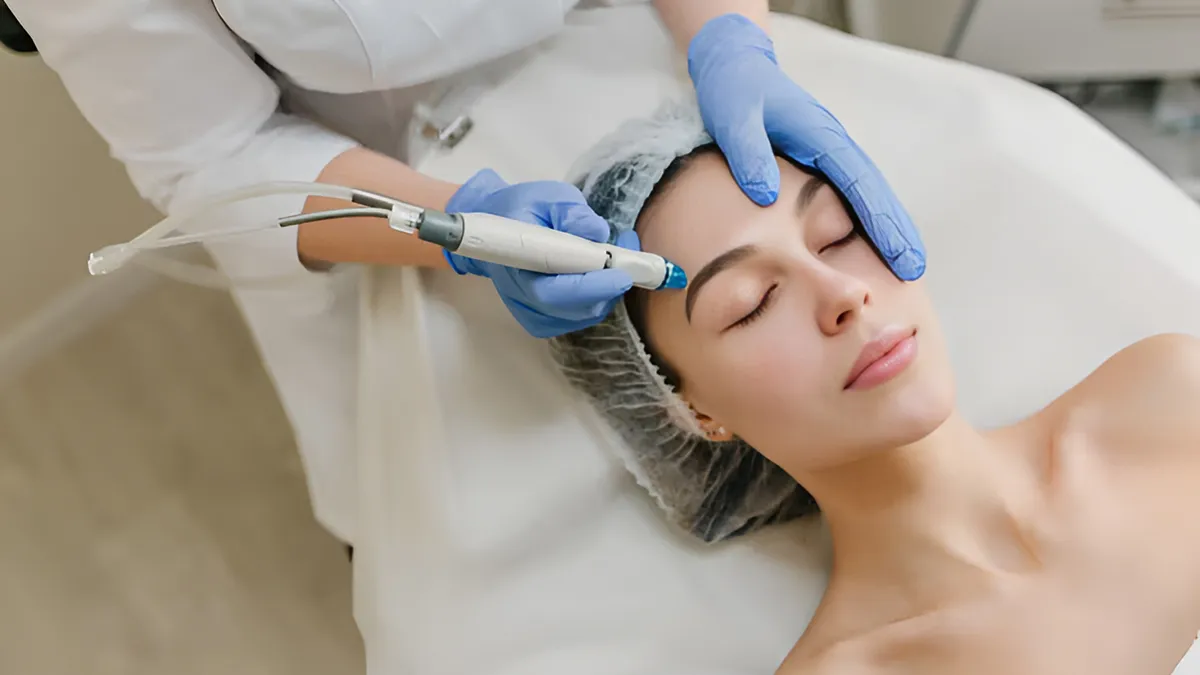
It is a gentle yet effective treatment that deeply cleanses and hydrates your skin. This cosmetic procedure uses a specialised hydropeel tip to exfoliate, peel, and vacuum away impurities while providing the skin with intense moisture and serums. It not only cleans the surface but also prepares the base for better product absorption by removing the layer of dead cells. This treatment is a preferred choice for many individuals as it offers visible results in minimal downtime, making you look refreshed and dewy, perfect during big events or a monthly skin maintenance routine.

2.  Alma Hybrid

If you are someone who has avoided lasers in the past because you were worried about pain or long recovery times, the Alma Hybrid is here to change your mind. It is a dual-wavelength laser platform that combines three powerful energies: a CO2 laser for surface smoothing, a non-ablative laser for deep collagen boosting, and Impact ultrasound technology to deliver skin-nourishing ingredients into the inner layers of the skin. This treatment targets the wrinkles from depth and improves pigmentation at the same time. It is different from standard laser therapies because the healing process is significantly faster and more comfortable for the patient.

3.  Microneedling

Microneedling, often referred to as collagen induction therapy, is among the most recognised and popular skincare treatments that works by using a device equipped with fine, sterile needles to create controlled micro-injuries on the skin’s surface. The punctures made on the skin trigger the rapid production of new collagen and elastin. This treatment is particularly effective for refining skin texture, reducing the appearance of enlarged pores, and fading acne scars or stretch marks.

4.  Chemical Peels

Chemical peels are one of the oldest and most trusted skin treatments that almost every individual has used, but now the product has evolved significantly from the shedding skin versions to a variety of acids. Professionals today are using chemical peels consisting of glycolic, lactic, or salicylic acids that gently exfoliate the top layer of the skin, which helps remove dull and damaged cells. By boosting cell turnover, you notice a clearer and even tone without taking multiple sessions. Depending on the strength of the peel, it can address concerns like pigmentation, mild acne, or uneven texture.

ALSO READ- Top 6 Blushes For A Natural Glow You Need To Invest In

5.  IPL (Intense Pulsed Light) Therapy

If sun damage and redness around the face are your primary concerns, IPL can be the best option for you. People often think of it as a laser treatment, but it is a non-surgical procedure that only uses broad-spectrum light pulses to improve skin texture and tone. It works by targeting melanin, specifically the brown of a sunspot and the red of a broken capillary. During the process, the light energy is absorbed by these pigments and converted into heat, which breaks down the damaged cells without affecting the surrounding skin. The treatment treats multiple concerns like sun damage, freckles, and removes facial hair.

6.  Skin Boosters and Biostimulators

In contrast to traditional dermal fillers that add volume to change the shape of your face, skin boosters focus entirely on skin quality. These are injectable treatments, consisting of hyaluronic acid, specifically the runny formulation, which allows the ingredient to spread properly under the skin. Instead of sitting in one spot, they provide deep-tissue hydration and restore elastin production. It works like an internal moisturiser that revives the bounce of your skin. If you want to achieve a natural, healthy glow while improving the texture, this treatment can be an ideal option.

7.  LED Light Therapy

LED (Light Emitting Diode) therapy has become a common treatment in modern skincare because it works below the surface of the skin. The therapy uses different wavelengths of light that go deeper into the layers to trigger specific biological responses. For example, blue light is beneficial for acne-prone skin since it kills the bacteria that cause breakouts, whereas red light helps with anti-ageing and healing, as it boosts ATP (cell energy) and reduces inflammation. It is non-invasive and painless, making it suitable for maintenance treatment, keeping your skin calm.

Summing Up

Choosing the right skincare treatment does not have to be a difficult task. Whether you are looking for high-tech laser technologies or gentle treatment options, the key is to understand your skin goals and requirements. When done right, combined with a good skincare routine, these treatments provide long-term skin health. Always consult a certified dermatologist who can assess your type and recommend a personalised plan.

Image credits: Freepik

ALSO READ- Top 5 Korean Sunscreens You Need For Glass Skin This Summer

For more such stories, stay tuned to HerZindagi.

Herzindagi video

Tags: , , , ,
7 Irish skincare experts on their top products and treatments

7 Irish skincare experts on their top products and treatments

Do you find yourself overwhelmed by skincare options? Or simply wondering what’s simply a fad? Some of Ireland’s top skincare experts cut through the noise to reveal the options they stick to, and the ones they’d ban if they could. Kate Demolder writes.

Once, it all seemed so simple: Cleanse, tone, moisturise. However, much has changed in the skincare world, with what seems like thousands of new products launching every week. With that comes conflicting advice: what goes first? Is it better to cleanse once or twice? And is ‘natural’ skincare at all better?

If you’ve found yourself wondering whether your skin would be better suited to beef tallow or retinoids, read on. We spoke to eight skin experts to find out their own skincare routines – and the mistakes they’d run a mile from. (Spoiler: none of them uses beef tallow.)

Agnes Gajewska, Advanced facialist and Face Yoga trainer
https://www.faceyogabyagnes.com/

With a waitlist several months long, Agnes Gajewska is the go-to woman for anyone looking for facial sculpting, and was even recently billed by the Sunday Times as the person to “make skin sing”.

What do you use daily?

My daily rituals revolve around lymphatic work, warm water with lemon and ginger or celery juice and cleansing (Skingredients Prebiotic Cleanser), Vitamin C (C-Esta Serum from Jan Marini or Medik8), serum (my own Óige Peptide Elixir), eye patches (POCO Beauty or any Korean brands), moisturising (Avene) and SPF (SPF Trinny London or Heliocare), although I don’t always use moisturiser in the summer months.

I do a quick Face Yoga by Agnes ritual in the morning – or in the evening if I’m under pressure – and I love walking and listening to podcasts, so definitely lots of steps.

My evening rituals are dry brushing as part of my shower, usually three times a week, with evening skincare of double cleanser, an active toner (a sample of a product I’m working on), an LED mask or Lyma Laser, eye cream (Medik8 Eye Retinol), my peptide elixir and retinal, although I don’t apply active toner under retinol.

What do you do in-clinic?

My salon addiction is Dermalux [non-invasive treatment that uses clinically proven blue, red, and near-infrared wavelengths to rejuvenate skin, reduce acne, and calm inflammation] and investments in my treatments/education.

I also try to do a course of IPL and microneedling every year. I had my semi-permanent brows done two years ago, best decision. I never had injectables, but I’m planning to have a blepharoplasty – I’m just not brave enough yet.

What do you base your skincare choices on?

Science, not trends. Ingredients that really make the difference. I will not spend big money on cleansers and moisturisers, but I do definitely invest in serums, and always apply SPF. I also don’t feel pressure to look 20, and I believe in a 360° approach. (I would like to be better with weights; I’m 44 this year and definitely feeling the change.)

Dr Alex Quinn, aesthetics doctor and founder of the Dr Alex Clinic
https://thealexclinic.ie/

With advanced training across both medical dermatology and aesthetic practice, as well as postgraduate diplomas in Dermatology and Aesthetic Medicine, the Dr Alex Clinic is one of the buzziest new clinics in Ireland.

What do you use daily?

I almost exclusively use SkinCeuticals, which is the range I stock in the clinic. That decision was very deliberate. I’m not particularly interested in marketing trends; I’m interested in formulation science, peer-reviewed studies and reproducible results across different skin types.

My morning routine consists of a gel-based, lightly acidic cleanser, Phloretin CF Gel (antioxidant protection), P-TIOX, H.A. Intensifier serum, Triple Lipid Restore, A.G.E. Advanced Eye cream, Ultrasun SPF 50 and SPF, which is the single most important anti-ageing intervention — everything else is secondary to that.

My evening routine is the Glycolic 10 Renew Overnight Cream, which I use twice weekly (I also use this on the backs of my arms for keratosis pilaris), retinol two nights per week and a barrier-focused hydration on non-active evenings. I avoid over-exfoliation and frequent product changes; skin responds best to consistency and barrier integrity.

What do you splurge on?

Regarding in-clinic treatments, I believe in gradual, cumulative improvement rather than dramatic change. Over time, I’ve had: Anti-wrinkle injections (upper and lower face), Profhilo for skin quality, filler-wise I’ve had nose, lip and chin filler all done very subtly to balance my side profile, Polynucleotides in the periocular area, Sunekos [an injectable skin treatment made of hyaluronic acid and amino acids, designed to stimulate collagen and elastin production] for hydration support, Microneedling, BBL and MOXI, a course of chemical peels and fat dissolving under the chin in the past.

These treatments have been spaced and layered over time. The focus is always collagen stimulation, skin quality and subtle structural balance — not transformation.

Anything else?

Finally, I’m a strong believer in the gut–skin axis and take a daily probiotic. I also use sauna and cold plunging regularly, which I find beneficial for overall skin radiance. I don’t routinely have facials; while relaxing, I prioritise treatments with measurable biological impact. Similarly, I don’t personally use red light therapy – it can be effective, but only with strict consistency. Ultimately, my aim is to look like myself, simply well-maintained and healthy.

Dr Hanhushar Gunasagaran, aesthetic doctor at AnuMe Clinic, Cork
https://anumemedicalclinic.com/

Dr Gunasagaran is an experienced Aesthetic Physician specialising in Dermatology and Anti-Aging Regenerative Medicine, and a skincare line founder. As a key opinion leader for Dr Babor Pro Skincare in 2023, she has contributed to the advancement of aesthetic treatments and led a patient outcome study focused on at-home skincare combined with aesthetic procedures.

What do you use daily?

My daily routine, in the morning, is cleansing with Elementre (cleansing gel nettoyant) 3.5% Glycerin + Allantoin Water Lily, applying Definisse (KP1) Regenerating Serum, Relife Definisse (KP1) Revitalising Eye Contour and Celimax pore + dark spot cream: Niacinamide 5%, Tranexamic acid 5%, Melazero V2 1%, a ceramide, and finally, moisturising with Definisse (KP1) Redensifying Cream. I top that off with Purito SEOUL-Daily Soft Touch Sunscreen SPF50++++. I also reapply sunscreen with the Beauty of Joseon Matte Sun Stick throughout the day.

My night routine is the same cleanser and eye serum, along with CELIMAX – The Vita-A Retinal Shot Tightening Serum and Skinceuticals Advanced RGN-6.

What do you splurge on?

Once a month, I splurge on a medical grade facial, like a Hydrafacial or chemical peel, and my favourite treatment at the moment is SKINVIVE [an FDA-approved hyaluronic acid (HA) microdroplet injectable designed to boost skin hydration, smoothness, and radiance in the cheeks]; results last me a good 6-9 months and it’s an easy one session treatment, and great value for money.

What do you base your skincare choices on?

My honest opinion with skincare is that a simple regime goes a long way, and it requires consistency more than a hefty price tag. I suggest spending on potent serums and actives, clinically proven treatments, broad-spectrum daily SPF and targeted therapies for pigmentation, ageing, or texture.

Best advice I can give? Pick up sunscreen, lift weights, eat well and start now.

Dawn Hill, facialist and owner of Floraison
https://floraison.ie/

Dawn is the founder of Floraison, a skincare clinic far more than the sum of its parts. Her waiting list is years-long, and she is credited with being one of the foremost minds of niche skincare brands in Dublin.

What do you use daily?

Cleansing is the foundation of good skin, and it’s genuinely my favourite part of my routine. I double cleanse every evening, usually either with the Deviant Blue Tansy Balm, Mansard Baume Initial or the LAST Cleansing Gel.

Serums are the Trojan workers in my routine, my main serum is the Poets Atelier Bio Recovery Serum, and for night-time it’s the LAST Skin Repair Serum, an absolute powerhouse. I use it about three nights a week.

As a complete reset for the skin, I use the Ayuna Longeva Epidermal Fasting Ampoules. I use one ampoule a night when my skin is in need of serious nourishment; after procedures, travelling, after illness or just a stressful period.

Masking is a big part of my routine –– it’s hard to beat the masks from Ayuna, they’re speedy, but wow, results are guaranteed – and a seaweed or salt bath is a must once a week. It’s a ritual now and one I never miss.

Anything else?

Whilst products are important, they will only ever get so deep. I drink a green smoothie daily with chia seeds, spinach, cucumber – anything green! I take Omega 7s daily from Pharmanord. I take Moss Boss daily for a healthy gut. I brew a lot of nettle tea and also drink my own tea that I formulated with Oir Tonics, Rest & Bloom. I drink it about an hour before bed to rest the mind and work on the skin while I sleep.

What are your favourite tweakments?

Aesthetics-wise, I get Botox done twice a year. I believe it can be a lovely addition to a routine, but it shouldn’t be relied on, in my opinion. I get it done with Dr Sarah Kate in D6 Skin in Ranelagh; I send all my clients to her and trust her implicitly.

I’ve gone to Le Formulaire for Sunekos under my eyes, which I will absolutely keep doing. A big part of my routine is micro-needling. I do this on myself, perhaps every three months. LEDs are a big part of my routine, too.

I use the Celluma device (in my opinion, absolutely nothing else comes close), pop on a podcast and let it do its magic for half an hour.

Professor Niki Ralph, Consultant Dermatologist, FRCPI and co-founder of the Institute of Dermatologists
https://instituteofdermatologists.ie/

Professor Niki needs no introduction – she is one of two co-founders of the Institute of Dermatologists, where every one of your favourites go for their skincare concerns. A Consultant Dermatologist on the Specialist Register for Dermatology in Ireland, she is an honours graduate of the Royal College of Surgeons and a Clinical Assistant Professor at University College Dublin.

What do you use daily?

In the morning, post-gym, I cleanse the face with creamy cleanser – Clinical+ skin or Probiotic Cleanser (Skingredients) – apply Vitamin C or an antioxidant serum, a multitasking eye cream, like Clinical+ Skin Rejuvenating Corrective Eye Balm, a hydrating moisturiser and finish with broad spectrum, physical only sunscreen: this is a non-negotiable step in my morning skincare routine. I use ELTA MD UV Elements (tinted SPF), which is ideal for patients with sensitive skin.

In the evening, I double cleanse with ELTA MD Oil in a gel cleanser, which is great for removing makeup and oils, and is also suitable for sensitive and acne-prone skin. I use Simple Eyemakeup Remover or Optase Life because they’re the only two that don’t sting my eyes, then pat the skin dry and apply my other non-negotiable: a topical retinoid.

A pea-sized amount for the entire face, avoiding lips and eyes. My go-to is Alpharet Overnight Cream by Skinbetter Science, a patented formula, slow-release retinoid (equivalent to prescription strength retinoid), but with added ingredients to moisturise the skin. Then I apply the same eye cream and seal it all with polypeptide firming serum by Clinical+ Skin.

What treatments do you get?

When it comes to procedures, I get anti-wrinkle injections every 3-4 months in my forehead/around my eyes for crows’ feet and occasionally in the masseter muscle as I clench a lot. I’ve also had Ultherapy [skin-tightening treatment], which is great for the lower face, neck and jawline, and Secret PRO, which is an amazing treatment for acne scars and skin rejuvenation that combines radiofrequency, microneedling and CO2 laser.

IPL (intense pulsed light), I usually do once per year for mild pigmentation, and if I am going to an event, I sometimes combine therapies such as a quick IPL/chemical peel and Skinpen microneedling, as there is such limited downtime, but the skin is radiant thereafter.

I’m a big fan of C02 laser for skin resurfacing, improved texture, reduced pore size and its ability to remove precancerous cells in the top layer of the skin.

Anything else?

I have to be honest and say the work is so busy, I am not the best at finishing courses of treatments, so, say, polynucleotides are usually a course of three, and I’ve only ever done two. I prefer this treatment over Profhilo, as it treats the entire face rather than just the cheeks downwards.

If I had time, I would do an Emfusion facial, especially before an event, but I have only ever had this treatment once – it is super relaxing, which is not something I can say about any other treatment!!

Dr Jane Mulrooney, Consultant Dermatologist and co-founder of the Dr Mulrooney Clinic
https://drmulrooney.com/

Dr Mulrooney (MB. BCh. B.A.O., BSc. Pharmacology, MSc. Clinical Dermatology) is another doctor at the forefront of all advances in the treatment of ageing skin and cosmetic dermatology. Specialising exclusively in cosmetic dermatology, her work is known for the less-is-more approach.

What do you use daily?

In the morning, I use Profhilo micellar water for eyes and skin refresh, complexion renewal pads from ZO by Dr Obagi, ZO by Dr Obagi Daily Power Defence, Seavite Eye Contour Gel, Seavite Serum, then P Tiox and CE Ferulic by Skinceuticals.

Then, I wait 10 minutes and apply an SPF 50; I like Vichy, or if I want a tinted SPF, I use Heliocare. I let this soak again for 10 min before applying makeup.

In the evening, I remove my makeup with Seavite Cleanser, followed by ZO’s Gentle Cleanser, the ZO complexion renewal pads that I used in the morning, Seavite Serum, Seavite Eye Contour Gel, and Tretinoin 0.05 % (prescription cream) mixed with Seavite Face cream.

What are your favourite skin treatments in-clinic?

1. Combined facial treatment (CFT) that we use in the Dr Mulrooney Clinic, which consists of a superficial glycolic and lactic peel followed by IPL laser. No downtime and leaves skin glowing, improving skin texture, tone and radiance. I do this monthly.

2. Ultherapy to my brow to lift, and also to lift the jawline and improve collagen in overlying skin. No downtime, and I do this yearly.

3. Fraxel laser to treat pigment and fine lines. Downtime is three days, and I do this three times a year.

4. Profhilo Scructura is injected in front of the ear to lift the jawline and hydrate the under-eye region. No bruising, no downtime and painless to inject.

Dr George Nema, internal medicine and cosmetic dermatology doctor, and owner of The Sculpture Clinic
https://www.sculptureclinic.ie/

Dr George is responsible for maintaining the faces of some of Ireland’s most photographed women, like Rosanna Davidson and Holly Carpenter. Uniquely dual-certified in internal medicine and cosmetic dermatology, his clinics are based in Nenagh and Donnybrook.

What do you use daily?

I do look after my skin. I do the things everybody does in the morning, like cleansing, but I’m passionate about vitamin C, because it works. I don’t touch retinol – it doesn’t agree with my skin, but I like Obagi’s Anti-Ageing Kit, which is basically all about cleansing, good serums and exfoliating when necessary. I love their exfoliating polish and their growth factor. I’m on the oilier side, and they work for me. But the main thing that’s most important to my routine is vitamin C, and also sunblock.

What do you splurge on?

I get Botox 2-3 times a year; everybody can see me on my Instagram doing that. I also like biostimulators, which I inject into myself two or three times a year, and my other big thing is C02 laser, which is a gentle resurfacing laser. I get that every 12-18 months, and that’s the only thing I really think works.

Is there anything you’re totally against?

I’m against microneedling at home because they’re not medical devices, there’s no quality control there, so they’re generally doing more harm than good. I’m also against exosomes – there’s no evidence right now to support their merit, and no backed-up research behind them – and I’m moving away from injecting thicker gels into my clients – I just don’t think it’s necessary.

I’m also obviously against tanning beds and baking in the sun, but I do think we need the sunshine, too. I’m from the Mediterranean, and we only sit in the sun for 30 minutes in the morning, then we wear big hats.

The views expressed here are those of the author and do not represent or reflect the views of RTÉ

Tags: , , , , ,
Discover Premium Skin Care Treatments for Radiant Skin

Discover Premium Skin Care Treatments for Radiant Skin

Source: Nikola Stojadinovic / Getty

Premium skin care treatments have moved well past basic facials, and the options available now cover everything from professional-grade resurfacing to at-home routines built around clinical ingredients. The right premium skincare treatment depends on your skin type, your specific concerns, and how much maintenance you’re realistically willing to commit to. Whether you’re dealing with uneven tone, early signs of aging, or skin that’s lost its usual brightness, knowing which treatments actually deliver is the most useful place to start.

What Are the Premium Skincare Treatments for Skin Rejuvenation?

Premium skin care treatments consistently outperform over-the-counter products for one straightforward reason: they use higher concentrations of active ingredients and delivery methods that penetrate deeper than anything available on a drugstore shelf. The American Academy of Dermatology notes that board-certified dermatologists have the expertise needed to help people safely rejuvenate and care for their skin, and results from cosmetic treatments depend largely on the skill and training of the person performing them. That distinction matters when you’re choosing between a med spa, an esthetician, and a dermatologist’s office.

Chemical Peels

Chemical peels remove the outer layers of skin using an acid solution, prompting the skin to regenerate with improved texture and tone. According to the Mayo Clinic, deeper peels provide the most dramatic and long-lasting results, though they require longer recovery, sometimes up to two weeks. Lighter peels work well for maintenance and brightening with minimal downtime, and for deeper skin tones, selecting a provider experienced with melanin-rich skin is critical, since certain peel strengths carry a higher risk of post-inflammatory hyperpigmentation.

Microneedling

Microneedling uses fine needles to create controlled micro-injuries in the skin, triggering the body’s collagen production response. According to Healthline, radiofrequency microneedling is used to rejuvenate facial skin and can target acne scars and early signs of aging, like fine lines and sagging, with most people needing at least four treatments to achieve full results. For darker skin tones, however, microneedling carries a lower risk of hyperpigmentation than laser treatments, making it a frequently recommended alternative for Black women seeking skin rejuvenation without that trade-off.

Hydrafacial Treatments

A hydrafacial combines cleansing, exfoliation, extraction, and hydration into one in-office session using a specialized device. Unlike more aggressive treatments, it works across most skin types with no downtime or recovery period. For a high-quality version of this treatment, a hydrafacial in Houston, TX, at Houston Skin Health delivers the full protocol with clinical-grade serums tailored to your specific skin concerns.

What Are the Most Effective Anti-Aging Skin Treatments?

Anti-aging skin treatments work best when they address both surface-level concerns and what’s happening structurally underneath. Mayo Clinic notes that collagen and elastin production begins declining in the early twenties, which means the window for prevention is longer than most people act on. Retinoids, vitamin C serums, and SPF are the daily ingredients dermatologists point to consistently, particularly vitamin C, which addresses hyperpigmentation and uneven tone, two of the most common skin concerns among Black women.

If you want more visible correction, laser resurfacing holds the strongest clinical track record. According to the AAD, laser resurfacing is the most effective procedure for tightening loose skin and can diminish fine lines, wrinkles, and dark spots, with results visible within 5 to 7 days of healing. The trade-off is downtime and a higher risk of side effects, making it better suited to people with specific concerns rather than general maintenance.

Natural Skin Care Methods That Actually Work

Natural skin care approaches work best as daily maintenance rather than standalone treatments for visible concerns. Consistent SPF use, adequate hydration, and a diet rich in antioxidants support your skin’s ability to repair itself over time. These aren’t glamorous recommendations, but dermatologists point to them more consistently than any single product because their impact compounds over the years.

DIY skin care recipes using ingredients like honey, oatmeal, shea butter, and aloe vera serve a real purpose: they soothe and hydrate, and they have long been staples in Black households for good reason, given how well they support moisture retention in textured and melanin-rich skin. What they can’t do is replicate the structural changes that professional treatments or prescription-strength actives produce.

Best Skin Care Products for Glowing Skin

Vitamin C serums, retinol, and niacinamide are the three ingredients that consistently appear in dermatologist-recommended routines for radiance. According to the Mayo Clinic, vitamin C used daily can help protect skin from sun and pollution damage while improving overall skin tone, and it works best when combined with vitamin E and hyaluronic acid in a serum formula. Applying these in the right order, thinnest to thickest with SPF last in the morning, determines how much actually absorbs and works.

Frequently Asked Questions

What Skin Care Treatment Is Best for Sensitive Skin?

Gentle, fragrance-free formulations and low-concentration actives are the most widely recommended starting point for sensitive skin. Hydrafacials are frequently cited as a strong professional option because the treatment is customizable and avoids the inflammation risk that peels and lasers carry for reactive skin types.

How Often Should You Get Professional Skin Care Treatments?

It depends on the treatment and your goals. Chemical peels and hydrafacials can be scheduled monthly for maintenance, while more intensive treatments like laser resurfacing or microneedling typically require 6 to 8 weeks between sessions for full healing. Your provider should map out a treatment cadence based on your skin’s response rather than a fixed calendar schedule.

Can You Combine Professional Treatments With a Home Routine?

Yes, and doing so typically produces better results than either approach alone. The AAD recommends that anyone undergoing professional treatments maintain a consistent home routine, including sun protection, since UV exposure can undermine results and increase post-treatment complication risk. Your provider can outline which at-home products best support your specific plan.

Build the Right Skin Care Treatment Plan

Premium skin care treatment isn’t one-size-fits-all; it’s a combination of professional procedures, proven ingredients, and a clear-eyed understanding of what each approach is designed to do. Retinoids and vitamin C hold their own as daily non-negotiables, while treatments like chemical peels, microneedling, and laser resurfacing address structural concerns that topical products can’t reach alone. The key is building a plan that fits your skin, schedule, and long-term goals.

Looking for more beauty, wellness, and lifestyle content? Hello Beautiful has everything you need to elevate your skincare routine.

Tags: , , , , ,
Beyond Lohri: Winter Skin Wisdom That Keeps Your Glow Alive | Beauty News

Why Treatments Around Skin Barrier Therapy Is Replacing The Instant-Glow Obsession | Beauty News

Last Updated:January 24, 2026, 18:11 IST

This new skin barrier therapy shifts focus from instant glow to healthier, stronger, more balanced skin over time.

Emfusion is redefining professional skincare by repairing and strengthening the skin barrier for lasting results.

For years, professional skincare treatments have prioritised instant radiance – brighter skin, smoother texture, visible glow. But as conversations around sensitivity, barrier damage, and long-term skin health grow louder, a new category of treatments is emerging. Enter EmFusion, a next-generation therapy that places the skin barrier, not surface glow, at the heart of its philosophy.

Launched in India this January at MediGlo Clinic, Gurugram, EmFusion is being positioned as the world’s first dedicated skin barrier therapy, signalling a meaningful shift in how we approach in-clinic skincare. Rather than chasing quick fixes, the treatment focuses on restoring the skin’s foundational strength to protect, hydrate, and heal itself.

The skin barrier is the body’s first line of defence, responsible for locking in moisture while shielding against pollutants, bacteria, and environmental stressors. When compromised, it often leads to dehydration, inflammation, breakouts, sensitivity, and premature ageing.

Emfusion addresses this problem at its root. Unlike traditional facials that work largely on the surface, this treatment targets the barrier itself, helping the skin regain balance and resilience over time. The result is not just improved appearance, but healthier skin function.

At the core of Emfusion is a proprietary multi-modal technology that combines controlled electrical pulses with resonance-based stimulation. This allows active ingredients, including hyaluronic acid and ceramides, to penetrate more effectively without needles or discomfort.

The treatment follows a precise four-step protocol: skin refinement, activation, fusion of actives, and sealing. Each phase is designed to support deeper absorption while reinforcing the skin’s protective structure, delivering visible results without downtime.

Dr Jaspreet Kour, Founder & Medical Director, Mediglo Clinic, Gurugram, explains the idea behind the treatment: “For years, skincare has focused on instant results, often overlooking the skin barrier, which is actually the cornerstone of long-term skin health. With Emfusion, we wanted to change that narrative. This therapy is designed to work with the skin’s natural biology, strengthening its barrier so it can heal, protect, and function optimally on its own. Emfusion is not about a temporary glow; it’s about building resilient, balanced skin that stays healthy over time.”

What sets Emfusion apart is its long-term approach. Clinical outcomes show enhanced hydration levels, improved barrier strength, and clearer skin texture. It is especially beneficial for individuals experiencing chronic sensitivity, dehydration, recurring breakouts, or early signs of ageing.

Completely non-invasive and gentle, this treatment is suitable even for sensitised skin, making it a compelling option for those who find aggressive treatments too harsh.

Handpicked stories, in your inbox

A newsletter with the best of our journalism

submit

Location :

Delhi, India, India

First Published:

January 24, 2026, 18:11 IST

News lifestyle beauty Why Treatments Around Skin Barrier Therapy Is Replacing The Instant-Glow ObsessionDisclaimer: Comments reflect users’ views, not News18’s. Please keep discussions respectful and constructive. Abusive, defamatory, or illegal comments will be removed. News18 may disable any comment at its discretion. By posting, you agree to our Terms of Use and Privacy Policy.

Tags: , , , , , , , ,
Daily Mirror

Salmon sperm facials and mushroom powders – our favourite beauty treatments revealed

Young people are spending more than £6,500 a year on wellness and beauty treatments, a survey has shown(Image: Getty Images)

Youngsters are shelling out over £6,500 a year on outlandish wellness and beauty trends, a survey has claimed.

Previous advice has been limited to cleanse, tone and moisturise, drink enough water and move more. But this is not enough for the social media generation, it seems.

Salmon sperm facials, collagen supplements, weight loss injections and mushroom powders are now much more the order of the day. And., according to the study, British women now spend an average of £554 every month on feeling and looking their best.

Men aren’t too far behind, shelling out £431 on a range of wellness products – and this is despite 94% of Brits surveyed saying we needed to take a step back and go back to the basics with our health and wellness routines.

READ MORE: Hair snapping? Five expert ways to strengthen breakage-prone strands this JanuaryREAD MORE: Self-care beauty box worth £205 now under £40 and it includes luxe Rodial cleansing balm

Brits believe self-care was far simpler for previous generations(Image: Getty Images)

Nearly half of the 2,000 people surveyed said they had a regular self-care routine, with 37% using skin-boosting collagen and 31% taking multi-vitamin pills or even multi-vitamin injections. But more than half (52%) of those under 40 say they find it overwhelming trying to keep up with modern day wellness and beauty trends, while 25% admit they are spending more than they should on looking younger and feeling better.

Collagen supplements (49%) emerged as the product Brits have bought most in the last few years, followed by probiotic skincare (36%). Yet almost a quarter (23%) admit they have been duped into buying the latest wellness product, only to be completely underwhelmed by its supposed benefits.

Nearly two thirds (68%) insist they often look back at their parents and grandparents’ health routines which consisted of nothing more than eating healthily and getting some exercise. In fact, 79% said the idea of looking after yourself was a much simpler process 25 years ago in the survey by Pukka herbs.

Men spend £431 a month on skin care products, according to a survey(Image: Getty Images)

According to the respondents polled, older generations swore by basic health principles, such as getting a good night’s sleep (72%), drinking plenty of water (65%) and getting fresh air (52%). And in the spirit of keeping it simple, 92% of those polled said getting closer to nature is good for their physical and mental health, with 47% insisting they try to get an hour outside every day.

Eleonora Zoani, Senior Herbal Blending Manager at Pukka, which is launching a ‘Nothing Beats Nature’ campaign says, “From expensive “miracle” remedies to artificial products, we’re living in a time where our modern wellness routines have become a source of overwhelm and just another thing to fit into our busy everyday lives. There was once a time when things were simpler, and the blueprint for feeling well in body and mind was more accessible. Reconnecting with nature and embracing the daily consumption of herbal teas, allows us to harness the benefits that herbs have to offer.”

The top 15 products that young Brits are spending their cash on are:

1. Collagen supplements

2. Probiotic skincare

3. Hyaluronic Acid Skin boosting serums

4. Gut health supplements

5. Ice rolling/Cryo sticks

6. Vitamin supplements

7. Hair regrowth products

8. Muscle building BCAAs/creatine/protein powders

9. Sleep supplements

10. Chemical peels

11. Weight loss injections (Ozempic/Mounjaro)

12. Injectable fillers/botox

13. Profhillo

14. Mushroom extracts (Reishi/Chaga/Lion’s Mane)

15. Salmon sperm (PDRN) facial

Tags: , , , , , , , ,
I Flew 13 Hours to Seoul for 9 Skincare Treatments

I Flew 13 Hours to Seoul for 9 Skincare Treatments

  • Clinic provided comprehensive skin analysis, customized treatment plan, and reassurance for melanated skin.
  • Writer underwent 9 advanced procedures, including lasers, injectables, and skin botox for desired results.
  • Writer’s skin improved dramatically, boosting confidence and inspiring future visits to maintain Korean beauty standards.

Source:

When you’re a travel and beauty writer, some destinations call your name louder than others and for me, Seoul has been shouting for years. Korea is the Beauty Capital of the World, and I promised myself that before I turned 40, I would take my skincare journey to the next level. I hopped on a 13-hour flight (in Economy!) to finally make it happen. My destination? Lamiche Dermatology, a clinic known not only for cutting-edge treatments, but also for being Black girl skin friendly a non-negotiable for me.

The Skin Analysis That Humbled Me

The moment I arrived at Lamiche Dermatology, they cleansed my face and performed an in-depth skin analysis. Then the doctor sat me down and walked me through every detail. My main concerns were hyperpigmentation, acne scarring, tightening, and achieving that lifted, glowing (glass skin) look we all want. Listen, I thought my skin was doing pretty well until they showed me my analysis. Let’s just say it was a gentle jump-scare. Tip: If you’re not ready for your skincare routine to be humbled, Seoul might not be for you.

Journey to Perfect 40-Year-Old Skin

The clinic itself was gorgeous. It was clean, modern, and super-efficient. The staff answered every question and made sure I felt safe, heard, and cared for. It was foreigner friendly, so the language barrier is not an issue. Korea takes skincare seriously, and the attention to detail is unmatched. The doctor recommended a custom treatment plan based entirely on my skin type and my goals. I’ll be honest: when I saw the list, I was a little overwhelmed. It included lasers, injectables, extractions, and even mole removal.

I’m a Black woman who previously suffered a thermal burn from a U.S. med spa laser (which left severe hyperpigmentation), I asked repeatedly if each laser was safe for melanated skin. They reassured me every single time.  They numb you thoroughly, explain everything step-by-step, and move with so much care. Beauty may be pain, but this was manageable.

Here’s the full list of treatments I received:

  • Fraxel Dual – Improves skin texture and acne scars by promoting collagen regeneration.

  • Accolade – Targets pigmentation and sunspots for a brighter, more even tone.

  • RevLite – Reduces pigmentation, clears blemishes, and enhances glow.

  • BBL – Improves redness, pigmentation, and overall clarity.

  • ICON Laser – Treats scars, wrinkles, and pores for firmer, smoother skin.

  • CO2 Laser – Removes warts, dark spots, and dead skin while promoting renewal.

  • InMode – Tightens and lifts by stimulating collagen and melting small pockets of fat.

  • V-Olet Injection – Enhances facial contour and firmness by reducing localized fat.
  • Skin Botox – Smooths fine lines, lifts the skin, refines pores, brightens tone, and controls oil for that glass skin look.

Yes. Nine treatments, in one visit. I definitely earned my Seoul skincare badge after that.

The Results Speak for Themselves

Now that it’s been a month, my skin is still flourishing. The texture is smoother, the hyperpigmentation is fading, and the glow? Ridiculous. Someone recently asked me what highlighter I was wearing and I had to giggle, “Oh, it’s just my skin.”

The trip was transformative not just for my face, but for my confidence. I’m now budgeting to go back twice a year because once you experience Korean skincare at this level, you understand why they’re number one.

Tags: , , , ,
Best oLive
Privacy Overview

This website uses cookies so that we can provide you with the best user experience possible. Cookie information is stored in your browser and performs functions such as recognising you when you return to our website and helping our team to understand which sections of the website you find most interesting and useful.