Espresso hair, PDRN skincare & πουά manicure: Όλες οι τάσεις του 2025 και τι θα δούμε το νέο έτος

Espresso hair, PDRN skincare & πουά manicure: Όλες οι τάσεις του 2025 και τι θα δούμε το νέο έτος

Το 2026 προμηνύει ακόμα πιο blended αποχρώσεις μαλλιών και φυσικές ρίζες που κάνουν το bronde μοντέρνο και καθόλου «παλιομοδίτικο».

Το 2025 ήταν μια χρονιά που άλλαξε τα δεδομένα στην ομορφιά. Ανακαλύψαμε νέους όρους, νέες υφές, νέους συνδυασμούς, ενώ ανοίξαμε τον δρόμο σε αισθητικές τάσεις που δεν δείχνουν διατεθειμένες να εξαφανιστούν με τη νέα χρονιά.

Espresso hair

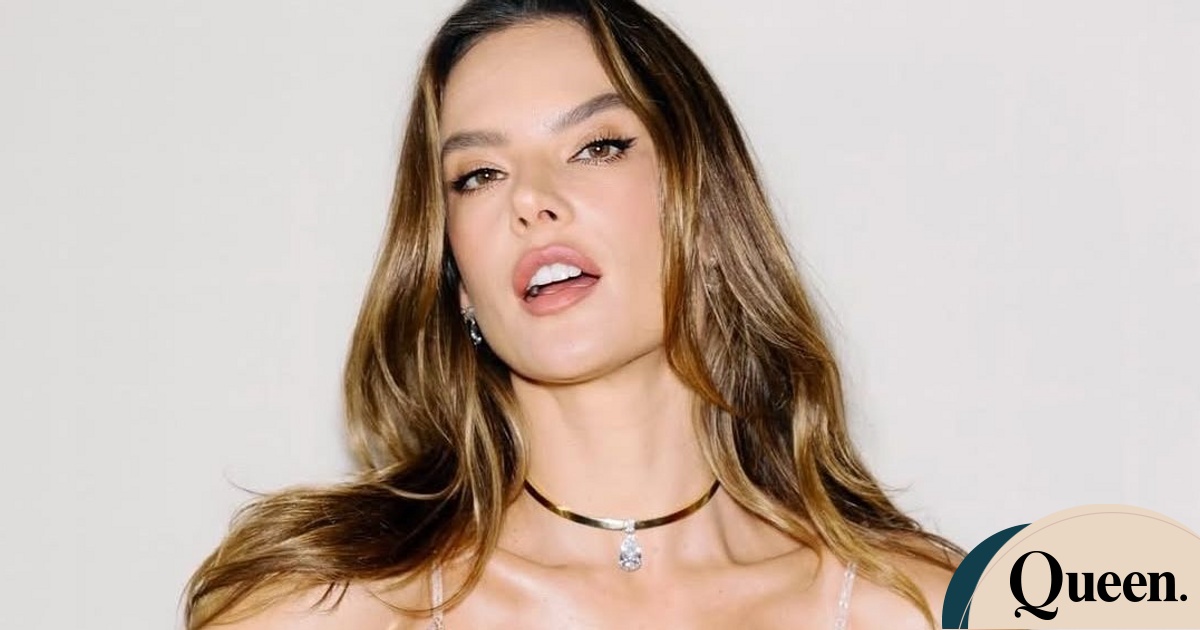
Τα espresso hair έκανε την εμφάνισή του ως η πιο ζεστή, βαθιά και πλούσια σοκολατί απόχρωση του φθινοπώρου, δίνοντας νέα ζωή στα σκούρα μαλλιά. Η τάση όχι μόνο συνεχίζει δυναμικά, αλλά επιστρέφει πιο έντονη, με μεγαλύτερη διάσταση, gloss φινίρισμα και πιο γεμάτη υφή. Παράλληλα, το honey bronde hair κατάφερε να βρει τη χρυσή τομή ανάμεσα στο ξανθό και το καστανό, δημιουργώντας εκείνο το ηλιοκαμένο αποτέλεσμα που αγαπήθηκε το καλοκαίρι.

@haileybieber

5 makeup tips που χαρίζουν ένα φωτεινό, ξεκούραστο και ανορθωμένο βλέμμα

Το 2026 προμηνύει ακόμα πιο blended αποχρώσεις και φυσικές ρίζες που κάνουν το bronde μοντέρνο και καθόλου «παλιομοδίτικο». Και φυσικά, το cherry cola hair, η πιο σκοτεινή κόκκινη λάμψη που είδαμε σε influencers και celebrities, δεν πάει πουθενά. Αντίθετα, γίνεται το απόλυτο go-to για χειμωνιάτικα makeovers, βαθύ καφέ με κόκκινες αποχρώσεις που δείχνουν πολυτελείς, κομψές και ανεπιτήδευτα sexy.

Η τάση στο skincare που συνεχίζει

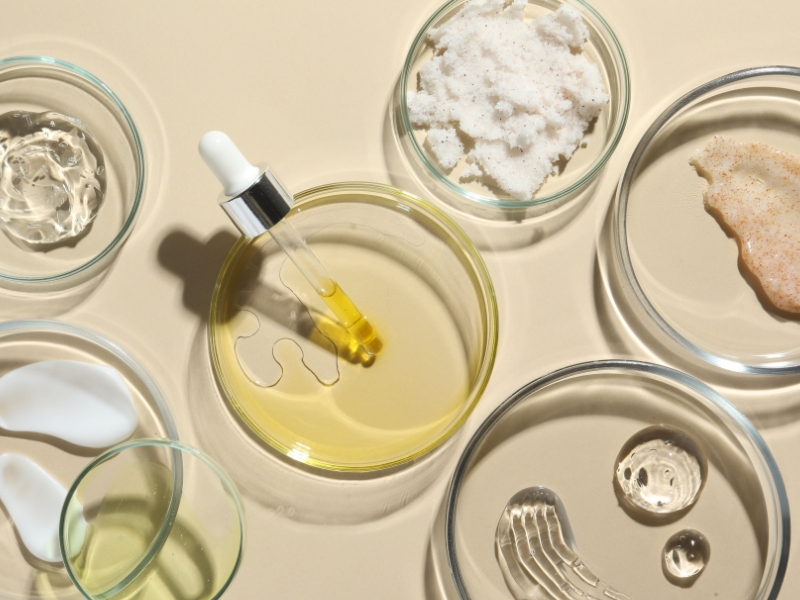
Το PDRN skincare είναι μία από τις μεγαλύτερες καινοτομίες που πέρασαν από την κοσμετολογία μέσα στο 2025 και συνεχίζει δυναμικά και στο 2026. Πρόκειται για μια δραστική τεχνολογία αναγέννησης κυττάρων, που αξιοποιεί πολυνουκλεοτίδια για να ενισχύσει την ανάπλαση του δέρματος, να βελτιώσει την ελαστικότητα και να χαρίσει βαθιά ενυδάτωση. Τα προϊόντα PDRN λειτουργούν στοχευμένα στην επανόρθωση και στη λάμψη, προσφέροντας πιο ομοιόμορφη υφή και πιο υγιή όψη, και γι’ αυτό θεωρούνται η επόμενη μεγάλη τάση στο skincare.

Το πουά manicure

Ήταν ένα από τα πιο ευχάριστα nail trends που είδαμε να σαρώνει στο τέλος του 2025. Και το 2026 συνεχίζει με περισσότερη δημιουργικότητα: micro dots σε nude βάση, πολύχρωμα μοτίβα ή ακόμη και μεταλλικές τελείες πάνω σε σκούρο φόντο.

Στην nail παλέτα όμως μπαίνουν δυναμικά δύο αποχρώσεις που ήδη κυριαρχούν στο feed μας:

Butter yellow nails: μια απαλή, κρεμώδης, ζεστή απόχρωση του κίτρινου που έρχεται να δώσει φως & μοντερνισμό στα χειμερινά looks. Άνοιξη, καλοκαίρι και φθινόπωρο 2026 θα την βλέπουμε παντού.

@iramshelton

Τα emerald, glitter & butter metallic textures επιστρέφουν επίσης, στηρίζοντας την ιδέα ότι τα νύχια πρέπει να είναι κοσμήματα — όχι απλά χρώμα.

Το συμπέρασμα; Το 2025 δεν φέρνει μια ριζική αλλαγή, αλλά μια εξελιγμένη συνέχεια.

@dualipa

Οι τάσεις που αγαπήσαμε το 2025 δεν φεύγουν από τα trends, απλώς ωριμάζουν!

Espresso hair, honey bronde highlights, cherry cola vibes, new skincare trends και statement μανικιούρ: το νέο έτος θα είναι πιο σοφιστικέ, πιο πειραματικό και πιο προσωπικό από ποτέ.

Buns και ponytails: Αυτά είναι τα χτενίσματα που επιλέγουν τώρα τα it girls

Tags: , , , , , , , , , , , , , , , ,
The Case For Fewer Products And Better Skin In 2026

The Case For Fewer Products And Better Skin In 2026

In 2026, we’re saying goodbye to a 10-step skincare routine. More is not always good, especially not when it involves dousing your face in a cocktail of serums because, honestly, it’s wrecking your skin instead of repairing it.  Minimalist skincare is all about doing the bare minimum that actually works for your skin. The industry’s obsession with overflowing bathroom shelves is the only kind of maximalism I’d rather resist.  

This shift in skincare philosophy is driven by smarter consumers, ingredient literacy, and a growing understanding that skin thrives on precision. A minimalist skincare routine is centred around a simple question: what does your skin actually need? So, for the greater good, you might have to let go of all the products you’re using simply because they feel fancy. 

Tailoring Skincare To Seasons

Photograph: (Pexels)

It’s no surprise that skin responds to seasons and weather conditions. Every minor change in your physical environment, be it heat, cold, humidity, or pollution, shows up on your face; to that extent, it’s imperative that your skincare roster changes with your skin’s needs. 

Since winters are in full swing, calibrate your routine accordingly. Cold air, indoor heating, and low humidity can strip the skin of moisture, leading to dryness, sensitivity, and dullness. This is where you pivot by adopting a capsule wardrobe for your face. Stick to the basics: cleanse, treat, moisturise, protect; the structure stays, but we switch formulas. In winter, your cleanser should feel like a cashmere sweater, not a squeaky-clean reset. Treatments should focus on hydration and barrier repair rather than aggressive exfoliation. Moisturisers get a little richer, and textures more viscous. And sunscreen remains essential because the sun doesn’t clock out just because it’s cold.

Advertisment

Caring for Sensitive Skin

Photograph: (Pexels)

Sensitive skin thrives on restraint. The fewer variables you introduce, the easier it is to maintain balance. Stick to fragrance-free formulas, avoid over-exfoliation, and choose products with soothing ingredients like centella, hyaluronic acid, or ceramides. A minimalist routine gives sensitive skin room to settle. Once you find the products that work the best for your skin, stick with them. 

Crafting Your Routine 

Photograph: (Pexels)

A perfect routine isn’t universal but personal. In 2026, skincare is less about copying influencers hastily and more about understanding ingredients that work for your skin. Start with essentials that have proven suitable and earned their place in your vanity. A gentle cleanser that doesn’t disrupt your barrier, a treatment serum targeting a specific concern, a moisturiser that supports your skin’s natural lipids, and a broad-spectrum sunscreen that you can comfortably wear daily.

When every product has a purpose, your routine becomes well-thought and personalised rather than overwhelming. A minimalist routine is also incredibly sustainable, for your skin, your pocket and the planet. Fewer products mean less waste, fewer reactions, and better results over time. 

How to Simplify Your Morning and Night Routine

Photograph: (Pexels)

Morning skincare should feel like setting the tone for your day, efficient, quick and grounding. Cleanse lightly, hydrate, moisturise, and apply sun protection before you step out. Nighttime is where repair happens. Cleanse thoroughly to ensure the day doesn’t weigh your skin down, apply your treatment serum or toner, then moisturise generously. Make sure you get your beauty sleep, as it allows your skin the time to restore overnight. 

Common Mistakes to Avoid

  • Using too many actives at once
  • Skipping sunscreen in winter
  • Over-cleansing or harsh exfoliation
  • Changing products too frequently
  • Ignoring signs of irritation

FAQs

  1. Is a minimalist skincare routine enough?
    Yes, when chosen correctly, a few well-formulated products can address hydration, protection, and repair effectively.
  2. Can minimalist skincare work for acne-prone skin?
    Fewer products reduce irritation and help identify what truly works for breakouts.
  3. Should I exfoliate in winter?
    Limit exfoliation to once a week and avoid strong acids if your skin feels dry or sensitive.
  4. Do I need different products for day and night?
    Not always, a good cleanser and moisturiser can work both times, while treatments can be reserved for night.
  5. How long does it take to see results?
    With consistency, most people notice calmer, more balanced skin within 4–6 weeks.

Also Read

Inside The World Of Essential Oils: How To Use Them On Skin And Scalp

Glow Decoded: Is Korean Glass Skin Worth The Hype For Indian Skin?

Tags: , ,
The Six Ingredient Shifts Defining Wellness in Beauty for 2026

The Six Ingredient Shifts Defining Wellness in Beauty for 2026


O&3, specialist supplier of natural oils and ingredients, has released its Wellness in Beauty & Personal Care 2026 Trend Report. The report translates global consumer behaviour and raw material dynamics into six core product development directions that will shape the year ahead.


O&3 identifies a fundamental market shift: Wellness is now defined by biological function, sensory reward, and formulation efficiency. The priority is not more steps or more actives, but products that feel good, work consistently, and integrate smoothly into daily life.


This evolution demands that ingredients not only provide demonstrable function, but that their associated sensory experience also actively influences performance by driving routine consistency.


Consequently, sustainability is shifting from being an aesthetic concern to an operational necessity. This pressure also sees multi-functional products reduce SKU complexity, while fragrance moves toward a skin-close, personal scent identity.


The Six Ingredient Trends


The annual report outlines the six ingredient trends shaping the 2026 market:


  • THE PERSONAL BARRIER: Barrier care is situational, driving demand for lightweight oils that replenish lipids without sensory heaviness.
  • SENSORIAL WELLNESS: Texture drives routine consistency and performance, making sensory design a direct contributor to real-world efficacy.
  • FUNCTIONAL MINIMALISM: Fewer products, higher purpose. Multi-benefit products are replacing complex regimens.
  • PLANT INTELLIGENCE & CLIMATE-ADAPTIVE INGREDIENTS: Resilient botanicals offer greater supply stability and consistent performance.
  • CIRCULAR & UPCYCLED INGREDIENT SYSTEMS: Resource efficiency is a strategic supply strategy, with upcycled oils prioritised to reflect verifiable operational sustainability.
  • OIL-BASED FRAGRANCE SYSTEMS: Fragrance is worn for the self, offering skin-close wear and emotional grounding compatible with wellness routines.


These developments signal a border evolution where ingredients must work harder, feel better, and align with long-term wellbeing goals.


To gain deeper formulation and ingredient insights, download the full Wellness in Beauty & Personal Care 2026 Trend Report via the O&3 website.

Tags: , , , ,
5 Lipstick Trends That Will Switch Up Your Look In 2026

5 Lipstick Trends That Will Switch Up Your Look In 2026

Right now, beauty fans aren’t just delighting in party makeup looks – they’re already welcoming in the new season trends. More specifically, the lipstick trends 2026, which are set to feature on next year’s style agenda.

To bring you a guide that’s truly expert-led, Glamour reached out to top makeup artist Lisa Caldognetto to get her thoughts on the key lipstick trends for the year ahead. Generally, she says, the next few months are going to see us be more creative with lipstick looks – from the shape, to the colour and even playing with different textures.

So, whether you’re a red lipstick fan or die-hard nude lipstick wearer, these are the trends to save now and recreate later.

Lipstick trends 2026

90s-meets-00s with a modern twist

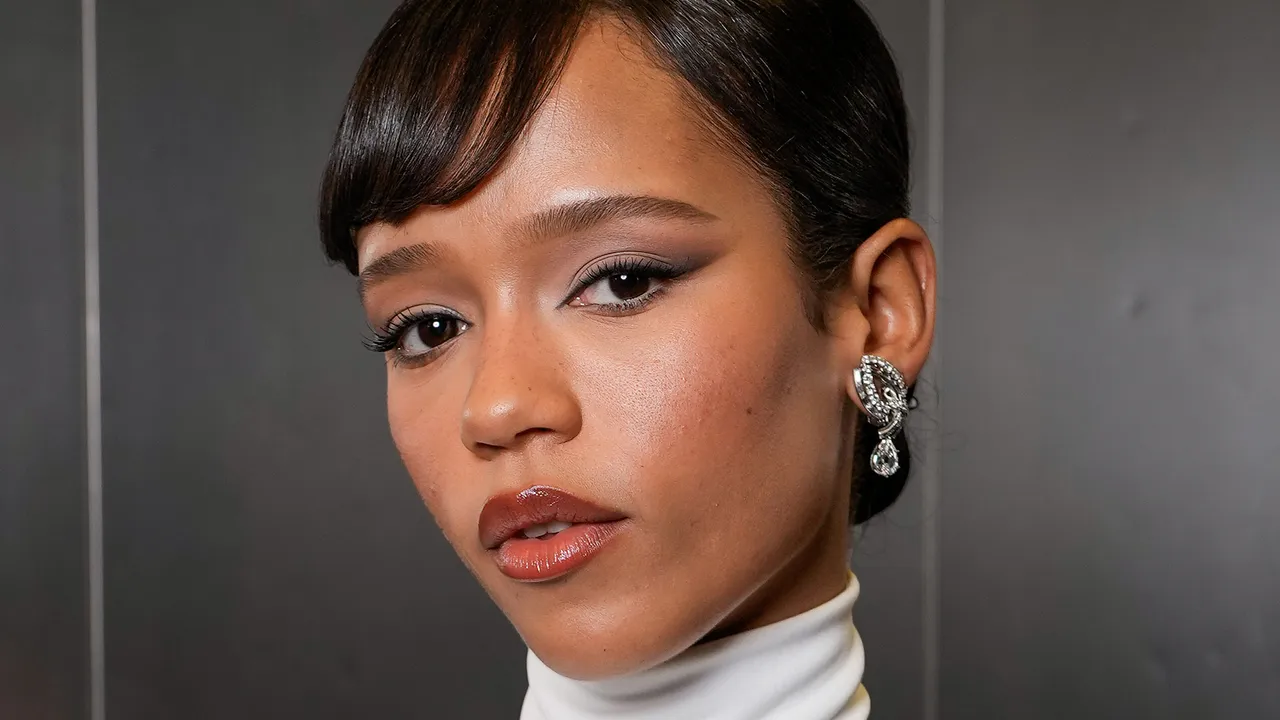
The ‘90s influence has been clear in fashion and beauty for a few years now, along with a more recent sprinkling of the ‘00s. This pairing is set to shape next year’s best lipstick trends: “We’re seeing this huge, nostalgic, Y2K–90s [influence] meeting a modern look,” says Lisa. “I think we’re going to see a lot of lip liner still in mauves and browns with a defined shape, and it’s still going to be really glossy and build volume.”

She adds that nude and pastel glosses are also coming into the mix, but “that lip liner just gives it some kind of weight.”

Kosas Hotliner Hyaluronic Acid Contouring Lip Liner

Yves Saint Laurent Loveshine Plumping Lip Oil

Berry tones

Tags: , ,
8 Beauty Trends That Will Be Huge In 2026 & 8 We're Swapping Out

8 Beauty Trends That Will Be Huge In 2026 & 8 We’re Swapping Out

According to semi-permanent makeup expert Sian Dellar, “brow trends for 2026 blend a return to natural-looking shapes with a desire for low-maintenance polish” – in other words, brows that look like your own, just more refined thanks to softer lamination techniques and even “embracing natural sparseness without heavy styling,” she adds.

The popularity of ‘baby brows’, in particular, is set to skyrocket as people continue to prioritise simpler beauty routines. Think “soft and minimally defined brows — enhancing, not transforming, the natural shape,” says Sian. Created by only laminating the first inch at the start of your brow, baby brows marry a natural look with the softly crafted arches of fluffed up brows.

Kosas Brow Pop Dual-Action Defining Pencil

Kosas Brow Pop Dual-Action Defining Pencil

Shades: 10 | Cruelty-Free: Yes | Brush: Yes

Why we love it: Kosas’ formula features a range of nourishing ingredients including panthenol provitamin B5 and castor oil, both of which are effective at encouraging hair growth. The vegan, cruelty-free pencil (which is also free from artificial fragrance, silicone, mineral oil or microplastics) is a bit of a 2-in-1 for defining brows and also helping them look their best long term.

In: Anti-gravity hair

Out: Sleek blowouts

“Big, bold, and unapologetically playful—this season is all about exaggerating and embracing voluminous, anti-gravity silhouettes,” says Kate Moss’ haristylist, Sam McKnight. “Think hair that’s larger than life, full of attitude, and effortlessly textured.”

Likewise, anti-gravity hair takes the cloud curls trend that went viral in 2025 and ups the ante. It’s still about embracing fluff and diffused texture but in 2026, it’s also about giving hair a distinctly ‘90s nostalgic vibe, including resurrecting space buns but in a modern way.

Best of all, achieving the look is refreshingly simple. First and foremost, it’s about amplifying your hair’s natural texture with texturising sprays and volumising mousses before locking in the height with hairspray.

Tristan Fewings/Getty Images

Hair By Sam McKnight Cool Girl Barely There Texture Hair Mist

Moroccanoil Curl Control Mousse

Color Wow Cult Favourite Firm + Flexible Hairspray

Tags: , , ,
How To Make Color Swirl Melt + Pour Soap

How To Make Color Swirl Melt + Pour Soap

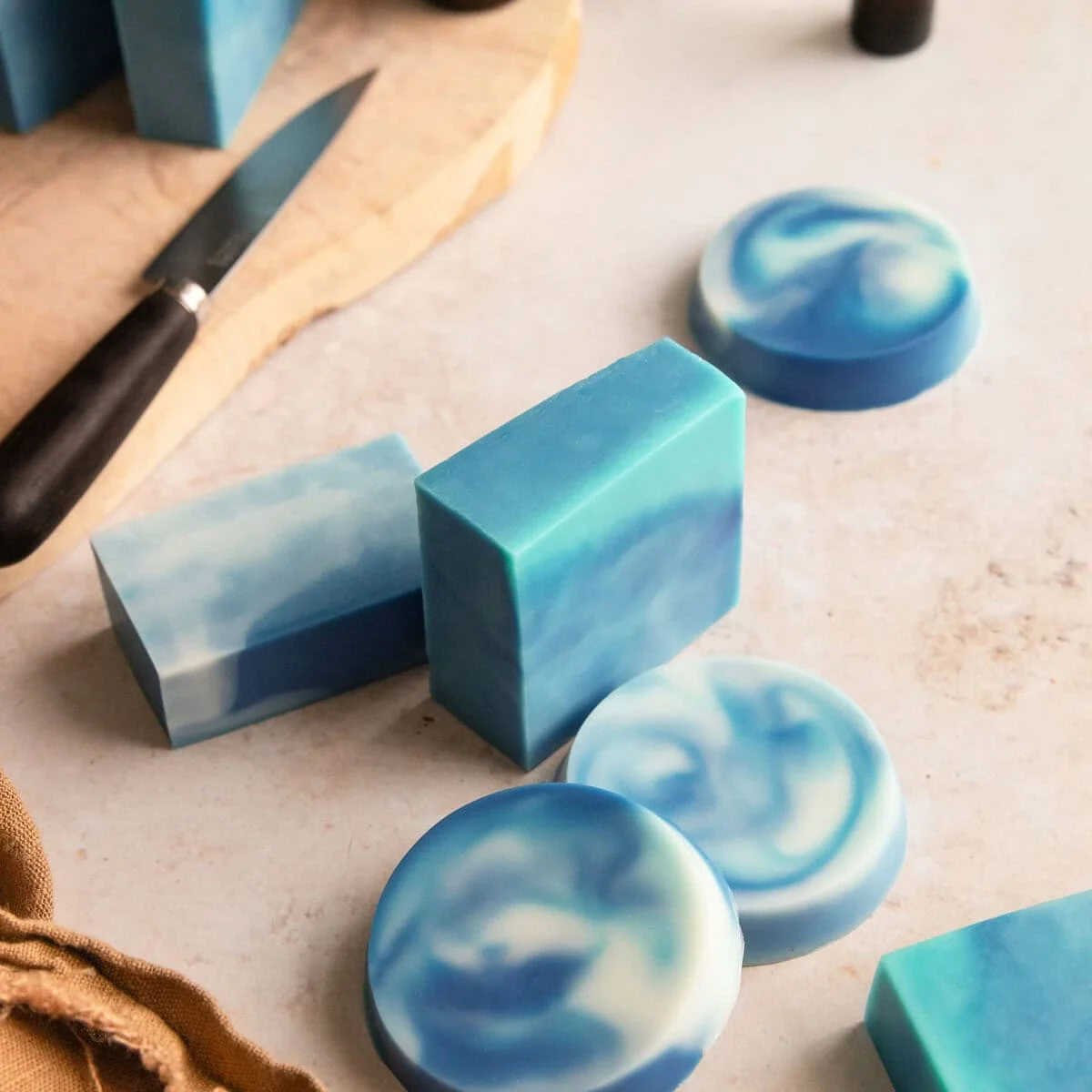
Color swirl melt and pour soap is one of my favorite projects. It’s beautiful, beginner-friendly, and always feels a little bit magical when you unmold it and slice into it. But getting those crisp, clean swirls does require understanding a few key techniques that are unique to melt and pour.

If you’re coming from the cold process soap world, you might think swirling melt and pour soap is going to be the same deal. But here’s the thing… it’s a totally different beast.

Melt and pour soap cools and thickens way faster than cold process, and it doesn’t reach “trace” (a pudding-like consistency that’s perfect for swirling). So your swirl window is pretty limited. You’ve got to work quickly and strategically or you’ll end up with a solid block before you even get your skewer in there.

But don’t let that scare you off! With a few key tricks in your back pocket, creating swirls in melt and pour (like these dreamy cloud lavender soaps) becomes totally doable.

]]>Jump to:

Supplies

Before you dive in, let’s get your supplies together. Having everything prepped and ready to go is crucial since melt and pour soap sets quickly and you won’t have time to scramble for a thermometer or skewer once you’re in the middle of swirling.

Ingredients:

  • Soap Base: You’ll need either white or clear soap base. The clear base gives you that translucent effect, while white provides opacity. While you can use either type of base, I recommend sticking with just on type and not mixing them together! Different brands and types have different weights, and if you mix them together you may find that one sinks to the bottom, leaving you with layers as opposed to swirls.
  • Mica powder: You want to use non-bleeding colorants for crisp, clean swirl lines. Mica is my go-to, but you can also use color blocks or liquid soap dye.
  • Essential oils: Totally optional, but if you’re planning to scent your soap, have the oils measured out and ready to add right after you melt the base. A good rule of thumb is roughly 1-2 teaspoons essential oil per pound of soap base.

Tools:

  • Molds: Loaf molds are super common for swirl designs since they give you those beautiful cross-sections when you slice the soap. Silicone molds also make unmolding way easier, so you don’t risk ruining your pretty swirls trying to wrestle the soap out. Feel free to use single cavity silicone molds (like we did in this post (link to swirled Sleepy Time Soap post)) if you prefer.
  • Microwave-safe containers (preferably with a spout): You’ll use these for melting your soap base and then keeping each color separate. Having multiple containers on hand means you can work with several colors at once.
  • Spoon or spatula: This is for stirring your melted soap base and mixing in your colorants and oils. A heat-safe silicone spatula works great since it can handle the heat and won’t scratch your containers.
  • Skewers: These are your swirling tools! Gently drag one through the soap to create those beautiful marbled patterns. If you don’t have a bamboo skeewer, you can also use a butter knife or chopstick.
  • Thermometer: A kitchen thermometer lets you know exactly when your soap hits that perfect swirling temperature, which makes all the difference between crisp swirls and muddy blobs.
  • Rubbing alcohol in a spray bottle: This eliminates those pesky surface bubbles after pouring. Just a few quick spritzes will pop the bubbles, leaving you with a smooth, professional-looking top.
  • Divider material: While I had a hard time making dividers work, many tutorials recommend using wax-coated dividers, stiff paper, or even a manila folder to get more controlled swirls. You’ll cut these down to size and place them in your mold to keep colors separated until you’re ready to pull the divider out and start swirling. Even though I had a hard time getting them to work, it doesn’t hurt to play around with these when making swirls your soap.

How to Swirl Melt and Pour Soap

1. Prep & Melt

Start by cutting your soap base into small, evenly-sized cubes and divide it into separate microwave-safe containers (one for each color you’re planning to use). This helps it melt more quickly and evenly.

You can melt it in the microwave in short bursts. I usually do 30 seconds at a time, stirring in between. Or use a double boiler if that’s more your style.

2. Add Color and Essential Oil

Once your soap is fully melted, add your mica powder and essential oil to each container, stirring well to make sure everything is evenly distributed.

3. Let Cool

Watch the temperature. Temperature control is everything. And I mean everything. Get that right, and you’re 90% of the way there.

You need to cool your soap until it hits the “sweet spot” for swirling (about 120°F). If your soap is too hot (around 135°F or above), the colors will blend together and your colors will blend together into a muddy mess. Too cool, and the soap will start to set before you can create your swirls. 

For more defined swirls, you want to pour around 120°F. But here’s the catch: at that temperature, the soap sets quickly, so you’ve got to work fast.

Tip: Use a thermometer. Guessing just doesn’t cut it when you’re working with such a narrow window. You need to know exactly how hot your soap is before pouring.

4. Pour into Molds

When it comes to pouring, you’ve got two main options:

Option A: Use dividers to control where each color goes and prevent premature blending. This is great if you want really structured, distinct swirls. To be totally honest though, I couldn’t get this trick to work for me.

Even with a sturdy divider, the soap simply leaked around the edges and flooded the mold. But I’m sure different types of dividers and/or dividers types of soap base will work better than others and are worth testing out.

Option B: Pour free-form, alternating colors and pouring from different heights to create a more organic, unpredictable pattern.

Vary your pour technique. Don’t just pour all your colors in the same spot or from the same height. Pour from different heights and into different parts of the mold to create interesting patterns. High pours create more movement, while low pours keep things more contained.

4. Swirl

Now for the fun part!

Drag a skewer or chopstick through the soap. You’re not stirring. You’re just gliding the tool through to pull one color into another.

A light touch is key here.

Tips: Only drag the skewer 1-2 times, max. I know it’s tempting to keep swirling and swirling to get that perfect pattern, but over-swirling will just muddle the colors. Often, just a couple gentle passes are enough.

5. Spritz with Alcohol and Let Cool

Immediately spritz the top of your soap with 99% isopropyl alcohol to get rid of any surface bubbles. Then let the soap harden fully before you unmold and cut it.

I know it’s tempting to peek early, but trust me, let it set completely so you don’t mess up your design.

Tips & Tricks

Stick to one base brand and type. We touched on this earlier, but it’s worth repeating: different bases can have different densities, even within the same brand. If you mix them, one color might sink while another floats, and your swirl definition will suffer. To avoid this, use the same soap base for all your colors.

Control the bubbles. Spritzing with 99% rubbing alcohol right after you pour helps eliminate surface bubbles. Just a few quick spritzes and those bubbles will pop right away.

Don’t move the mold until the soap has cooled completely. Even just bumping your mold can cause your swirls to mix. So once you’ve put the skewer down, don’t touch the mold! 

Cut your cooled soap based on the swirl. Sometimes you’ll end up with better swirl definition where you least expect it. If you don’t see much swirl action in the middle of the soap loaf but you do on the sides or ends, then cut your soap to highlight where the swirls are.

Troubleshooting

Even with the best techniques, sometimes things don’t go quite right. Here are some common issues and how to fix them.

Colors look muddy or blended together. This usually happens when the soap is too hot when you pour it. The heat causes the colors to mix and lose their definition, creating that muddy look.

To fix this, let your melted base cool to around 120°F before pouring. The cooler temperature helps the colors stay separate and crisp.

Swirl lines look faint or washed out. If your swirls are barely visible, you’ve probably dragged your tool through the soap too many times. Over-swirling blends the colors together and weakens those beautiful lines. A few slow, deliberate passes are usually enough to create gorgeous patterns without muddying things up.

One color sinks or rises above the others. This frustrating issue typically happens when you use bases with different densities, for example, mixing goat’s milk base with clear glycerin base. Since they have different weights, one will naturally settle above or below the other.

To avoid this, use the same melt and pour base for all your colors, or at least make sure all your bases are from the same brand and product line.

Lots of bubbles. Air gets trapped during pouring, especially if you’re pouring from a height or pouring quickly. The good news is this is one of the easiest problems to fix: simply spritz the top of your soap with 99% isopropyl alcohol right after you pour. The alcohol breaks the surface tension and those bubbles will pop almost instantly.

Soap thickens before you can pour or swirl. To prevent this, work a little quicker, or keep your containers on a heating pad or in a warm water bath so the soap stays fluid long enough to swirl.

If the soap gets chunky before you’ve had a chance to pour it, pop it in the microwave for 15 seconds. Keep heating and stirring until it’s a pourable consistency once again.

Sharp lines disappear after the soap sets. You created perfect swirls, but a day later they’ve blurred or bled into each other. This happens to the best of us. The fix is to use non-bleeding colorants like micas or color blocks specifically formulated for melt and pour soap. They’ll stay put and keep your swirls looking sharp.

FAQ

Do I need a loaf mold to swirl?

No, you can use loaf molds or single-cavity silicone molds to make swirl patterns in soap. Whichever mold you choose, the process is the roughly same.

Can I swirl with more than two colors?

Yes, many swirls use three or more colors. With more colors, dividers or careful pouring help maintain definition so everything doesn’t just blend together.

How long do I wait to unmold and cut?

Let the soap fully harden. Depending on your base and the temperature, this may take a few hours up to overnight. It’s better to wait too long than not long enough.

Will the swirl fade or bleed over time?

If you use non-bleeding colorants, you’re less likely to see bleeding later. Also, store your soap in dry, cool places to minimize sweating or color migration.

Is it normal for my soap to sweat as it sits?

Melt and pour soap can attract moisture from the air, which creates those little clear beads on the surface. To reduce sweating, wrap your soap once it’s fully set, store it in a cool, dry place, or adjust your base or additives accordingly.

0

Tags: , , , ,
Homemade Lush-Like Lavender Sleepy Soap

Homemade Lush-Like Lavender Sleepy Soap

Calming essential oil blends transform your bathroom into a pre-bedtime sanctuary with this homemade sleep soap with calming lavender. Coupled with a hot shower to relax muscles and turn off the nervous system, these soaps will revolutionize your bedtime routine and have you sleeping through the night in no time.

When was the last time you had a really good night’s sleep? For me, I honestly can’t remember. Aging, stress, and hormones have all affected my ability to either fall asleep or stay asleep, and I often wake up feeling exhausted. Which is why I’ve resorted to things like herbal remedies and hot showers before bed to get my body into sleep mode.

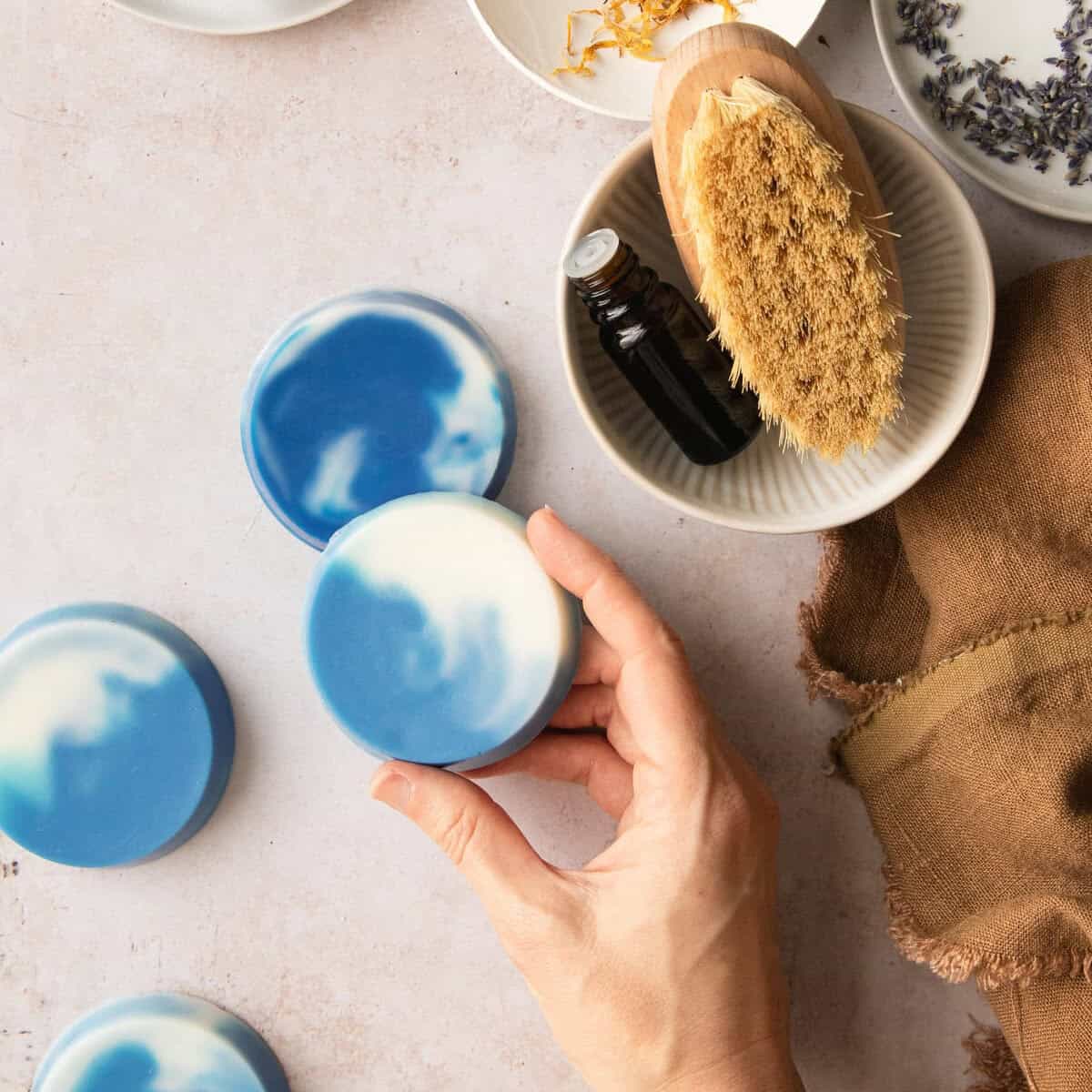
I added a simple swirl technique to give these homemade lavender soaps those dreamy, cloud-like patterns in vibrant blues and soft whites. But even if you skip the swirl in the Lush lookalikes, they’ll still be super effective (and smell amazing).

Supplies

Here’s what you’ll need to gather before you get started:

  • Melt and pour soap base — You can use any type of soap base you like. Clear glycerin, white, goat milk, shea butter, or coconut milk bases all work well. But whichever one you choose, I recommend sticking with the same type and brand, rather than mixing different bases together.
  • Mica powder — Mica is a great natural colorant that won’t irritate the skin or cause an allergic reaction.
  • Round soap mold — Single-cavity silicone molds are my go-to because the soap cools quickly (this prevents the colors from swirling and settling too much as the soap cools) and pops out easily. 
  • Heat-safe containers — Glass measuring cups or microwave-safe bowls work perfectly. You’ll need one for each color you’re planning to use.
  • Stirring utensils — Silicone spatulas or spoons are ideal for stirring in your colors and essential oils.
  • Wooden skewers — Ideal for swirling soap colors.
  • Rubbing alcohol in a spray bottle — This is essential for popping bubbles and helping layers adhere to each other if you’re doing a layered pour.
  • Thermometer — To get the best swirls, you want the temperature to be somewhere around 120°F. Without a thermometer its hard to know when the soap reaches the perfect temperature, so I highly recommend investing in one. 
  • Essential oils — As always, you can use whatever oils you have at home, or you can choose from the sleepy time blends below.

Essential Oils for Sleep

If you want your soap to smell as relaxing as it looks, essential oils are the way to go. Whether that’s classic lavender, cozy chamomile, or something with a hint of cedarwood or ylang ylang, there’s definitely a scent in there that’ll work for you.

Here are some of my favorite oils for creating that sleepy-time atmosphere:

  • Lavender — The classic calming floral. Lavender is probably the most well-known essential oil for relaxation, and for good reason! It has a soft, herbal scent that just makes you want to curl up and unwind.
  • Chamomile — Soft and incredibly grounding, Roman chamomile is especially gentle and works beautifully in sleep blends.
  • Cedarwood — Warm and steadying cedarwood has a woody, slightly sweet scent that’s perfect for evening. It pairs really well with lavender.
  • Bergamot — This one’s a little unexpected. Bergamot is bright and citrusy, but it also has relaxing properties that help quiet the mind. Just use it sparingly since it can be a bit strong.
  • Ylang ylang — Lush, floral, and deeply soothing. A little goes a long way with ylang ylang, so use it lightly or it can be overwhelming.

Instructions

I’m keeping this high-level here since there’s a detailed recipe card at the end, but here’s the basic process:

Melt and mix the soap. Cut your soap base into small cubes and melt each color in separate containers using the microwave (in short bursts) or a double boiler. Stir in your chosen colors and essential oils until everything is evenly distributed.

Dreamy Essential Oil Blends

You need a total of 1-2 teaspoons of essential oil per pound of soap base so you may need to scale these blends up depending on how much soap base you’re using and your own personal preference.

1. Soothing Lavender Blend

30 drops Lavender + 16 drops Cedarwood + 6 drops Bergamot

2. Nighty Night Blend

25 drops Roman Chamomile + 12 drops Lavender + 8 drops Vanilla

3. PM Calm Blend

20 drops Cedarwood + 8 drops Ylang Ylang + 5 drops Lavender

Let it cool slightly (this is important!) If the soap is too hot when you pour it, the colors will blend together and you’ll lose that beautiful swirl definition. Aim for 120°F, give or take a few degrees.

Pour the colors into the mold at the same time. Then lightly drag a skewer through the soap 1-2 times to create the swirl. Pouring simultaneously ensure that you can see the swirl on all the surface of the soap.

Let it harden and unmold. This usually takes at least 4-5 hours. If the soap is being stubborn, pop the mold in the fridge or freezer for a few minutes to help it release.

Top Tip

In order to get those gorgeous, distinct swirls, let the colors cool a little longer than you think you should before pouring. I know it’s tempting to pour right away, but slightly thicker soap creates more distinct, dreamy swirls and keeps the colors from muddying together. Trust me on this one, patience pays off!

Storage

Melt and pour soap naturally attracts moisture from the air, which creates those little beads on the surface. So you’ll want to wrap finished bars in plastic wrap to prevent glycerin dew. 

Then store in a cool, dry place away from bright sunlight. Depending on your soap base and colorant, you may find that the swirls start to bleed into each other over time, and heat and light can exacerbate this.

If this happens, either melt the bars down and blend the colors so there’s no more bleed. Or toss them out and make a fresh a batch.

More DIY Lush Madness

FAQ

Can I re-melt the soap if I mess up?

Absolutely. That’s one of the best things about melt and pour—it’s incredibly forgiving. If you don’t like how it turned out, just chop it up, re-melt it, and try again.

How long do the soaps last?

Typically 1 to 2 years, depending on how you store them. Keep them wrapped and in a cool spot, and they’ll stay fresh for a long time.

Can kids use these soaps?

Yes, just make sure to use kid-safe essential oils.

Print

]]>]]>

How To Make Sleepy Soap with Essential Oils

The cloud soaps make wonderful gifts, or you can keep them all for yourself and enjoy a little slice of calm every night before bed. Sweet dreams!

Prep Time1 hour

Cooling Time4 hours

Total Time5 hours

Course: Bath and Body Soap, DIY

Keyword: soap

Yield: 6 soaps

Author: Stephanie Pollard

Cost: $15

Equipment

  • Circular silicone soap mold

  • Heat-resistant containers for melting and pouring one per color

  • Stirring utensils for stirring soap as it melts

  • Kitchen thermometer

  • Wooden skewers for swirling soap

Notes

For wispy swirls: Pour from a distance to make the colors mix more intricately.
For bold swirls: Pour larger amounts of soap at once.
For defined layers: Pour a layer, let it form a thin skin, and then pour the next layer on top.

Soothing Lavender Blend

30 drops Lavender + 16 drops Cedarwood + 6 drops Bergamot

Nighty Night Blend

25 drops Roman Chamomile + 12 drops Lavender + 8 drops Vanilla

PM Calm Blend

20 drops Cedarwood + 8 drops Ylang Ylang + 5 drops Lavender
0

Tags: , , , ,
10 Key Beauty Trends to Know for 2026 F

10 Key Beauty Trends to Know for 2026

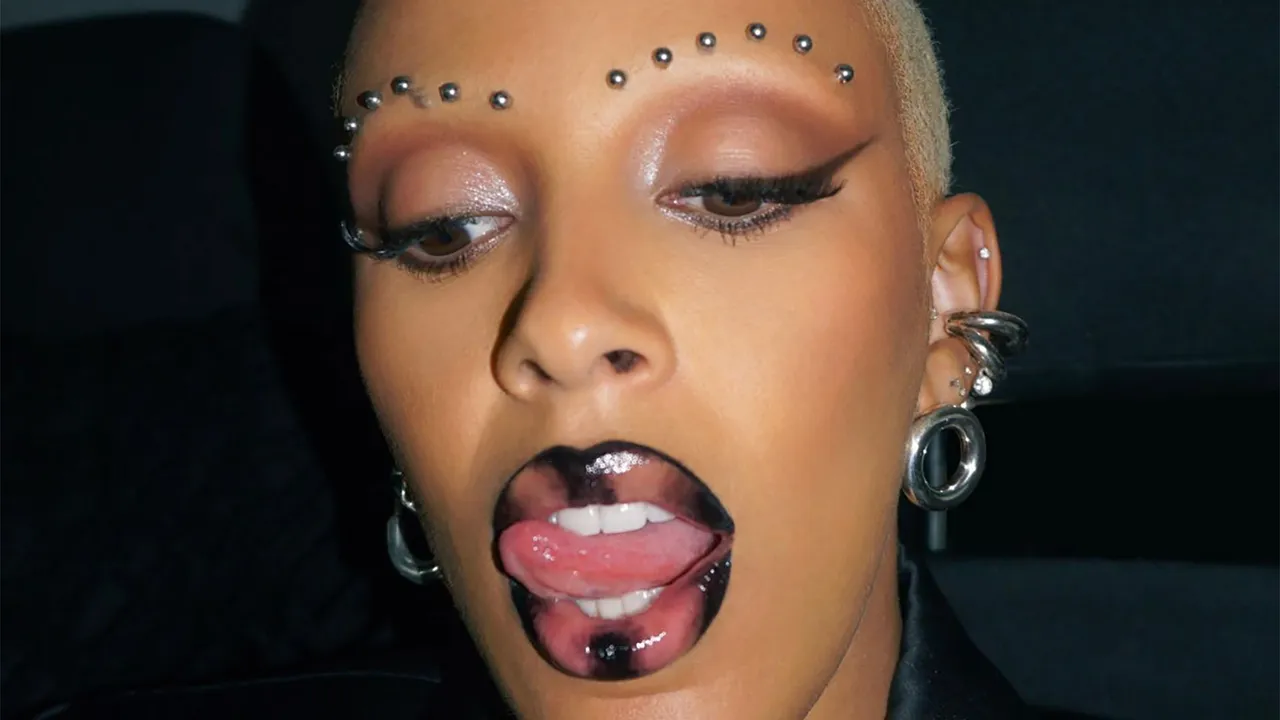
Makeup becomes expressive again rather than invisible.

Beauty in 2026 is less about chasing perfection and more about building longevity, resilience, and confidence across skin, body, and mind.

The industry is shifting away from surface-level fixes towards routines rooted in health, technology, and emotional well-being.

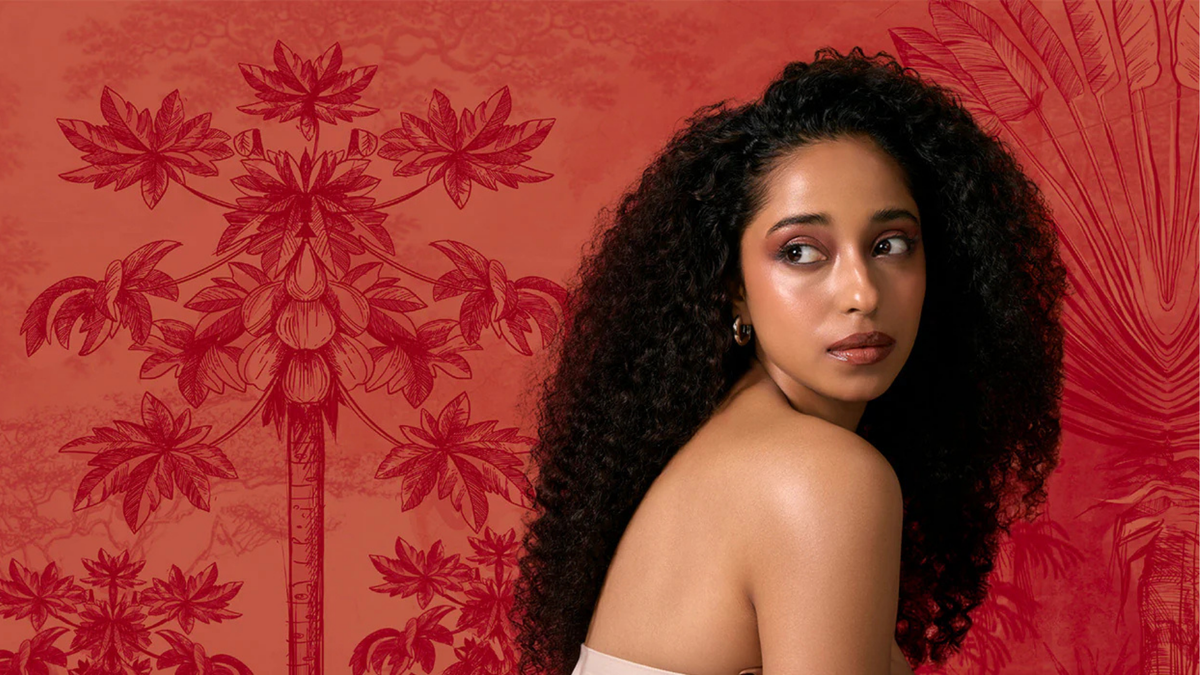
For South Asians, this evolution feels particularly relevant as conversations around hyperpigmentation, sensitivity, and holistic wellness continue to grow.

Skincare, makeup, and wellness are no longer separate categories but deeply interconnected parts of daily life.

Brands are responding with smarter formulations, personalised tech, and rituals that fit modern, busy lifestyles.

There is also a stronger focus on inclusivity, from shade ranges to cultural beauty needs that were once overlooked.

Gen Z and younger millennials are driving these changes, demanding transparency, performance, and pleasure from their products.

Beauty is now expected to support mental clarity, physical health, and long-term skin strength.

These ten key trends offer a clear picture of where beauty is heading in 2026 and how to start adapting now.

Whether you are a minimalist or a full glam lover, these shifts will shape how routines look and feel.

Metabolic and Longevity Beauty

Beauty in 2026 looks far beyond anti-ageing and focuses on how skin functions over time.

Products increasingly reference metabolism, cellular energy, and biological age rather than wrinkles alone.

This approach reframes skincare as a long-term investment rather than a corrective solution.

Prejuvenation becomes a key term, especially for those in their twenties and thirties.

For South Asians, who often experience pigmentation or inflammation earlier, longevity-focused formulas feel more preventative and empowering.

Ingredients are positioned to support skin resilience against stress, pollution, and hormonal changes.

Clinical language enters everyday beauty, borrowing ideas from functional medicine and dermatology.

Treatments and home care aim to support skin health at a cellular level. The goal is not reversing time but strengthening skin so it ages well and predictably.

This marks a more realistic and sustainable approach to beauty expectations.

Beauty From Within and Nutricosmetics

Ingestible beauty continues to grow as consumers seek visible results that start internally.

Collagen, probiotics, adaptogens, and micronutrient blends are marketed for glow, hair density, and barrier strength.

Sleep quality and gut health are increasingly linked to how skin looks and feels.

This resonates strongly within South Asian wellness traditions that already value internal balance.

Skincare brands now pair topical products with capsules, sachets, or functional drinks.

These combinations promise more comprehensive and consistent results. The messaging focuses on daily rituals rather than quick transformations.

Beauty becomes part of nutrition, not separate from it.

For busy lifestyles, this integrated approach feels practical and modern. It also reflects a growing trust in science-backed supplementation.

AI-Powered Personalisation

Artificial intelligence becomes central to how beauty routines are built and maintained.

Skin analysis tools assess tone, texture, acne, and sensitivity in real time.

Recommendations now change with climate, hormones, stress levels, and lifestyle habits. This dynamic approach feels far more realistic than static routines.

Virtual consultations allow users to access expert guidance without clinical appointments.

This is especially useful for communities historically underserved by dermatology.

Makeup matching also improves, offering better shade accuracy for deeper and olive undertones.

South Asian consumers benefit from fewer compromises.

Personalisation becomes an expectation rather than a luxury. Beauty finally adapts to the individual, not the other way around.

Neurocosmetics and Mood Regulating Beauty

Beauty products increasingly claim to influence mood through the skin-brain connection.

Formulas focus on stress relief, focus, calm, or relaxation.

Scents, textures, and application rituals are designed as emotional experiences.

Skincare becomes a moment of pause rather than another task. This trend reflects wider conversations around burnout and mental health.

Small daily rituals feel grounding and restorative.

For South Asians balancing family, work, and cultural expectations, this emotional support feels meaningful.

Beauty routines become private moments of self-care. The sensory element is just as important as visible results. Feeling better becomes part of looking better.

Microbiome, Barrier, and Sensitive Skin Science

Sensitive and reactive skin concerns continue to rise globally.

Barrier repair and microbiome balancing remain at the centre of skincare innovation.

Probiotic and postbiotic ingredients support healthier skin ecosystems.

Minimalist formulations reduce irritation and overuse. This is particularly relevant for South Asians prone to redness, adult acne, or compromised barriers.

Gentle formulas offer safer long-term use. Dermatology-inspired products move into mainstream beauty.

Clinical credibility matters more than fragrance or packaging. The focus shifts towards calming, strengthening, and protecting skin.

Healthy barriers become the foundation for all other goals.

Tech-Powered Try On and Virtual Artistry

Virtual try-on technology evolves into full look simulations. Users can test skin, eyes, lips, and hair with improved realism.

Shade accuracy and texture simulation become far more reliable. This reduces waste and increases confidence when shopping online.

Global inclusivity improves as more complex undertones are represented digitally.

South Asian users see themselves reflected more accurately.

Brands use virtual artistry to launch editorial and limited drops first online.

Digital experimentation feels playful and accessible. This technology supports bolder beauty choices without commitment.

Creativity becomes easier and more democratic.

Maximalist Glamour and Eye Focus

After years of understated aesthetics, glamour makes a confident return.

Statement eyes lead the way with lashes, liners, and shimmer. The look feels nostalgic yet refined, inspired by classic bombshell energy.

Makeup becomes expressive again rather than invisible.

South Asian beauty traditions already celebrate dramatic eyes, making this shift feel familiar. Cultural influences gain renewed relevance.

Complexion remains polished but not heavy. The focus is on impact rather than excess.

Going out makeup regains its place as a form of joy. Beauty feels fun again.

New Mattes and Skinified Makeup

Matte finishes return with softer, blurred textures. Lips and bases feel pillowy rather than flat or drying.

Makeup now includes skincare-grade ingredients like peptides and ceramides. Products treat while they perfect.

Foundations and tints support hydration and barrier health. SPF becomes standard rather than optional.

This benefits South Asian skin tones that often struggle with traditional mattes. Comfort and performance finally align.

Makeup feels lighter yet more functional. Everyday products work harder behind the scenes.

Sustainability 2.0 and Upcycled Formulas

Sustainability evolves beyond surface-level claims. Consumers demand traceable sourcing and measurable impact.

Biotech ingredients and upcycled botanicals gain credibility. Waste reduction becomes central to product design.

Refillable packaging and concentrated formulas are increasingly expected. Gen Z drives this accountability.

For conscious consumers, values influence purchasing decisions more than trends. Beauty becomes an ethical choice.

Sustainability feels integrated rather than performative. The industry moves towards long-term responsibility.

Hybrid Beauty Wellness Rituals

The boundaries between beauty, wellness, and performance continue to blur. Routines are framed as full-body rituals.

Body care adopts facial-level ingredients and textures. Serum-like products treat skin from head to toe.

Sleep, circadian rhythm, and recovery become beauty concerns. Launches focus on rest as much as results.

This holistic framing aligns with South Asian wellness philosophies rooted in balance. Beauty supports daily functioning.

Rituals feel intentional and personalised. Beauty becomes part of lifestyle design.

Beauty in 2026 is smarter, deeper, and more emotionally aware. The focus shifts from fixing flaws to supporting long-term well-being.

Technology plays a central role, but human experience remains at the heart of routines. Personalisation and inclusivity finally feel meaningful.

For South Asians, these trends offer better representation and more relevant solutions.

Cultural beauty needs are increasingly acknowledged.

Wellness, skincare, and makeup now exist on the same spectrum. This integration feels more realistic and sustainable.

Rather than chasing every launch, consumers are encouraged to build intentional routines. Beauty becomes a tool for confidence and care.

Understanding these trends helps you move forward with clarity, curiosity, and a stronger sense of self.

Tags: , ,
Best oLive
Privacy Overview

This website uses cookies so that we can provide you with the best user experience possible. Cookie information is stored in your browser and performs functions such as recognising you when you return to our website and helping our team to understand which sections of the website you find most interesting and useful.