The skincare products dermatologists suggest you to cut from your overloaded daily routine

The skincare products dermatologists suggest you to cut from your overloaded daily routine

Fewer products. Calmer skin. Less chronic irritation. That is the practical health promise behind a “less is more” shift reshaping how dermatologists talk about skincare, with top specialists now naming common products they say most people can safely drop. The timing matters.

As social media pushes routines to new levels of complexity and expense, clinicians are warning that overloaded regimens may be damaging the skin barrier and fueling the kind of chronic inflammation that drives conditions like acne, rosacea and eczema. Here is where the movement stands, why it is gaining ground and what to watch next.

What’s happening

Dermatologists across major clinics and medical schools are publicly identifying skincare products they say are unnecessary, ineffective or actively harmful. The list spans eight common items, including sheet masks containing active ingredients, collagen creams, harsh exfoliators, pore strips, alcohol-based products, cleansing wipes, astringent toners and expensive sunscreens, with dedicated makeup removers added to the chopping block as well.

Advertisement

Advertisement

Dr. Shereene Idriss, a board-certified cosmetic dermatologist and founder of Idriss Dermatology in Manhattan, laid out the case against several of these on “The Mel Robbins Podcast.” She singled out sheet masks that carry retinol or other actives as a “red flag,” arguing that locking a strong ingredient onto the skin under occlusion can trigger irritation in delicate areas.

Collagen-labeled moisturizers drew similar criticism. “The word ‘collagen’ on this moisturizer makes people think that it’s going to help them replenish their collagen,” Idriss said. “But it’s a hydrating moisturizer. It’s not going to replenish your collagen.”

Why it’s happening

Three forces are driving the shift. The first is clinical. Dermatologists are now openly linking rising complexion issues to overuse of products. “I don’t think it’s a coincidence that we use more skin care products than ever before and yet, collectively, complexion issues seem to be at an all-time high,” Dr. Rachel Westbay, a board-certified dermatologist at Marmur Medical, told HuffPost. She warned that layering cosmetic chemicals can damage the skin barrier and microbiome, fueling a cycle of irritation that pushes consumers toward even more products.

The second force is economic. Shoppers are being told plainly that premium pricing does not equal better results. “Expensive packaging doesn’t mean more protection,” Mona Gohara, MD, associate clinical professor of dermatology at Yale School of Medicine, told The Healthy, referring specifically to sunscreen.

Advertisement

Advertisement

The third is a direct backlash against social media’s influence over routines. “There has been a surge in ‘more is more’ fuelled by social media, such as Instagram and TikTok, which sees individuals applying multiple products and often adding unnecessary steps into their skincare routine,” consultant dermatologist Dr. Anjali Mahto told Refinery 29. “I’ve seen some videos where people will use up to 5-6 different actives in one evening skincare routine — and it’s not necessary.”

The practical takeaway is simple. The cheapest and most effective health move you can make this quarter is to subtract from your bathroom shelf rather than add to it.

“Skincare regimens have become way overcomplicated.” Dr. Kathleen Suozzi, professor of dermatology, Yale School of Medicine

What could be next

Expect the “skin fasting” and barrier-repair conversation to move from dermatologist offices into mainstream retail aisles over the next 12 to 18 months, with three distinct consequences for shoppers.

Advertisement

Advertisement

First, routines will shrink. Dr. Marisa Garshick, a board-certified dermatologist and clinical assistant professor of dermatology at Weill Cornell Medicine, has been explicit. “Less is often more when it comes to skin care. For many people, a simple routine that can be used consistently will often yield greater results than a complicated routine that may lead to dryness or irritation of the skin.” A practical first step is to audit your current shelf and flag any product that overlaps in function with another. If two products do the same job, keep the gentler and cheaper one.

Second, specific product categories will face sustained pressure. Astringent toners, pore strips, cleansing wipes and sheet masks loaded with actives are the most exposed. Westbay called astringents a holdover from the lye-soap era and warned they can strip the lipid barrier and paradoxically trigger more oil and acne. She was similarly blunt on wipes. “Even the most gentle face wipes can irritate and strip the skin barrier, leaving your skin red and wrinkled. And, to be honest, they really aren’t effective as cleansers.” Before your next restock, read the ingredient label and ask whether a basic cleanser could do the same job more gently. On collagen creams specifically, Omar Ibrahimi, a Connecticut-based dermatologist, told Business Insider the molecules are too large to reach the dermis, meaning the premium you pay for that claim is wasted.

Third, consumer suspicion of viral skincare advice will keep rising, and dermatologists will keep pushing back harder. “People get all of these recommendations from social media, and they come into the office and there’s 20 things they’re using in the morning or evening,” Dr. Mara Weinstein Velez, a board-certified dermatologist and assistant professor at the University of Rochester Medical Center, told SELF. “Stop overcomplicating your routine.” A sensible move before trying any trend is to check the credentials of the person recommending it. Aesthetician Ashlyn Yanke told the Cleveland Clinic that consulting a dermatologist is especially important for anyone with sensitive skin or a history of skin conditions.

THREE SIGNALS TO WATCH

  1. Retailer shelf changes. Watch whether major drugstores and beauty chains begin reducing shelf space for pore strips, astringent toners and cleansing wipes in 2025 restocks.

  2. Ingredient labeling pushback. Look for industry or regulatory scrutiny of topical “collagen” claims, which dermatologists including Idriss and Ibrahimi say cannot penetrate the skin.

  3. The next viral routine. Track whether the dominant TikTok skincare trend of the next six months leans toward minimalism and barrier repair, or snaps back toward multi-step layering with stacked actives.

This article was created by content specialists using various tools, including AI.

Tags: , , , , , , ,
Don't Forget Your Neck and Behind Your Ears! The Blind Spots of Men's Skincare|Kingly【メンズ美容】

Don’t Forget Your Neck and Behind Your Ears! The Blind Spots of Men’s Skincare|Kingly【メンズ美容】

Kingly Skincare Column: Don’t Forget Your Neck and Behind Your Ears! The Blind Spots of Men’s Skincare

In your daily life, are there moments when you suddenly notice dryness, stickiness, or roughness on your skin? Consistent daily care is the key to cultivating a healthy skin impression for the future.

1. Main Causes and Mechanisms of Skin Problems

The stratum corneum on the skin’s surface acts as a “barrier function” that prevents external irritation and keeps internal moisture from evaporating. However, when affected by friction, UV rays, seasonal temperature changes, or irregular lifestyle habits, this barrier function can easily weaken.

See product details on the official Kingly website

Bring out your skin’s natural beauty with careful daily moisturizing care

2. Concrete Approaches to Maintaining Healthy Skin

When washing your face, the basic rule is to wash gently with lukewarm water instead of scrubbing. After washing, it is important to moisturize thoroughly without delay to maintain the balance of moisture and oil.

3. Future Skin Impressions That Change with Daily Habits

Rather than expecting rapid changes in a short period, it is more important than anything to continue your daily skincare routine without strain. Let’s make comfortable care a habit with simple steps that suit you.

Kingly care aimed at achieving clean, high-quality skin

See the product page on the official Kingly Amazon store

Reviewing Your Routine Starting with Daily Observation

Skin condition changes due to multiple factors such as the season, indoor environment, sleep, and how you wash your face. It is important to look back on times when you felt tightness or stickiness and to organize the basics without adding too many steps. Wash gently with lukewarm water, spread the necessary amount with clean hands, and blend it in without rubbing.

Linking it to fixed morning and evening actions makes it easier to continue without strain. Do not change too much at once, and choose a method that fits your life while checking how it feels to use. If redness or strong itching persists, do not rely on your own judgment and consult a dermatologist.

Reviewing Your Routine Starting with Daily Observation

Skin condition changes due to multiple factors such as the season, indoor environment, sleep, and how you wash your face. It is important to reflect on times when you felt tightness or stickiness, and to focus on the basics without adding too many steps. Wash gently with lukewarm water, spread the necessary amount with clean hands, and apply it without rubbing.

Linking it to fixed morning and evening routines makes it easier to continue without strain. Do not change too much at once, and choose a method that fits your lifestyle while checking how it feels to use. If redness or strong itching persists, do not rely on your own judgment and consult a dermatologist.

Reviewing by starting with daily observation

Skin condition changes due to multiple factors such as the season, indoor environment, sleep, and how you wash your face. It is important to reflect on times when you felt tightness or stickiness, and to focus on the basics without adding too many steps. Wash gently with lukewarm water, spread the necessary amount with clean hands, and apply it without rubbing.

Linking it to fixed morning and evening routines makes it easier to continue without strain. Do not change too much at once, and choose a method that fits your lifestyle while checking how it feels to use. If redness or strong itching persists, do not rely on your own judgment and consult a dermatologist.

In daily care, avoid strong friction or excessive washing, and review your moisturizing and UV protection according to your skin condition. Choose a simple routine you can stick to, and observe changes calmly over a period of several weeks.

In daily care, avoid strong friction or excessive washing, and review your moisturizing and UV protection according to your skin condition. Choose a simple routine you can stick to, and observe changes calmly over a period of several weeks.

In daily care, avoid strong friction or excessive washing, and review your moisturizing and UV protection according to your skin condition. Choose a simple routine you can stick to, and observe changes calmly over a period of several weeks.

Skin condition changes daily. Continue face washing, moisturizing, and UV protection within a range that fits your life, and review your steps if you feel irritation. Do not push yourself, and consult a professional if any concerning symptoms persist.

Skin condition changes daily. Continue face washing, moisturizing, and UV protection within a range that fits your life, and review your steps if you feel irritation. Do not push yourself, and consult a professional if any concerning symptoms persist.

Skin condition changes daily. Continue face washing, moisturizing, and UV protection within a range that fits your life, and review your steps if you feel irritation. Do not push yourself, and consult a professional if any concerning symptoms persist.

#Kingly #MensSkincare #MoisturizingCare #SkincareHabits #DrySkinCare

Tags: , , , , , , ,
LinkedIN Icon

Dot & Key Launches Evolved Barrier Repair Moisturizer Formulation

VMPL

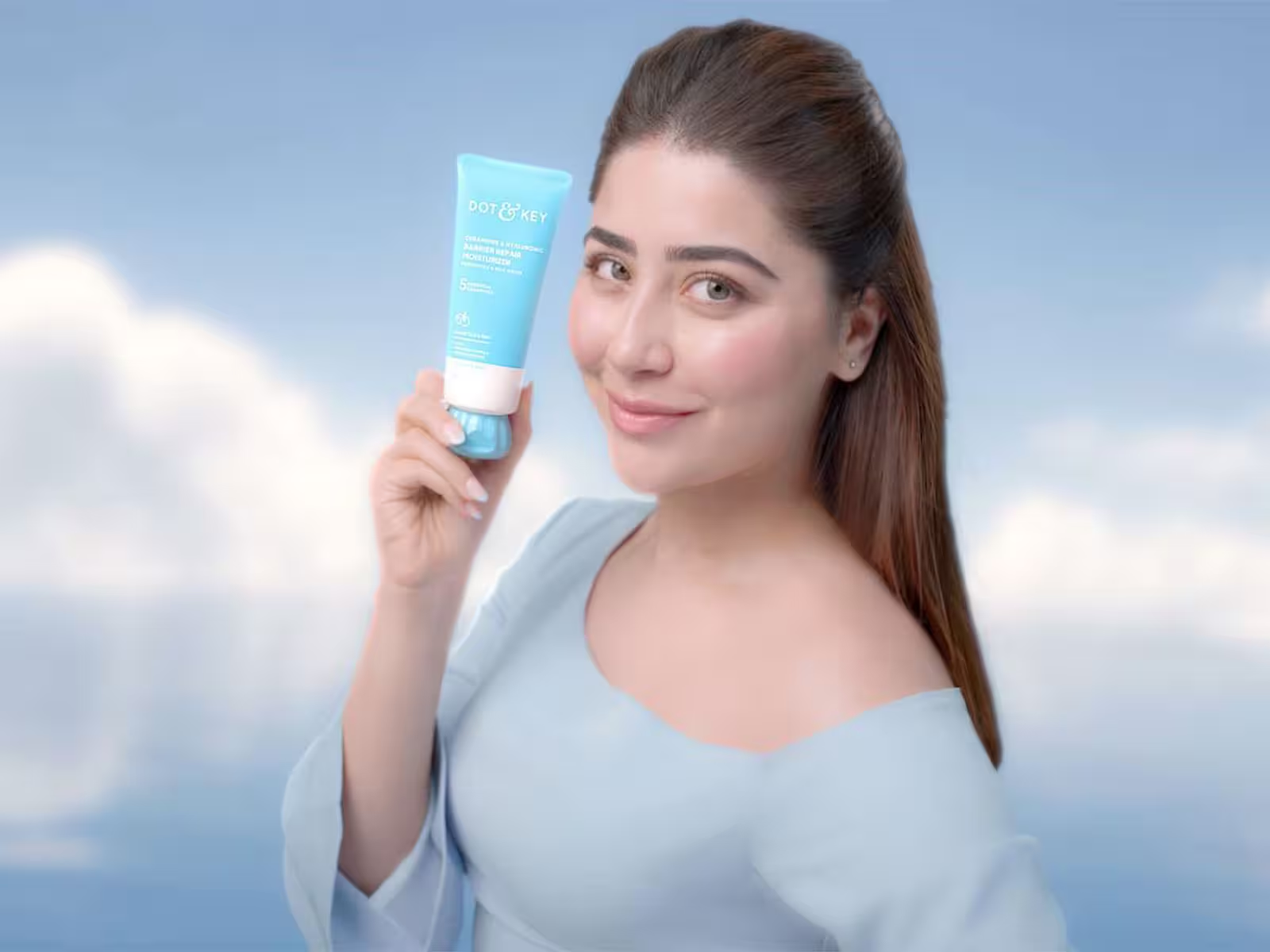
New Delhi [India], October 26: Dot & Key, India’s fastest-growing D2C skincare brand, continues to evolve its formulations in response to changing consumer needs, with the upgrade of its Barrier Repair Moisturizer (Hyaluronic + Ceramides). The refreshed formulation reflects the brand’s commitment to continuously enhancing its products to address the evolving skincare needs of consumers and the everyday challenges of urban living.

As consumers face growing exposure to pollution, environmental stressors and the effects of modern urban lifestyles, skin barrier health is becoming an increasingly important part of everyday skincare. Responding to these evolving needs, Dot & Key’s latest campaign highlights the role of science-backed formulations in helping protect and strengthen the skin barrier.

Featuring brand ambassador Aditi Bhatia, the ad film introduces the upgraded Urban Defence Formula, combining five essential ceramides to lock in moisture and help repair the skin barrier, ectoin to boost resilience against environmental stressors, and hyaluronic acid for long-lasting hydration. The formulation is further enriched with probiotics to support a balanced skin microbiome and Japanese rice water to soothe redness and irritation. Designed for dry skin, these ingredients deliver up to 120 hours of moisturisation while helping improve skin barrier health.

Commenting on the film, Anisha Agarwal Saraf, Co-Founder & Chief Innovation Officer, Dot & Key Skincare, said: “As consumer needs evolve, so must skincare. With the upgraded Barrier Repair Moisturizer, we’ve enhanced an everyday essential with the inclusion of ectoin to help protect against daily pollutants while delivering up to 120 hours of hydration. Our focus remains on creating science-backed formulations that address everyday skin concerns effectively and accessibly.”

The film is now live across digital and social platforms, reinforcing Dot & Key’s focus on translating consumer insights into relevant product innovation and making science-backed skincare accessible to a wider audience.

Watch the campaign film here: https://youtu.be/-FmXeJRiQVs?si=B0-gk_1N-oc7_6kp

About Dot & Key

Dot & Key is India’s fastest-growing D2C skincare brand, known for its consumer-first approach and category-defining innovations. Headquartered in Kolkata, the brand was founded in 2018 by Anisha Agarwal Saraf and Suyash Saraf, with a mission to make global-standard skincare accessible to Indian consumers. Dot & Key has emerged as a leading player in India’s beauty market, with strong positions across sunscreens, moisturisers, facewash and lip balms including its flagship Vitamin C and Blueberry Barrier Repair ranges. All innovation is developed in-house at Dot & Key’s own R & D lab, where a team of skincare scientists with over 50 years of combined experience blend the best of fruit actives and high-performance ingredients. The brand is backed by Nykaa, India’s leading beauty and wellness aggregator, and reaches millions of consumers through a robust omnichannel presence.

(ADVERTORIAL DISCLAIMER: The above press release has been provided by VMPL. ANI will not be responsible in any way for the content of the same.)

Disclaimer: No Business Standard Journalist was involved in creation of this content

First Published: Oct 26 2026 | 3:20 PM IST

Tags: , , , , , , ,
Why Does Your Skin Feel Tight Despite Moisturizing? 5 Habits to Revisit|若菜wakana@推し活、美容、メンタル

Why Does Your Skin Feel Tight Despite Moisturizing? 5 Habits to Revisit|若菜wakana@推し活、美容、メンタル

As the air turns cold in the mornings and evenings, skin dryness starts to become a concern.

“My skin feels tight even though I use both lotion and emulsion.”

“It felt moisturized in the morning, but it’s flaky by the evening.”

“I’m using the same skincare as last year, but it’s not enough this year.”

Do you ever feel this way?

Especially in your 40s, you might be noticing skin changes that didn’t bother you before.

When dryness becomes a concern, you naturally want to buy more skincare products that seem to have high moisturizing power, don’t you?

However, there are some things you should check before doing that.

In fact, your daily face washing, how you take baths, and the timing of your moisturizing can all be related to skin dryness.

In this article, we have summarized five habits to revisit for autumn and winter dryness prevention, based on information introduced by dermatology experts.

1. Why does my skin feel dry even when I moisturize?

The surface of your skin has a “barrier function” that prevents moisture from escaping and protects it from external irritants.

This function is related to moisture in the stratum corneum, intercellular lipids, and sebum.

However, when moisture and sebum are lost due to dry air, hot water, or over-washing, your skin can easily become dry.

Also, skin changes due to aging are one of the factors related to dryness.

In other words, even if you use skincare products, you may not feel sufficiently moisturized depending on your skin condition and daily habits.

Therefore, here are the five things you should revisit first.

2. Are you rubbing your skin too much when washing your face?

When washing your face, do you find yourself using too much pressure in an attempt to thoroughly remove dirt?

Actually, rubbing more than necessary can cause irritation to your skin.

The American Academy of Dermatology (AAD) recommends washing your face gently with your fingertips using lukewarm water.

It is also important to pat your skin dry with a towel after washing, rather than rubbing it vigorously.

Points to Revisit

  • Wash with lukewarm water, not hot water

  • Do not scrub vigorously

  • Check if products with strong cleansing power are causing irritation

  • Gently pat your skin dry with a towel after washing

If your skin feels tight, try reviewing not just your moisturizing products, but also how you wash your face.

3. Is your bath water too hot?

When it gets cold, you want to take a long, hot bath, don’t you?

However, water that is too hot or long baths can be a burden on dry skin.

The AAD suggests using water that is not too hot and limiting baths or showers to about 5 to 10 minutes as a measure against dry skin.

Of course, bathing time varies depending on your lifestyle and physical condition.

However, if you are concerned about dry skin, it might be worth considering lowering the water temperature slightly or avoiding long baths.

Since it is the cold season, you want to be mindful of your bath temperature.

4. Is your moisturizing timing too late?

After getting out of the bath, you dry your hair, get dressed, and look at your smartphone.

Before you know it, has some time passed before you moisturize?

When it comes to dry skin care, the timing of moisturizing is also important.

The AAD recommends applying moisturizer while your skin is still slightly damp after washing your face or bathing.

Moisturizers work to prevent the loss of moisture from the skin.

Therefore, it is a good habit to moisturize as soon as possible after washing your face or bathing.

Easy-to-adopt tips

  • Keep moisturizing products on the bathroom vanity

  • Have them ready in a place where you can use them immediately after bathing

  • Layer moisturizer as needed on areas prone to dryness

Before adding new cosmetics, another method is to review the timing of when you apply what you are currently using.

5. Are you finishing your moisturizing routine with just lotion?

Do you think that using plenty of lotion is enough to moisturize your skin?

While lotion plays a role in replenishing moisture and hydrating ingredients, it may not be enough on its own if your skin is very dry.

The AAD notes that for dry skin, cream or ointment-based moisturizers may be more suitable than lotion-type products.

However, heavy creams do not suit everyone.

How you choose products also changes depending on your skin type, the season, and your preference for how they feel.

Ingredients to look for in moisturizing items

Ceramides

A type of intercellular lipid present in the stratum corneum, this ingredient is involved in skin moisture retention and barrier function.

Hyaluronic acid

It has the property of retaining moisture and is used as a moisturizing ingredient in cosmetics.

Glycerin

One of the most representative moisturizing ingredients, it has the property of attracting moisture.

Vaseline

It is used to cover the surface of the skin and suppress the evaporation of moisture.

These are not products where the inclusion of just one ingredient will guarantee an improvement in dryness.

The overall formulation of the product and its compatibility with your skin are also important.

It is not that expensive cosmetics are necessarily better; choosing products that suit your skin and that you can continue to use without strain is what is important.

6. Pay attention to your room environment during the heating season

Autumn and winter are seasons when you need to be concerned not only about the outside air but also about indoor dryness.

Using heating can sometimes lower the humidity in the room.

The AAD also recommends the use of a humidifier as a measure against dry skin.

However, when using a humidifier, it is important to keep it clean.

Also, since raising the humidity too much can lead to condensation and mold, adjust it according to your indoor environment.

Rather than relying solely on moisturizing cosmetics, you should also review the environment surrounding your skin.

7. Consult a dermatologist for this kind of dryness

Even if you think it is just dryness, there may be other skin problems involved.

In particular,

  • it does not improve even with moisturizing

  • persistent intense itching

  • redness or eczema

  • pain or irritation when applying cosmetics

  • cracking or bleeding

In such cases, rather than continuing your skincare routine based on your own judgment, we recommend consulting a dermatologist.

Depending on the condition of your skin, you may need treatment in addition to moisturizing.

Summary: For Autumn and Winter Dryness, Revisit Your Habits Before Adding More Products

When you are concerned about dry skin, you might want to look for new skincare products.

However, if you look back at your daily skincare routine, you might find some surprising habits that could be improved.

The points introduced this time are:

  1. Do not rub your skin too hard when washing your face

  2. Avoid water that is too hot and long baths

  3. Moisturize promptly after washing your face or bathing

  4. Choose a moisturizer that suits your skin condition

  5. Pay attention to indoor dryness as well

These are the five points.

None of these are special beauty treatments.

You likely know most of them, but when it comes to doing them every day, it is easy to forget.

Before buying something extra for your skin, try reviewing your current skincare routine.

Isn’t that also one way to combat dryness in autumn and winter?

Do you change your skincare routine when autumn and winter arrive?

If you have anything you are conscious of for dryness prevention, please let us know in the comments.

Read also

Dry skin in autumn and winter: Could your daily habits be the cause? 7 moisturizing measures recommended by dermatologists

Pore care: Which ingredients should you choose after all? Comparing blackheads, enlarged pores, sebum, and dryness by concern

References

*This article introduces general skincare information and is not intended for the diagnosis or treatment of specific skin conditions.

Tags: , , , , ,
dropdown

Chris Gibson Announces 1M YouTube Milestone

Chris Gibson Live passes 1 million YouTube subscribers as the licensed esthetician expands skincare and wellness brands.

— Chris Gibson, licensed esthetician, author, and digital skincare educator known to audiences as America’s Holistic Esthetician, has announced that his YouTube channel, Chris Gibson Live, has surpassed 1 million subscribers. The milestone follows a period of rapid audience growth, including more than 300,000 new subscribers added in approximately two months, as the channel continues to attract viewers seeking practical skincare and wellness information for adults over 40.

A Growing Audience for Practical Skin Education

The channel’s growth reflects rising interest in straightforward skincare education at a time when many consumers face conflicting product advice, ingredient trends, and longevity-related media coverage. Gibson’s content focuses on explaining skin function, daily skincare habits, and holistic lifestyle considerations in accessible language, drawing from his four decades of experience in the beauty and wellness field.

Gibson’s audience includes viewers across YouTube, TikTok, Facebook, and other online communities. His related platforms, including ChrisGibsonLive.com, provide access to videos, community updates, media information, and educational resources. The channel’s recent subscriber milestone places Gibson among a comparatively small group of independent skincare educators with a large audience built around long-form educational video.

“Reaching more than 1 million subscribers is meaningful because it shows that people want clear explanations, not confusion,” said Chris Gibson. “My goal has always been to take what I have learned as an esthetician and translate it into information that people can understand and use as part of informed personal care decisions.”

Four Decades Inform a Digital Platform

Gibson’s work is rooted in more than 40 years of experience in skincare and client education. He is also the author of the best-selling book Acne Free in 3 Days and has previously appeared on national television and podcasts to discuss skincare concerns, adult acne, and skin-supportive routines. His public platform has expanded as more viewers look for guidance from practitioners who combine professional training with long-term consumer education.

A central part of Gibson’s positioning is his presence as a male skincare educator in his 60s speaking to men and women over 40. His content often addresses the concerns of adult viewers who want to better understand skin changes associated with age, lifestyle, product use, and daily routines. The approach emphasizes education rather than trend-driven claims, with a focus on what the skin does, how it responds, and how consumers can evaluate choices more clearly.

His online community has also expanded through social channels, including his TikTok skincare content and Facebook community updates. These platforms extend the educational format beyond YouTube, allowing audiences to follow short-form tips, livestreams, and community discussions connected to skincare and personal wellness topics.

Brand Expansion Follows Audience Momentum

Alongside the YouTube milestone, Gibson has expanded his business activity through two related brands: Clear Revolution Skincare and Replenish Mode. Clear Revolution Skincare is associated with topical skincare education and product development, while Replenish Mode is positioned as a wellness brand connected to Gibson’s broader interest in healthy aging and daily self-care routines.

The launch and growth of these brands follow increased audience demand for organized resources connected to Gibson’s educational approach. The brands are intended to provide additional options for community members who already follow Gibson’s video content and want to explore product lines associated with his skincare and wellness perspective. Product information is available on each brand’s website, where consumers can review details before making personal decisions.

Gibson’s platform also includes concepts such as Skin ID and step-based skincare education, which are designed to help viewers better understand differences in skin type, visible concerns, and routine structure. These resources align with the broader goal of reducing confusion in a crowded skincare market, where consumers often compare conflicting claims across social media, product labels, and influencer commentary.

A Milestone in the Creator-Led Skincare Space

The growth of Chris Gibson Live illustrates the continuing shift toward creator-led education in beauty, wellness, and personal care. Consumers increasingly use video platforms to research skincare topics before purchasing products or seeking professional services. In that environment, licensed professionals with established track records can play a distinct role by helping audiences interpret terminology, routines, and ingredient discussions.

Gibson’s recent channel performance also reflects a broader trend among adults over 40 who are seeking content that addresses age-related skin concerns without relying solely on conventional advertising messages. His videos commonly address practical questions about routine consistency, skin-supporting habits, consumer expectations, and ways to evaluate information that circulates online.

As the Chris Gibson Live audience continues to grow, Gibson plans to keep expanding educational content across YouTube and related platforms while developing resources connected to Clear Revolution Skincare and Replenish Mode. The 1 million subscriber milestone marks a new stage for his public platform and underscores the role of accessible expert-led content in the skincare and wellness conversation.

About Chris Gibson

Chris Gibson is a licensed esthetician, skincare educator, author, influencer, and founder of Clear Revolution Skincare and Replenish Mode. Known as America’s Holistic Esthetician, Gibson has more than 40 years of skin and wellness experience and is the author of Acne Free in 3 Days. Through Chris Gibson Live, he provides educational skincare and wellness content to a digital audience of more than 1 million YouTube subscribers. Direct inquiries at [email protected].

Contact Info:
Name: Chris Gibson
Email: Send Email
Organization: Chris Gibson
Website: https://chrisgibsonlive.com

Release ID: 89207261

Tags: , , , ,
Skin Quality Improvement Techniques Starting with Inner Care|キジハタ

Skin Quality Improvement Techniques Starting with Inner Care|キジハタ

Summary

For adults from their late 30s who are starting to feel the “turning point of their skin.” Before buying more expensive serums, why not first review your daily habits? This book explains the dual approach of protective care, specifically “UV protection” that can be easily continued even in a busy daily life, and inner care that conditions the body from within. Adopt these efficient and essential anti-aging techniques now to steadily improve your skin quality without strain and gain confidence in your future self, and achieve unwavering youthfulness.

To Maintain Youthful Skin Forever: Skin Quality Improvement Techniques Starting with Inner Care

When you look in the mirror, are you ever startled by the fine lines etched into your tired face in the evening or by a dullness in your skin that wasn’t there before? As we age from our late 30s into our 40s, everyone eventually reaches a moment where they keenly feel that “turning point of the skin,” where the same care as before just doesn’t seem to be enough. I myself have experienced the anxiety of feeling my skin rapidly losing its vitality during periods when I put skincare on the back burner due to being busy.

However, I have realized that the skin changes that many people worry about can actually be steadily improved from the inside by slightly reviewing daily habits, rather than by buying one expensive serum after another. The key is a dual approach of protecting the outside of the skin while nourishing it from the inside.

In this article, I will introduce efficient anti-aging methods that can be continued without strain even in a busy daily life. From building the foundation of skincare like UV protection to inner care through diet and sleep, I have summarized the realistic habits I arrived at after much trial and error. By understanding the mechanisms of the skin and accumulating small changes you can make right now your skin will surely change in a few years. Let’s unravel the concrete tips for protecting your own unique youthfulness, steadily and without rushing.

Starting Here: The Basics of Skincare to Protect and Moisturize from the Outside, and UV Protection

Practicing UV Protection to Build the Foundation of Anti-Aging Care

It was the moment I looked in the mirror upon turning 40 that I realized the most important thing for maintaining youthful skin is not adding luxury serums, but protecting the current state of the skin. So-called photoaging progresses as ultraviolet rays reach the deep dermis layer of the skin, destroying tissues that support firmness such as collagen and elastin. I used to think I only needed to be careful during the summer, but UV rays pour down all year round regardless of the season or weather, and many reach indoors by passing through window glass.

I myself had periods where I neglected care on cloudy days with weak sunlight or during the winter, and I deeply regretted it when I learned that the accumulation of that neglect appears as dullness and deep wrinkles years later. The important thing is to elevate UV protection from a special event to an unconscious daily routine, just like brushing your teeth. Specifically, I started keeping sunscreen in the morning washroom and made it a rule to always apply it as an extension of washing my face. It is such a simple habit, but after continuing it for a few years, I truly feel that the opportunities to experience the skin stiffness and sudden dryness I had before have definitely decreased.

Below, I have summarized a basic checklist for external care that is easy to incorporate into daily life and effective. Reviewing these is the first step toward sustainable anti-aging care.

  • Regardless of whether you go out, always apply a milky lotion or cream containing UV-cut ingredients at the end of your morning skincare routine.

  • Make it a habit to check in the mirror to prevent forgetting to apply it to your neck or behind your ears.

  • On days with strong sunlight, use a hat or sunglasses in addition to sunscreen to increase the area physically protecting your skin.

  • For night cleansing, choose a product with gentle cleansing power that can remove sunscreen ingredients to minimize friction on the skin.

  • Think of it as a set with moisturizing care and keep the skin’s barrier function conditioned on a daily basis.

In a busy daily life, if you aim for perfection, it won’t last long. For example, if there is a day you forget to apply sunscreen while getting ready in the morning, don’t take it too seriously by telling yourself “it’s fine because I’m indoors today,” and just recover with careful moisturizing after you get home. The important thing is to have the peace of mind that you are protecting your skin every day from the great enemy of skin that is UV rays. This accumulation will greatly influence the condition of your skin in the future. I recommend deciding on just one action starting tomorrow, such as how you can naturally insert the step of sunscreen into your current daily rhythm. Being able to continue without strain is the most powerful weapon for anti-aging care.

Protecting the Skin’s Barrier Function with Simple Moisturizing Care

Once you become conscious of protecting the foundation of your skin with UV protection, the next thing to consider is daily moisturizing care. When you look in the mirror and suddenly notice fine lines around your eyes in the evening, or your skin looks dull for some reason, that is the moment you truly feel the so-called “skin turning point.” Many people tend to fall into the trap of “layering on multiple expensive serums.” I used to be the same, but excessive skincare can actually end up disrupting the skin’s barrier function.

The skin’s natural barrier function is maintained by a proper balance of moisture and oil in the stratum corneum. I cannot help but feel that if you apply too many things, the skin’s inherent “ability to moisturize itself” becomes lazy. What is important is not additive care, but subtractive care for protection. Habits like washing away sebum completely with hot water or scrubbing the skin strongly are the biggest factors that damage the barrier function. First, wash gently with lukewarm water and, immediately after washing, gently pat the skin dry with a clean towel. You can say that more than half of the preparation for protecting your skin is complete just by doing this.

For moisturizing, you should prioritize “simplicity that you can continue” over expensive items. For example, it is enough to use an appropriate amount of lotion that simply contains moisturizing ingredients like ceramides or hyaluronic acid, and then hand-press it into your skin by wrapping your entire palms around your face. If you let it absorb until you no longer feel stickiness, your skin will maintain appropriate moisture. Adjusting by applying a thin layer of milky lotion or cream only to areas where you are concerned about dryness is also a good opportunity to assess the condition of your skin.

When you feel a skin turning point, what you need is to listen to the voice of your current skin. If you feel your skin is tired, try setting aside days where you incorporate a feeling close to a “skin fast” by daring to reduce your skincare steps. For example, on days when you can rest your skin, such as holidays, try using only lotion. At this time, if you check whether your skin is kept moisturized by its own natural oils, the amount of skincare you actually need will naturally become apparent.

Skincare is something that should be updated each time to match your current age and lifestyle. Do not be misled by excessive advertising; first, find the “minimum care” that makes your skin feel comfortable. This is the best strategy for keeping your barrier function normal and maintaining the future youthfulness of your skin. I am convinced that continuing simple, waste-free care carefully is the most reliable and efficient anti-aging care.

Basic Checklist for External Care

  • Wash your face with lukewarm water around 32 degrees Celsius, avoid friction, and keep it short.

  • The basic rule for moisturizing is to “replenish where it is lacking.” Vary the amount applied between the T-zone and U-zone.

  • Use products with different textures depending on the season and environment.

  • For nighttime skincare, be conscious of the temperature of your palms to minimize friction.

  • If your skin feels stinging or becomes red, temporarily return to simple care and observe the situation.

The flexibility to adjust care according to seasonal changes and physical condition without overestimating your current skin state is the secret to maintaining healthy skin for a long time as a result. Just by reviewing the temperature when washing your face and how you use your towel starting today, the texture of your skin will definitely change. Let us cherish the time spent communicating with our own skin and make comfortable, sustainable care a habit.

Conditioning from the Inside: Healthy Skin Aimed for Through Inner Care and Lifestyle Habits

Habits for becoming beautiful from the inside, starting with sleep and diet

Once you are able to protect the foundation of your skin with external care, the next thing you want to work on is an approach from the inside. I used to rely only on expensive creams when my skin condition was bad, but after I started becoming conscious of a diet that makes you beautiful from the inside, I realized that my skin’s recovery power changed. I learned through personal experience that skin turnover is built upon a healthy life rhythm.

First, regarding diet, I became conscious of actively incorporating antioxidants to prevent skin oxidation. In particular, vitamin C and vitamin E found in green and yellow vegetables, as well as lycopene in tomatoes, are useful for suppressing active oxygen generated deep in the skin due to damage from ultraviolet rays. For example, just eating a handful of nuts in a busy morning can become a habit for antioxidant care. There is no need to make difficult menus; it is enough to just add one antioxidant ingredient to your current diet.

And another thing that is indispensable is high-quality sleep. If sleep deprivation continues, the secretion of growth hormones stagnates, and the skin’s repair process does not proceed smoothly. I used to have a habit of looking at my smartphone until late at night, but when I stopped this and changed to “avoiding blue light for one hour before bed,” the moistness of my skin the next morning changed clearly. Sleep quality and hormonal balance are closely related, and it is no exaggeration to say that getting a deep, sound sleep is the ultimate beauty serum.

I have summarized a concrete routine to continue such inner care without strain.

  • Always add one dish of dark-colored vegetables or fruits with antioxidant properties to dinner.

  • Turn off your smartphone 30 minutes before going to bed and dim the room lighting a little.

  • Make it a habit to hydrate before bed to support metabolism while you sleep.

Trying to do all of these perfectly at once can cause stress and may even have a negative impact on your skin. It is recommended to start by setting goals on a monthly basis. Try building up small successes, such as “just reducing smartphone time before bed” for the first week, and “just making morning nuts a habit” for the next week. Because your daily life is busy, listening to your body’s voice and making simple, steady habits your allies is the secret to maintaining healthy skin for a long time.

Skin changes take time, but if you continue to put in effort in the right direction, your skin will definitely respond. Rather than fighting against age, by having the awareness to provide the optimal care for your body at any given time, you should be able to achieve a healthiness that seems to emanate from within.

Making anti-aging a habit with beauty routines that you can continue without strain

Being chased by work and housework and not being able to spare time for careful beauty care was something I myself struggled with for many years. However, by connecting the “dots” of daily life rather than making anti-aging a special event, I succeeded in elevating it into a beauty routine that I can continue without strain. The trick for busy people is not to add new things, but to combine a beauty perspective with existing actions.

First, as a concrete example of a time-saving routine for creating a beauty habit that lasts without strain, I thoroughly practice “while-doing beauty.” For example, I apply moisturizer kept in the washroom immediately while my hands are still wet. This alone minimizes damage from dryness. Also, by incorporating neck stretches while waiting for my morning coffee, I have established a habit of promoting blood circulation and preventing dullness in my face. These take less than a minute, but by continuing them, the baseline of your skin will definitely be raised.

I have summarized the basic checklist for external care below.

  • After washing your face in the morning, moisturize within 30 seconds to prevent moisture from escaping your skin

  • Do not neglect even the small gaps in your daily life for UV protection, such as when you are “by the window” or “taking out the trash”

  • Keep your night skincare simple, avoid excessive friction, and trust in your skin’s recovery power

Also, regarding inner care, the key to continuation is to have the mindset of “adding” rather than seeking perfection. For sleep, it is enough to organize your bedding to improve quality, and for meals, just add one seasonal vegetable with high antioxidant properties. To view aging positively, it is important to think of beauty habits that continue without strain as building up trust in yourself. Just checking in the mirror that you are in “better condition than yesterday” leads to a sense of mental fulfillment.

Please try the following steps as a monthly goal-setting sheet.

  • Week 1: Make it your only goal to “always moisturize morning and night”

  • Week 2: Expand UV protection to include “applying sunscreen even on days you don’t go out”

  • Week 3: Add “stop using your smartphone 30 minutes before bed” as inner care

  • Week 4: Look back on the habits you have built so far and confirm the rhythm that is comfortable for you

Getting older is not a process of losing, but a process of identifying and refining the care that suits you. Rather than setting impossible goals and getting discouraged, steadily building up the small steps you can take today will result in maintaining long-term youthfulness. Finding a few seconds in your busy daily life to cherish yourself. I am convinced that this is the shortest route to organizing your mind and body and regaining confidence. Start today by trying just one small improvement that fits into your current life.

Summary

What you can do today to nurture your future skin

As I have talked about so far, the secret to maintaining youthful skin is not to chase after special high-performance items, but to connect the small daily accumulations from “dots” into “lines.” On top of the foundation of UV protection, layer on moisturizing while listening to your skin’s voice, and supplement nutrition from the inside. This simple and comprehensive approach is what supports the beauty of your skin in the long run.

In the midst of a busy daily life, trying to maintain perfect care can sometimes become a burden instead. For me personally, on days when I am tired, I have come to value my own “subtractive adjustments,” such as doing the bare minimum of care and consciously going to sleep earlier instead. The important thing is not to be swayed by trendy beauty methods, but to find a sustainable pace that suits your own skin and lifestyle rhythm.

There is no need to rush. In line with your skin’s turnover, try observing small changes, such as adding one antioxidant-rich food to your diet for just one month, or making sure not to miss any spots when applying sunscreen. The time you spend treating your own skin with care will, as a result, lead to a sense of mental ease where you might even start looking forward to looking in the mirror a little more. Believe that the habits you start tomorrow will become the solid confidence that supports you in a few years’ time, and try incorporating care that feels comfortable to you starting today.

Tags: , , , , ,
Why cold weather makes your skin look worse, according to doctors

Why cold weather makes your skin look worse, according to doctors

When you buy through links on our articles, Future and its syndication partners may earn a commission.

Credit: Future / Photographs: Zoe Economides

I can’t speak to the weather in your specific location, but from where I’m sitting, it feels like we’ve jumped straight from the pleasantly temperate tail end of summer to hot water bottle and thick socks territory.

It happens around this time every single year, and yet it always feels like a shock. But one thing that is a bit more predictable, once the weather turns, is that our skin will start looking – to put it bluntly – a fair bit worse.

Advertisement

Advertisement

Ah yes, winter skin: Rosacea flares up, lines look deeper, rough texture, dryness and a general end-of-year grey start to set in. According to aesthetic doctors, this is called ‘winter face,’ a gloomy-sounding phenomenon that, less depressingly, might not actually be the true decline it seems. Here’s what you need to know.

Does winter actually ‘age’ our skin?

Has your skin suddenly changed as the temperature has dipped? The most important thing to know is that it’s probably temporary.

“Winter doesn’t necessarily accelerate ageing, but it can make existing signs of ageing considerably more visible,” agrees Dr Nestor Demosthenous, Aesthetic Doctor MBChB, MSc, BSC and founder of The Mayfield Clinic on behalf of Allergan Aesthetics.

As you might expect, much of this comes down to dehydration, caused by central heating, frosty temperatures and biting winds. This moisture-sapping trio doesn’t just dry your skin out and make it uncomfortable; it can also give it a dull tone and make lines look deeper, seemingly overnight.

Advertisement

Advertisement

But, reassuringly, according to Dr Nestor, “Genuine structural ageing, involving collagen degradation, elastin damage and loss of facial volume, develops much more gradually” – so you can consider this more of a treatable blip.

What’s the true cause of ‘winter face’?

As with so much in skincare, this all comes down to your barrier – the outer layer of your skin that, in layman’s terms, works to keep good stuff in and bad stuff out.

“Healthy skin relies on an effective barrier and adequate water content within its outer layers to maintain a smooth, supple and luminous appearance,” explains Dr Nestor. And when your face is being attacked from all angles by the latest named storm, the floodgates open.

“When the skin barrier is compromised, the lipids that act as the “mortar” between our skin-cell “bricks” start to break down, creating tiny gaps that let moisture escape and irritation creep in,” agrees Dr Julie Scott, Nurse Prescriber and Clinical Director of Facial Aesthetics on behalf of Allergan Aesthetics. Thus barrier support and repair is the key to preventing – and treating – the winter face phenomenon.

Cicaplast Balm B5 Multi-Purpose Repairing Balm 40ml

Am ultra-reliable, calming and hydrating balm from sensitive skin friendly experts La Roche Posay – most beauty editors keep a tube of this in their bags all winter.

View Deal

Dr Althea 147 Barrier Cream 50ml

K-Beauty brands are well ahead of the game with barrier-support, as this is a huge skincare priority in the market. This silky, hydrating cream works to comfort a compromised barrier and hydrate.

View Deal

How can we prevent winter face?

If a compromised skin barrier is to blame for winter face, then it follows that a healthy, supported barrier can help you overcome it. And, according to our experts, a simple, gentle routine is all that’s required.

“What skin really needs at this time of year is more nourishment, gentler cleansing, richer moisturisers and consistent hydration, not aggressive treatments,” explains Dr Scott, who warns against the common pitfall of trying to fight your way back to a summer glow with extreme products and treatments.

Advertisement

Advertisement

“In my clinic, I see the same mistakes every year: people over-exfoliate to “smooth” flakes, reach for harsh foaming cleansers, or layer strong actives in the hope of brightening dull winter skin. Unfortunately, all this further disrupts the barrier.”

Instead, look out for products containing effective yet non-irritating ingredients such as ceramides, niacinamide and peptides, which all support the skin rather than going hell for leather on exfoliation or cell turnover.

This is exactly the sort of thing we should all be cleansing with in the winter. It’s gentle, contains barrier-cushioning ceramides, is fragrance free, PH balanced and has a lovely comforting lather.

View Deal

Soothing & Barrier Support Serum

A great choice for anyone who experiences rosacea, this combines skin-conditioning niacinamide with Centella Asiatica, an incredibly soothing ingredient that works to calm redness.

View Deal

Centella Barrier Cream 50ml

With a high lipid content and soothing Centella Asiatica, this helps restore that depleted ‘mortar’ Dr Scott mentioned, and takes down winter redness to boot.

View Deal

What professional treatments can help?

If you want to take your winter skincare a step further with an in-clinic treatment, focusing on deep hydration and collagen stimulation would be a good way to go.

Advertisement

Advertisement

“For patients looking to complement their home routine, I often suggest treatments like SKINVIVE,” suggests Dr Scott. “It works by supporting AQP3, a protein that helps transport water and glycerol within the skin, improving hydration, resilience and overall skin quality.”

Another injectable worth consideration is Galderma’s Sculptra, a biostimulator that works on a deeper level to trigger your cells to produce new collagen and elastin. This helps give the skin a plumped appearance and well-supported structure that’s more naturally resilient.

Chemical peels and ablative laser treatments can also be very effective in encouraging a more radiant tone, but should be approached with caution if you have a compromised skin barrier, as they can cause further sensitivity.

How do I know if my barrier is damaged?

If you think you have a case of ‘winter face’ and suspect your barrier may be to blame, it’s a good idea to know how to spot the signs of a damaged skin barrier, and how to differentiate it from other forms of skin unhappiness.

Advertisement

Advertisement

“I tell my patients that dehydration, irritation and true barrier damage can look similar, but there are clear differences,” explains Dr Scott, who provided this handy guide:

  • Dehydration: “Simply feels tight and dull; the ‘bricks’ are just thirsty.

  • Irritation: Is usually product-driven: that instant sting or flush after something new, more like a reaction to a fresh coat of paint.

  • Barrier damage: This is unmistakable: lingering redness, soreness, micro-flaking and a sense that even gentle products now tingle.”

Tags: , , , ,
Herzindagi

Which Is Better For Wedding Functions?

Selection of the appropriate style of makeup during Indian weddings usually involves an element of contrast between two different philosophies: the graceful simplicity of makeup that is minimal versus the cinematic grandeur of full glam. Where daytime ceremonies take place amid the bright lights of the sun, which require you to have the breathability and luminosity of glass-like skin, nighttime ceremonies that require bright flash photography, along with the heaviness of a lehenga, require intense coverage.

Minimal Makeup Vs Full Glam: Which Is Better For Wedding Functions?

Here is a detailed comparison between minimal makeup and full glam makeup and what should be better for wedding functions.

Natural Glow Vs High Drama: Breaking Down The Core Differences

  • Coverage & Base: The minimalist base involves the use of skin-toned colours, spot concealers, and glossy cream blushes, which give room for freckles and skin textures to breathe. The full glam base entails the use of full-coverage matte or satin liquid foundations, selective baking, and deliberate face contouring.

  • Eyes & Definition: The minimalist make-up favours well-groomed eyebrows, feathery lashes, and the use of champagne washes. The full glam favours cut-crease, winged liners, smoky gradients, and voluminous faux-mink lashes.

  • Flash Photography: The minimalist make-up appears extremely fresh in person and in daylight, but may appear washed out when subjected to intense reception flashbulbs. The full glam is designed to survive flash photography and stage lights without losing the facial definition.

ALSO READ- Karwa Chauth Beauty Tips: How To Make Your Makeup Last From Morning To Moonrise?

How To Master The 2026 ‘Soft Sculpt’ Hybrid Look

The ultimate trend of 2026 connects with the Soft Sculpt method:

  1. Skin Prep First: Apply hydrating serums together with a gripping primer that does not feel greasy in order to build up the puffed-up base.

  2. Underpainting: Apply contour and blush cream on hydrated skin before applying sheer foundation, blending all the edges to make sure that the structure is imperceptible.

  3. Targeted Powdering: Do not apply matte powder to the whole face. Apply micro-milled translucent powder to the smile lines, under-eye area, and forehead middle.

Conclusion

Not all cases would work well for either minimal or maximal makeup; you can only choose based on the light in the environment, the length of the celebration, and the heaviness of the dress. Sheer foundations should be applied to daytime weddings, while maximal makeup should be done at night dances.

Image credits: Freepik

ALSO READ- Karwa Chauth 2026: 7 Minimal Last-Minute Nail Art Ideas

Stay connected to read more such interesting stories on Her Zindagi.

FAQ

Q1. Will minimal makeup wash out in wedding photography?Ans: Under direct flashes and heavy banquet spotlights, sheer makeup can appear washed out; define the lash line with brown-black gel liner and use warm bronzer to preserve facial dimension in photos.

Q2. Which makeup style is best for brides with oily or acne-prone skin?Ans: Full glam or soft-sculpt with oil-free, matte formulas is preferable, as rich dewy products in minimal routines tend to separate quickly over naturally oily skin.

Q3. Can I wear full glam makeup for an outdoor day wedding?Ans: Yes, provided you substitute heavy dark smokey eyes with warm bronze or peach tones and avoid thick baking powders that look chalky in natural sunlight.

Tags: ,
6 Best Local Skincare Brands in Singapore (2026): Homegrown Labels, Prices and Current Offers

6 Best Local Skincare Brands in Singapore (2026): Homegrown Labels, Prices and Current Offers

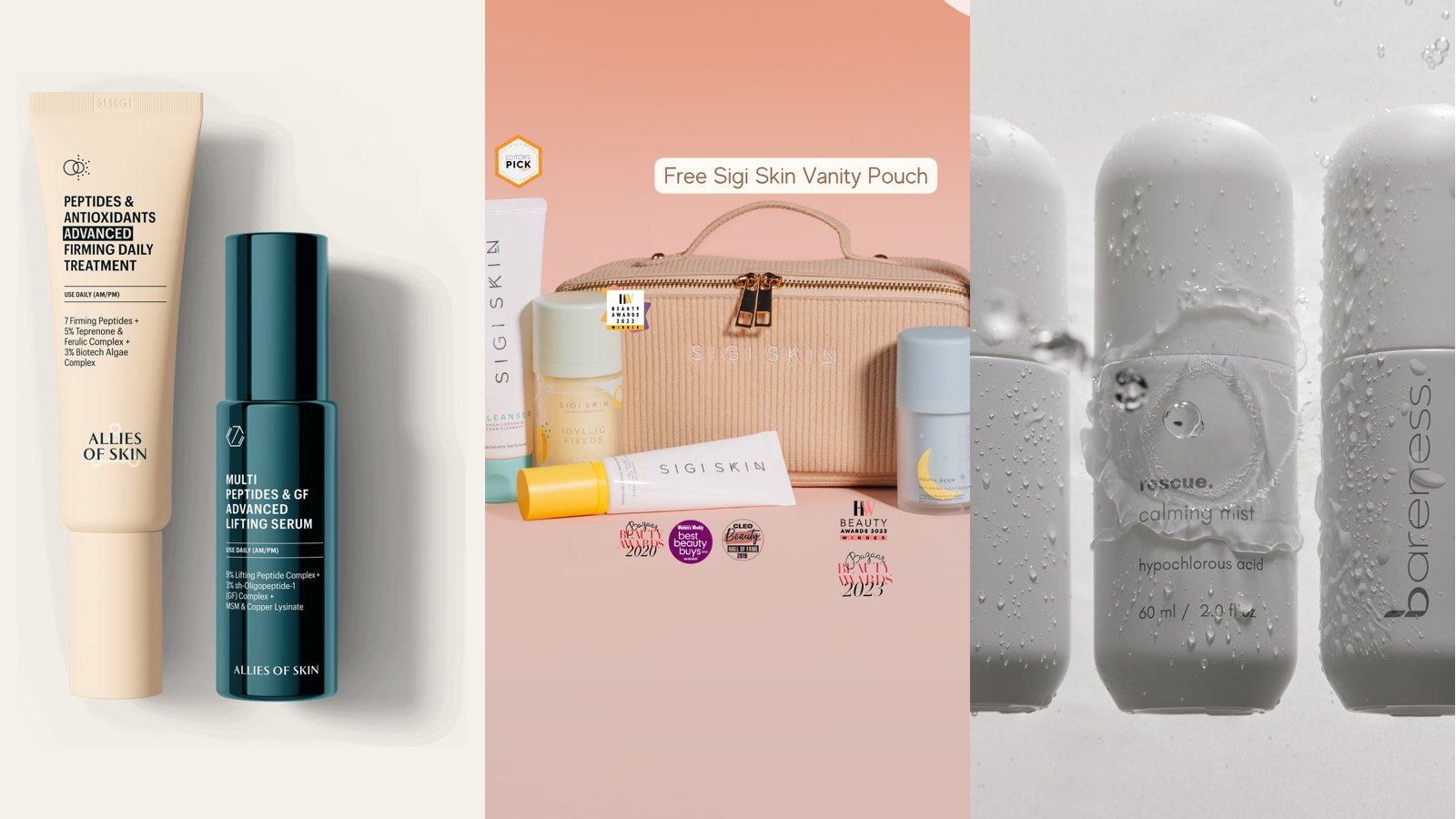
Six homegrown skincare labels worth your shelf space, from Allies of Skin’s peptide serums to Sigi Skin’s sensitive-skin range, a doctor-founded barrier line, a dermatologist’s acne kits and vegan lip care from $12.90. Prices and offers were checked on each brand’s own store on 24 October 2026.

Homegrown skincare has grown up: these labels are built for our heat and humidity, and most sell straight from their own sites.

> Quick view: best all-rounder is Allies of Skin (serums $130-$270); sensitive skin should start with Sigi Skin or Bareness; the cheapest way in is Handmade Heroes from $12.90. Catch: most offers here are spend thresholds, so build one order rather than three.

How to choose

  • Start with your skin type, not the brand. Reactive skin: Sigi Skin or Bareness. Breakouts: Dr.TWL or RE:ERTH. Firmness and fine lines: Allies of Skin.
  • Try small before you commit. Allies sells deluxe sizes from $18, and Handmade Heroes and DORS let you test before buying.
  • Bundle to clear the threshold. Free shipping kicks in at S$38 (RE:ERTH), $80 (Bareness, Handmade Heroes) and $100 (Allies), and the gifts start at $100-$165. One combined order usually beats several small ones.
  • Introduce one active at a time. Retinal, retinaldehyde and vitamin C serums work best when you add them one at a time, two weeks apart, with sunscreen every morning.

How we checked

Every price on this page was read from the brand’s own online store on 24 October 2026: product prices and markdowns from each store’s catalogue, and offers from its homepage banners. Sigi Skin’s Golden Draw dates and prizes come from its campaign banner, Handmade Heroes’ stockists from its stockist page, and founder details from ELLE Singapore’s 2026 guide to local beauty brands and the brands’ own pages. Skin Inc was left out because its site could not be checked.

Related reading

Tags: , , , , , , , ,
Wedding Season Alert: Why Brides Should Avoid New Skin and Hair Treatments Before Their Big Day

Why Brides Should Avoid Getting any New Skin or Hair Treatments Before the Wedding

With the Indian festive and wedding season in full swing, brides-to-be are often busy preparing for haldi, mehendi, sangeet, Diwali gatherings and the wedding ceremony. Along with outfits, jewellery and makeup trials, skincare and haircare appointments become an important part of the preparations. From glass-skin facials and chemical peels to hair colouring, smoothing and salon treatments, the temptation to try something new for a picture-perfect look can be strong.

However, experimenting with unfamiliar beauty treatments just days before the wedding can backfire. A new product or procedure may trigger breakouts, redness, allergic reactions or hair damage, leaving little time for recovery before the celebrations. Experts generally recommend planning treatments well in advance and avoiding unnecessary changes to your beauty routine close to the wedding.

Why Is It Risky to Try New Skin Treatments Before a Wedding?

Every person’s skin responds differently to skincare ingredients and cosmetic procedures. A product that suits a friend or looks promising on social media may not suit your skin type.

Explaining further, Dr Aditi Wadhwa, Consultant – Dermatology at Prayag Hospitals, Noida, says, “New facials, exfoliating products and skin-brightening treatments may contain ingredients such as fragrances, essential oils, retinoids or exfoliating acids. These can cause irritation, dryness, peeling or allergic contact dermatitis in some people.”

“The risk may be higher when several new products are introduced together, as it becomes difficult to identify which one has caused the reaction,” she adds.

The timing of Indian weddings can add to the problem. Outdoor ceremonies, long hours in makeup, travel, heat and sun exposure may aggravate already irritated skin. Some treatments can also increase sensitivity to sunlight, raising the risk of pigmentation.

Skin Treatments Brides Should Avoid Trying At The Last Minute

Chemical Peels And Strong Exfoliating Products

Chemical peels can help address concerns such as uneven skin tone, acne and pigmentation when selected appropriately by a qualified professional. However, they can also cause redness, irritation, peeling and temporary sensitivity, according to a report published in the Current Journal of Applied Science and Technology.

Strong exfoliating acids and retinoid products can similarly irritate the skin, particularly when introduced suddenly. Brides should not start an aggressive skincare routine or undergo a new peel immediately before the wedding.

Laser Treatments And Intensive Procedures

Certain laser treatments, microneedling procedures and other intensive skin treatments may cause swelling, redness, crusting or temporary changes in skin colour. Recovery time varies depending on the procedure, skin type and treatment intensity.

Some procedures need several weeks or longer for the skin to heal. A qualified dermatologist can advise on suitable timing and whether a treatment is appropriate for a bride’s skin concerns.

Also Read: Hydrafacial, Chemical Peels or Laser Treatments: Which Is Best for Festive Skin Prep?

Trendy Facials And Instant-Glow Treatments

Salon facials marketed as instant-glow solutions may involve exfoliation, extractions, masks or unfamiliar ingredients. These can sometimes trigger irritation, swelling or breakouts.

Even a familiar salon treatment may produce a different result if the products or techniques have changed. Brides should discuss the ingredients and procedures being used instead of relying solely on promotional claims.

Why New Hair Treatments Can Also Cause Problems

Hair experiments can be equally unpredictable before a wedding. Hair colouring, chemical straightening, perming and smoothing treatments may cause dryness, breakage or scalp irritation, particularly if the hair is already damaged.

A report published in the Indian Journal of Dermatology, Venereology and Leprology shows that hair dyes can also cause allergic reactions, leading to itching, redness, rashes or swelling.

Following the product’s allergy-test instructions is important, even if you have coloured your hair previously, as sensitivity can develop over time.

A new haircut close to the wedding can also create styling difficulties if it does not suit the planned bridal look.

Brides who want to colour, straighten or chemically treat their hair should discuss their options with an experienced professional well in advance. This allows time to assess the results and address any unexpected problems.

How Early Should Brides Plan Their Beauty Treatments?

There is no universal timeline for every treatment. Routine facials, hair colouring, chemical peels and laser procedures have different recovery periods.

Major skin procedures should be planned weeks or months ahead, depending on the treatment and professional advice. Brides should avoid scheduling intensive procedures in the final days before the wedding, when even temporary redness or peeling may interfere with makeup application.

For everyday skincare, continue using products your skin already tolerates. If you have acne, pigmentation, eczema or another persistent skin concern, consult a dermatologist rather than trying multiple products in the hope of achieving quick results.

Safe Skin and Haircare Tips Before the Wedding

Brides can maintain a healthy appearance without making dramatic last-minute changes.

  • Follow a simple skincare routine:Use a familiar gentle cleanser and moisturiser suited to your skin type.
  • Apply sunscreen: Choose broad-spectrum SPF 30 or higher and reapply as directed, especially during outdoor functions.
  • Avoid picking pimples: Squeezing spots can worsen inflammation and increase the risk of marks and scars.
  • Keep haircare simple: Use a familiar shampoo and conditioner, and limit excessive heat styling and chemical treatments.
  • Eat balanced meals: Include protein, vegetables, fruits and other nutrient-rich foods rather than relying on quick beauty fixes.
  • Stay hydrated and rest: Adequate sleep and regular fluid intake support general wellbeing during a busy wedding schedule.

Also Read: 6 Winter Laser Skin Treatments For Your Pollution-Proof Glow

NOTE: If a new product causes persistent burning, a rash or swelling, stop using it and seek medical advice. Facial swelling with breathing difficulty requires emergency medical attention.

Final Word

The weeks leading up to an Indian wedding can be hectic, with several ceremonies and celebrations planned close together. Trying a new skin or hair treatment at the last minute may create problems that are difficult to resolve before the big day. Plan major treatments early, seek professional advice and stick to a beauty routine that works for you. Rather than chasing an instant glow, focus on keeping your skin comfortable and your hair healthy so you can enjoy your wedding celebrations with confidence.

FAQ

  • Which skin treatment is best before a wedding?

    The safest skin treatment before a wedding is HydraFacial or oxygen facial. It helps in deep cleansing the skin and refining the pores to enhance skin health.

  • Is it good to get a facial the day before your wedding?

    While a facial won’t do any harm, it is still advised to avoid any skin treatment at least a couple of days before the wedding.

Read Next

→ Hydrafacial, Chemical Peels or Laser Treatments: Which Is Best for Festive Skin Prep?

Disclaimer

All possible measures have been taken to ensure accuracy, reliability, timeliness and authenticity of the information; however Onlymyhealth.com does not take any liability for the same. Using any information provided by the website is solely at the viewers’ discretion. In case of any medical exigencies/ persistent health issues, we advise you to seek a qualified medical practitioner before putting to use any advice/tips given by our team or any third party in form of answers/comments on the above mentioned website.

Chanchal Sengar is a senior health journalist with nine years of experience in journalism, including seven years dedicated to health reporting. She currently serves as Chief Sub Editor at OnlyMyHealth, where she writes and edits content on women’s health, heart health, cancer awareness, nutrition, and pregnancy.
With thousands of published articles, Chanchal focuses on explaining health issues in a clear and responsible way. Her reporting draws on medical studies, government health data, and expert commentary. Articles that require medical verification are reviewed by qualified healthcare professionals before publication. Chanchal Sengar has a vast network of doctors and medical experts that continuously work with her to authenticate the articles she writes.
Before joining Jagran New Media, she worked with First India News in Rajasthan, where she gained experience in news reporting and public interest journalism.

Read More..

How we keep this article up to date:

We work with experts and keep a close eye on the latest in health and wellness. Whenever there is a new research or helpful information, we update our articles with accurate and useful advice.


  • Current Version

    Oct 23, 2026 17:02 IST

    Published By : Chanchal Sengar
    Reviewed By : Dr Aditi Wadhwa

Tags: , , , , ,
Best oLive
Privacy Overview

This website uses cookies so that we can provide you with the best user experience possible. Cookie information is stored in your browser and performs functions such as recognising you when you return to our website and helping our team to understand which sections of the website you find most interesting and useful.