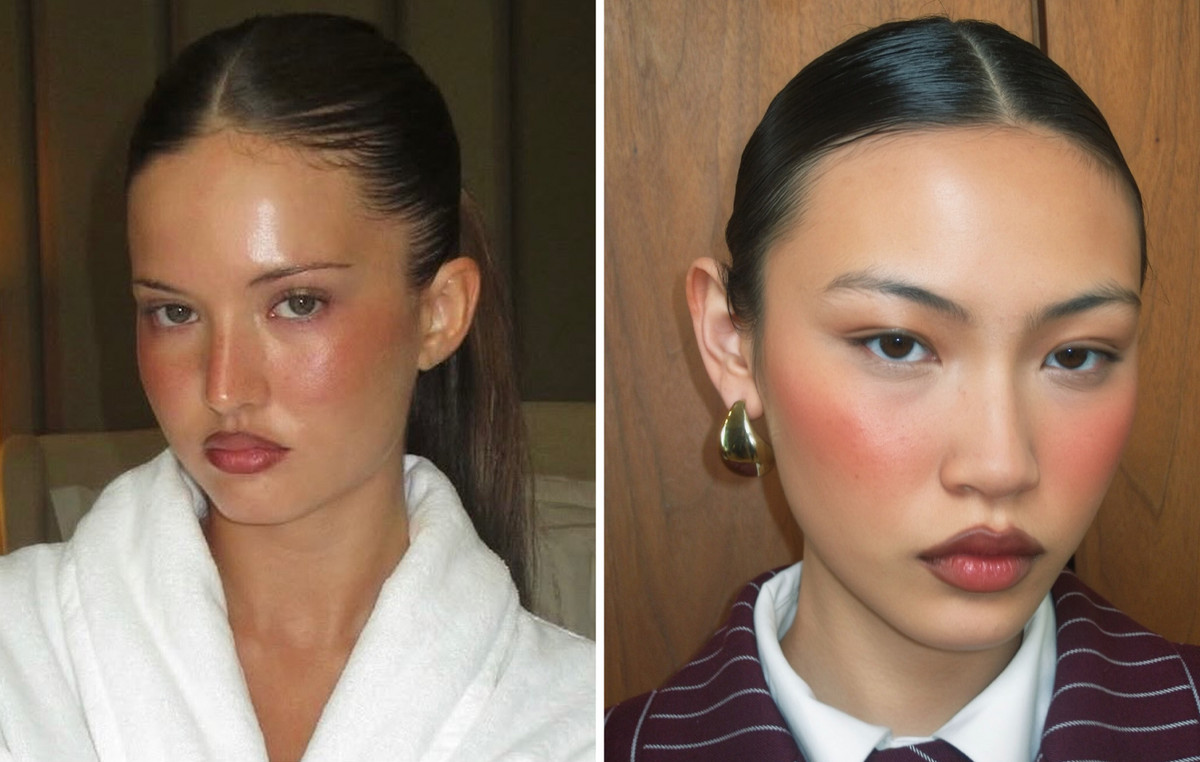
Το viral trend «Mistletoe Makeup» κάνει το χειμερινό μακιγιάζ πιο flirty από ποτέ
Το viral trend «Mistletoe Makeup» κάνει το χειμερινό μακιγιάζ πιο flirty από ποτέ – Newsbeast
play
Το viral trend «Mistletoe Makeup» κάνει το χειμερινό μακιγιάζ πιο flirty από ποτέ – Newsbeast
play
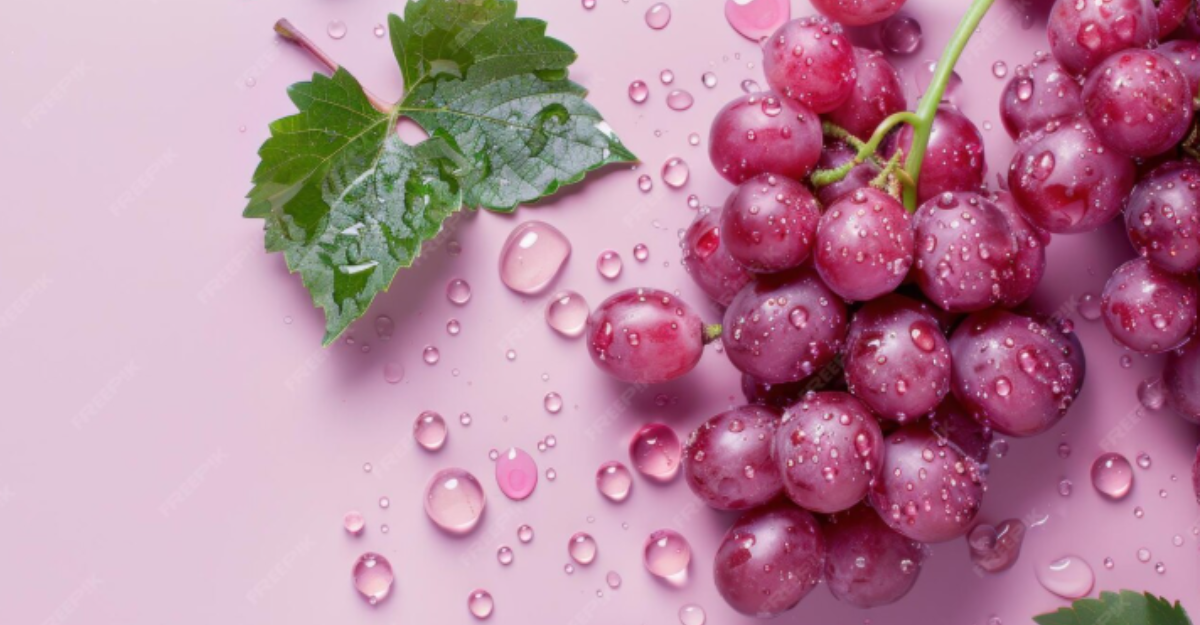
In pursuit of radiant skin, we often look to expensive serums and complex treatments. Yet, one of nature’s most potent skincare secrets is found in a simple, everyday fruit: the grape.
Packed with antioxidants and vitamins, grapes—especially their skin and seeds— offer deep protective and restorative benefits that address everything from premature ageing to environmental damage.
We consulted Dr Bhawuk Dhir, Consultant-Dermatology at PSRI Hospital, Delhi, Dr Anindita Sarkar, Chief Medical Officer at Clinikally, and Dnyaneshwari Barve, Incharge-Nutrition and Dietetics at DPU Super Specialty Hospital, Pimpri, Pune, about why this fruit is a true boon for your skin.
The primary reason dermatologists praise grapes is their dense concentration of antioxidants, particularly resveratrol and flavonoids, alongside Vitamin C.
“Grapes are very beneficial for the skin,” confirms Dr Bhawuk Dhir. “They are rich in antioxidants which help protect the skin from damage caused by free radicals, pollution, and UV rays.”
Dr Anindita Sarkar further highlights the hero ingredient: “The compound resveratrol, found mostly in the skin of red and black grapes, is one of nature’s most powerful anti-ageing molecules.” Resveratrol helps reduce inflammation, supports the production of collagen (which keeps skin firm), and shields against UV-induced damage—a crucial benefit in India’s high-sun environment.
Don’t miss: These Health Benefits Of Grapes Are Mind Blowing!
Grapes offer a multi-faceted approach to skin health, working as an internal and external shield.
The antioxidants slow down the ageing process, helping to reduce the appearance of fine lines, wrinkles, and dullness, leading to skin that looks firmer and more resilient over time.
Vitamin C aids in brightening the skin and reducing pigmentation or dark spots, contributing to a more even complexion. Dr Sarkar adds that grape seed extract, when used alongside sunscreen, can help lighten pigmentation and melasma.
Grapes are naturally rich in water content, natural sugars, and minerals. As Dnyaneshwari Barve notes, grapes provide quick, natural hydration and suppleness to the skin, helping to maintain its moisture balance.
Grape seed extract, in particular, possesses anti-inflammatory and antibacterial properties that can help control acne and skin inflammation, making it a valuable addition to routines for oily or breakout-prone skin.
The natural acids in grapes, such as tartaric acid, act as mild chemical exfoliants. They assist in removing dead skin cells and improving overall texture, leaving the skin smoother and more luminous with regular use.
Don’t miss: DIY: 5 Homemade Grapes Face Packs For Healthy & Glowing Skin
Integrating this powerhouse ingredient is simple, both through diet and topical application:
Through Your Diet: Eat a handful of fresh, whole grapes daily. According to Dr Sarkar, consuming them whole is better than juice, as the skin and seeds contain the highest concentration of beneficial antioxidants and fibre.
Topical Products: Look for skincare products—serums, creams, or face masks—containing grape seed extract, grape water, or resveratrol. Dr Sarkar recommends applying an antioxidant serum with resveratrol in the morning under your SPF to boost protection against environmental damage. Grape seed oil is also a light, non-comedogenic option for moisturising.
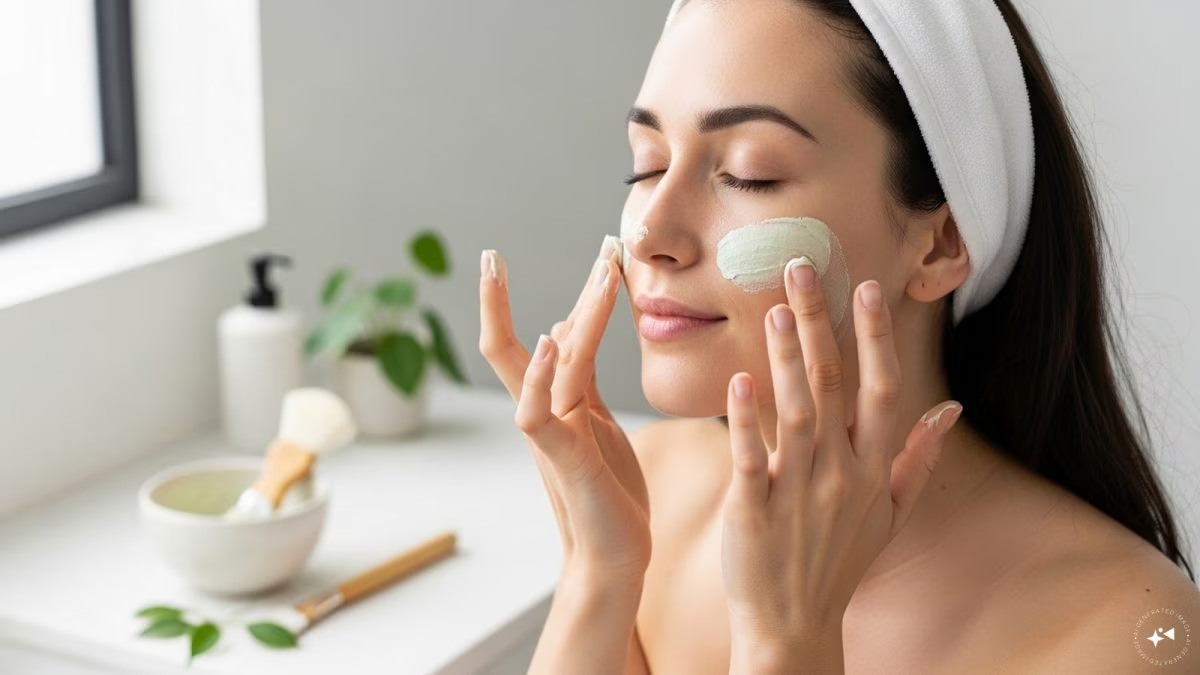
Simple Home Remedy: As an occasional refreshing treatment, mash a few fresh grapes and apply the pulp to the face for about ten minutes before rinsing.
While generally safe, experts caution that certain individuals should approach grape-based products carefully:
The takeaway is clear: Consuming grapes and incorporating grape-derived ingredients into your routine, paired with consistent sun protection, is an excellent strategy for achieving naturally glowing, resilient skin.
Image courtesy: Freepik
For more such stories, stay tuned to HerZindagi.
Herzindagi video
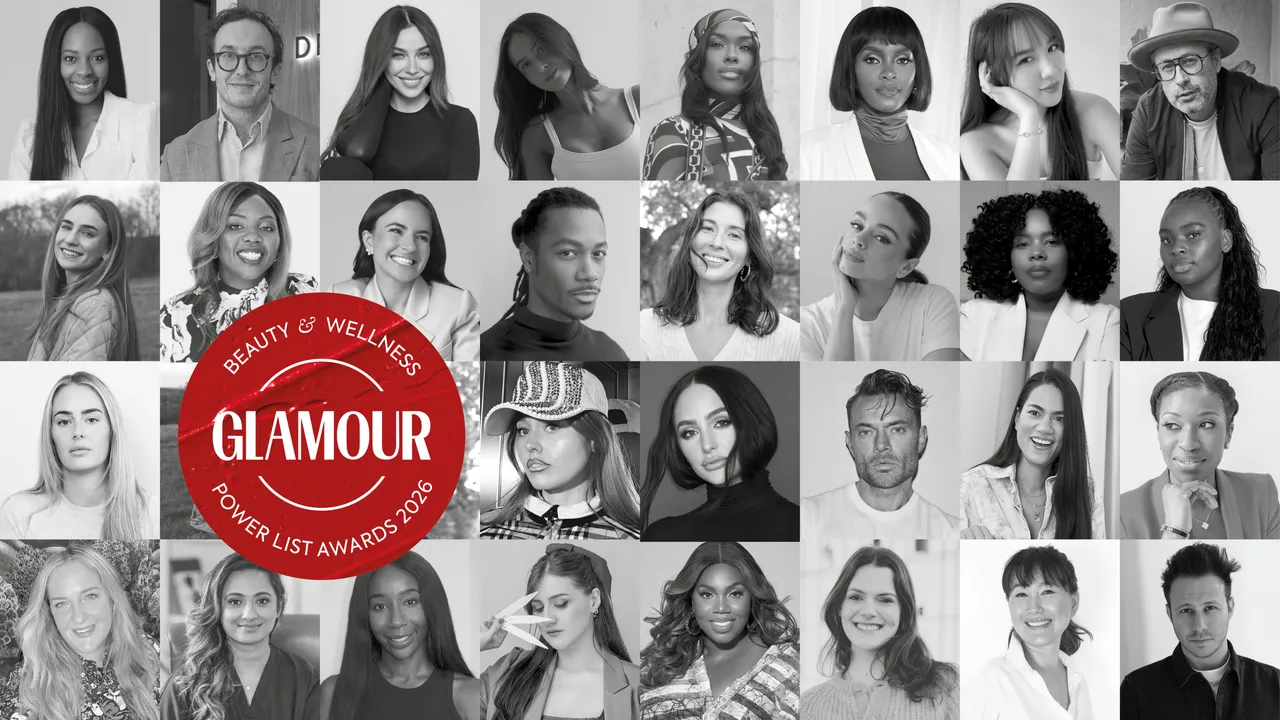
The Glamour Beauty & Wellness Power List Awards 2026 are almost upon us, celebrating the very best across skincare, makeup, hair care, fragrance and more. As always, we’ve brought together an exciting panel of industry leaders to help us whittle down the mountain of products across the various categories. And, together with the Glamour beauty team, we’ve come up with our shortlist.
Who wins the Glamour Beauty & Wellness Power List Awards 2026? That’s down to you – so vote now.
For 2026, the panel features a line-up of the leading hair stylists, dermatologists, wellness experts, makeup artists, manicurists and more – from makeup artist Emily Wood to hair legend Luke Hersheson.
Elsewhere, experts in the world of wellness – Bryony Deery, Chloe Pierre and Jasmine Hemsley – are joined by dermatologists Dr Ifeoma Ejikeme and Dr David Jack. There are also manicurists like Harriet Westmoreland, Zola Ganzorigt and Dawn Sterling featured alongside fragrance experts Alice du Parcq, Clémence Pellé and Professor Perfume. In short, we have gathered the best of the best to ensure your next beauty and wellness buy is, well… the best.
Keep reading to find out more about our expert panel for the Glamour Beauty & Wellness Power List Awards 2026.
Emily Wood is a London-based makeup artist and content creator whose bold makeup looks you’ll have seen while scrolling on your For Your Page. Her viral video tutorials, which are often filmed on the go, see her create high-impact glam in an instant, often using only a single product. When she’s not out and about, you’ll find her working with brands including Glow Recipe, about-face, Burberry, Google and more.
Zola Ganzorigt is a Los Angeles-based celebrity nail artist and the mastermind behind all of your fave Hailey Bieber nails. With a chic, fun approach to her nail artistry, you’ll recognise her manicures on the hands of other celebs including Kylie Jenner, Demi Moore, Sabrina Carpenter and Tracee Ellis Ross.
I used to think that serious disease was either genetic, unavoidable, or something that appeared suddenly later in life. You went to the doctor when something felt wrong, ran tests, and reacted from there. I never thought that there was a better way to do health risk assessment.
Over the last decade, that view has changed dramatically. I’ve since learned that most of the diseases that impact us the most are not sudden at all. They develop quietly over years or even decades, often without obvious symptoms. What’s different now is that we finally have tools that allow us to see those risks early and respond long before our body reaches a crisis point.
Lately I’ve been taking a deep dive into data backed, noninvasive ways to identify disease risk early and how to actually reduce that risk. It’s something I’ve personally explored, invested in, and used. I truly think it represents a major shift in how we think about our health.
You might think chronic disease is really diverse and complicated, but there are a lot of similarities. Just four health categories account for about 85% of deaths over age 50. Often referred to as the four horsemen they include heart disease, cancer, metabolic diseases (like type two diabetes), and Alzheimer’s dementia.
Even more concerning is that the rates of all four are increasing. Not just in older adults but in younger populations and even children. So what do all of them have in common?
They’re not sudden and they don’t appear overnight. Instead, they develop slowly as the result of a build up of lifestyle choices, environmental exposures, and biological changes. Symptoms can start to slowly develop and creep up on us years or decades before a diagnosis.
Despite this, most of our medical system is built around reaction rather than prevention. We typically wait until a disease is so far along that we can get a diagnosis before taking action. By then our body has often been stressed and sending us subtle (or not so subtle) signals for a very long time. I was struggling with hypothyroid symptoms for many years and felt off, yet couldn’t get a diagnosis until I’d hit a crisis point.
Understanding this shared pattern is important because it reframes disease not as an inevitable outcome, but as a process. And when we can see the process early through a health risk assessement, we have a chance to change its direction.
One of the biggest challenges of chronic disease is that the early stages are often subtle. There may be quiet changes happening beneath the surface, but nothing that clearly signals a problem.
For heart disease, the first symptom for many people is a heart attack. And about half of heart attacks happen in people who had no prior warning signs. Cancer is frequently detected only once it’s progressed to a later stage, even though we know outcomes are dramatically better when it’s found early. Alzheimer’s disease can begin twenty to thirty years before noticeable memory loss, yet we rarely screen for risk during that window.
Standard screening approaches don’t do much to address this gap either. Heart disease risk is often calculated using a narrow ten year model. Cancer risk for the average person is not routinely assessed at all. And Alzheimer’s risk typically isn’t evaluated unless someone is already showing symptoms.
Many people have experienced the frustration of knowing something feels off, seeking answers, and being told everything looks normal. Years later, a diagnosis appears that confirms what the body had been signaling all along. This isn’t a failure of intuition. It’s a limitation of a system that wasn’t designed to catch early risk.
When I realized we can often change our chronic disease risk, it completely changed how I think about health. Depending on the condition, we can influence about 60 and 90 percent of our disease risk. For cancer specifically, less than 10 percent of risk is purely genetic. The rest is shaped by lifestyle, environment, and daily habits over time.
That means risk isn’t fixed, it’s flexible. Early detection makes an enormous difference. When cancer is caught early, survival rates can approach 90 percent. When it’s found late, survival rates drop dramatically. Similar patterns exist for heart disease and cognitive decline.
Lifestyle isn’t just a vague concept here, it’s measurable. Small choices made consistently compound over time, either increasing or decreasing risk. This is where early, personalized data becomes so powerful. It helps identify which levers matter most for each individual instead of relying on broad, one size fits all advice.
Until recently, assessing early disease risk at an individual level wasn’t realistic. Each condition is influenced by dozens or even hundreds of variables that interact and change over time. No human could track or interpret that complexity accurately.
With advances in data analysis and AI, that’s changed. Large datasets from thousands of studies can now be analyzed together to identify meaningful patterns and calculate personalized risk.
This is why I became involved with a company called Catch. They use data from over ten thousand studies to analyze hundreds of individual variables and generate personalized lifetime cancer risk profiles. These profiles show which factors increase risk, which reduce it, and which changes are likely to have the greatest impact. Even though this just covers cancer right now, it offers insight into positive changes we can make for overall better health too.
They also help prioritize screening in a more personalized way, focusing on what actually matters for an individual instead of just age based guidelines. This approach doesn’t replace medical care, but it adds a layer of insight that simply didn’t exist before.
One of the most fascinating parts of reviewing this kind of data is seeing how specific lifestyle factors influence risk in ways that aren’t always intuitive.
For example, adding even a modest amount of extra vegetables to our daily diet is linked with a lower risk of multiple cancers. Eating oily fish once per week is linked to lower stomach cancer risk. Adding just one more serving of fruit a day, especially berries, is linked with a lower risk of lung cancer risk.
Some associations are more surprising. Drinking coffee regularly (not full of sugar and vegetable oils!) is linked to a lower risk of several cancers. A history of asthma or allergies appears to reduce the risk of certain brain cancers, possibly due to differences in immune system activity.
On the other hand, certain risk factors often go unnoticed. Head injuries and concussions can significantly increase lifetime brain cancer risk. Radon exposure in homes is a major contributor to lung cancer that many people never test for. Poor sleep, circadian disruption, and indoor air pollution are all linked to higher disease risk.
When these factors are viewed together, it becomes clear that risk is rarely random. It’s the cumulative result of small inputs adding up over time.
Using a personalized health risk assessment model taught me several things I didn’t expect. Despite having a family history of cancer, my overall risk was lower than the population average. That reinforced how much lifestyle and environment matter.
I also learned that having children at a younger age, having multiple children, and breastfeeding all reduced my risk for certain cancers, including breast and uterine cancer. My blood type slightly increased risk for a few cancers, something I had never considered. My height increased risk marginally (something I can’t change), while my activity level offset that increase.
Some recommendations were simple and practical. Increasing vegetable intake, especially fermented vegetables, adding more colorful plant foods, and increasing weekly intake of oily fish were all identified as meaningful levers for me.
What stood out most was how achievable these changes felt. I didn’t need to overhaul my life. A few targeted adjustments could meaningfully reduce lifetime risk, which made the process feel empowering rather than overwhelming. And these were already things I was doing, I just decided to bump it up a little.
While I found Catch to be very insightful, there was one area where I disagreed with my health risk assessement. When it comes to sun exposure, sunscreen, and skin cancer, I have a different opinion than some. Many health experts suggest sunscreen helps prevent or reduce skin cancer risk, but there’s more to it.
The data does not show a clear link between moderate, non-burning sun exposure and increased skin cancer risk. It does show a strong link between sunburn and cancer risk. Healthy vitamin D levels are linked with the reduced risk of several cancers, and for me personally, sunlight is essential for maintaining those levels. Sunlight is also crucial for so many other healthy biological functions in our body!
This isn’t a recommendation for or against sunscreen. It’s an example of why data should guide curiosity, not replace discernment. Tools like this provide information, but it’s still important to ask questions, understand context, and listen to your own body. So even though Catch said my risk of skin cancer is higher than average due to my health sun exposure, I respectfully disagree.
What excites me most about this approach to health risk assessment is that it doesn’t stop with cancer. The same principles apply to heart disease and Alzheimer’s dementia.
Heart disease risk isn’t fully captured by cholesterol numbers alone. Inflammation, calcification, metabolic markers, mineral balance, and even light exposure play significant roles. Half of people who experience heart attacks have normal LDL levels, which highlights how incomplete our current models are.
Alzheimer’s disease begins decades before symptoms appear, and lifestyle is one of the strongest drivers of risk. AI driven models can identify early patterns long before traditional screening methods would detect a problem.
This is where proactive health truly becomes protective health, giving us time and space to make changes that matter.
We don’t have a shortage of health information, but a lack of clarity and personalization. Generic advice and fear based messaging leave many people overwhelmed or disconnected from their own bodies. Personalized data helps bridge that gap by showing which factors actually matter for each individual and where small changes can have the greatest impact.
The good news is that our health future isn’t random. It’s shaped daily by choices, environments, and habits that compound over time and that are largely within our control. Early detection gives us the opportunity to change outcomes before disease takes hold.
That’s not to say that if we eat healthy and try to avoid toxins that nothing bad will ever happen to us. However, there is a lot we can do to mitigate that risk, and personalized and actionable health recommendations have never been more available.
When we change and tweak our habits, we change our future health story.
What steps and daily habits do you take to lessen your chronic disease risk? Have you ever used a health risk assessment tool before? Leave a comment and let us know!
They are often water-based or gel-based, making them comfortable to wear without feeling greasy or heavy. Whether someone prefers a subtle everyday glow or a layered, more vibrant effect, tints adapt easily to different makeup styles. Their versatility, long-lasting nature, and easy application make them popular for minimal makeup routines, travel-friendly touch-ups, and “no-makeup makeup” looks.
Image Source: Myntra
Order Now
Lakme’s Xtraordin-Airy One-and-Done Tint is a lightweight, airy formula designed to add soft color to the lips, cheeks, and even the eyes. Its mousse-like texture blends easily, providing a natural, diffused finish that feels comfortable all day. Perfect for quick, minimal makeup routines, this multi-use tint offers smooth application and buildable coverage without feeling sticky or heavy. It’s ideal for those who want an all-in-one product that simplifies their makeup bag.
Key Features
Image Source: Myntra
Order Now
Maybelline’s Superstay Teddy Tint delivers long-lasting, natural-looking color with a soft matte finish. The tint blends smoothly on both lips and cheeks, offering a blurring effect that enhances a fresh, effortless look. Its lightweight formula stays put for hours without cracking or fading, making it ideal for all-day wear. The tint feels comfortable and non-drying, giving a plush “teddy-soft” feel to the skin.
Key Features
Image Source: Myntra
Order Now
Earth Rhythm’s Glass Tint is a pH-activated formula that transforms into a personalized shade upon application. The tint adapts to your skin’s natural chemistry, creating a fresh, glossy finish that enhances your natural lip and cheek color. Lightweight and hydrating, it adds a glass-like shine without stickiness. The nourishing formula ensures comfortable wear, making it perfect for those who enjoy a subtle, glossy, and personalized tint.
Key Features
Image Source: Myntra
Order Now
Add Zee News as a Preferred Source
ETUDE’s Dear Darling Water Gel Tint is a K-beauty favorite known for its juicy, vibrant payoff and long-lasting stain. Its water-gel formula glides on easily, providing a refreshing burst of color that looks natural yet lively. The tint sets into a lightweight stain that stays put for hours without feeling heavy or sticky. Perfect for gradient lips or a soft flush on the cheeks, it delivers a youthful, fresh finish.
Key Features
Lip and cheek tints offer a simple yet effective way to enhance natural beauty with a healthy, youthful flush. Their dual-purpose functionality saves time and space while delivering a seamless, skin-like finish. Suitable for all skin types, they provide buildable color that stays put without constant reapplication. Whether used alone for a fresh-faced look or paired with other products for a polished finish, tints remain a must-have for those who love effortless, natural, and long-wearing makeup.
Disclaimer: At IDPL, we help you stay up-to-date with the latest trends and products. It should not be construed as an endorsement to buy. IDPL may make a very small commission from its sale if one chooses to buy the product from any of the links in this article.
Last Updated:December 19, 2025, 13:31 IST
Ayurvedic skincare has been getting modernised
The beauty world is evolving faster than ever – smarter, cleaner, and with a renewed sense of purpose. Amidst this transformation, Ayurveda is experiencing a remarkable revival. Once seen as a traditional, nature-led practice, it is now being reimagined through the lens of science, innovation, and modern wellness.
Swagatika Das, CEO & co-founder of Nat Habit, shares, “This new era of Ayurvedic beauty isn’t just about going back to natural roots. It’s about redefining what natural means — merging ancient wisdom with contemporary research and precision.”
Rediscovery of Age-old Ingredients
Across India and around the world, beauty enthusiasts are rediscovering age-old ingredients like hibiscus, rose, neem, turmeric, and amla. Once celebrated for their heritage, they are now appreciated for their proven performance. Modern studies validate what ancient texts always knew — that hibiscus strengthens the scalp and supports keratin production, neem purifies and soothes, and rose hydrates and calms skin at a cellular level. When these ingredients are used in carefully measured, science-backed concentrations, they transform from traditional remedies into high-performance skincare heroes.
Modern Ayurvedic: Purity Meets Performance
The use of advanced methods such as cold extraction, controlled decoction, and preservative-free processing ensures that bioactive compounds remain potent and effective. The result is skincare that feels luxurious yet purposeful.
Swagatika says, “Consumers today demand proof and transparency. The word ‘natural’ alone no longer inspires trust. Labels are read carefully, ingredients are researched, and brand claims are questioned. People want to know not just what goes into their products, but why and where it comes from.” This is pushing brands to embrace traceability, sustainability, and ingredient integrity like never before.
In this landscape, the modern Ayurvedic movement is more than a beauty trend; it’s a mindset. It celebrates intentional beauty, and every ritual is supposed to nurture wellness and confidence in a person. Self-care is no longer about multi-step routines; it is becoming simpler, quicker, and more meaningful. A hair mask applied after a long day, a gentle cleanse with a natural face wash, or a warm massage with cold-pressed oil.
Knowledge of Ayurveda was once passed down through handwritten texts and now finds validation in modern R&D labs. This intersection creates products that honour nature, are backed by data, and are designed for modern lifestyles.
Globally, the beauty industry is shifting towards minimalism and mindfulness. India’s Ayurvedic heritage stands at the centre of this movement. It speaks to a generation that values clean beauty, ethical sourcing, and products that deliver both wellness and performance.
First Published:
December 19, 2025, 13:31 IST
News lifestyle beauty Where Ayurveda Meets Innovation: The Modern Revival of 100% Natural BeautyDisclaimer: Comments reflect users’ views, not News18’s. Please keep discussions respectful and constructive. Abusive, defamatory, or illegal comments will be removed. News18 may disable any comment at its discretion. By posting, you agree to our Terms of Use and Privacy Policy.
In a time when beauty fads appear to change every week, it’s simple to be swept up by the latest craze. One instant, a dewy complexion dominates, and the next, a matte look regains attention. Yet through experience, with individuals of all ages and skin types and noticing how makeup performs across diverse climates and lighting, I have gained a clear insight: skin does not conform to trends.
This is the reason why selecting makeup according to your skin type is much more crucial than adhering to what’s trending.
The concept is quite straightforward. Makeup ought to enhance your skin rather than conflict with it. Using a product or method that doesn’t match our skin type will always yield an off appearance, regardless of how costly or fashionable the item is.
For instance, a foundation that appears perfect on a person with skin might look patchy or flaky on someone with dry skin. This doesn’t imply the product is poor; it simply indicates the skin type wasn’t taken into account.
A frequent error that I encounter is the assumption that ‘what suits one individual will necessarily suit all’. While the truth is that the identical product can perform differently based on skin type.
Issues such as enlarged pores, flakiness or fine lines also respond distinctively to makeup, influencing both its application smoothness and appearance, over time. This underscores the importance of adopting a “Skin strategy.
Another important aspect is realising that effective makeup should improve your skin’s appearance, not conceal it. If we view makeup as something meant to mask everything, we tend to select products that’re thick, dehydrating or just unsuitable for us.
However, when we opt for makeup that truly matches our skin type, the result appears natural, softer and endures significantly longer.
In makeup, application tools significantly influence the results. Certain brushes or sponges soak up product, whereas others cause streaking or fail to blend smoothly, particularly on skin that is textured or dry.
The choice of tools determines if makeup seamlessly merges with the skin or rests on the surface as a coating. Knowing how various tools interact with skin types is crucial for maintaining a skin-first approach.
Lately, trendy makeup items have become extremely popular. However, many fail to understand that the majority of these products are formulated for a skin type despite being advertised as suitable for all.
This often confuses novices. Consumers purchase items that appear ideal on the internet, but become frustrated when they don’t suit their skin.
Selecting makeup according to trends rather than skin requirements results in lost money, effort and self-esteem. Another neglected aspect is skincare preparation, which varies depending on skin type.
Oily skin might require moisturisers to manage shine, whereas dry skin benefits from thicker creams to stop makeup from flaking. Preparation significantly influences the longevity of makeup throughout the day.
After years of observing skin closely, I truly believe that a “Skin First” mindset is the most reliable way to choose makeup.
Trends will keep changing, but your skin’s needs stay consistent. When we listen to our skin instead of trends, makeup becomes easier, more enjoyable, and far less confusing.
Authored by Chanchal Kataria, Founder of Muse Beauty India. Views expressed by the author are their own.
SEOUL – South Korea’s beauty industry is shifting from surface-level aesthetics to a broader pursuit of personal balance, according to a trend report from CJ Olive Young that frames 2026 around a single concept: feeling whole.
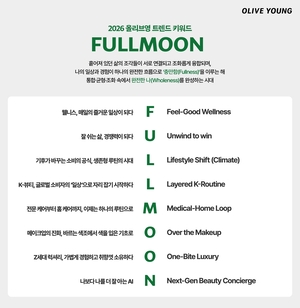
The country’s largest beauty retailer released its “2026 Trend Keywords” report on Dec 19, using the acronym “fullmoon” as a metaphor for wholeness, the overarching theme shaping beauty and wellness consumption through 2025 and 2026.
The report outlines eight sub-trends reflecting how younger consumers, particularly those aged 15 to 24, are redefining self-care as a daily, integrated practice rather than an occasional indulgence.
At the core is the rise of “early wellness”, a shift that sees teenagers and young adults proactively managing sleep, stress and skin health.
Olive Young’s purchasing data shows double-digit annual growth in wellness product consumption among this age group since 2022, signaling a normalisation of health-focused routines well before adulthood.
In place of rigid regimens, consumers favour what the report describes as “healthy pleasure” — easy, enjoyable wellness habits.
Functional drinks, gummies and snack-style supplements are gaining traction, as are sleep-related products.
Sales of sleep health supplements at Olive Young reportedly surged more than 300 per cent year-over-year, with melatonin leading demand alongside ingredients such as GABA and vitamin B derivatives.
Wellness is also being folded into beauty itself. Products infused with vitamins and minerals now span skin care, body and hair care, allowing consumers to address health concerns without adding steps to their routines.
Makeup, too, is evolving. Hybrid products that combine colour with barrier care and soothing ingredients are driving the growth of “skincare-focused makeup”, blurring the line between treatment and cosmetics.
The report suggests shoppers increasingly evaluate makeup based on ingredients as much as pigmentation or coverage, pushing brands toward naturally derived formulations and dermatology-inspired color cosmetics.
Beyond wellness, the report highlights trends including Generation Z’s experimental approach to luxury, the merging of aesthetic procedures with home care, and the growing role of AI-driven personalisation.
Together, they point to a beauty market less about transformation — and more about alignment. THE KOREA HERALD/ASIA NEWS NETWORK
2026 Trend Keywords (CJ Olive Young)
Korea’s beauty industry is shifting from surface-level aesthetics to a broader pursuit of personal balance, according to a trend report from CJ Olive Young that frames 2026 around a single concept: feeling whole.
The country’s largest beauty retailer released its “2026 Trend Keywords” report on Friday, using the acronym “fullmoon” as a metaphor for wholeness, the overarching theme shaping beauty and wellness consumption through 2025 and 2026.
The report outlines eight sub-trends reflecting how younger consumers, particularly those aged 15-24, are redefining self-care as a daily, integrated practice rather than an occasional indulgence.
At the core is the rise of “early wellness,” a shift that sees teenagers and young adults proactively managing sleep, stress and skin health. Olive Young’s purchasing data shows double-digit annual growth in wellness product consumption among this age group since 2022, signaling a normalization of health-focused routines well before adulthood.
In place of rigid regimens, consumers favor what the report describes as “healthy pleasure” — easy, enjoyable wellness habits. Functional drinks, gummies and snack-style supplements are gaining traction, as are sleep-related products. Sales of sleep health supplements at Olive Young reportedly surged more than 300 percent year-over-year, with melatonin leading demand alongside ingredients such as GABA and vitamin B derivatives.
Wellness is also being folded into beauty itself. Products infused with vitamins and minerals now span skin care, body and hair care, allowing consumers to address health concerns without adding steps to their routines.
Makeup, too, is evolving. Hybrid products that combine color with barrier care and soothing ingredients are driving the growth of “skincare-focused makeup,” blurring the line between treatment and cosmetics.
The report suggests shoppers increasingly evaluate makeup based on ingredients as much as pigmentation or coverage, pushing brands toward naturally derived formulations and dermatology-inspired color cosmetics.
Beyond wellness, the report highlights trends including Generation Z’s experimental approach to luxury, the merging of aesthetic procedures with home care, and the growing role of AI-driven personalization. Together, they point to a beauty market less about transformation — and more about alignment.
yoohong@heraldcorp.com
Once upon a very terrible time, all my kids got a stomach bug at the same time… while I was gone. We don’t get sick often, but it was terrible and I wasn’t on hand to use all of our natural remedies.
Thankfully, that was the first and last stomach bug they’ve all gotten at once. However, at least one child gets a stuffy nose or cough sometime during the winter. Or I dust my closet and get a cough/congestion/nasal drip for a few days.
In those cases, I like to have this herbal throat spray on hand. It’s great for sore throat, cough or congestion.
This herbal throat spray is essentially a strong herbal tincture mixed with raw honey. The herbs provide both immediate relief and longer-lasting benefits for beating illness. You can use many different immune boosting and throat soothing herbs, but I prefer the following:
You don’t need every single herb on this list to make an herbal throat spray. If you don’t have some of them on hand, then just use more of the ones you do. I make an herbal tincture with the herbs and then mix with raw honey for a strong spray. When it’s made this way the herbal throat spray will last for months in the refrigerator.
Don’t feel like making it or don’t have the herbs you need? I also like this pre-made herbal throat spray that includes echinacea and propolis. This propolis throat spray is also a family favorite.
To make the tincture, I combine 1 tablespoon each of these dried herbs: Echinacea, Ginger, Marshmallow Root, Elderberry, Thyme and Mint and 1 teaspoon of dried cayenne pepper (optional) in a pint-size mason jar.
Fill the rest of the jar with a strong food-grade liquor like rum or vodka (must be at least 80-proof alcohol). Put on an airtight lid and let it sit for at least two weeks or up to eight weeks (the longer it sits the stronger it will be). Store in a cool dark place. I make this once a year and have enough to last at least the year.
Here’s my full tutorial on making herbal tinctures if you’re new to herbal remedies.
If you get a cough, sore throat or cold this winter, try this herbal throat spray to get some relief and feel better soon! Here’s how to make the standard tincture version.
Prep Time5 minutes
Active Time5 minutes
Steeping Time14 days
Total Time14 days 10 minutes
Add the herbs to a pint-size Mason jar.
Pour alcohol over the herbs, leaving a ½ inch headspace.
Cap tightly with the lid and let the tincture steep for 2-4 weeks, shaking occasionally.
Once the tincture is done, strain out the herbs and reserve the liquid.
For every 6 Tablespoons of tincture add 2 Tablespoons of raw honey.
Shake well to combine and store in the fridge for up to 6 months.
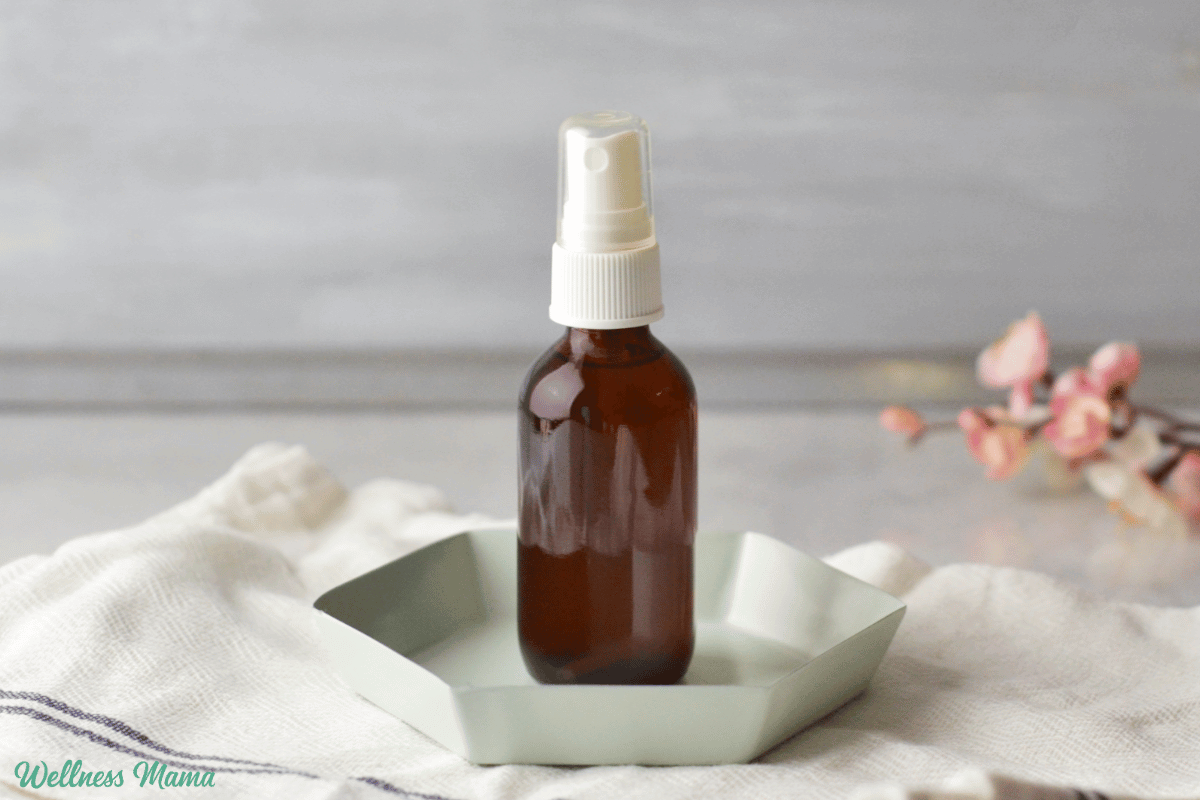
I pour some into a small spray bottle for easy use as needed.
You don’t have to use every single herb on the list. If you want/need to omit some of the herbs, just replace them with more of the others.
If you want to use the full herbal mixture and don’t have weeks to sit around waiting for the tincture, you can make a two-hour version with this method:
This version should last for a few weeks in the fridge.
If you prefer not to make a tincture with alcohol, you can make a glycerite with vegetable glycerin instead. Glycerites aren’t as potent and generally don’t extract the herbal properties as well as alcohol. It will still be helpful though and you’ll just need to use a little more of the spray on the throat.
You can also make a strong herbal tea and mix with honey. This won’t last nearly as long and should be used within a week.
Do you ever get a sore throat or cough? What remedies do you use?